16 Zombie Movies That Changed The Genre
The undead have shambled through cinema for decades, evolving from voodoo-inspired creatures into flesh-hungry hordes that mirror our deepest societal anxieties. What began as a niche horror subgenre has transformed into a cultural phenomenon spanning everything from low-budget B-movies to massive blockbuster franchises.
These films didn’t just entertain audiences – they fundamentally altered how we conceptualize the walking dead while influencing countless filmmakers. Here is a list of 16 movies that revolutionized the undead genre.
White Zombie (1932)
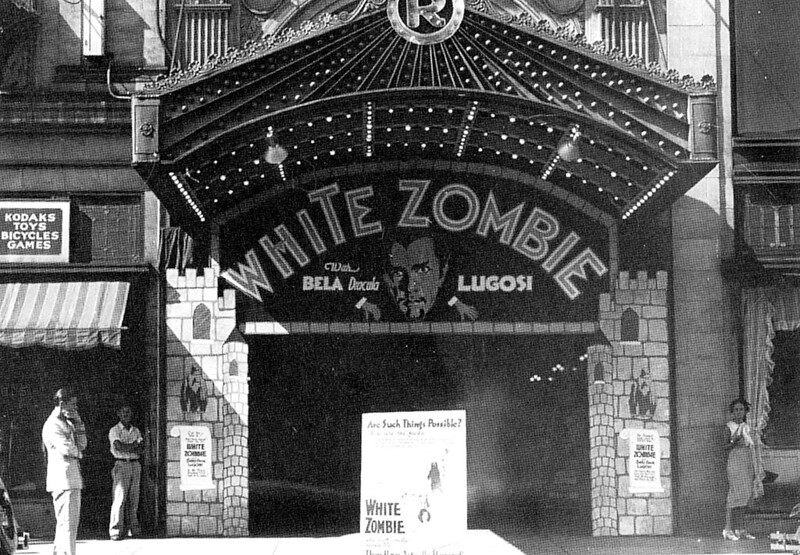
Bela Lugosi’s starring role in cinema’s first feature-length film to use ‘zombie’ in its title established the foundation for everything that followed. This movie introduced audiences to living dead creatures as enslaved workers – controlled by a voodoo master – setting the template for early undead cinema.
I Walked with a Zombie (1943)
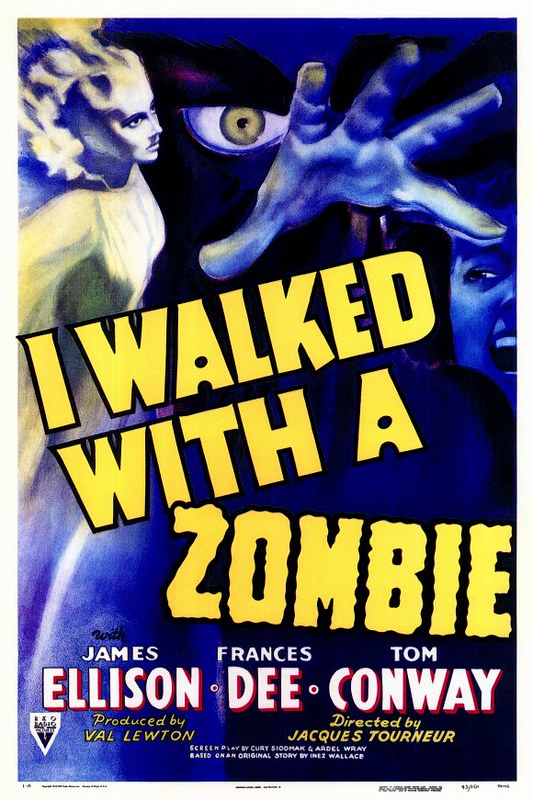
Producer Val Lewton’s atmospheric masterpiece elevated the genre beyond simple monster movies through its focus on psychological horror and Caribbean folklore. The film demonstrated that undead stories could be both genuinely frightening and intellectually sophisticated, though it paved the way for more artistic approaches to these themes.
Night of the Living Dead (1968)
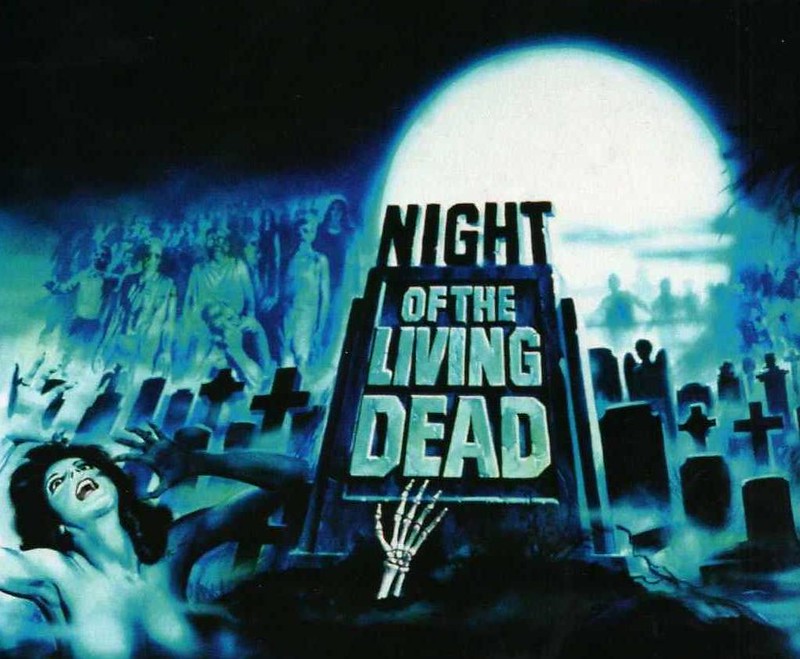
George Romero completely reinvented the genre by abandoning voodoo explanations – creating flesh-eating ghouls driven by unstoppable hunger for human flesh instead. This groundbreaking film established the modern template for undead movies yet delivered sharp social commentary about racism and class conflict in 1960s America.
Dawn of the Dead (1978)
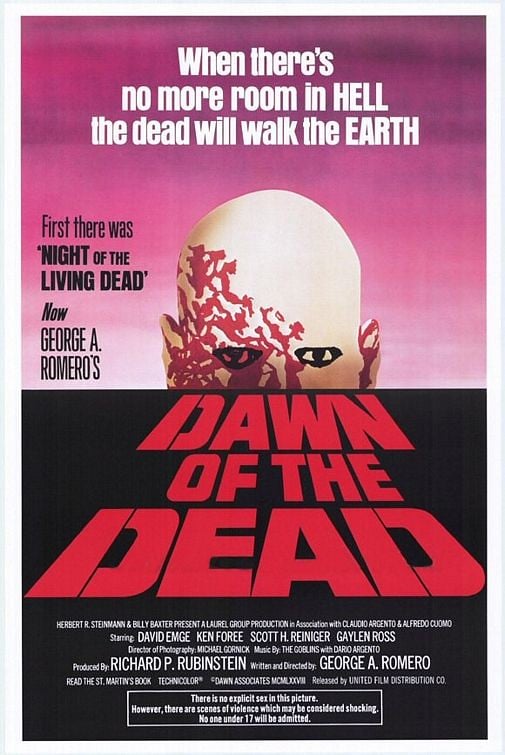
Romero’s sequel relocated the action to a shopping mall – using consumer culture as both setting and metaphor for mindless conformity. The film’s satirical edge combined with spectacular gore effects influenced decades of filmmakers who recognized that great horror could deliver meaningful social criticism alongside genuine scares.
Return of the Living Dead (1985)
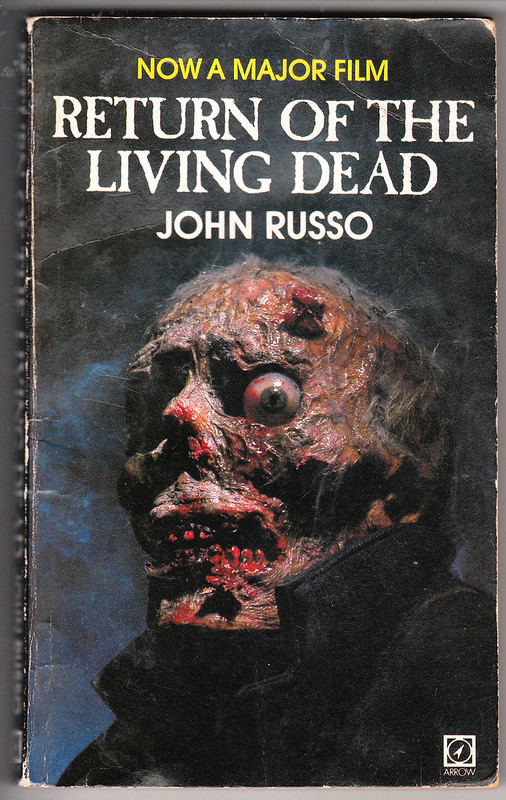
Dan O’Bannon’s punk rock masterpiece introduced fast-moving undead creatures that specifically craved brains – adding dark humor and pop culture references to the mix. The movie proved the genre could be simultaneously scary and funny, though it inspired countless horror comedies that followed.
Dead Alive (1992)
Peter Jackson’s gleefully excessive splatter comedy pushed gore effects to cartoonish extremes – maintaining genuine affection for its characters throughout. The film demonstrated that audiences would embrace ultra-violent content when presented with enough creativity and humor to balance the carnage.
28 Days Later (2002)
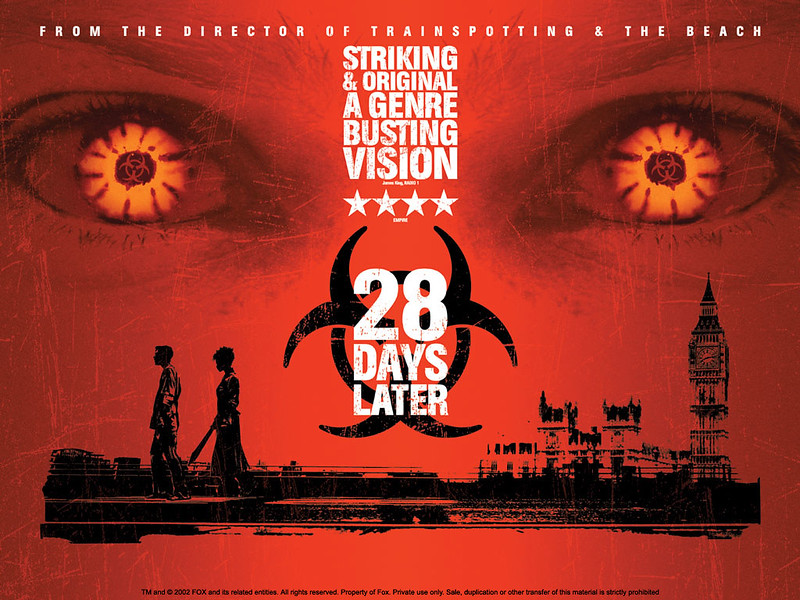
Danny Boyle revitalized the genre by introducing sprint-capable infected victims while shooting on digital video – creating a documentary-like aesthetic. The film’s post-apocalyptic London setting combined with rage-infected antagonists influenced an entire generation of filmmakers seeking to modernize classic horror concepts.
Shaun of the Dead (2004)
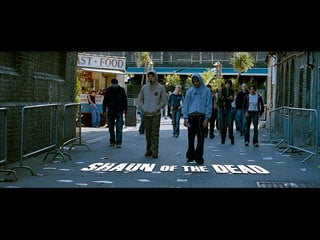
Edgar Wright’s brilliant comedy-horror hybrid proved that parody could coexist with genuine scares – plus emotional storytelling. The movie’s perfect balance of laughs and tension showed other filmmakers how to lovingly reference genre conventions yet create something entirely fresh.
Land of the Dead (2005)
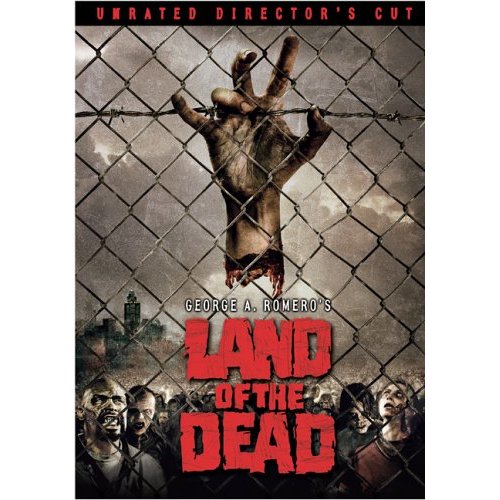
Romero returned to direct his first studio-backed undead film – exploring class warfare in a fortified city where the wealthy live in luxury while the poor fight for survival. The movie expanded the mythology by showing creatures evolving and learning, which added new dimensions to familiar monsters.
Planet Terror (2007)
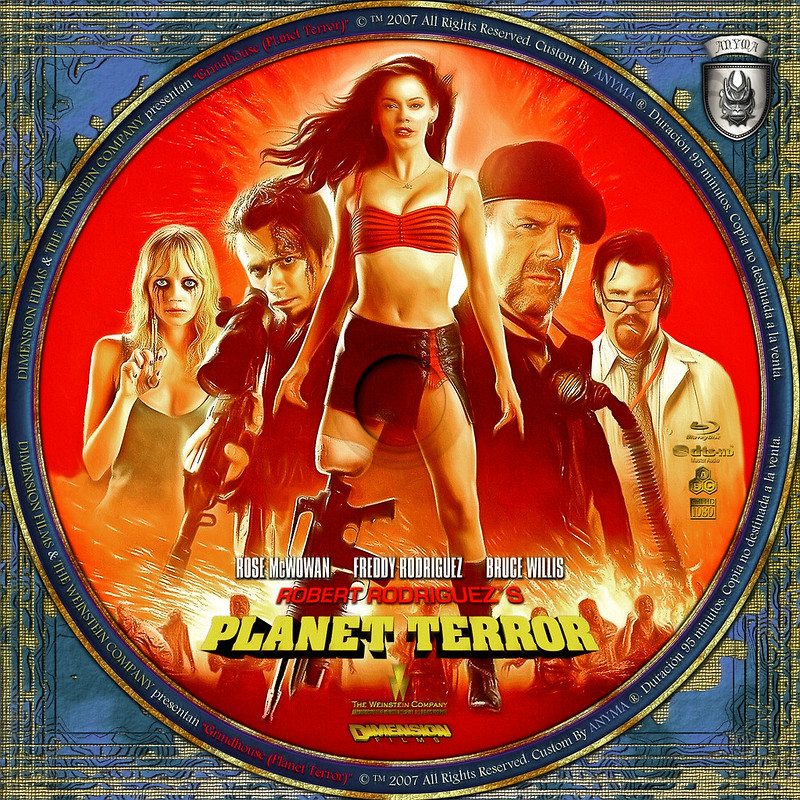
Robert Rodriguez’s grindhouse throwback celebrated B-movie aesthetics with a machine-gun-legged heroine – plus intentionally scratched film stock. The movie reminded audiences that the genre’s roots were in exploitation cinema, inspiring other filmmakers to embrace campy, over-the-top approaches.
Zombieland (2009)
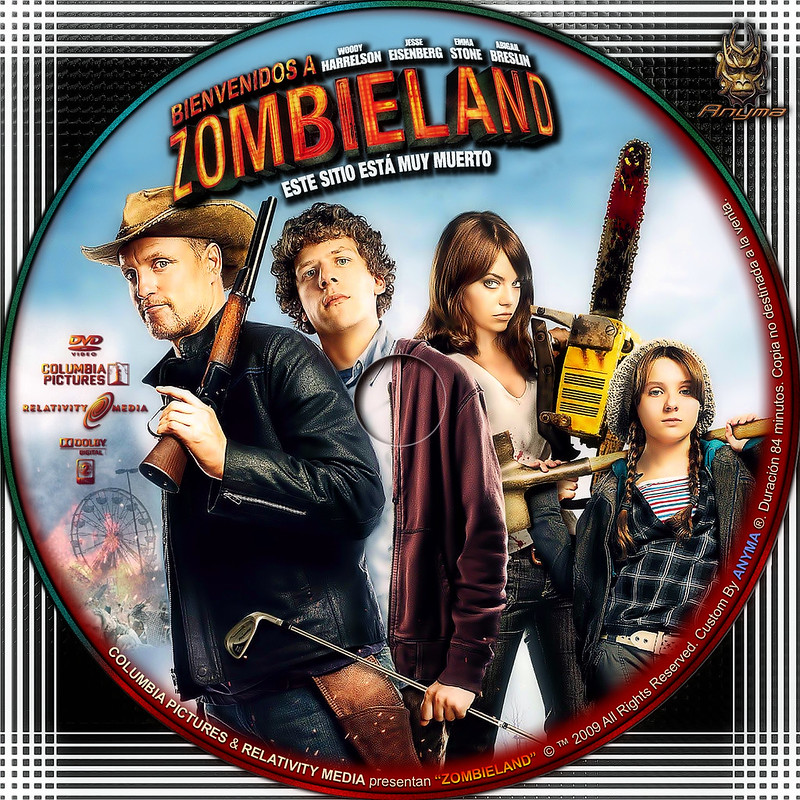
Ruben Fleischer’s road trip comedy established new rules for surviving the apocalypse while focusing on found family relationships between survivors. The film’s pop culture-savvy characters and innovative visual style proved that modern audiences craved smart, self-aware takes on familiar concepts.
The Crazies (2010)
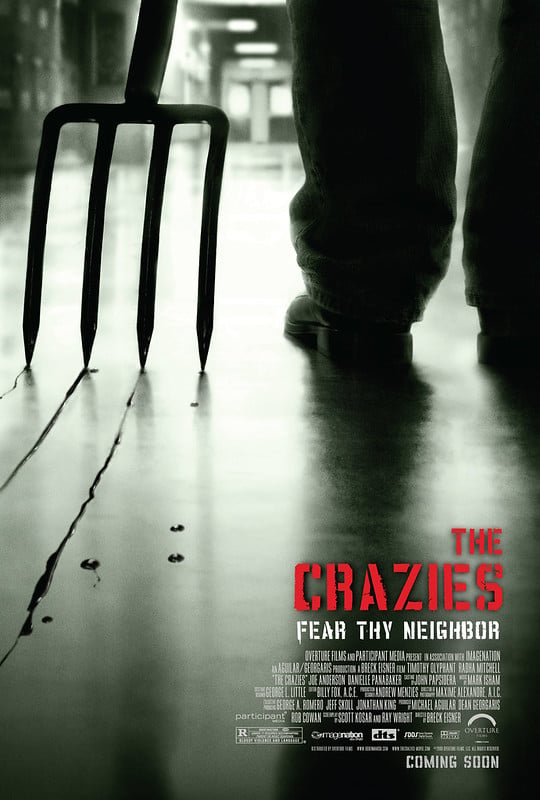
Timothy Olyphant starred in this remake that explored government cover-ups and small-town paranoia through the lens of a viral outbreak. The film showed how contemporary fears about biological warfare and institutional distrust could breathe new life into classic horror scenarios.
World War Z (2013)
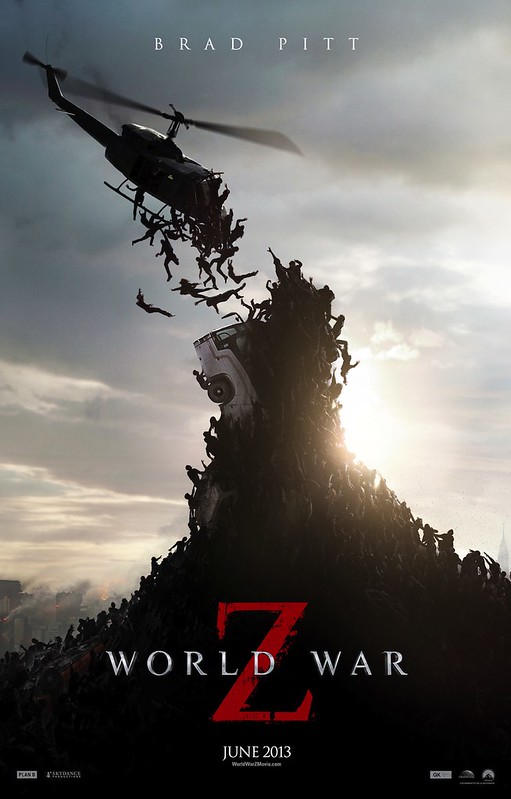
Brad Pitt’s big-budget adaptation featured massive swarms of fast-moving undead creatures that moved like liquid across landscapes and up buildings. The movie’s global scope and cutting-edge visual effects demonstrated how modern technology could realize previously impossible action sequences.
Train to Busan (2016)
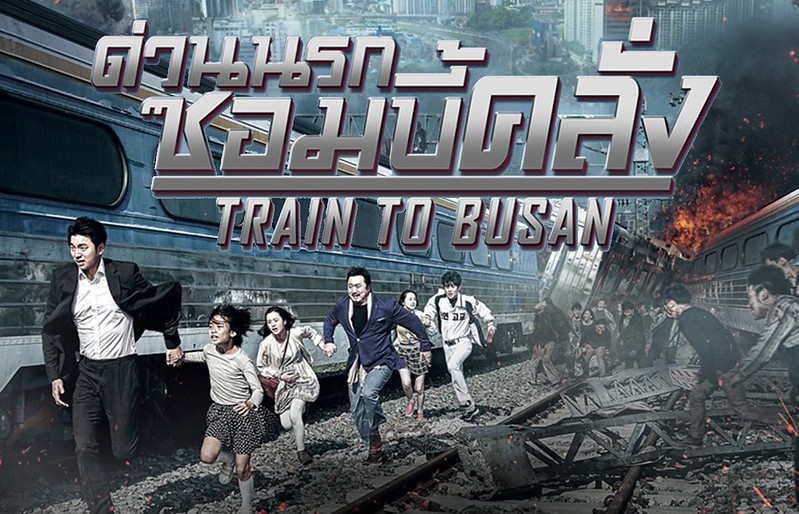
Yeon Sang-ho’s Korean masterpiece confined its action to a speeding train while delivering powerful commentary about class inequality and parental responsibility. The film proved that international horror could find global audiences when it combined spectacular action with genuine emotional depth.
One Cut of the Dead (2017)
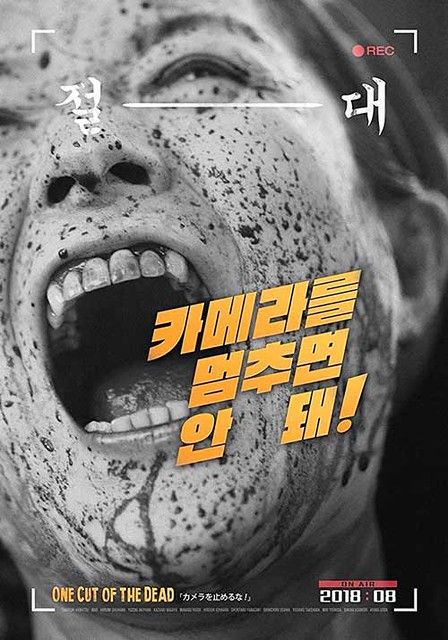
Shinichiro Ueda’s meta-horror comedy appeared to be filmed in a single continuous take before revealing its true narrative structure in brilliant fashion. The movie showed how creative filmmaking techniques and clever storytelling could overcome budget limitations to create something truly memorable.
The Girl with All the Gifts (2016)
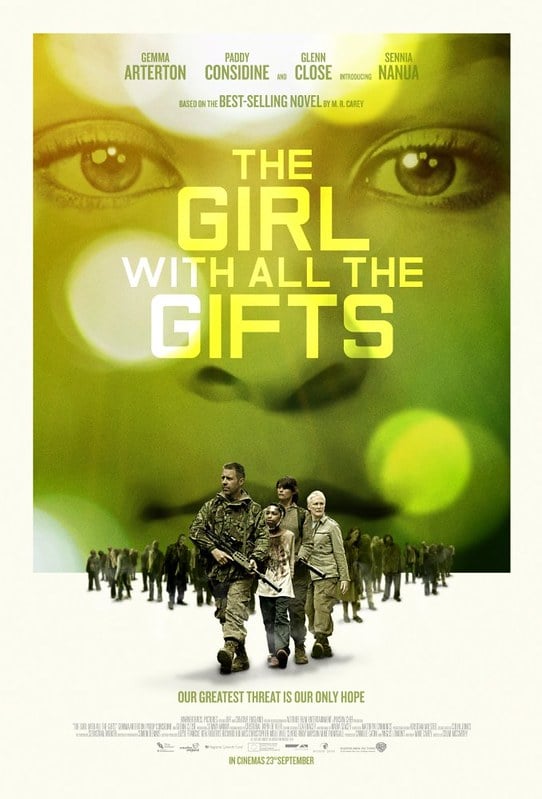
Sennia Nanua starred as a young girl who might be humanity’s salvation or destruction in this thoughtful adaptation of M.R. Carey’s novel. The film explored themes of evolution and survival while questioning whether humanity deserves to continue existing in a changed world.
The Undead Legacy Lives On
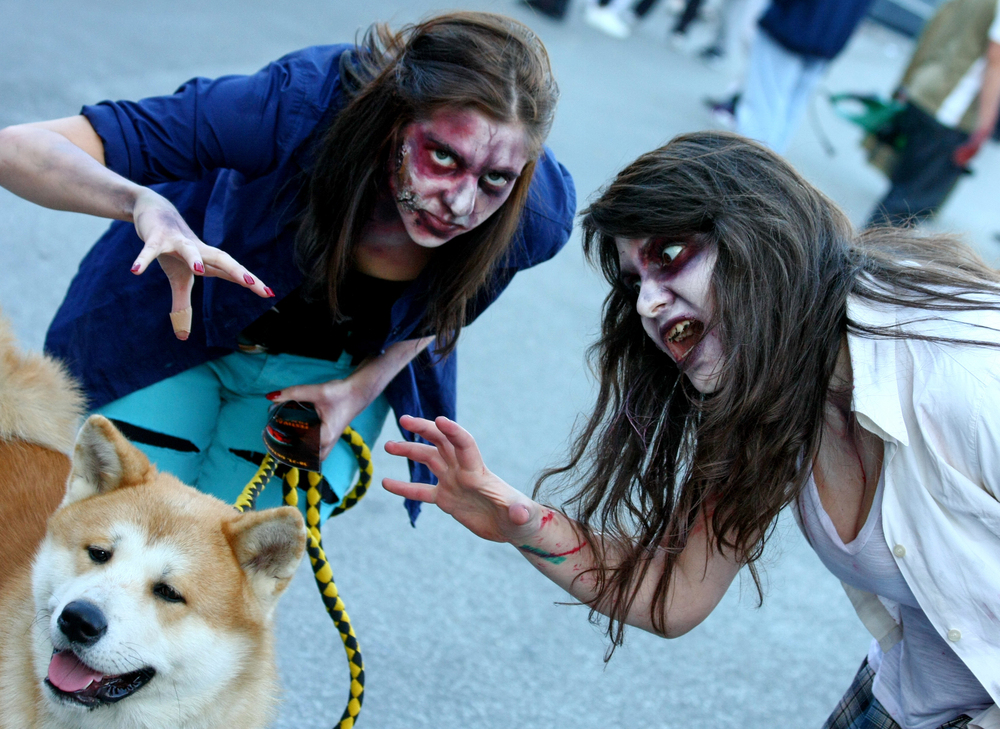
— Photo by tdjoric
These groundbreaking films prove that the best undead movies use their monsters as mirrors – reflecting our deepest anxieties about society, technology, and human nature. From Romero’s social commentary to modern blockbusters’ spectacular action sequences, each generation of filmmakers has found new ways to make the walking dead relevant to contemporary audiences. The genre continues evolving because these creatures represent our most primal fears about death, disease, and losing our humanity. As long as people need ways to process their anxieties about an uncertain world, filmmakers will keep finding fresh approaches to make the dead walk again.
More from Go2Tutors!

- 16 Historical Figures Who Were Nothing Like You Think
- 12 Things Sold in the 80s That Are Now Illegal
- 15 VHS Tapes That Could Be Worth Thousands
- 17 Historical “What Ifs” That Would Have Changed Everything
- 18 TV Shows That Vanished Without a Finale
Like Go2Tutors’s content? Follow us on MSN.