25 Inventions Built for War That Ended Up in Homes
Wars drive innovation, and militaries, desperate for advantage, often invent technologies that civilians later adapt for peacetime use. Some of the most important domestic technologies began their lives in combat zones or military development programs, designed to kill or defend rather than comfort or convenience.
Radar and Microwave Ovens

Military radar technology developed during World War II was adapted for civilian use in microwave ovens, using the same electromagnetic radiation that detected aircraft to agitate water molecules and heat food. The first microwave oven was commercialized in the 1940s by Raytheon, a military contractor.
The connection between radar and cooking remained obscure to most users.
Nuclear Power Plants and Civilian Electricity
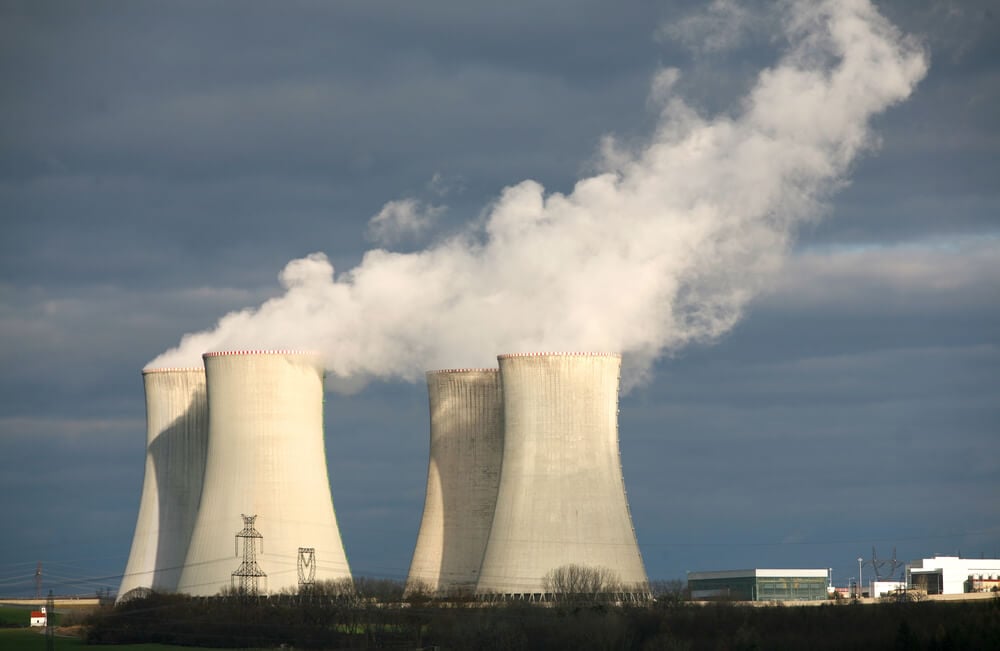
Nuclear reactor technology developed for military weapons production was adapted to generate electricity for civilian use, a repurposing of weapons technology into power generation that remains controversial and significant in the world’s energy mix. The technology was adapted by the Atoms for Peace program in the 1950s.
Civilian nuclear power remains structurally tied to military nuclear capability.
Duct Tape
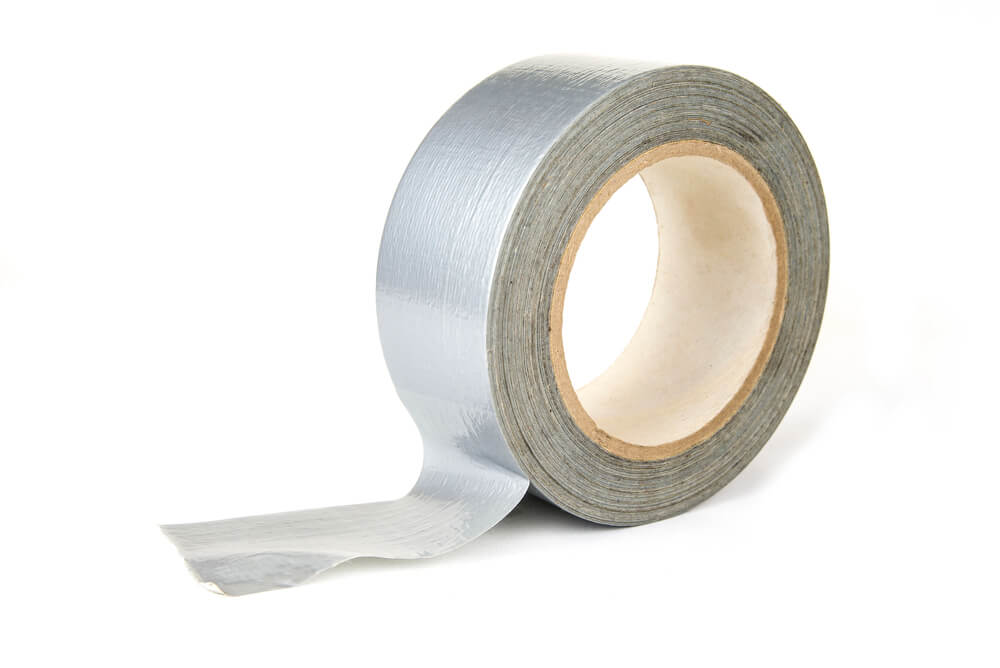
Duct tape was developed by the military during World War II as a waterproof adhesive tape for sealing ammunition cans and military equipment, adapted after the war into a civilian product for household repairs and general use. The original tape was made of cloth and rubber.
It became an indispensable tool in homes and workshops despite no longer being “military-grade.”
Helicopters
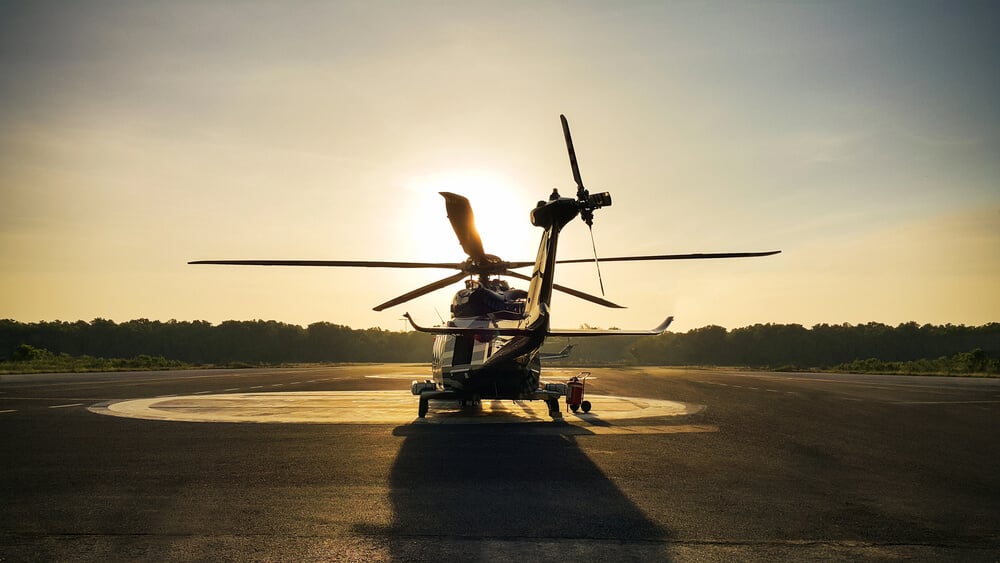
Helicopters were developed by military programs seeking an aircraft that could take off and land vertically, technology that was adapted for civilian uses including medical transport, agriculture, and tourism. The early helicopter designs were crude and dangerous, developed at great expense by militaries.
Civilian helicopters became safer and more reliable through peacetime refinement.
Freeze-Drying and Instant Coffee

Freeze-drying technology was developed by the military to preserve food for soldiers in the field, reducing weight and extending shelf life dramatically. The technology was later adapted for civilian use in instant coffee and other freeze-dried foods.
The military origin of instant coffee remains unknown to most consumers.
Penicillin Production and Distribution

While penicillin was discovered by Alexander Fleming in 1928, the industrial production and distribution of penicillin was driven by military need during World War II, with the military investing in pharmaceutical production to supply Allied forces. Civilian access to penicillin followed military production capacity.
The antibiotics revolution was militarily accelerated.
Satellite Technology and GPS

Satellite technology was developed by military programs seeking reconnaissance and weapons guidance systems, technology that was later adapted for civilian use in GPS, weather forecasting, and communications. The GPS system was controlled by the military until the 1990s.
Civilian GPS is still derived from military satellite infrastructure.
The Internet (ARPANET)

The Internet was developed by the Advanced Research Projects Agency (ARPA), a military research program seeking to create communications networks that could survive nuclear war and remain functional if nodes were destroyed. The network was later made available for civilian academic use and eventually commercialized.
The military origins of the Internet remain relevant to its governance.
Stainless Steel
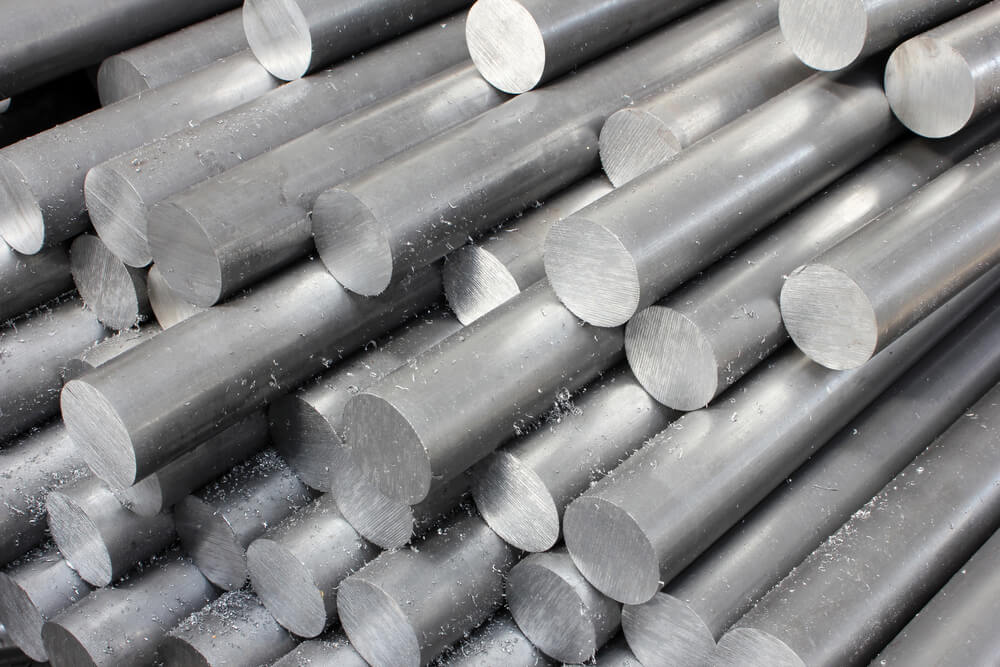
Stainless steel was developed for military applications including weapons, armor, and military equipment resistant to corrosion in harsh environments. The material was later adapted for civilian use in kitchen appliances, flatware, and architectural applications.
Most people do not connect their stainless steel cookware to military development.
Waterproof Fabrics and Gore-Tex
Waterproof synthetic fabrics were developed for military use in tents, clothing, and equipment designed to protect soldiers from weather in harsh environments. Gore-Tex and similar materials were later adapted for civilian outdoor clothing and gear.
The technology that keeps hikers dry began with military waterproofing programs.
Walkie-Talkies and Portable Communication

Walkie-talkie radio technology was developed for military communication allowing soldiers to maintain contact in the field without telephone infrastructure. The technology was later commercialized for civilian use in construction, farming, emergency services, and recreational use.
Portable radio communication remains militarily originated technology.
Jet Engines and Commercial Aviation

Jet engine technology was developed for military aircraft during World War II, a propulsion system that was later adapted for commercial aviation. Military jets came first; commercial jetliners followed, adapted from military designs or developed in parallel.
Commercial aviation remains connected to military aviation technology development.
Aluminum Production and Aircraft

Large-scale aluminum production was driven by military demand for aircraft construction, with the military investing in production capacity and refining processes. Civilian aluminum applications followed military capacity.
Aluminum foil and lightweight vehicles are products of militarily driven scale and refinement.
Plastic Explosives (and Plastic Materials)

Military explosive research led to the development of plastic explosives and chemically engineered plastic materials, technology that was later adapted for civilian use in construction, engineering, and industrial applications. The explosives are restricted and dangerous; the broader plastic materials are ubiquitous.
Plastics research was militarily accelerated.
Synthetic Rubber

World War II created a rubber shortage when Japanese occupation cut off natural rubber sources, driving military research into synthetic rubber production. The technology developed for military tires and equipment was later commercialized for civilian use.
Synthetic rubber remains connected to its military origin.
Early Computing and Mainframe Computers

Computing technology was developed by militaries seeking to calculate ballistics, break codes, and manage logistics in World War II. ENIAC and other early computers were military projects.
Civilian computers followed, adapted from military designs or developed using military funding and research.
Cordless Tools and Batteries

Cordless drill technology was adopted by the military for tools that did not require external power sources or cables in field situations, driving battery and electric motor technology that was later adapted for civilian power tools. DeWalt adapted military cordless drill technology for the consumer market.
Most cordless tools trace back to military development programs.
Semiconductors and Transistors
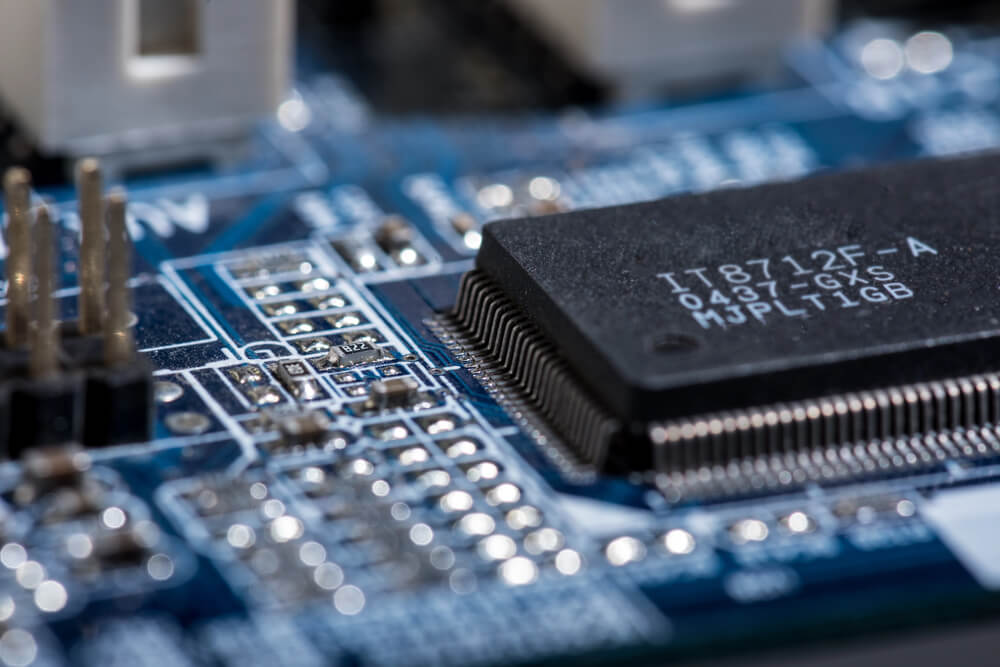
The transistor was developed with military funding for communications and early computing, technology that the military desperately needed for advanced radar and communications systems. Civilian applications followed military development.
The semiconductor industry remains connected to military research investment.
Velcro

Velcro was invented by a Swiss engineer inspired by the mechanical hook structure of burrs but was refined and marketed through military contracts for equipment and spacesuits, driving scale and improvement. NASA spacesuits used Velcro, and the military adopted it for uniforms and equipment.
Civilian Velcro followed military testing and deployment.
Ballpoint Pens
Ballpoint pens were developed for military use in pilots’ flights and in field conditions where other pens would not function reliably, driving refinement and reliability of the technology. The military demanded pens that would work in any condition and orientation.
Civilian ballpoint pens followed military refinement and mass production.
Titanium and Exotic Metals
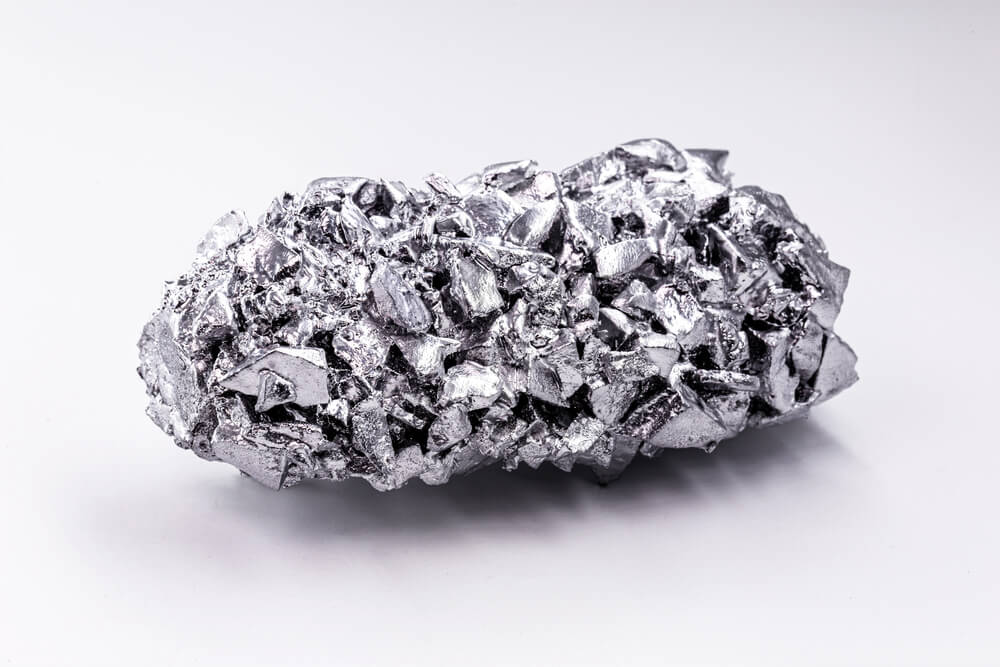
Titanium production and refinement was driven by military demand for aircraft and weapons that required extreme strength and heat resistance, applications that drove investment in production and refinement. Civilian aerospace and high-performance equipment uses technology militarily developed.
Most exotic alloys owe their production to military demand.
Radar Speed Guns and Speed Measurement Technology

Radar speed measurement technology was developed by the military for tracking aircraft speeds and later adapted for civilian use by law enforcement to measure vehicle speeds on roads. The technology was militarily refined before civilian application.
Speed enforcement remains connected to military technology.
Digital Watches and Quartz Technology
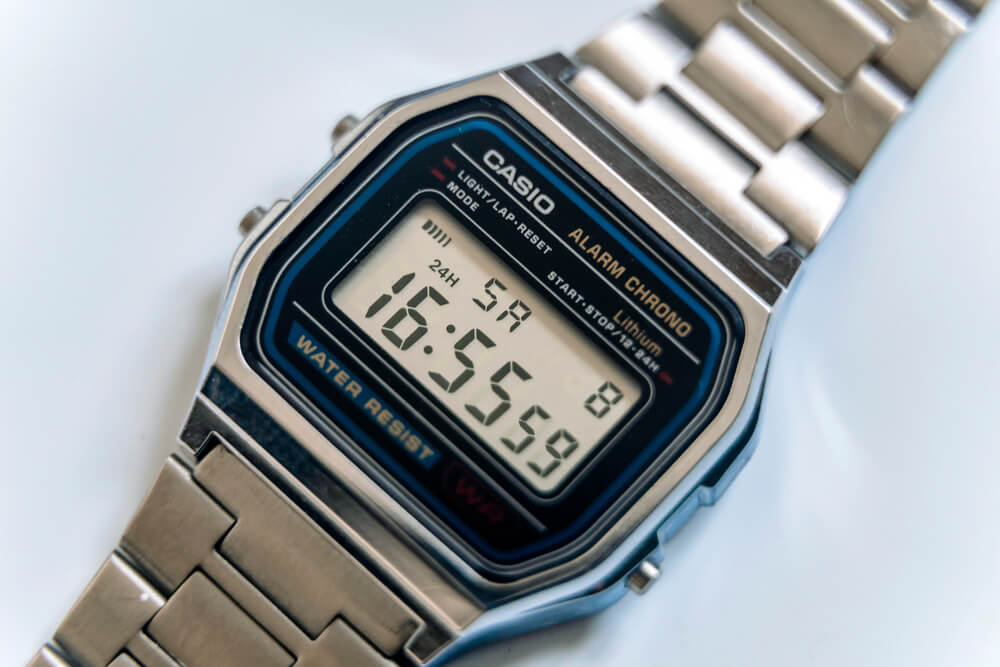
Quartz timekeeping and digital watches were developed with military funding for precision timing and navigation, applications the military required for weapons systems and aircraft. Civilian digital watches and watches with quartz movements followed military development.
The technology that changed timekeeping was militarily funded.
Dehydrated and Instant Foods

Instant and dehydrated foods were developed to provide lightweight, shelf-stable nutrition for soldiers in the field, reducing weight in combat rations while maintaining caloric content. Technologies later adapted for civilian camping, emergency supplies, and convenience food.
Military food science drove civilian food technology.
Camouflage Patterns and Advanced Fabrics
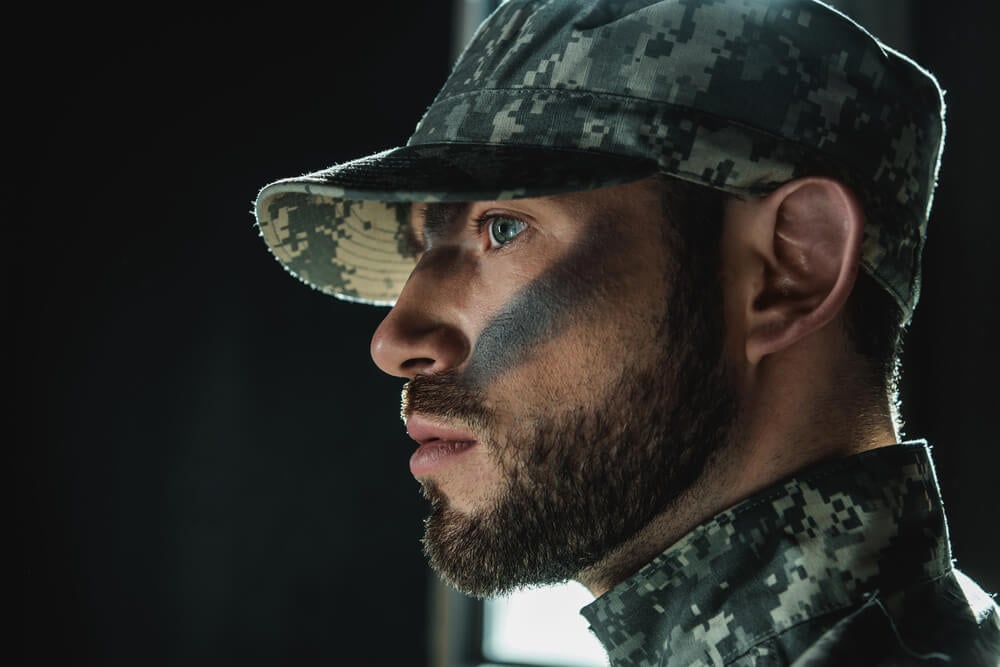
Camouflage patterns were developed and refined through military testing, with the military funding research into color and pattern design that would best conceal soldiers. Civilian camouflage clothing followed military development.
Hunters and outdoor enthusiasts use patterns militarily developed.
When Killing Drives Creation

The paradox of military innovation is that weapons research produces civilian benefit despite (or because of) its destructive purpose. The military has resources, urgency, and willingness to pursue difficult technical problems that civilian markets might not support.
When the military invests in a technology, it often becomes refined enough to be commercialized cheaply. Most of the technologies on this list would have developed eventually in civilian contexts, but military demand accelerated development by years or decades, making the technologies available to civilians who would have had to wait.
Whether this acceleration is worth the military purpose remains a question each person answers differently, but the connection between weapons development and civilian comfort is historically undeniable.
More from Go2Tutors!

- The Romanov Crown Jewels and Their Tragic Fate
- 13 Historical Mysteries That Science Still Can’t Solve
- Famous Hoaxes That Fooled the World for Years
- 15 Child Stars with Tragic Adult Lives
- 16 Famous Jewelry Pieces in History
Like Go2Tutors’s content? Follow us on MSN.



