Photos Of the Earliest Phone Designs
It’s like looking into a different world when you look at pictures of early telephones. The gadgets that allowed people to communicate over long distances in the late 19th and early 20th centuries hardly resemble modern phones.
These early designs were dominated by wood, brass, and odd mechanical elements. However, each one illustrates how people adjusted to a new technology that would permanently change communication.
The Liquid Transmitter That Started Everything

Alexander Graham Bell’s first working telephone from 1876 looks more like a science experiment than a communication device. The liquid transmitter used a wire dipped in acidic water to carry sound vibrations.
Photos show a crude wooden frame supporting various components that seem randomly assembled. Bell himself probably didn’t think this design would work until it did.
The famous first words—”Mr. Watson, come here”—traveled through this awkward contraption, proving that human voices could move through wires.
Box Telephones With Separate Speakers
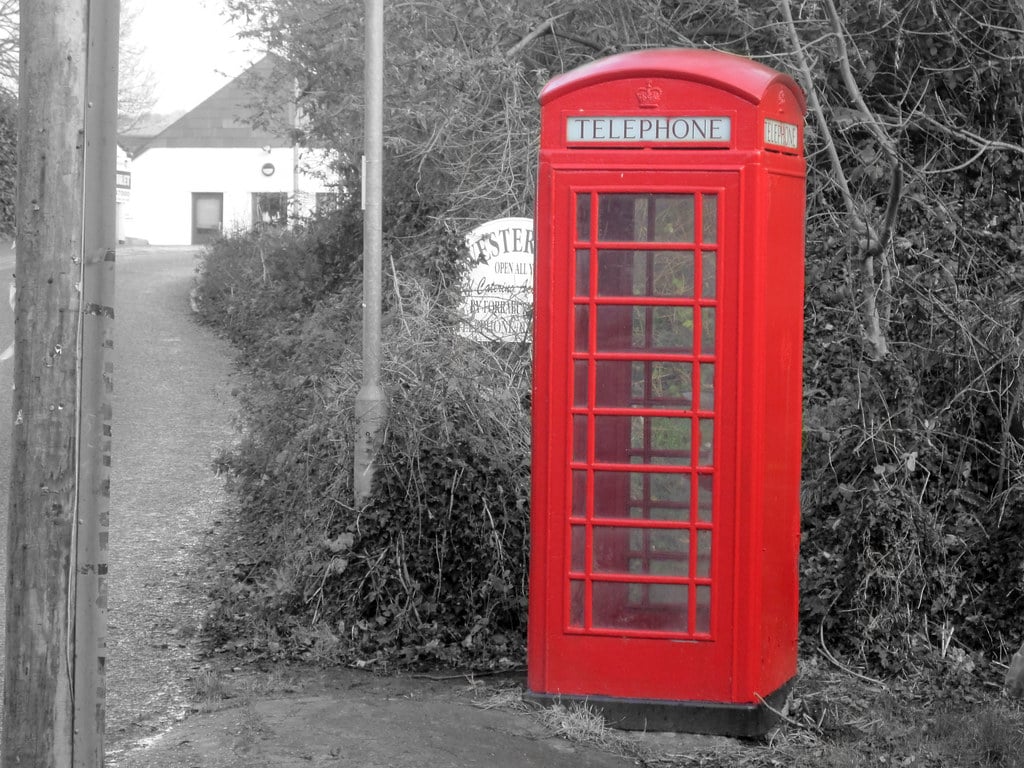
Early commercial phones split the speaker and microphone into entirely separate units. Photos from the 1880s show box-shaped transmitters mounted on walls, with a cone-shaped receiver that users held to their ear.
You had to stand in one spot to use these phones. The speaking tube pointed outward while the listening piece dangled on a cord.
This design forced people to adopt specific postures and positions just to have a conversation.
The Magneto Hand Crank System

Mounted on walls, magneto phones ruled communication through the 1890s into the early twentieth century. Tall wooden cases appear in old images, each fitted with a side crank.
Turning that handle produced electric current, alerting the operator. When idle, the earpiece rested on a small hook. Built without a need for outside electricity, these phones fit well in remote regions.
With carved wood housings showing detailed workmanship, they became more like household objects than tools.
Candlestick Phones That Changed Posture

The candlestick telephone changed how people stood when talking. Photos from the 1890s through the 1920s show a vertical brass or steel pole with a mouthpiece at the top.
The receiver sat separately, held to your ear during calls. Users stood upright, often leaning slightly forward to speak into the fixed mouthpiece.
This design became iconic, appearing in countless period photographs and defining an era of telephone use. You can see in photos how the candlestick’s height varied.
Some reached nearly a foot tall, while others stretched even higher. The base grew heavier over time to prevent tipping.
Manufacturers experimented with different metals and finishes, creating phones that ranged from plain black to polished brass.
Wooden Wall Boxes With Multiple Bells

Rural phone systems relied on distinctive ring patterns. Photos show large wooden boxes mounted on walls, containing multiple bells and complicated internal mechanisms.
Each household on a party line had a unique ring—two long, one short, or some other pattern. Everyone on the line could hear all the rings, but you only answered your specific pattern.
The wooden cases protected the delicate internal components from dust and moisture.
The Introduction of the Dial

Although they first appeared in the 1890s, rotary dials weren’t widely used until the 1920s. Experimental designs with numbers arranged in various configurations are depicted in early photographs.
While some used circular patterns, others had straight rows. It took years to create the recognizable circular dial with finger stops.
These phones completely changed the way people placed calls by doing away with the need for operators on many calls.
Desktop Models That Sat Still

Phones stopped hanging on walls and started to sit on desks by the 1920s. Images from this era depict small units with the receiver perched atop.
The dial rested on the base’s top or front. When in use, these phones remained stationary and weighed several pounds. As office and home designs changed, desktop models replaced wall-mounted ones.
Bakelite’s Smooth Black Finish
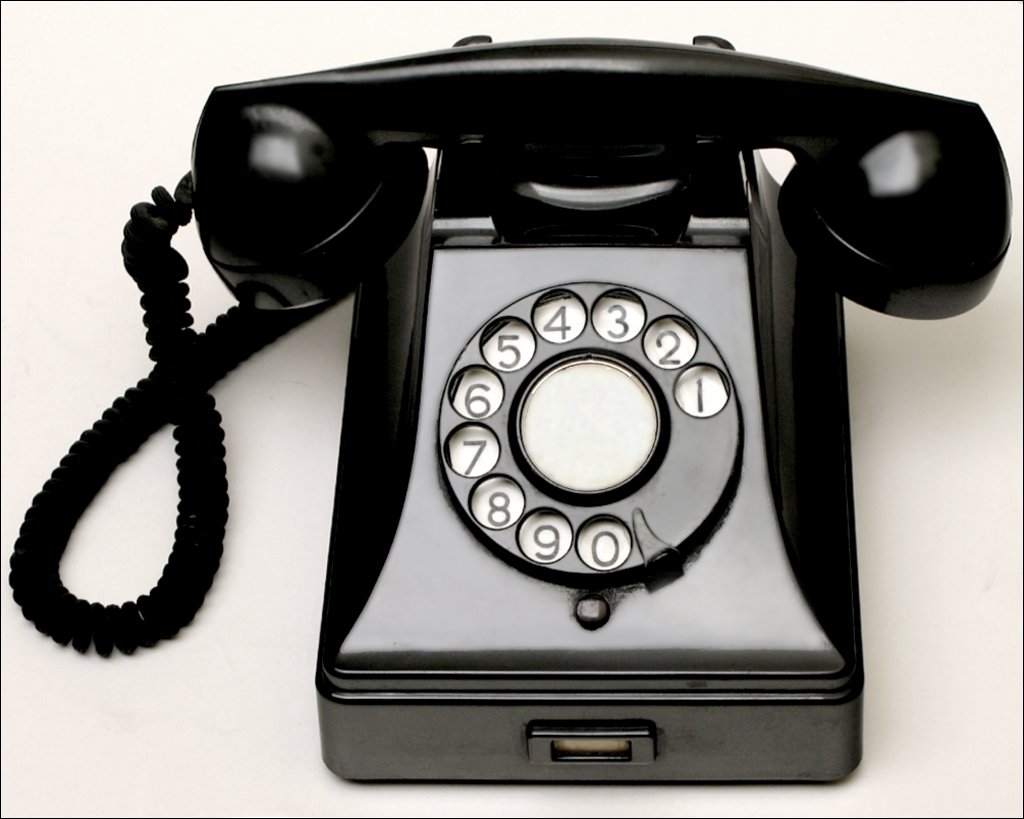
In the 1930s, Bakelite revolutionized the design of telephones. This first synthetic plastic allowed for smooth curves to be seen in a variety of colors, though black was the most popular.
It provided a softer feel and was easier to clean when necessary than cold metal or rough wood. Advances in molding allowed manufacturers to shape devices into seemingly futuristic shapes.
Pictures looked sharper next to older versions because light bounced off the shiny surfaces.
The French Phone’s Unique Receiver
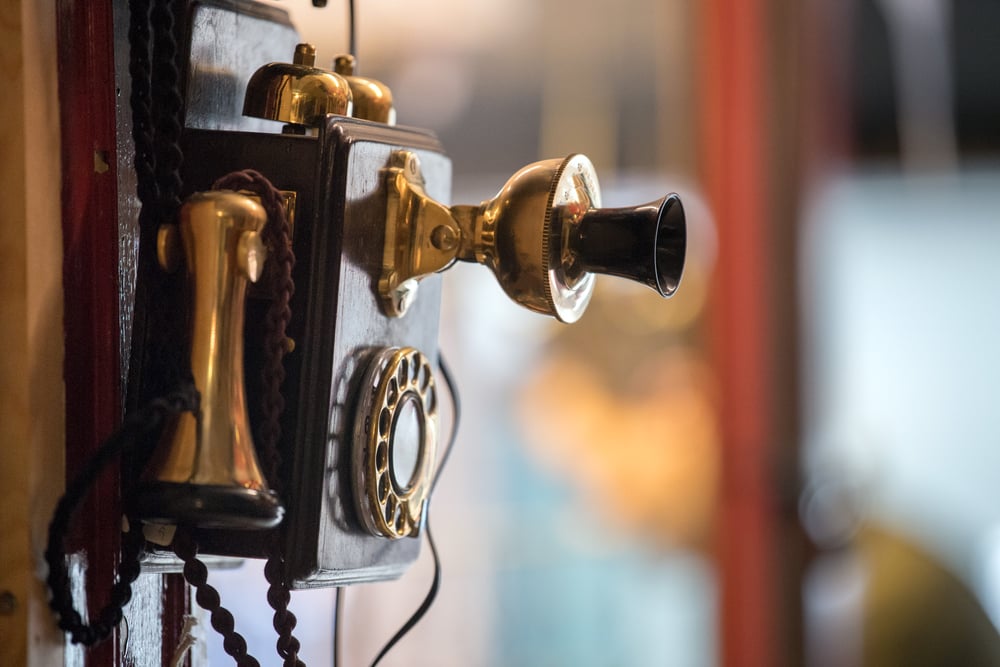
A shape unlike anything seen before came out of Europe. Old pictures show phones once used in France.
There sits the Marty piece – small, almost like a trinket. German makers took that idea but changed it as they went.
Meanwhile, British telephones followed their own path. Study old photos carefully – notice the shape near the earpiece, where the dial sits, the way parts align – to see regional differences.
Party Line Indicators and Switches

Telephone designs from the 1920s and 1930s frequently featured small toggles for group connections. Instead of remaining hidden, a neighbor’s call would cause a noticeable change.
Use was indicated by movement; imagine levers moving or tiny flags appearing. Rather than reacting silently, built-in components did so mechanically. Prior to the arrival of these cues, shared access created awkward moments.
Motion, not sound or light, provided feedback. By completely avoiding circuits, simplicity prevailed.
Operator Switchboard Connections
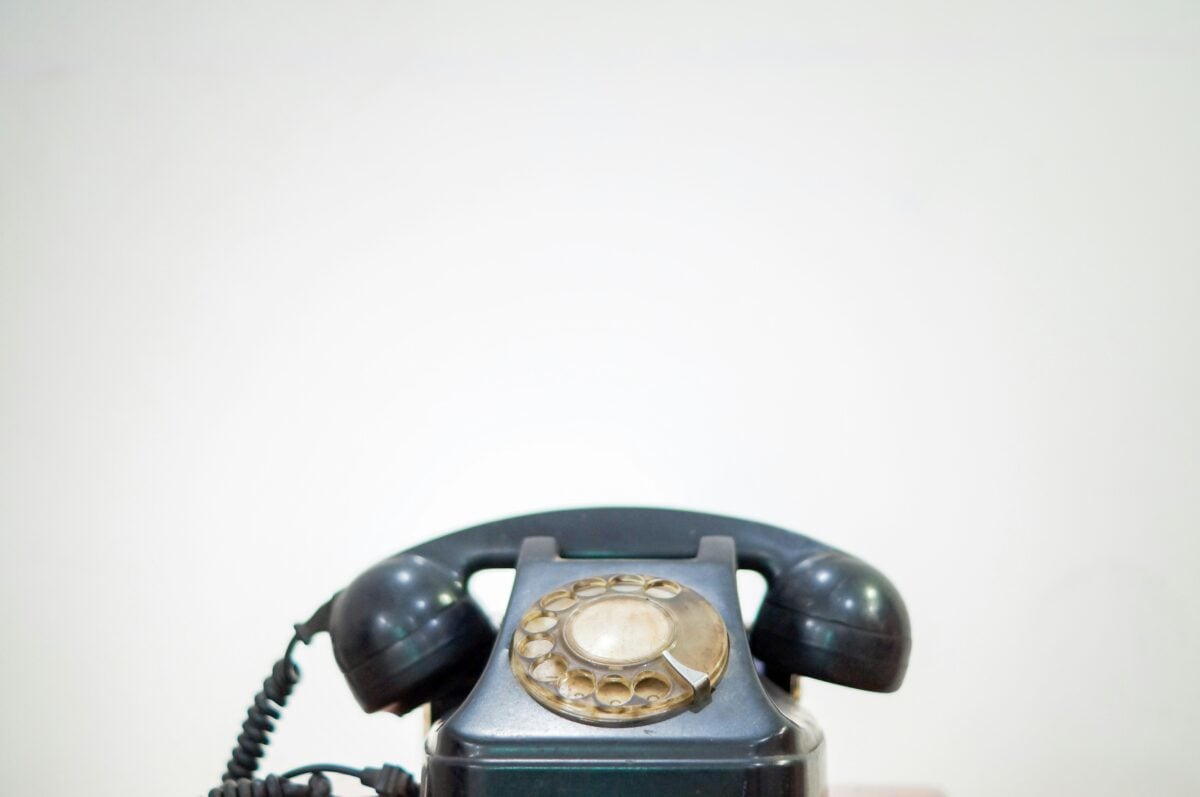
Early telephone operators appear in photos, showing people who made communication work. Filled with cords, switchboards linked voices by hand.
A particular jack waited for every plug. Headsets sat on shoulders, one piece near each ear, another before the mouth.
Hands moved exactly, again and again, plugging connections through long days.
The Transition to Smaller Mechanisms
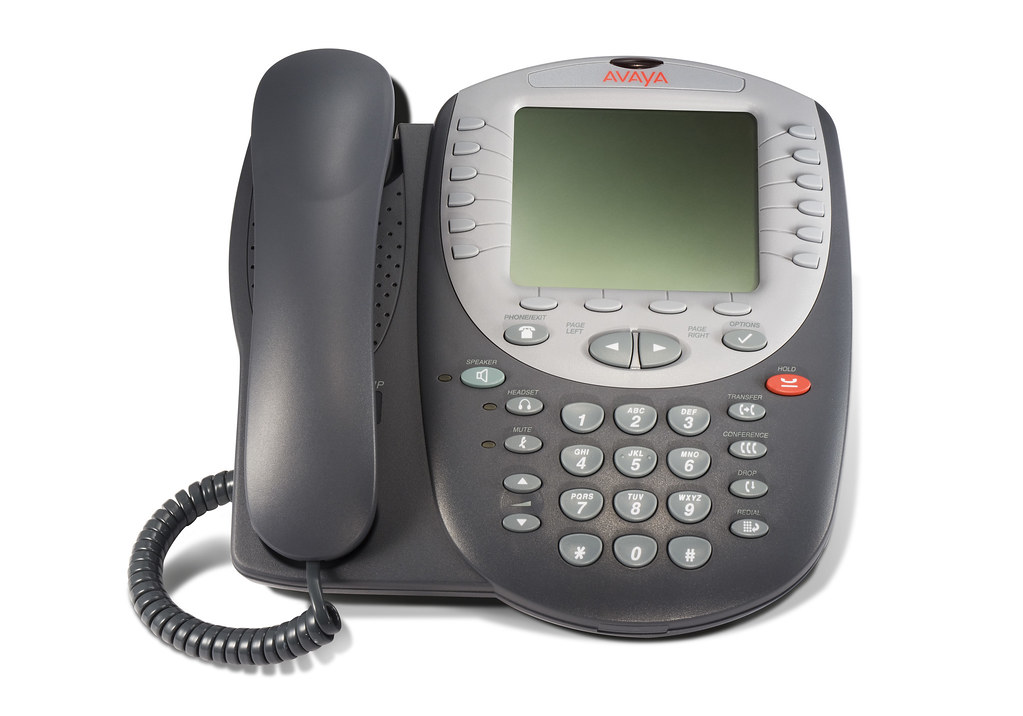
Tiny parts inside grew smaller as tech moved forward. Back in the 1930s and 1940s, pictures of phones already showed shorter stands than older ones.
Because makers tweaked how things worked, less room was taken up by bells, dials, and small gears. While outside shapes shifted slowly, snapshots highlight a constant trend toward being tinier.
Novelty Designs That Broke the Mold
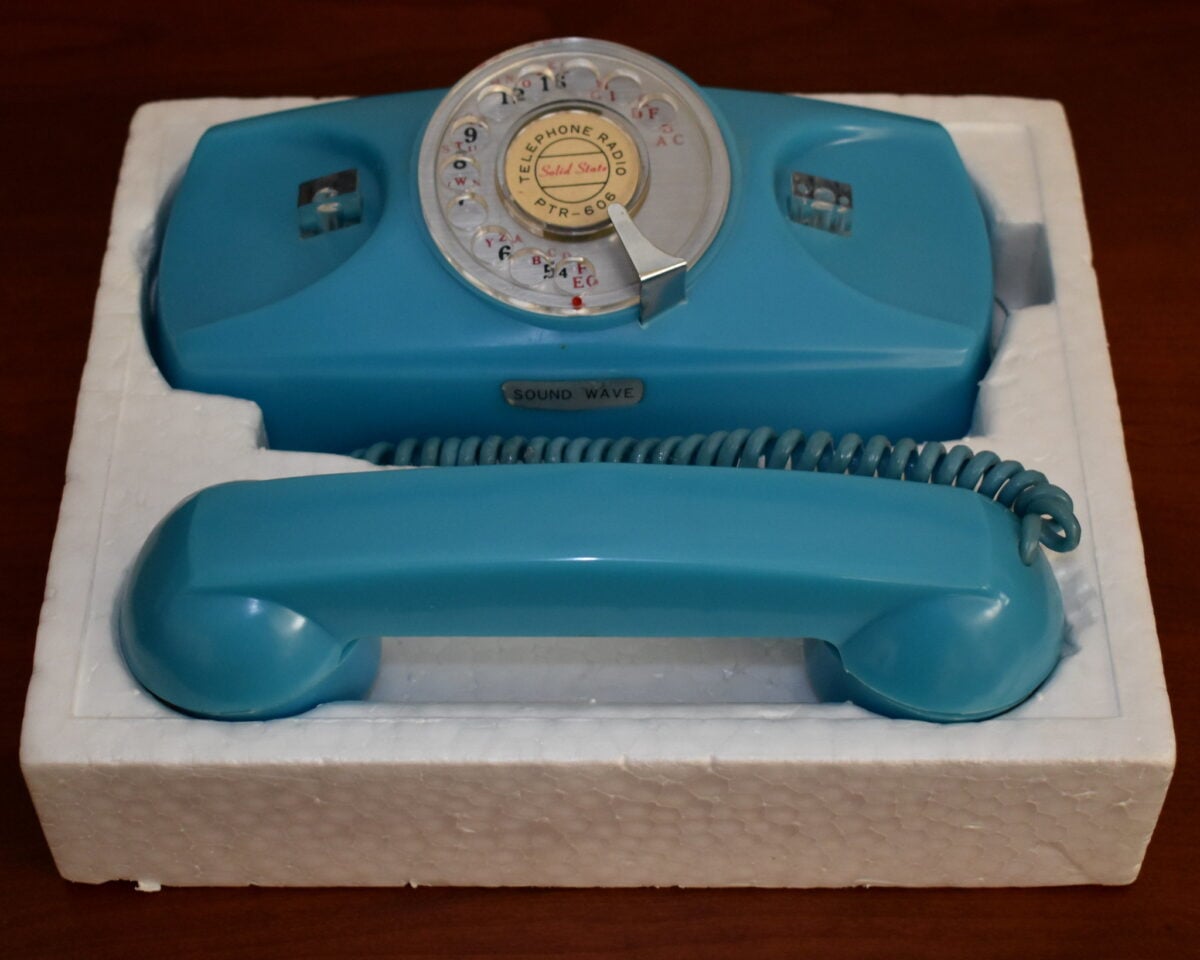
Not all early phones followed conventional designs. Photos show various experimental shapes—phones shaped like figurines, phones with unusual receiver configurations, promotional phones created for special events.
These novelties remind you that even as the technology standardized, manufacturers and users found ways to express creativity within the constraints of functional requirements.
Color Beyond Black

Black took center stage, yet snapshots show first-gen phones wore different shades as well. Ivory turned up here, white there, even brown in select regions and versions. Custom mixes popped up now and then when makers charged extra for them.
Choices leaned on what felt right at the time – materials played a quiet but firm role behind the scenes.
Photos Show Moments That Changed
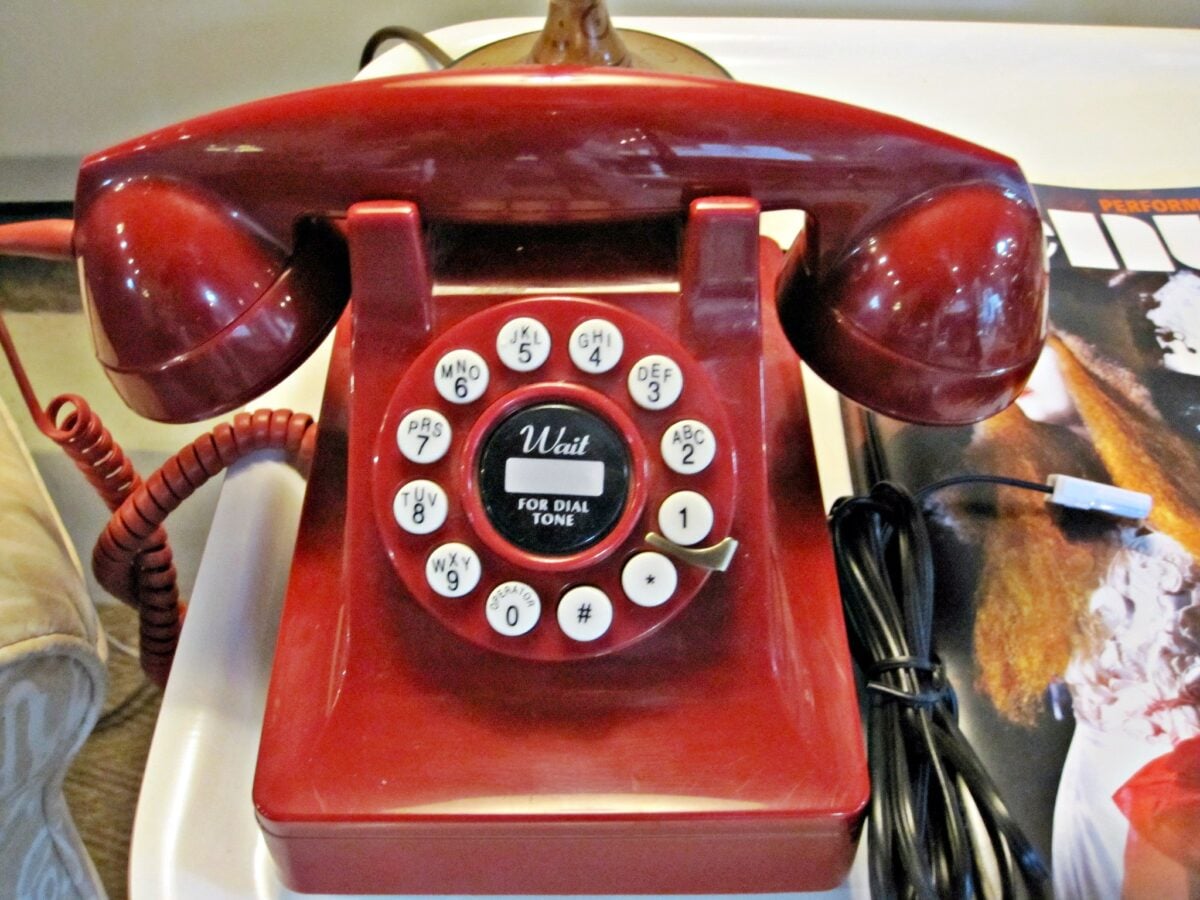
Pictures of old telephones often reveal folks mid-call – hands gripping earpieces, digits tucked in rotary dials, relatives huddled near bulky sets bolted to walls. What sticks is not merely the hardware.
It’s the way machines slipped into ordinary moments, reshaped postures, rewired habits. Talk shifted – not spoken across rooms nor written on paper – but channeled through wires and switches instead.
Pictures tell the story – Bell’s early liquid gadget shifting into 1940s desk sets without a word spoken. One problem fixed, another popped up just behind it.
Step by step, the device looked more like what people now recognize, yet never fully matched modern ease. These snapshots hold the awkward middle stages, revealing how invention stumbles forward instead of marching neatly from old to new.
More from Go2Tutors!

- The Romanov Crown Jewels and Their Tragic Fate
- 13 Historical Mysteries That Science Still Can’t Solve
- Famous Hoaxes That Fooled the World for Years
- 15 Child Stars with Tragic Adult Lives
- 16 Famous Jewelry Pieces in History
Like Go2Tutors’s content? Follow us on MSN.