30 Household Gadgets Replaced by a Phone
A smartphone has quietly absorbed the function of dozens of single-purpose devices that used to occupy their own drawer, shelf, or countertop. Most of those original gadgets didn’t disappear because they stopped working; they disappeared because carrying one device that does everything eventually beat carrying ten that each did one thing.
The Answering Machine
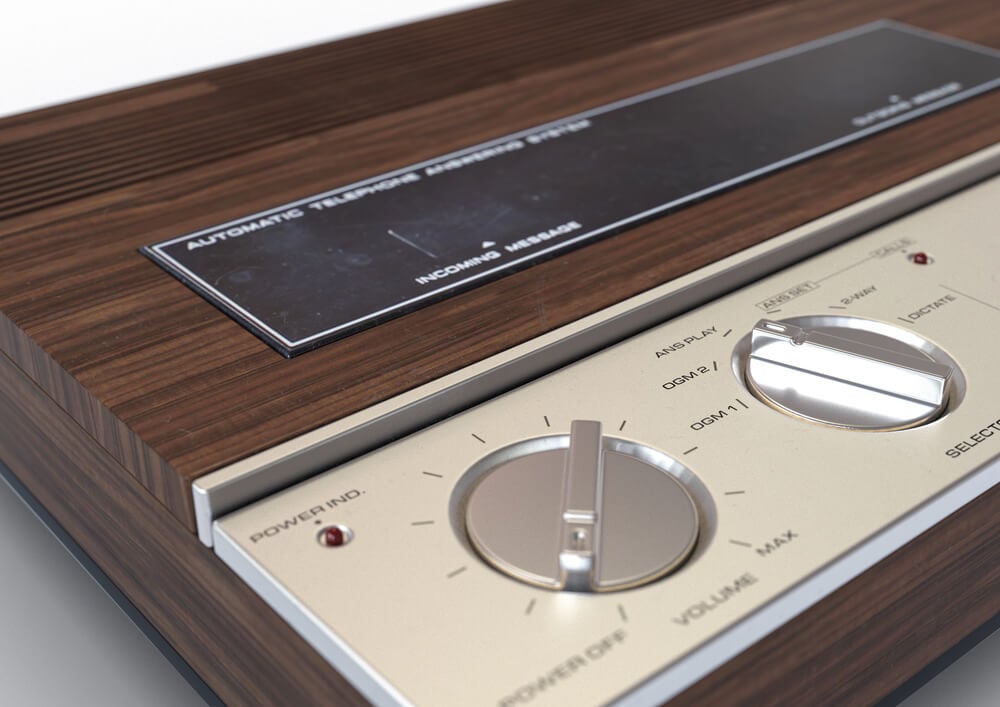
Standalone answering machines, which recorded incoming voicemail onto cassette tape or later a small digital chip, were a fixture next to home phones from the late 1970s through the early 2000s. Cell phone voicemail and, eventually, visual voicemail transcription made the standalone device unnecessary for most households within a decade of smartphones becoming common.
The Point-and-Shoot Camera
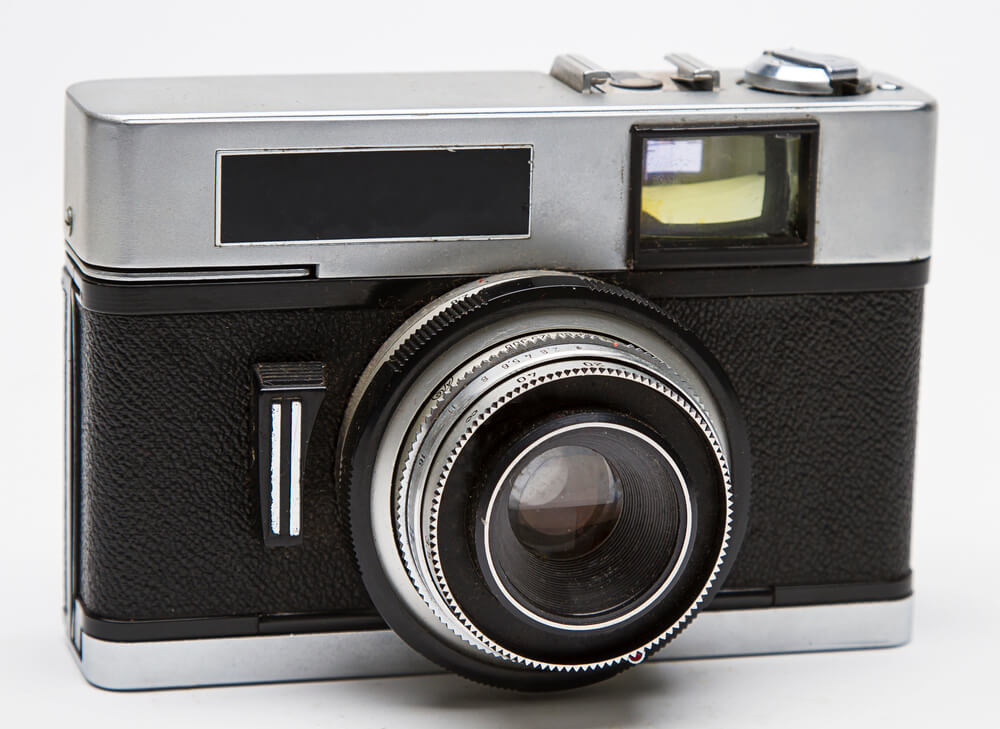
Compact digital cameras dominated the family photography market through the 2000s before smartphone camera sensors improved enough to make a dedicated device redundant for most casual users. Camera manufacturers responded by shifting focus almost entirely toward professional and enthusiast-grade equipment that phones still cannot fully replace.
The Camcorder

Home video cameras, once a common purchase for capturing birthdays and vacations, largely disappeared from mainstream shopping carts once phone video quality became good enough for casual use and instantly shareable besides. Dedicated camcorders still exist for specific professional and hobbyist uses, but the mass consumer market for them has shrunk drastically.
The Alarm Clock
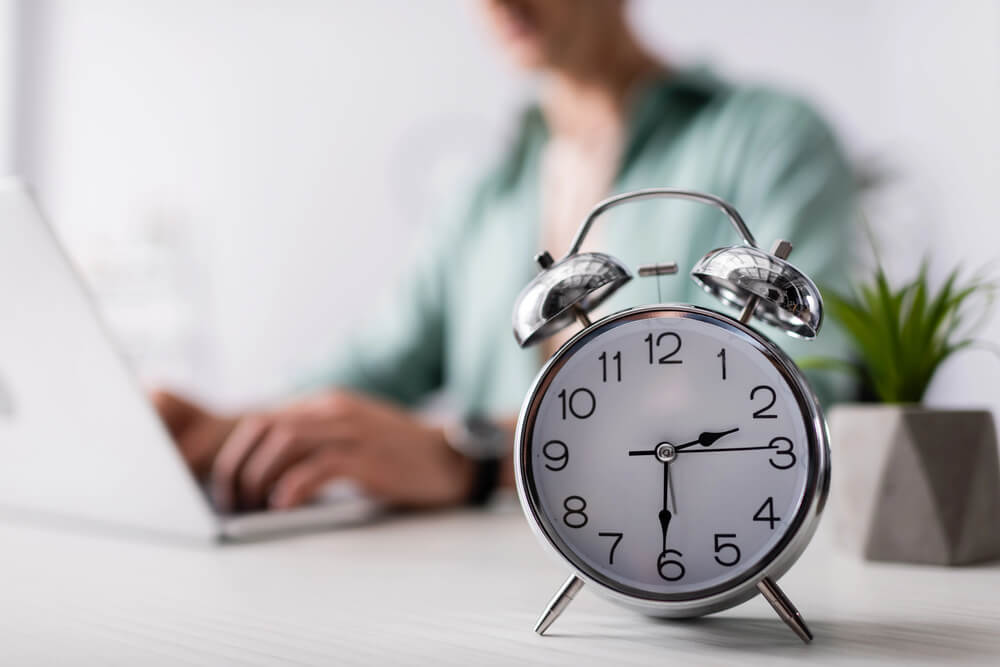
Bedside alarm clocks, once a near-universal bedroom fixture, have been steadily displaced by phone alarms that offer more flexible scheduling, gentler wake tones, and the convenience of a single device already charging on the nightstand. Retailers report the standalone alarm clock category has shrunk to a fraction of its former shelf space in most stores.
The Handheld GPS Unit
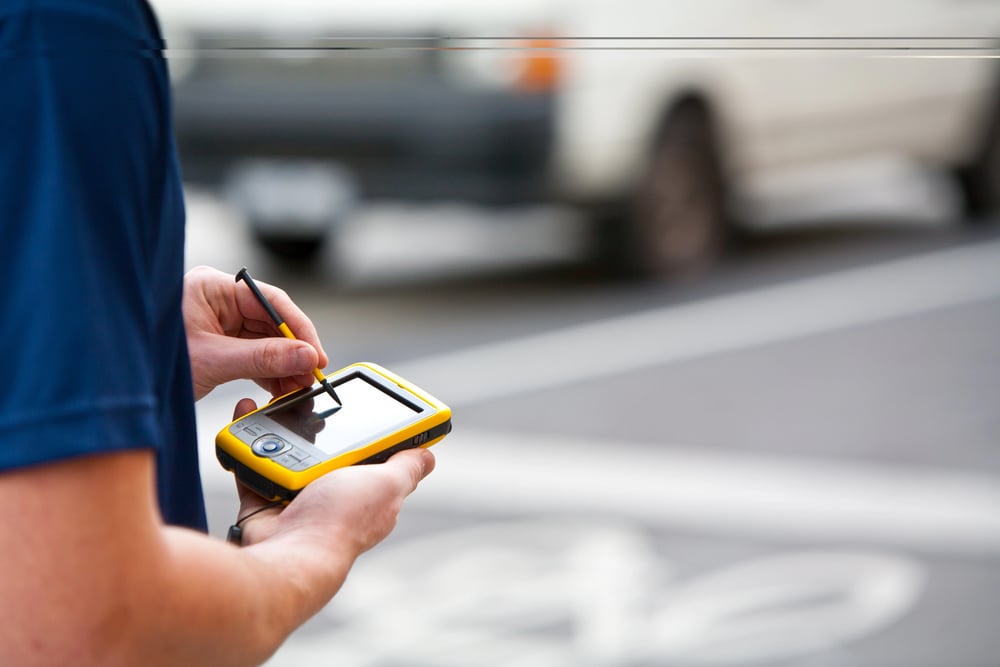
Dedicated GPS navigation devices, common in cars throughout the 2000s, largely disappeared once smartphone mapping apps offered free, constantly updated turn-by-turn directions without a separate purchase or subscription. Manufacturers that once dominated the category shifted their business toward fitness and outdoor recreation devices instead.
The Pocket Calculator
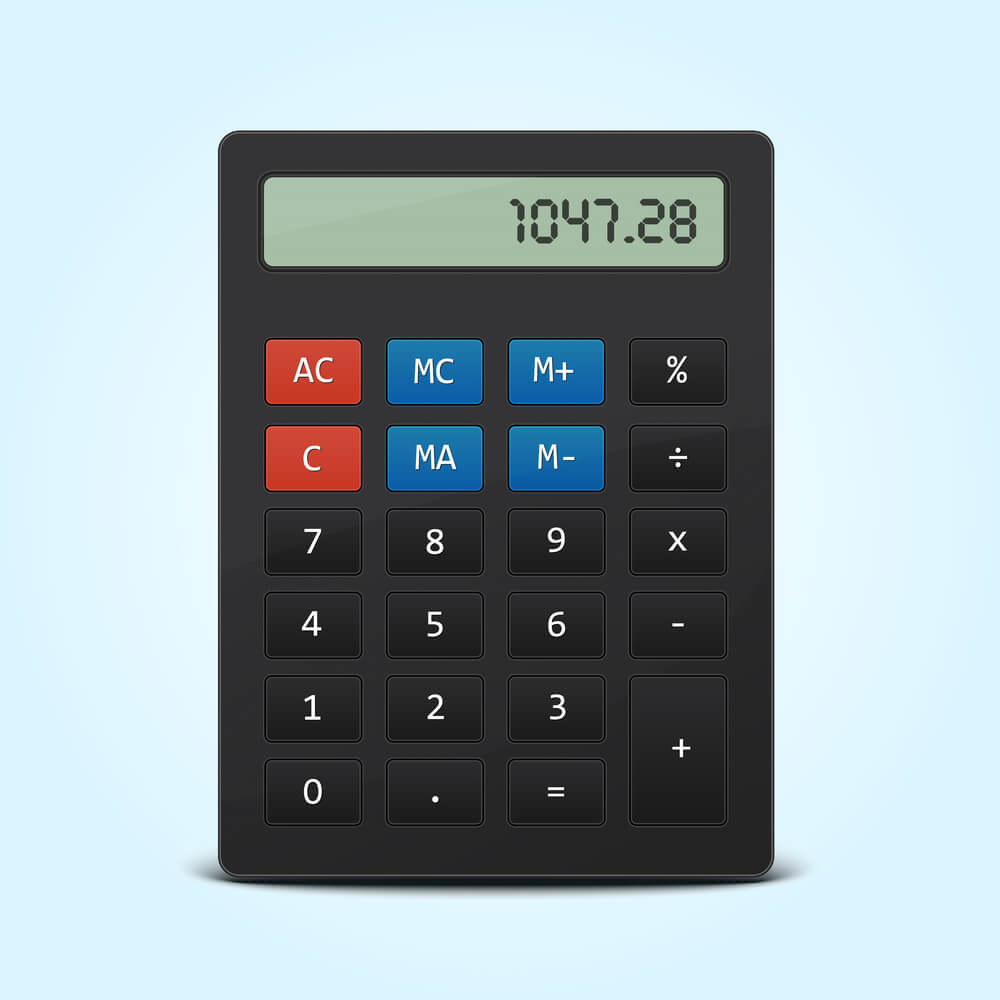
Basic handheld calculators, once carried by students and office workers alike, have mostly been absorbed into phone calculator apps for everyday arithmetic, though standardized testing rules still require dedicated calculators for many students in classroom settings. The scientific and graphing calculator market has persisted longer than the basic version, largely due to those same testing requirements.
The Portable CD Player
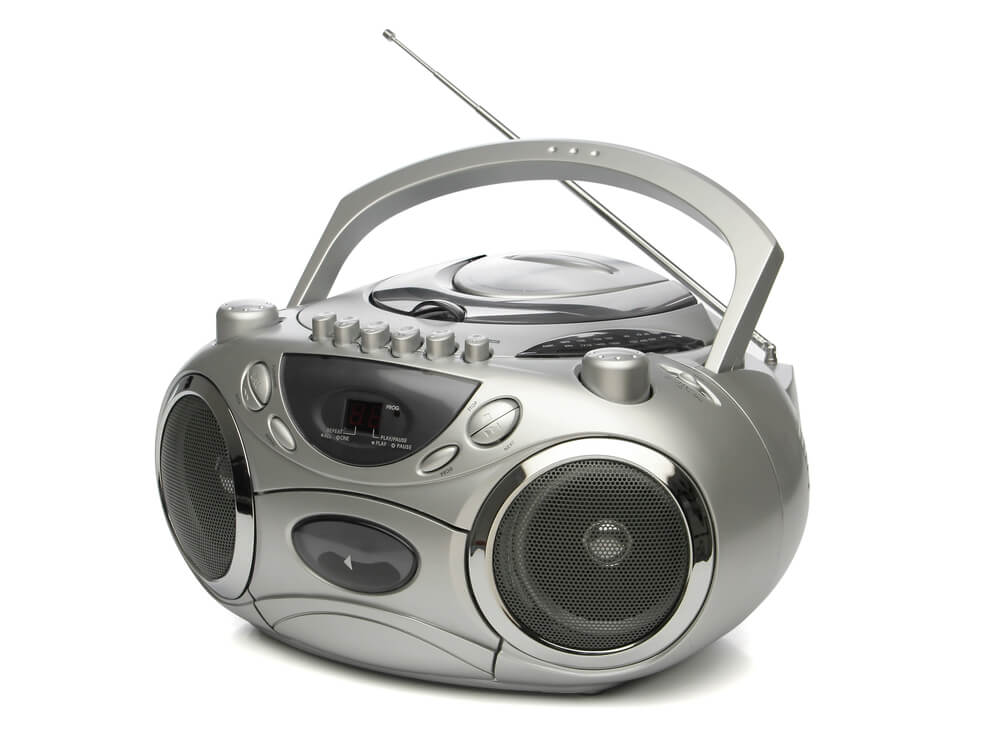
Personal CD players, which briefly replaced cassette Walkmans in the 1990s, were themselves displaced within about a decade by MP3 players and then smartphones capable of storing entire music libraries without any physical media at all. The anti-skip protection technology that once defined premium CD players became entirely irrelevant once music stopped needing to spin.
The MP3 Player
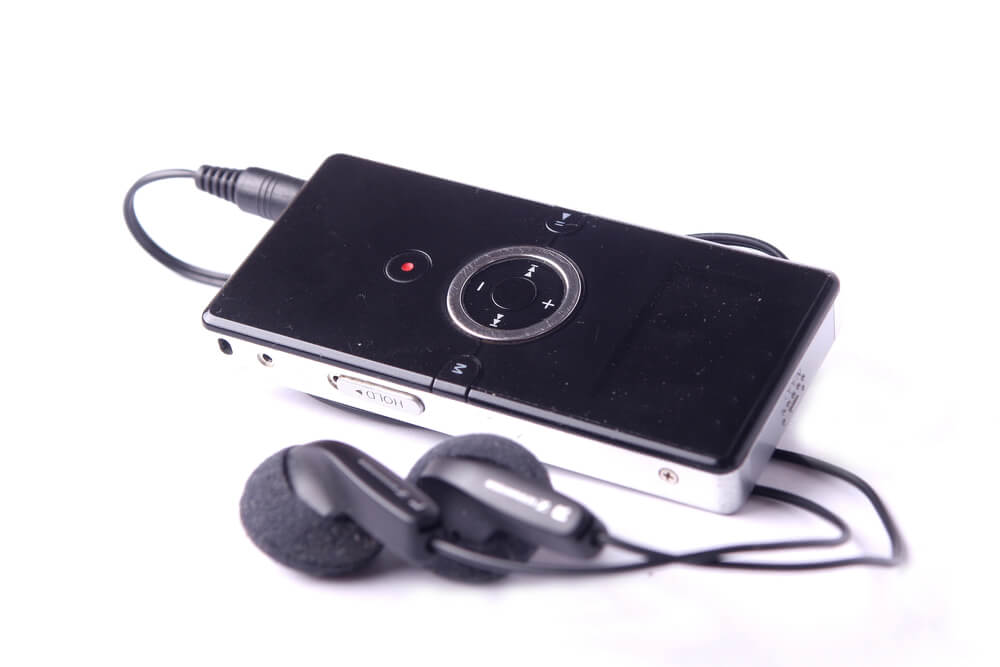
Dedicated MP3 players, including devices that briefly dominated portable music before streaming existed, lost their reason to exist once phones combined storage, streaming apps, and playback into a single device most people already carried anyway. A handful of dedicated models persist for audiophiles and athletes who prefer a separate device during exercise.
The Home Fax Machine
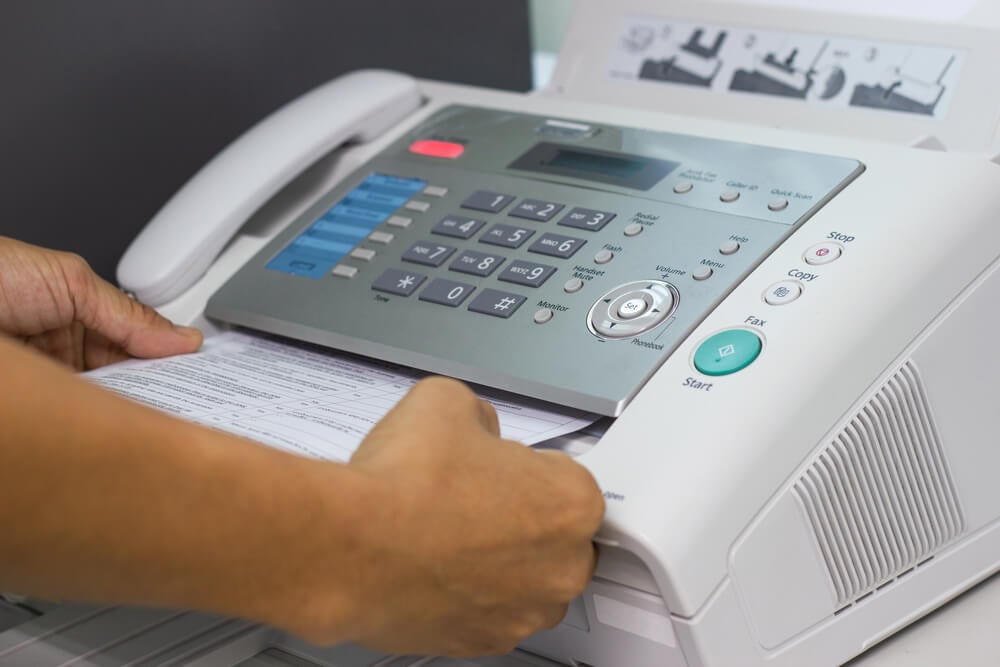
Fax machines, once a standard piece of home office equipment for anyone doing business from a house, have been almost entirely replaced by scanning apps and digital signature services that route documents through a phone camera instead of a dedicated telephone line. Some industries, particularly healthcare and legal services, still rely on fax transmission for regulatory reasons, keeping a small commercial market alive.
The Portable DVD Player
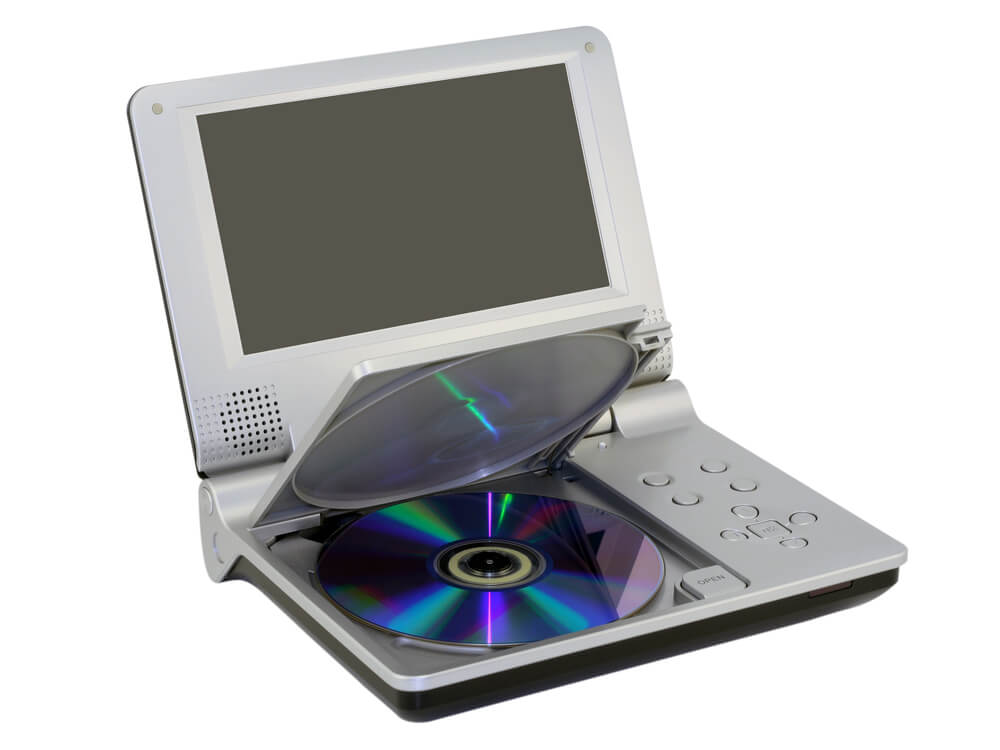
Small screens built specifically for watching DVDs during car trips and flights were common through the 2000s before phones and tablets, paired with streaming or downloaded video, made carrying a separate video device unnecessary for most families. Airlines and long-haul travelers were among the last holdouts, and even that use case has largely shifted to personal devices.
The Rolodex
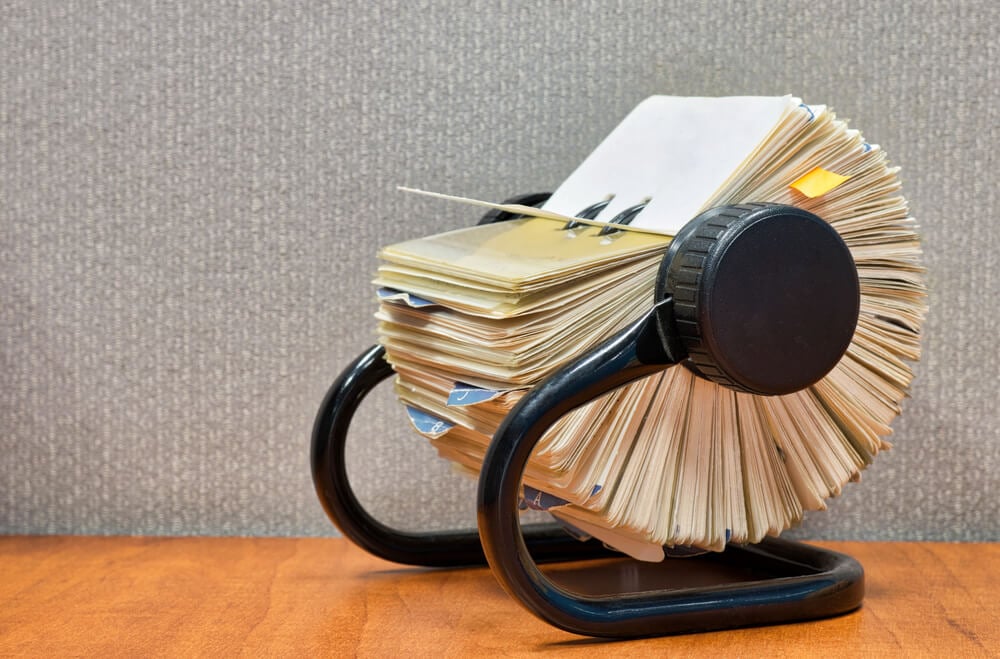
The physical, rotating card index once used to store business contacts on a desk has been almost completely replaced by phone contact lists that sync automatically across devices and update themselves through email signatures and social profiles. Vintage Rolodex units have become more of a nostalgic desk decoration than a functional tool in most modern offices.
The Home Answering Service Pager
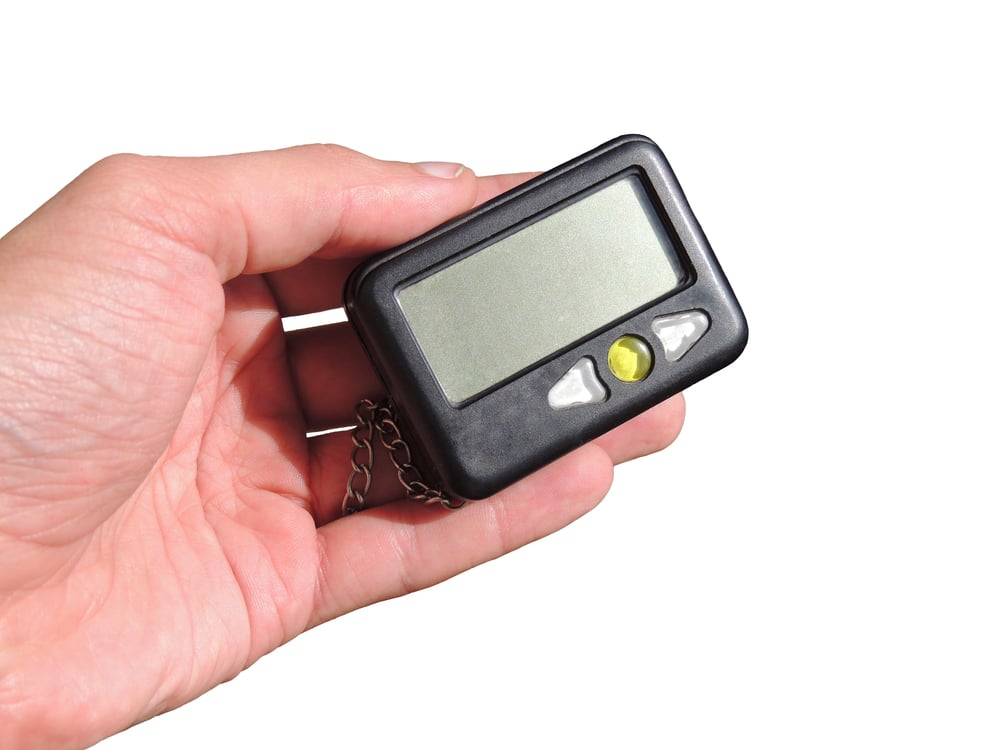
Pagers, once common among on-call professionals like doctors and tradespeople, have largely been replaced by smartphone messaging and dedicated on-call software that can route alerts, calls, and texts through a single device. A small number of hospital systems still use pagers specifically because cellular networks can be unreliable inside certain building structures.
The Portable Radio
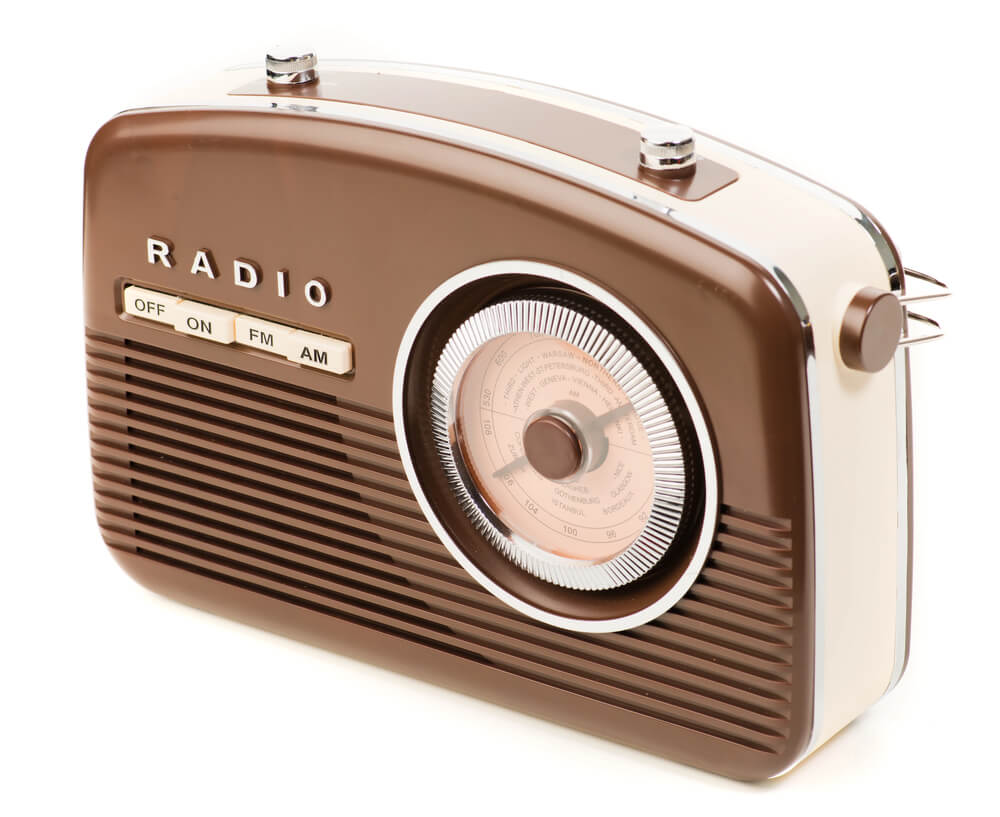
Compact battery-powered radios, once standard for tracking news, weather, and sports scores away from home, have been largely displaced by streaming radio and news apps, though dedicated emergency weather radios remain a recommended backup for power outage situations. Their continued presence in emergency preparedness kits is one of the few places the format has held on.
The Egg Timer
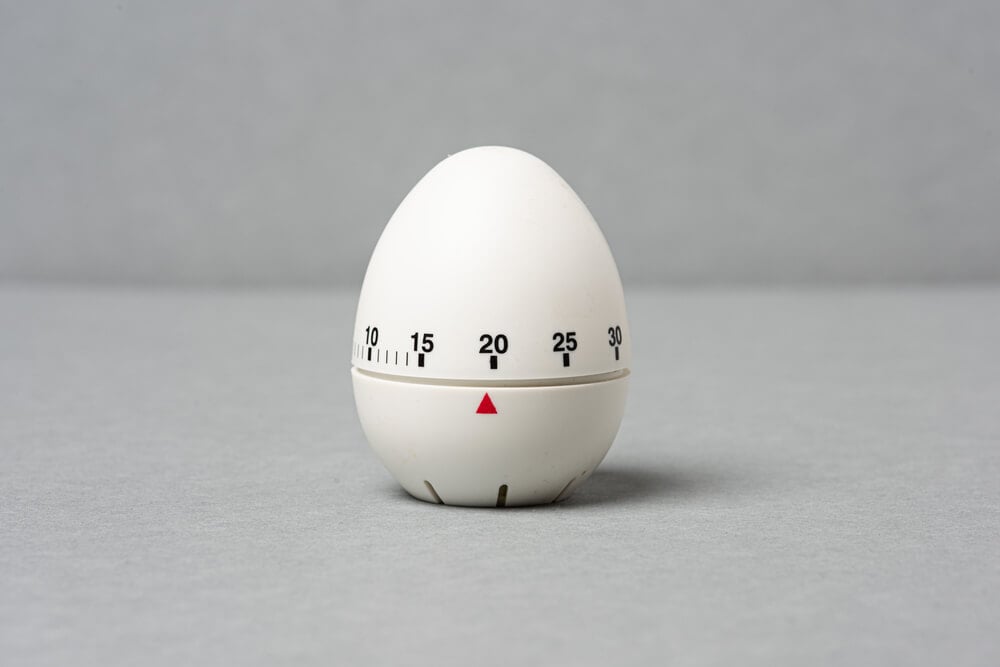
The simple kitchen egg timer, a small mechanical dial used to track cooking time, has largely been replaced by phone timer apps that offer multiple simultaneous countdowns and louder, more customizable alerts. Some cooks still prefer the tactile, screen-free simplicity of the mechanical version, keeping a small niche market alive.
The Handheld Video Game System
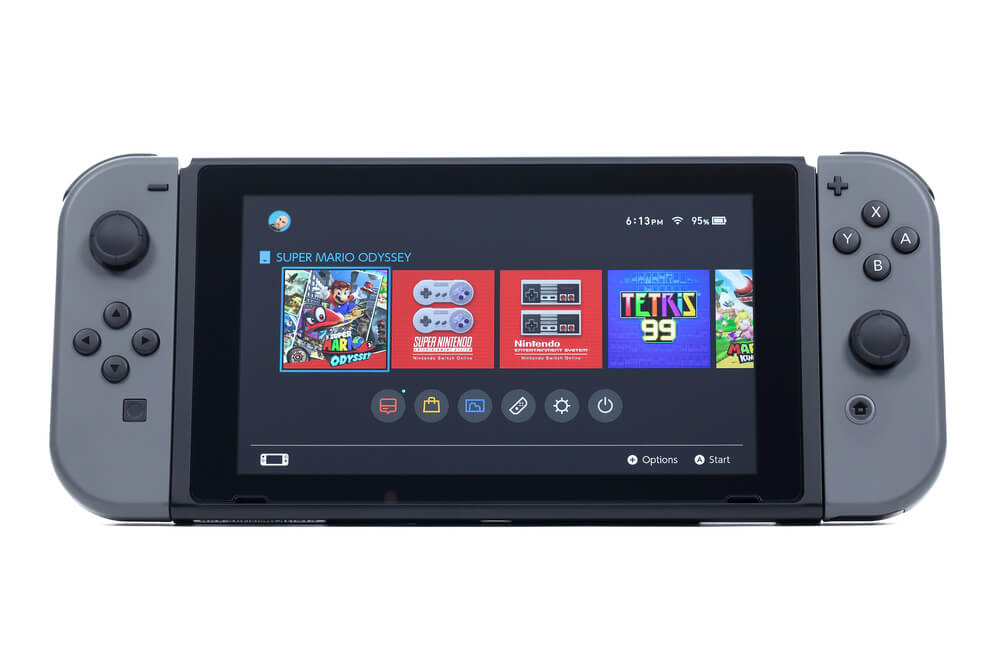
Early dedicated handheld gaming devices lost significant market share once phone app stores offered free or low-cost games that required no separate purchase, though dedicated gaming handhelds have seen a partial resurgence among players seeking console-quality experiences phones cannot match. The category has narrowed rather than disappeared entirely.
The Landline Phone Book
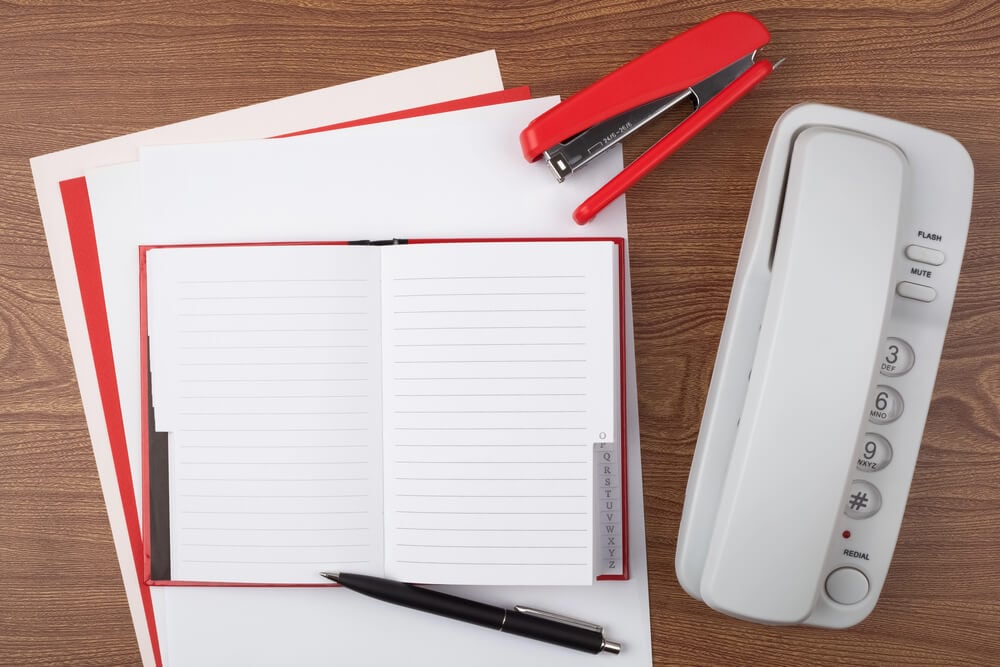
The thick residential phone directory once delivered to every household has been almost entirely replaced by searchable online directories and contact-sharing apps accessible from a phone. Most phone companies stopped automatic distribution of residential directories by the 2010s, and the remaining printed versions are now mostly limited to business listings.
The Voice Recorder
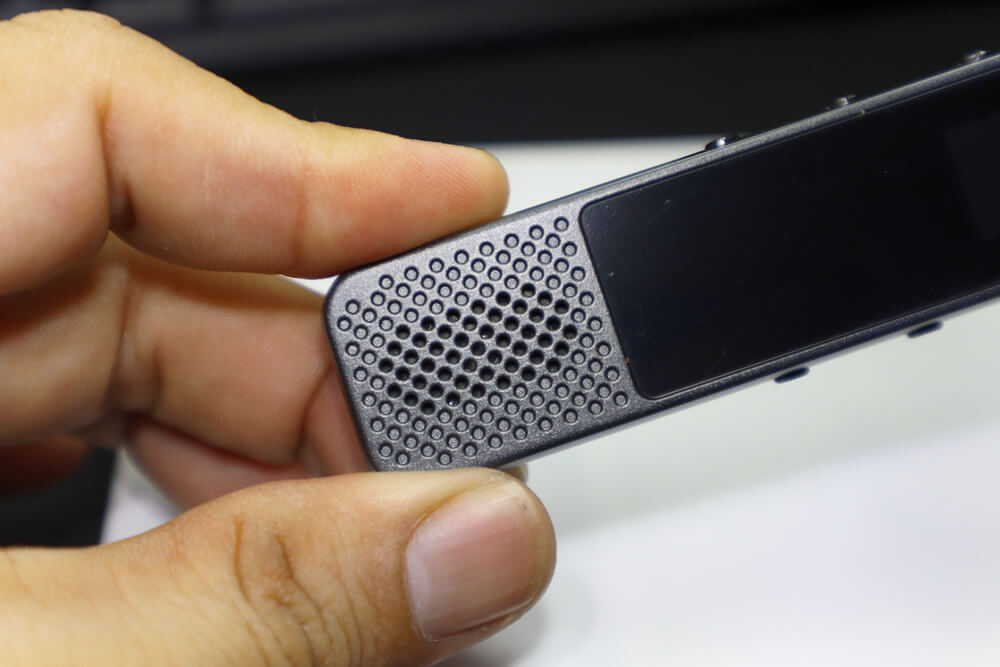
Dedicated handheld voice recorders, once common for journalists, students, and business meetings, have largely been replaced by phone voice memo apps that offer comparable audio quality along with instant transcription and cloud backup. Professional-grade recorders persist in fields requiring extremely high audio fidelity, but the casual consumer market has shrunk considerably.
The Address Book
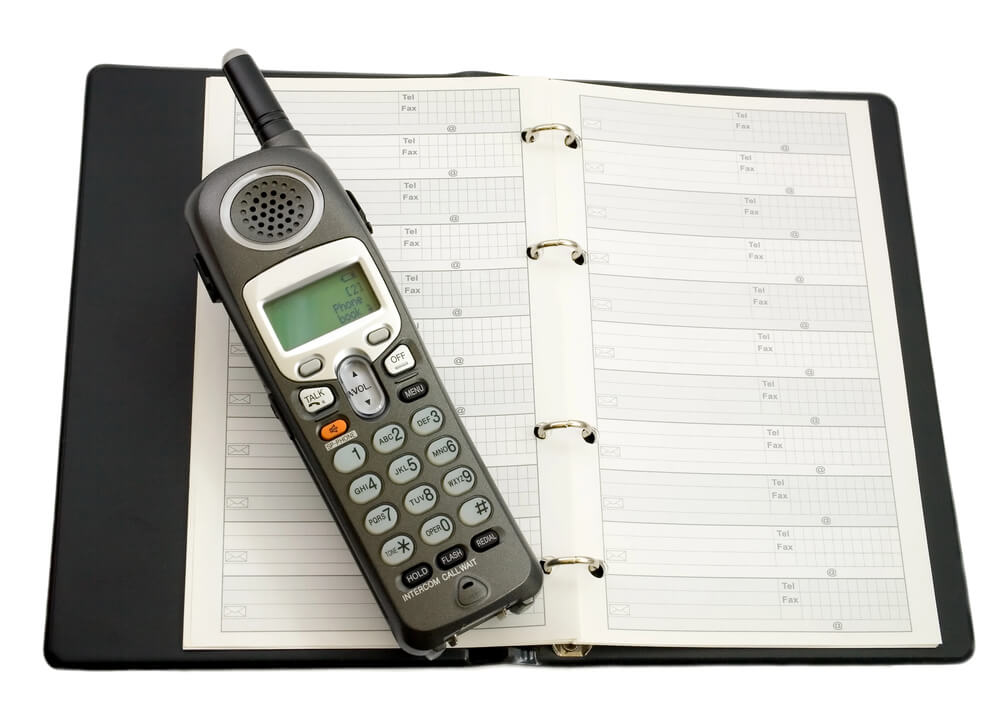
Small bound notebooks used to record friends’ and family’s mailing addresses and phone numbers have been almost entirely replaced by phone contact entries that sync automatically and update without requiring anyone to cross out an old entry by hand. Greeting card companies report the decline of physical address books as a contributing factor in changing mailing habits.
The Compass
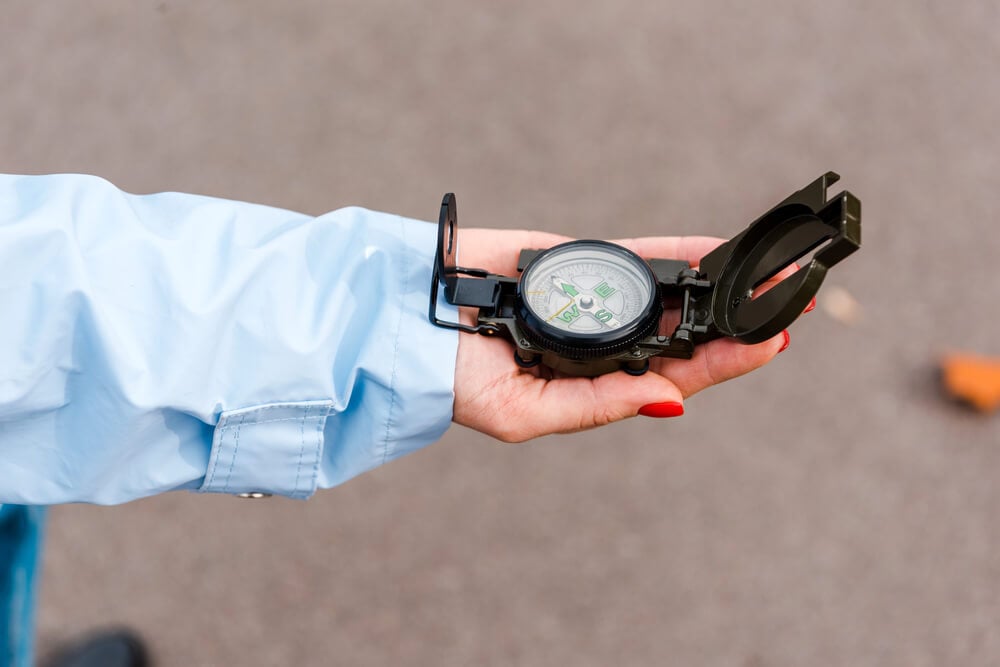
Standalone magnetic compasses, once considered essential outdoor equipment, have been largely supplemented or replaced by phone-based digital compass and mapping apps for casual hikers, though experienced backcountry travelers still recommend carrying a physical compass as a battery-free backup. Search and rescue organizations continue to teach traditional compass navigation specifically because phones can fail in remote conditions.
The Home Video Game Guide Books
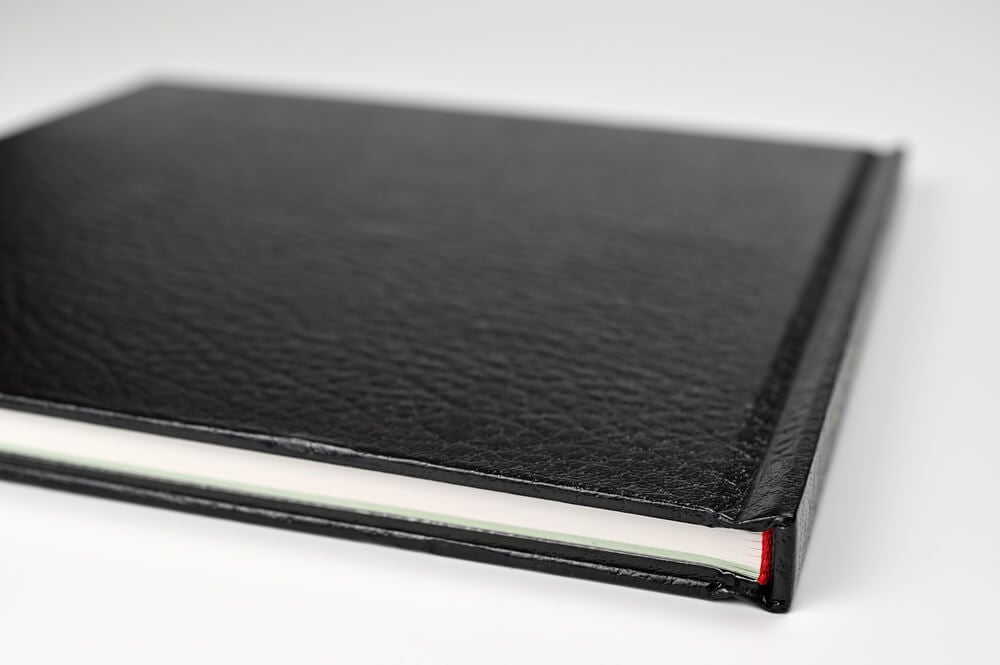
Printed strategy guides, once sold alongside major video game releases to help players navigate difficult sections, have largely disappeared as phone and browser access to online walkthroughs made a bulky printed reference unnecessary. A small market for premium collector’s edition guides has persisted among dedicated fans, but the mass retail category has shrunk dramatically.
The Portable Translator
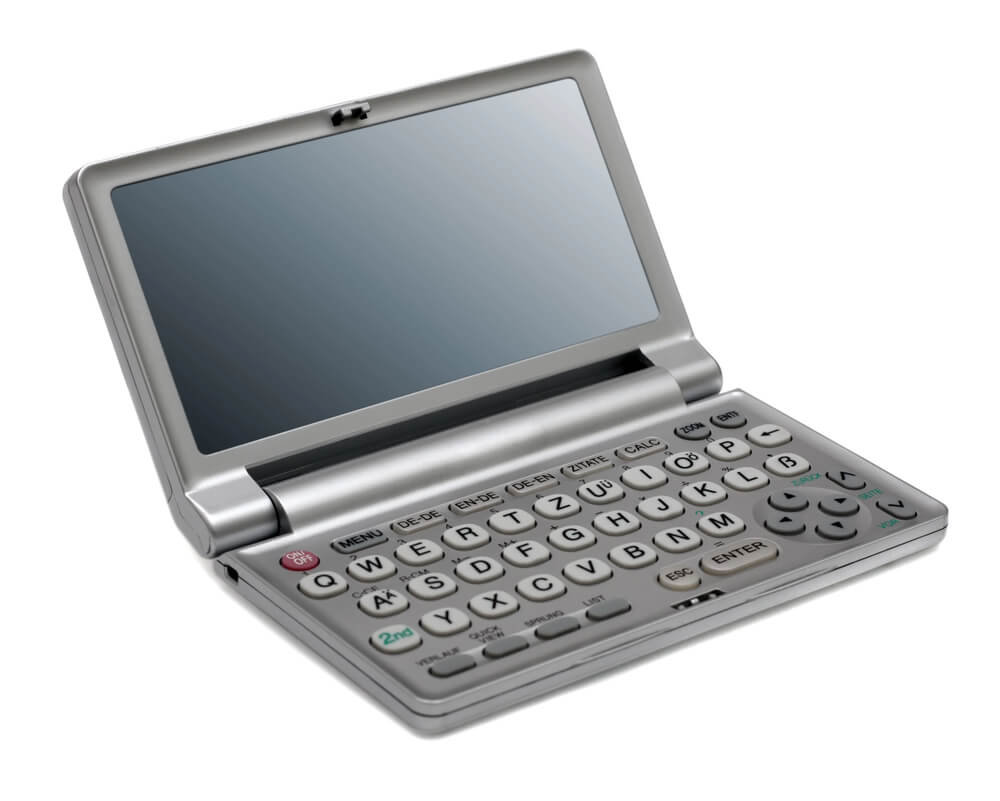
Dedicated handheld electronic translators, once marketed heavily to travelers and language students, have mostly been replaced by phone translation apps that offer live camera translation and voice conversation modes far beyond what standalone devices could manage. A handful of specialized translator devices persist for professional interpreters who need offline reliability in the field.
The Pedometer
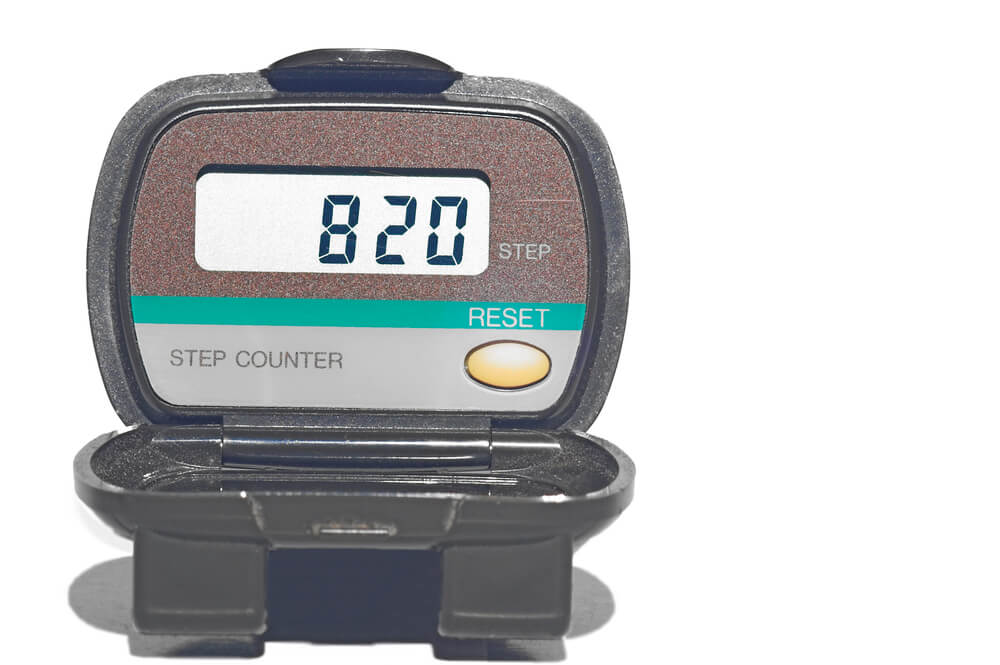
Simple clip-on step counters, once a common purchase for casual fitness tracking, have largely been replaced by phone motion sensors that track steps automatically without a separate device, though dedicated fitness trackers and smartwatches have carved out their own space for more detailed health metrics. The most basic clip-on pedometer format has almost entirely disappeared from store shelves.
The Home Barcode Scanner for Price Comparison
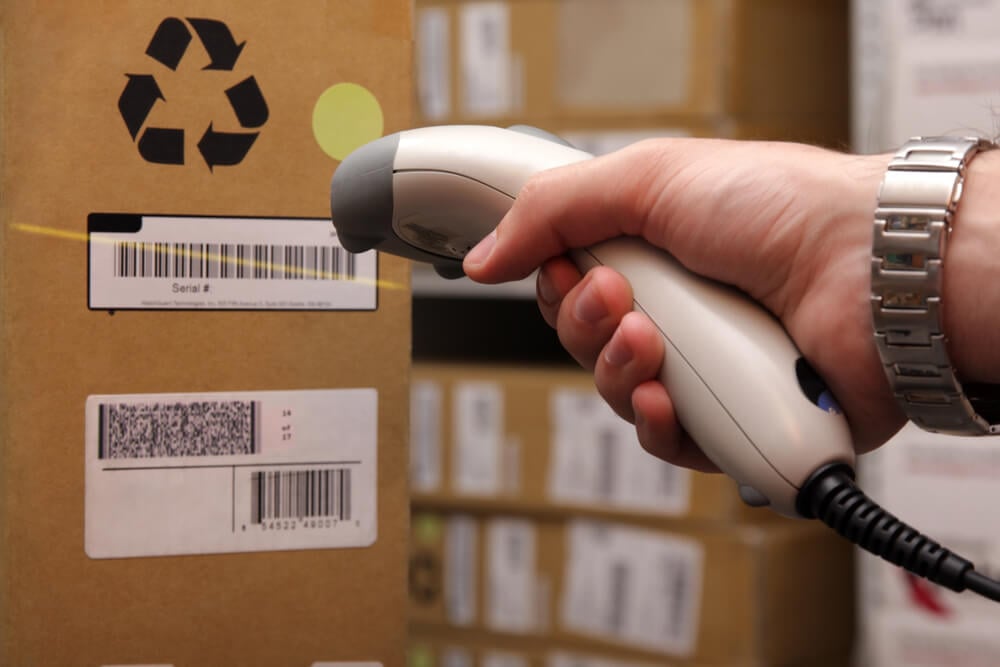
Dedicated handheld barcode scanners, briefly marketed to consumers for in-store price comparison shopping, never gained wide adoption once phone camera apps could scan barcodes and pull up comparison pricing instantly through retailer and shopping apps. The category existed only briefly before phones made a single-purpose scanner pointless.
The Slide Projector and Carousel
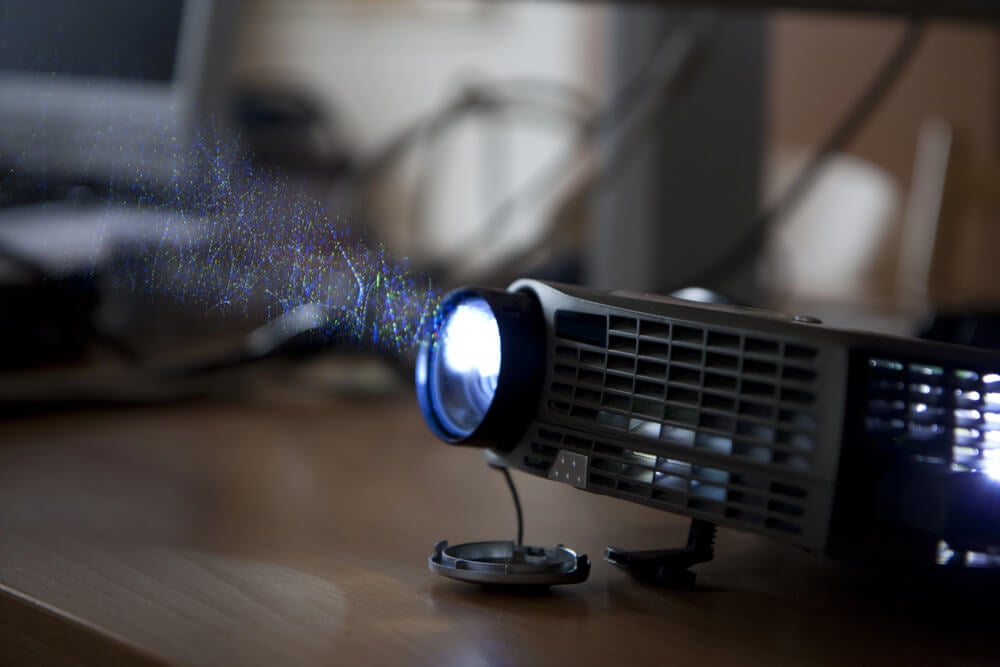
Home slide projectors, once used to show vacation photography on a living room wall, disappeared almost entirely once digital photography and phone screens made projecting physical film slides unnecessary for casual sharing. Vintage projectors have become more of a collector’s item than a functional household device.
The Digital Photo Frame
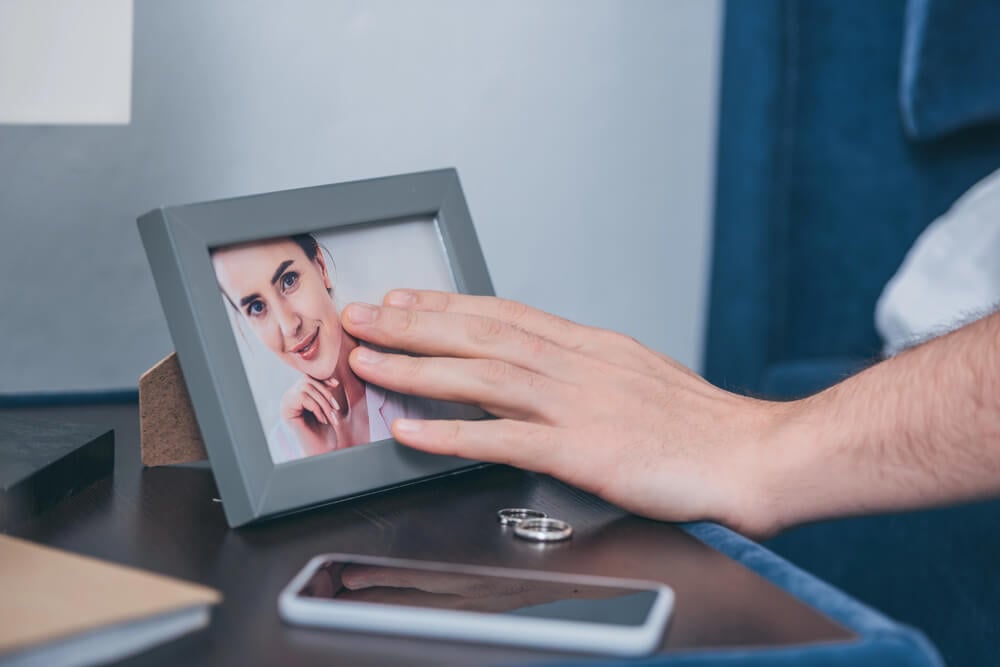
Standalone digital picture frames, briefly popular in the mid-2000s for cycling through stored photos on a dedicated screen, lost much of their market once phones and tablets offered the same slideshow function without a separate purchase or manual photo transfer process. Smart displays with built-in photo-sharing features have partially revived the concept but under a different product category.
The Physical Road Atlas

Bound paper road atlases, once kept in nearly every glove compartment, have been almost completely replaced by phone mapping apps offering real-time traffic data no printed map could ever provide. Long-haul truckers and some remote travelers still carry printed atlases as a backup for areas with unreliable cellular coverage.
The Handheld Label Maker
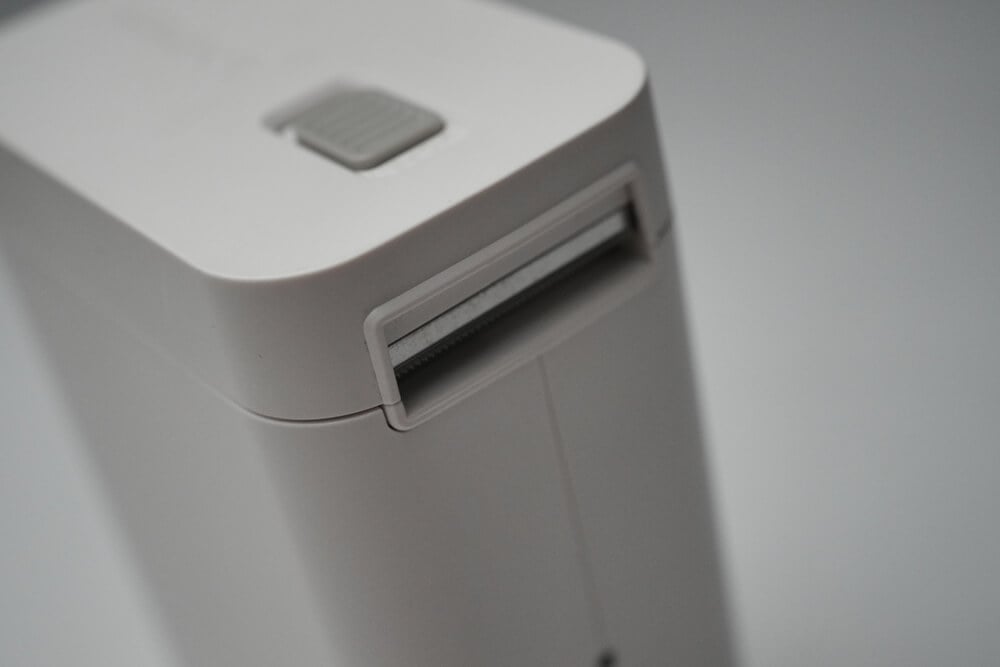
Standalone label-printing devices, once common in home offices and craft rooms, persist in a smaller dedicated market, but phone-connected label printers and simple adhesive label apps have absorbed much of the casual organizational labeling that used to require a separate battery-powered device.
The Portable Weather Station
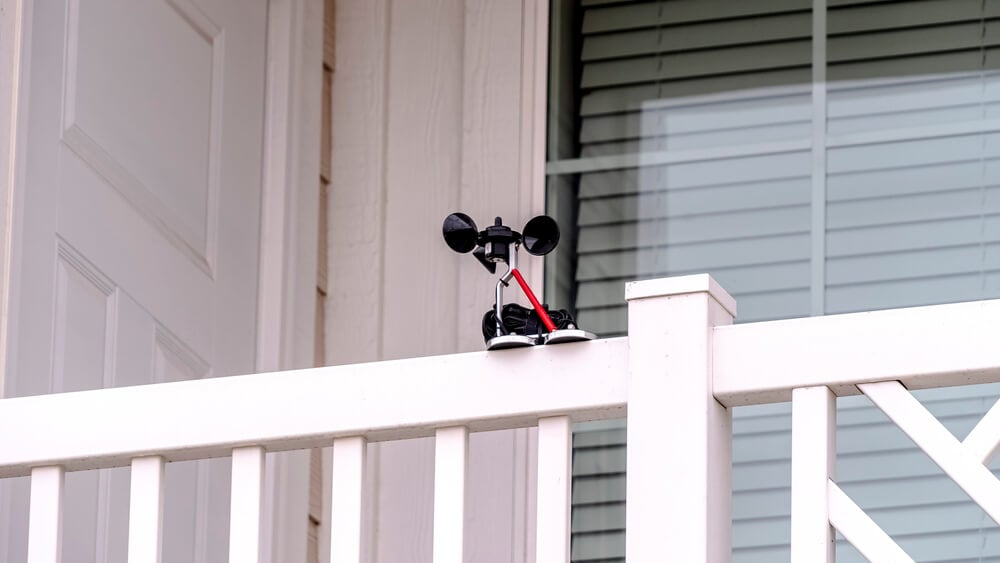
Small dedicated home weather stations, which measured temperature, humidity, and barometric pressure on a bedside display, have largely been replaced by phone weather apps pulling from national forecasting data, though hobbyist weather enthusiasts continue to use dedicated stations for hyperlocal readings phone apps cannot provide.
The Home Intercom System
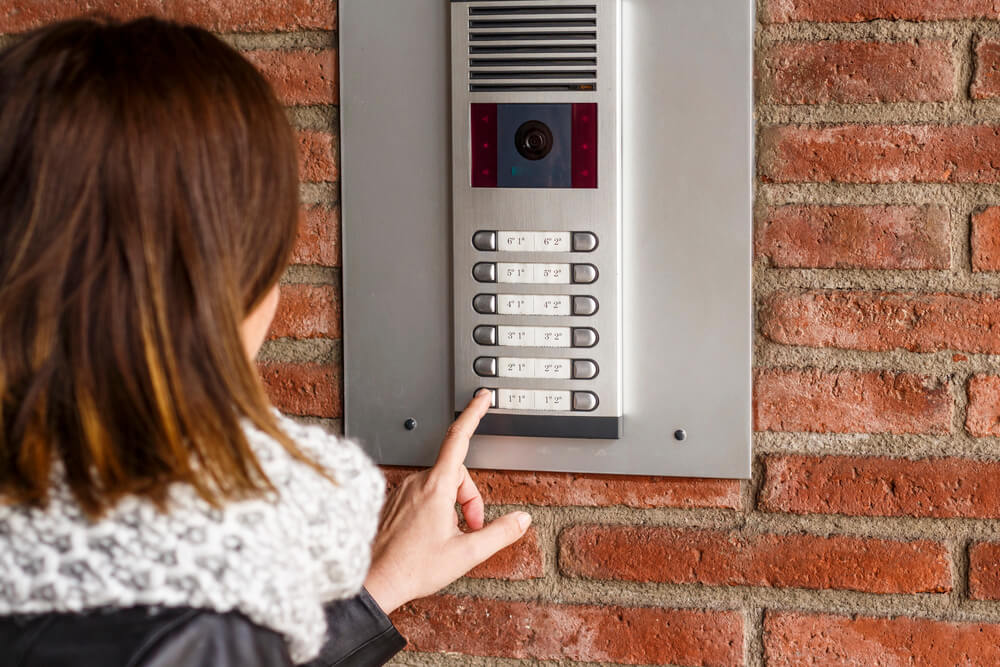
Wired household intercom systems, once installed during construction in many mid-century homes, have largely been replaced by phone-based messaging and smart home speaker systems that route announcements between rooms without dedicated wiring. Builders stopped including intercom wiring as a standard feature in most new home construction by the 2000s.
The Pocket Notebook and Pen
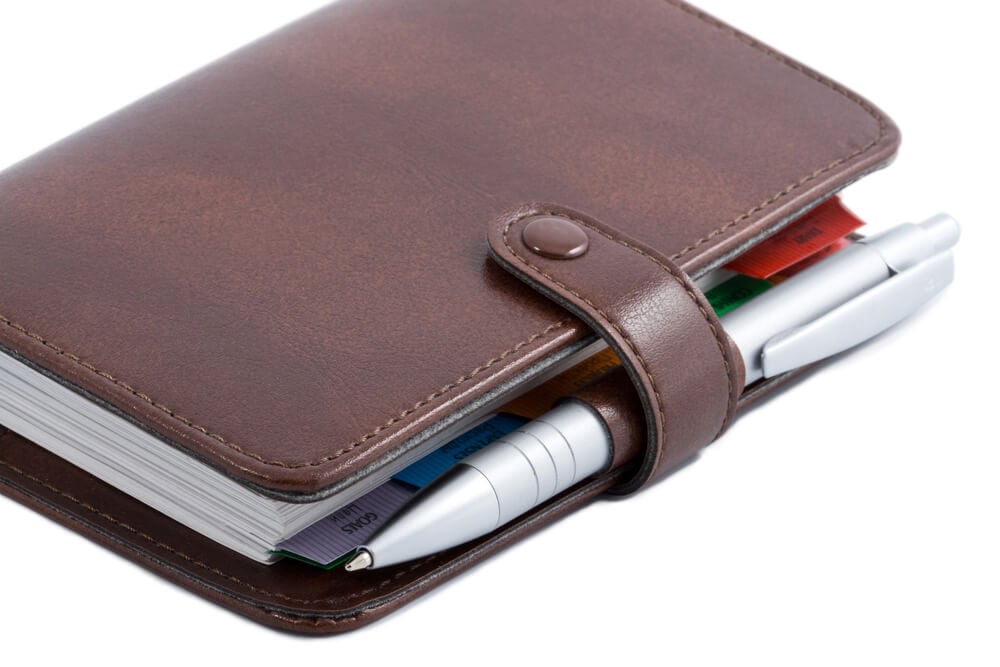
The habit of carrying a small notebook for jotting quick notes, once nearly universal among reporters, salespeople, and students, has largely shifted to phone note-taking apps that sync automatically and never run out of pages. Some professionals still prefer paper for its lack of distraction, keeping a small dedicated stationery market alive.
What Got Lost Along With the Clutter
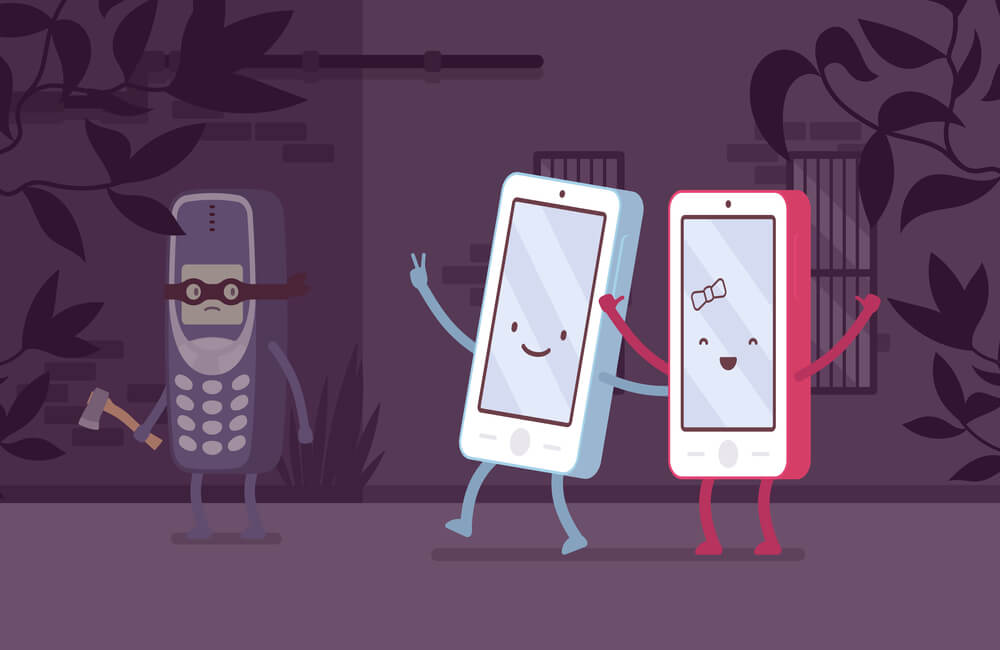
None of these devices vanished because they stopped working well. Nearly every one of them still does its original job competently, sometimes better than a phone app manages the same task, but a single device that replaces ten drawers full of chargers and batteries usually wins on convenience alone.
What is easy to overlook is how much single-purpose design used to matter, back when a gadget only had to do one thing and do it reliably. Consolidation solved a real clutter problem, but it also quietly erased an entire era of devices built around doing exactly one job well.
More from Go2Tutors!

- The Romanov Crown Jewels and Their Tragic Fate
- 13 Historical Mysteries That Science Still Can’t Solve
- Famous Hoaxes That Fooled the World for Years
- 15 Child Stars with Tragic Adult Lives
- 16 Famous Jewelry Pieces in History
Like Go2Tutors’s content? Follow us on MSN.