15 Creepiest Ghost Towns In The World
Abandoned settlements dot the globe like forgotten chapters in humanity’s story, each one telling tales of dreams deferred and communities erased by time. These aren’t just empty buildings — they’re entire worlds frozen in moments of departure, where nature slowly reclaims what civilization once built. From mining booms that went bust to disasters that forced instant evacuations, these ghost towns preserve snapshots of life that feel eerily recent yet impossibly distant.
The silence in these places carries weight, broken only by wind through broken windows and the creak of rotting timber. Here is a list of 15 creepiest ghost towns in the world.
Pripyat, Ukraine
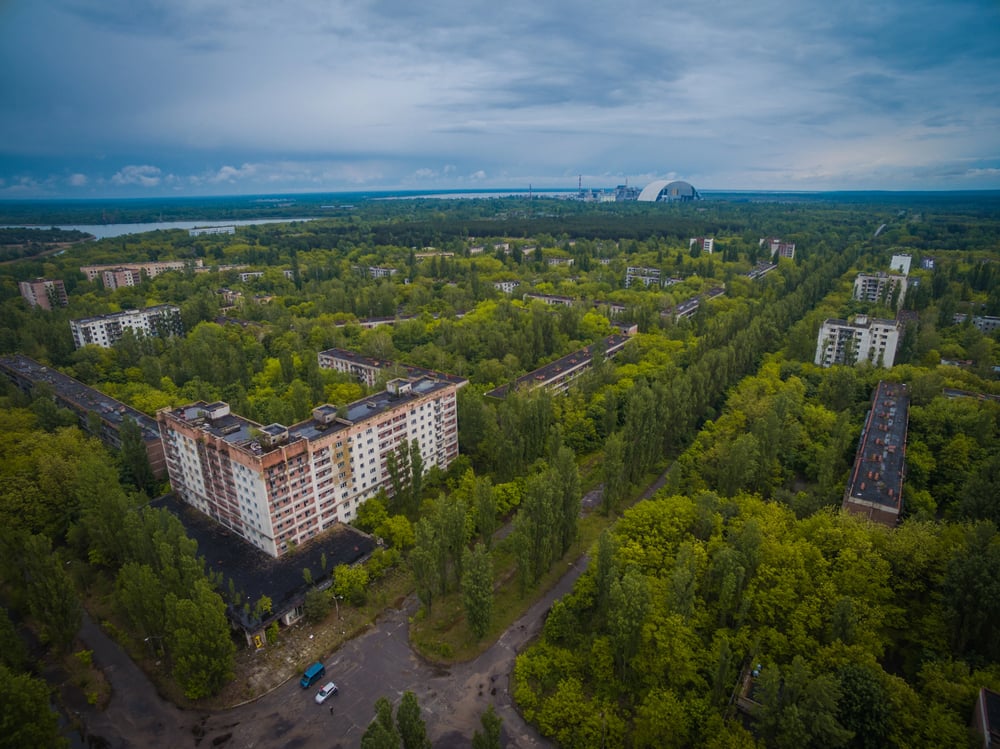
— Photo by 2mosfet@gmail.com
The Chernobyl disaster transformed this thriving city of 50,000 into the world’s most famous ghost town overnight. Residents evacuated on April 27, 1986, believing they’d return within days — personal belongings still sit exactly where people left them nearly four decades ago. Dolls lie scattered in the kindergarten, while the famous Ferris wheel in the amusement park was never used, frozen forever as a symbol of interrupted joy. Radiation levels remain dangerously high throughout much of the city.
Kolmanskop, Namibia
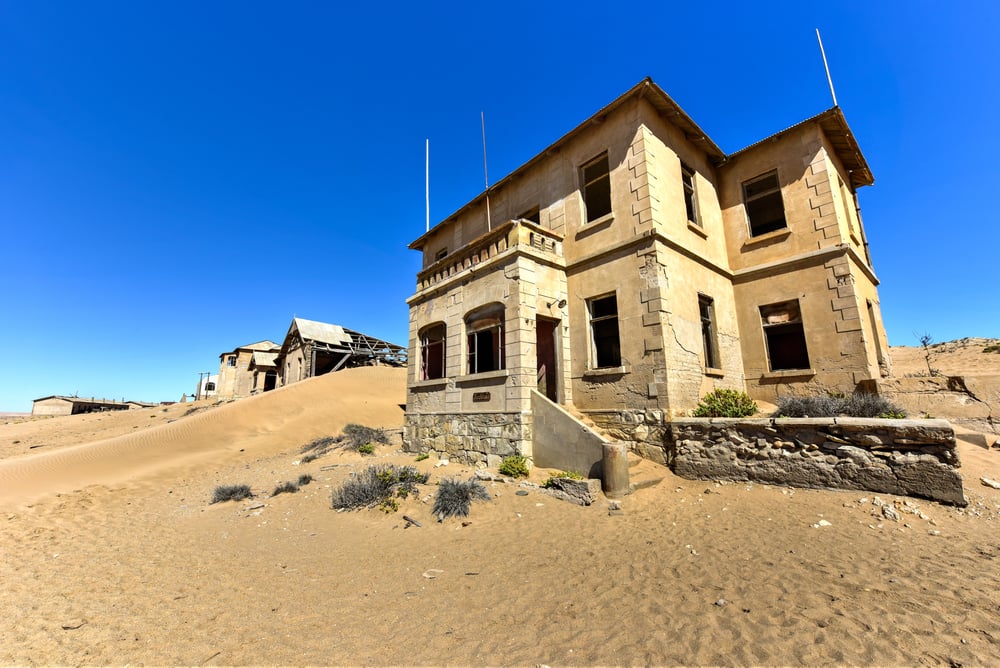
Diamond fever built this German colonial town in the Namib Desert during the early 1900s, complete with a hospital, school, and even an ice factory. When richer diamond fields opened elsewhere, residents abandoned Kolmanskop to the relentless desert sands. Today, dunes flow through doorways and windows like frozen waves, creating surreal interior landscapes where furniture emerges from sandy floors. The town’s opulent architecture still hints at the wealth that once flourished here.
Centralia, Pennsylvania
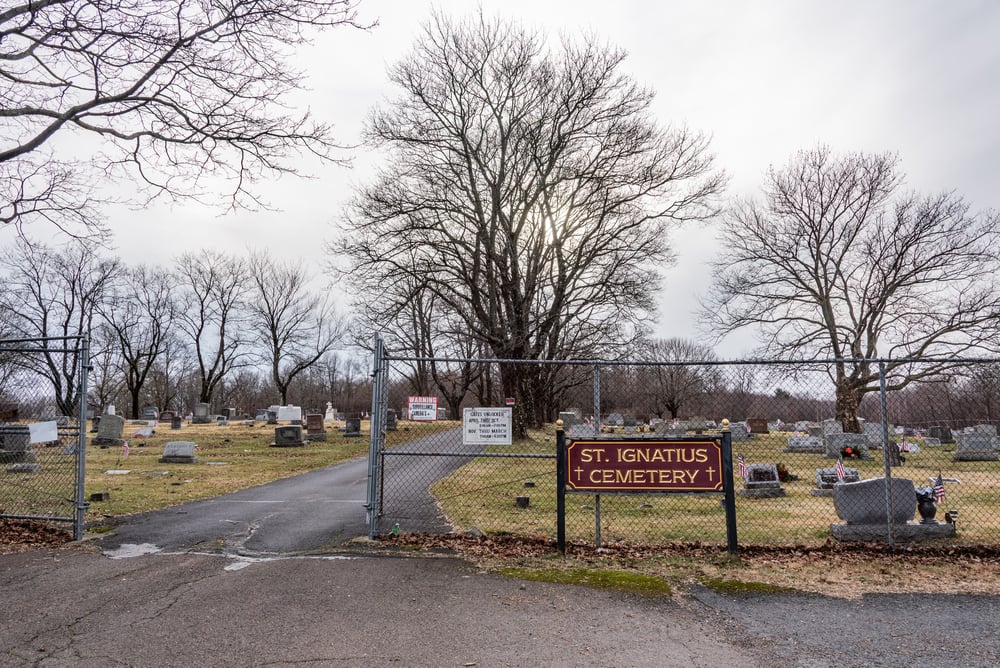
— Photo by waltbilous
An underground coal fire has burned beneath this town since 1962, creating a real-life version of hell on earth. Toxic gases seep through cracks in the ground while the earth itself stays warm year-round, melting snow and creating eerie steam vents. Most residents evacuated decades ago, though a handful of holdouts still call Centralia home despite government buyout attempts. The fire could burn for another 250 years, ensuring this ghost town’s supernatural atmosphere persists for generations.
Bodie, California
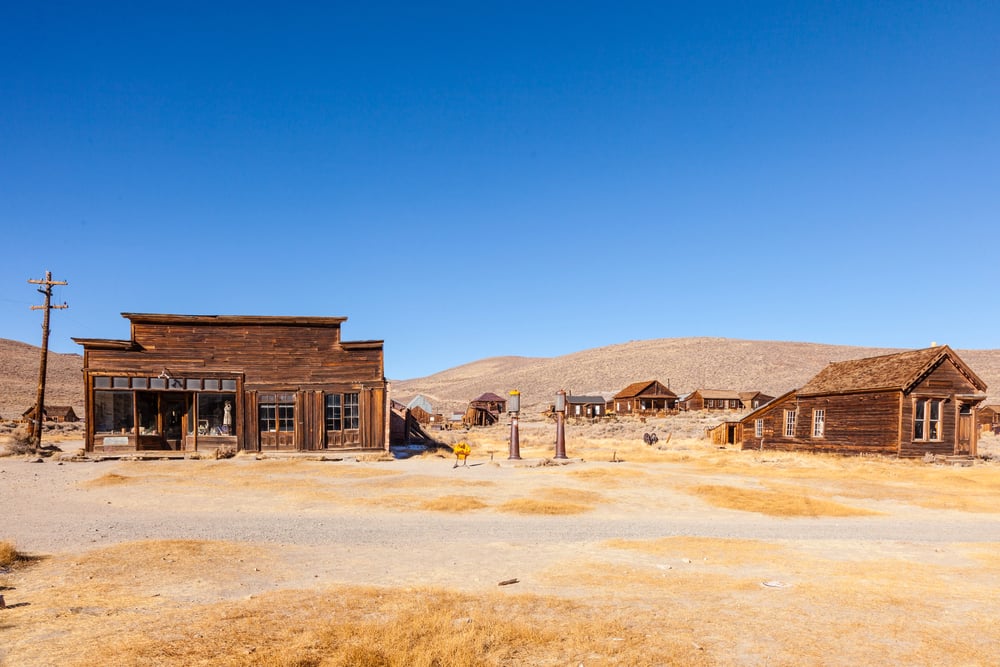
This Wild West mining town preserved itself in a state of “arrested decay” after residents departed in the 1940s. Gold rush prosperity once supported 10,000 people, but today Bodie maintains an unsettling authenticity — dishes remain on tables, books lie open where readers left them, and children’s toys gather dust in abandoned bedrooms. Park rangers report that visitors who take souvenirs often mail them back, claiming the items brought terrible luck.
Hashima Island, Japan
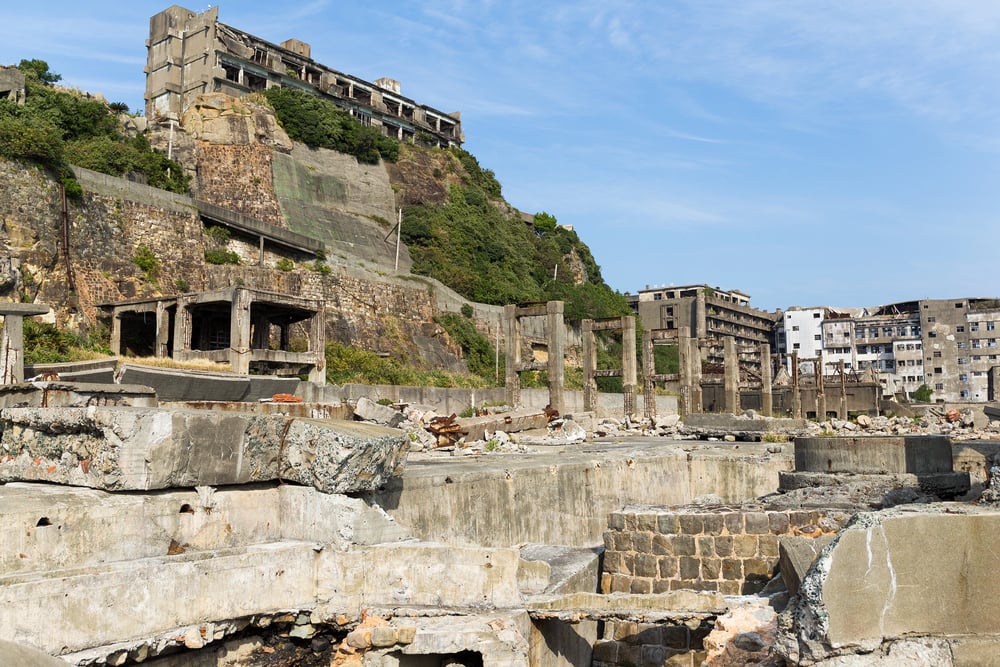
Known as “Battleship Island” for its distinctive silhouette, this concrete fortress housed coal miners and their families until 1974. The world’s most densely populated place at its peak, Hashima supported 5,000 residents on just 16 acres. Towering apartment blocks and industrial structures now crumble into the sea, while typhoons and salt air accelerate the decay. The island’s abandoned rooftops and empty windows create an apocalyptic skyline that inspired scenes in recent films.
Oradour-sur-Glane, France
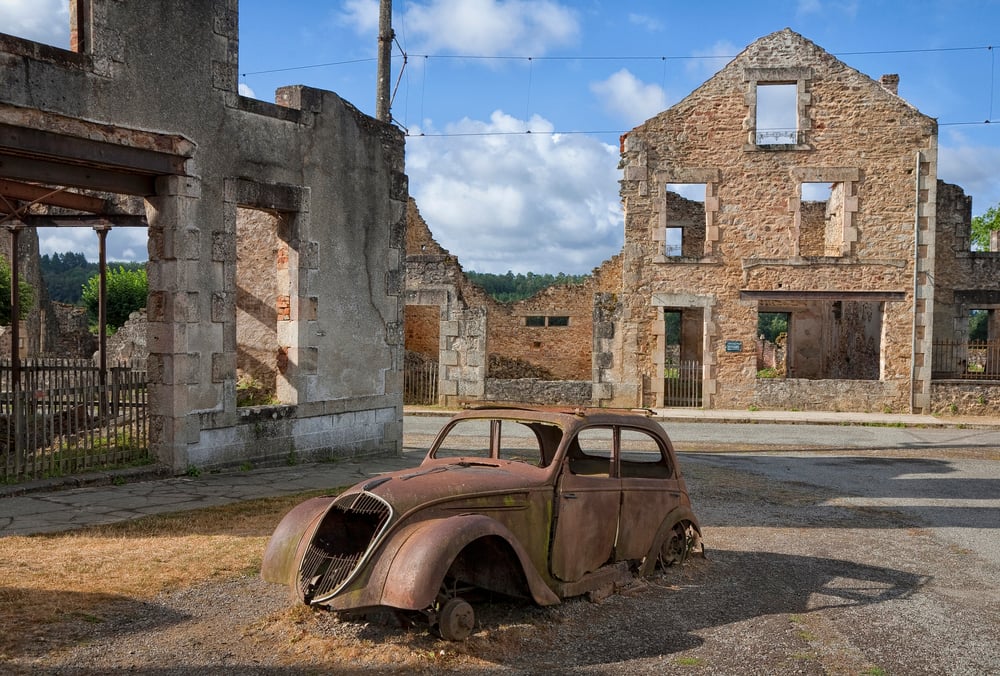
This village remains exactly as it was left on June 10, 1944, when German forces massacred 642 residents and burned the town. French authorities preserved the ruins as a memorial, leaving bullet marks in walls, charred car frames, and personal belongings scattered throughout empty streets. Visitors walk through a frozen moment of tragedy where clocks stopped at the time of attack and everyday objects tell stories of interrupted lives.
Grytviken, South Georgia Island
— Photo by Alexey_Seafarer
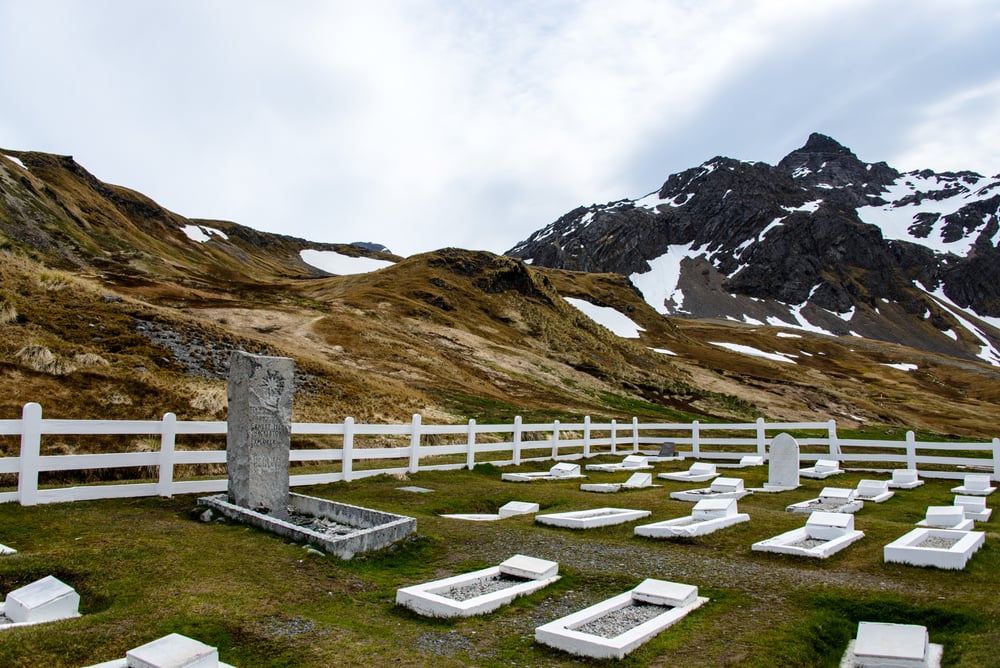
Antarctic winds howl through this former whaling station, where rusted machinery and collapsed buildings create a haunting industrial graveyard. Active from 1904 to 1964, Grytviken processed thousands of whales while supporting a community of workers in one of Earth’s most isolated locations. Today, elephant seals lounge in abandoned buildings while penguins nest among decaying equipment, creating an otherworldly scene where wildlife has reclaimed human civilization.
Kayaköy, Turkey

Religious persecution emptied this Greek Orthodox village in 1923, leaving behind hundreds of stone houses that cascade down hillsides like ancient amphitheaters. Once home to 6,500 people, Kayaköy’s churches, schools, and homes now stand as hollow shells overgrown with Mediterranean vegetation. The town’s eerie beauty attracts photographers and artists, though local legends warn that the spirits of displaced residents still wander the empty streets at night.
Craco, Italy
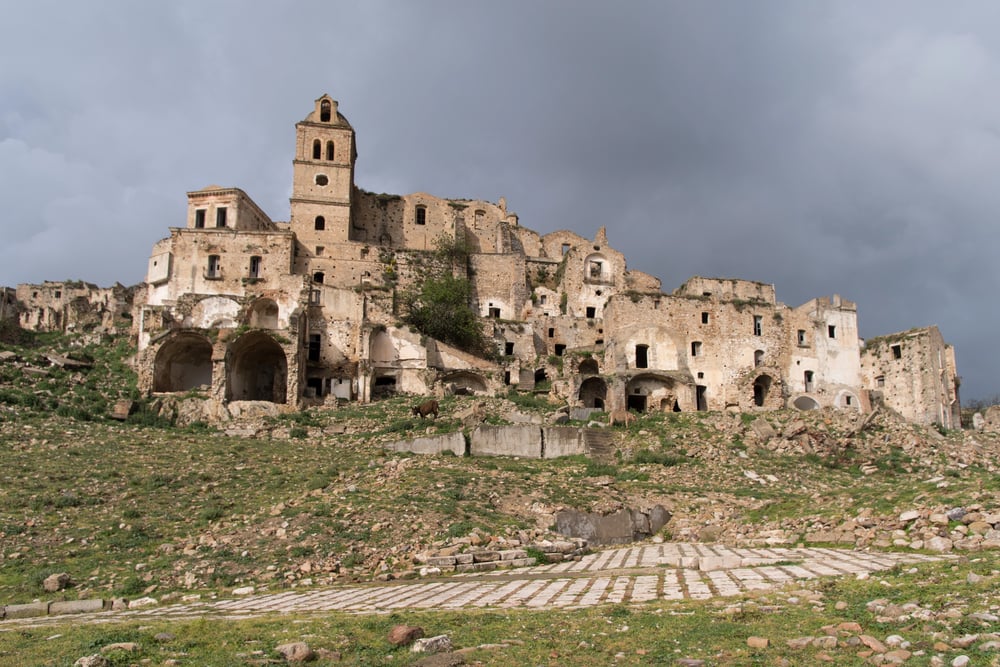
Perched dramatically on a cliff in southern Italy, this medieval town succumbed to landslides, earthquakes, and gradual abandonment throughout the 20th century. Ancient stone buildings cling precariously to eroding slopes while narrow streets wind between empty palazzos and churches. Hollywood discovered Craco’s photogenic ruins, using them as backdrops for films about apocalyptic worlds and biblical disasters.
Beelitz-Heilstätten, Germany
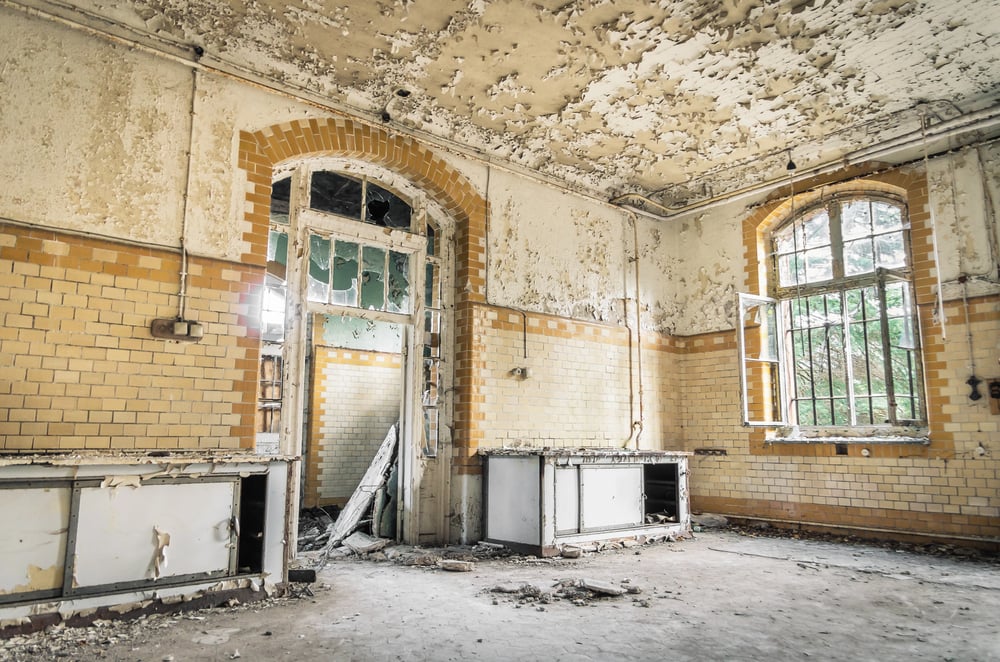
This sprawling medical complex treated tuberculosis patients and later served as a Soviet military hospital before closing in the 1990s. Sixty buildings spread across 500 acres create a maze of decaying corridors, operating theaters, and patient wards where nature slowly reclaims sterile medical spaces. Graffiti artists have transformed some areas into underground galleries, while urban explorers navigate crumbling staircases and flooded basements.
Varosha, Cyprus
— Photo by jomahepu@gmail.com
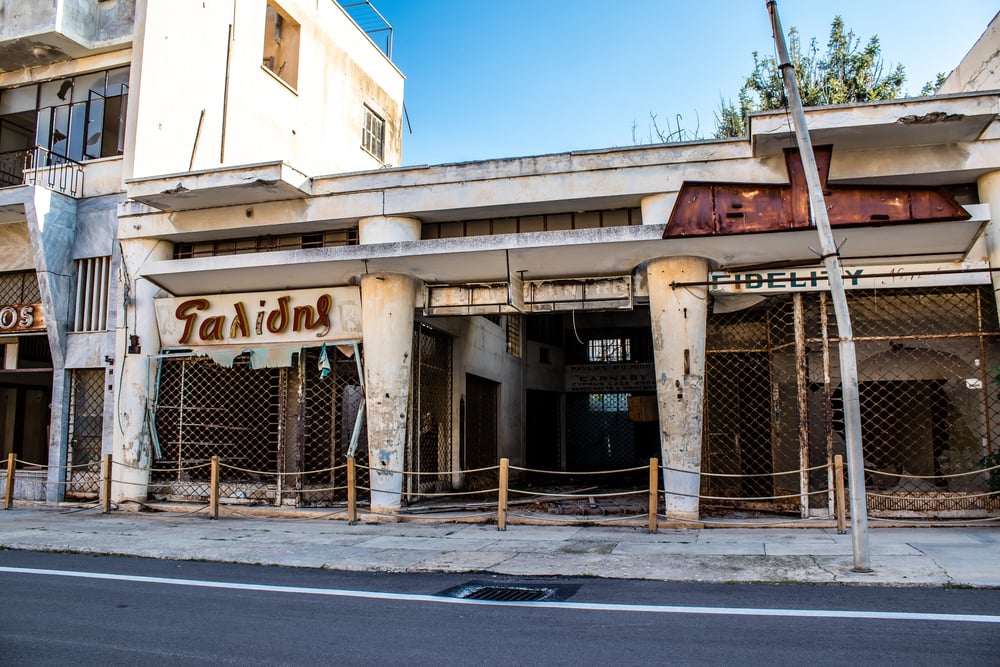
Turkish forces sealed off this resort district in 1974, creating a time capsule of 1970s beach culture. Hotels, restaurants, and shops remain exactly as tourists left them during the hasty evacuation, with faded signs advertising long-expired promotions and vintage cars rusting in empty parking lots. Barbed wire and military checkpoints prevent access to most areas, though glimpses through fence gaps reveal a Mediterranean paradise frozen in amber.
Pyramiden, Norway
— Photo by lillitve
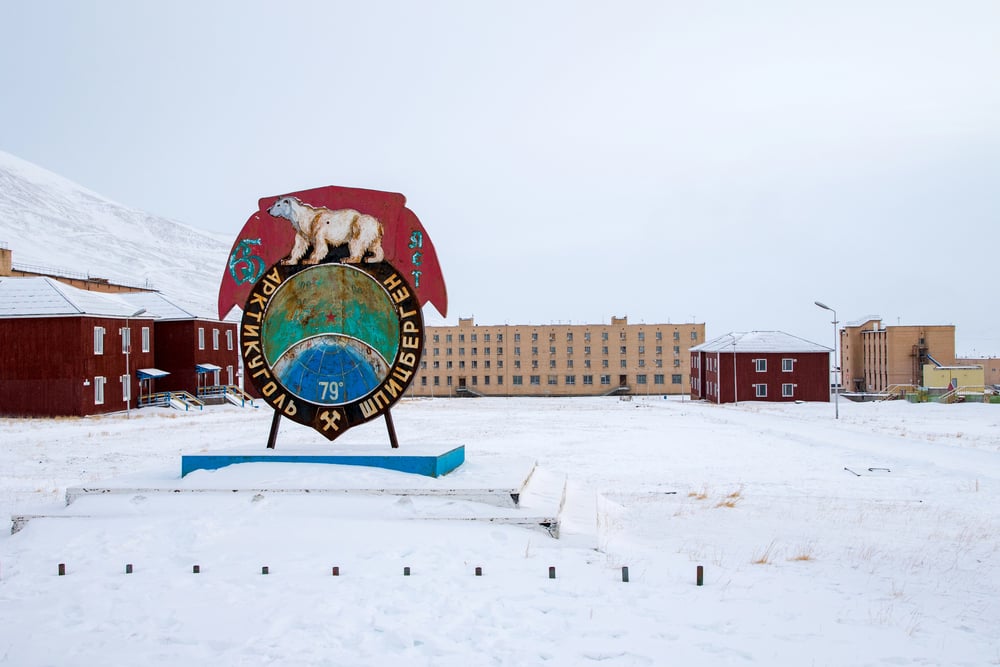
The Soviet Union established this coal mining settlement in the Arctic archipelago of Svalbard, creating the world’s northernmost ghost town when operations ceased in 1998. Communist propaganda still decorates buildings while a grand piano sits in the cultural center, waiting for concerts that will never come. Polar bears now patrol empty streets where miners once lived, and the extreme cold has preserved many structures in remarkable condition.
Agdam, Azerbaijan

War transformed this city of 150,000 into a landscape of destruction and abandonment. Systematic demolition left only scattered ruins and the haunting shell of a mosque rising from rubble-strewn streets. Land mines scattered throughout the area make exploration extremely dangerous, while the few remaining structures serve as stark reminders of how quickly modern cities can return to dust.
Villa Epecuén, Argentina

This lakeside resort town disappeared beneath rising salt water in 1985, only to emerge again as the lake receded decades later. Salt-encrusted buildings and rusted vehicles create an otherworldly landscape that resembles an alien planet more than a former tourist destination. The town’s single remaining resident, Pablo Novak, returned to live among the ruins and tells stories of the thriving community that once existed here.
Wittenoom, Australia

Asbestos mining operations poisoned this Western Australian town, leading to its official removal from maps and GPS systems. Despite health warnings and government efforts to relocate residents, a handful of people still live among the contaminated buildings. Blue asbestos fibers remain embedded in the soil and structures, making Wittenoom one of the most dangerous places on Earth yet paradoxically beautiful in its isolation.
Echoes of What Was
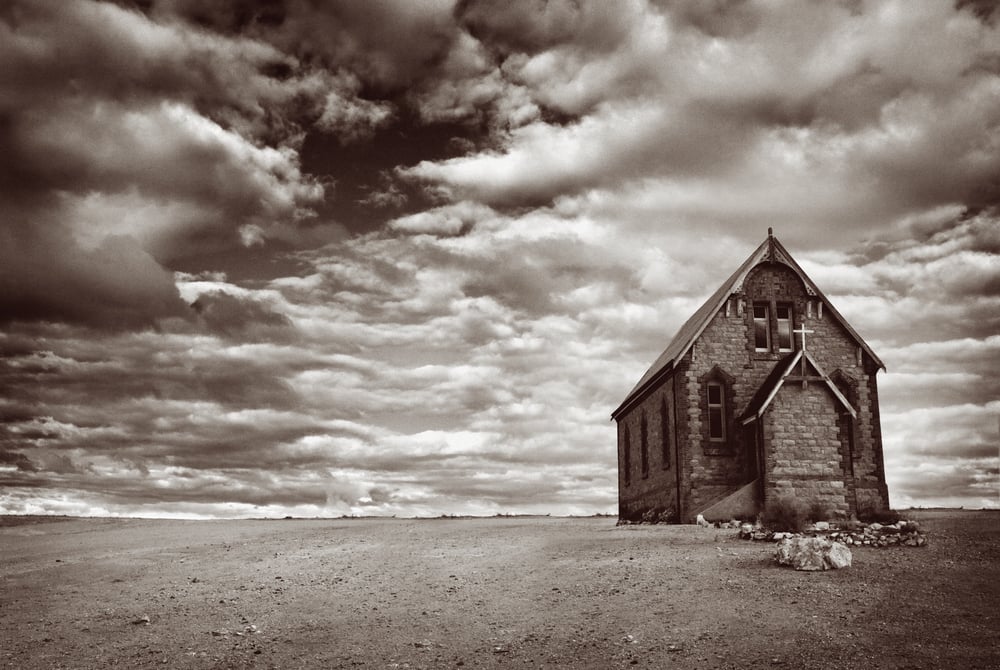
These abandoned places serve as powerful reminders of human ambition and nature’s ultimate authority over our constructions. They capture moments when entire communities simply stopped existing, whether through sudden disaster, economic collapse, or gradual decline. Walking through these ghost towns feels like time travel, offering glimpses into lives that once thrived where only wind and decay remain. Each empty building tells stories of people who called these places home, their absence making the silence all the more profound.
More from Go2Tutors!

- The Romanov Crown Jewels and Their Tragic Fate
- 13 Historical Mysteries That Science Still Can’t Solve
- Famous Hoaxes That Fooled the World for Years
- 15 Child Stars with Tragic Adult Lives
- 16 Famous Jewelry Pieces in History
Like Go2Tutors’s content? Follow us on MSN



