Boxes of Old Photographs That Turned Out to Have Historical Significance Nobody Expected
Photographs are the most casually discarded historical documents in existence. People throw them away during moves, donate them to thrift stores in shoeboxes, and tuck them into drawers where they remain untouched for decades.
Most of the time, this represents no loss. But occasionally, someone empties a box of old prints and finds themselves holding an image that turns out to be singular — the only surviving photograph of a historical figure, evidence of an event that historians have debated for a century, or the missing pieces of a documentary archive that changed how an entire era is understood.
The stories below are real. Each photograph was either almost discarded, purchased for almost nothing, or discovered behind a wall of accumulated time before its significance became clear.
The Only Authenticated Billy the Kid Photograph
The only confirmed photograph of Billy the Kid — a tintype taken in late 1879 or early 1880 in Fort Sumner, New Mexico — spent decades in the possession of Dan Dedrick’s descendants. The outlaw had given it to Dedrick, a fellow cattle rustler, and it passed through the family without anyone treating it as significant enough to sell or display publicly.
In 2011 it came to auction at Brian Lebel’s Old West Show & Auction in Denver, where bidding was expected to reach $300,000 to $400,000. Florida billionaire William Koch paid $2.3 million, an amount that reflected the photograph’s status as the sole authenticated visual record of one of the most mythologized figures in American history.
A $2 Junk Shop Croquet Photo
In 2010, Randy Guijarro paid two dollars for three old photographs at a junk shop in Fresno, California. He studied them closely. One showed a group of men playing croquet. After more than a year of investigation, the authentication firm Kagin’s confirmed that the figure playing croquet was Billy the Kid — photographed alongside members of his gang, The Regulators, in 1878.
It is only the second confirmed photograph of the outlaw ever discovered, and Kagin authenticated it by tracking down the physical foundations of the building visible in the background in Chaves County, New Mexico. The photograph was valued at $5 million.
A $10 eBay Tintype of Jesse James
In July 2017, Justin Whiting — a collector based in Spalding, England — noticed a tintype photograph of a young boy listed on eBay for ten dollars. He paid for it and, upon receiving it, noticed a strong resemblance to known photographs of Jesse James.
He sent it to California-based 19th-century photography expert Will Dunniway, who examined the image and concluded it was a genuine portrait of James at approximately 14 years of age — which, if confirmed, would make it the earliest known photograph of the outlaw. Forensic analysts told Whiting the image could be worth $2 million.
A Sealed Attic Portrait Studio in Upstate New York
David Whitcomb purchased a historic building in Geneva, New York, with plans to expand his law practice. While inspecting the third floor with a friend, they found the ceiling tiles were concealing something above.
They stacked chairs and Whitcomb pulled himself up to find a walled-off room sealed behind drywall and lost to time — a fully intact portrait photography studio from the turn of the 20th century. Inside were antique backdrops, equipment, period furniture, hundreds of glass plate negatives, and a framed portrait of Susan B. Anthony, taken in 1905, one year before her death.
They also found what appear to be portraits of Elizabeth Cady Stanton and Elizabeth Smith Miller — both central figures in the women’s rights movement — along with a burlap sack filled with hundreds of prints that had apparently been discarded by the original photographer decades before the room was sealed.
Piedmont Cigarettes Packs from the T206 Era
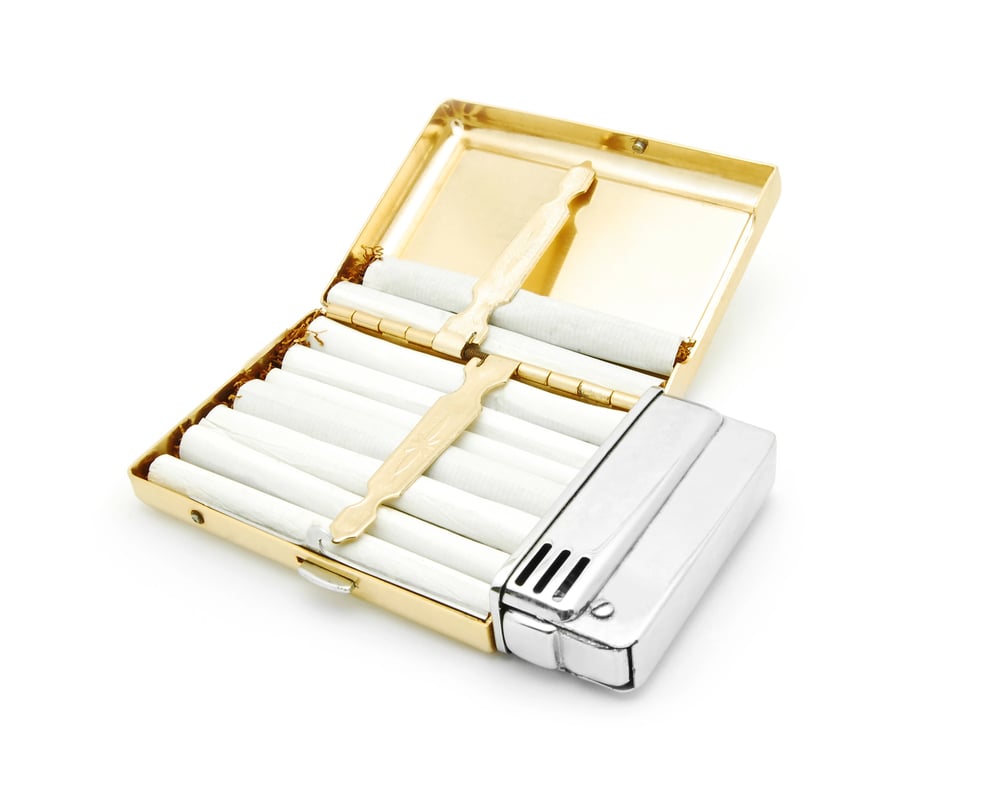
At a Richmond, Virginia estate sale in 2024, a collection of 13 original circa-1910 Piedmont Cigarettes packs turned up — six still factory sealed — discovered within ten miles of the American Company factory where they were originally produced. The T206 era is the most collected period in baseball card history, and sealed packs from the original production run represent objects that most collectors believed no longer existed intact.
The collection sold at Robert Edward Auctions for $218,400 across eight lots, with the sealed packs’ contents still unknown.
A Near-Complete Pre-War Baseball Card Collection in a Deceased Uncle’s Boxes
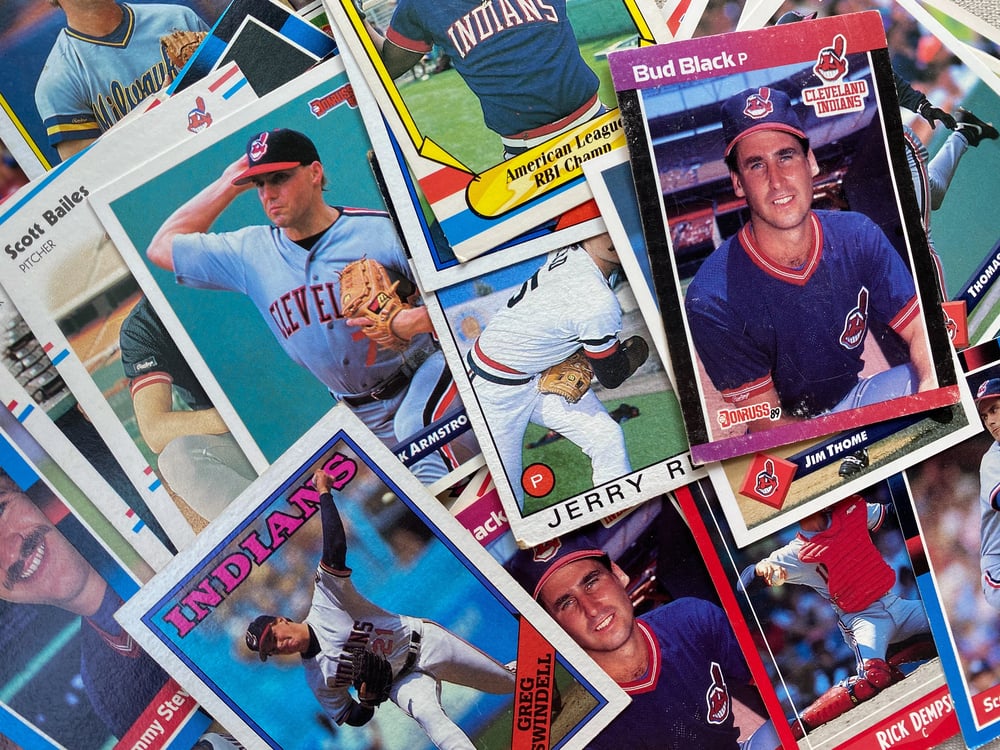
In late 2025, a person sorting through a deceased uncle’s belongings posted a photograph online with the casual caption “found in my uncle’s stuff, little beat up but cool.” Collectors immediately recognized what was laid out on the table: a 1916 M101-4 Morehouse Baking Babe Ruth rookie card, surrounded by Ty Cobb, Shoeless Joe Jackson, Connie Mack, and Honus Wagner cards from the same era, with what appeared to be a near-complete Sporting News set missing only thirteen cards.
The uncle had assembled it over decades without, apparently, discussing its significance with anyone. What looked like a box of old cards turned out to be one of the most discussed hobby finds in years.
The 1910 E98 Set Found in a Defiance, Ohio Attic
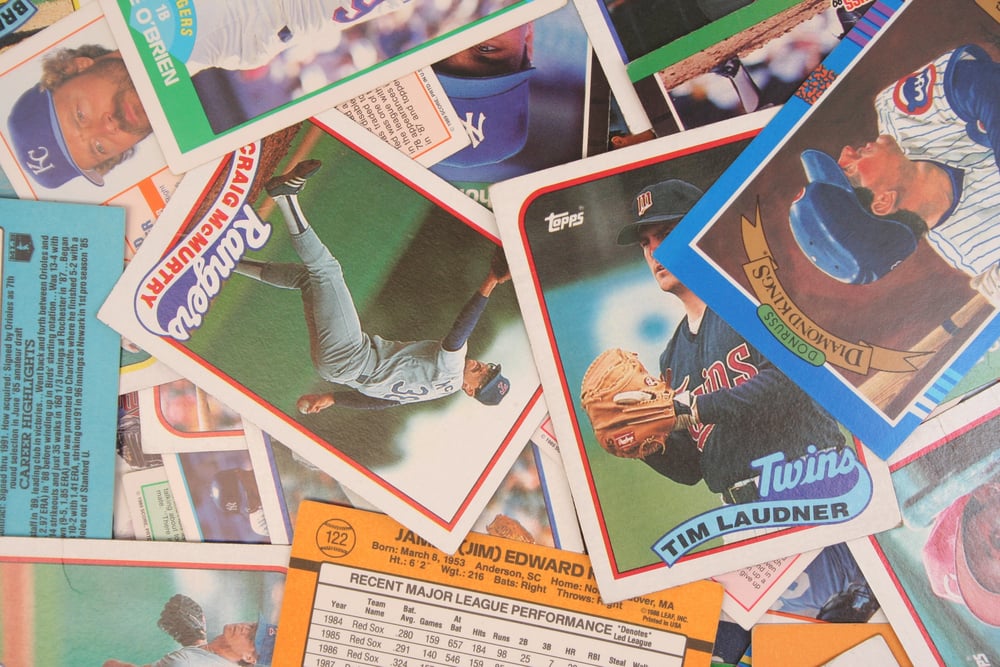
A man going through his grandfather’s attic in Defiance, Ohio discovered almost 700 baseball cards from the 1910 E98 set — one of the rarest and most sought-after early candy card issues in the hobby. The E98 set, issued by an unknown manufacturer and nicknamed “Set of 30” by collectors, rarely appears in significant quantities at once, let alone assembled as a near-complete collection from a single family source.
The find represented the kind of attic discovery that collectors discuss as a theoretical possibility and encounter in practice only once or twice in a generation.
The Beach Boys Archive in a Florida Storage Unit
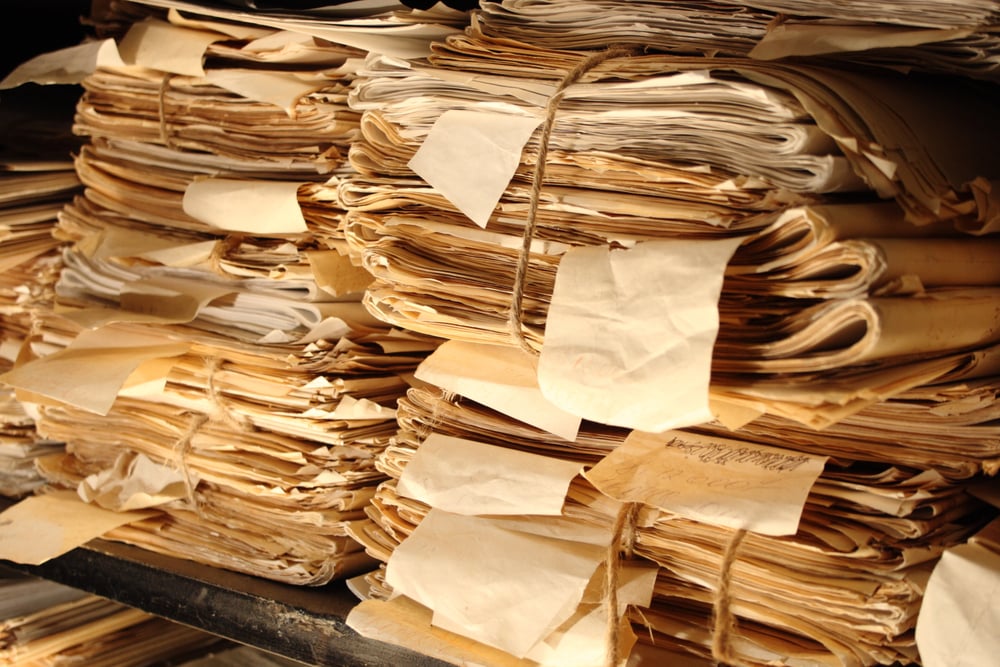
A Florida storage unit rented in the 1970s was sold as “documents and papers” when payments lapsed around 2006. A radio station paid a few hundred dollars for the contents. Inside were handwritten song arrangements, original lyric sheets, what appeared to be the band’s first royalty check for $990, signed contracts, personal photographs, and documents spanning The Beach Boys’ early career — including materials showing Brian Wilson’s compositional process in extraordinary detail.
The archive became the subject of years of legal dispute and was eventually sold for a sum exceeding several million dollars. No one at the auction had any reason to believe the boxes contained anything beyond standard paperwork.
Civil War Glass Plate Negatives Found in Old Trunks
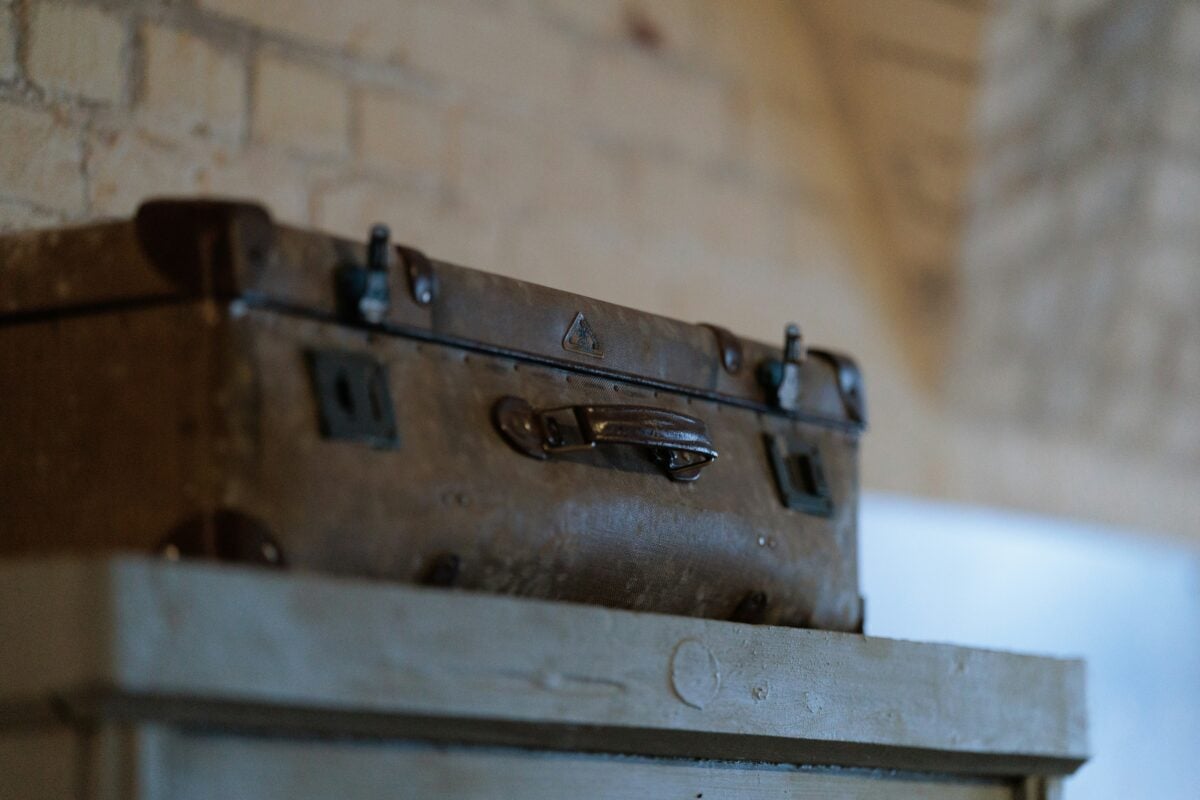
Original glass plate negatives from Civil War-era photographers — many made by operators in the field working for studios like Mathew Brady’s — surface periodically in old trunks, attics, and estate collections. The glass is fragile, and most examples have been broken, lost, or thrown away without anyone recognizing what they were.
Intact examples authenticated to specific photographers and dates command prices from hundreds to thousands of dollars each, and intact archives of multiple plates from a single field photographer represent objects of genuine historical record. The challenge is almost always identification — without documentation of the photographer’s name and the subjects’ identities, the images exist as visual evidence without the narrative that makes them historically locatable.
Lincoln Campaign Photographs From 1860

An 1860 glass plate image of Abraham Lincoln — made during his presidential campaign — was offered at auction by University Archives in April 2025 with an estimate of $800,000 to $1,000,000. The photograph was notable in part because it was produced decades after Lincoln’s death by photographer George B. Ayers from an original negative of the 1860 campaign portrait.
Lincoln’s use of photography during his campaigns was groundbreaking for its era, and images connected to the 1860 campaign carry amplified historical weight because they document the beginning of a presidency defined by the Civil War. Examples that emerge from private collections rather than institutional archives tend to generate the most intense auction interest.
Signed Lincoln and Booth Cartes-de-Visite
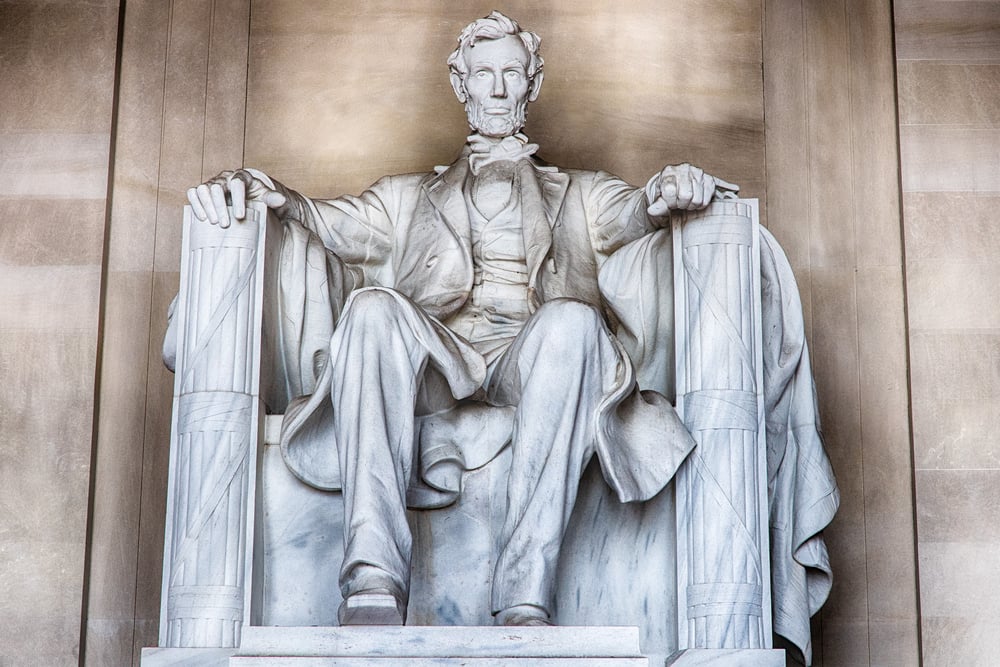
A collection that included signed cartes-de-visite — the small format portrait photographs popular from the 1850s through the 1870s — featuring Abraham Lincoln and John Wilkes Booth sold at Swann Galleries auction in 2026 for over $100,000 each. Signed Lincoln photographs are among the most collected items in presidential memorabilia.
The fact that authenticated examples of the president and his assassin appear in the same format, from the same era, in a single collection gave the grouping a resonance that individual pieces couldn’t replicate. The collection had been privately held before consignment.
Ansel Adams Negatives Bought at a Flea Market
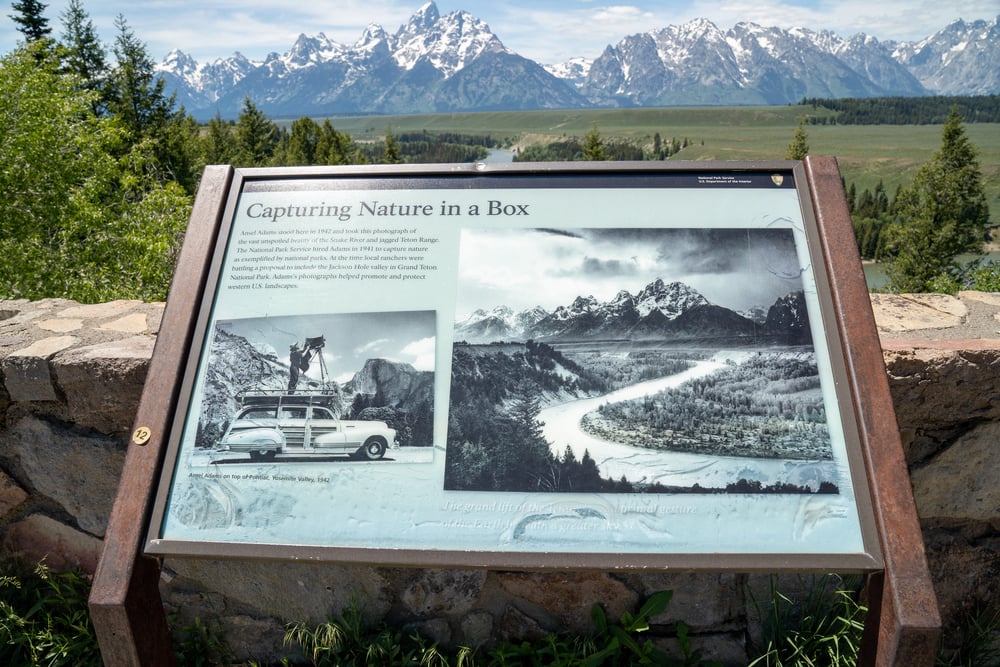
In 2000, a collector named Rick Norsigian purchased boxes of glass plate negatives at a garage sale in Fresno, California for $45. After a decade of research and authentication work, experts concluded in 2010 that the negatives were from Ansel Adams — images from his early career as a photographer, most of which Adams had believed lost in a 1937 darkroom fire.
The collection of approximately 65 plates was valued at $200 million, though the authentication was contested by the Ansel Adams Publishing Rights Trust, which disputed the claim. The legal and authentication dispute illustrated both the value at stake and the difficulty of settling questions of photographic provenance without ironclad documentation.
Harry Houdini Promotional Archive in a Personal Trunk
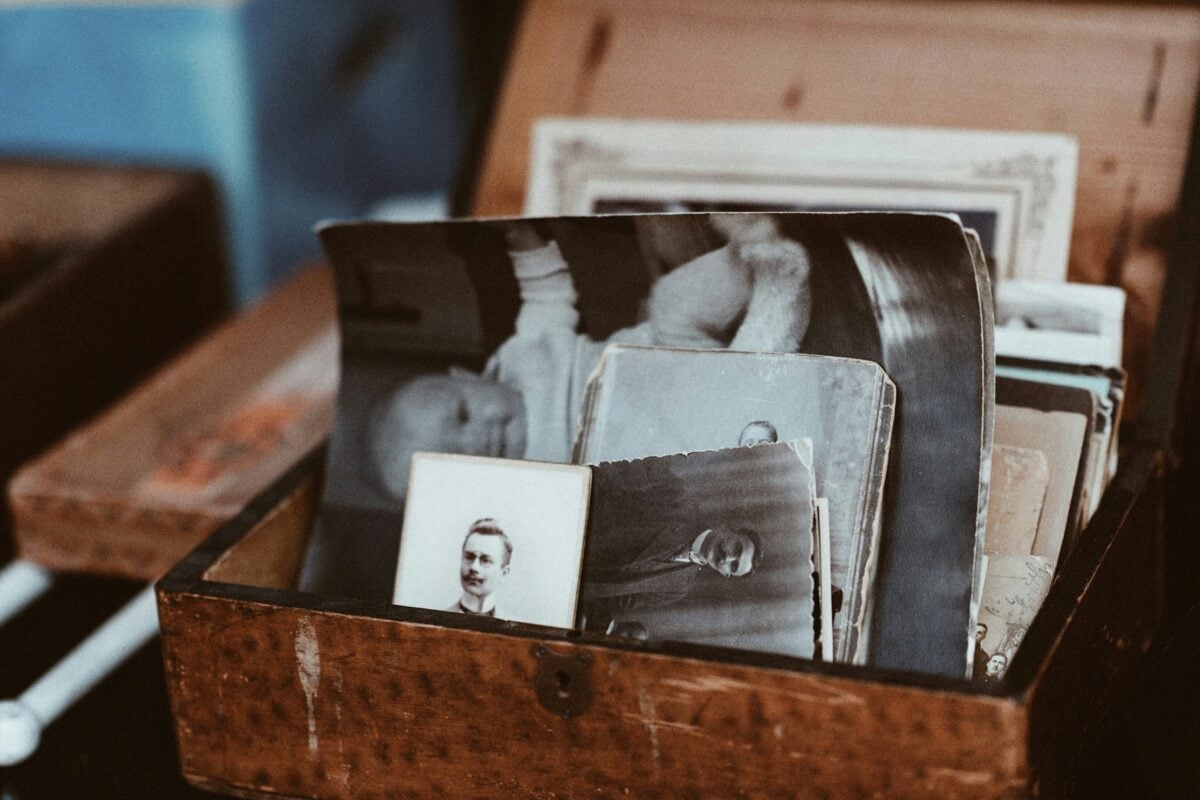
Promotional photographs, handbills, and correspondence from Harry Houdini’s touring career — much of it produced for specific venues and never formally archived — surface periodically in estate sales and through the descendants of theater managers and venue owners who kept his material as souvenirs.
Original Houdini photographs and promotional images in good condition command $200 to $1,500 each depending on the format, date, and whether Houdini’s signature accompanies the image. A trunk of material from a single venue run, when it appears, can represent the most complete record of Houdini’s program at a specific stop that survives anywhere.
Titanic Survivor Family Albums
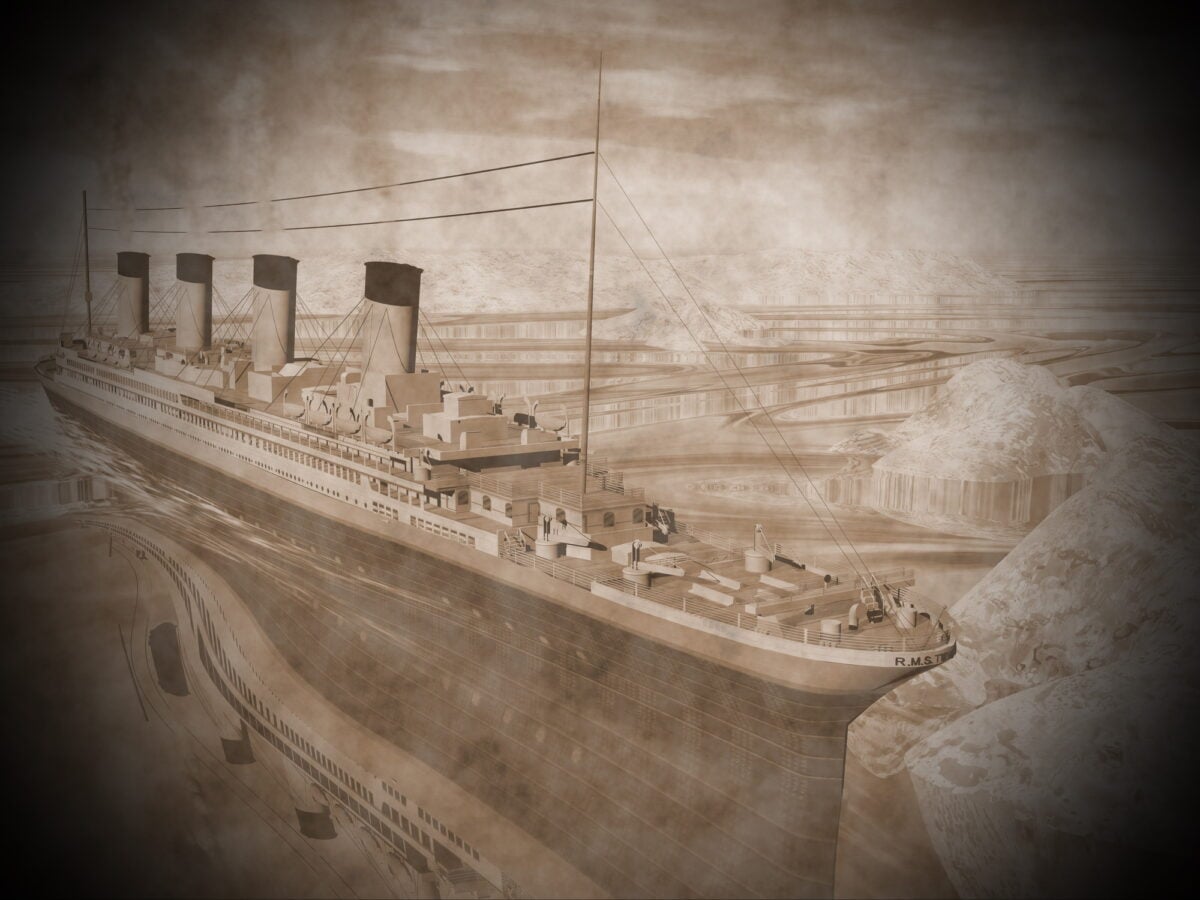
Personal photograph albums belonging to Titanic survivors — particularly those from first class, who had the resources to document their pre-sailing lives extensively — have appeared at auction over the decades with varying degrees of documentation establishing their connection to the voyage.
A survivor’s photograph album with pre-sailing images, documentation of the family’s booking, and post-rescue correspondence represents an object that exists at the intersection of personal history and one of the most documented disasters of the 20th century. Christie’s and Henry Aldridge & Son have offered similar collections multiple times with estimates ranging from tens of thousands to well over a hundred thousand dollars per lot.
Glass Plates From a Sealed Photography Studio in Scotland
Regional portrait photographers across Britain and continental Europe operated studios through the late 19th and early 20th centuries and occasionally sealed their archives when they retired, died, or moved rather than clearing them out.
When building renovations uncover these sealed studio spaces — as has happened multiple times in Scotland and England — the glass plate collections inside represent complete visual records of specific communities at specific moments in time. Local historical societies have sometimes received these collections as donations, while auctioned examples have generated significant interest from both institutions and private collectors seeking regional photographic history.
Photographs From the Japanese American Internment Camps
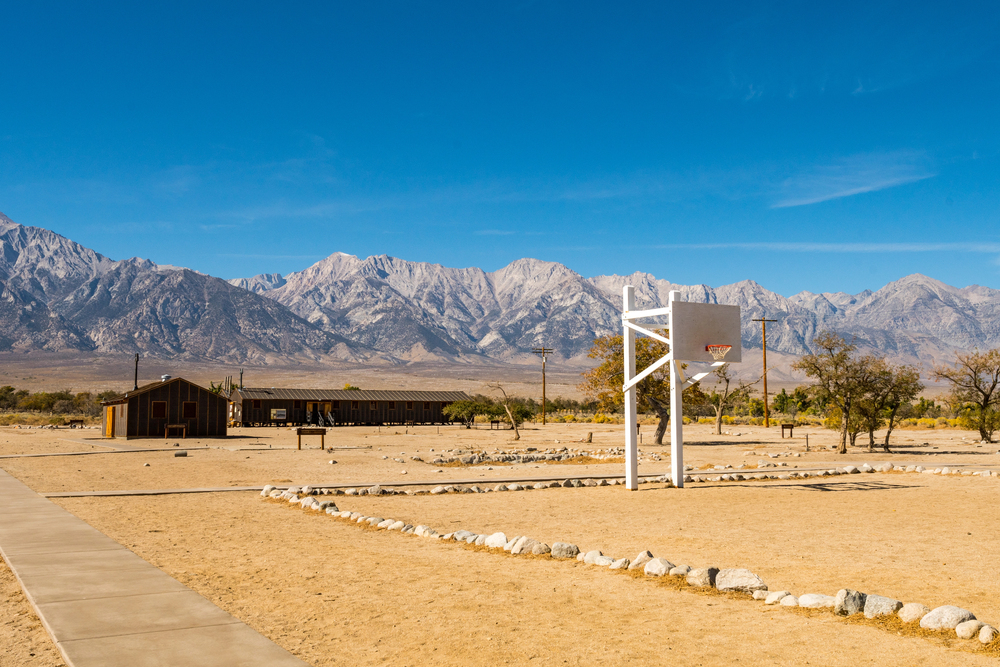
Personal photograph albums and individual prints documenting daily life inside the World War II Japanese American internment camps — beyond the formal documentary work produced by government photographers — occasionally emerge from the families of people who were held at camps including Manzanar, Tule Lake, and Heart Mountain.
These privately held images provide a perspective on camp life that differs from the official photographic record, showing mundane and personal moments that official photographers weren’t present to document. When such collections reach auction with clear family provenance, they attract significant interest from institutions studying this period of American history.
What a Box of Old Prints Actually Contains
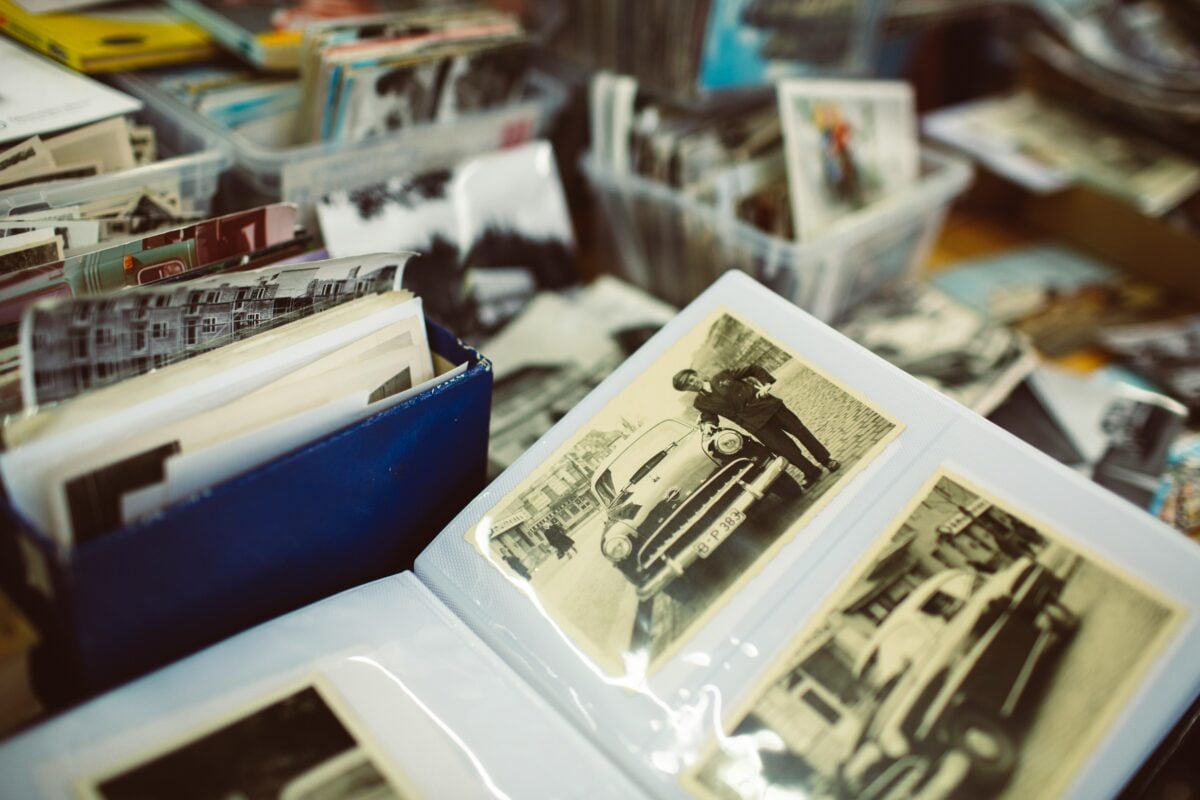
Most boxes of old photographs retrieved from attics and estate sales contain what they appear to contain: ordinary family portraits, casual snapshots, the visual residue of ordinary lives. But the extraordinary finds described above share a common feature — they were stored without context, without labels, often without any indication from the people who preserved them that they understood what they held. Billy the Kid gave his photograph to a friend.
The Beach Boys’ archive ended up in a storage unit. A photography studio was sealed behind drywall and forgotten. The gap between what a photograph looks like and what it represents historically is almost always invisible to the person holding it.
The image of a man with a Winchester rifle might be a family portrait or the only authenticated image of the most mythologized outlaw in American history. There is no reliable way to know without looking — and most of the time, nobody looks.
More from Go2Tutors!

- The Romanov Crown Jewels and Their Tragic Fate
- 13 Historical Mysteries That Science Still Can’t Solve
- Famous Hoaxes That Fooled the World for Years
- 15 Child Stars with Tragic Adult Lives
- 16 Famous Jewelry Pieces in History
Like Go2Tutors’s content? Follow us on MSN.



