31 Old Tools Sitting in Garages Worth Real Money
Most garage tool boxes are full of the same worn wrenches and rusted pliers that never bring much of anything. The tools worth setting aside belong to specific trades that have mostly disappeared, made by specific manufacturers, in configurations most people would not recognize as unusual at all.
Leatherworking Edge Tools
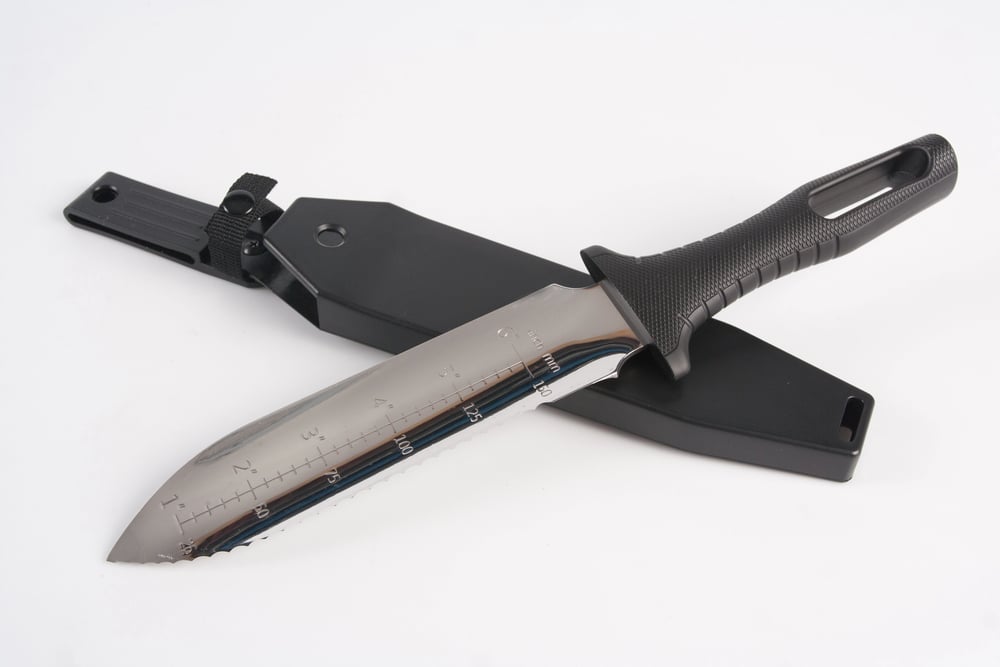
Hand tools built specifically for cutting, skiving, and beveling leather, including specialized knives shaped unlike any general-purpose blade, are collected and actively used by the working saddlery and leathercraft trade rather than sitting as display pieces. A tool marked with a well-regarded maker’s stamp holds its edge geometry precisely and is worth searching out over a generic modern equivalent.
Rust on the blade is manageable, but a chipped or reground edge that has lost the original bevel is a real defect to a working leatherworker.
Cobbler’s Lasts and Shoe Repair Forms
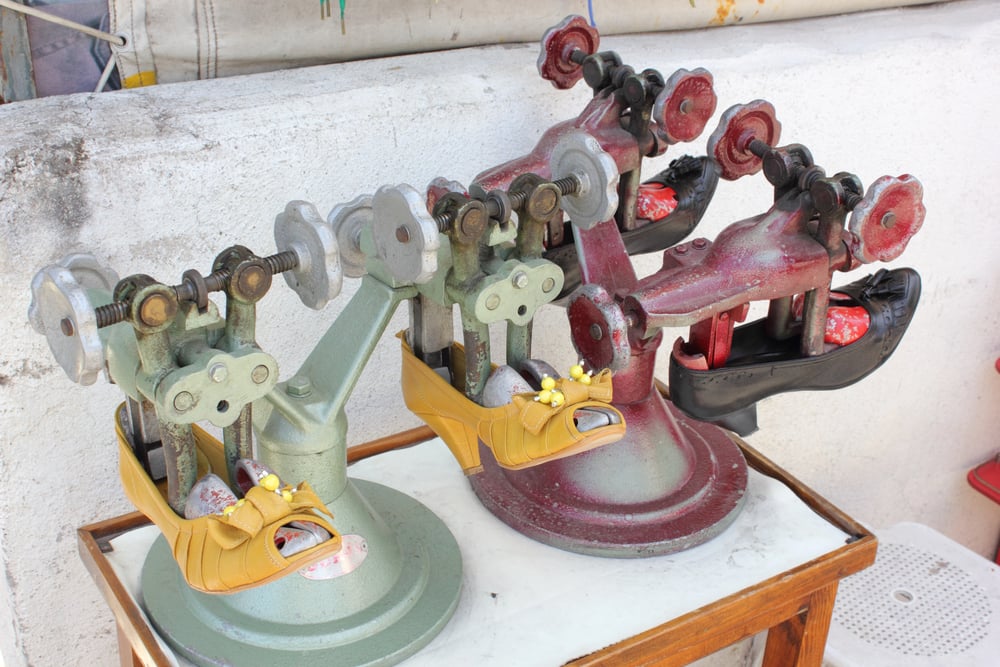
Wooden and cast iron lasts, the foot-shaped forms shoemakers and cobblers built and repaired shoes around, were produced in enormous size and style before mass shoe manufacturing standardized the process. Collectors of trade tools search for lasts marked with a specific maker or size series, and a matched set covering a full size range is worth considerably more than individual pieces.
These are frequently mistaken for simple decorative objects and priced accordingly low.
Surveying Chains and Compasses

Brass surveying compasses and measuring chains from before electronic distance measurement became standard are collected both by instrument collectors and by land surveyors researching historical property boundary methods. A compass with its original sighting vanes and a legible maker’s engraving is worth pursuing specifically, since the engraving identifies both the maker and often the specific model year.
Chains missing links are common and reduce value, though a complete chain in its original storage reel is a genuine find.
Coopering Tools for Barrel Making
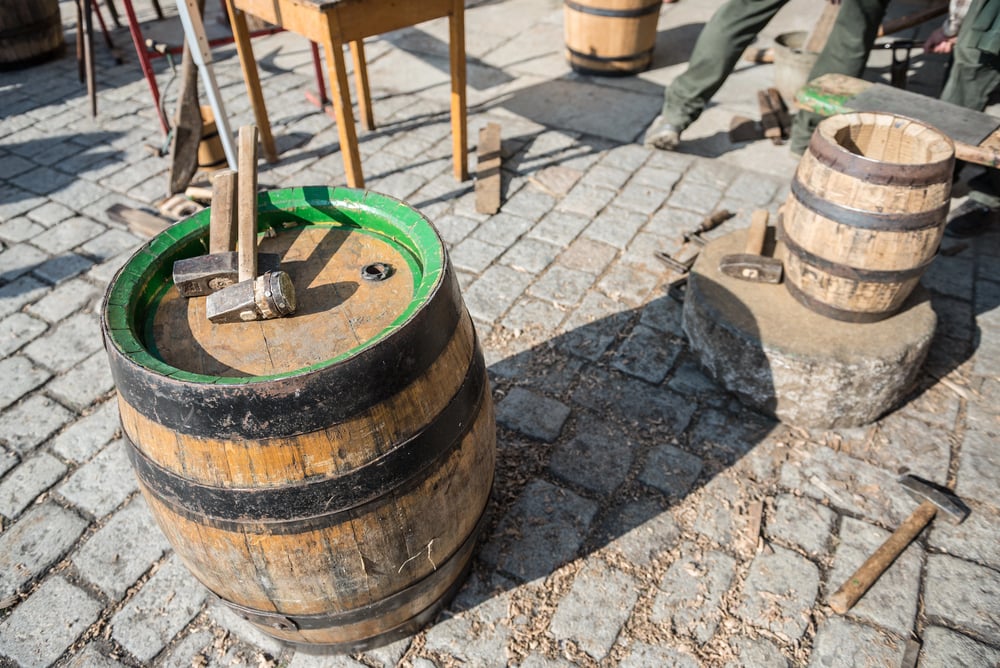
Specialized hand tools for barrel and cask construction, including curved shaves and specific hollowing tools shaped to work the interior curve of staves, belong to a trade that has almost entirely disappeared from general use. Working coopers, a genuinely small population today, actively search for these tools since new production of some specialized forms has essentially stopped.
A tool with the original handle and no cracking along the working edge is worth real money to this narrow but committed buyer base.
Blacksmith Tongs in Specialized Patterns
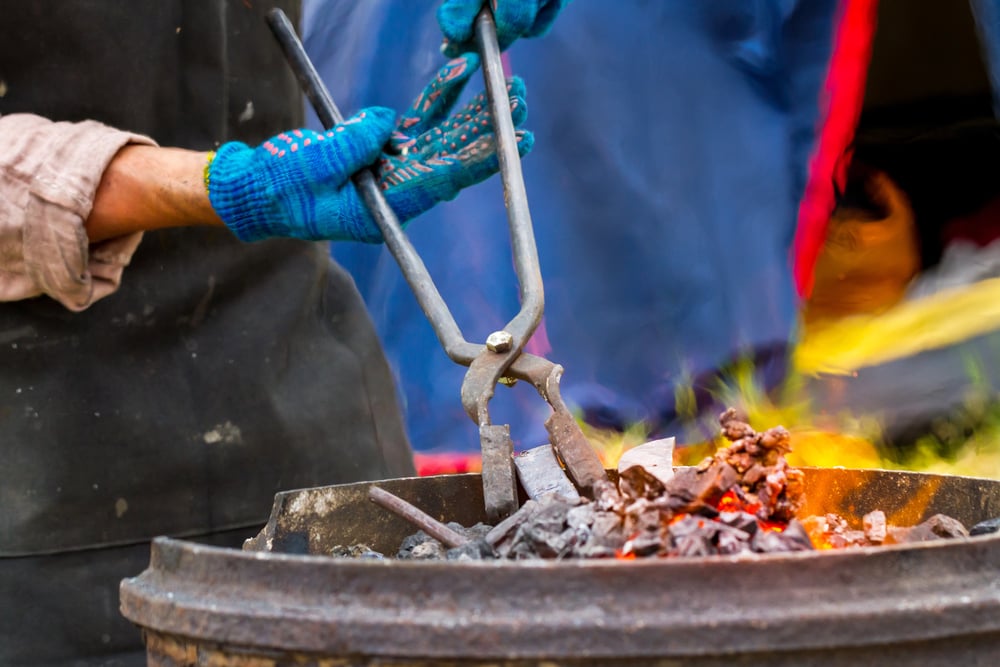
Blacksmithing tongs come in dozens of jaw patterns, each shaped for a specific stock shape or forging task, and modern blacksmiths actively collect older examples both to use and to study historical patterns that inform their own tool making. A set covering several distinct jaw patterns, rather than a single general-purpose pair, is worth more to this buyer than the individual pieces would suggest.
Pitting from forge heat is expected and does not meaningfully reduce interest as long as the jaws still close true.
Farrier’s Hoof Tools
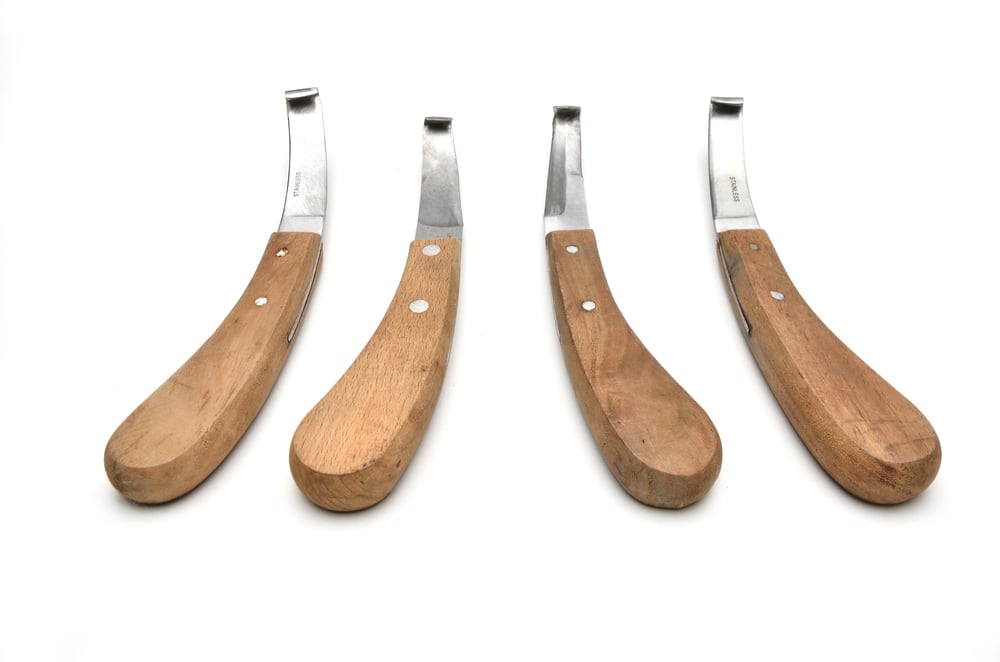
Tools specific to horseshoeing, including hoof knives, nippers, and shaping tongs distinct from general blacksmith tools, remain in active professional use by working farriers today, which keeps demand for well-made older examples genuinely strong. A hoof knife that still holds an edge from a maker no longer in production is a practical purchase for a working farrier, not just a collectible.
Handle replacement is common and does not reduce value the way it would on a display-only tool.
Wheelwright’s Traveling Gauges
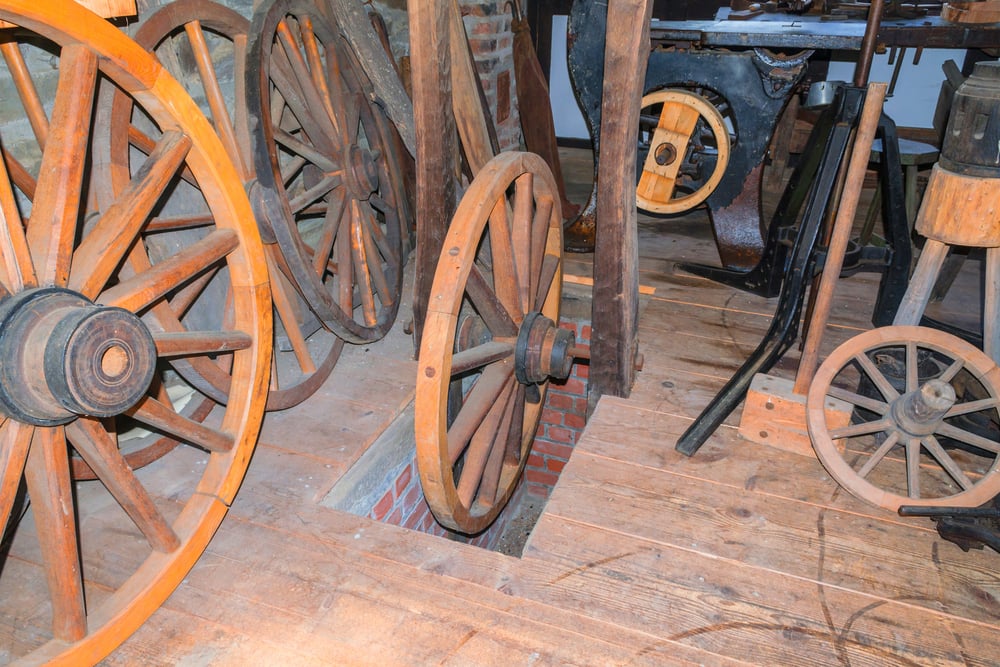
Specialized measuring wheels used by wheelwrights to measure the circumference of a wagon wheel rim before cutting the iron tire to fit, a trade-specific instrument with no equivalent in general tool collecting, are searched for by a small community of wagon and carriage restorers. These are genuinely rare, since the trade itself largely ended with the automobile, and a functioning example with its measuring mechanism intact is a real find rather than a common garage discovery.
Glazier’s Diamond and Wheel Cutters
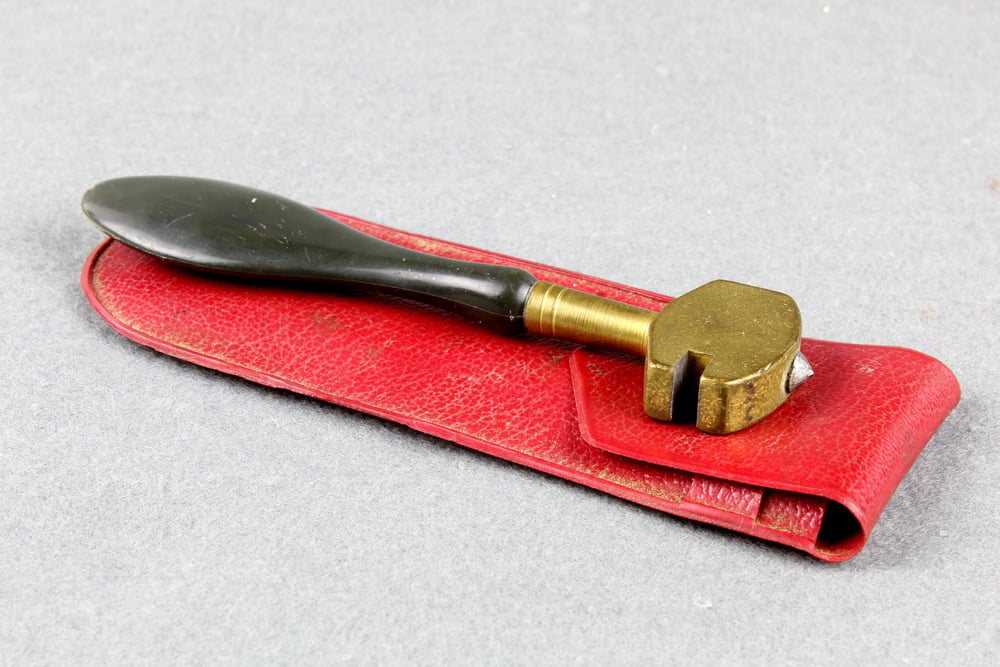
Glass cutting tools using an actual diamond point, predating the more common carbide wheel cutters that replaced them, are collected both for their age and for genuine cutting performance that some glaziers still prefer for specific work. A diamond cutter with the stone intact and undamaged is a practical purchase, since a chipped diamond point cannot be resharpened the way a wheel cutter can.
Handle wear from decades of professional use is typical and expected.
Tinsmith’s Forming Stakes
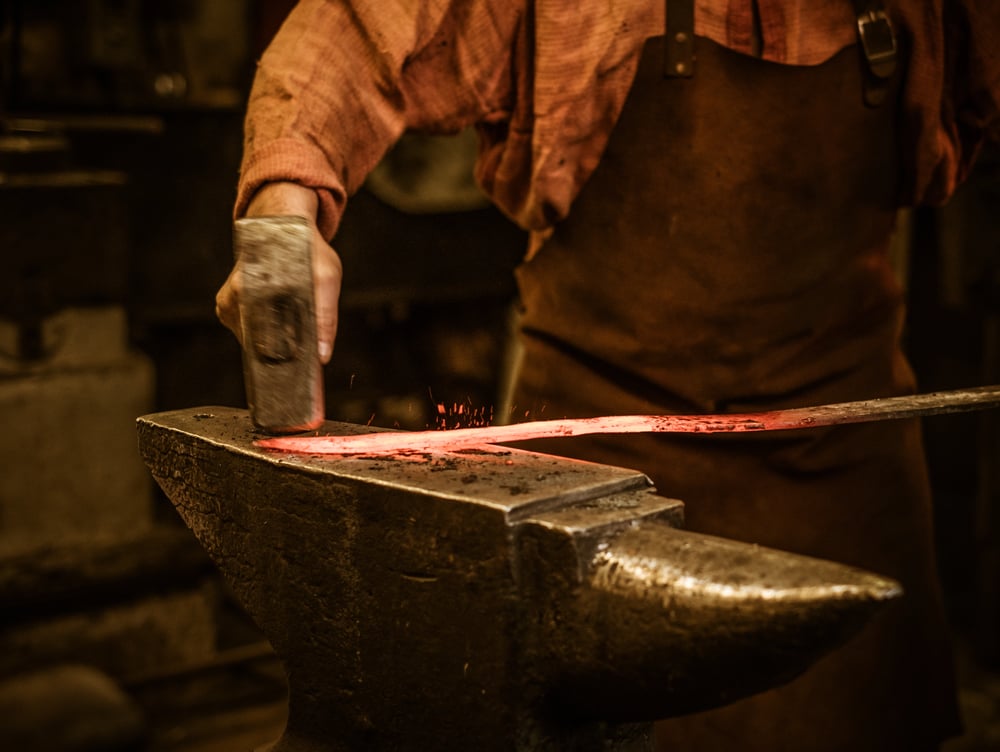
Cast iron forming stakes, anvil-like tools shaped into specific curves and profiles used by tinsmiths to shape sheet metal by hand, were produced in dozens of specialized profiles for different forming tasks. A matched set of stakes, particularly ones bearing a recognizable foundry mark, is searched for by both historical tinsmiths and metalworking hobbyists doing traditional sheet metal fabrication.
Individual stakes are common enough, but a complete matched bench set is genuinely scarce.
Millwright’s Leveling Instruments

Precision leveling tools used by millwrights setting up industrial machinery, distinct from a standard carpenter’s level in both precision and construction, are collected by industrial history enthusiasts and by machine rebuilders who still need genuinely accurate leveling equipment for old equipment installations.
A level with its original glass vial intact and no drift in the reading is a functional purchase, not just a display object, which keeps demand active among people restoring period machinery.
Wainwright’s Wheel Hub Reamers
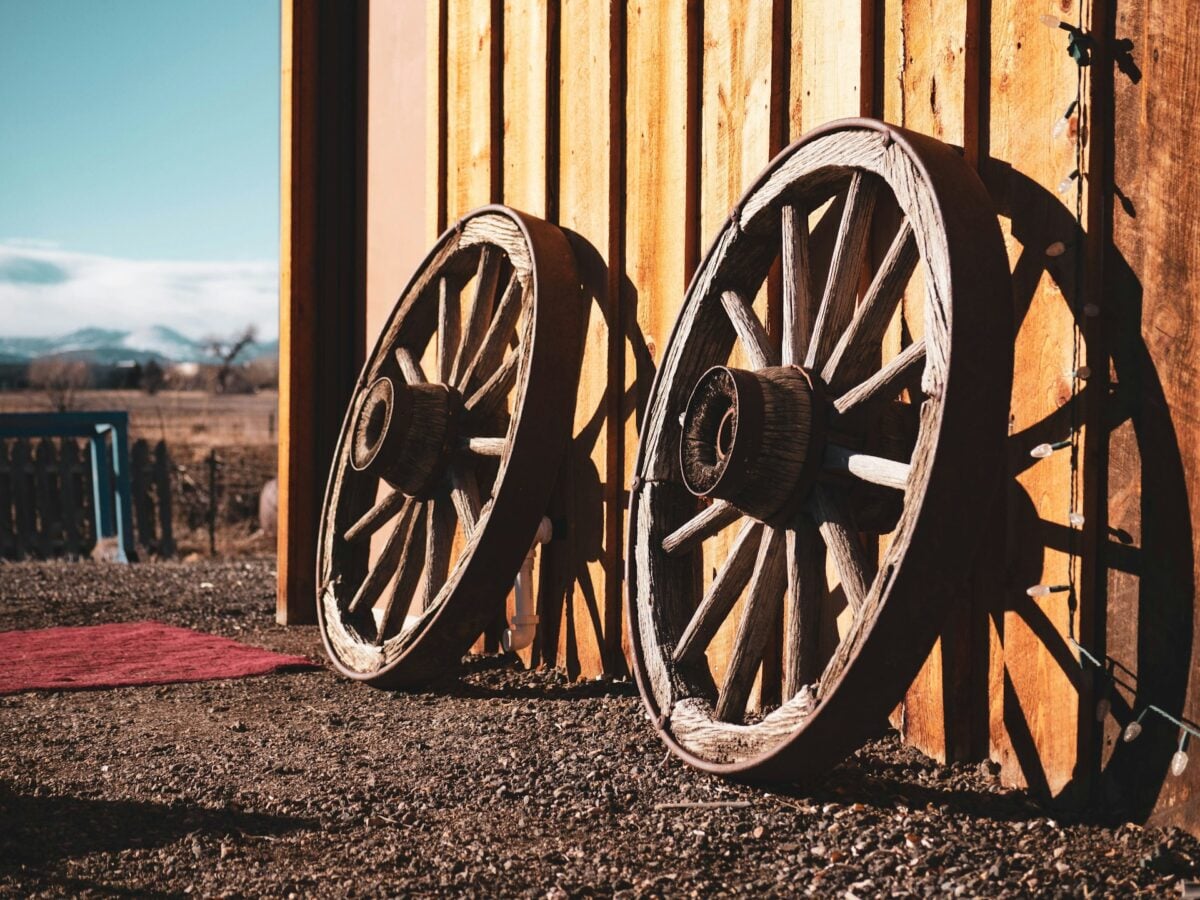
Specialized boring tools used to ream out wagon wheel hubs to fit an axle precisely, another trade-specific tool with no general-purpose equivalent, belong to the same narrow restoration community that searches for wheelwright’s gauges. These are uncommon finds outside estate sales connected to a former wagon shop or farm equipment operation, and a complete adjustable reamer in working order is worth real interest from wagon and carriage restorers specifically.
Cooper’s Hoop Drivers

Tools built specifically to drive metal hoops down over a barrel’s staves during construction, distinct from general hammers in both head shape and handle balance, are part of the same specialized coopering tool category as barrel shaves.
A driver with its original weighted head and no cracking in the handle is a working tool to the small population of active coopers, and the specificity of its shape makes it easy to overlook as anything unusual in a general tool bin.
Watchmaker’s Precision Turns and Lathes
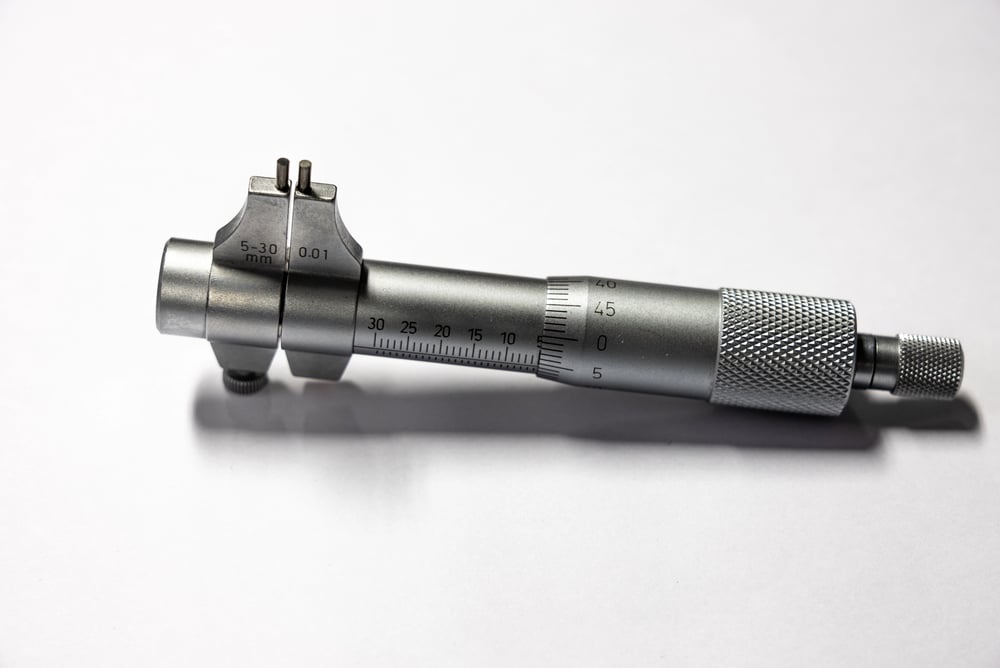
Small precision lathes and turning tools built for watch and clock repair, operating at a scale far smaller than general machinist tools, remain in active use among working watchmakers and clock restorers today. A lathe from a well-regarded specialty maker, complete with its original collets and tool rest, holds real practical value beyond collecting interest.
Precision in these instruments is everything, so any play in the bearings meaningfully reduces usefulness and price.
Cooper’s and Wheelwright’s Traveling Tool Chests
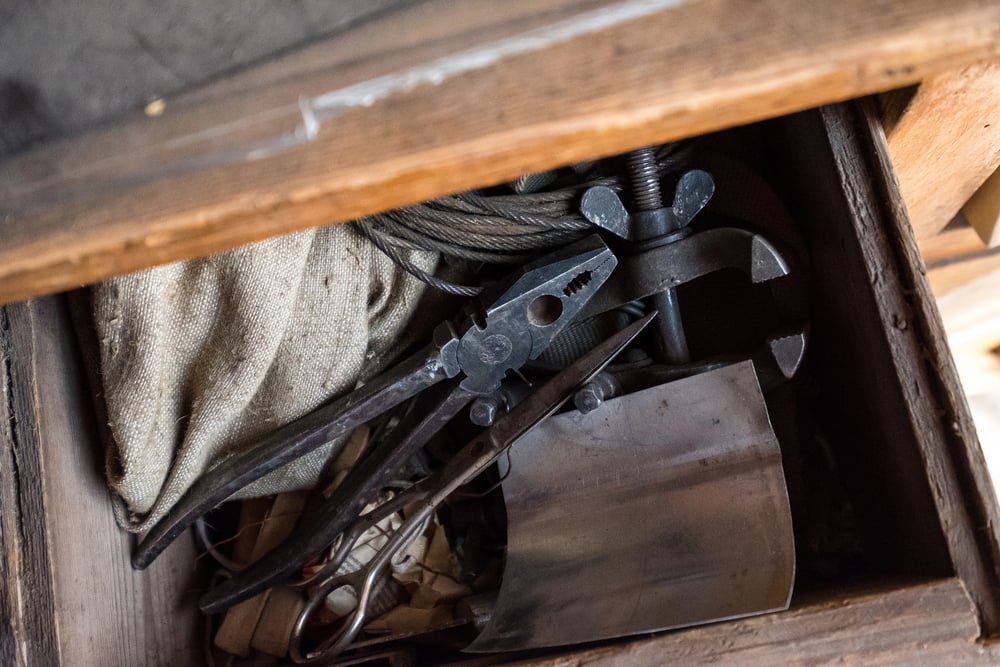
Fitted wooden chests built to carry a traveling tradesman’s complete tool kit, with shaped compartments for each specific tool, are collected as much for the chest itself as for whatever tools remain inside. A chest that still holds its original fitted layout, even if some individual tools are missing, is worth more assembled than the tools would be sold separately.
These chests document a trade that traveled to the customer rather than working from a fixed shop.
Sailmaker’s Palms and Needles
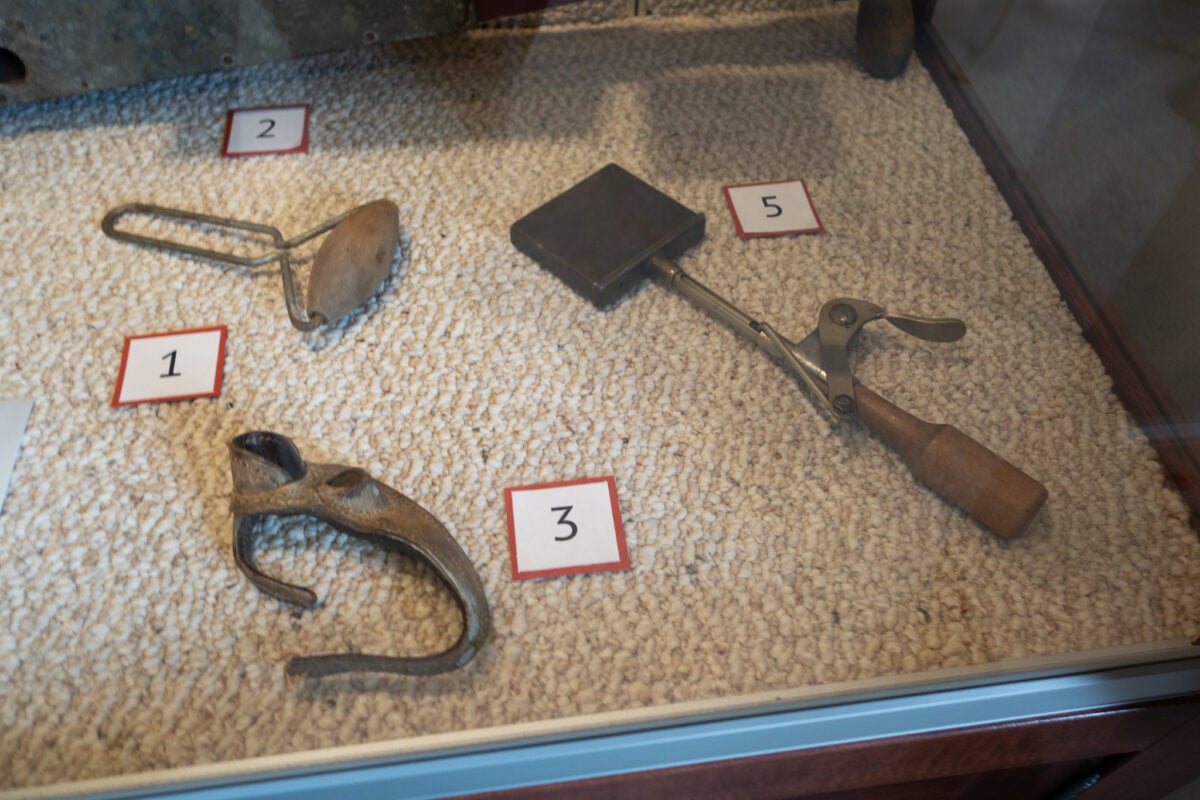
Leather palm guards worn to push heavy needles through sailcloth, along with the oversized curved needles themselves, are a specialized hand-sewing tool set collected both by maritime history enthusiasts and by the smaller working community that still hand-sewers sails and canvas today.
A palm that still fits comfortably and needles that have not corroded are practical purchases for this working buyer, not purely decorative interest.
Cooper’s cTools for Cutting Barrel Grooves
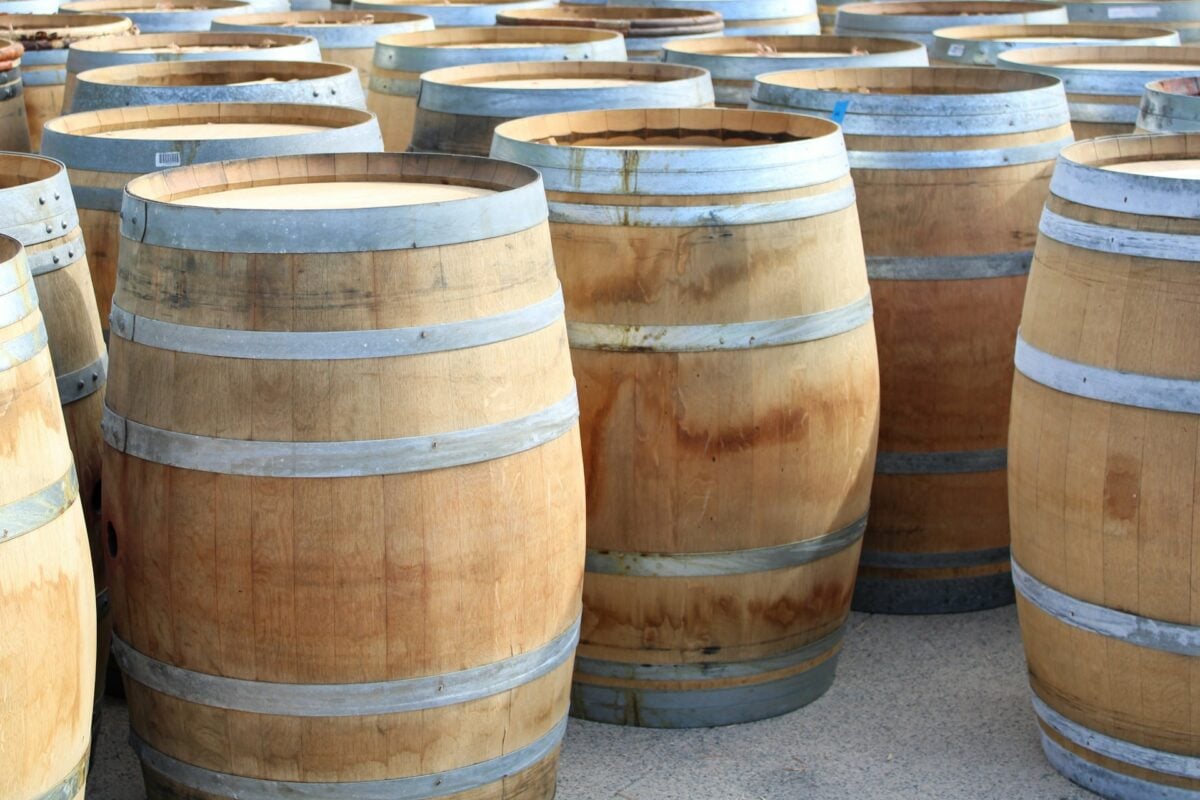
The croze, a specialized tool that cuts the internal groove near a barrel’s end where the head panel seats, is among the most specific tools in the entire coopering trade and has essentially no equivalent use outside it. A working croze with an intact cutting blade is genuinely difficult to source new, which keeps demand from the small remaining professional copper population consistently ahead of supply.
Farrier’s Forge and Anvil Sets Scaled for Fieldwork
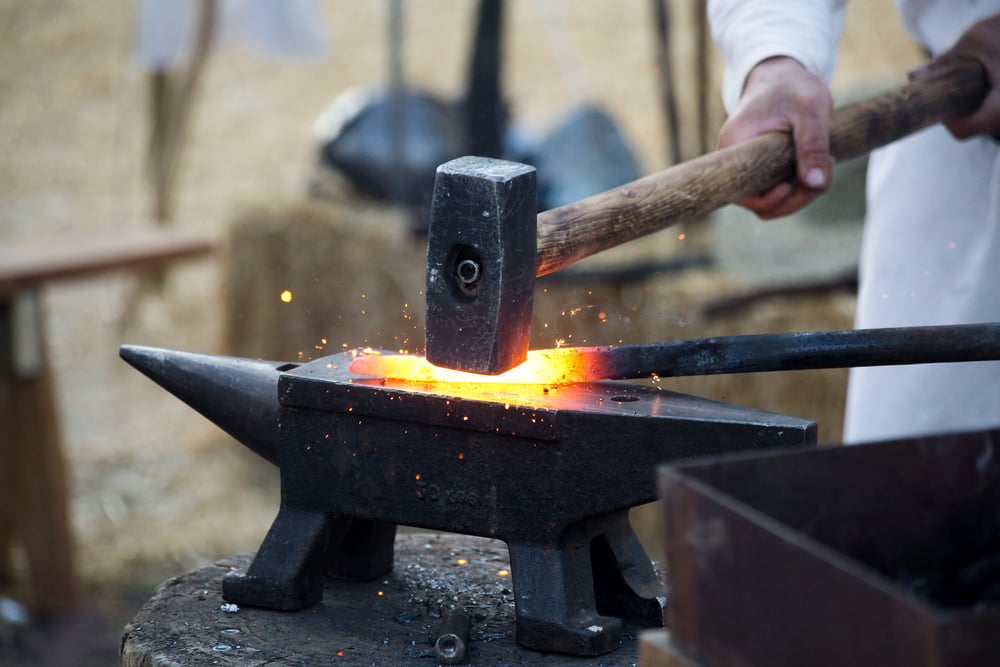
Portable forge and anvil sets built specifically for farriers working on-site rather than in a fixed shop, smaller and lighter than a general blacksmith setup, are searched for by working farriers who value the original engineering for its portability as much as collectors value it for its history. A complete portable set in working order commands considerably more than an anvil or forge sold separately.
Cooper’s Adzes for Interior Barrel Work
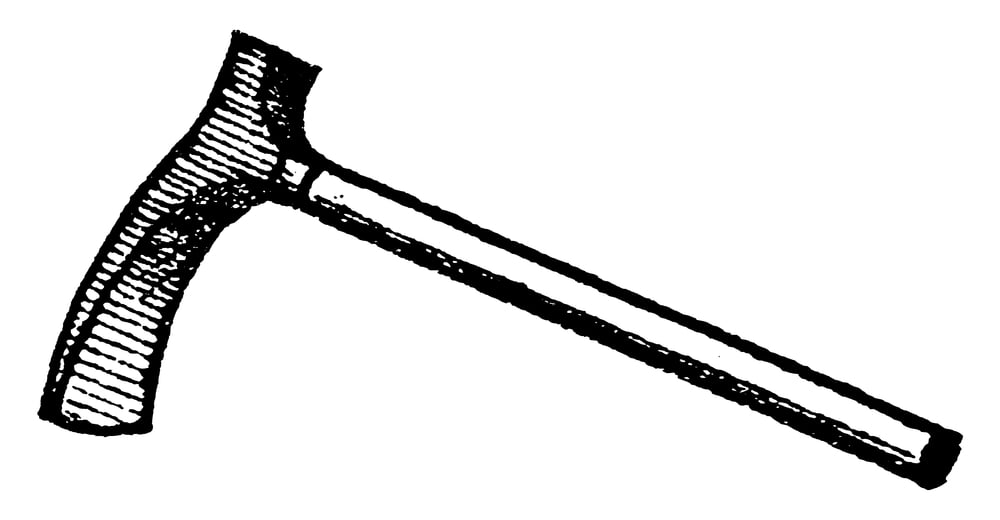
Specialized adzes with a curved cutting edge shaped to hollow the interior surface of a barrel, distinct from a carpentry adze in both curve and handle angle, round out the specialized coopering tool set alongside shaves and crozes.
Working coopers actively seek these out precisely because the specific curve cannot easily be reproduced by regrinding a standard adze, making an original example a functional necessity rather than a substitutable convenience.
Tanner’s Fleshing Knives
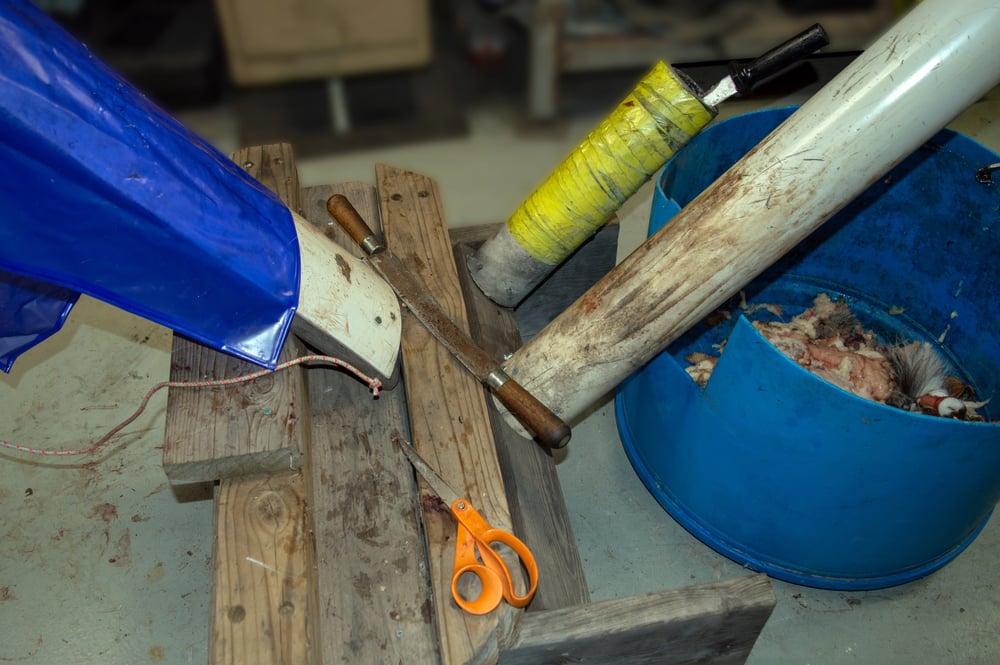
Long, two-handled knives used in leather tanning to scrape flesh and fat from a hide before the tanning process begins, a trade tool distinct from any general leatherworking blade, are searched for by the small community of traditional and hobbyist tanners working with hides at home. A blade that still holds a working edge, with both handles intact, is a functional purchase for this specific and growing hobbyist community.
Wheelwright’s Spoke Shaves in Specialized Curves
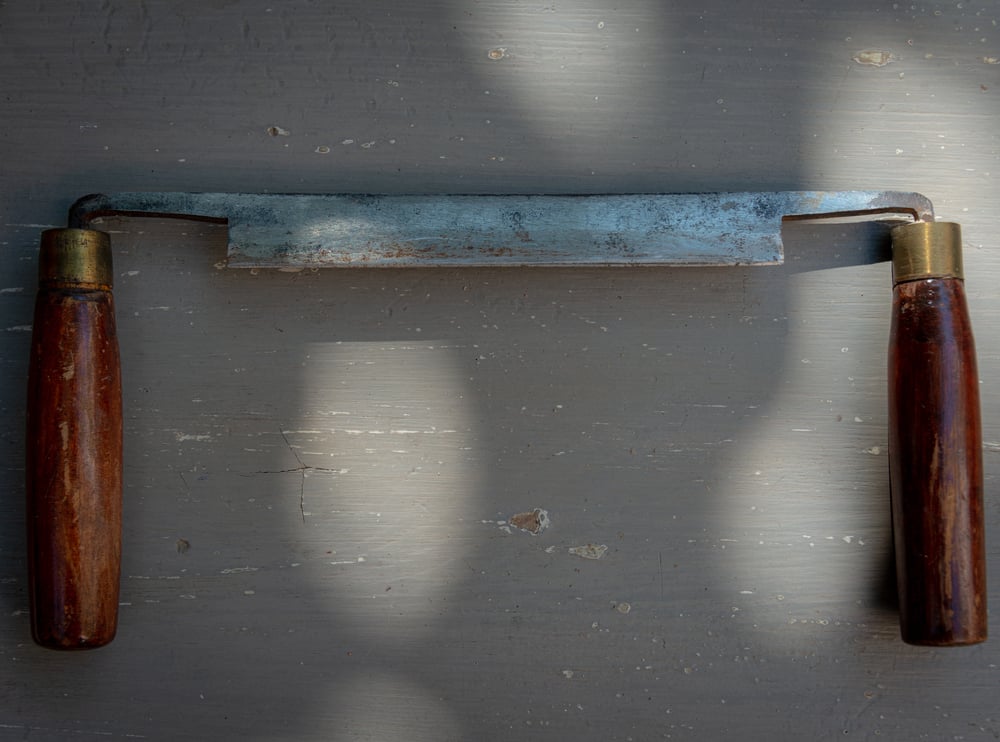
Spoke shaves ground to a specific curve for shaping wagon wheel spokes, distinct from the flatter general woodworking spoke shave most people picture, are searched for by wagon and wheel restorers who need the exact curve profile to match original construction. A shave with its curve intact and unworn from resharpening is worth considerably more to this buyer than a general-purpose flat shave in similar condition.
Millwright’s Belt Lacing Tools
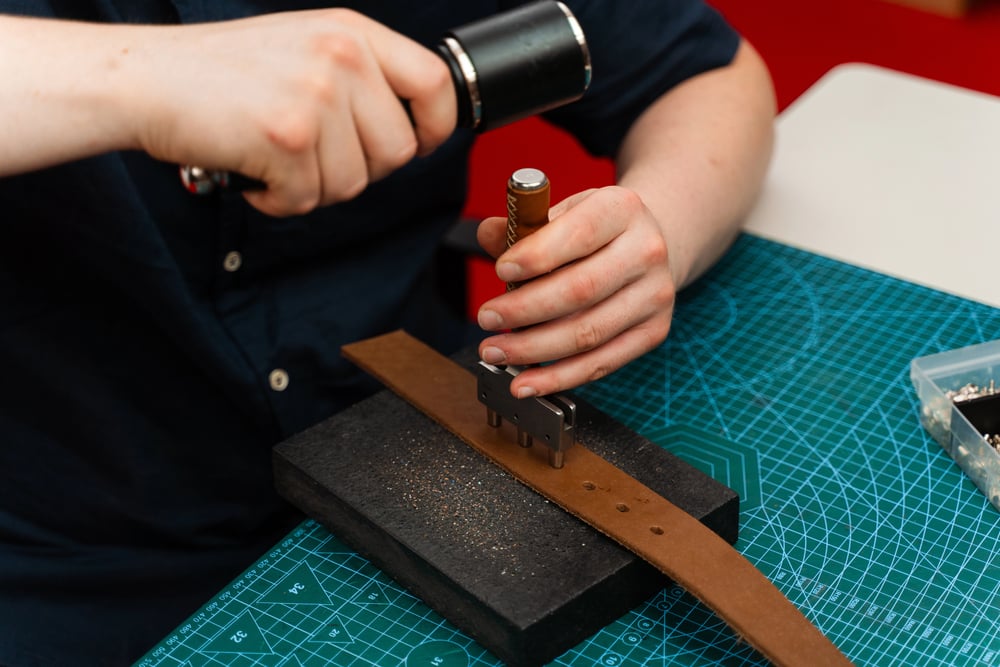
Tools built to punch and lace leather drive belts used in line-shaft powered workshops, from a period when a single central engine powered an entire building’s machinery through overhead belts, are collected by industrial history enthusiasts restoring period workshop setups. A complete lacing kit with punches and rawhide lace intact documents a power transmission method almost entirely absent from modern shops.
Cooper’s Trussing Rings and Setting Tools

Metal rings and the specific tools used to set them temporarily around a barrel during construction, holding staves in place before the permanent hoops go on, are a construction-stage tool rarely seen outside an active cooperage. Their narrow purpose makes them easy to mistake for scrap metal in a general tool sale, and a working cooper recognizing a complete set will pay well above what a general buyer would assume it is worth.
Farrier’s Clinch Cutters and Buffers
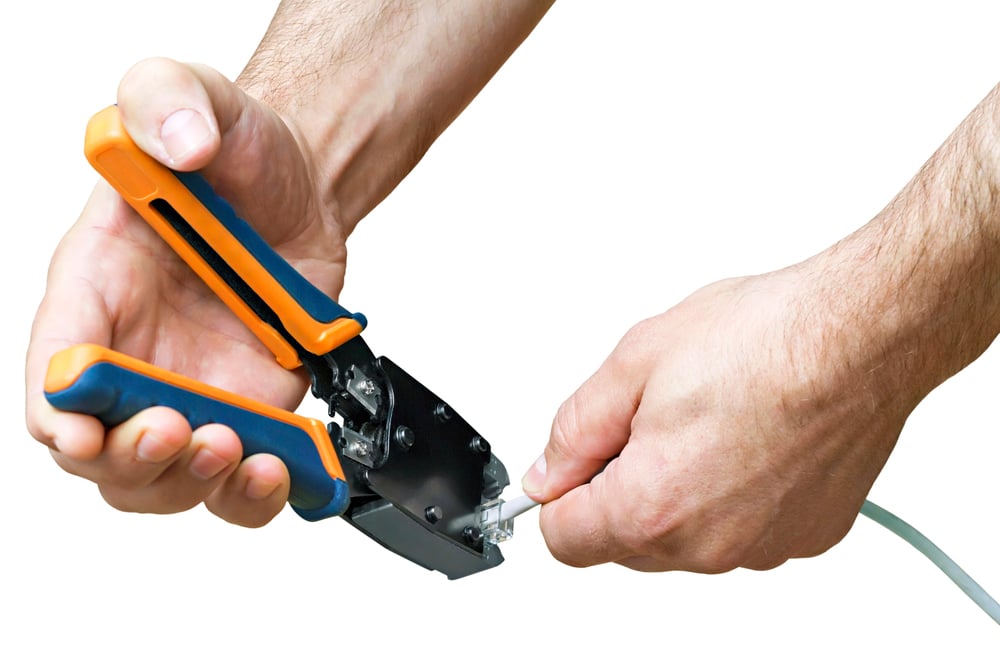
Small specialized tools used to cut and smooth the clinched end of a horseshoe nail after it has been driven and bent over, distinct from general nippers or cutters, round out a working farrier’s essential kit. A cutter that still holds a clean cutting edge, without excessive wear from resharpening, is a practical daily-use purchase for this trade rather than a shelf piece.
Traveling Salesman Sample Tool Sets
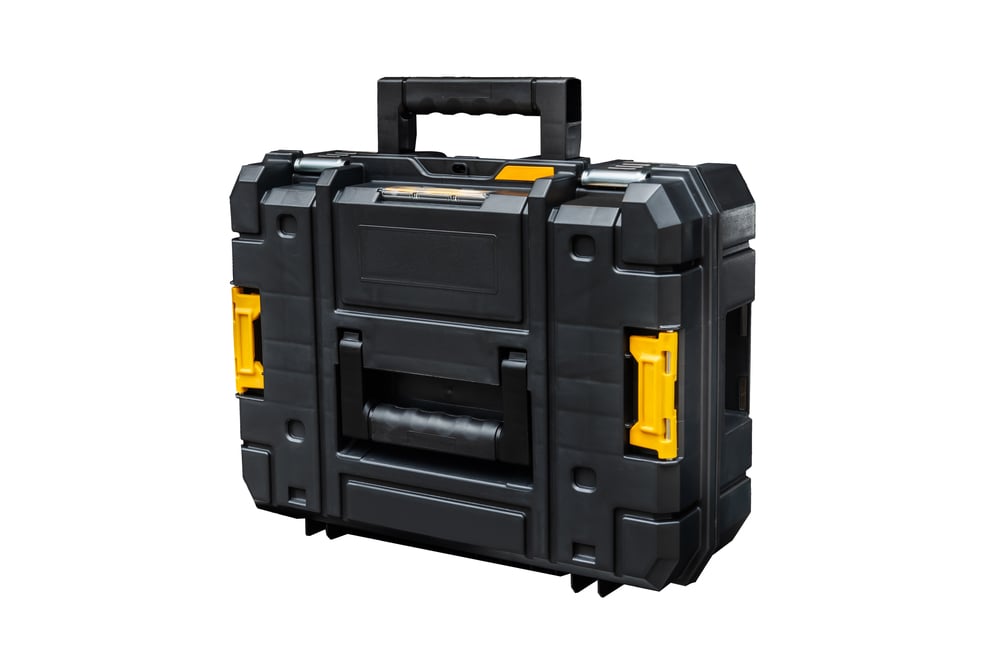
Miniature working versions of full-size tools, produced as salesman samples to demonstrate a manufacturer’s line without carrying full-size inventory, are a distinct collecting category from either the full-size tools or general miniatures. A sample set retaining its original fitted display case and maker’s identification is genuinely scarce, since these were produced in small numbers exclusively for sales use rather than public sale.
Cooper’s Jointer Planes for Stave Edges
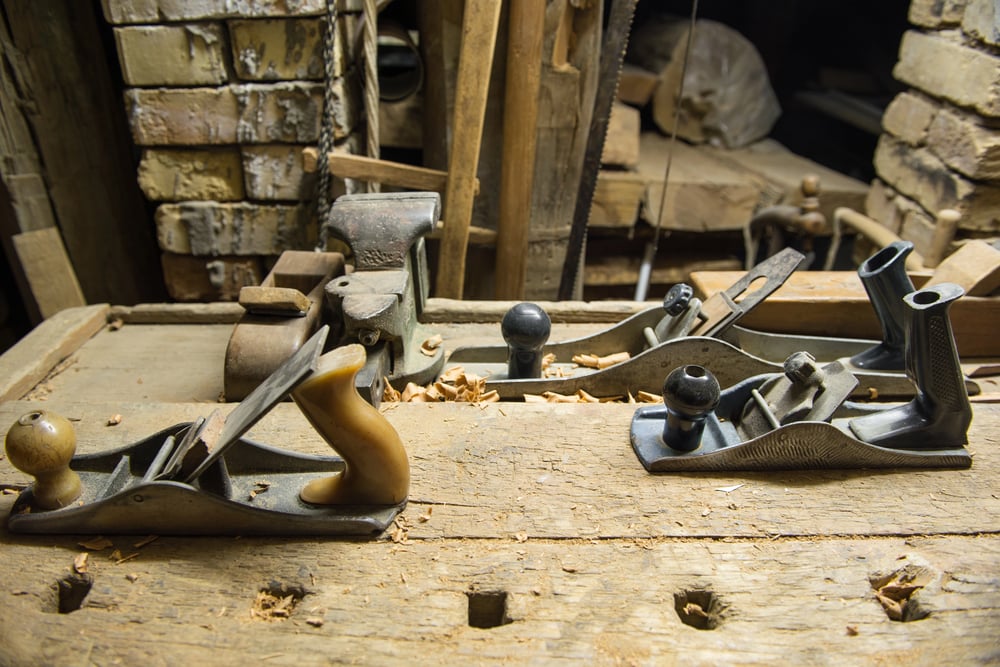
Extra-long jointer planes built specifically to true the beveled edge of a barrel stave so it fits tightly against its neighbors, distinct from a standard woodworking jointer plane in both length and sole shape, are another highly specific piece of coopering equipment. A working example is a genuine find for the trade’s small remaining professional population, who cannot easily substitute a general woodworking plane for the specific bevel geometry required.
Millwright’s Precision Calipers for Line Shafting
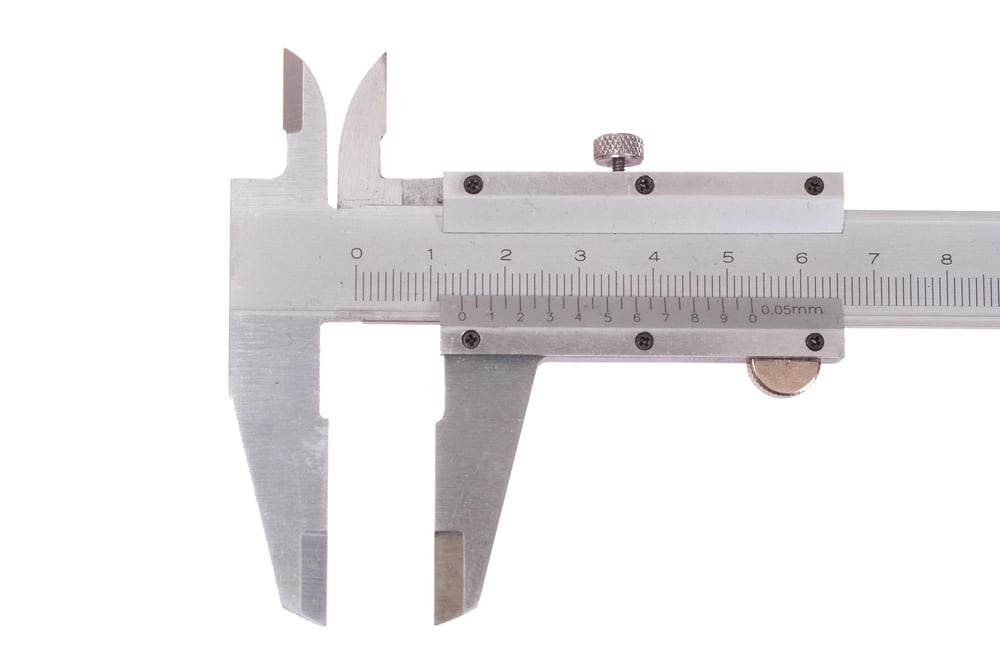
Large precision calipers built for measuring pulley and shaft diameters in line-shaft powered workshops, scaled larger than a machinist’s standard calipers, are collected both for industrial history and by the smaller community restoring period workshop power systems. A caliper with its scale still legible and its pivot free of excess play holds practical value to this specific restoration community.
Beekeeping Hive Tools From Before Standardization
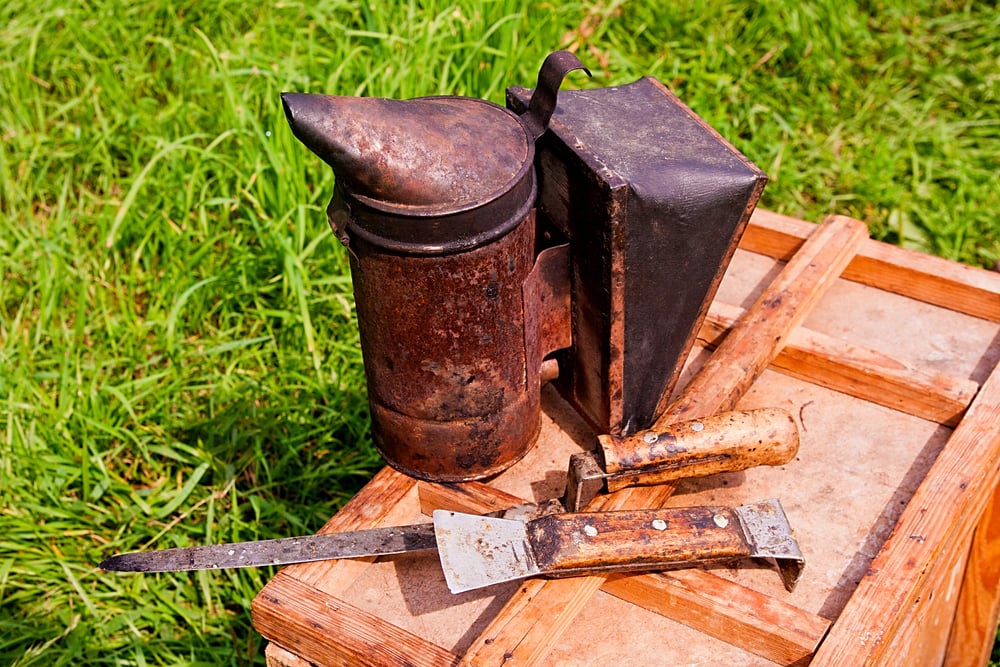
Early hive tools and smokers, predating the standardized modern equipment most beekeepers use today, are collected both by beekeeping history enthusiasts and occasionally by working beekeepers who prefer an older design’s specific balance or edge shape. A smoker with its bellows still functioning airtight is a working purchase rather than purely decorative, and bellows leather condition is the main functional check.
Cooper’s Bung Borers and Reamers

Specialized boring tools used to cut the bung opening in a finished barrel and to taper it correctly for a snug-fitting bung, another entry in the highly specific coopering tool family, are functional necessities for the small working copper population rather than general antique interest pieces. A borer with a sharp, undamaged cutting edge holds real practical value to this narrow trade.
Harness Maker’s Stitching Horses and Clamps
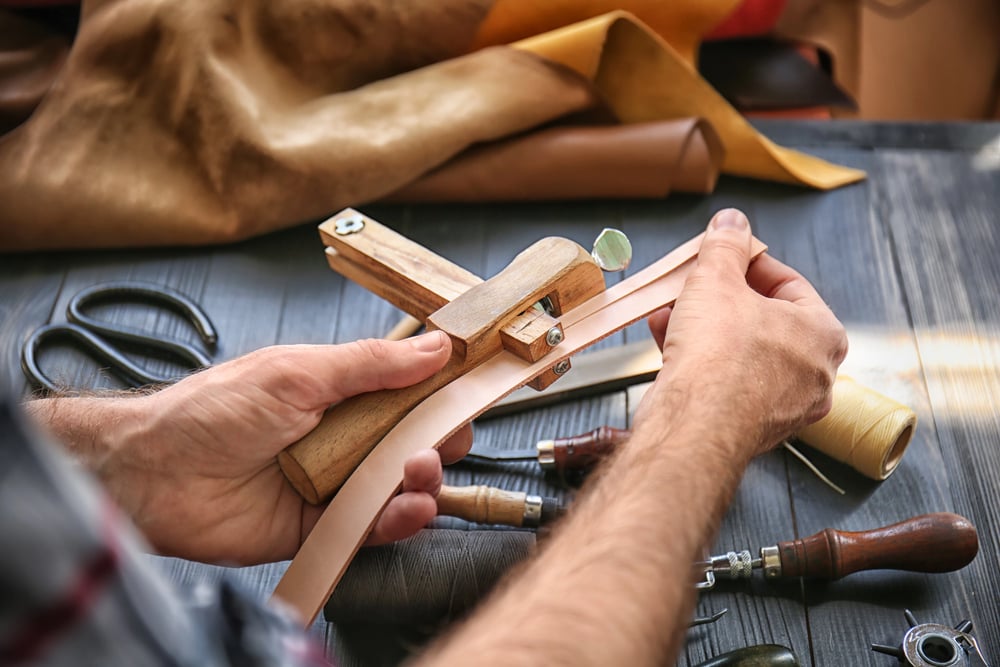
Foot-operated clamping devices, called stitching horses or stitching clamps, used to hold leather harness pieces steady while hand-stitching, remain in genuine active use by traditional harness makers and saddlers today. A stitching clamp with smooth jaw action and no cracking in the wooden frame is a working purchase, and this is one of the few trade tools in this list still commonly reproduced new, which makes an original in good condition worth searching out specifically for the vintage build quality.
Traveling Tinker’s Repair Kits
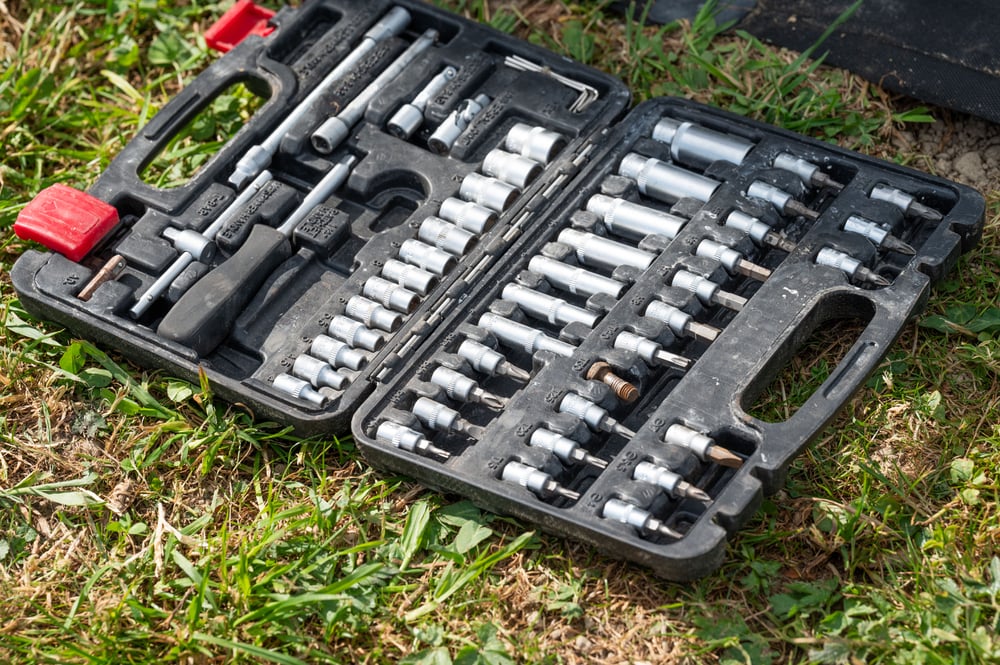
Compact kits assembled by traveling tinkers for on-the-spot pot, pan, and small metal repair, containing solder, small anvils, and specific patching tools sized for portability, document an itinerant repair trade that largely disappeared once household goods became cheap enough to replace rather than mend.
A complete kit in its original carrying case, with tools matched to the case’s fitted compartments, is a genuine find connecting directly to that specific and now-vanished occupation.
Millwright’s Line Shaft Hangers and Adjustment Tools
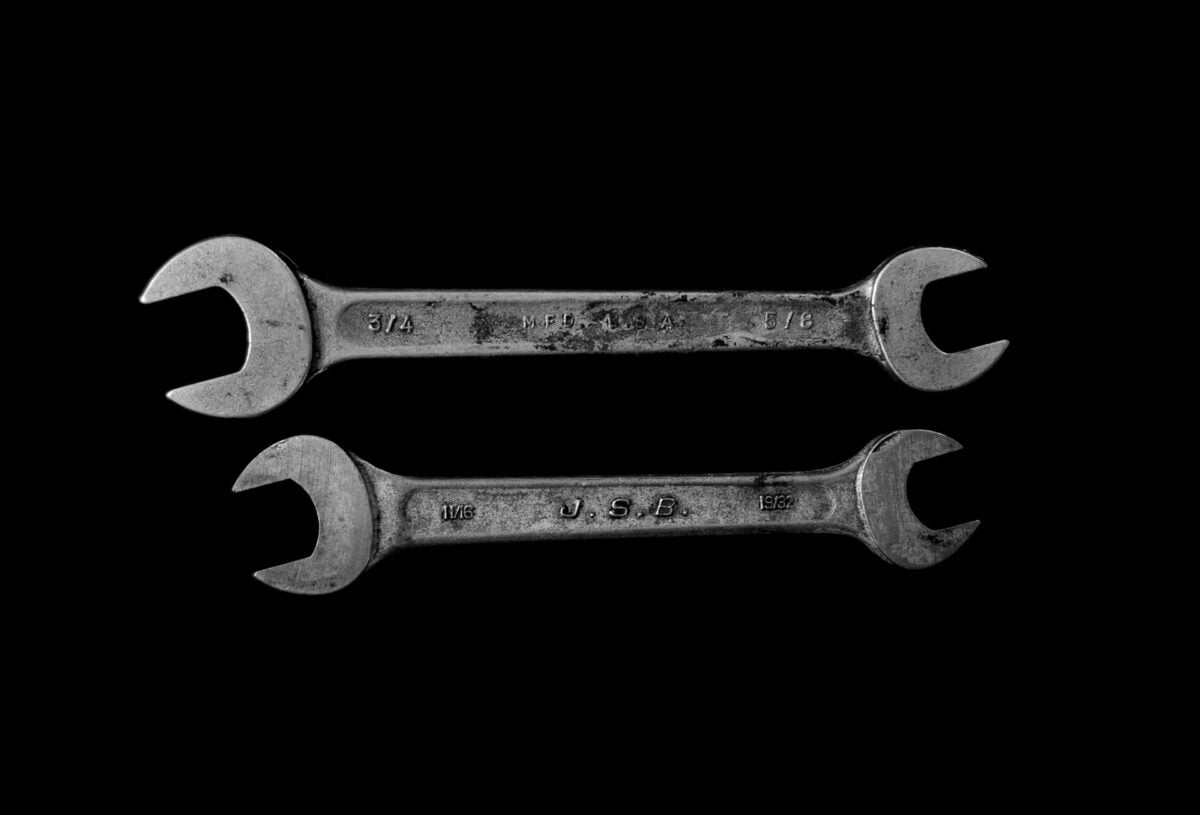
Specialized wrenches and adjustment tools built for setting and maintaining line shaft hangers, the overhead bearing supports that carried a workshop’s central power transmission system, are collected almost exclusively by industrial history restoration projects working to recreate a period-correct powered workshop.
These are uncommon enough outside that specific restoration community that most sellers have no reference point for what they even are.
The Trades Nobody Replaced
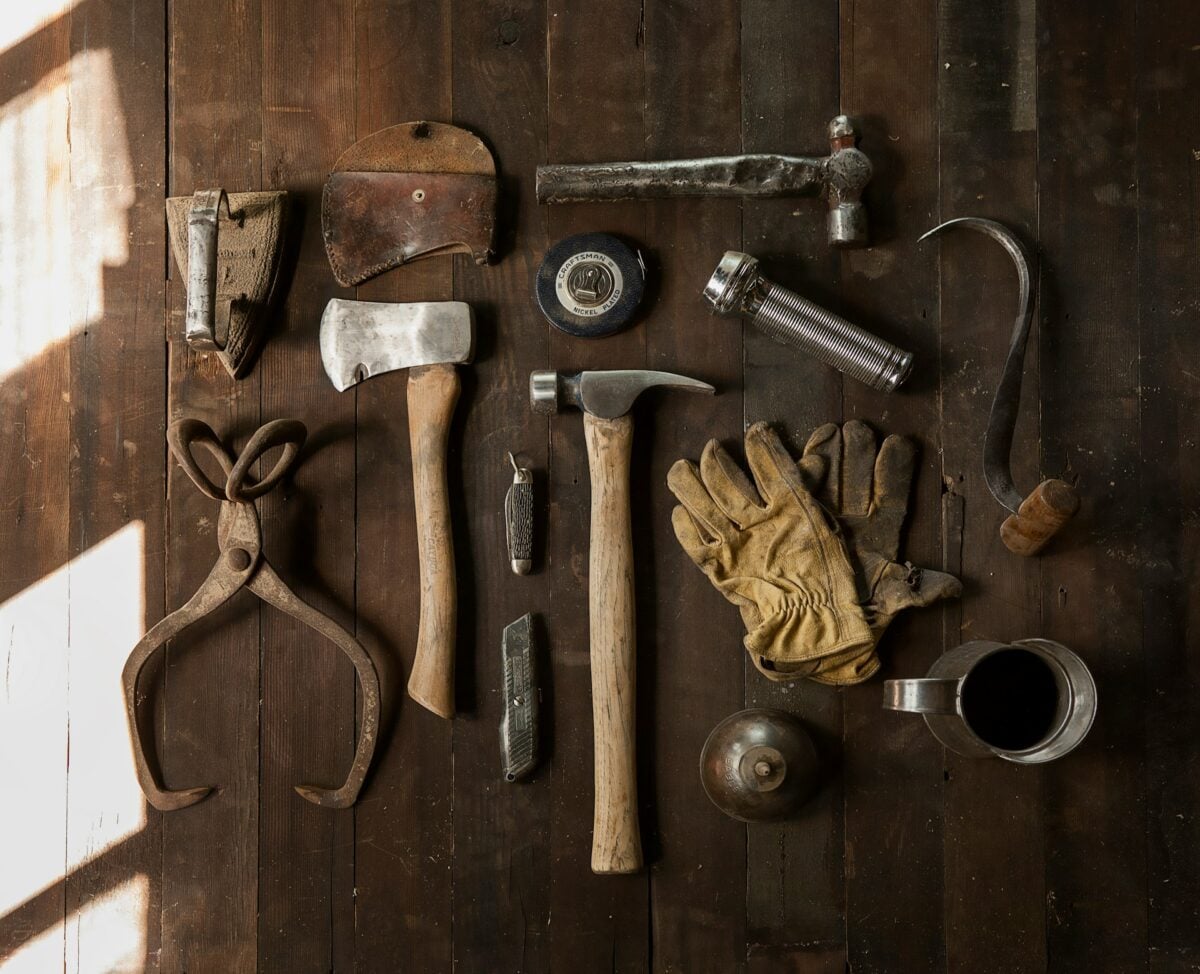
What separates these tools from the wrenches and screwdrivers filling most garage boxes is that nothing modern does their exact job. A cooper’s croze has no equivalent at a hardware store, and neither does a wheelwright’s hub reamer, which is precisely why the small working communities that still need them will pay real money for a functioning original.
That gap between disappearance and replacement is where the value sits. These trades did not get modernized so much as abandoned, leaving their tools stranded in garages and estate sales with almost nobody around who recognizes what they were built to do.
More from Go2Tutors!

- The Romanov Crown Jewels and Their Tragic Fate
- 13 Historical Mysteries That Science Still Can’t Solve
- Famous Hoaxes That Fooled the World for Years
- 15 Child Stars with Tragic Adult Lives
- 16 Famous Jewelry Pieces in History
Like Go2Tutors’s content? Follow us on MSN.