15 Most Expensive Books Ever Sold
A book’s value isn’t always in its story – sometimes the cover holds more weight than years of wages. Some old copies trade hands for sums that dwarf sports cars, even estates.
What sits on a shelf might quietly outprice what others build entire lives to afford. Strange how paper and ink sometimes sell for tens of millions.
Behind each sale, a story gripping enough to match the book’s price tag. These top-priced volumes reveal why collectors reach so deep.
Codex Leicester

Water, the moon, because of how Earth moves – that’s what fills the pages of Leonardo da Vinci’s Codex Leicester. Sold through Christie’s, Bill Gates picked it up back in 1994, spending thirty million eight hundred thousand dollars.
One of those rare moments people still mention when talking about expensive books. Seventy-two sheets total, packed with sketches, thoughts, all penned backward in his usual hand.
Afterward came digital access: suddenly anyone could scroll through every mark made by that Renaissance mind. A price tag like that usually stays hidden; here, it got shared instead.
Bay Psalm Book

Out in 1640 came the Bay Psalm Book, first of any book pressed to paper in British North America. Just 11 copies remain now – so scarcity pushed one to fetch $14.2 million at Sotheby’s back in 2013.
Puritan settlers in Massachusetts leaned on it for worship; sleep-time comfort wasn’t its strong suit. Boston’s Old South Church stepped forward as buyer, drawing an old thread of their past back into hand.
The Gospels Of Henry The Lion
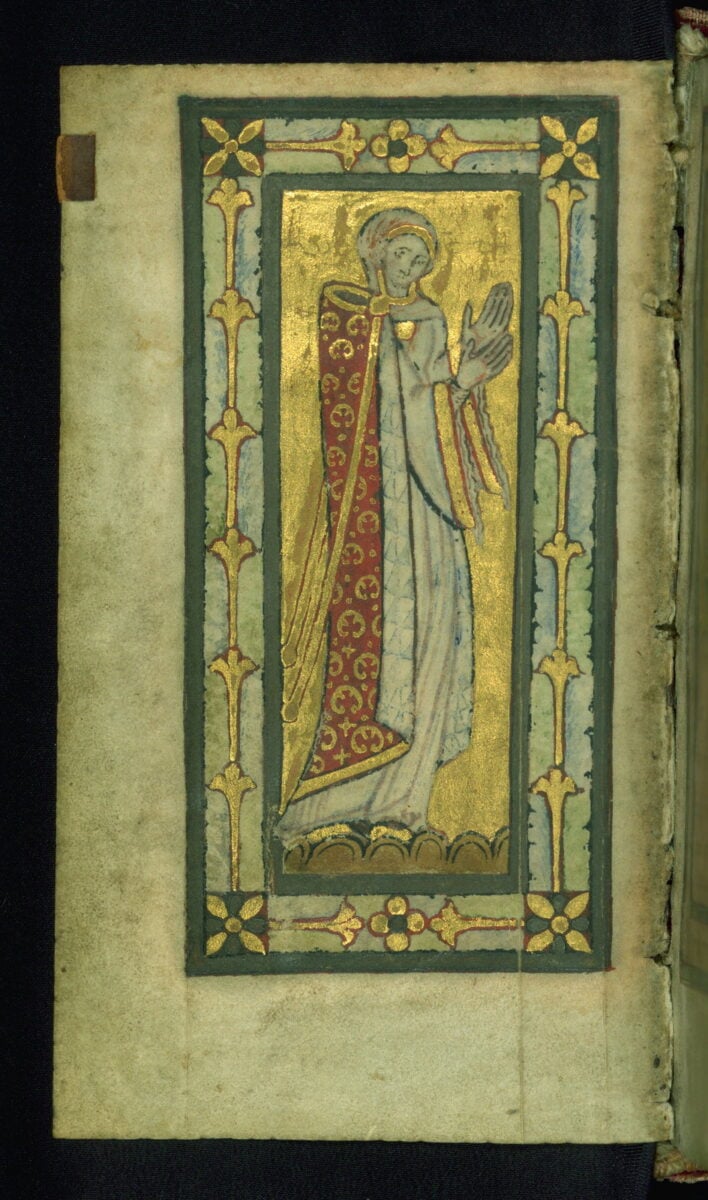
Older than eight centuries, this religious book made for Henry the Lion still holds sharp colors and fine details. Created in the 1100s, its pages glow with art so precise it feels almost alive.
Back in 1983, it changed hands for 11.7 million dollars – a price never seen before for such an object. Because of its importance, Germany stepped in to help pay, making sure it stayed within national borders.
Time has touched it lightly; both its physical shape and worth have held strong.
Birds Of America

Years passed while John James Audubon journeyed across North America, capturing birds amid their wild habitats. His effort led to a massive volume – so big that holding it open demands its own support structure.
Back in 2010, an entire set of Birds of America fetched eleven-and-a-half million dollars at auction through Sotheby’s. Inside are four hundred thirty-five images, every one colored by hand, matching the real-life scale of each creature shown.
Just about 120 full versions remain today; these attract devoted owners who guard them as if they were heirlooms from history.
The St. Cuthbert Gospel

Inside an ancient coffin in northeast England rested a tiny book – this one held the Gospel of John. That fragile volume survived where nearly every other text from its time turned to dust.
Around 698 AD, someone wrote it, making it the earliest complete European book known. Many centuries later, the British Library acquired it in 2012.
A sum near $14.3 million changed hands, partly gathered by ordinary people contributing. Through war, damp, and decay, this little object somehow remained whole.
The Gutenberg Bible

That big Bible Johannes Gutenberg made in the 1450s? First time anyone ran off a huge book with moveable letters in Europe – communication never looked back. One full set went for five point four million dollars back in eighty seven, yet single parts and broken sets have pulled in even larger piles of cash when auctioned off here and there.
About forty nine scraps and whole things remain scattered across the planet now. Holding one means holding something close to when human understanding started spreading fast, like fire through dry grass.
The Canterbury Tales First Edition
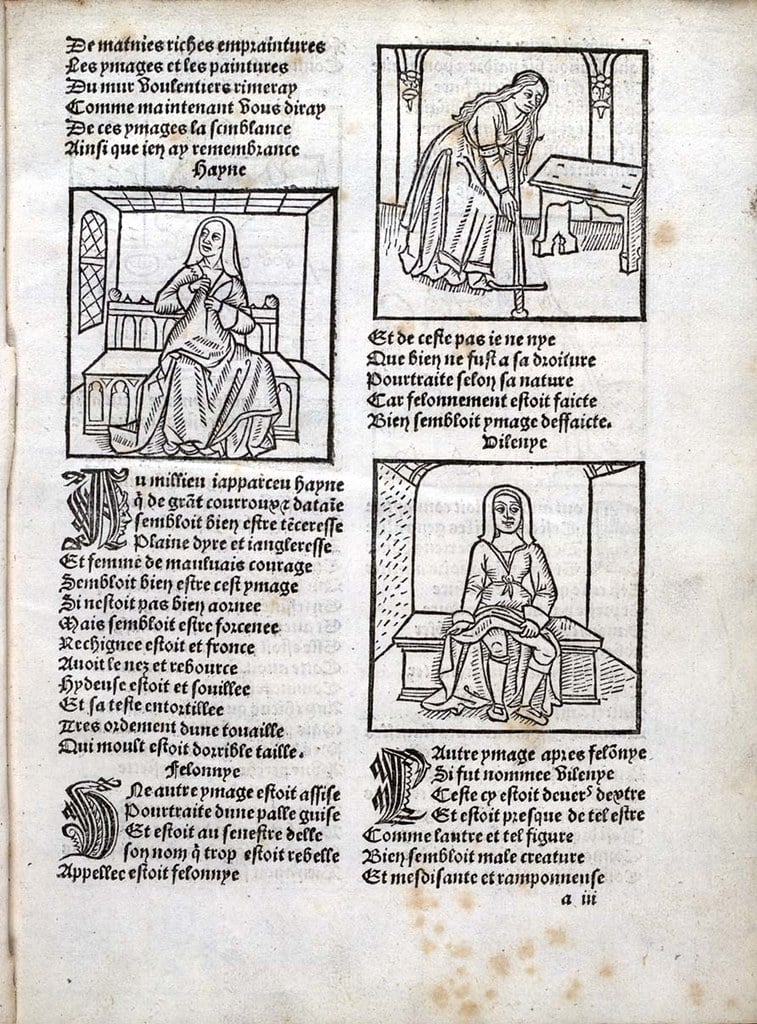
Back in 1476, William Caxton pressed ink onto paper for Geoffrey Chaucer’s ‘The Canterbury Tales,’ creating one of England’s oldest printed books. Sold through Christie’s ages later – specifically in 1998 – it fetched seven and a half million dollars.
England had never seen a printing press before Caxton set his up, so this title sparked a shift: words once copied by hand now rolled off metal type. Its worth isn’t just about age; the blend of rare survival and towering influence pushes price high.
Few copies exist, which means each one carries centuries of change in its pages.
Magna Carta 1297
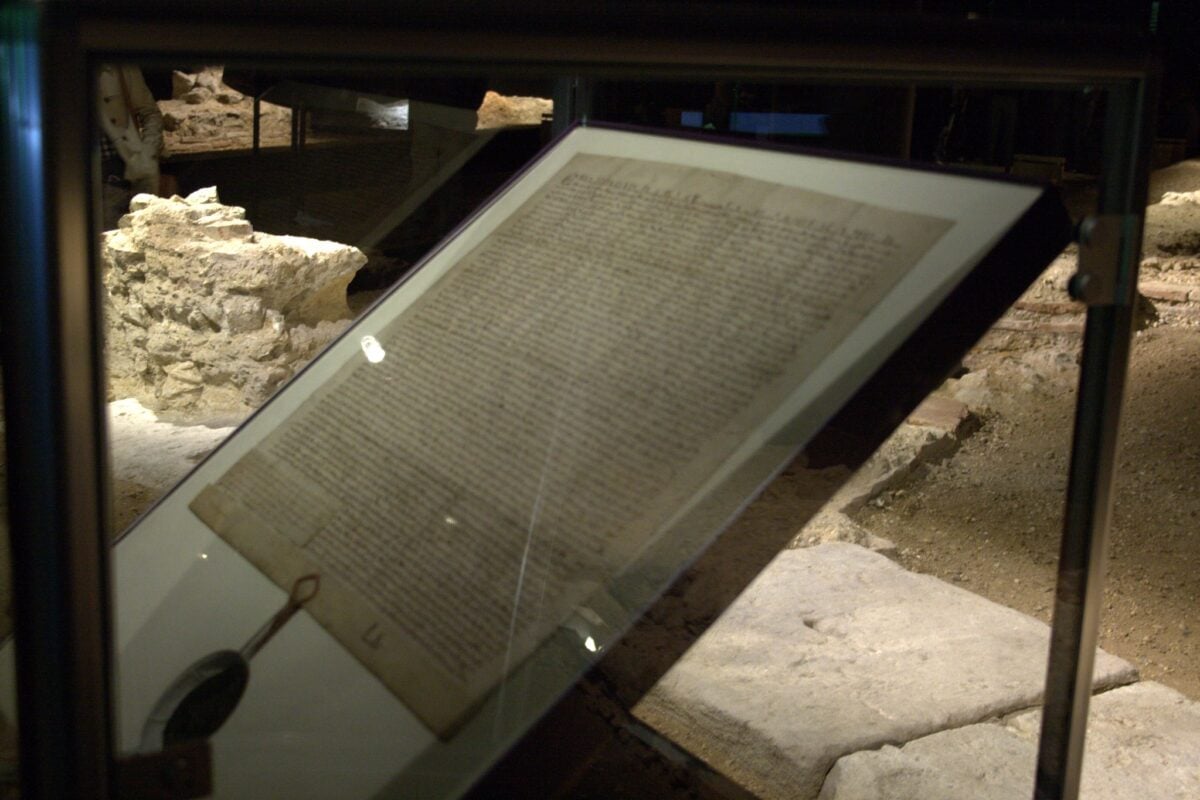
Not exactly a book, more like a contract written long ago – the 1297 Magna Carta ranks as one of the priciest documents ever made. Sold at Sotheby’s in 2007, David Rubenstein paid $21.3 million for his copy, then handed it over to the National Archives in Washington, D.C., for everyone to see.
Back when it was issued, it gave people in England certain protections under law, laying groundwork that shaped how American laws would form. For him, showing it publicly wasn’t about prestige; it felt like part of being involved in society.
The Book Of Mormon (Printer’s Manuscript)

The printer’s manuscript of the Book of Mormon is the earliest surviving copy of the text, written around 1829. The Church of Jesus Christ of Latter-day Saints purchased it in 2017 for $35 million, which makes it one of the highest prices ever paid for an American manuscript.
Only about 28% of the original manuscript exists, making this printer’s copy especially significant to the faith. It represents living religious history, not just a collector’s trophy.
Ptolemy’s Cosmographia

Claudius Ptolemy’s ‘Cosmographia,’ printed in 1477, was one of the first printed books to include maps of the known world. A copy sold in 2006 for $3.99 million.
The maps inside were groundbreaking for their time, showing Europe, Africa, and Asia as Ptolemy understood them. Collectors prize this book because it captures the full extent of what the ancient world believed the Earth looked like before modern exploration changed everything.
The Rothschild Prayerbook
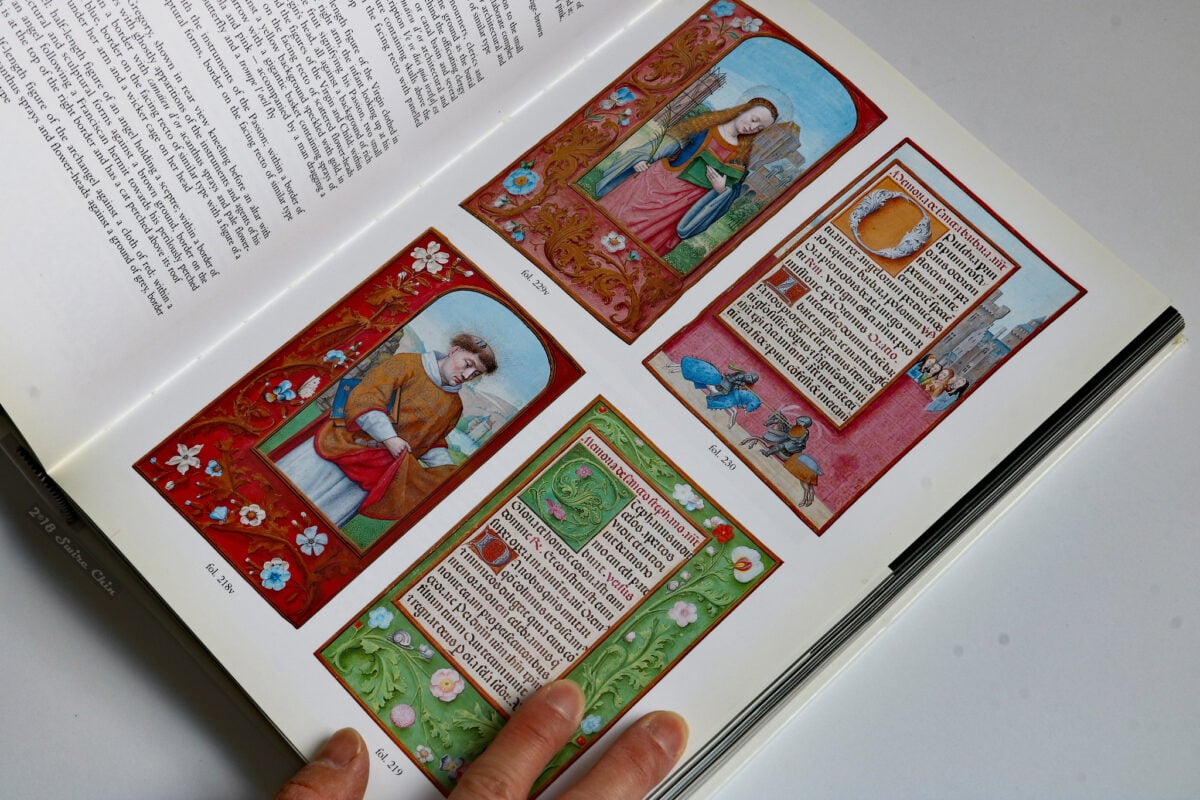
Created in Flanders around 1505, the Rothschild Prayerbook is a richly decorated book of hours filled with gold leaf, detailed portraits, and miniature religious scenes. It sold at Christie’s in 2014 for $13.4 million.
The book passed through the Rothschild family’s collection for generations before being seized by the Nazis in 1938. It was returned to the family decades later and eventually auctioned off, carrying with it an unusually heavy history.
Einstein’s Theory Of Relativity Manuscript
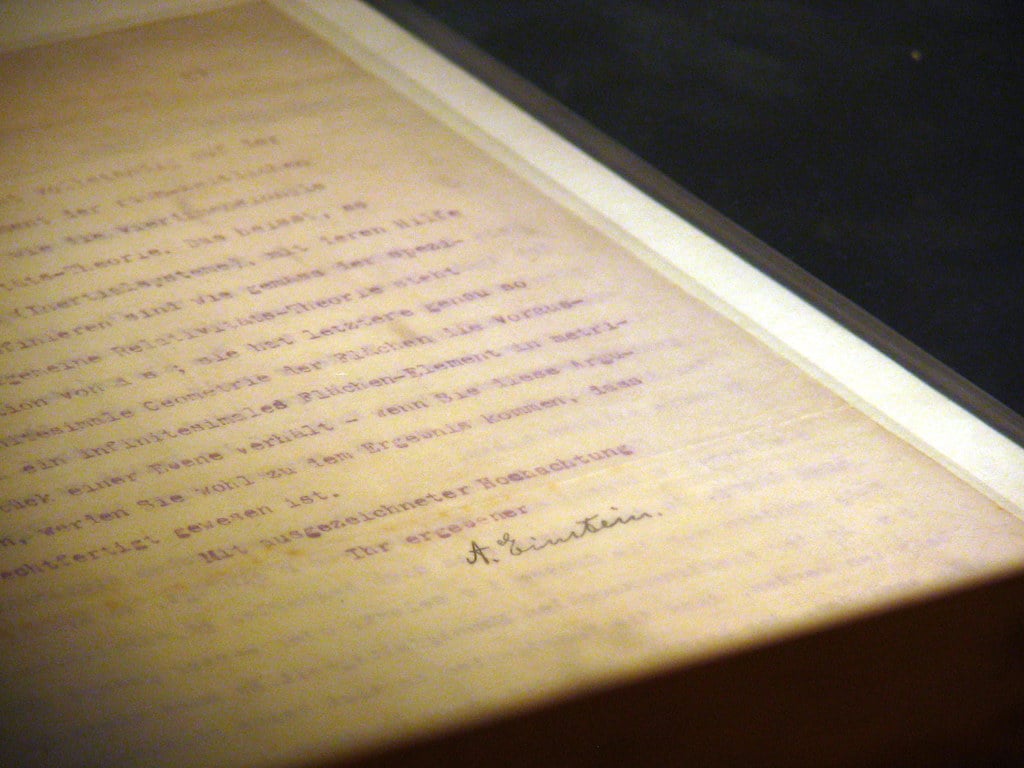
Albert Einstein’s original handwritten manuscript laying out his theory of general relativity sold at Christie’s in 2021 for $13.2 million. The document runs 54 pages and was written collaboratively with his colleague Michele Besso between 1913 and 1914.
Most of the corrections and crossed-out sections are still visible, giving buyers a look into how one of history’s greatest minds actually worked through a problem. Science manuscripts rarely reach this price level, which made the sale a landmark moment.
The Brontë Family Writings

A collection of tiny handwritten books created by the Brontë children, including Charlotte and Branwell Brontë, sold at Sotheby’s in 2019 for $1.25 million. These miniature books, some no bigger than a matchbox, were filled with small stories, poems, and imaginary worlds the siblings created together as children.
They are important because they show the early creative minds of authors who would go on to write works like ‘Jane Eyre’ and ‘Wuthering Heights.’ For literary historians, they are priceless glimpses into a remarkable family.
The Northumberland Bestiary

The Northumberland Bestiary is a 13th-century English illustrated manuscript featuring descriptions and drawings of animals, both real and imagined. It sold at Sotheby’s in 1990 for $11.3 million.
Medieval bestiaries were part nature guide and part moral instruction, using animals like lions and eagles to teach religious lessons. The illustrations are vivid and surprisingly detailed for work done entirely by hand over 700 years ago.
Shakespeare’s First Folio

The First Folio, published in 1623, is the first collected edition of William Shakespeare’s plays and the reason readers still have access to 18 of his works that might otherwise have been lost forever. A copy sold at Christie’s in 2020 for $9.98 million.
Around 235 copies are known to exist, scattered across libraries and private collections around the world. Without this book, plays like ‘Macbeth,’ ‘Twelfth Night,’ and ‘The Tempest’ may never have survived.
What These Books Say About Value

The prices attached to these books go far beyond paper and ink. Each one represents a moment in history, a turning point in human knowledge, or a survival story that defied the odds of fire, war, and time.
The fact that people still pay record sums for them today says something important: humanity holds onto the things that shaped it. These books were expensive to buy, but the history they carry is something no amount of money can fully replace.
More from Go2Tutors!

- The Romanov Crown Jewels and Their Tragic Fate
- 13 Historical Mysteries That Science Still Can’t Solve
- Famous Hoaxes That Fooled the World for Years
- 15 Child Stars with Tragic Adult Lives
- 16 Famous Jewelry Pieces in History
Like Go2Tutors’s content? Follow us on MSN.