27 Vintage Watches Found in Drawers Worth Appraising
The watches that turn up in old drawers are rarely the ones already famous enough to recognize on sight. They are railroad-grade pocket watches, forgotten military issue, and European names that never built the marketing budget of their better-known rivals, even when the engineering inside matched or beat it.
None of the watches below require a household name to justify an appraisal. A working movement, a legible dial, and a case that has not been polished into a different shape are usually enough to begin.
Hamilton 992B Railroad Pocket Watch
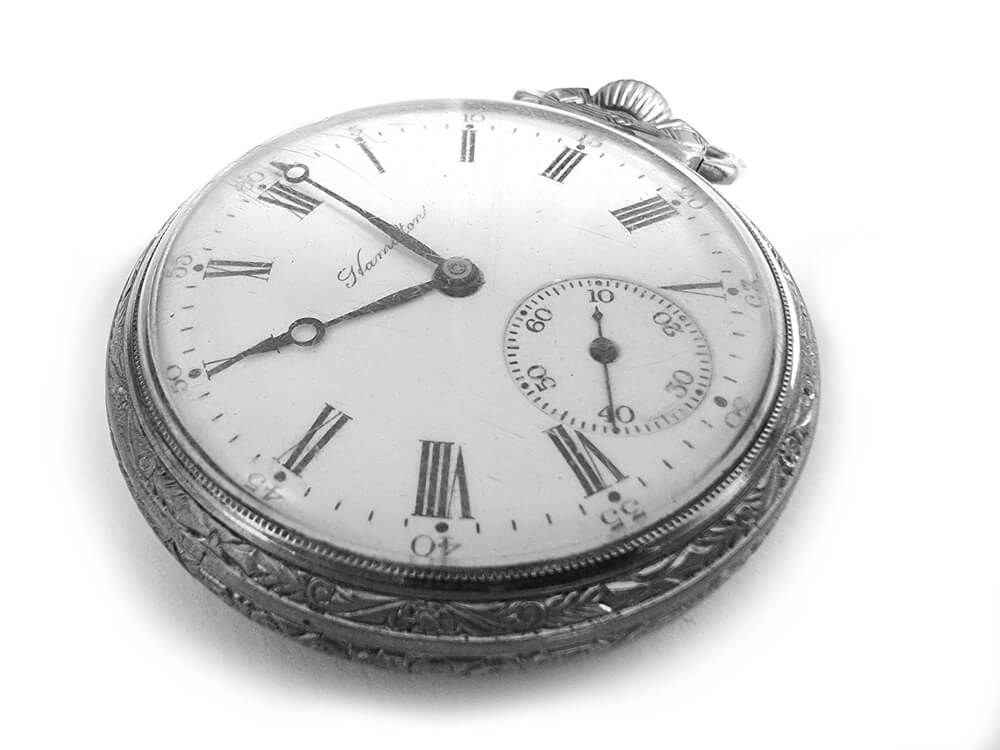
Hamilton built the 992B to meet the strict accuracy and visibility standards that American railroads demanded of their conductors and engineers beginning in the early twentieth century. A working example with a clean, unrestored dial and its original case commonly brings two hundred to six hundred dollars, with rarer case styles and documented railroad service pushing higher. The movement’s reputation for accuracy under rough handling is what built the watch’s lasting following.
Elgin B.W. Raymond Railroad Watch
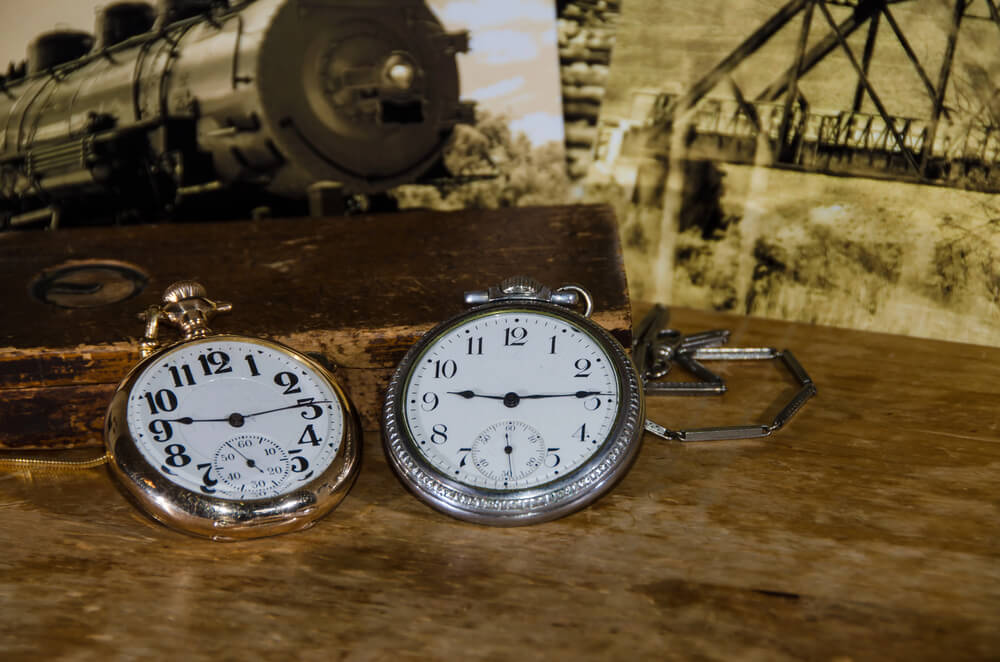
Elgin’s top-grade railroad watch, named for Benjamin Williams Raymond, a prominent railroad official and advocate for high-quality timepiece standards, was built to the same demanding accuracy standard as its Hamilton rival and remains easier to find at accessible prices as a result. A running example with a clear dial typically sells for one hundred fifty to four hundred dollars, with the highest jewel counts and original boxes adding a meaningful premium.
Illinois Bunn Special Railroad Watch
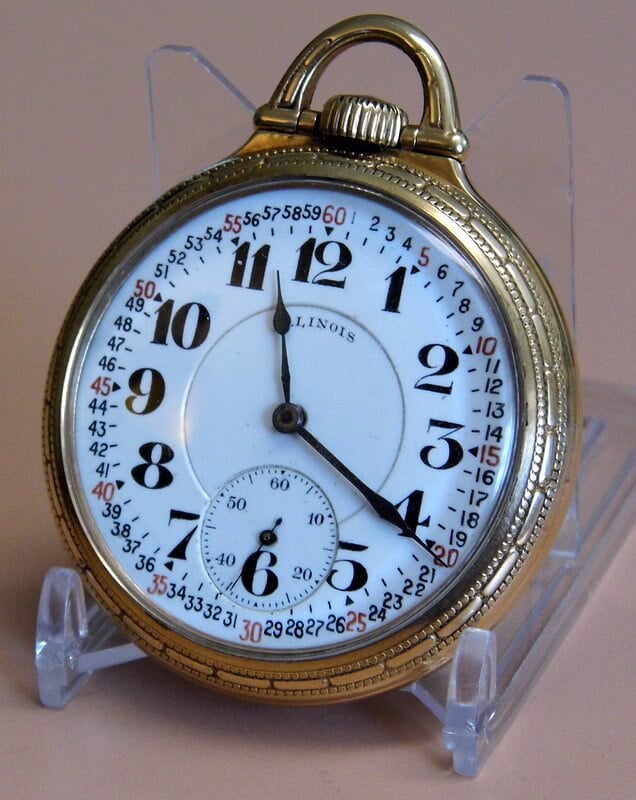
The Bunn Special line represented Illinois Watch Company’s flagship railroad-grade offering, prized for high jewel counts and adjustment to multiple positions and temperatures. A working example in a solid gold-filled case commonly brings three hundred to eight hundred dollars, with the rarer sixty-jewel movements reaching well beyond that range among specialist collectors.
Waltham Vanguard Railroad Watch
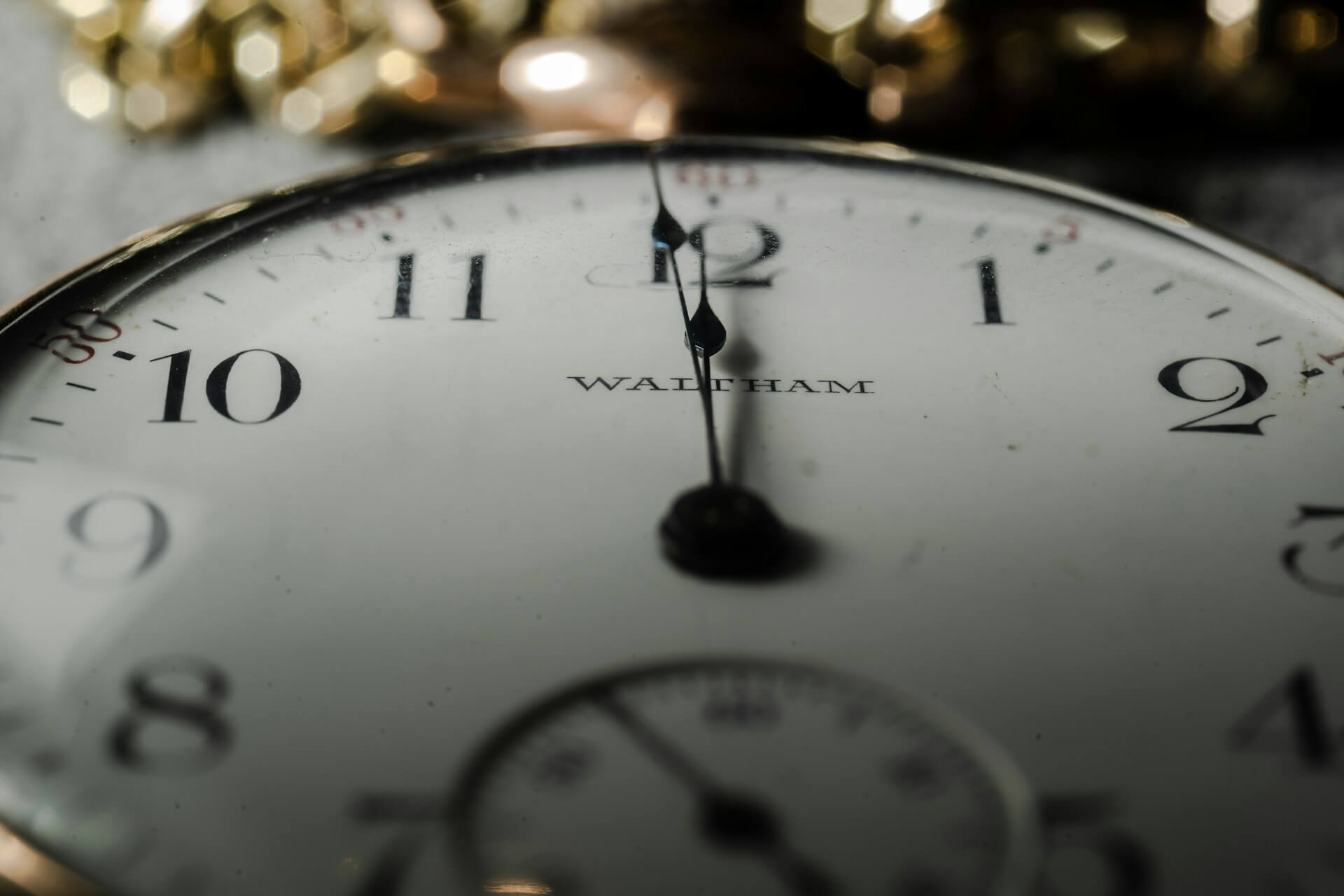
Waltham’s Vanguard line competed directly with Hamilton and Elgin for the railroad market, and surviving examples with their original dials and cases remain a reliable entry point for anyone beginning a railroad-watch collection. Prices for a running example typically fall between one hundred and five hundred dollars, with early twentieth-century models in exceptional condition commanding more.
Hamilton Khaki Field Military Watch
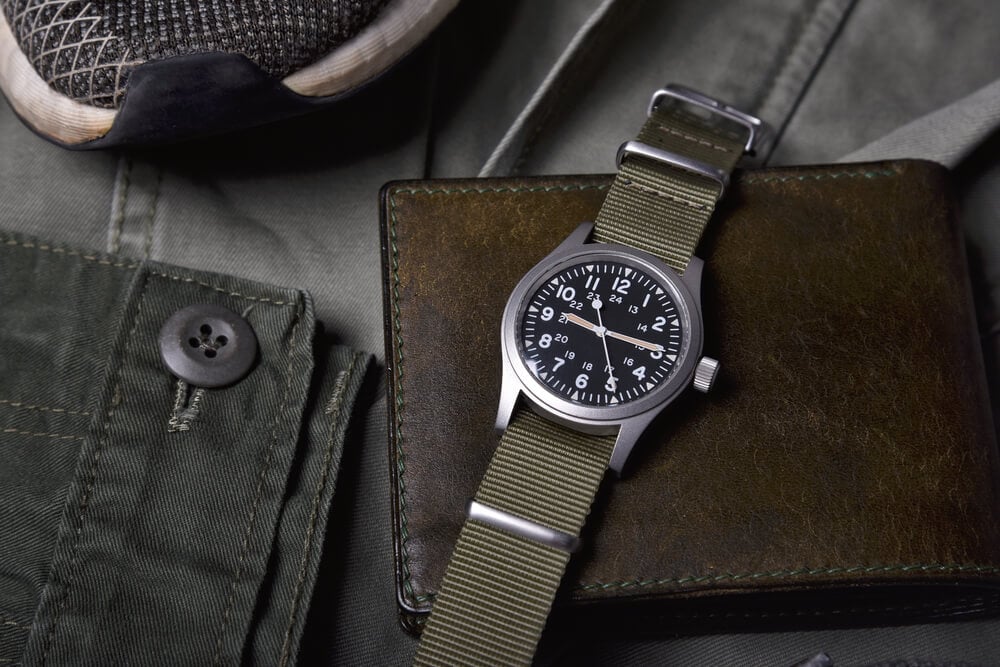
Hamilton supplied field watches to the United States military through several conflicts, and surviving examples with their original dials, straight lugs, and government markings hold steady collector interest well beyond typical vintage field watches. A verified military-issue example in running condition sells for three hundred to one thousand dollars depending on the conflict era and completeness of its markings.
A-11 Specification Military Watches
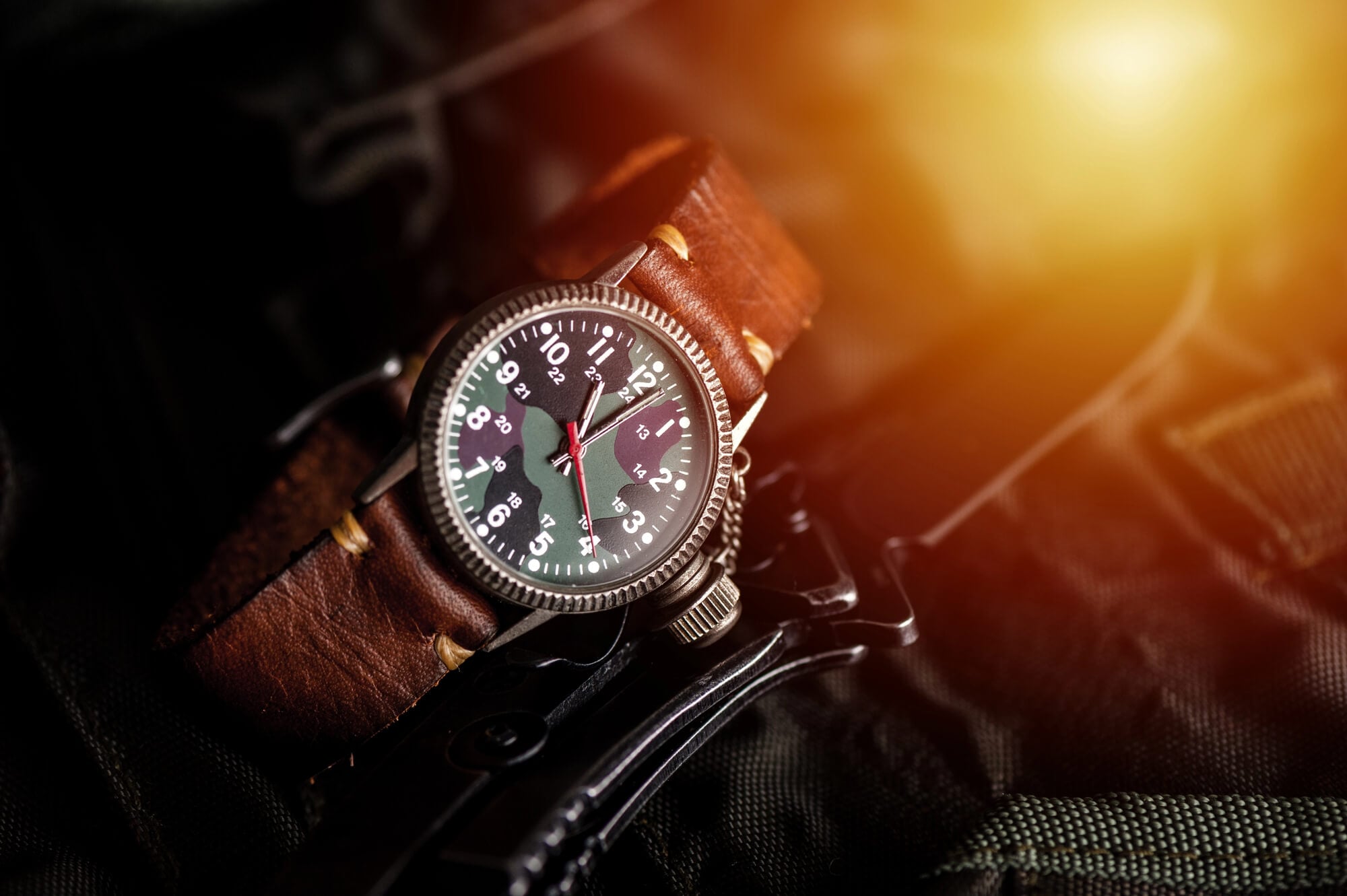
The A-11 was not a single brand but a wartime specification that Elgin, Waltham, and Bulova all built to, producing rugged, black-dialed field watches with hacking seconds for coordinated military timing. Because the specification, not the maker, defines the category, collectors compare examples across all three brands, and a verified running example typically brings two hundred to five hundred dollars.
Wittnauer Chronograph
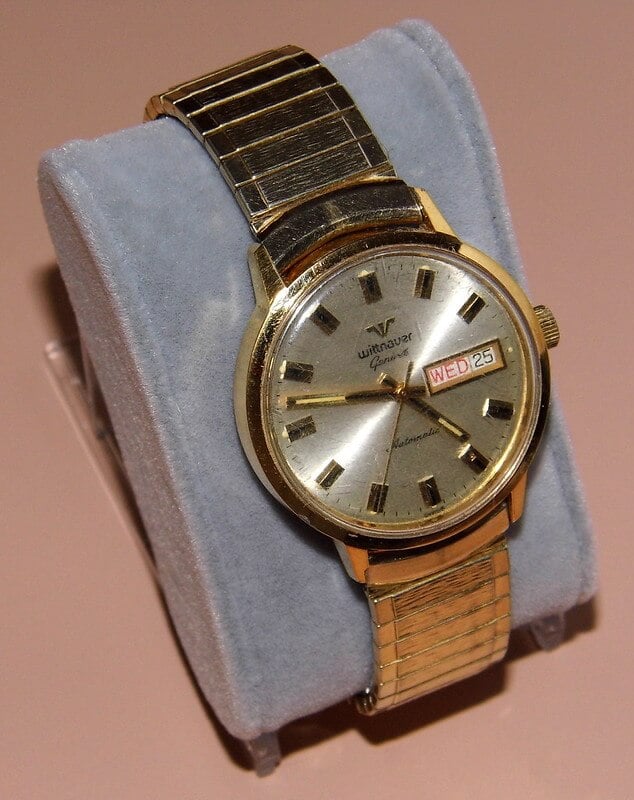
Wittnauer built solid chronographs through the mid-twentieth century that never carried the racing pedigree of flashier competitors but offered comparable movements at accessible prices, which is exactly why they turn up overlooked in old collections. A running example with an intact dial and pushers sells for two hundred to six hundred dollars depending on the specific reference and case metal.
Croton Nivada Grenchen Chronograph
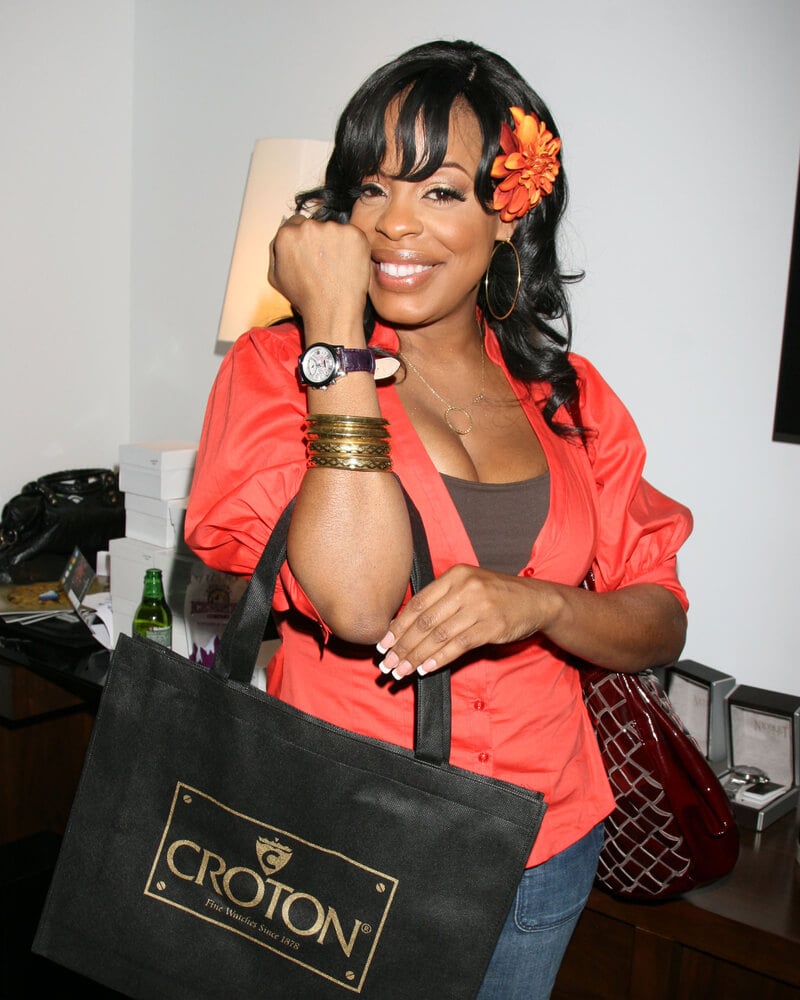
Croton distributed Swiss-made Nivada Grenchen chronographs in the United States through the mid-twentieth century, and certain dive and pilot references from this partnership have developed a dedicated following among collectors who track lesser-known Swiss houses. A working example with a legible dial commonly brings three hundred to nine hundred dollars.
Doxa Sub 300 Early Reference
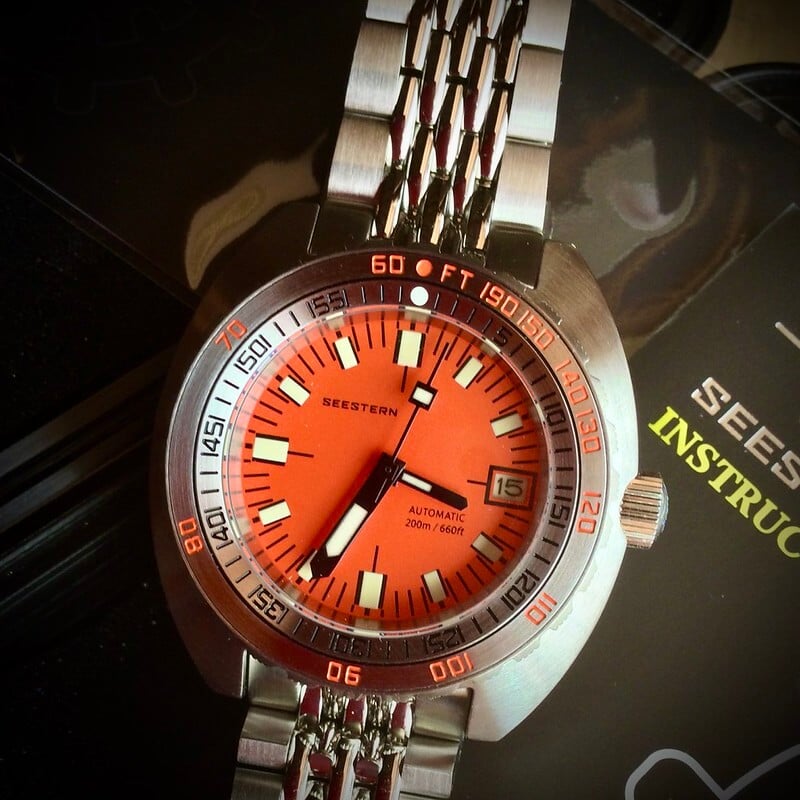
Doxa’s early dive watch references predate the brand’s better-known later collaborations and remain comparatively affordable for the engineering they represent, including an orange dial designed specifically for underwater visibility. A running example with its original bezel and dial sells for eight hundred to two thousand dollars, with unusual dial colors commanding a premium.
Enicar Sherpa Dive Watch
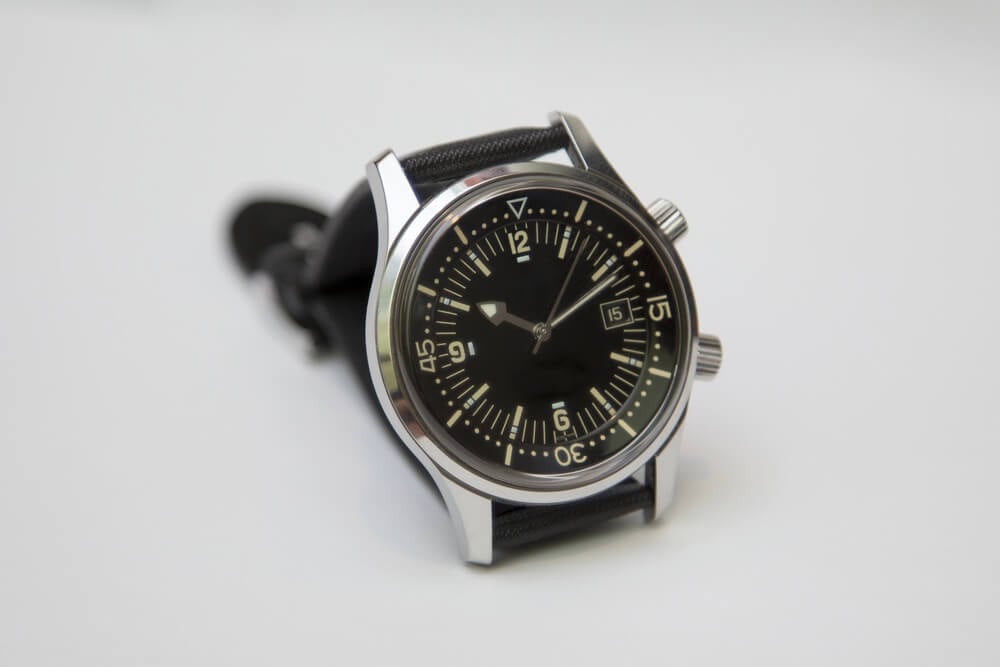
Enicar’s Sherpa line built a reputation among mountaineers and divers in the mid-twentieth century, including documented use on Himalayan expeditions, without ever achieving the brand recognition of its Swiss competitors. A working example in original condition typically brings three hundred to eight hundred dollars, with expedition-linked references reaching considerably higher among specialists.
Girard-Perregaux Gyromatic
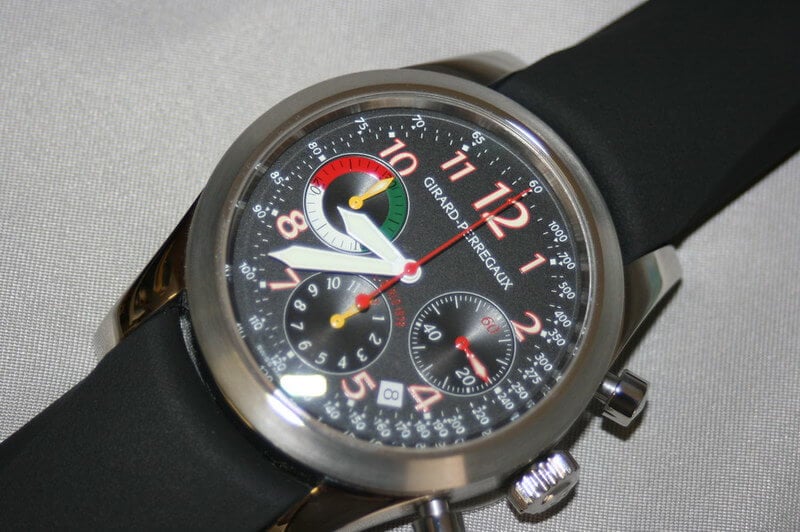
Girard-Perregaux’s Gyromatic automatic movement powered a range of mid-century dress and sport watches that offered high-grade Swiss engineering without the brand premium attached to more famous houses. A running example in a solid case commonly sells for two hundred to seven hundred dollars, with unusual dial configurations and complications reaching higher.
Movado Museum Dial Watch
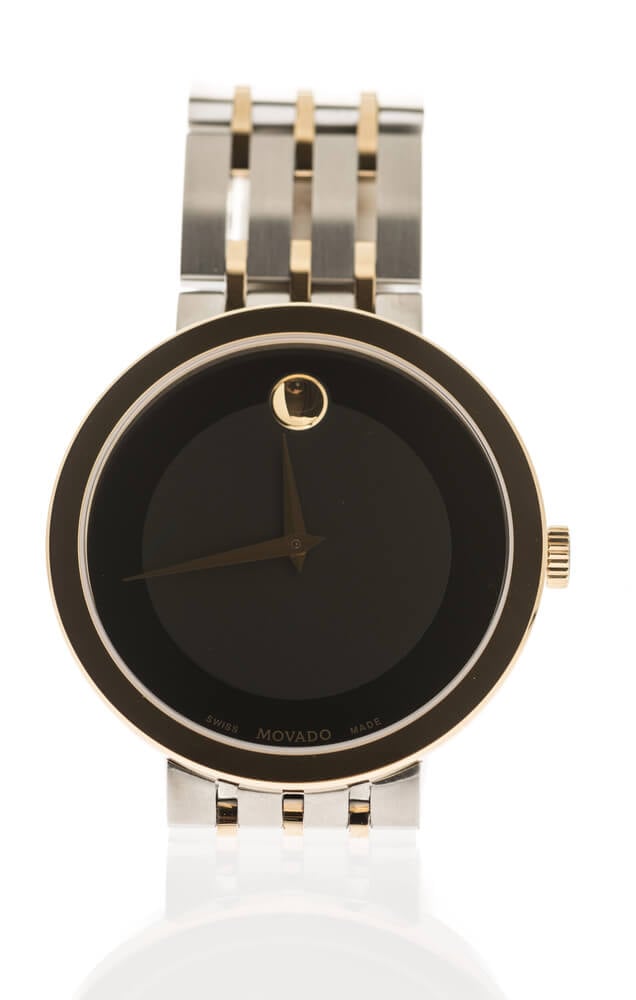
Movado’s minimalist museum dial, designed with a single gold dot standing in for the twelve position, became one of the most recognized dress-watch faces of the twentieth century without carrying the price tag of comparable complications from rival houses. A vintage example in running condition typically sells for two hundred to five hundred dollars depending on case metal and movement.
Bulova Accutron Spaceview
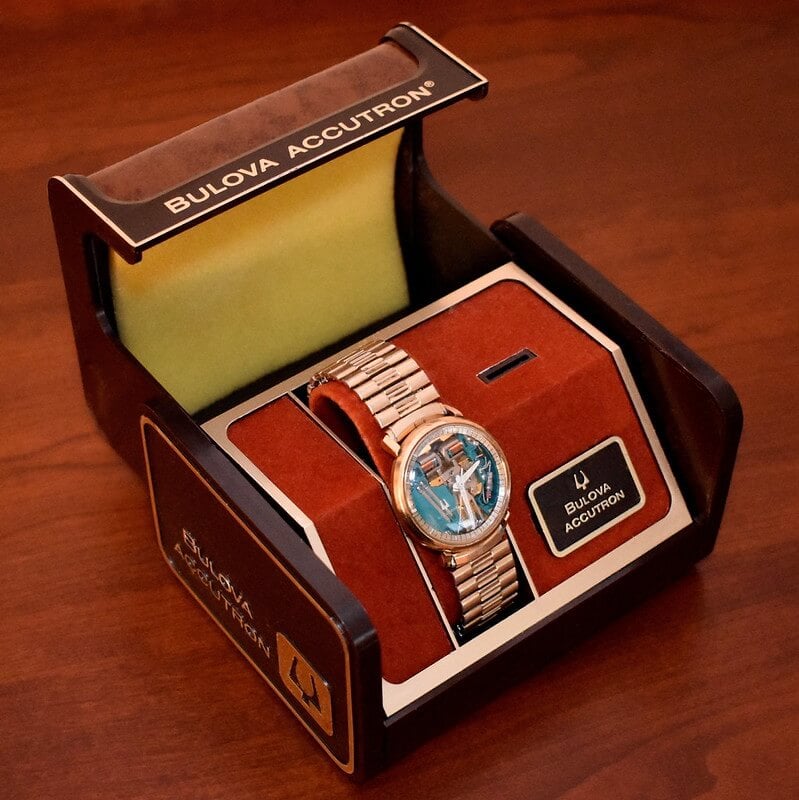
The Accutron Spaceview exposed its tuning-fork movement behind a transparent dial rather than hiding it, turning an engineering demonstration into a design statement that still draws collectors decades later. A running example commonly sells for three hundred to eight hundred dollars, with early references and unusual case shapes reaching higher.
Vulcain Cricket Alarm Watch
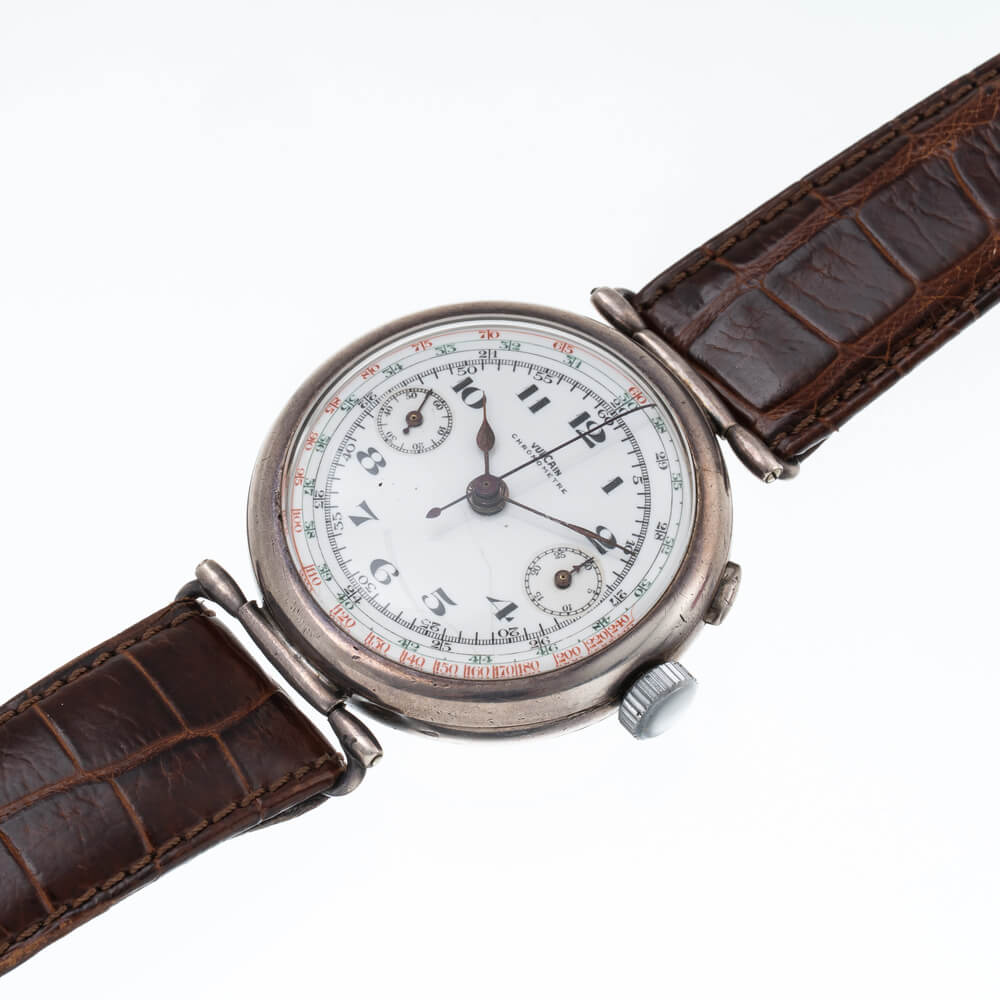
Vulcain’s Cricket line built its reputation on a genuinely loud mechanical alarm function decades before quartz watches made the feature common, and the watch developed an association with several American presidents who wore it. A working example with a functioning alarm sells for four hundred to twelve hundred dollars, since alarm mechanisms that no longer function reduce value sharply.
Jaeger-LeCoultre Memovox Alarm Watch
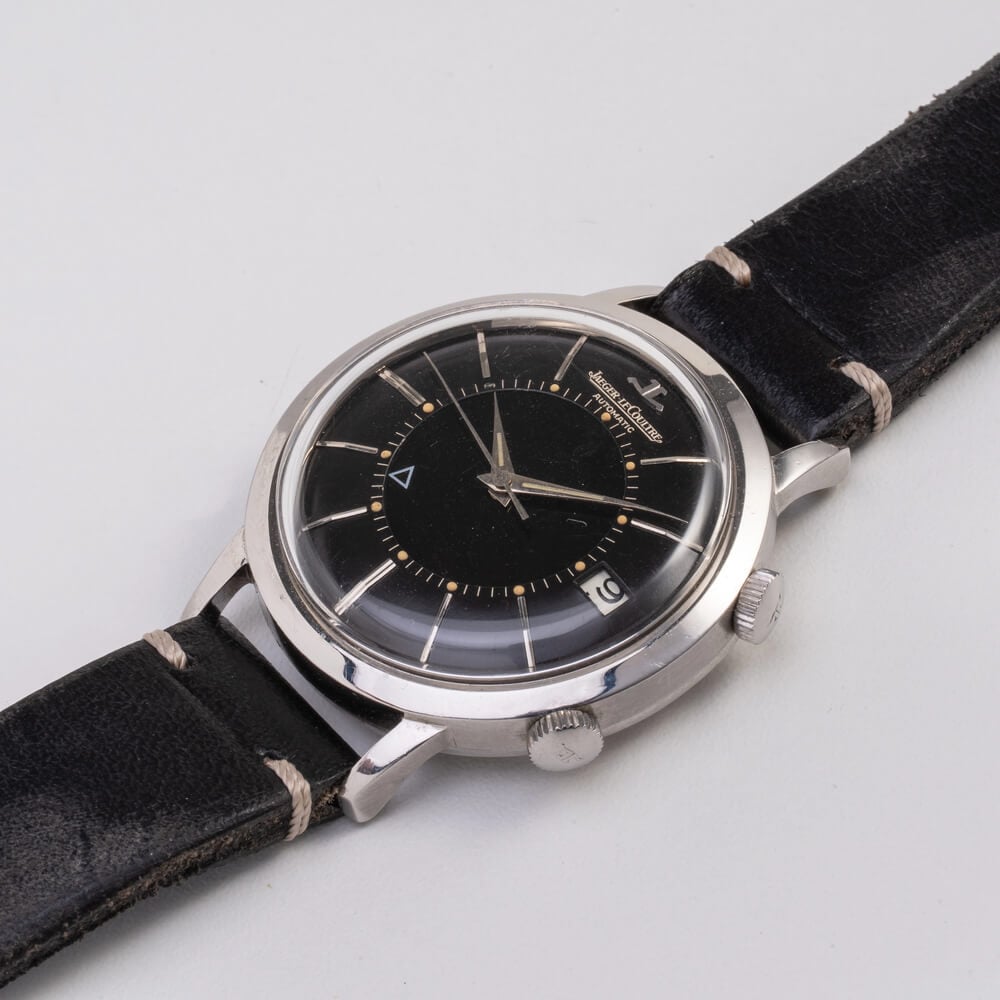
Jaeger-LeCoultre’s Memovox combined an automatic movement with a mechanical alarm complication, a technical achievement that remains impressive by modern standards. A running example with a functioning alarm commonly sells for eight hundred to two thousand dollars, with specific dive and travel references from the line reaching considerably higher among specialist collectors.
IWC Ingenieur Early Reference
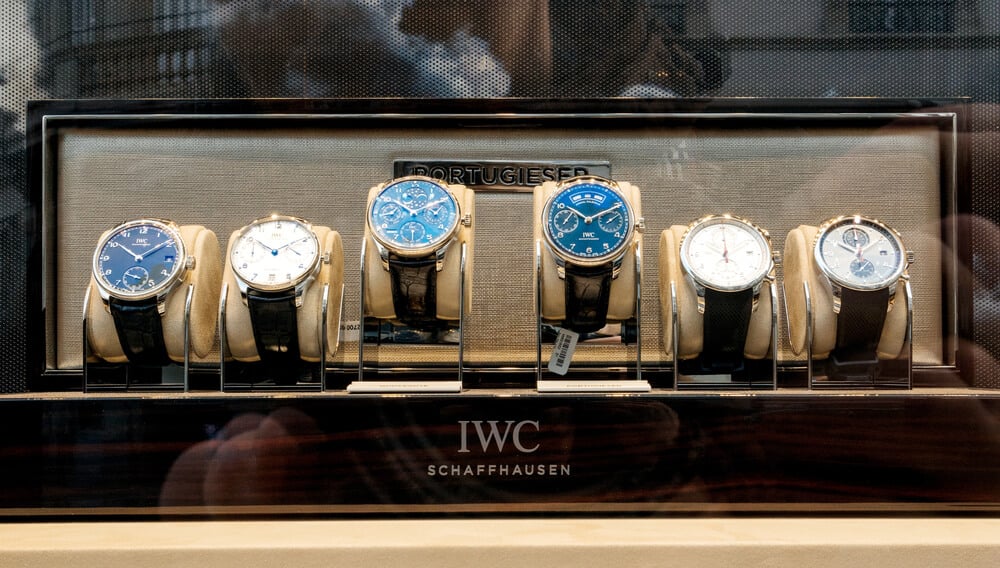
IWC’s early Ingenieur references were built with anti-magnetic engineering aimed at engineers and technicians working around electrical equipment, a functional pitch rather than a fashion one. A running example in original condition typically sells for one thousand to three thousand dollars, with the earliest references and unusual dial variants commanding significantly more.
Breitling Top Time Chronograph
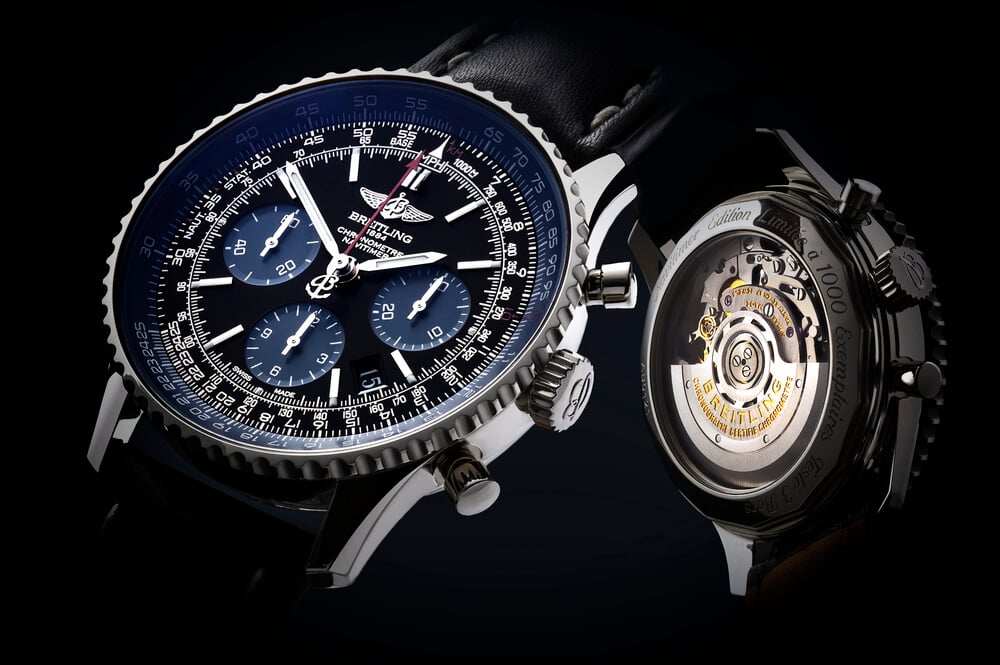
Breitling’s Top Time line offered accessible chronograph pricing alongside the brand’s more famous pilot references, and surviving examples with their original dials remain comparatively affordable for collectors chasing the brand’s history. A working example sells for six hundred to two thousand dollars depending on dial configuration and case condition.
Vintage Cartier Tank for Women
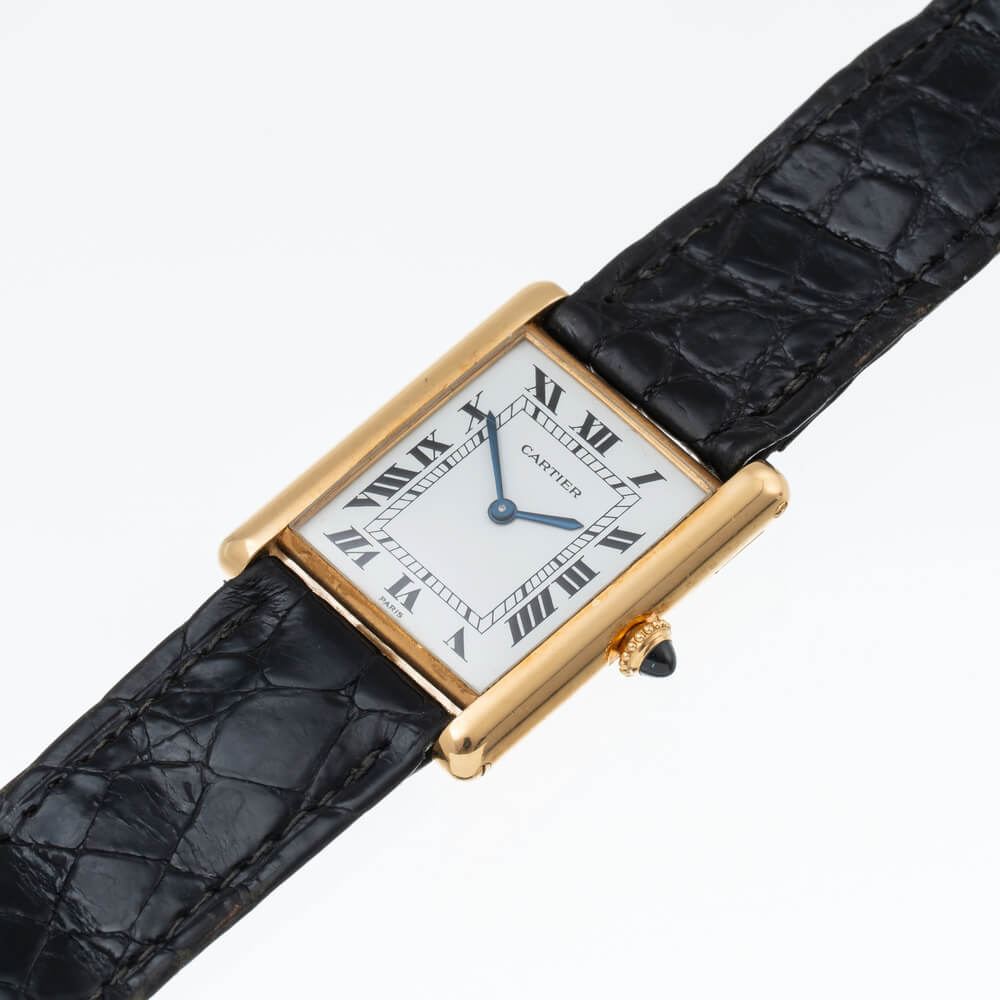
Cartier’s Tank design, introduced early in the twentieth century, has been produced continuously in numerous variations, and smaller vintage examples made for women remain underappreciated relative to men’s references from the same era. A verified vintage example in solid gold typically sells for fifteen hundred to five thousand dollars depending on age and complication.
Vintage Rolex Cellini
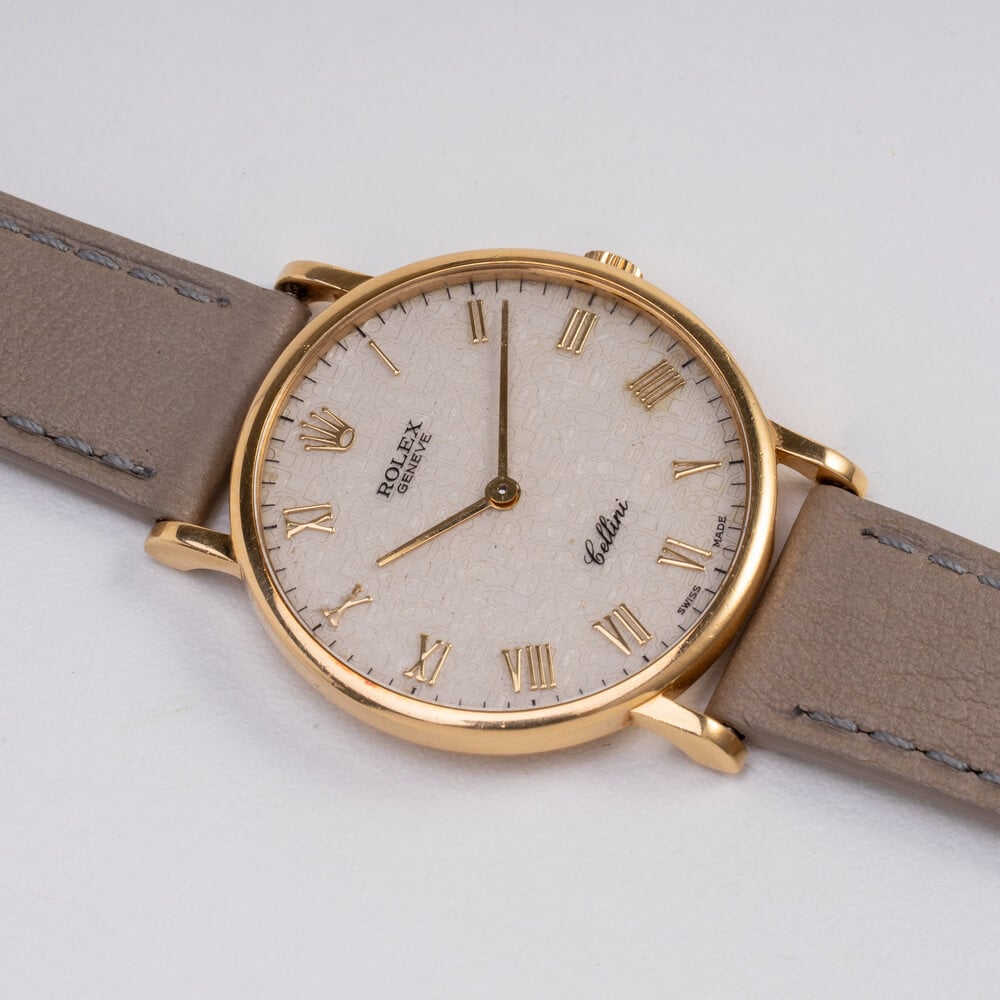
Rolex’s Cellini line represents the brand’s dress-watch side, built without the sport-watch features that drive most Rolex collector demand, which keeps prices considerably lower than the brand’s tool watches despite comparable movement quality. A vintage example in solid gold typically sells for two thousand to six thousand dollars.
Enamel Dial Swiss Watches for Women
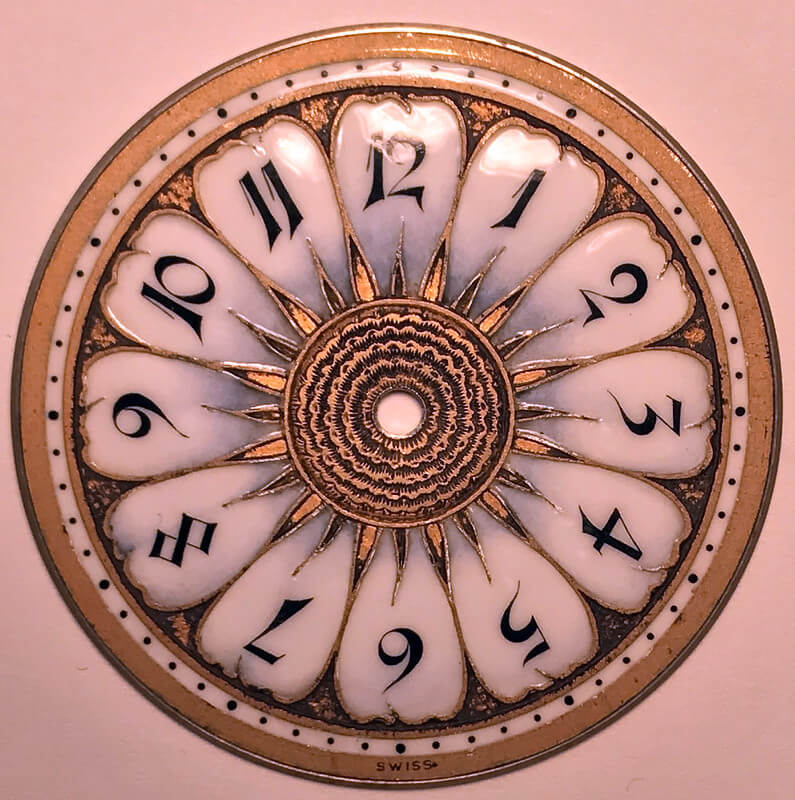
Small Swiss-made watches for women from the early to mid-twentieth century, often featuring hand-painted or fired enamel dials and delicate case engraving, are frequently undervalued by sellers who focus on movement size rather than craftsmanship. A verified example with an intact enamel dial and working movement can sell for several hundred to well over a thousand dollars depending on the artistry involved.
English Chronometer Pocket Watches
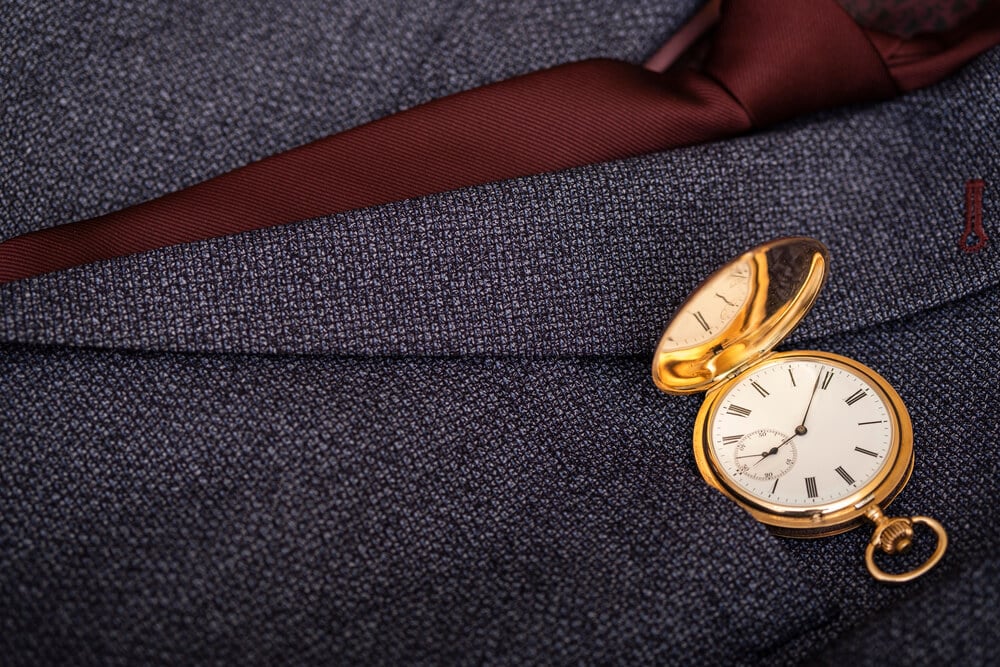
Victorian-era English watchmaking produced chronometer-grade pocket watches built to standards that rivaled anything from the Continent, though English houses never developed the branding recognition of their Swiss competitors. A verified chronometer example with hallmarked case and working movement typically sells for four hundred to fifteen hundred dollars.
Cyma Ebauche Movement Watches
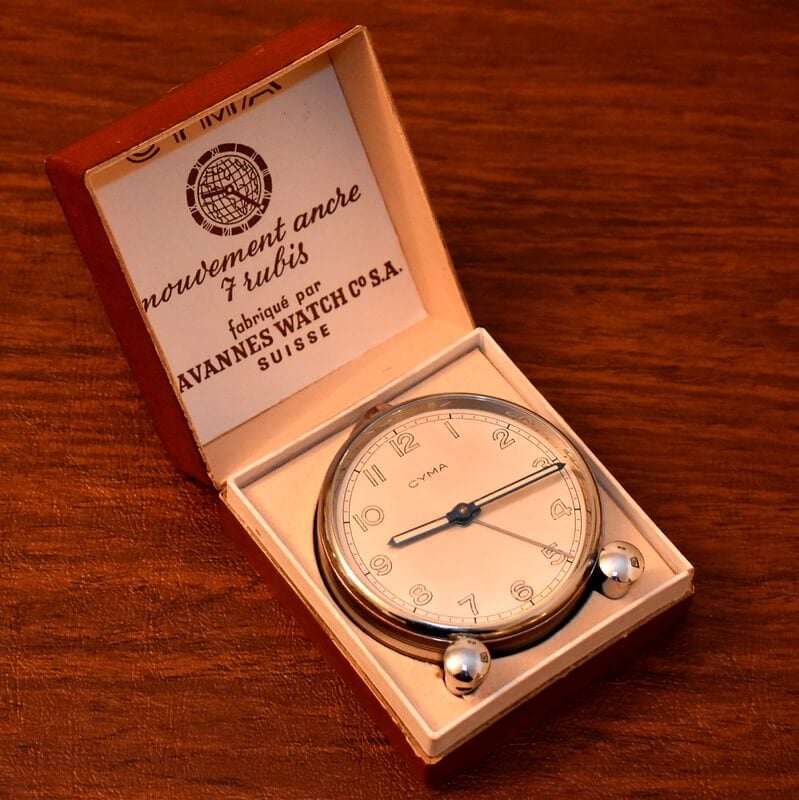
Cyma supplied movements to numerous smaller watch brands throughout the mid-twentieth century in addition to selling watches under its own name, making it a genuine ebauche house whose output turns up under multiple labels. A running Cyma-branded example in original condition sells for one hundred fifty to five hundred dollars.
Mido Multifort
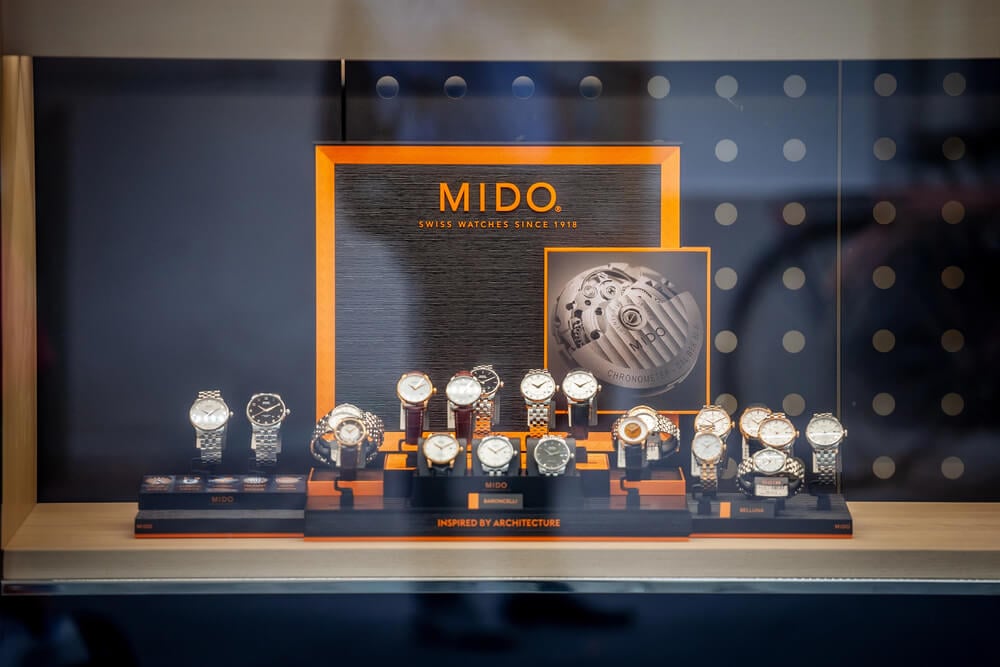
Mido’s Multifort line emphasized water resistance and shock protection in an accessible mid-century package, earning a reputation for reliability without the marketing spend of its larger Swiss rivals. A working example in original condition typically sells for two hundred to six hundred dollars, with automatic references commanding the higher end.
Benrus Sky Chief
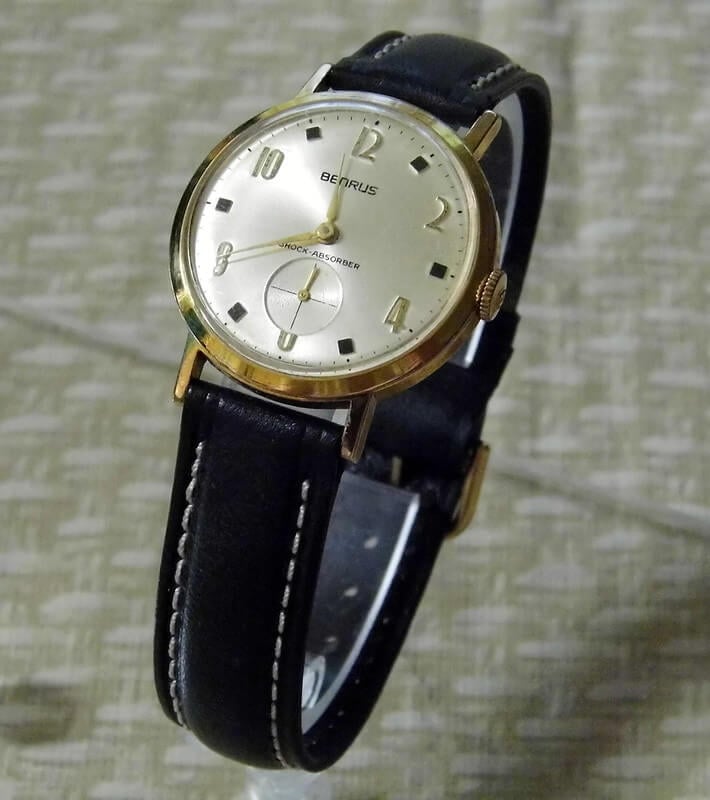
Benrus built the Sky Chief as a rugged, oversized field-style watch aimed at pilots and outdoorsmen during the mid-twentieth century, and surviving examples remain relatively affordable given their scale and mechanical quality. A running example with a legible dial sells for two hundred to five hundred dollars.
Gruen Curvex
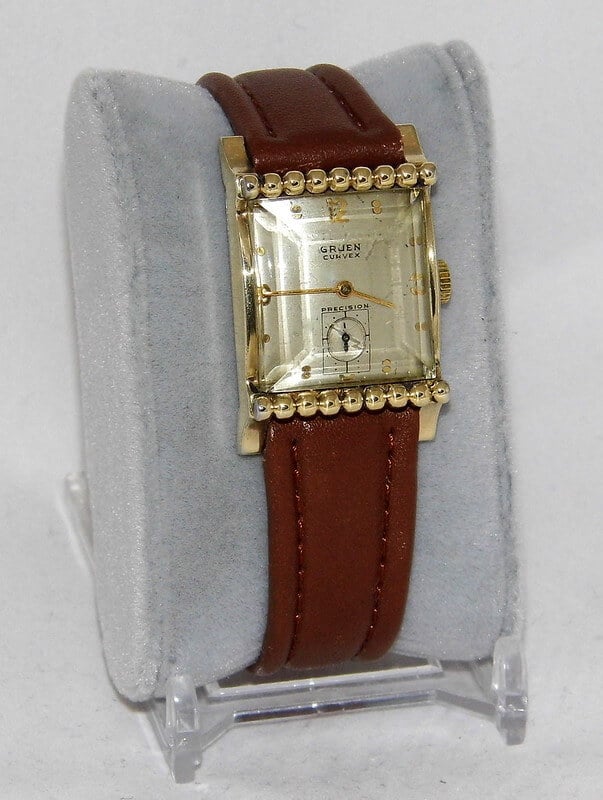
Gruen’s Curvex movement was engineered specifically to fit the curved rectangular cases fashionable in the mid-twentieth century, a genuine technical achievement that let the watch follow the wrist’s shape rather than sit flat against it. A working example in an original case sells for two hundred to seven hundred dollars, with gold-filled examples in strong condition reaching higher.
Hamilton Electric 500
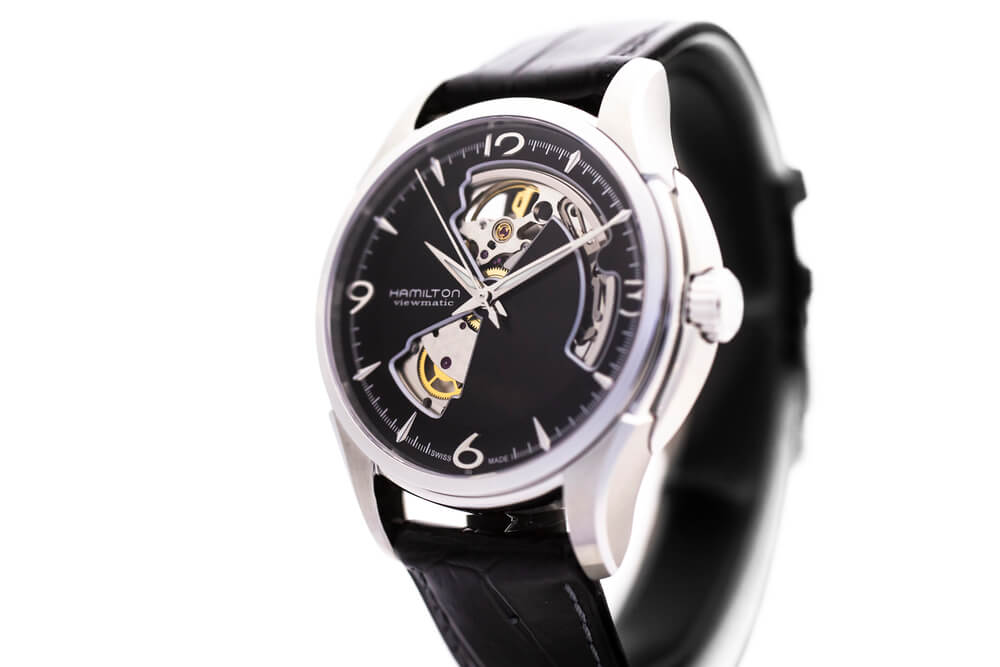
Introduced in 1957, the Hamilton Electric 500 was among the first electric watches sold commercially, using a battery-powered balance wheel rather than a mainspring years before quartz movements existed. A working example, which requires a specialist familiar with the unique movement, sells for three hundred to nine hundred dollars, with non-running examples still holding value for the technology alone.
Lord Elgin Dress Watch
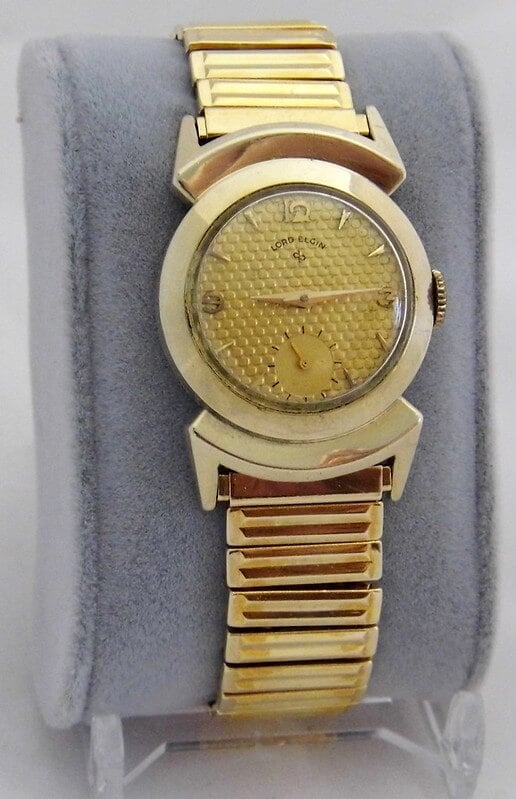
Elgin’s Lord Elgin line represented the company’s premium dress offering, built with higher jewel counts and finer case work than its everyday production, and the line’s watches remain comparatively affordable given the quality of the movements inside. A running example in a solid gold-filled or solid gold case sells for one hundred fifty to four hundred fifty dollars.
The Names History Nearly Dropped
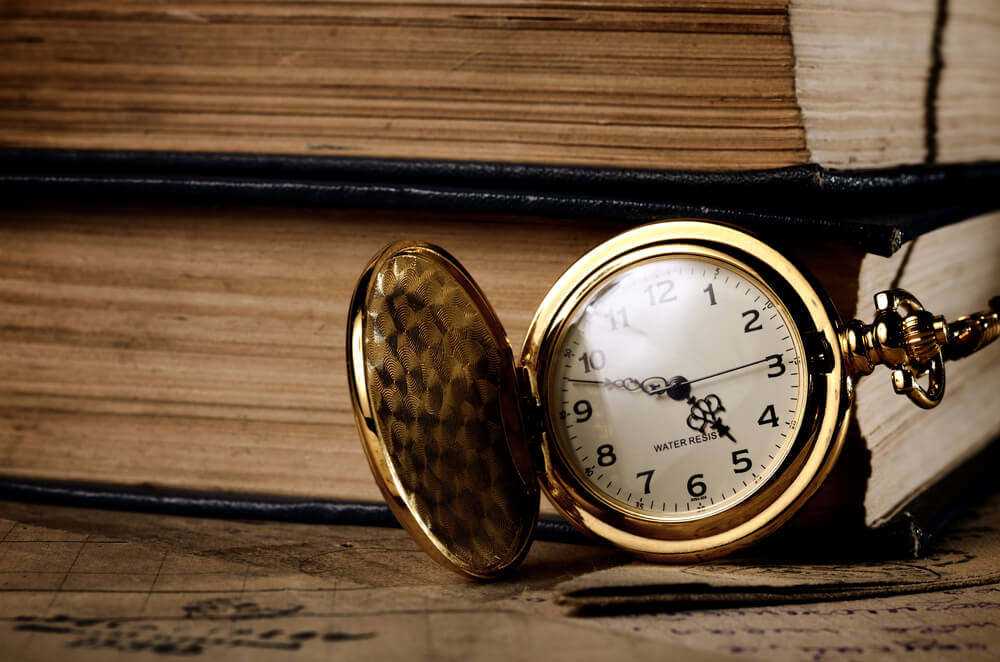
Every watch above was engineered to compete with a rival that eventually won the marketing war, not the technical one. That is precisely why a drawer is more likely to hold an Enicar than an obvious icon, and why an appraisal is worth the trouble even when the name on the dial does not ring a bell.
Value in this category rarely comes from recognition alone. It comes from a working movement, an unaltered dial, and a case that has survived without being reshaped by decades of well-meaning polishing.
More from Go2Tutors!

- The Romanov Crown Jewels and Their Tragic Fate
- 13 Historical Mysteries That Science Still Can’t Solve
- Famous Hoaxes That Fooled the World for Years
- 15 Child Stars with Tragic Adult Lives
- 16 Famous Jewelry Pieces in History
Like Go2Tutors’s content? Follow us on MSN.



