Longest Tunnels Ever Dug
Boring through mountains and under oceans takes patience. Engineers spend decades planning routes through solid rock, calculating every centimeter, accounting for water pressure and seismic shifts.
The longest tunnels represent some of humanity’s most ambitious construction projects—passages that shrink entire continents and turn impossible journeys into routine commutes.
The Gotthard Base Tunnel Stretches Under the Alps
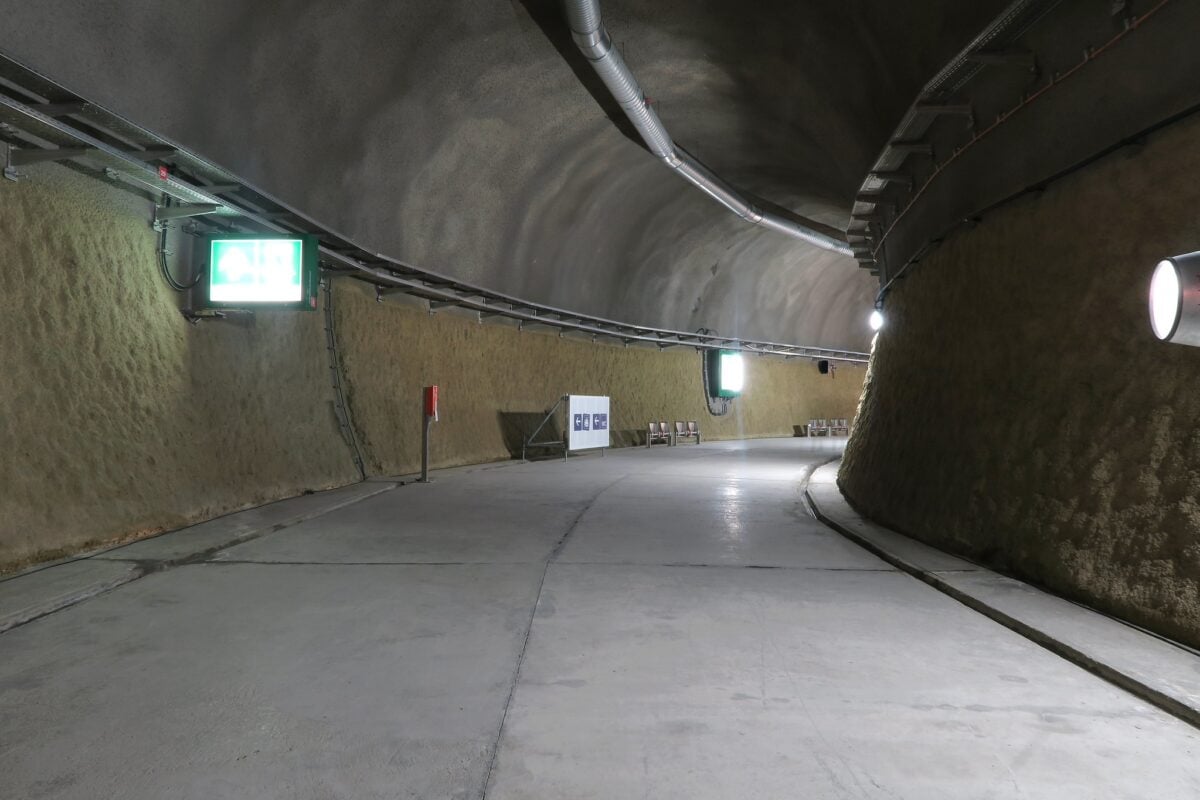
The Swiss Alps held their ground for centuries. Then engineers decided to drill straight through them.
The Gotthard Base Tunnel runs 57 kilometers beneath the mountains, making it the world’s longest railway tunnel. Construction crews started from both ends and the middle, boring through rock for 17 years before the breakthrough moment in 2010.
Trains now zip through the Alps in 20 minutes instead of climbing over them for hours. The tunnel handles both passenger and freight traffic, connecting northern and southern Europe with a straight shot through what used to be an imposing barrier.
Two separate tubes run parallel, each carrying one direction of traffic.
Japan’s Seikan Tunnel Connects Two Islands

Water separates Honshu and Hokkaido, Japan’s main islands. The Seikan Tunnel solves that problem by running 53.9 kilometers under the Tsugaru Strait.
Most of that length sits underwater—about 23 kilometers below the seabed. The tunnel took 24 years to complete.
Workers faced constant flooding, volcanic rock, and the threat of earthquakes in one of the world’s most seismically active zones. Today, bullet trains race through at speeds up to 260 kilometers per hour, making the underwater crossing feel like just another stretch of track.
The Channel Tunnel Links Britain to Continental Europe

Britain stayed an island for thousands of years. The Channel Tunnel changed that in 1994. This 50.5-kilometer passage runs beneath the English Channel, connecting Folkestone in the UK to Coquelles in France.
Three tubes make up the system—two for trains and one for service and emergency access. You can board a train in London and step off in Paris without ever seeing water.
The tunnel carries high-speed passenger trains, car-carrying shuttles, and freight trains. Construction crews dug from both sides, meeting in the middle with remarkable precision despite working under 40 meters of seabed.
Norway’s Lærdal Tunnel Takes a Different Approach

Norway’s Lærdal Tunnel stretches 24.5 kilometers through the mountains, making it the world’s longest road tunnel. But length isn’t its only notable feature.
Designers knew that driving through a monotonous tunnel for 20 minutes straight would exhaust drivers, so they built in three large caverns lit with blue and yellow lighting to break up the journey.
These illuminated caves give drivers mental breaks. The tunnel opened in 2000, replacing a treacherous mountain pass that often closed in winter.
Now people drive through the mountain year-round, though the experience still feels slightly surreal when you enter those glowing caverns halfway through.
The Delaware Aqueduct Flows Unseen

New York City drinks from reservoirs upstate. The Delaware Aqueduct carries that water 137 kilometers underground, making it the world’s longest continuous tunnel.
Built between 1937 and 1945, it moves about half of the city’s water supply every day. Most people never think about this tunnel.
It just works, flowing 600 feet below the surface, crossing under the Hudson River without fanfare. Recent repairs required diverting water for the first time since construction—a massive undertaking that revealed just how critical this aging infrastructure has become.
China Builds Tunnels at Record Speed

China’s infrastructure boom includes tunnels. The Guangzhou Metro alone has hundreds of kilometers of underground passages.
But the Taihang Tunnel, completed in recent years, showcases modern tunneling speed. Crews can bore through mountains faster than ever before using massive tunnel boring machines that grind through rock continuously.
These machines work like mechanical worms, advancing meters per day while simultaneously installing support structures. China now builds in months what used to take years, though safety concerns sometimes arise when projects move this fast.
Boston’s Big Dig Created an Urban Tunnel System

Boston buried its central artery. The Big Dig project took the elevated highway that split the city and moved it underground through a series of tunnels totaling about 5.6 kilometers.
The project became infamous for cost overruns and delays, finally completing in 2007 after 15 years of work. The results transformed downtown Boston.
Parks now cover what used to be highways. But the tunnel system requires constant maintenance, and several serious problems emerged after opening, including a fatal ceiling panel collapse in 2006 that led to extensive repairs.
The Arlberg Road Tunnel Shortened Austrian Journeys

Austria’s Arlberg Road Tunnel cuts 14 kilometers through the mountains between Tyrol and Vorarlberg. When it opened in 1978, it became Europe’s longest road tunnel.
Winter used to isolate western Austria when mountain passes closed, but the tunnel keeps traffic moving year-round. Tolls fund the tunnel’s operation and maintenance.
Drivers pay each time they pass through, though locals get discounts. The tunnel saved countless hours of driving over mountain switchbacks and probably saved lives too—those old passes were dangerous in bad weather.
Water Tunnels Form New York’s Hidden Network
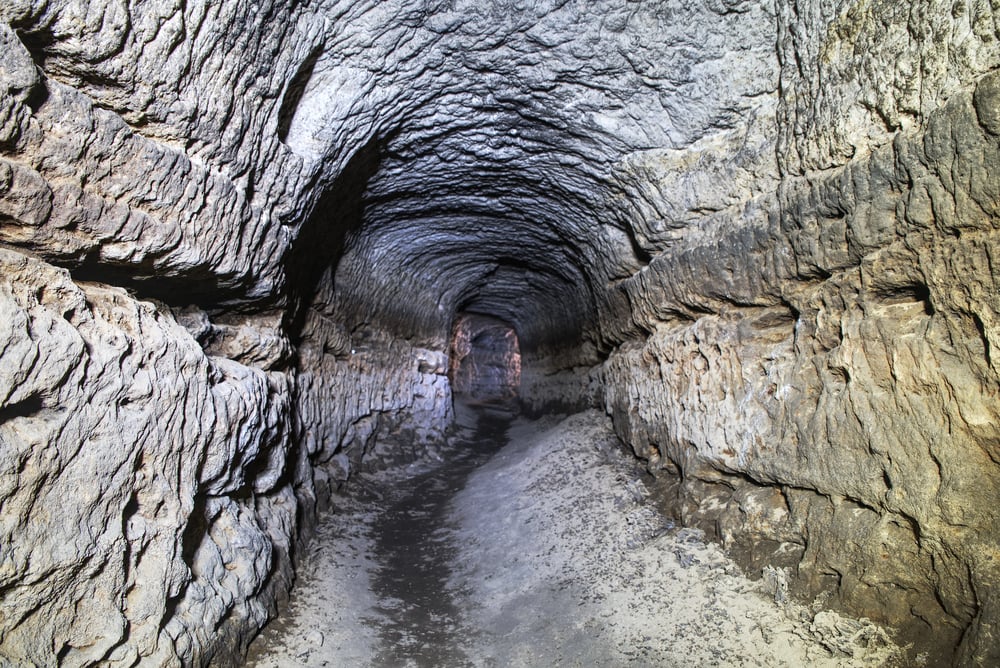
New York’s water system includes more than just the Delaware Aqueduct. City Tunnel No. 3 has been under construction since 1970 and still isn’t finished.
When complete, it will run 97 kilometers through solid bedrock beneath the city. This project shows how long major tunnel work can take.
Construction crews work in dangerous conditions deep underground, dealing with high pressure and limited access. The tunnel will allow repairs to the century-old tunnels that currently supply the city—tunnels that have never been shut down since they opened because the city can’t survive without them.
The Eiksund Tunnel Dives Deep
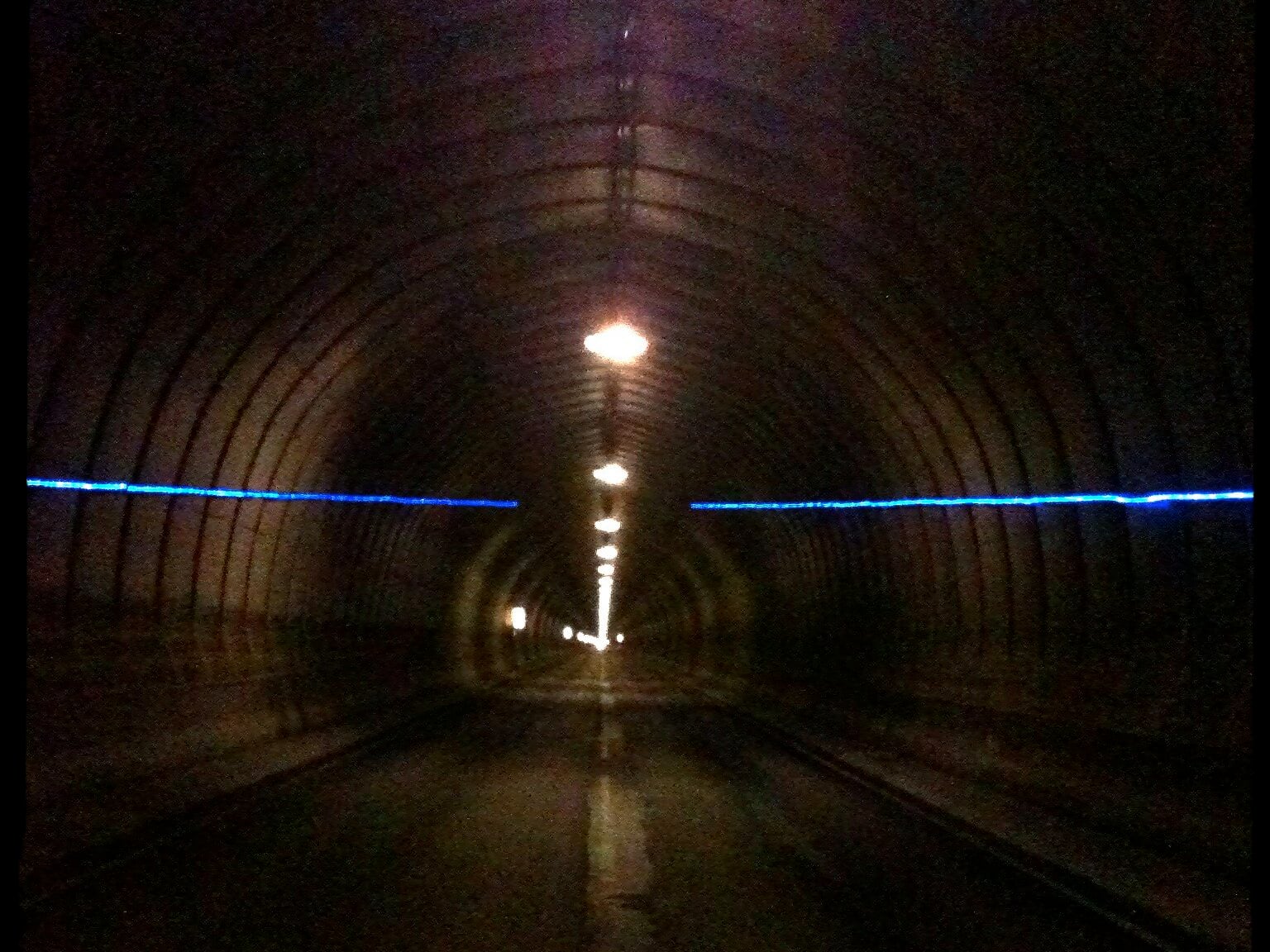
Norway again. The Eiksund Tunnel connects islands off the west coast, running 7.8 kilometers with a maximum depth of 287 meters below sea level. That makes it the world’s deepest undersea tunnel.
Driving down into it feels like descending into the earth itself. The tunnel gradient reaches 10 percent in some sections—steep for a road.
Heavy vehicles sometimes struggle. But the tunnel eliminated ferry service that weather often disrupted, and it connected communities that winter used to isolate for days at a time.
Transalpine Tunnels Keep Expanding

Switzerland didn’t stop with the Gotthard. The Lötschberg Base Tunnel adds another 34.6 kilometers of alpine passage. The Ceneri Base Tunnel, opened in 2020, provides 15.4 kilometers more.
Together, these tunnels form the New Railway Link through the Alps, transforming European freight and passenger rail. These projects cost billions but pay off in reduced travel times and environmental benefits.
Trucks that used to crawl over mountain passes now roll onto trains that zip through the mountains. The shift reduces highway congestion and lowers emissions from the most polluting vehicles.
The Lincoln Tunnel Moves Millions

New York’s Lincoln Tunnel handles more than 100,000 vehicles every day. Three tubes totaling about 2.4 kilometers each carry traffic between New Jersey and Manhattan under the Hudson River.
The first tube opened in 1937, with subsequent additions in 1945 and 1957. Rush hour traffic backs up for miles, but without these tunnels, Manhattan would be nearly inaccessible.
Thousands of buses flow through daily, along with cars and trucks that pay tolls to cross. The tunnel’s ventilation system replaces the air completely every 90 seconds, which you notice when you enter—suddenly your car fills with a distinct tunnel smell.
Ukrainian Miners Dug the Deepest Shafts

Beneath the surface, some tunnels sit empty. In Ukraine, shafts plunge past 1.5 kilometers down. Though short in length, their depth beats nearly every other human-made pit.
Heat and crushing force fill these spaces – yet miners still operate there. Few mines plunge deeper than three kilometers below ground level across America.
While less noticed than roads cut through rock, digging these pits still shows how people keep pushing underground – pulling out materials crucial for daily living.
Mountains Once Blocked Advancement
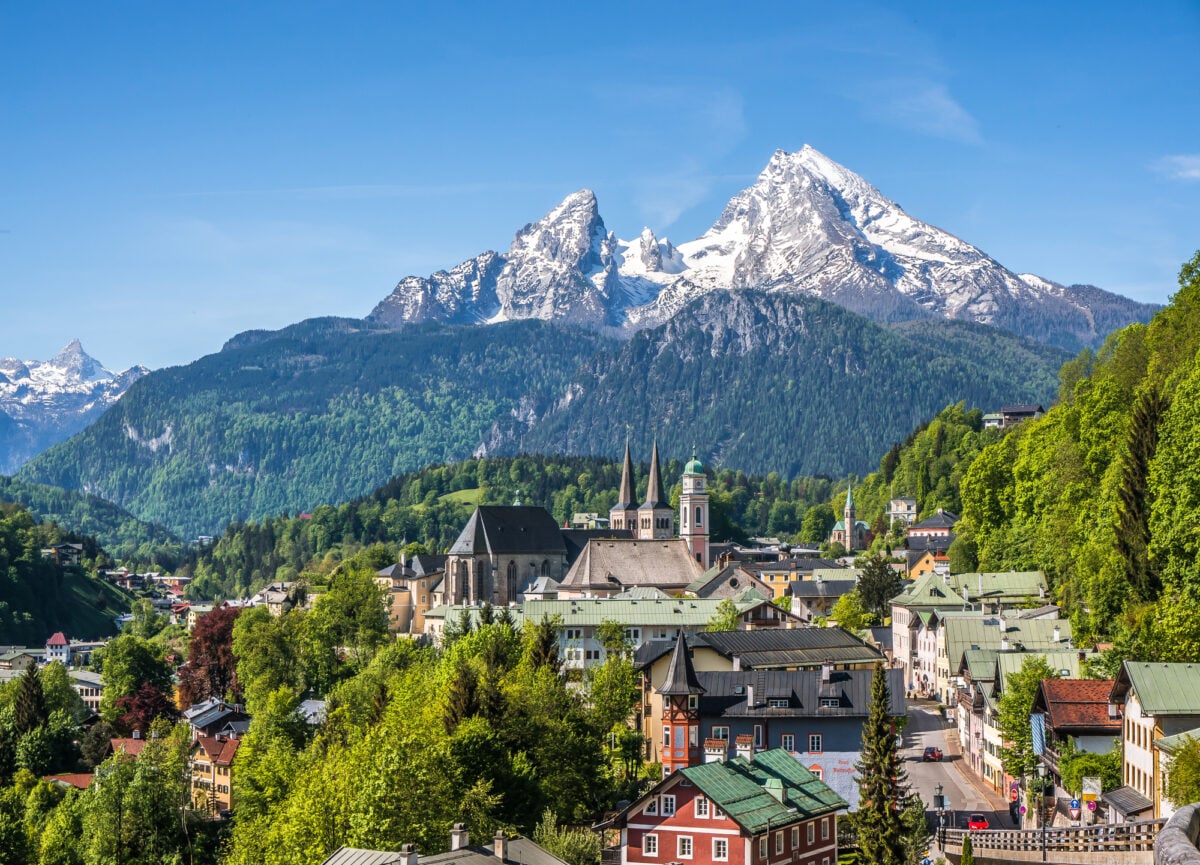
Now it only takes an hour instead of a whole day. Geography shifts when tunnels go through rock.
Communities once cut off by mountains find new connections. Those peaks are no longer barriers like they were before.
Machines dig deeper these days, built stronger than earlier models. Safer methods have slowly replaced the old ways.
Progress means less time spent building what lies underground. Still, digging tunnels costs a lot of money while putting lives on the line.
Each one stretches longer than most people think possible, marked by names of those lost along the way. Long before machines break ground, minds have worked for ages, budgets grown huge, dangers never far behind.
Moving beneath land or sea reveals a quiet truth: humans keep pushing when nature says stop.
More from Go2Tutors!

- The Romanov Crown Jewels and Their Tragic Fate
- 13 Historical Mysteries That Science Still Can’t Solve
- Famous Hoaxes That Fooled the World for Years
- 15 Child Stars with Tragic Adult Lives
- 16 Famous Jewelry Pieces in History
Like Go2Tutors’s content? Follow us on MSN.



