28 Old Tools That Still Sell Fast Secondhand
A garage cleanout usually treats old hand tools as scrap metal headed for the recycling bin, but a surprising number of decades-old tools outperform their modern replacements in daily use. Tradespeople and hobbyists actively seek these out, which keeps them moving quickly whenever they turn up secondhand.
Stanley Bailey Hand Planes
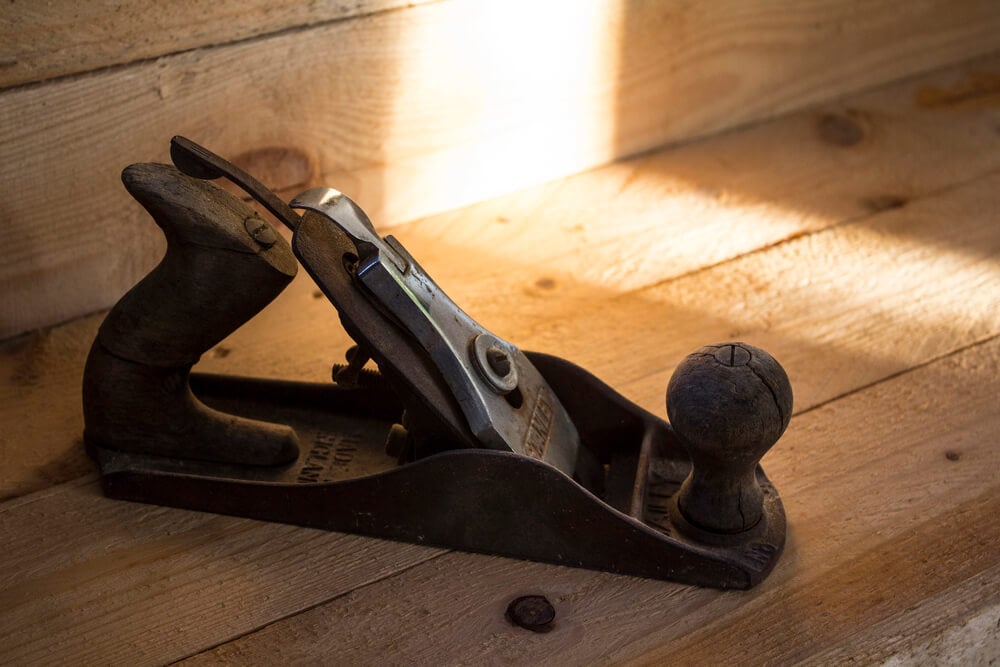
Stanley’s Bailey-pattern hand planes, manufactured from the late 1800s through the mid-twentieth century, are prized by woodworkers for cast-iron bodies machined to tolerances that later mass-produced planes rarely matched. Planes from before World War II, identifiable by specific casting marks, are the ones specialists seek out first.
Disston Hand Saws
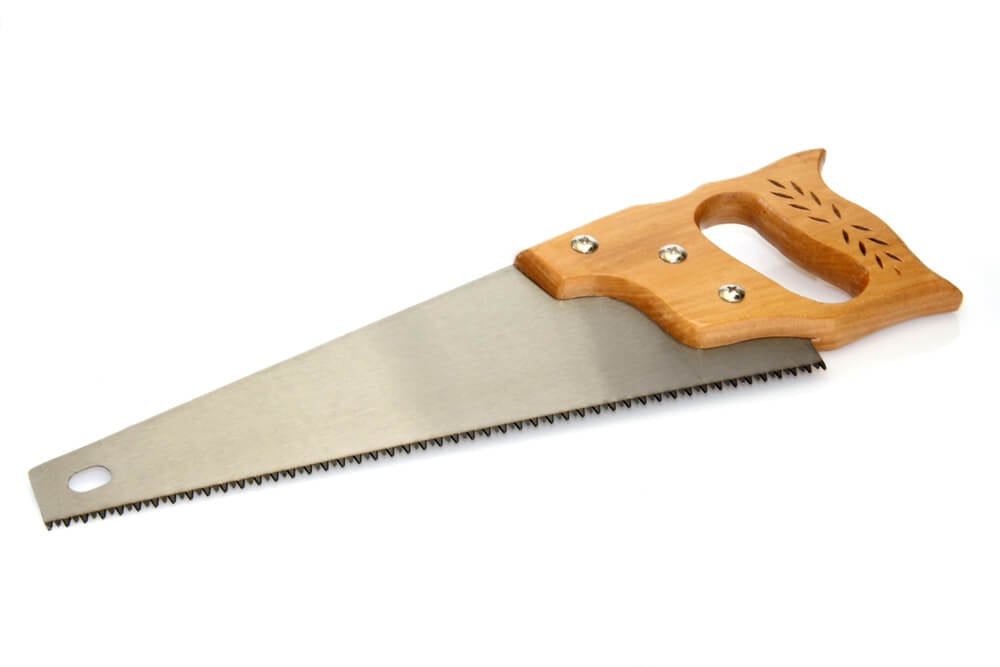
Henry Disston and Sons produced hand saws in Philadelphia from the 1840s onward, and the taper-ground steel blades from the company’s peak decades are still considered superior for fine woodworking to many currently manufactured saws. A saw with its original medallion and an unbent blade sells quickly to woodworkers restoring hand-tool workshops.
Millers Falls Hand Drills
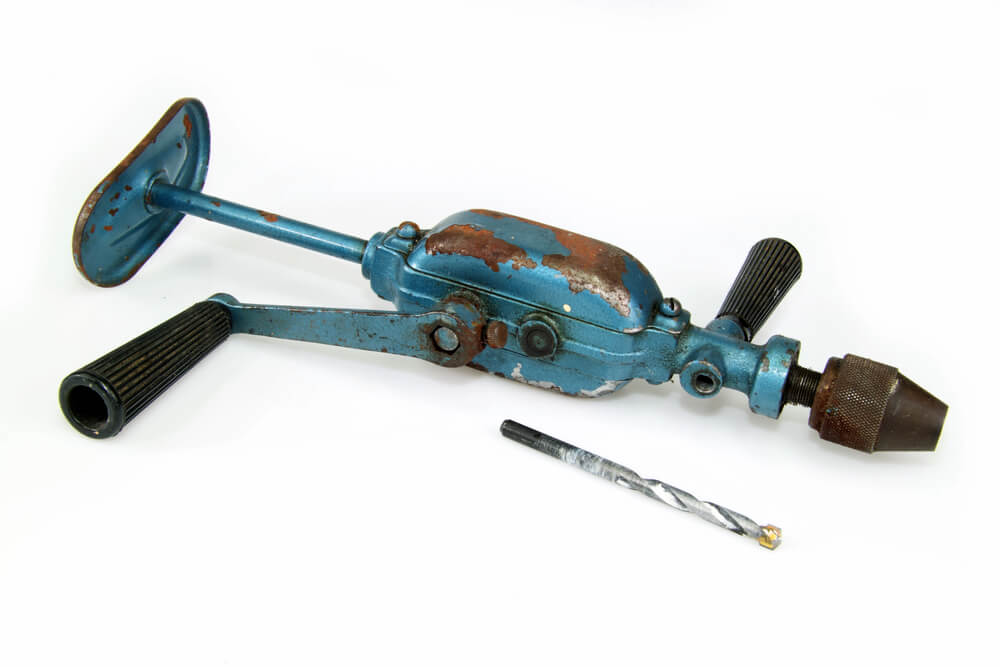
The eggbeater-style hand drills made by Millers Falls through the mid-twentieth century remain functional decades later, valued by woodworkers who prefer the control of a hand drill for delicate joinery work over a power drill. Models with all original gearing intact and smooth-turning mechanisms are the ones that sell fastest.
Craftsman Hand Wrenches
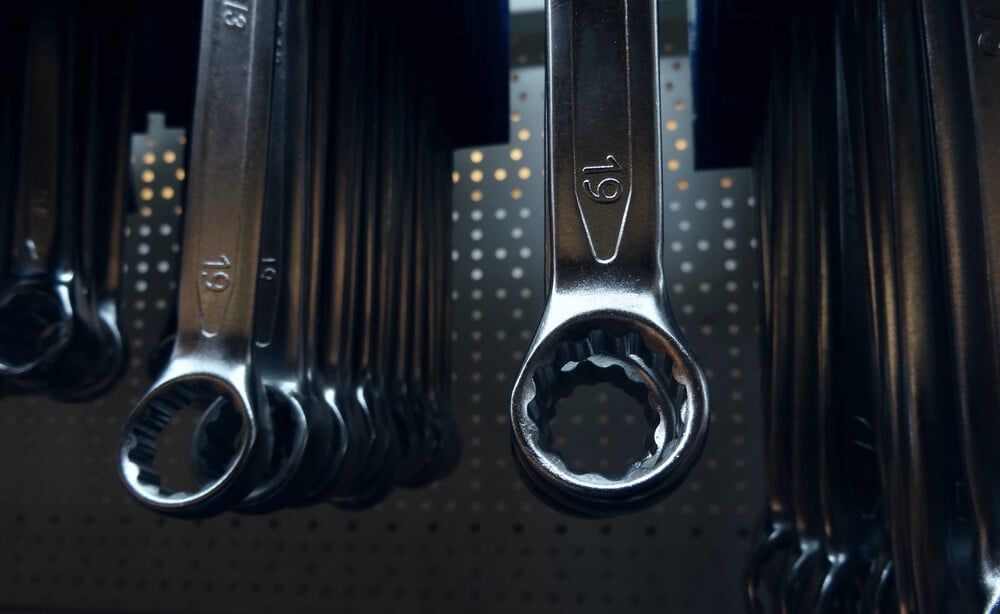
Sears’ Craftsman brand wrenches, produced for decades under a lifetime warranty policy that made the tools nearly indestructible in practice, remain in active daily use in garages and shops long after the original owner is gone. Forged American-made sets from before manufacturing was shifted overseas are specifically sought after by mechanics who remember the difference in build quality.
Yankee Push Drills
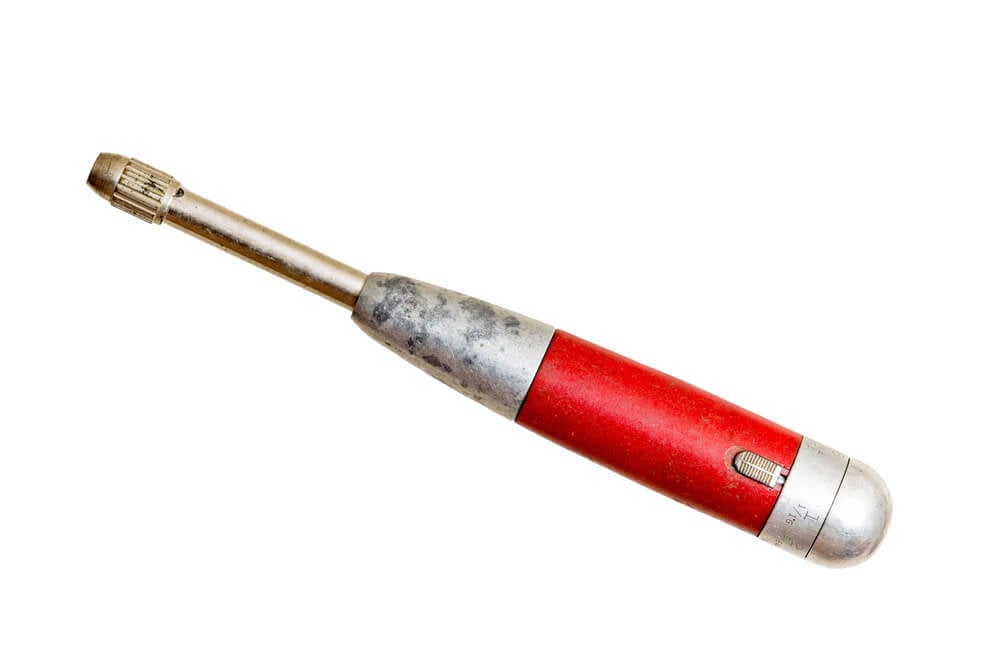
The spring-loaded Yankee push drill, manufactured by Stanley under the Yankee name for much of the twentieth century, allowed one-handed drilling without a power source and remains a favorite among furniture restorers for its speed on small pilot bores. A complete set including the original bit storage compartment sells for considerably more than a drill missing its bits.
Cast Iron Table Saws
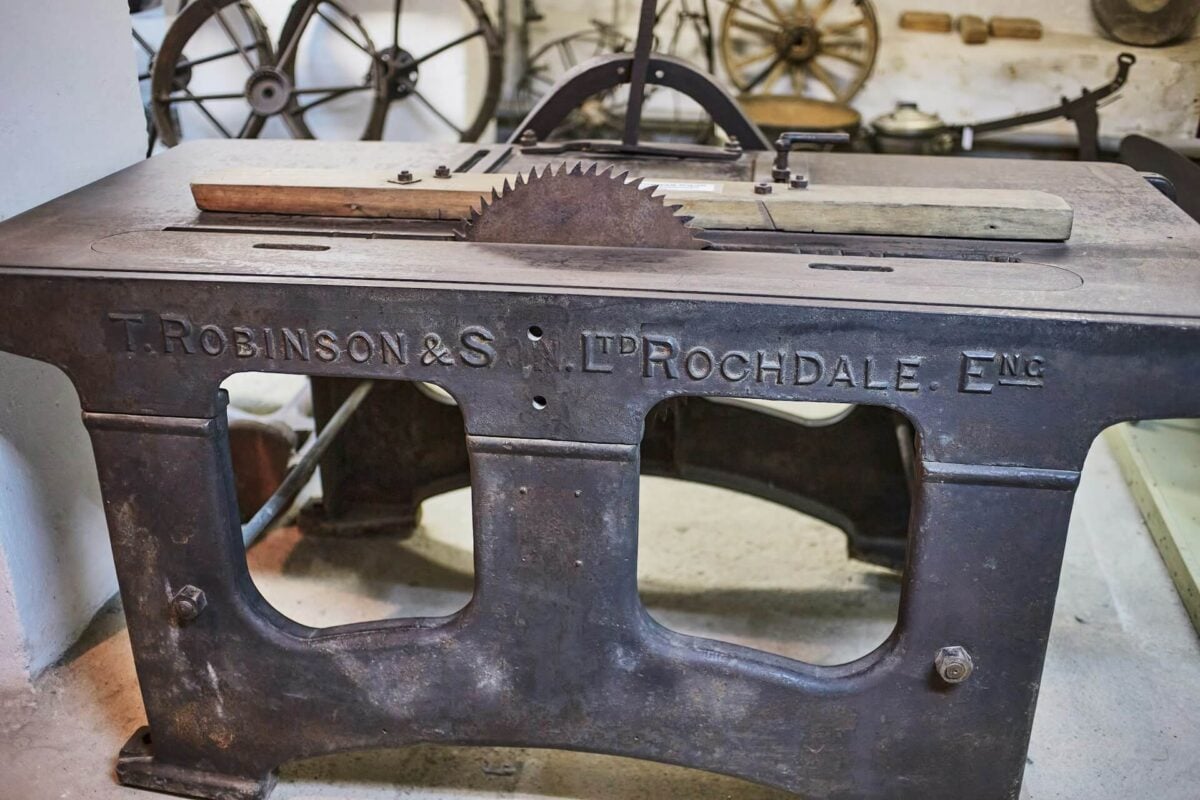
Early cast-iron table saws from manufacturers like Delta and Rockwell, built with heavy stationary bases rather than the lightweight portable designs common today, are sought by woodworkers who value the reduced vibration and precision that extra mass provides. A saw with its original fence system intact and functioning smoothly draws serious interest from shop owners.
Blacksmith Anvils
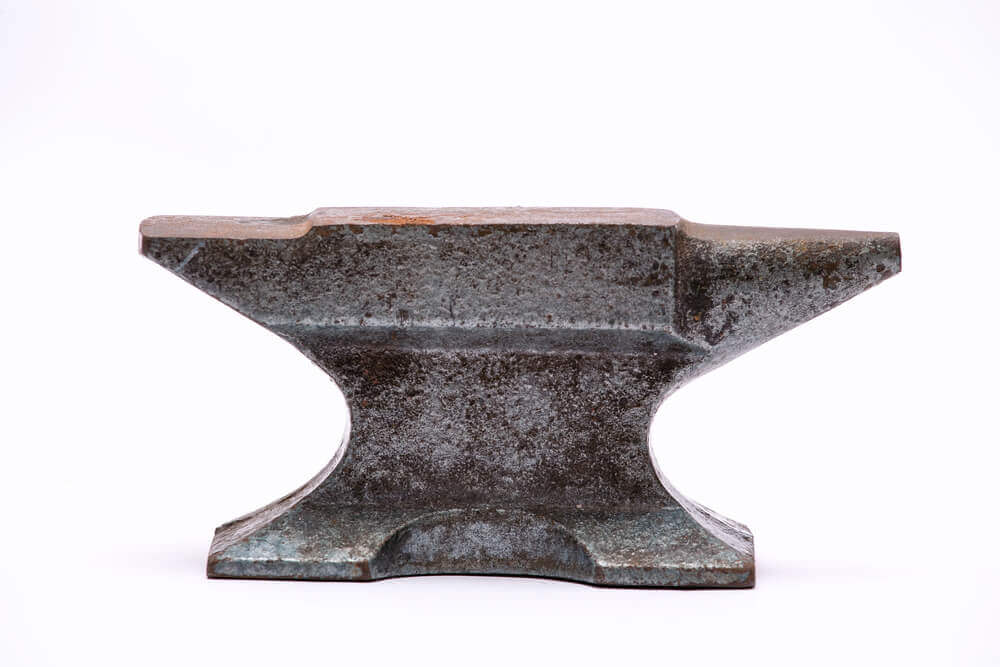
Antique blacksmith anvils, often produced by manufacturers such as Peter Wright or Hay-Budden through the nineteenth and early twentieth centuries, remain functional working tools for modern blacksmiths and metalworking hobbyists. An anvil with minimal chipping on its working face and a legible maker’s stamp sells for significantly more than an unmarked or heavily worn example.
Stanley No. 45 Combination Plane
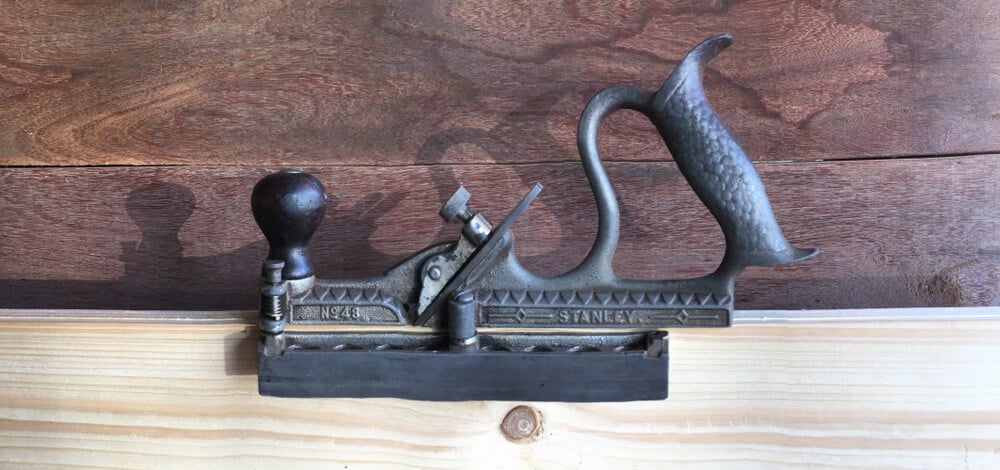
Stanley’s No. 45 combination plane, produced from the 1880s onward, could cut dozens of different molding profiles using an elaborate system of interchangeable cutters, a level of versatility rarely matched by any single modern hand tool. A complete set with its original cutter set and wooden case is one of the most actively sought hand-tool combinations among collectors and working woodworkers alike.
Vintage Socket Wrench Sets
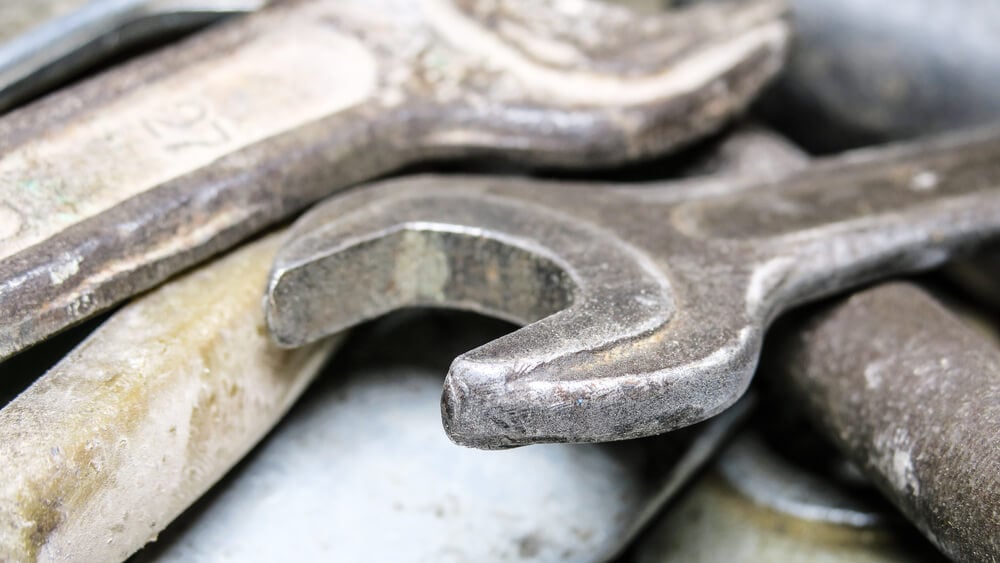
Chrome-vanadium socket sets from established American manufacturers, produced through the mid-twentieth century in a fitted metal case, remain functional decades later and are frequently preferred by mechanics over newer imported sets for their fit tolerance. A complete case with every socket present in its designated slot sells quickly compared to a partial set.
Woodworking Chisels
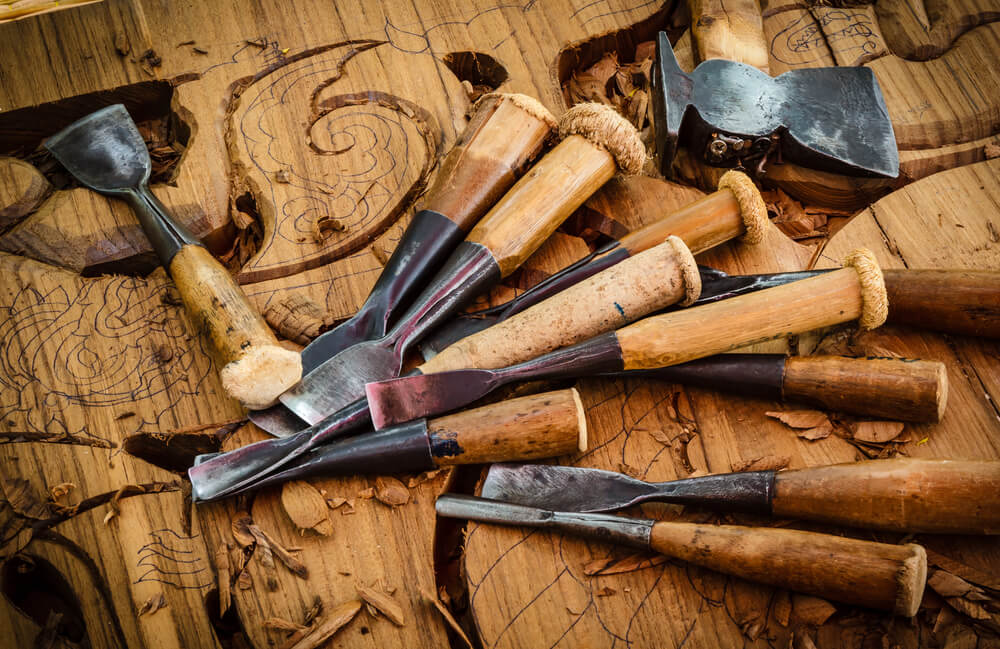
Vintage woodworking chisels, particularly examples forged by established makers such as Stanley, Buck Brothers, and Witherby, are valued for steel that holds an edge longer than many currently produced chisels at comparable price points. A set with matching handles and minimal pitting on the blades sells notably faster than a mismatched collection.
Bench Grinders
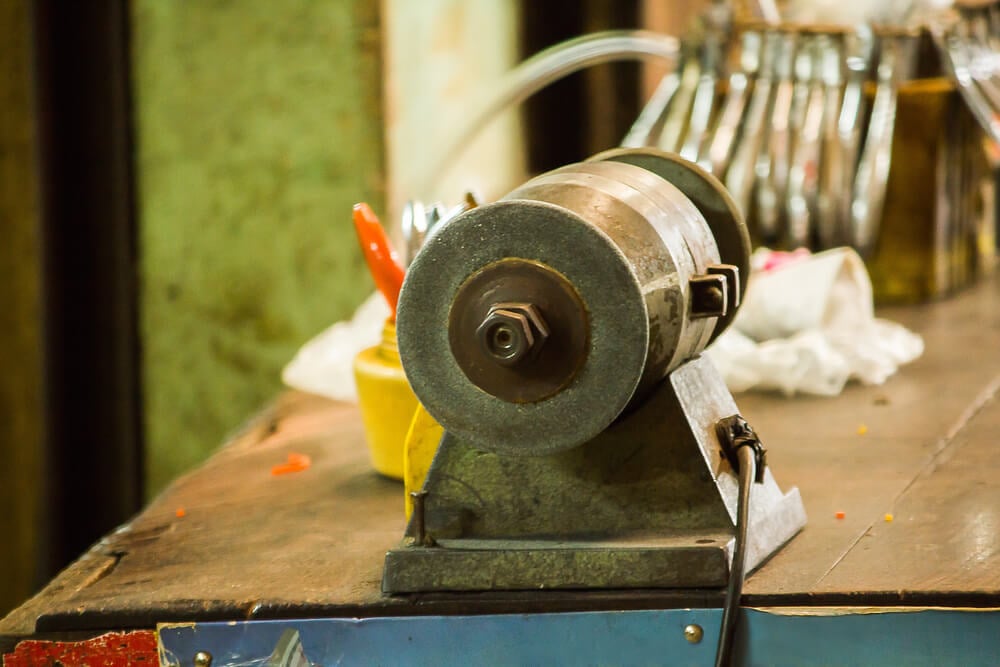
Older cast-iron bench grinders with heavy-duty motors, built by companies including Delta and Baldor decades ago, remain in demand from shop owners who find the extra weight reduces vibration compared to lighter current models. A unit with its original wheel guards intact and the motor running smoothly sells quickly on secondhand tool markets.
Wood-Bodied Molding Planes
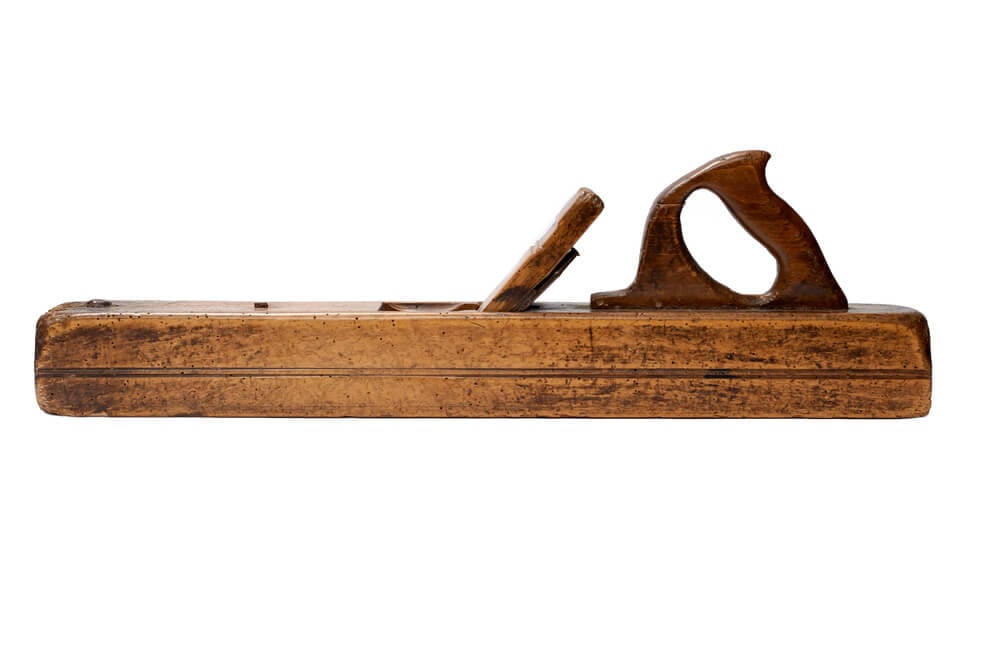
Wood-bodied molding planes, hand-forged with steel cutting irons and used before power routers made custom molding profiles far faster to produce, are sought by furniture restorers doing historically accurate repair work. Planes stamped with a legible maker’s mark and a straight, uncracked wooden body command the strongest prices.
Vintage Levels
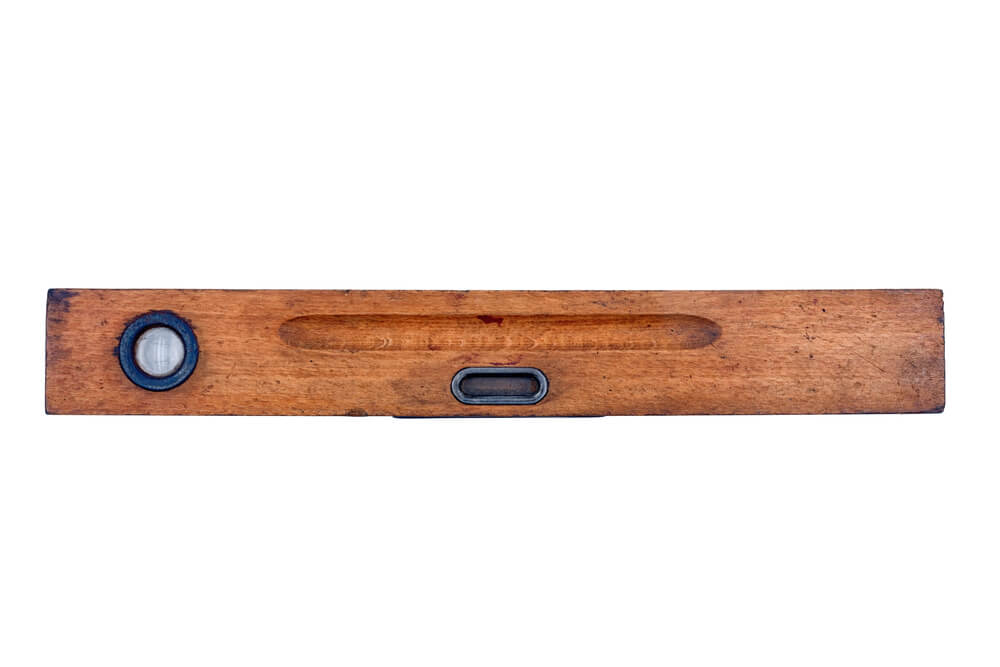
Brass-bound wooden levels from manufacturers like Stratton Brothers and L.L. Davis, produced through the early twentieth century, are collected both for practical use and for display, since the inlaid brass hardware and turned wood bodies are rarely reproduced at that quality today. A level with its original glass vials intact and reading accurately sells for considerably more than a decorative-only example.
Files and Rasps
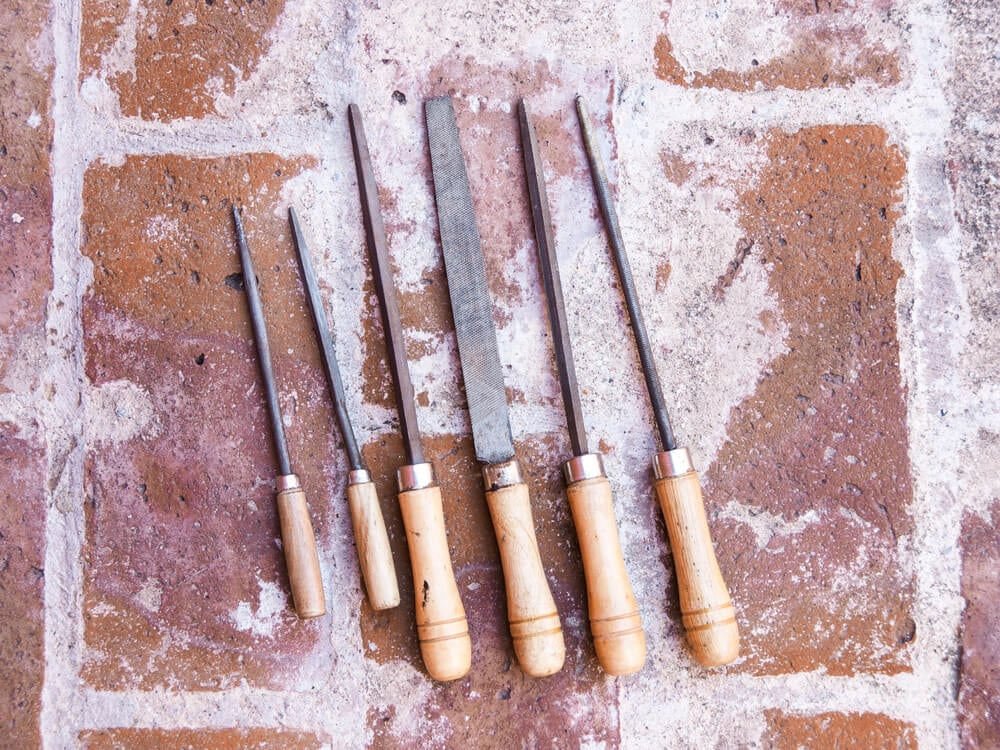
Old hand files and rasps made from higher-carbon steel than many currently produced versions hold their cutting teeth longer under regular use, which keeps them in demand from woodworkers and metalworkers who notice the difference immediately. Files still showing sharp, unworn teeth under close inspection are the ones that move fastest.
Cast Iron Woodworking Vises
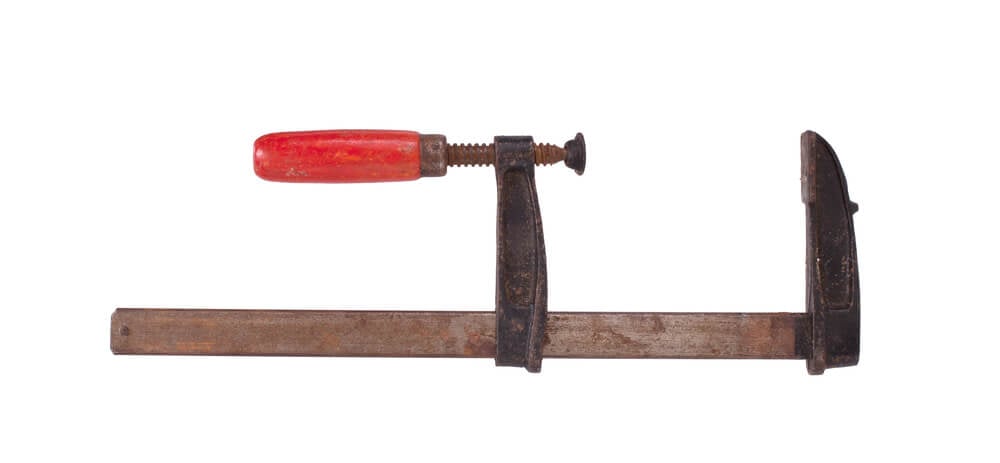
Heavy cast-iron woodworking vises, particularly examples from Record and Columbian, are prized for their durability and continue to be mounted on workbenches decades after manufacture. A vise with smooth-turning screw action and no cracks in the casting sells quickly to woodworkers building or restoring a workshop bench.
Vintage Measuring Tapes
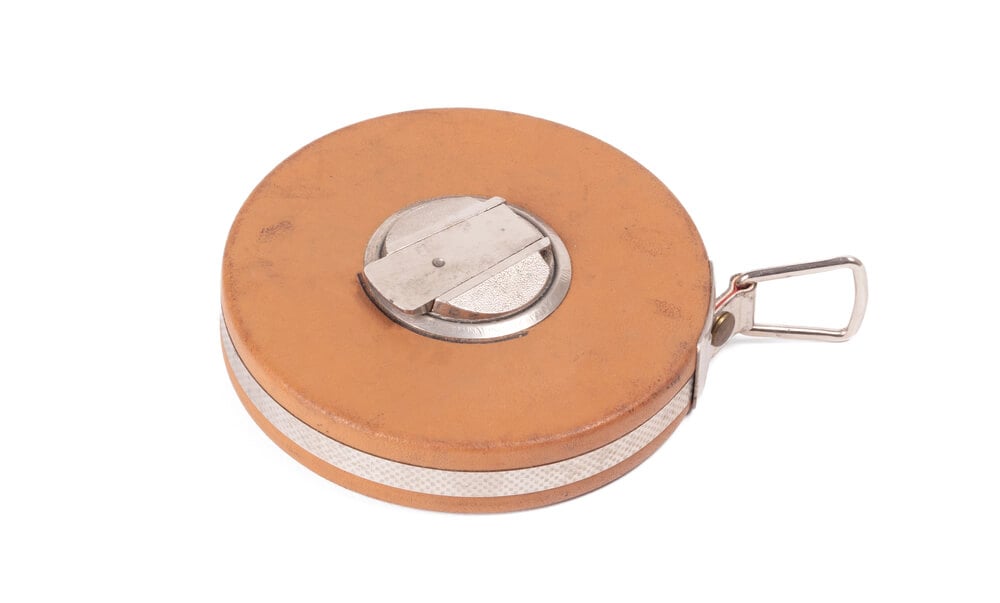
Metal-cased measuring tapes from established makers such as Lufkin, produced through the mid-twentieth century with hand-cranked retraction rather than a spring mechanism, are sought by collectors of vintage tools and by tradespeople who simply prefer the sturdier build. Tapes with clearly legible markings and smooth crank action sell notably faster than ones with faded numbering.
Antique Draw Knives
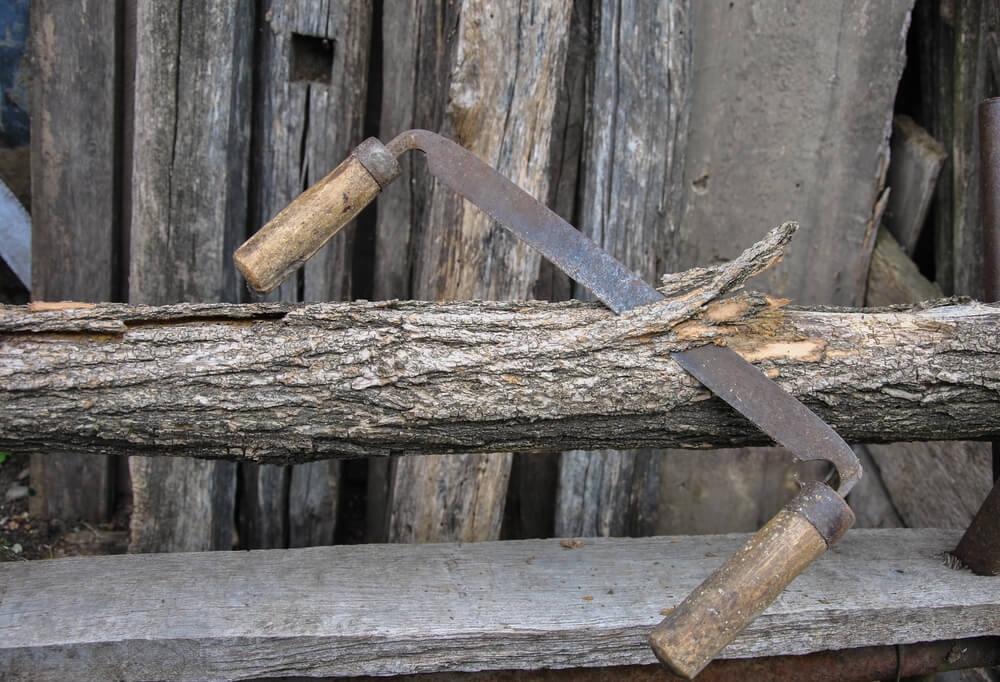
Draw knives, used for shaping wood by hand before the widespread adoption of power planers, remain functional tools sought by furniture makers, chair builders, and woodworking hobbyists doing traditional joinery. A knife with a sharp, uncracked blade and comfortable original handles sells quickly compared to rusted or handle-damaged examples.
Vintage Soldering Irons
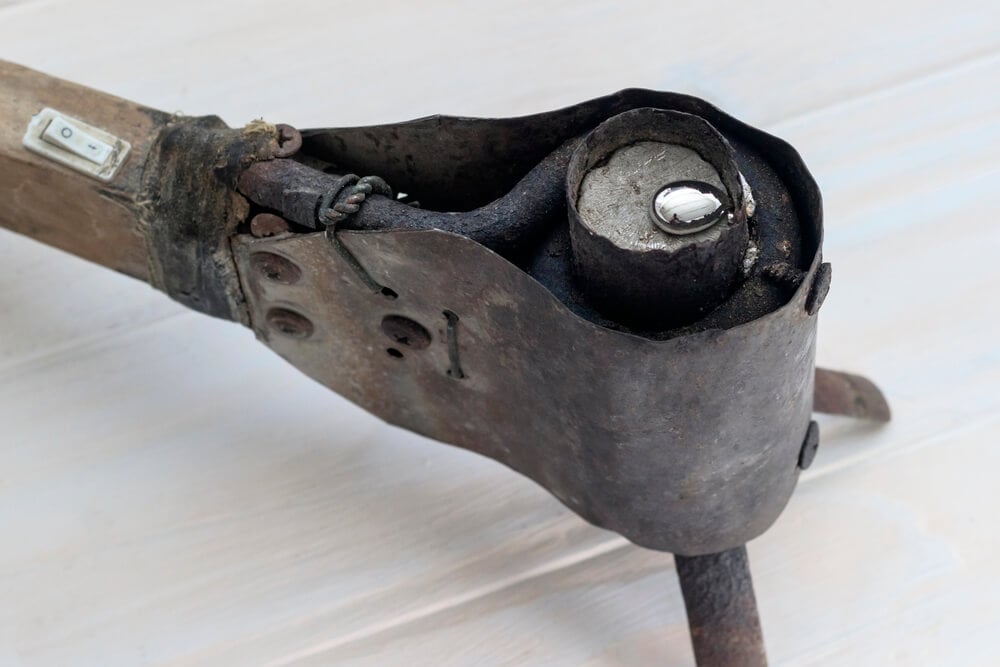
Heavy, non-electric soldering irons designed to be heated over a flame, along with early electric models from the mid-twentieth century, are collected by metalworkers and jewelry makers who specifically prefer the heat retention of the older copper tips. A complete iron with an undamaged tip and intact handle sells for more than a corroded example.
Hand-Crank Grinding Wheels
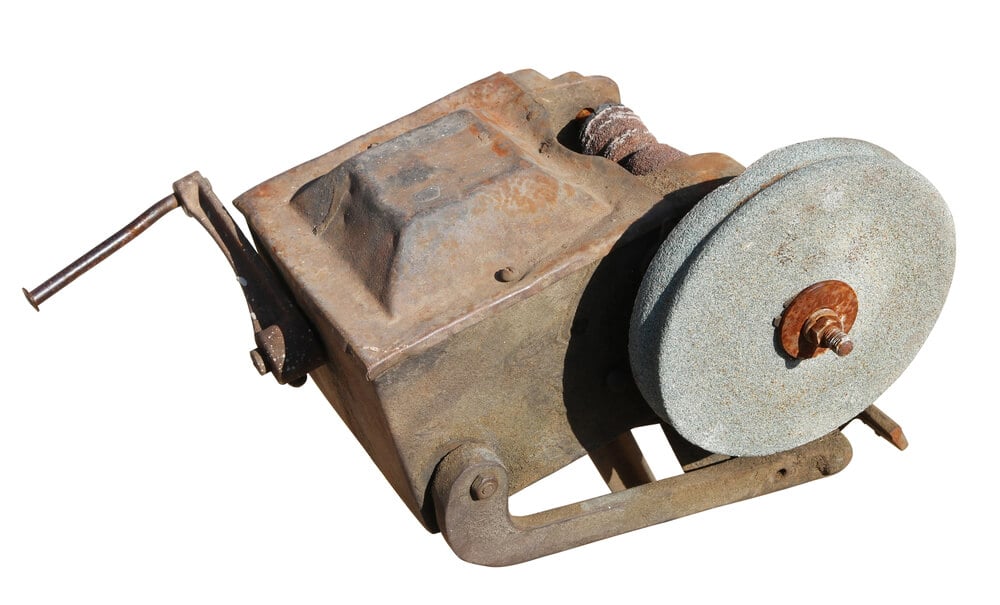
Foot- and hand-crank grinding wheels, used before electric bench grinders became standard equipment, remain popular with blacksmiths and knife makers who want a slower, more controllable grinding process for fine edge work. A wheel that still turns smoothly on its original bearings sells quickly to buyers restoring a traditional workshop setup.
Wood-Handled Hammers
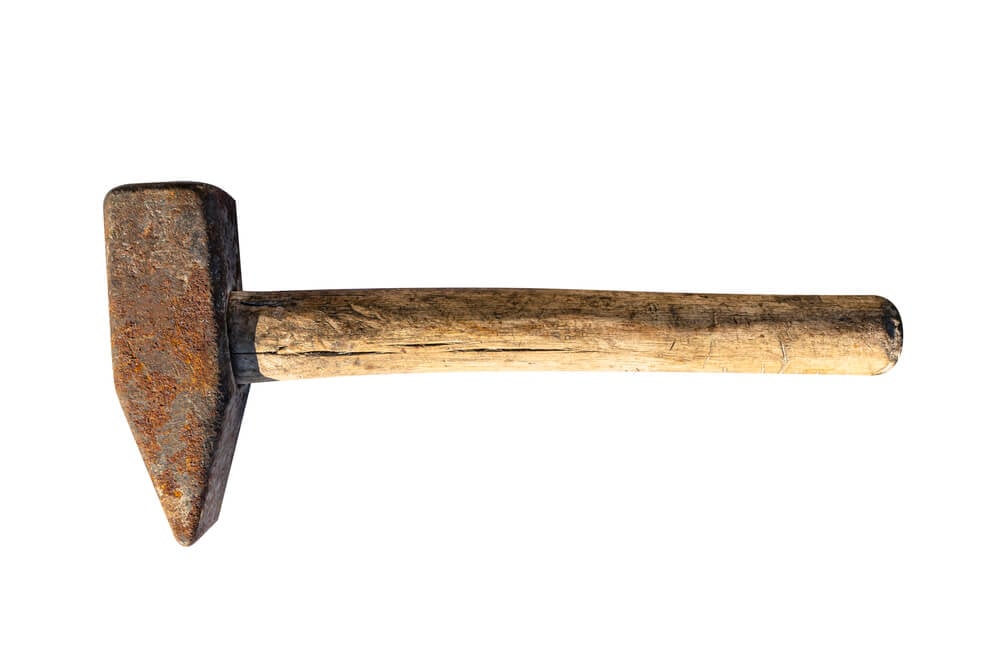
Vintage hammers with hickory handles and drop-forged heads from established American makers are frequently preferred over current models by tradespeople who find the balance and grip superior to newer fiberglass-handled versions. A hammer with a tight, uncracked handle and a head free of mushrooming sells quickly on secondhand tool listings.
Vintage Pipe Wrenches
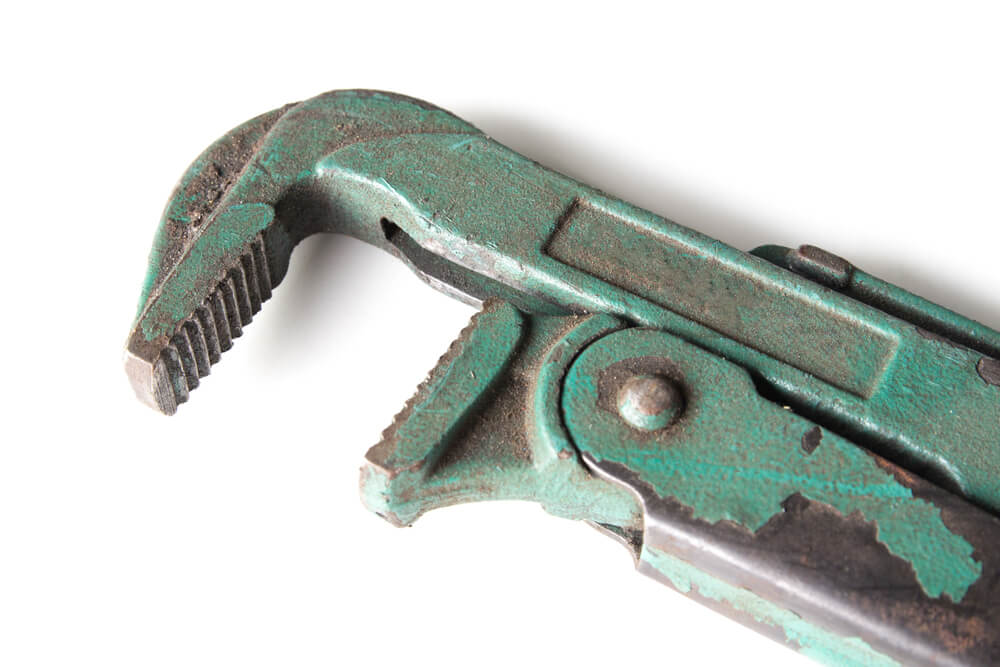
Heavy cast-iron pipe wrenches from manufacturers such as Ridgid, produced decades ago with thicker jaw castings than many current versions, remain preferred by plumbers who find the extra leverage useful on stubborn fittings. A wrench with sharp, unworn jaw teeth sells for considerably more than one that has been ground down from heavy use.
Antique Wood Clamps
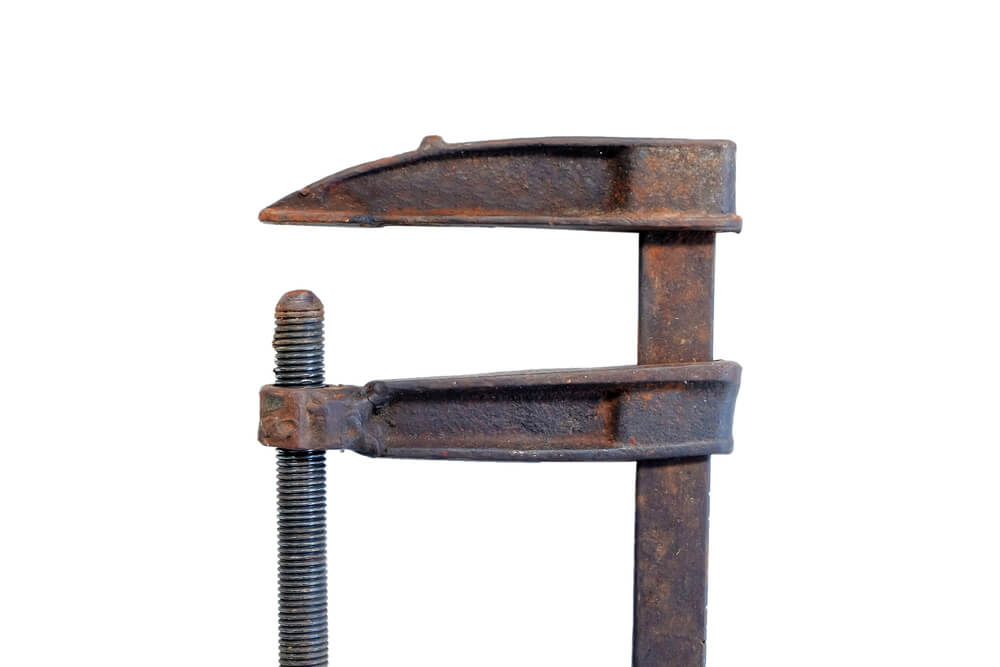
Wooden screw clamps, used for furniture assembly before metal bar clamps became the standard shop tool, are sought by furniture restorers who find the wide wooden jaws distribute pressure more evenly on delicate antique pieces. Clamps with intact threading and no cracks in the wooden arms sell quickly to specialists working on period furniture.
Vintage Tin Snips
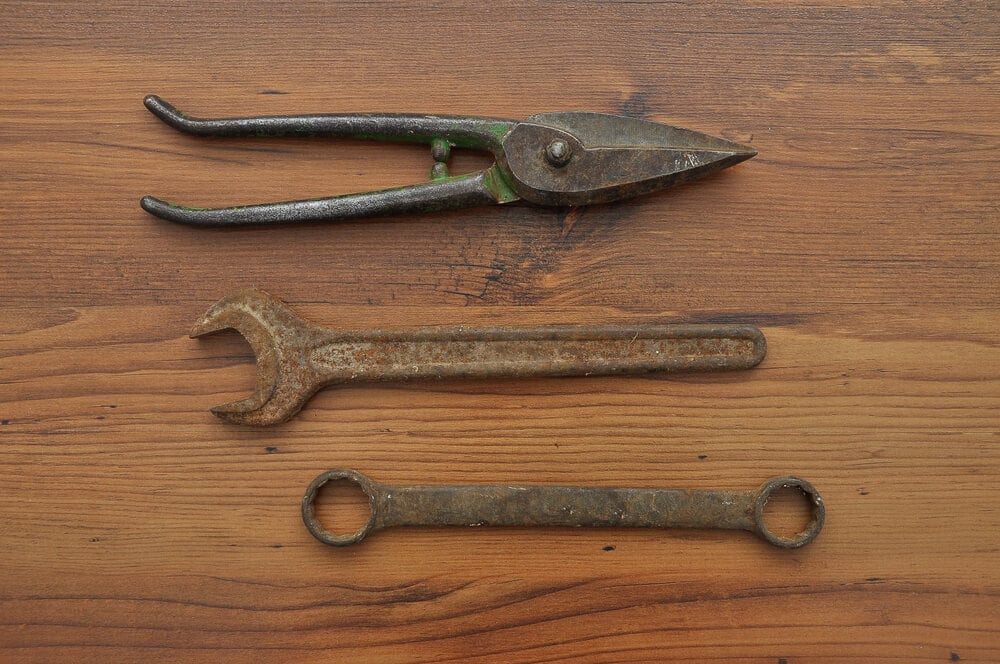
Heavy-duty tin snips from established manufacturers, forged from higher-quality steel decades ago than many current budget versions, remain preferred by sheet-metal workers who notice the difference in cutting precision immediately. Snips with sharp, aligned blades sell for considerably more than pairs that have gone dull or misaligned.
Old Router Planes
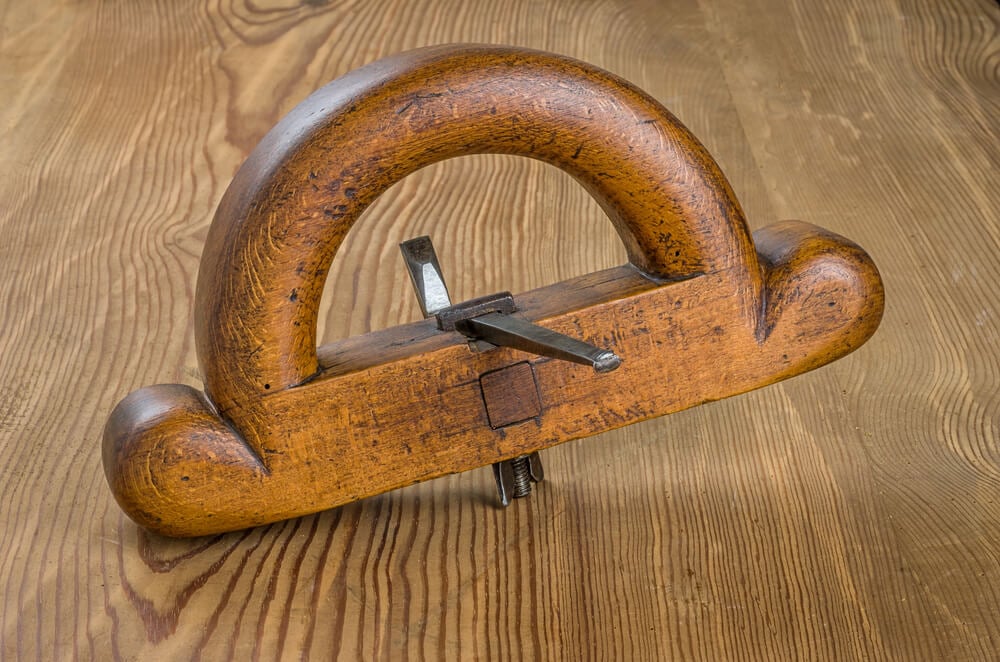
Router planes, used to level the bottom of recessed joints such as hinge mortises before power routers made the process faster, remain a favorite among furniture makers doing hand-tool joinery. A plane with its original depth-adjustment mechanism functioning smoothly sells quickly compared to one that requires repair.
Vintage Spokeshaves
Spokeshaves, used to shape curved wood surfaces such as chair spindles and canoe paddles, remain functional tools sought by furniture makers and boat builders who still do this work by hand. A spokeshave with a sharp blade and smoothly adjustable depth setting sells notably faster than a rusted or dull example.
Antique Braces and Bits
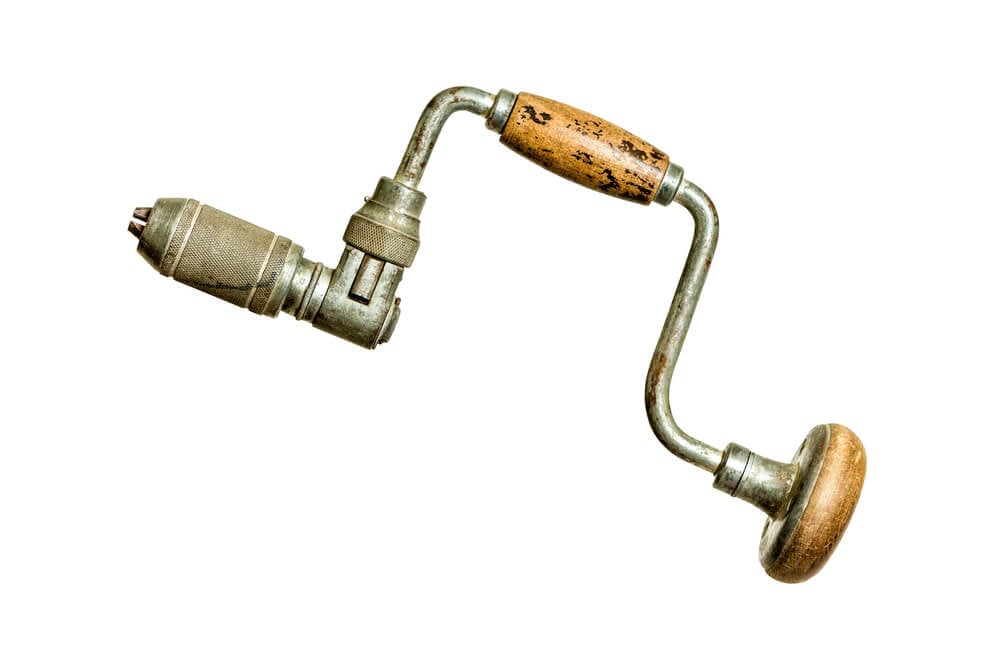
Hand-cranked braces, used for drilling before the widespread adoption of power drills, remain popular with woodworkers who prefer the control of manual drilling for delicate work on antique furniture repair. A brace with a complete matching set of bits in their original case sells for considerably more than a brace alone.
Vintage Marking Gauges
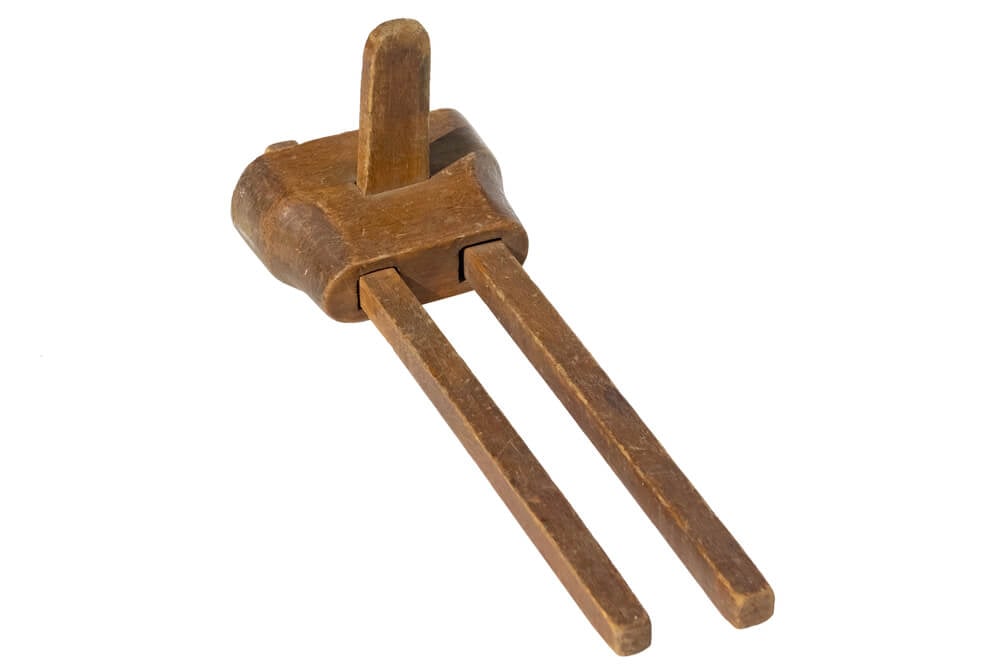
Wooden marking gauges, used to scribe consistent lines parallel to a board’s edge before layout became dominated by digital measuring tools, remain a staple of traditional hand-tool woodworking shops. A gauge with a sharp pin and smoothly sliding fence sells quickly to woodworkers doing precise joinery work.
Old Post Vises
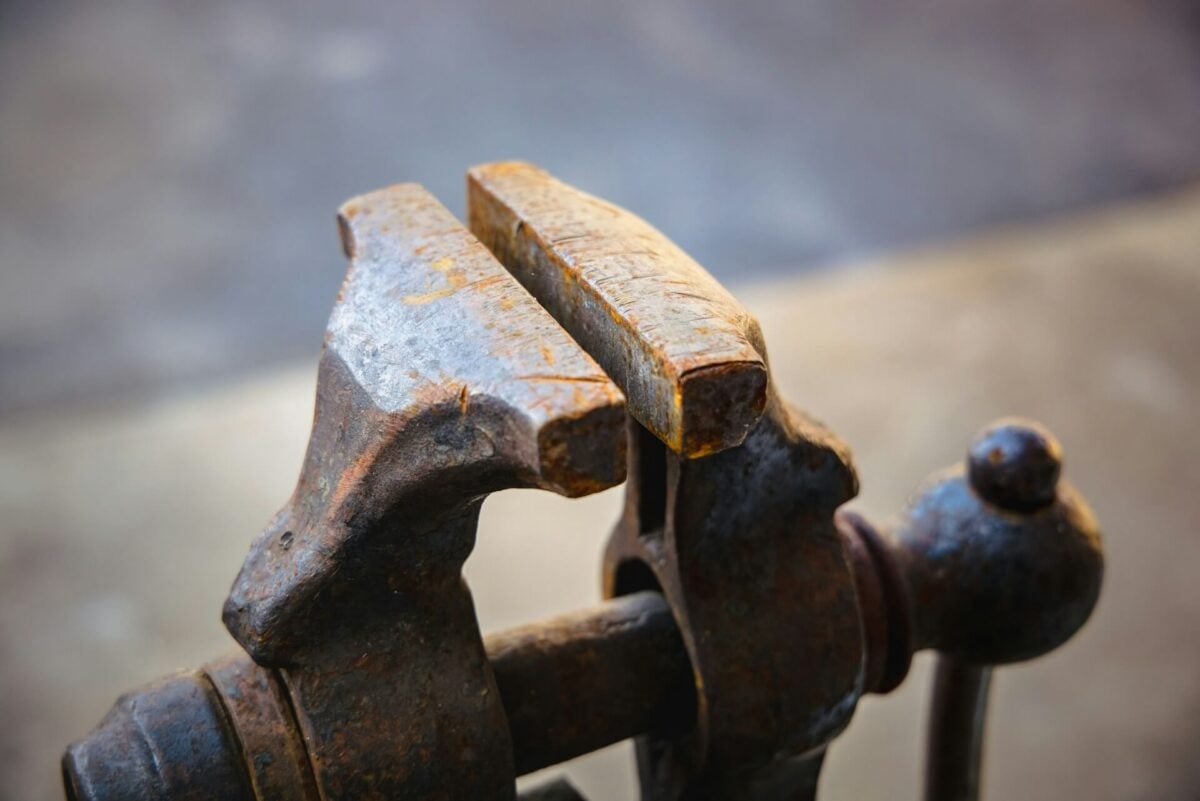
Heavy post vises, mounted directly to a workbench leg or floor stand for blacksmithing and metalworking, remain functional decades after manufacture and are sought by hobbyist blacksmiths setting up a new shop. A vise with tight, unworn jaws and smooth screw action sells for considerably more than one requiring significant repair.
What Outlasts a Trend
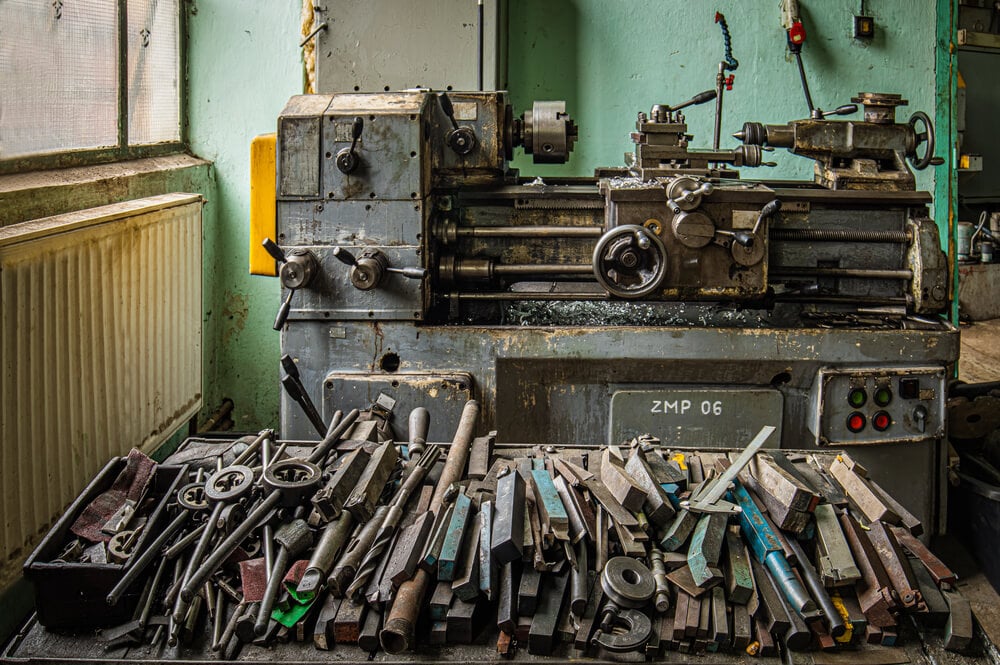
Hand tools built before mass production optimized for the lowest possible manufacturing cost were often made from denser materials and tighter tolerances than what typically ships today. That difference is not nostalgia; it shows up directly in how the tool performs under actual use, decade after decade.
That is why these objects keep moving quickly through secondhand markets instead of sitting on a shelf. A tradesperson does not buy an old plane or wrench for its history alone.
They buy it because it still does the job better than most of what currently sits on a store shelf.
More from Go2Tutors!

- 16 Historical Figures Who Were Nothing Like You Think
- 12 Things Sold in the 80s That Are Now Illegal
- 15 VHS Tapes That Could Be Worth Thousands
- 17 Historical “What Ifs” That Would Have Changed Everything
- 18 TV Shows That Vanished Without a Finale
Like Go2Tutors’s content? Follow us on MSN.