Facts you didn’t know about Twinkies
Most Americans have eaten a Twinkie at some point, but these golden sponge cakes hide far more secrets than you might imagine. From their Depression-era origins to their industrial-strength ingredients, Twinkies represent a fascinating blend of food science, cultural phenomena, and pure American ingenuity.
Here is a list of surprising facts about one of America’s most iconic snack cakes that will change how you see that familiar yellow wrapper.
They Started Life as Banana Cream Cakes
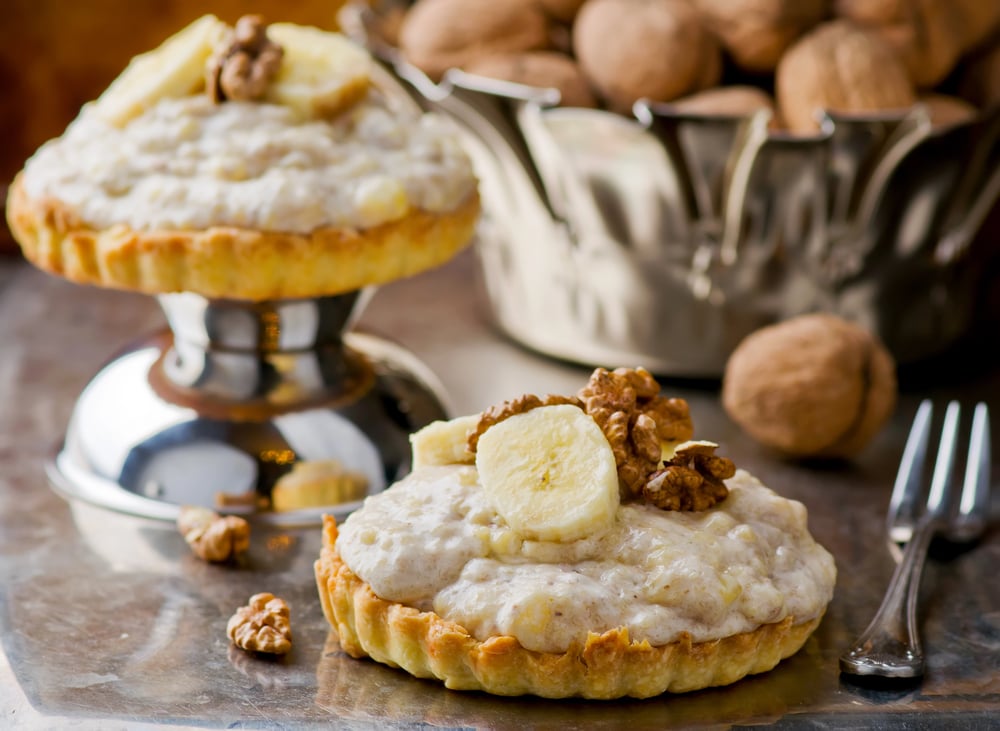
The original Twinkies weren’t vanilla at all—they were filled with banana cream when James Dewar invented them in 1930. Think of it like switching from your favorite coffee to decaf and discovering you actually prefer it. During World War II, banana rationing forced the switch to vanilla cream, and consumers loved the new flavor so much that vanilla became the standard. The banana version occasionally makes limited-time comebacks, but vanilla won the popularity contest decades ago.
The Name Came from a Shoe Advertisement
James Dewar spotted a billboard for ‘Twinkle Toe Shoes’ during a business trip to St. Louis and adapted the name. He later explained he ‘shortened it to make it a little zippier for the kids’. It’s one of those perfect marketing accidents—like how Post-it Notes were created from a failed super-strong adhesive. Sometimes the best ideas come from completely unrelated inspiration.
They Were Born from Idle Strawberry Equipment

Dewar realized that machines used for cream-filled strawberry shortcakes sat unused when strawberries were out of season. Rather than let expensive equipment gather dust for months, he created a year-round snack cake. With household budgets tight during the Great Depression, Dewar needed ‘another low-priced item’ and thought of ‘a two-to-a-pack item for a nickel’. It’s classic American problem-solving—waste nothing, profit from everything.
Early Production Required Foot Pedals
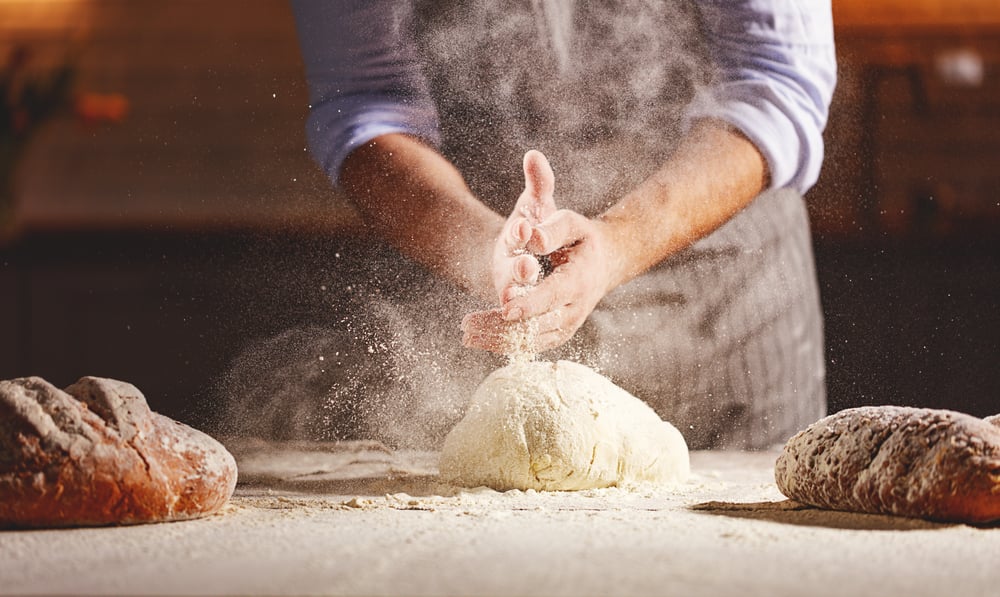
Before automation, bakery workers manually filled each Twinkie using contraptions they pedaled with their feet. One early ‘Twinkie stuffer’ named Margaret Branco described the process: ‘You had to pump the pedal just right or too much filling would shoot out. If I oversquirted, the Twinkie would explode’. She didn’t mind the occasional mishap though—she got to eat the damaged ones.
They Contain Ingredients Also Used in Rocket Fuel

Cellulose gum, which gives Twinkie cream its smooth texture, is also found in rocket fuel. The artificial butter and vanilla flavorings are chemicals derived from petroleum. Corn dextrin gives Twinkies their sticky crust and is the same ingredient used in envelope glue. It’s like discovering your favorite restaurant secretly uses industrial equipment—technically safe, but definitely unexpected.
The Shelf Life Myth is Wildly Exaggerated

Despite urban legends claiming they last for decades or could survive nuclear war, Twinkies actually have a shelf life of 25 days. A Maine teacher kept unwrapped Twinkies on his classroom chalkboard for 30 years, and while they became brittle, they remained surprisingly intact. The airtight packaging deserves more credit than the ingredients for their longevity.
They Almost Made It Into a Time Capsule

— Photo by aimankhair96
President Clinton’s National Millennium Time Capsule in 1999 nearly included a Twinkie alongside items like Louis Armstrong’s trumpet and works by William Faulkner. National Archives staffers pulled the Twinkie over concerns that mice would break into the capsule to steal it before historians in 2100 could examine it. Even rodents recognize iconic American culture when they smell it.
A Man Ate One Every Day for Over 60 Years

Lewis Browning, a retired milk truck driver from Indiana, ate at least one Twinkie daily from 1941 until his death in 2007 at age 90. That’s over 25,000 Twinkies consumed by one person. He even appeared on The Jay Leno Show to discuss his impressive streak. Whether Twinkies contributed to his longevity is debatable, but they certainly didn’t hurt his dedication.
The ‘Twinkie Defense’ Changed Legal History

In the late 1970s, Dan White’s lawyers used his junk food consumption, including Twinkies, as evidence of his depression during his trial for murdering San Francisco Mayor George Moscone and Supervisor Harvey Milk. They didn’t claim Twinkies caused his behavior, but used his diet as a symptom of his mental state. The public outrage over his light sentence created the term ‘Twinkie Defense’ for dubious legal strategies.
They’re Made with Eight Different Corn Products

Eight of the 39 Twinkie ingredients come from corn, including corn starch, glucose, fructose, and high fructose corn syrup. Twinkies are made from 14 of the top 20 chemicals manufactured in the USA. It’s like corn decided to throw a party and invited all its chemical cousins. America’s corn industry has truly mastered the art of reinventing itself in processed foods.
Only One Ingredient is Actually a Preservative

Despite containing 39 ingredients, only sorbic acid serves as a true preservative to prevent mold formation. The other chemical ingredients primarily replace eggs, butter, and fats that would normally cause spoilage. It’s less about preserving food and more about engineering food that doesn’t need preserving in the first place.
They Survived Two Company Bankruptcies

Twinkie production stopped on November 15, 2012, during Hostess bankruptcy proceedings, then resumed on July 15, 2013. Hostess filed for bankruptcy twice, in 2004 and 2009, before finally shutting down and being bought by Apollo and Metropoulos. The new owners marketed the return with the slogan ‘An icon returns.’ Like a phoenix rising from the ashes, except the phoenix is filled with vanilla cream.
Production Numbers are Staggering

About 1,123 Twinkies are produced every minute, and at any given time, 35,000 are cooling while 15,000 are in the oven. Americans buy over 500 million Twinkies annually. Each batch of batter weighs 2,000 pounds. That’s enough Twinkies to stretch from New York to Los Angeles if placed end to end—though nobody’s tried that experiment yet.
The Fake Twinkies in ‘Zombieland’ Were Vegan

— Photo by Tamer_Soliman
Woody Harrelson, being a vegan and raw-foodist, wouldn’t eat real Twinkies during filming, so the props were made from cornmeal and were completely vegan-safe. The irony is thick—in a movie about surviving the apocalypse with junk food, the star refused to eat actual junk food. Sometimes Hollywood magic involves making fake fake food.
They’re Made with Beef Fat

Twinkies contain beef fat, making them non-vegetarian despite their innocent appearance. For a snack cake that looks harmless enough for any diet, this comes as a surprise to many plant-based eaters. It’s another reminder that modern processed foods often contain ingredients you’d never expect from their appearance alone.
Professional Competitive Eaters Have Set Records

The official world record for most Twinkies eaten in one minute is 14, set by competitive eater Takeru Kobayashi. However, an unofficial record of 24 Twinkies in one minute was achieved by dipping them in water and eating two at a time. Twinkies have become popular in eating contests partly due to their manageable size and soft texture. Leave it to competitive eating to turn a childhood snack into an extreme sport.
Ingredients Come from Around the World

— Photo by sdecoret
Many Twinkie ingredients are sourced internationally from countries including China, the Dominican Republic, Germany, Japan, Malaysia, Mexico, and Switzerland. Its globalization in a golden wrapper—your All-American snack cake is actually a product of international trade and chemistry. The modern Twinkie represents the interconnected world economy as much as it represents American snack culture.
A Professor Lost 27 Pounds on a Twinkie Diet
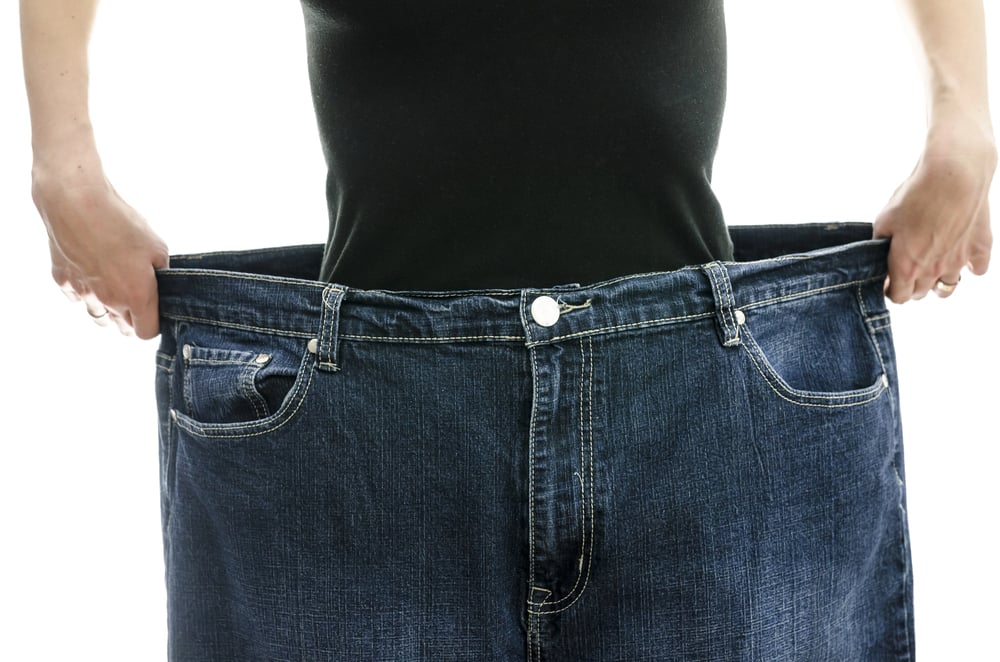
In 2010, nutrition professor Mark Haub went on a ‘Twinkie diet,’ eating only convenience store junk food for 10 weeks and lost 27 pounds. His experiment demonstrated that caloric intake matters more than food quality for weight loss, though he certainly didn’t recommend it as a healthy approach. It proved that even Twinkies can be part of a weight-loss plan—if you eat a few enough calories overall.
They Were Nearly Extinct During the Great Recession
— Photo by Tamer_Soliman
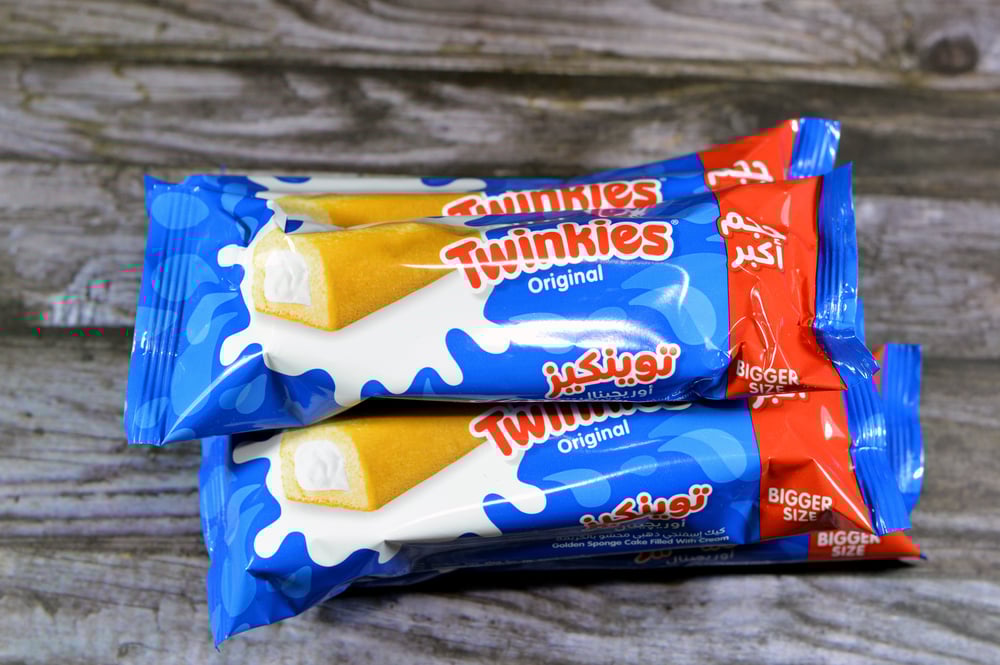
In 2012, Hostess chose to shut down rather than pay unionized bakers $16 per hour, leading to the temporary disappearance of Twinkies from store shelves. Wendy Williams launched a ‘Save the Twinkie’ campaign on her television show to raise awareness. The outcry showed just how deeply these snack cakes had embedded themselves in American culture—people mourned their potential loss like the end of an era.
They’ve Inspired Scientific Experiments

Experimenters once sent a Twinkie 95,000 feet above Earth using a high-altitude balloon to see what would happen. When it returned, it felt weird but tasted normal. Only in America would someone think to test how snack cakes perform in near-space conditions. The Twinkie has become such a cultural touchstone that people use it for science projects.
The Sweetest Comeback in History
— Photo by homank76
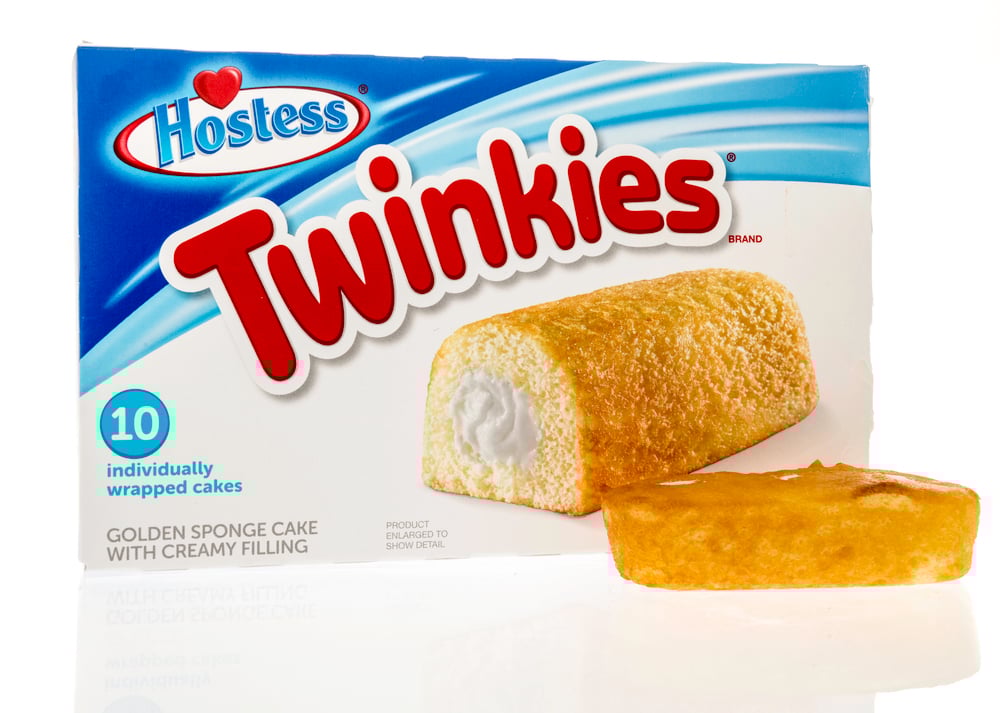
What started as a Depression-era solution to idle factory equipment became an American icon that survived world wars, cultural shifts, bankruptcy, and countless health food trends. Today’s Twinkies may contain beef fat and petroleum-derived flavorings, but they represent something uniquely American: the ability to take simple ingredients, apply industrial ingenuity, and create something that endures for nearly a century. Whether you love them or find their ingredient list concerning, Twinkies have earned their place as one of the most recognizable processed foods ever created. They’re not just snack cakes—they’re edible pieces of American industrial and cultural history wrapped in plastic.
More from Go2Tutors!

- The Romanov Crown Jewels and Their Tragic Fate
- 13 Historical Mysteries That Science Still Can’t Solve
- Famous Hoaxes That Fooled the World for Years
- 15 Child Stars with Tragic Adult Lives
- 16 Famous Jewelry Pieces in History
Like Go2Tutors’s content? Follow us on MSN.