Futuristic Tech From 80s Films That Exists Now
The 1980s gave us more than just big hair and neon lights. It was a decade where filmmakers dreamed big about the future, imagining technologies that seemed impossible at the time.
Directors and screenwriters looked at the rapidly changing world around them and asked themselves what might come next. Some of their predictions missed the mark entirely, but others were so accurate it feels like they had a crystal orb sitting on set.
Fast forward to today, and we’re living in that future they imagined. Many of the gadgets and technologies that seemed like pure fantasy are now sitting in our pockets or hanging on our walls. Here is a list of technologies from 1980s films that actually exist now.
Flip Phones and Smartphones

The communicators from Star Trek weren’t just cool props—they inspired real technology. Martin Cooper, the engineer who developed the first cell phone, has been credited with drawing inspiration from Captain Kirk’s handheld device.
When Motorola released the StarTAC in 1996, it was the first flip phone that truly resembled those iconic communicators from the Enterprise. The compact, flip-open design became wildly popular and dominated the mobile phone market for years before smartphones took over.
Tablet Computers

Long before iPads became ubiquitous, Star Trek: The Next Generation showed crew members using PADDs (Personal Access Display Devices). These thin, touchscreen devices allowed characters to read reports, access ship data, and communicate with each other.
The similarity to modern tablets is striking—both are lightweight, portable, and designed for easy information access. Today’s tablets serve the exact same purpose, just with better graphics and no need for warp drive.
Voice Assistants
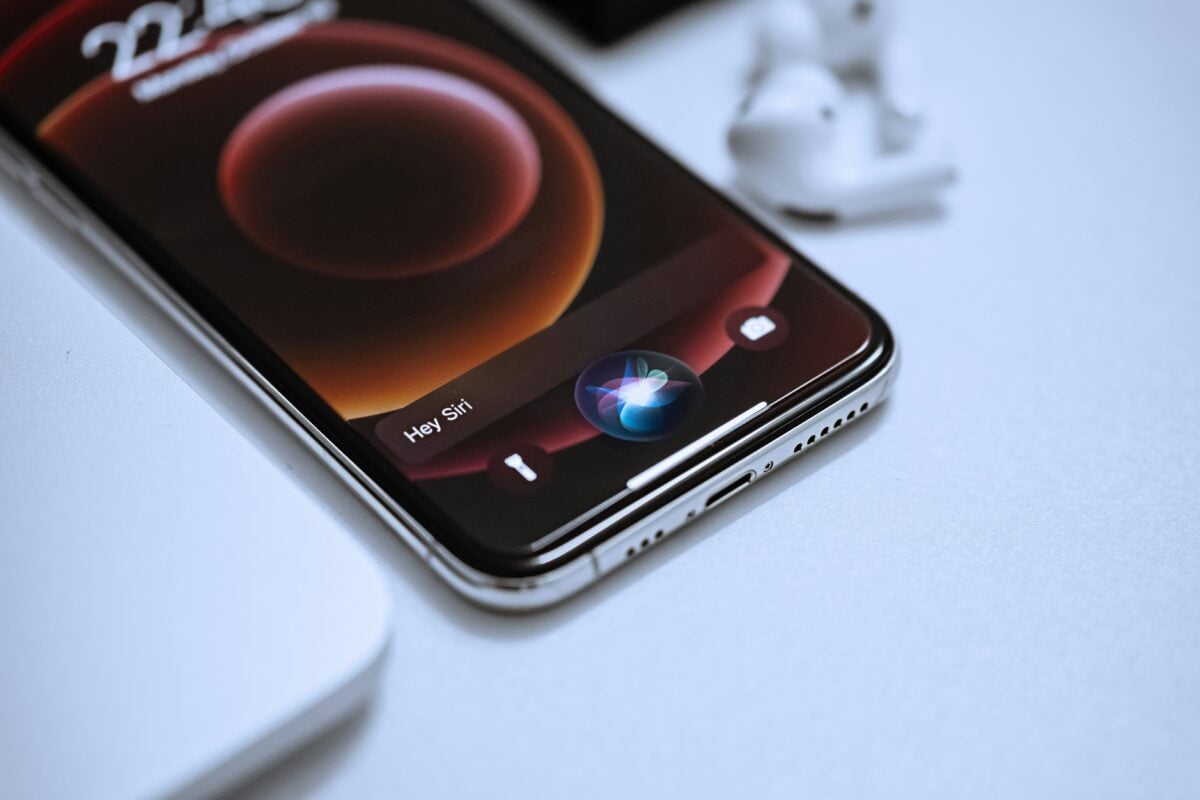
Captain Picard never had to type a single command. He simply said “Computer” and issued his orders, and the ship’s system responded instantly.
This wasn’t just convenient for the plot—it was a genuine prediction of how we’d interact with technology. Today, Siri, Alexa, and Google Assistant operate on the same principle, responding to voice commands and answering questions.
Knight Rider’s KITT was another early example, showing a talking car that could hold conversations and assist its driver years before anyone thought self-driving vehicles were remotely possible.
Video Calling
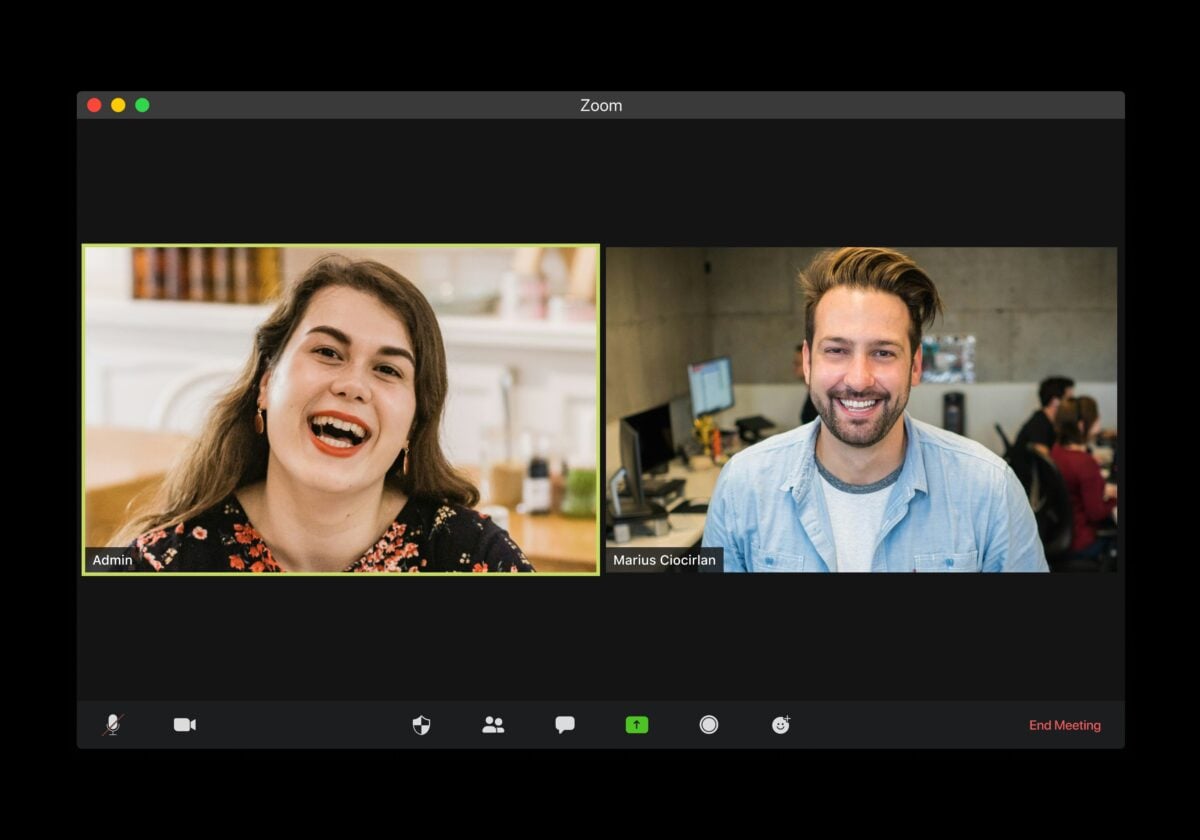
The viewscreen technology in Star Trek films allowed face-to-face communication across vast distances. What seemed incredibly futuristic in the 1980s became reality with platforms like Zoom, Skype, and FaceTime.
The pandemic made video calls essential rather than optional, proving that this 80s prediction wasn’t just accurate—it was necessary. We now take for granted the ability to see someone on the other side of the world in real time.
Self-Lacing Shoes
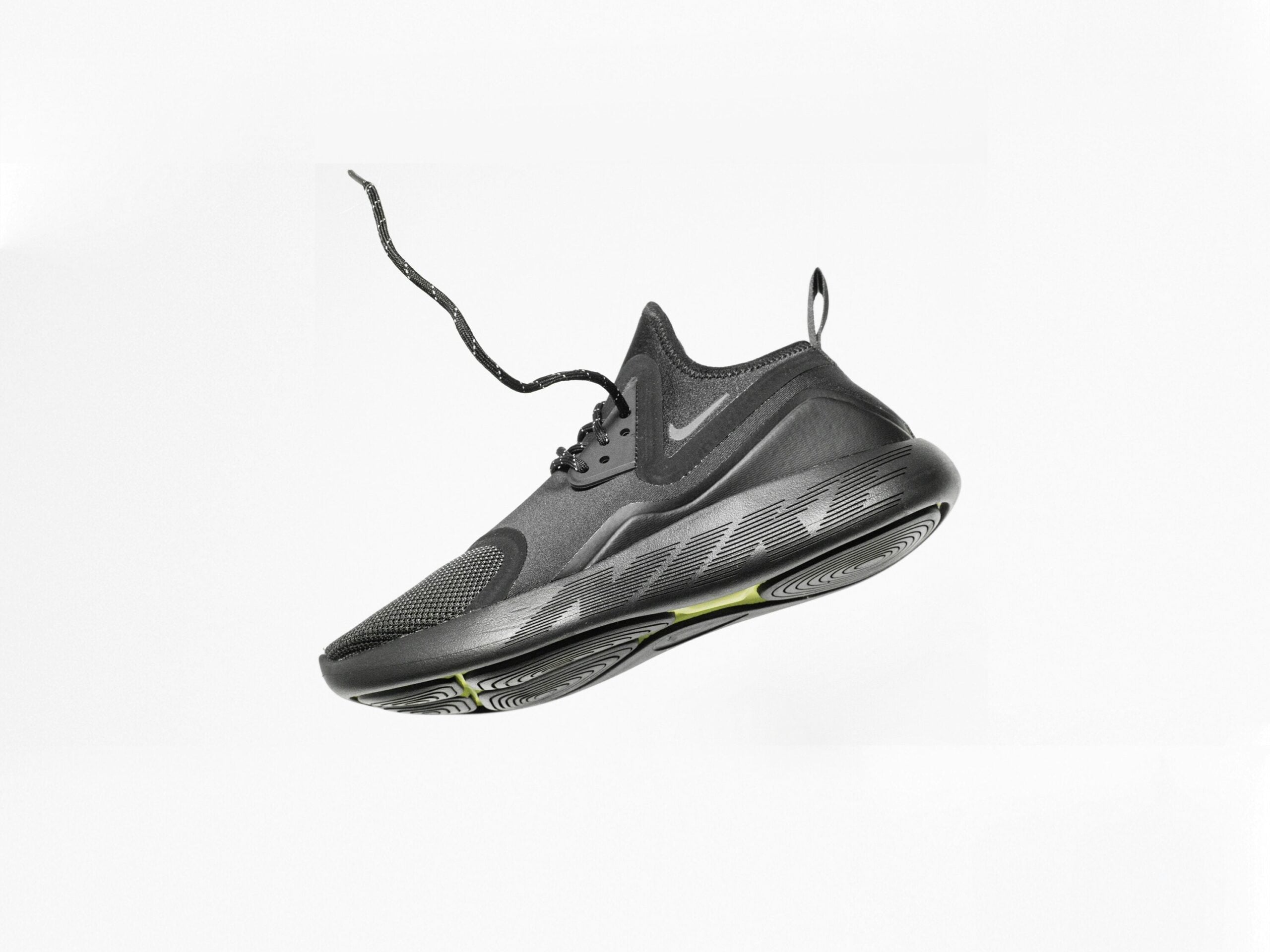
Back to the Future Part II showed Marty McFly wearing Nike shoes that automatically tightened themselves. For decades, this seemed like pure Hollywood magic.
Then in 2016, Nike actually released the HyperAdapt 1.0, featuring power laces that adjust to your foot with the press of a button. They’ve since released updated versions, bringing this particular piece of movie tech into reality.
The shoes even light up, just like in the film.
Digital Billboards

Blade Runner’s vision of 2019 Los Angeles featured massive digital billboards and holographic advertisements dominating the cityscape. While we don’t quite have holographic technology yet, digital billboards are everywhere in major cities.
Times Square and similar urban centers are packed with enormous screens displaying rotating ads, news, and videos. The film’s prediction of advertising saturation turned out to be remarkably accurate, even if the aesthetics are slightly less dystopian.
Virtual Reality

Tron was way ahead of its time. The 1982 film depicted a programmer being digitized and transported into a computer world where he battled programs in gladiatorial games.
This visualization of cyberspace and immersive digital environments predated the term ‘virtual reality’ by years. Today’s VR headsets like the Oculus Quest and PlayStation VR allow users to step into digital worlds and interact with them.
The technology isn’t quite as dramatic as getting zapped into your computer, but the core concept is identical.
Hacking and Cybersecurity
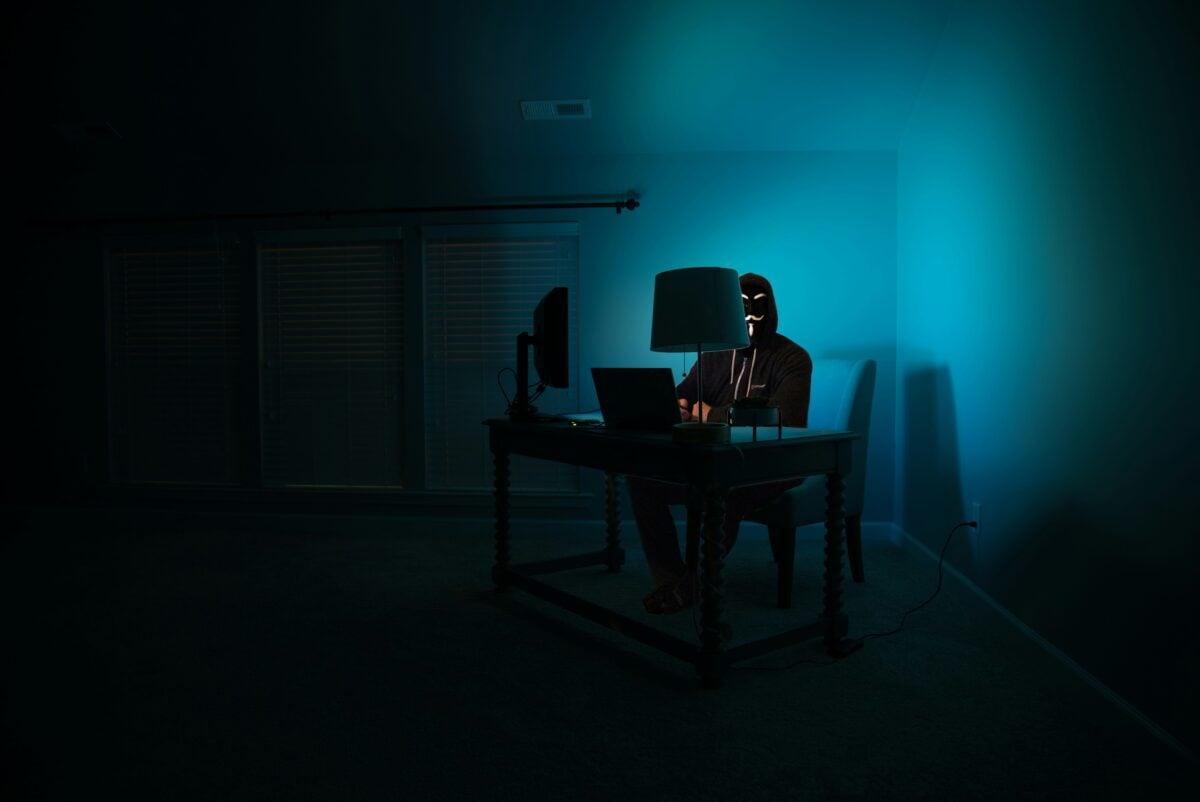
WarGames introduced mainstream audiences to the concept of computer hacking. Matthew Broderick’s character accidentally accessed a military supercomputer and nearly started World War III.
The film was the first to use the term ‘firewall’ and depicted concepts like war dialing that would later evolve into wardriving. Today, cybersecurity is a massive industry, and the threats depicted in the film—from casual hacking to sophisticated cyber warfare—are very real concerns for governments and corporations.
Wireless Earpieces

Lieutenant Uhura’s wireless earpiece in Star Trek seemed almost magical in the 1960s versions, but the concept continued into the 80s films. The small device sat in her ear and transmitted audio without any visible cables or connections.
Fast forward to today, and AirPods and similar wireless earbuds are everywhere. We’ve gone from bulky headphones with tangled cords to tiny devices that disappear into your ear and connect seamlessly to your phone.
Universal Translators

Star Trek’s universal translator made it possible for the Enterprise crew to communicate with alien species speaking completely different languages. This seemed essential for the show but entirely fictional.
Today, apps like Google Translate and devices like the Pixel Buds can translate spoken language in real time, converting someone’s words into your language almost instantly. The technology isn’t perfect yet, but it’s getting closer to that Star Trek vision with each update.
Artificial Intelligence

Blade Runner explored the concept of replicants—artificial beings nearly indistinguishable from humans. The film raised questions about consciousness, emotion, and what it means to be alive.
While we don’t have humanoid replicants walking around, AI has advanced dramatically. Systems like ChatGPT and other language models can hold conversations, create content, and even pass certain tests of comprehension.
The philosophical questions Blade Runner posed about AI consciousness are now being debated by actual researchers.
3D Printing

Star Trek’s replicators could create objects and even food on demand. This seemed impossibly futuristic, yet 3D printing has brought us surprisingly close.
Modern 3D printers can create everything from tools and toys to prosthetic limbs and even prototype organs. The technology isn’t instant like the replicators, and we can’t quite print a perfect cup of Earl Grey tea yet, but the fundamental concept of manufacturing objects on demand has become reality.
Wearable Technology

Back to the Future Part II showed the McFly family wearing glasses at the dinner table that functioned as screens. This predicted wearable computing before anyone knew what that meant.
Google Glass attempted to bring this vision to life, and while that particular product struggled, smartwatches and fitness trackers have become incredibly common. We now wear technology that monitors our health, displays notifications, and keeps us connected throughout the day.
Military Robots

Short Circuit featured Johnny 5, a military robot that gained sentience after being struck by lightning. While the sentience part remains fiction, military robots are very much real.
Unmanned ground vehicles now operate in combat zones, performing reconnaissance and bomb disposal without risking human lives. These robots don’t have Johnny 5’s personality, but they can operate autonomously and perform dangerous tasks that would otherwise put soldiers in harm’s way.
Autonomous Vehicles
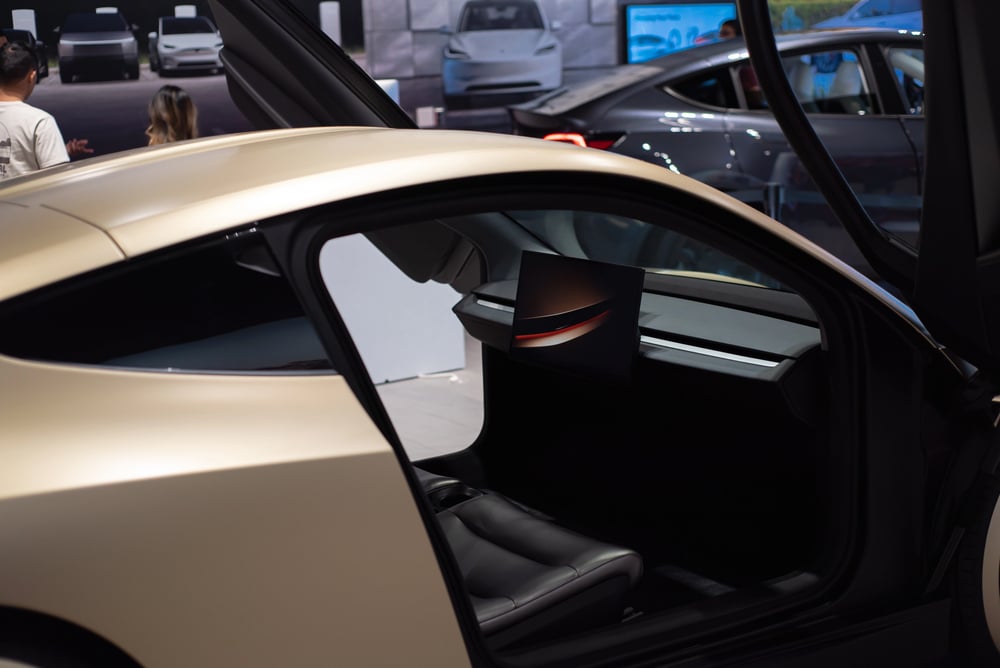
Knight Rider’s KITT could drive himself, navigate traffic, and make split-second decisions to protect Michael. This seemed wildly futuristic in 1982.
Today, companies like Tesla, Waymo, and Uber are developing self-driving cars that use AI to navigate roads and avoid obstacles. The technology isn’t perfect yet, and we’re still working out the legal and ethical implications, but autonomous vehicles are being tested on public roads right now.
KITT’s dream of a car that drives itself is becoming reality.
Body Scanners

Airplane II featured a scene with full-body scanners at airport security that revealed passengers’ unclothed forms. It was played for laughs in 1982, but by the 2000s, the TSA implemented similar scanners at airports.
These machines use millimeter wave technology to detect concealed items without physical contact. What seemed like absurd comedy turned into actual security protocol, much to the surprise of travelers who remembered the film.
Genetic Engineering

The Fly explored the terrifying possibilities of genetic manipulation when a scientist’s DNA got mixed with an insect’s. While the horror elements remain fictional, CRISPR technology now allows scientists to edit genes with remarkable precision.
This has led to breakthroughs in treating genetic diseases, developing disease-resistant crops, and advancing regenerative medicine. We’re not splicing human and insect DNA, but the ability to modify genetic code is no longer science fiction.
When Fiction Becomes Blueprint

The 1980s filmmakers didn’t just entertain us—they challenged engineers, scientists, and innovators to turn dreams into reality. Many technologists who grew up watching these films openly admit they were inspired to create the very technologies they saw on screen.
The communicators, tablets, and voice assistants that once seemed impossible are now so common we barely notice them. What’s remarkable isn’t just that these predictions came true, but how quickly they went from fantasy to ordinary.
The next time you ask Siri a question or hop on a video call, remember that someone in the 1980s imagined that exact moment decades before it happened.
More from Go2Tutors!

- The Romanov Crown Jewels and Their Tragic Fate
- 13 Historical Mysteries That Science Still Can’t Solve
- Famous Hoaxes That Fooled the World for Years
- 15 Child Stars with Tragic Adult Lives
- 16 Famous Jewelry Pieces in History
Like Go2Tutors’s content? Follow us on MSN.