Surprising Facts About Mega Airports
Mega airports feel like living machines, always busy and always growing. They welcome millions of people, yet most visitors only see a tiny slice of the work happening behind the scenes.
These huge travel hubs depend on layers of planning, teamwork, and technology that keep flights steady even when the terminal feels chaotic. Before getting into the details, it helps to picture how much activity fits into one airport.
The points below open that world a little wider and make it easier to see how these giant places stay in motion.
Runways longer than small towns
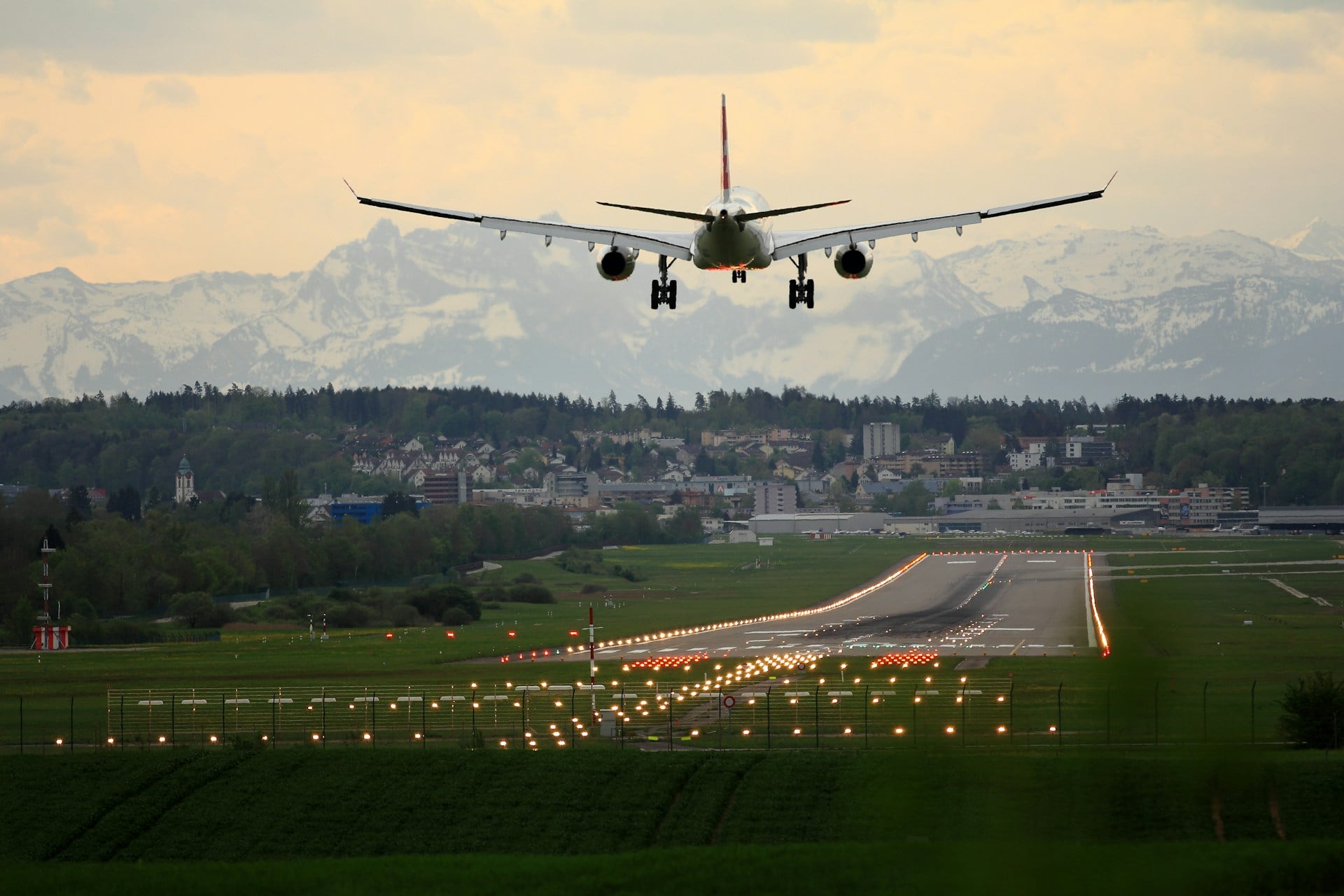
Some mega airports use runways stretching more than 3 miles, long enough for the largest jets to reach safe takeoff speed. The length also gives pilots room to adjust when strong winds or wet pavement make planes heavier to lift.
Standing beside one of these runways can feel like looking down a quiet road that never seems to end. Crews check every inch of that pavement to keep it smooth because a tiny dent can cause trouble for a fast-moving aircraft.
Hidden tunnels everywhere

Below the airport surface sits a maze of tunnels that staff use to move fast without crossing crowded halls. These passages carry luggage belts, pipes, wires, and even small vehicles that zip through narrow lanes.
Most travelers pass overhead without knowing how much traffic races under their feet. The tunnels also help workers reach places quietly so the airport runs without loud interruptions.
Luggage systems that behave like small factories

Modern airports use machines that push bags through tunnels at high speed, using scanners to send each one to the right plane. The setup looks a bit like a maze a child might draw, but every twist serves a purpose.
Bags jump from conveyor to conveyor almost like they have their own plan. When something slows down, staff can tap into screens to spot the issue and redirect the flow before delays spread.
Air control towers with a wide view

The tower often rises higher than local office buildings, giving controllers a clear view of every taxiway and runway. These teams guide aircraft in all kinds of weather while watching dozens of moving pieces at once.
The work requires sharp focus, quick communication, and steady teamwork. Even with all the technology, the human eyes in the tower still make many of the final calls.
Terminals built to grow

Airport terminals rarely stay the same size for long because travel needs change quickly. Architects design them with walls and ceilings that can shift, making it easier to add new gates or lounges.
Workers expand one section while travelers move comfortably through another area just steps away. These upgrades help airports keep up with more flights without shutting everything down.
Some airports have their own trains
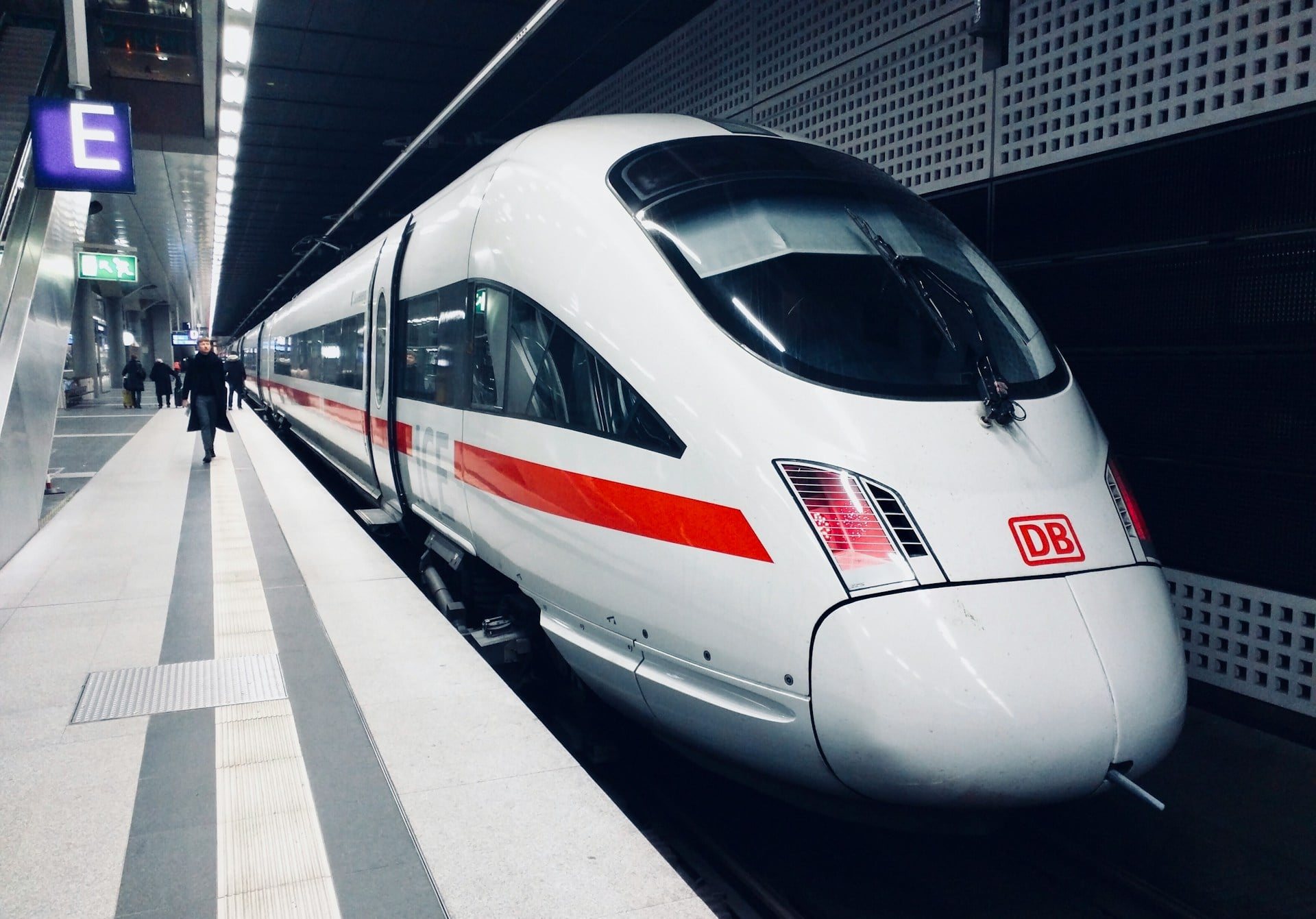
Many mega airports run trains that connect distant parts of the property, from rental centers to faraway terminals. These trains glide quietly, helping people reach their gates without long walks that feel like hikes.
They often arrive every few minutes, which keeps crowds from piling up. Even luggage carts ride these tracks so everything moves in sync.
Wildlife teams on patrol

Large airports sit on huge pieces of land, so birds and animals sometimes wander near runways. Wildlife crews guide them away using gentle tools like sounds, lights, and trained dogs.
This protects both the animals and the aircraft moving at high speeds. The job takes patience because creatures return often, especially after rain or sunrise.
Lighting systems that guide silently

Runway lights follow a strict pattern that helps pilots line up even in thick fog or dark nights. Each color tells the pilot something important, such as when to slow down or when the ground is close.
These lights stay bright through rain, snow, and dust storms. It is a simple system on the surface, but the wiring underneath is carefully built to handle tough weather.
Shops busier than some malls

Many airports make more profit from shops and food spots than from planes landing. Travelers often have time to spare, which turns quick browsing into steady business.
Some stores stay open late because flights keep rolling in long after city malls close. Many travelers say they find snacks or gifts here that they rarely see anywhere else.
Concrete that can handle a pounding

Runways use reinforced concrete strong enough to carry jets that weigh more than several homes stacked together. Teams inspect the surface day and night, looking for early signs of damage.
Even a small crack can grow under the pressure of heavy tires, so repairs happen fast. This careful attention keeps landings and takeoffs smooth.
Lounges that feel like quiet islands

Lounges sit in the middle of the busiest terminals yet somehow stay peaceful. Travelers use them to rest, catch up on work, or grab a snack before long flights.
Many lounges offer views of the runway so guests can watch planes move like a slow, steady parade. These calm spaces help people feel refreshed before they board.
Fire teams ready in seconds

Airport fire crews must reach any point on the airfield within just a few minutes, even during storms. Their trucks carry strong foam and tools built for intense heat and fast rescue.
Crews train heavily so every movement is sharp and steady. Even simple drills run like real events to keep timing exact.
Thousands of staff needed daily
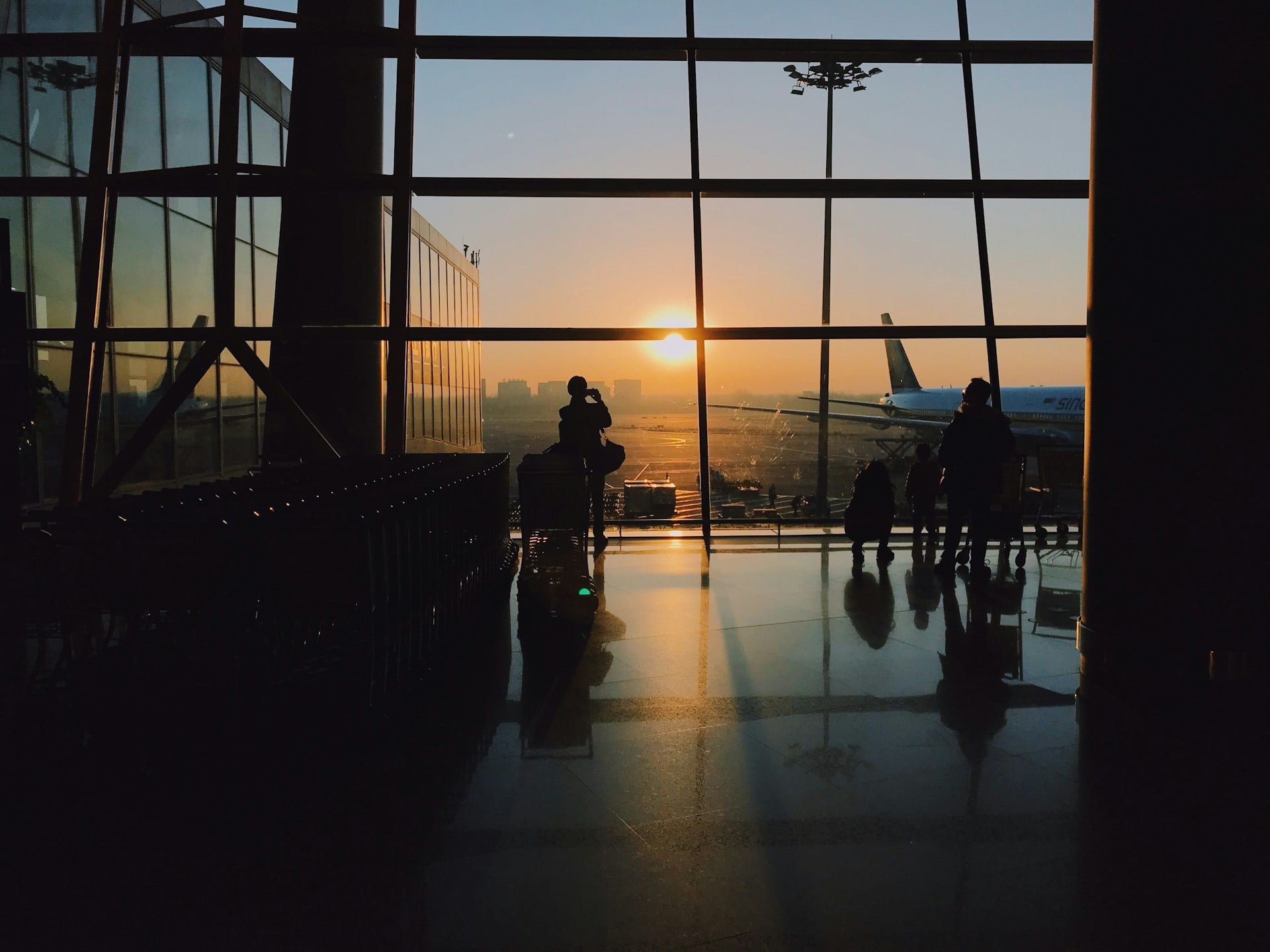
A mega airport can employ enough workers to fill a small town, with roles ranging from cooks to engineers. Many employees never meet each other even though they help the same travelers.
Every shift feels like a puzzle where each person handles a piece that helps flights stay on schedule. This huge workforce runs around the clock with little pause.
Gates that shift around
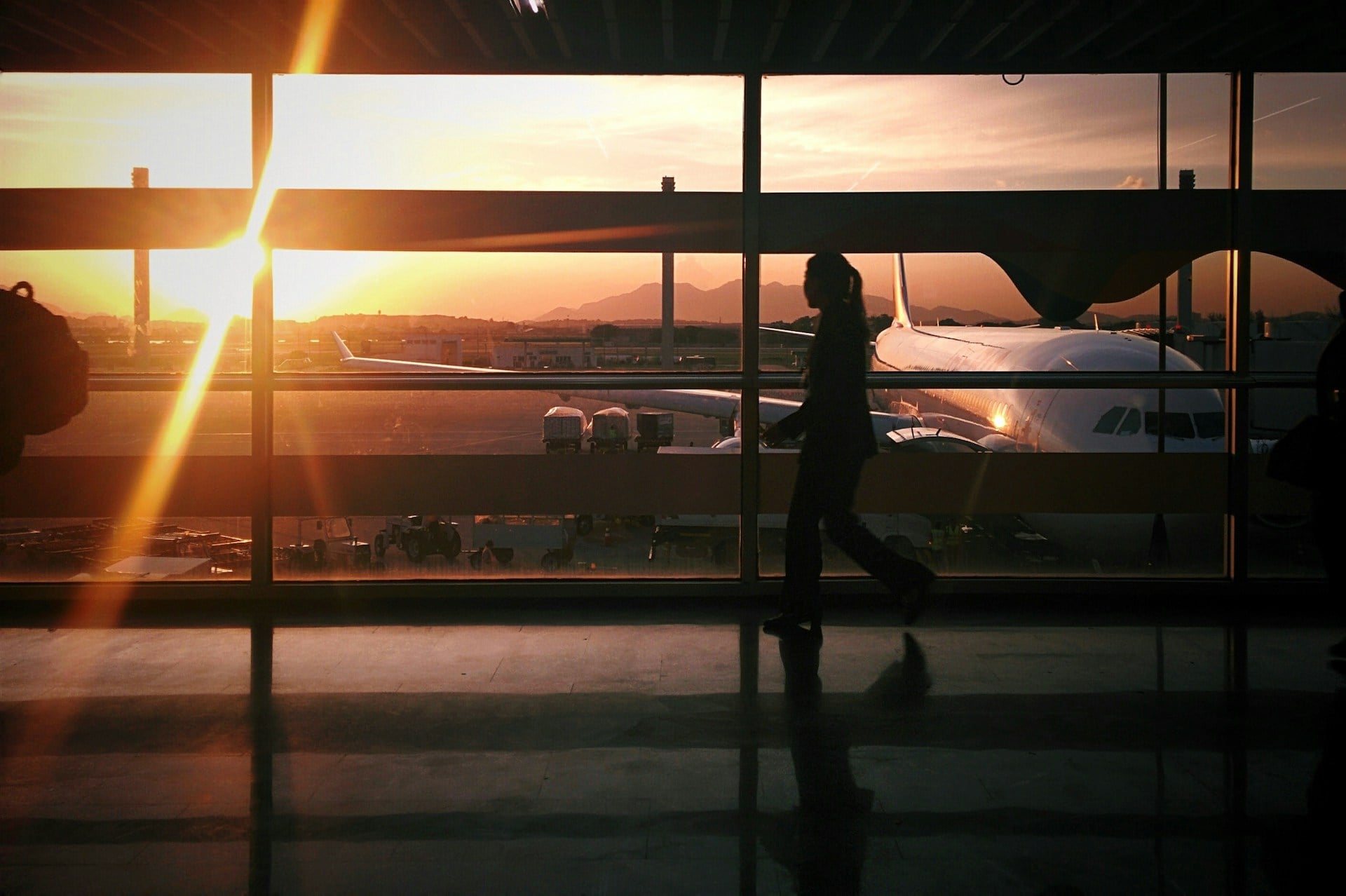
Airlines move planes between gates based on weather, repairs, or tight schedules. These changes often happen fast, and staff redirect passengers before crowds build up.
The flexibility helps airports handle busy times without long backups. It also keeps aircraft from sitting idle when other spots open up.
Cleaning crews with tight laps

Cleaning teams move with quick steps, especially late at night when several planes land close together. They refresh seats, floors, and restrooms before the next wave of travelers arrives.
Their pace can look like a relay race as they move through long hallways and waiting areas. Most visitors never notice how much work goes into keeping the terminal fresh.
Large airports track weather like scientists
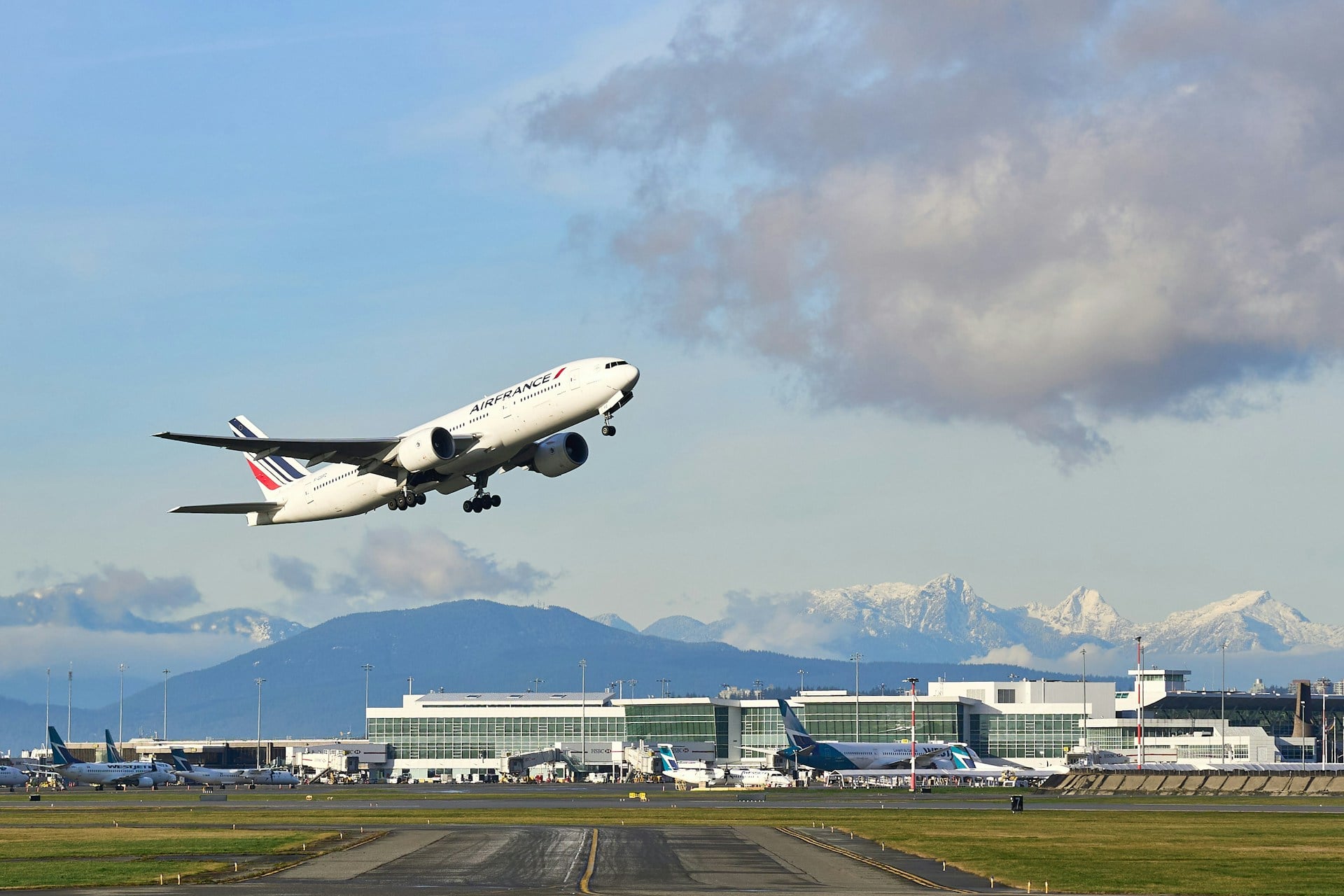
Airports monitor storms, winds, pressure changes, and lightning with detailed tools that update constantly. These readings tell teams when flights can land safely or when they need new routes.
The information travels fast across all departments so decisions stay sharp. This planning helps avoid delays that could spread through the whole system.
Design choices that guide crowds
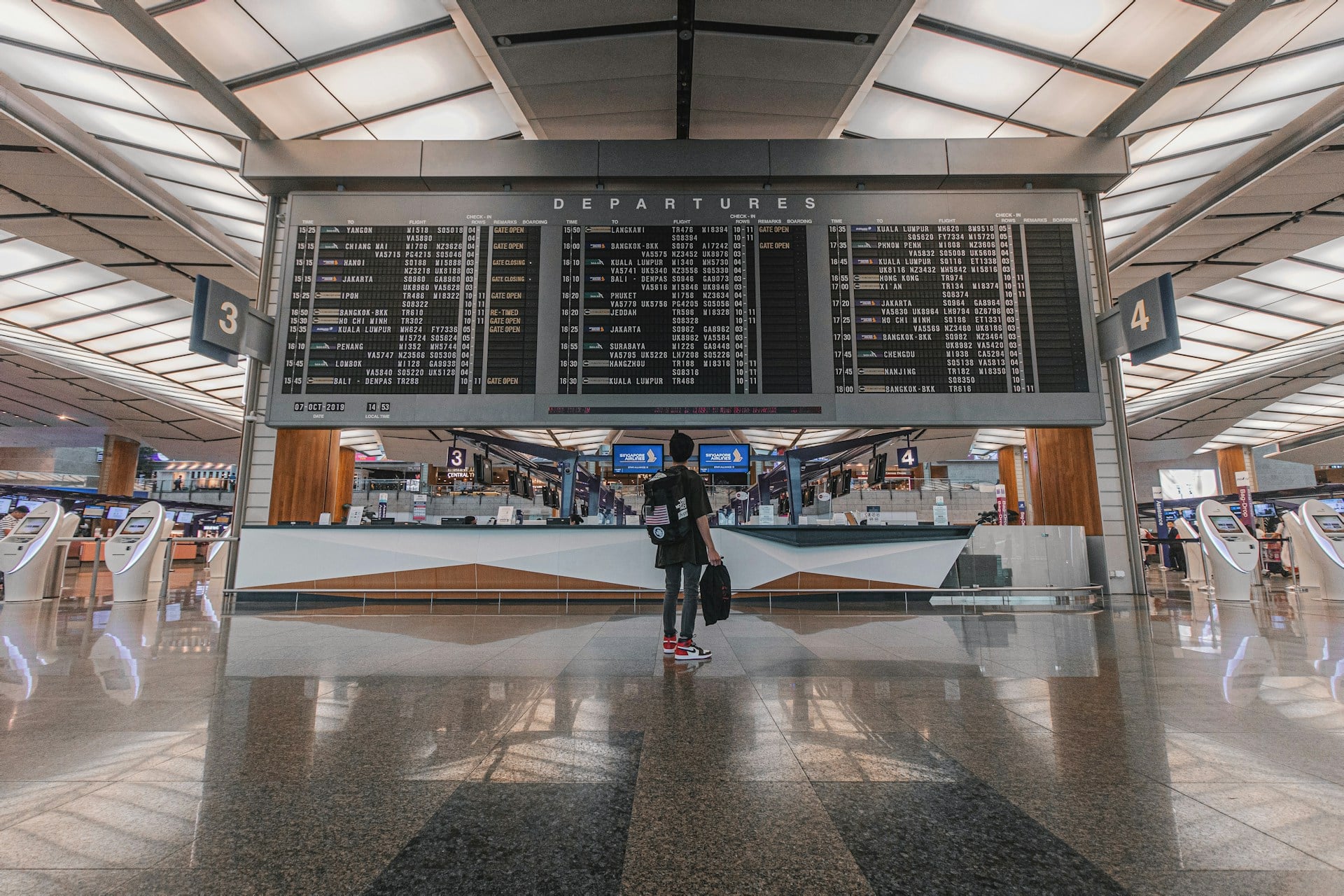
Terminal layouts use light, color, and open space to help crowds flow toward gates and exits without confusion. Even the floor patterns sometimes guide movement without a single sign.
These subtle design tricks keep lines from growing too long in busy spots. The goal is to help travelers move with less stress, even when the place feels packed.
How these giant hubs keep shaping travel
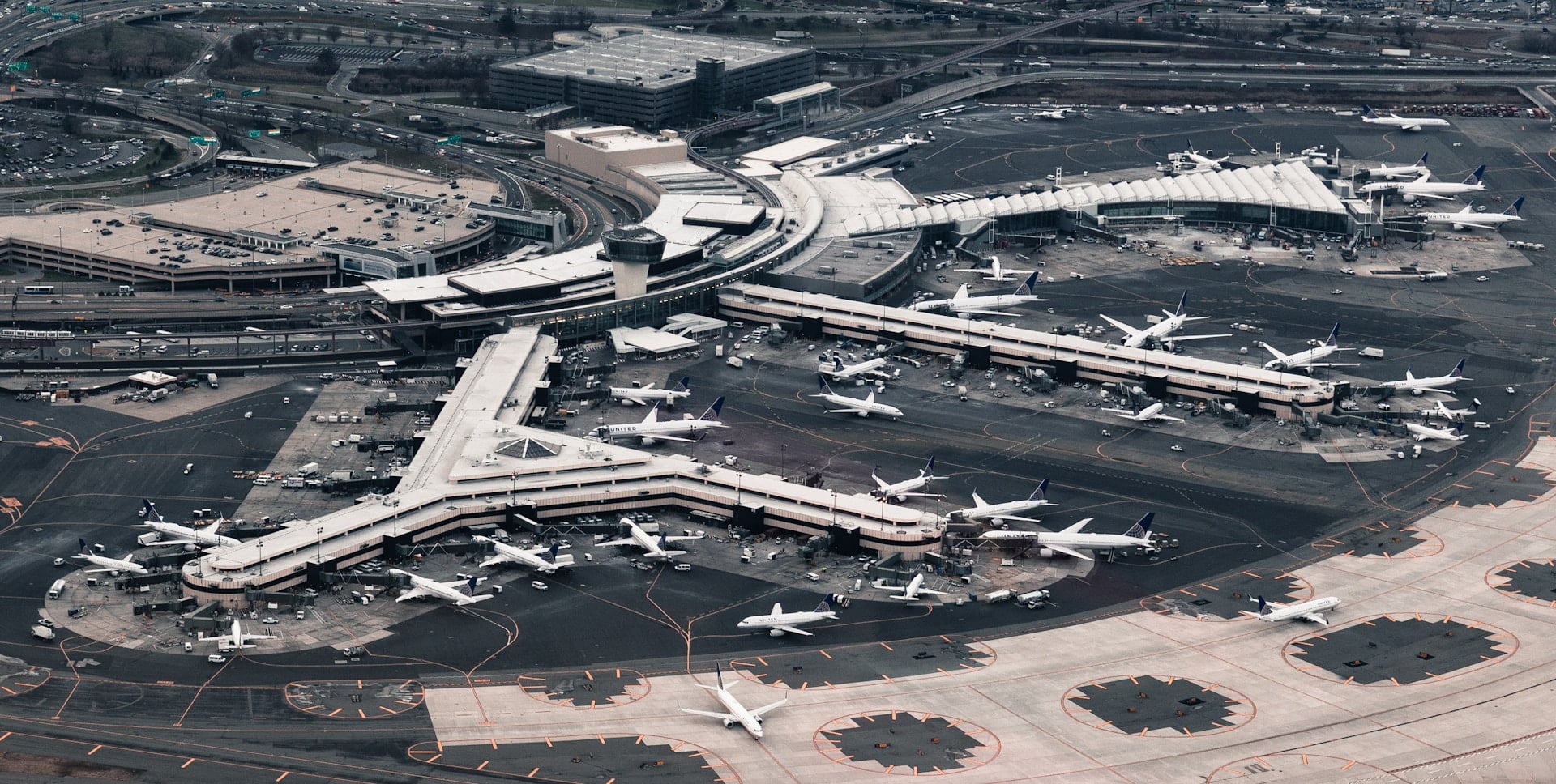
Mega airports continue to evolve as travel demands grow and new technology takes shape. Many features built decades ago now work alongside fresh tools that respond faster and predict problems earlier.
These places show how much thought goes into every step of a trip before a plane ever leaves the ground. The systems behind the scenes keep people moving, no matter the season or crowd.
Understanding these hidden la
More from Go2Tutors!

- The Romanov Crown Jewels and Their Tragic Fate
- 13 Historical Mysteries That Science Still Can’t Solve
- Famous Hoaxes That Fooled the World for Years
- 15 Child Stars with Tragic Adult Lives
- 16 Famous Jewelry Pieces in History
Like Go2Tutors’s content? Follow us on MSN.