26 Everyday Products Invented by Accident
Some of the most useful objects in a kitchen drawer or medicine cabinet were never the point of the experiment that created them. A spill, a forgotten batch, a failed formula left sitting too long — the history of invention is full of moments where the mistake turned out to be more valuable than whatever the inventor was actually trying to build.
None of these stories involve someone setting out to solve the problem the product eventually solved. They involve someone noticing that a failure had, quietly, done something else entirely.
Post-it Notes
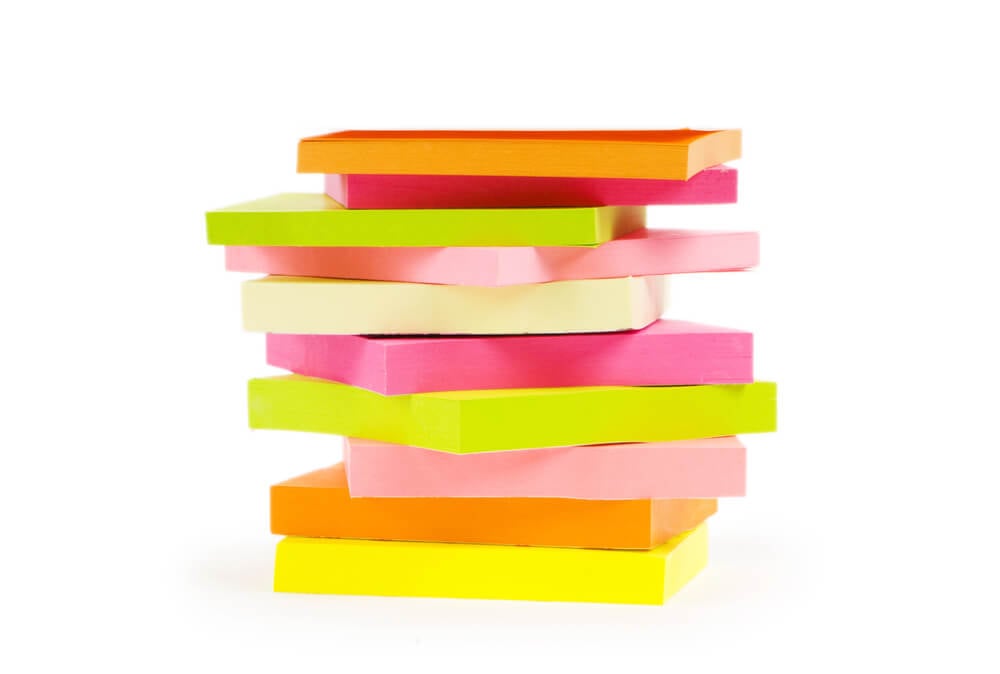
Chemist Spencer Silver was trying to develop an extra-strong adhesive at 3M in 1968 and instead produced a weak, reusable one that barely stuck to anything, a failure by every metric of the original assignment. The adhesive sat unused for years until a colleague, Art Fry, used it to keep bookmarks from falling out of his hymnal and realized the weak stick was the entire feature.
3M launched Post-it Notes nationally in 1980, and the accidental adhesive became one of the company’s best-selling products.
The Microwave Oven
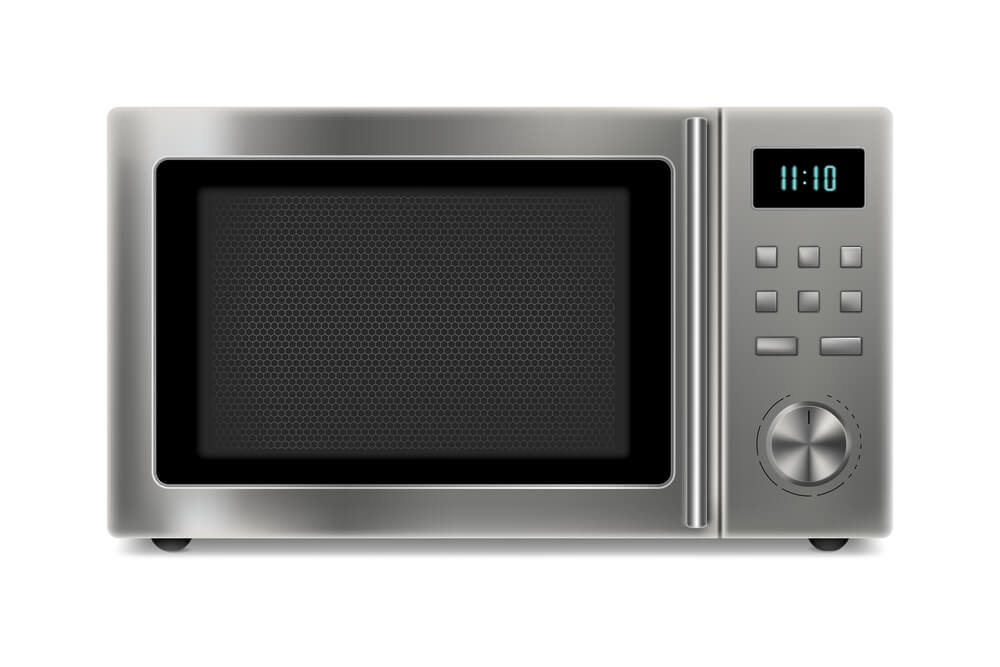
Engineer Percy Spencer was working with magnetron tubes for radar equipment at Raytheon in 1945 when he noticed a candy bar in his pocket had melted while he stood near an active device. Curious, he pointed the magnetron at popcorn kernels and then an egg, both of which cooked, and he realized the microwaves themselves were generating the heat.
Raytheon patented the discovery and released the first commercial microwave oven in 1947, though it took decades of shrinking and cost-cutting before one fit on a kitchen counter.
Penicillin
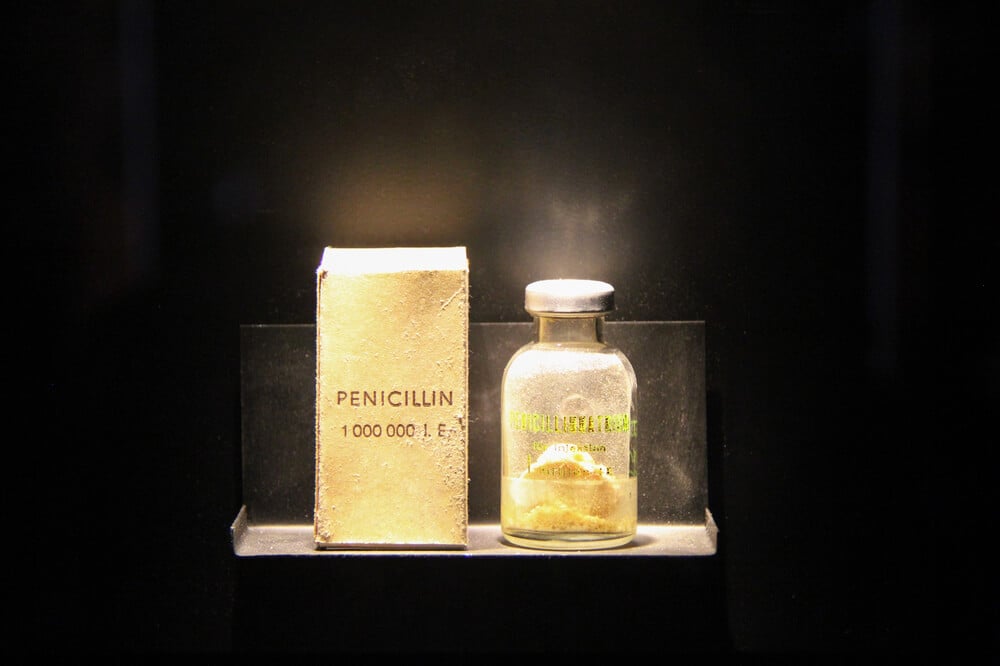
Bacteriologist Alexander Fleming returned from a summer vacation in 1928 to find a stray mold had contaminated one of his bacterial culture dishes, and the bacteria around the mold had died off. Rather than discard the ruined experiment, Fleming investigated the mold and identified it as a strain of Penicillium that was actively killing bacteria nearby.
It took another decade and a team of Oxford researchers to turn the observation into a usable drug, but the discovery is credited with launching the entire field of antibiotics.
Saccharin
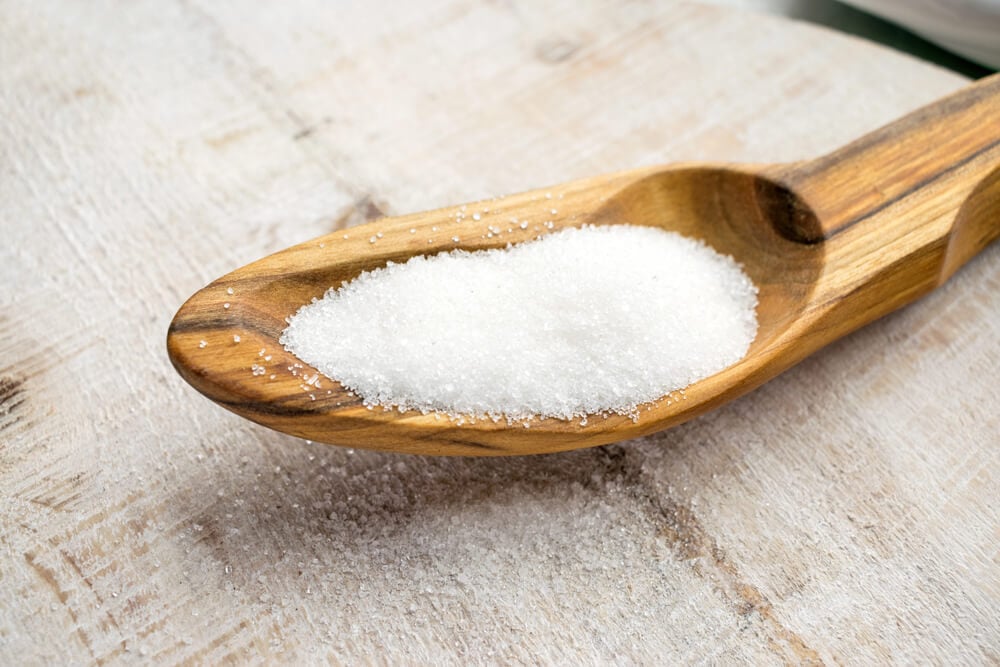
Chemist Constantin Fahlberg was researching coal tar derivatives at Johns Hopkins University in 1878 and went home one evening without washing his hands thoroughly. He noticed his fingers tasted unusually sweet at dinner and traced the sensation back to a compound from his lab bench, which he later named saccharin.
It became the first widely used artificial sweetener, decades before anyone was deliberately trying to invent a sugar substitute.
Potato Chips
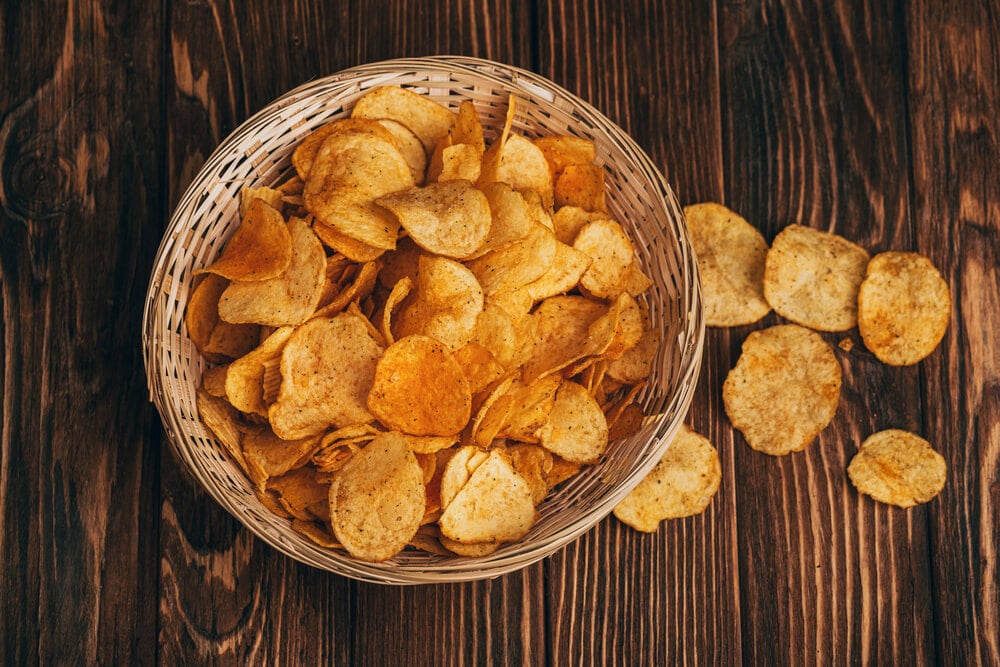
Chef George Crum worked at a resort in Saratoga Springs, New York, in 1853, and, according to the most repeated version of the story, a customer kept sending his fried potatoes back for being too thick. Crum sliced a batch paper-thin, fried them until crisp, and salted them heavily, expecting the customer to complain further; instead, the customer loved them.
The dish spread as “Saratoga chips” and eventually became the mass-produced snack sold in every grocery store today.
Velcro
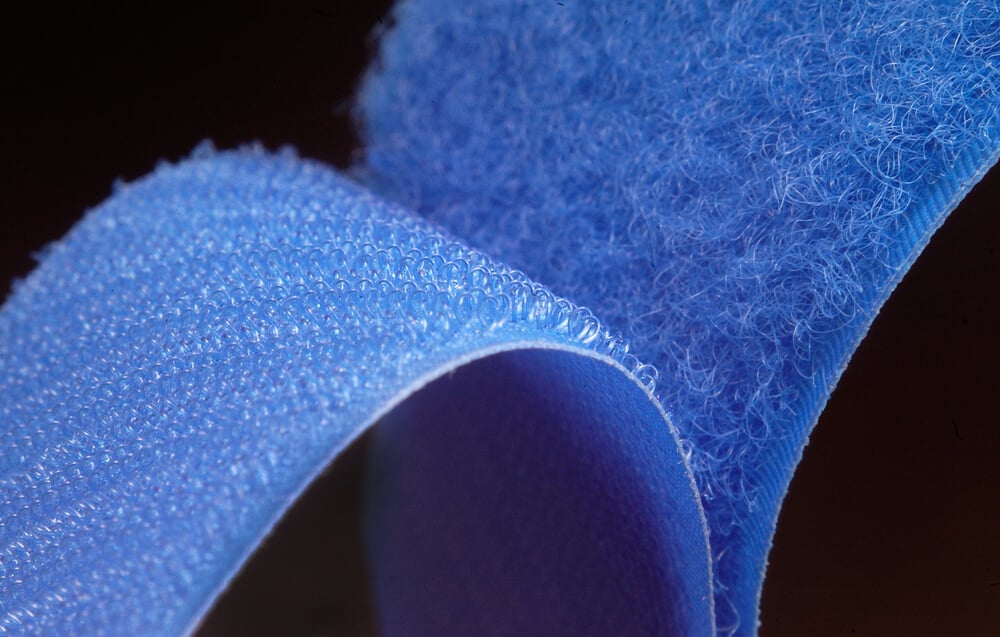
Swiss engineer George de Mestral returned from a hunting trip in the Alps in 1941 and noticed burrs from a plant had clung stubbornly to his clothing and his dog’s fur. He examined one under a microscope and found tiny hooks that caught on anything looped, like fabric or fur, and spent years developing a fabric fastener that mimicked the design.
Velcro launched commercially in the 1950s and eventually became standard equipment on everything from shoes to spacesuits.
Vulcanized Rubber

Inventor Charles Goodyear spent years chasing a way to make rubber stable in both heat and cold without success, and in 1839 he accidentally dropped a mixture of rubber and sulfur onto a hot stove. Instead of melting into a useless mess, the mixture charred into a stable, weatherproof material, a reaction now known as vulcanization.
The discovery made rubber viable for tires and countless other industrial uses, though Goodyear himself died in debt years before the company that carries his name existed.
Teflon
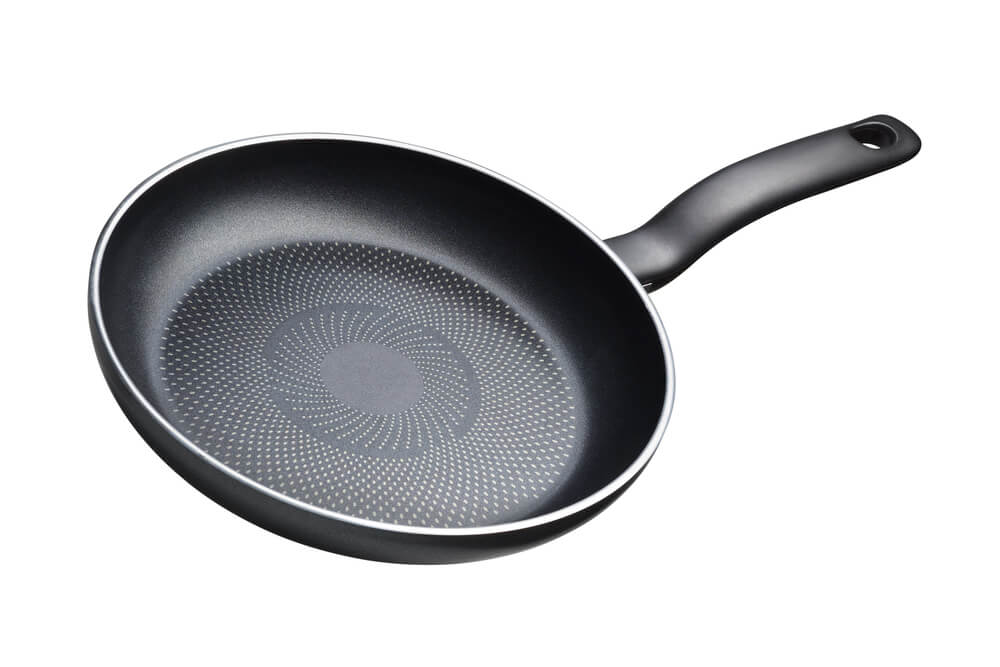
Chemist Roy Plunkett was experimenting with refrigerant gases for DuPont in 1938 when a canister of tetrafluoroethylene gas he expected to still be pressurized turned out to have solidified into a waxy, slick substance inside the container. Testing showed the material was almost frictionless and resistant to nearly everything, including heat and corrosion.
DuPont trademarked it as Teflon, and by the 1960s it had become the nonstick coating found in kitchens worldwide.
Safety Glass
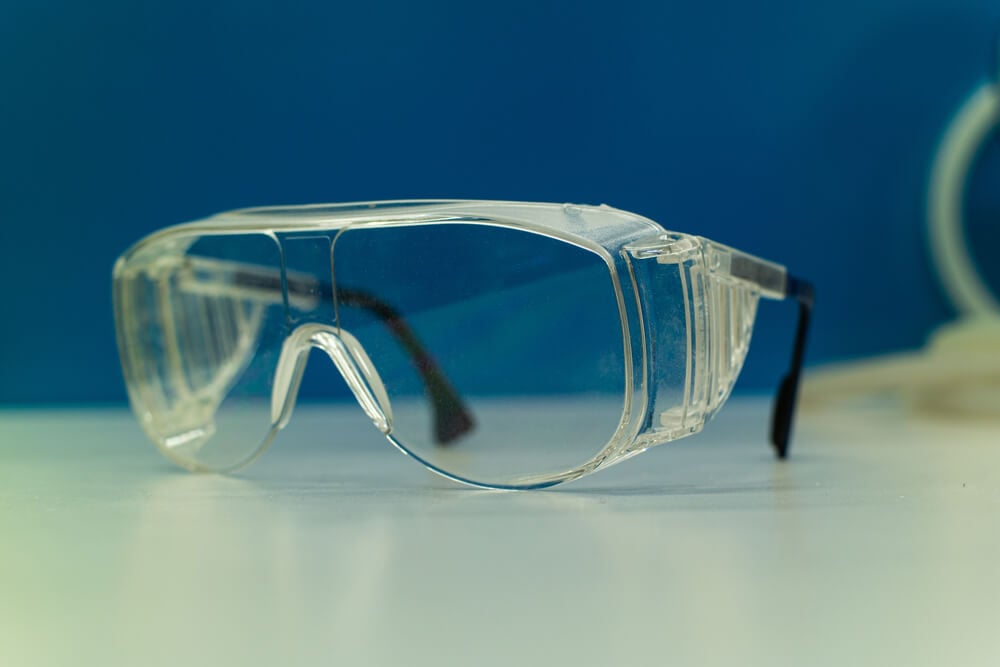
French chemist Édouard Bénédictus accidentally knocked a glass flask off a shelf in his laboratory in 1903 and noticed it had shattered but held its shape rather than scattering into shards. The flask, it turned out, had previously held a plastic solution called cellulose nitrate that had evaporated and left a thin coating on the interior glass.
Bénédictus developed the coating into laminated safety glass, which became standard in windshields once automobile manufacturers adopted it decades later.
Play-Doh
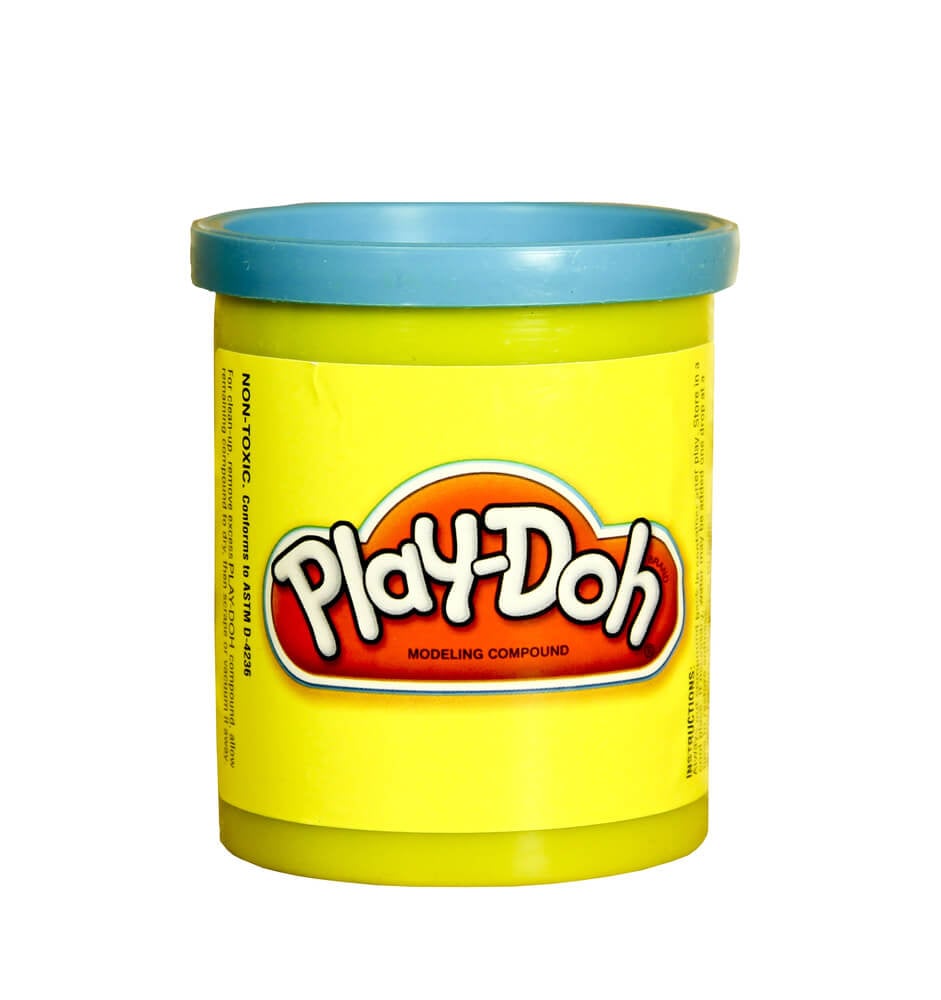
A company called Kutol originally sold the compound that became Play-Doh as a wallpaper cleaner in the 1930s and 1940s, designed to lift coal soot off walls without damaging the paper. Demand collapsed once vinyl wallpaper and cleaner-burning heating systems became common, and the company was searching for a way to save the product when a relative discovered schoolchildren enjoyed molding it like clay.
Kutol rebranded it as a children’s toy in 1956, and Play-Doh has been sold largely unchanged ever since.
The Slinky
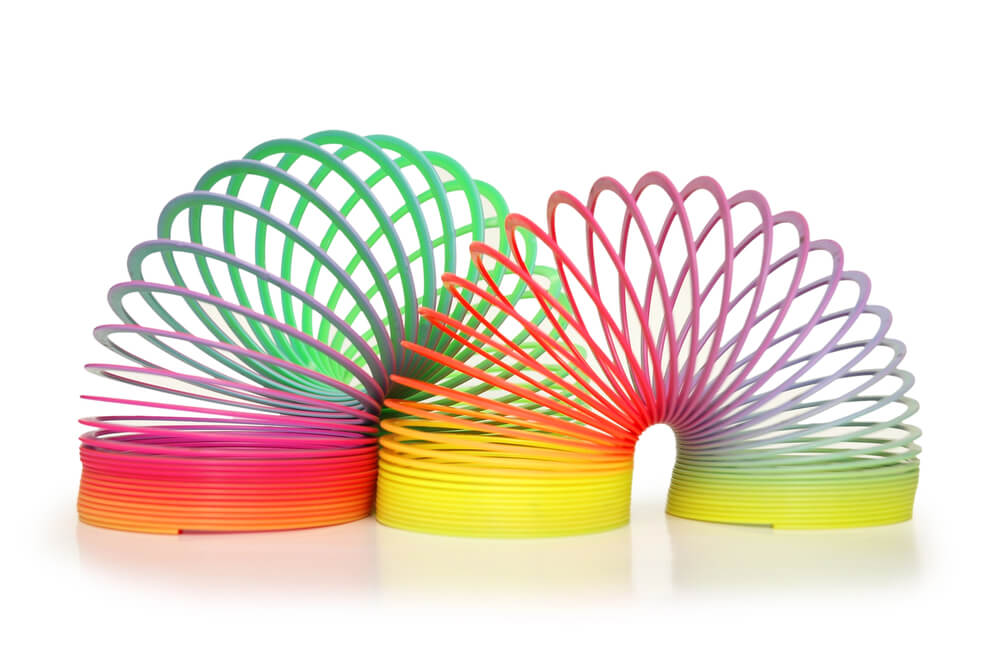
Naval engineer Richard James was developing springs meant to stabilize sensitive equipment on ships in 1943 when one of his prototype springs fell off a shelf and continued walking end over end across the floor. He and his wife Betty spent two years refining the coil’s tension until it would reliably “walk,” and they launched it as a toy in 1945.
It sold out its entire first shipment in ninety minutes at a Philadelphia department store and has sold hundreds of millions of units since.
Super Glue
Chemist Harry Coover was researching materials for clear gun sights during World War II when he encountered a compound called cyanoacrylate that bonded almost instantly to anything it touched, a property that made it useless for optics and got it shelved. Coover rediscovered the same compound years later while working on heat-resistant materials and realized its instant, powerful bonding was the actual selling point.
It launched commercially as Super Glue in 1958, having been rejected once already for the very property that made it valuable.
The Ice Cream Cone
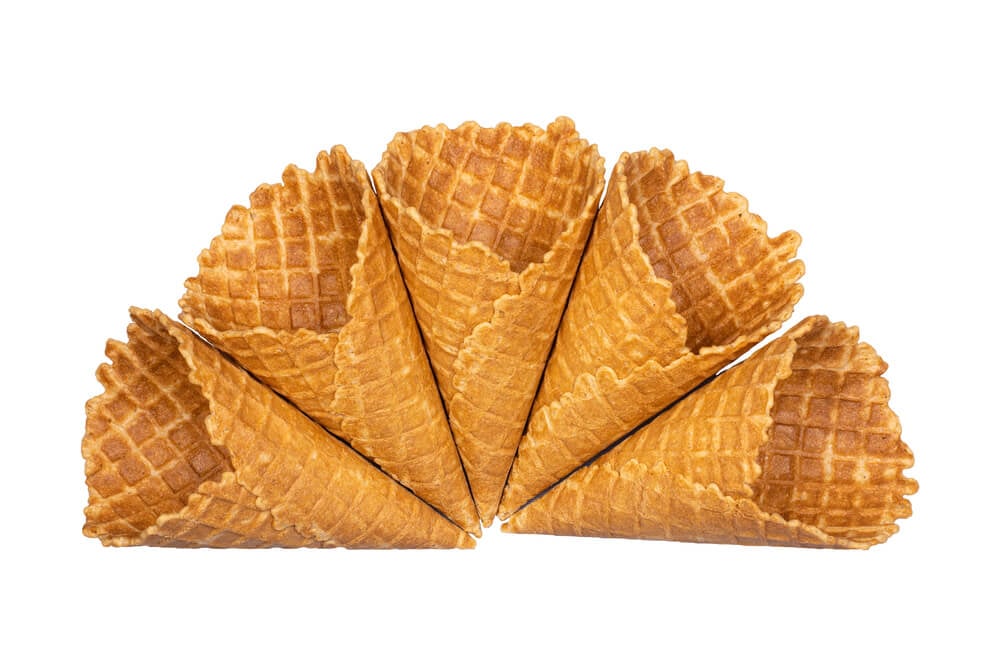
The most repeated origin story for the ice cream cone traces to the 1904 World’s Fair in St. Louis, where an ice cream vendor ran out of paper serving dishes on a hot day. A neighboring stall selling thin waffles rolled one into a cone shape on the spot, and the ice cream vendor scooped his product into it as an improvised fix.
The combination caught on with fairgoers immediately, and the cone became a permanent fixture of the dessert rather than the emergency substitute it started as.
Corn Flakes
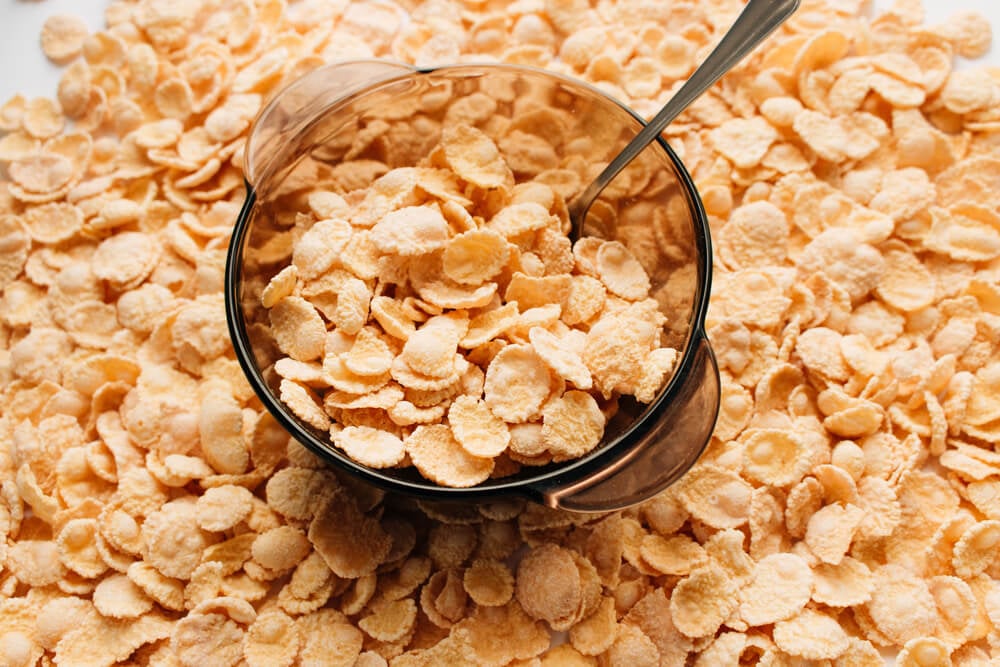
Dr. John Harvey Kellogg and his brother Will were experimenting with boiled wheat for patients at a sanitarium in the 1890s when a batch was left sitting out longer than intended and went stale. Rather than discard it, they ran the grain through rollers anyway and found it flaked apart into thin, crisp pieces instead of forming the usual dough sheet.
The brothers repeated the accident deliberately with corn, and Kellogg’s Corn Flakes became one of the first mass-produced breakfast cereals.
Coca-Cola
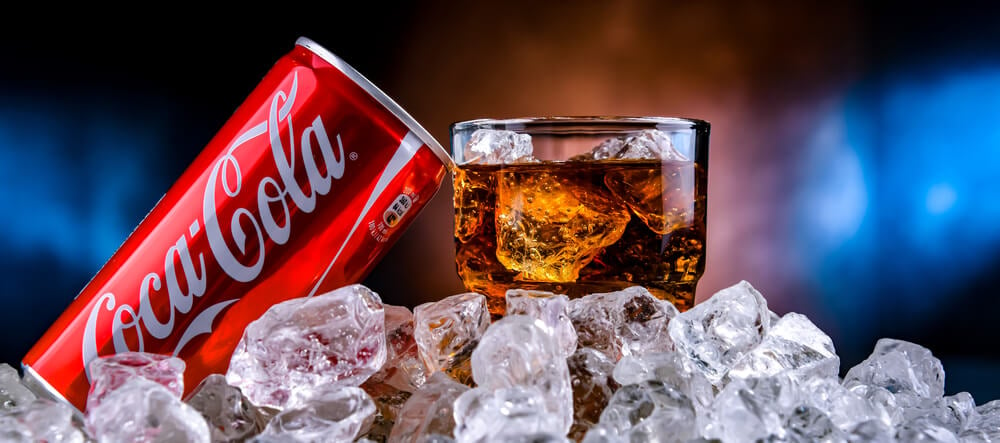
Pharmacist John Pemberton set out in 1886 to create a medicinal tonic containing coca leaf extract and kola nut, marketed as a cure for headaches and fatigue rather than a soft drink. A soda fountain employee accidentally mixed the syrup with carbonated water instead of plain water while filling an order, and the fizzy version sold better than the flat one Pemberton had intended.
That accidental substitution became the standard recipe, and Coca-Cola dropped its medicinal marketing entirely within a couple of decades.
Chocolate Chip Cookies
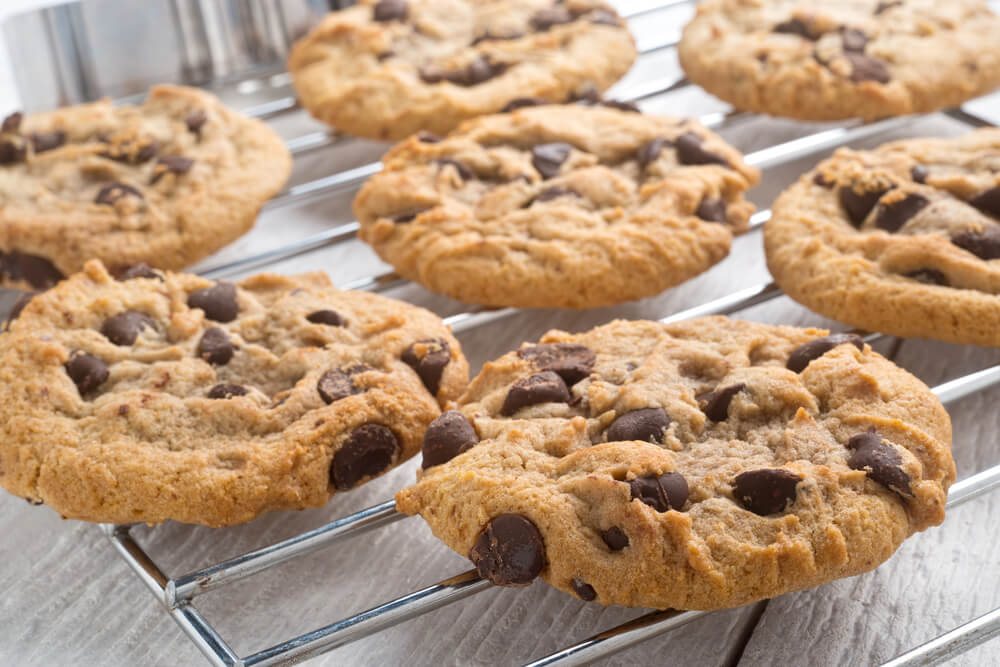
Ruth Wakefield ran out of baker’s chocolate while making cookies at the Toll House Inn in Massachusetts in 1938 and substituted chopped-up pieces of a semisweet chocolate bar, expecting the chocolate to melt and spread through the dough as it baked. Instead, the chocolate pieces held their shape and softened rather than fully melting, creating distinct pockets of chocolate throughout the cookie.
Nestlé eventually bought the rights to print Wakefield’s recipe on its chocolate bar packaging, and the format became the standard chocolate chip cookie.
The Popsicle
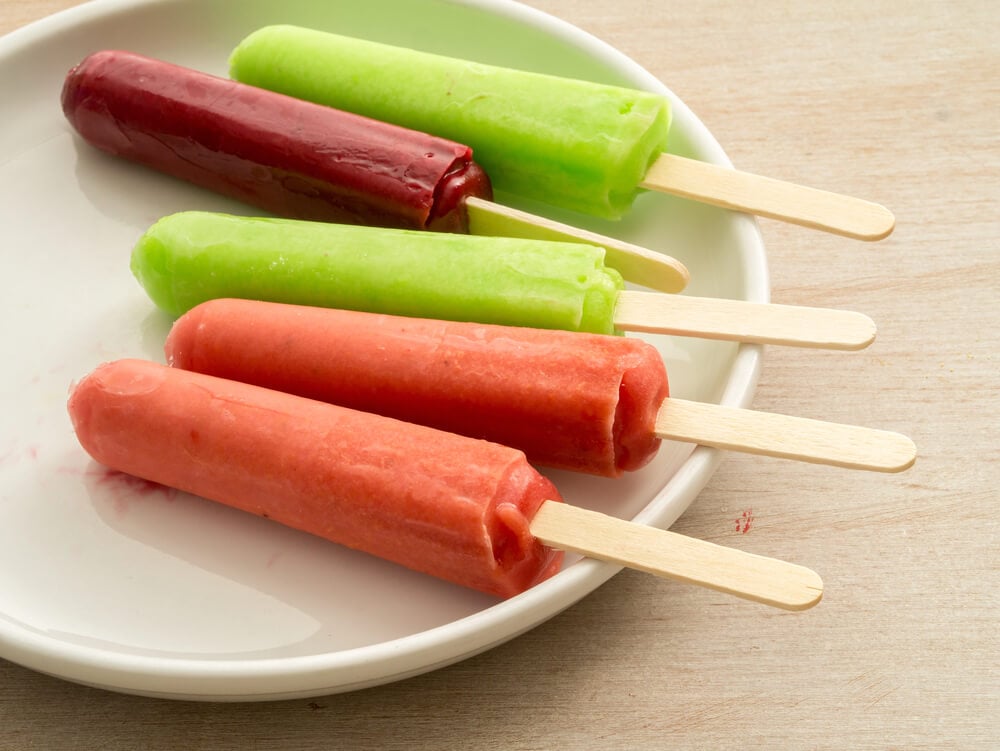
Eleven-year-old Frank Epperson accidentally left a cup of powdered soda mixed with water and a stirring stick on his porch overnight in 1905, and California’s cold snap froze the mixture solid around the stick. He found the frozen treat the next morning and spent years refining the idea before patenting it as the “Epsicle” in 1923, later renamed the Popsicle at his children’s suggestion.
The frozen-treat-on-a-stick format became one of the best-selling summer snacks in American history.
X-rays
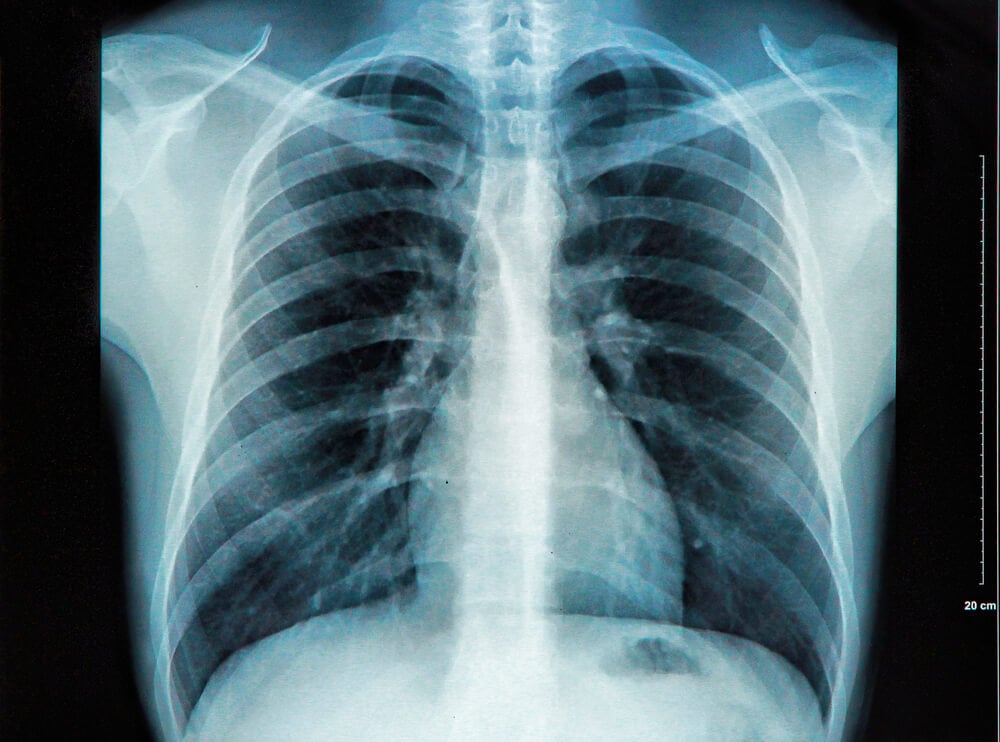
Physicist Wilhelm Röntgen was experimenting with cathode ray tubes in a darkened lab in 1895 when he noticed a nearby screen coated in fluorescent material was glowing, even though the tube itself was covered and should have blocked all visible light. He traced the glow to a previously unknown form of radiation that could pass through solid objects, which he named X-rays for their unknown nature.
Within a year, doctors worldwide were using the accidental discovery to see inside the human body without surgery.
Matches
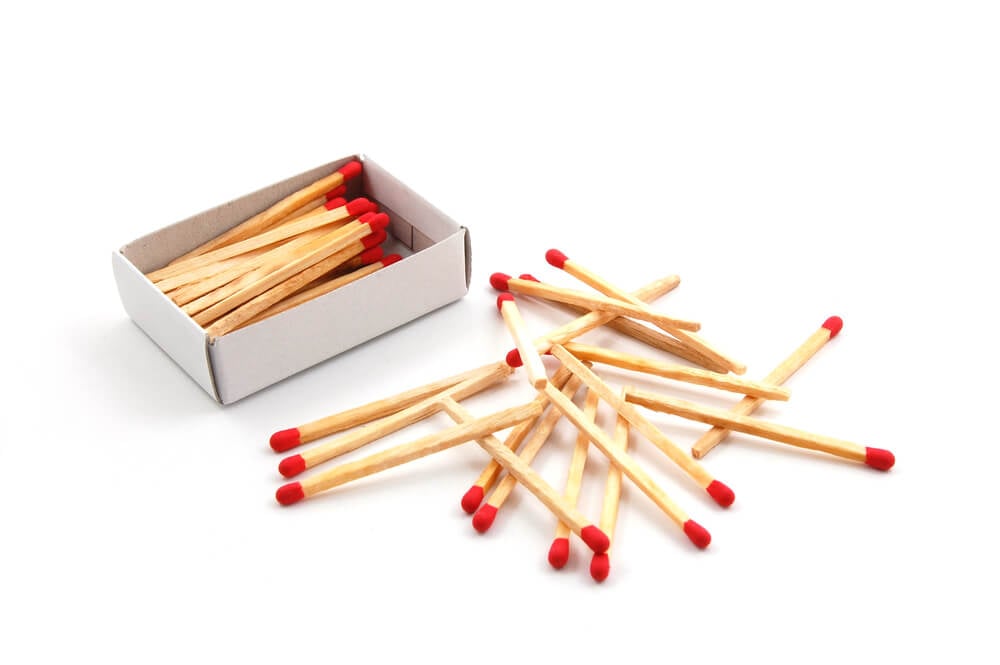
Chemist John Walker was stirring a mixture of chemicals with a stick in his shop in 1826 and noticed a dried lump on the end of the stick burst into flame when he scraped it against the stone floor to clean it off. He experimented further and began selling friction matches shortly after, though he never patented the invention and profited relatively little from what became a household staple worldwide.
Matches replaced flint and steel as the standard way to start a fire within a generation.
Silly Putty
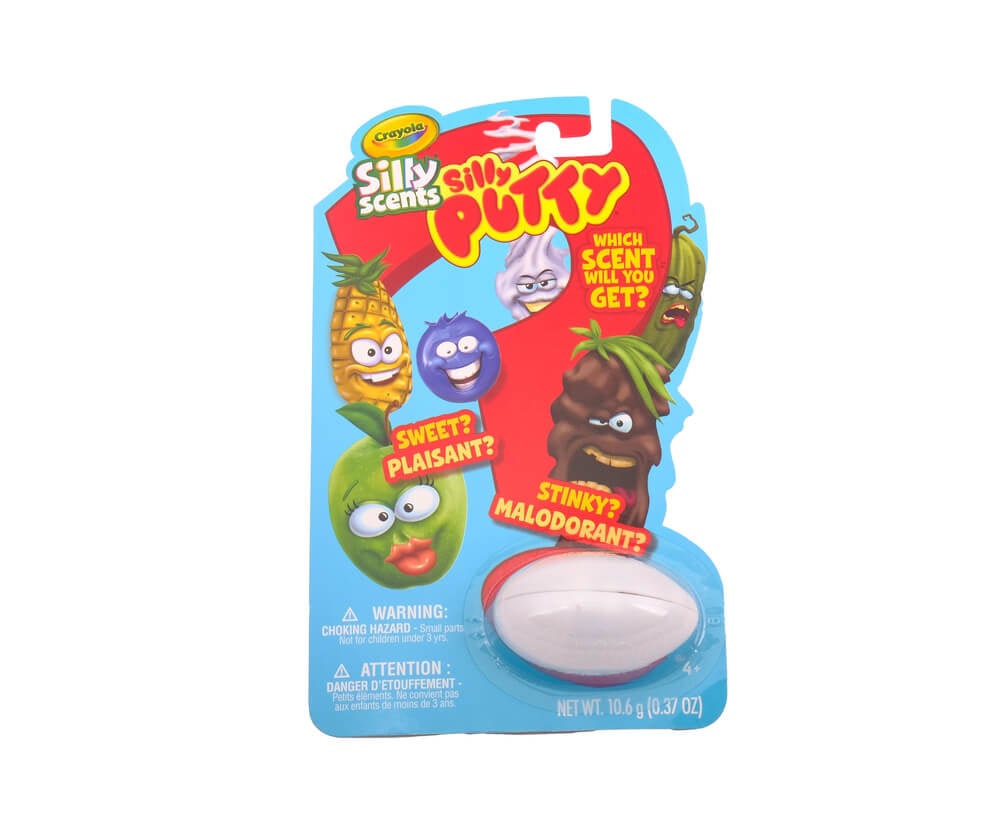
Engineers at General Electric and elsewhere were trying to develop a synthetic rubber substitute during World War II material shortages, and one experimental compound made from silicone oil and boric acid stretched, bounced, and picked up newsprint but was completely useless as an actual rubber replacement. The military shelved it entirely, and it sat as a novelty until a toy store owner packaged it into plastic eggs in 1950.
Silly Putty became a bestseller almost immediately once it was marketed as a toy rather than an industrial material.
Vaseline
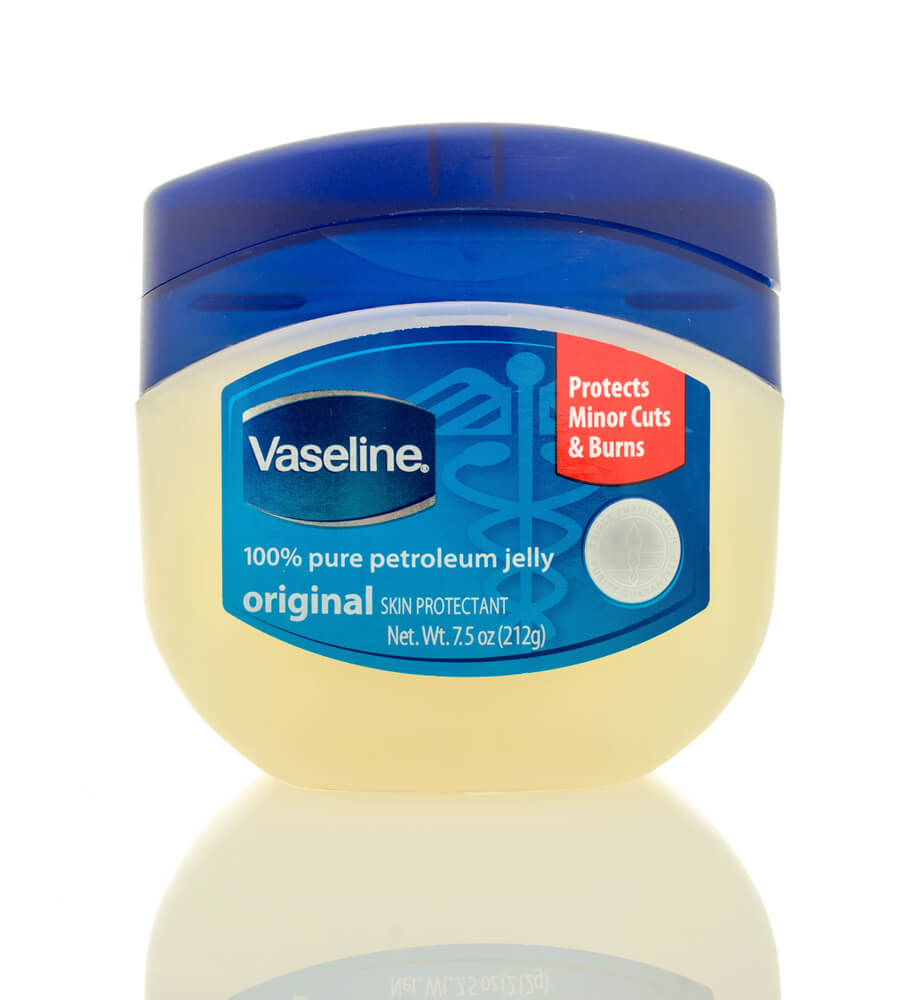
Chemist Robert Chesebrough visited Pennsylvania oil fields in the 1850s and noticed rig workers scraping a waxy residue called rod wax off their drilling equipment and using it to heal cuts and burns on their hands. He refined the residue into a purified petroleum jelly and began selling it as Vaseline in 1870, a product built entirely from a byproduct oil workers had already been using informally.
It remains one of the most recognizable petroleum-based products on drugstore shelves.
Aspartame
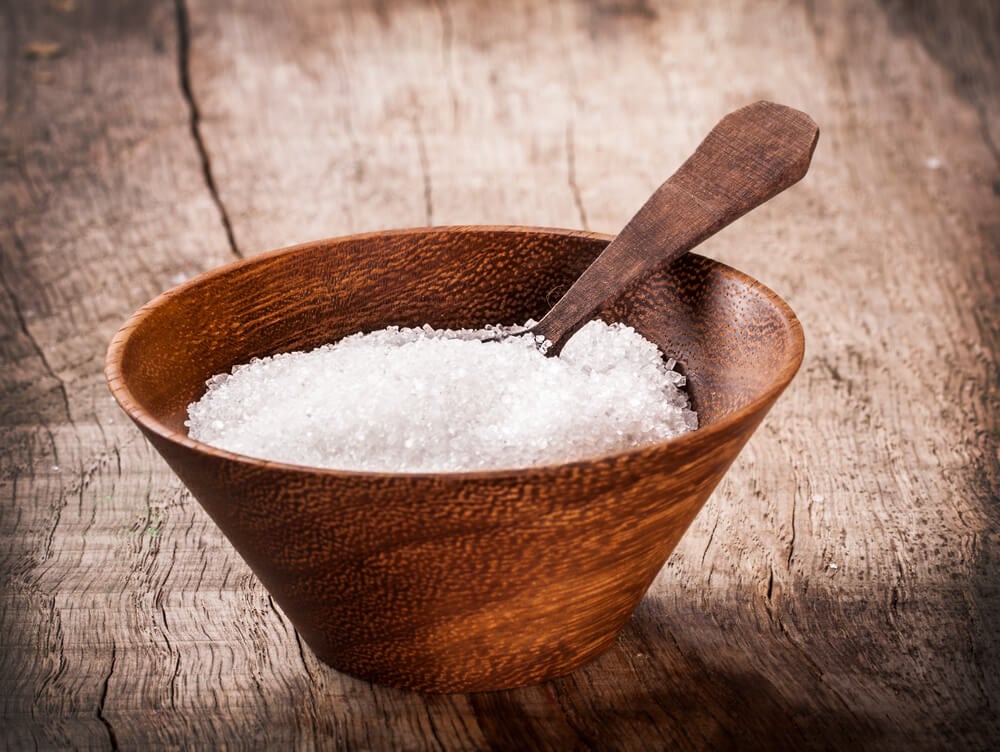
Chemist James Schlatter was synthesizing compounds for a potential ulcer drug at G.D. Searle in 1965 when he accidentally got a small amount of one compound on his fingers and later licked his finger to pick up a piece of paper, tasting an intense sweetness. The compound had no relevant properties for treating ulcers, but its sweetness made it valuable as an artificial sweetener instead.
It launched as aspartame in the 1980s and became one of the most widely used sugar substitutes in the world.
Bubble Wrap
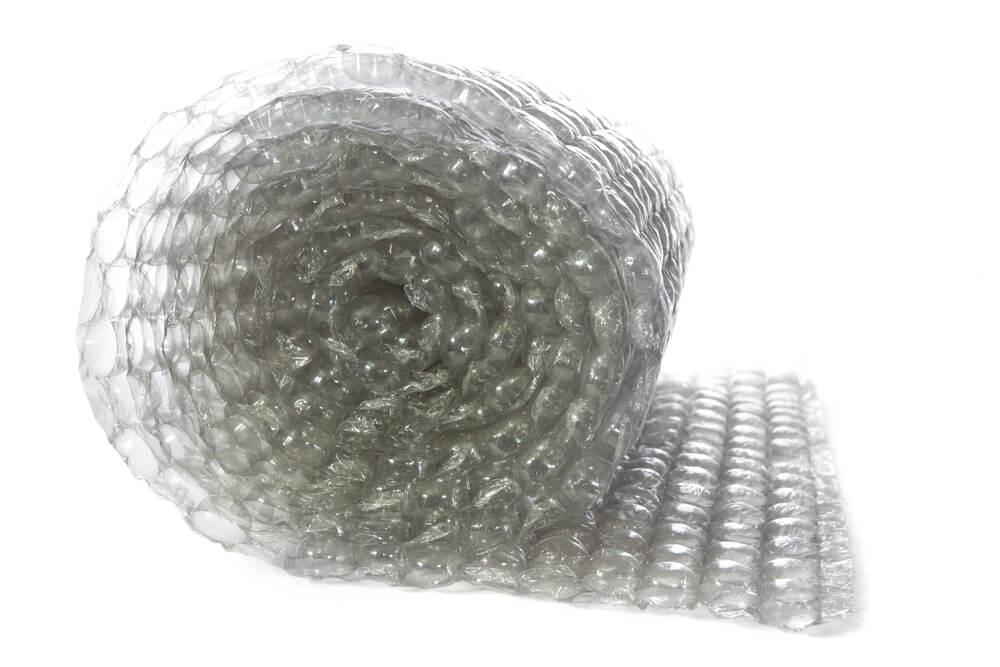
Engineers Alfred Fielding and Marc Chavannes were trying to invent a textured plastic wallpaper in 1957, sealing two shower curtains together with air bubbles trapped between them, and the wallpaper concept found no buyers at all. The pair pivoted the same material toward greenhouse insulation, which also failed to catch on commercially.
IBM eventually adopted the leftover material to cushion computers during shipping, and Bubble Wrap became a packaging staple almost by elimination rather than by design.
Tea Bags
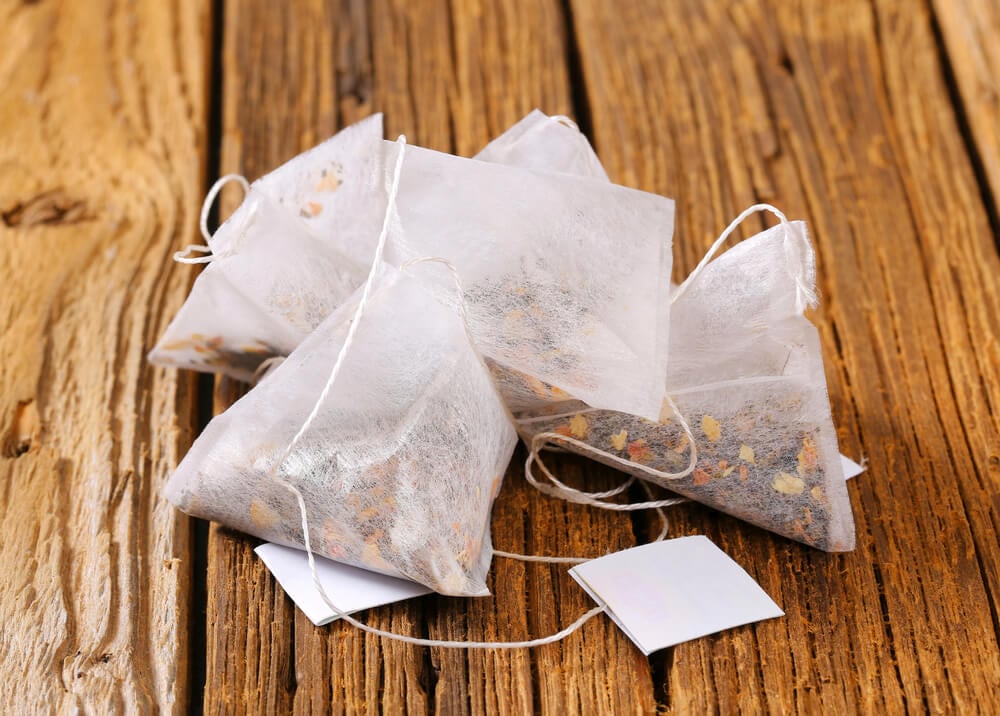
New York tea merchant Thomas Sullivan began mailing small silk sample bags of tea to customers around 1908 simply as a way to package individual samples, expecting recipients to empty the leaves into a pot before brewing. Several customers, apparently missing that step, dropped the entire silk bag into hot water and found it worked just as well without the mess of loose leaves.
Sullivan and other tea companies redesigned the bags for brewing on purpose, and the format overtook loose-leaf tea for everyday use within a few decades.
Viagra
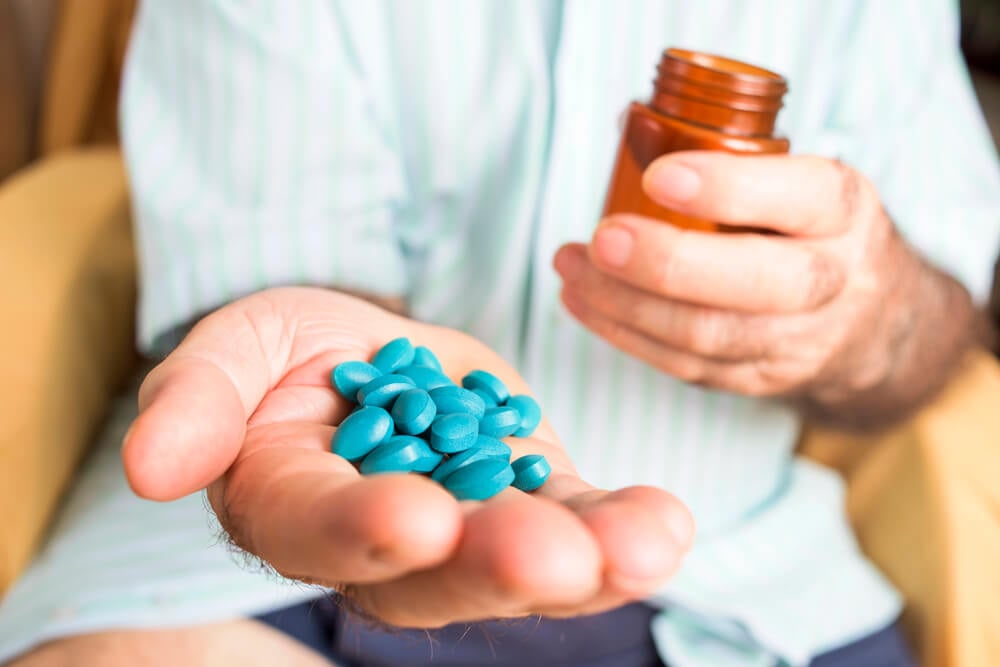
Pfizer researchers were testing a compound called sildenafil in clinical trials during the early 1990s as a treatment for angina, a form of chest pain caused by reduced blood flow to the heart, and the drug performed poorly at its intended job. Male trial participants reported an unrelated side effect that the research team had not anticipated, and Pfizer redirected the compound’s development entirely.
It launched in 1998 as Viagra, becoming one of the most commercially successful drugs in pharmaceutical history despite failing the trial it was originally designed for.
Saran Wrap
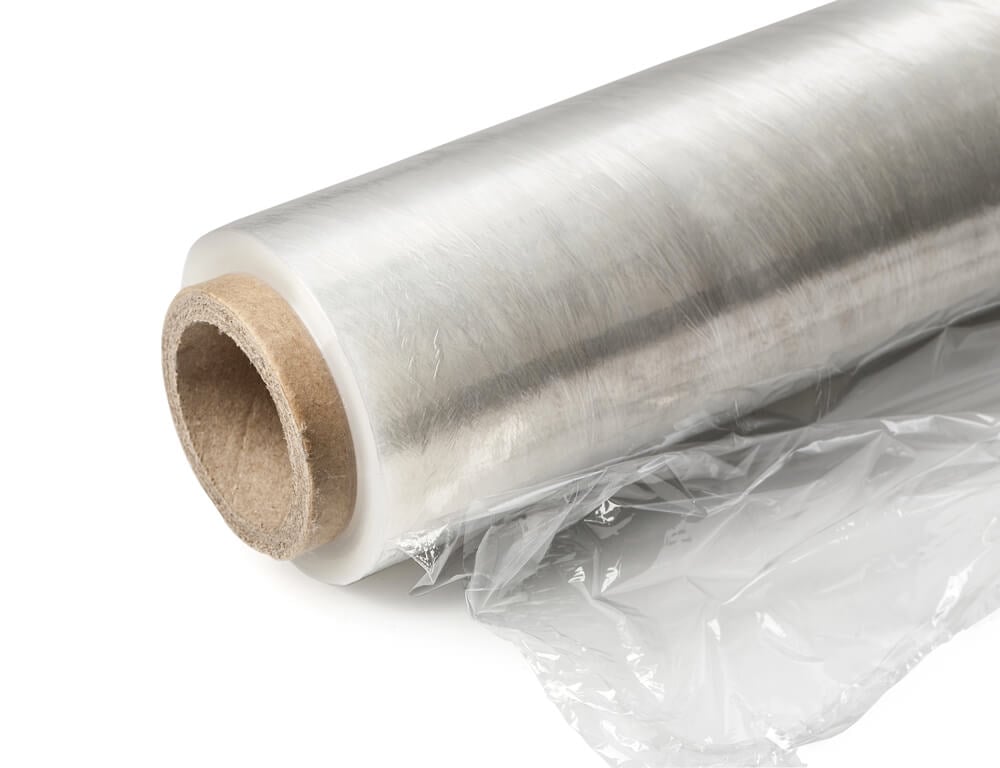
Chemist Ralph Wiley was washing laboratory equipment at Dow Chemical in 1933 and struggled to clean a flask that had developed a dark, clingy film he couldn’t scrub off, a nuisance rather than a discovery at the time. Dow researchers later identified the same clingy polymer and found industrial uses for it, including a spray coating for military equipment and upholstery.
The company eventually refined and lightened the material for food storage, releasing it to households as Saran Wrap in the early 1950s.
Accidents, Repeated on Purpose
What connects these stories is not luck so much as attention. A mold contaminating a petri dish, a spring falling off a shelf, a flask that shattered without scattering — these things happen constantly and go unnoticed by everyone except the person paying close enough attention to ask why.
The accident supplied the material; the noticing supplied the invention.
It is worth remembering, the next time an experiment fails completely, that failure and discovery often look identical in the moment they happen. The only difference is whether anyone stops to examine the wreckage before sweeping it away.
More from Go2Tutors!

- The Romanov Crown Jewels and Their Tragic Fate
- 13 Historical Mysteries That Science Still Can’t Solve
- Famous Hoaxes That Fooled the World for Years
- 15 Child Stars with Tragic Adult Lives
- 16 Famous Jewelry Pieces in History
Like Go2Tutors’s content? Follow us on MSN.



