31 Snack Aisle Items That Disappeared Without Warning
The snack food companies test constantly, launching flavors and formats by the dozen and quietly retiring the ones that don’t earn their shelf space fast enough. Most of those cuts happen without any announcement at all, a product simply stops showing up on the next delivery truck.
The items below all built real followings before they vanished, some for a few years and some for decades, leaving behind the specific kind of nostalgia that only forms around something a person used to be able to buy and now can’t.
Doritos 3D’s
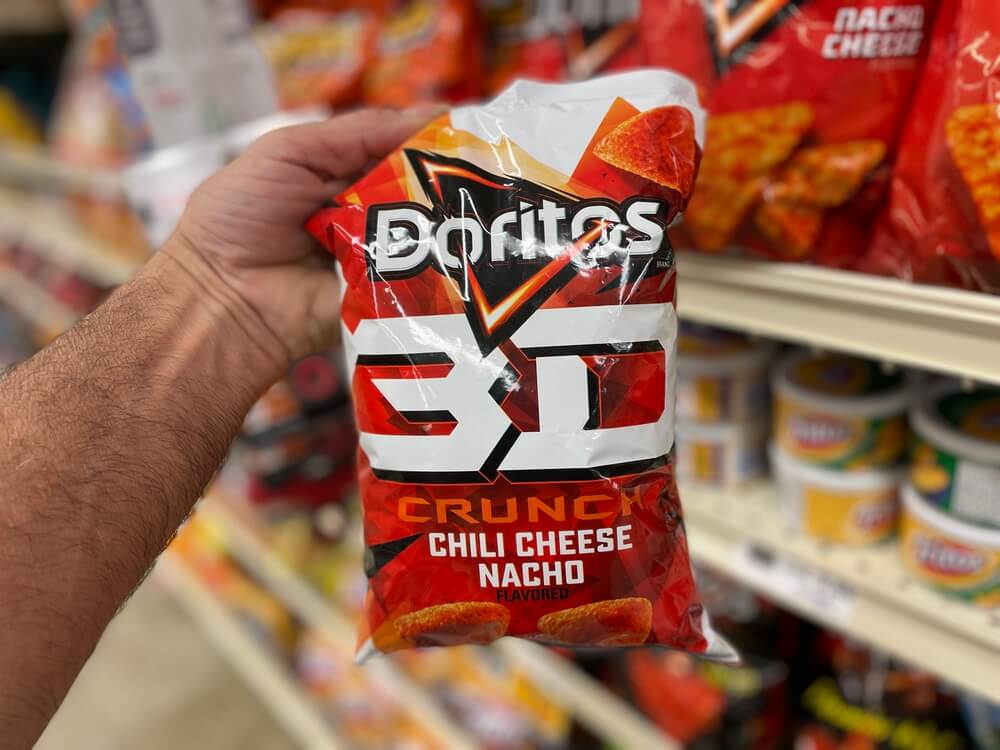
Frito-Lay released Doritos 3D’s in the late 1990s, a puffed, hollow version of the standard triangular chip that offered a different crunch than the flat original. The snack sold well enough to justify several flavor variants over its run but never became a mainstay of the core Doritos lineup.
Frito-Lay discontinued it in the U.S. in the mid-2000s, and it remains one of the most requested discontinued items in Doritos-focused fan communities.
Hostess Chocodile
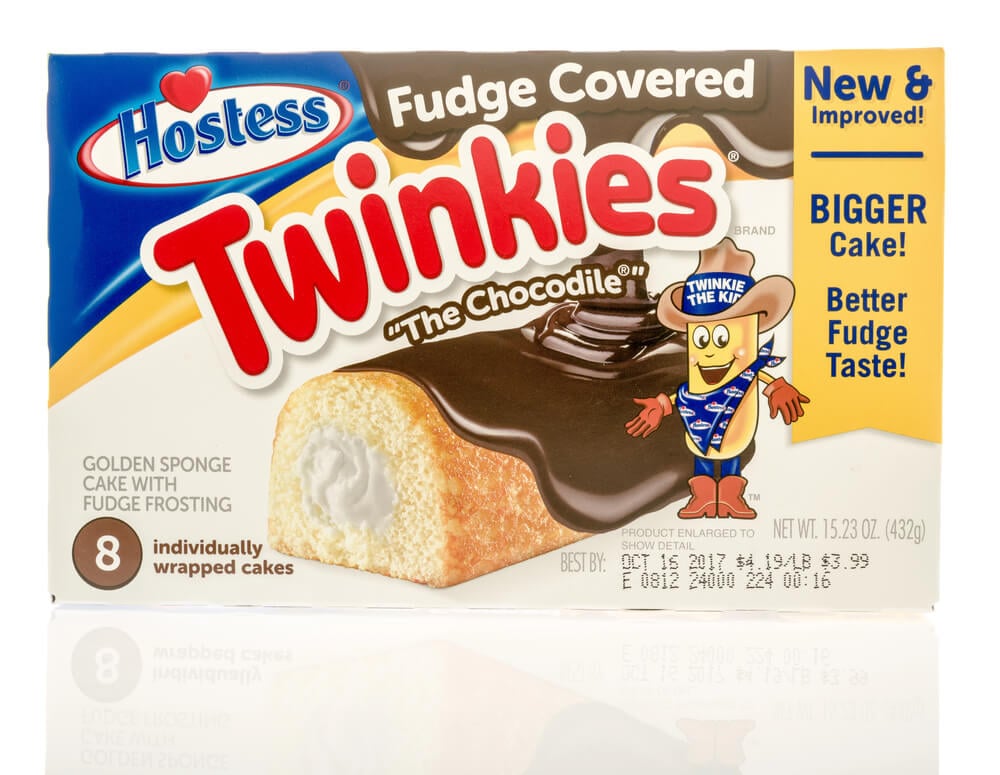
Hostess sold the Chocodile for decades starting in the 1960s, a banana-flavored Twinkie dipped entirely in chocolate rather than left plain. It became a regional favorite, particularly strong on the West Coast, without ever expanding to full national distribution.
Hostess discontinued it during the company’s 2012 bankruptcy restructuring, and while the core Twinkie brand survived under new ownership, the Chocodile did not return with it.
Dunkaroos
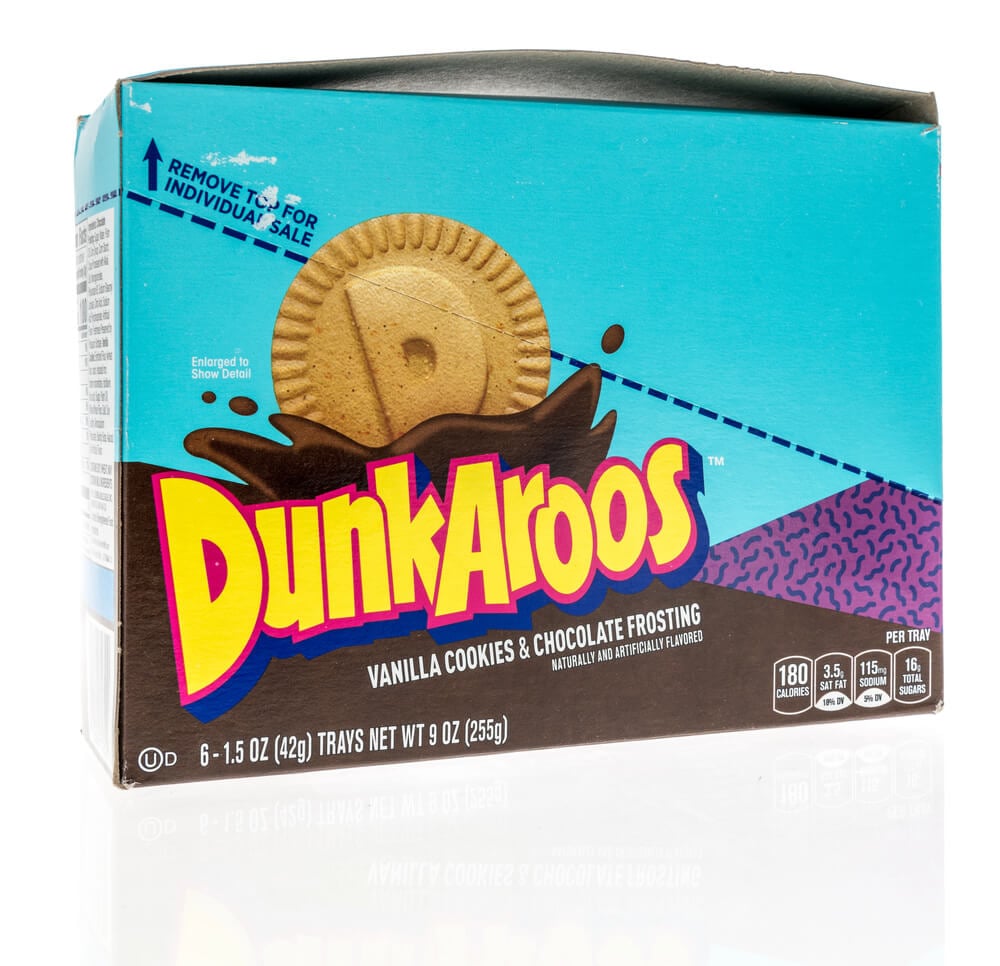
General Mills’ Betty Crocker brand launched Dunkaroos in 1990, small cookies packaged with a tub of frosting for dipping, and it became a defining lunchbox item for an entire generation of children through the 1990s. General Mills discontinued the U.S. version in 2012 as the company shifted its snack lineup toward products marketed as healthier.
Persistent nostalgia and fan campaigns pushed General Mills to bring Dunkaroos back to American shelves in 2020, though the original run’s absence lasted the better part of a decade.
French Toast Crunch
General Mills launched French Toast Crunch cereal in 1995, cinnamon-and-syrup-flavored pieces shaped like tiny slices of french toast, built on the same production line as its better-known Cinnamon Toast Crunch. The cereal was discontinued in the U.S. around 2006 even as it continued selling in Canada.
Persistent American fan demand, fueled partly by import shoppers bringing Canadian boxes across the border, led General Mills to relaunch it domestically in 2014.
Oreo O’s
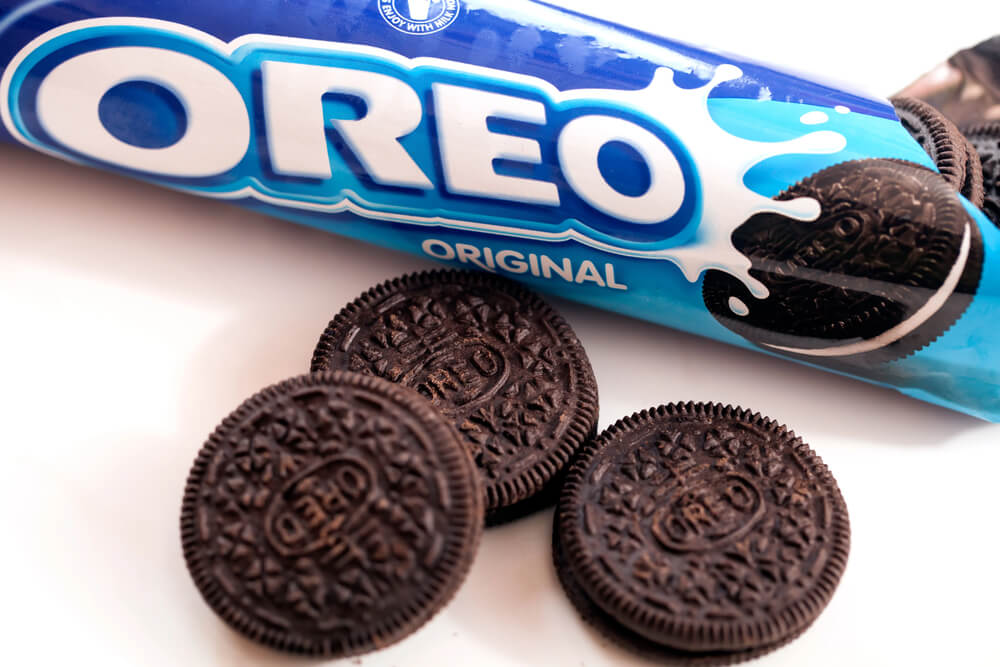
Post licensed the Oreo brand in 1998 to release Oreo O’s, a chocolate cereal with marshmallow bits meant to mimic the flavor of an actual Oreo cookie in cereal form. It built a strong following before Post discontinued it in 2007 when the company restructured its cereal licensing deals.
Mondelez, which now owns the Oreo brand, brought a version of the cereal back through Post in select international markets years later, though its return to full U.S. shelves has been limited and inconsistent.
Toasted Chips Ahoy
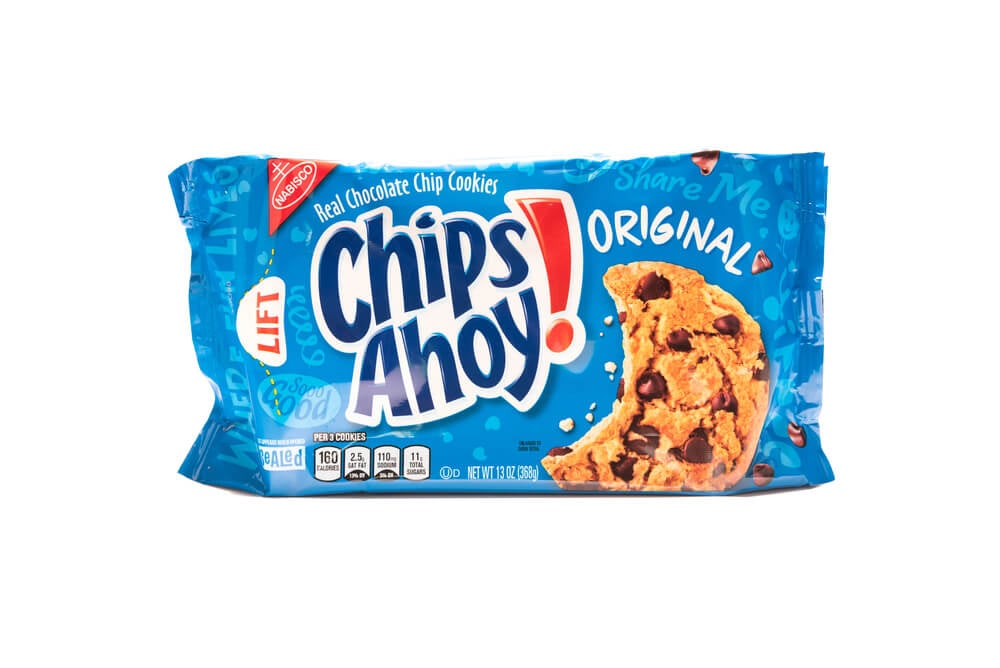
Nabisco released a toasted variant of its Chips Ahoy cookie in the early 2000s, baking the standard chocolate chip cookie recipe to a deeper, crunchier finish than the classic soft-baked version. It sold well enough to remain in rotation for several years before Nabisco quietly dropped it from the lineup.
It surfaces occasionally in cookie nostalgia discussions as a variant fans wish had stuck around longer than the standard recipe’s other spinoffs.
Screaming Yellow Zonkers

Confectioner Ovaltine, and later a series of successor companies, sold Screaming Yellow Zonkers starting in the late 1960s, a caramel-coated popcorn snack marketed with deliberately absurd, brightly colored packaging that stood out sharply from more conventional snack food branding. It maintained a cult following through the 1970s and into the 1980s before production wound down entirely.
It remains a frequently cited example in snack food history of branding that outlived the product itself in cultural memory.
WOW! Chips
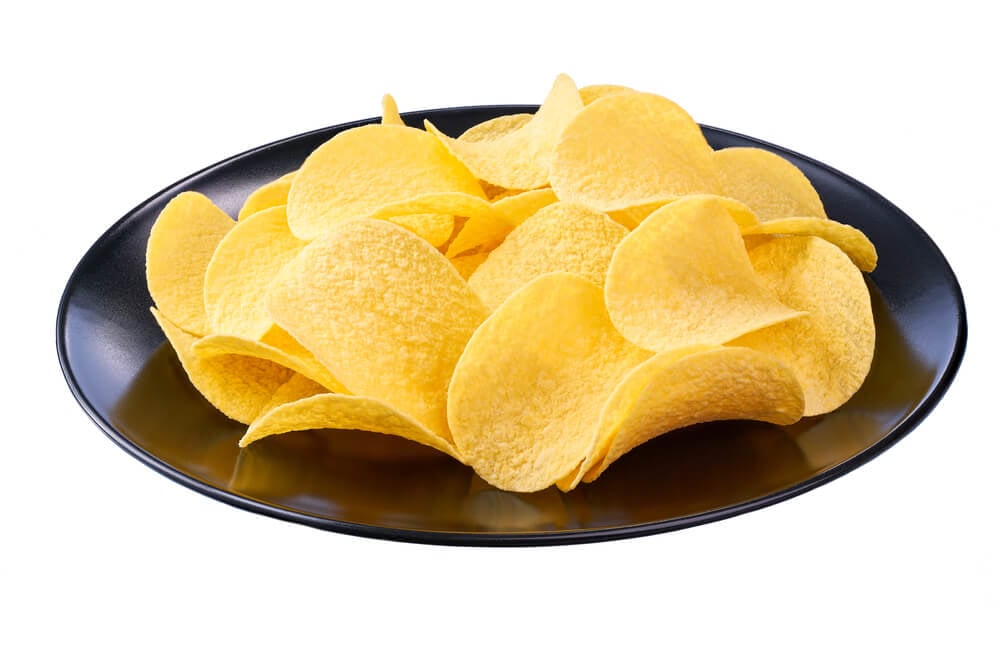
Frito-Lay launched its WOW! line of reduced-fat chips in 1998, using the fat substitute olestra to cut calories while trying to preserve the taste and texture of full-fat chips. Reports of digestive side effects tied to olestra generated significant negative press, and consumer interest collapsed within a few years despite the chips’ initial strong sales.
Frito-Lay phased the line out by the mid-2000s as the broader low-fat snack trend that had driven its launch faded as well.
Keebler Sweet Spots

Keebler sold Sweet Spots crackers through the 1990s, a savory cracker base topped with a small dollop of chocolate or peanut butter in the center, an unusual combination for the cracker aisle at the time. The product built a modest but loyal following before Keebler discontinued it as the company narrowed its cracker lineup.
It remains a niche nostalgia item mentioned mainly by people who specifically remember the sweet-and-savory format rather than a broadly recognized snack.
Hydrox
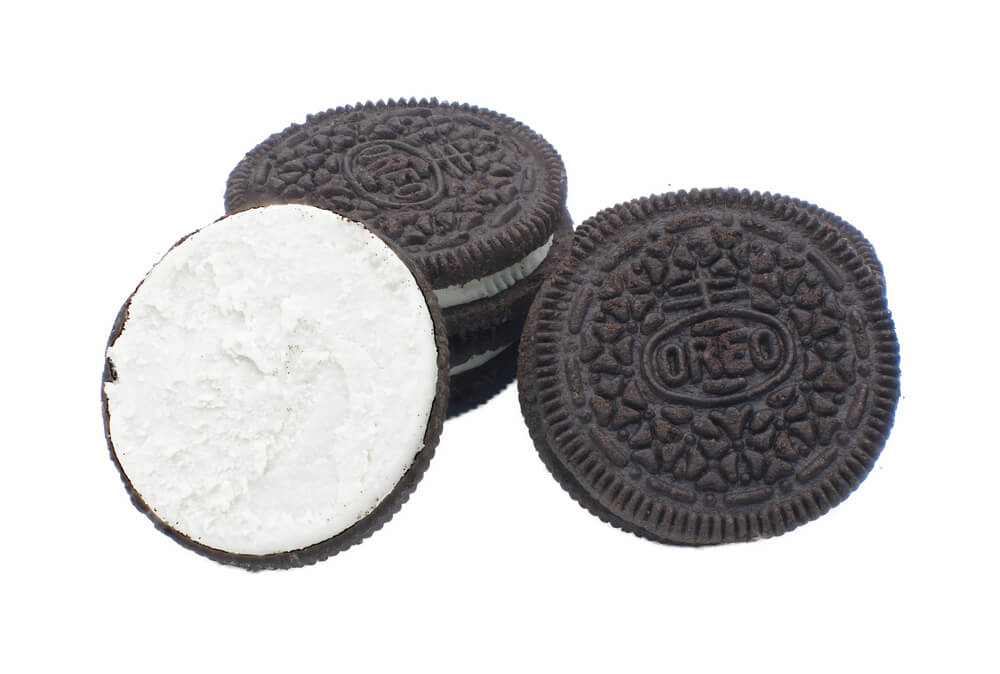
Sunshine Biscuits introduced Hydrox cookies in 1908, four years before Oreo launched what many assumed at the time was the copycat product, even though the reverse was true. Hydrox maintained a smaller but dedicated following for decades before Keebler, which had acquired the brand, discontinued it in 1999 as Oreo’s market dominance grew too large to compete against.
Leaf Brands acquired the rights and revived Hydrox in 2015, though it has never returned to anything like its original shelf presence.
Big Stuf Oreo
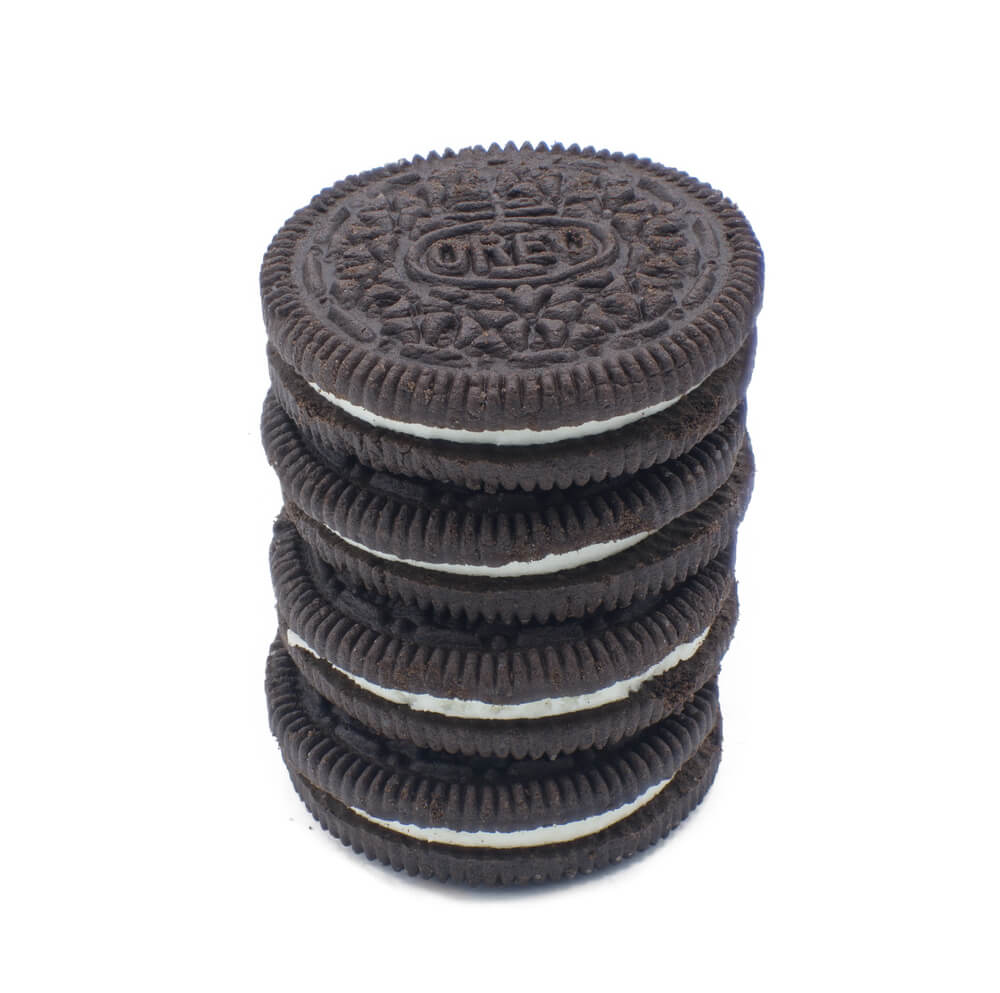
Nabisco sold the Big Stuf Oreo through the 1980s and into the early 1990s, a single oversized cookie roughly the size of a small plate, individually wrapped and sold as a standalone snack rather than part of a standard package. The novelty format built strong nostalgic appeal but never made economic sense at scale, and Nabisco discontinued it in the early 1990s.
It remains one of the most frequently requested discontinued Oreo products among fans of the brand’s history.
Mystic Mint

Nabisco sold Mystic Mint cookies through the 1980s and 1990s, a chocolate sandwich cookie filled with mint creme and coated in an additional layer of chocolate, giving it a heavier, richer profile than standard mint sandwich cookies. It built a dedicated following before Nabisco discontinued it as the company consolidated its cookie lineup around fewer core products.
It remains a frequently requested item in online cookie nostalgia communities decades after its last production run.
Jell-O Pudding Pops
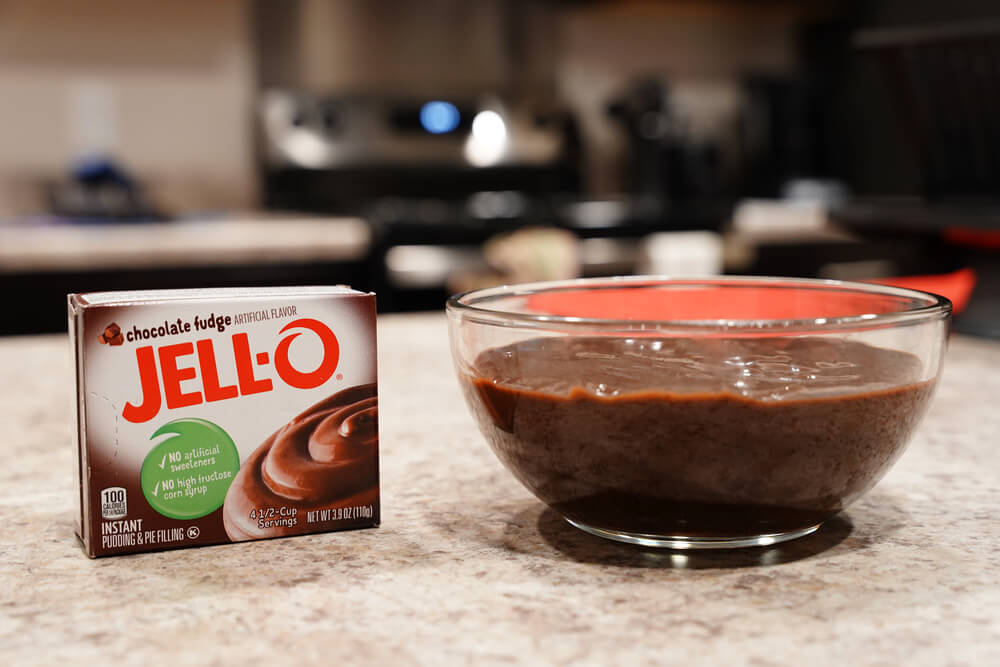
General Foods launched Jell-O Pudding Pops in 1981, frozen pudding on a stick that offered a creamier texture than standard fruit-flavored popsicles, and it became a major seller through the 1980s with television ads featuring Bill Cosby. Production issues and licensing changes led to its discontinuation in 1999.
A version briefly returned to shelves in 2004 under new ownership before disappearing again shortly after, leaving fans without a consistent version of the product for years.
Almost Home Cookies
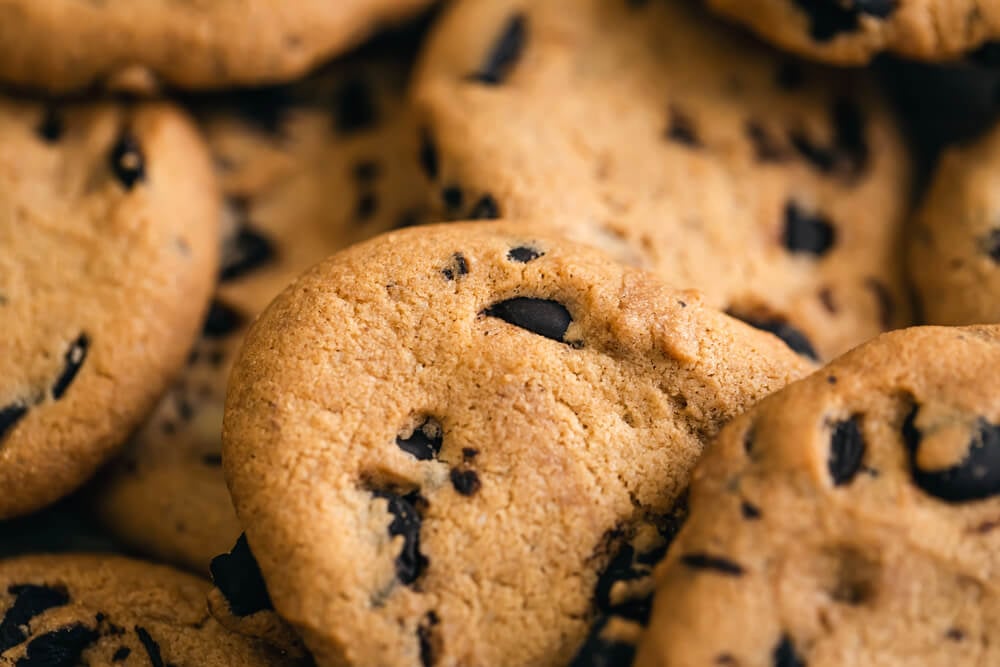
Nabisco sold Almost Home cookies through the 1980s and into the 1990s, a soft-baked line positioned as tasting closer to homemade than the company’s crunchier standard cookie offerings. The line built a loyal following before Nabisco discontinued it in the 1990s, folding some of its recipes into the newer Chips Ahoy soft-baked lineup instead.
Longtime fans still describe the original Almost Home texture as distinct from anything Nabisco has sold since.
Twigs Snacks
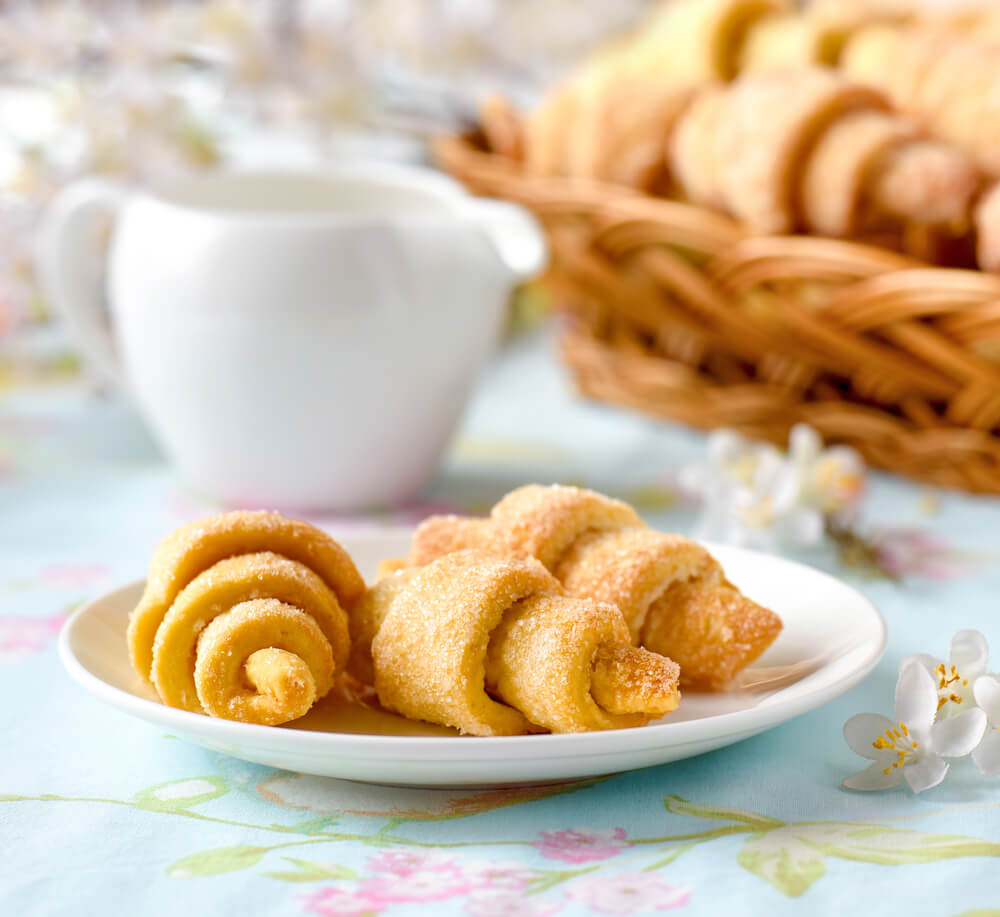
Nabisco sold Twigs snack crackers through the 1970s, thin, twig-shaped crackers available in cheese and sesame varieties that stood out from the round or square crackers dominating the category at the time. The product maintained a modest following before Nabisco discontinued it as the company streamlined its cracker offerings in later decades.
It remains a footnote snack remembered mainly by people who grew up with it in the 1970s snack drawer.
Smorz Cereal
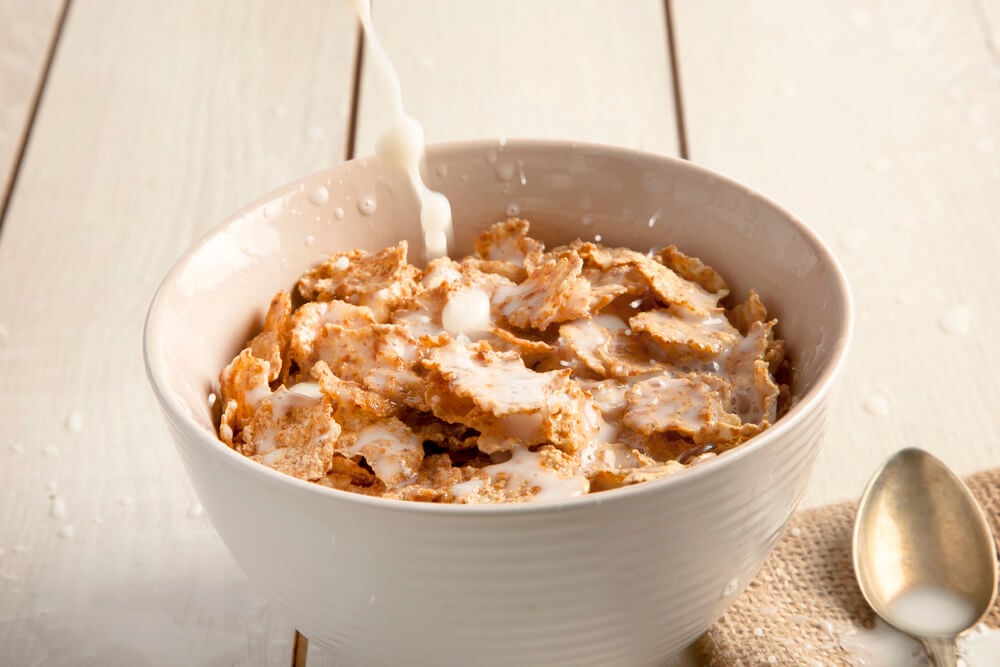
General Mills released Smorz cereal in 2003, built around the flavor of an actual campfire s’more with marshmallow and chocolate pieces mixed into a graham-flavored base. It built a strong following, particularly among children, before General Mills discontinued it in 2011 as part of a broader trimming of underperforming cereal lines.
General Mills has periodically brought it back for limited seasonal runs since, though it has never returned as a permanent shelf item.
Fruit Brute Cereal
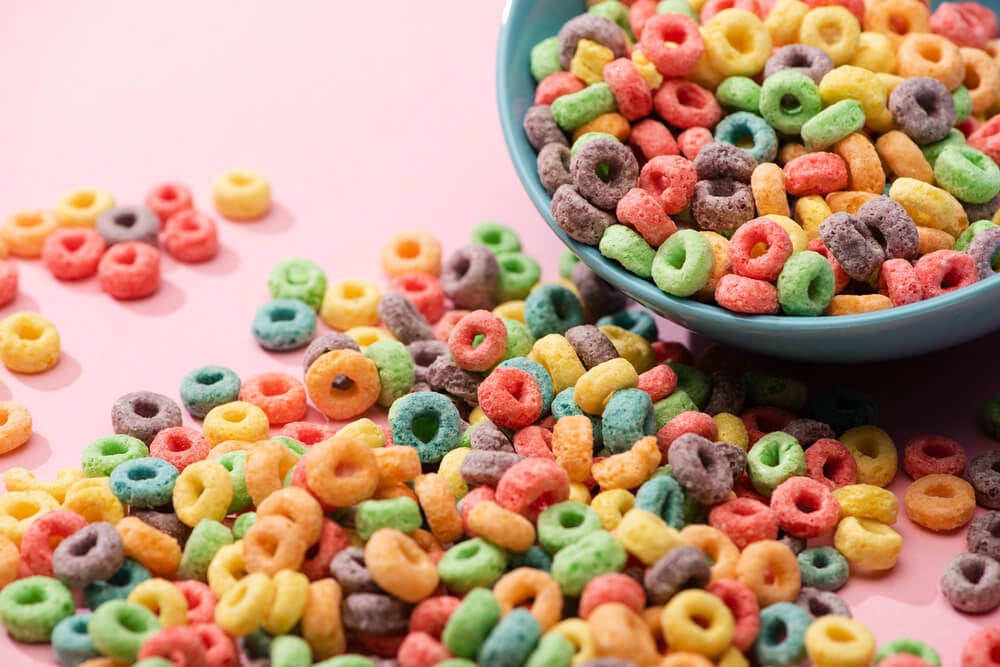
General Mills released Fruit Brute cereal in 1974 alongside its Count Chocula and Franken Berry monster-themed cereals, a fruit-flavored version built around a werewolf mascot. It sold modestly before General Mills discontinued it in 1983, making it the shortest-lived of the original monster cereal lineup.
It has occasionally reappeared as a limited seasonal release for Halloween in more recent years, drawing strong nostalgic interest each time.
Yummy Mummy Cereal
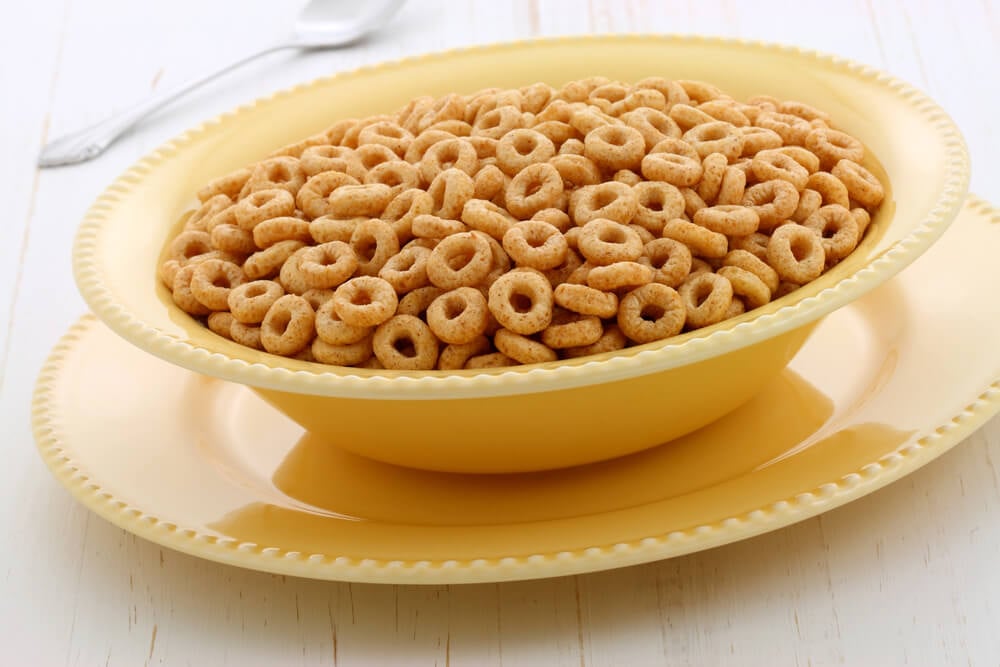
General Mills added Yummy Mummy to its monster cereal lineup in 1988, a orange-and-vanilla-flavored cereal built around a mummy mascot to round out the seasonal Halloween cereal family. It was the shortest-lived of all the monster cereals, discontinued by 1993 after a relatively brief run compared to its Count Chocula and Franken Berry siblings.
It has also occasionally returned for limited seasonal releases, usually selling out quickly among adult collectors as much as children.
Cheese Tid-Bit Crackers
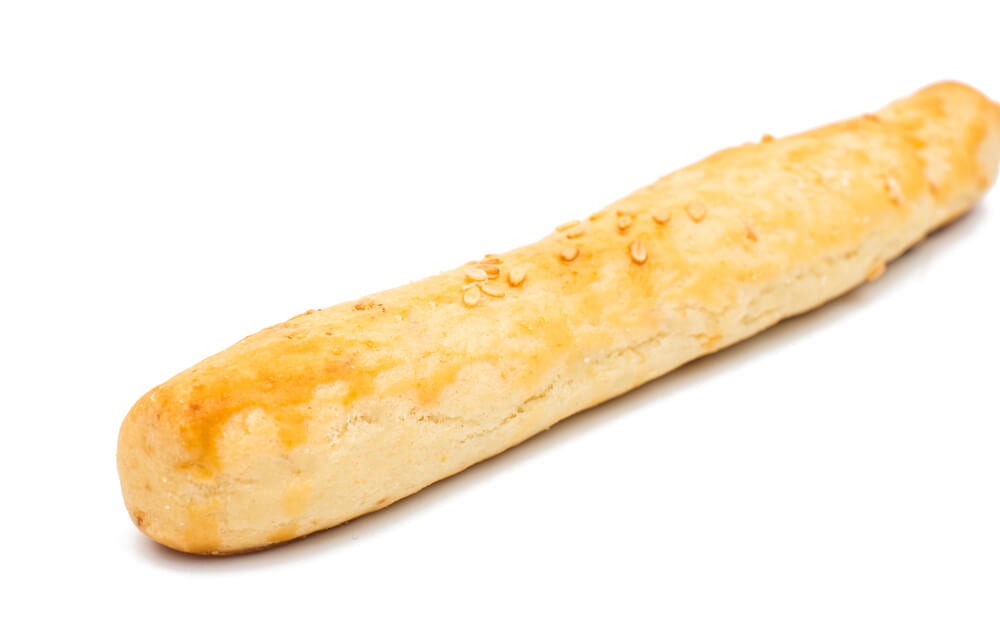
Nabisco sold Cheese Tid-Bit crackers for decades, small, crunchy cheese-flavored crackers similar in concept to Cheez-It but with a distinct shape and flavor profile that built its own following. Nabisco discontinued the product around 2009 as the company consolidated its cracker lineup around better-selling brands.
It remains a frequently mentioned item among longtime Nabisco snack fans who specifically remember its flavor as different from the crackers that replaced it.
Ice Cream Cone Cereal
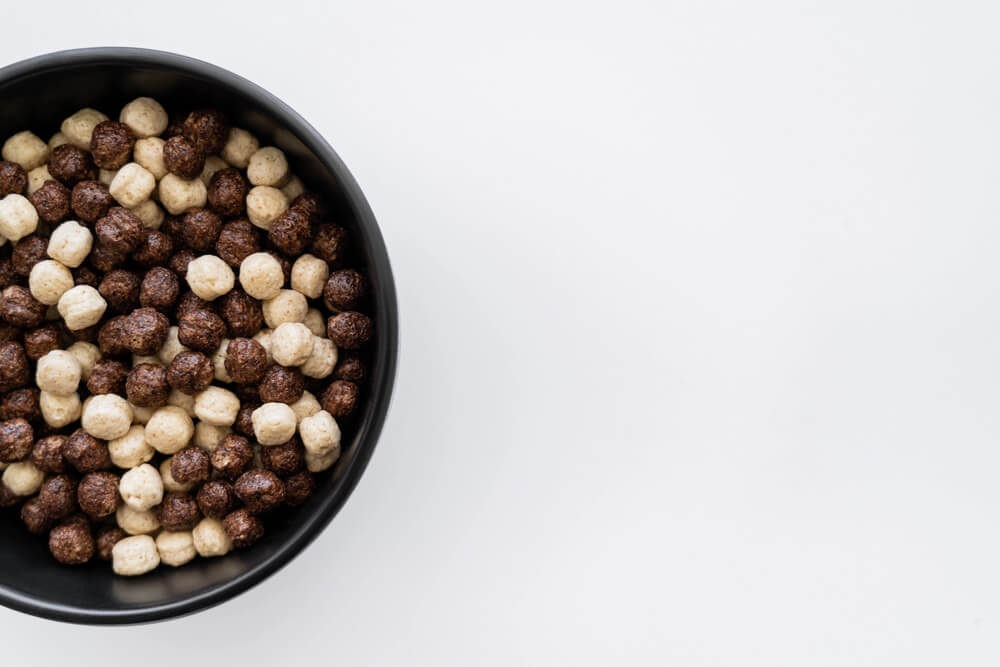
General Mills released Ice Cream Cone cereal in the 1980s, shaped and colored to resemble tiny waffle cones, marketed directly at children drawn to the novelty format. It built a strong short-term following before General Mills discontinued it after a few years on shelves.
It remains one of the more frequently cited examples of a 1980s cereal built entirely around a gimmick that couldn’t sustain long-term sales once the novelty wore off.
Quake Cereal
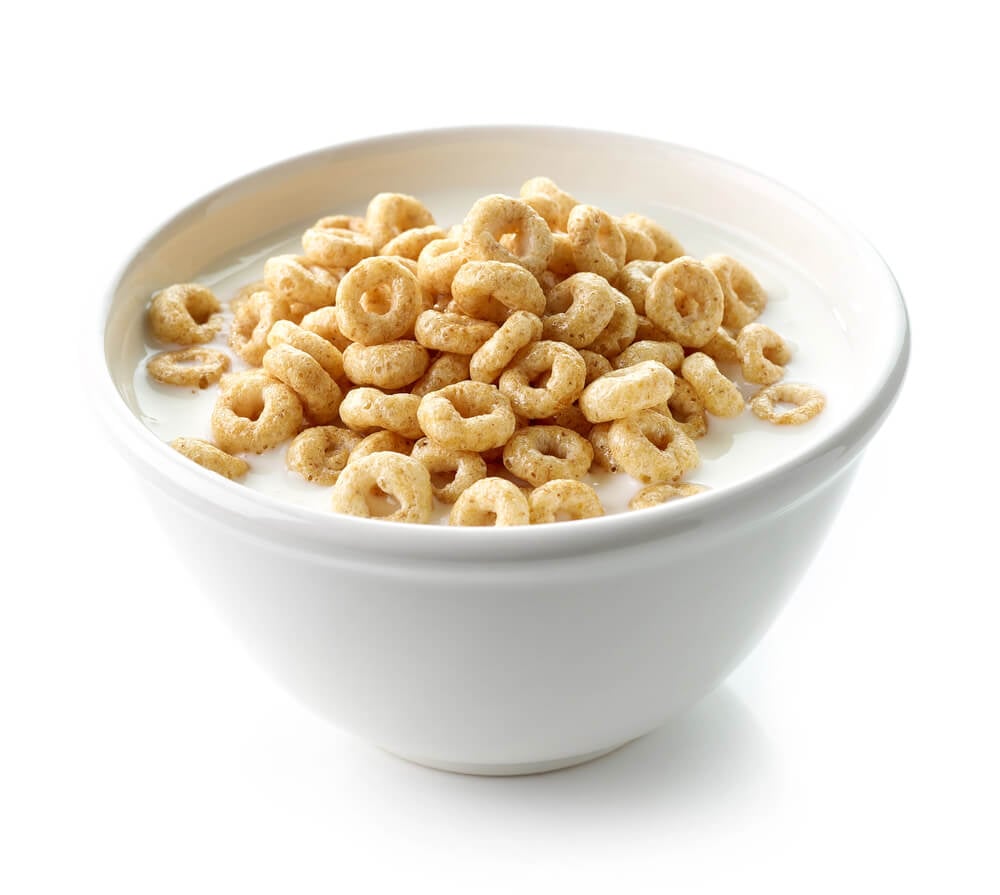
Quaker Oats released Quake cereal alongside its better-known Quisp cereal in 1965, both built around competing mascots in a long-running mock rivalry used in the brand’s advertising. Quake sold consistently weaker than Quisp throughout their shared run, and Quaker discontinued Quake entirely in the 1970s while Quisp continued on in limited distribution for decades after.
Fans of the original ad campaign still occasionally note that Quake lost the in-universe rivalry as thoroughly as it lost the real one.
Magic Middles
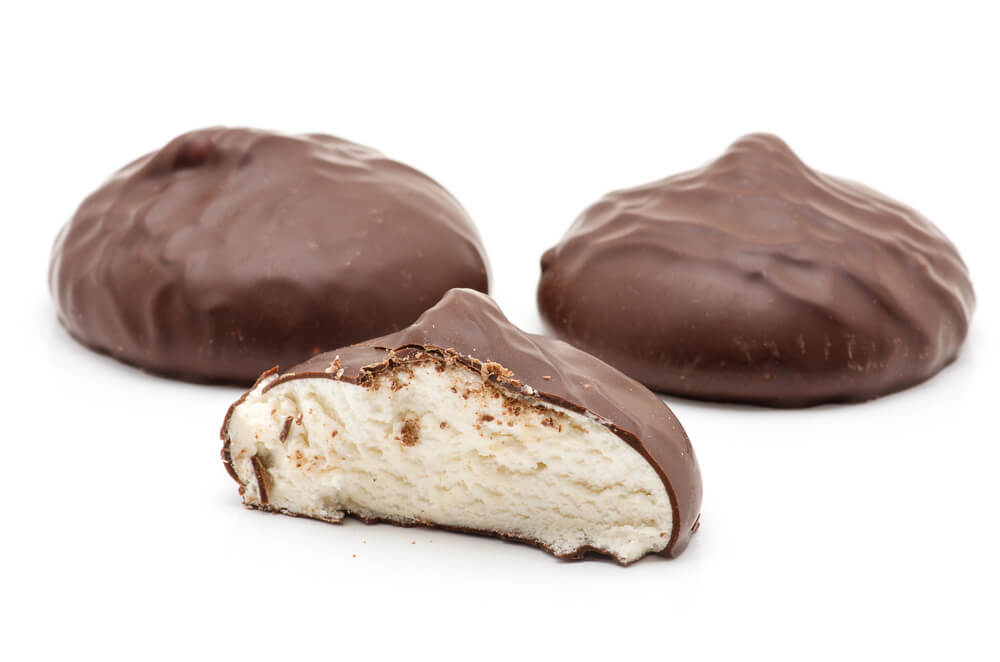
Keebler sold Magic Middles cookies through the late 1980s and into the 1990s, a cookie with a liquid chocolate or peanut butter center sealed inside rather than layered as a filling. The manufacturing process required to keep the center from hardening made the product more expensive to produce than standard cookies, and Keebler discontinued it as production costs outweighed sales.
It remains one of the most frequently requested discontinued cookies in online nostalgia communities.
Zings! Snack Cakes
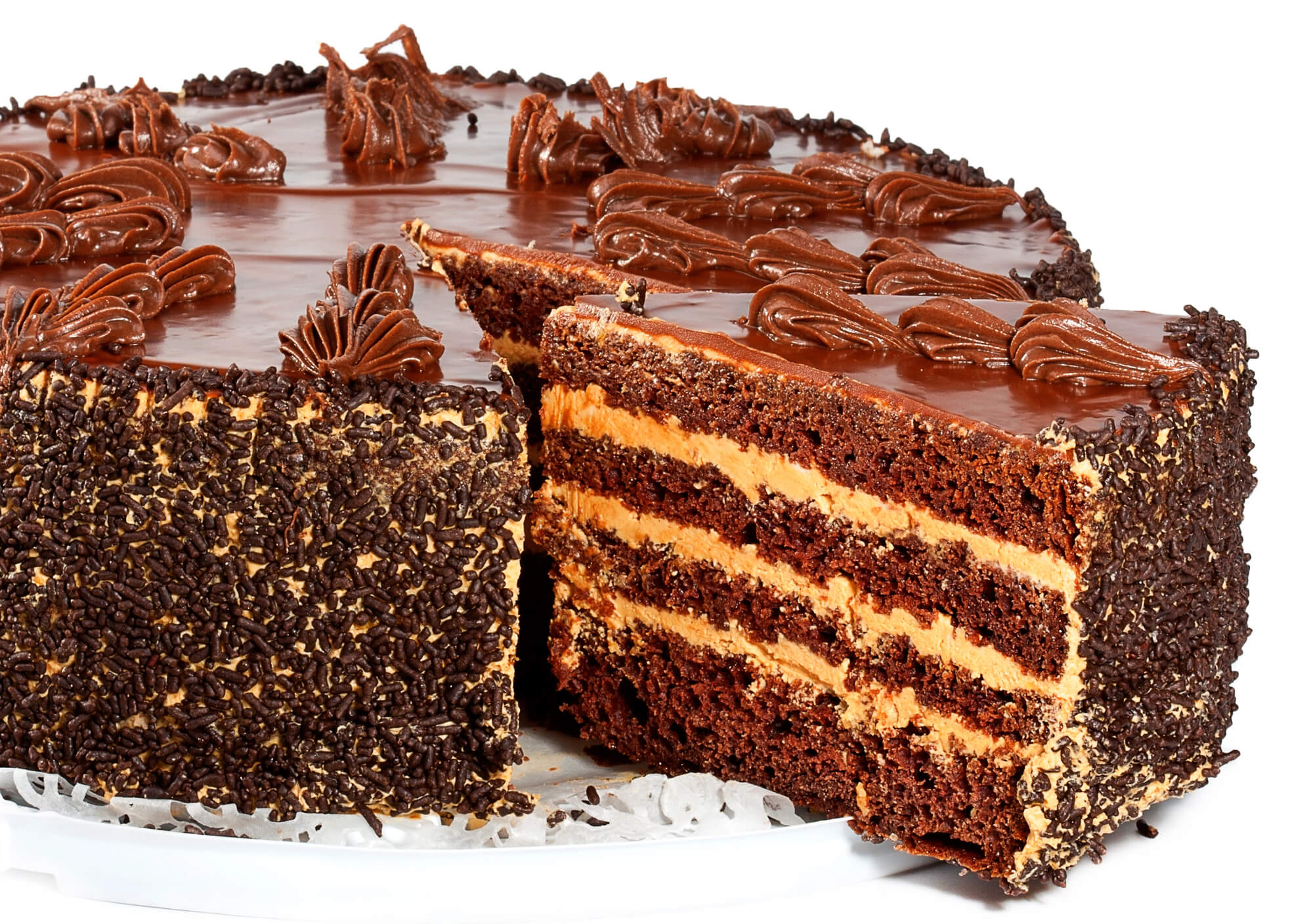
Hostess released Zings! in the early 2000s, a fruit-filled snack cake coated in a hard candy shell that set it apart texturally from the company’s other filled cakes. It built a modest following before Hostess discontinued it in 2003 as the company trimmed its broader snack cake lineup.
It remains a relatively obscure entry even among dedicated Hostess snack historians, overshadowed by longer-running products in the same category.
Hostess Choco Bliss
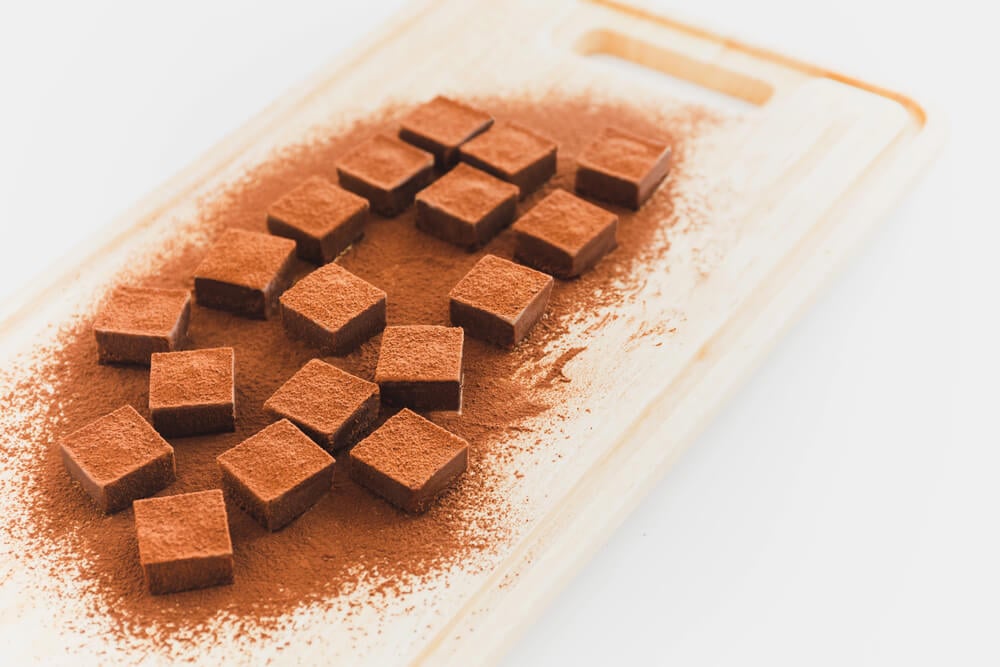
Hostess sold Choco Bliss for a stretch in the 2000s, a chocolate cupcake filled with a rich chocolate cream rather than the vanilla filling used in the company’s standard cupcake line. It never reached the sales levels of Hostess’s more established cupcake products and was discontinued after a few years on shelves.
It surfaces occasionally in discussions of the company’s less successful early-2000s product experiments.
Drake’s Zooks
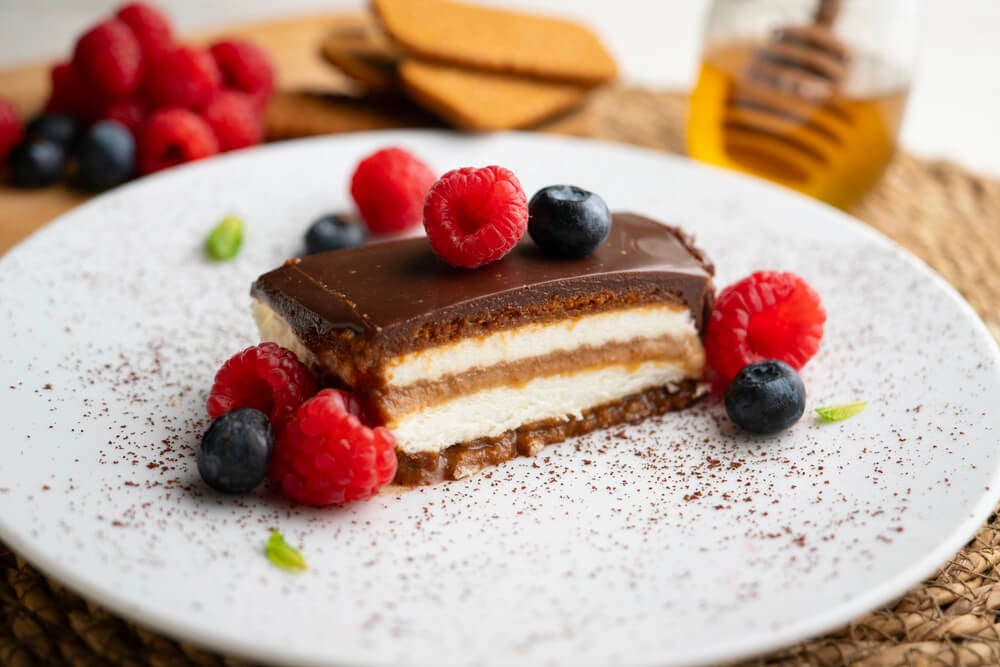
Drake’s sold Zooks for parts of the twentieth century, a fruit-filled snack cake with a distinctive shape and flavor profile compared to the company’s better-known Ring Dings and Devil Dogs. Production of Zooks was discontinued permanently following Hostess’s 2012 bankruptcy restructuring, even as several other Drake’s products eventually returned under new ownership.
It remains one of the Drake’s snack cakes that never made it back to shelves after the brand’s disruption.
Clusters Cereal
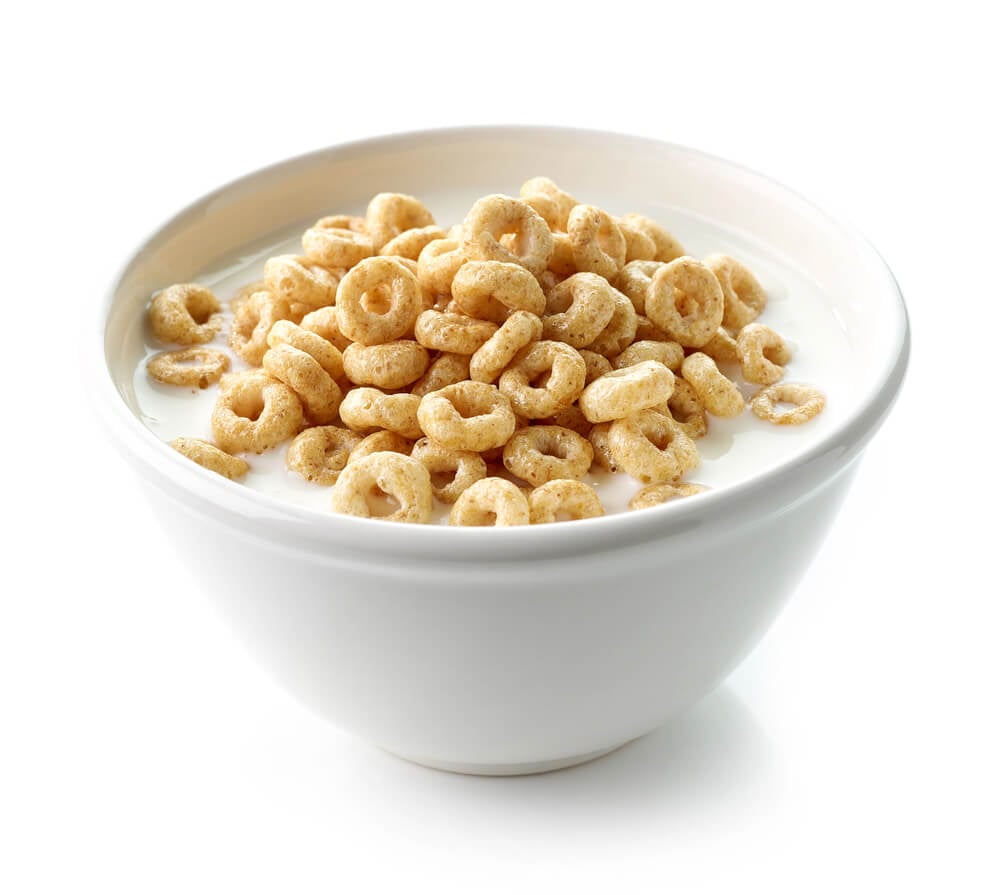
General Mills sold Clusters cereal for decades, a granola-adjacent cereal built around clumped clusters of oats and other grains rather than individual flakes or pieces. It maintained a steady but modest following before General Mills discontinued it in 2010 as the company trimmed its lineup of slower-selling cereals.
Fans who preferred its clustered texture to standard granola have had few direct replacements since.
Grahamy Bears
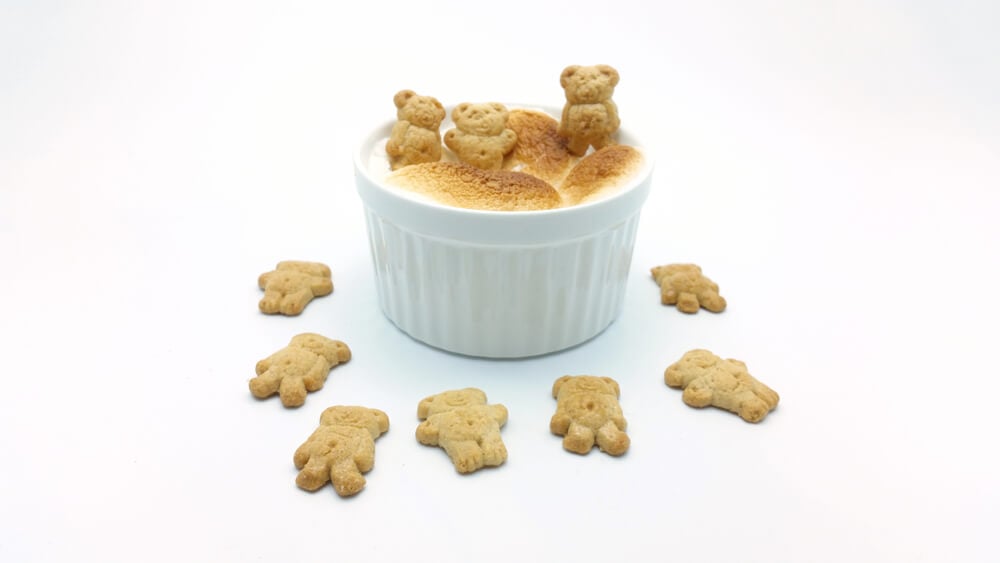
Nabisco sold Grahamy Bears through the 1980s and 1990s, bear-shaped graham cracker snacks marketed as a lunchbox-friendly alternative to standard graham cracker sheets. It built a dedicated following among parents looking for a less messy option than crumbly full-size crackers.
Nabisco discontinued it as the company consolidated its cracker and cookie offerings, and it remains a frequently mentioned entry in graham cracker nostalgia discussions.
Pac-Man Cereal
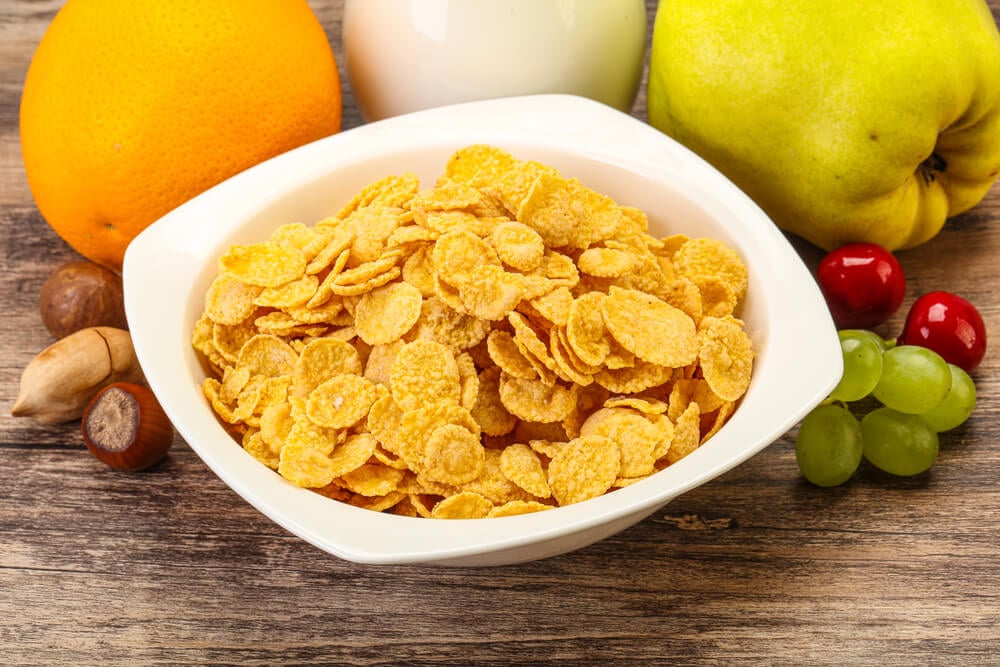
General Mills released Pac-Man cereal in 1983, riding the arcade game’s massive popularity with yellow, ghost-shaped, and fruit-flavored pieces tied directly to the game’s characters. It sold well during the height of Pac-Man mania before interest faded alongside the broader arcade trend, and General Mills discontinued it by the mid-1980s.
It remains one of the most collected examples of vintage video game merchandising among cereal box collectors specifically.
Mr. T Cereal
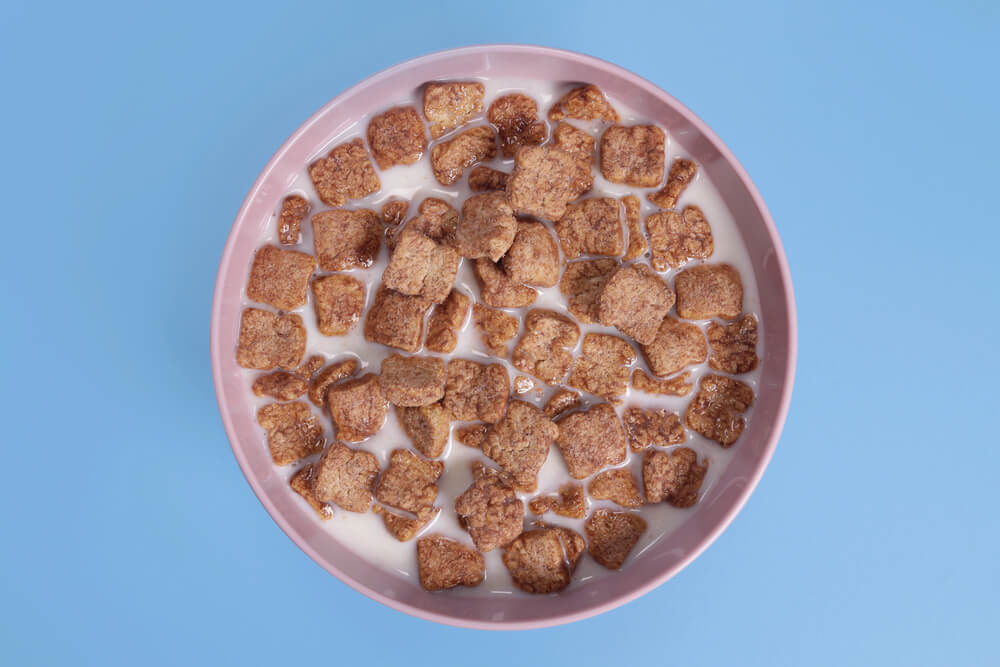
Ralston sold Mr. T cereal starting in 1984, riding the actor’s popularity from The A-Team with sweetened, star- and letter-shaped pieces marketed directly at children watching the show. It sold reasonably well for a couple of years tied to the show’s popularity before Ralston discontinued it as both the show and the broader celebrity-cereal trend cooled off.
It remains a frequently referenced example of 1980s television tie-in marketing aimed squarely at breakfast tables.
C-3POs Cereal
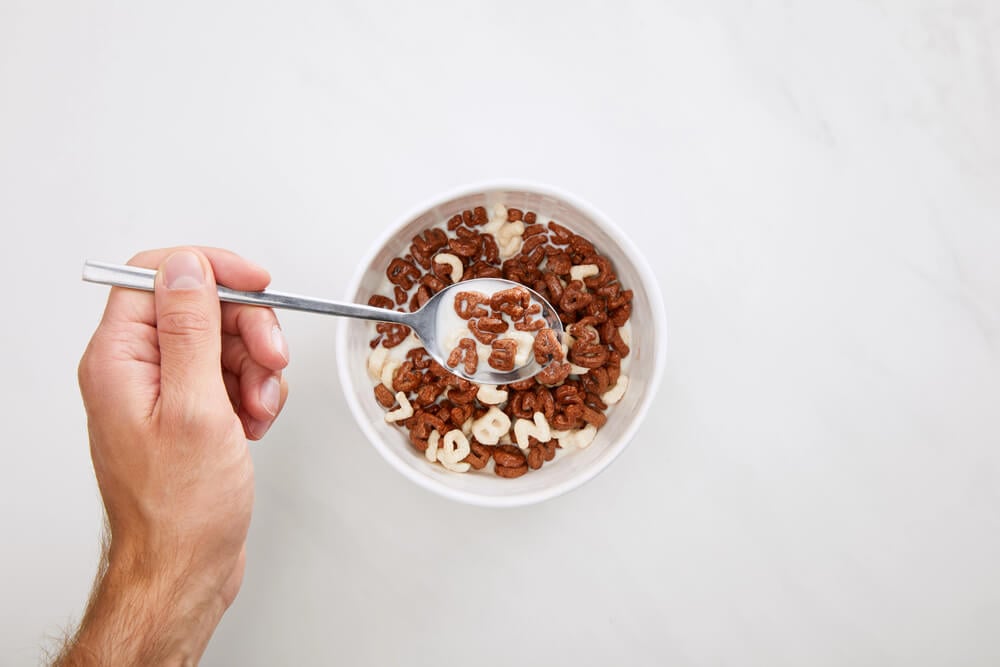
Kellogg’s released C-3POs cereal in 1984, a Star Wars-branded cereal with small ring-shaped pieces named after the droid character despite having no particular resemblance to him. It sold for a few years riding continued interest in the Star Wars franchise before Kellogg’s discontinued it as licensing arrangements shifted.
It remains a heavily collected item among both cereal box collectors and Star Wars memorabilia fans for the same reason.
OJ’s Cereal
Kellogg’s introduced OJ’s cereal in the early 1980s, an orange-flavored cereal marketed around a fictional sports team mascot playing off the cereal’s citrus flavor and the football references common in advertising of the era. It sold modestly before Kellogg’s discontinued it after a relatively short run.
It remains one of the more obscure entries in Kellogg’s cereal history, remembered mainly by dedicated cereal collectors rather than casual nostalgia audiences.
The Half-Life of a Snack

Most of the products on this list didn’t fail outright. They sold reasonably well for years, sometimes decades, before getting squeezed out by a company decision that had more to do with manufacturing costs, shelf space, or a shifting corporate strategy than with whether people still wanted to buy them.
That distinction matters, because it’s the difference between a flop nobody misses and a discontinued item that keeps generating requests at customer service counters years later. What makes snack food nostalgia particularly persistent is how tied it is to a specific age and a specific kitchen.
A cereal or cookie discontinued when someone was ten years old stays locked to that memory permanently, immune to whatever replaced it on the shelf afterward, which is exactly why so many of these names keep resurfacing in conversation long after the last box left a warehouse.
More from Go2Tutors!

- The Romanov Crown Jewels and Their Tragic Fate
- 13 Historical Mysteries That Science Still Can’t Solve
- Famous Hoaxes That Fooled the World for Years
- 15 Child Stars with Tragic Adult Lives
- 16 Famous Jewelry Pieces in History
Like Go2Tutors’s content? Follow us on MSN.



