17 Train Designs That Never Made It to the Tracks
The history of rail transportation brims with innovation, ambition, and occasional folly. Behind the locomotives that transformed our world lies a fascinating shadow history of designs that never carried a single passenger or ton of freight—despite the brilliant minds and substantial investments behind them.
Here is a list of remarkable train concepts that remained confined to blueprints, prototypes, and the imaginations of their creators.
Atmospheric Railways

Engineers in the 1840s developed systems using vacuum tubes to propel trains—without onboard engines or steam power. Atmospheric pressure would push vehicles along after air was pumped out of sealed tubes running alongside tracks.
The concept worked brilliantly in demonstrations but failed catastrophically in real-world conditions when leather seals deteriorated from weather exposure.
Bennie Railplane
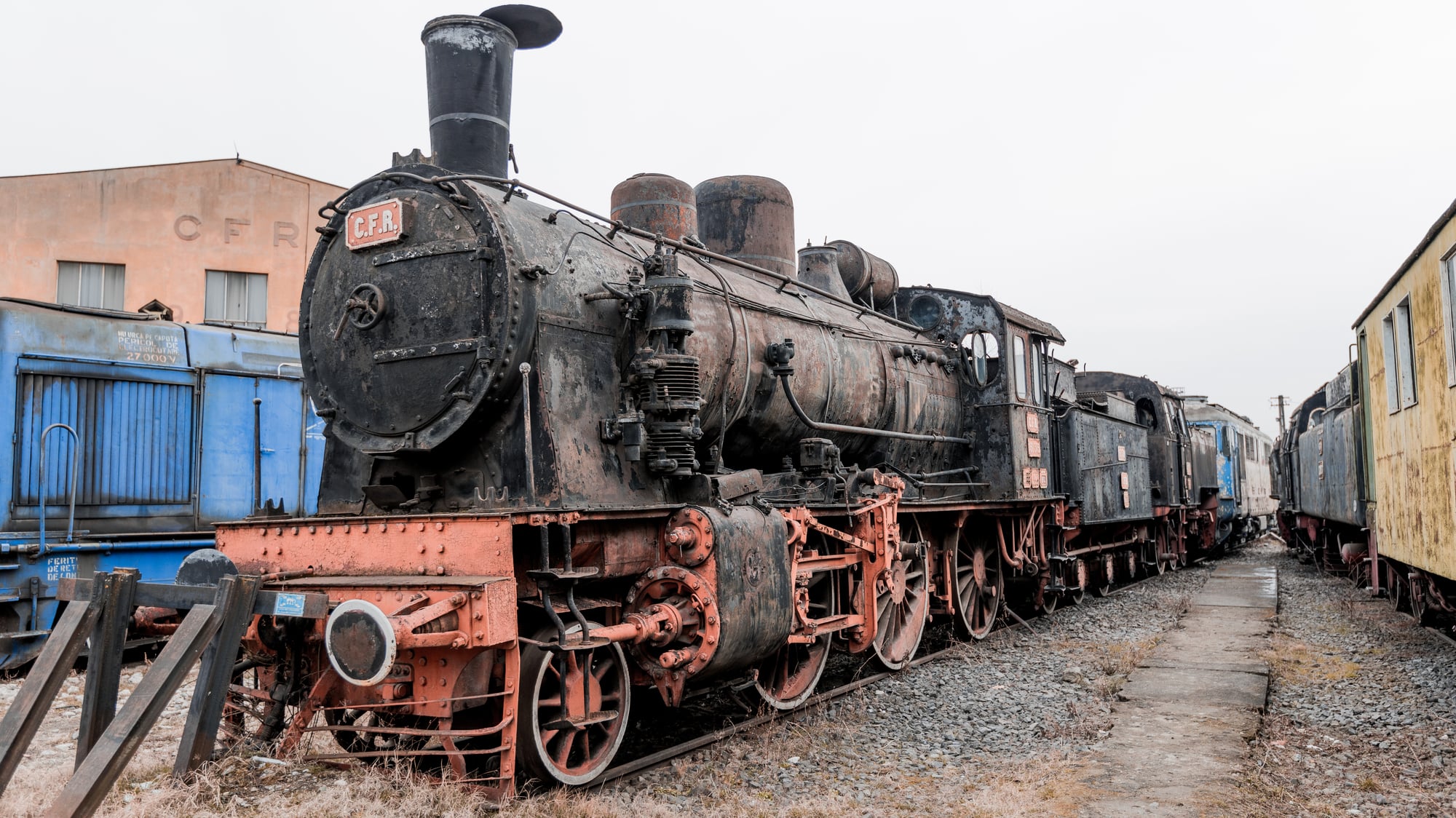
When traditional trains could only reach half that speed, George Bennie’s 1930 propeller-powered monorail system, which suspended streamlined carriages beneath raised rails, promised speeds of 120 mph. A test track constructed close to Glasgow dazzled onlookers with its aircraft-inspired layout.
During the Great Depression, funding dried up. Before being demolished in 1956, the only prototype rusted away.
Brennan Monorail
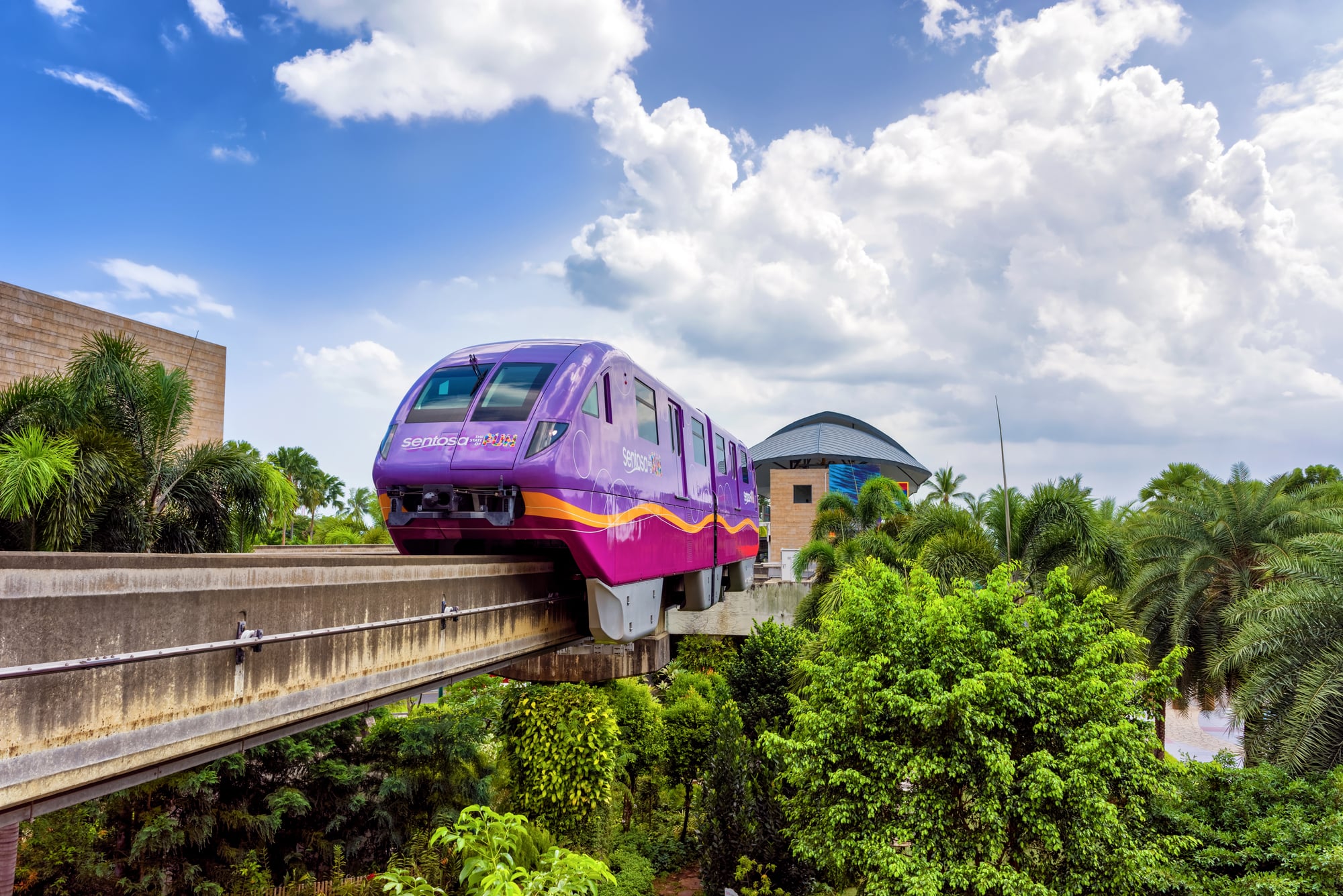
Louis Brennan created a remarkable balancing monorail that used gyroscopes to maintain stability—allowing single-rail operation without complex suspension systems. His 1909 demonstration at the Japan-British Exhibition astonished crowds when the vehicle remained upright even with passengers shifting to one side.
Military applications seemed promising until a fatal crash during testing derailed investment in the technology.
Nuclear-Powered Locomotives
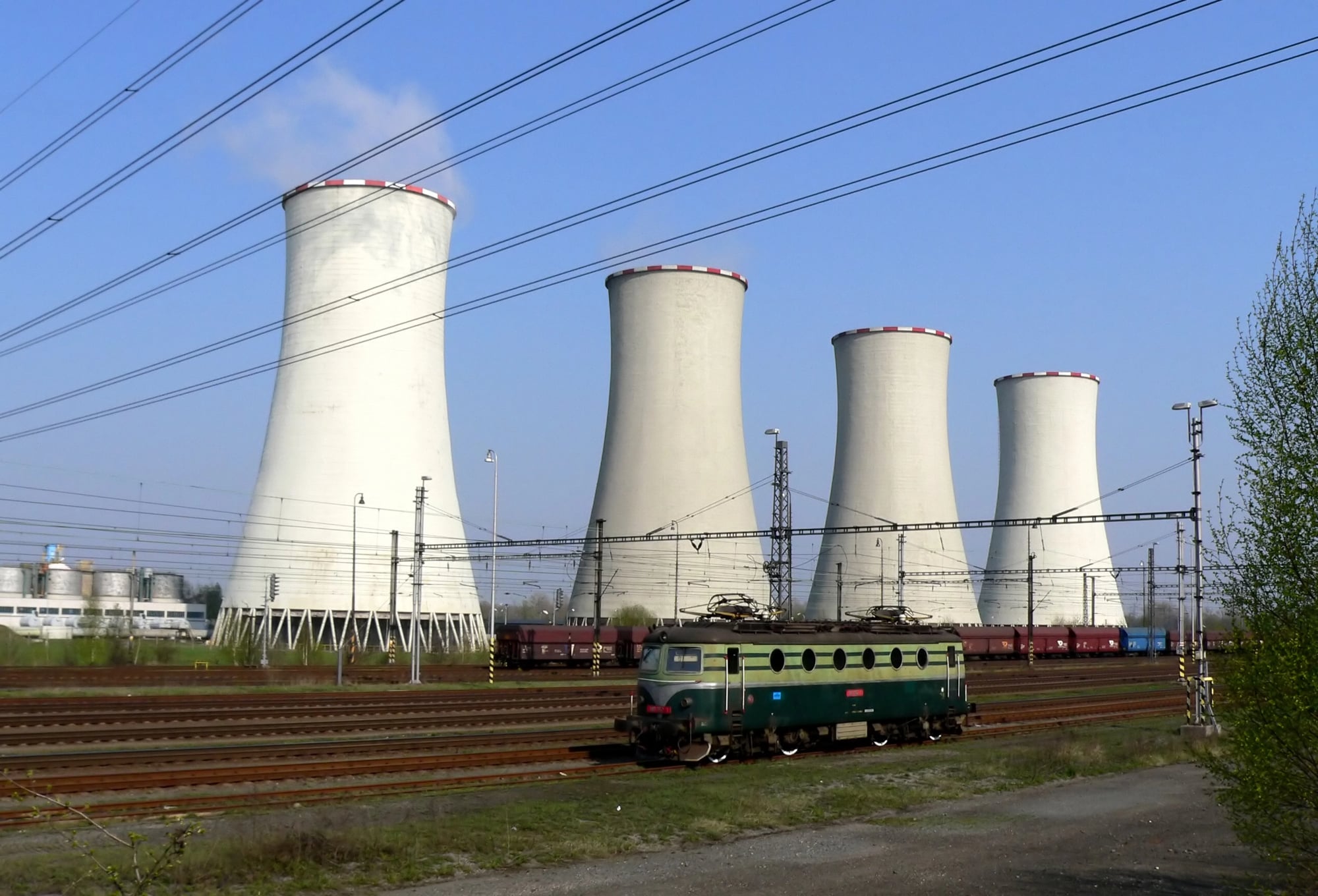
The X-12 nuclear locomotive program aimed to harness atomic energy for unlimited range—eliminating the need for refueling stops or overhead electrification. Engineers designed heavily shielded reactors and radiation containment systems during the optimistic atomic age of the 1950s.
Practical concerns about accident risks, shielding weight, and public opposition ultimately directed nuclear power toward more stationary applications.
Schienenzeppelin

Franz Kruckenberg’s streamlined “rail zeppelin” used a massive airplane propeller for propulsion—achieving a record-breaking 143 mph during 1931 tests on German tracks. The sleek, aluminum-bodied vehicle represented cutting-edge aerodynamic design combined with railway practicality.
Safety concerns about the exposed propeller blades and the mechanical impracticality of connecting multiple units eventually grounded this innovative hybrid.
Boynton Bicycle Railway
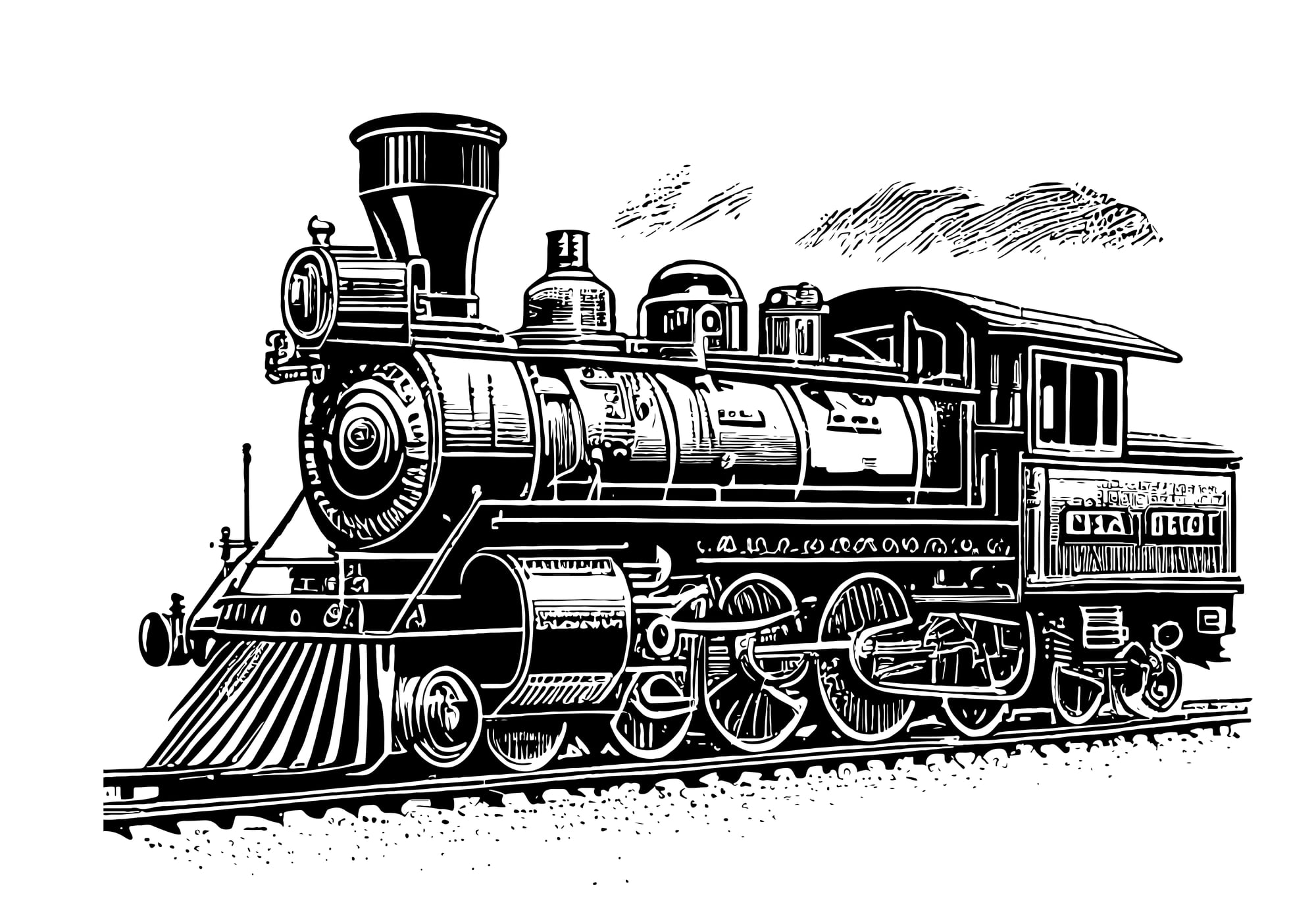
By designing a bicycle-like configuration with stabilizing wheels running along elevated guide rails, inventor Eben Moody Boynton created a unique single-rail system that promised increased stability at high speeds. A Brooklyn demonstration line in 1892 ran well as a novelty attraction for a number of years.
Despite its technological advantages, the system was not widely adopted because of competition from well-established conventional railways.
Hotchkiss Bicycle Railroad

Another bicycle-inspired design placed conventional two-wheeled vehicles on specially adapted rails—allowing rapid conversion between road and rail travel. This 1890s system offered the intriguing possibility of seamless transportation between destinations without changing vehicles.
Economic downturns and the eventual rise of automobiles relegated this clever hybrid system to transportation footnotes rather than revolutionizing travel.
Tracked Hovercraft

British engineers developed an innovative transportation system combining magnetic levitation with hovercraft principles—promising virtually frictionless travel at aircraft-like speeds. The experimental RTV 31 vehicle achieved promising results during limited testing in the early 1970s.
Government funding cuts abruptly terminated the project despite its technical promise, leaving engineers to wonder what might have been.
Reno Monorail

William Reno designed an electric monorail system specifically for urban environments—featuring elegant carriages suspended below streamlined guideways that minimized visual impact. His working prototype was operated privately in 1912 with plans for citywide deployment throughout New York.
Competing transit companies blocked implementation through political maneuvering despite the system’s demonstrated advantages in congested areas.
Sky Train
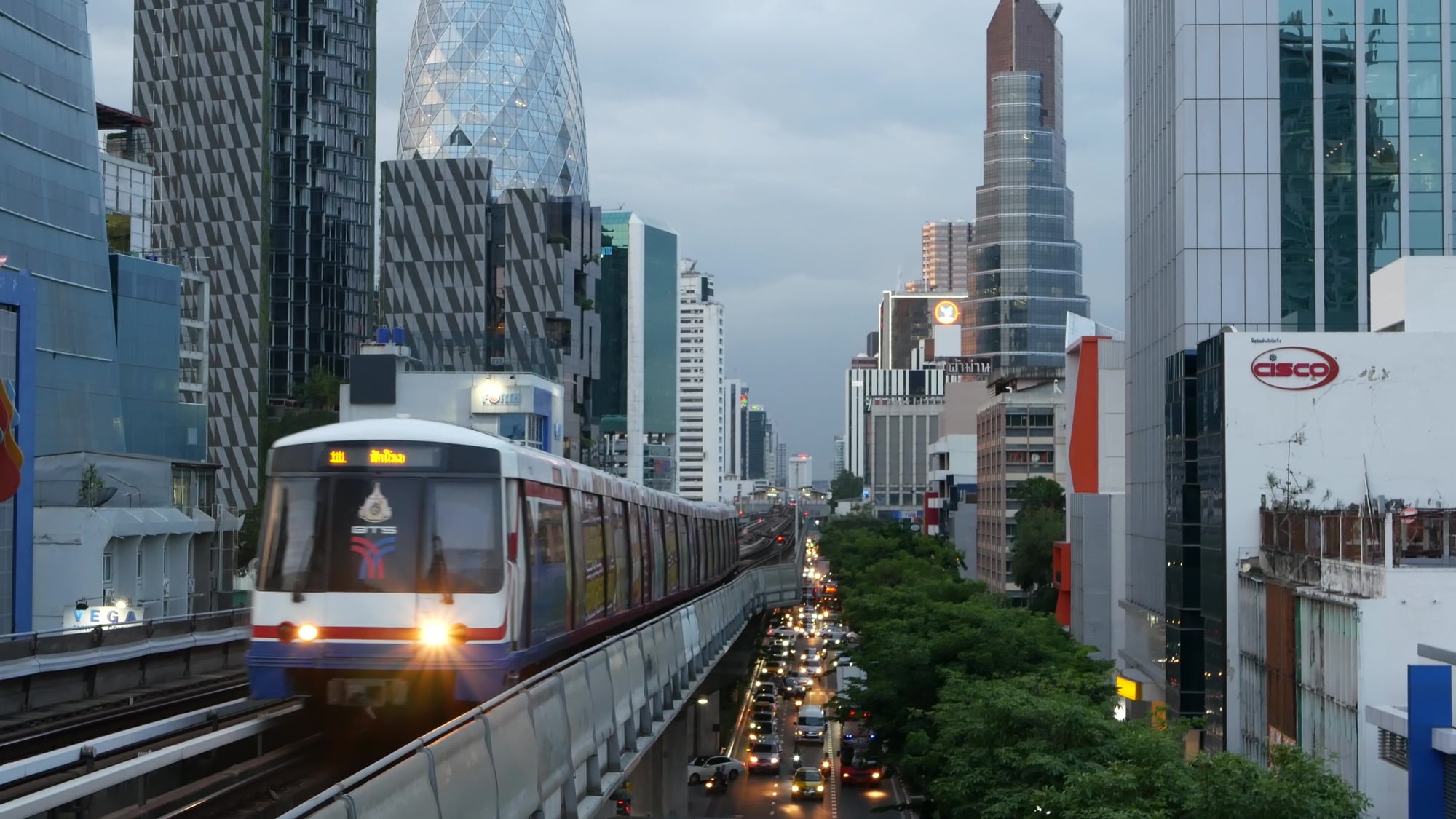
Joseph Archer’s elevated rail concept featured suspended carriages hanging from overhead rails—designed to eliminate grade crossings while minimizing ground-level footprints. Early prototypes demonstrated during the 1950s showed promising operational characteristics for urban applications.
The high initial infrastructure costs compared to conventional transit systems prevented wide-scale adoption despite the concept’s space-saving advantages.
Gravity Vacuum Tube Transit
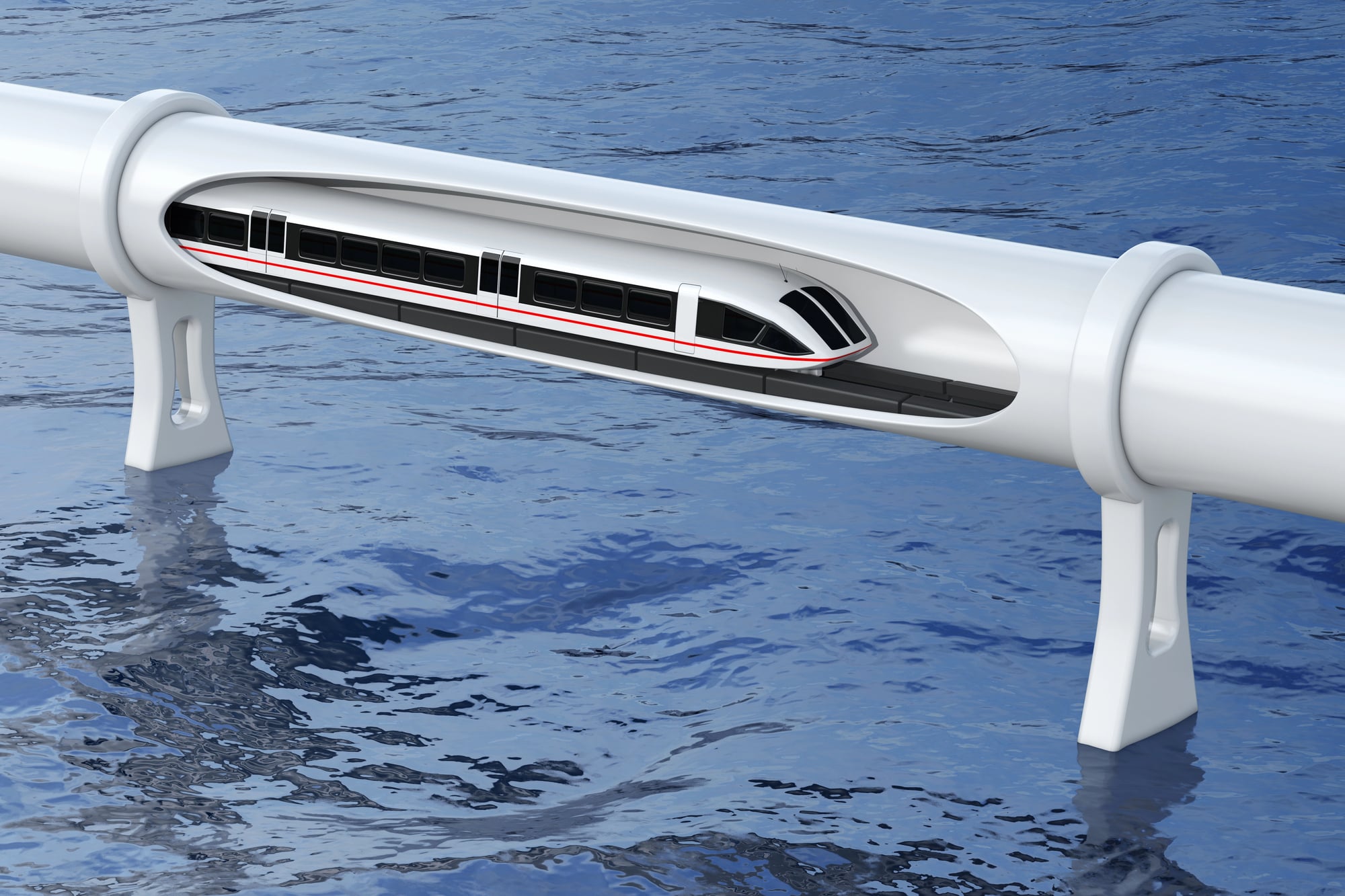
Early visionaries proposed underground tubes using gravity assistance for acceleration—with vehicles descending into tunnels before being propelled by the resulting kinetic energy. Theoretical calculations suggested tremendous efficiency advantages compared to conventional powered systems.
The immense civil engineering challenges and safety concerns prevented practical implementation despite the elegant physical principles involved.
Meigs Elevated Railway

Joe Meigs developed a unique elevated system using stabilized single-rail technology—featuring carriages that straddled a central guide rail while maintaining balance through clever weight distribution. A functioning quarter-mile demonstration track operated in Cambridge, Massachusetts, during the 1880s.
Financial panics and entrenched railway interests prevented further development despite successfully addressing many urban transportation challenges.
Suspended Monorail Networks
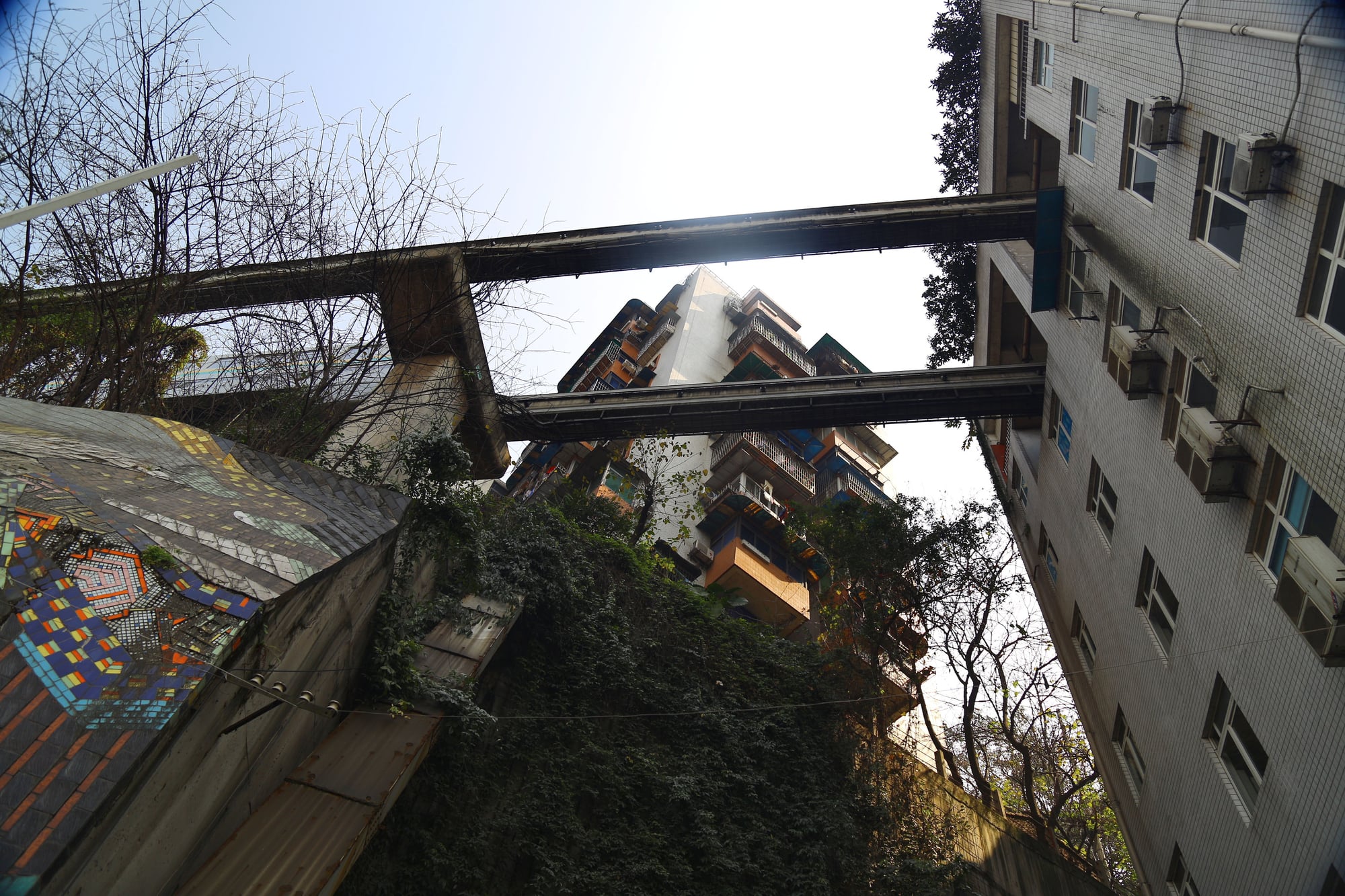
Various inventors proposed citywide networks of suspended monorails connecting buildings directly—allowing passengers to travel between destinations without descending to street level. Several limited demonstrations appeared at world’s fairs and expositions around 1900 to public fascination.
The massive infrastructure requirements and architectural integration challenges proved insurmountable despite the obvious convenience advantages.
Lartigue Monorail
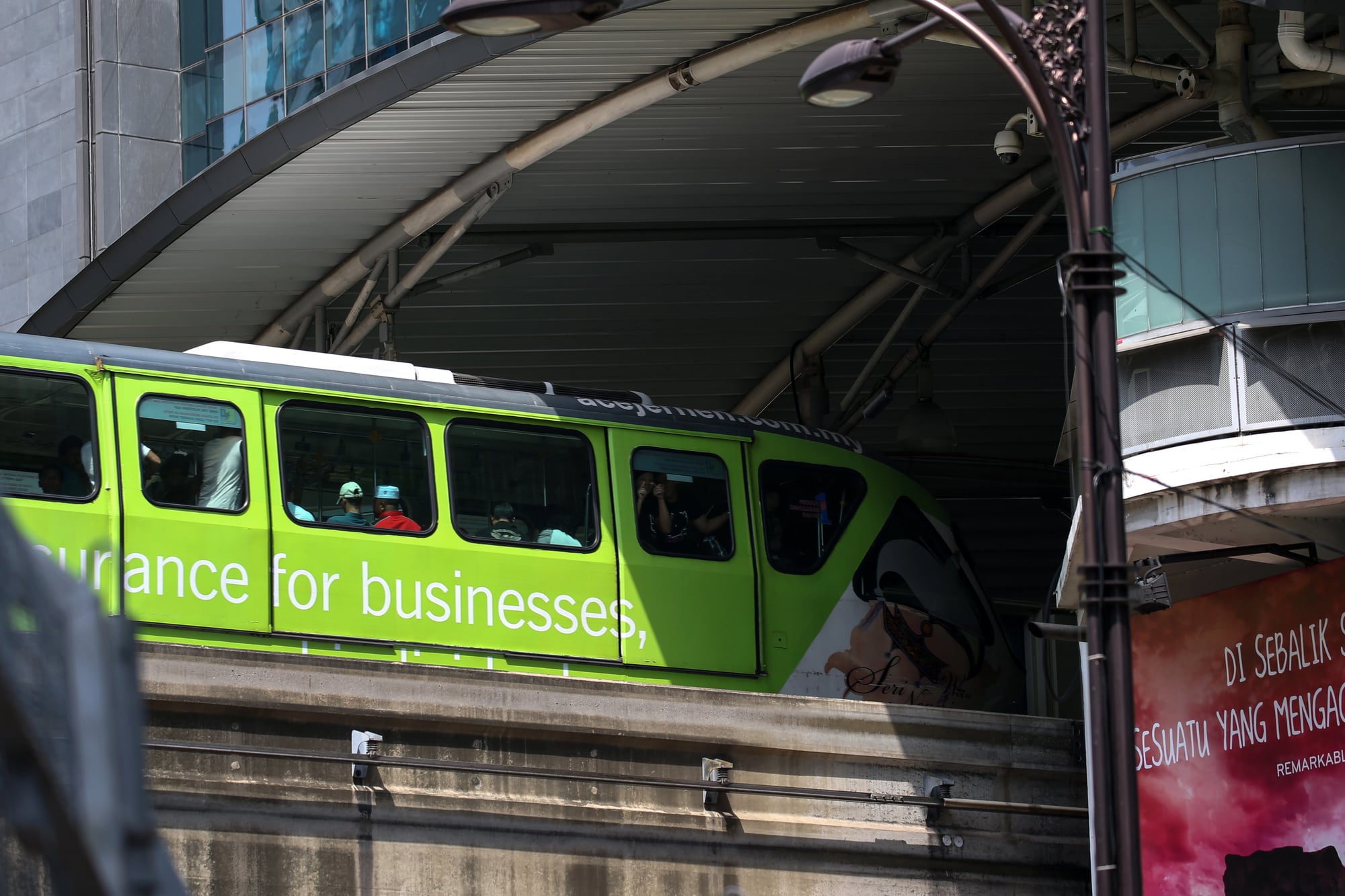
Charles Lartigue created a balanced monorail system with loads distributed evenly on either side of a central rail—inspired by camels carrying balanced packs across desert regions. A commercial line operated successfully in Ireland from 1888 to 1924, proving the concept’s viability.
The system’s inability to accommodate conventional railway connections and complex switching mechanisms limited its expansion despite operational success.
Coal Dust Turbine Locomotives

Engineers developed locomotive designs using pulverized coal dust in turbine engines—promising the efficiency of diesel with the lower fuel costs of coal. Prototypes demonstrated in the 1940s showed promising performance characteristics compared to conventional steam locomotives.
Technical challenges with coal dust handling, turbine blade erosion, and the rapid advancement of diesel technology rendered these hybrid designs commercially unviable.
Poulsen Magnetic Levitation
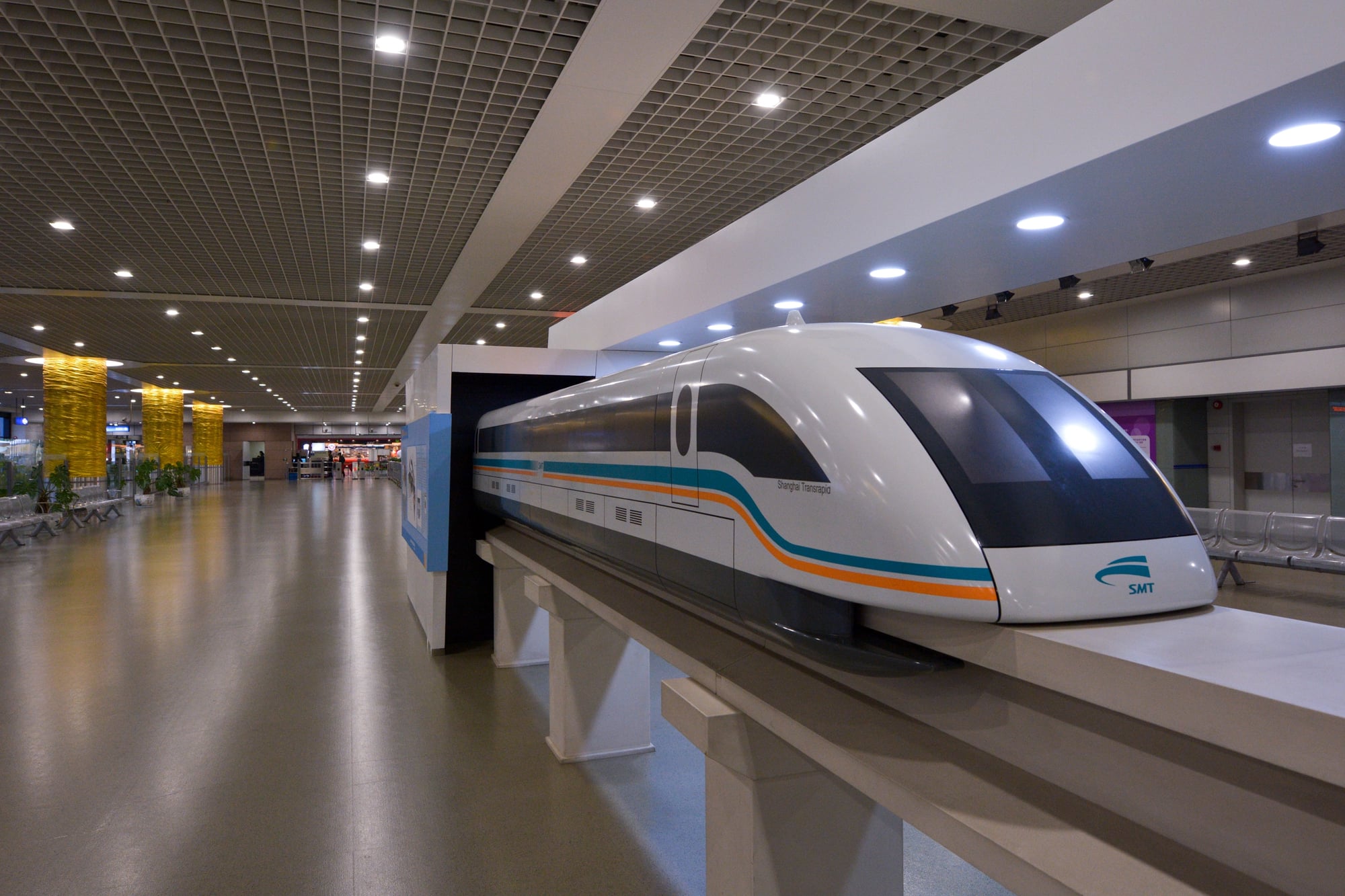
Danish inventor Poul Poulsen created an early magnetic levitation system using permanent magnets—eliminating the need for complex electronic controls or superconducting systems. His 1930s laboratory demonstrations showed how vehicles could hover above rails without physical contact.
The limited lifting capacity of conventional magnets and the need for extraordinarily precise tolerances prevented commercial development until modern electronic controls emerged decades later.
Roadable Rail Vehicles

Several manufacturers developed dual-mode vehicles capable of traveling on both roads and railways—requiring only minutes to transition between modes. Functional prototypes appeared during the 1950s, offering flexibility for areas with limited rail infrastructure.
The compromises required for dual-system compatibility resulted in vehicles that performed adequately in both environments but excelled in neither, limiting commercial appeal.
Compressed Air Locomotives
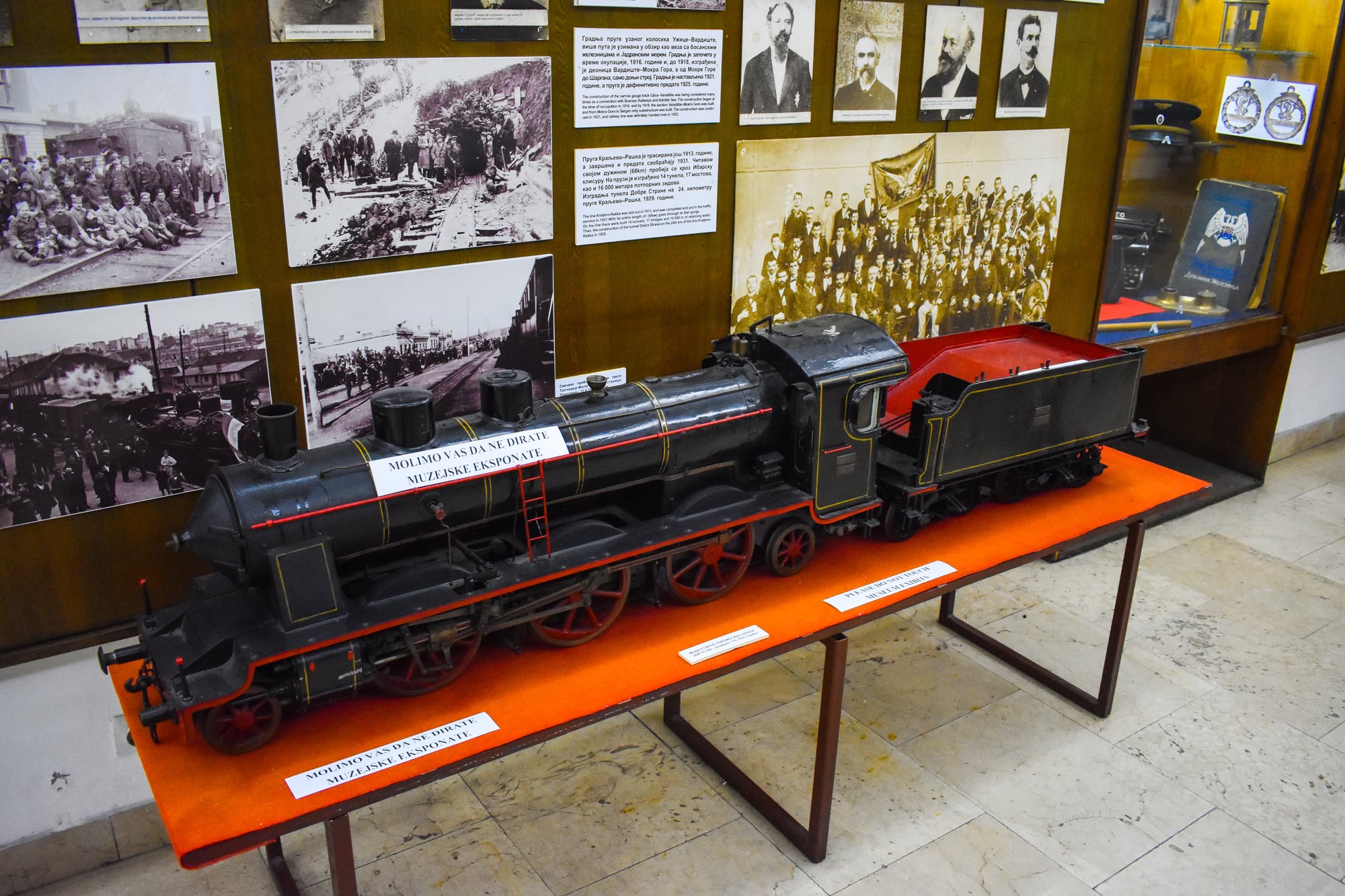
Engineers created locomotive designs powered entirely by compressed air stored in large reservoirs—offering zero-emission operation decades before environmental concerns became prominent. Working examples operated in mining applications and special environments where combustion engines posed hazards.
The limited range between recharging stations and relatively low power output restricted these pioneering green machines to niche applications despite their environmental advantages.
Innovation’s Winding Track

These unrealized train designs represent far more than mere transportation curiosities. They embody the relentless human drive to improve, innovate, and reimagine possibilities even within established technologies.
While conventional railways ultimately dominated global transportation networks, these conceptual detours provided valuable engineering lessons that continue influencing modern high-speed rail, magnetic levitation, and urban transit systems. Their legacy reminds us that even unsuccessful innovations push the boundaries of what becomes possible in the next generation.
More from Go2Tutors!

- 16 Historical Figures Who Were Nothing Like You Think
- 12 Things Sold in the 80s That Are Now Illegal
- 15 VHS Tapes That Could Be Worth Thousands
- 17 Historical “What Ifs” That Would Have Changed Everything
- 18 TV Shows That Vanished Without a Finale
Like Go2Tutors’s content? Follow us on MSN.