Toys That Defined Every 1980s Childhood
Growing up in the 1980s meant your toy box was a shrine to plastic excess, neon colors, and batteries. Before smartphones turned everyone into zombies and gaming consoles became photorealistic, kids played with things that beeped, transformed, or came with their own birth certificates.
The decade churned out some of the most memorable playthings in history, and if you were there, you remember the absolute chaos of Christmas morning when Cabbage Patch Kids were involved. Here’s what made the 1980s the golden age of toys.
Cabbage Patch Kids

Nobody fights over toys anymore, not like they did in 1983. Parents legitimately brawled in store aisles over these soft-bodied dolls with their signature dimpled faces and yarn hair.
Each one came with adoption papers and a unique name, which somehow made children feel like they were rescuing an actual baby from a cabbage patch instead of buying mass-produced merchandise. The genius behind Cabbage Patch Kids was the individuality factor.
No two dolls looked exactly alike, so your neighbor’s Cabbage Patch Kid named Felicity Gertrude was different from your own Tracy Lynn. The dolls generated nearly two billion dollars in sales during the decade, and stores had to implement allocation systems because demand was so intense.
People traveled miles just to track one down, and the resulting store riots actually inspired an HBO documentary about the madness. Original artist Martha Nelson Thomas created the concept, though her idea got stolen before Coleco Industries turned the dolls into a cultural phenomenon.
The adoption certificate angle worked brilliantly because kids genuinely believed they were becoming parents to these fabric creatures.
Rubik’s Cube
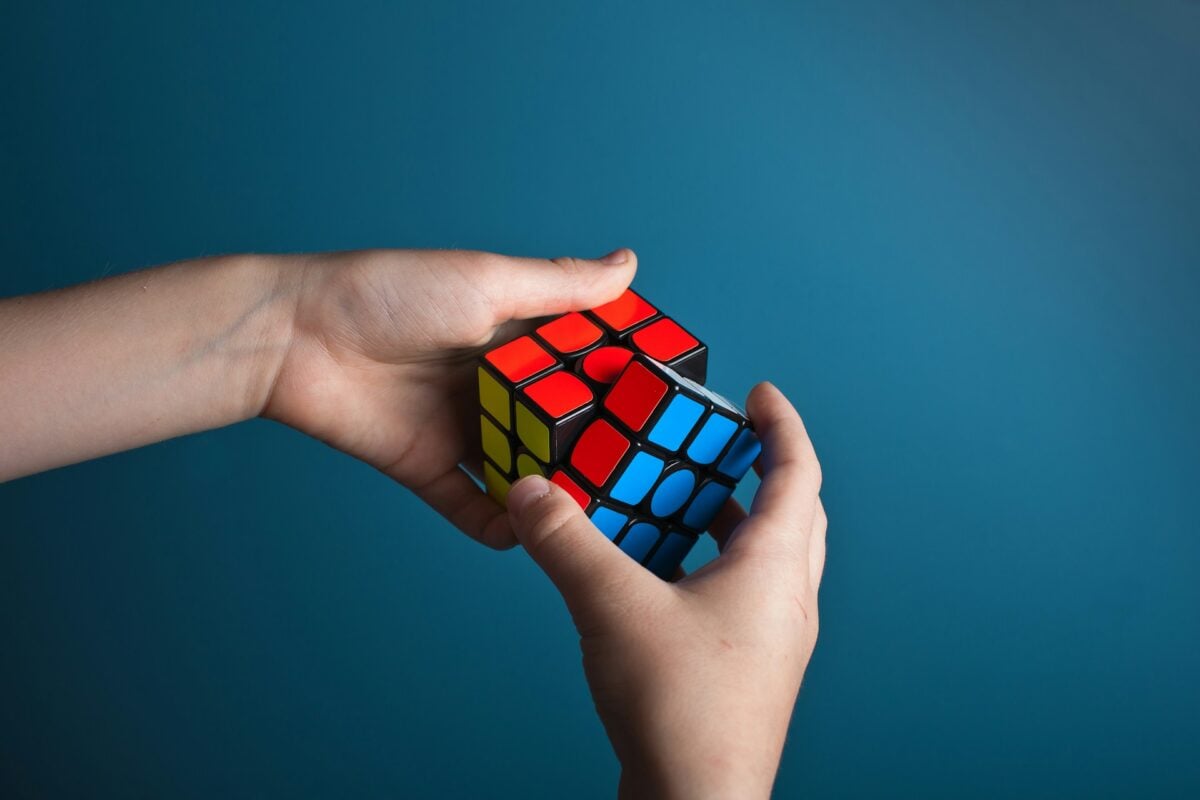
Hungarian professor Ernő Rubik invented this three-dimensional puzzle in 1974, but the rest of the world didn’t get their hands on his brain-melting creation until 1980. Within a year, the cube became one of the most popular gifts for all ages, and by Christmas shopping season, everyone was trying to solve the color-matching puzzle that seemed deceptively simple.
The Rubik’s Cube sold over 450 million units worldwide, making it the bestselling puzzle game and toy in history. Most people never actually solved the thing without cheating.
They’d peel off the stickers or follow step-by-step guides, but completing the cube legitimately felt like joining an elite club of geniuses. The toy became a status symbol for nerds everywhere.
Sales have spiked again recently thanks to kids on social media flipping cubes around and making older generations feel inadequate. Some things never change.
Transformers
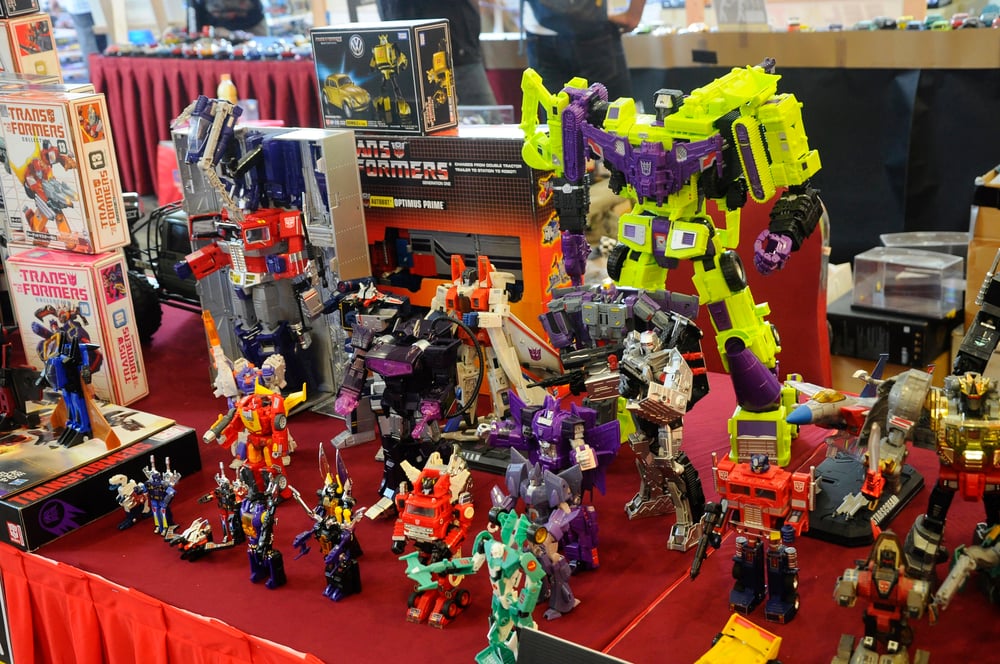
Hasbro took Japanese toy lines called Diaclone and Microman, slapped some new branding on them, and launched Transformers in 1984. The concept was simple but brilliant – robots that transformed into vehicles and back again.
Optimus Prime and Megatron became the standard setters for the entire line, representing the eternal battle between Autobots and Decepticons. The animated series that debuted in September 1984 turned these action figures into icons.
Kids everywhere wanted Castle Grayskull– wait, wrong franchise. Kids wanted Optimus Prime’s truck form and Megatron’s controversial handgun mode, though the latter got changed to a tank in later versions because turning into a realistic weapon raised some eyebrows internationally.
Marvel Comics jumped on board with an 80-issue run that kept the story going until 1990. Between the show, the comics, and the toys themselves, Transformers became an unstoppable force that proved robots in disguise were more than meets the eye.
He-Man and Masters of the Universe

Mattel created this action figure line in 1982, and the muscular hero with his exaggerated thighs became the poster child for 1980s toy masculinity. He-Man, his nemesis Skeletor, and their fellow warriors ruled toyboxes with epic battles over Castle Grayskull, which came with a built-in microphone so kids could shout “I have the power!” and feel like they were actually part of the action.
The animated series ran for two years as a Saturday morning staple, and the show’s popularity drove toy sales through the roof. Minicomics came packaged with the figures, which later expanded into full-length comics and several animated productions.
The toys mixed science fiction with fantasy in a way that felt fresh, and the setting of Eternia gave kids a whole universe to explore. Some parents worried the show was teaching children about sorcery and witchcraft, which only made the toys cooler for kids who wanted to rebel against boring grown-up concerns.
Today, rare figures like the Savage He-Man in good condition sell for over a thousand dollars.
Teddy Ruxpin
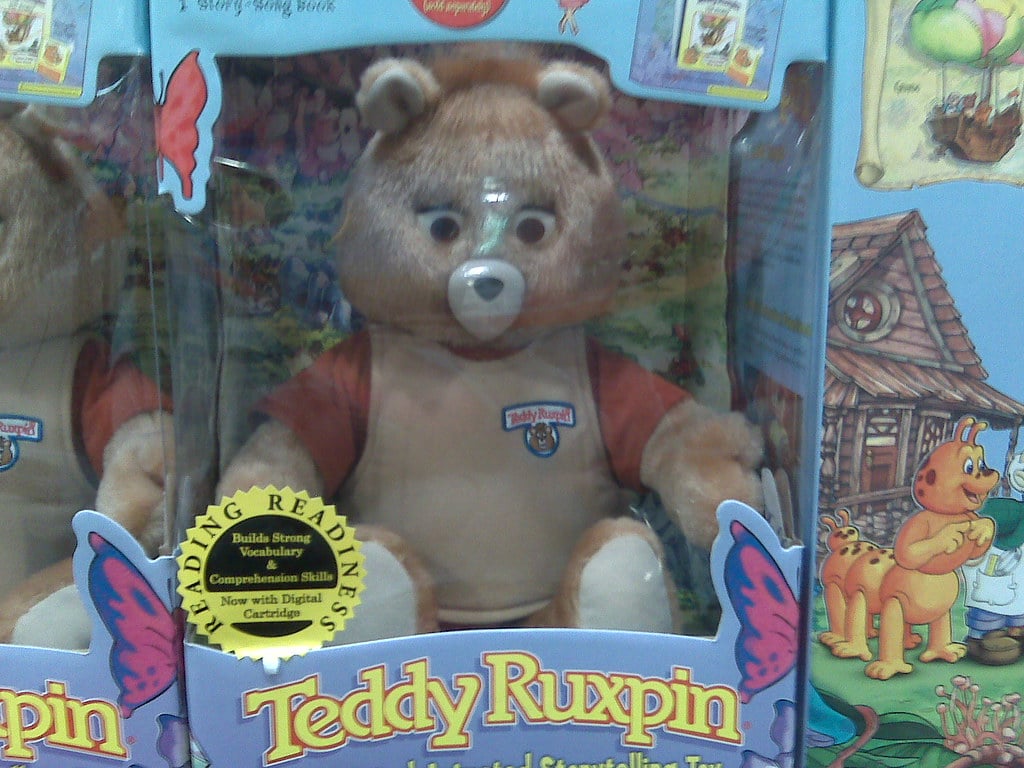
The bestselling toys of 1985 and 1986 was an animatronic teddy bear with a cassette player built into its back. Teddy Ruxpin talked, his eyes and mouth moved along with the stories and songs, and he could switch between 13 different languages.
Before Furbies terrorized children in the 1990s, Teddy Ruxpin pioneered the talking toy market. Phil Baron voiced the character, the same singer and songwriter who later provided the voice of Piglet on Disney’s live-action Welcome to Pooh Corner.
The toy was so successful that manufacturer Worlds of Wonder was leasing jets to fill them with plush bears when they realized demand had skyrocketed beyond their projections. Teddy Ruxpin represented cutting-edge technology at the time, and kids loved having a companion who could read them bedtime stories.
The toy got rereleased in recent years, but at over 200, nostalgia comes at a steep price.
Atari 2600
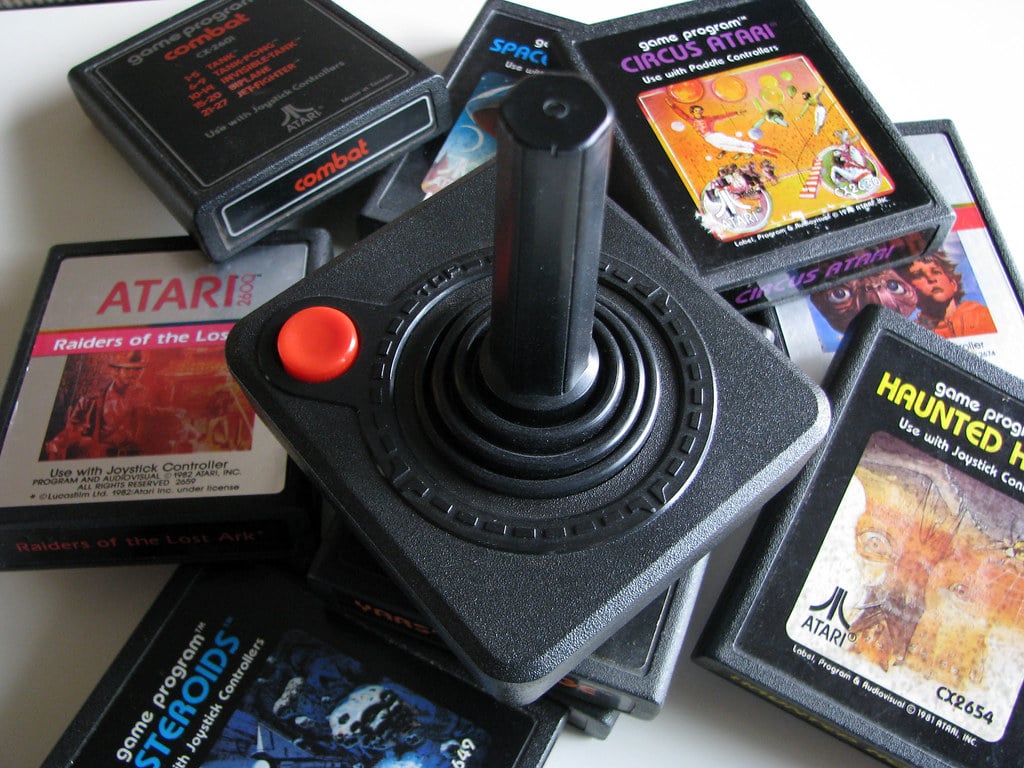
Released in 1977 but gaining massive popularity throughout the 1980s, the Atari 2600 brought arcade games into living rooms. Pac-Man, Donkey Kong, Pitfall!, and E.T. the Extra-Terrestrial became household names because kids could finally play them without pumping quarters into machines at pizza parlors.
The Atari paved the way for every video game console that followed, shaping the gaming landscape as we know it. Having arcade-style games on your Christmas list in 1980 was a total win, and the system remained popular throughout the decade despite the infamous video game crash of 1983.
The Atari 2600+ launched in November 2023, proving that retro gaming enthusiasts still worship this console as the godfather of home gaming systems. Teachers everywhere started confiscating Game Boys in class by the end of the decade, but before that handheld revolution, the Atari ruled supreme.
My Little Pony

Colorful ponies with flowing manes and unique cutie marks on their flanks galloped into toy stores in the early 1980s. Each pony had a distinct personality, and the collectible nature of the line meant kids wanted every single character.
The toys came with fashionable Pony Wear outfits and various accessories that turned playtime into an elaborate fashion show. Films and animated series followed the toys, cementing My Little Pony as one of the defining franchises of the decade.
The brand has endured through multiple generations, with parents who grew up brushing their ponies’ synthetic hair now buying the same toys for their own children. The original 1980s ponies hold a special place in collectors’ hearts, and vintage sets in good condition fetch impressive prices online.
The pastel color palette and whimsical names like Twilight and Firefly defined a certain aesthetic that screamed mid-1980s childhood.
Care Bears
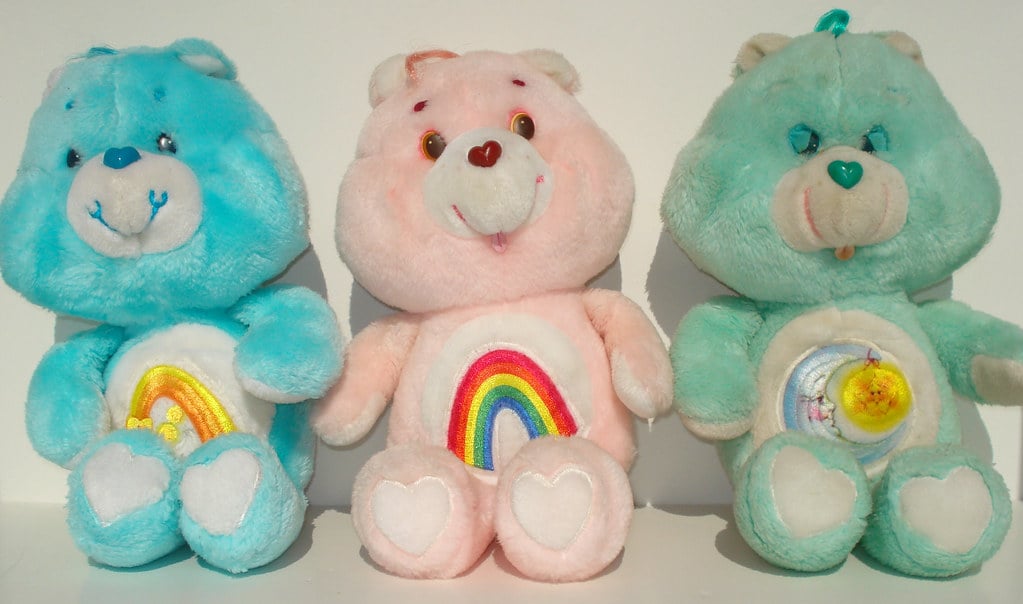
American Greetings originally drew these fuzzy characters to adorn greeting cards before Kenner turned them into plush toys in 1983. Each bear had a personality reflected by the belly badge they wore – Tenderheart Bear spread love, Grumpy Bear spread grumpiness, and Funshine Bear spread sunshine.
The concept was aggressively wholesome. Multiple animated Care Bears films hit theaters throughout the decade, and a television series kept the characters relevant to new audiences.
By 1985, all ten original bears – Cheer Bear, Bedtime Bear, Birthday Bear, Wish Bear, Tenderheart Bear, Good Luck Bear, Love-A-Lot Bear, Friend Bear, Funshine Bear, and Grumpy Bear – were starring in major Canadian-American movies. The toys taught kids about emotions and kindness in a way that felt natural rather than preachy.
Care Bears represented everything soft and comforting about 1980s childhood, and the franchise continues producing new content to this day.
Pound Puppies

These floppy-eared plush dogs came in cardboard rescue crates for adoption, complete with adorable droopy eyes and big ears. For 30 dollars plus an additional $3.50 for a name tag, kids could adopt their own Pound Puppy and avoid the mess of owning a real dog.
Inventor Mike Bowling pitched the product to 14 companies before Tonka finally bit. By 2016, he estimated there were three times as many Pound Puppies in America as actual dogs, which says something about how wildly popular these stuffed animals became.
The adoption angle made kids feel responsible and compassionate, though unlike real puppies, these never needed walks or destroyed furniture. Animated films and television series accompanied the toys, and the franchise became synonymous with 1980s plush animal culture.
Each puppy came with its own adoption certificate, similar to Cabbage Patch Kids, because apparently, every toy needed official documentation in the 1980s.
Teenage Mutant Ninja Turtles

The radical pizza-loving heroes jumped from comics to cartoons in 1987, and action figures followed immediately after. Leonardo, Donatello, Raphael, and Michelangelo became the defining rebel team of the late 1980s, and the toys were initially among the hardest to find in stores.
Adults struggled to pronounce the name, let alone understand why mutant reptiles trained in martial arts were eating pizza and fighting crime from the sewers. Kids didn’t care about logic – they wanted the Retromutagen Ooze slime that supposedly transformed the turtles into mutants.
Playmates Toys introduced the line in 1988 and continued producing over 400 figures through 1997. The turtles represented counterculture cool with their surfer-dude dialogue and colorful bandanas.
Each turtle had a distinct personality and weapon, so kids could identify with their favorite. Cowabunga became part of the lexicon, and turtle mania dominated the late 1980s and early 1990s.
Star Wars Action Figures
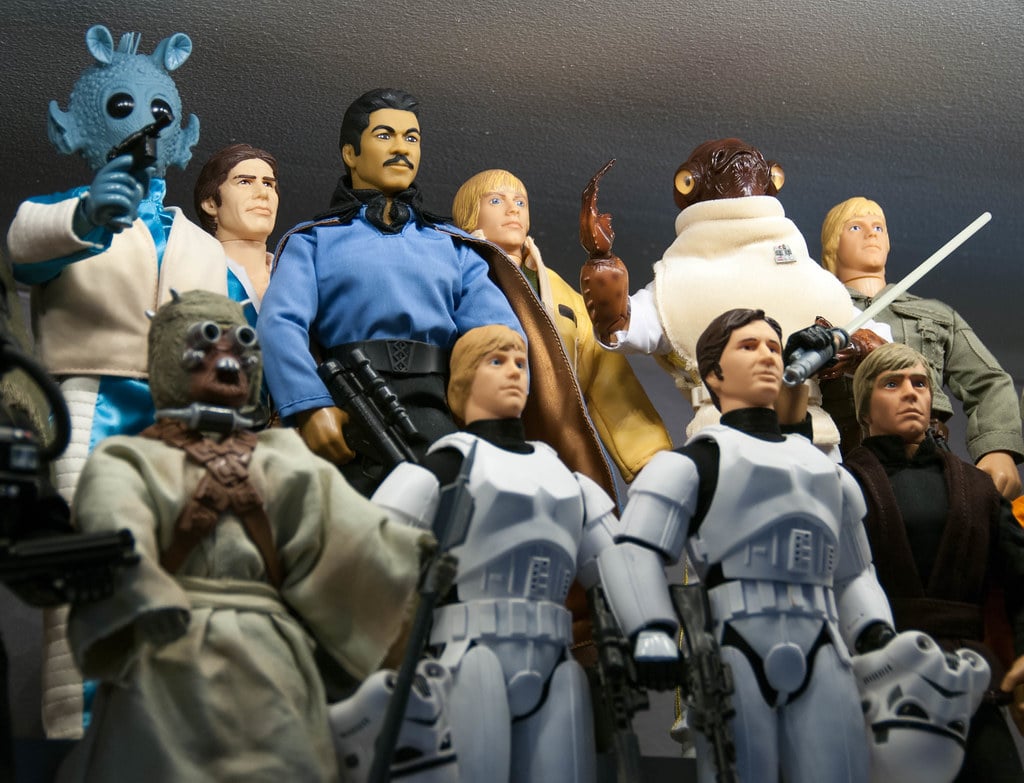
George Lucas’s space opera premiered in 1977, but Star Wars toys continued dominating the 1980s toy market. Kenner released figures of Luke Skywalker, Princess Leia, Chewbacca, and R2-D2 in 1978, and demand for these action figures never died down throughout the following decade.
R2-D2, as possibly the most iconic droid in Star Wars history, remained a top seller. His instantly recognizable shape and cute design made him the perfect nerdy collectible to display on a shelf.
Kids loved bringing their favorite movie characters home for playtime, and Star Wars proved that movie tie-in toys could be enormously profitable. The franchise spawned countless playsets, vehicles, and accessories throughout the 1980s.
Even after The Empire Strikes Back and Return of the Jedi finished the original trilogy, kids kept buying the figures and creating their own adventures in galaxies far, far away.
Simon
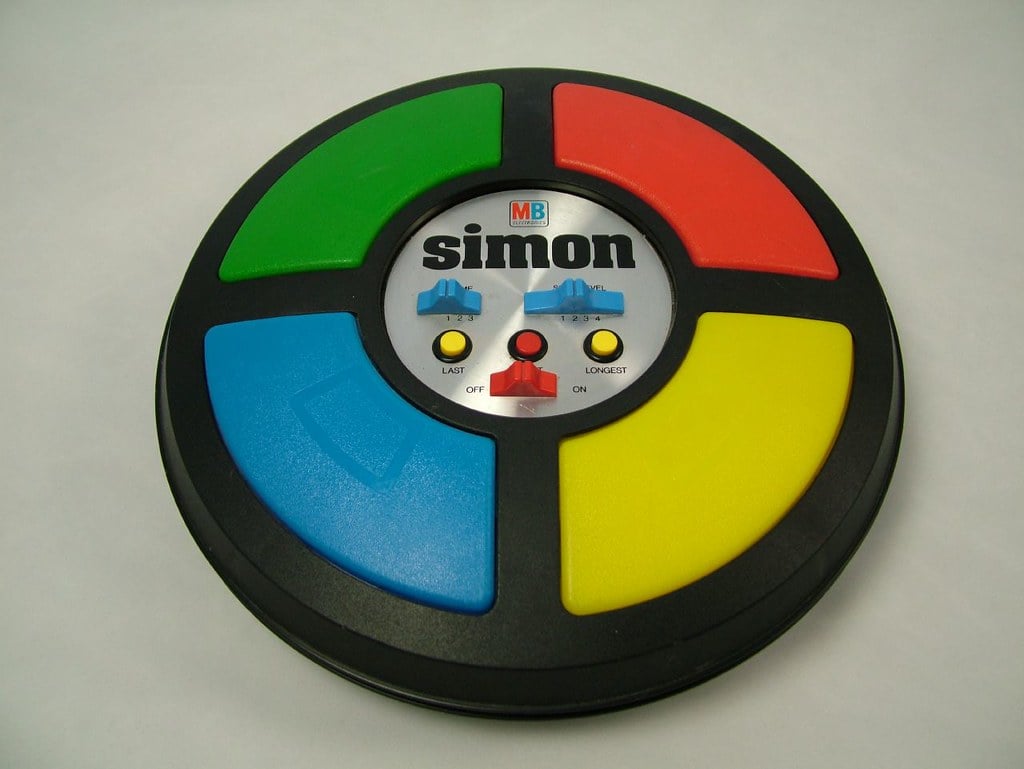
Milton Bradley released this electronic memory game in 1978, but Simon reached peak popularity during the 1980s. The circular device had four colored buttons that lit up and beeped in sequence, and players had to repeat the pattern exactly or suffer the humiliating raspberry sound of failure.
Simon debuted at Studio 54 in New York City, which remains one of the most bizarre product launches in toy history. The game sold for about 25 dollars in 1978 (equivalent to around 104 dollars today) and became an instant hit.
By the end of 1982, more than 10 million copies had been sold, and the toy became a pop culture symbol of electronic gaming. The game was named after Simon Says and inspired by an Atari arcade game called Touch Me.
Inventor Ralph Baer, who received the first video game patent in 1971 for designing the Magnavox Odyssey, created Simon while working at a Chicago toy design firm. The device tested your memory and reflexes while making you feel like an idiot when you inevitably pressed the wrong button.
Game Boy
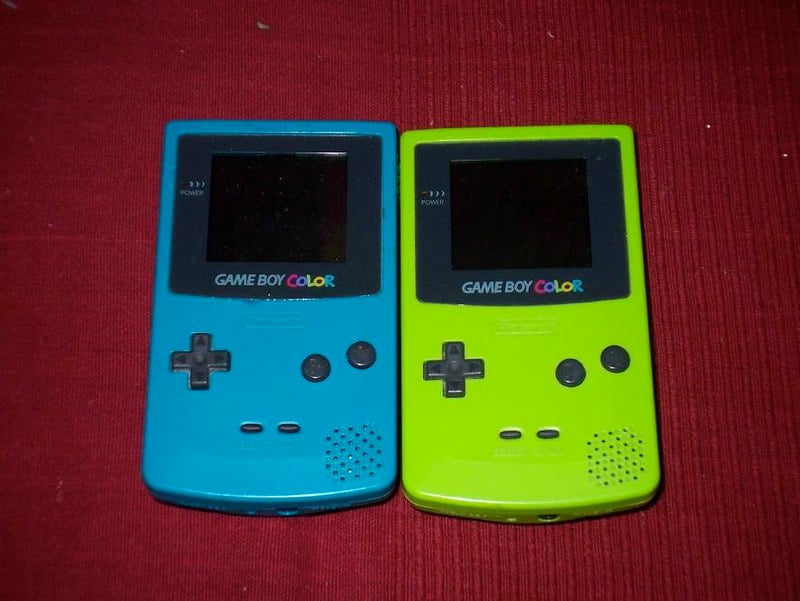
Nintendo released the original Game Boy in April 1989, forever changing portable entertainment. Tetris and Super Mario Land came preloaded or available as cartridges, and suddenly kids could play video games anywhere.
The monochrome screen and bulky design seem primitive now, but at the time, the Game Boy represented the future. Teachers started confiscating Game Boys in class almost immediately because students couldn’t resist sneaking in a quick round of Tetris during math lessons.
The device made video games truly portable for the first time, and kids could trade games and compete with friends using the link cable. Nintendo has released renewed models for nostalgia-hungry adults, and the original Game Boy remains one of the most important handheld gaming devices ever created.
The 1980s ended with this revolutionary piece of technology, setting the stage for the portable gaming explosion of the 1990s.
LEGO
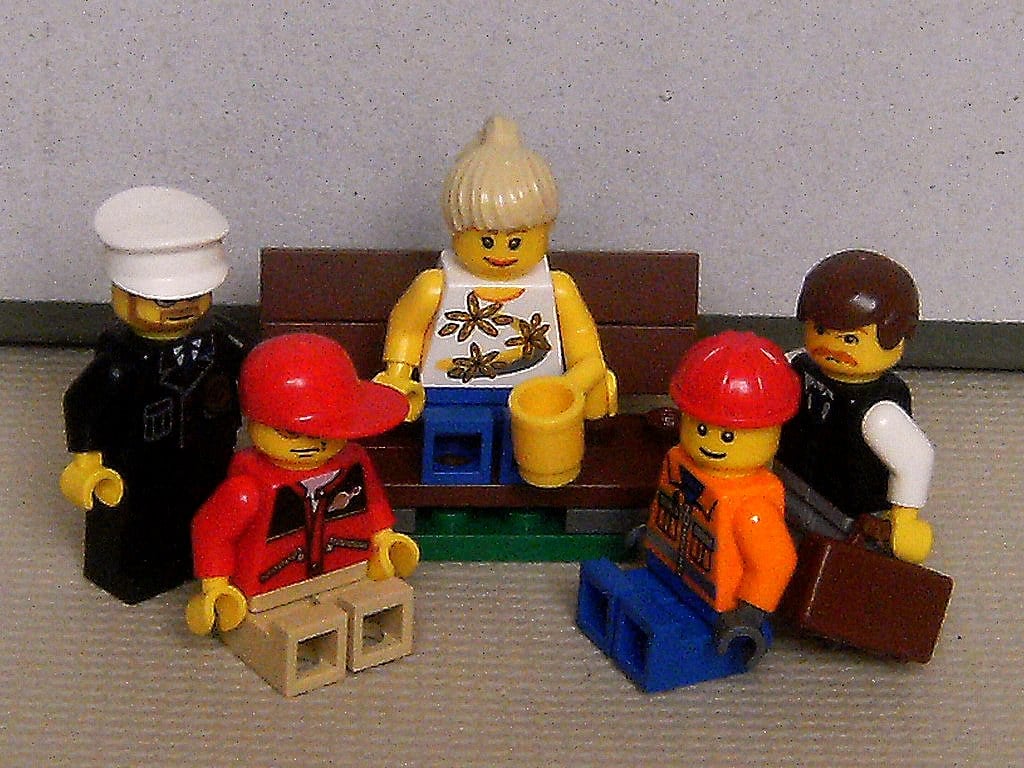
LEGO bricks existed long before the 1980s, but the basic building sets of that decade hold a special place in childhood memories. Unlike today’s elaborate themed sets with detailed instructions, 1980s LEGOs were simpler and encouraged pure imagination.
Kids got a bucket of colorful bricks and built whatever their minds could conceive. The simplicity was the appeal.
No movie tie-ins, no complicated storylines, just plastic bricks that snapped together and came apart. Parents stepped on LEGOs barefoot and swore revenge, while kids constructed castles, spaceships, and cities limited only by how many pieces they owned.
The 1980s LEGO sets focused on creativity rather than replication. Building something from a basic bucket of bricks taught problem-solving and spatial reasoning in ways that following step-by-step instructions never could.
The decade’s LEGO philosophy was straightforward – here are some bricks, now go make something cool.
Glo Worm
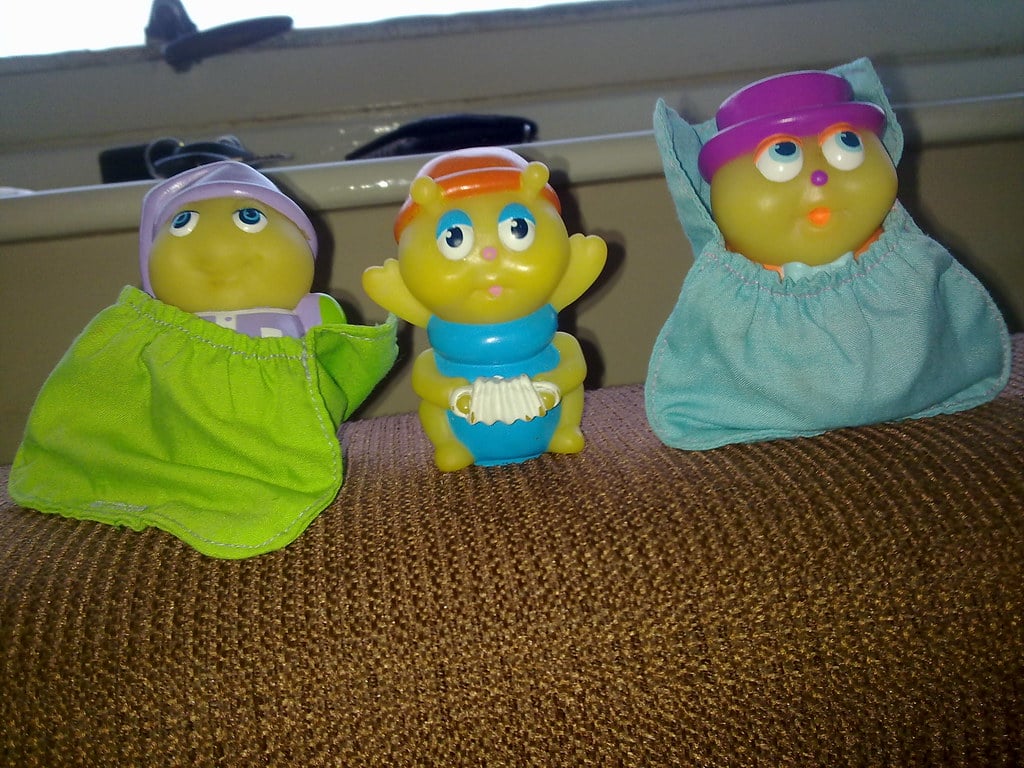
Hasbro’s soft, squeezable friend doubled as a nightlight, which made Glo Worm perfect for young kids afraid of the dark. A gentle squeeze would illuminate the toy’s vinyl head, and the warm glow provided comfort at bedtime.
In 1983, Musical Glo Worm arrived, playing lullabies and telling bedtime stories. Playskool expanded the concept in 1986 with Glo Friends – Glo Snail, Glo Butterfly, Glo Cricket, and various other glowing creatures that accompanied the original insect larva design.
The catchy commercial jingle played over footage of children getting ready for bed with their Glo Worms hugged tightly, and the tagline “They’re all your goodnight friends” stuck in parents’ heads. The toy solved a practical problem while being adorable.
Kids felt safe with a glowing companion, and parents appreciated not having to leave a lamp on all night. Glo Worm represented the gentler side of 1980s toys, focusing on comfort rather than action or competition.
Where Nostalgia Lives
The toys of the 1980s weren’t just plastic and fabric – they were cultural touchstones that defined what childhood looked like for an entire generation. Kids today have screens and apps, virtual reality and streaming content, but there was something tangible about holding a Transformers figure or squeezing a Glo Worm.
The decade produced toys that required imagination rather than Wi-Fi, and that made all the difference. These weren’t just playthings.
They were companions, status symbols, and the physical manifestation of what being a kid meant when the world moved slower and toy stores still existed on every corner.
More from Go2Tutors!

- The Romanov Crown Jewels and Their Tragic Fate
- 13 Historical Mysteries That Science Still Can’t Solve
- Famous Hoaxes That Fooled the World for Years
- 15 Child Stars with Tragic Adult Lives
- 16 Famous Jewelry Pieces in History
Like Go2Tutors’s content? Follow us on MSN.