30 Toys That Sat Under Christmas Trees and Vanished
Every holiday season produces a handful of toys that dominate wish lists and store shelves alike, promoted through relentless television ads and, in a few cases, actual shortages that sent parents driving between stores at midnight. A surprising number of those toys disappeared within a few years, either because of safety recalls, changing trends, or a company simply moving on to the next big thing.
What follows is a walk through some of the more memorable examples, toys that briefly defined a Christmas morning before quietly leaving the shelves for good.
Teddy Ruxpin
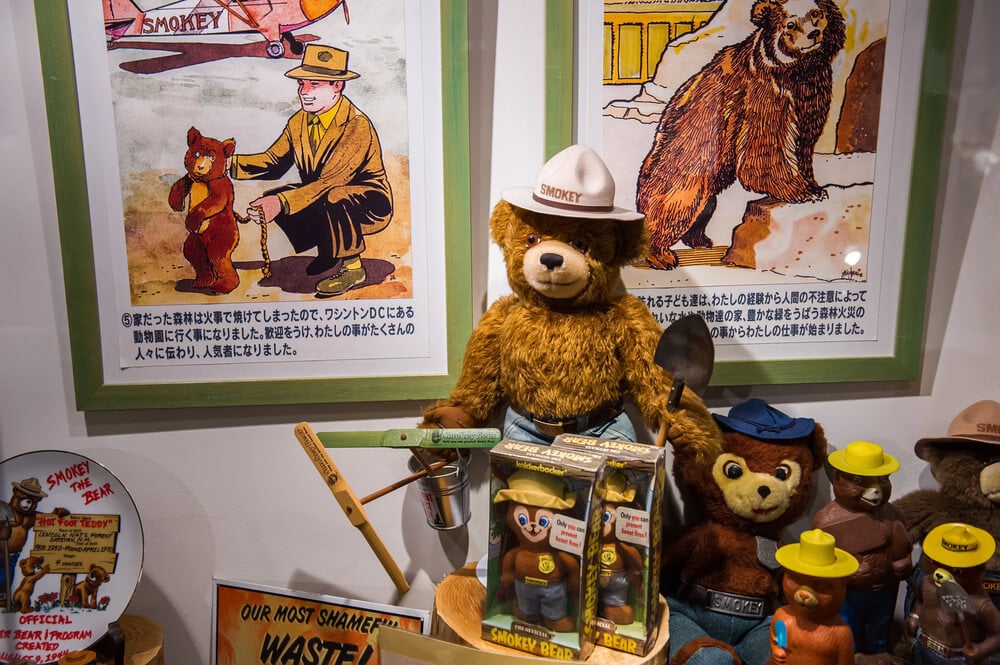
Worlds of Wonder released Teddy Ruxpin in 1985, an animatronic bear whose mouth and eyes moved in sync with stories played from a cassette tape hidden inside its body. It became one of the best-selling toys of the decade before the company behind it filed for bankruptcy in 1987, and the original version disappeared from shelves shortly after.
Later companies have released updated versions using digital technology, but the original cassette-driven bear never returned in its exact form.
Cabbage Patch Snacktime Kids
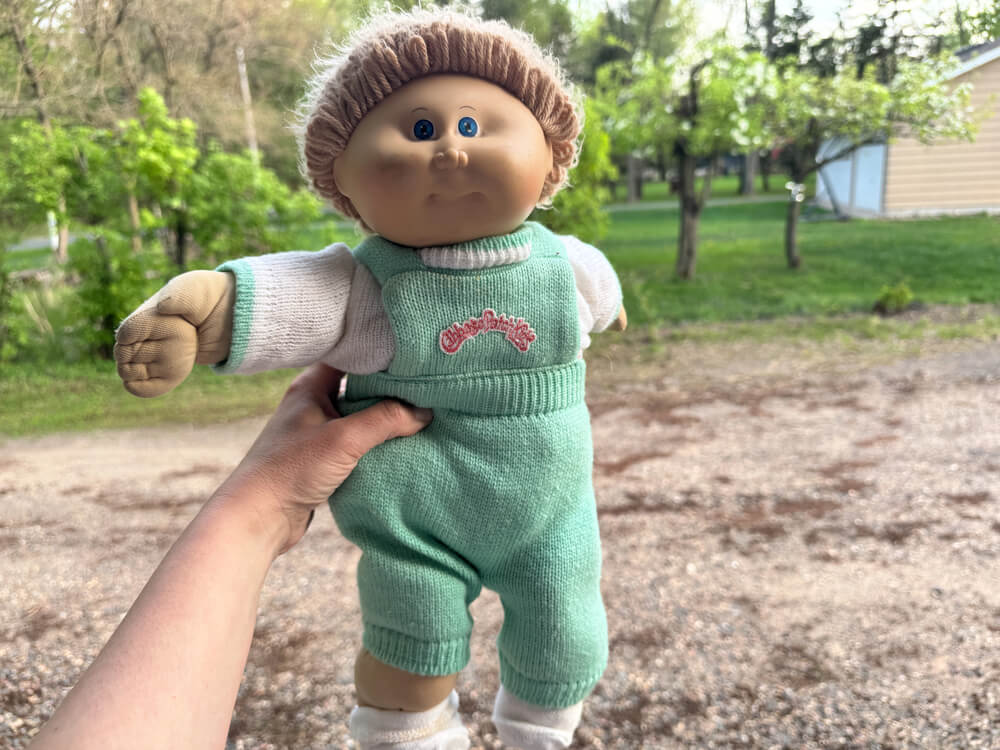
Mattel released the Cabbage Patch Snacktime Kid in 1996, a doll with a motorized mouth designed to chew on small plastic food pieces fed to it by a child. The mechanism didn’t reliably distinguish between plastic food and a child’s hair or fingers, leading to a wave of injury reports and a full product recall within months of its holiday launch.
Mattel discontinued the toy entirely rather than attempt a redesign, ending one of the shortest runs of any major holiday toy.
Furby
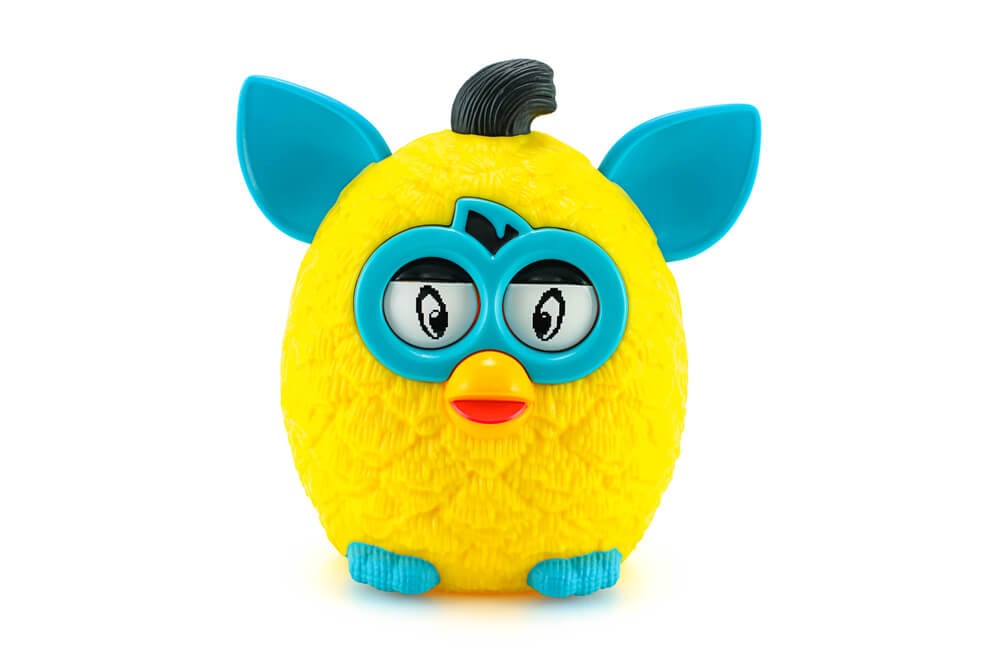
Tiger Electronics released the original Furby in 1998, an owl-like robotic toy that appeared to learn English over time and became so scarce that holiday shoppers reported paying well above retail price to secure one. Furby sold tens of millions of units within its first couple of years before interest cooled sharply, and Tiger discontinued the original version around 2000.
Hasbro revived the Furby brand with updated electronics in later years, though the original late-1990s version remains the one most associated with the toy’s initial frenzy.
My Pet Monster
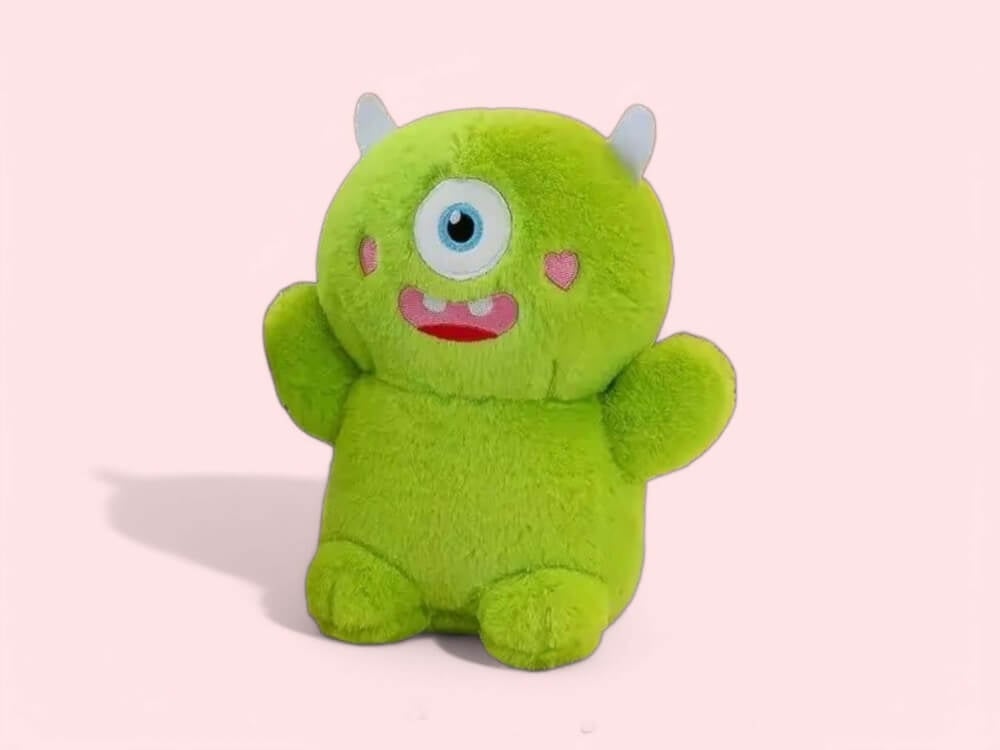
American Greetings and toy manufacturer Amtoy released My Pet Monster in 1986, a large, furry plush monster that came with plastic shackles a child could lock and unlock around its wrists. It became a strong holiday seller for a couple of years before interest faded and the company discontinued it later in the decade.
It has appeared in occasional limited reissues since, but never returned to anything resembling its original shelf presence.
Micro Machines
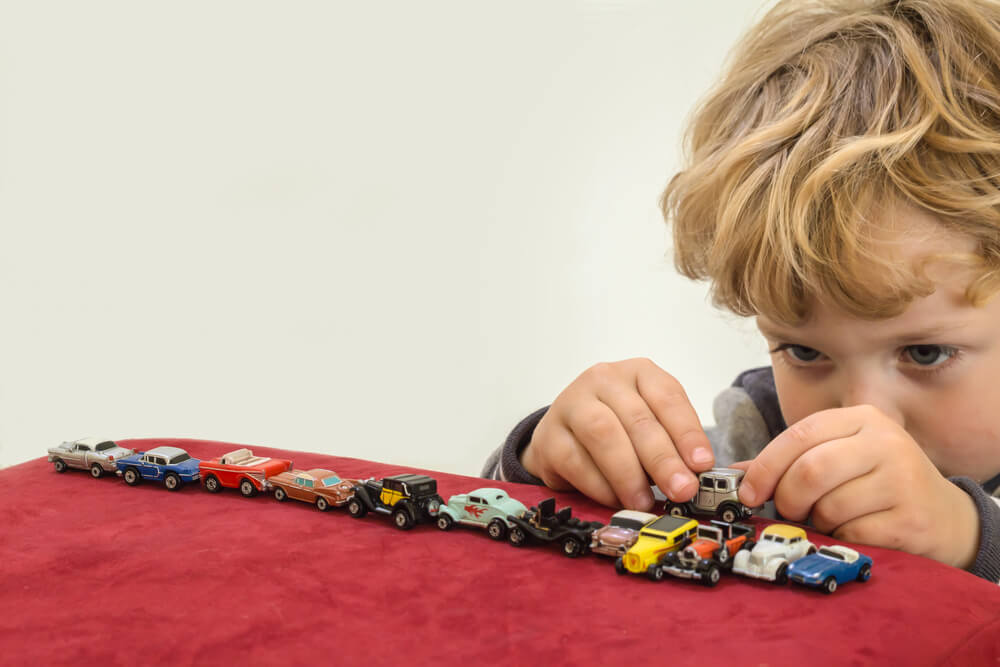
Galoob launched Micro Machines in 1986, tiny die-cast vehicles small enough to fit several dozen in a single hand, sold alongside equally compact playsets that folded open to reveal entire miniature cities or race tracks. The line dominated toy aisles through the late 1980s and into the 1990s before Hasbro, which had acquired Galoob, gradually wound the core line down in the 2000s as collectible die-cast trends shifted elsewhere.
Occasional limited revivals have appeared since, but the toy never returned to its original scale of production.
Nintendo Power Glove
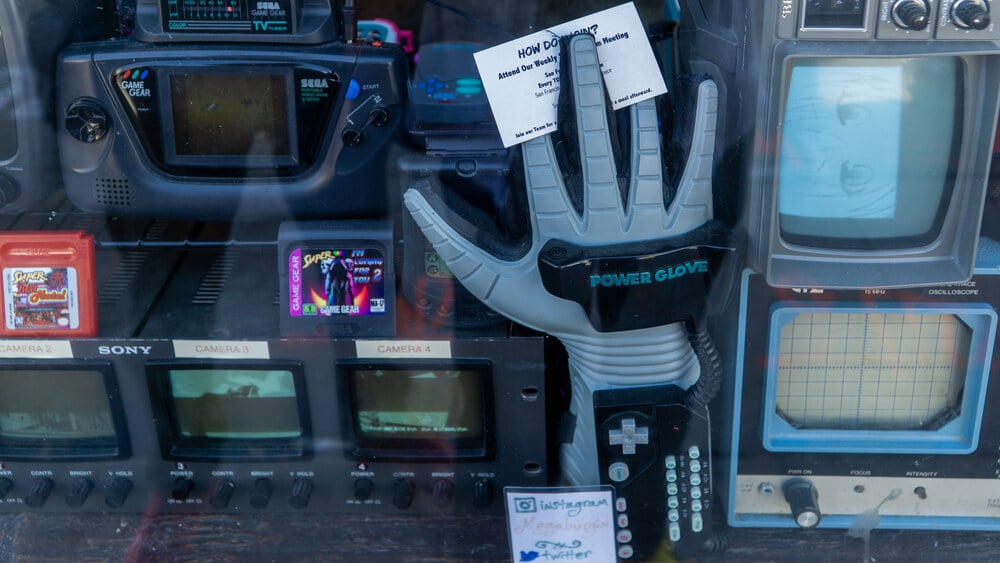
Nintendo released the Power Glove in 1989, a wearable controller that let players control certain Nintendo Entertainment System games through hand and finger movement, years before motion controls became a mainstream gaming feature. The glove’s motion tracking was notoriously imprecise, and only two games were ever designed specifically to use it, leading to disappointing reviews and poor sales.
Nintendo discontinued it within about a year, though it has since become a cult favorite among retro gaming collectors specifically because of how far ahead of its supporting technology it was.
Popples
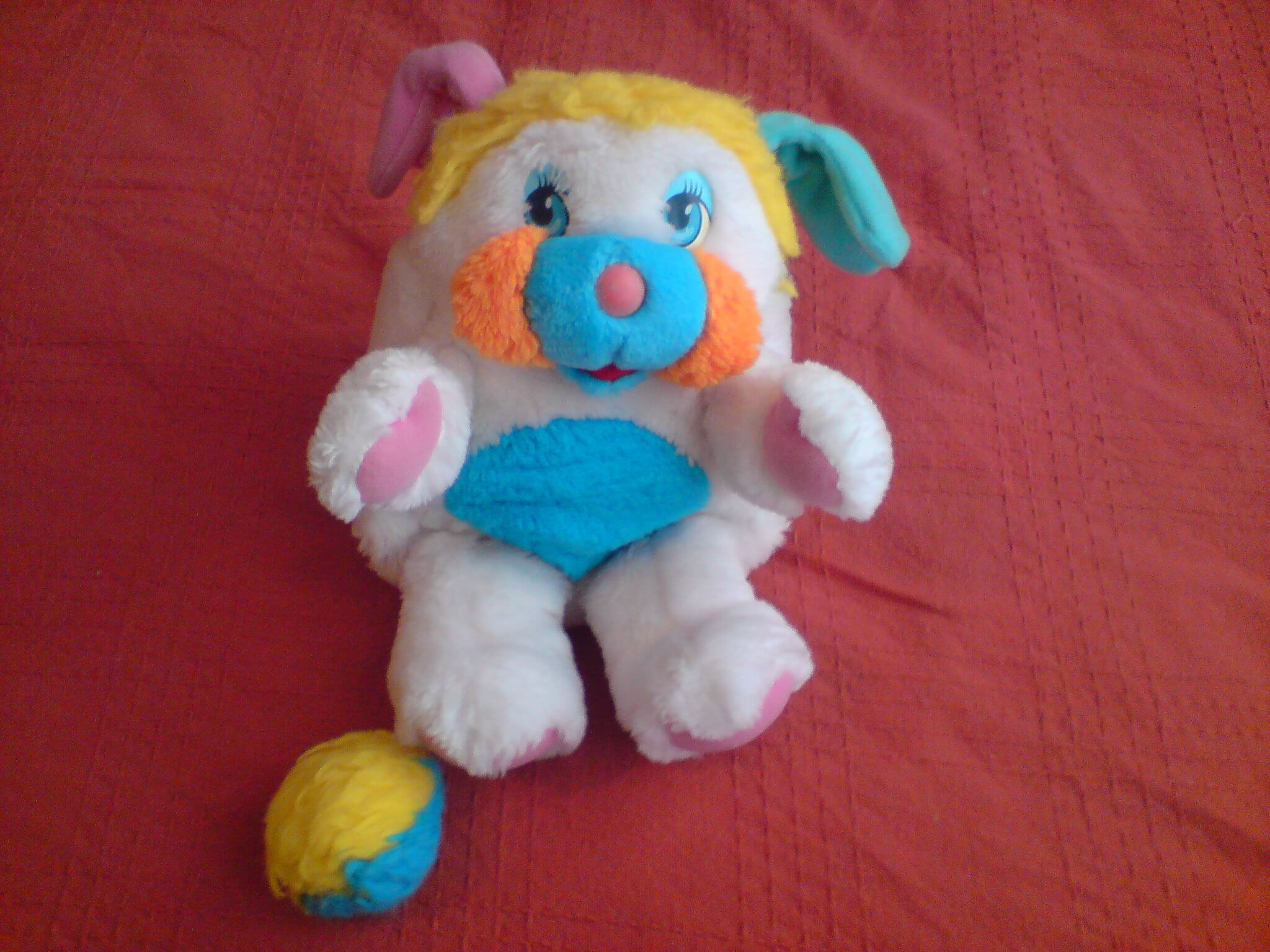
American Greetings and Mattel released Popples in 1986, plush creatures that could be turned inside out and tucked into their own pouch, paired with an accompanying animated television series to drive sales. The toy line sold well through the late 1980s before interest faded along with the show that supported it, and production wound down by the early 1990s.
Spin Master revived the Popples brand with a new television series and toy line in 2015, though the original plush design never returned in its exact form.
Jem Dolls

Hasbro released Jem dolls in 1985 alongside an animated series about a music executive who transforms into a rock star using holographic technology, aiming the line at girls who wanted an alternative to the more domestic doll options on the market. Sales never matched Hasbro’s expectations despite a devoted fan following, and the company discontinued the doll line and canceled the show within about two years.
Jem has since become one of the most actively traded vintage doll lines among adult collectors, commanding prices far above its original retail cost.
Rainbow Brite Dolls
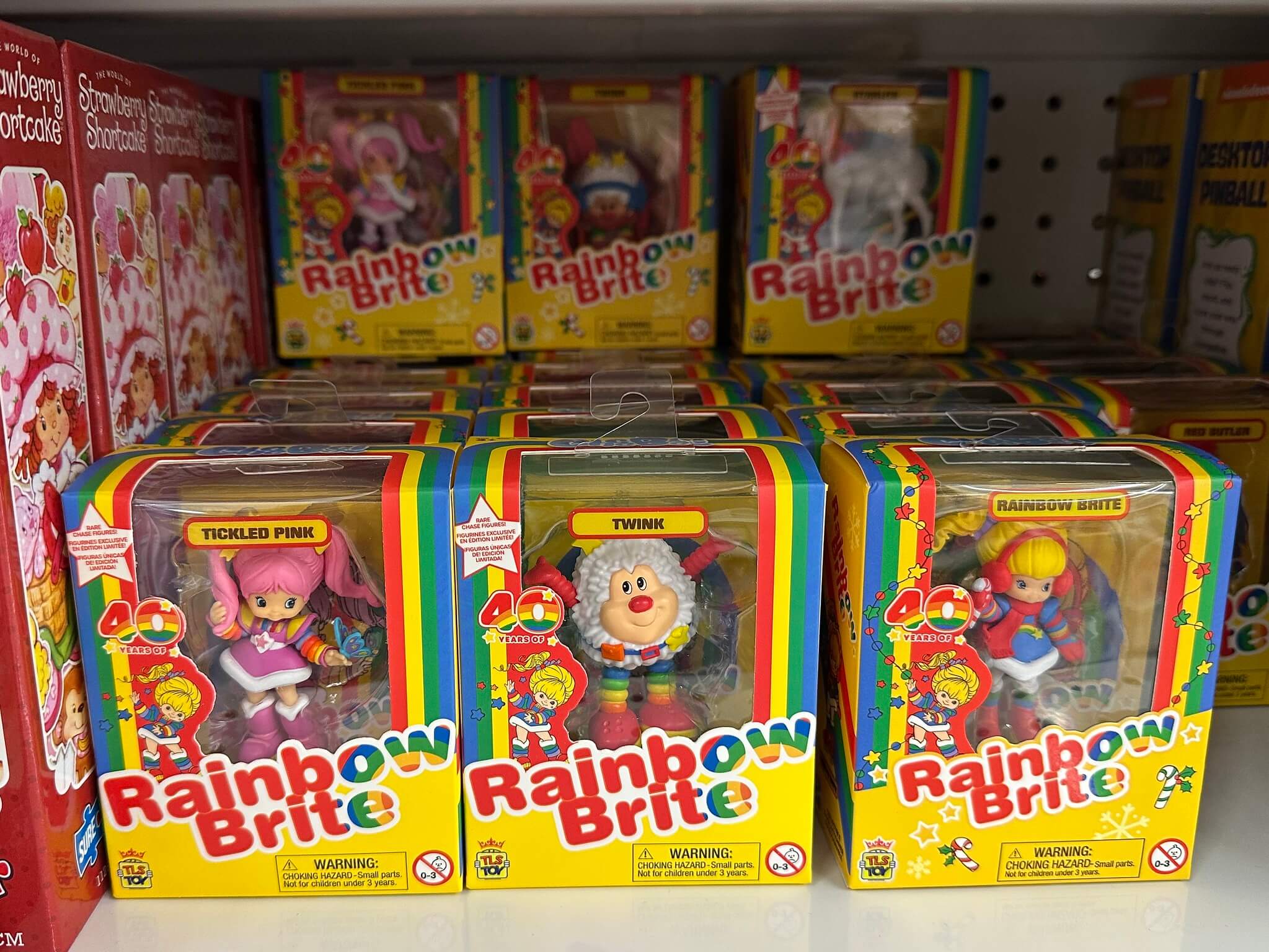
Hallmark and Mattel released Rainbow Brite dolls in 1983 alongside an animated series about a girl who restores color to a gray world with the help of a horse companion and a group of color-themed sprites. The toy line sold well through the mid-1980s before interest faded along with the broader trend of girl-focused fantasy franchises from that era, and production ended by the late 1980s.
Hallmark has licensed occasional revivals and reissues since, though none matched the scale of the original run.
Clackers
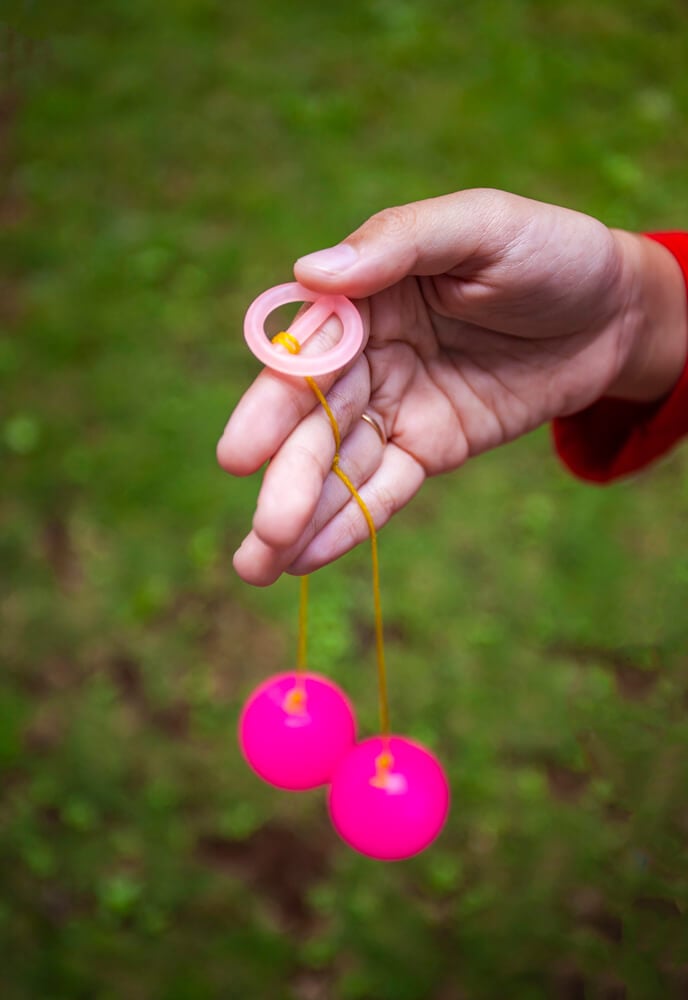
Toy manufacturers sold Clackers widely through the early 1970s, two hard acrylic spheres connected by a string that a child would swing to make them repeatedly strike together with a loud clacking sound. The acrylic spheres occasionally shattered under the force of repeated impact, sending sharp fragments flying, and mounting injury reports led several manufacturers to pull the toy from shelves and prompted early product-safety regulators to scrutinize it closely.
Softer, safer versions appeared briefly afterward, but the original hard-acrylic design never returned to mainstream shelves.
Lawn Darts

Several manufacturers sold lawn dart sets for backyard play through the 1970s and 1980s, weighted metal-tipped darts thrown at a target ring on the ground, a game popular enough to be a common outdoor gift for families with a yard. A string of serious injuries, including several deaths involving young children, led the Consumer Product Safety Commission to ban the sale of the original metal-tipped version in the United States in 1988.
Softer foam-tipped versions have been sold since under similar names, but the original weighted metal darts have not returned to retail shelves.
Sky Dancers
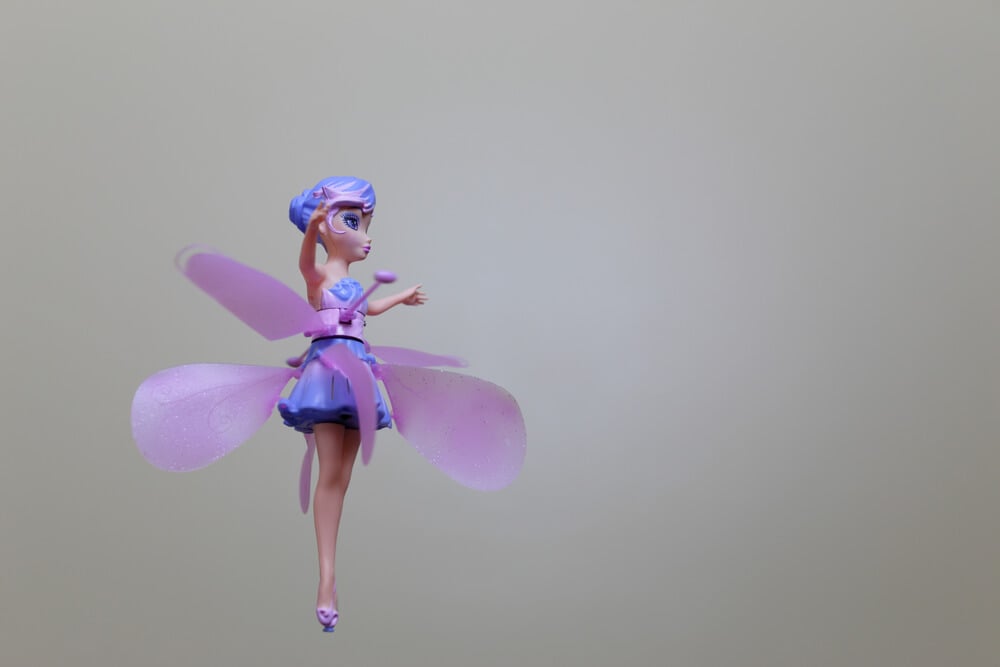
Galoob released Sky Dancers in 1994, doll-shaped toys with wings that launched into the air and spun when a child pulled a ripcord at the base of a plastic launcher. Reports of the spinning toys striking children in the face and causing eye injuries during launch led to a formal recall of the product in 2000.
The toy did not return to shelves after the recall, ending what had been a strong run through the mid and late 1990s.
Puppy Surprise
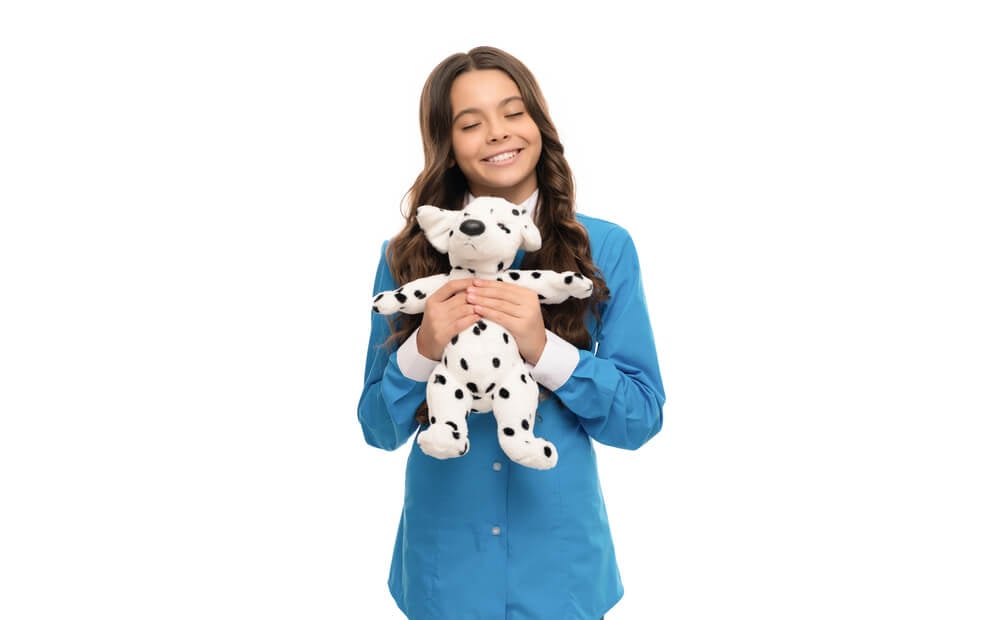
Hasbro released Puppy Surprise in 1992, a plush mother dog with a hidden zipper compartment containing a randomized number of puppies, turning the toy into a small guessing game each time a child opened it for the first time. It became a strong holiday seller through the 1990s before interest gradually faded, and Hasbro discontinued it by the early 2000s.
It has seen occasional limited reissues since, largely aimed at nostalgic adult buyers rather than the original child audience.
Nintendo Virtual Boy

Nintendo released the Virtual Boy in 1995, a tabletop console displaying stereoscopic 3D graphics entirely in red and black, marketed as a holiday console release despite reports of the goggles causing headaches and eye strain during extended play. Sales fell far short of Nintendo’s projections, and the company discontinued the console less than a year after launch, one of the shortest console lifespans in Nintendo’s history.
It remains a frequently cited cautionary example in discussions of premature virtual reality technology.
Yak Bak
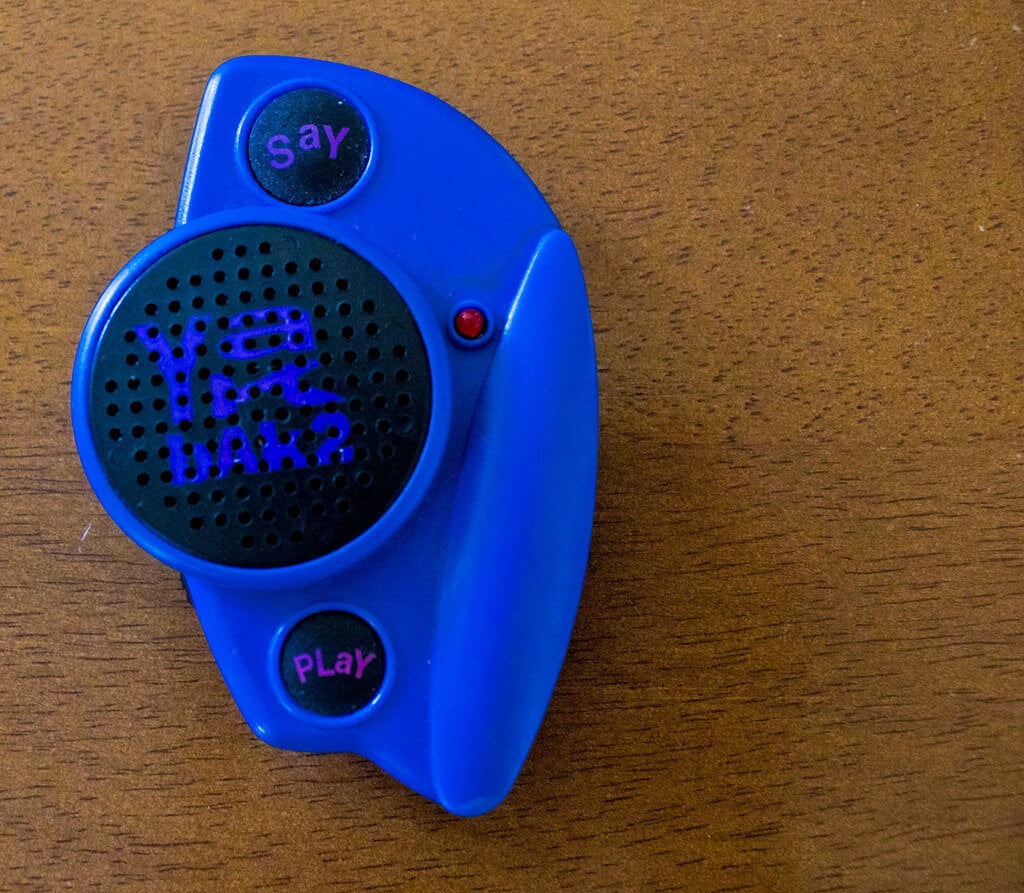
Toy manufacturers sold the Yak Bak widely through the 1980s and 1990s, a small handheld device that recorded a few seconds of a child’s voice and played it back in a distorted, high-pitched loop at the press of a button. It sold steadily as a stocking-stuffer-style item for years before newer digital recording toys and, eventually, smartphones made the novelty largely redundant.
Production wound down gradually rather than through any single dramatic discontinuation, and the specific device has mostly disappeared from current toy aisles.
Battling Tops
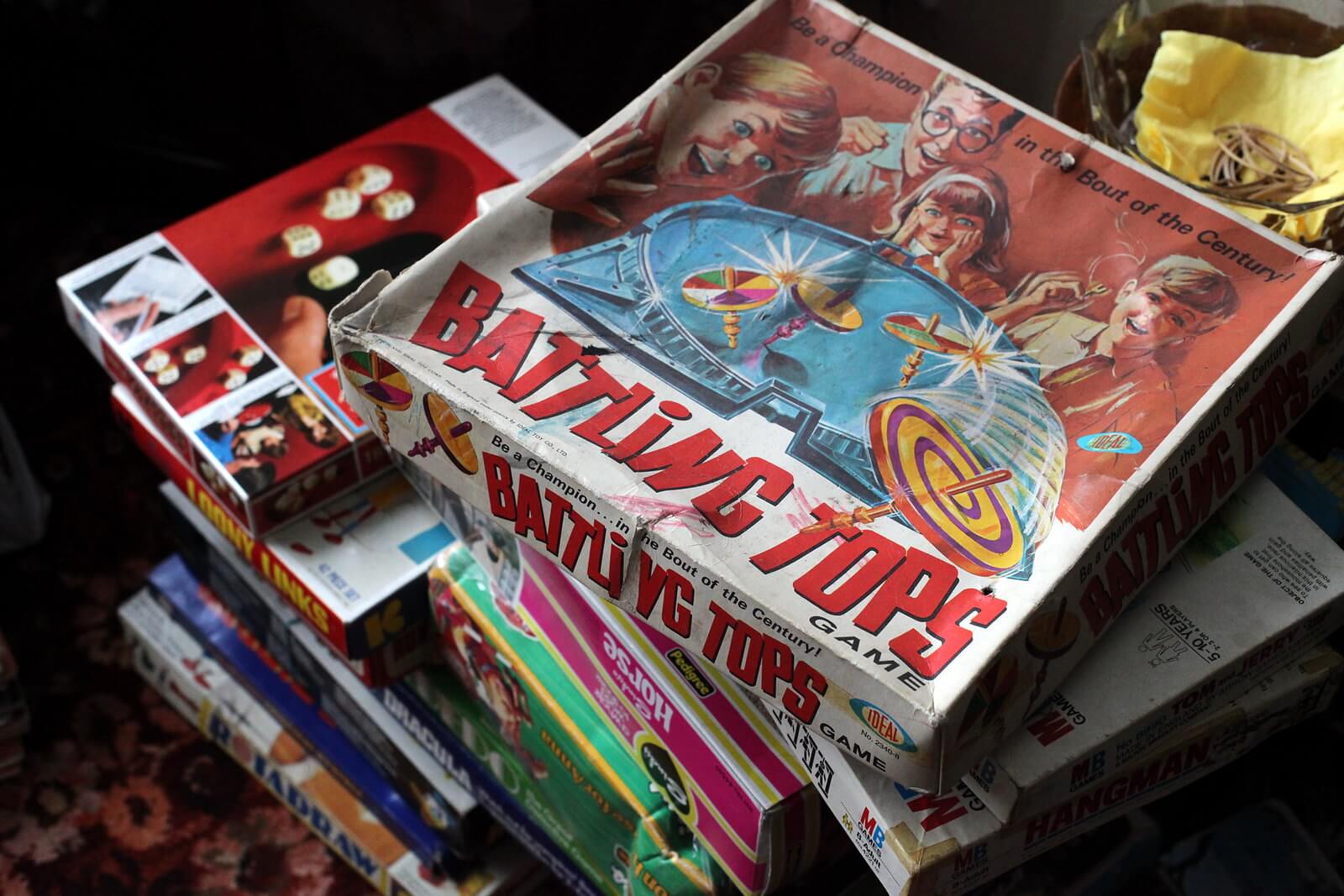
Toy manufacturer Ideal released Battling Tops in 1968, a game where players launched spinning tops into a shared arena and tried to be the last top still spinning after the others were knocked out. It became a popular holiday game for several years before falling out of production, and later companies have periodically revived the concept under the same name with updated plastic designs.
The original 1960s version, with its distinctive metal-topped spinners, has not been sold in its exact original form for decades.
Mr. Machine
Ideal released Mr. Machine in 1960, a large, walking wind-up robot made of clear plastic that exposed its internal gears, marketed partly as an early educational toy meant to interest children in mechanics. It became a strong holiday seller for several years before production wound down later in the decade.
Ideal briefly reissued an updated version decades later, but the original clear-gear design from 1960 has remained largely absent from shelves since its initial run ended.
Suzy Homemaker Toy Oven

Topper Toys released the Suzy Homemaker toy oven in 1966, a battery-powered miniature oven that could actually bake small cakes and other treats using real ingredients and a low-heat element, marketed heavily toward girls during the holiday season for several consecutive years. Changing attitudes toward gendered toy marketing and evolving safety standards around heating elements in children’s products led to the line’s decline through the 1970s.
Later toy ovens from other companies borrowed heavily from the concept, but the original Suzy Homemaker branding disappeared from shelves decades ago.
Merlin

Parker Brothers released Merlin in 1978, a handheld electronic game offering several different puzzle and game modes on a single grid of lighted buttons, arriving in stores during the same wave of electronic game excitement that produced Simon. It sold well for a few years before the initial electronic handheld game boom cooled off, and Parker Brothers discontinued it in the early 1980s.
It has appeared in occasional limited modern reissues aimed at collectors, but never returned to its original scale of holiday-season production.
R.O.B. the Robot

Nintendo released R.O.B., short for Robotic Operating Buddy, in 1985 as a peripheral for the Nintendo Entertainment System, a robot that physically responded to on-screen light signals in only two specially designed games. Only those two games ever supported it, and Nintendo discontinued the accessory within about a year once its narrow purpose became clear to shoppers.
It has since become one of the most recognized pieces of vintage Nintendo hardware among collectors, prized specifically for how limited and short-lived its original run actually was.
Mall Madness
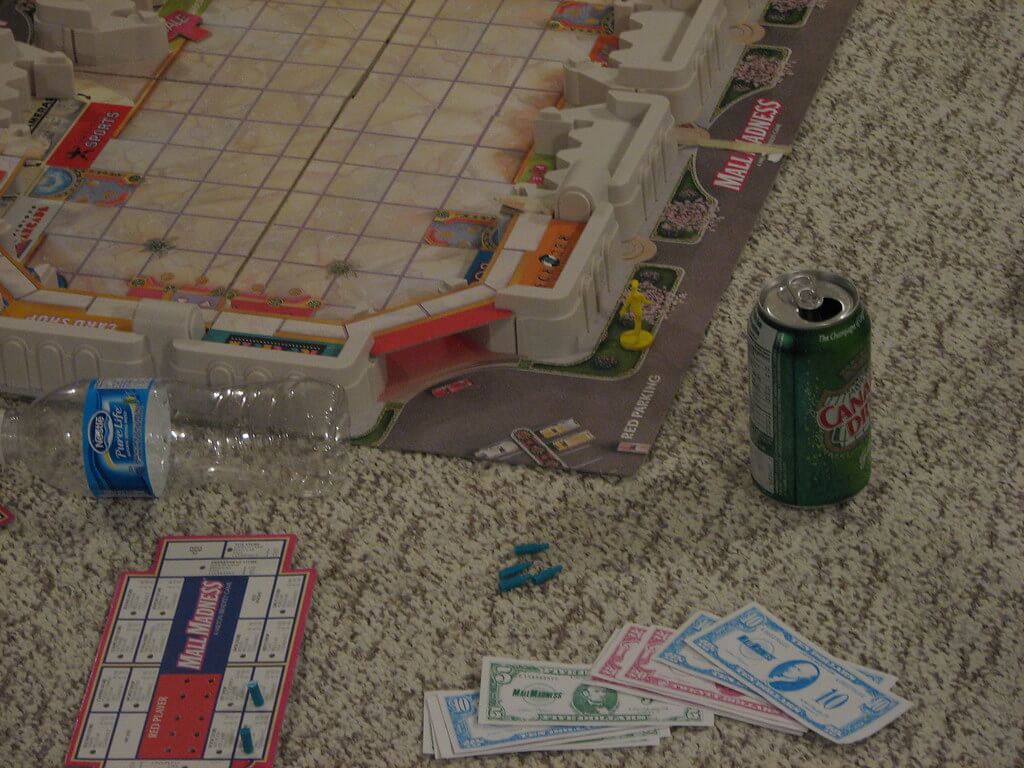
Milton Bradley released Mall Madness in 1989, an electronic board game where players raced to shop for items at a simulated mall using an electronic voice unit that announced sales and closures throughout the game. It sold well through the early 1990s before production wound down later in the decade as electronic board games in general lost shelf space to video games.
Hasbro has released updated versions periodically since, though the original 1989 electronic unit and its specific voice prompts have not returned in their original form.
Snoopy Sno-Cone Machine
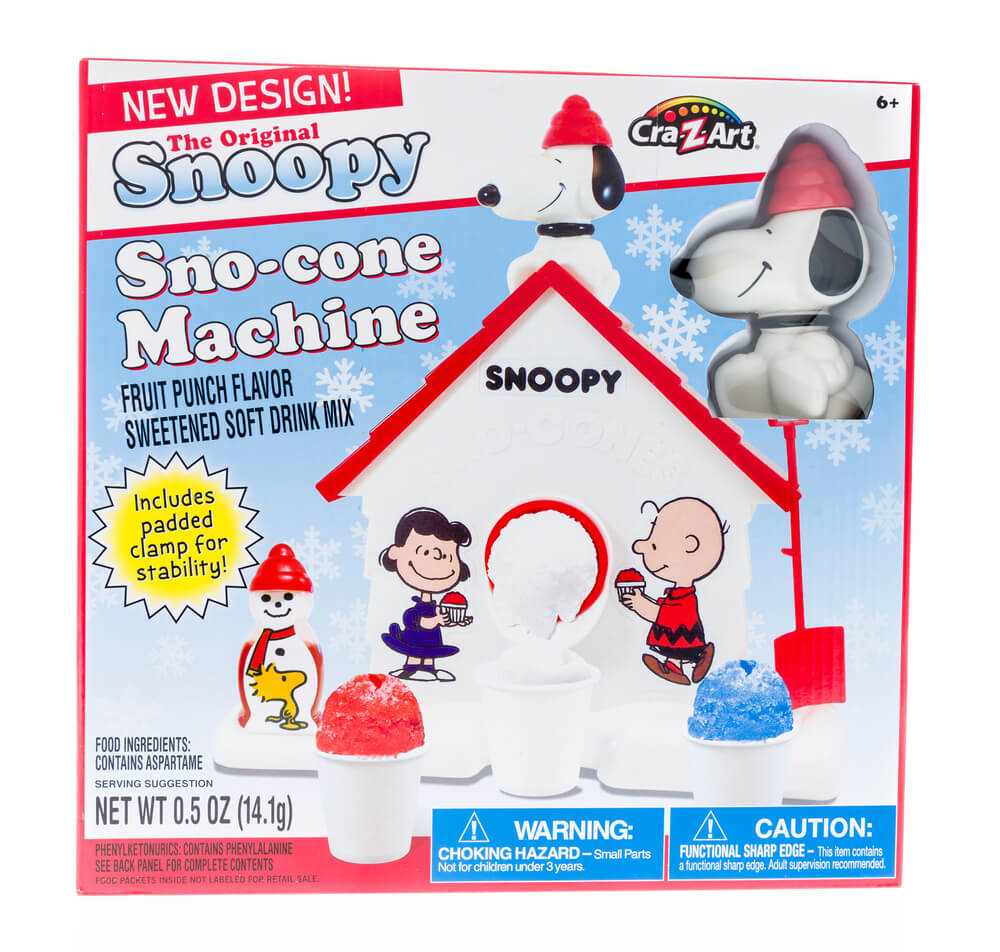
Hasbro released the Snoopy Sno-Cone Machine in 1979, a hand-cranked device shaped like the Peanuts character that shaved ice and mixed it with flavored syrup to produce a small snow cone. It became a popular warm-weather and holiday-catalog item for several years before production wound down in the 1980s.
It remains one of the more actively sought vintage toys among Peanuts collectors, in part because later snow-cone toys never used the same character licensing.
Baby Alive, Original 1973 Version
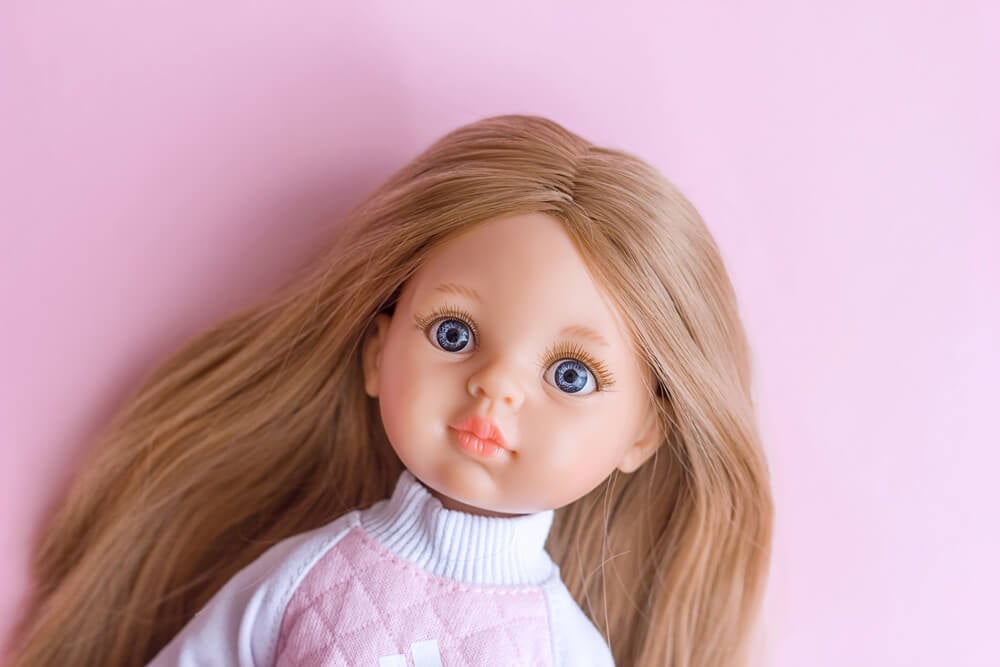
Kenner released the original Baby Alive doll in 1973, a doll that could be fed a small packet of powdered food mixed with water and would then, after a short interval, need a diaper change, a level of realism unusual for dolls at the time. The original version sold well for several years before Kenner discontinued it, and the brand has been relaunched with significantly updated mechanisms multiple times since under different corporate ownership.
Collectors specifically distinguish the 1973 original from the many later versions, none of which used the same doll body or feeding mechanism.
G.I. Joe With Kung-Fu Grip, Original Run
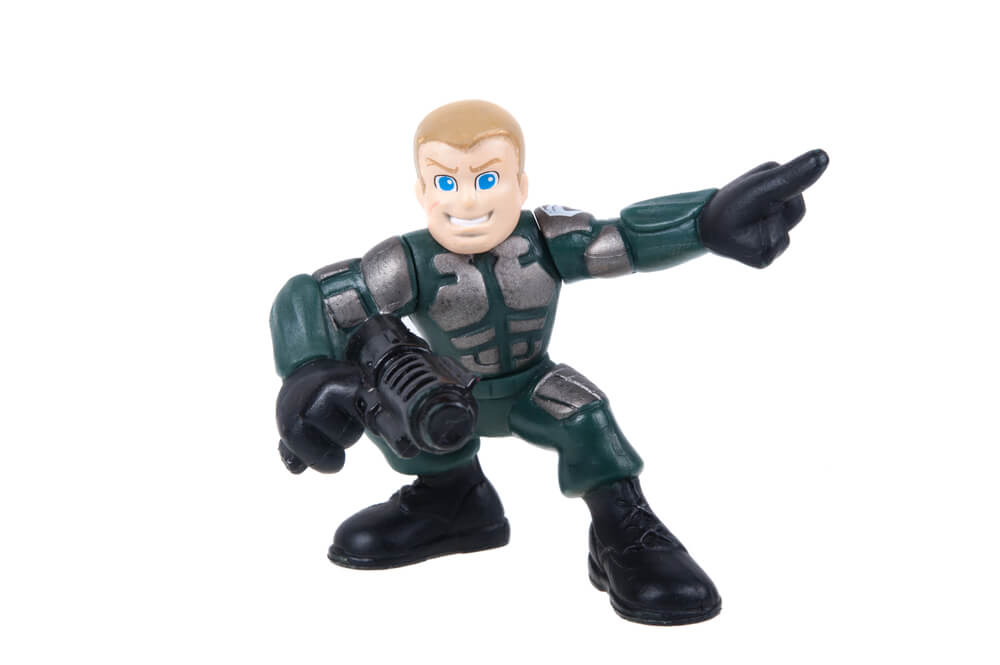
Hasbro added the Kung-Fu Grip feature to its G.I. Joe action figure line in 1974, redesigning the figure’s hands to actually grip small accessories rather than simply hold them loosely, a feature heavily advertised during that year’s holiday season. The larger twelve-inch G.I. Joe format itself was phased out by 1978 as Hasbro shifted the entire line to a smaller, more affordable action figure scale better suited to competing with Star Wars toys.
The original Kung-Fu Grip figures from that specific run have become sought-after collector’s items precisely because the format itself was discontinued so completely.
Atari 2600
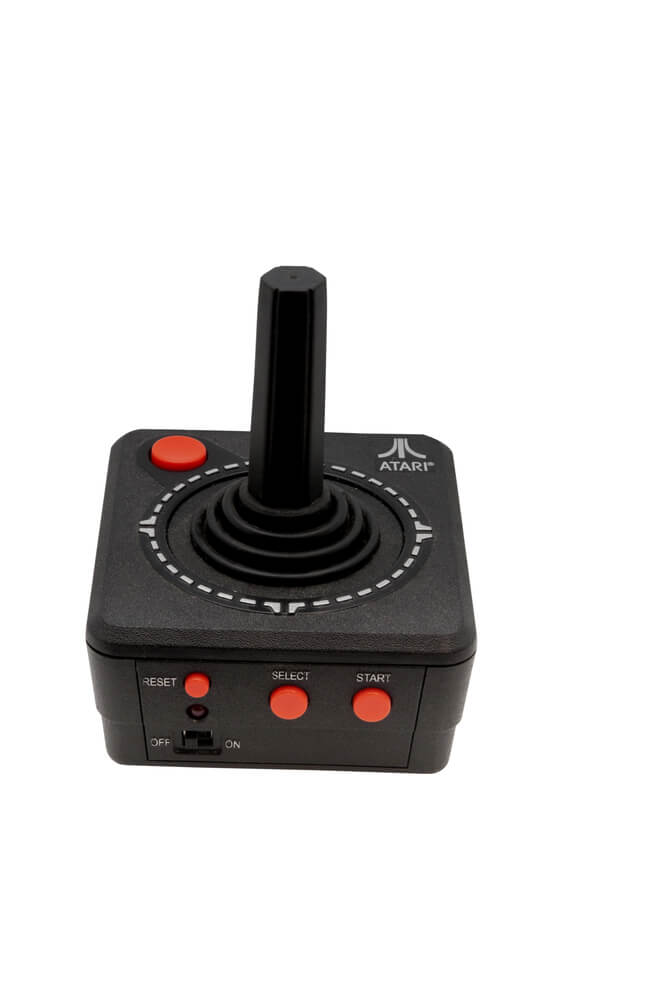
Atari released the 2600 home video game console in 1977, and it became the dominant holiday gift in video gaming for several consecutive years, eventually selling in the tens of millions of units across its production run. An oversaturated market and a wave of poorly made licensed games contributed to a broader industry downturn in 1983 that hit Atari especially hard, and the company scaled back production dramatically in the years that followed.
Nintendo’s console, released a couple of years later, effectively took over the market the Atari 2600 had built and then lost.
Water Wiggle
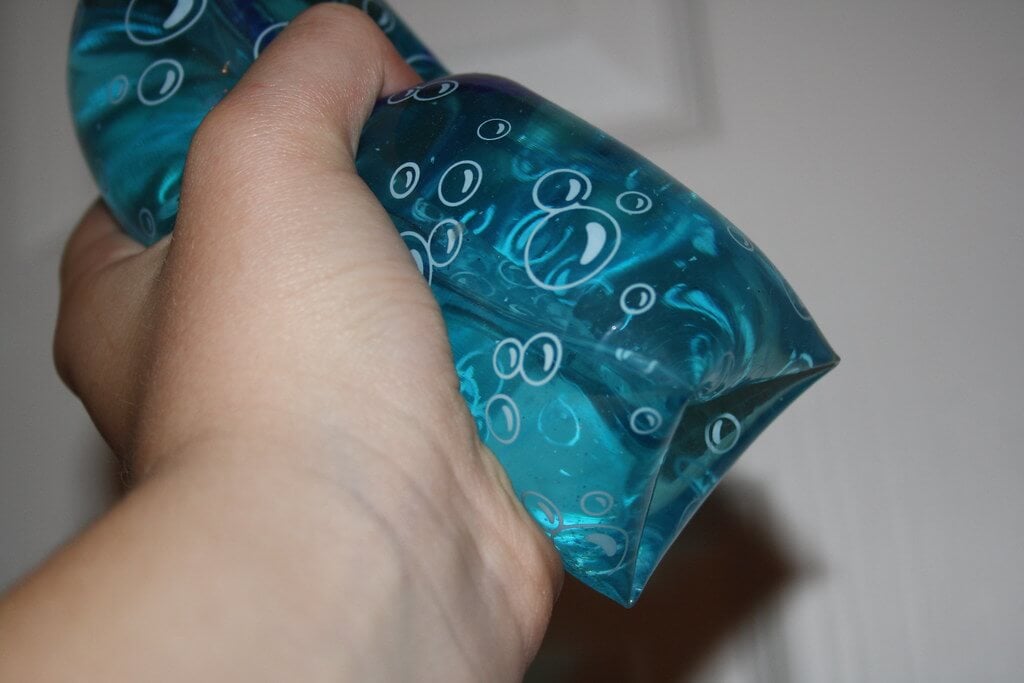
Toy manufacturers sold the Water Wiggle widely through the 1970s and 1980s, a garden hose attachment that whipped and thrashed unpredictably when water pressure was applied, turning it into an impromptu sprinkler toy for backyard play. Reports of the unpredictable, forceful motion causing facial and eye injuries led several manufacturers to discontinue the toy or redesign it significantly by the 1990s.
Later sprinkler toys borrowed the general concept but avoided the specific whipping mechanism that had made the original both popular and risky.
Big Trak
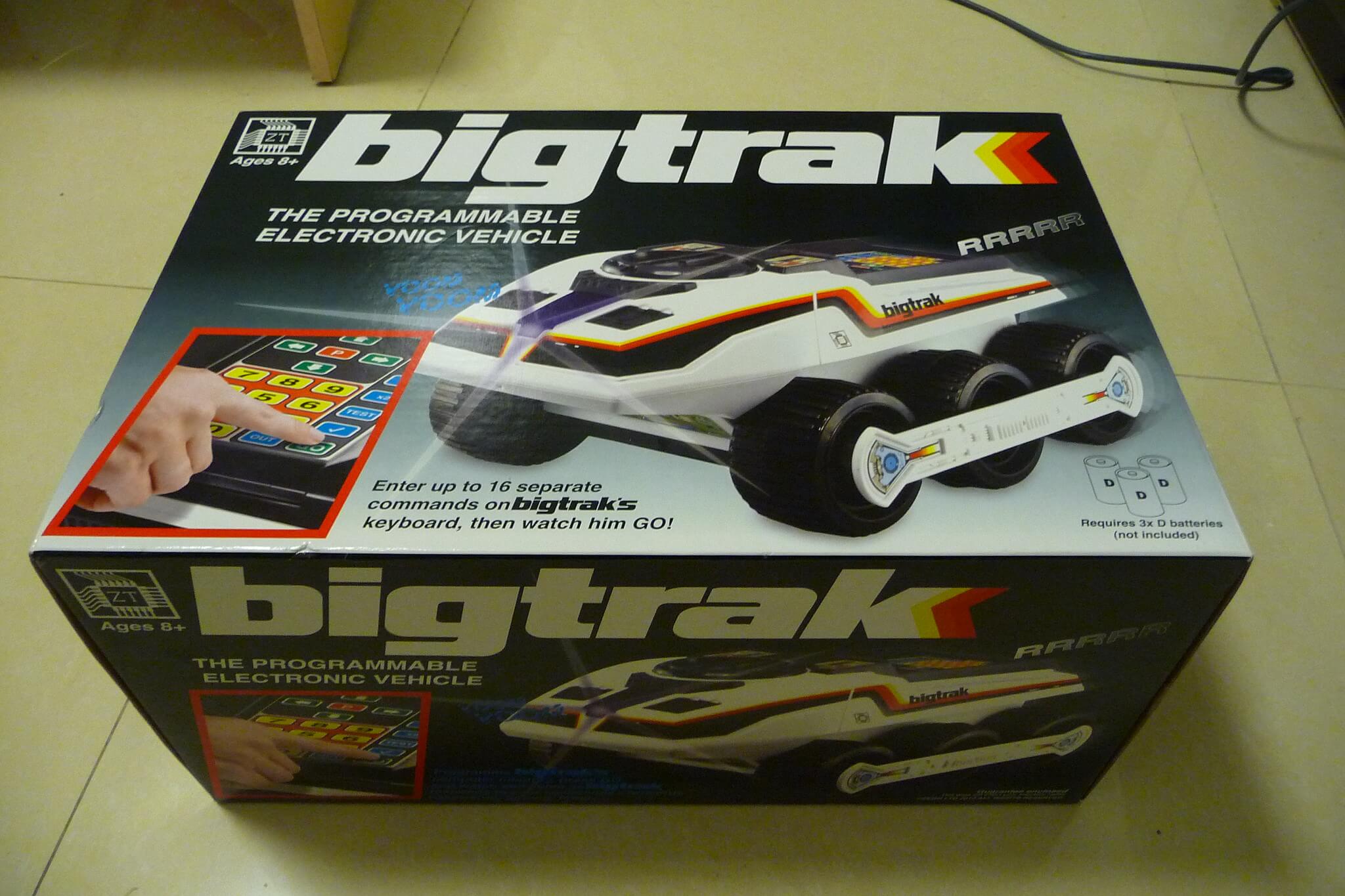
Milton Bradley released Big Trak in 1979, a programmable toy vehicle that could be given a sequence of up to sixteen commands through a keypad on top, an early introduction to basic programming concepts marketed as a holiday toy for older children. It sold well for a couple of years before production wound down in the early 1980s as the initial novelty of programmable toys faded.
Occasional limited modern reissues have appeared since, aimed largely at adults who remember programming the original as children.
Masters of the Universe, Original Line
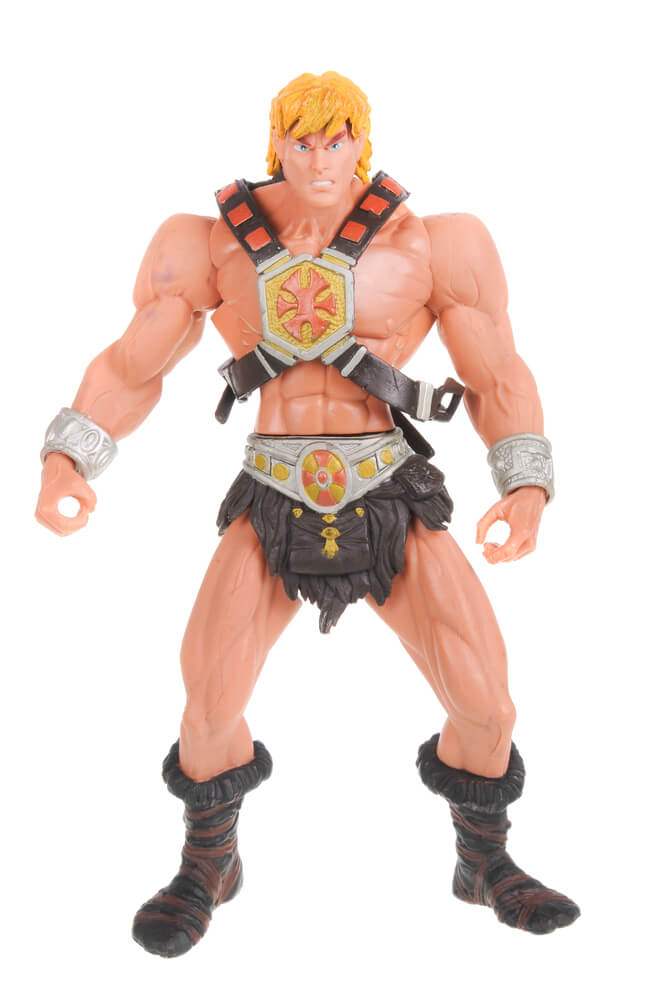
Mattel launched the original Masters of the Universe action figure line in 1982, built around the muscular hero He-Man and supported by an extensive animated television series that helped drive the toys to massive holiday sales for several consecutive years. Sales declined sharply by 1987 as the initial trend cooled and Mattel scaled back the line significantly, discontinuing most of the original figures by 1988.
The franchise has been relaunched multiple times since under different creative teams, but collectors specifically prize the original 1982 through 1988 figures as a distinct, closed era of the toy line.
Voltron, Original Die-Cast Line
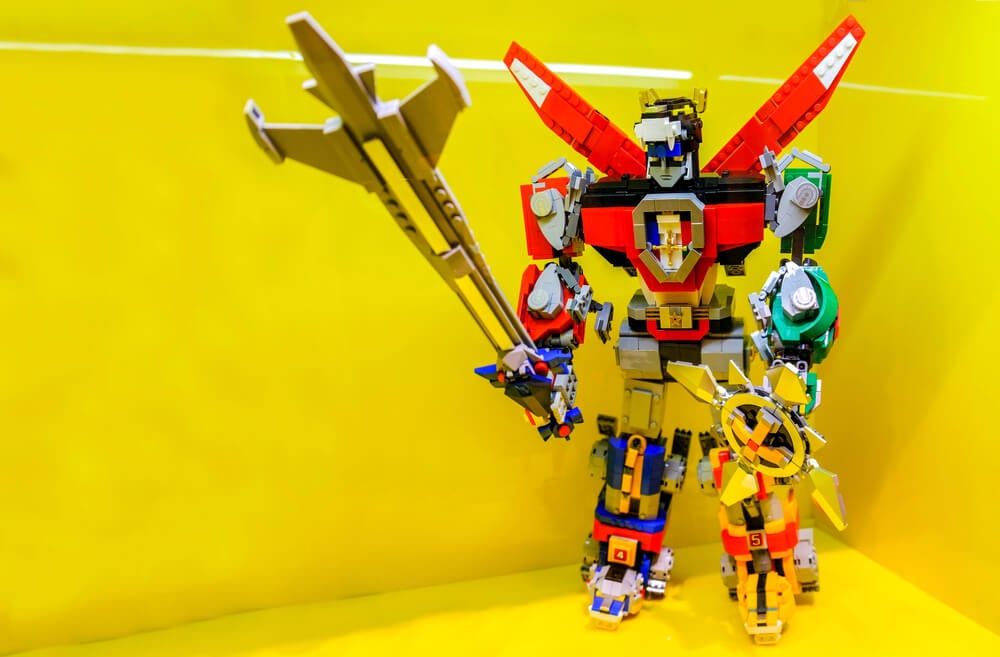
Matchbox released a die-cast Voltron toy line in 1984, tied to the animated series about a robot formed by combining five smaller lion-shaped vehicles, and it became a strong holiday seller during the show’s initial run. The die-cast metal format was gradually phased out through the late 1980s in favor of cheaper plastic toy construction as the show’s popularity declined.
Later Voltron toy lines tied to newer versions of the show used different materials and designs, leaving the original metal lions as a distinct collector’s category.
Wuzzles Plush
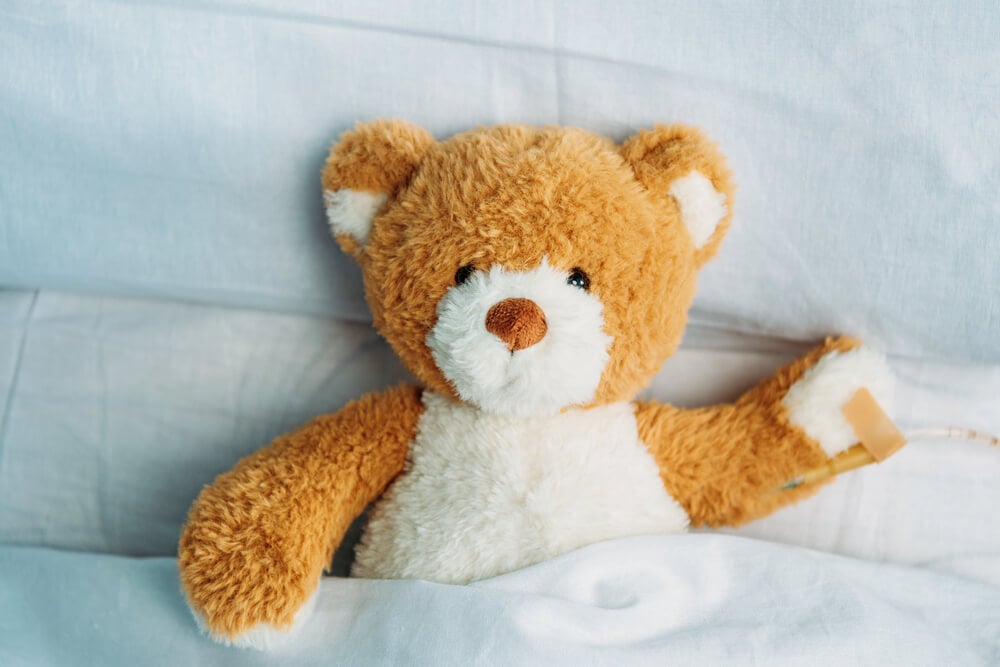
Disney and Hasbro released Wuzzles plush toys in 1985, hybrid animal characters combining two different animals into a single creature, supported by a short-lived animated series airing the same year. Both the toy line and the television series were discontinued within about a year, one of the shorter runs of any major Disney-branded toy property from that decade.
It remains a relatively obscure entry even among dedicated 1980s toy collectors, largely because its entire run fit inside a single holiday season and the year that followed it.
The Toys That Didn’t Last
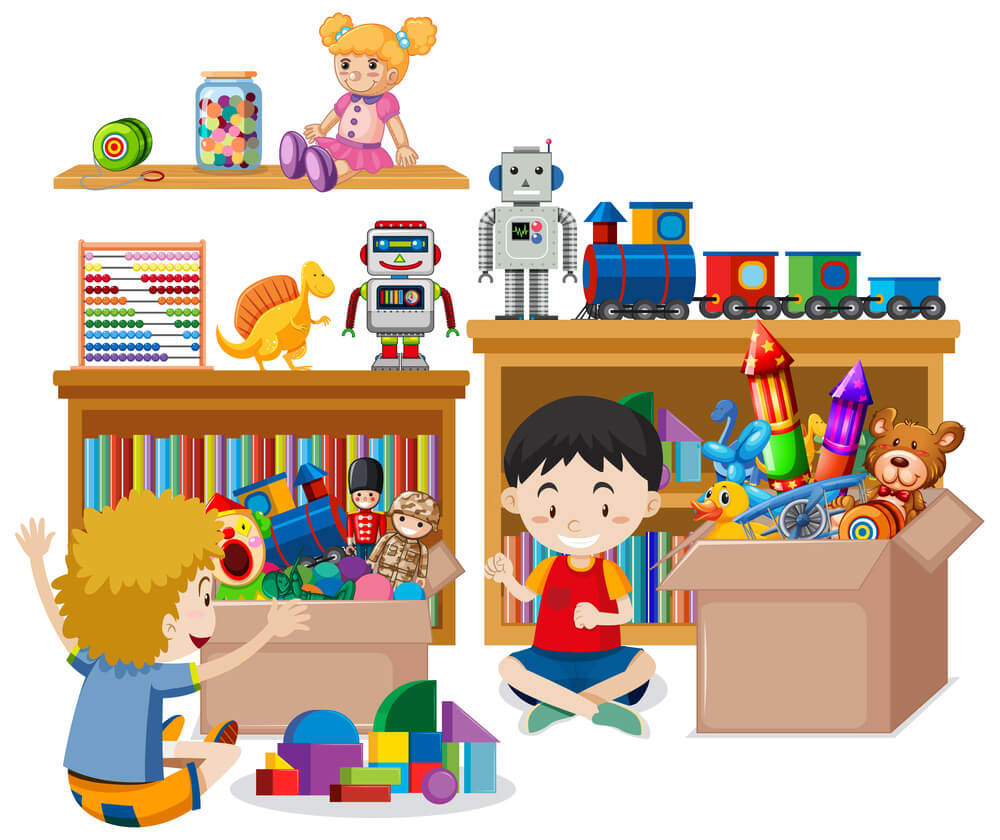
A recall, a lawsuit, a fad that cooled faster than expected, a company that overextended itself chasing one good holiday season, these are the forces that actually determine which toys survive past their first Christmas and which ones end up boxed in an attic within a couple of years. Very few of the toys on this list failed because children stopped wanting them; most disappeared because of decisions made well above a child’s understanding, in boardrooms and safety commissions rather than living rooms.
That gap between a toy’s popularity and its longevity is worth remembering the next time a new must-have gift dominates a holiday season. The line between a toy that becomes a permanent fixture of childhood and one that becomes a strange, specific memory a decade later often has very little to do with how many children loved it the first Christmas it appeared.
More from Go2Tutors!

- The Romanov Crown Jewels and Their Tragic Fate
- 13 Historical Mysteries That Science Still Can’t Solve
- Famous Hoaxes That Fooled the World for Years
- 15 Child Stars with Tragic Adult Lives
- 16 Famous Jewelry Pieces in History
Like Go2Tutors’s content? Follow us on MSN.