15 Bizarre Mascots of Long-Gone Sports Teams
Sports teams have always needed memorable mascots to rally fans and create an identity. While today’s mascots are carefully focus-grouped and designed for maximum appeal, the past tells a wildly different story.
From the early days of professional sports through the mid-20th century, team owners picked mascots with little regard for political correctness, marketing sense, or even basic logic.
The result was a parade of peculiar characters that would make modern marketing executives break into a cold sweat.
Here is a list of 15 bizarre mascots from sports teams that no longer exist.
Brooklyn Robins

Before they became the Dodgers, Brooklyn’s baseball team was known as the Robins from 1914 to 1931, named after their manager Wilbert Robinson. The mascot wasn’t the bird you might expect, but rather a cartoon representation of ‘Uncle Robbie’ himself.
This portly, mustachioed character appeared on programs and promotional materials, complete with a baseball uniform that looked perpetually too small. The mascot’s most memorable feature was his enormous belly, which team artists used to symbolize the team’s supposed ability to ‘digest’ opposing pitchers.
Cleveland Spiders

The Cleveland Spiders played in the National League from 1887 to 1899, and their eight-legged mascot was about as terrifying as you’d imagine. The team’s logo featured a realistic black widow spider perched on a baseball, which adorned everything from uniforms to stadium signage.
During games, a person in a spider costume would crawl around the stands on all fours, complete with multiple fabric arms that would grab at unsuspecting fans. The mascot was retired after several children were reportedly traumatized by encounters with the oversized arachnid.
Like Go2Tutors’s content? Follow us on MSN.
Providence Steam Roller
This NFL team from the 1920s had perhaps the most literal mascot in sports history. The Providence Steam Roller featured an actual steam-powered road roller as their primary symbol, and before games, they would parade a real steam roller around the field.
The machine was painted in team colors and decorated with banners, creating a spectacle that was equal parts impressive and bizarre. The tradition ended after the steamroller broke down during a 1928 game, blocking the field for nearly an hour while mechanics tried to get it started.
Toledo Mud Hens

While a current team bears this name today, the original Toledo Mud Hens of the early 1900s had a mascot that was far more unsettling than their modern counterpart. The original mascot was a person dressed as a mud-covered hen, complete with drooping feathers made from actual chicken feathers and fake mud that would drip throughout games.
The costume was so realistic and grimy that fans frequently complained about the smell, leading to multiple redesigns that never quite solved the odor problem.
Brooklyn Tip-Tops
Playing in the short-lived Federal League from 1914-1915, the Brooklyn Tip-Tops were named after a local bakery that sponsored the team. Their mascot was a giant walking loaf of bread with arms, legs, and a baseball cap perched precariously on top.
The bread mascot would hand out free samples during games, but the costume was poorly ventilated, leading to several incidents where the person inside collapsed from heat exhaustion. The mascot’s brief career ended when it caught fire from a poorly placed cigarette lighter during a particularly enthusiastic celebration.
Like Go2Tutors’s content? Follow us on MSN.
Kansas City Packers
Another Federal League team, the Kansas City Packers chose a mascot that reflected their city’s meatpacking industry. The team’s mascot was a butcher character complete with bloodstained apron, cleaver, and a string of plastic sausages draped around his neck.
This character would ‘chop up’ the competition by running around with his cleaver raised high, which understandably made many fans uncomfortable. The mascot was quickly retired after complaints from families who found the imagery too violent for a sporting event.
St. Louis Terriers
The third Federal League team on this list, the St. Louis Terriers had a mascot that seemed innocent enough until you saw it in action. The team’s terrier mascot was designed to be aggressive and yappy, constantly barking at opposing players and fans.
The costume included a mechanism that allowed the mascot to make realistic dog sounds, but the volume was set so high that it could be heard throughout the entire stadium. Multiple noise complaints from neighboring businesses eventually forced the team to retire the mascot’s sound effects.
Baltimore Terrapins

Yet another Federal League oddity, the Baltimore Terrapins chose the diamondback terrapin as their mascot, honoring Maryland’s state reptile. The turtle mascot moved incredibly slowly around the stadium, which was initially charming but became frustrating when fans realized it took the mascot an entire inning to travel from one end of the field to the other.
The costume was also notoriously difficult to see out of, leading to several incidents where the mascot walked into walls, fell down stairs, or got lost in the stadium corridors.
Like Go2Tutors’s content? Follow us on MSN.
Troy Trojans

Playing in the National League from 1879 to 1882, the Troy Trojans had a mascot inspired by ancient Greek warriors. The mascot wore full armor, carried a sword and shield, and would ‘battle’ with opposing team mascots before games.
The problem was that the armor was made of real metal, making it incredibly heavy and loud. Every step the mascot took created a clanking sound that echoed throughout the wooden stadiums of the era, often drowning out the announcements and distracting players during crucial moments.
Buffalo Bisons
While Buffalo has had several teams called the Bisons over the years, the original 1800s version featured a mascot that was more historically accurate than anyone expected. The team hired someone to dress in a full bison costume made from actual bison hide, complete with horns and hooves.
The costume was incredibly realistic but also incredibly heavy, requiring two people to help the mascot in and out of the outfit. The authentic materials also attracted insects, turning every game appearance into a battle against swarms of flies and bees.
Cincinnati Red Stockings

Before they became the Reds, Cincinnati’s team was known for their distinctive red hosiery, and their mascot reflected this obsession with socks. The mascot was essentially a giant walking sock with a baseball cap, which sounds innocent until you realize how unsettling a six-foot-tall sock looks when it moves.
The costume had no real shape or structure, causing it to flop and wobble in ways that made children cry and adults question their eyesight. The mascot was quietly retired after a local newspaper described it as ‘the stuff of nightmares.’
Like Go2Tutors’s content? Follow us on MSN.
Portland Beavers
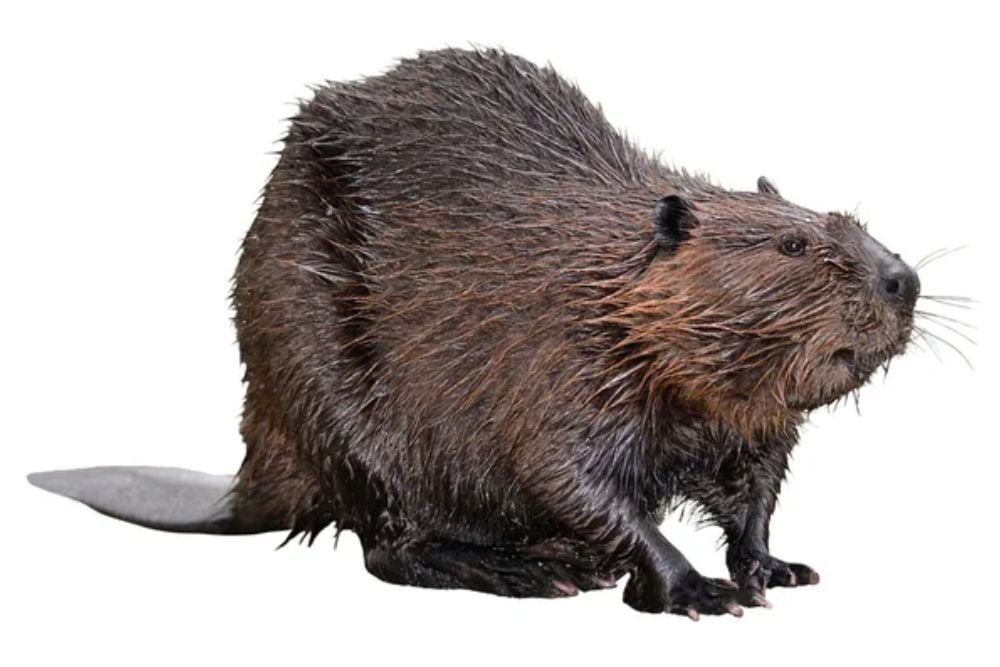
The Pacific Coast League’s Portland Beavers had a mascot that took the beaver theme to uncomfortable extremes. The mascot featured enormous buck teeth, a flat tail that dragged behind it, and would spend games gnawing on wooden props to demonstrate authentic beaver behavior.
The constant gnawing created a persistent grinding sound that annoyed fans and players alike. The final straw came when the mascot’s teeth got stuck in the wooden dugout during a playoff game, requiring maintenance crews with crowbars to free it.
Hollywood Stars

This Pacific Coast League team from the 1920s-1950s had a mascot that perfectly captured the excess of early Hollywood. The mascot was a giant golden star wearing sunglasses, a tuxedo, and multiple fake jewelry pieces that would jingle with every movement.
The costume was so elaborate and heavy that the person inside could barely move, leading to a mascot that mostly just stood in one place and occasionally waved. The absurdity reached its peak when the mascot began requiring its own chair on the bench because standing for entire games became impossible.
Syracuse Stars

Not to be confused with the Hollywood Stars, the Syracuse Stars of the International League had their own stellar mascot with equally bizarre characteristics. Their star mascot was designed to actually light up using early electrical systems, creating a glowing five-pointed figure that was supposed to dazzle fans.
Unfortunately, the electrical components were unreliable and dangerous, leading to several incidents where the mascot would short-circuit, smoke, or give small electrical shocks to anyone who touched it. The fire marshal eventually banned the illuminated costume after a minor electrical fire during a doubleheader.
Like Go2Tutors’s content? Follow us on MSN.
Newark Bears

The International League’s Newark Bears had a mascot that was more terrifying than endearing. The bear costume was designed to look as realistic as possible, with genuine-looking claws, teeth, and a growling mechanism that could be activated by the person inside.
The mascot would chase opposing teams’ players during warm-ups and ‘attack’ rival mascots during pre-game ceremonies. Several visiting teams complained that the bear mascot was genuinely frightening their players, and at least one opposing pitcher reportedly refused to take the mound until the bear was removed from the area.
The Spectacle Lives On
These forgotten mascots remind us that sports entertainment wasn’t always the polished, focus-grouped spectacle we know today. Team owners threw caution to the wind, creating characters that were equal parts memorable and mystifying.
While modern mascots undergo extensive testing and approval processes, these early attempts at fan engagement were raw, unfiltered expressions of team identity that often went hilariously wrong. Today’s carefully crafted characters might be safer and more appealing, but they’ll never match the pure, unhinged creativity of sports’ mascot pioneers.
The legacy of these bizarre characters lives on in team histories and newspaper archives, serving as reminders of an era when anything seemed possible—even if it probably shouldn’t have been tried.
More from Go2Tutors!

- 16 Restaurant Chains That Went Too Fast
- 12 Things Sold in the 80s That Are Now Illegal
- 15 Strange Things People Have Tried to Ban (And Failed)
- 16 Collectibles People Tossed Out Too Soon
- 17 Myths from Your Childhood That Were Actually Based on Real Things
Like Go2Tutors’s content? Follow us on MSN.