Candy Secrets Manufacturers Don’t Advertise
Candy seems harmless — colorful wrappers, sweet promises, and that quick spark of joy. Yet beneath the sugar and shine are details brands would rather keep tucked away.
Here’s a list of secrets hidden in the candy world that almost never make it onto the label.
Shellac on Shiny Candy

That gleaming coat on jelly beans or glossy chocolates isn’t just sugar polish — it’s shellac, a resin produced by the lac bug. The very same substance is used to finish wood.
Still, it delivers that flawless look. Smooth. Perfect. Even if the source feels less than appetizing.
Hidden Gelatin

Chewy candies get their bounce from gelatin, which is made by boiling animal parts rich in collagen — most often from pigs or cows. Gummies, marshmallows, and even some chewy mints depend on it.
Not great news for vegetarians, or anyone assuming that “fruit flavor” means plant-based.
Artificial Strawberry

Strawberry sweets rarely see a real berry. The flavor usually comes from synthetic compounds like ethyl methylphenylglycidate.
The outcome? A version of strawberry that’s bolder, sweeter, and nothing like a fresh-picked one from the garden.
Sugar by Another Name
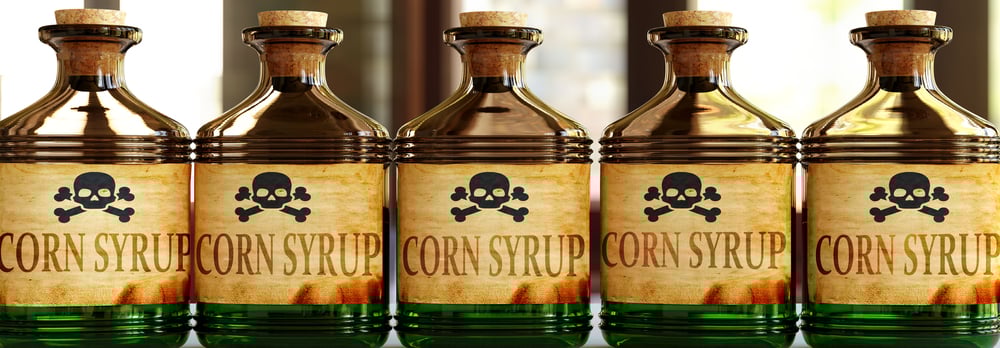
Candy labels don’t always spell out “sugar.” Instead, the sweetener hides under other names — corn syrup, glucose solids, fructose, maltodextrin.
Different labels, same effect. Just sugar wearing disguises.
Red Dye from Insects
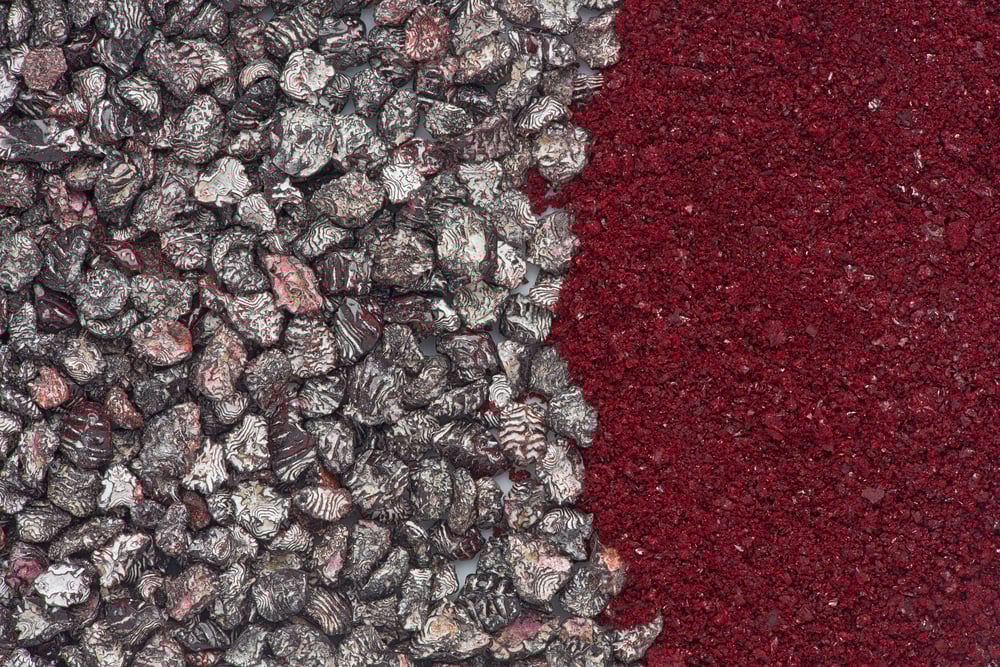
The bright red found in some candy coatings often comes from carmine — a dye made by crushing cochineal insects. It’s been used for centuries, though many buyers still have no idea they’re eating insect-derived color.
And yes, it’s still in circulation today.
Candy Bars Shrinking

Sometimes the recipe doesn’t change, but the size does. Over the years, candy bars have slimmed down while prices remain steady — a tactic known as shrinkflation.
Smaller bar, same wrapper. And most people don’t notice until they compare old and new side by side.
Sour Powder Tricks

That shocking sour punch? It isn’t a mystery flavor. It’s usually citric acid or malic acid dusted on the candy’s surface. It dissolves fast, leaving the inside sugary and addictive.
So the first bite makes your face scrunch — but the sweetness that follows keeps you reaching for more.
Chocolate Coating Shortcuts
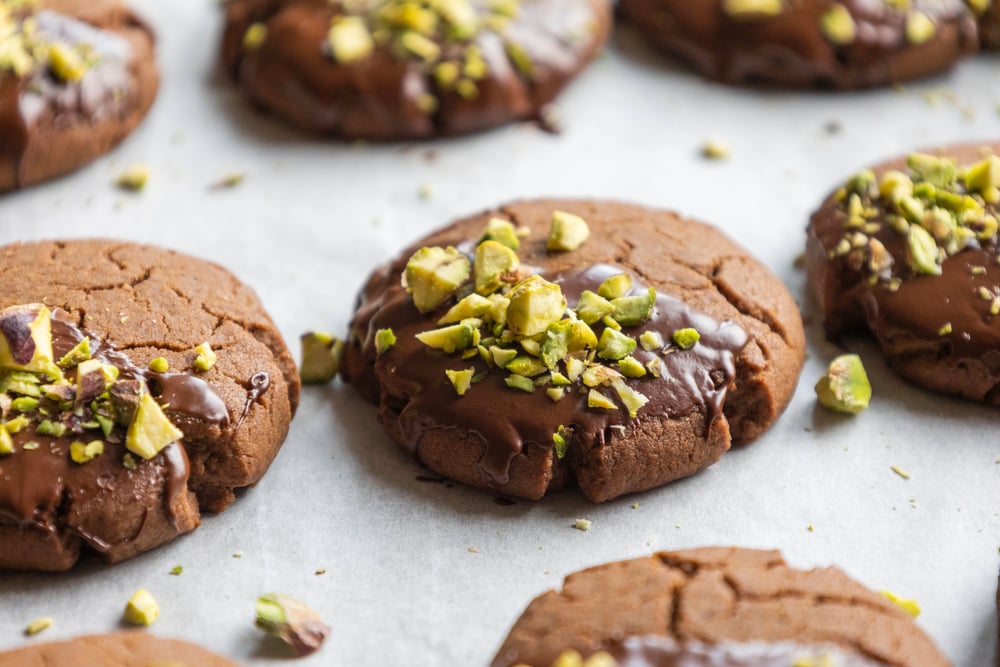
Not all chocolate coatings are true chocolate. Many use “compound chocolate,” made with vegetable oils in place of cocoa butter.
It’s cheaper, melts differently, and lacks that smooth snap of authentic chocolate. Even so, unless you check the fine print, you’d never notice.
Seasonal Rebranding

Those holiday treats? Often just the same recipe, reshaped and rewrapped. Hearts for Valentine’s, eggs for Easter, pumpkins for Halloween.
Still, a tree-shaped chocolate somehow does taste better.
Where Sweetness Hides the Truth

Behind the mascots and the bright foil lies a set of quiet truths — insect dyes, shrinking bars, hidden animal products. Candy may look simple, but every piece carries a story manufacturers rarely tell. Sweetness is real, yet so are the secrets.
More from Go2Tutors!

- The Romanov Crown Jewels and Their Tragic Fate
- 13 Historical Mysteries That Science Still Can’t Solve
- Famous Hoaxes That Fooled the World for Years
- 15 Child Stars with Tragic Adult Lives
- 16 Famous Jewelry Pieces in History
Like Go2Tutors’s content? Follow us on MSN.