27 Ways Kids Spent Summer Before Air Conditioning Was Standard
Central air conditioning did not become common in American homes until well into the second half of the twentieth century, and even window units remained a luxury for many families into the 1970s and beyond. For kids stuck inside a hot house with nothing but an open window and maybe a fan, summer boredom had a way of turning into invention.
These are the ways an entire generation of children found relief, entertainment, and trouble long before central air made staying indoors an option.
Running Through a Sprinkler
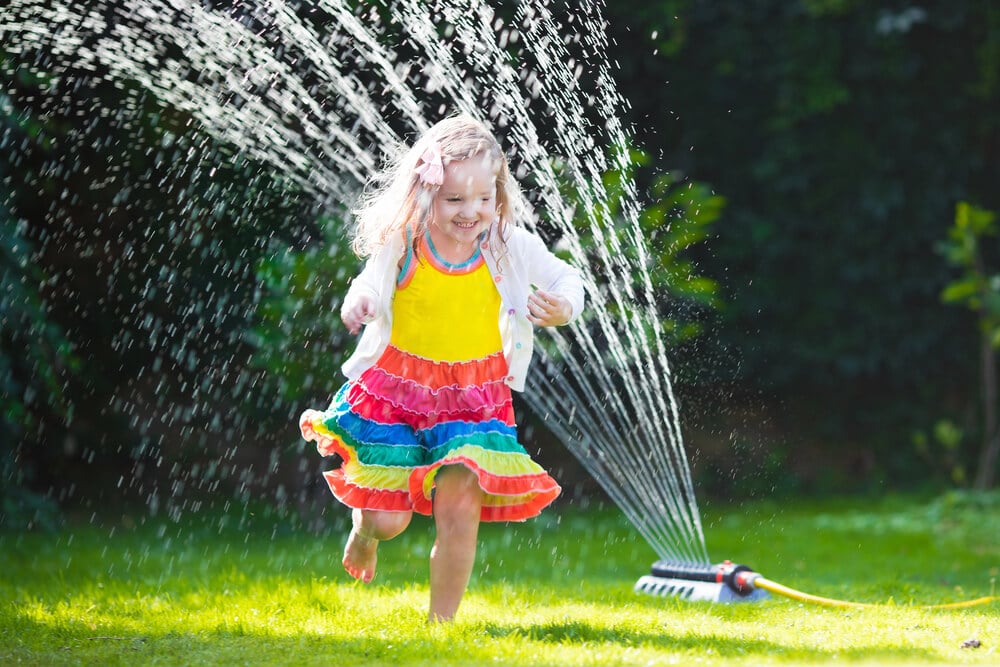
A single oscillating lawn sprinkler could occupy an entire block of children for hours, requiring nothing more than a garden hose and a patch of grass. Unlike a pool, it needed no supervision beyond a parent glancing out a window occasionally, which made it one of the most common and least expensive ways families cooled kids down.
Sleeping on the Porch
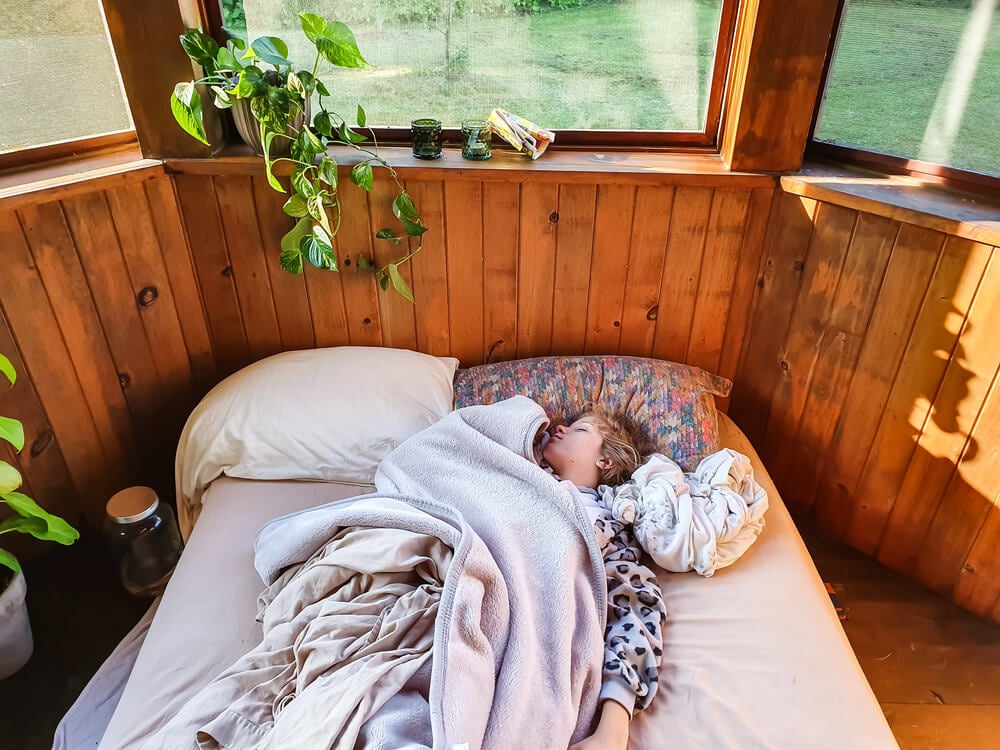
On the nights, families without air conditioning sometimes moved bedding out to a screened porch or even the front lawn, chasing whatever breeze existed outside a stifling house. The practice was common enough in some regions that sleeping porches were built directly into home designs specifically for that purpose.
Catching Fireflies in a Jar

Evening hours, once the worst heat of the day had passed, brought kids outside to catch fireflies by hand and store them temporarily in a glass jar with a perforated lid for air. The activity required no equipment beyond a jar and patience, and it doubled as one of the few reliably cool times of day to be outdoors at all.
Riding Bikes Until the Streetlights Came On

With no air conditioning to retreat to, staying outside on a bicycle was often simply more comfortable than sitting in a hot house, and it kept kids occupied for entire afternoons. The unofficial rule in many neighborhoods was that streetlights turning on meant it was time to head home, a schedule set by daylight rather than any parental supervision.
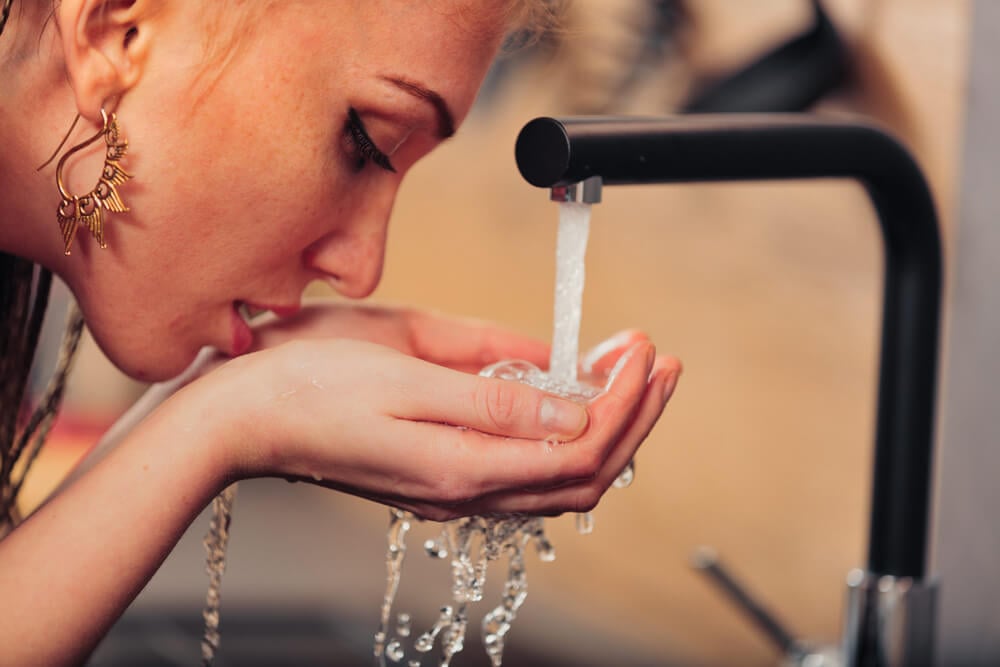
Drinking from a Garden Hose
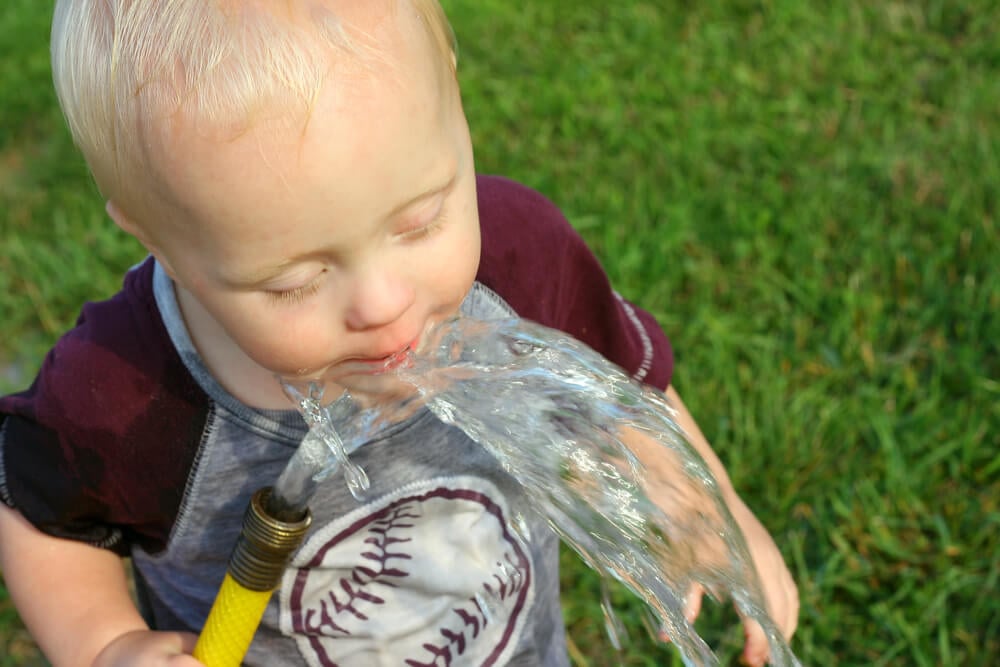
Long before bottled water was a household staple, a garden hose left in the sun was the default source of a cold drink during outdoor play, water and mineral taste included. The practice was universal enough that “hose water” became its own specific, recognizable flavor for an entire generation of kids.
Making Kool-Aid from a Powder Packet
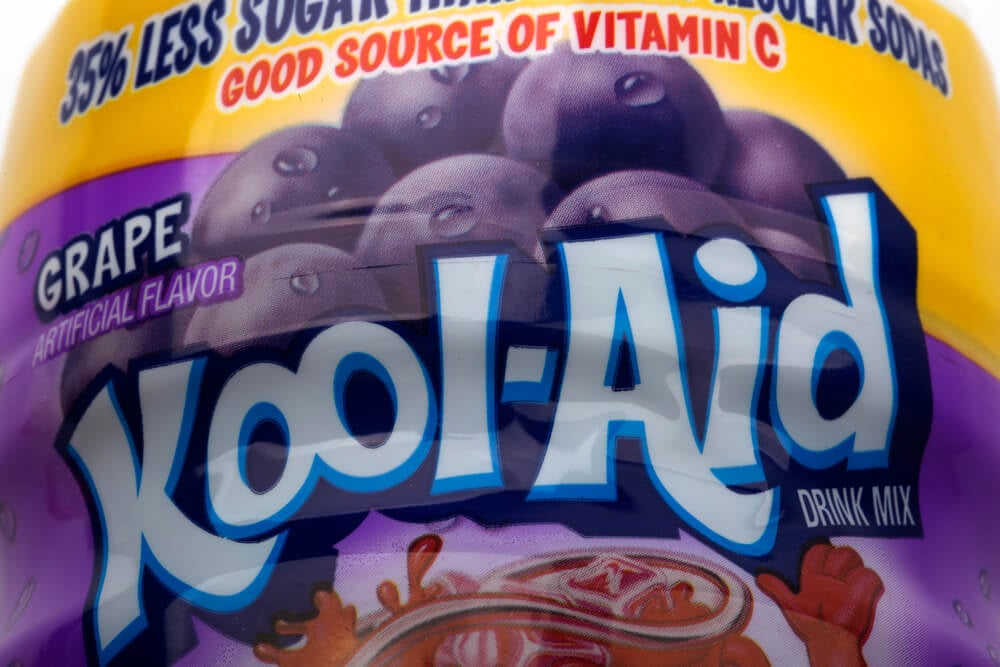
A cheap paper packet of powdered drink mix, stirred into a pitcher of water with a generous amount of sugar, was one of the few reliably cold treats available in a house without much refrigeration space to spare on ice. Kids often mixed the packets themselves, turning drink preparation into one of the few kitchen tasks parents willingly handed over.
Sitting in Front of a Box Fan
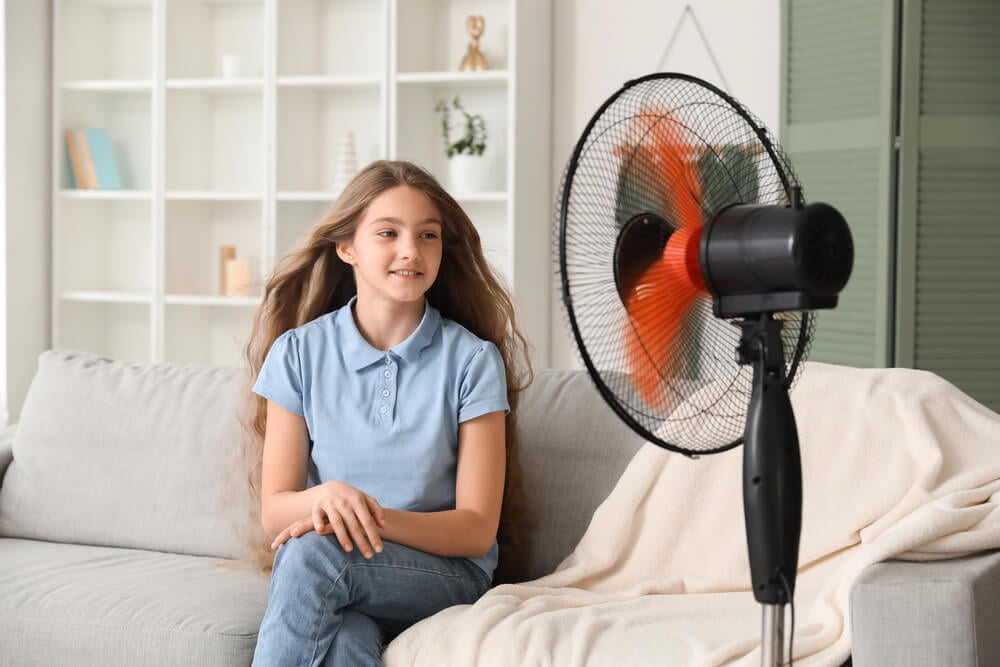
Before central air, an electric box fan positioned in a window was often the single most effective cooling technology a household had, pulling in whatever slightly cooler air existed outside after sundown. Kids would sometimes talk directly into the spinning blades to hear their voice distort, a small, universally rediscovered trick passed down without any adult ever teaching it.
Going to the Local Pool

Municipal and neighborhood pools filled to capacity on the highest temperature days, functioning as the closest thing many communities had to a public cooling center. A pool membership or a handful of coins for entry was often considered a worthwhile summer expense specifically because home cooling options were so limited.
Freezing Kool-Aid or Juice into Ice Pops
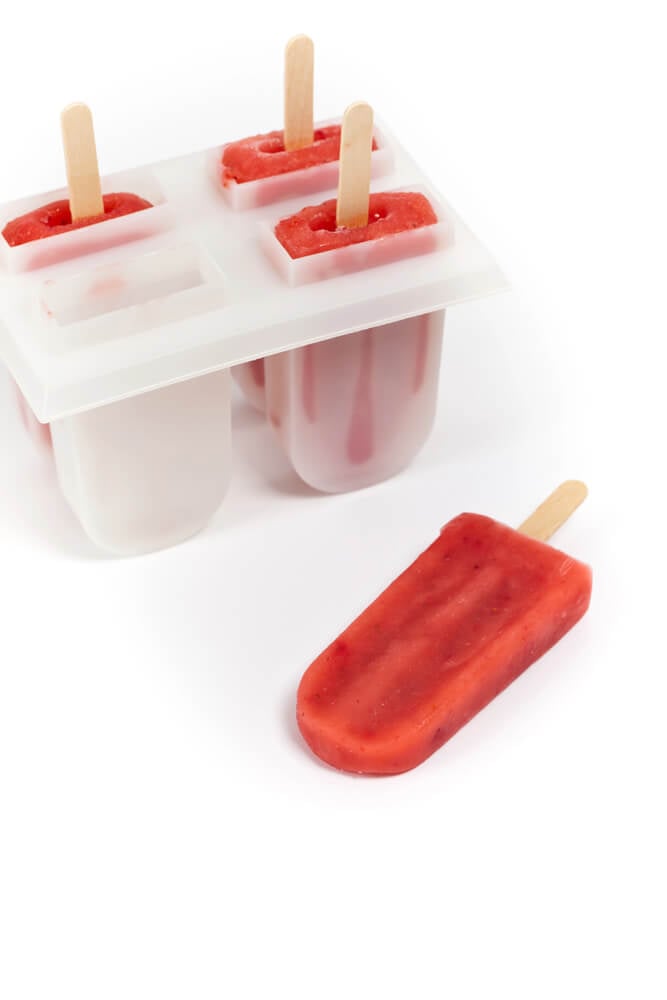
Rather than buying pre-made popsicles, many households froze leftover juice or powdered drink mix in ice cube trays or small paper cups with a stick or spoon inserted, creating a homemade version at a fraction of the cost. The result varied wildly in quality from batch to batch, which was part of the appeal for kids involved in making them.
Playing in the Basement

Basements, being partially underground, stayed noticeably cooler than the rest of the house during summer heat, making them an informal retreat for kids even in homes without any dedicated recreation room. Board games, comic books, and record players often migrated downstairs for the season simply because the temperature made it the most livable room in the house.
Reading in the Shade of a Tree
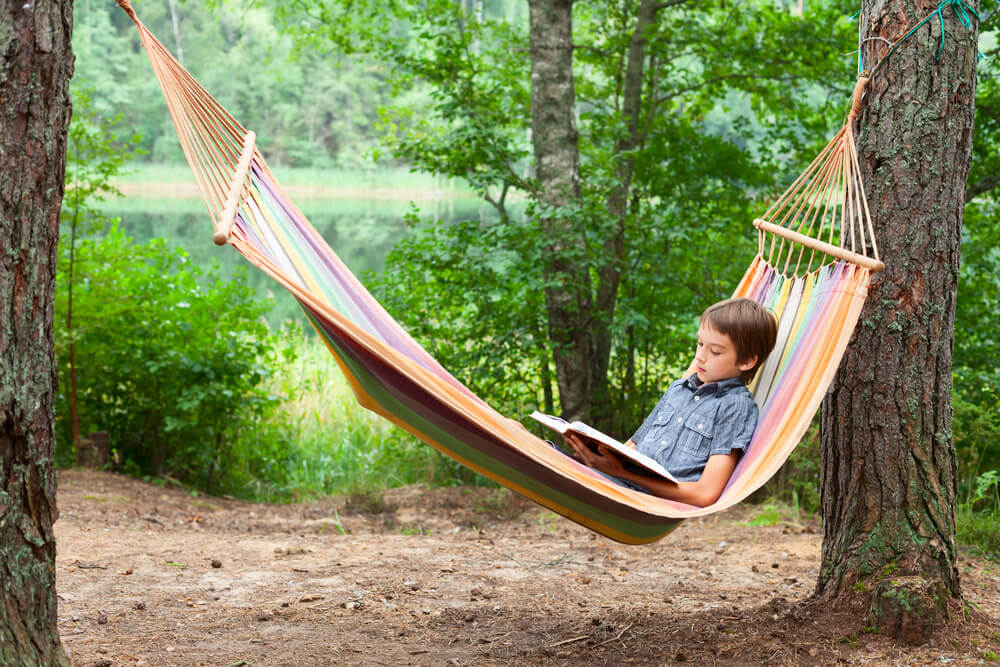
Without air conditioning pulling kids indoors, outdoor shade became a genuinely competitive resource, and a spot under a large tree with a good breeze was often more comfortable than anywhere inside the house. Library summer reading programs, which many towns ran specifically during these months, gave kids a reason to have a stack of books on hand for exactly this purpose.
Catching a Matinee at an Air-Conditioned Theater
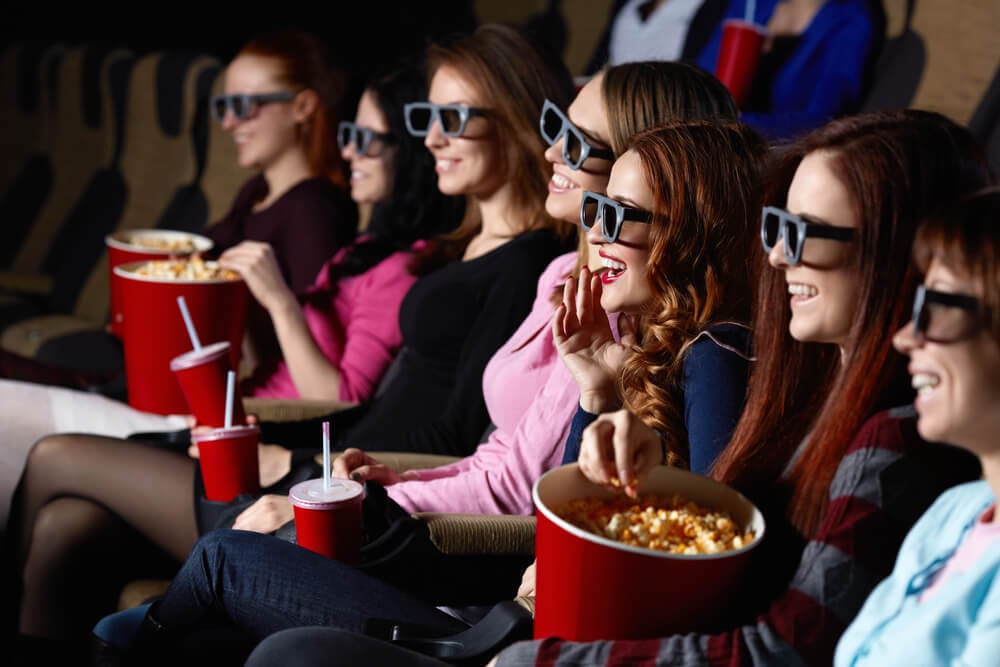
Movie theaters were among the first public buildings to widely install air conditioning, starting in the 1920s and 1930s, and by mid-century a cheap matinee ticket was one of the most reliable ways to spend a few hours somewhere genuinely cool. Some theaters advertised their air conditioning as prominently as the films themselves during the stretches of summer.
Wetting a Bandana or Towel

A simple washcloth or bandana soaked in cold water and draped around the neck was a low-tech but genuinely effective way to manage heat during long stretches of outdoor play. Kids often re-soaked the same cloth repeatedly throughout the day at any available hose or sink.
Playing Kick the Can After Dark
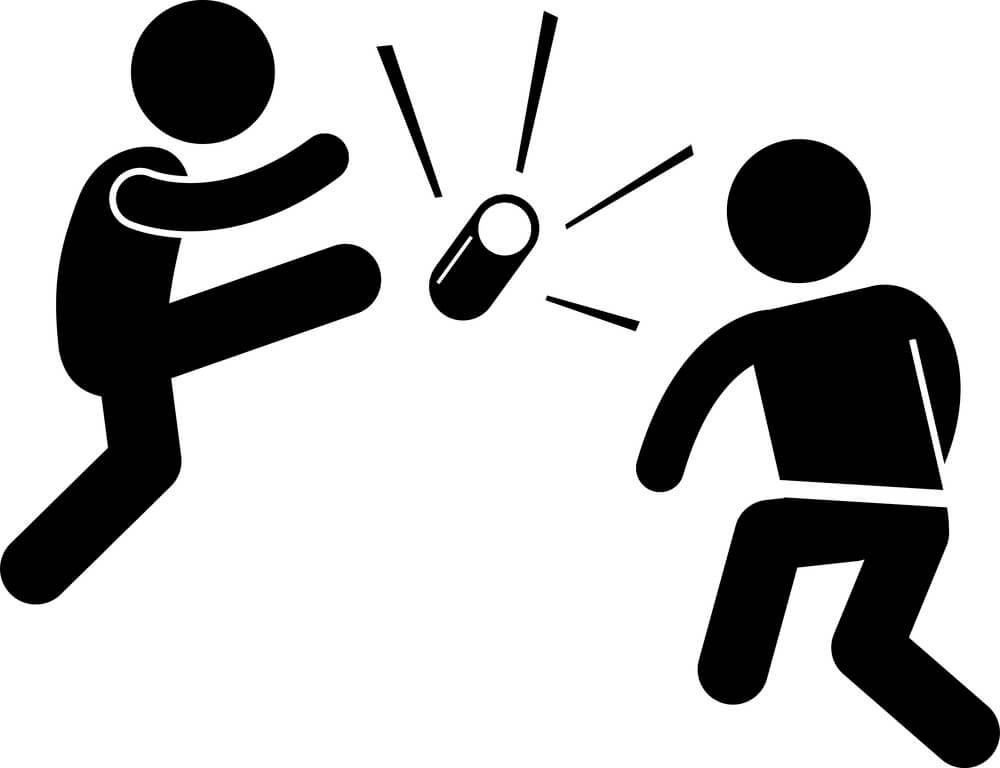
Once the sun went down and temperatures dropped even slightly, neighborhood games like kick the can or flashlight tag became far more comfortable than anything attempted during peak afternoon heat. These games also took advantage of the extended daylight of summer evenings, giving kids more usable outdoor hours than winter ever offered.
Sitting in a Cool Church or Library

Public buildings with better cooling systems than the average home, particularly libraries and churches, became informal daytime refuges for families during heat waves. A trip that was ostensibly about returning library books often stretched into an hour or more spent simply enjoying the temperature difference.
Making a Fort in the Coolest Room
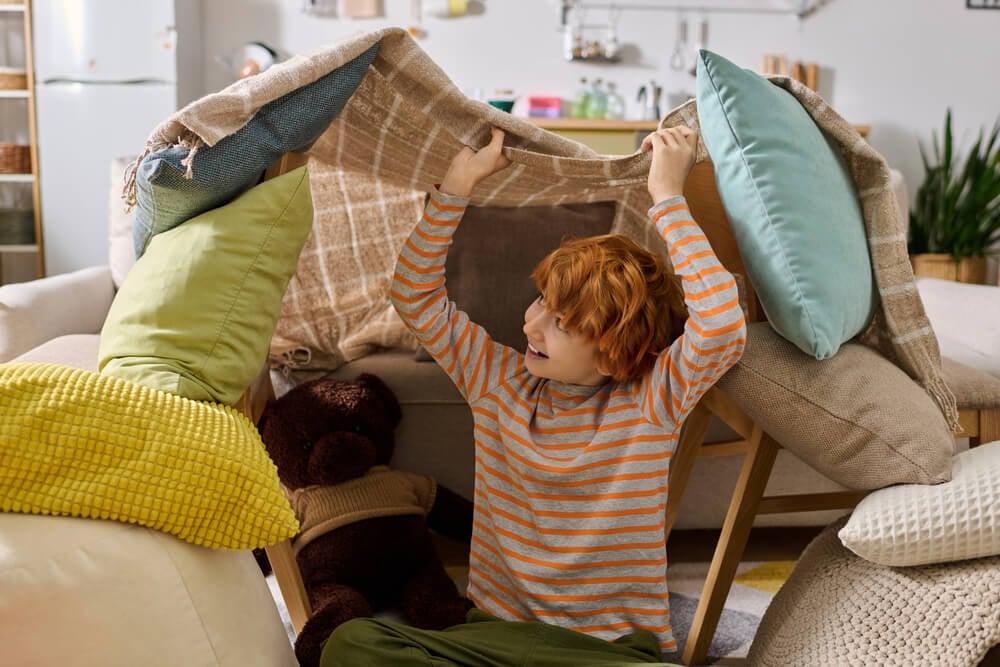
Kids often built pillow and blanket forts not for warmth but specifically in whichever room of the house stayed coolest, frequently a windowless interior room or hallway insulated from direct sun. The fort itself had little to do with temperature, but its location almost always did.
Going Barefoot on Cool Grass

Early morning or evening grass, still damp with dew, offered a genuine temperature break for kids who spent the rest of the day in shoes on hot pavement. The specific sensation of cool grass underfoot after a day of summer heat became one of the small, recurring pleasures many people from that era still describe vividly.
Drinking from a Communal Water Cooler at the Ballfield
Local little league games and pickup sports at community fields often relied on a shared metal water cooler with a spigot, refilled with ice from home, since portable insulated water bottles were far less common than they are today. Sharing a single ladle or cup was standard practice, a detail that reflects how differently public hygiene norms once operated.
Sleeping with a Wet Sheet Draped Nearby

In particularly humid regions before air conditioning, some families used the older practice of hanging a damp sheet near an open window, letting evaporation cool the air slightly as it moved through the room. It was a low-tech precursor to what a modern evaporative cooler does mechanically.
Catching a Breeze on the Roof
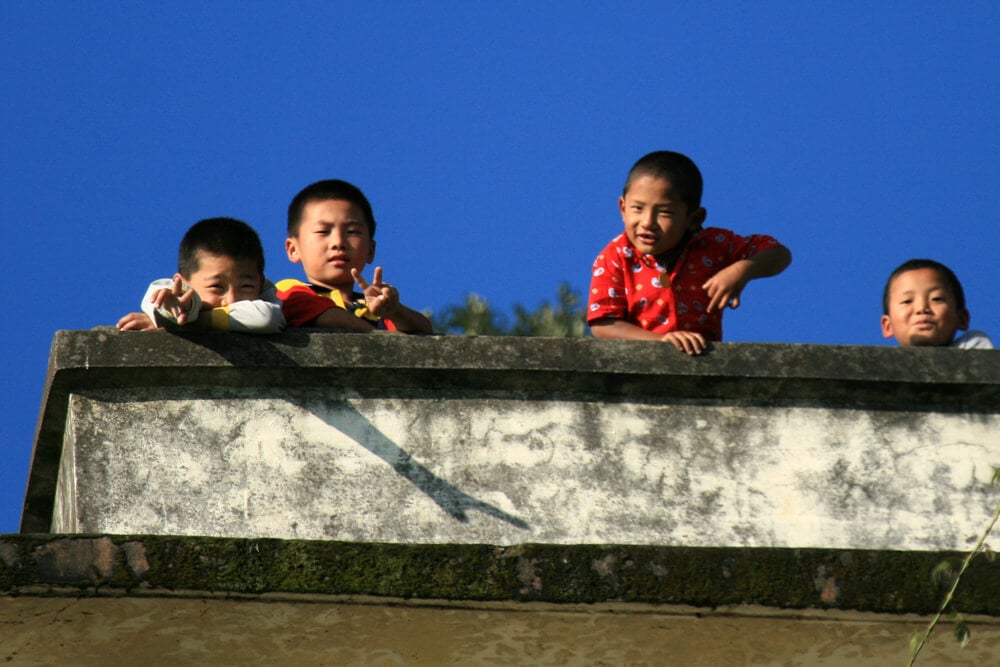
In dense urban neighborhoods, particularly in cities with rows of flat-roofed buildings, families and kids sometimes climbed onto rooftops in the evening specifically to catch whatever breeze existed above street level. The practice was common enough in some cities that rooftop gatherings became a recognized part of summer evening life.
Playing Cards on the Front Stoop
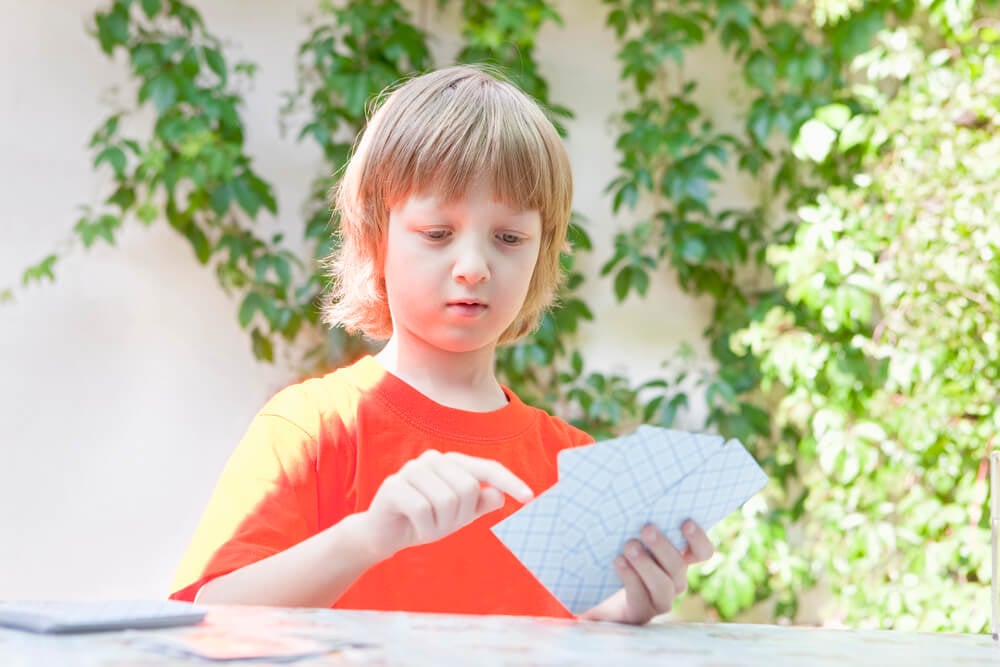
Front porches and stoops offered shade and airflow that the interior of a house often lacked, making them a default gathering spot for both kids and adults during the highest temperature parts of the day. A simple deck of cards required no equipment and could be picked up or abandoned instantly depending on the heat.
Making Mud Pies Near an Outdoor Spigot
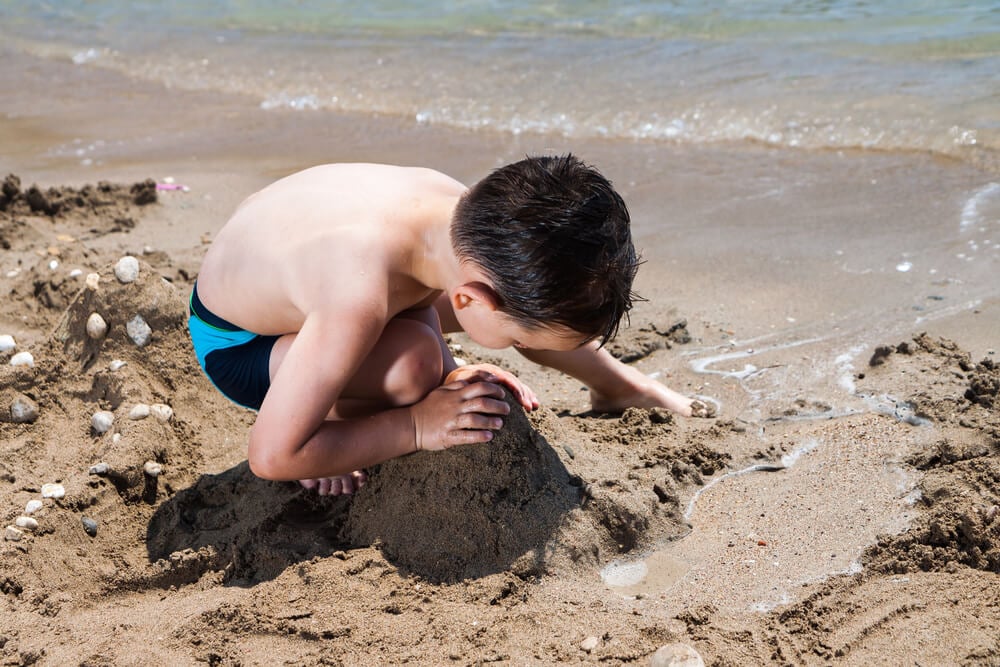
An outdoor water source combined with dirt was often all that was needed to occupy younger kids for an entire afternoon, particularly since the activity kept them near water without requiring direct supervision the way a full pool did. The resulting mess was generally considered an acceptable tradeoff for keeping children both entertained and physically cool.
Riding in the Back of a Pickup Truck

In many rural and suburban areas before the practice was widely restricted by law, kids rode in the open bed of a pickup truck specifically because the moving air offered relief that a closed, un-air-conditioned car cabin could not. The practice has since been phased out almost entirely due to safety regulations, but for decades it was a routine way to travel comfortably in summer heat.
Drinking Ice Water Kept in a Metal Thermos

Before insulated plastic bottles became standard, a metal thermos filled with ice water was a common way for kids to carry cold water on long outdoor excursions, from fishing trips to all-day bike rides. The thermos itself often became a prized possession, passed down between siblings for years.
Hanging Out at the Drive-In
Drive-in movie theaters, at their peak popularity through the 1950s and into the following decades, let families watch a film after dark specifically because nighttime temperatures made sitting in a car, windows down, considerably more bearable than an afternoon matinee indoors without air conditioning at home to return to. Kids often changed into pajamas beforehand, treating the outing as much like a bedtime ritual as an entertainment event.
Playing in a Kiddie Pool Set Up in the Yard

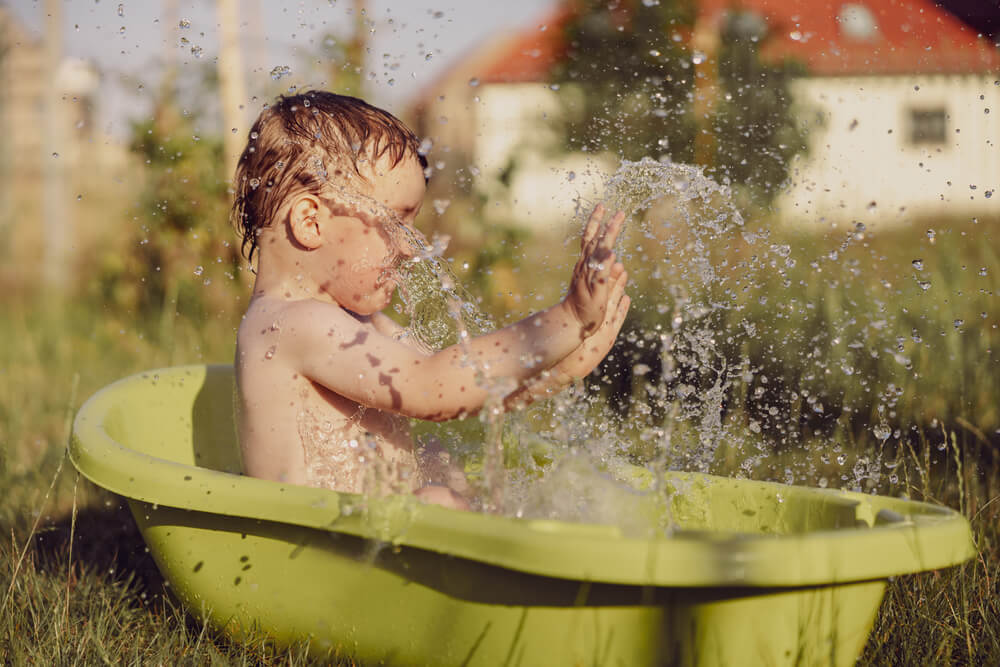
A cheap, inflatable or hard-plastic kiddie pool filled from a garden hose gave younger children a scaled-down version of a real pool experience without requiring a membership or a car ride anywhere. It was refilled constantly throughout the day as the water warmed in the sun, making it as much a ritual as an actual cooling method.
Chasing the Ice Cream Truck
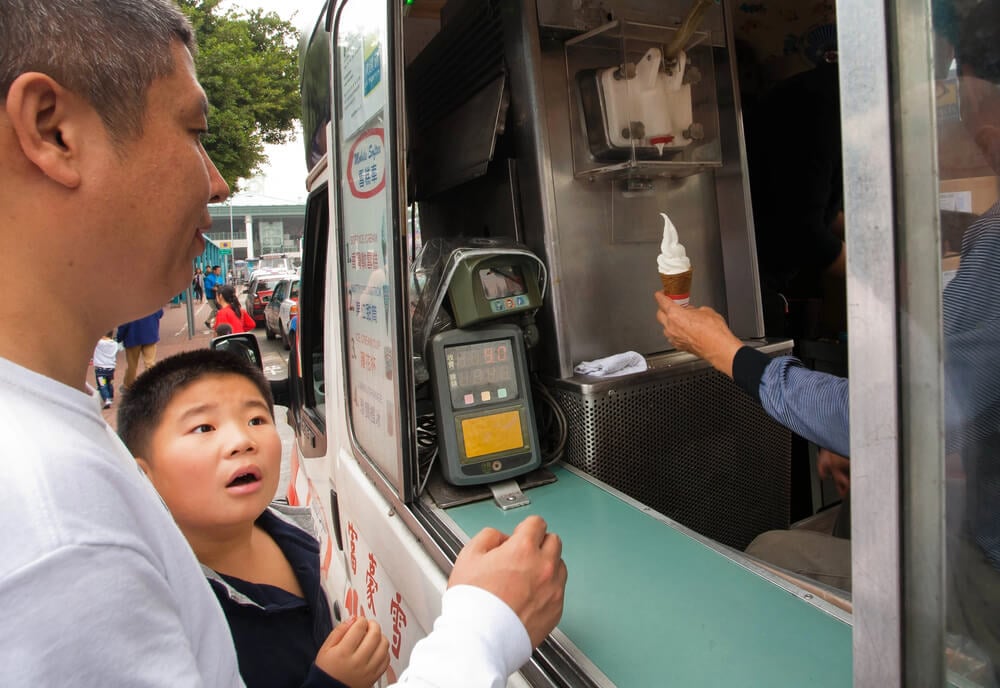
The distinctive jingle of an ice cream truck rounding the corner sent kids sprinting through yards to flag it down before it passed, often with whatever loose change they could find in a hurry. Beyond the treat itself, the truck represented one of the only cold, reliable pleasures available on a punishingly hot afternoon, which made its arrival a genuine event rather than a routine purchase.
What the Heat Actually Taught
None of these were solutions in any real sense. A sprinkler did not lower a house’s temperature, and a wet bandana did not fix a humid night’s sleep.
What summer heat did, in the absence of any mechanical fix, was push an entire generation of kids outside and keep them there, often unsupervised, for stretches of time that would strike many modern parents as unthinkable. That forced exposure to boredom, heat, and each other produced its own kind of education, one built on games invented on the spot and a shared, unspoken understanding of which spots in the neighborhood stayed coolest.
Air conditioning did not just cool houses down. It quietly ended a version of childhood that depended entirely on escaping them.
More from Go2Tutors!

- The Romanov Crown Jewels and Their Tragic Fate
- 13 Historical Mysteries That Science Still Can’t Solve
- Famous Hoaxes That Fooled the World for Years
- 15 Child Stars with Tragic Adult Lives
- 16 Famous Jewelry Pieces in History
Like Go2Tutors’s content? Follow us on MSN.



