17 Historical Disasters Caused by Human Error
Throughout history, humanity has achieved remarkable feats of engineering and innovation. We’ve built soaring bridges, launched rockets to the moon, and constructed massive ships that seemed unsinkable. Yet alongside these triumphs, there’s a sobering reality that reminds us of our fallibility. When human judgment fails, when corners are cut, or when warning signs are ignored, the consequences can be catastrophic.
These disasters serve as powerful reminders that behind every great engineering project are people making decisions, and people make mistakes. The lessons learned from these tragedies have shaped modern safety protocols and engineering standards, making today’s world significantly safer.
Here is a list of 17 devastating disasters throughout history where human error played the decisive role in turning routine operations into deadly catastrophes.
The Titanic Sinking

The ‘unsinkable’ RMS Titanic met its fate on April 15, 1912, when it struck an iceberg in the North Atlantic. While the iceberg delivered the fatal blow, human decisions sealed the ship’s doom.
The designers removed safety boats to make room for more luxurious first-class accommodations, leaving insufficient lifeboats for all passengers and crew. Captain Edward Smith ignored multiple ice warnings and maintained full speed through dangerous waters, while lookouts lacked binoculars that had been locked away and forgotten.
Chernobyl Nuclear Disaster

On April 26, 1986, reactor number 4 at the Chernobyl Nuclear Power Plant exploded during what should have been a routine safety test. The operators disabled crucial safety systems and violated numerous protocols while conducting an unauthorized experiment.
When the reactor became unstable, their panicked attempts to shut it down triggered a massive steam explosion that blew the reactor apart. The disaster spread radioactive contamination across much of Europe and remains the worst nuclear accident in history.
Like Go2Tutors’s content? Follow us on MSN.
Space Shuttle Challenger Explosion

The Challenger disaster shocked the world on January 28, 1986, when the space shuttle broke apart just 73 seconds after launch, killing all seven crew members. Engineers at Morton Thiokol had warned that the O-ring seals in the solid rocket boosters could fail in cold weather, but NASA management ignored these concerns due to schedule pressure.
The temperature that morning was well below the safe operating range for the seals, causing them to fail and allowing hot gases to breach the external fuel tank.
Tacoma Narrows Bridge Collapse

The Tacoma Narrows Bridge in Washington state opened on July 1, 1940, and collapsed just four months later on November 7. Engineers had ignored wind tunnel testing and dismissed concerns about the bridge’s unusual movements, which locals nicknamed ‘Galloping Gertie.’
The bridge’s narrow design and solid sides created the perfect conditions for aerodynamic instability. When 42-mph winds hit the bridge that morning, it began oscillating violently until the main span twisted apart and crashed into Puget Sound below.
Hindenburg Disaster
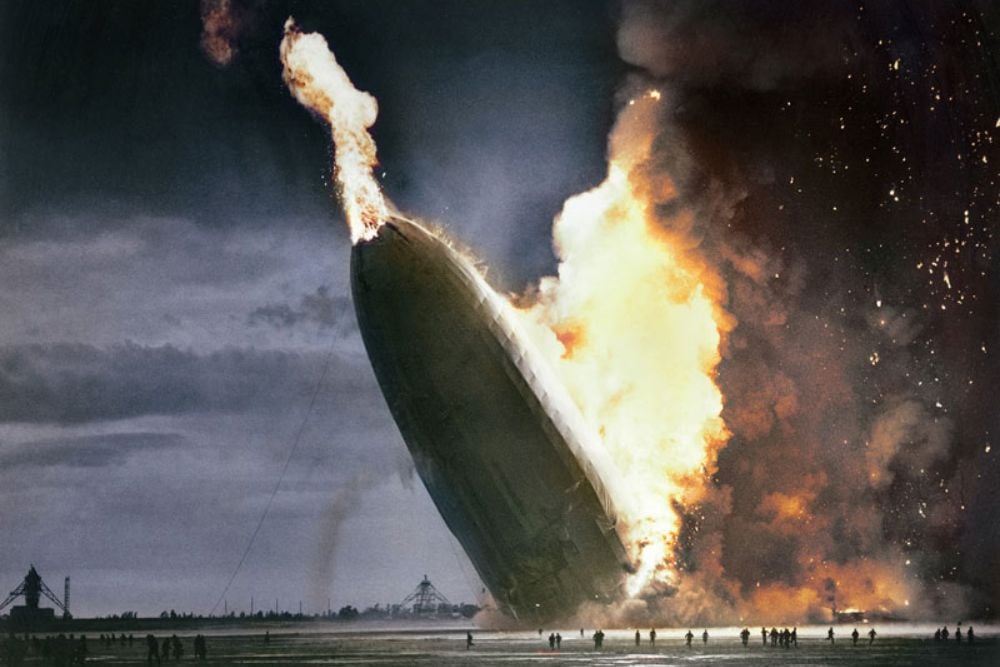
The German passenger airship Hindenburg burst into flames while attempting to dock in New Jersey on May 6, 1937, killing 36 people. The airship was filled with highly flammable hydrogen gas instead of safer helium due to a U.S. embargo on helium exports to Nazi Germany.
Static electricity likely ignited hydrogen that had leaked from the gas cells, possibly due to a structural failure or venting procedure gone wrong. The tragedy marked the end of the passenger airship era.
Like Go2Tutors’s content? Follow us on MSN.
Bhopal Gas Tragedy
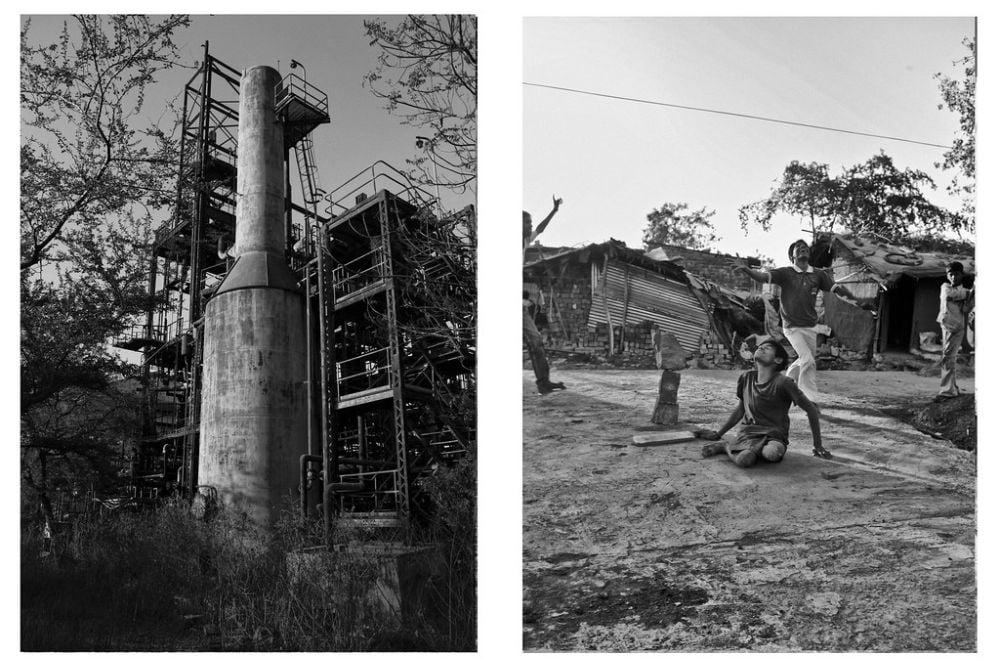
The worst industrial disaster in history occurred on December 3, 1984, when a pesticide plant in Bhopal, India, leaked toxic methyl isocyanate gas. Plant operators had shut down several safety systems to save money, including the refrigeration system that should have kept the dangerous chemical stable.
Water entered a storage tank containing the chemical, triggering a violent reaction that released a deadly cloud over the city. The disaster killed thousands immediately and affected hundreds of thousands more.
Deepwater Horizon Oil Spill
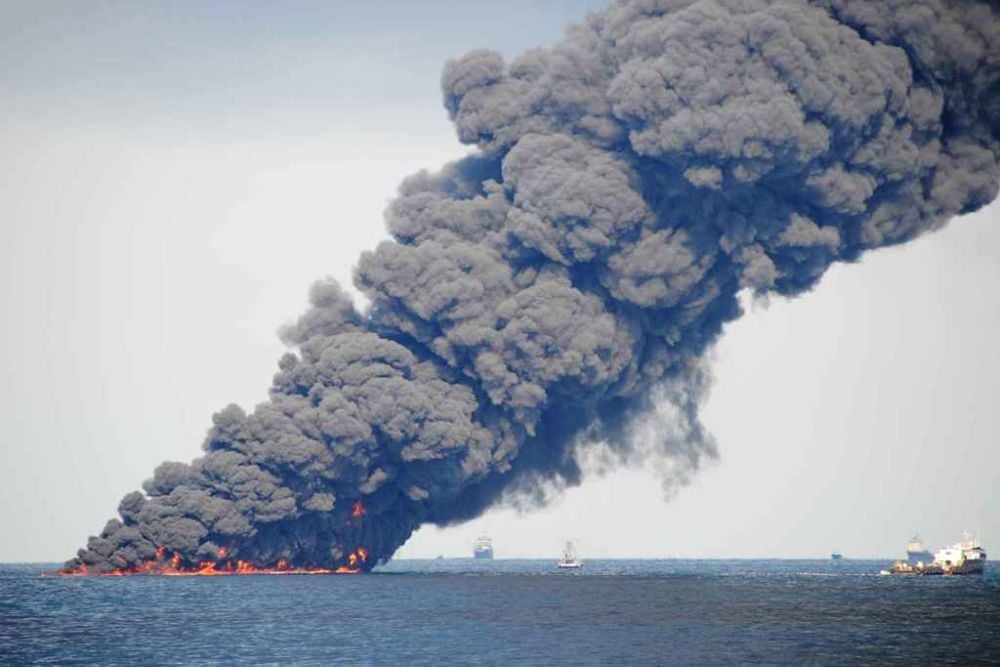
On April 20, 2010, the Deepwater Horizon drilling rig exploded in the Gulf of Mexico, killing 11 workers and causing the largest marine oil spill in history. BP and its contractors ignored warning signs of a dangerous pressure buildup in the well and failed to properly test the cement seal.
They also misinterpreted critical test results and removed heavy drilling mud too early, allowing oil and gas to surge up the well. The blowout preventer, the last line of defense, failed to activate properly when needed.
Kansas City Hyatt Regency Walkway Collapse
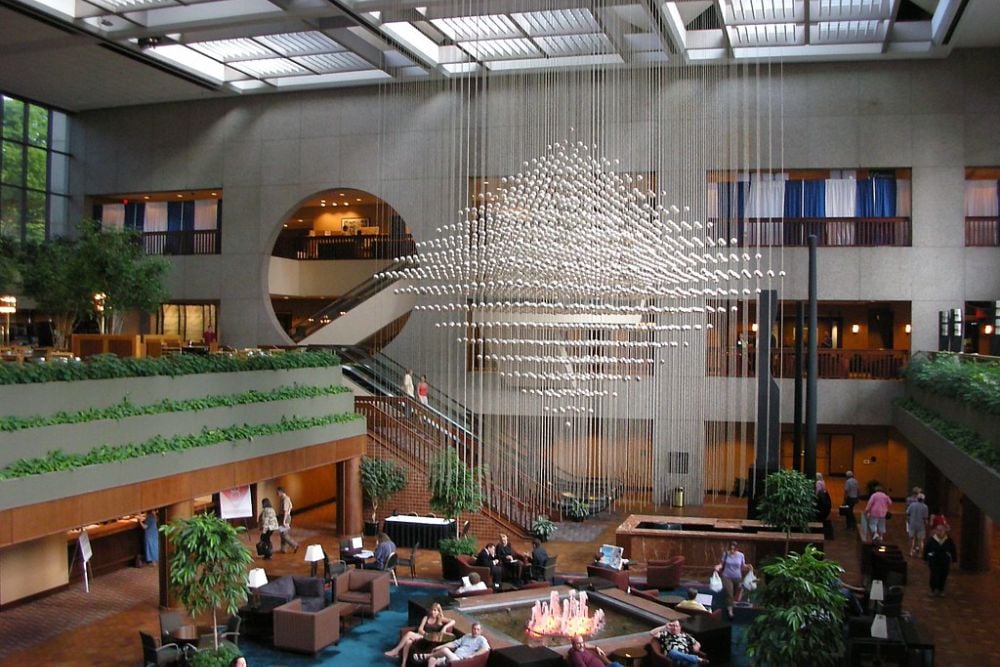
On July 17, 1981, two suspended walkways in the Hyatt Regency Hotel collapsed during a crowded tea dance, killing 114 people and injuring 216. The tragedy resulted from a seemingly minor design change that doubled the load on a critical connection.
Engineers modified the walkway support system without properly analyzing the structural implications, and the connection failed under the weight of people gathered on the walkways. It remains one of the deadliest structural collapses in U.S. history.
Like Go2Tutors’s content? Follow us on MSN.
The Great Molasses Flood
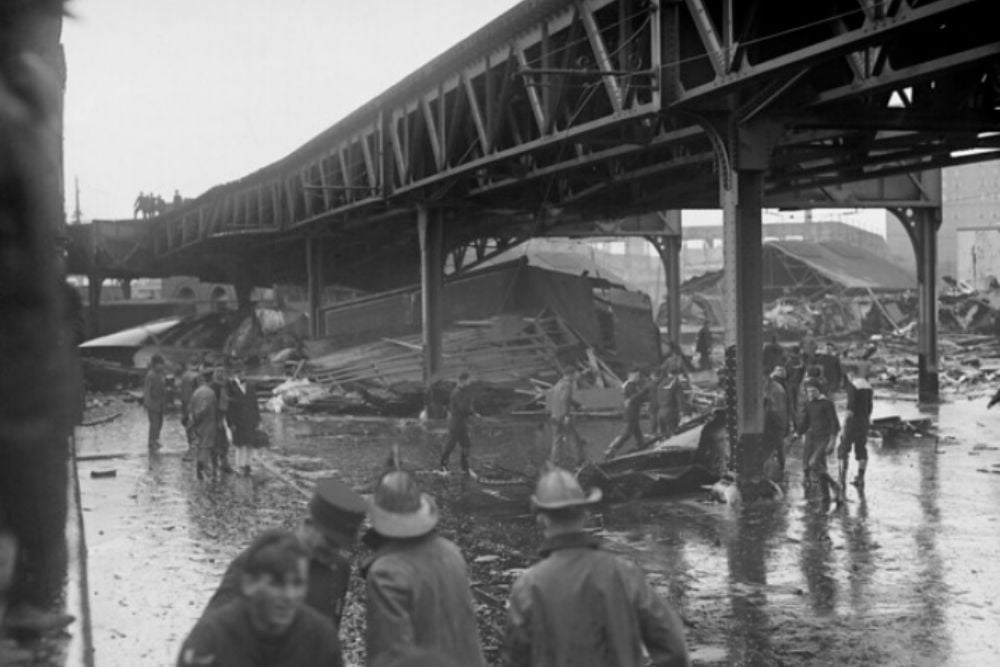
Boston experienced one of its strangest disasters on January 15, 1919, when a massive tank containing 2.3 million gallons of molasses burst open. The 50-foot-tall tank had been poorly constructed with substandard materials and never properly tested for structural integrity.
The company ignored visible leaks and structural problems, simply painting over the cracks to hide them. When the tank finally failed, it sent a 25-foot wave of molasses through the streets at 35 mph, killing 21 people and injuring 150.
Piper Alpha Oil Platform Explosion

The Piper Alpha oil platform in the North Sea exploded on July 6, 1988, killing 167 workers in one of the worst offshore disasters ever. A maintenance crew had removed a safety valve during the day shift but failed to properly communicate this to the night shift.
When operators tried to start a backup pump, gas escaped through the open valve connection and ignited. Poor emergency procedures and inadequate safety training turned what could have been a manageable incident into a deadly inferno.
Tenerife Airport Disaster
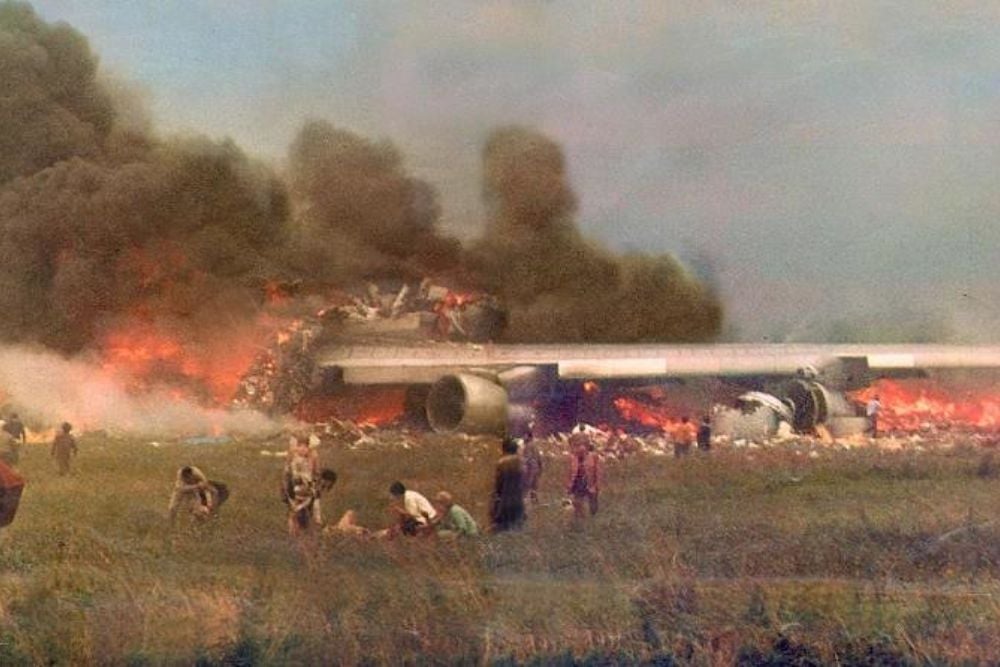
The deadliest aviation accident in history occurred on March 27, 1977, when two Boeing 747s collided on the runway at Tenerife airport, killing 583 people. Dense fog reduced visibility to nearly zero, and the airport lacked ground radar to track aircraft movements.
Miscommunication between air traffic control and the pilots, combined with non-standard phraseology, led to fatal confusion about takeoff clearances. The KLM pilot began his takeoff roll believing he had clearance, while the Pan Am aircraft was still on the runway.
Like Go2Tutors’s content? Follow us on MSN.
Quebec Bridge Collapse
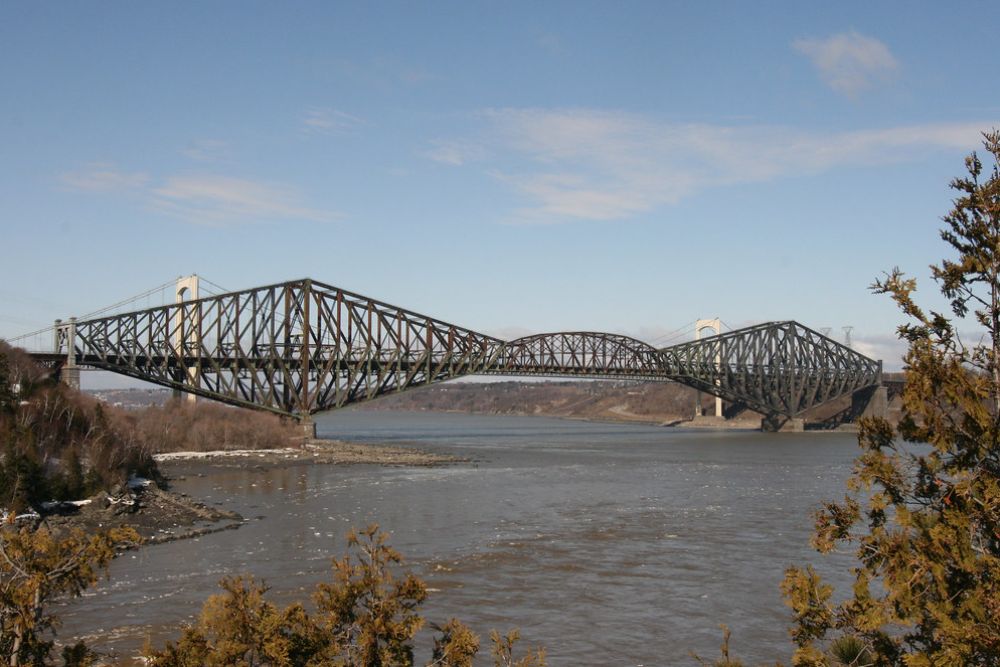
The Quebec Bridge collapsed twice during construction, first on August 29, 1907, and again on September 11, 1916. The initial collapse killed 75 workers when engineers ignored clear warning signs of structural distress, including bent and twisted members.
They had underestimated the bridge’s weight and used inadequate materials for such a massive span. The second collapse occurred when a partially completed span fell into the river during installation, killing 13 more workers and highlighting ongoing design and construction flaws.
St. Francis Dam Collapse

On March 12, 1928, the St. Francis Dam in California catastrophically failed just two years after completion, sending 12.4 billion gallons of water rushing toward the Pacific Ocean. The dam’s chief engineer, William Mulholland, had built it on unstable geological formations without adequate geological surveys.
He ignored visible cracks and seepage in the days before the collapse, dismissing concerns from his own inspectors. The failure killed at least 431 people and destroyed everything in the flood’s path.
Sampoong Department Store Collapse

The Sampoong Department Store in Seoul, South Korea, collapsed on June 29, 1995, killing 502 people and injuring 937. The building’s owners had made unauthorized structural changes, including removing support columns and adding a heavy fifth floor that wasn’t in the original design.
They ignored obvious warning signs like cracks in the ceiling and strange noises, instead choosing to move expensive merchandise rather than evacuate customers. The building pancaked in just 20 seconds, trapping hundreds of shoppers inside.
Like Go2Tutors’s content? Follow us on MSN.
Herald of Free Enterprise Ferry Disaster

The passenger ferry Herald of Free Enterprise capsized outside Zeebrugge harbor on March 6, 1987, killing 193 people. The crew failed to close the bow doors before departure, allowing water to flood the car deck as the ship left port.
A series of human failures contributed to the disaster: the officer responsible for closing the doors was asleep, the bridge crew failed to check that doors were secure, and the design allowed water to accumulate on the car deck without adequate drainage.
Johnstown Flood

The South Fork Dam failed on May 31, 1889, sending 20 million tons of water crashing into Johnstown, Pennsylvania, killing 2,209 people. The dam had been poorly maintained by a private club that had modified its structure for recreational purposes, lowering its height and removing important discharge pipes.
Club members ignored engineering warnings about the dam’s condition and failed to make necessary repairs. When heavy rains filled the reservoir beyond capacity, the weakened structure couldn’t hold.
Banqiao Dam Collapse
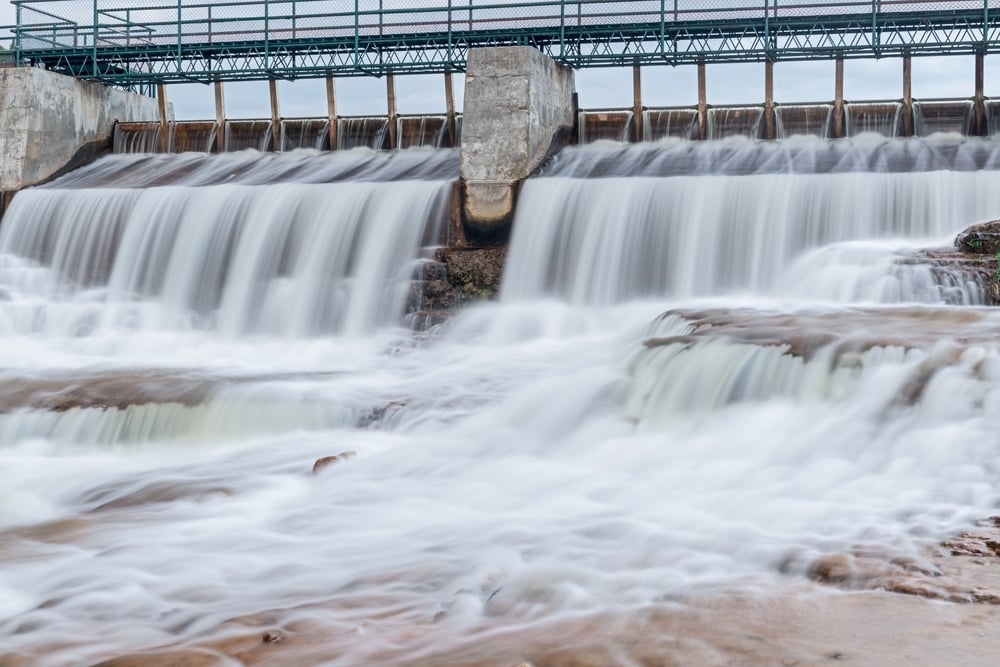
The Banqiao Dam in China failed on August 8, 1975, during Typhoon Nina, causing one of history’s deadliest dam disasters. Engineers had designed the dam based on inadequate historical flood data and ignored warnings from Soviet consultants about potential design flaws.
When record rainfall exceeded all predictions, operators couldn’t communicate with downstream areas due to telegraph failures, preventing evacuations. The collapse triggered a chain reaction that destroyed 62 dams total and killed an estimated 230,000 people.
Like Go2Tutors’s content? Follow us on MSN.
When Human Nature Meets Engineering Reality
These disasters share a common thread that extends far beyond technical failures or natural forces. They reveal how human psychology, organizational pressure, and decision-making flaws can turn manageable risks into catastrophic events.
The engineers, operators, and managers involved weren’t necessarily incompetent – they were people operating within systems that sometimes prioritized cost, schedule, or convenience over safety. Each tragedy has contributed to stricter safety protocols, better communication systems, and more rigorous oversight that helps prevent similar disasters today.
While we can’t eliminate human error entirely, we can learn from these painful lessons to build safer, more resilient systems that account for our inherent fallibility.
More from Go2Tutors!

- 16 Historical Figures Who Were Nothing Like You Think
- 12 Things Sold in the 80s That Are Now Illegal
- 15 VHS Tapes That Could Be Worth Thousands
- 17 Historical “What Ifs” That Would Have Changed Everything
- 18 TV Shows That Vanished Without a Finale
Like Go2Tutors’s content? Follow us on MSN.



