Facts About Fabergé Eggs From Imperial Russia
Fabergé eggs were much more than fancy decorations. These jeweled eggs, created during the time of the Russian Empire, were designed for royalty.
Each one looked like a small treasure chest, filled with secrets, surprises, and incredible detail. Made mostly for the Russian tsars, they quickly became a symbol of wealth and power—and are still talked about today.
They may look like pretty ornaments, but there’s a lot more to these eggs than meets the eye. Let’s crack them open and take a closer look.
They started as royal Easter gifts

The first Fabergé egg was made in 1885 for Tsar Alexander III. He wanted to surprise his wife, Empress Maria Feodorovna, with something special for Easter.
The egg opened to reveal a golden yolk, which then held a tiny golden hen and even a miniature crown. She loved it, and a royal tradition began. From then on, the tsar ordered one every year.
Not all of them were made for the tsars

While many Fabergé eggs were created for the Russian royal family, others were made for wealthy buyers. Some were gifts between rich businessmen or foreign leaders.
These eggs often had similar designs but didn’t always include the hidden surprises. Still, each one was handcrafted with care.
Even the non-royal eggs took months to finish.
Like Go2Tutors’s content? Follow us on MSN.
Only 50 imperial eggs were made
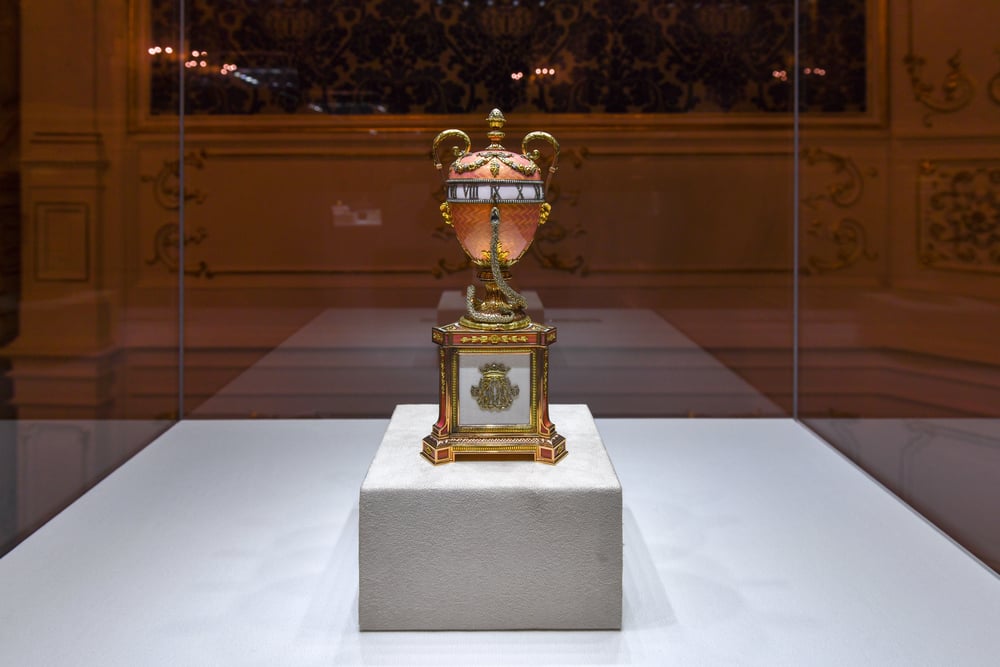
Out of all the Fabergé eggs created, just 50 are officially called “imperial.” These were the ones made specifically for the Russian tsars between 1885 and 1916.
Each one was different from the last. Sadly, some of them are now missing. Historians believe a few were lost during the Russian Revolution.
The surprises inside were just as famous

Many of the eggs opened to reveal a surprise. These could be tiny trains, detailed mini palaces, spinning globes, or even mechanical animals.
One egg had a working model of the royal carriage. These surprises showed off the skill of Fabergé’s workshop.
They made the eggs more than just decorations—they were little machines.
The House of Fabergé made more than eggs

The Fabergé company didn’t only make eggs. They also crafted jewelry, picture frames, clocks, and other luxury items.
The eggs just became the most famous over time. Their attention to detail and creativity stood out in everything they made.
Even today, their other work is highly valued.
Like Go2Tutors’s content? Follow us on MSN.
The 1917 egg was never delivered

The last imperial egg was made during a very tense time. It was meant for Tsar Nicholas II in 1917, but the Russian Revolution began that same year.
The royal family was overthrown, and the egg was never given. It ended up in a museum years later.
That final egg marked the end of an era.
Carl Fabergé didn’t make every egg himself

Carl Fabergé was the head of the company, but he had a team of expert craftsmen. They handled most of the designing and building.
He gave the final approval before anything left the workshop. It was a team effort from start to finish.
That’s part of why the quality stayed so high.
Some eggs were lost and later found

Over the years, a few Fabergé eggs disappeared. Some were stolen, others were sold off quietly during hard times.
One even turned up at a flea market in the United States, where someone bought it for scrap gold. Later, experts realized it was a long-lost imperial egg.
It now sits safely in a museum.
Like Go2Tutors’s content? Follow us on MSN.
They used real gold and precious stones
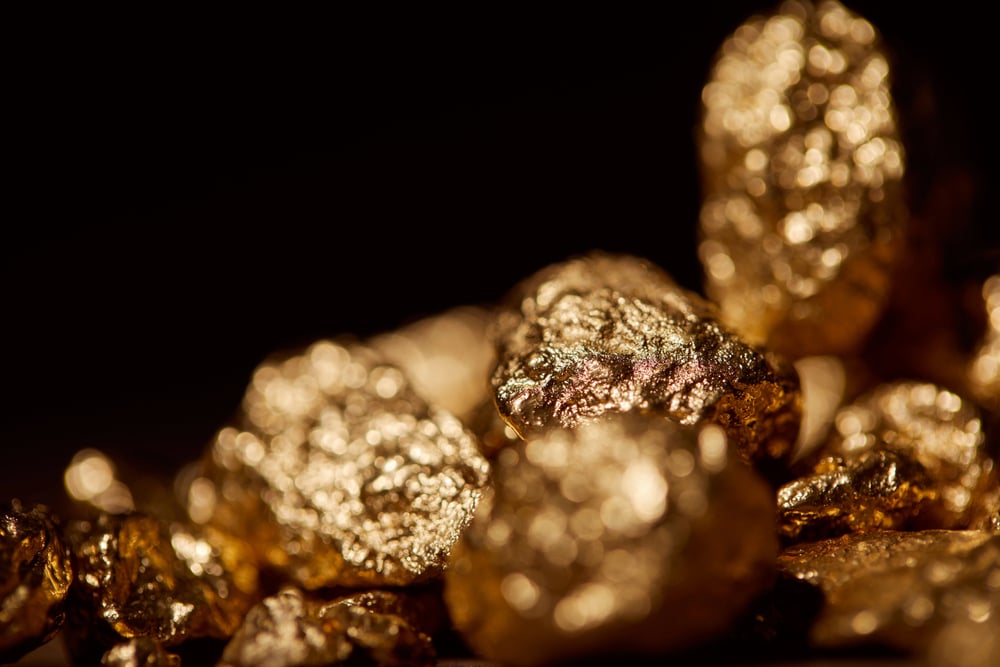
These eggs weren’t just painted or carved. Many were made using real gold, diamonds, rubies, emeralds, and other rare gems.
Some also used enamel, a glossy coating that gave the eggs rich color. Every part was handmade.
That’s why even the smallest eggs cost so much today.
A legacy that still shines today

Fabergé eggs may have started as gifts between royals, but their story has lasted through wars, revolutions, and time. They remind people of how beauty, skill, and history can all come together in one small object.
What began as a simple Easter surprise turned into a worldwide legend. Whether locked in a museum case or hidden in private hands, these eggs continue to spark curiosity.
Their shine hasn’t faded, even after all these years.
More from Go2Tutors!

- 16 Historical Figures Who Were Nothing Like You Think
- 12 Things Sold in the 80s That Are Now Illegal
- 15 VHS Tapes That Could Be Worth Thousands
- 17 Historical “What Ifs” That Would Have Changed Everything
- 18 TV Shows That Vanished Without a Finale
Like Go2Tutors’s content? Follow us on MSN.



