30 Sounds Households Heard Daily That Are Gone Now
A house used to announce itself in noise: mechanical clicks, dial tones, the specific clatter of things that no longer exist in most homes. Silence has crept into domestic life in ways nobody voted for, and most of it happened so gradually that entire generations grew up never hearing the sounds their parents took for granted.
The Dial-Up Modem Handshake
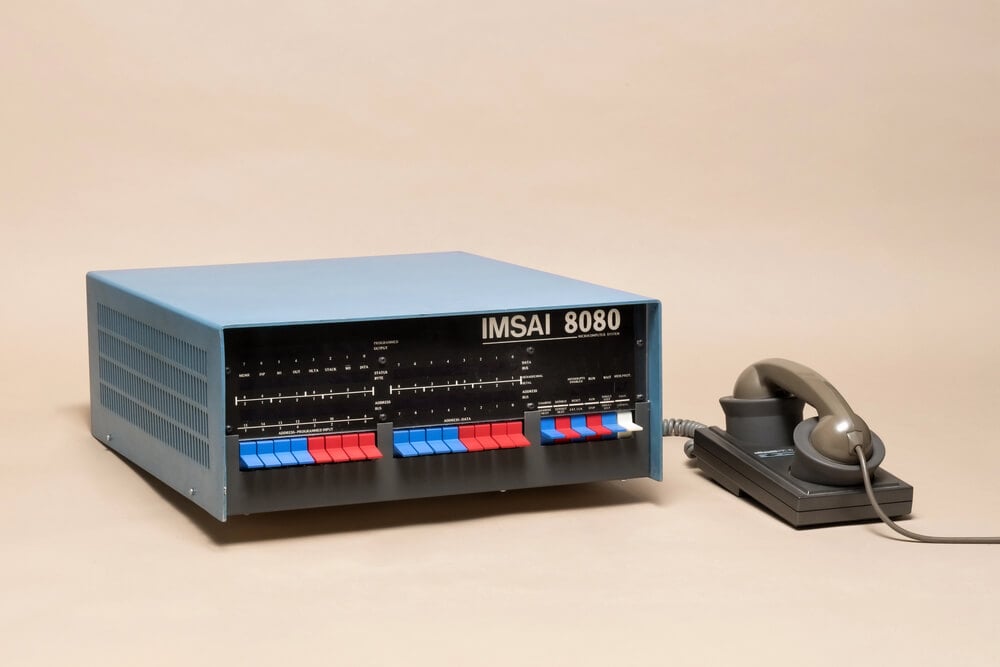
That screeching, warbling sequence of tones was actually two modems negotiating a connection speed, audible proof that a computer was reaching out through a phone line to another computer somewhere else. Broadband made the sound obsolete by the mid-2000s, and most people under thirty have only heard it as a nostalgic sound clip rather than a daily household noise.
A Rotary Phone Dial Spinning Back
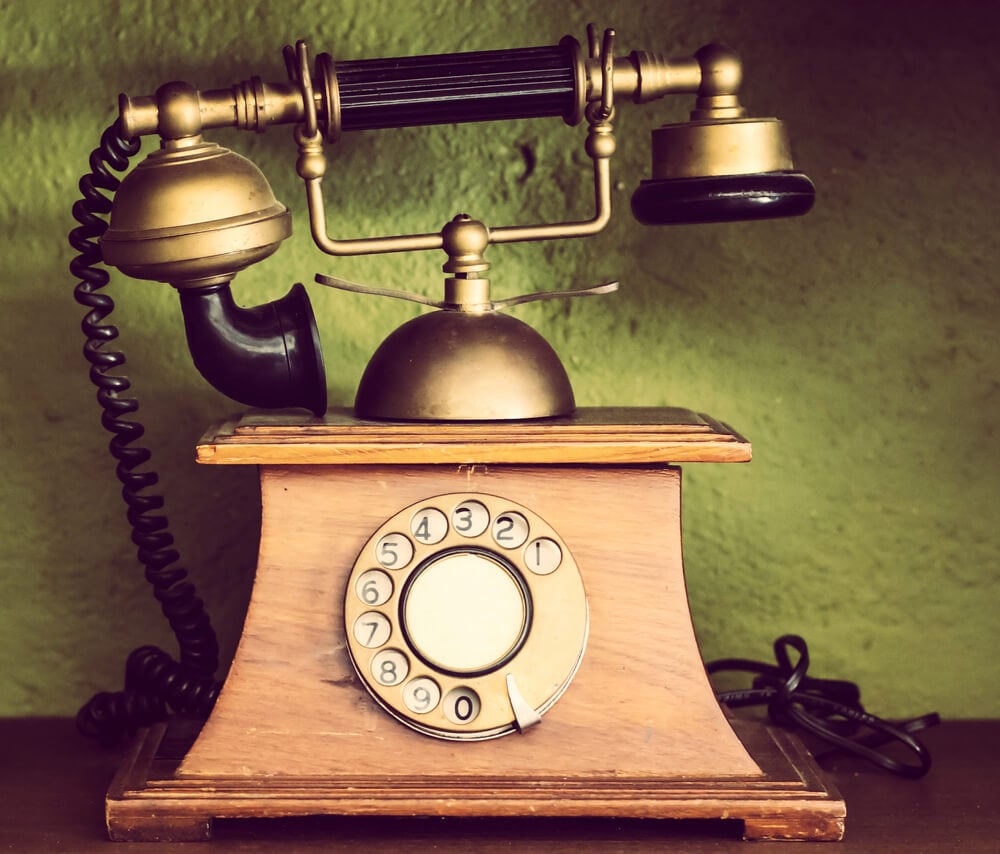
Dialing a rotary phone meant physically turning a numbered wheel and waiting for it to click its way back to the resting position before dialing the next digit, a mechanical process that made even a local call take real, audible time. Touch-tone phones replaced the mechanism throughout the 1970s and 1980s, taking the distinctive ratcheting return sound with them.
A Television Warming Up
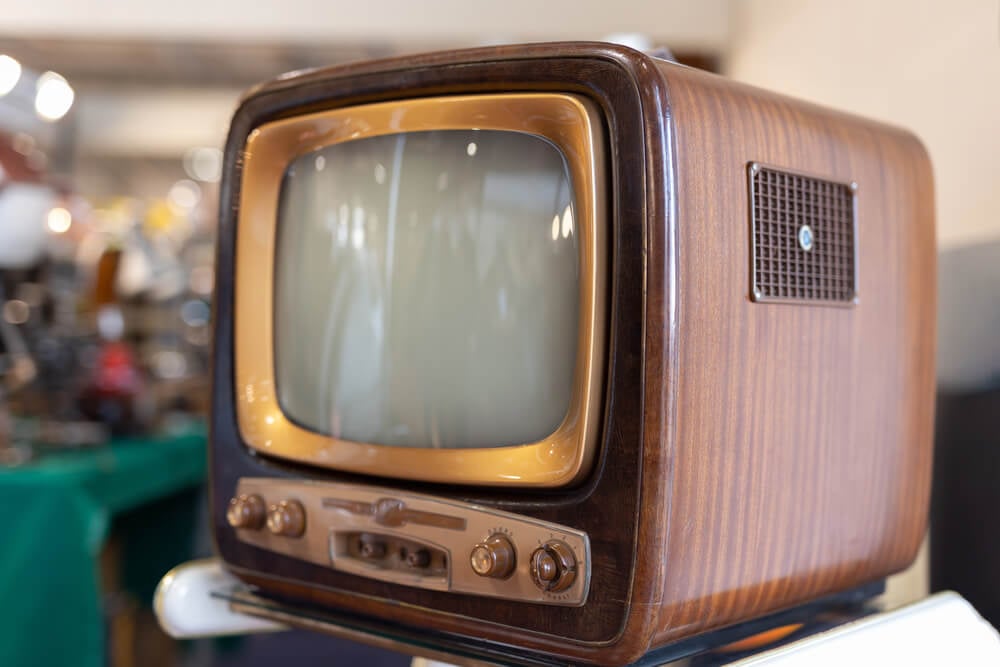
Older cathode-ray tube televisions produced an audible high-pitched whine as they powered on and the electron gun warmed up, a sound some people could hear well into adulthood even after the television itself had gone silent. Flat-panel displays eliminated both the warm-up delay and the accompanying whine entirely.
The Screen Door Spring
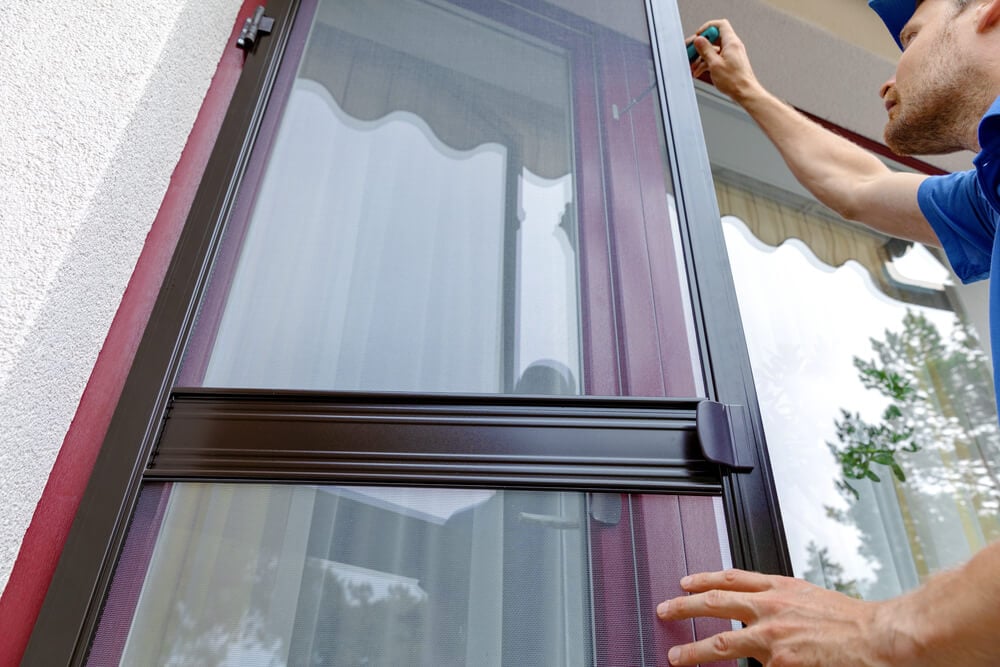
A specific twangy creak followed by a sharp slap defined the sound of a screen door closing on its own, powered by a coiled spring mounted at the hinge. Modern doors increasingly use hydraulic or pneumatic closers that ease shut nearly silently, trading the sound for a gentler swing.
A VCR Rewinding
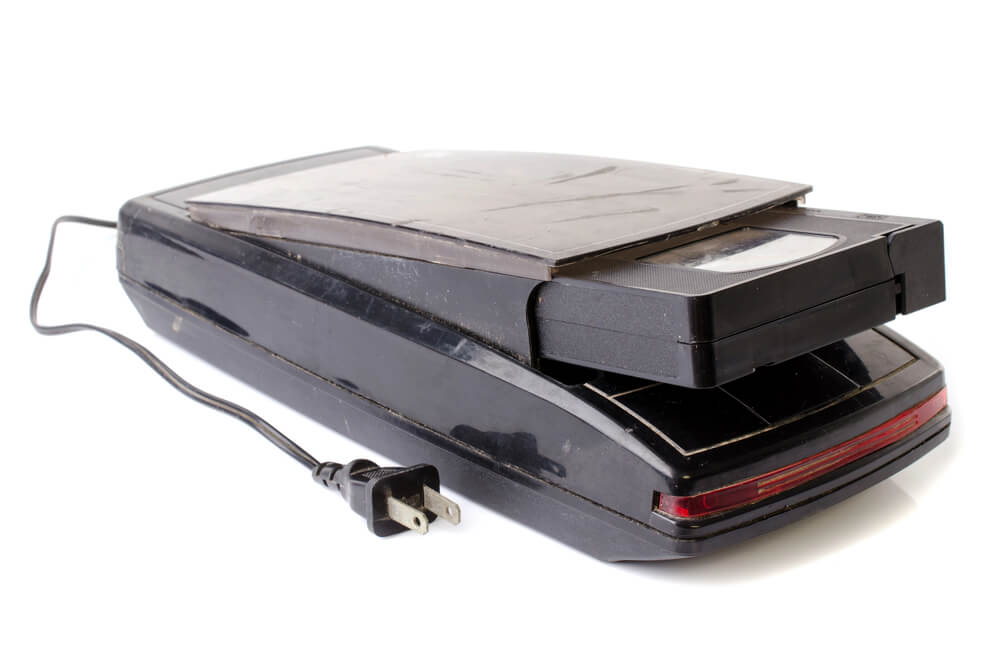
The mechanical whir of a VHS tape rewinding, sometimes accompanied by a rhythmic clicking if the tape was slightly damaged, was a nightly household sound tied directly to movie and television viewing. Streaming eliminated both the physical tape and the ritual of waiting for it to finish before the next viewing.
Ice Cube Trays Cracking
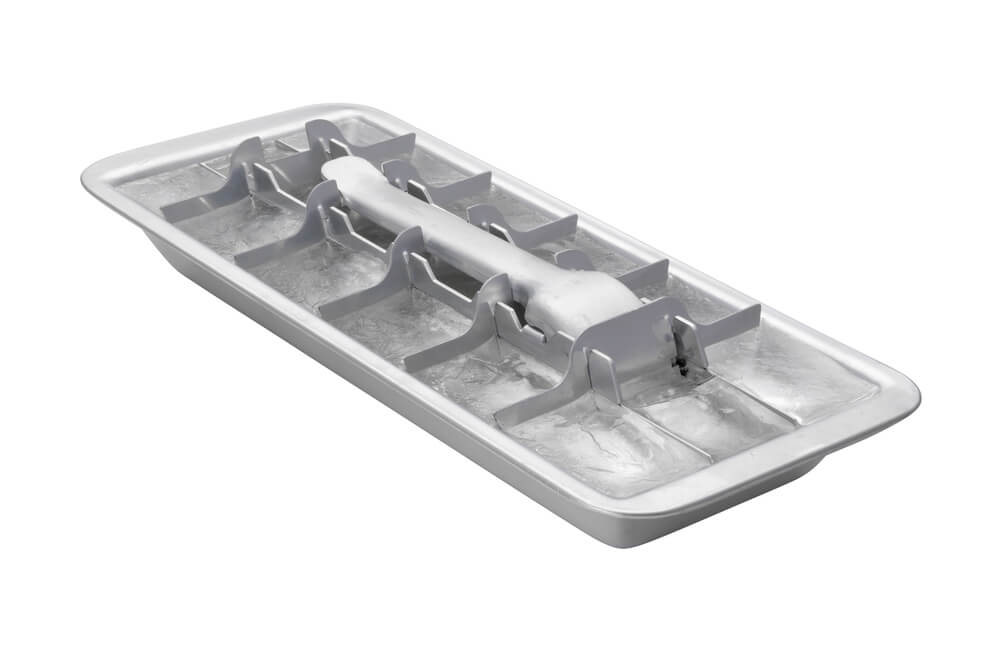
Before automatic icemakers became standard, freeing ice meant twisting a metal or plastic tray until the cubes released with a distinctive cracking and popping sound. Refrigerators with built-in ice dispensers, now standard in most American kitchens, replaced that manual ritual with a quieter mechanical drop.
A Typewriter’s Carriage Return
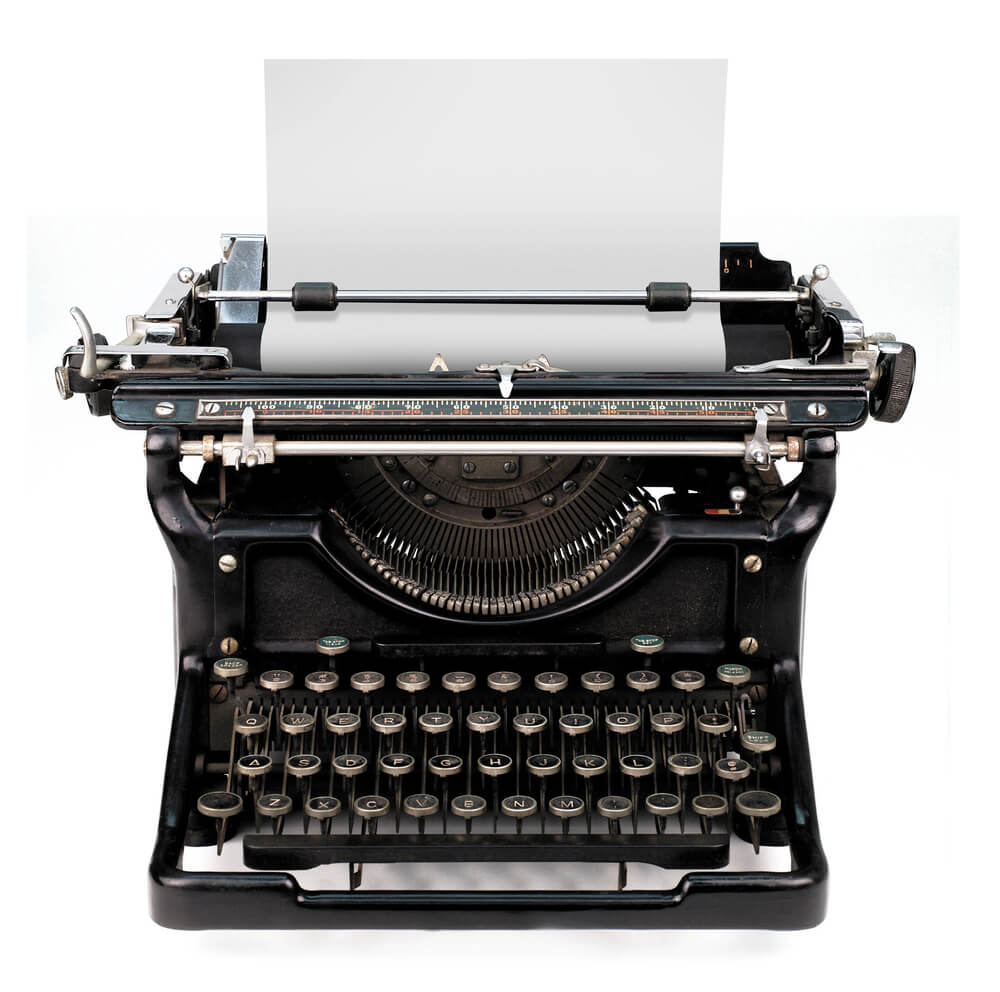
The metallic ding followed by the sliding rush of the carriage snapping back to the start of a new line was as much a part of home offices as the clacking of the keys themselves. Word processors and computer keyboards removed both the mechanism and its unmistakable two-part sound.
A Percolating Coffee Pot
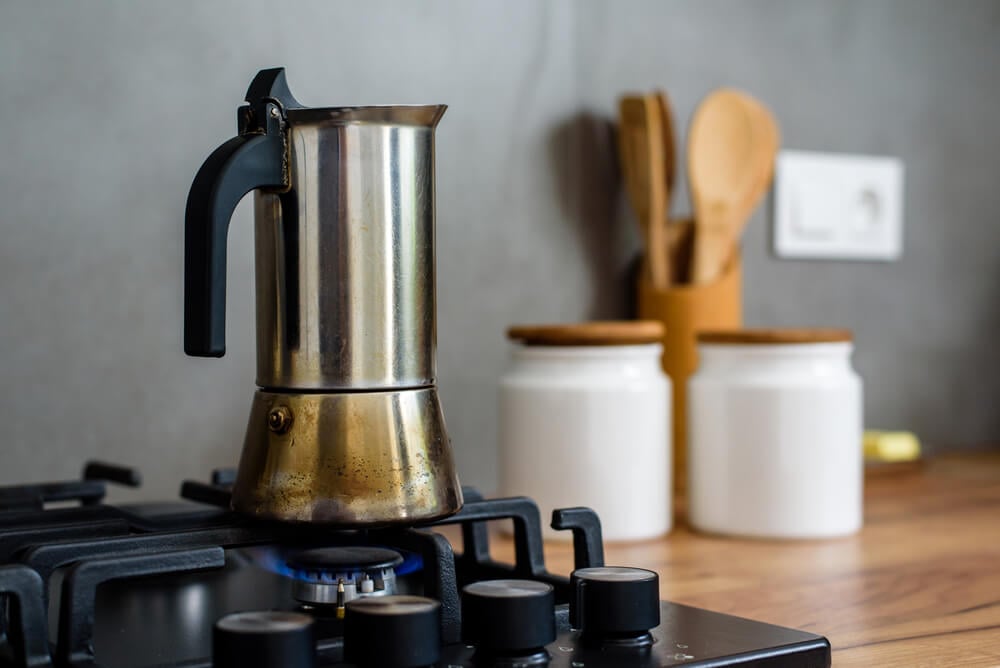
Stovetop percolators produced a rhythmic bubbling and gurgling as hot water repeatedly cycled up through the grounds, a sound that built in intensity as the coffee finished brewing. Drip coffee makers, which brew more quietly and consistently, largely replaced percolators in American kitchens by the 1970s and 1980s.
A Manual Typewriter Bell
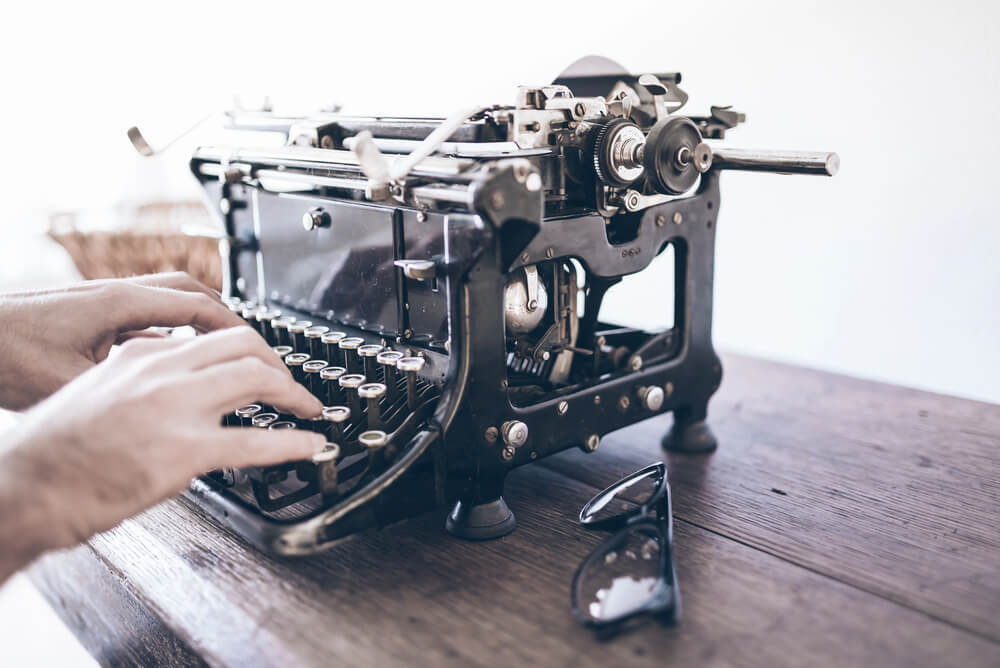
A small bell rang out near the end of each line to warn the typist that the carriage was approaching its limit, a built-in mechanical alert that required no electricity. The sound disappeared from homes almost entirely once electric typewriters, and eventually computers, took over.
The Clatter of a Manual Can Opener
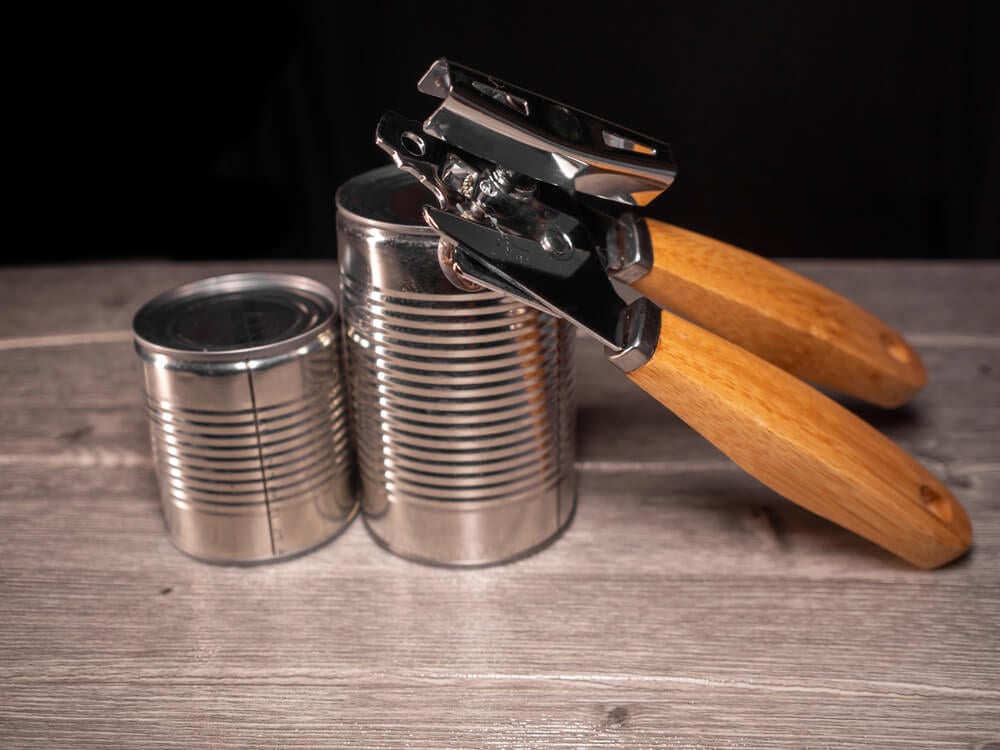
Older hand-crank can openers produced a distinct grinding, clicking rhythm as the gear turned against the can’s rim, a sound repeated at nearly every meal in many households. Electric can openers and, later, pre-cut packaging reduced how often that specific mechanical grind gets heard at all.
A Record Skipping

When a phonograph needle caught a scratch, it produced a rhythmic, looping repeat of a fraction of a second of audio until someone physically nudged the needle forward. Digital music formats eliminated the possibility entirely, taking with it one of the more universally recognized household audio glitches.
The Hum of a CRT Monitor
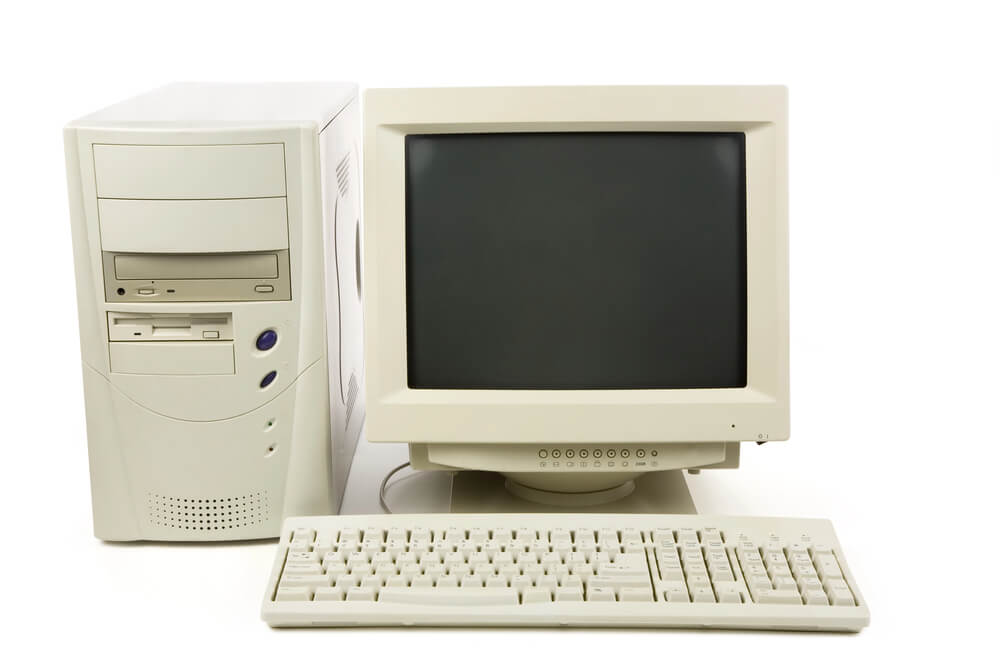
Older computer monitors, like their television counterparts, emitted a persistent high-frequency hum while powered on, audible enough that some households kept a radio on specifically to mask it. Flat-panel monitors run essentially silent by comparison, removing a sound that many people did not consciously notice until it was gone.
A Rolodex Flipping
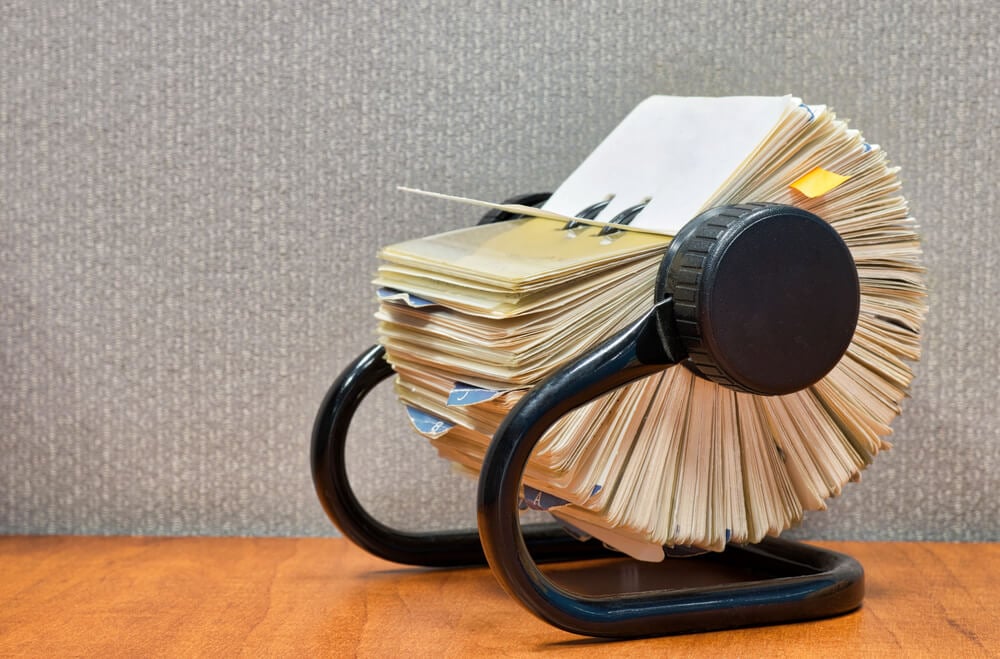
The rapid flutter of cards flipping past as someone searched for a phone number or address was a common sound in home offices before contact information moved entirely onto phones and computers. The physical rotating card file itself has become largely a novelty item rather than a working tool.
A Sewing Machine’s Steady Clatter

Mechanical sewing machines produced a rhythmic clacking as the needle punched through fabric, a sound that once marked regular household mending and clothing repair as a routine activity rather than a rare hobby. As ready-made clothing became cheaper and home sewing declined, the sound became far less common in daily domestic life.
An Answering Machine Beep
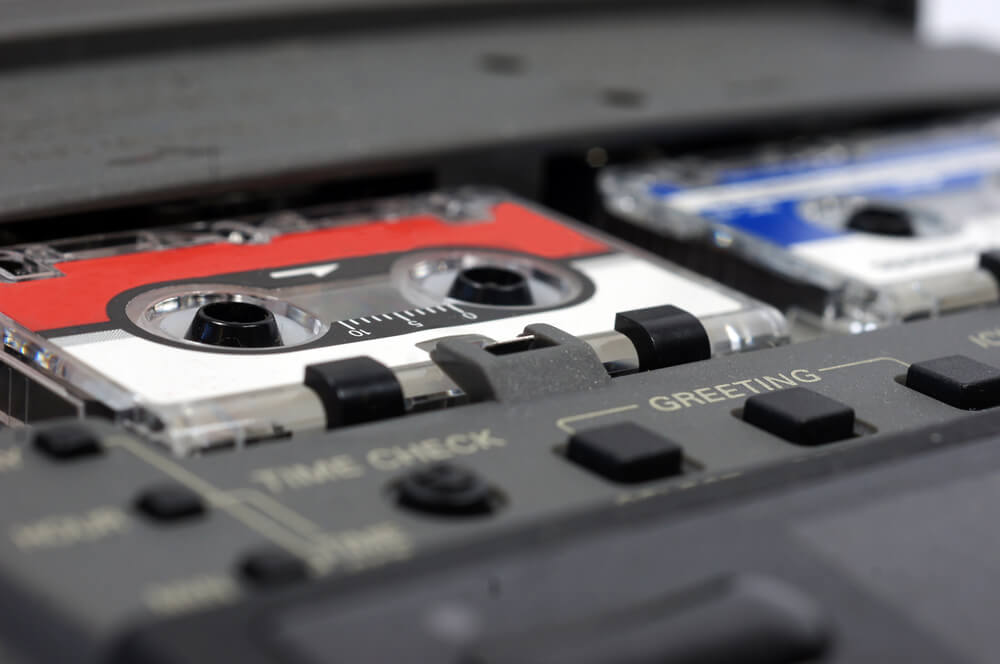
The distinctive beep signaling the start and end of a recorded message, along with the mechanical click of a cassette tape rewinding inside the machine, was once how households learned who had called while they were out. Voicemail systems and smartphones absorbed the entire function, along with its accompanying sounds.
A Window-Unit Air Conditioner Cycling On
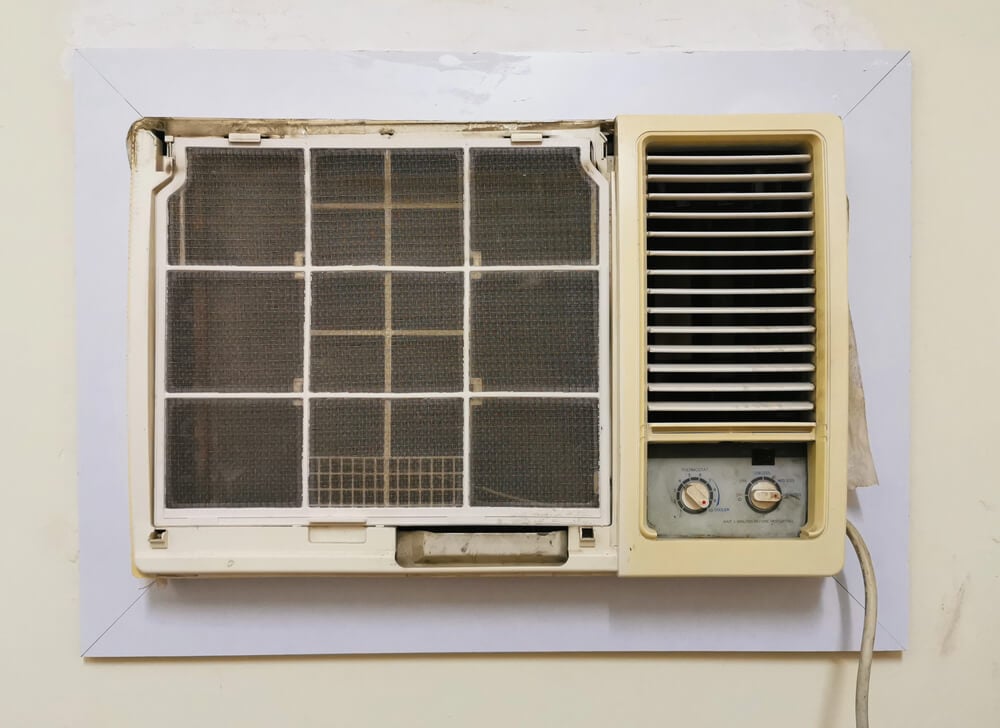
Older window air conditioning units announced themselves with a heavy mechanical thunk followed by a steady rattling hum, a sound distinct from the quieter cycling of modern central air and energy-efficient units. Many households now hear central air’s more consistent, muffled hum instead, if they hear anything at all.
A Dot-Matrix Printer
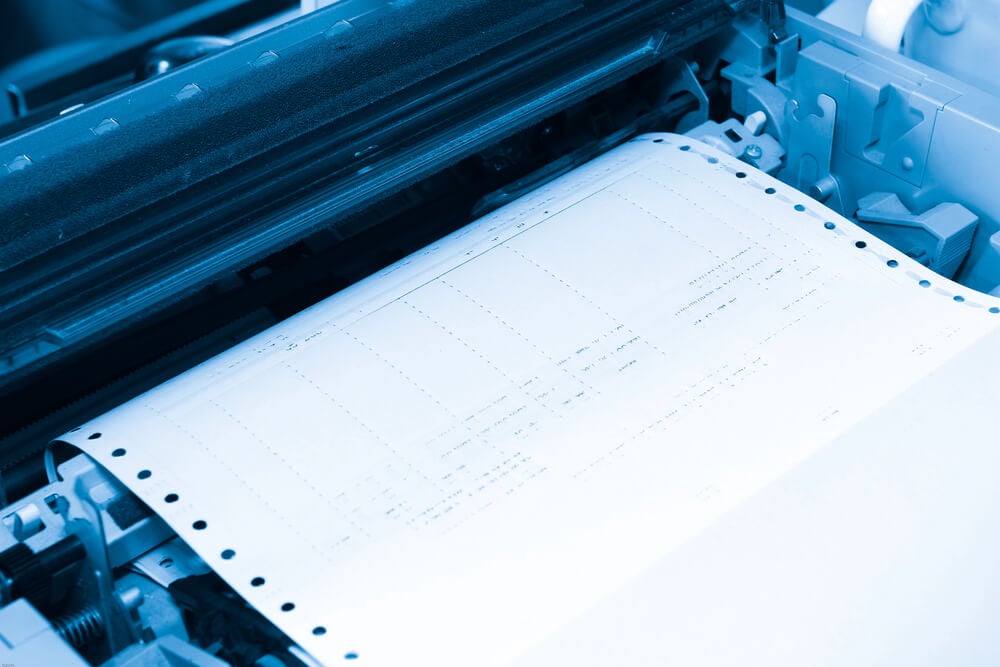
Dot-matrix printers produced a loud, grinding buzz as a print head physically struck an ink ribbon against paper line by line, a sound intense enough that many households kept the printer in a separate room. Inkjet and laser printers replaced the mechanism with a far quieter process by the 1990s.
A Manual Typewriter’s Key Clack
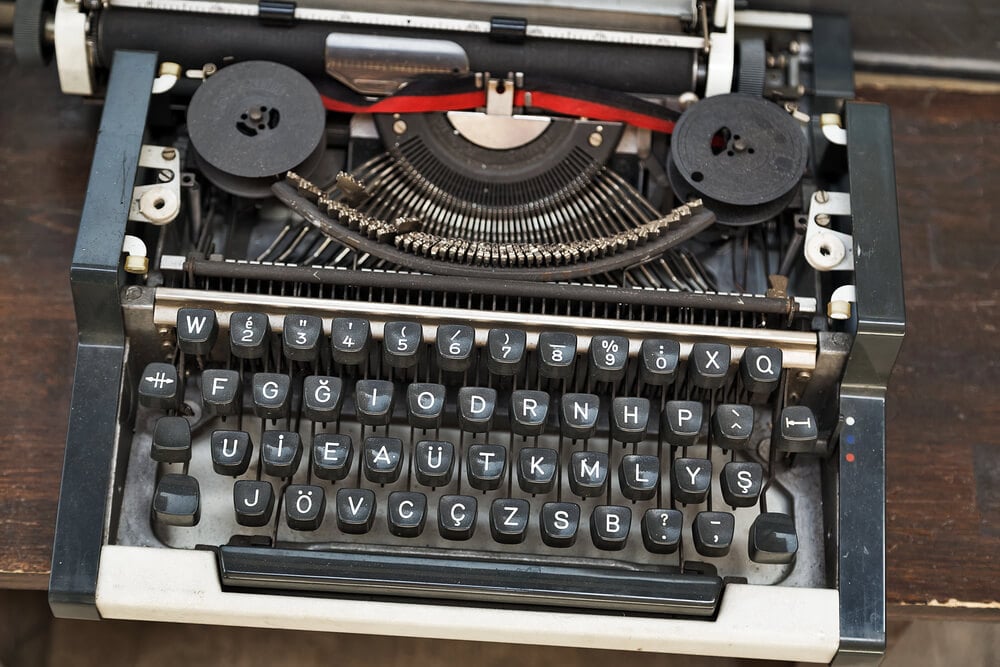
Beyond the carriage return bell, the individual clack of typewriter keys striking paper through an inked ribbon had its own distinct percussive rhythm, often audible throughout a house during letter-writing or homework. Computer keyboards, particularly modern low-profile ones, produce a much softer and less resonant sound by comparison.
A Party Line Telephone Ring Pattern
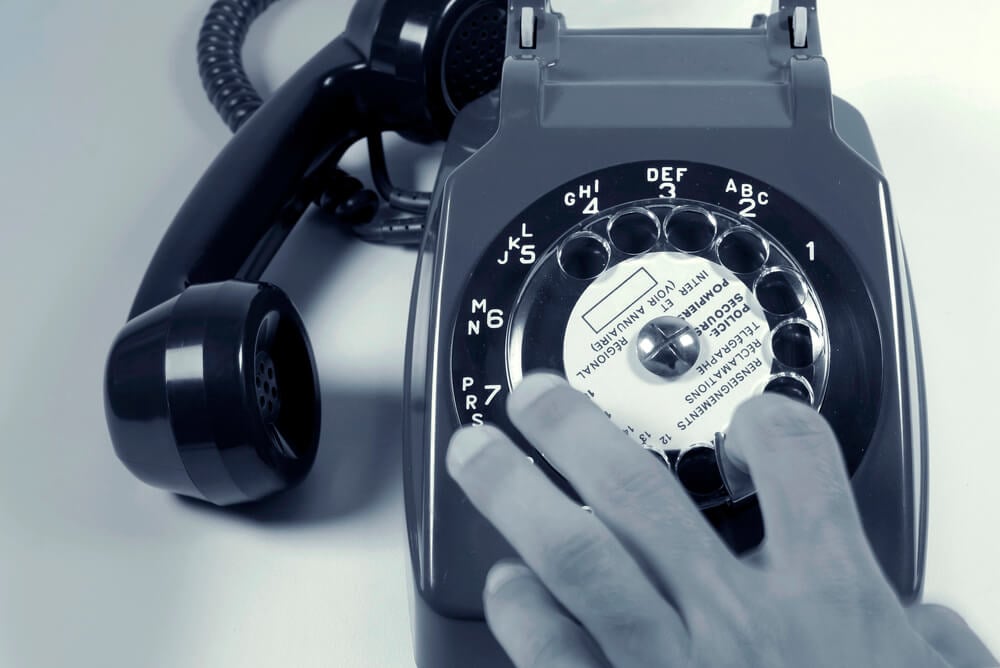
Shared rural telephone lines, known as party lines, used distinct ring patterns, such as two short rings or one long and one short, to indicate which household on the shared line a call was actually for. The system disappeared as telephone infrastructure modernized through the mid-twentieth century, taking its coded ring patterns with it.
A Cassette Tape Being Ejected
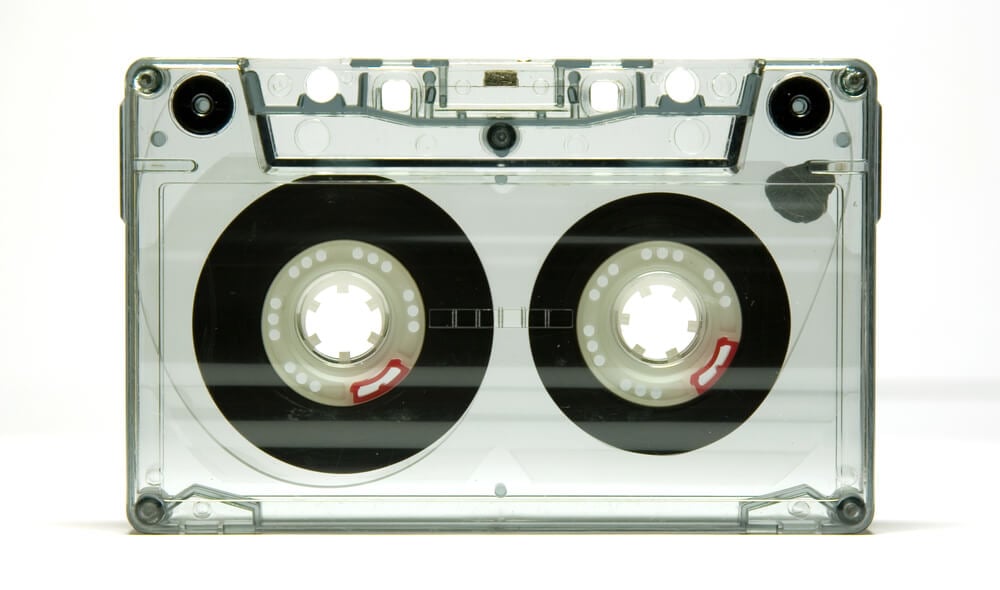
The mechanical clunk of a cassette deck’s eject button releasing a tape, often followed by the tape needing to be manually flipped or rewound with a pencil, was a routine sound tied to home music listening for decades. Digital audio removed the physical media entirely, along with the specific tactile and audible ritual of handling it.
A Doorbell’s Mechanical Chime
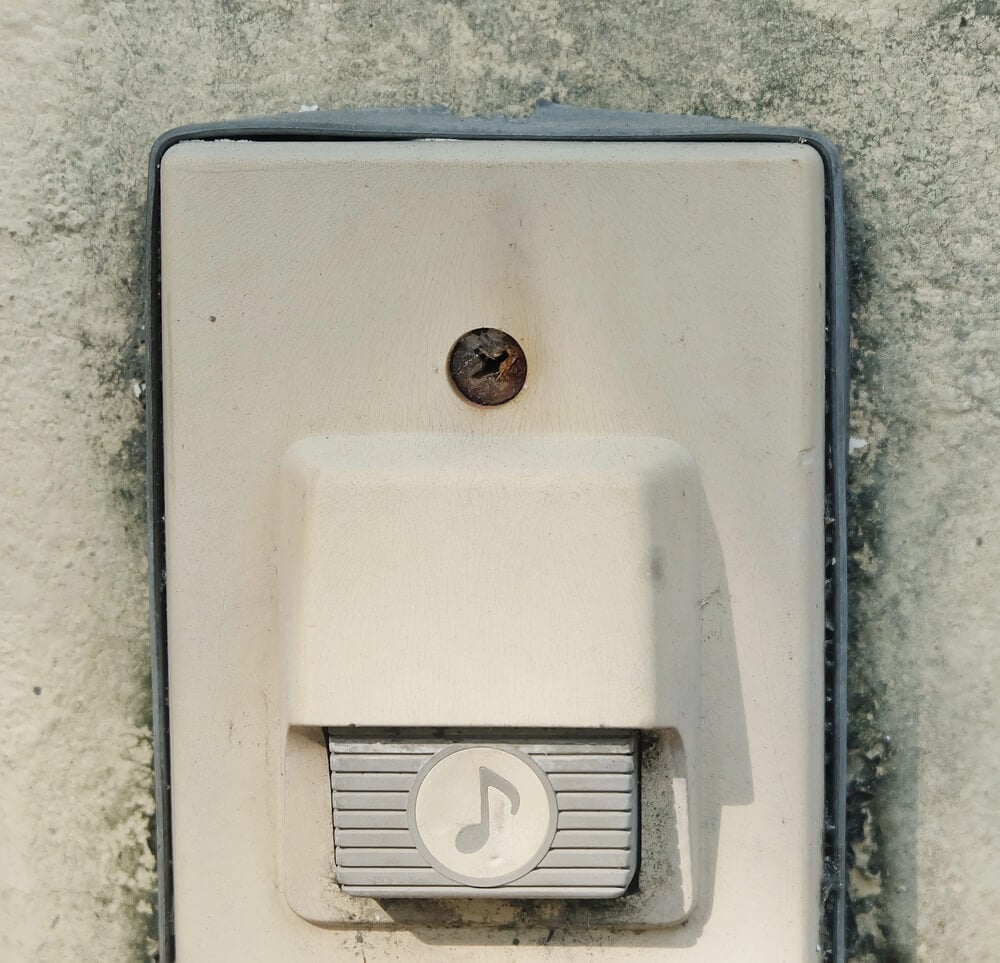
Older mechanical doorbells used a physical hammer striking metal tubes or bars to produce a resonant two-note or four-note chime, distinct from the simpler electronic tones common in newer installations. Smart doorbells with digital chimes and phone notifications have replaced many of these resonant mechanical units entirely.
A Furnace’s Pilot Light Igniting
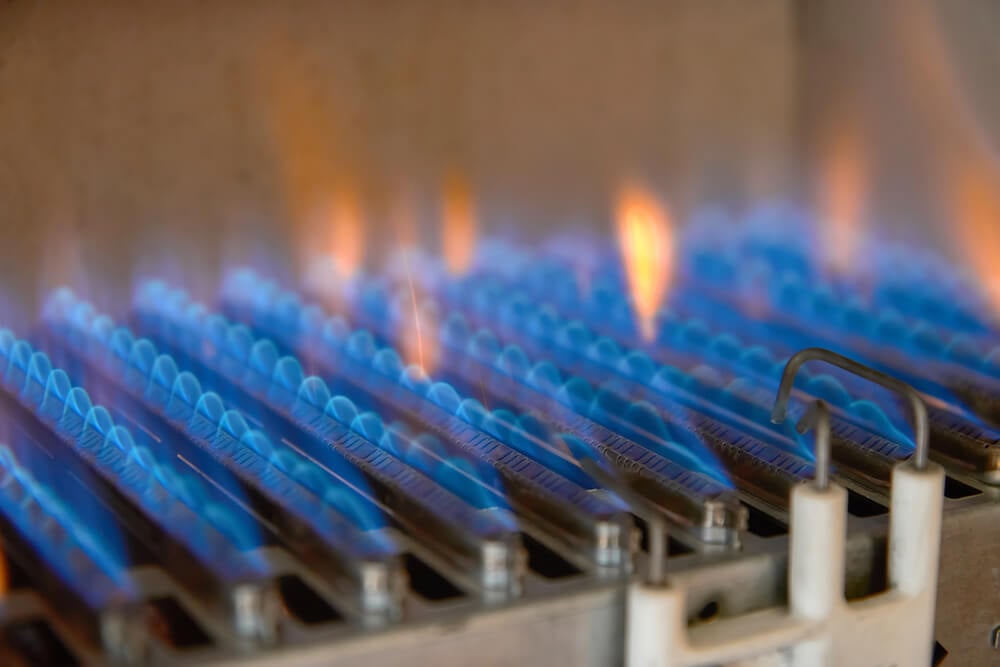
Older gas furnaces and water heaters produced an audible whoosh or soft pop as the pilot light ignited the main burner, a sound tied to the specific mechanical ignition systems used before electronic ignition became standard. Modern units ignite more quietly and reliably, removing a sound that once marked the start of a heating cycle.
A Rotary Egg Timer Ticking Down

Mechanical kitchen timers ticked audibly as they counted down and ended with a sharp mechanical ring, a sound distinct enough to be recognizable from another room. Digital timers, often built into microwaves and ovens, replaced the ticking with an electronic beep or simply silence until the alert sounds.
A Reel-to-Reel Tape Deck Running
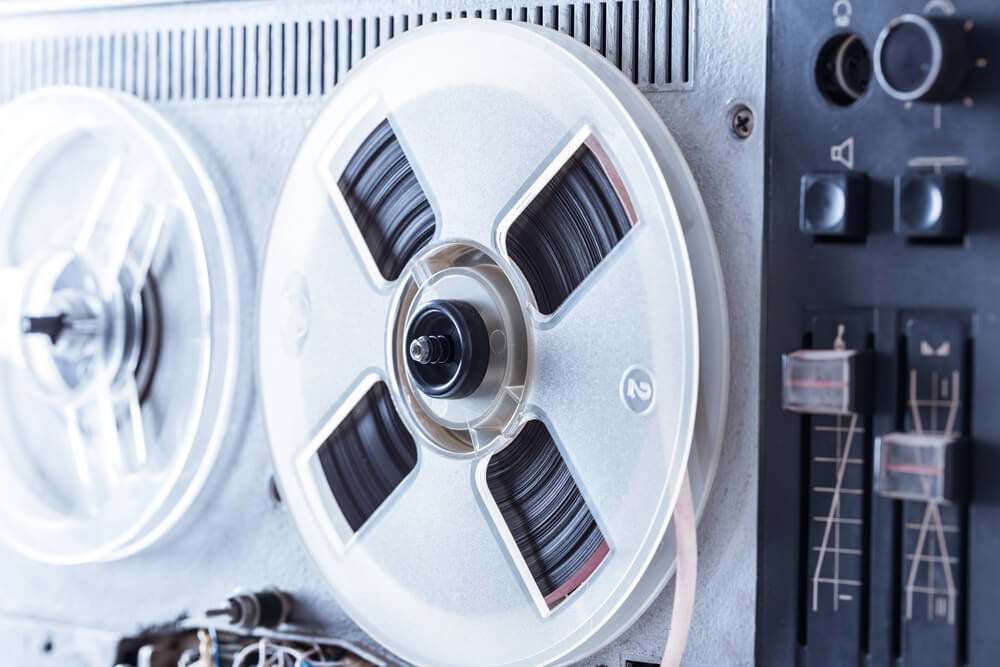
The steady mechanical whir of tape spinning between two open reels, occasionally punctuated by a soft flutter if the tape wasn’t threaded perfectly, was a fixture of home audio setups before cassettes and later digital formats simplified the process. The sound has become almost entirely confined to audiophile hobbyist circles today.
A Manual Push Lawn Mower’s Reel Blades
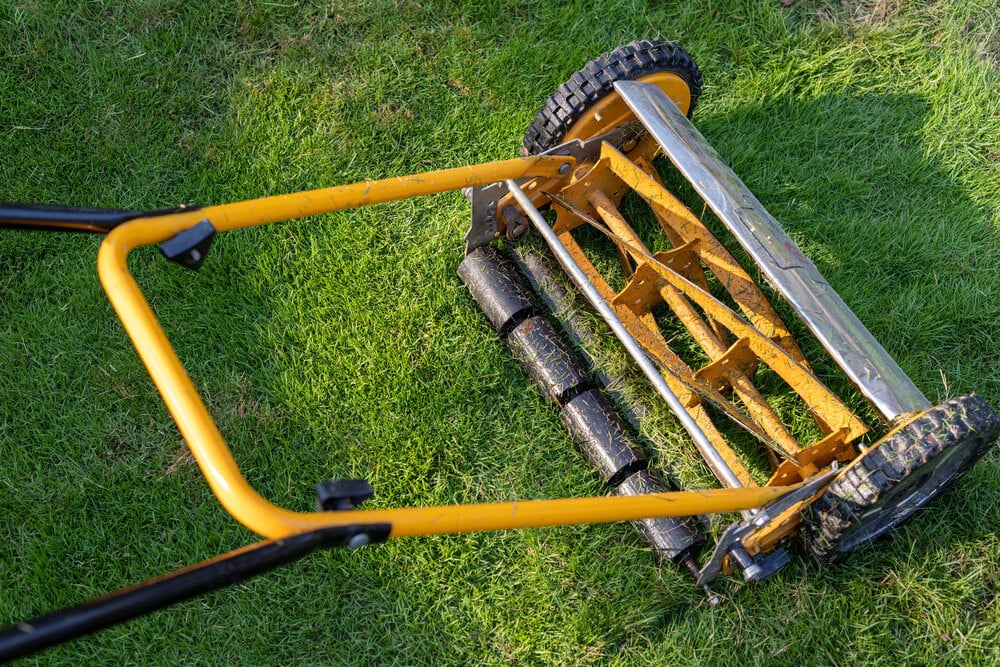
Unlike gas-powered mowers, manual reel mowers produced a rhythmic clicking and snipping sound as the curved blades rotated against a fixed cutting bar, powered entirely by the pushing motion of the person mowing. Gas and electric mowers replaced the sound with a louder, more consistent engine hum across most American lawns by the mid-twentieth century.
A Television Test Pattern Tone

After broadcast programming ended for the night, many television stations played a steady, high-pitched tone alongside a static test pattern image, a sound that greeted anyone who fell asleep with the television on. Twenty-four-hour programming and later streaming eliminated the concept of broadcast television actually signing off entirely.
A Milk Delivery Truck’s Engine and Bottle Clink

Home milk delivery, common through the mid-twentieth century, came with its own soundtrack: a truck’s distinct engine idle paired with the clink of glass bottles being swapped on a porch. The service largely disappeared as supermarket refrigeration made daily delivery unnecessary, taking its early-morning sound with it.
A Manual Pencil Sharpener’s Crank
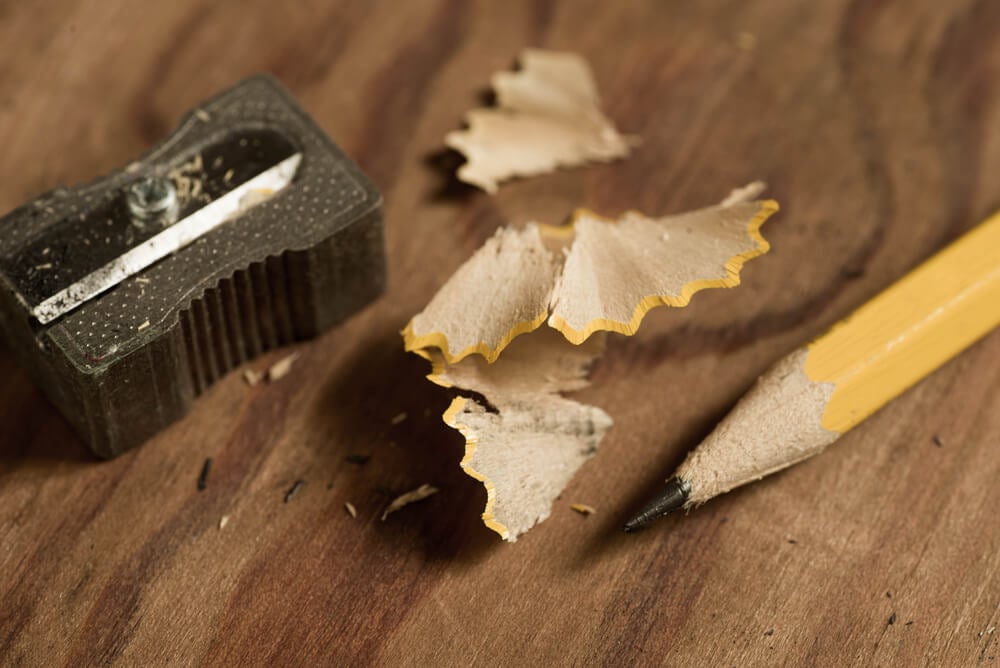
Mounted sharpeners required a hand crank to be turned repeatedly, producing a grinding sound that rose and fell with the pressure applied, a common background noise in households with school-age children. Electric and battery-powered sharpeners replaced the hand crank with a quicker, more uniform buzz.
A Landline’s Busy Signal
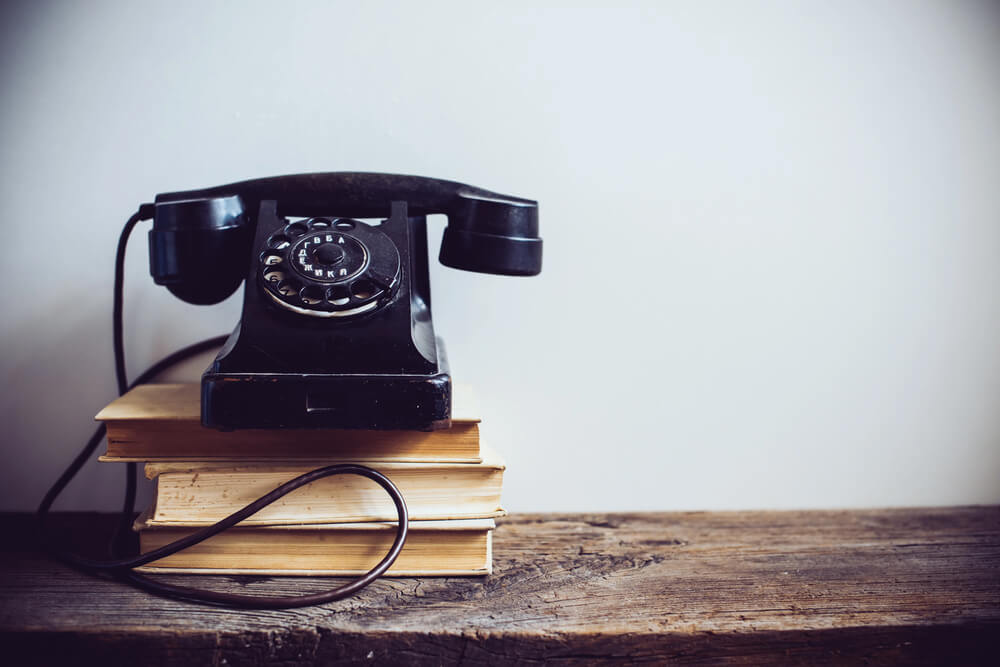
A rapid, repeating tone let callers know a line was already in use, a sound now almost entirely unfamiliar to anyone who grew up with call waiting or mobile phones, both of which made the busy signal functionally obsolete. Its absence marks one of the more subtle shifts in how households experience a blocked call today.
A Furnace Radiator’s Knocking Pipes
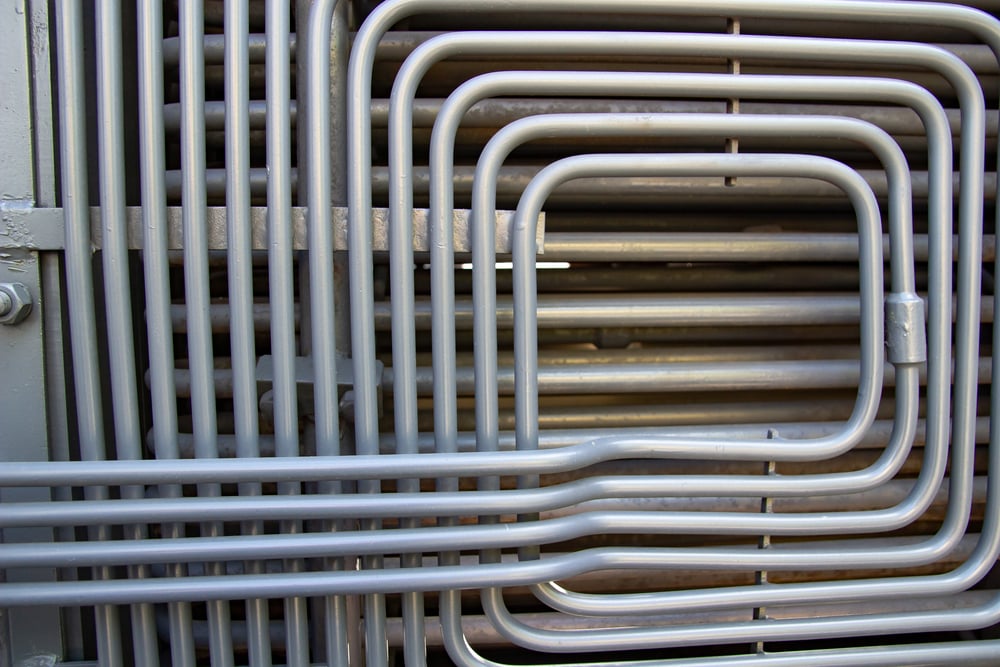
Steam heating systems in older homes often produced loud, irregular knocking and hissing as pipes expanded and contracted, a sound many households simply learned to sleep through rather than fix. Forced-air and modern radiant heating systems run considerably quieter, and the specific clang of an old steam radiator has become rare outside older housing stock.
The Quiet That Replaced All of It
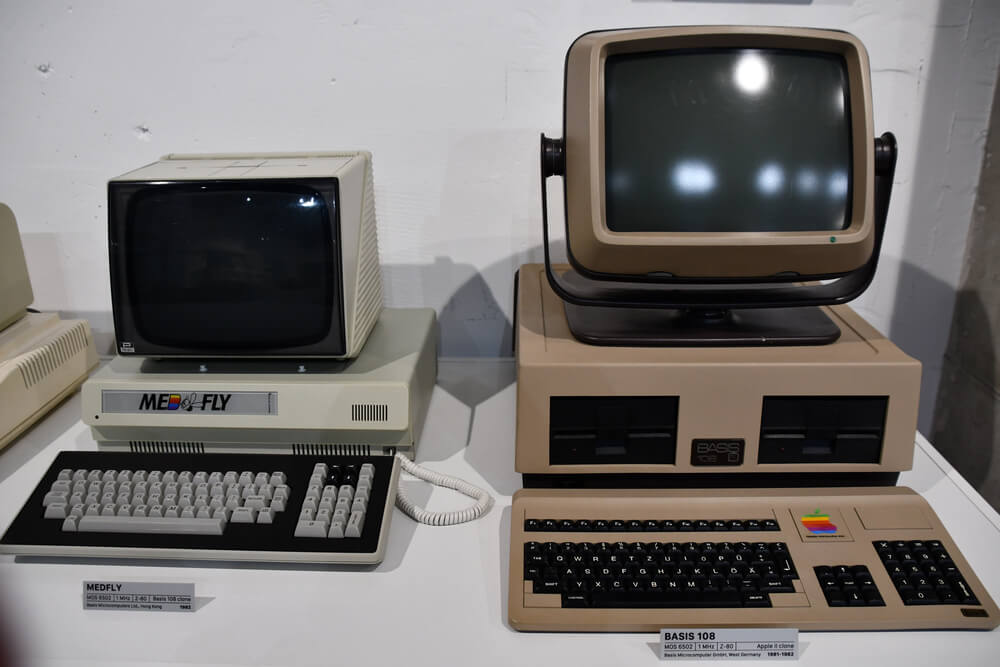
Every one of these sounds disappeared for the same basic reason: something mechanical was replaced by something electronic, and electronic things tend to run quieter. Nobody mourned any single sound while it was happening.
The dial-up handshake was mildly annoying, the printer was too loud for phone calls, and the radiator knock kept people awake, so each disappearance felt like a small, welcome improvement rather than a loss.
Only in aggregate does the change register. A house from 1985 was a genuinely noisier place to live than a house today, filled with small mechanical announcements that something was working.
Most of what replaced those sounds works better and asks for nothing in return, which may be exactly why nobody noticed the house had gone quiet.
More from Go2Tutors!

- The Romanov Crown Jewels and Their Tragic Fate
- 13 Historical Mysteries That Science Still Can’t Solve
- Famous Hoaxes That Fooled the World for Years
- 15 Child Stars with Tragic Adult Lives
- 16 Famous Jewelry Pieces in History
Like Go2Tutors’s content? Follow us on MSN.