25 Non-sports Trading Cards Worth Money
Somewhere in an attic sits a shoebox of gum cards that nobody has opened since the Nixon administration. Most of those boxes hold a few dollars of cardboard and a faint smell of stale sugar.
A few hold a mortgage payment.
Monsters, martians, wizards and rock bands have been printed on small rectangles for nearly a century, and collectors now chase them as hard as any rookie card. The gap between a pleasant keepsake and a serious payday usually comes down to a print run, a recall, or a single sharp corner.
Pokemon Base Set First Edition Charizard
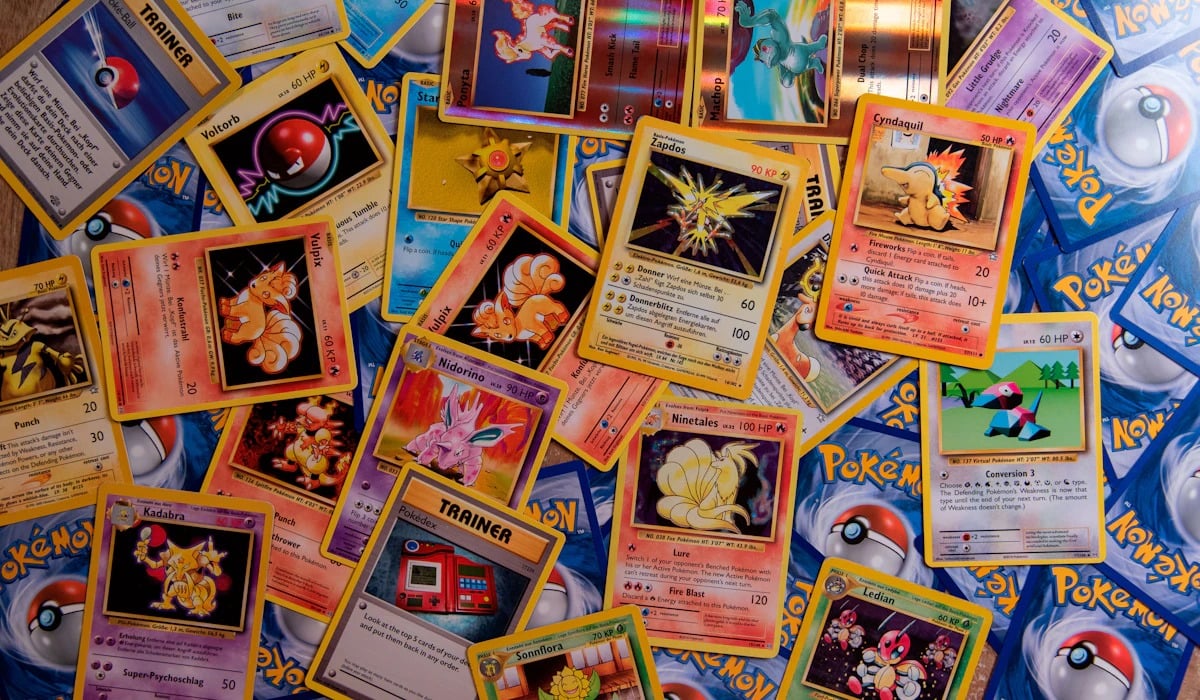
Wizards of the Coast brought Pokemon to American shelves in 1999, and the orange dragon numbered 4 of 102 became the card every playground wanted. Mitsuhiro Arita painted it, and the earliest print run carries a small first edition stamp and lacks the drop shadow beside the art window that later printings added.
Copies graded a perfect 10 by PSA have sold for well into six figures at auction, while played examples with whitened edges typically bring several thousand dollars. Holographic foil scratches easily, so most childhood copies grade poorly.
Nobody sleeved anything in 1999.
Pikachu Illustrator, the Contest Prize
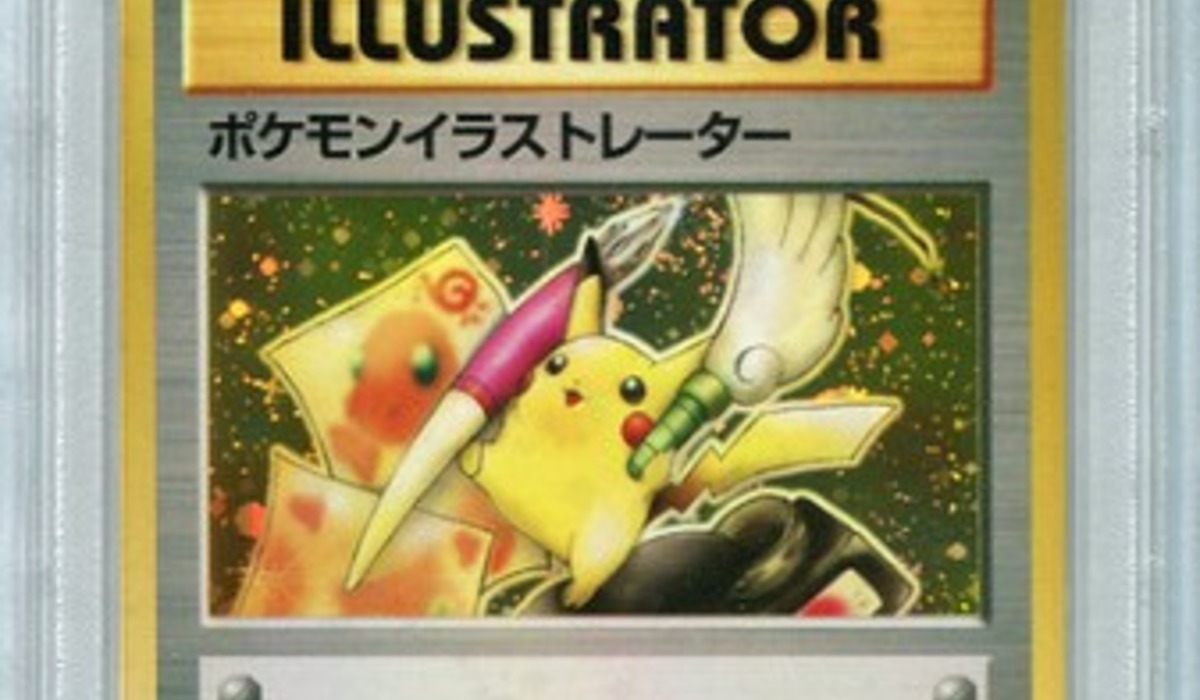
Only a few dozen of these cards were handed out, as prizes in illustration contests run by the Japanese magazine CoroCoro Comic in the late 1990s. Atsuko Nishida, the artist who designed Pikachu, drew the art, and the card reads Illustrator across the top where every other card says Trainer.
A pen symbol sits in the corner where a set mark would normally go. Logan Paul acquired the lone PSA 10 copy in a 2021 deal valued at 5.275 million dollars and wore it on a chain to a wrestling ring.
In February 2026 it sold through Goldin for about 16.5 million dollars. Lower grades still often reach six or seven figures.
Blue-Eyes White Dragon, Legend of Blue Eyes
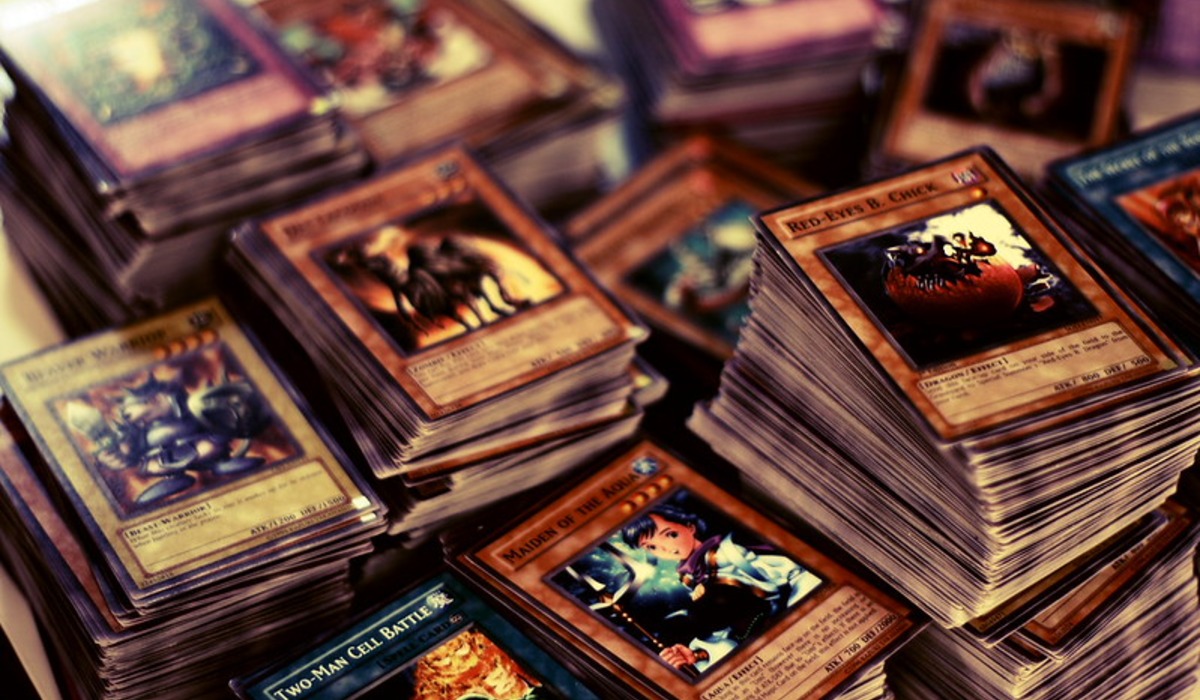
Card LOB-001 opened the first English Yu-Gi-Oh booster set, which Upper Deck distributed for Konami in North America in March 2002. Kids knew the dragon from the cartoon, where a rival character owned three and tore up a fourth.
First edition copies carry a small stamp below the left corner of the artwork, and the foil lettering of the name shows every fingerprint and scuff. Gem mint first edition examples have reached five figures, while unlimited printings in ordinary shape often sell for well under 100 dollars.
The stamp is tiny. Buyers check it under magnification before paying.
Mars Attacks and Its Short Shelf Life
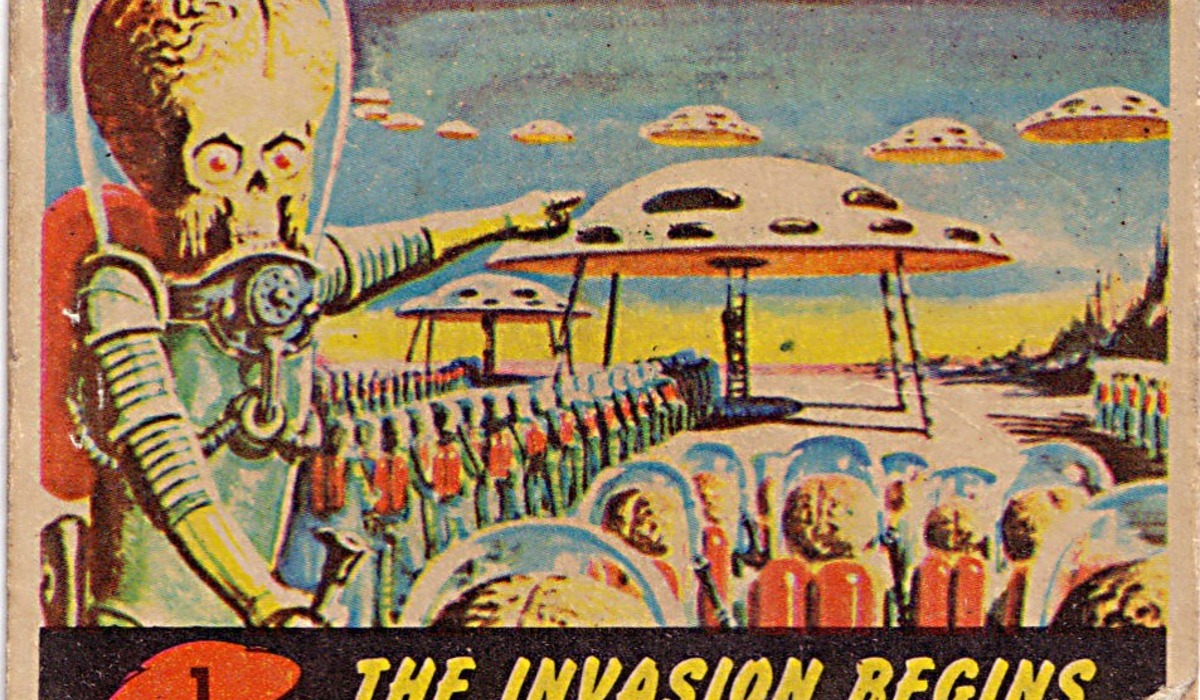
These 55 cards came from Topps in 1962 under the name Bubbles Inc., reportedly to keep the company name away from the content. Len Brown and Woody Gelman developed the story, Wally Wood and Bob Powell worked on the drawings, and Norman Saunders painted the lurid finished art of big-brained invaders torching cattle and soldiers.
Complaints from parents ended the run early, which left a small supply. Complete sets in presentable shape typically sell for several thousand dollars, with card 1 and the checklist costing the most.
Off-center cuts are common, and a marked checklist loses much of its value.
Garbage Pail Kids Adam Bomb
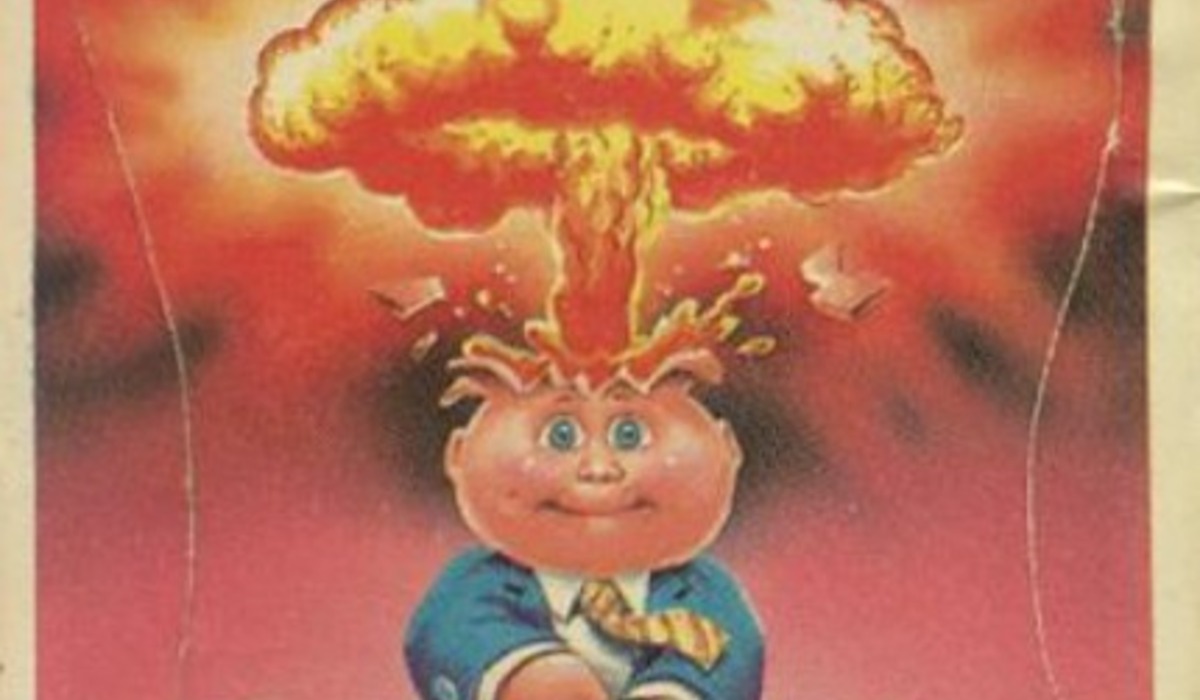
Topps launched Garbage Pail Kids in 1985 as a sticker parody of a certain cabbage-themed doll, with Art Spiegelman and Mark Newgarden steering the concept and John Pound painting the first series. Adam Bomb, sticker 8a, shows a grinning kid pressing a detonator as a mushroom cloud leaves his head, and the image became the face of the brand.
Nasty Nick, sticker 1a, runs close behind. Top-graded Series 1 copies of either have sold for thousands of dollars, though typical raw examples bring roughly 50 to 300.
Teachers confiscated plenty of them. Poor centering and peeled backs sank most of the rest.
Wacky Packages Die-Cuts From 1967
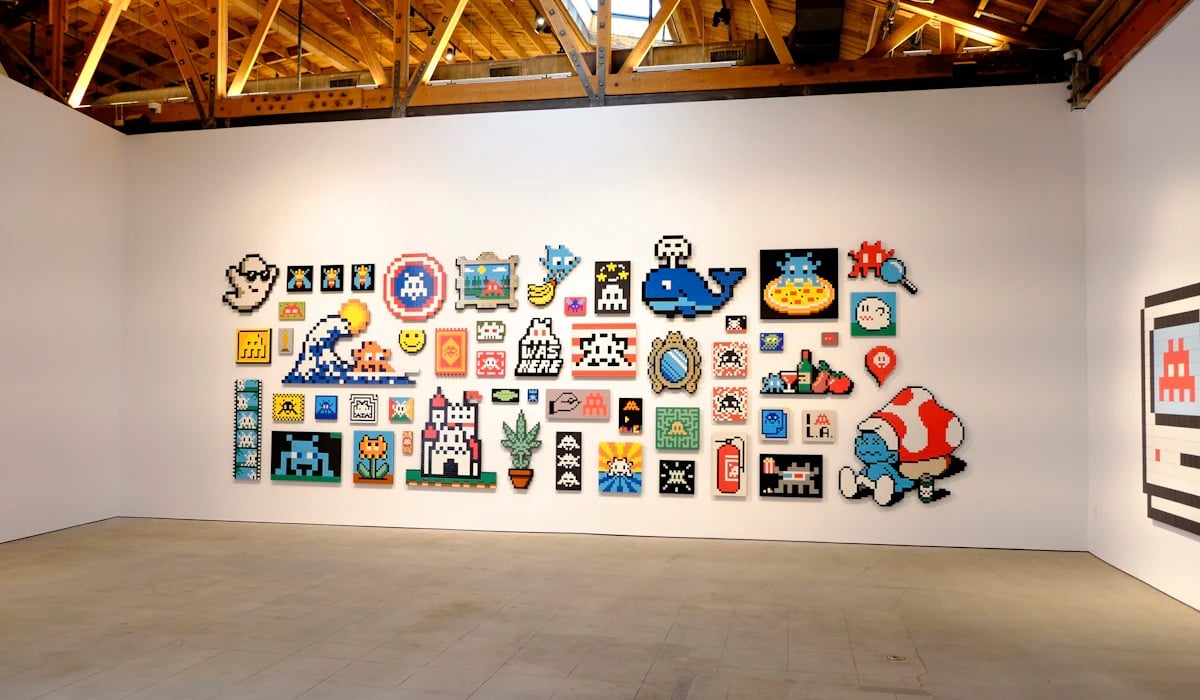
Before the famous stickers, Topps issued Wacky Packages in 1967 as 44 die-cut cards meant to be punched out, licked and stuck on a notebook. Each one mocked a supermarket brand, and a young Art Spiegelman was among the writers and artists who worked on the concept.
A couple of parodies were reportedly withdrawn after the companies being mocked objected, which makes those cards the hardest to find. Unpunched singles often sell for 20 to 150 dollars, and the withdrawn titles climb much higher.
Any card that was actually punched out, as intended, is worth a fraction.
Star Wars Blue Series Luke Skywalker
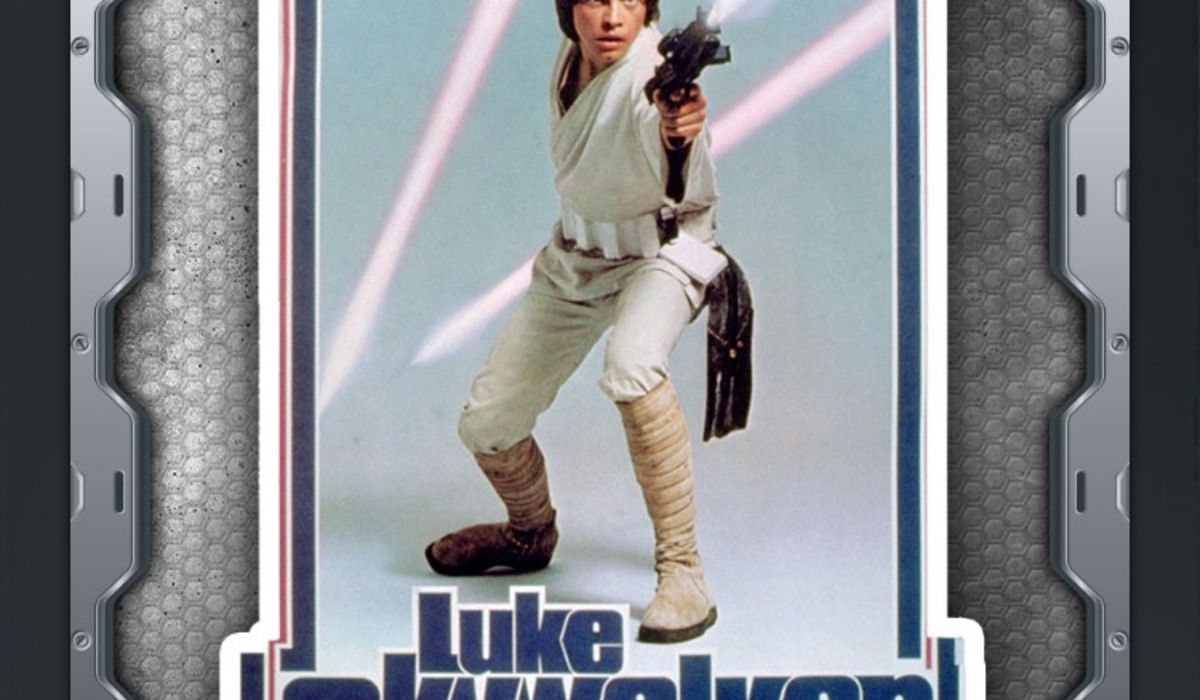
Within months of the film’s 1977 release, Topps rushed out its first Star Wars series, 66 cards and 11 stickers with blue borders speckled with stars. Card 1 shows Luke Skywalker, and it sat on top of countless rubber-banded stacks, which is exactly why clean copies are scarce.
Four more series followed in red, yellow, green and orange borders. Ordinary blue commons sell for a dollar or two, but a Luke card graded PSA 10 sold for 687,500 dollars at Heritage Auctions in May 2026.
Sealed wax packs from the first series often bring a few hundred dollars each, provided the wrapper shows no sign of resealing.
Star Trek’s Black-and-White Leaf Set
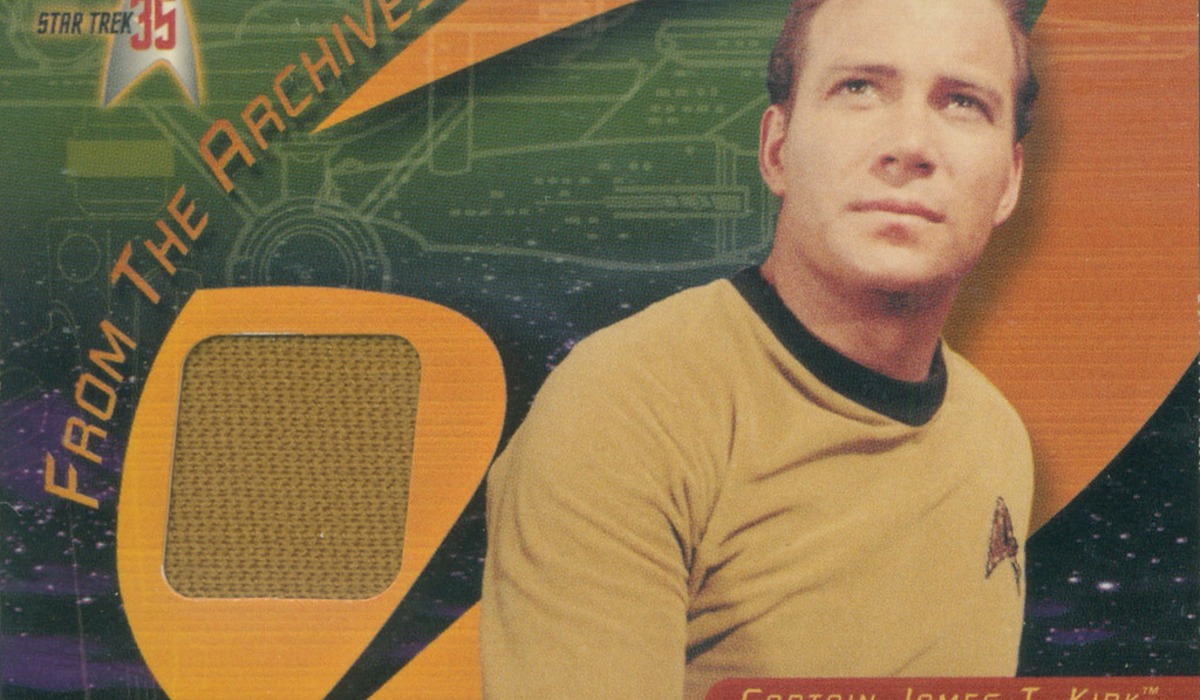
Leaf Brands issued 72 Star Trek cards in 1967, during the original run of the series on NBC. The photos are black and white, and the captions and story text on the backs often have little connection to any real episode.
Distribution appears to have been brief and limited, and collectors have long traded theories about a licensing problem cutting it short. Individual cards in decent shape typically sell for 30 to 100 dollars, and complete sets reach the low thousands.
Reprints exist, so buyers look closely at paper stock and print sharpness before trusting a bargain.
Batman’s Painted Black Bat Cards
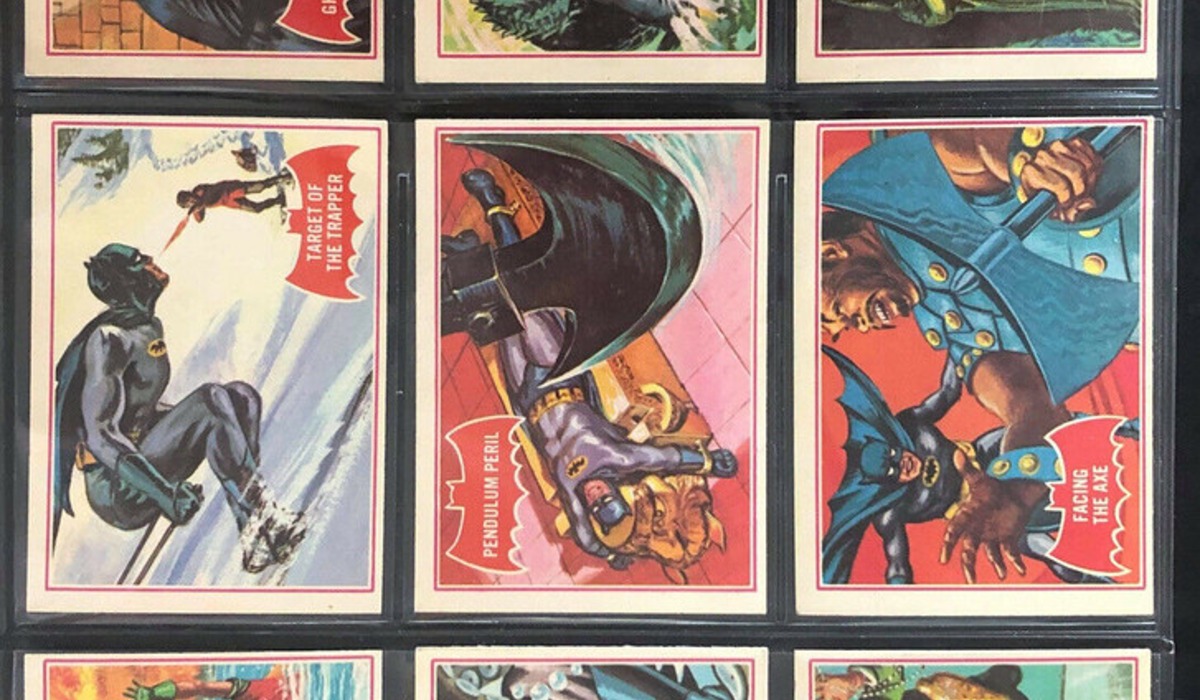
When the Adam West series hit ABC in January 1966, Topps had 55 painted cards ready within months. Collectors call this first group the Black Bat series, after the black bat emblem holding the caption on each front.
Norman Saunders painted the scenes over pencils credited to Bob Powell, giving the Caped Crusader a pulp-magazine menace the campy show never attempted. Card 1, simply titled The Batman, is the key.
Mid-grade commons often sell for 10 to 40 dollars and a clean full set for around 1,000 or more. Later series with red and blue bats put puzzle pieces on many of the backs.
Superman’s First Gum Cards
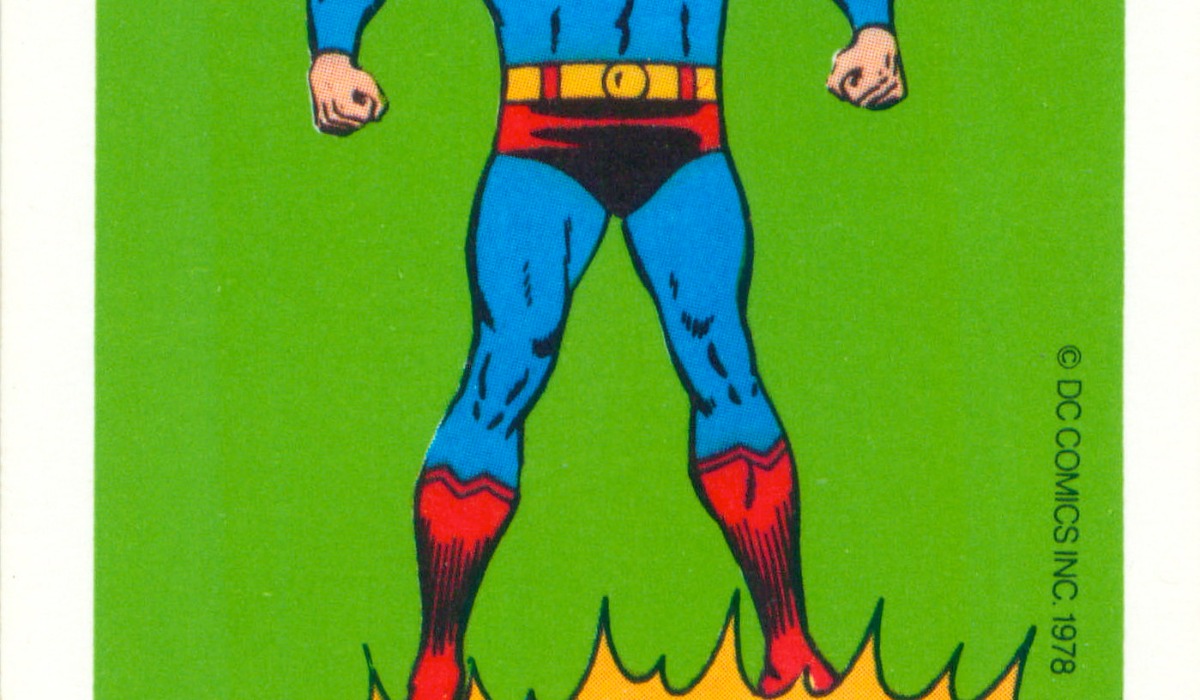
Gum Inc. of Philadelphia printed 72 Superman cards in 1940, just two years after the character first appeared in Action Comics. Each front shows a bright painted scene of the hero rescuing somebody, and each back tells the story in a few breathless lines.
Cards numbered 49 through 72 were printed in smaller quantities and cost several times what the low numbers do. Presentable low numbers often sell for 100 to 300 dollars, while high numbers in similar shape run toward 1,000.
Rounded corners are expected on cards this old. Paper loss on the back from scrapbook glue is the bigger problem.
Horrors of War and the Peace Slogan

Gum Inc. released this set in 1938, eventually running to 288 cards that depicted the Japanese invasion of China, the Spanish Civil War and the Italian campaign in Ethiopia in graphic color. Every back ended with the same line: to know the horrors of war is to want peace.
Parents were appalled and children bought them by the millions. The final 48 cards, added later, are much scarcer, and the group includes a card of Adolf Hitler that collectors pursue hardest.
Low numbers in average shape sell for 15 to 50 dollars. High numbers often reach several hundred, depending on creases and staining.
Civil War News
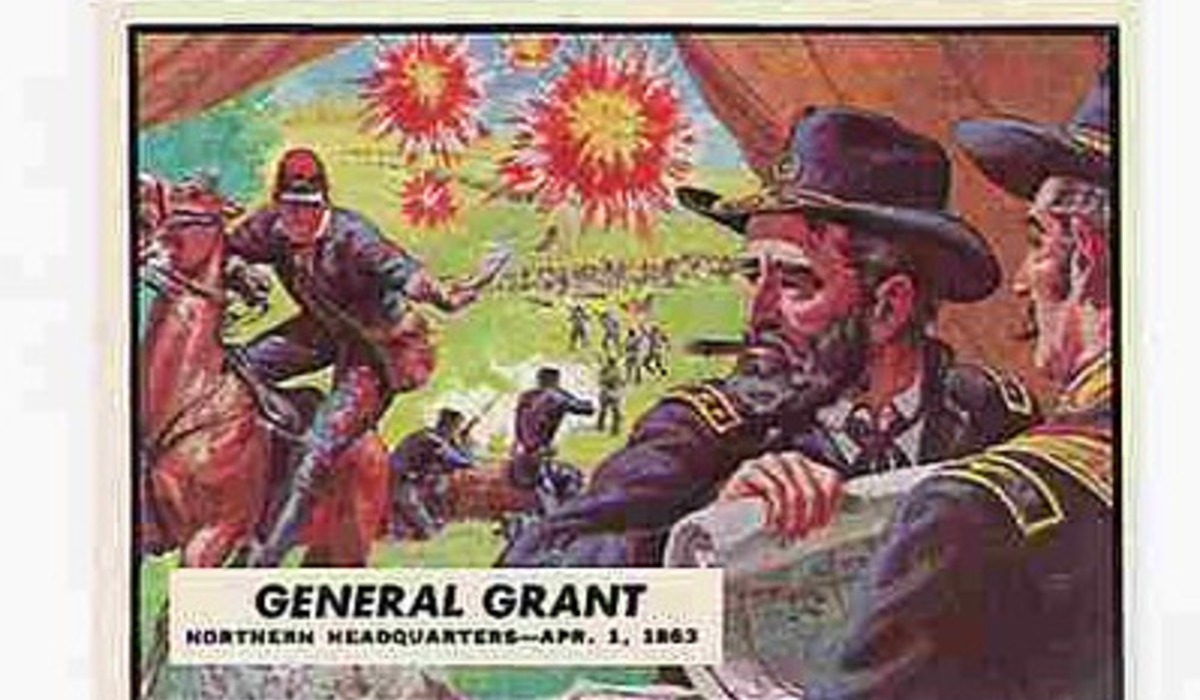
Topps marked the Civil War centennial in 1962 with 88 cards, each styled as a newspaper report with a dated headline on the back. Norman Saunders was again among the painters, and the scenes of bayonets and exploding bridges are grisly enough that the set is often described as a rehearsal for Mars Attacks.
Packs also included a facsimile Confederate banknote, and those bills are collected in their own right. Complete card sets in solid mid-grade shape typically sell for 400 to 900 dollars.
Card 1 and the checklist at card 88 are the usual casualties of rubber bands and pencil marks.
Outer Limits Monster Cards
Fifty Outer Limits cards arrived from Topps in 1964, once more under the Bubbles Inc. name. The television series was filmed in black and white, so the card makers colorized the monster stills in vivid, unlikely shades.
Stranger still, the stories on the backs were newly invented and often ignore the plots of the episodes the photos came from. Single cards in respectable condition generally sell for 15 to 60 dollars, and full sets for several hundred to more than 1,000.
The dark borders show every nick, so examples with clean edges are graded and priced on a different scale.
Beatles Black-and-White Photo Cards
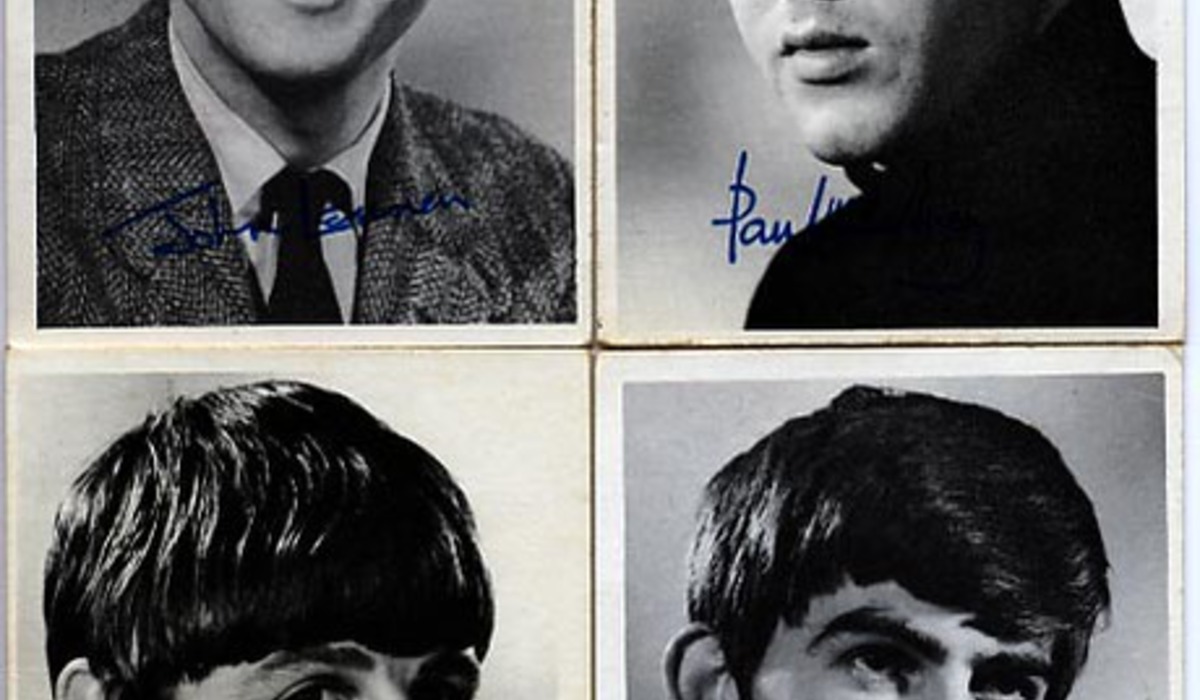
In 1964 Topps answered Beatlemania with three series of black-and-white photo cards, 165 in all, each carrying a blue facsimile signature of one band member. Color cards, a diary series and a set tied to the film A Hard Day’s Night followed in the same year.
Production was enormous, so common cards remain affordable at about 5 to 20 dollars apiece. The money is in high-grade examples and in unopened packs, which have sold for hundreds of dollars each.
Centering varies widely from card to card. On a plain photo with a white border, a crooked cut is hard to miss.
Elvis Presley’s 1956 Bubbles Inc. Set
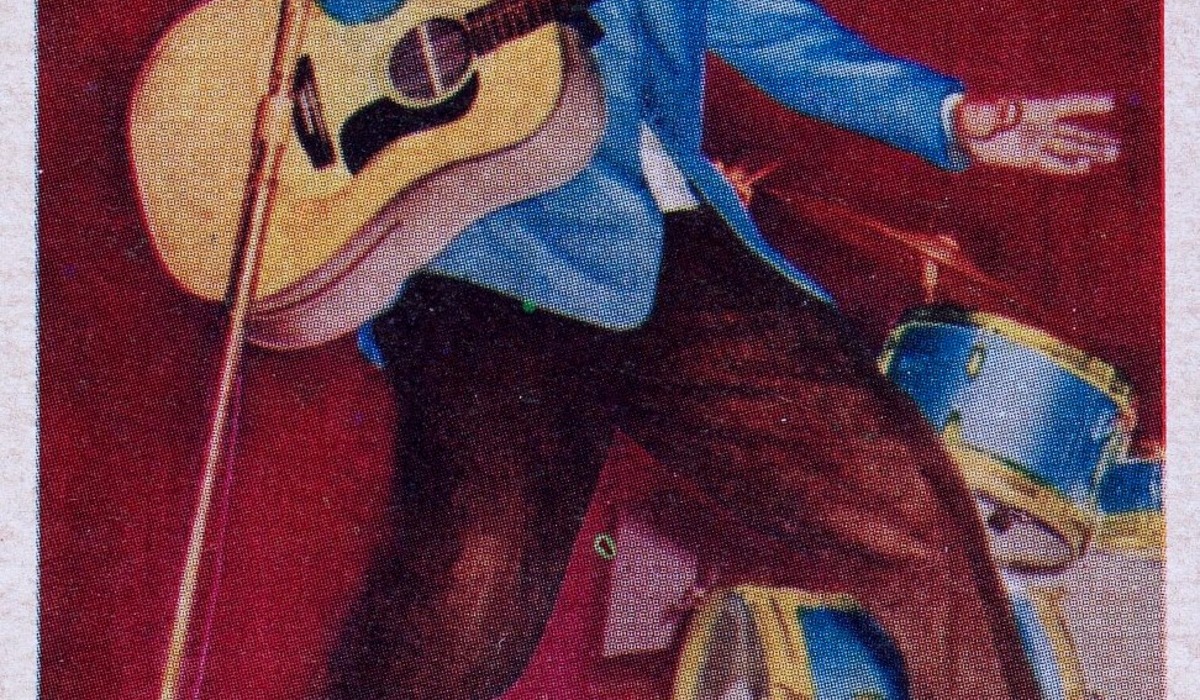
Elvis was 21 and had been a national star for only months when 66 cards bearing his face reached candy counters in 1956. Topps produced them under the Bubbles Inc. name, using hand-tinted photos and backs that printed fan questions with answers credited to the singer.
Later cards in the run promote his first film, Love Me Tender. Commons in middling shape often sell for 15 to 50 dollars, with card 1 and the final card priced well above that.
Off-center cuts and uneven tinting are common. Graders are not sentimental about either.
Davy Crockett Orange and Green Backs
Fess Parker’s coonskin cap set off a national craze after Disney aired its Crockett episodes in 1954 and 1955, and Topps followed in 1956 with 80 cards showing color scenes from the production. Those have orange backs.
A second series of 80 with green backs sold less well as the fad cooled, and the weaker sales created the scarcity collectors pay for now. Orange backs in average shape typically bring 5 to 20 dollars each, while green backs often cost two or three times as much.
Gum stains on the reverse are common and knock a grade or two off the price.
Hopalong Cassidy’s Movie Cards
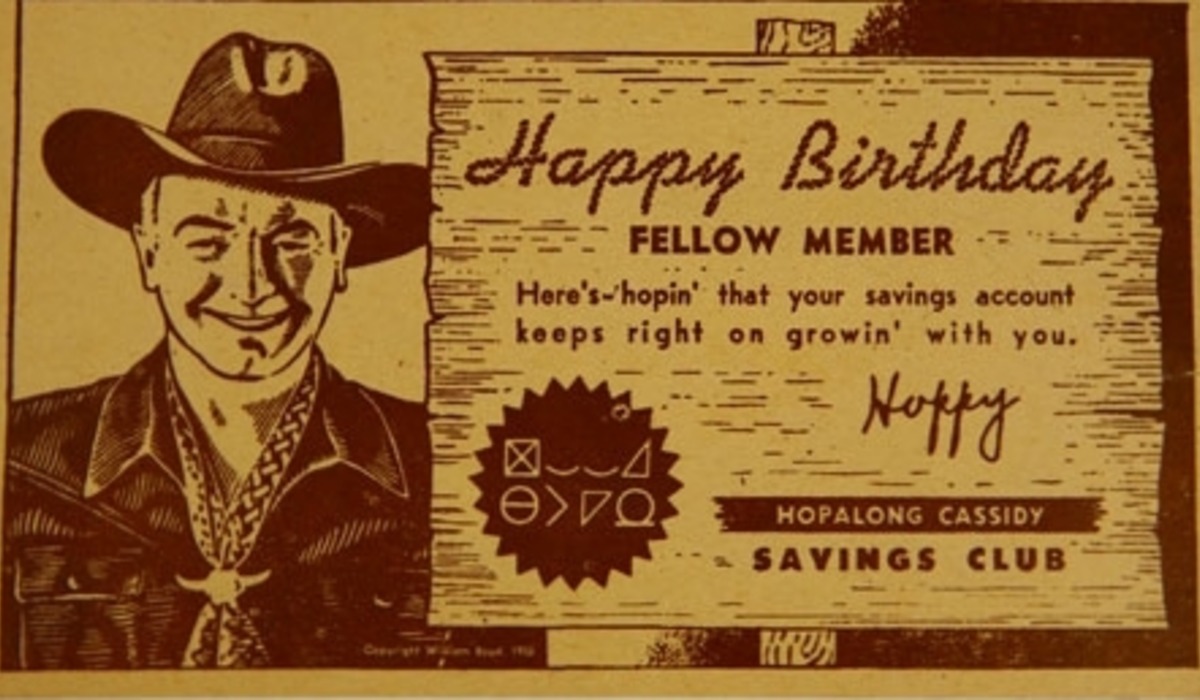
William Boyd bought the rights to his old Hopalong Cassidy westerns and licensed them to early television, which made him one of the medium’s first merchandising phenomena. Topps joined in with a 1950 set of more than 200 cards, grouped by film title and printed in single-color tints.
A small group of foil-fronted cards was issued alongside the regular run, and those are the pieces that bring real money. Standard cards often sell for 10 to 40 dollars, and foil cards for several hundred when the surface is unscratched.
Foil from 1950 rarely survived a pocket.
Lone Ranger Gum Cards
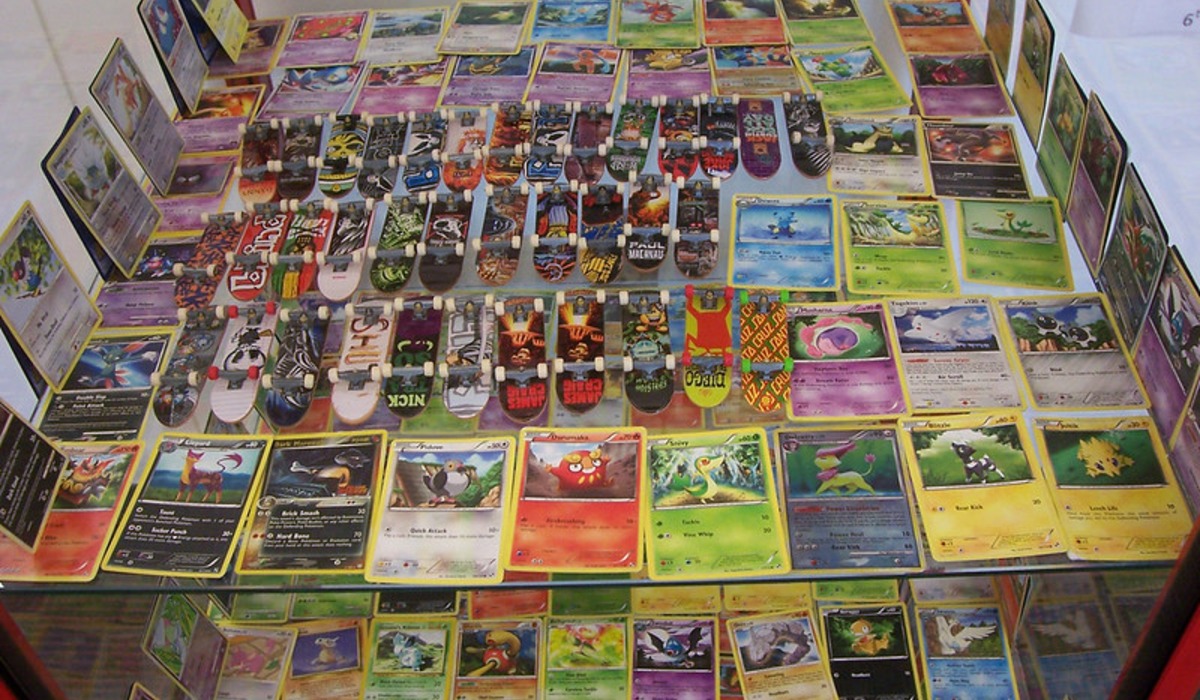
Seven years after the masked rider debuted on Detroit radio station WXYZ in 1933, Gum Inc. gave listeners something to look at. The 1940 set runs just 48 cards, each a painted action scene with a narrative on the back.
Kids who had only heard the hoofbeats could finally see Silver. The cards were printed on stock that browns with age and chips at the edges.
Low-grade singles typically sell for 40 to 120 dollars, and attractive examples for several hundred. A full set in presentable shape is a multi-thousand-dollar purchase, and few come to market intact.
Goudey Indian Gum
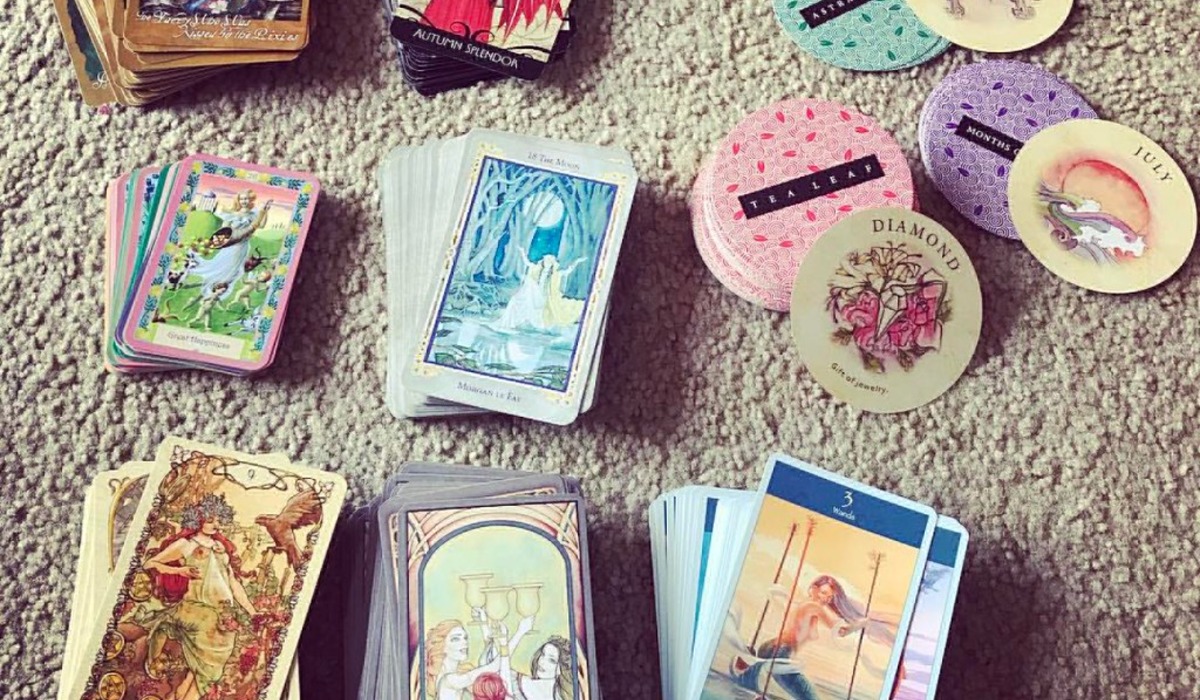
The Goudey Gum Company of Boston introduced Indian Gum in 1933 and kept reissuing it for years, with painted portraits and scenes of Native American leaders and frontier life. The backs carry a line stating how many cards the series contains, and that number changed as the set grew: 24, 48, 96, 192 and beyond.
Collectors sort and price cards by that line, because the same front exists with several different backs. Common cards in worn shape often sell for 20 to 60 dollars.
Scarcer back variations and high-grade copies climb into the hundreds, and bright, unfaded reds add a premium.
Jets, Rockets, Spacemen
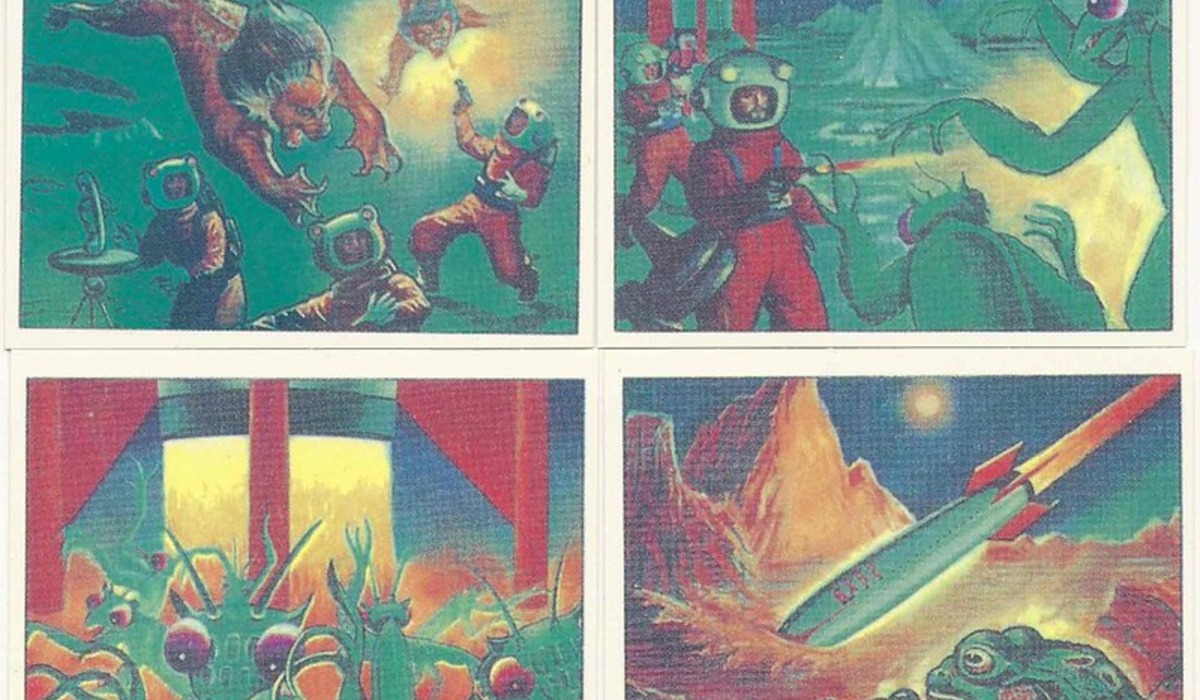
Bowman released this 108-card set in 1951, six years before Sputnik, and told one continuous story across the backs. The paintings show finned silver rockets, bubble helmets and alien cities in saturated color, all imagined before anyone had photographed Earth from orbit.
Later cards in the run are generally harder to find than the early numbers. Singles in middle grades typically sell for 20 to 80 dollars, and complete sets have brought several thousand.
The cards are small, and many were cut off-center at the factory, so a well-centered example earns a strong premium.
Three Stooges From Fleer
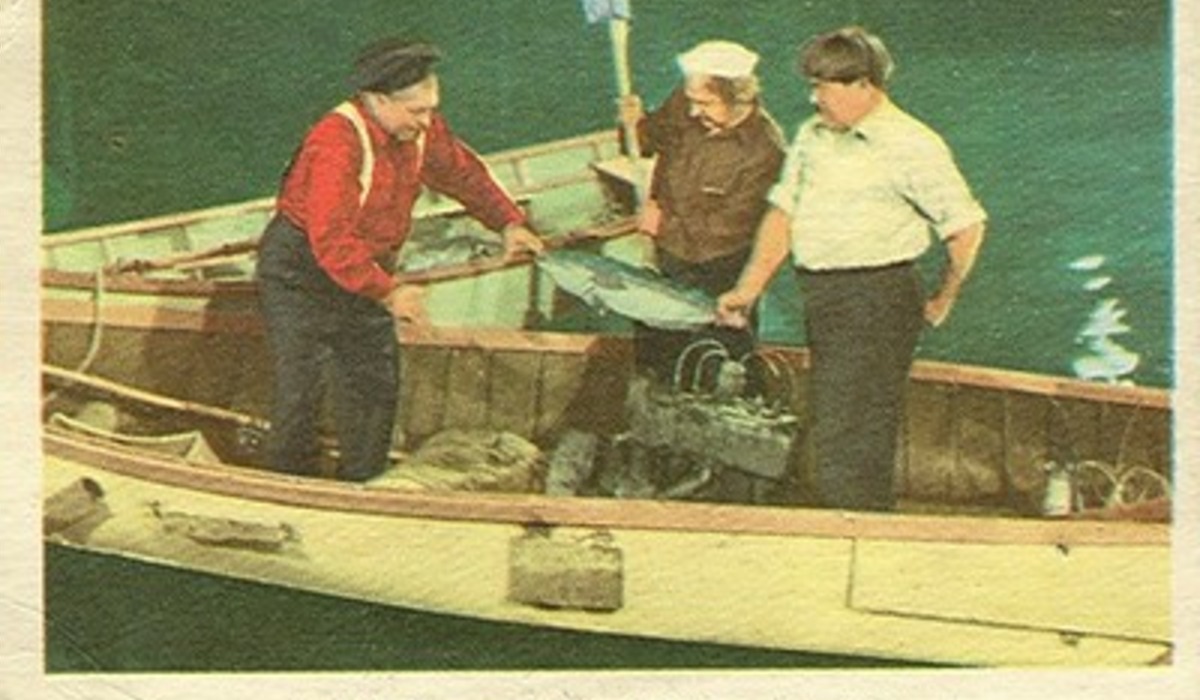
Fleer put out 96 Three Stooges cards in 1959, when television reruns of the old shorts had made the act popular with a new generation of kids. The first three cards are individual portraits of Curly, Moe and Larry, and card 1 suffered the usual fate of sitting on top of the stack.
Three cards in the set can also be found with checklist backs, and unmarked examples of those are prized. High-grade copies of card 1 have sold for thousands of dollars, while commons run about 15 to 50.
White borders hide little, and print lines and gum stains are routine.
Munsters Cards From Leaf
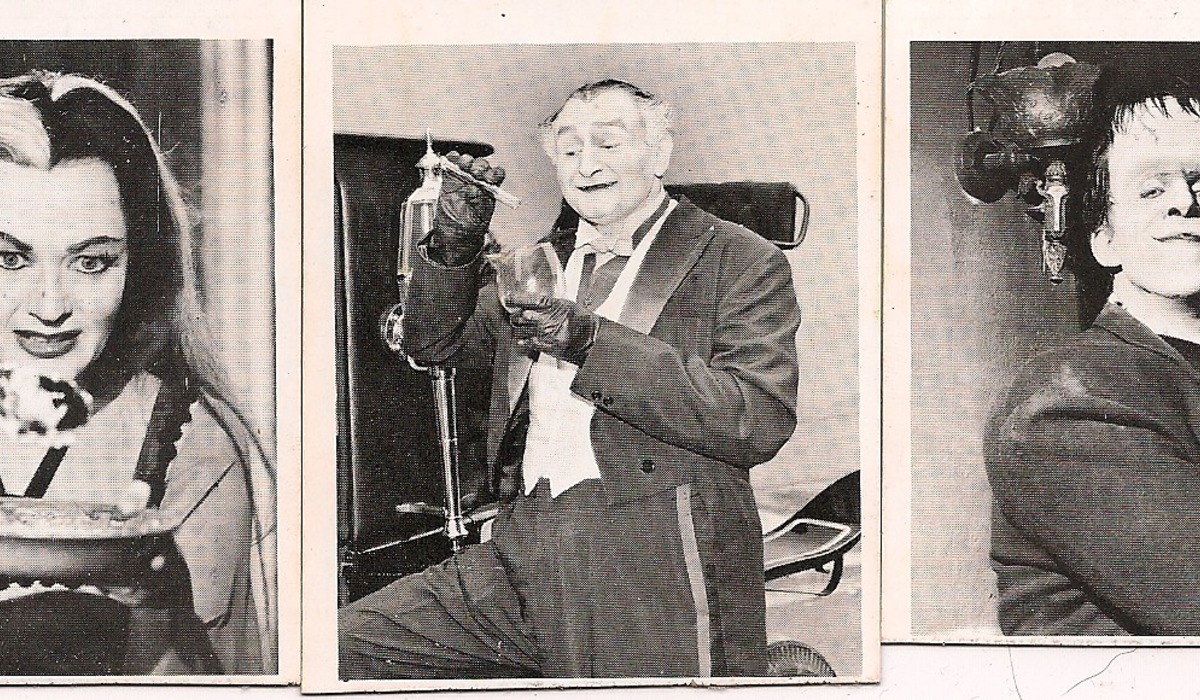
Leaf timed its 72-card Munsters set to the 1964 debut of the CBS sitcom. Each card pairs a black-and-white publicity still with a one-line gag caption, and Fred Gwynne’s flat-topped Herman appears on most of them.
The show lasted only two seasons, yet reruns kept demand alive for decades. Single cards in clean condition generally sell for 10 to 30 dollars, and complete sets for roughly 500 to 1,200.
Unopened packs are a different matter and have sold for several hundred dollars apiece. Miscuts turn up in this issue, and tilted images hold prices down.
Marvel Universe Holograms
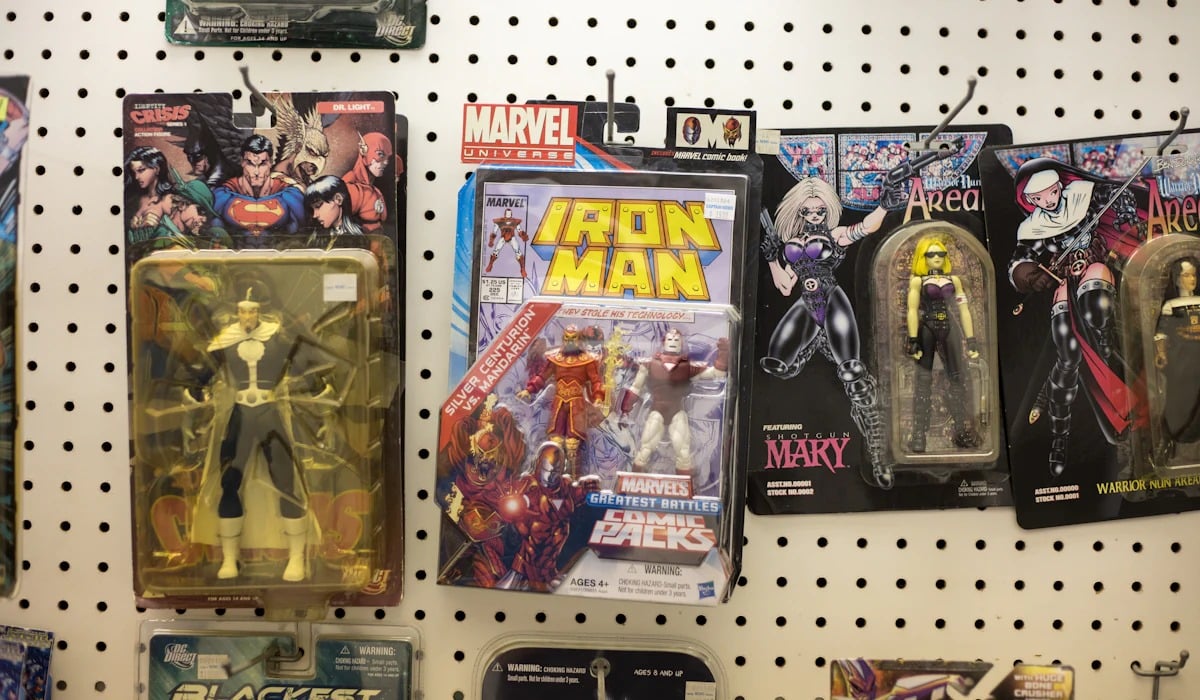
Impel released the first Marvel Universe set in 1990, 162 cards that gave each character a stat line the way a sports card would. Five hologram inserts were seeded into packs, among them Cosmic Spider-Man, Wolverine and the Silver Surfer, and kids tore through boxes to find one.
Production was heavy, so loose commons are worth little. Graded gem mint holograms and key character cards often sell for 100 to several hundred dollars, and sealed boxes have climbed to several hundred as well.
Hologram surfaces scratch at a glance. A copy pulled in 1990 and carried in a pocket is a souvenir.
Marvel Masterpieces Painted by Joe Jusko
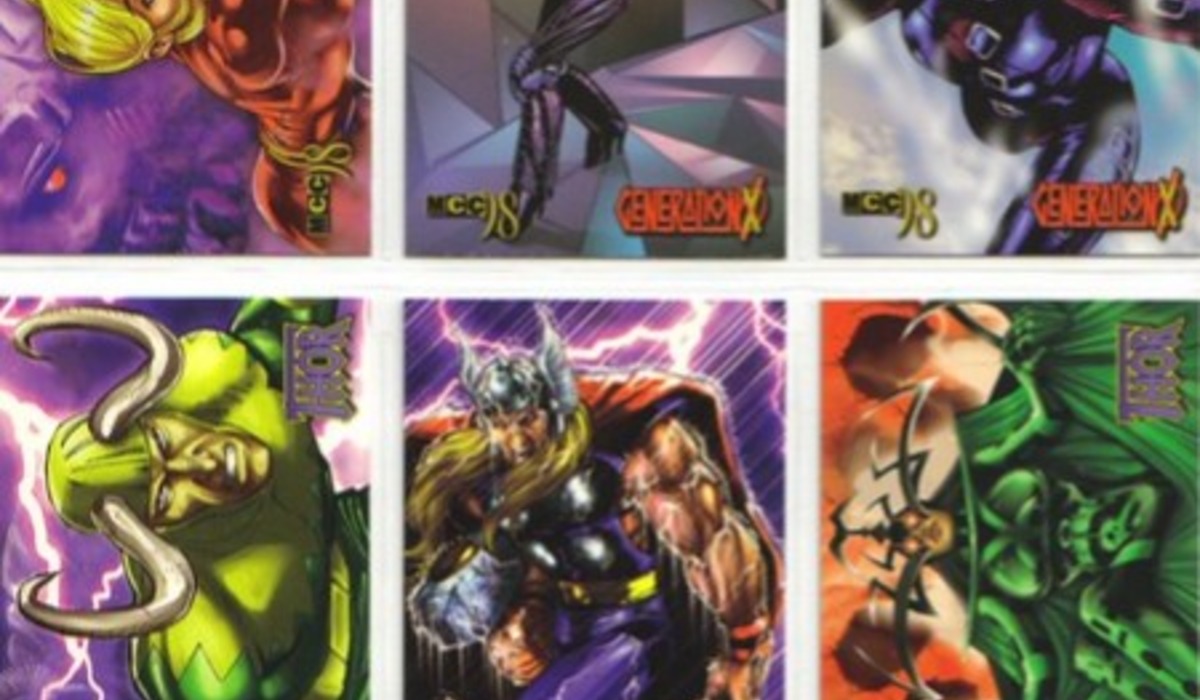
SkyBox published Marvel Masterpieces in 1992 with an unusual premise: one artist, Joe Jusko, would paint all 100 base cards. The result looked like a small gallery of fantasy paintings, and it changed what comic card buyers expected.
Five foil Battle Spectra inserts showed pairs of rivals in combat and remain the chase cards. Sealed boxes now often sell for a few hundred dollars.
Raw base cards are inexpensive, but gem mint graded copies of the most popular heroes have reached hundreds apiece. The black borders chip easily, so any white speck along an edge shows up in the grade.
Disney Lorcana Enchanted Cards
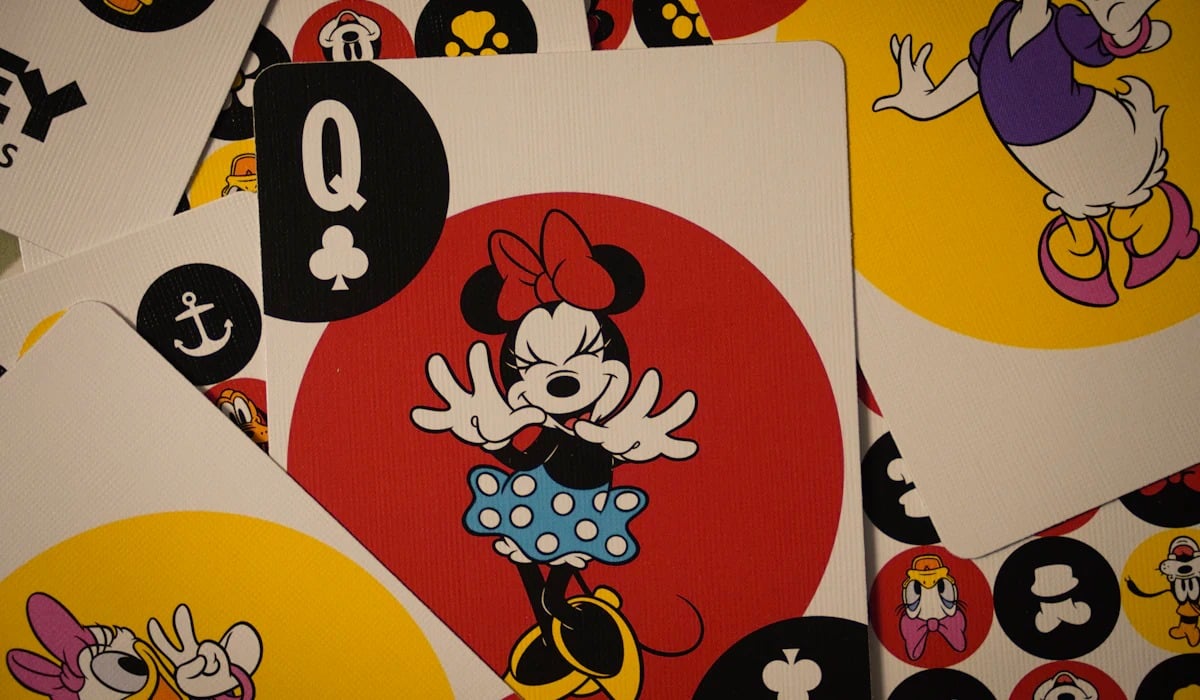
Ravensburger, the German puzzle and game company, launched Disney Lorcana in August 2023 with a set called The First Chapter. Its rarest tier, labeled enchanted, reprints selected cards with full-frame alternate art and a textured foil finish.
Early demand was frantic, and an enchanted Elsa sold for well over 1,000 dollars in the first months. Ungraded copies of that card now often bring about 600 to 900 dollars, and most other enchanted cards from the first set trade for less.
Because the cards are recent, nearly every copy went straight into a sleeve, so grading premiums hinge on centering and tiny factory print lines.
Wax Wrappers and Long Memories
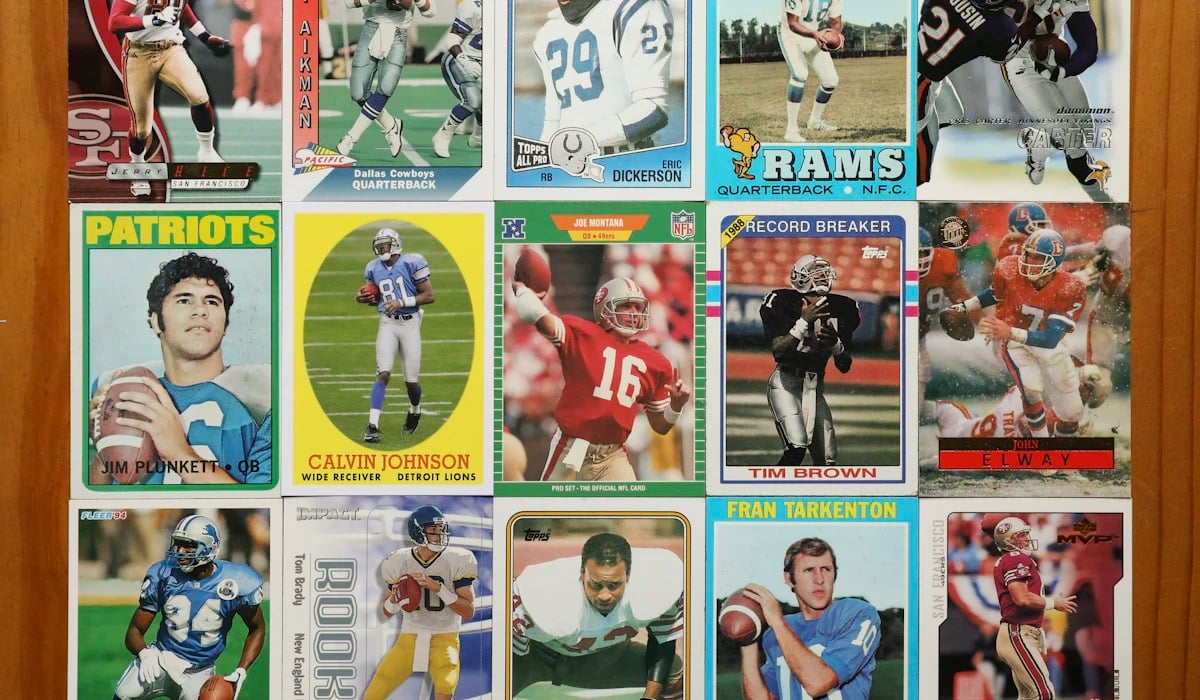
Almost none of these cards were made to last. They were printed cheaply, packed against a slab of pink gum and sold for pennies to children who flipped them, traded them and clipped them to bicycle spokes.
Scarcity came later, supplied by mothers, moving days and landfill.
Value followed the stories. A set pulled from shelves after complaints, a contest prize given to a few dozen winners, a land left off a print sheet by accident: each became expensive because something went slightly wrong.
Collectors pay for the cardboard, but they are buying the accident.
More from Go2Tutors!

- The Romanov Crown Jewels and Their Tragic Fate
- 13 Historical Mysteries That Science Still Can’t Solve
- Famous Hoaxes That Fooled the World for Years
- 15 Child Stars with Tragic Adult Lives
- 16 Famous Jewelry Pieces in History
Like Go2Tutors’s content? Follow us on MSN.