31 Everyday Objects With Surprising Wartime Origins
Most people reach for these things without a second thought. Almost none of them started out as consumer products at all; they began as military problems that needed solving fast, then quietly moved into ordinary life once the fighting ended.
Duct Tape
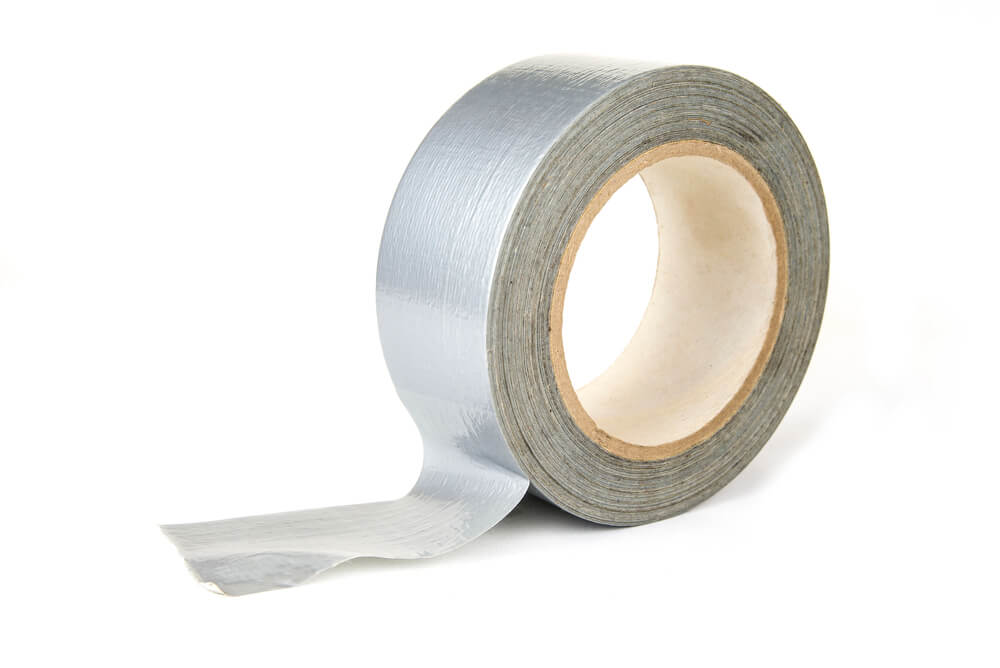
Duct tape began as a waterproof, cloth-backed sealing tape developed for the United States military during the Second World War, meant to keep moisture out of ammunition cases. Soldiers immediately found other uses for it, from repairing jeeps to sealing tents, and its manufacturer marketed it for home ductwork once the war ended, which is where the modern name comes from.
Super Glue
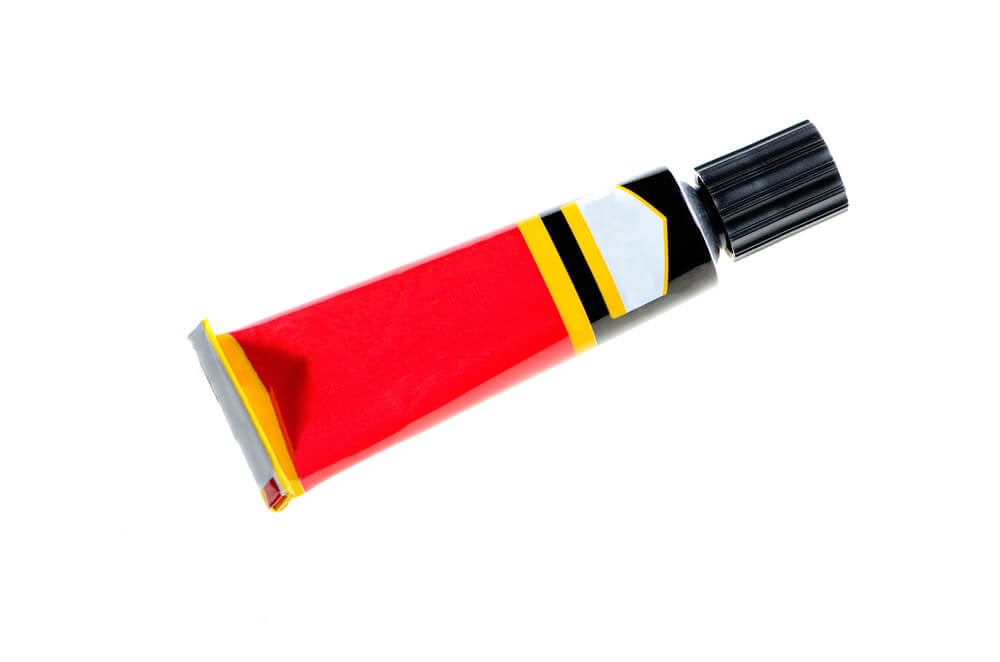
Cyanoacrylate was first identified by a researcher trying to develop clear plastic gun sights during the Second World War, who set the sticky compound aside because it bonded to everything it touched. A decade later, another team working on heat-resistant jet canopy materials rediscovered the same chemical and recognized its commercial potential as an adhesive.
Silly Putty
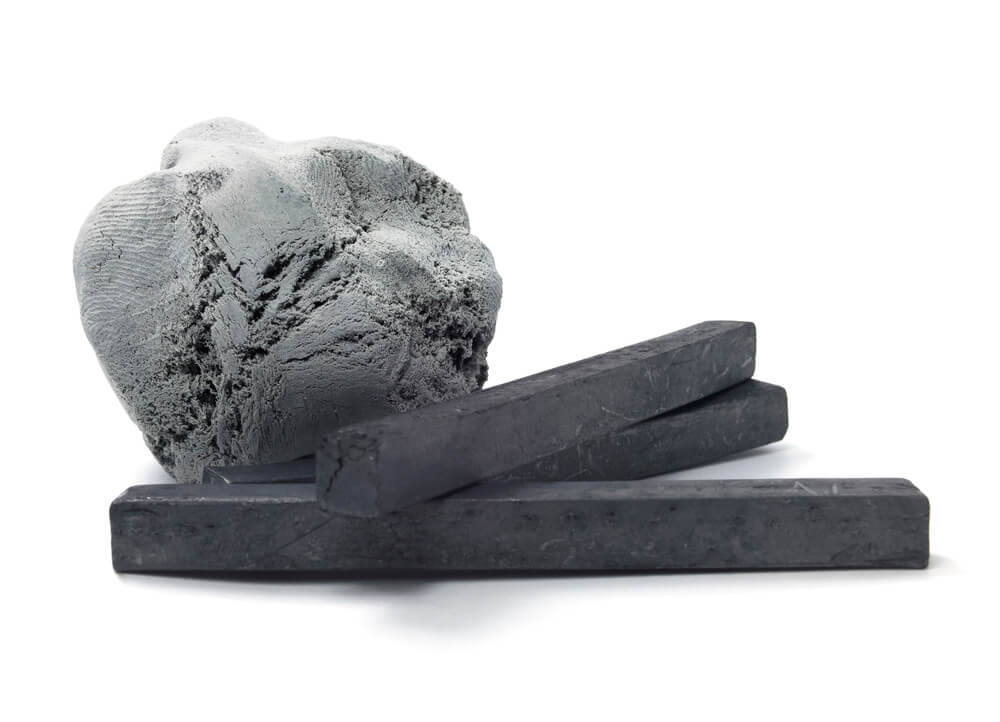
Silicone-based bouncing putty came out of a wartime search for a synthetic rubber substitute, since Japan’s control of Southeast Asian rubber supplies had cut off a critical American resource. The compound never worked as a rubber replacement, but a toy store owner recognized its play value years later and packaged it in the now-familiar plastic egg.
The Slinky

A naval engineer working on shock-absorbing springs for sensitive shipboard equipment knocked a coiled spring off a shelf during the Second World War and watched it “walk” across the floor. He and his wife refined the coil’s tension and length until it produced the steady, self-propelling tumble that became a toy store staple.
The Microwave Oven

Radar research during the Second World War relied on a vacuum tube called a magnetron to generate high-power microwaves. An engineer testing one noticed a candy bar melting in his pocket, and the company that made military radar equipment built the first commercial microwave oven around the same technology within a few years.
Aviator Sunglasses
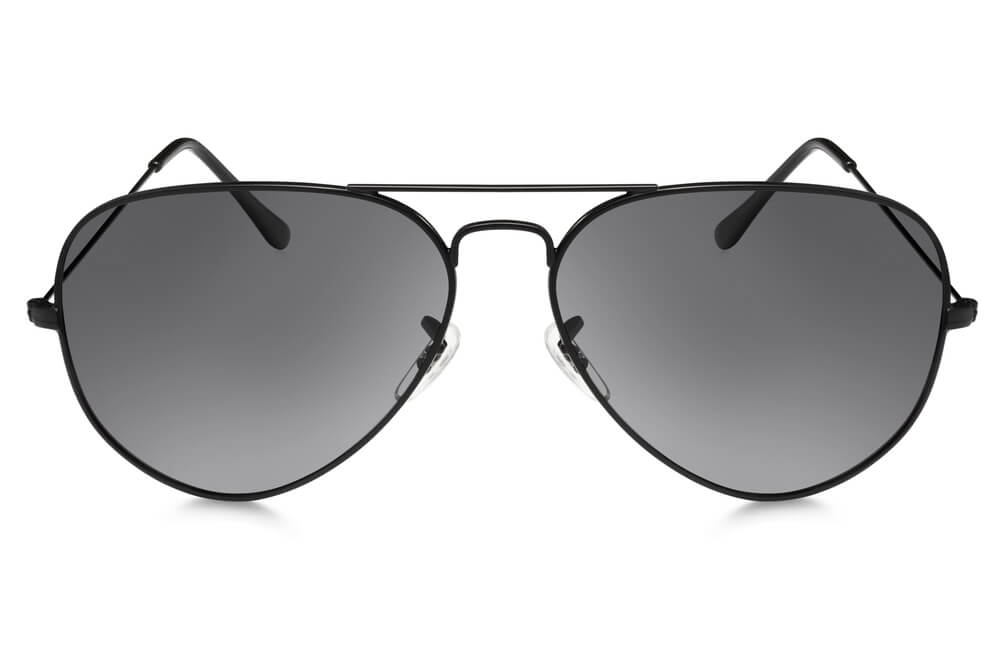
The United States Army Air Corps commissioned a sunglasses maker in the early 1930s to solve the problem of pilots losing consciousness or being blinded by intense glare at high altitude. The resulting teardrop-lensed design, developed for cockpit visibility, was sold to the public within a few years and never really left fashion afterward.
The Trench Coat
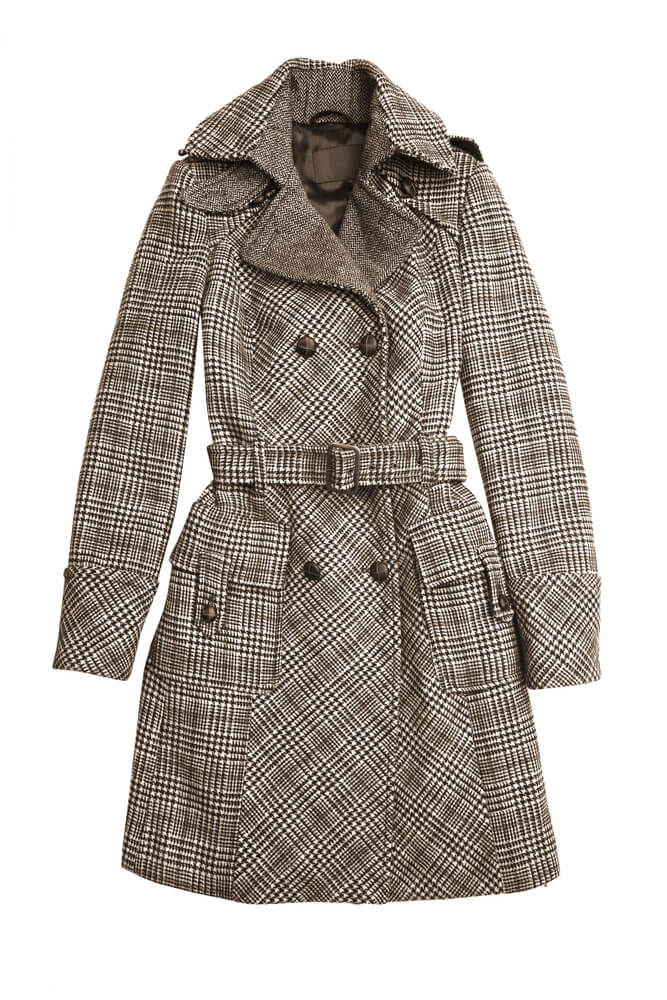
Officers in the First World War needed a lighter, more weatherproof alternative to the heavy wool greatcoat for use in flooded trenches, and two British outerwear makers separately adapted their existing waterproof fabric into a belted, epauletted coat built for that environment. The style’s straps and D-rings, once meant for map cases and grenades, are now purely decorative.
The Modern Wristwatch
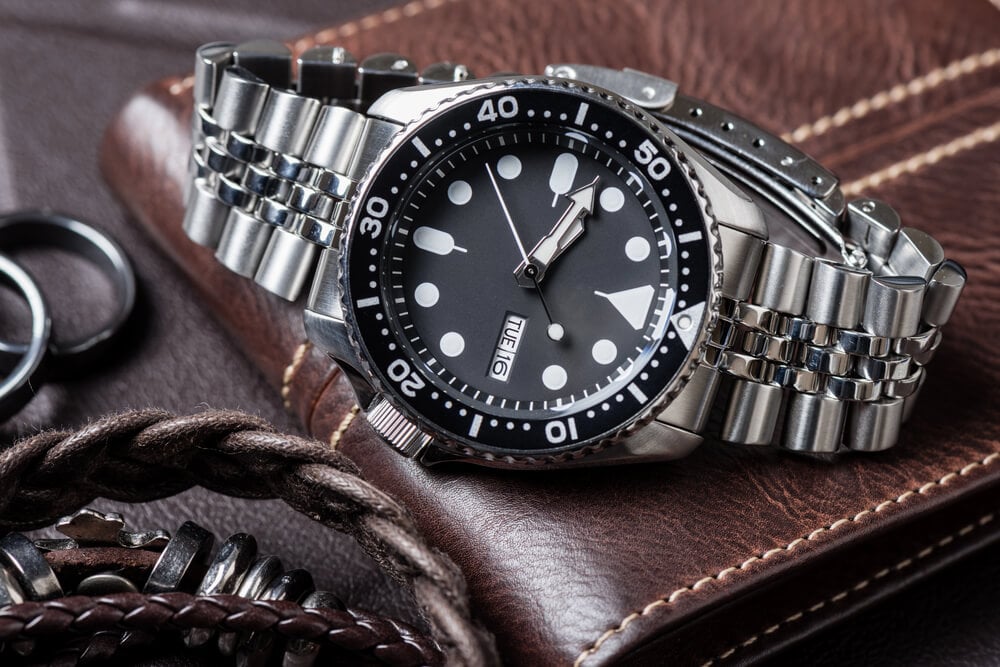
Pocket watches were standard before the First World War, but officers coordinating artillery barrages and infantry advances needed to check the time without letting go of a weapon or a set of reins. Strap-on wrist conversions became common in the trenches, and men who had once considered wristwatches a woman’s accessory came home wearing them as a matter of course.
Canned Food
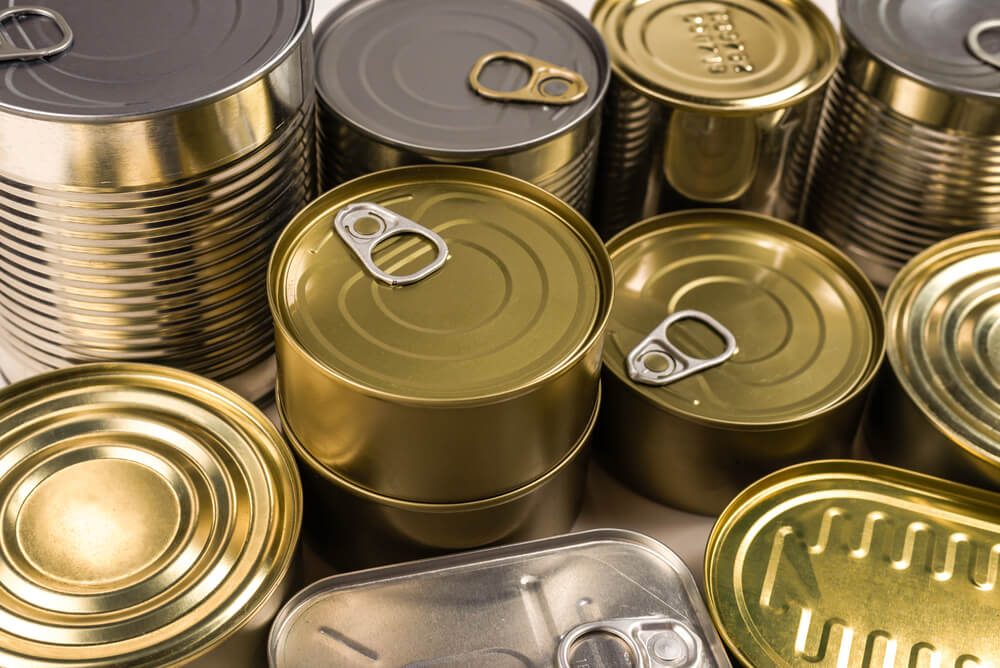
The French government offered a cash prize in the early nineteenth century for a reliable way to preserve food for troops on long campaigns, and a confectioner won it with a method of sealing food in glass jars and heating them. An Englishman adapted the process to tin-plated steel cans not long after, giving armies a portable ration that did not spoil.
Instant Coffee

Soluble coffee powders existed in crude forms before the twentieth century, but it was the demand for a lightweight, shelf-stable ration that pushed a Nescafé predecessor and, later, American manufacturers to refine the process during the world wars. Millions of tins were shipped to soldiers, and returning veterans kept the habit at home.
The Zipper’s Wartime Boost
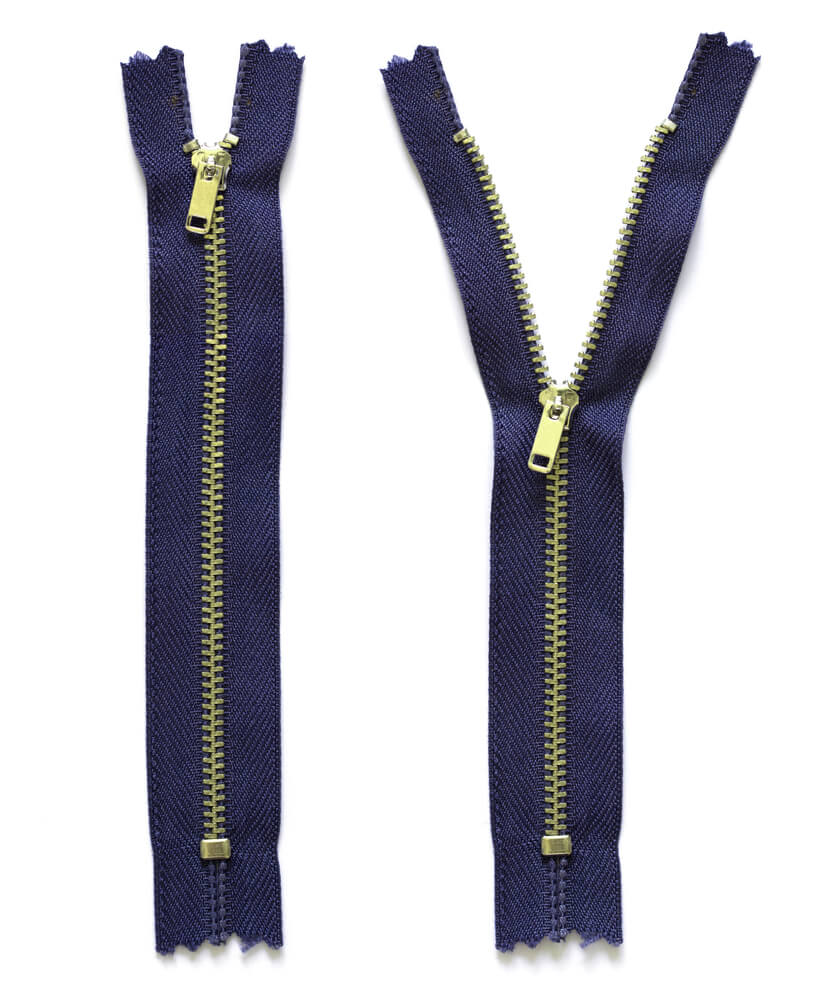
The zipper had been patented decades earlier but struggled to catch on with tailors and the public. Military contracts for flight suits, boots, and equipment pouches during the First and Second World Wars proved the fastener’s reliability under rough conditions, and civilian clothing manufacturers followed once the reputation was established.
Mass-Produced Penicillin
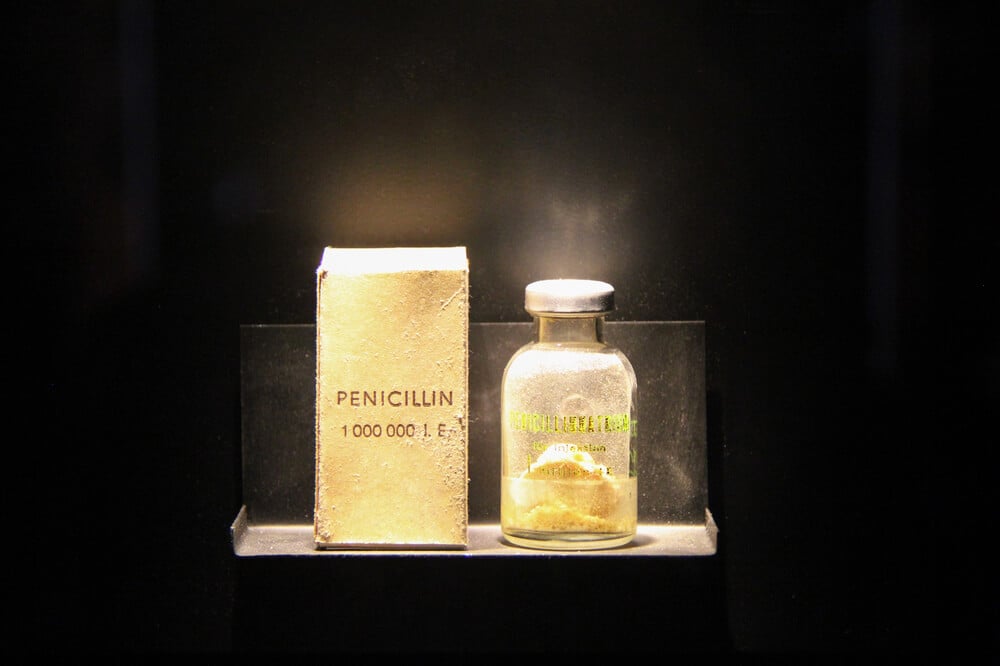
Alexander Fleming discovered penicillin’s antibacterial properties in 1928, but it took the urgent wartime need to treat infected wounds to fund the industrial fermentation research that made mass production possible. By the time Allied forces landed in Normandy, penicillin was being manufactured in quantities large enough to treat tens of thousands of soldiers.
M&M’s Candy
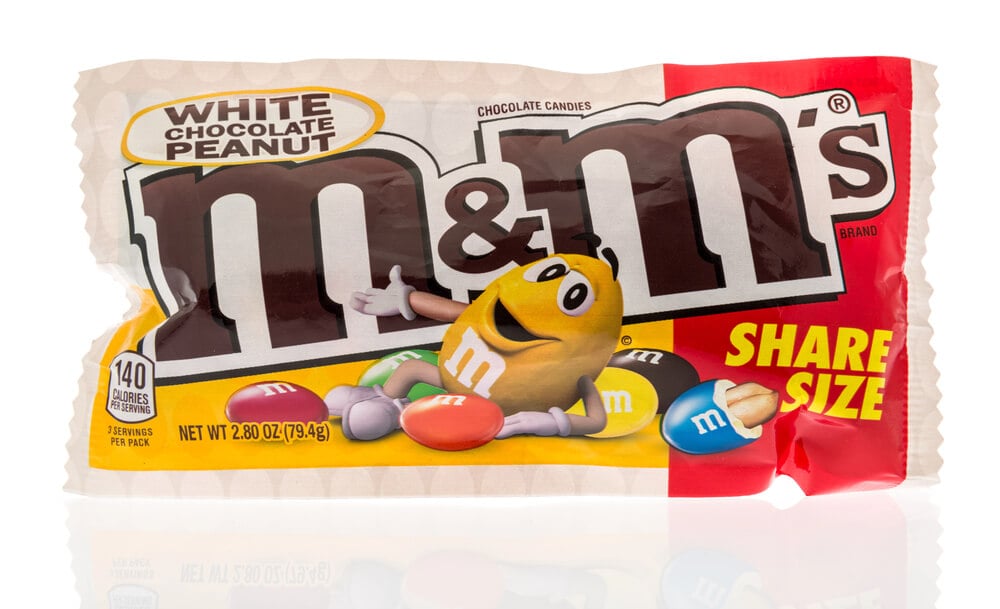
An American businessman touring Spain during its civil war noticed soldiers eating chocolate pellets encased in a hard sugar shell that kept the candy from melting in their hands. He patented a similar coated candy and later secured a wartime contract to supply the treat to American troops, whose demand carried it into peacetime grocery stores.
Kleenex Tissues
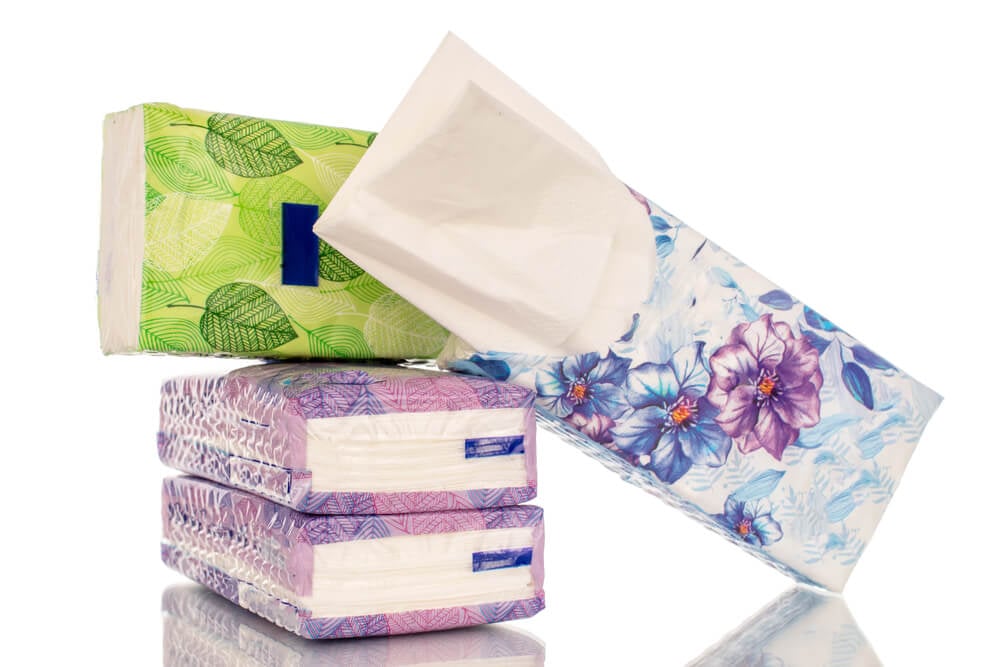
A wood-pulp material called Cellucotton was developed as a cheap substitute for cotton in surgical dressings and gas mask filters during the First World War, when cotton was in short supply. The manufacturer later marketed the leftover material as a cold-cream remover and then as a disposable handkerchief, and the tissue outlived every one of its original uses.
Nylon Stockings
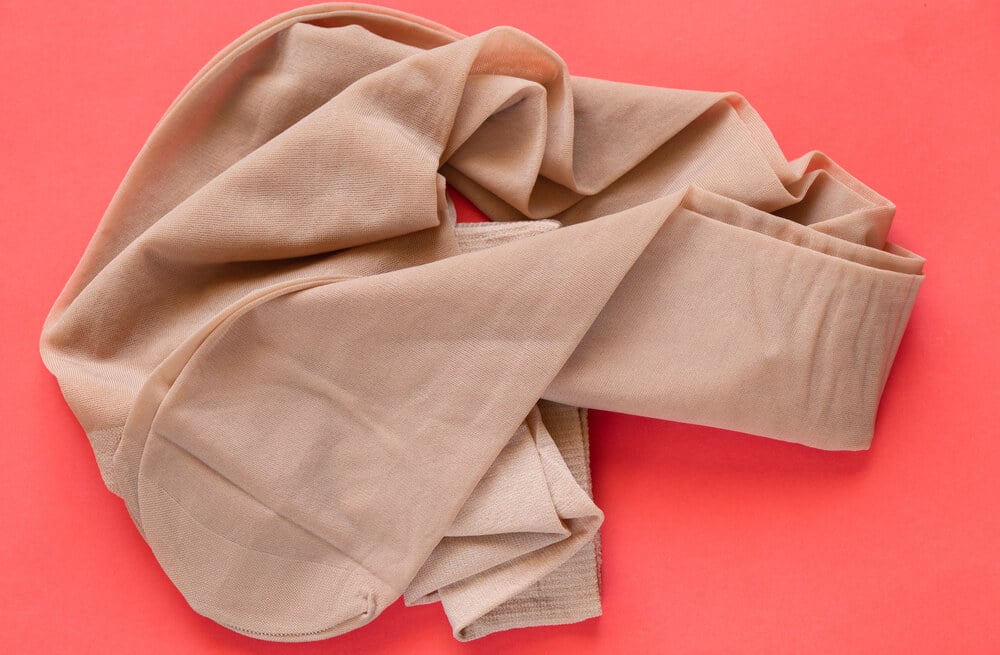
DuPont’s nylon, first sold to the public as stockings in the late 1930s, was almost immediately redirected to parachutes, tow ropes, and tire cord once the Second World War began, creating a wartime stocking shortage that women joked about for years. Nylon stockings returned to store shelves once the war ended and synthetic fiber production could catch up with civilian demand.
GPS Navigation
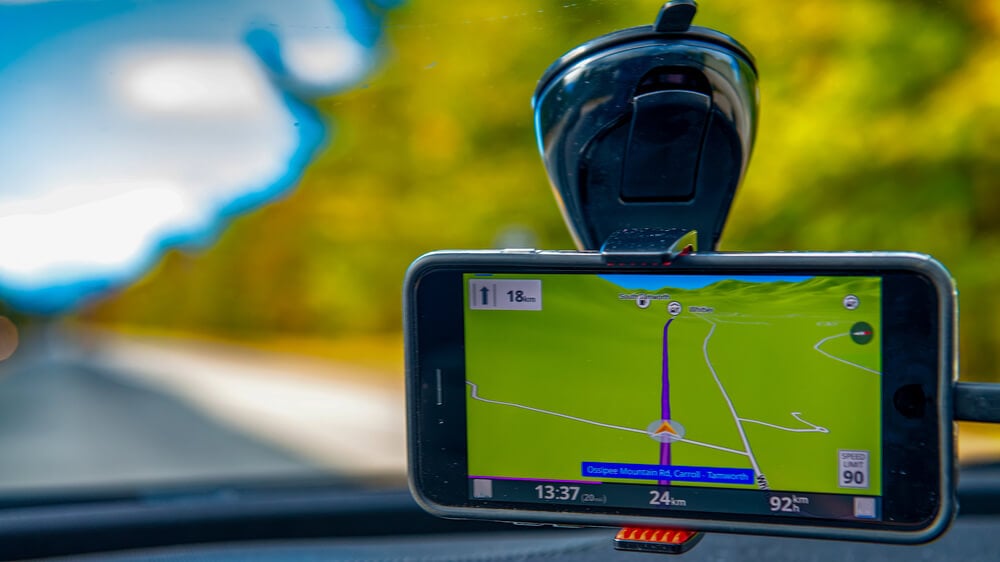
The satellite network that underlies every modern GPS device began as a Cold War military system designed to guide submarines and missiles with precision navigation independent of visible landmarks. The system was opened to civilian use in stages starting in the 1980s, and a 2000 policy change removed the deliberate signal degradation that had kept public accuracy blurry.
The Digital Computer

Wartime codebreaking efforts in Britain produced Colossus, widely considered the first programmable electronic digital computer, built to speed up the analysis of encrypted German communications. In the United States, the artillery-trajectory calculations needed for the war effort drove development of ENIAC, and both machines laid groundwork the postwar computing industry built on directly.
Freeze-Dried Food

Freeze-drying as a large-scale process was refined during the Second World War to preserve blood plasma for transfusions without refrigeration, since dried plasma could be shipped anywhere and reconstituted with water. The same dehydration principle was later applied to coffee, fruit, and eventually the ready-to-eat meals used by campers and astronauts.
The Modern Two-Way Radio
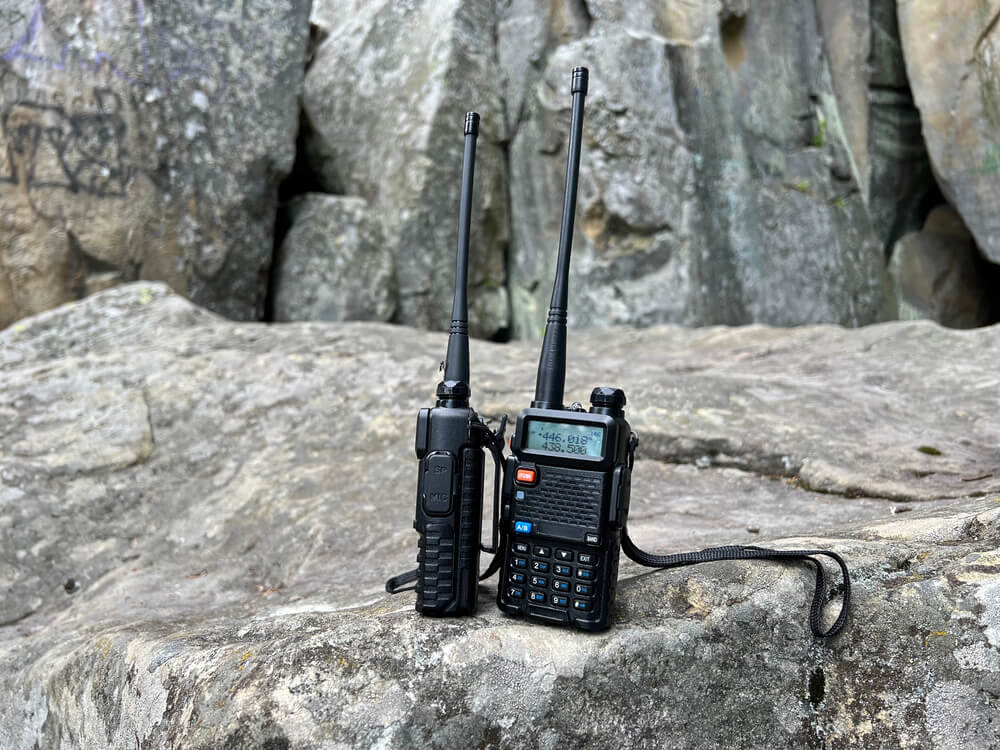
Handheld radio transceivers were developed for battlefield communication in the Second World War so that infantry units could coordinate without relying on wired telephone lines. The compact, battery-powered design pioneered for soldiers became the direct ancestor of civilian walkie-talkies, taxi dispatch radios, and eventually the first mobile phones.
Feminine Hygiene Pads
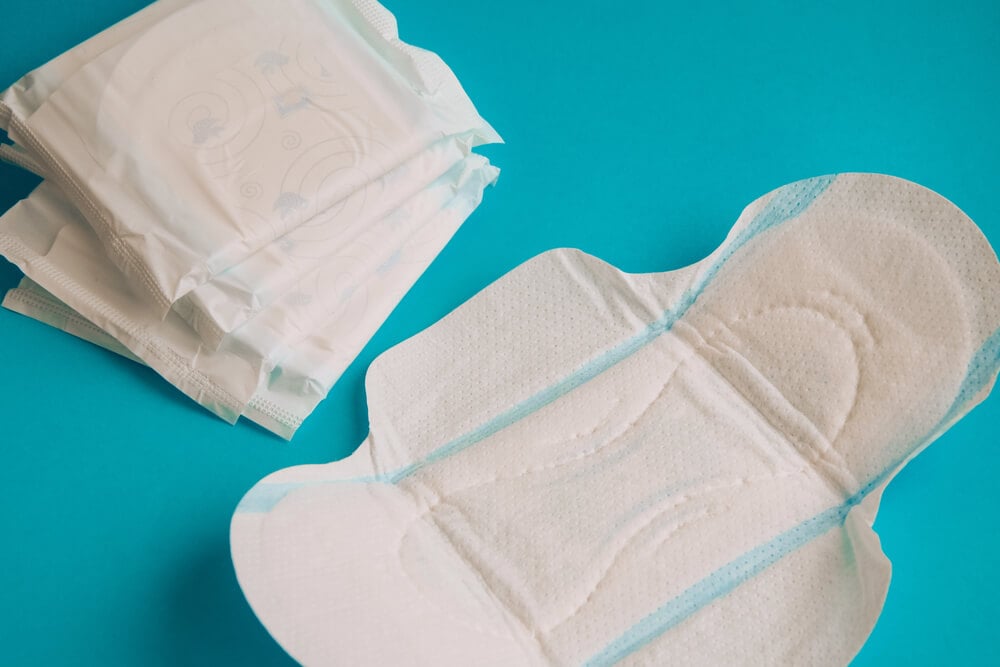
The same Cellucotton wood-pulp material developed for wartime surgical dressings absorbed fluid far better than the cotton products available to civilians, and nurses working with surplus bandaging began repurposing it for personal use. A manufacturer noticed the pattern and launched a disposable pad built from the material soon after the war ended.
Teflon Coating
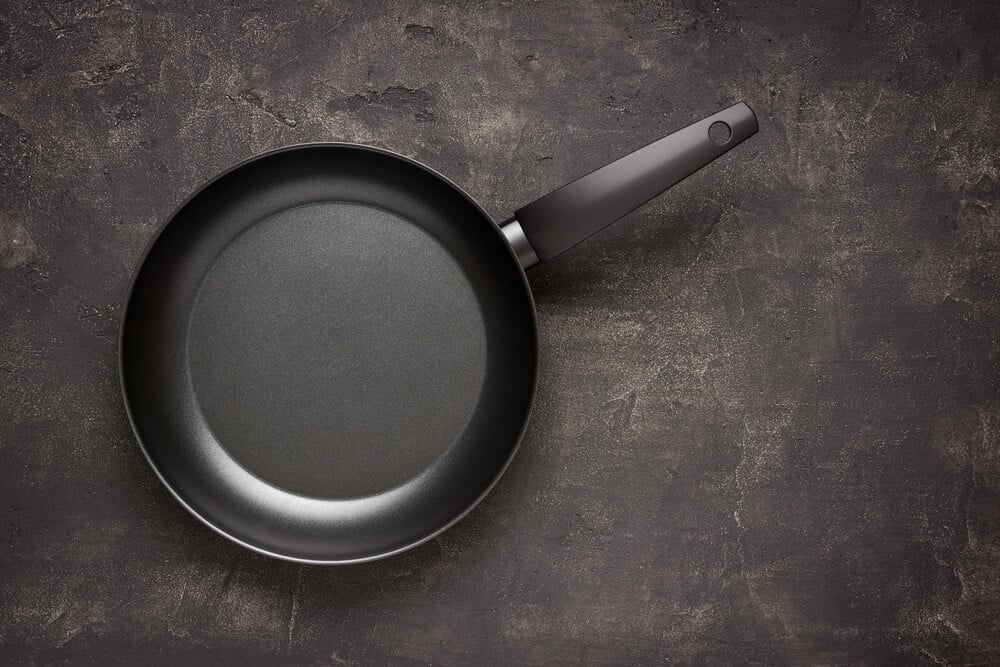
Polytetrafluoroethylene was discovered by accident in a DuPont laboratory in 1938, and its extreme chemical resistance made it valuable almost immediately for sealing valves and pipes used in the Manhattan Project’s uranium enrichment process, where standard materials corroded within days. The compound’s nonstick properties were only marketed to home cooks more than a decade later.
The Jet Engine

Two engineers working independently in Britain and Germany developed practical jet engines in the years leading up to the Second World War, driven by military demand for faster fighter aircraft. Commercial jet travel drew directly on that wartime propulsion research once airlines began replacing propeller planes in the 1950s.
Cargo Pants
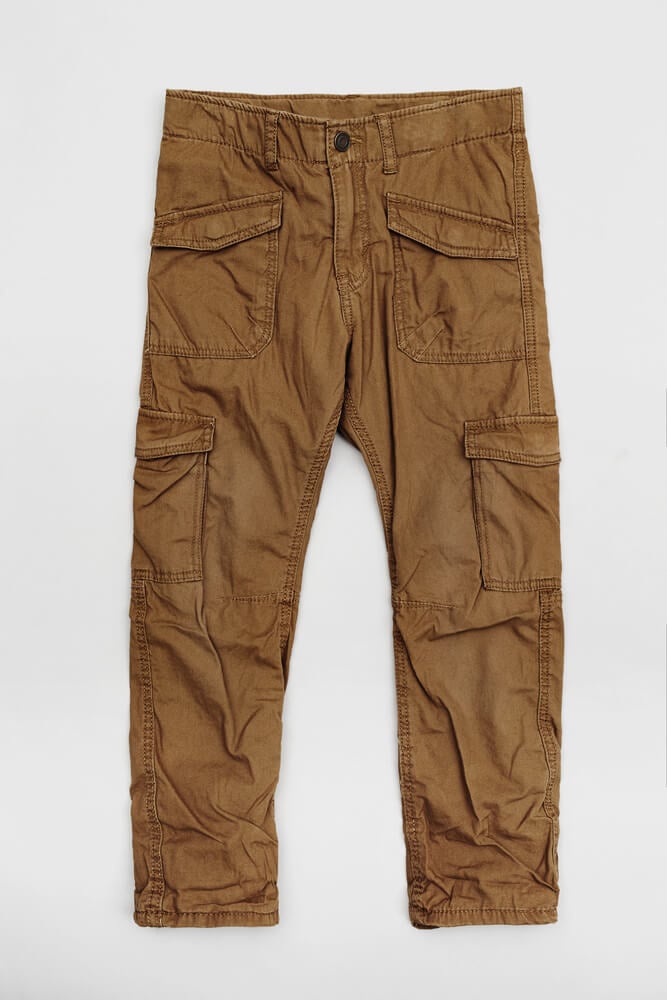
The British Army introduced trousers with large hip and thigh pockets in the 1930s so infantrymen could carry maps, ammunition, and field dressings without a separate bag. American forces adopted a similar design during the Second World War, and the utilitarian pockets migrated into civilian workwear and eventually street fashion.
Synthetic Rubber
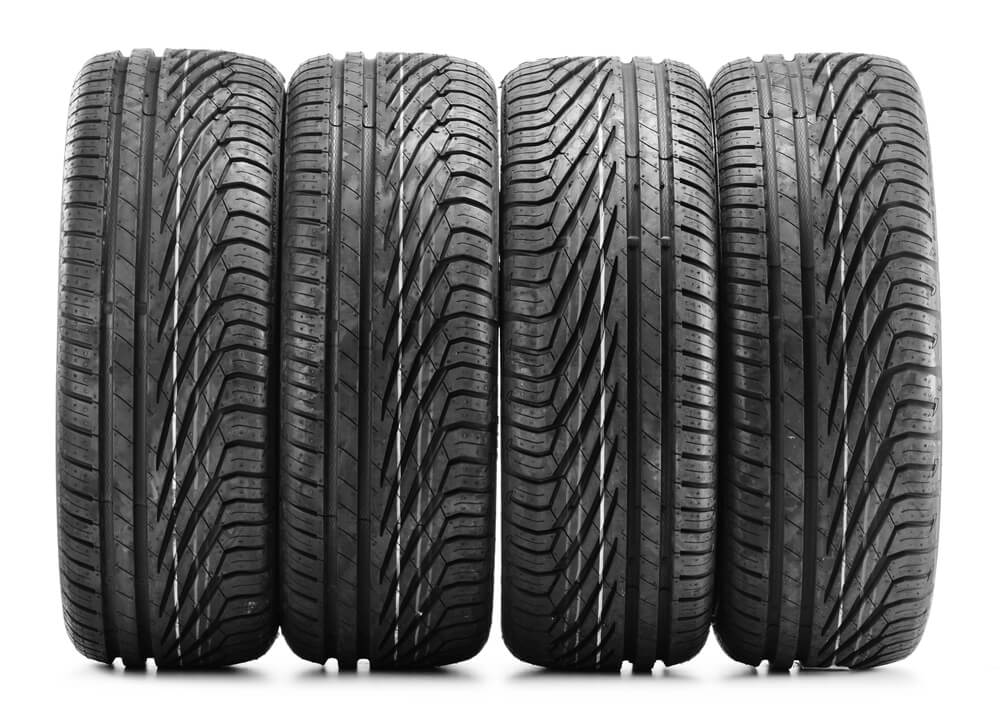
Japan’s occupation of rubber-producing regions in Southeast Asia during the Second World War cut off roughly ninety percent of America’s natural rubber supply, prompting a crash government program to scale up synthetic alternatives almost overnight. The styrene-butadiene rubber developed under that program remains the basis for most tires produced today.
Stainless Steel Razor Blades

Ordinary carbon steel razor blades rusted quickly and were expensive to produce in bulk, a problem that became urgent once militaries needed to equip millions of men with reliable shaving kits. Stainless steel blade production was scaled up for wartime contracts, and the corrosion-resistant blade became the civilian standard almost immediately afterward.
Pantyhose

Nylon rationing during the Second World War left women drawing seams up the backs of bare legs with eyebrow pencil to fake the look of stockings. Once nylon production resumed for civilian use, manufacturers combined stockings with an attached brief for convenience, creating the pantyhose that replaced the separate garter-and-stocking system entirely.
The Inflatable Life Vest

Wartime aircrews flying long distances over open water needed a compact flotation device that would not interfere with movement in a cramped cockpit, which led to the compressed-gas inflatable vest still nicknamed after a famously curvaceous film star of the era. The design was adapted directly for civilian aviation safety once commercial airlines adopted overwater routes.
Sonar Technology

Echo-location research accelerated sharply during the First World War as a way to detect submarines beneath the surface, and it matured further during the Second World War into a reliable naval tool. The same underwater sound-mapping principle now guides commercial fishing fleets, cargo ships, and recreational boaters checking depth beneath their hulls.
The Interstate Highway System

President Dwight Eisenhower had been struck, as a young officer, by how slow a 1919 military convoy took to cross the country, and decades later cited the German autobahn’s usefulness for troop movement as a model. The interstate system he championed in the 1950s was funded partly on the rationale of moving military equipment and evacuating cities during a Cold War crisis.
Blood Banks

Large-scale blood collection, typing, and storage systems were organized for the first time to keep pace with the transfusion needs of wounded soldiers in the Second World War, building on earlier Spanish Civil War experiments with mobile blood transport. The logistics developed to keep plasma moving to the front lines became the template for the civilian blood banks hospitals still rely on.
Camouflage Print
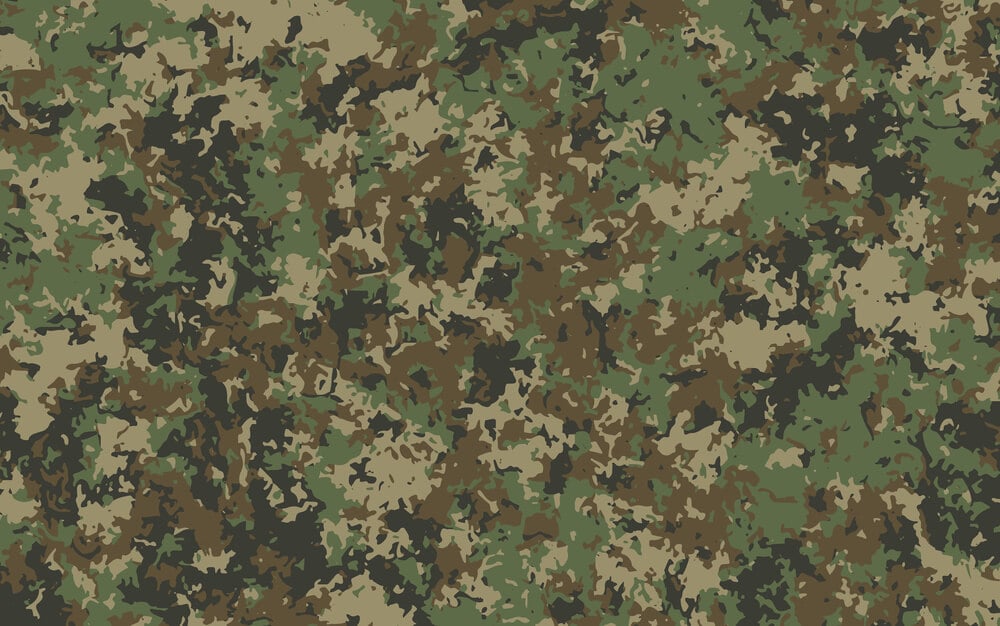
Disruptive patterned fabric was developed by militaries in the early twentieth century to break up the outline of soldiers, vehicles, and equipment against natural terrain. Surplus camouflage clothing became cheap and widely available after both world wars, and by the later twentieth century designers had adopted the pattern purely as a fashion statement disconnected from its original purpose.
When the Front Line Becomes the Supply Chain

None of these objects were designed with a shopper in mind. They were built under deadline pressure by people trying to keep soldiers alive, connected, fed, or informed, and the ordinary version came later, stripped of its original urgency.
That gap between purpose and product is worth noticing the next time a drawer full of duct tape or nylon stockings seems unremarkable. The item survived because it worked when almost nothing else did, and peacetime simply found gentler problems for it to solve.
More from Go2Tutors!

- The Romanov Crown Jewels and Their Tragic Fate
- 13 Historical Mysteries That Science Still Can’t Solve
- Famous Hoaxes That Fooled the World for Years
- 15 Child Stars with Tragic Adult Lives
- 16 Famous Jewelry Pieces in History
Like Go2Tutors’s content? Follow us on MSN.