27 Places on Earth Almost No One is Allowed to Enter
Some places stay hidden because of geography, and others stay hidden because someone decided they should. Governments, religious orders, and private owners have spent centuries keeping certain rooms, islands, and vaults sealed off from the public, often for reasons that only make the places more compelling.
The Svalbard Global Seed Vault Stores Humanity’s Backup Plan
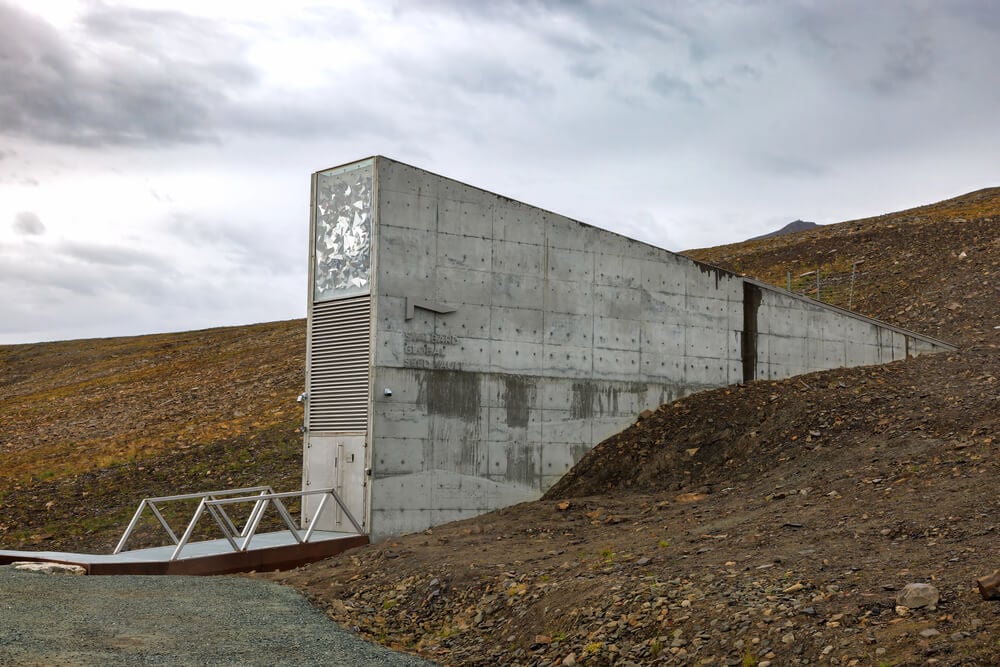
Buried inside a mountain on the Norwegian archipelago of Svalbard, the Global Seed Vault holds more than a million seed samples from gene banks around the world, protected by permafrost designed to keep them viable for centuries without power. Access is restricted almost entirely to depositing institutions, and public tours are not offered inside the storage chambers themselves.
The vault has been accessed for withdrawal only once, in 2015, after war damaged a seed bank in Syria.
The Vatican Secret Archives Hold Centuries of Restricted Correspondence
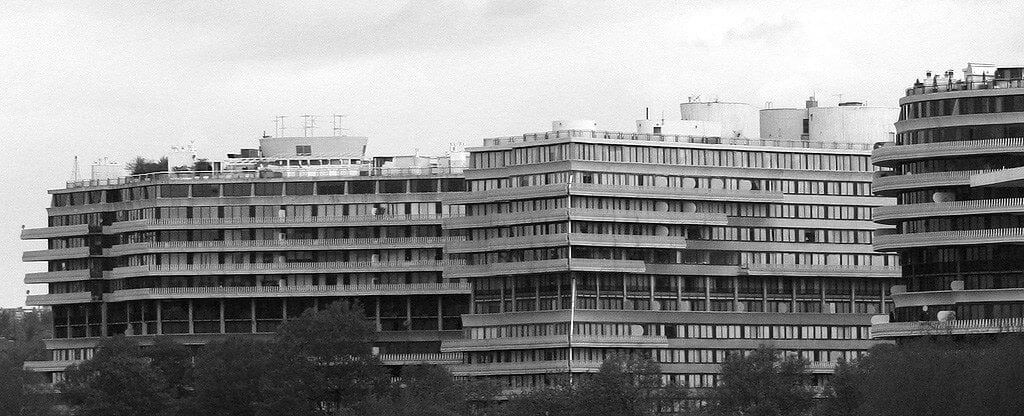
Despite the name change in 2019 to the Vatican Apostolic Archive, access remains limited to qualified scholars who apply in advance and receive permission for narrowly defined research topics. The collection spans roughly fifty-three miles of shelving and includes correspondence from monarchs and excommunication records stretching back centuries.
General tourists are never permitted inside the working archive itself.
North Sentinel Island Is Legally Off-Limits to Outsiders
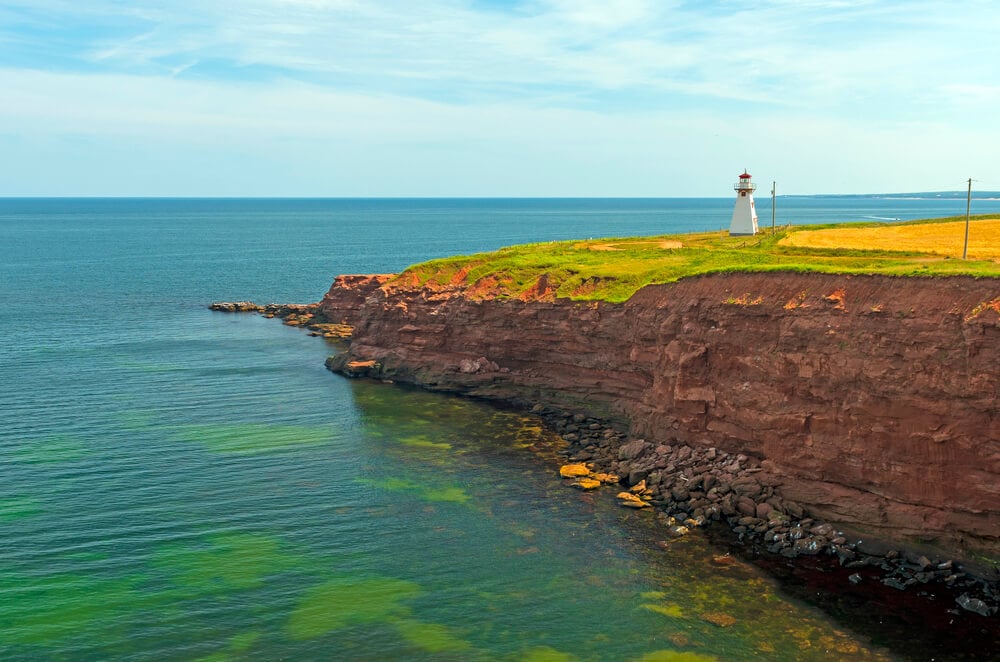
The Indian government has banned travel within several miles of North Sentinel Island in the Andaman chain, home to the Sentinelese people, who have violently resisted virtually all outside contact for generations. The restriction exists to protect the islanders from diseases they have no immunity to, as much as to protect visitors themselves.
An American missionary who illegally landed there in 2018 was killed shortly after arriving.
Ise Grand Shrine Is Rebuilt Every Twenty Years and Seen by Almost No One
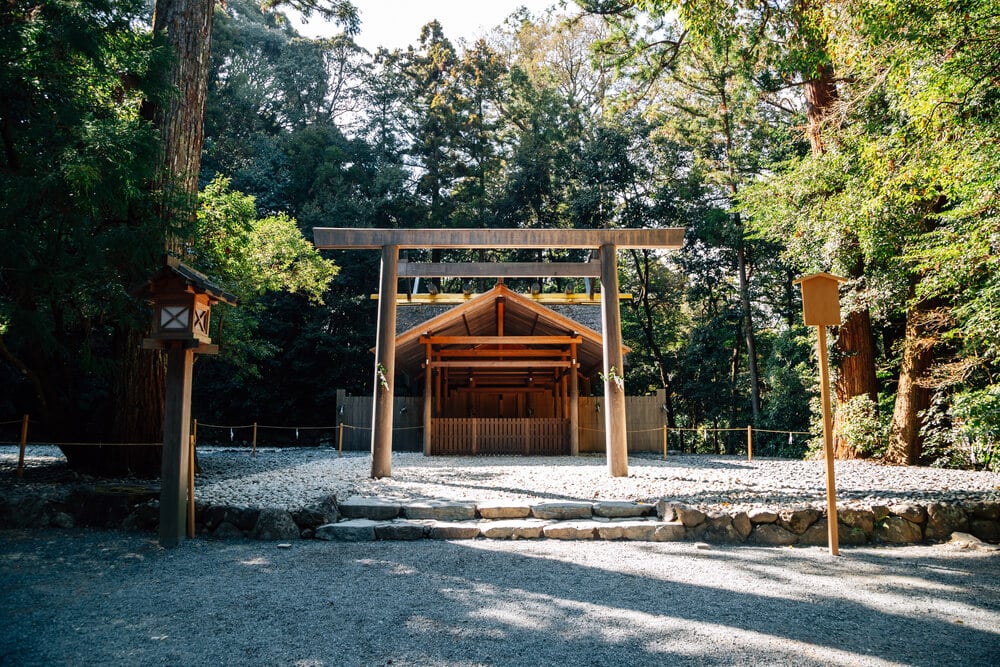
Japan’s Ise Grand Shrine, considered the spiritual home of Shinto, is torn down and rebuilt on an adjacent plot every twenty years in a ritual called Shikinen Sengu that has continued for over a millennium. The innermost sanctuary is enclosed by four wooden fences, and only the Japanese emperor and select priests may pass through the innermost gate.
Members of the public can approach only the outermost fence, glimpsing rooftops rather than the shrine itself.
Area 51 Remains Closed by Federal Order
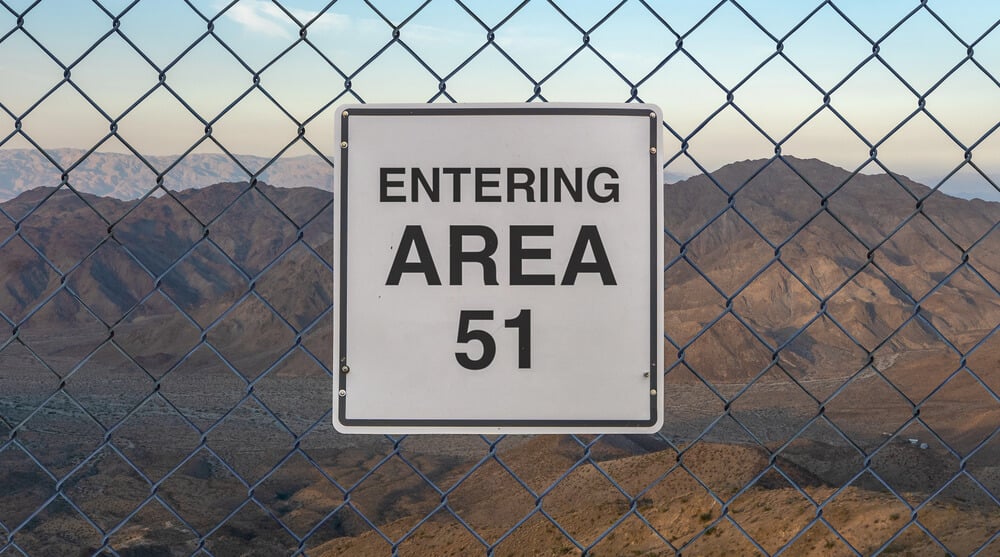
The United States government did not officially acknowledge the existence of the Nevada testing facility known as Area 51 until a 2013 declassification request, despite decades of public speculation about its purpose. The perimeter is monitored by cameras and patrolled by private security contractors authorized to use force against trespassers.
Its actual function has centered on testing experimental aircraft rather than the extraterrestrial activity popularly associated with it.
The Bank of England’s Gold Vaults Sit Below London
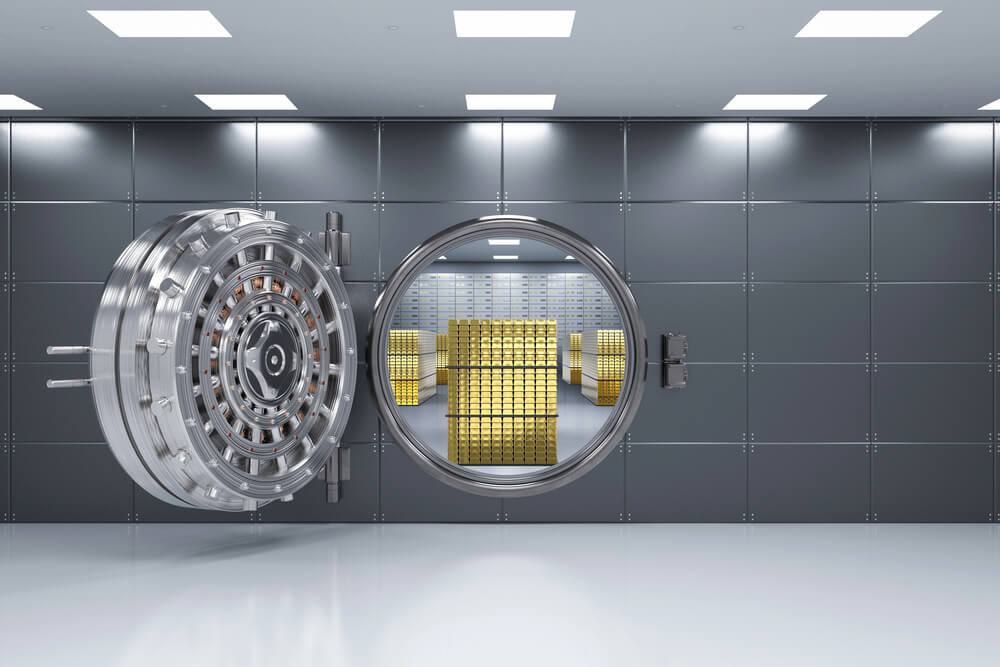
Beneath the Bank of England in London sit vaults holding one of the largest stores of gold bullion on Earth, reportedly second only to the Federal Reserve’s holdings in New York. Access requires multiple layers of security clearance, and the exact protocols are not publicly disclosed.
Much of the gold is held on behalf of other nations’ central banks rather than Britain itself.
Club 33 Hides Inside Disneyland Behind an Unmarked Door
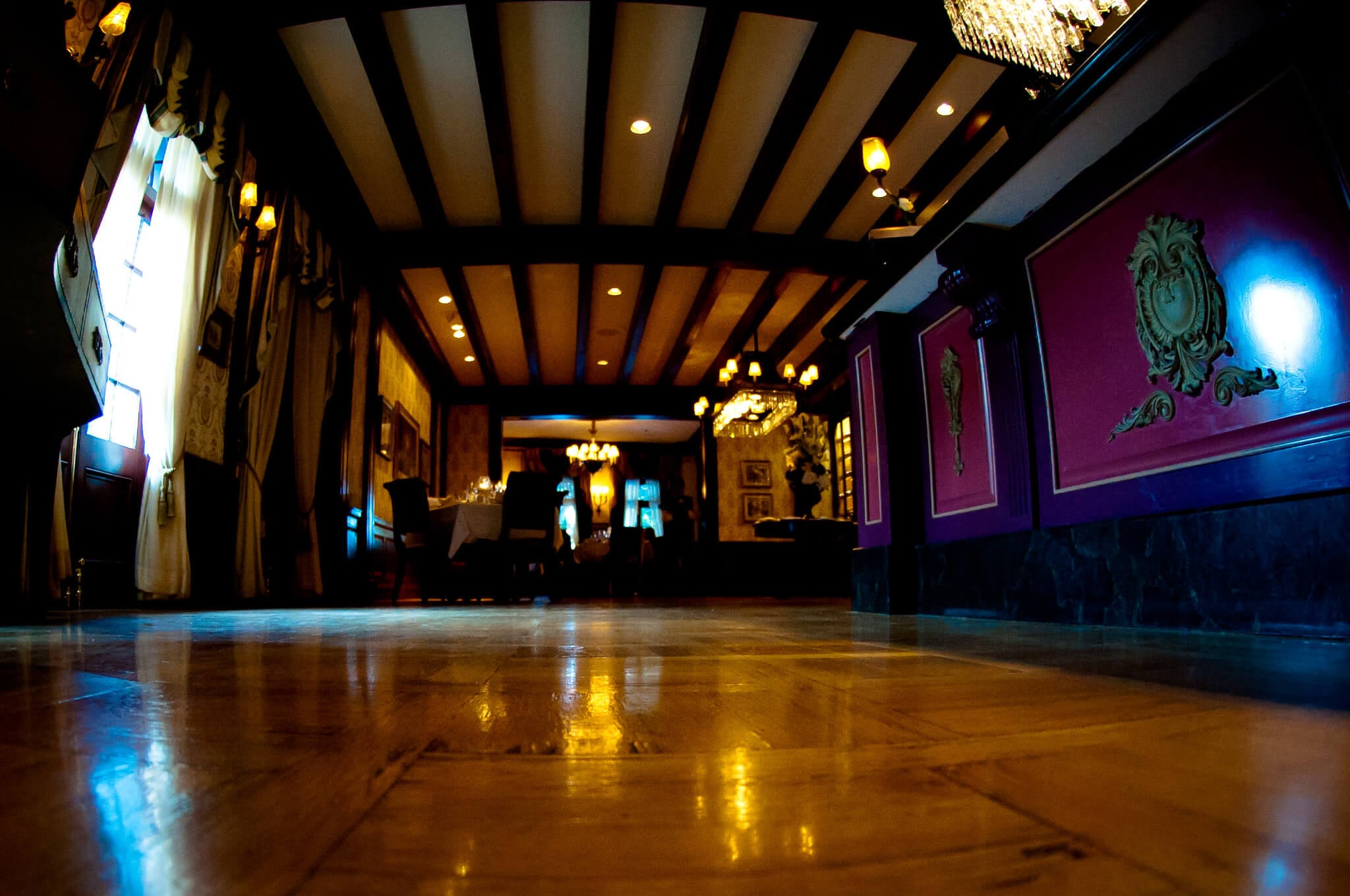
Tucked into New Orleans Square at Disneyland, Club 33 operates as a private membership club with a waiting list historically running into the thousands and initiation fees reported in the tens of thousands of dollars. Walt Disney originally intended it as a lounge for VIP guests and corporate sponsors, and it remains one of the only places in the park serving alcohol.
The entrance carries no signage beyond a small numbered plaque easy to miss among the storefronts.
Poveglia Island Is Legally Restricted Near Venice
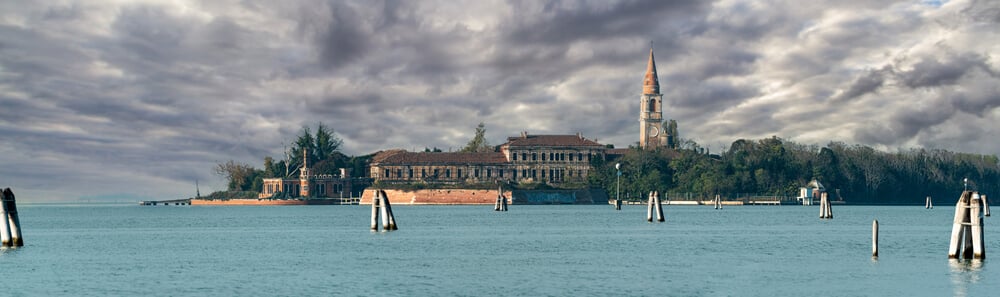
The small Venetian lagoon island of Poveglia has been closed to regular visitors for years, following its use as a quarantine station during plague outbreaks and later as a psychiatric facility. Italian authorities have periodically auctioned long-term leases on the island, but general tourism landing remains prohibited without special permission.
Local boat operators generally avoid docking there even when permission technically exists.
Lascaux’s Original Cave Paintings Are Sealed From Nearly Everyone
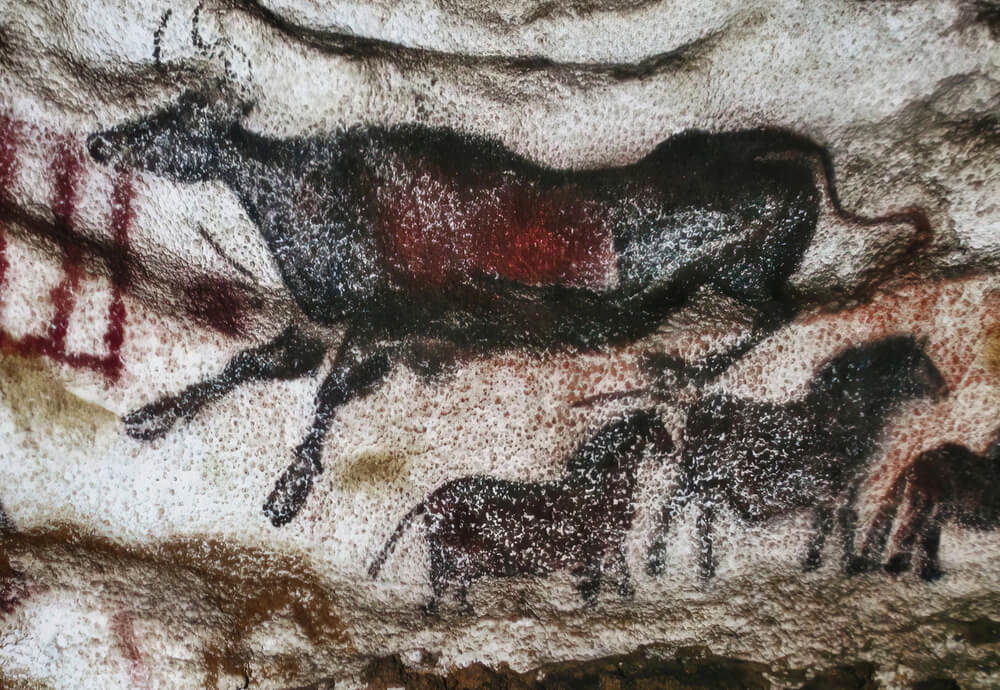
The original Lascaux cave in France, containing some of the most significant prehistoric paintings ever discovered, was closed to the public in 1963 after visitor breath and body heat began growing mold and damaging the artwork. Even researchers are granted only limited access under strict conditions to prevent further deterioration.
A precise replica built nearby lets tourists see reproductions instead of the irreplaceable originals.
The Coca-Cola Formula Vault Sits Behind a Palm Reader Puzzle Door
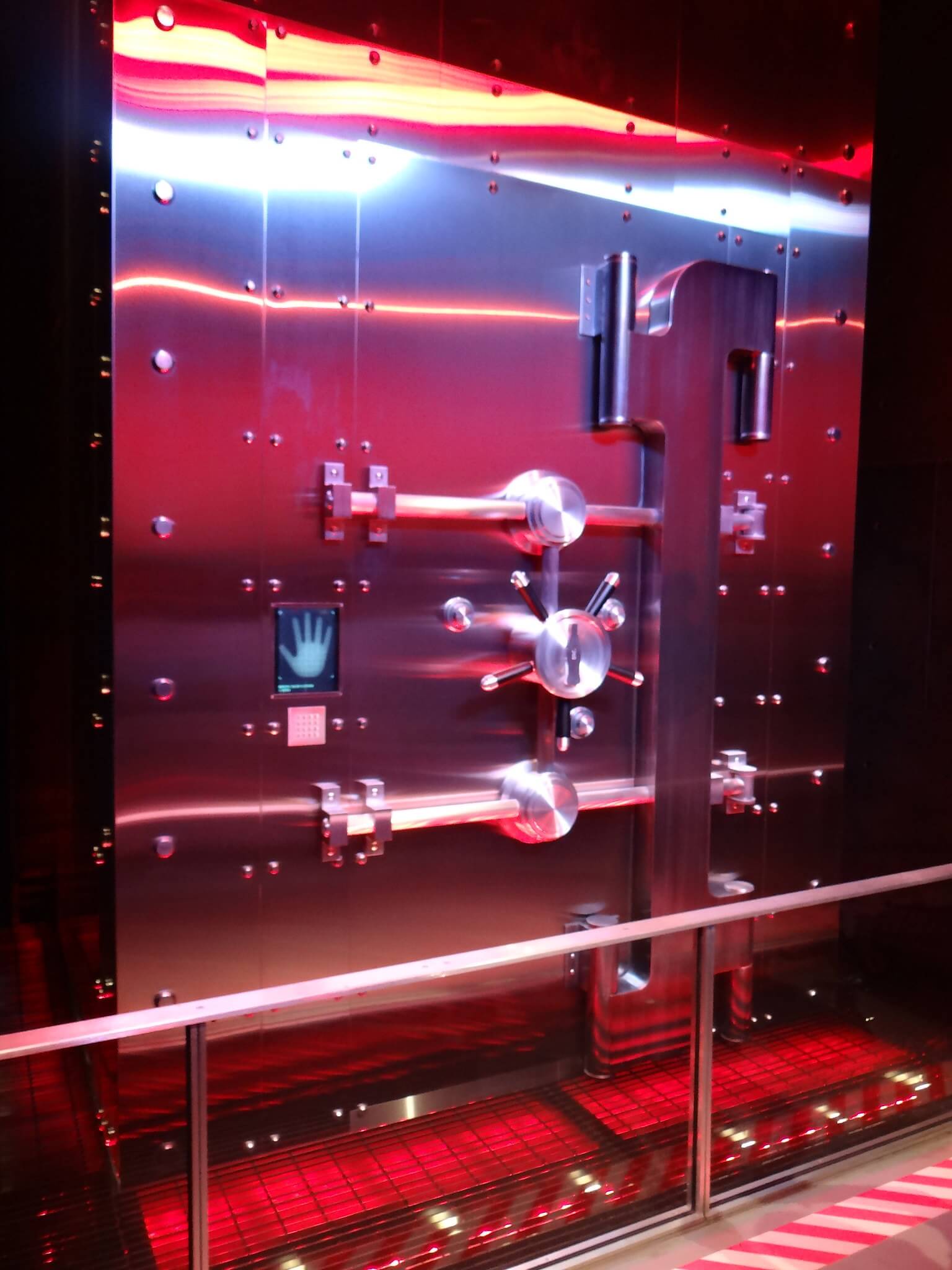
Coca-Cola keeps its original 1886 formula in a purpose-built vault at its Atlanta headquarters, accessible only by a small number of executives whose identities the company does not publicize. The vault door itself is a security showpiece, requiring a coded palm scan for entry during public tours, though the actual recipe room lies beyond additional restricted barriers.
The company has never confirmed how many people currently hold full knowledge of the formula.
Mezhgorye Sits Inside a Restricted Russian Military Zone
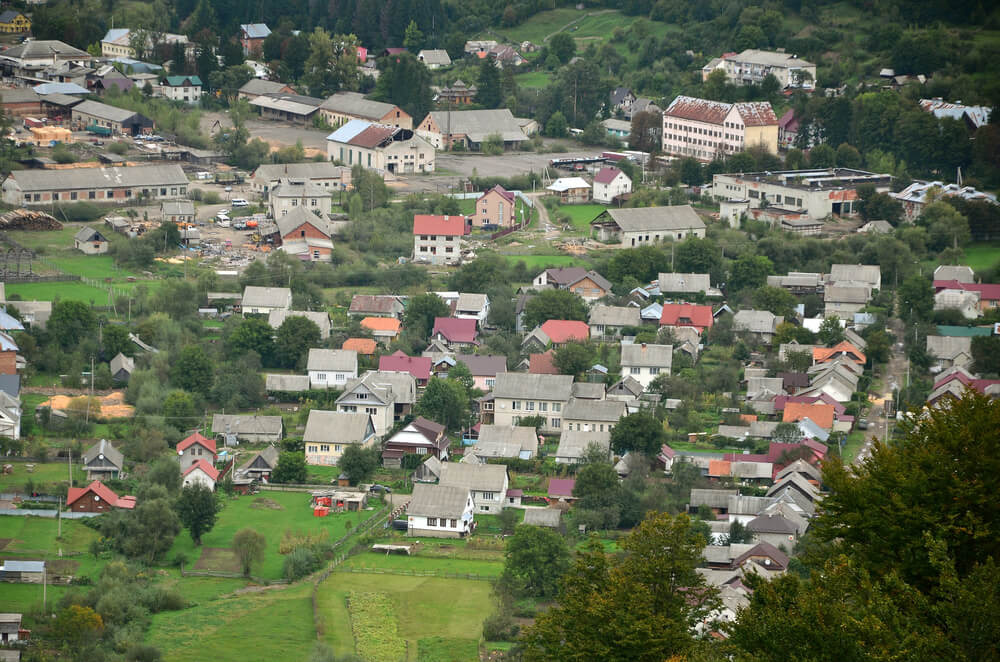
The Russian town of Mezhgorye in the southern Ural Mountains sits inside a closed administrative territory built around a suspected nuclear weapons storage facility carved into Mount Yamantau. Entry requires special permits generally unavailable to foreigners, and the town does not appear on standard maps issued to the public.
The exact purpose of the underground facility has never been officially confirmed by Russian authorities.
The Doomsday Vault’s Neighbor, Norway’s Arctic World Archive, Locks Away Digital Memory
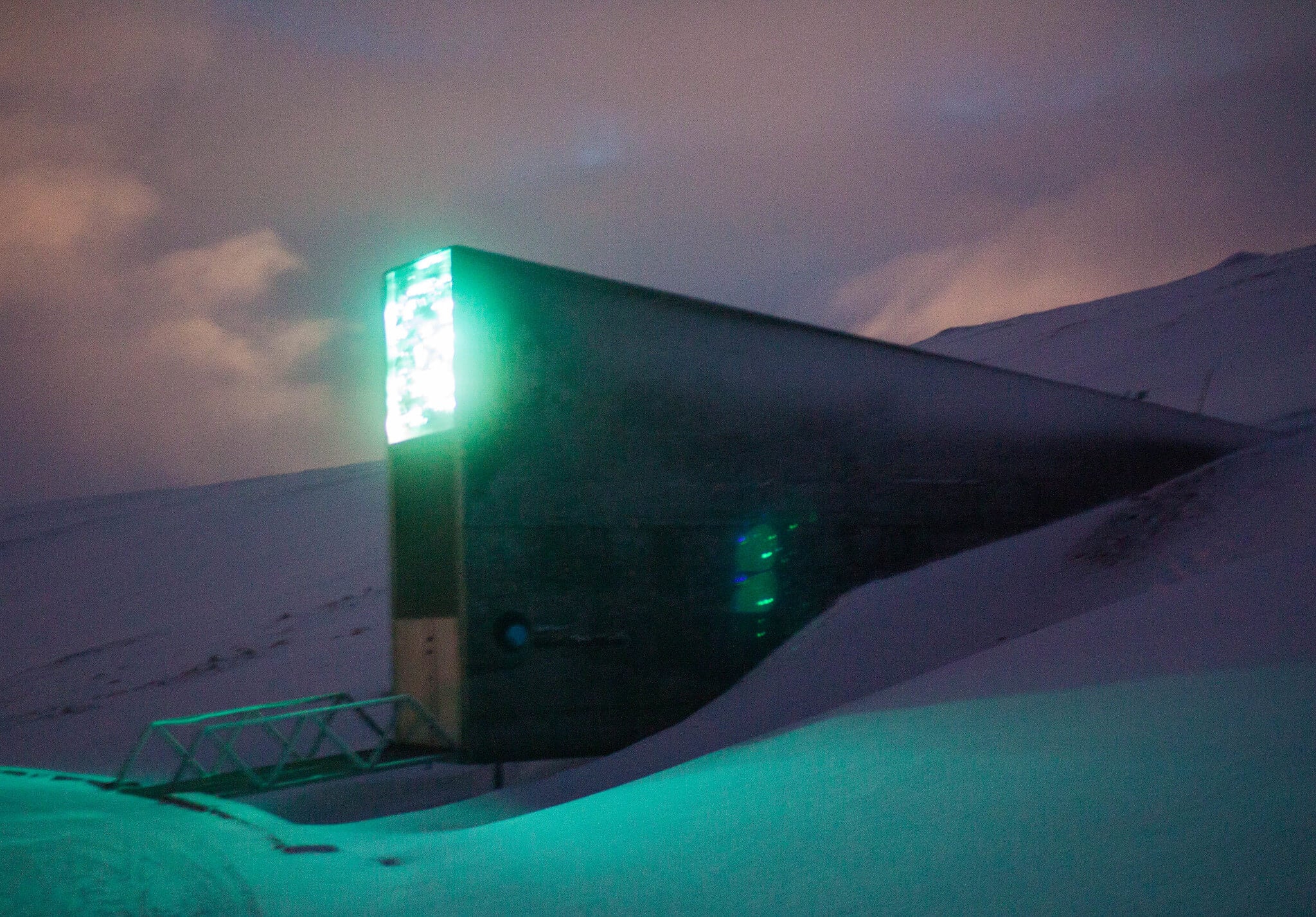
Sharing the same mountain complex as the seed vault, the Arctic World Archive stores preserved data reels from governments, museums, and institutions on a medium designed to last a thousand years without power. Depositing institutions can access records of their own submissions, but general public entry into the storage chamber is not permitted.
The facility is built inside a decommissioned coal mine chosen for its geological stability.
Metro-2 Is Rumored to Run Beneath Moscow’s Public Subway
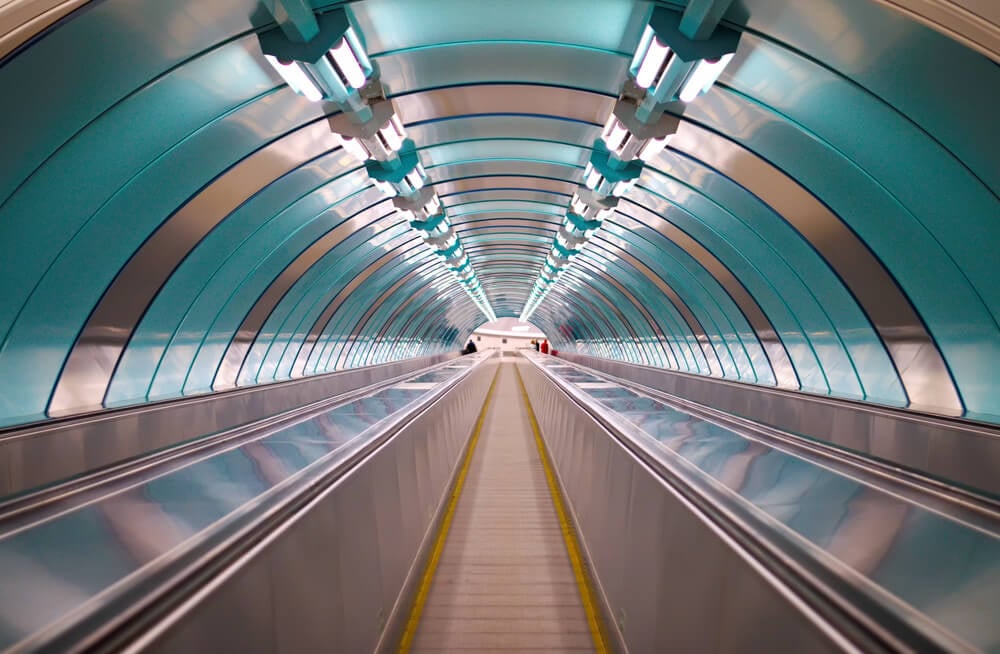
Long rumored among Cold War researchers, Metro-2 is a reported secondary rail system beneath Moscow, allegedly built to connect government facilities and allow leadership evacuation in a crisis. Russian officials have never confirmed its existence, and no independent verification of the system’s full layout has been published.
What documentation exists comes largely from defector testimony rather than any officially released records.
The Manuscript Room at Trinity College Dublin Restricts the Book of Kells’ Companion Texts
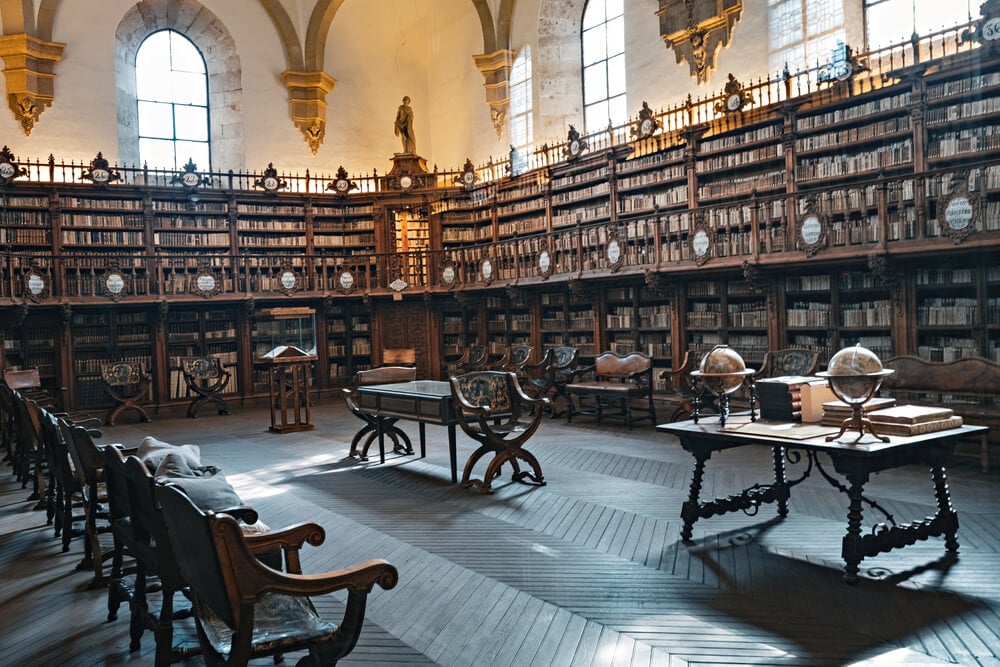
While the Book of Kells itself is displayed publicly, Trinity College Dublin’s Old Library restricts access to its wider manuscript collection to credentialed researchers who apply through a formal process. Many of the volumes require special handling conditions due to their age and fragility.
Casual visitors see only a fraction of what the library actually holds in its climate-controlled storage.
RAF Menwith Hill Operates as a Restricted Intelligence Site in Rural England
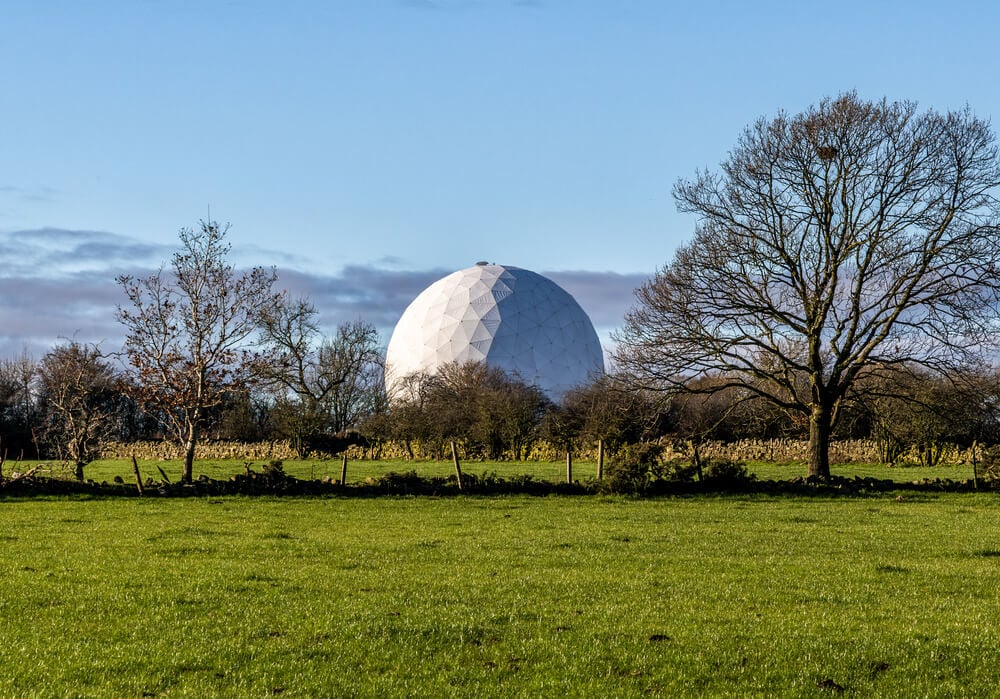
Located in the Yorkshire countryside, RAF Menwith Hill functions as a satellite surveillance station jointly operated by American and British intelligence agencies, identifiable mainly by its distinctive white radome domes visible for miles. The site is fenced, patrolled, and closed to public entry, with its full operational scope never officially detailed.
Protesters have gathered at its perimeter for decades, though none have gained access inside.
The Ise Shrine’s Neighbor, Japan’s Imperial Palace East Gardens, Limits the Inner Palace
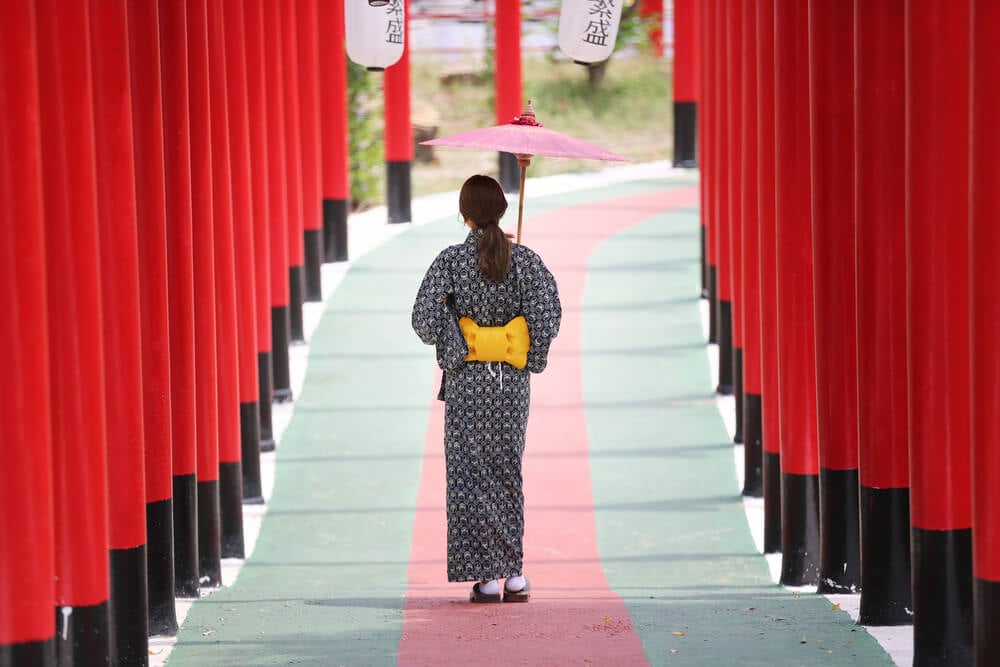
While the East Gardens of Japan’s Imperial Palace in Tokyo are open to the public on most days, the residential palace itself remains closed except for two days a year, the emperor’s birthday and New Year’s greetings. Security screening is required even for those limited open days.
The rest of the grounds remain the working residence of the imperial family, off-limits year-round.
Bohemian Grove Hosts a Private Retreat Deep in California Redwoods
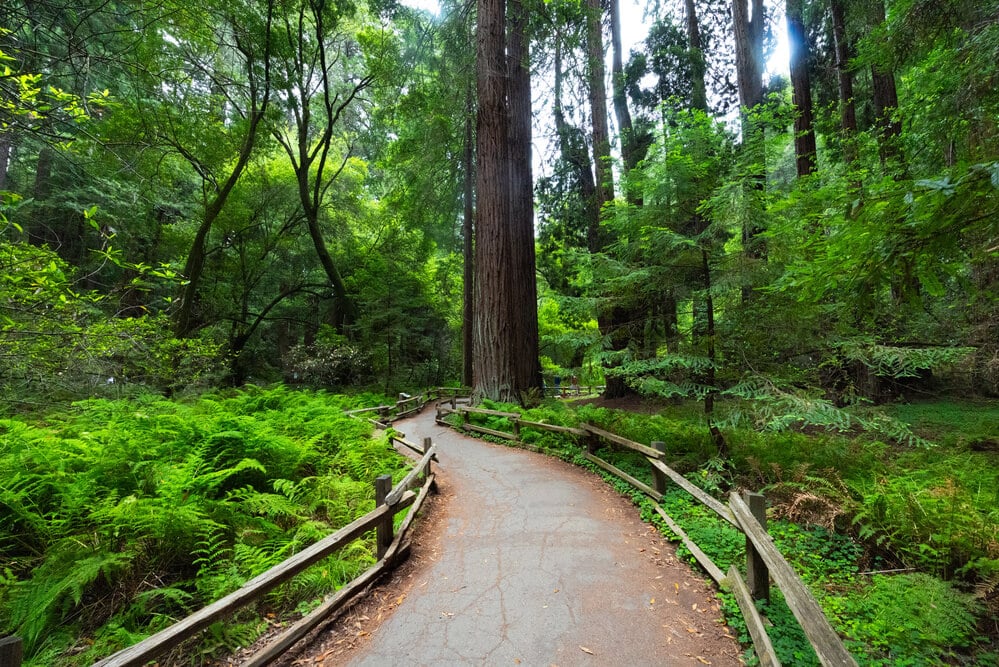
The Bohemian Club’s annual retreat at Bohemian Grove in Sonoma County, California, gathers an invitation-only membership that has historically included business and political figures, meeting behind forested grounds patrolled by private security. Non-members have occasionally slipped in over the decades, generating persistent public curiosity about what happens there.
The club has never opened its full proceedings to outside media.
The Queen’s Private Vault of Crown Jewels Sits Beyond the Tower of London’s Public Display
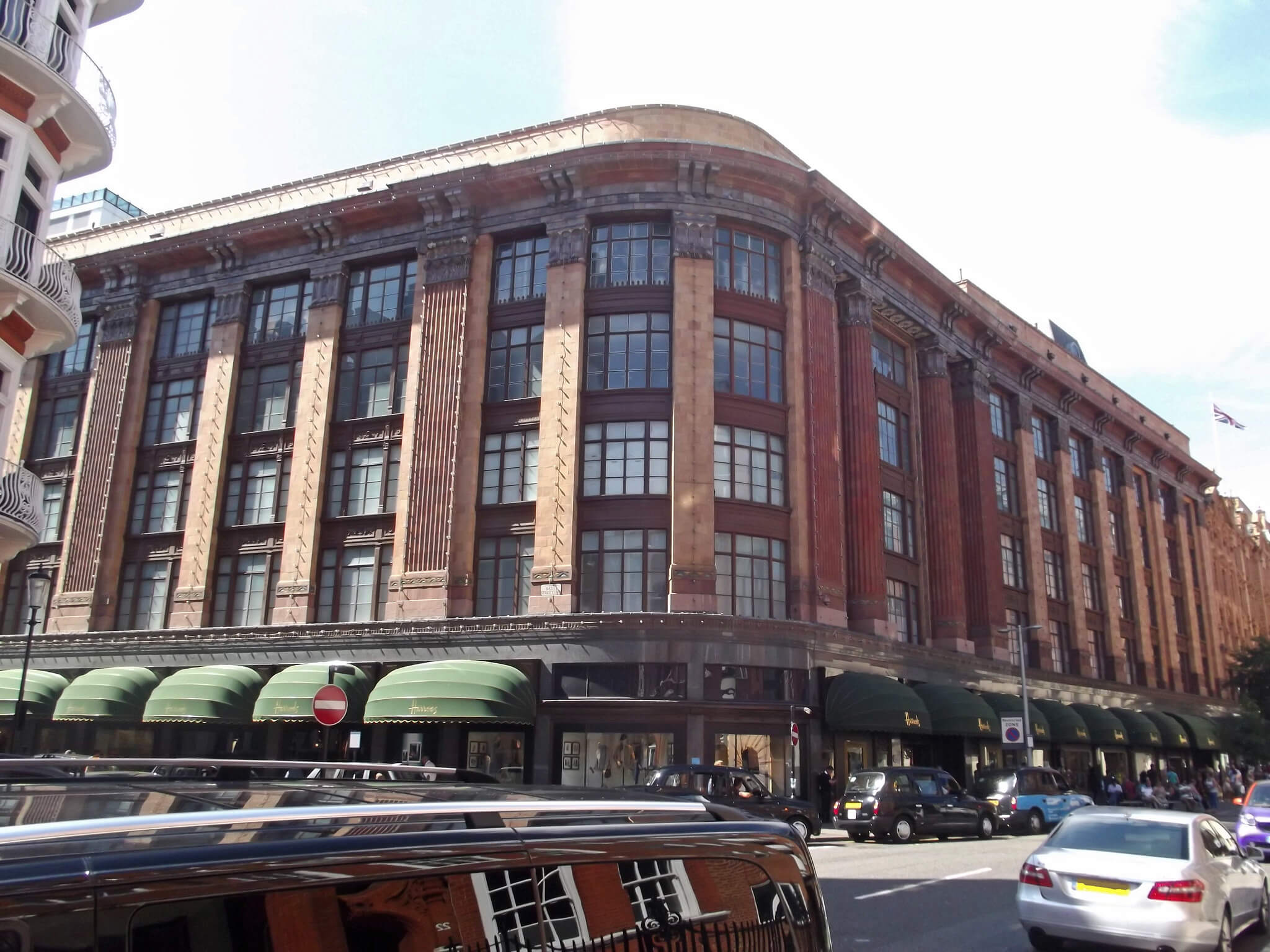
While millions of tourists view the Crown Jewels on public display at the Tower of London each year, several ceremonial pieces and working replicas are held in separate, undisclosed secure storage not open to visitors. The exact contents of every restricted holding are not fully published by the Royal Household.
Even palace staff access is limited to those with specific ceremonial responsibilities.
Ilha da Queimada Grande Bans Landing Due to Its Snake Population
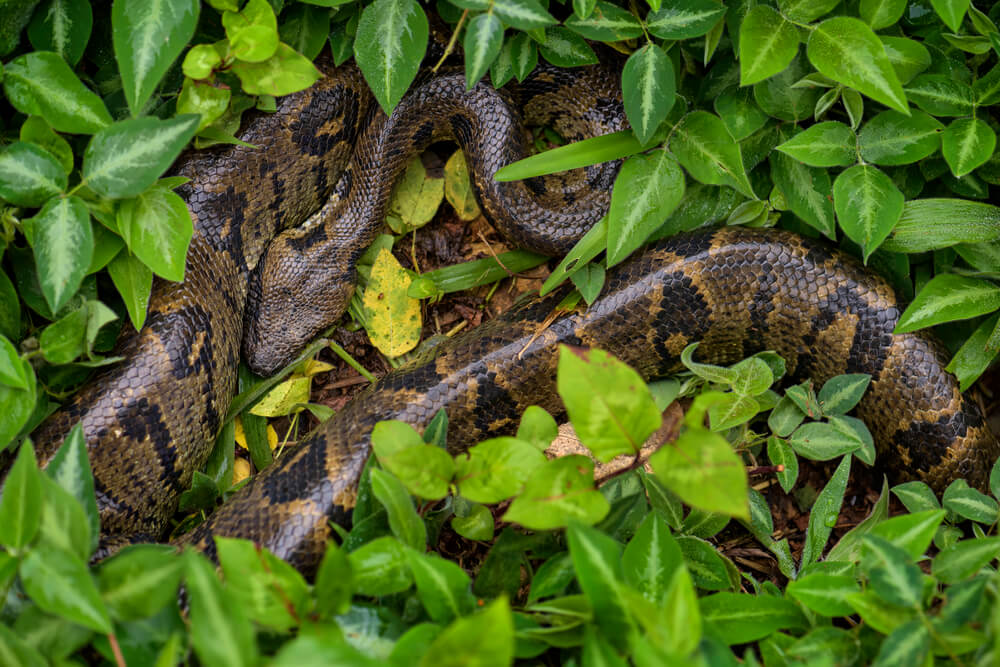
Known as Snake Island off the coast of Brazil, Ilha da Queimada Grande is closed to the public by Brazilian navy order due to an extraordinarily dense population of golden lancehead vipers, a species found nowhere else on Earth. Only authorized researchers may land, and even they travel with medical personnel given the snake’s potent venom.
Local legend holds that a lighthouse keeper’s entire family once died there after vipers entered their home.
Mount Weather Houses a Federal Continuity Facility in Virginia
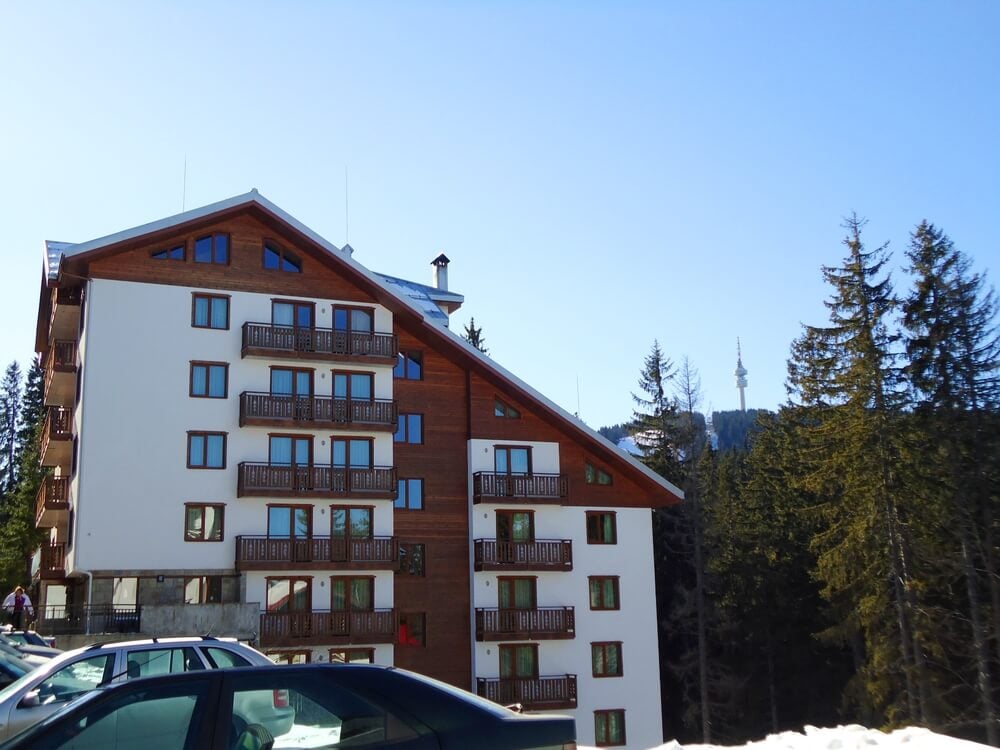
The Mount Weather Emergency Operations Center in rural Virginia functions as a federal continuity-of-government facility, built into a mountain to house key officials in the event of a national catastrophe. Public access has never been permitted, and much of its interior scope remains classified.
Its existence became widely known only after a 1974 plane crash on the mountain drew press attention to the site.
Fort Knox Holds Gold That Almost No Civilian Has Seen Firsthand
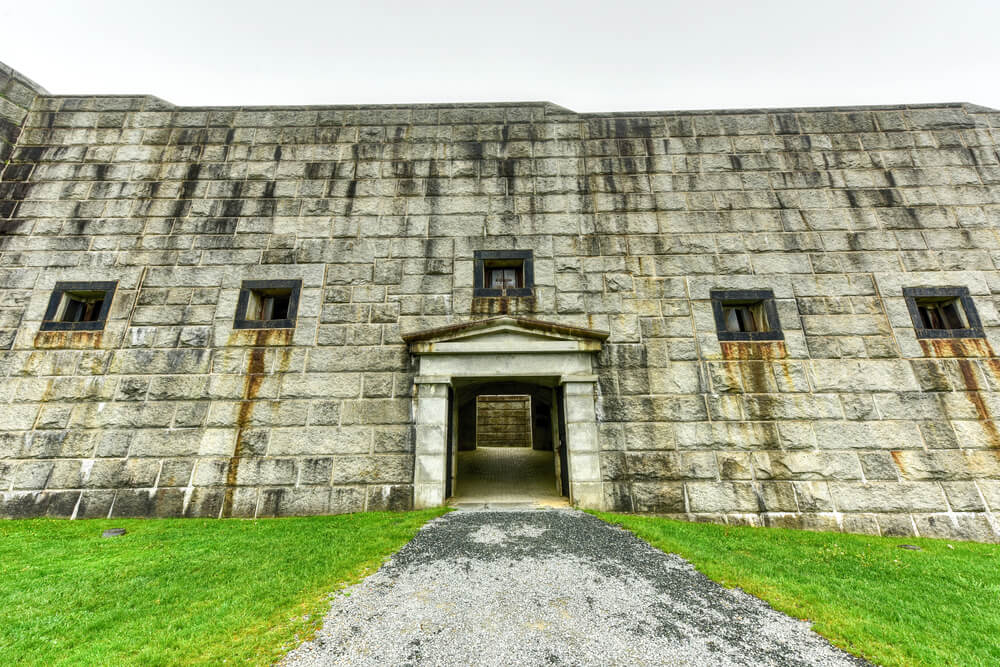
The United States Bullion Depository at Fort Knox has been opened to outside visitors only once in its history, a brief 1974 tour arranged for members of Congress and journalists to counter rumors the gold had disappeared. No president has publicly toured the vault since.
The exact security protocols protecting the facility remain classified.
White’s Gentlemen’s Club in London Guards a Waiting List Decades Long
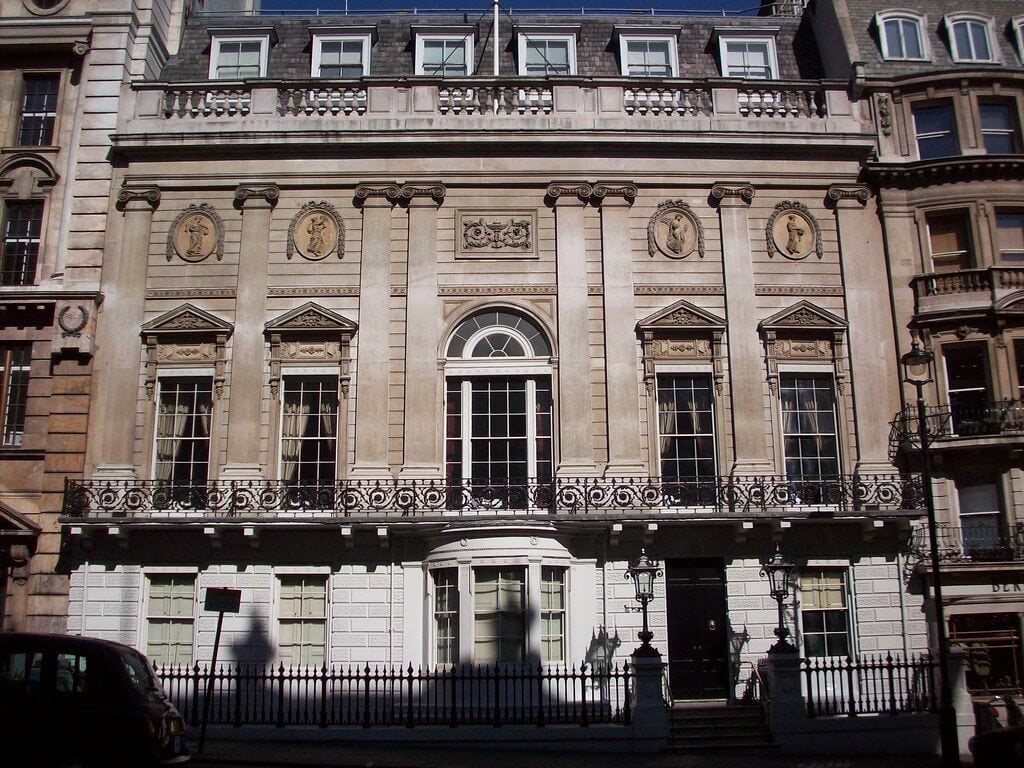
London’s White’s, the oldest private members’ club in the city, maintains a reportedly multi-decade waiting list and has historically restricted membership largely to men from established social and political circles. Prospective members require sponsorship from existing members before even being considered.
Details of its interior proceedings rarely reach outside press.
The Global Fungal Collection at Kew Gardens Restricts Its Herbarium Vaults
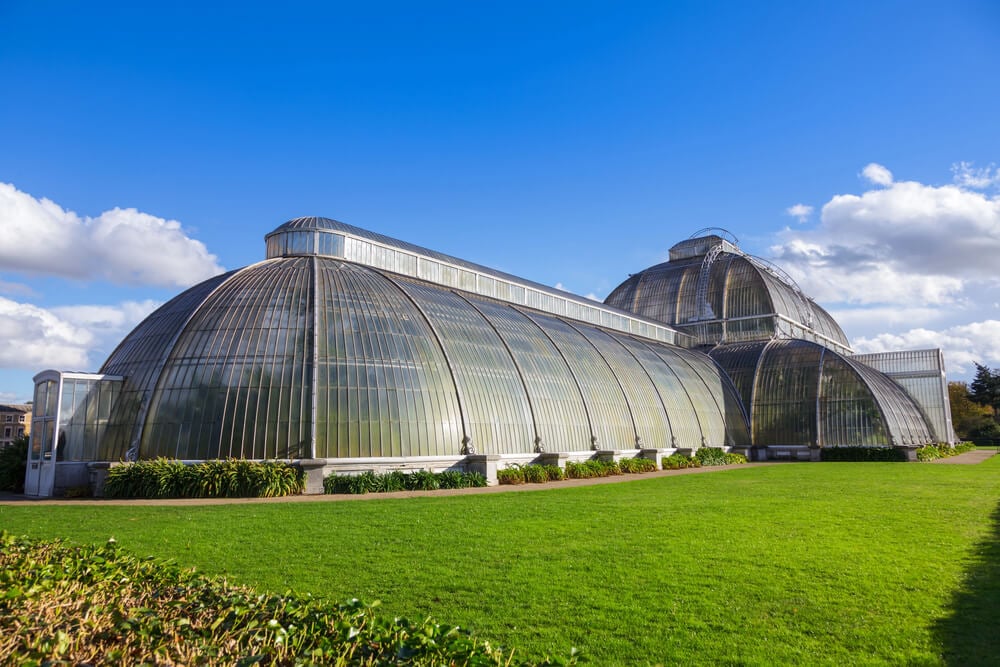
Beyond the public gardens at London’s Kew, the Royal Botanic Gardens maintains a fungarium holding over a million specimens, some collected in the eighteenth century, stored in restricted rooms accessible only to researchers with approved projects. Temperature and humidity controls protect specimens too fragile for general handling.
The scale of the collection remains largely invisible to the millions who visit the public gardens each year.
The Diamond Vault Beneath De Beers Headquarters Stays Closed to Visitors
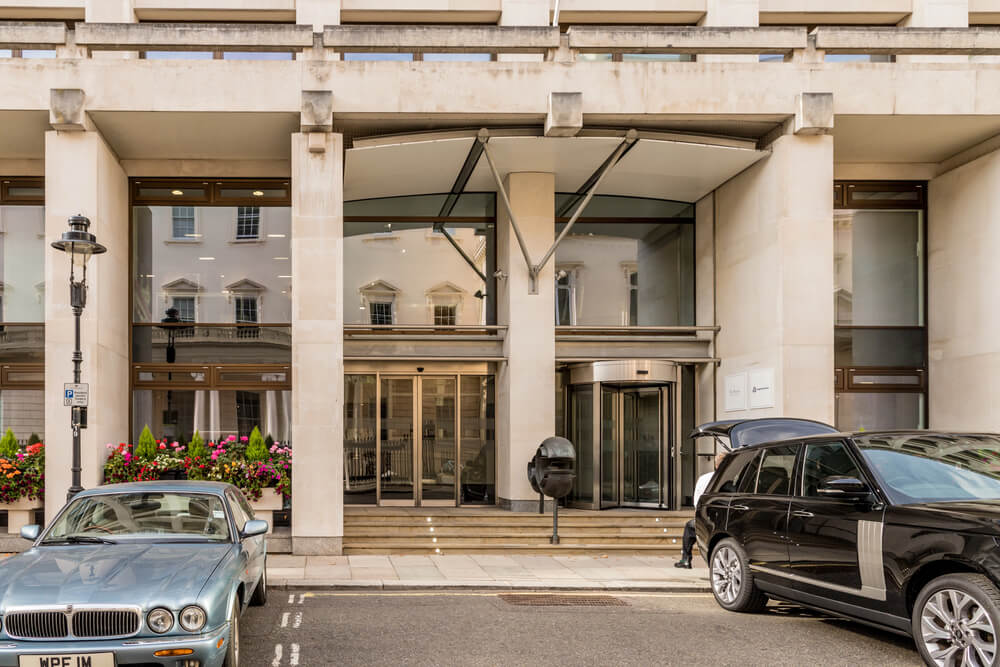
De Beers maintains secure diamond sorting and storage vaults at its facilities that are closed to public tours and accessible only to vetted employees under strict protocol. Security procedures for handling and transporting the stones are not disclosed publicly.
Even journalists granted limited facility access are typically kept away from the vault areas themselves.
Barnbougle Castle’s Sealed Wing Has Stayed Locked for Generations
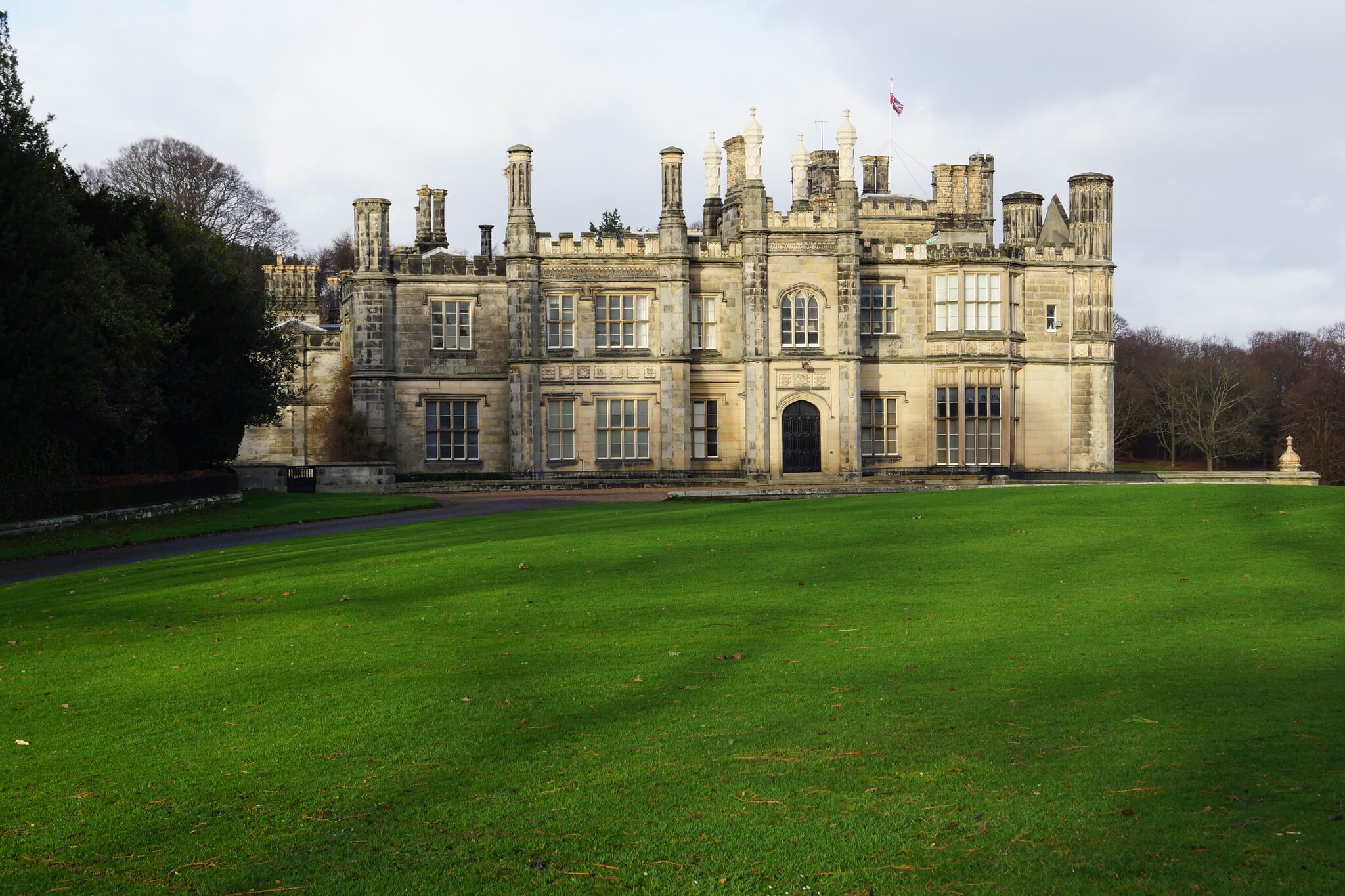
Scotland’s Barnbougle Castle contains a wing that family accounts describe as sealed off for generations, reportedly tied to old family disputes over inheritance and use of the property. Public access to the estate has historically been limited even before accounting for the closed section.
Little independent documentation exists describing what the sealed rooms currently contain.
Chapel of the Ark of the Covenant in Aksum Permits Only One Guardian Inside
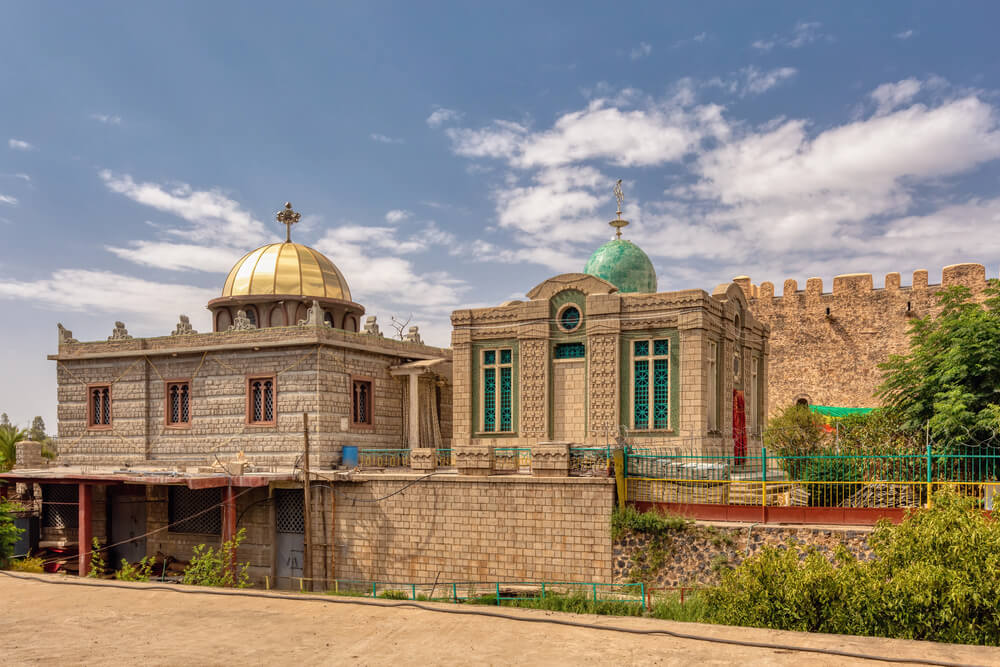
The Ethiopian Orthodox Church maintains that the Chapel of the Tablet in Aksum houses the biblical Ark of the Covenant, guarded by a single monk chosen for life who is the only person permitted to enter the inner sanctuary. Even the Ethiopian Patriarch is not granted entry.
No outside verification of the chapel’s actual contents has ever been permitted by the church.
The Federal Reserve’s New York Gold Vault Sits Eighty Feet Below Manhattan
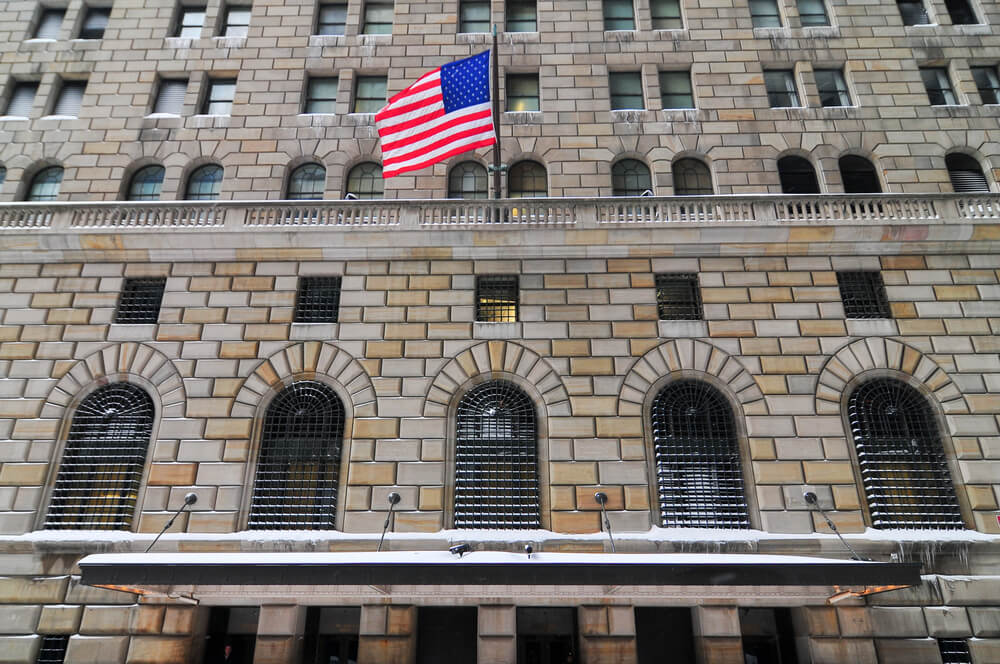
Beneath the Federal Reserve Bank of New York, a vault carved into Manhattan bedrock roughly eighty feet down the bedrock line holds one of the largest known gold reserves in the world, most of it owned by foreign governments rather than the United States. Limited public tours exist but never enter the working vault chamber itself, only an anteroom.
Movement of gold within the vault is documented internally but not released for public review.
The Difference Between Locked and Forgotten
Every place on this list stays closed for a reason someone decided mattered enough to enforce, whether that reason is preservation, security, ritual, or simple ownership. What unites a Shinto shrine, a nuclear vault, and a snake-covered island is the same instinct: control over who gets to witness something considered too valuable, too sacred, or too dangerous to leave open.
The closed door tells its own story regardless of what sits behind it. Curiosity about restricted places rarely fades with explanation, because the barrier itself becomes part of the mythology, often outlasting whatever original justification put it there.
More from Go2Tutors!

- The Romanov Crown Jewels and Their Tragic Fate
- 13 Historical Mysteries That Science Still Can’t Solve
- Famous Hoaxes That Fooled the World for Years
- 15 Child Stars with Tragic Adult Lives
- 16 Famous Jewelry Pieces in History
Like Go2Tutors’s content? Follow us on MSN.