Reasons Why Sweating is Good for You
Most people try to hide it, mask it, or stop it altogether. Sweating gets a bad reputation, showing up at the worst times and leaving visible marks on favorite shirts.
But here’s the thing: that moisture dripping down your forehead is actually doing some incredible work for your body, even when it feels uncomfortable or embarrassing. Let’s look at what happens when the body breaks a sweat and why it deserves more credit than it gets.
Your body’s built-in cooling system

Sweating keeps the body from overheating when temperatures rise or during physical activity. When sweat evaporates from the skin, it pulls heat away from the body, dropping the internal temperature back to a safe level.
Without this process, people would overheat quickly during exercise or hot weather. The body produces sweat through millions of tiny glands spread across the skin, and this system works automatically without any conscious effort.
Toxins leave through your pores

The body releases small amounts of toxins through sweat, including trace amounts of heavy metals like lead and mercury. While the kidneys and liver do most of the heavy lifting for detoxification, sweat provides an extra exit route for unwanted substances.
Research shows that people who sweat regularly may have lower levels of certain harmful chemicals in their bodies. This natural cleansing happens every time perspiration forms on the skin.
Skin gets clearer over time

Sweating opens up pores and helps flush out dirt, oil, and bacteria that build up throughout the day. This natural cleaning process can reduce breakouts and improve overall skin texture when combined with proper hygiene.
The moisture also brings natural oils to the skin’s surface, creating a protective barrier. People who exercise regularly often notice their skin looks healthier and more vibrant after a few weeks.
Your immune system gets stronger

Sweat contains antimicrobial peptides that fight off bacteria, viruses, and fungi on the skin’s surface. These natural defenders help prevent infections before they start, acting like a first line of defense.
Studies have found that people who sweat regularly through exercise tend to get sick less often than those who stay sedentary. The body produces more of these protective substances when sweating becomes a regular habit.
Blood pressure drops naturally
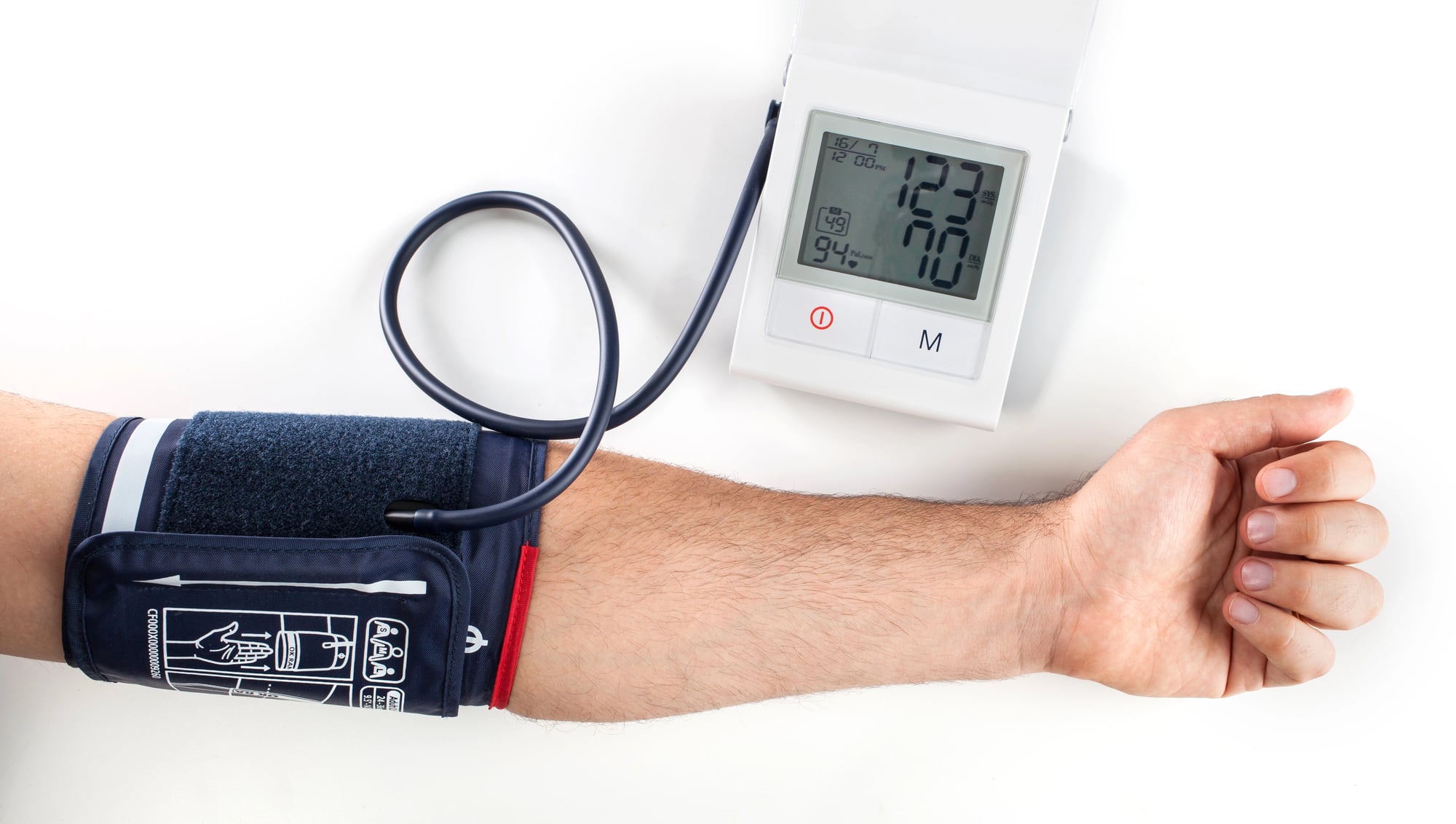
Regular sweating through physical activity helps relax blood vessels and improve circulation throughout the body. This effect can lower blood pressure over time, reducing strain on the heart and arteries.
When blood flows more easily, the heart doesn’t have to work as hard to pump oxygen to all the organs. Many doctors recommend activities that cause sweating as part of treatment plans for people with high blood pressure.
Stress melts away faster

Physical activity that causes sweating releases endorphins, the body’s natural mood boosters that create feelings of calm and happiness. Sweating also helps reduce levels of cortisol, the stress hormone that builds up during tense situations.
Many people find that a good workout session clears their mind better than almost anything else. The combination of physical exertion and the body’s chemical response creates a powerful stress relief effect.
Your heart works more efficiently
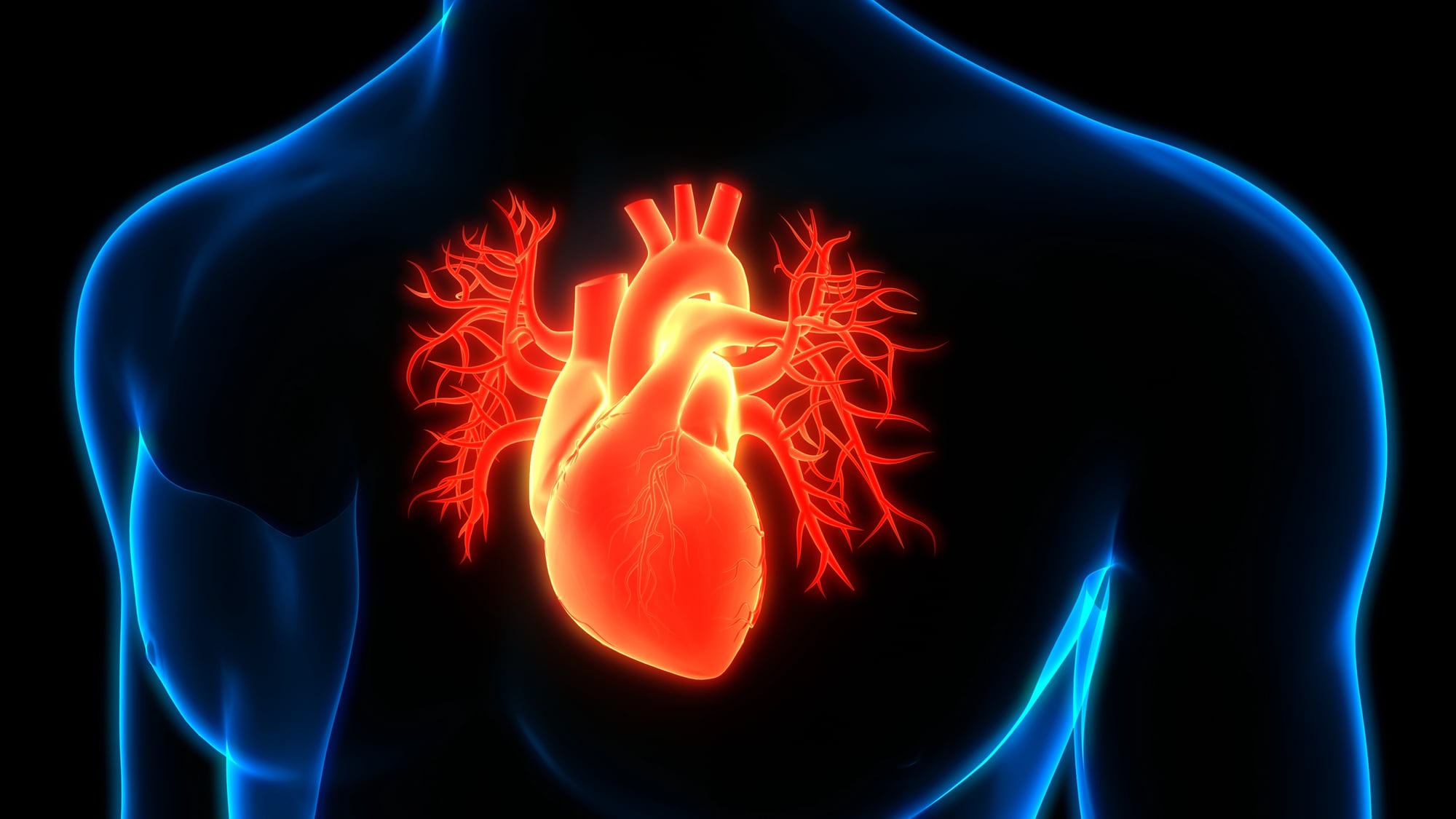
Activities that make you sweat strengthen the heart muscle, making it pump blood more effectively with each beat. A stronger heart means better circulation, more energy, and reduced risk of heart disease over time.
The cardiovascular system adapts to regular sweating sessions by building new blood vessels and improving oxygen delivery. This training effect makes everyday activities feel easier and less tiring.
Sleep quality improves dramatically

Sweating during the day, especially in the afternoon or early evening, helps regulate the body’s internal clock and promotes deeper sleep at night. The drop in body temperature after sweating signals the brain that it’s time to wind down.
People who exercise regularly and sweat often report falling asleep faster and waking up less during the night. The physical tiredness from sweating also makes it easier to reach the deep sleep stages where the body does most of its repair work.
Metabolism speeds up over time

Regular sweating through exercise increases the body’s metabolic rate, meaning it burns more calories even at rest. This boost continues for hours after the sweating stops, helping with weight management and energy levels.
The body becomes more efficient at using fuel and building lean muscle mass. Over time, people who sweat regularly often find it easier to maintain a healthy weight without extreme dieting.
Pain levels decrease naturally

Sweating triggers the release of natural pain relievers in the brain, similar to the body’s own version of pain medication. These chemicals can reduce chronic pain from conditions like arthritis or back problems.
The improved circulation from activities that cause sweating also brings more oxygen and nutrients to sore areas, speeding up healing. Many people with chronic pain find that regular exercise and sweating provide better relief than staying inactive.
Kidney function gets support

While kidneys filter most waste from the blood, sweating provides an additional way to remove excess salt and other substances. This takes some pressure off the kidneys, especially for people who consume high amounts of sodium.
This process helps maintain a better balance of minerals and fluids in the body. People who sweat regularly may have a lower risk of developing kidney stones over time.
Bone density stays stronger

Weight-bearing activities that cause sweating help maintain and even increase bone density, reducing the risk of osteoporosis later in life. The stress placed on bones during these activities signals the body to keep them strong and dense.
Sweating is often a sign that the body is working hard enough to provide this bone-building benefit. This protection becomes especially important as people age and natural bone loss accelerates.
Your mood stabilizes better

Regular sweating helps balance neurotransmitters in the brain, including serotonin and dopamine, which regulate mood and emotions. This natural balancing act can reduce symptoms of depression and anxiety over time.
The sense of accomplishment from completing activities that cause sweating also builds confidence and self-esteem. Many people notice they handle daily frustrations better when they sweat regularly through exercise.
Circulation reaches everywhere

Sweating indicates that blood is flowing more vigorously throughout the body, reaching even the smallest capillaries in fingers, toes, and skin. This improved circulation delivers oxygen and nutrients to every cell while removing waste products more efficiently.
Better blood flow means faster healing from injuries and better overall organ function. The warmth felt during sweating shows that circulation is doing its job well.
Energy levels increase overall

While sweating during exercise might seem tiring at first, regular sessions actually boost energy levels throughout the day. The body adapts by creating more mitochondria, the tiny power plants inside cells that produce energy.
This means more fuel available for all daily activities, from work tasks to playing with kids. People who sweat regularly often report feeling more alert and less sluggish, especially in the afternoon hours.
Lung capacity expands over time

Activities intense enough to cause sweating also challenge the lungs to work harder, gradually increasing their capacity and efficiency. Deeper breathing during these sessions strengthens the muscles around the lungs and improves oxygen exchange.
This means more oxygen reaches the bloodstream with each breath. Over time, people who sweat regularly through cardio activities often notice they can climb stairs or walk long distances without getting as winded.
Social ties get tougher

Team games or workout sessions get you sweaty while letting you hang out with others who want the same thing. Pushing through tough moments at the same time builds real trust between people.
Knowing others expect you makes it easier to come back again and stick with it. Most folks end up caring just as much about the group vibe as they do about getting fitter.
Your body changes – then gets better

Every time you sweat, your body gets better at dealing with tough physical effort, so next workouts seem less hard. Sweat glands start reacting quicker, helping cool things off faster when moving.
Instead of just tiring out, muscles figure out how to make smarter use of oxygen. At the same time, the heart pumps blood using less energy.
Because this adjustment never stops, progress sticks around if sweating stays part of daily life.
How this affects your everyday routine

Sweat used to be seen as gross – now it shows your body’s doing its job right. Wet clothes and shiny skin mean good stuff’s going on underneath, like stress relief instead of just cooling down.
When you feel beads on your neck, think of it as your system cleaning the house without any effort from you. Getting sweaty every now and then could actually boost how you feel over time, inside or out.
More from Go2Tutors!

- The Romanov Crown Jewels and Their Tragic Fate
- 13 Historical Mysteries That Science Still Can’t Solve
- Famous Hoaxes That Fooled the World for Years
- 15 Child Stars with Tragic Adult Lives
- 16 Famous Jewelry Pieces in History
Like Go2Tutors’s content? Follow us on MSN.



