25 Books Pulled From Library Shelves That Became Classics
Every banned book carries the fingerprints of whoever tried to erase it, and those fingerprints rarely age well. Decades later, the books that once triggered school board hearings and courtroom battles now sit on required reading lists, taught by the same institutions that once tried to keep them out of student hands.
To Kill a Mockingbird Faced Bans Over Its Language and Racial Themes
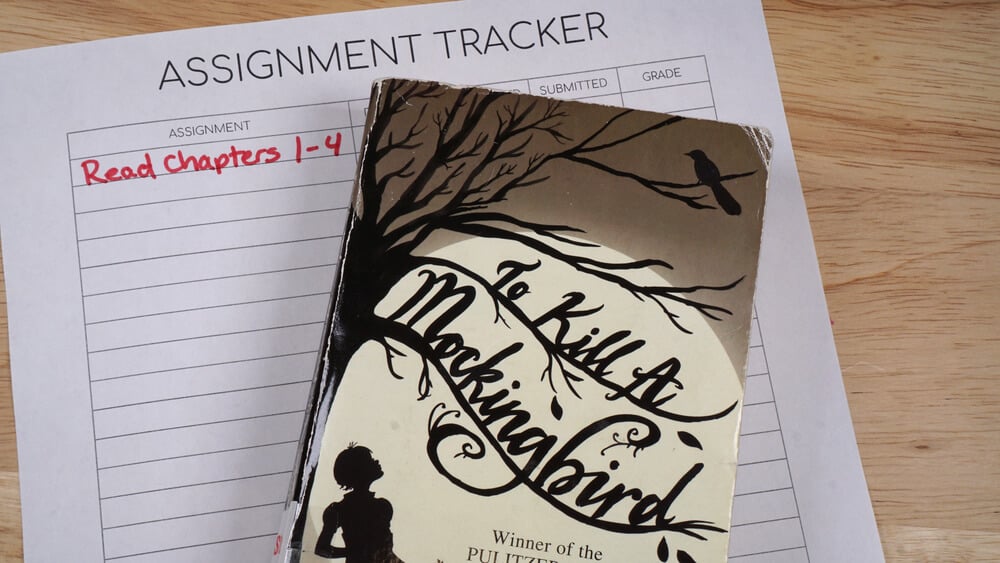
Harper Lee’s novel has faced repeated challenges since its 1960 publication, pulled from school curricula across multiple states over its use of racial slurs and its frank depiction of a rape trial in the segregated South. Some districts removed it as recently as the 2020s over concerns about how it centers a white narrator’s perspective on racism.
It remains one of the most widely taught novels in American schools despite, and often because of, that history.
The Catcher in the Rye Was Pulled Over Its Language and Mature Content
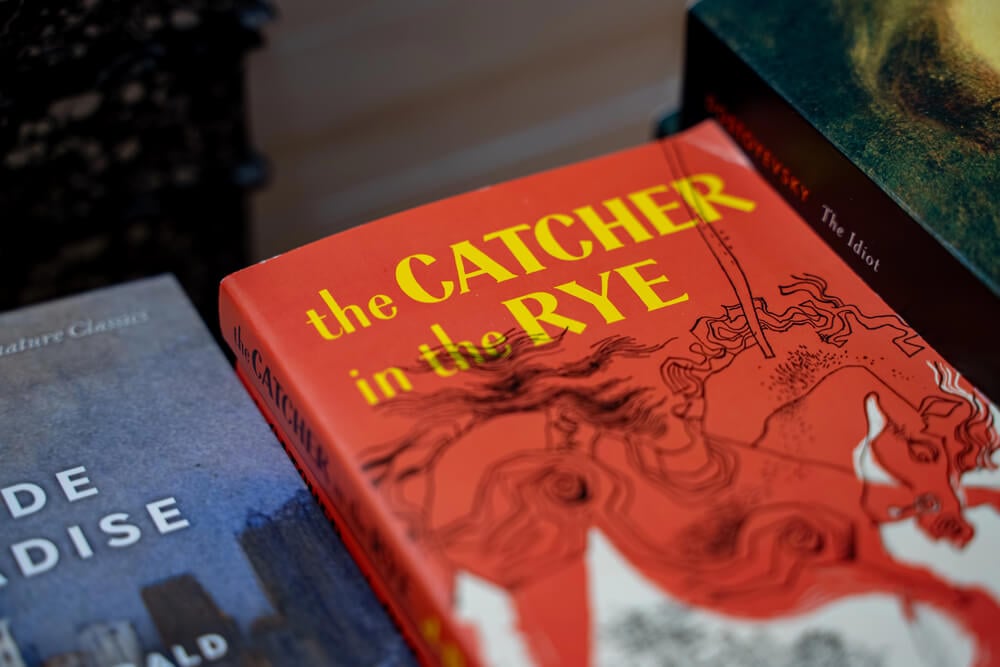
J.D. Salinger’s coming-of-age novel became one of the most frequently banned books in American schools throughout the latter half of the twentieth century, challenged for profanity and content parents considered inappropriate for teenagers. Some school districts fired teachers for assigning it during the 1960s.
It has since become a fixture of American literature courses nationwide.
The Adventures of Huckleberry Finn Was Banned Within a Year of Publication
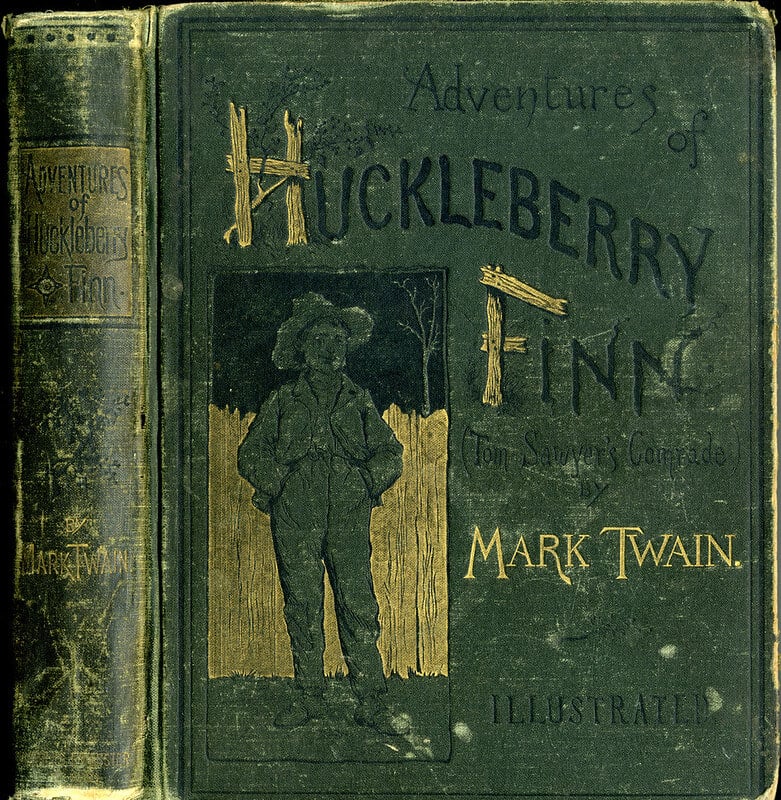
Mark Twain’s novel was removed from the Concord, Massachusetts public library in 1885, just months after publication, with the library committee calling it trash suitable only for the slums. Later challenges shifted to focus on its use of racial slurs rather than its original perceived crudeness.
It remains a staple of American literature curricula despite continuing debate over how it should be taught.
Slaughterhouse-Five Was Burned by a School Board in North Dakota
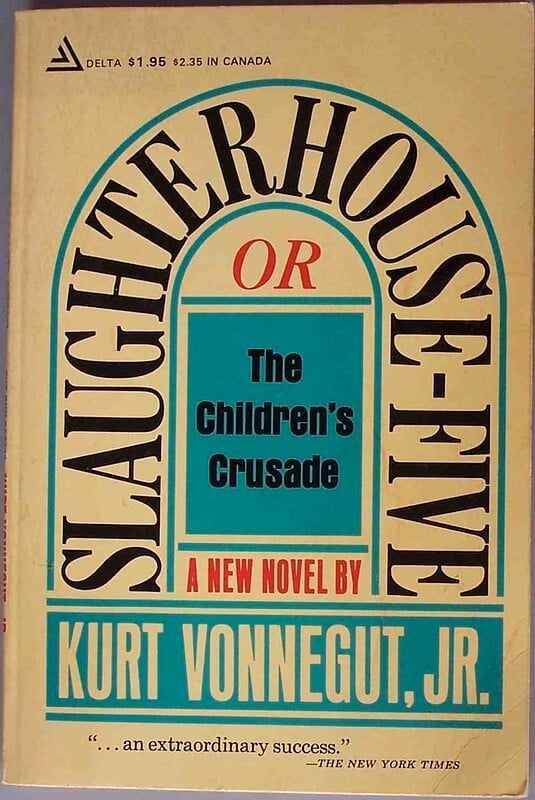
Kurt Vonnegut’s anti-war novel was ordered burned by a school board in Drake, North Dakota in 1973, with thirty-two copies destroyed in the school’s furnace over its language and content. Vonnegut later wrote directly to the school board chairman, condemning the decision as a form of intellectual cowardice.
The novel is now widely taught in college literature courses across the country.
Beloved Faced Bans Over Its Depictions of Slavery and Violence
Toni Morrison’s Pulitzer Prize-winning novel has been challenged repeatedly in American school districts over graphic content depicting the trauma of slavery. A 2021 gubernatorial campaign in Virginia specifically cited the novel in a campaign advertisement opposing its inclusion in school curricula.
It remains widely assigned in college-level literature and African American studies courses.
The Grapes of Wrath Was Banned and Burned in Its Own Setting
John Steinbeck’s novel about Dust Bowl migrants was banned and publicly burned in Kern County, California, the very region the book depicts, within a year of its 1939 publication, after local landowners objected to its portrayal of agricultural labor conditions. It won the Pulitzer Prize the following year despite the local backlash.
The novel remains a standard text in American literature education.
Lady Chatterley’s Lover Triggered a Landmark Obscenity Trial
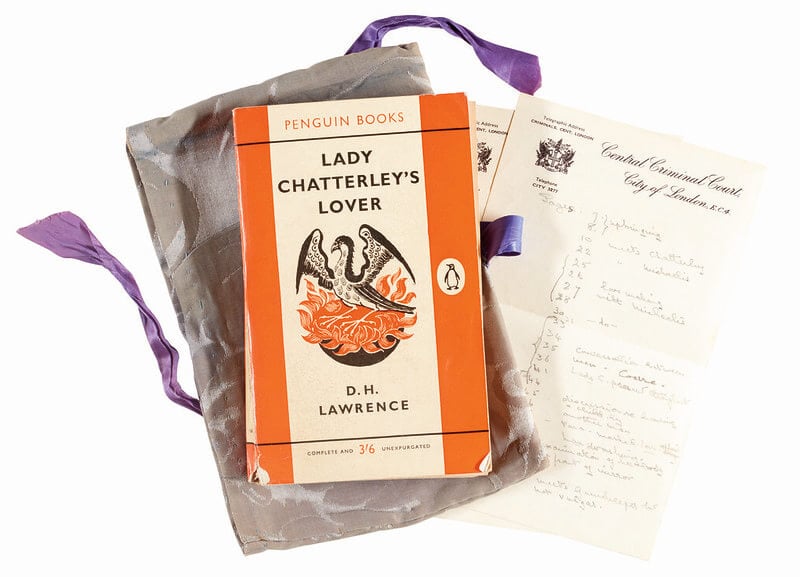
D.H. Lawrence’s novel was banned in the United Kingdom for over three decades before Penguin Books’ unabridged 1960 edition triggered a highly publicized obscenity trial under Britain’s Obscene Publications Act. The publisher’s acquittal became a defining moment in British censorship law.
The novel is now taught widely in courses on twentieth-century British literature.
Ulysses Was Banned in the United States for Over a Decade
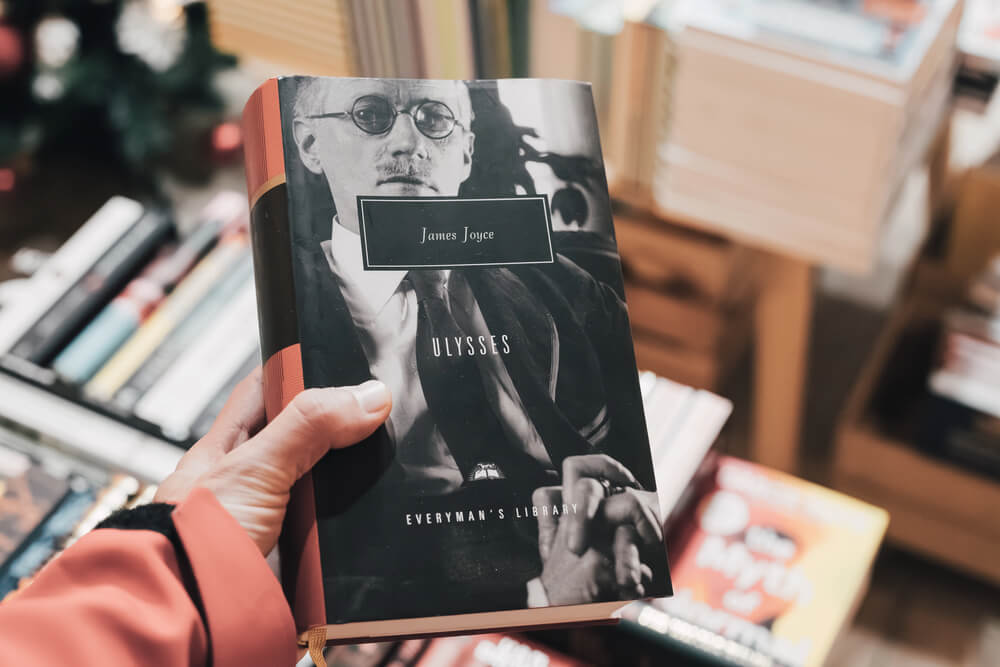
James Joyce’s Ulysses was banned from importation into the United States following its 1922 publication, with customs officials seizing copies at the border for over a decade. A 1933 federal court ruling in United States v. One Book Called Ulysses finally lifted the ban, establishing an important precedent for literary works facing obscenity claims.
It is now regularly ranked among the most significant English-language novels of the twentieth century.
Animal Farm Was Rejected by Publishers Before Being Banned by Governments
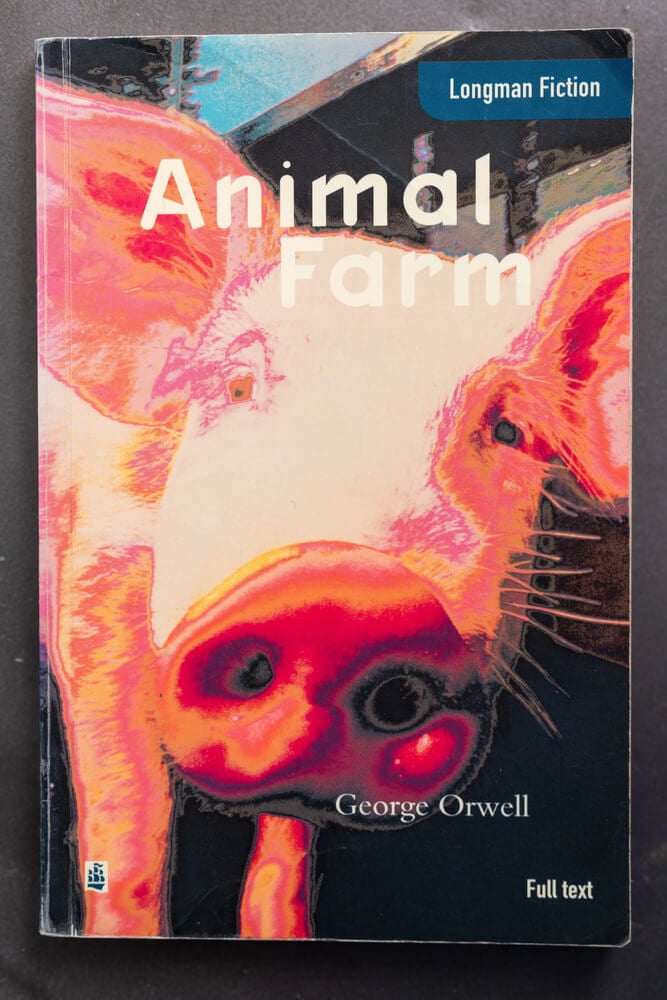
George Orwell’s allegorical novel was initially rejected by several publishers wary of criticizing wartime ally the Soviet Union, and it was later banned outright in the Soviet Union and other communist states once published. Its critique of totalitarianism made it a target for suppression precisely because of how effectively it landed.
It has since become one of the most widely translated and taught works of political fiction.
Brave New World Was Banned in Ireland and Challenged Across American Schools
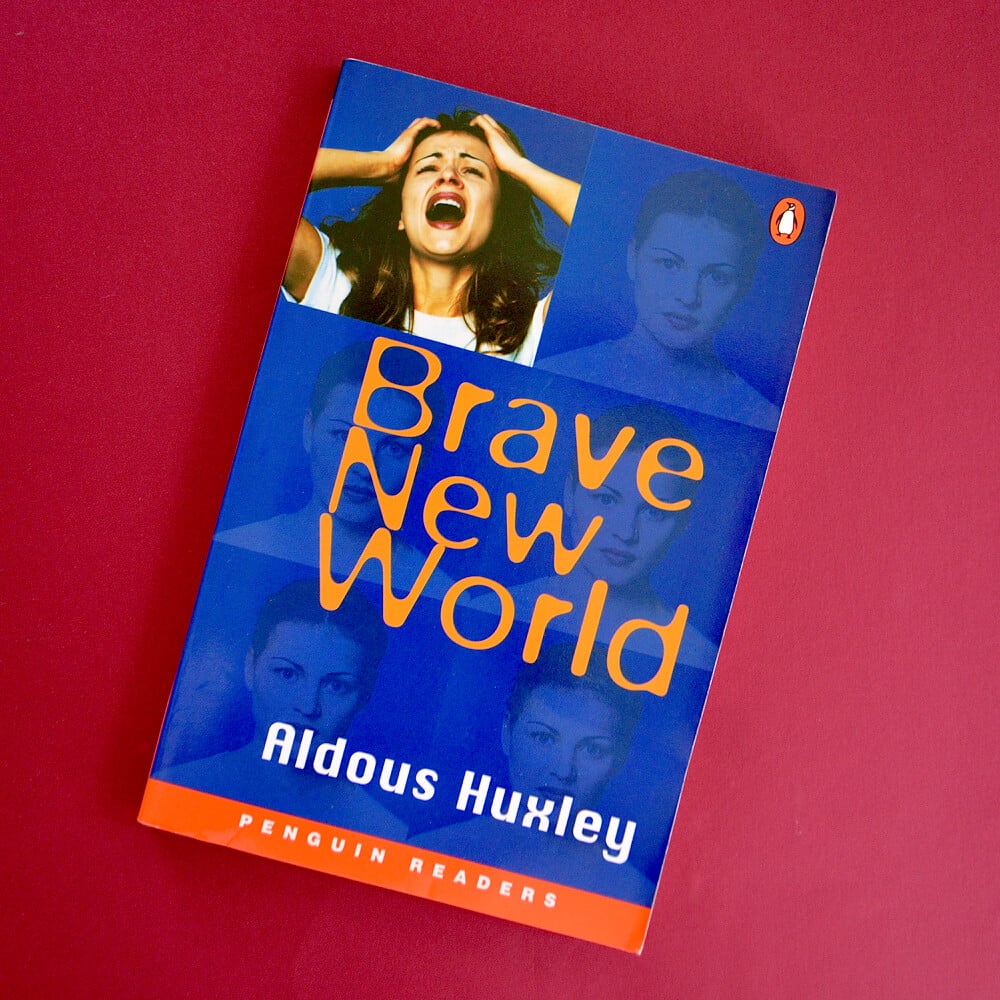
Aldous Huxley’s dystopian novel was banned in Ireland shortly after its 1932 publication and has faced repeated American school challenges over its explicit content and depiction of drug use. Some districts pulled it as recently as the 2000s.
It remains a staple of high school and college dystopian literature units alongside Orwell’s work.
The Diary of a Young Girl Faced Challenges Over Its Honest Content
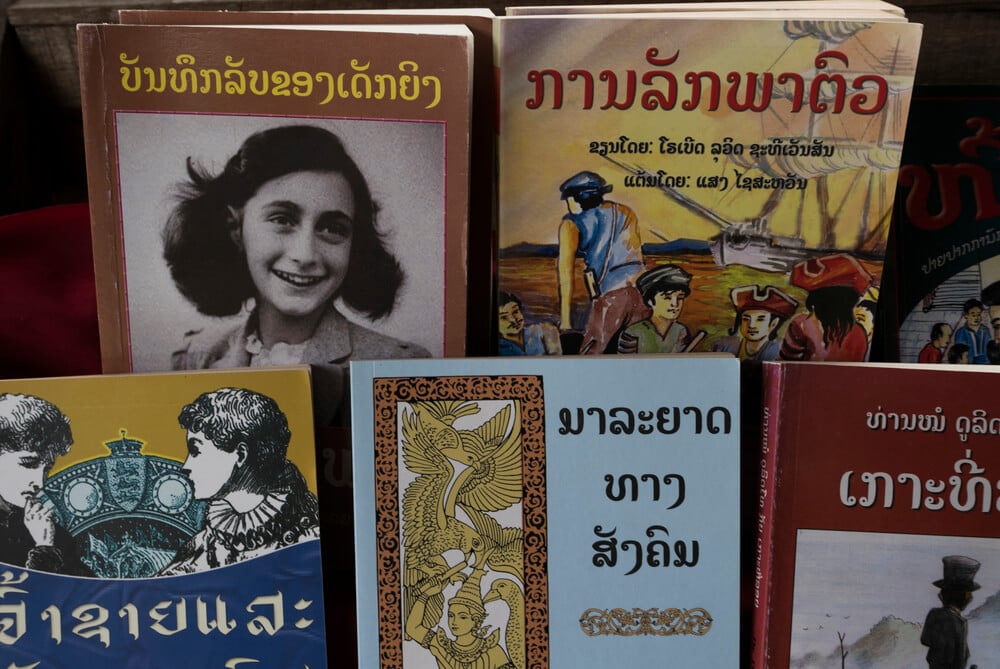
Anne Frank’s diary has been challenged in some American school districts over passages discussing her developing body and emerging feelings, content critics considered inappropriate despite the diary’s historical significance. A Michigan school district removed it from a curriculum as recently as 2013 before facing public backlash.
It remains one of the most widely read firsthand accounts of the Holocaust in schools worldwide.
Fahrenheit 451 Was Ironically Censored in Its Own School Editions
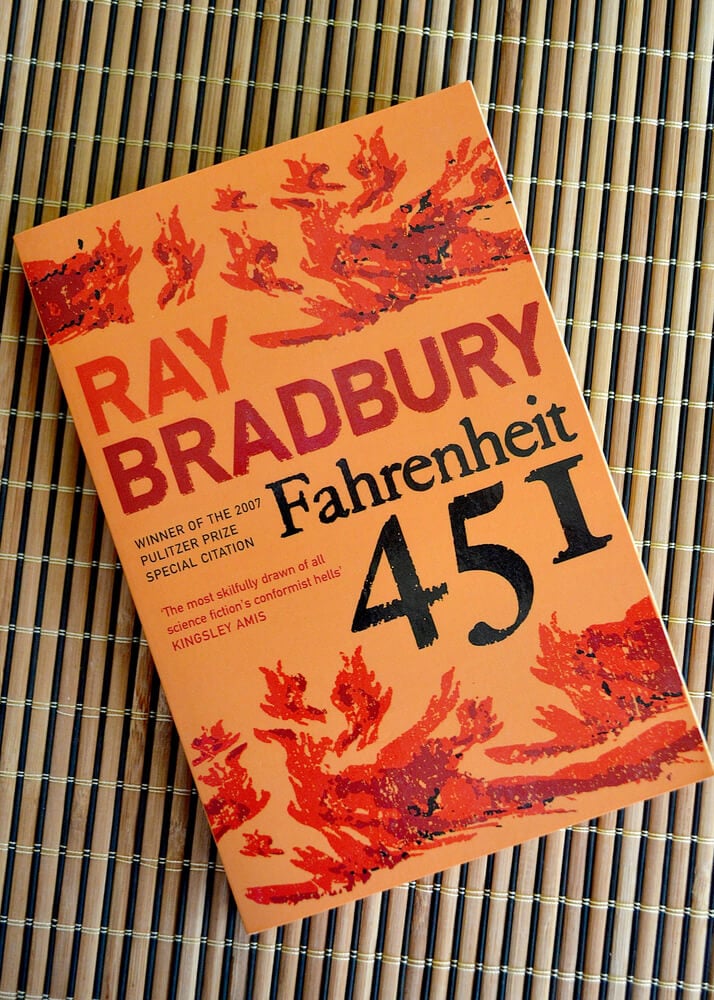
Ray Bradbury’s novel about book burning was itself altered by its publisher for a “Bal-Hi” school edition starting in the 1970s, with profanity removed without the author’s knowledge for years. Bradbury only discovered the changes later and insisted the original text be restored.
The irony of censoring a novel about censorship has made the episode a frequently cited example in discussions of book banning.
The Color Purple Was Challenged Over Violence and Explicit Content
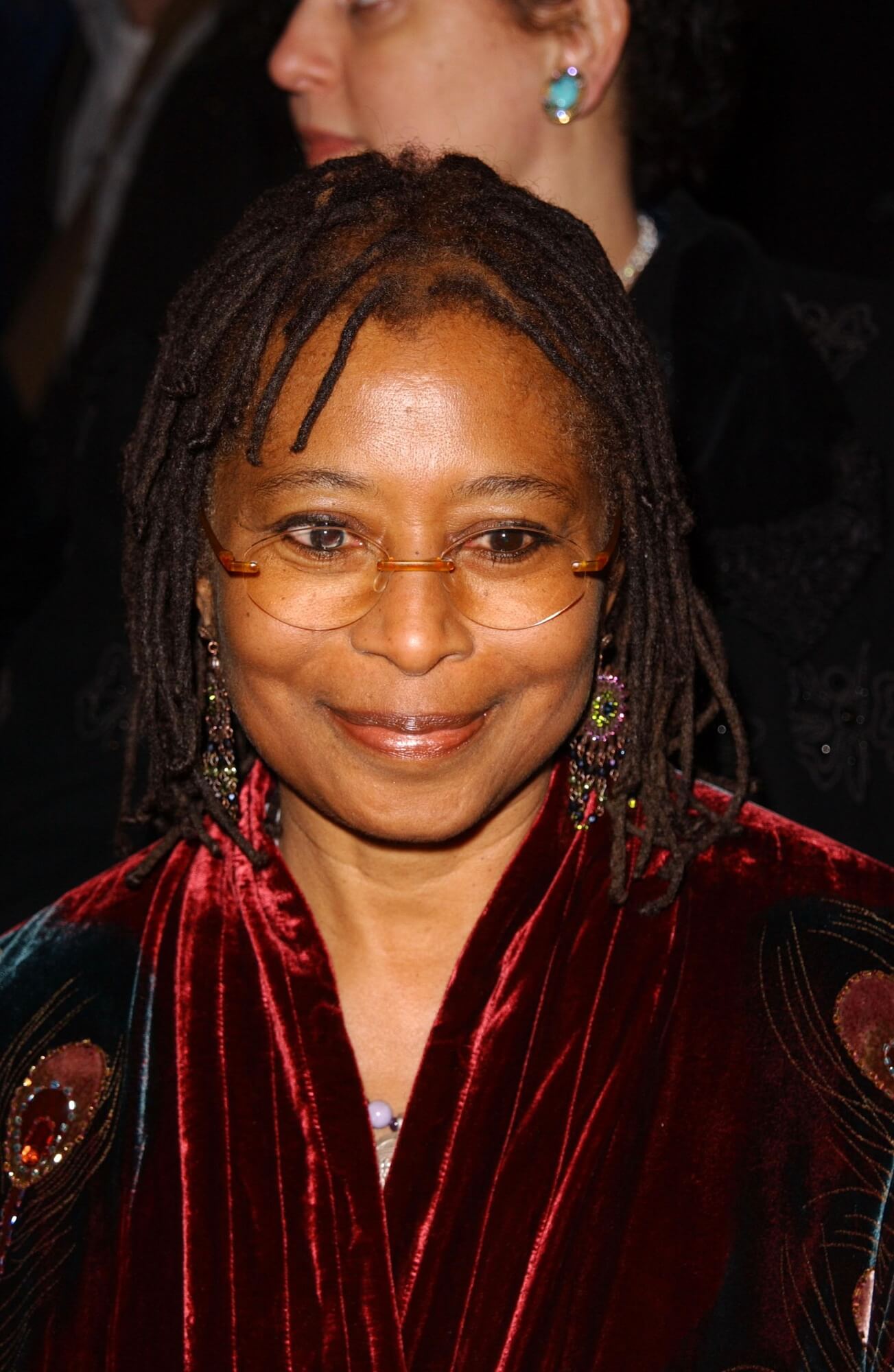
Alice Walker’s Pulitzer Prize-winning novel has faced repeated school district challenges since its 1982 publication over depictions of violence and abuse within its narrative. It ranked among the American Library Association’s most challenged books for multiple consecutive years.
It remains a core text in courses on American literature and Black feminist writing.
Lord of the Flies Was Banned Over Its Violence and Bleak Worldview
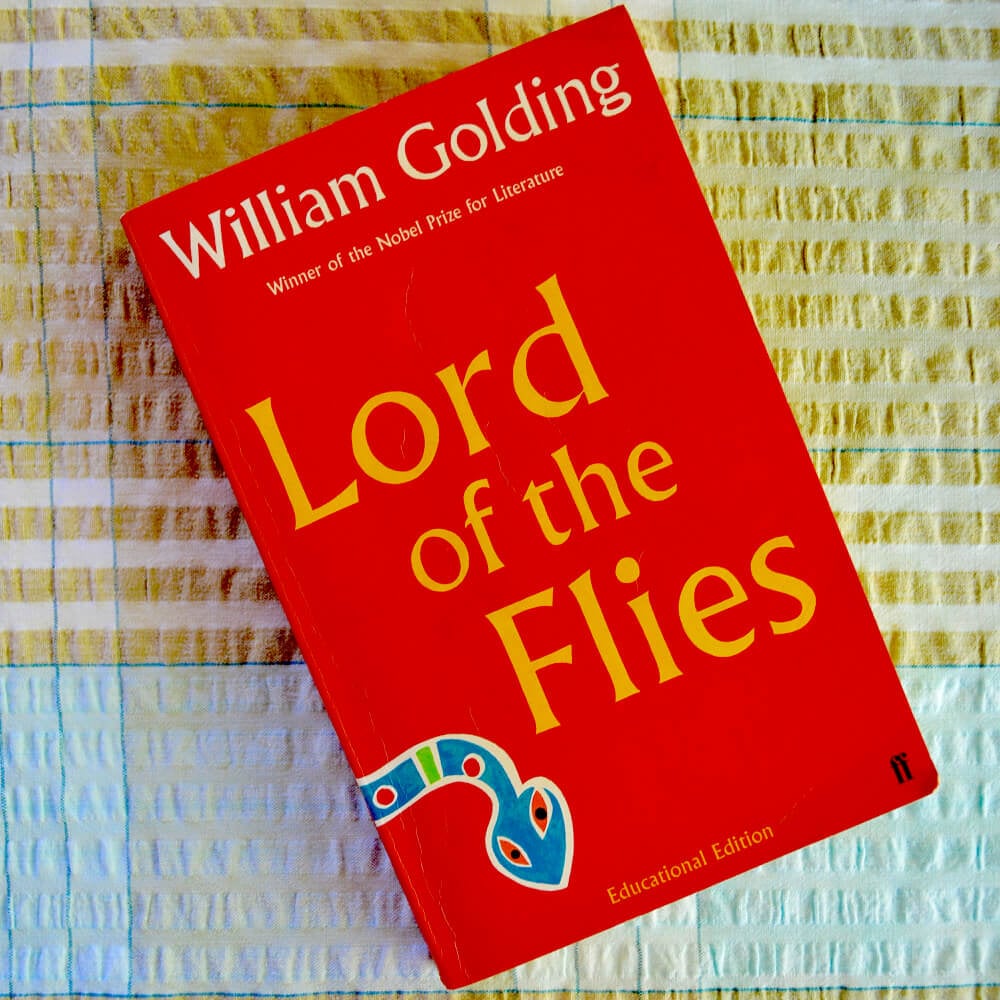
William Golding’s novel about stranded schoolboys descending into savagery faced school bans over its violent content and pessimistic view of human nature. Some American districts removed it from required reading lists as recently as the 1980s and 1990s.
It remains one of the most commonly assigned novels in secondary school literature courses worldwide.
1984 Was Banned in Multiple Communist Countries for Obvious Reasons
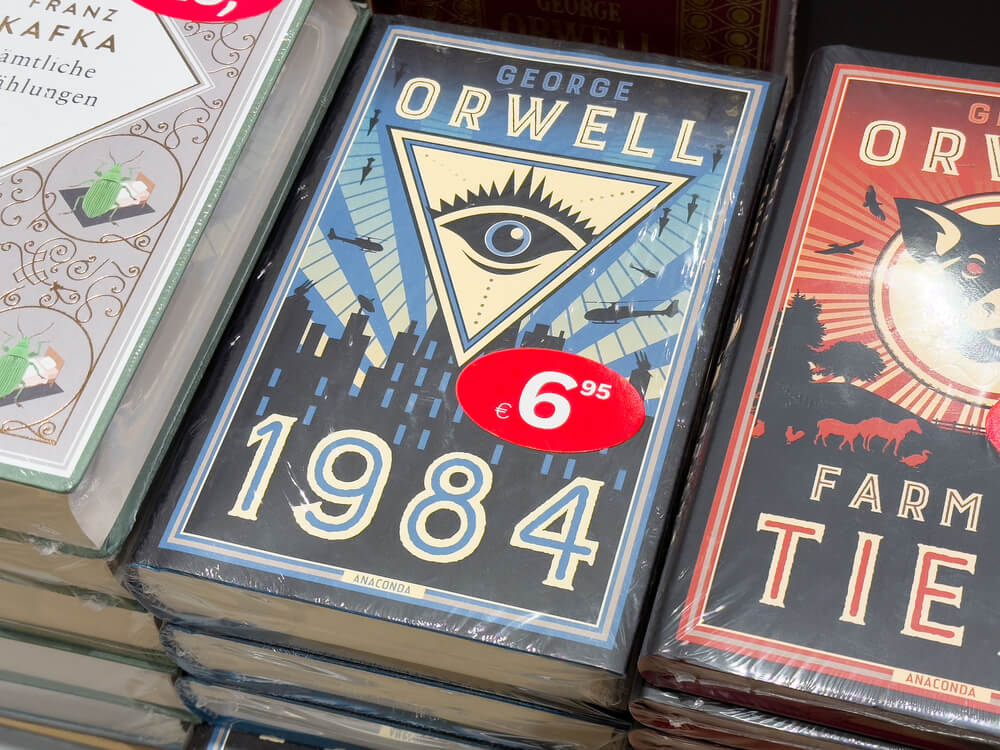
George Orwell’s novel about totalitarian surveillance was banned in the Soviet Union and other Eastern Bloc nations, where its critique of state control hit uncomfortably close to home for the governments in question. It also faced periodic American challenges over its political content and adult themes.
The novel remains one of the most widely referenced works of political fiction ever published.
The Handmaid’s Tale Faced Repeated School Removal Attempts
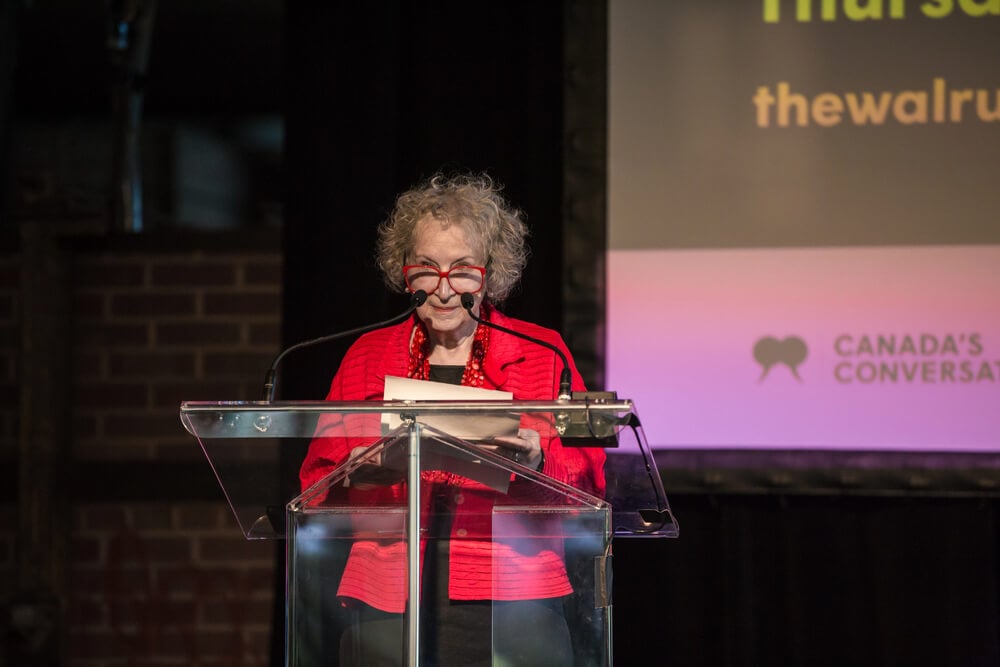
Margaret Atwood’s dystopian novel has been challenged in American school districts over explicit content and what some parents characterized as anti-religious themes. It appeared on the American Library Association’s list of most challenged books multiple times in the 2000s and 2010s.
Its adaptation into a television series only intensified both its readership and the debates around teaching it.
Of Mice and Men Was Repeatedly Pulled Over Language and Themes of Violence
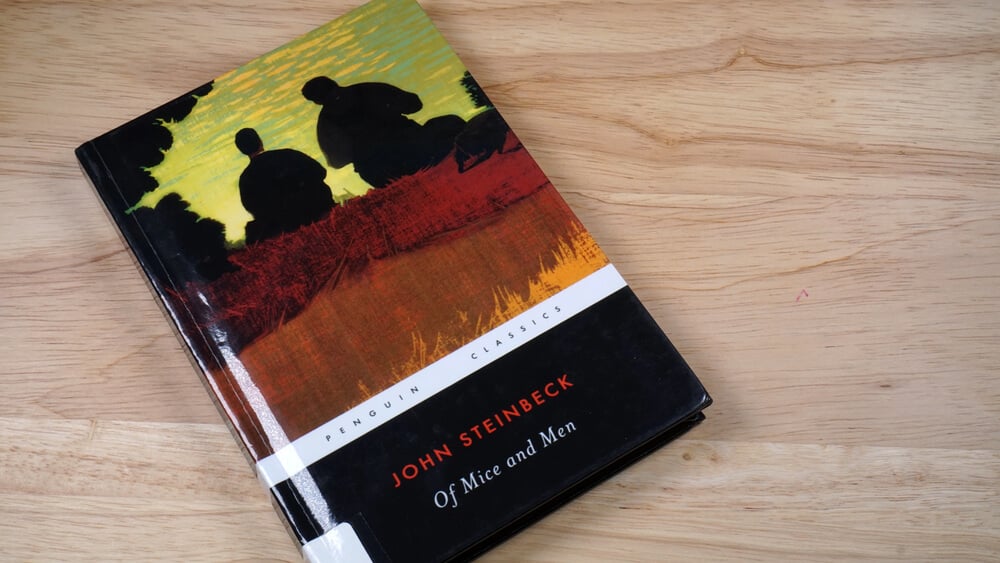
John Steinbeck’s novella has consistently ranked among the American Library Association’s most challenged books for decades, cited for profanity, racial slurs used in period-accurate dialogue, and its depiction of mercy killing. Some school districts removed it as recently as the 2010s.
It remains one of the most widely assigned short novels in American secondary education.
The Bluest Eye Was Challenged Over Its Depiction of Childhood Trauma
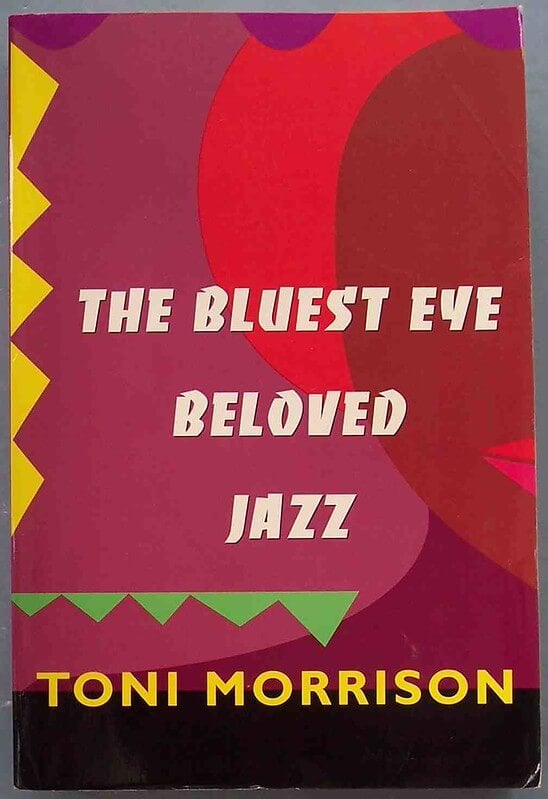
Toni Morrison’s debut novel has faced numerous school district bans over its unflinching portrayal of childhood abuse within the narrative. It has ranked among the American Library Association’s most frequently challenged books in multiple recent years.
It remains a significant text in college courses on American literature and trauma narratives.
A Clockwork Orange Was Pulled From Libraries Over Its Violent Content
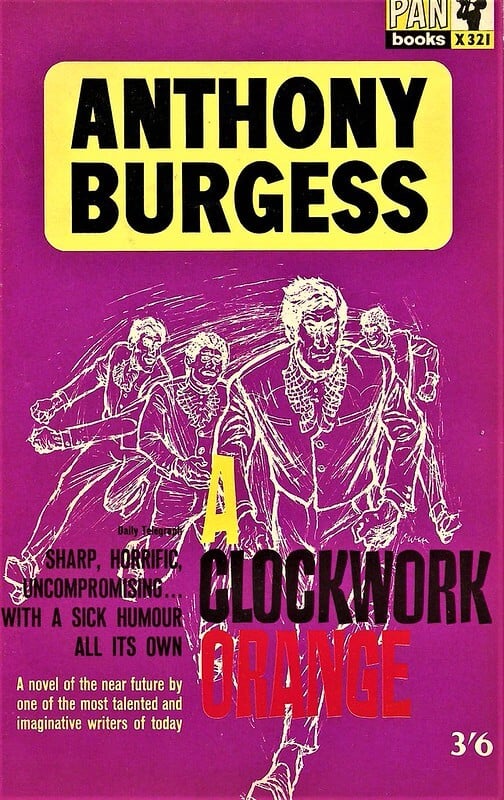
Anthony Burgess’s novel faced removal from several American school and public libraries over its graphic depictions of violence, particularly following the controversy surrounding Stanley Kubrick’s 1971 film adaptation. Some editions in the United States were originally published without the novel’s final redemptive chapter, altering its intended meaning entirely.
It remains a significant work in courses examining dystopian fiction and free will.
The Kite Runner Faced Challenges Over a Depicted Assault Scene
Khaled Hosseini’s novel has faced school district challenges over a pivotal scene depicting an assault, with some parents arguing the content was inappropriate for assigned reading regardless of its narrative significance. It has nonetheless become a widely assigned text in courses covering contemporary world literature.
Its commercial and critical success helped introduce many Western readers to modern Afghan history.
Their Eyes Were Watching God Was Overlooked, Then Banned, Then Reclaimed
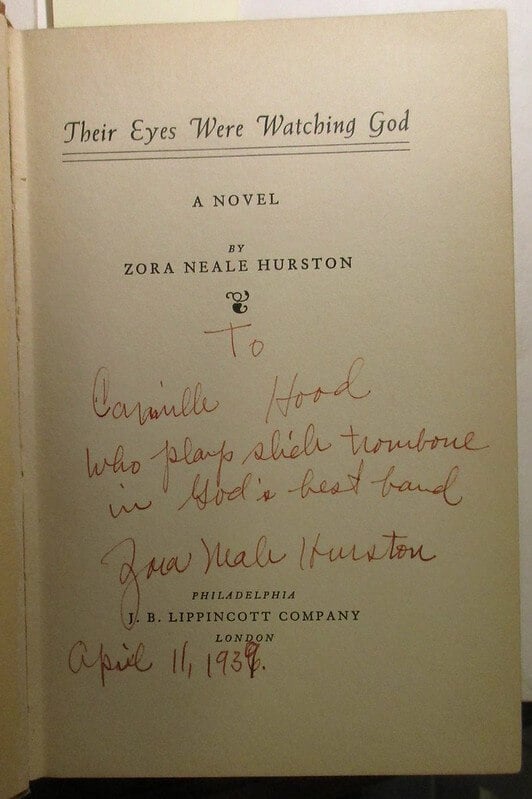
Zora Neale Hurston’s novel received mixed reviews and limited attention upon its 1937 publication, fell out of print for decades, and later faced school challenges once rediscovered, largely over its frank content. Writer Alice Walker helped lead a broader literary rediscovery of Hurston’s work in the 1970s.
The novel is now considered a foundational text in African American literature.
The Perks of Being a Wallflower Regularly Tops Challenged Book Lists
Stephen Chbosky’s coming-of-age novel has ranked among the American Library Association’s most challenged books repeatedly since its 1999 publication, cited for its depictions of drug use, assault, and mental health struggles. Several school districts pulled it entirely from library shelves rather than simply restricting access.
It remains widely read by teenagers navigating similar struggles despite the ongoing challenges.
Song of Solomon Faced Bans Alongside Morrison’s Other Major Works
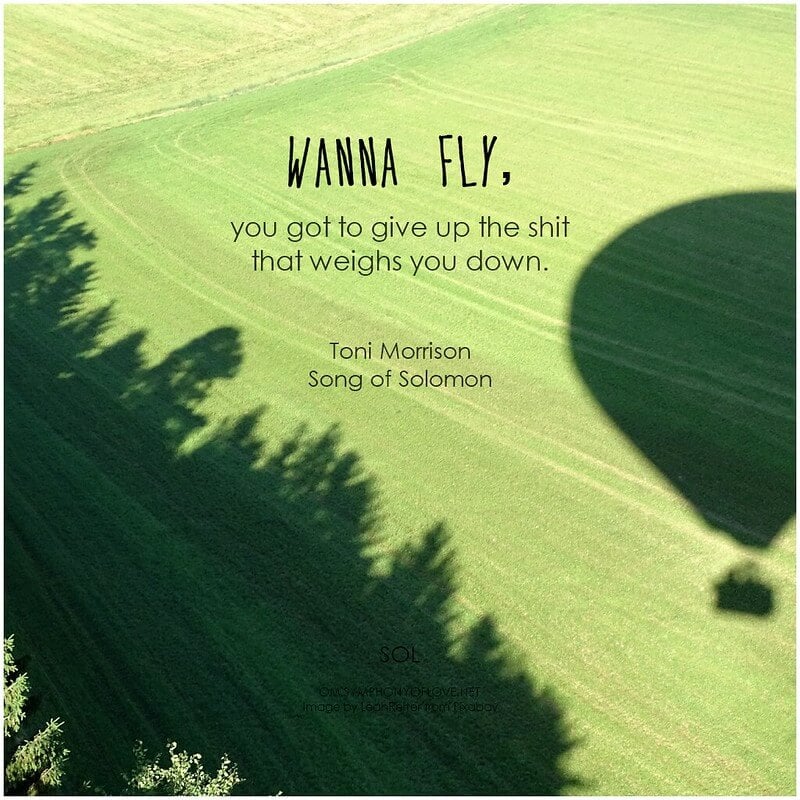
Toni Morrison’s novel has been challenged in multiple American school districts over explicit content and profanity, part of a broader pattern of challenges against her body of work specifically. It won the National Book Critics Circle Award and remains one of the most frequently taught works in American literature survey courses.
Morrison herself often spoke publicly about the disproportionate targeting of her novels in banning campaigns.
The Absolutely True Diary of a Part-Time Indian Was Pulled Over Its Frank Voice
Sherman Alexie’s semi-autobiographical novel has repeatedly ranked among the American Library Association’s most challenged books since its 2007 publication, cited for profanity and mature references despite its widely praised depiction of reservation life. Some school boards banned it entirely rather than restrict access by age.
It has won multiple literary awards, including the National Book Award for Young People’s Literature.
Persepolis Was Removed From Chicago Public Schools Before Public Backlash Reversed the Decision
Marjane Satrapi’s graphic memoir about growing up during the Iranian Revolution was pulled from Chicago Public Schools classrooms in 2013 over a depiction of torture, prompting student protests and significant media attention. The district partially reversed the decision after public pressure, though restrictions on grade level access remained.
It is now taught widely in courses on graphic literature and Middle Eastern history.
What Removal Never Actually Erased
Every book on this list survived the exact effort meant to bury it, and most emerged from the attempt with a stronger reputation than before. Banning a book rarely kills interest in it.
It tends to advertise the book instead, turning a school board meeting into free publicity no marketing budget could buy.
The pattern holds across a century of attempts: the books adults tried hardest to keep out of young readers’ hands are disproportionately the ones that ended up shaping how those readers understood the world. Suppression, it turns out, is a remarkably poor predictor of what actually lasts.
More from Go2Tutors!

- The Romanov Crown Jewels and Their Tragic Fate
- 13 Historical Mysteries That Science Still Can’t Solve
- Famous Hoaxes That Fooled the World for Years
- 15 Child Stars with Tragic Adult Lives
- 16 Famous Jewelry Pieces in History
Like Go2Tutors’s content? Follow us on MSN.