16 Foods That Are Illegal to Eat in the US
Food rules might feel odd now and then. Dishes seen as treats elsewhere could be banned here altogether.
Causes differ – health risks, care for animals, saving nature’s balance. A few restrictions shield rare creatures; meanwhile, some stop harmful poisons from reaching your meal.
Kinder Surprise Eggs

Those chocolate eggs with toys inside have been banned since 1938. The Federal Food, Drug, and Cosmetic Act prohibits any candy that contains a non-nutritive object.
The concern is simple: kids could choke on the small toys hidden inside the chocolate shell. Even though they’re popular worldwide, you won’t find them in American stores.
The FDA enforces this rule strictly. Any food product with embedded objects that aren’t meant to be eaten falls under this prohibition.
Parents might think it’s excessive, but the law draws a clear line about mixing playthings with food.
Haggis

Scotland’s national dish can’t cross American borders in its traditional form. The problem is sheep lung, which has been banned in US food since 1971.
Authentic haggis requires sheep heart, liver, and lung mixed with spices and oatmeal, all stuffed into a sheep stomach.
The ban came from sanitary concerns about using lung tissue in food products. American versions of haggis exist, but they skip the lung entirely.
Scottish expats looking for the real thing are out of luck unless they make their own lung-free version.
Casu Marzu

This Sardinian cheese takes fermentation to an extreme level. Cheesemakers introduce fly larvae into Pecorino cheese, and the hatched maggots eat through it as part of the aging process.
The result is a soft, creamy cheese that traditionalists eat while the larvae are still alive and wriggling.
Both the US and European Union have banned it. The health risks are obvious—you’re eating live insect larvae in unpasteurized cheese.
Some Sardinians still make it illegally, but importing it into America is completely prohibited.
Fugu (Pufferfish)
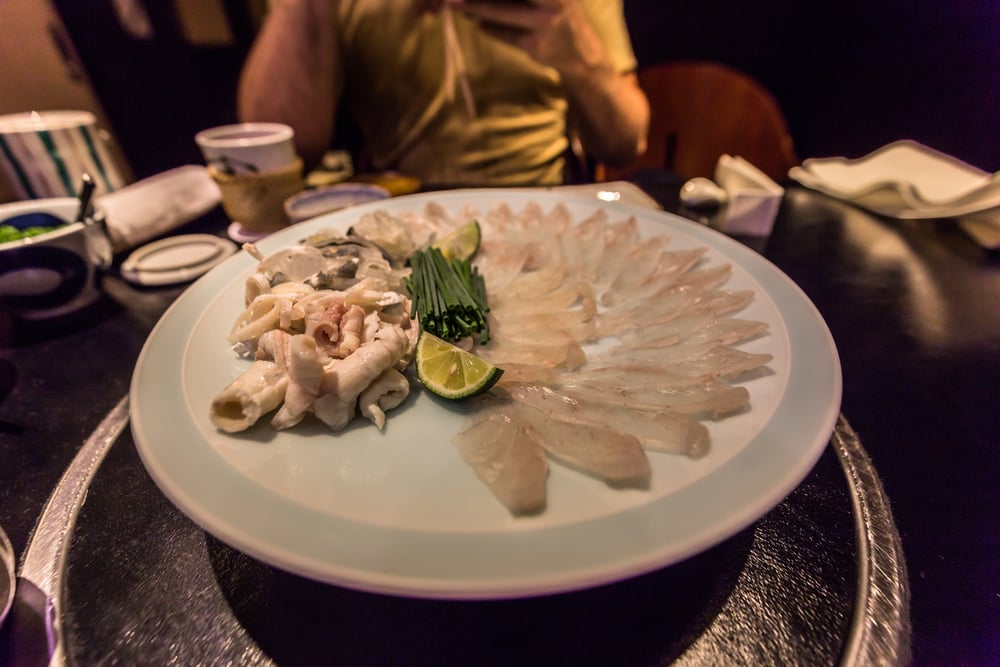
Japanese pufferfish contains tetrodotoxin, a neurotoxin far more lethal than cyanide. The fish’s organs, especially the liver, concentrate this poison from the toxic creatures it eats.
One fish has enough poison to kill about thirty adults.
In the US, only one approved importer can bring it in a few times per year for special occasions. Even then, no American chefs have the certification to prepare it safely.
Japanese chefs train for three years minimum before they can serve fugu. The FDA tightly controls this because there’s no antidote to tetrodotoxin poisoning.
Horse Meat
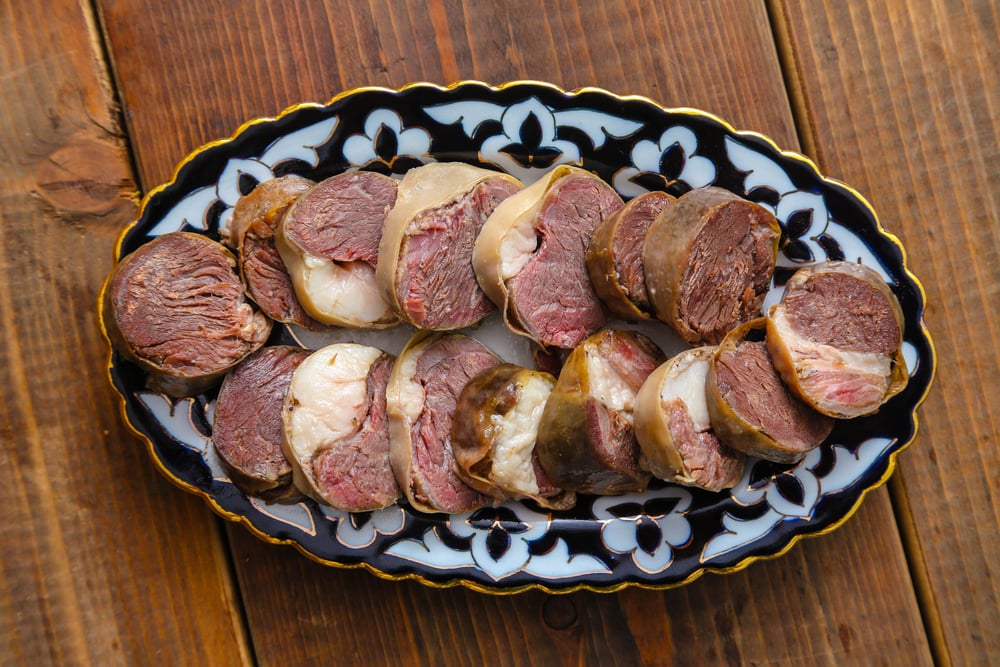
Eating horse meat isn’t technically illegal in most states. But slaughtering horses for human consumption is banned, which makes it nearly impossible to get.
American slaughterhouses used to export horse meat to countries where it’s popular, but that ended in the early 2000s.
The restriction came from cultural attitudes more than health concerns. Americans view horses as companions and working animals rather than food.
Congress fights over this issue regularly, with debates about whether to make the slaughter ban permanent.
Beluga Caviar

Wild beluga sturgeon became so endangered that importing their caviar has been banned since 2005. The fish takes decades to mature and reproduce, making them vulnerable to overfishing.
Demand for this luxury food item nearly drove the species to extinction.
The ban protects the sturgeon population from collapse. You might find other types of caviar in stores, but the real beluga variety from wild-caught fish remains illegal.
Ortolan Bunting

This tiny French songbird weighs less than an ounce. The traditional preparation is brutal—the birds are captured, kept in dark cages to encourage overeating, then drowned in brandy before roasting.
Diners eat the entire bird whole, bones and all, traditionally with a napkin covering their head.
Both France and the US banned the practice because the bird’s population dropped dramatically. The ortolan is now a protected species.
Smuggling one into America violates the Lacey Act, which prohibits importing specimens that break foreign conservation laws.
Raw Milk
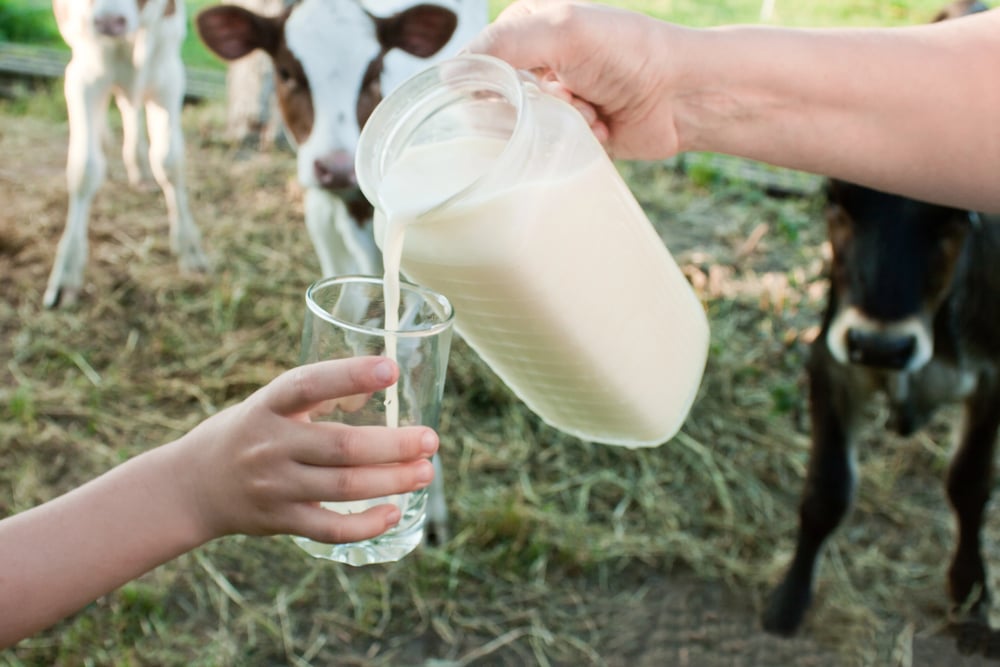
Twenty-one states prohibit selling unpasteurized milk outright. Other states allow it only in small quantities sold directly from farms.
The FDA’s position is clear: raw milk is 150 times more likely to cause foodborne illness than pasteurized versions.
The debate gets heated between those who want raw milk for its natural enzymes and taste versus public health advocates who point to bacteria like E. coli and listeria.
Federal law requires pasteurization for any milk crossing state lines.
Ackee Fruit

Jamaica’s national fruit contains a compound that blocks glucose release in your body. If you eat unripe ackee, your blood sugar can plummet to fatal levels.
The fruit must ripen completely before it’s safe, and even then, certain parts remain toxic.
Importing fresh ackee into the US is banned. Some canned versions make it through because the processing removes the dangerous compounds.
Customs officials watch for this fruit carefully.
Foie Gras
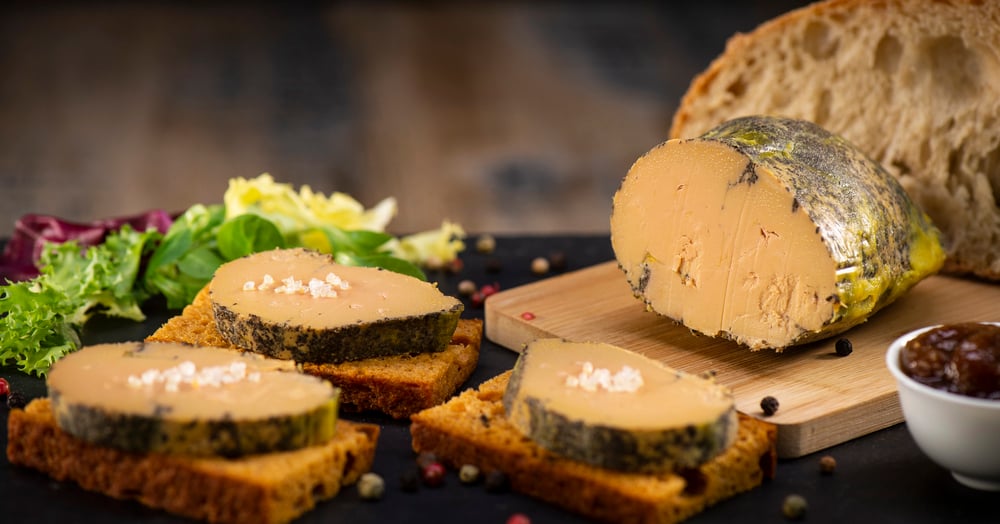
California banned foie gras in 2012 because of how it’s produced. Ducks or geese are force-fed through tubes until their livers swell to eight times normal size.
The practice is considered cruel by animal welfare advocates.
New York City passed a ban in 2019 that was supposed to take effect in 2022, but courts struck it down in 2024 for violating state agricultural laws. Chicago banned it briefly from 2006 to 2008 before repealing the law.
The foie gras industry argues the birds don’t suffer, but California’s ban remains in place despite numerous legal challenges.
Bushmeat

African wildlife hunted for meat—gorillas, chimpanzees, bats, monkeys—is strictly banned. US Customs and Border Protection seized over 69,000 bushmeat items between 2009 and 2013 alone.
The ban exists because these wild animals carry diseases that can jump to humans.
Recent concerns about virus transmission have only strengthened enforcement. Beyond health risks, the bushmeat trade threatens endangered species with extinction.
Shark Fins
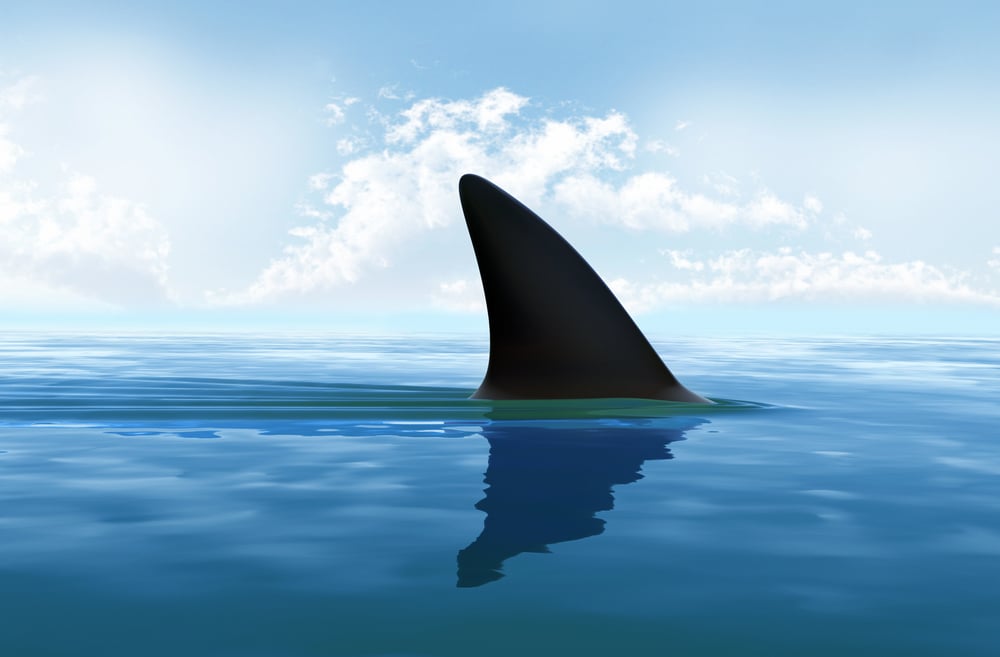
Shark finning involves cutting off a shark’s fins and dumping the animal back into the ocean, often while still alive. This practice is banned in US waters.
Twelve states prohibit selling shark fins entirely, though consuming them technically remains legal elsewhere.
Federal law limits shark fins to five percent of any fisherman’s total catch. The restrictions aim to preserve shark populations and end the cruel finning practice.
Getting legally sourced shark fins has become prohibitively expensive.
Sassafras Oil

Traditional root beer used to contain sassafras as a key ingredient until the FDA banned it in the 1960s. The plant contains safrole, which studies linked to cancer.
The compound damages liver cells in lab animals.
Root extracts without safrole are still permitted, which is why modern root beer exists. But the pure sassafras oil that gave the original drink its distinctive flavor remains illegal.
Queen Conch

This large marine mollusk ranges from six to nine inches long and lives in Caribbean waters. Federal law bans commercial and recreational harvest in US waters because the species is endangered.
Overfishing decimated the population.
The conch is still eaten in places like Turks and Caicos despite its endangered status. But in America, catching or selling them violates federal protection laws.
Sea Turtle

All sea turtle species have legal protection under the Endangered Species Act. Hunting, selling, or eating them is completely illegal.
Despite this, an estimated 35,000 sea turtles are consumed annually in California alone, though all of it happens through illegal channels.
Hawksbill, leatherback, and Kemp’s ridley turtles are endangered, while loggerheads are listed as threatened. The law protects them from being killed for their meat, which was once common in coastal communities.
Redfish

A food craze that started in 1980 nearly destroyed the redfish population. Celebrity chef Paul Prudhomme introduced his blackened redfish recipe that became wildly popular overnight.
Demand soared and commercial fishing drove the species toward dangerously low levels.
The Commerce Department began closing redfish fisheries in 1986. Today, selling redfish commercially is banned in every state except Mississippi.
You can still fish for them personally in some areas, but strict regulations control the practice to let populations recover.
The Forbidden Plate

Food rules reveal what people truly care about. Yet some focus on keeping humans safe, whereas others aim to help animals or save rare creatures from vanishing.
Sure, these limits can feel odd if you’re used to picking any meal freely – still, every single one comes from a real concern.
The line between something gentle and something risky changes based on your view. In one place it’s everyday – somewhere else, it’s off-limits.
Some folks from the U.S. won’t touch haggis, yet people in Scotland ask why lungs bother us at all. Down in France, there’s sadness when ortolan is banned, but those fighting for nature cheer anyway.
These rules show what matters to us. Because of risks, harm, or environmental cost, certain foods just don’t make sense anymore.
As knowledge improves and beliefs shift, so does the list – some items leave, others join. One day, it’s possible we’ll question why we even touched today’s everyday meals.
More from Go2Tutors!

- The Romanov Crown Jewels and Their Tragic Fate
- 13 Historical Mysteries That Science Still Can’t Solve
- Famous Hoaxes That Fooled the World for Years
- 15 Child Stars with Tragic Adult Lives
- 16 Famous Jewelry Pieces in History
Like Go2Tutors’s content? Follow us on M