27 Everyday Objects Invented by Accident in Ordinary Workshops
Most inventions are the product of years of deliberate trial and error. These were not. Someone left something on a stove too long, dropped a flask, forgot about a barrel in a cellar, or got sloppy with a chemical experiment, and the result ended up in kitchens and medicine cabinets around the world.
The Popsicle
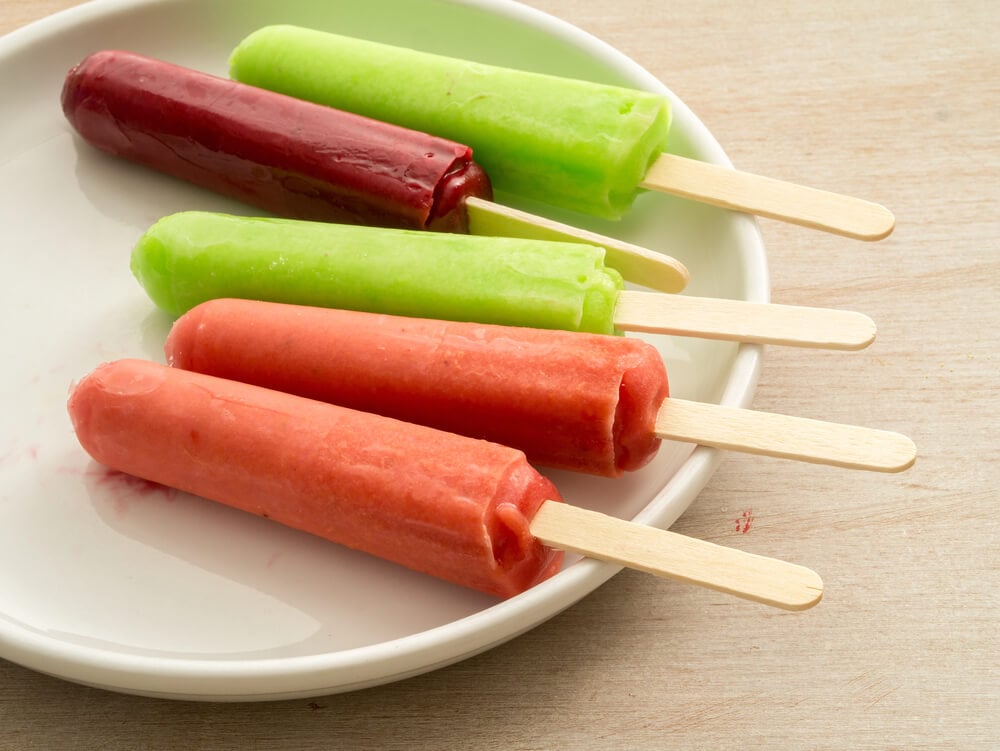
In 1905, an eleven-year-old named Frank Epperson accidentally left a cup of soda water with a stirring stick in it on his porch overnight during a cold California snap. He found it frozen solid the next morning, and nearly two decades later patented the result as the Popsicle.
The Slinky
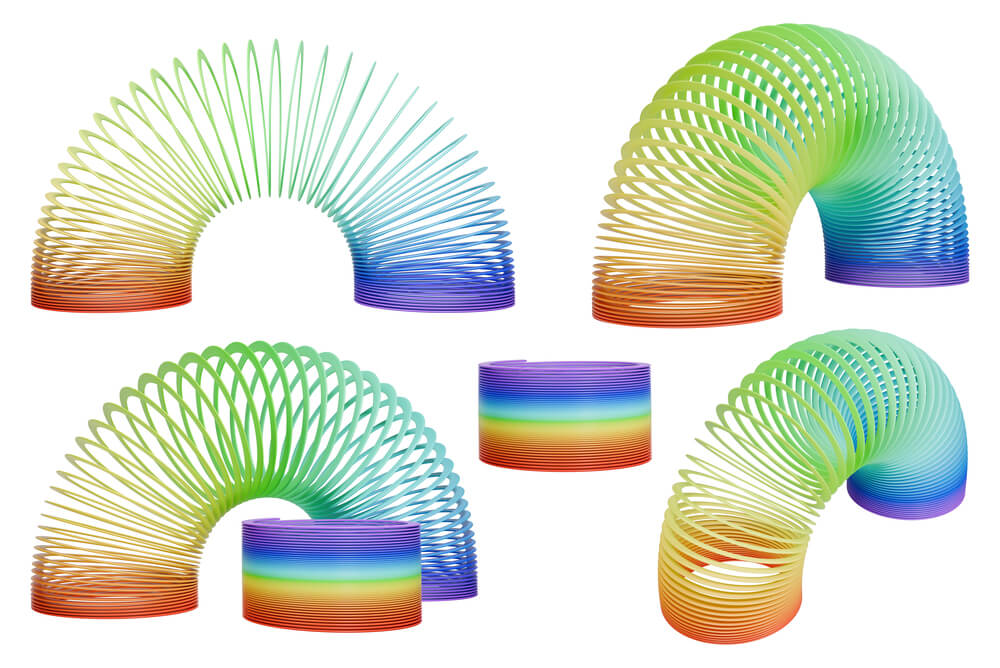
Naval engineer Richard James was working on tension springs meant to stabilize equipment on ships in 1943 when one of his springs fell off a shelf and continued walking end over end across the floor. He and his wife spent the next year figuring out how to manufacture the toy version, which sold out its first demonstration stock in ninety minutes.
Silly Putty
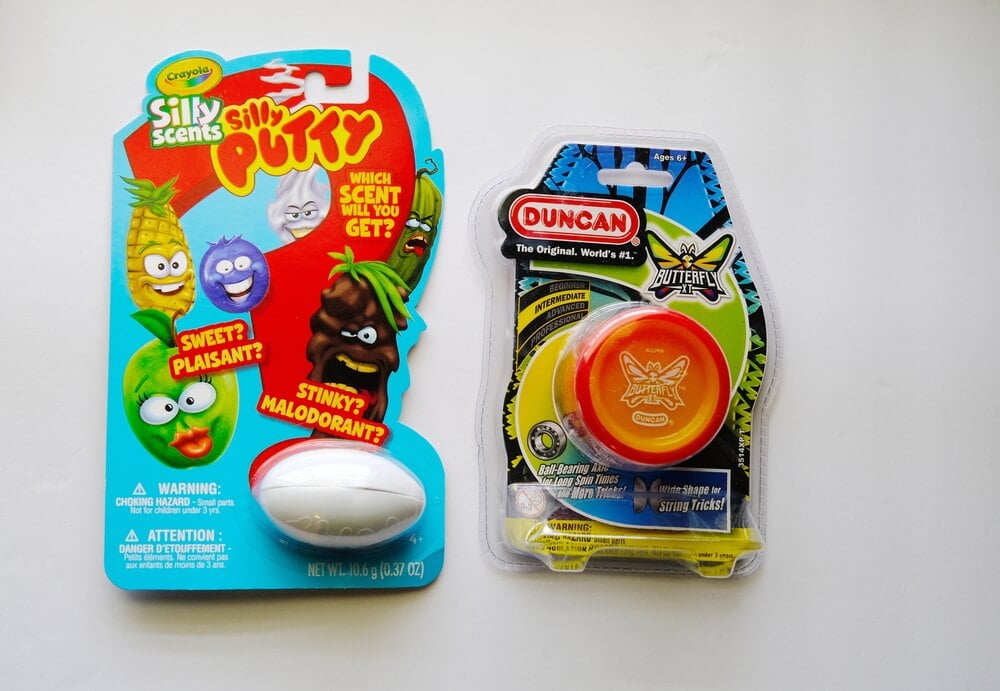
General Electric researcher James Wright was attempting to develop a synthetic rubber substitute during World War II in 1943 when he combined boric acid and silicone oil into a bouncy, stretchy substance with no clear industrial use. It sat around as a novelty for years before a marketing consultant packaged it into plastic eggs and sold it as a toy.
Play-Doh
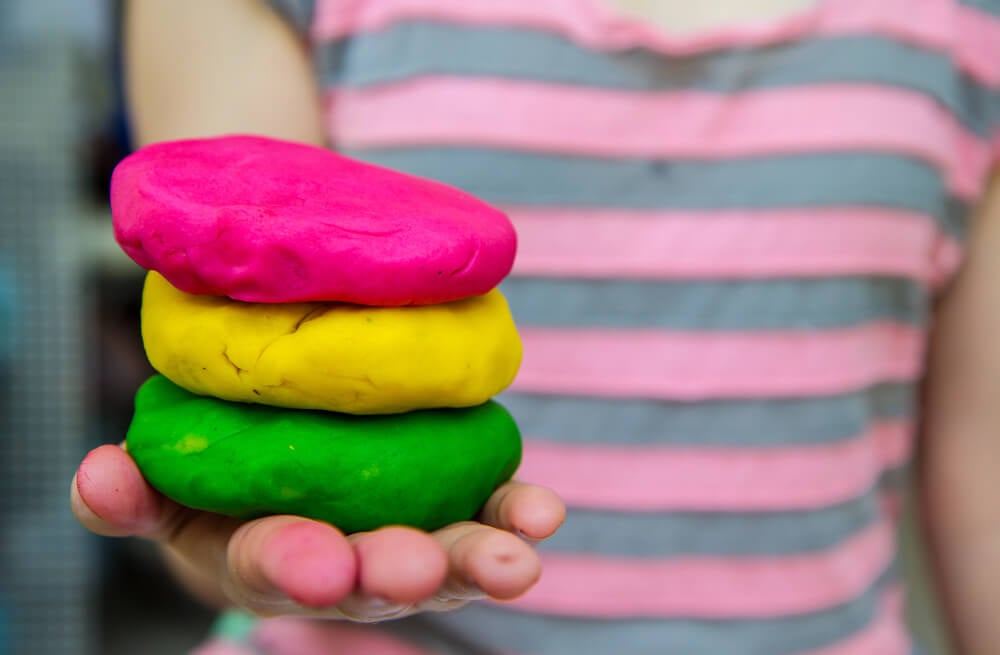
Originally formulated in the 1930s and 1940s as a wallpaper cleaning putty by Kutol Products, the compound lost its market when vinyl wallpaper made the cleaner obsolete. A relative of the company’s owner noticed local schoolchildren enjoyed molding it and reformulated it as a children’s toy in the 1950s, removing the cleaning detergent and adding color.
Coca-Cola
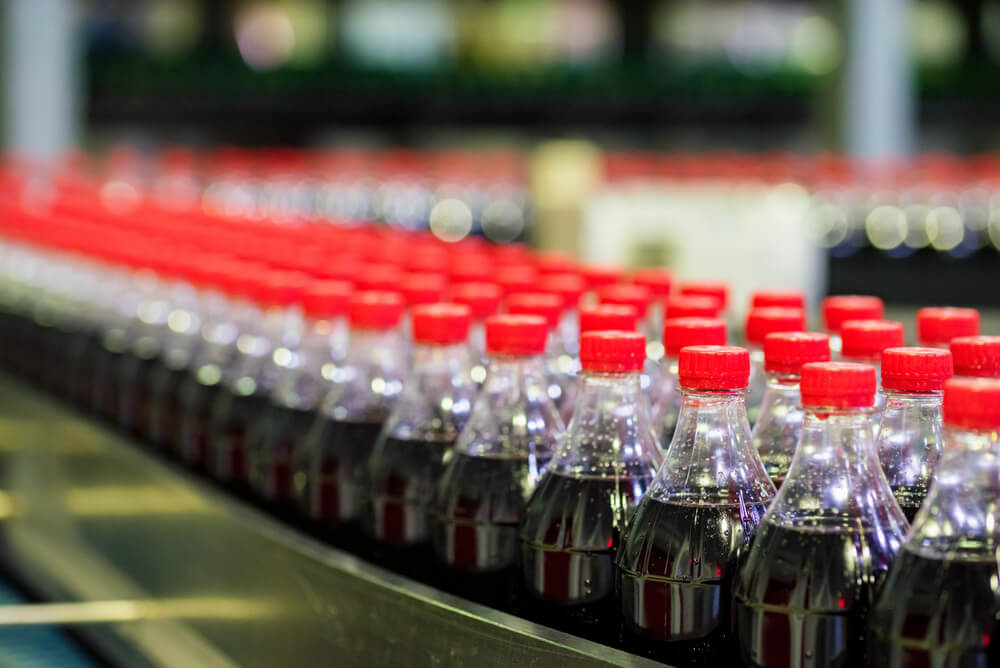
Pharmacist John Pemberton was attempting to develop a medicinal tonic in Atlanta in 1886 when his assistant accidentally mixed the syrup with carbonated water instead of still water while preparing a sample. The fizzy version tasted better than intended and became the basis for the entire product.
Potato Chips
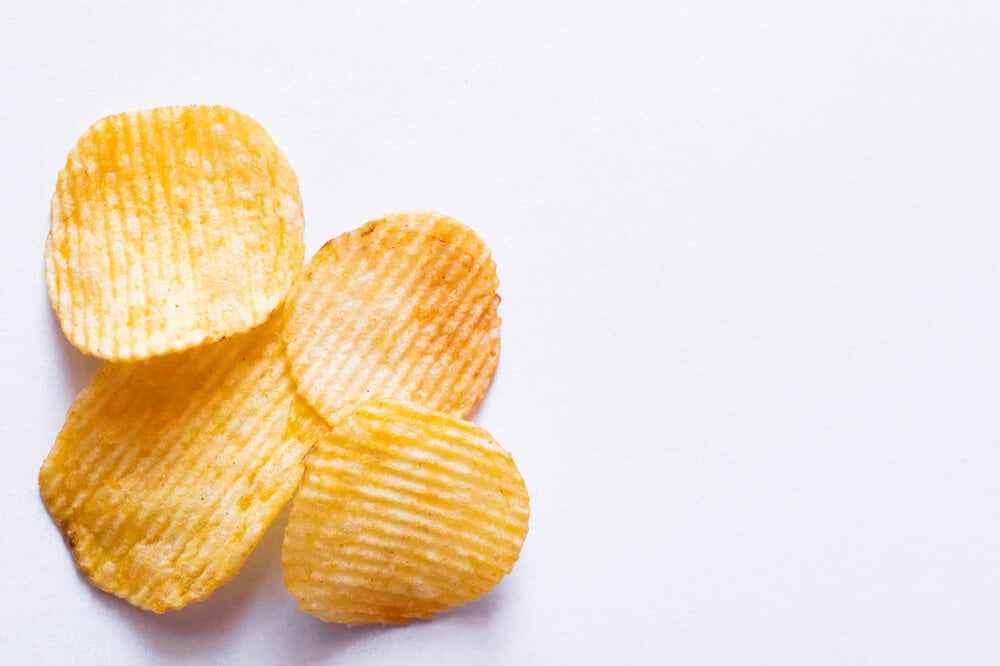
Chef George Crum, working at a resort in Saratoga Springs, New York, in 1853, reportedly sliced potatoes paper-thin and fried them to the point of crunch out of irritation after a customer repeatedly sent back his fried potatoes for being too thick. The customer loved the result, and the dish spread from there.
Chocolate Chip Cookies
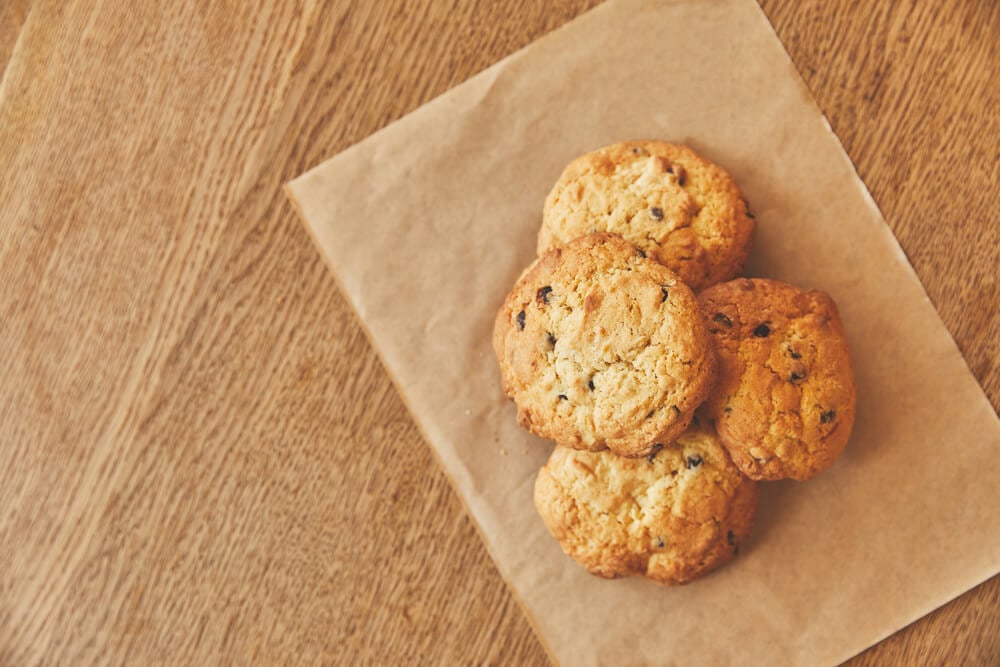
Ruth Wakefield, running the Toll House Inn in Massachusetts in 1938, ran out of baker’s chocolate while making cookies and substituted broken pieces of a semi-sweet chocolate bar, expecting them to melt into the dough. They held their shape instead, creating the chocolate chip cookie by accident.
Corn Flakes
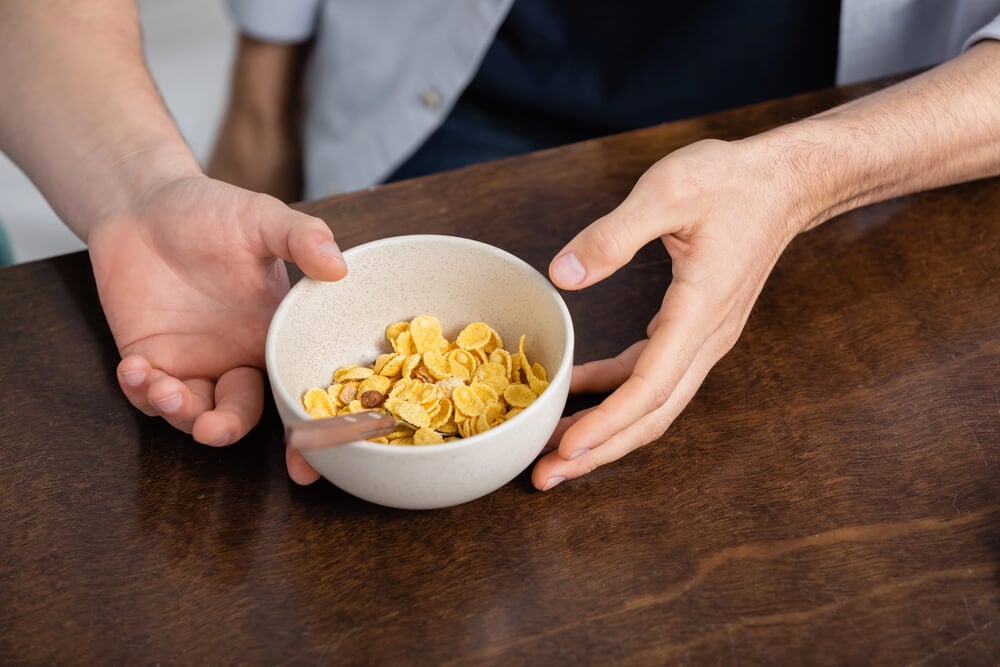
Brothers John and Will Kellogg accidentally left a batch of cooked wheat to sit out too long in 1894 while developing food for patients at a sanitarium, and rather than discard the stale dough, they rolled it out anyway and found it flaked apart into crisp sheets when toasted.
Saccharin
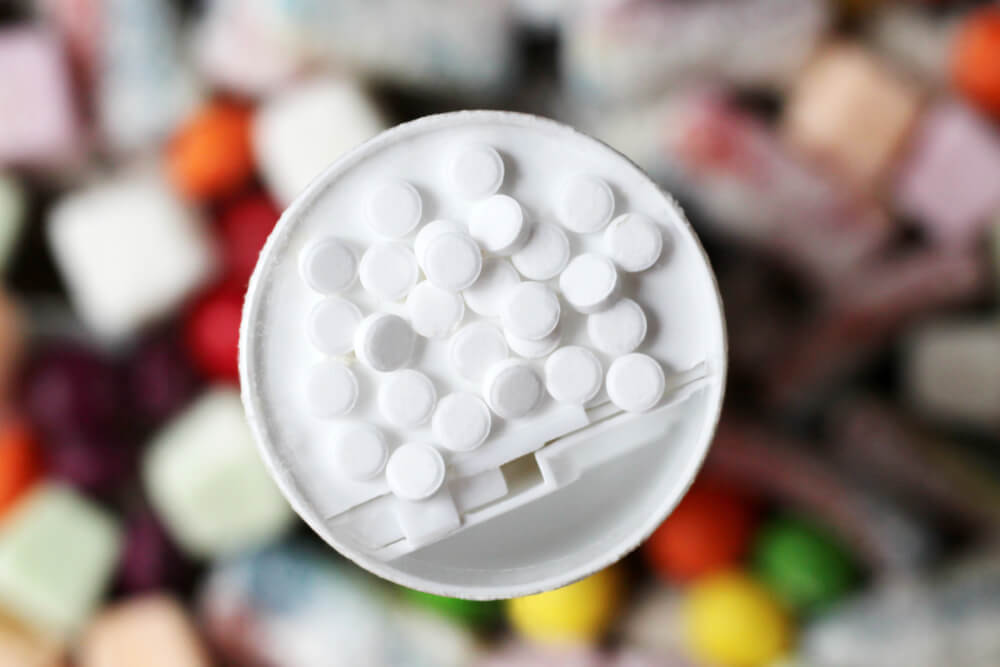
Chemist Constantin Fahlberg was working late in a Johns Hopkins University laboratory in 1879 researching coal tar derivatives when he noticed a sweet taste on his hands at dinner, having forgotten to wash them after the day’s experiments, leading him to trace the sweetness back to a compound he had synthesized that day.
Vulcanized Rubber
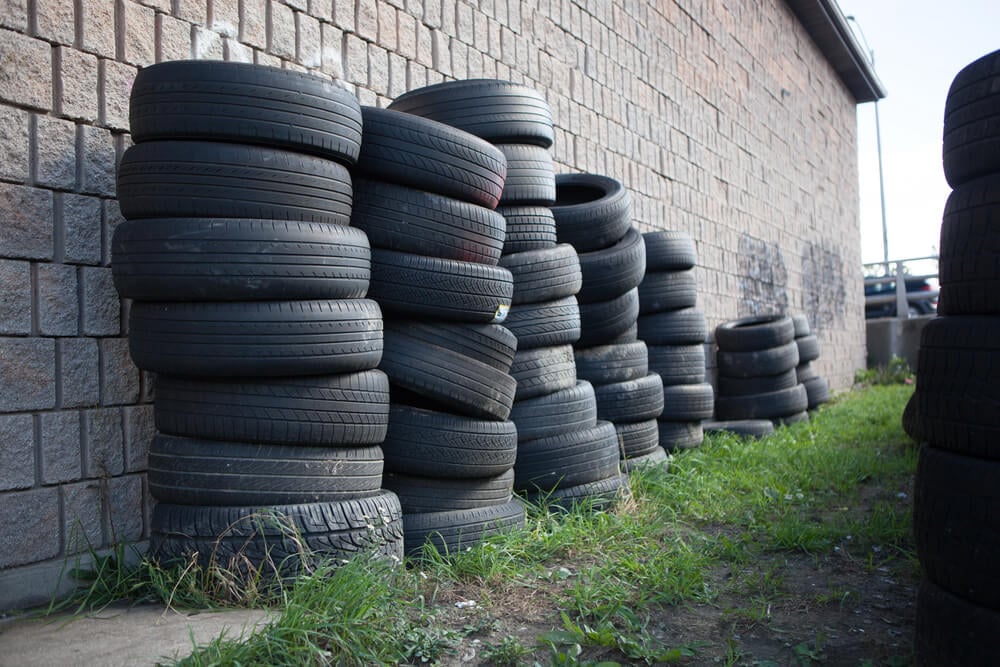
Inventor Charles Goodyear had spent years unsuccessfully trying to make rubber more durable when he accidentally dropped a rubber and sulfur mixture onto a hot stove in 1839, discovering that the resulting scorched material was stronger, more elastic, and more heat-resistant than untreated rubber.
Friction Matches
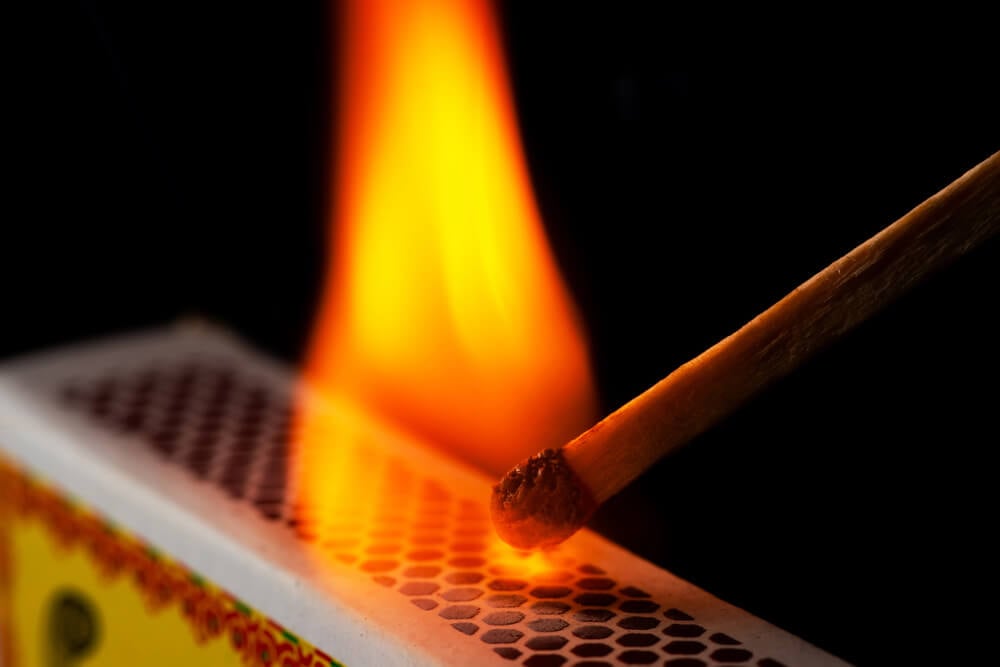
English chemist John Walker was stirring a mixture of chemicals for an experiment in 1826 when a dried lump on the end of his stirring stick ignited after he scraped it against the stone hearth to remove it, leading him to develop the first practical friction match.
Vaseline
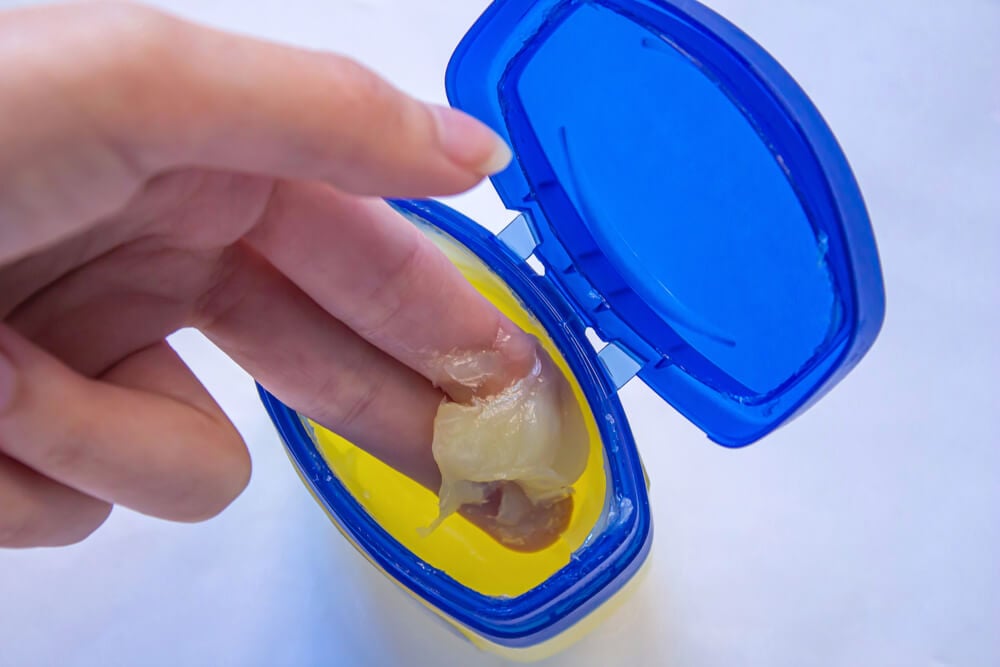
Chemist Robert Chesebrough visited Pennsylvania oil fields in 1859 and noticed rig workers applying a paraffin-like residue called “rod wax,” which accumulated on drilling equipment, to heal cuts and burns. He spent years refining the substance into the petroleum jelly product still sold today.
Ivory Soap
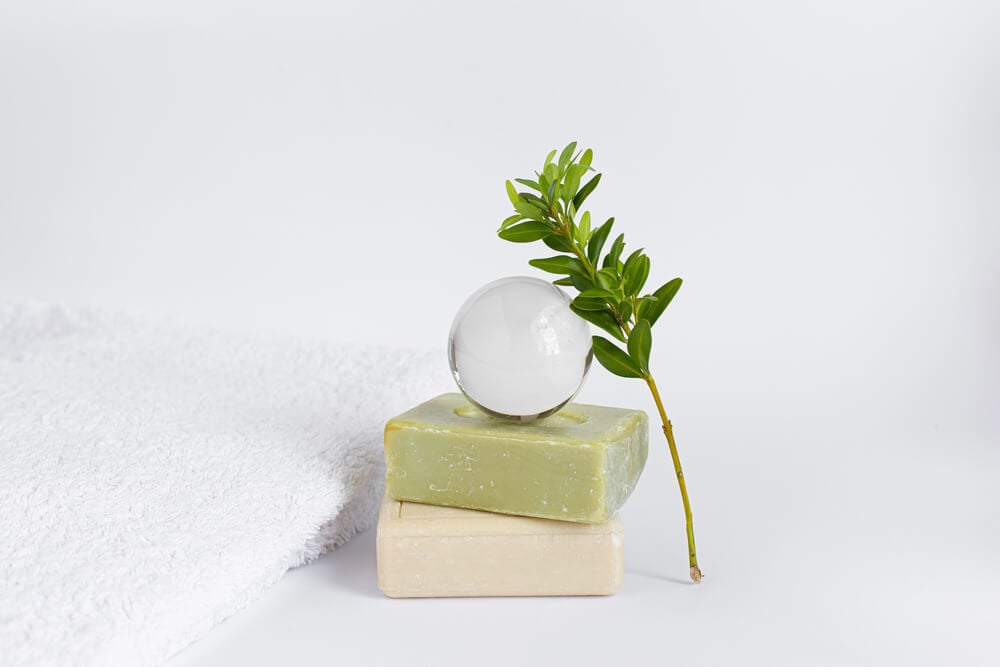
A Procter & Gamble factory worker accidentally left a soap mixing machine running too long during a lunch break in 1879, whipping excess air into the batch. Rather than discard it, the company shipped the batch anyway, and customers began requesting more of the soap that floated in bathwater.
Champagne’s Signature Bubbles

The sparkling character of Champagne originated as an unwanted flaw: cold cellar temperatures in the Champagne region of France routinely halted fermentation before completion, and when the wine warmed again in spring, a secondary fermentation trapped carbon dioxide in the bottle, initially frustrating winemakers who lost bottles to pressure explosions before the effect became a prized feature.
Worcestershire Sauce
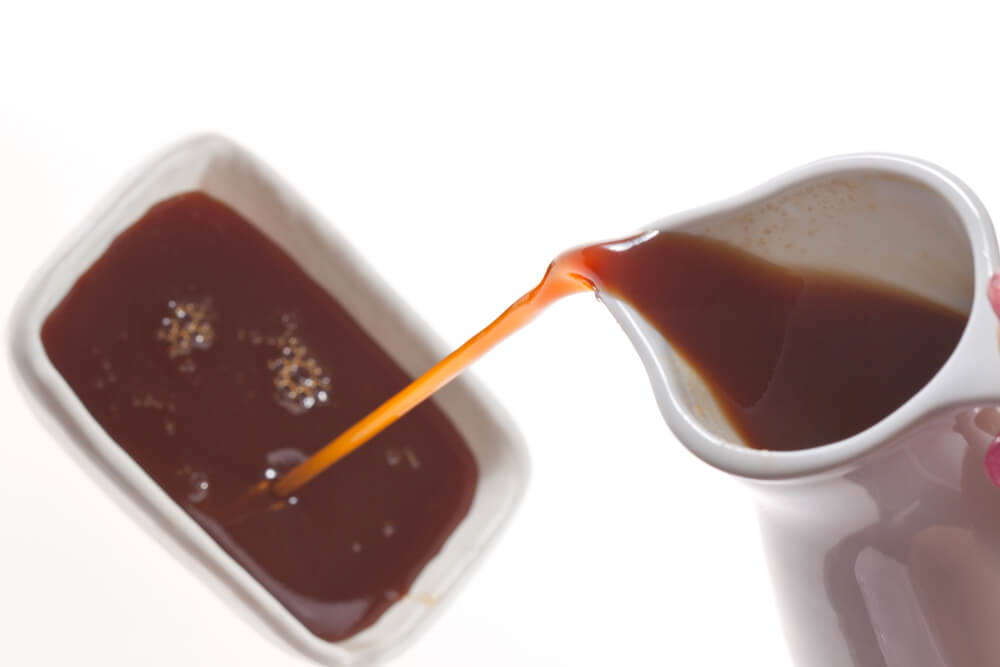
Chemists John Lea and William Perrins mixed a batch of sauce on commission in the 1830s that tasted so unpleasant they abandoned the barrel in a cellar rather than sell it. Rediscovering it months later, they found the aging process had transformed the flavor entirely, and began selling it as Lea & Perrins Worcestershire Sauce.
Ether Anesthesia
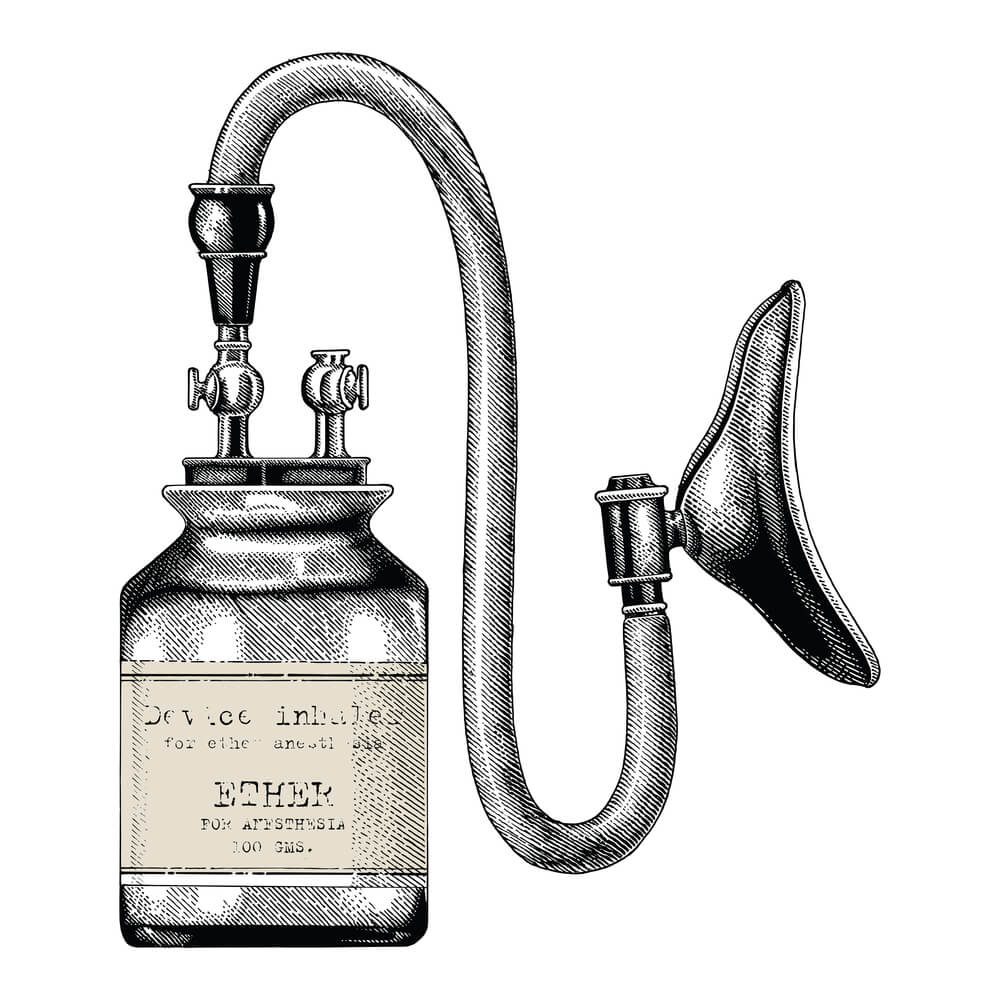
Ether’s anesthetic properties were first widely noticed through recreational “ether frolics,” parties held in the early 19th century where attendees inhaled the chemical for its intoxicating effects, during which observers noted participants seemed immune to pain from injuries sustained while under its influence. It took until the 1840s for physicians to apply the observation deliberately in surgery.
X-Rays
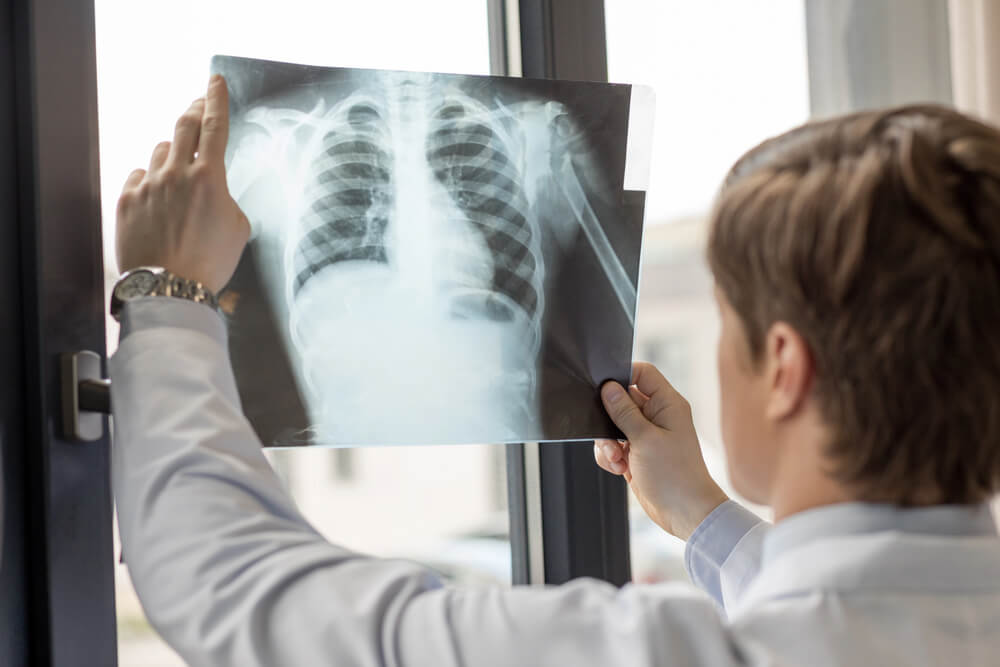
German physicist Wilhelm Röntgen was experimenting with cathode ray tubes in his laboratory in 1895 when he noticed a nearby screen coated in fluorescent material glowing, even though the tube was covered in black cardboard, leading him to discover a new form of radiation capable of passing through solid objects.
The Microwave Oven
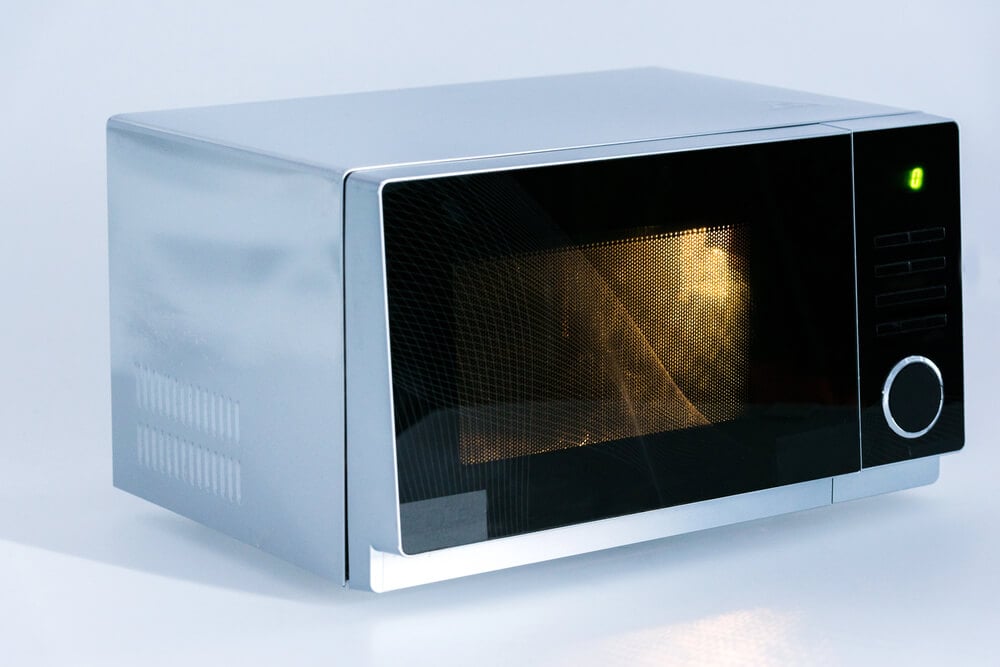
Engineer Percy Spencer was working with active radar equipment at Raytheon in 1945 when he noticed a chocolate bar in his pocket had melted while he stood near a magnetron. Curious, he tested the effect on popcorn kernels and an egg, both of which cooked, leading directly to the development of the microwave oven.
Safety Glass
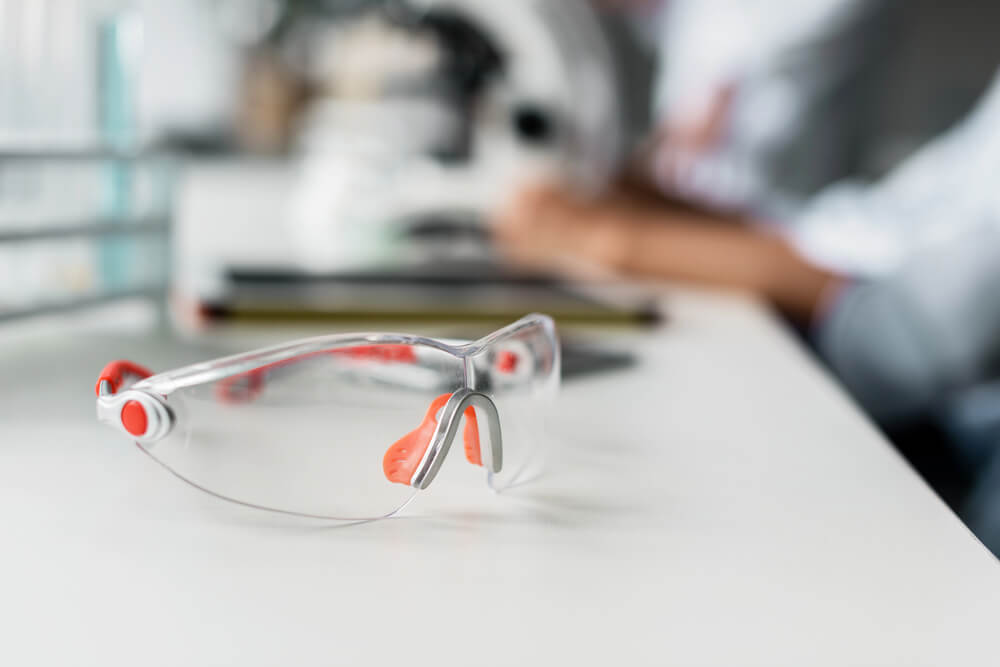
French chemist Édouard Bénédictus accidentally knocked a glass flask off a shelf in his laboratory in 1903 and noticed that although it cracked, it held its shape rather than shattering, because the flask had previously contained a plastic solution that left a thin film coating the inside.
Aspartame
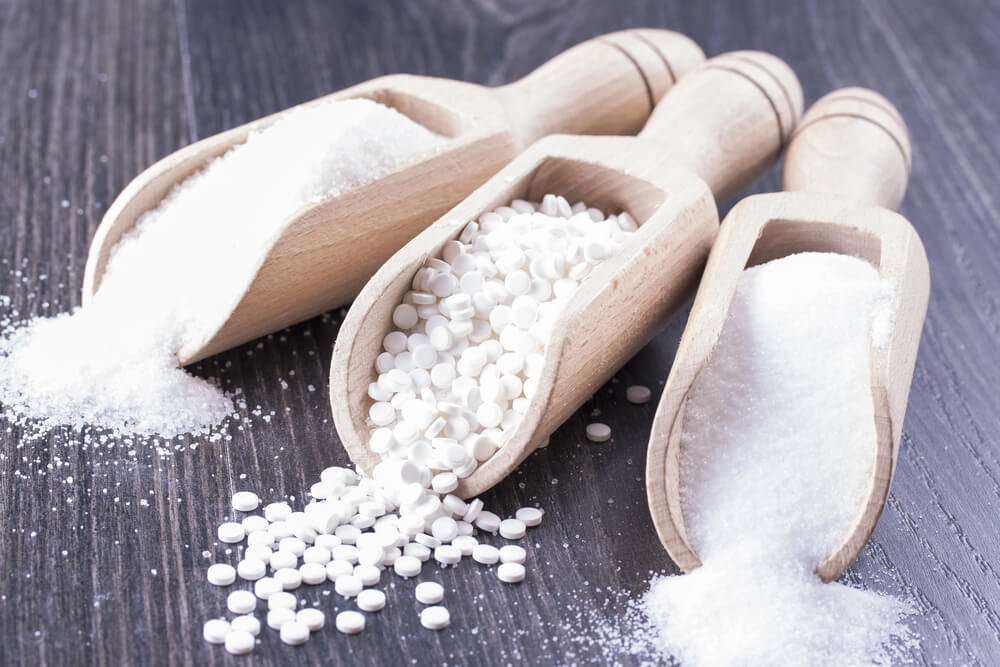
Chemist James Schlatter was working on a potential ulcer medication at G.D. Searle in 1965 and accidentally got a small amount of a test compound on his finger, which he licked without thinking while turning a page, discovering an intensely sweet taste that became the artificial sweetener aspartame.
LSD

Swiss chemist Albert Hofmann was researching compounds derived from ergot fungus in 1943 when he accidentally absorbed a small amount of lysergic acid diethylamide through his skin, experiencing unusual sensations that led him to deliberately test a larger dose on himself days later, confirming the compound’s powerful psychoactive effects.
Penicillin
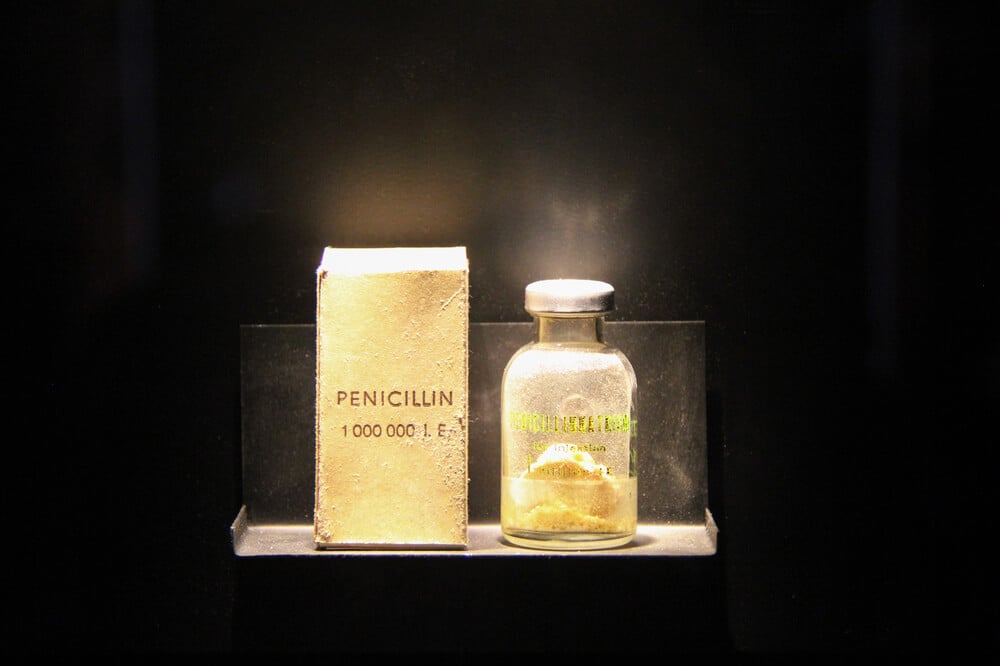
Bacteriologist Alexander Fleming returned from a summer holiday in 1928 to find a petri dish of Staphylococcus bacteria he had left out had been contaminated by a stray mold spore, and noticed the bacteria near the mold had been killed off, leading to the discovery of the first true antibiotic.
Silly String
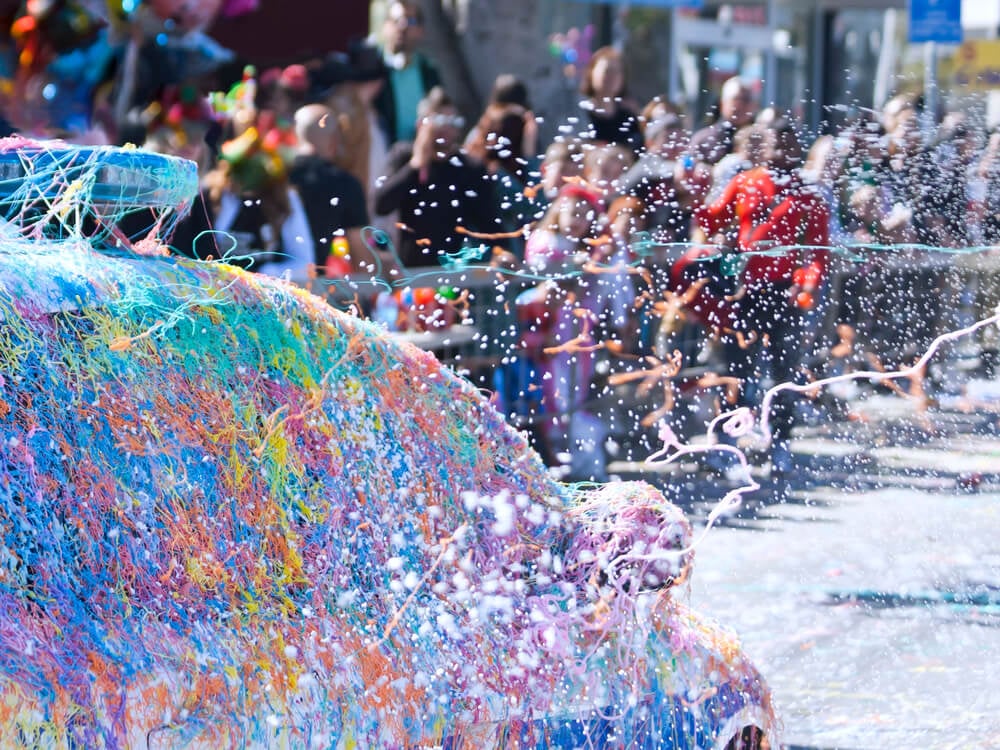
Inventors Leonard Fish and Robert Cox were attempting to develop a spray-on cast material in the 1960s that could be applied directly to a broken limb, and one of their experimental nozzle and pressurized-can combinations instead shot out a stream of colorful, stringy foam, leading them to market it as a party toy instead.
Dynamite
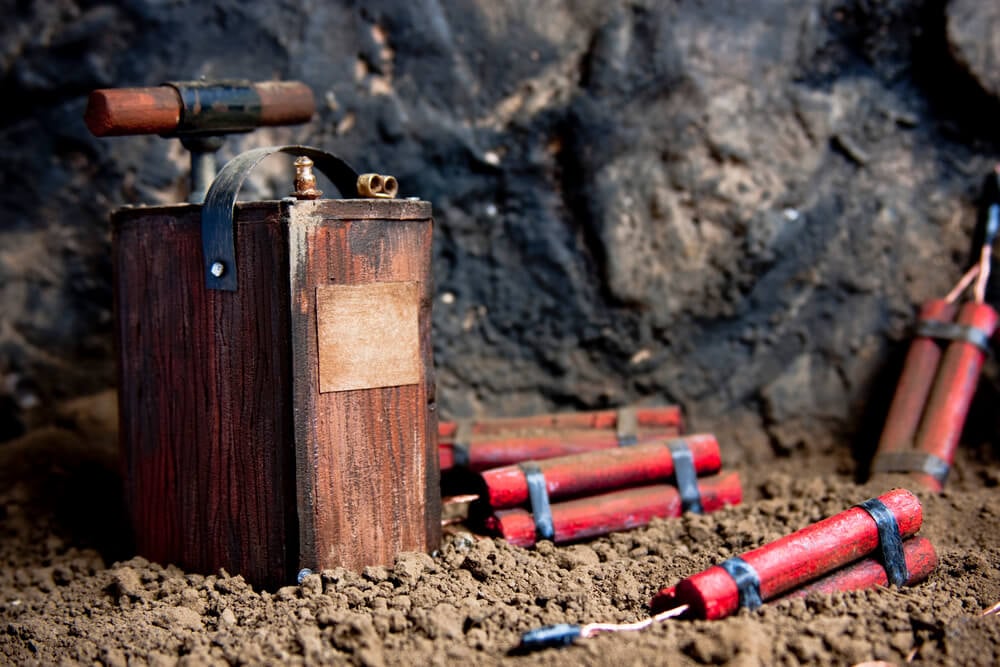
Alfred Nobel spent years searching for a way to stabilize the notoriously unpredictable explosive nitroglycerin, and discovered the solution in 1866 after noticing that a leaking canister of the chemical had been safely absorbed by the packing material, a type of porous sedimentary rock, surrounding it during shipping.
Post-it Notes

Chemist Spencer Silver was trying to develop an unusually strong adhesive at 3M in 1968 and instead created one that was unusually weak, sticking to surfaces but peeling away cleanly without residue. The formula sat unused for years until a colleague, Art Fry, realized it was perfect for bookmarks that would not damage the pages of his hymnal.
Cellophane
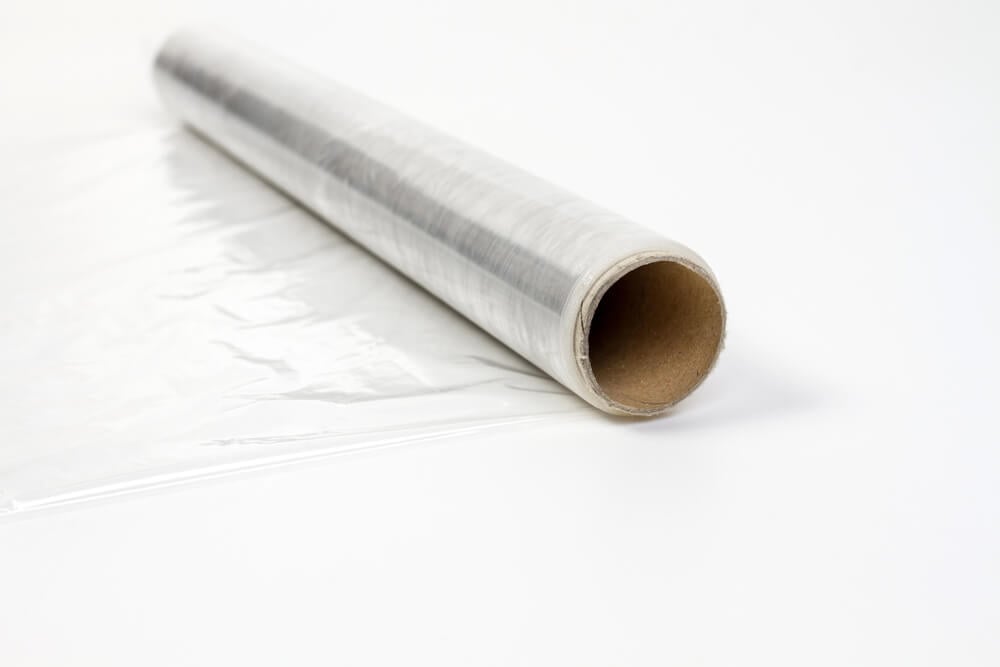
Swiss chemist Jacques Brandenberger set out in the early 1900s to create a stain-resistant, waterproof tablecloth material by coating fabric with liquid viscose, and while the coating proved too stiff to work as fabric, he noticed the clear film peeled away in a flexible, transparent sheet, which he patented separately as cellophane.
Gunpowder
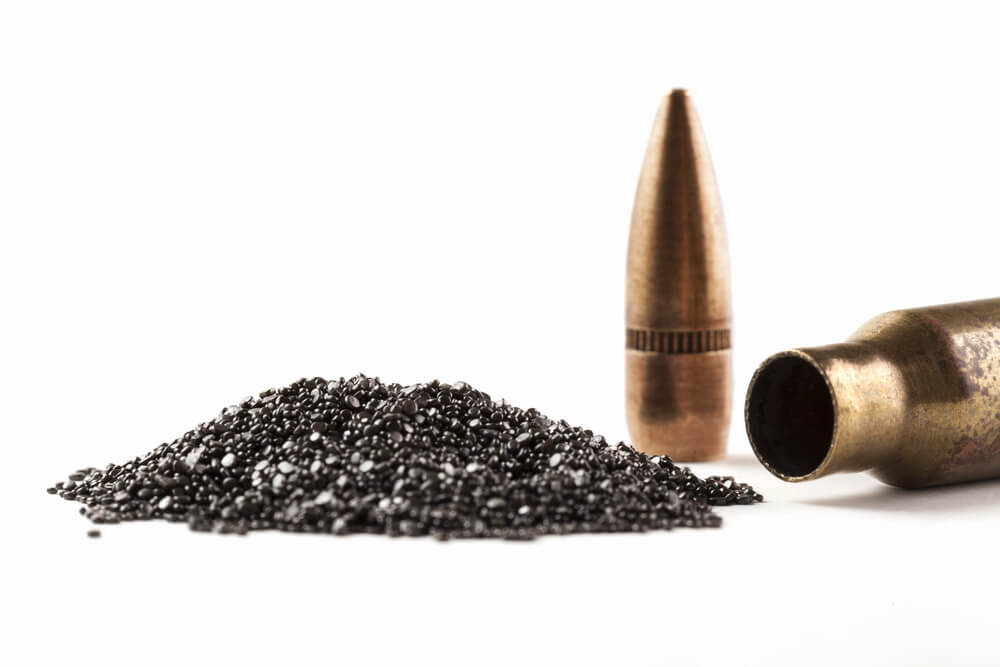
Chinese alchemists searching for an elixir of immortality around the 9th century mixed saltpeter, sulfur, and charcoal and found the combination ignited violently rather than granting eternal life, an accidental discovery that would eventually reshape warfare across the world for the next thousand years.
The Workshop as Laboratory
What unites these stories is not luck exactly, but attention. Nearly every person on this list was already looking for something else, and most of them could have simply thrown the failed result away. Instead they noticed the anomaly and asked what it was good for instead of what it was supposed to be.
That habit, treating a mistake as data rather than waste, turns out to be a large part of how the ordinary contents of a kitchen, a medicine cabinet, or a toy chest came to exist in the first place. Nobody set out to invent the Popsicle or Silly Putty. They just paid attention when something went wrong.
More from Go2Tutors!

- The Romanov Crown Jewels and Their Tragic Fate
- 13 Historical Mysteries That Science Still Can’t Solve
- Famous Hoaxes That Fooled the World for Years
- 15 Child Stars with Tragic Adult Lives
- 16 Famous Jewelry Pieces in History
Like Go2Tutors’s content? Follow us on MSN.



