Most Unusual Neighborhoods to Explore Abroad
It’s rare for cities to be known for their most famous landmarks. Instead, the personality of a city is often found in its neighborhoods, those areas where history, culture, and everyday life combine in a way that feels uniquely separate from the rest of the city.
Neighborhoods may form as a result of art, as a result of geography, or as a result of some other kind of interesting social experiment. The neighborhoods tend to be full of surprises, and if you explore them for a while, you will see the personality of the city revealed in small details, such as brightly painted houses, small alleys, or cafes that seem to have been frozen in time for the last several decades.
Even for seasoned travelers, neighborhoods are often the places where the city will leave the greatest impression. Let’s take a closer look at some of the more interesting neighborhoods in cities all over the world, where history, art, and culture combine to make for a place unlike any other.
Christiania
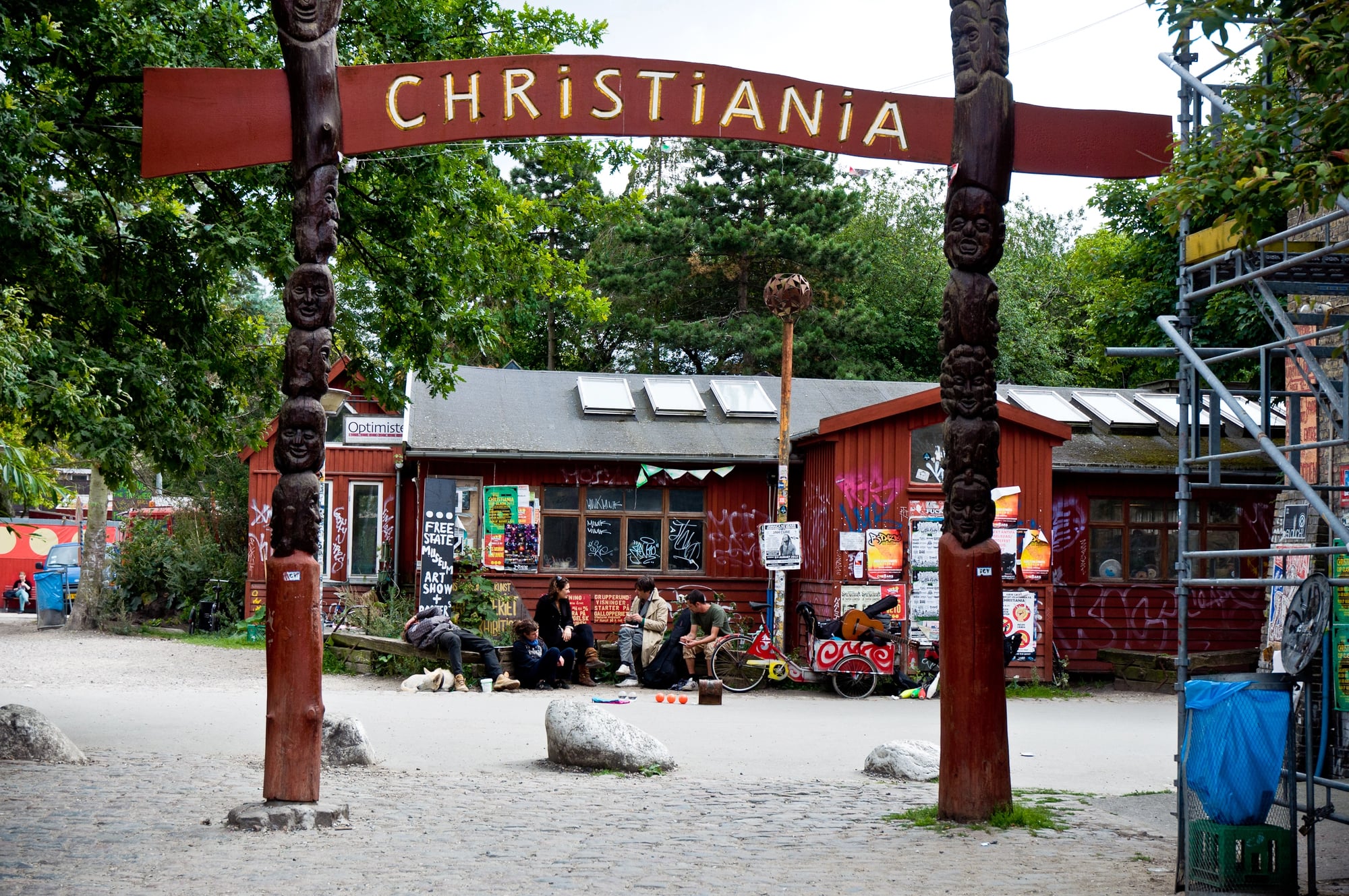
In the heart of Copenhagen sits Christiania, a neighborhood that began as an unexpected social experiment. In 1971, a group of residents moved into an abandoned military barracks and declared the area an independent community.
What started as an improvised settlement gradually evolved into one of Europe’s most talked-about urban districts, shaped by decades of negotiation with city authorities and strong community traditions. Walking through Christiania feels very different from exploring the rest of the Danish capital.
Handmade homes sit beside gardens and colorful murals, while winding footpaths replace conventional streets. Cars are rare here, and bicycles glide quietly through the narrow lanes.
The neighborhood’s layout developed organically rather than through formal planning, giving it a relaxed, almost village-like atmosphere. Even so, Christiania’s lasting appeal lies in its cooperative spirit.
Residents participate in collective decisions that influence everything from building design to public spaces. The result is a district that feels creative and unconventional, yet deeply rooted in the idea that communities can shape their own environments.
La Boca
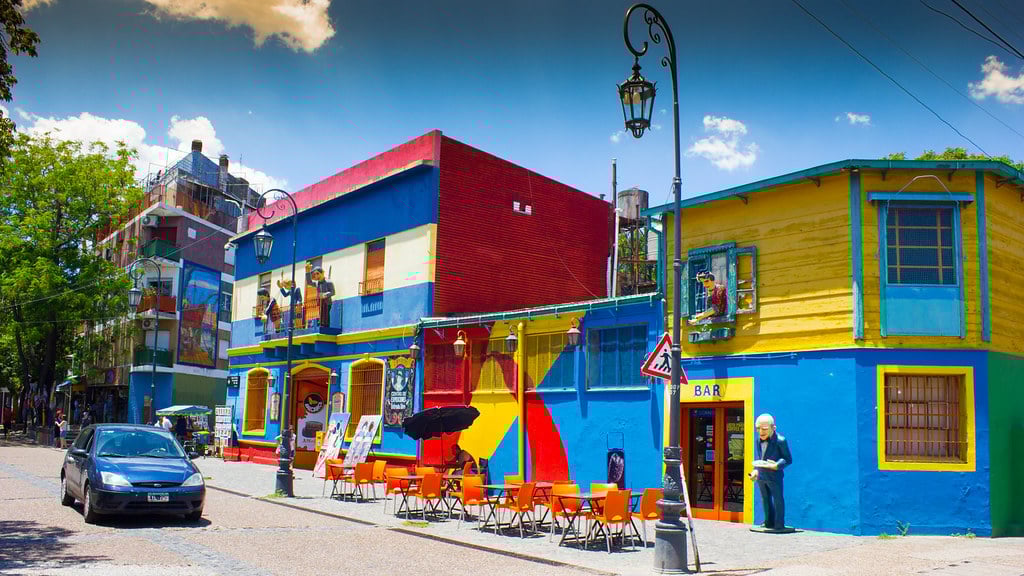
La Boca stands out immediately in Buenos Aires thanks to its unmistakable palette of brightly painted buildings. Rows of corrugated metal houses glow in vivid shades of blue, red, yellow, and green, creating one of the most visually distinctive districts in South America.
The neighborhood grew in the late nineteenth century as waves of Italian immigrants settled near the bustling port. The famous colors were originally a practical solution rather than an artistic statement.
Dockworkers used leftover ship paint to cover their homes, mixing whatever shades were available. Over time, this patchwork style became a defining feature of the neighborhood and eventually a symbol of the city itself.
Still, La Boca’s character extends far beyond its colorful architecture. The district has deep ties to tango culture, street performance, and the passionate sports traditions of Buenos Aires.
Music drifts through open plazas, artists display their work along pedestrian streets, and local cafés hum with conversation well into the evening.
Gamcheon Culture Village
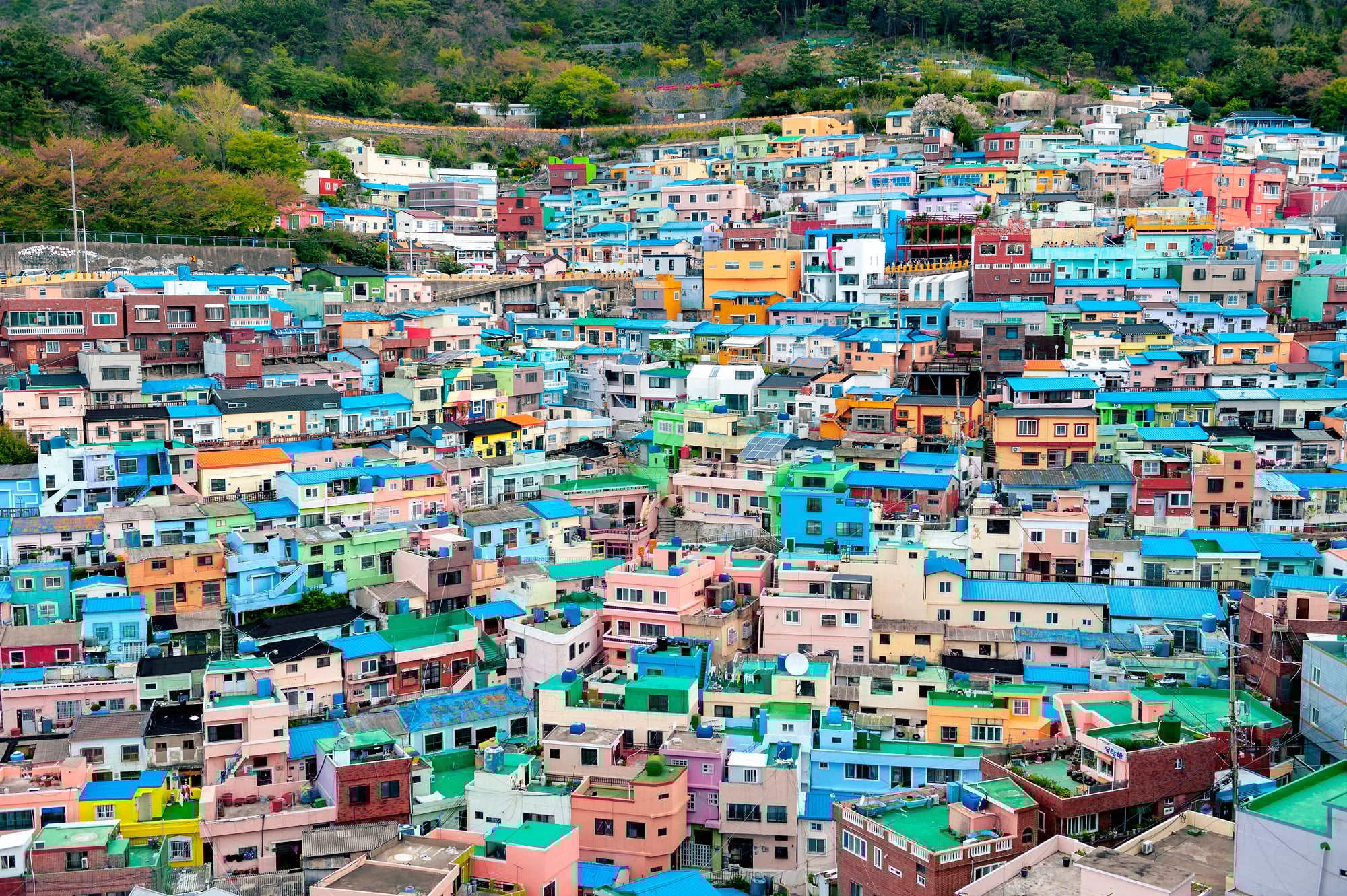
Perched on the hills overlooking Busan’s harbor, Gamcheon Culture Village resembles a cascade of pastel houses stacked along steep slopes. The neighborhood began during the Korean War in the early 1950s, when refugees built modest homes on the hillside wherever space allowed.
Over time, narrow stairways and winding lanes formed a complex maze connecting the tightly packed buildings. For decades Gamcheon remained a quiet residential district, largely overlooked by visitors.
That changed in the late 2000s when a revitalization project invited artists and residents to transform the neighborhood through public art. Murals began appearing on walls, sculptures filled small plazas, and brightly painted stairways turned everyday paths into creative landmarks.
Even with its growing popularity, Gamcheon has retained the feel of a lived-in community. Residents still hang laundry outside colorful homes, children play along the narrow alleys, and small cafés appear around unexpected corners.
The combination of hillside views, art installations, and daily life creates a neighborhood that feels both vibrant and authentic.
Shimokitazawa
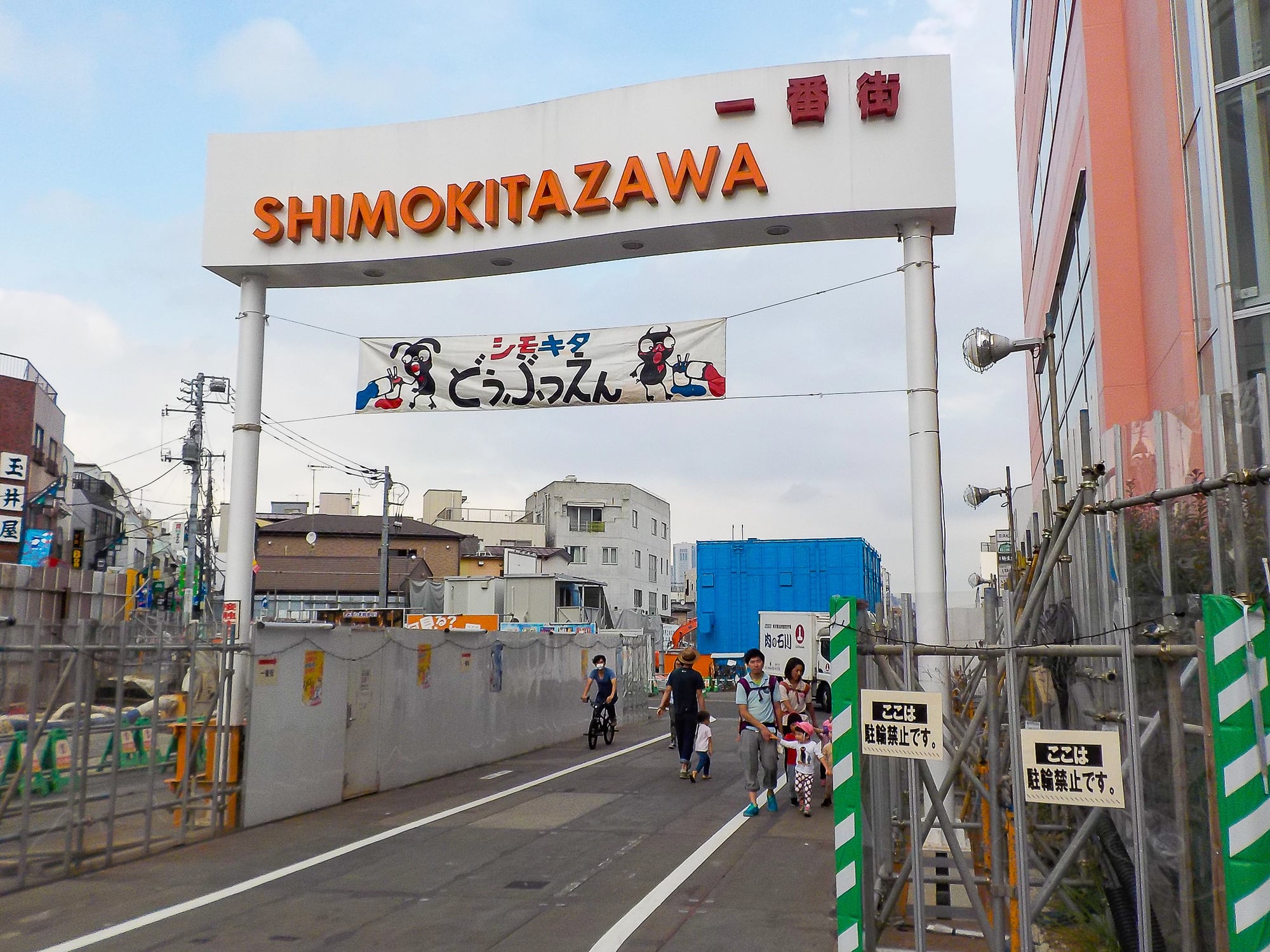
Tokyo’s reputation often revolves around towering skyscrapers and rapid urban energy, yet Shimokitazawa moves at a noticeably slower pace. Located a short train ride from the city center, the neighborhood developed into a hub for artists, musicians, and independent retailers.
Its narrow streets form a dense web of cafés, music venues, vintage clothing stores, and tiny theaters. What makes Shimokitazawa unusual is how strongly it preserves its small-scale character.
Large shopping complexes never fully replaced the independent shops that define the area. Instead, visitors wander through a maze of alleyways where nearly every storefront feels unique, often decorated with hand-painted signs or creative displays.
The district also plays an important role in Tokyo’s music and performance culture. Live houses—small venues where bands perform—line many of the side streets, contributing to an atmosphere that feels relaxed yet creative.
It is the sort of place where entire afternoons disappear while exploring record stores, cafés, and secondhand boutiques.
Montmartre
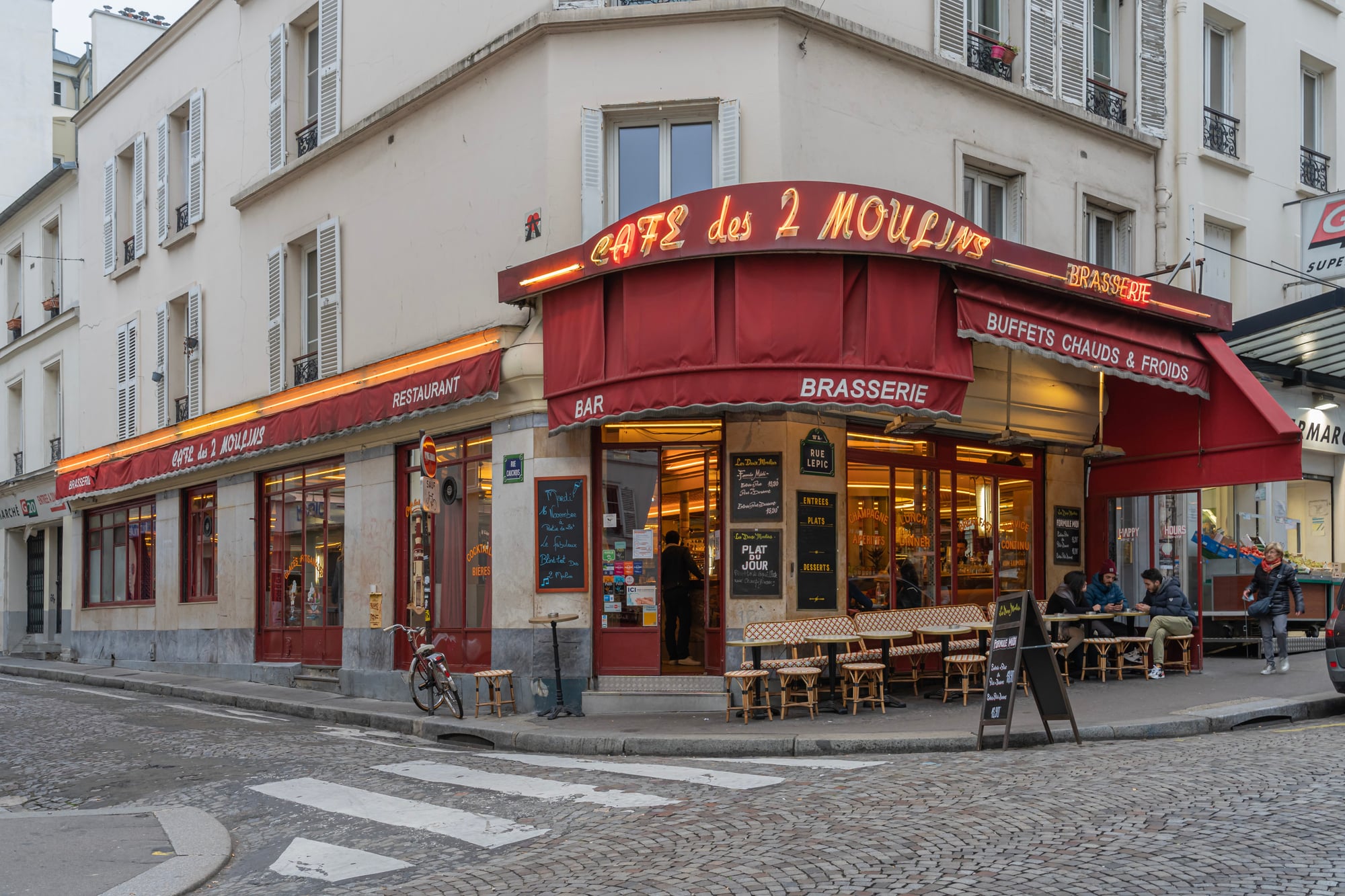
High above the streets of Paris rises Montmartre, a neighborhood long associated with creativity and artistic independence. In the late nineteenth century, painters and writers moved to the hilltop district because rents were affordable and the atmosphere encouraged experimentation.
Studios, cafés, and performance venues soon filled the winding streets. Many of the world’s most influential artists once lived or worked here, including figures like Picasso and Toulouse-Lautrec.
Their presence helped transform Montmartre into a cultural landmark where art and everyday life blended together. Even today, small galleries and portrait artists line the squares near the famous Sacré-Cœur Basilica.
Still, Montmartre remains a residential neighborhood rather than a living museum. Local bakeries open early each morning, cafés serve regular customers who have lived there for decades, and quiet staircases connect the steep streets.
The neighborhood’s charm lies in that mixture of artistic heritage and ordinary Parisian life.
Kreuzberg
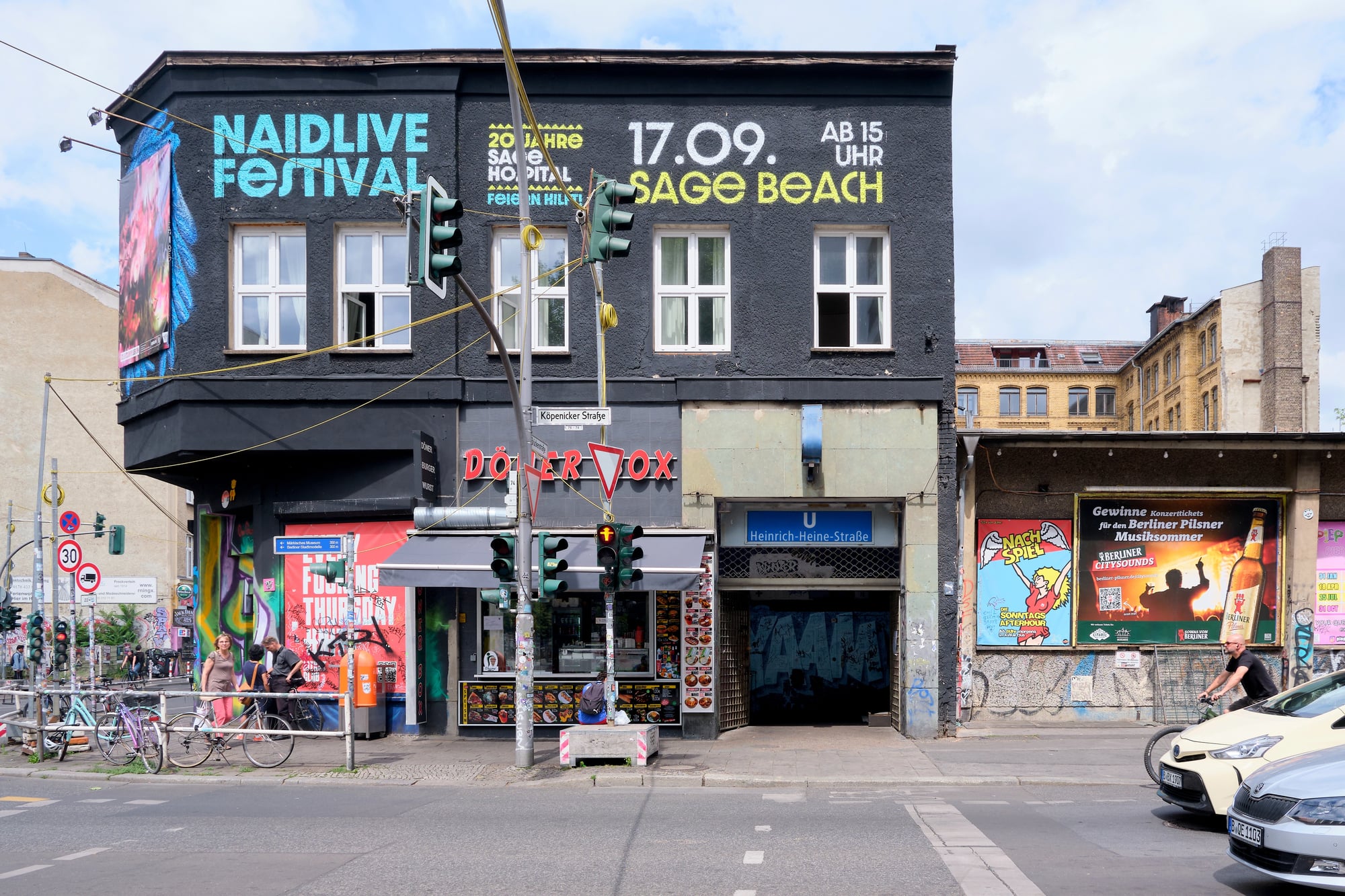
Berlin’s Kreuzberg district offers a vivid example of how neighborhoods reinvent themselves over time. During the Cold War, large sections of the Berlin Wall bordered Kreuzberg, leaving the district somewhat isolated from the rest of West Berlin.
Lower rents and vacant buildings attracted students, artists, and immigrant communities searching for opportunity. Over the years, Kreuzberg developed into one of Europe’s most energetic cultural districts.
Street art now stretches across entire buildings, reflecting decades of political expression and creative experimentation. Markets fill the sidewalks with food from around the world, and former industrial spaces have been transformed into galleries, music venues, and cafés.
That said, Kreuzberg’s identity continues to evolve. While its creative spirit remains strong, the neighborhood also reflects Berlin’s broader transformation into a modern global city.
The result is a district where historic canals, colorful murals, and lively markets exist side by side.
Bo-Kaap
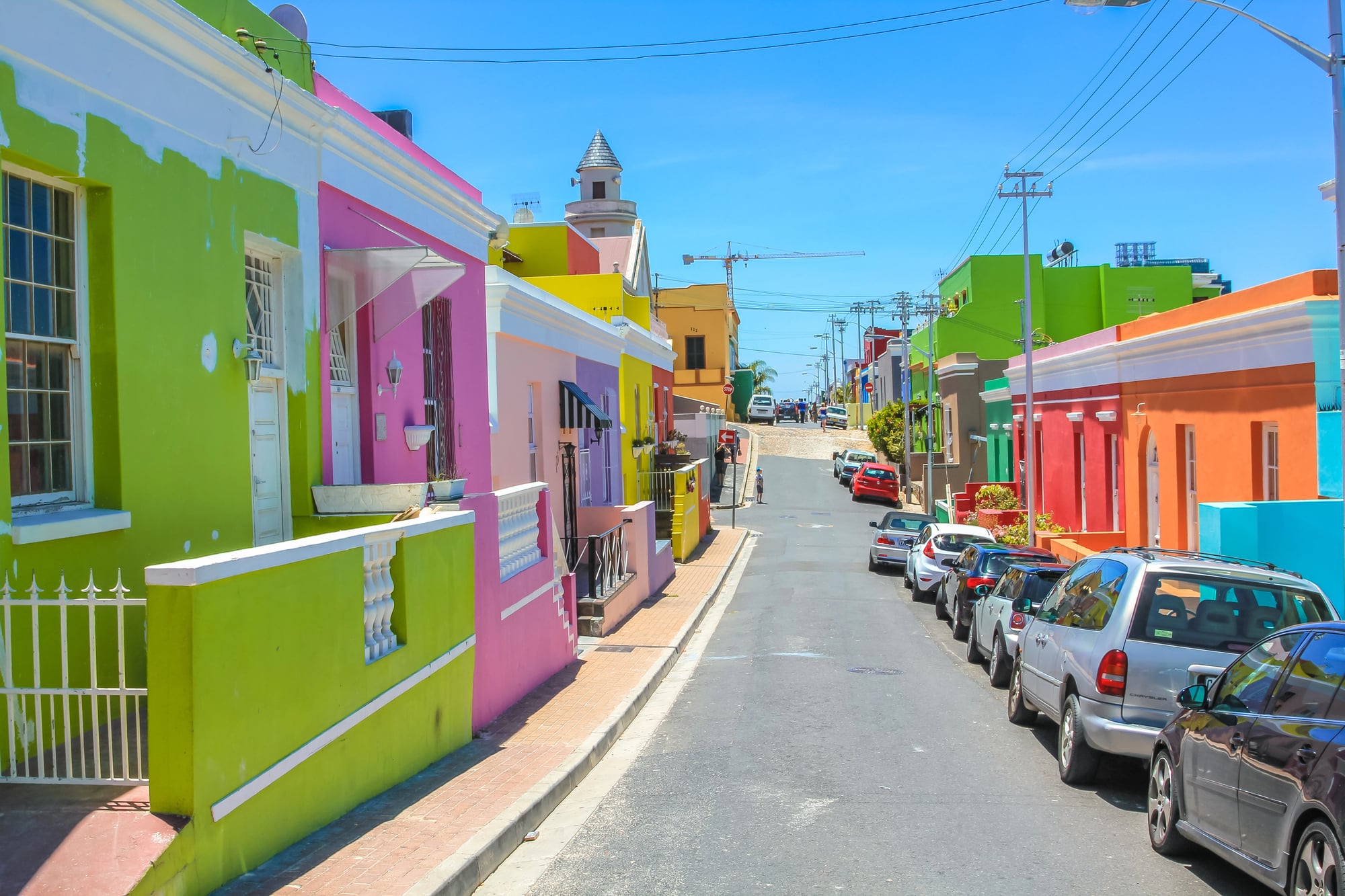
Bo-Kaap sits on the slopes of Signal Hill above Cape Town’s city center, instantly recognizable for its rows of brightly painted houses. The neighborhood traces its roots to the eighteenth century, when freed enslaved people and immigrants—many with Southeast Asian heritage—settled in the area and built a close-knit community.
The vivid colors seen today gradually emerged as residents painted their homes in bold shades to celebrate identity and independence. Walking through Bo-Kaap reveals cobbled streets, historic mosques, and small homes that reflect centuries of cultural history.
The neighborhood remains one of the most visually distinctive districts in South Africa. Still, Bo-Kaap’s significance extends beyond its colorful facades.
The district plays a central role in preserving Cape Malay traditions, particularly in food and community gatherings. Spices fill local kitchens, traditional dishes are prepared for family celebrations, and cultural heritage remains woven into daily life.
Colonia del Sacramento Historic Quarter
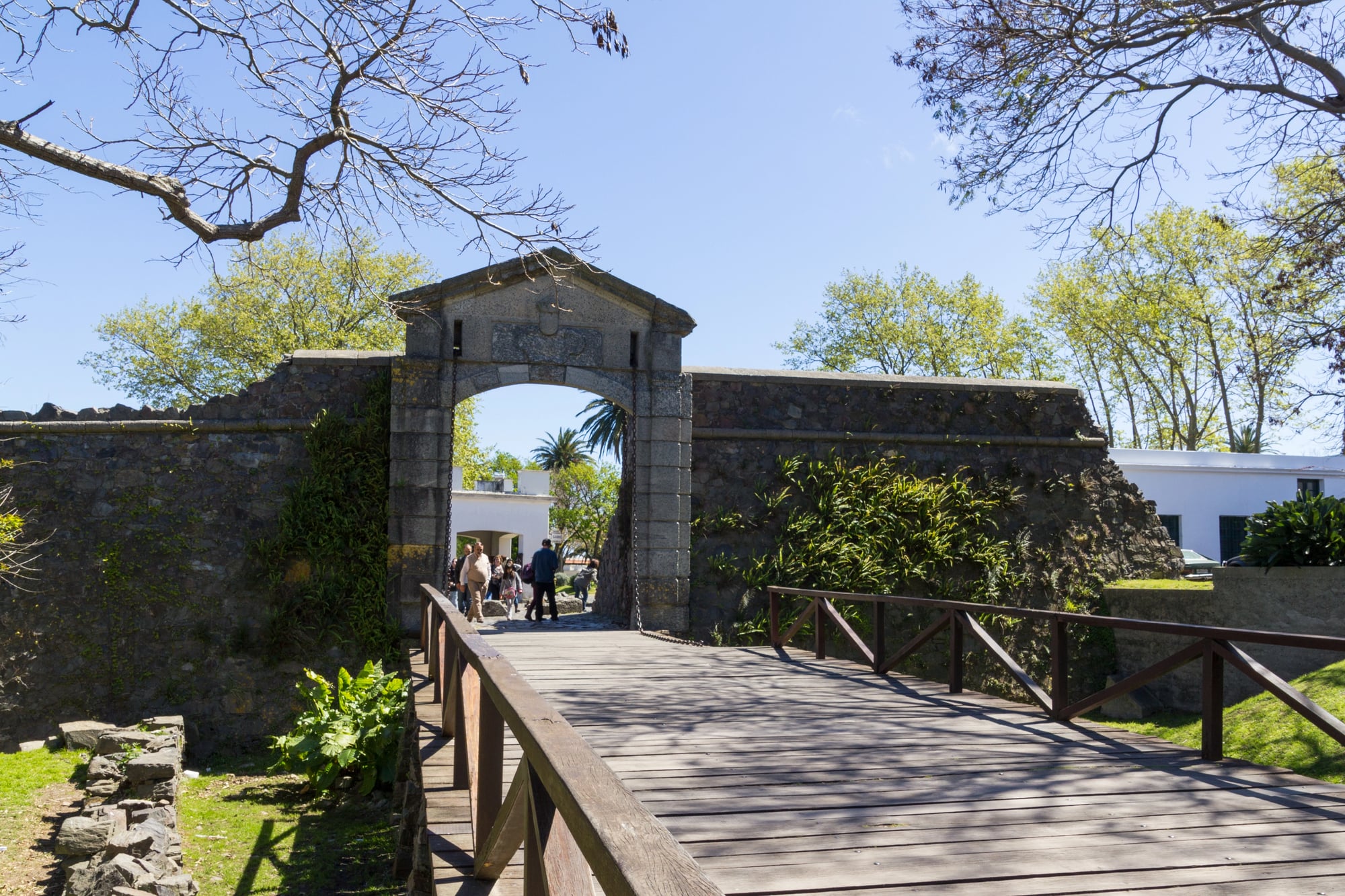
Along Uruguay’s Río de la Plata coastline lies Colonia del Sacramento, a small city whose historic quarter feels remarkably untouched by modern development. Founded by the Portuguese in 1680, the settlement later shifted between Portuguese and Spanish control several times, leaving behind a rare architectural blend.
Stone houses, narrow lanes, and old city walls define the district’s layout, while lantern-lit streets create an atmosphere that feels almost timeless. Unlike many historic areas that appear carefully restored for tourism, Colonia’s old quarter still functions as a quiet residential neighborhood.
Even so, the district’s charm draws visitors who appreciate its calm pace and riverfront views. Small cafés overlook the water, bicycles roll slowly along cobbled streets, and sunsets reflect off centuries-old buildings.
The combination of colonial history and everyday life creates a setting that feels quietly extraordinary.
Why These Neighborhoods Continue to Fascinate
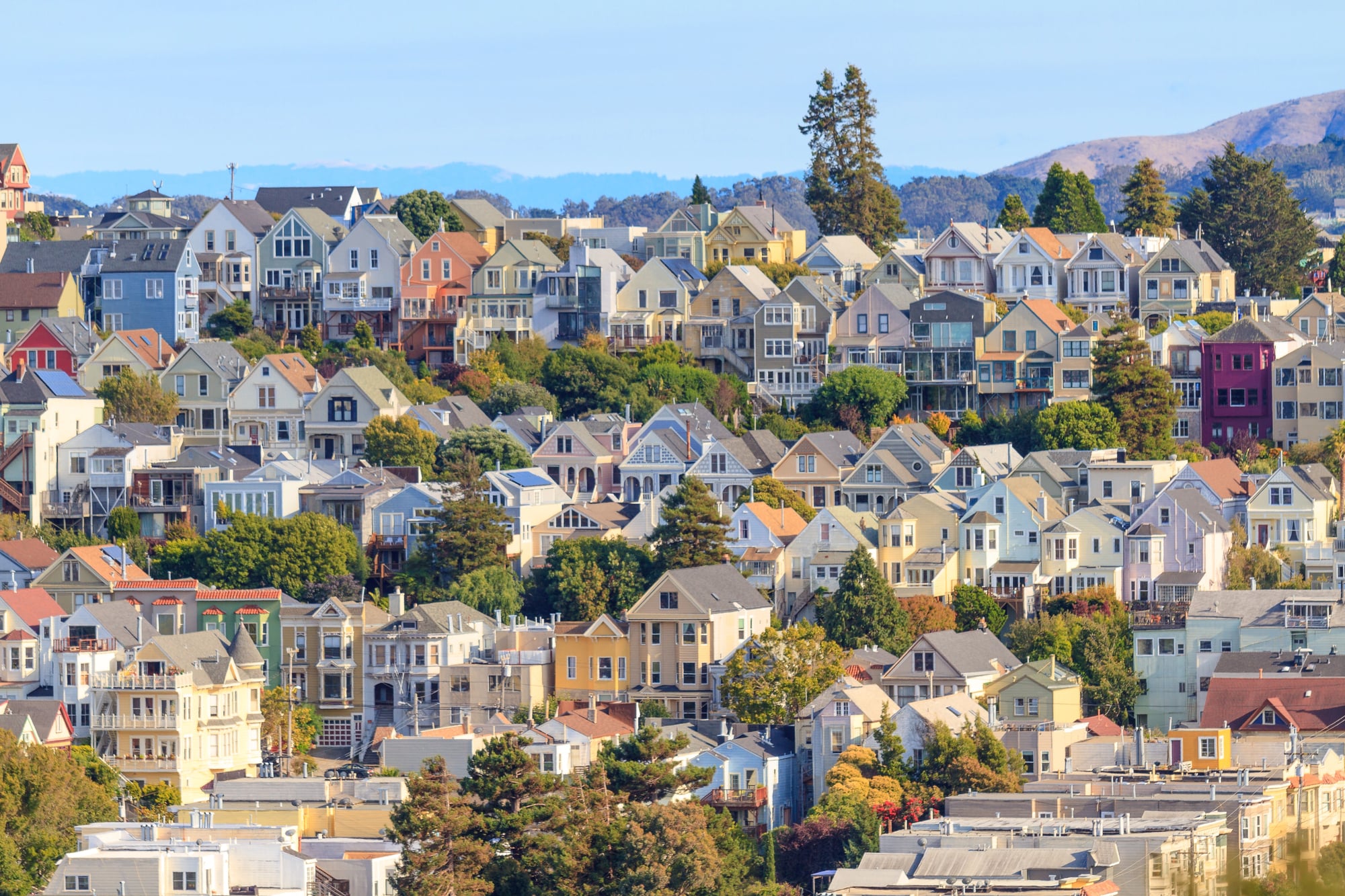
Unusual neighborhoods usually begin as areas that, at some time, were defined by necessity, immigration, or artistic innovation. Over time, these beginnings leave telltale signs on architecture, culture, and society.
The neighborhoods discussed here are examples of how a city grows incrementally, rather than being designed all at once. Now, places like Christiania, Kreuzberg, and Bo-Kaap continue to influence how urban communities view themselves in terms of shared space.
Walking down their streets is a reminder that creativity, ingenuity, and cultural pride can make even the most unlikely places icons in their own right. Visiting unusual neighborhoods like these is not just a stroll down a memorable street; it is a glimpse into the history that keeps a city evolving.
More from Go2Tutors!

- The Romanov Crown Jewels and Their Tragic Fate
- 13 Historical Mysteries That Science Still Can’t Solve
- Famous Hoaxes That Fooled the World for Years
- 15 Child Stars with Tragic Adult Lives
- 16 Famous Jewelry Pieces in History
Like Go2Tutors’s content? Follow us on MSN.



