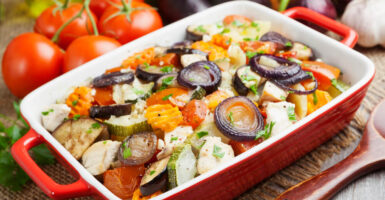
16 Depression-Era Foods Born From Scarcity
Back in the Great Depression, folks didn’t have much to work with. Money was tight, and food wasn’t easy to come by. Families had to stretch what little they had and get creative with simple ingredients. These meals weren’t fancy or complicated — they were made to keep people fed. Still, some of these dishes stuck around and became favorites long after.
Some of these recipes might sound strange now, but each one shows how people made the best of hard times.
Potato pancakes

When meat was hard to find, potatoes became a go-to. People grated or mashed them and fried them into thin, crispy cakes.
Just a few potatoes could fill up a family. Flour, water, and salt helped bind it all together.
If eggs or onions were around, those got tossed in too. They were quick to make and kept people warm and full.
A simple dish that didn’t need much skill or time.
Creamed chipped beef on toast
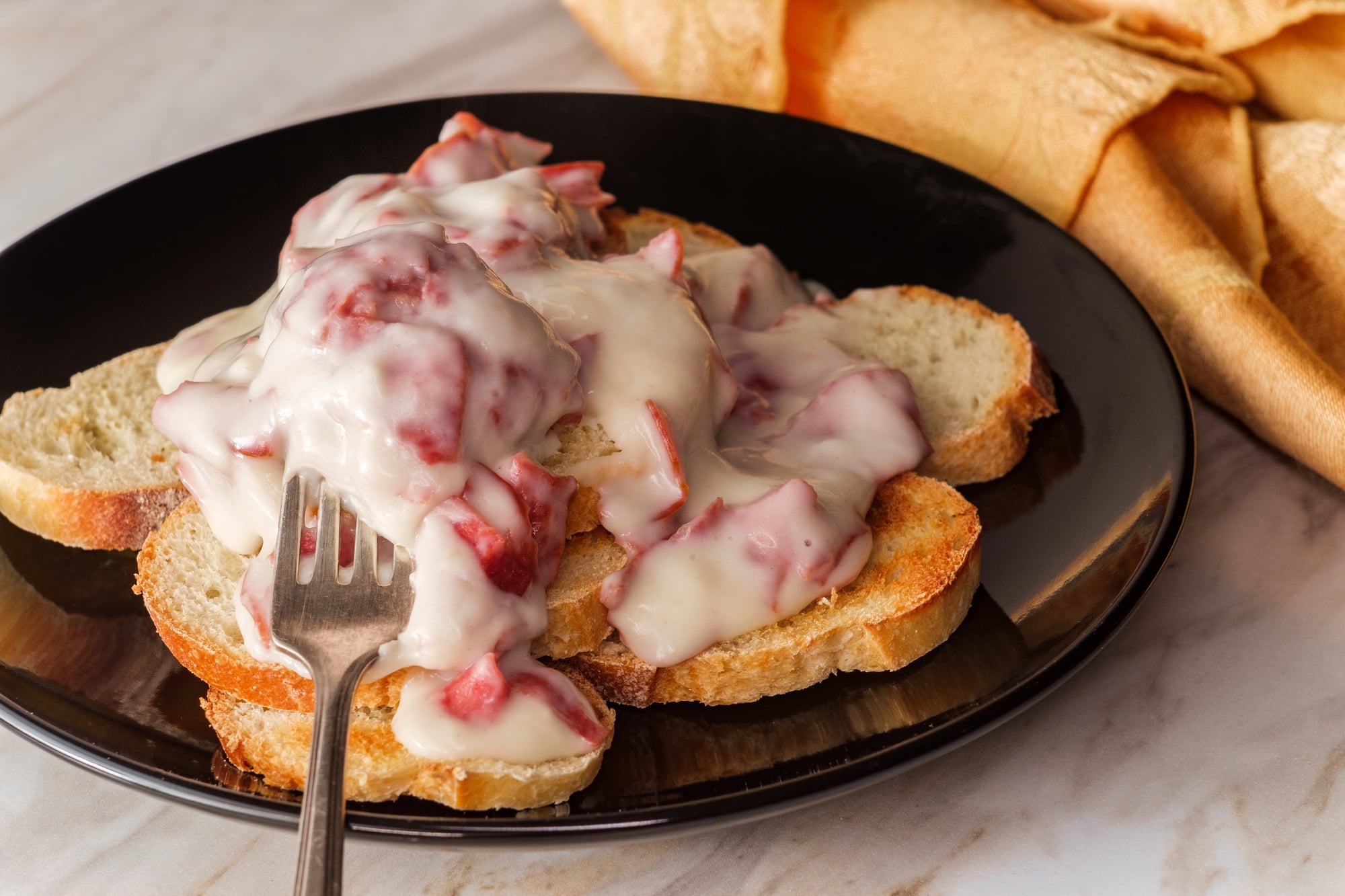
Sometimes called “SOS,” this dish used dried beef that lasted a while. Thin slices of beef cooked in a white sauce made from flour and milk, then poured over toast.
It was salty, creamy, and cheap to make. Families made it a lot since it didn’t need fresh meat.
The toast soaked up the sauce so nothing went to waste. It was an easy meal for busy days when time and money were low.
Hoover stew
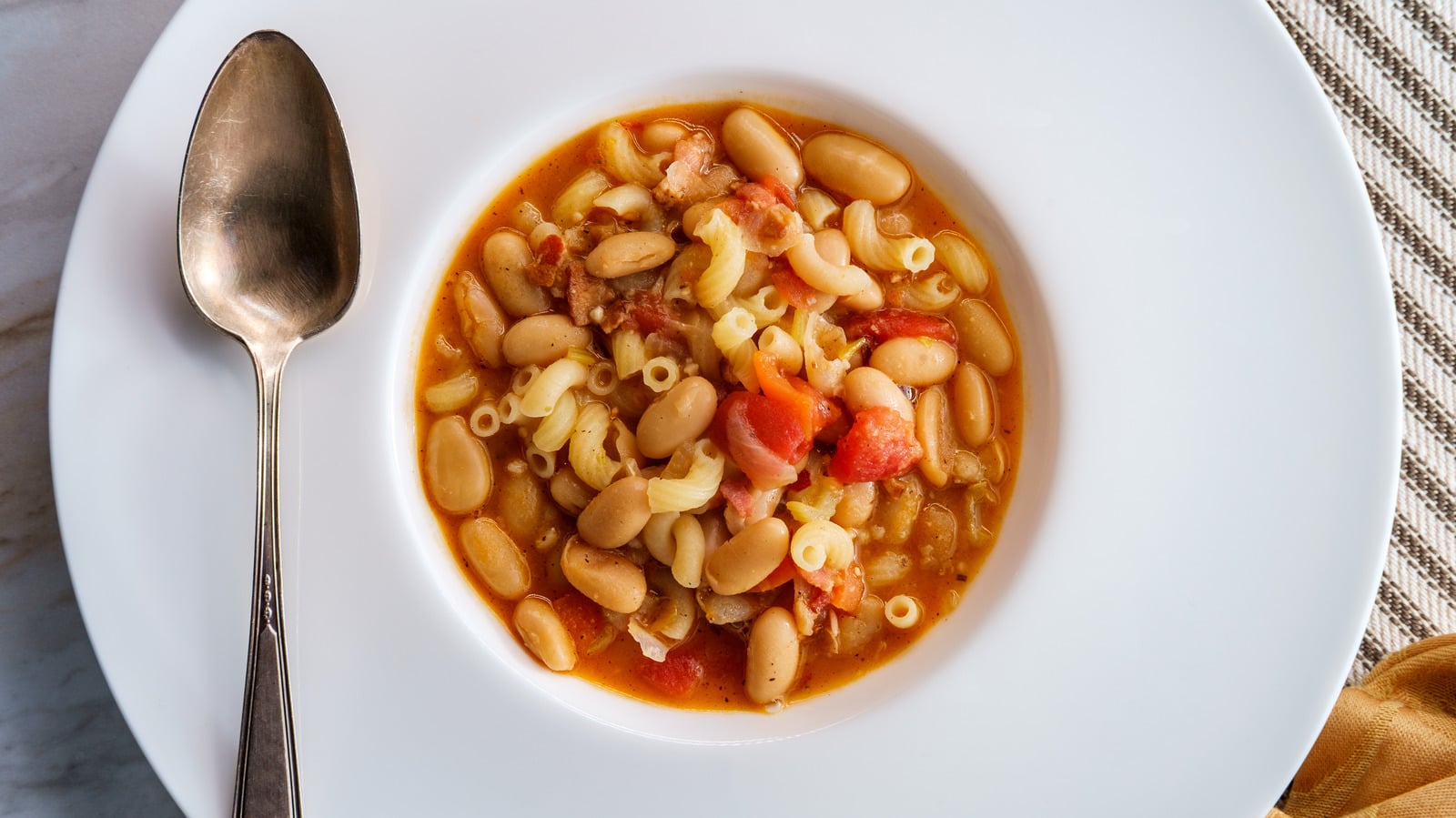
Named after President Hoover, this stew was really just a mix of boiled pasta, canned tomatoes, sliced hot dogs, and sometimes beans or corn. Cooking everything in one pot saves fuel and dishes.
It was quick, filled a lot of people, and didn’t cost much. Kids liked it because of the hot dogs.
A simple, no-fuss meal born out of necessity.
Cornbread and milk
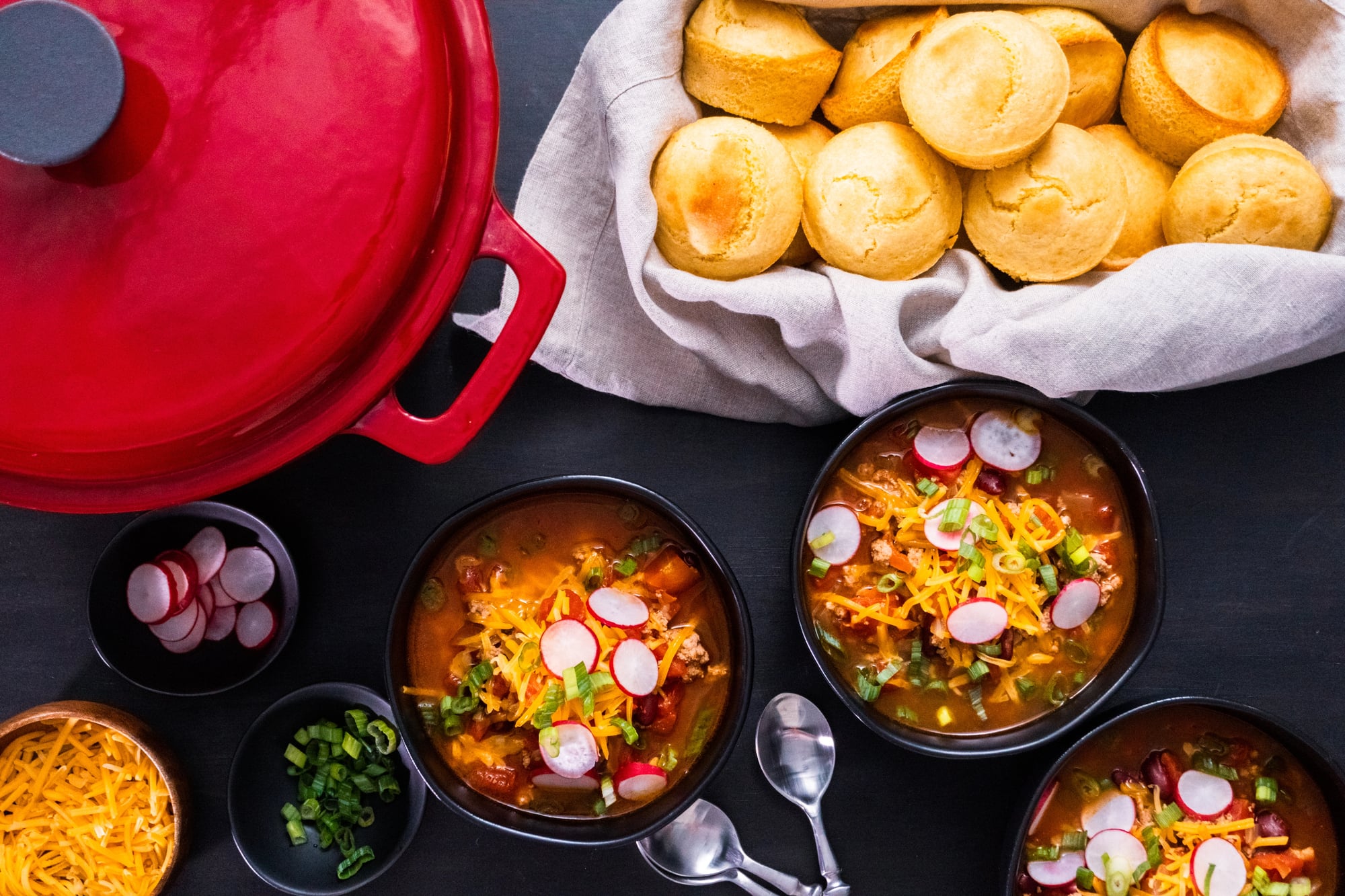
A comforting dish, especially in the South. Leftover cornbread got crumbled in a bowl and soaked with cold milk.
Sometimes buttermilk if there was any. It was soft, a bit sweet, and easy to eat.
When there was nothing else, this did the job. A quick snack or light meal with no cooking involved.
Dandelion salad
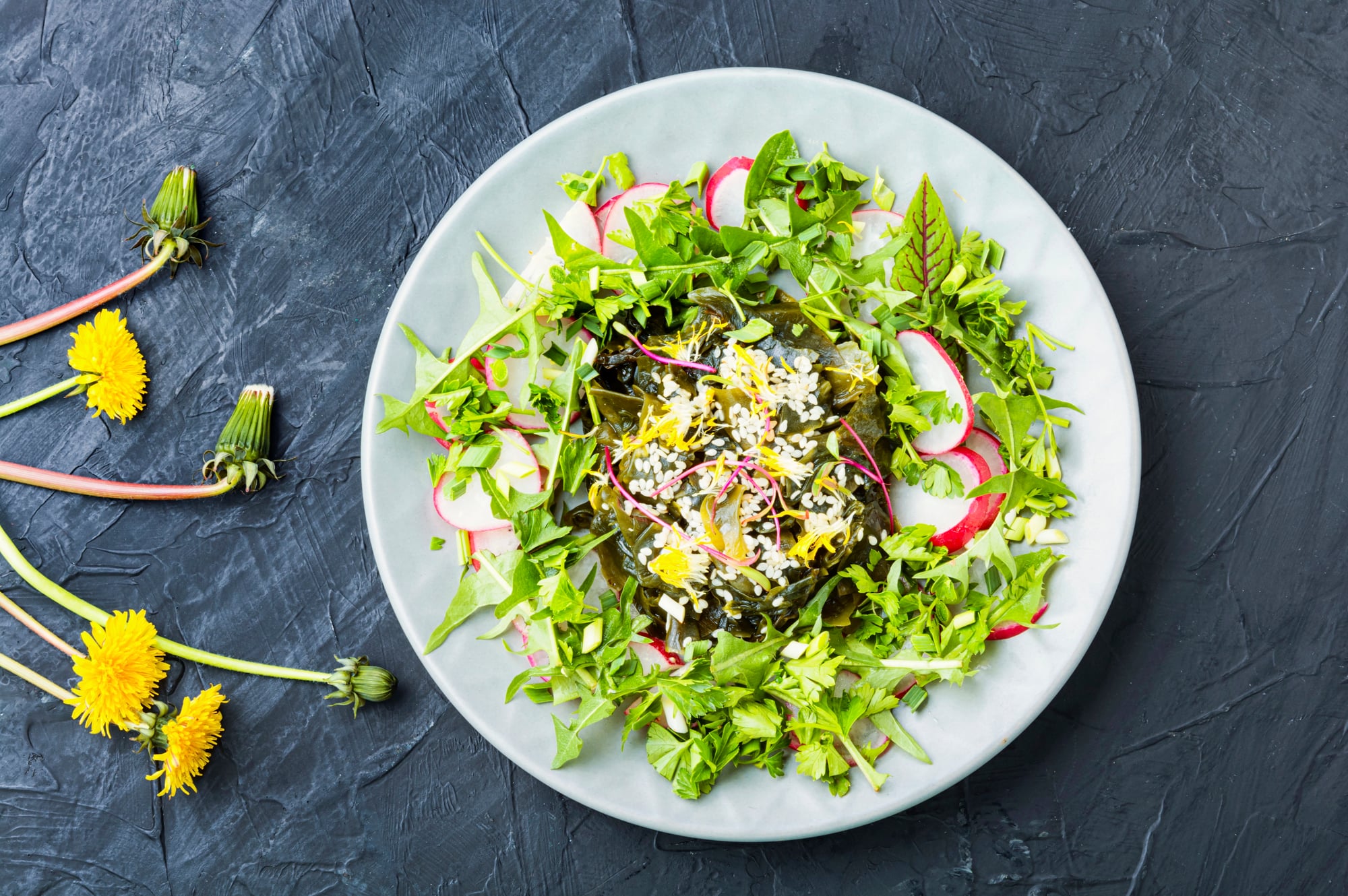
Fresh veggies were scarce, but dandelions were everywhere. People picked the leaves before the flowers showed up.
The taste was bitter, so vinegar or bacon grease was sometimes added. It was full of vitamins and free to pick.
Sometimes boiled eggs or beans came with it. A wild salad that added some green to an otherwise dull diet.
Vinegar pie
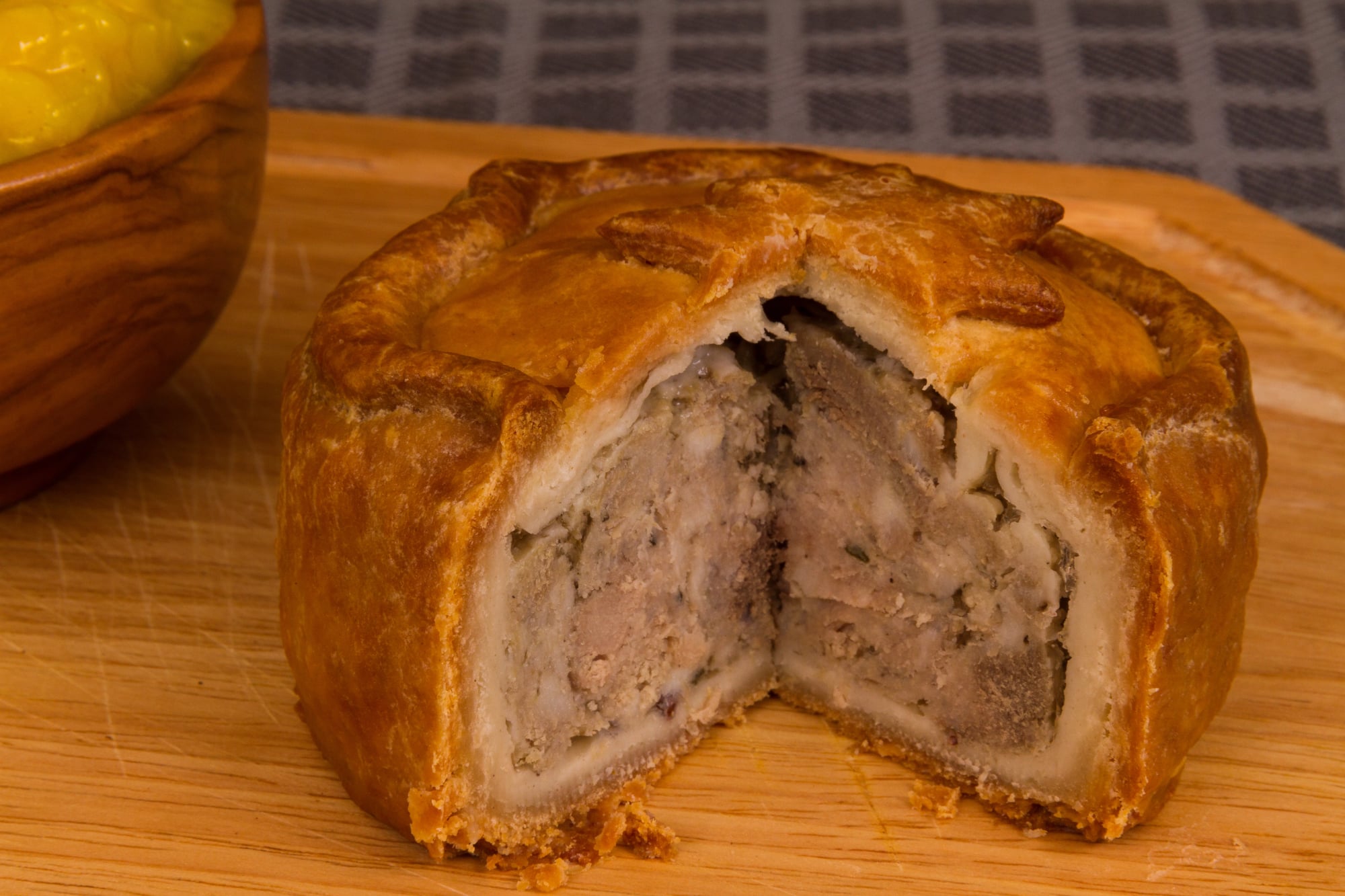
No fruit or sugar? No problem. Vinegar pie tried to copy lemon pie but used what was on hand.
The filling mixed flour, sugar (if any), water, and vinegar. Baked in a crust, it was surprisingly sour and sweet.
This pie showed that even simple pantry staples could make a decent dessert.
Bread and gravy
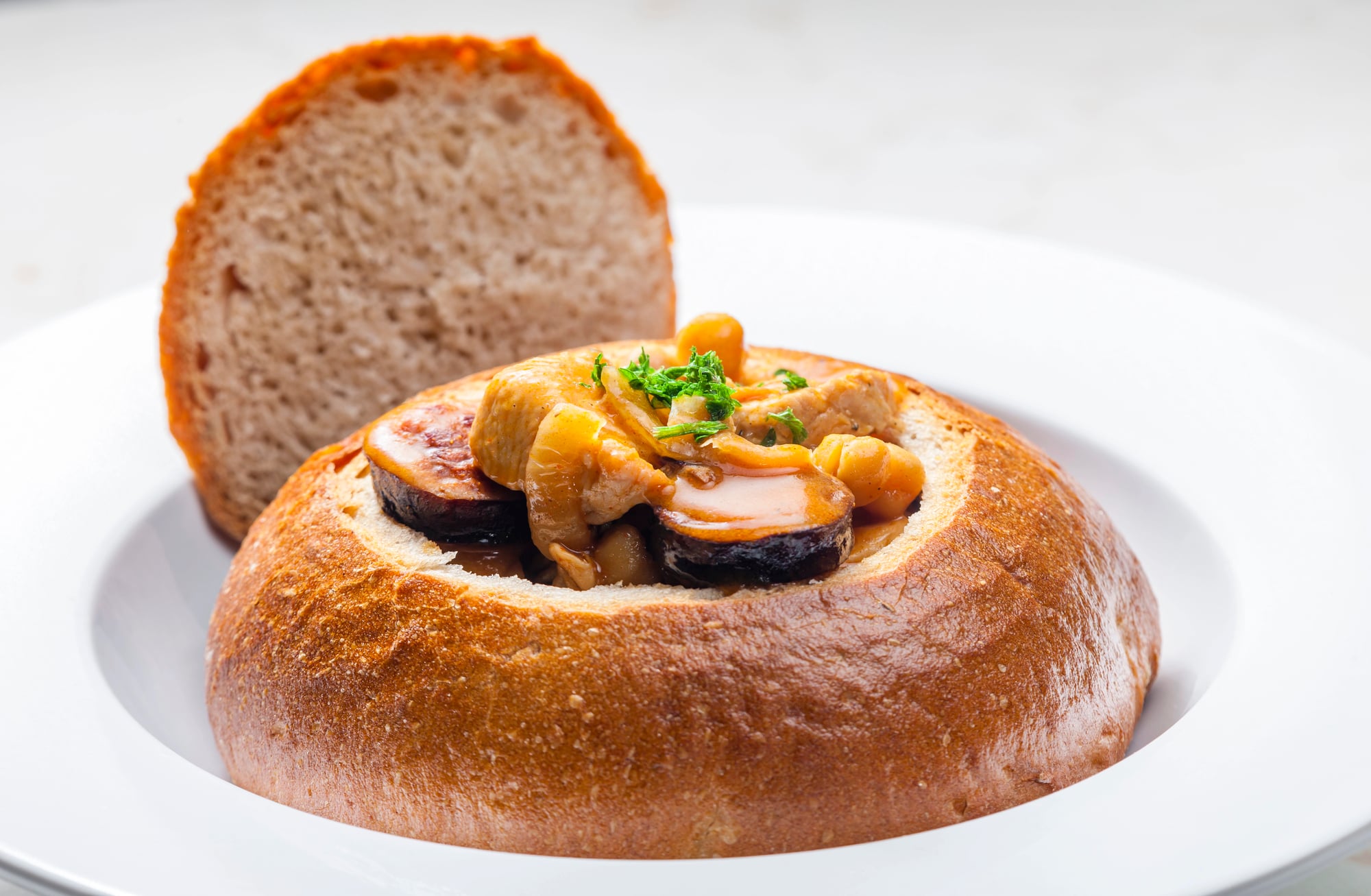
Often eaten when nothing else was left. Old bread got sliced and topped with homemade gravy made from bacon drippings, flour, and water or milk.
Warm and soft, it felt like a real meal. No bread went to waste here.
It was a cheap way to add flavor and calories.
Mock apple pie
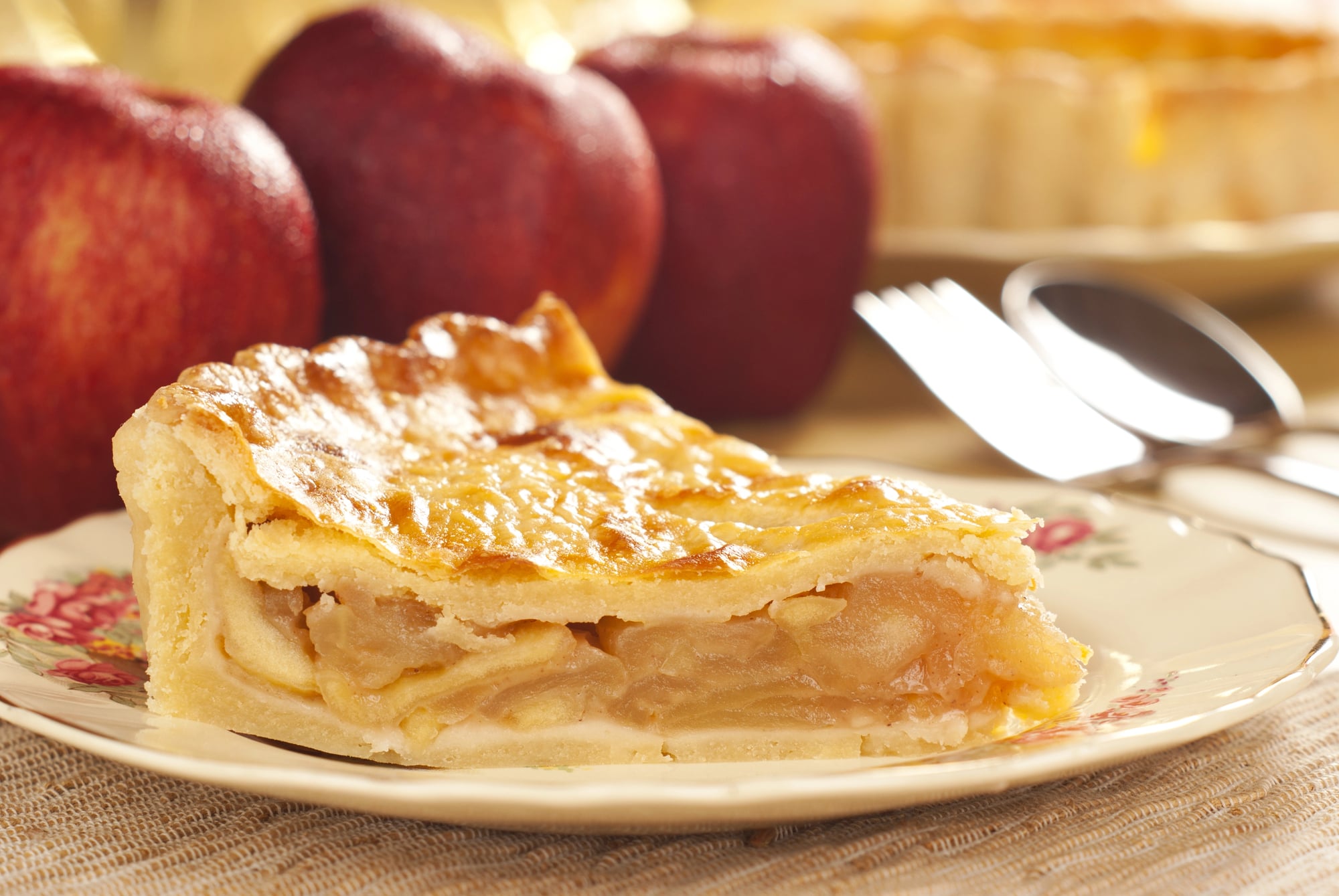
No apples in this pie at all. Crushed crackers mixed with sugar, lemon juice, and cinnamon stood in for fruit.
Ritz crackers worked well since they softened nicely. Baked in a crust, it looked and tasted a lot like apple pie.
Guests were often surprised to learn the truth. A clever way to enjoy pie without fresh fruit.
Boiled cabbage and potatoes
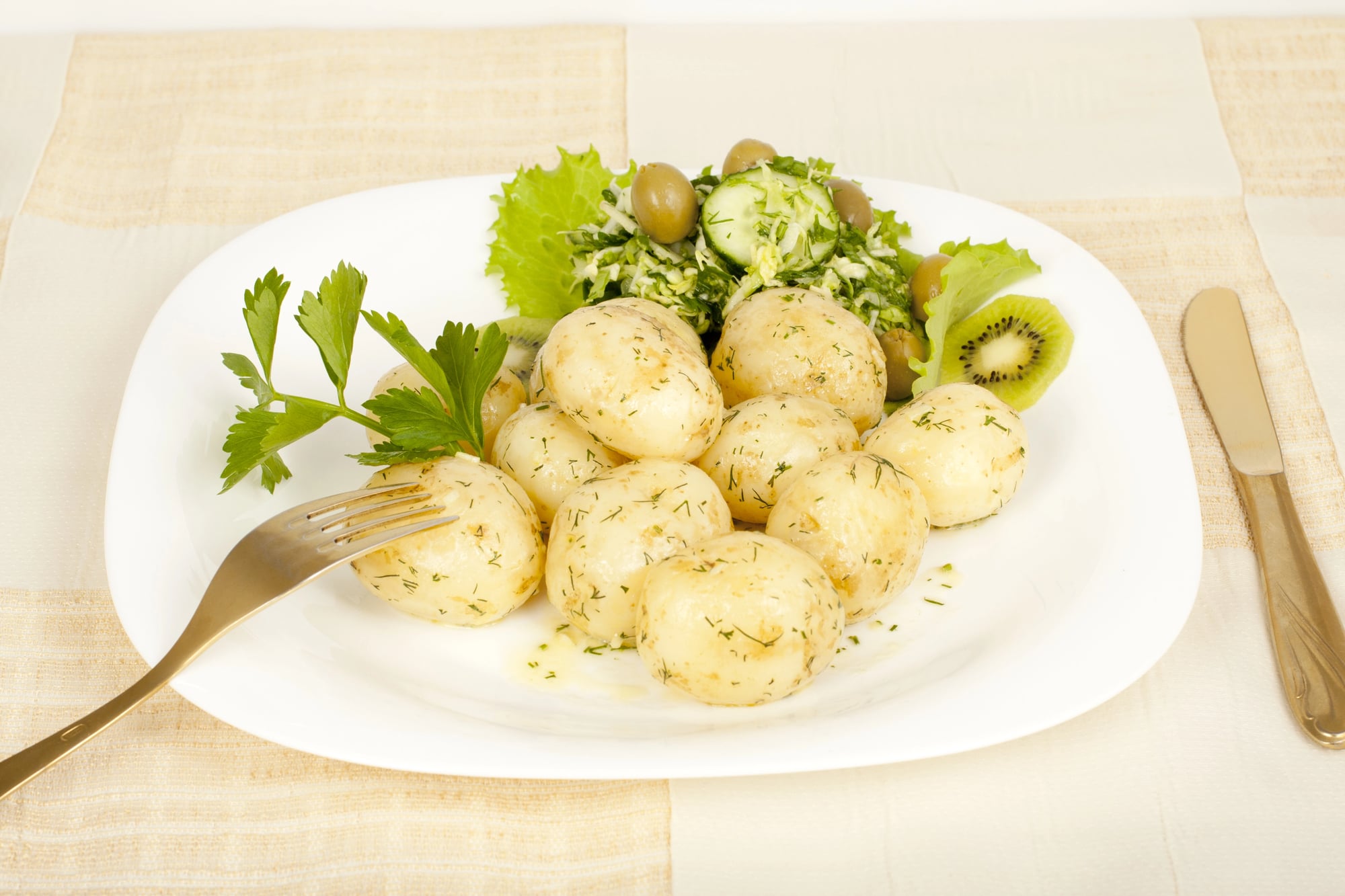
A simple, filling meal. Cabbage and potatoes were cheap and easy to grow or find.
Chopped, boiled, and lightly salted. If there was any butter or bacon fat, it got added too.
It filled plates and stomachs with little fuss. A warm meal on a tight budget.
Tomato soup cake
Odd as it sounds, this worked well. Tomato soup got mixed into cake batter to keep it moist and add flavor.
With sugar and cinnamon, it didn’t taste like soup at all. A sweet treat made from simple pantry items.
Powdered sugar on top made it look a bit nicer. Dessert didn’t have to be expensive.
Onion sandwiches

Simple but helpful when there was no lunch meat. Raw onion slices went between buttered bread.
Some added salt or vinegar. Sharp in taste but filling.
Better than nothing and easy to make. A reminder that people used whatever was around to keep hunger at bay.
Lard sandwiches
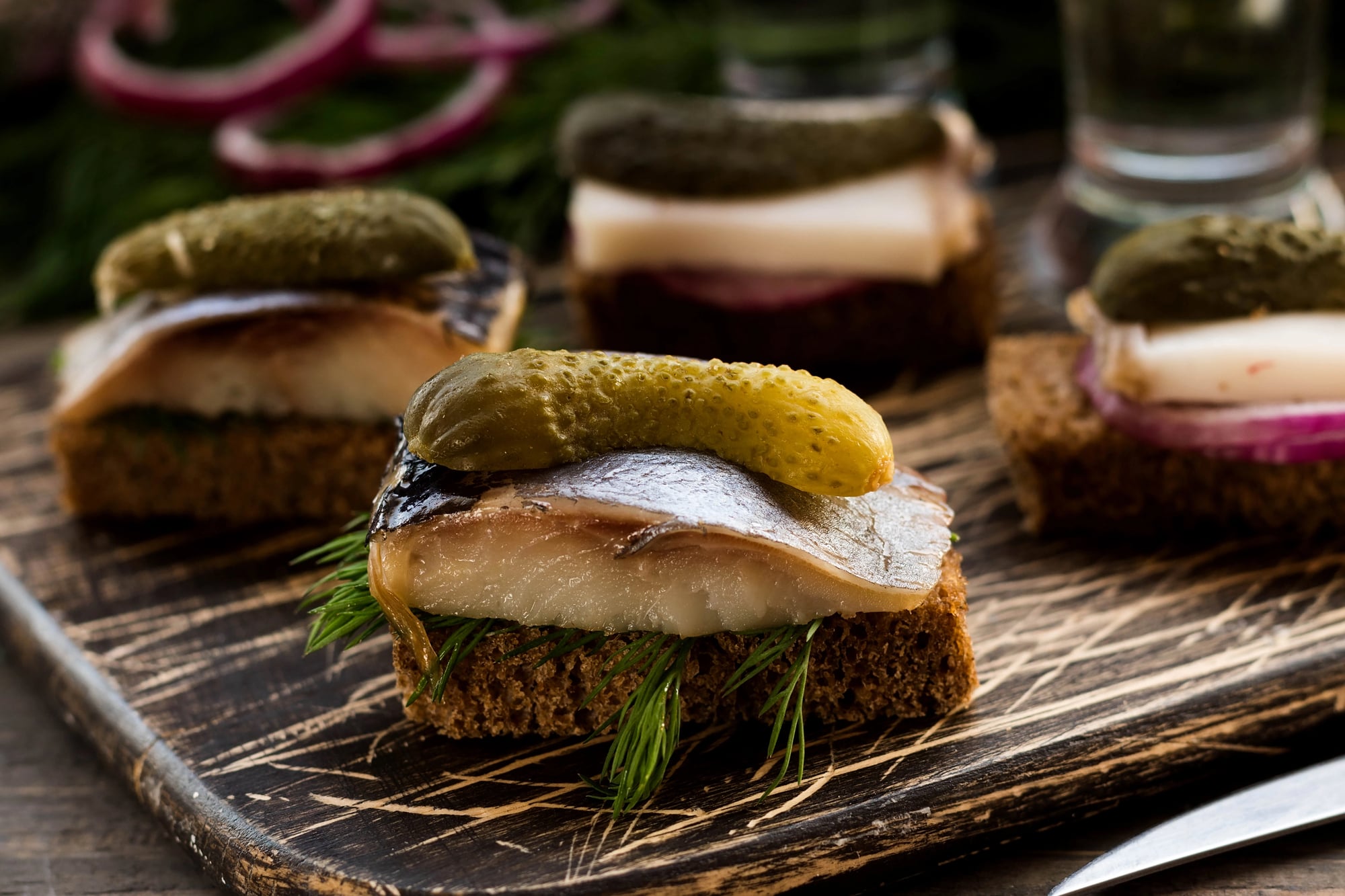
People spread lard on bread like butter. Sometimes salt or sugar got added for taste.
Lard was cheaper and more available than margarine or butter. It gave needed fat and calories to get through the day.
Not tasty, but it kept people going. A practical choice in tough times.
Rice and raisins
A sweet dish made from cooked rice and raisins. Milk and sugar turned it into a pudding-like dessert.
Cinnamon was sometimes added. Served warm or cold, it felt like a treat even though it was leftovers.
This showed how simple ingredients could become special.
Peanut butter stuffed celery
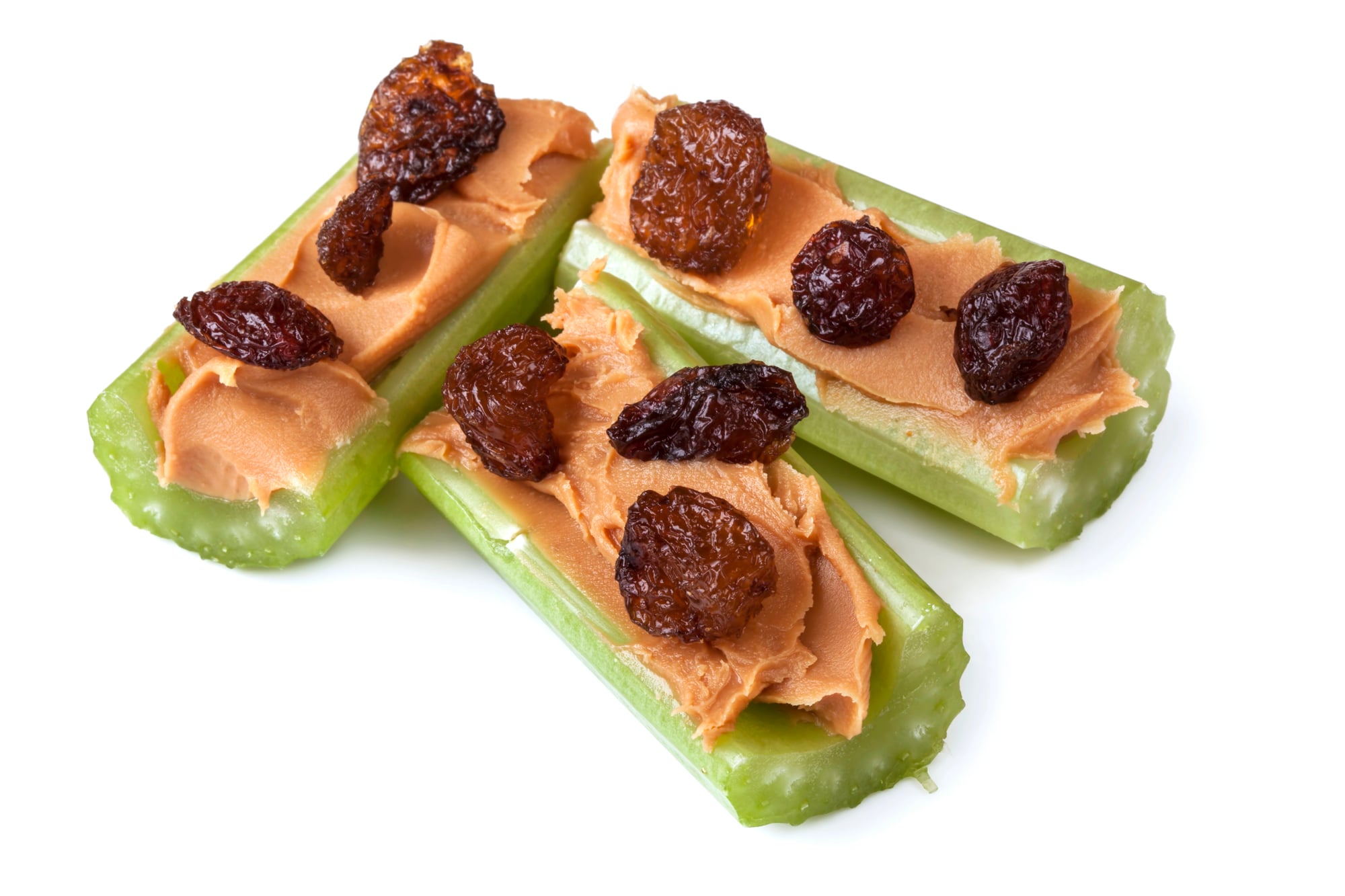
When snacks were rare, this was popular. Celery sticks filled with peanut butter added flavor and protein.
The crunchiness and saltiness made a tasty combo. No cooking needed.
Kids liked it for being different. A simple snack that balanced taste and nutrition.
Depression cake

Called “wacky cake,” it had no eggs, milk, or butter. Vinegar and baking soda made it rise; oil kept it moist.
All ingredients mixed in one pan, then baked. The cake turned out soft and tasty despite the simple recipe.
People still bake it as a reminder to make do with less. Proof that good food doesn’t have to be fancy.
Milk toast
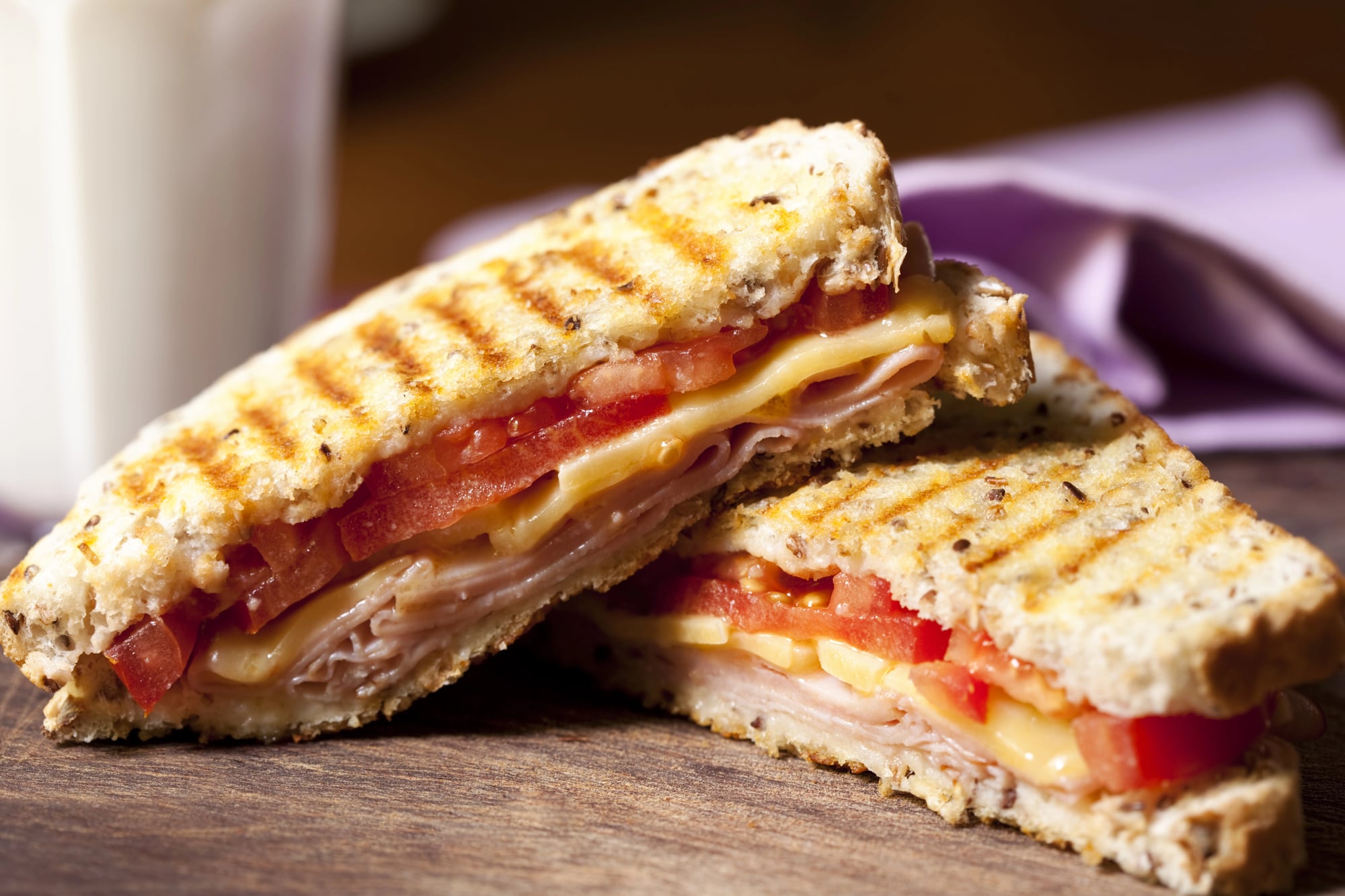
Common for breakfast or when someone was sick. Toast soaked in warm milk, sometimes with sugar or butter.
Soft and easy on the stomach. Stretched the last bit of bread and milk.
A comforting, simple dish during hard times.
From hard times to home kitchens

These meals didn’t come from plenty, but from making them. Many stuck around even after the Depression ended.
They remind us how creativity and grit can turn little into enough. Though the world has changed, these foods still tell stories of survival.
They connect us to a past where every meal mattered.
More from Go2Tutors!

- The Romanov Crown Jewels and Their Tragic Fate
- 13 Historical Mysteries That Science Still Can’t Solve
- Famous Hoaxes That Fooled the World for Years
- 15 Child Stars with Tragic Adult Lives
- 16 Famous Jewelry Pieces in History
Like Go2Tutors’s content? Follow us on MSN.