33 Household Sounds That Defined Childhood and No Longer Exist
A house used to have a soundtrack made almost entirely of mechanical noise: clicks, whirs, bells, and static that told you exactly what was happening in another room without looking. Nearly all of it came from devices that had one job and made noise doing it.
Digital replacements do the same jobs in near silence, which is efficient but has quietly erased an entire layer of everyday memory.
Rotary Phone Dial Spinning Back
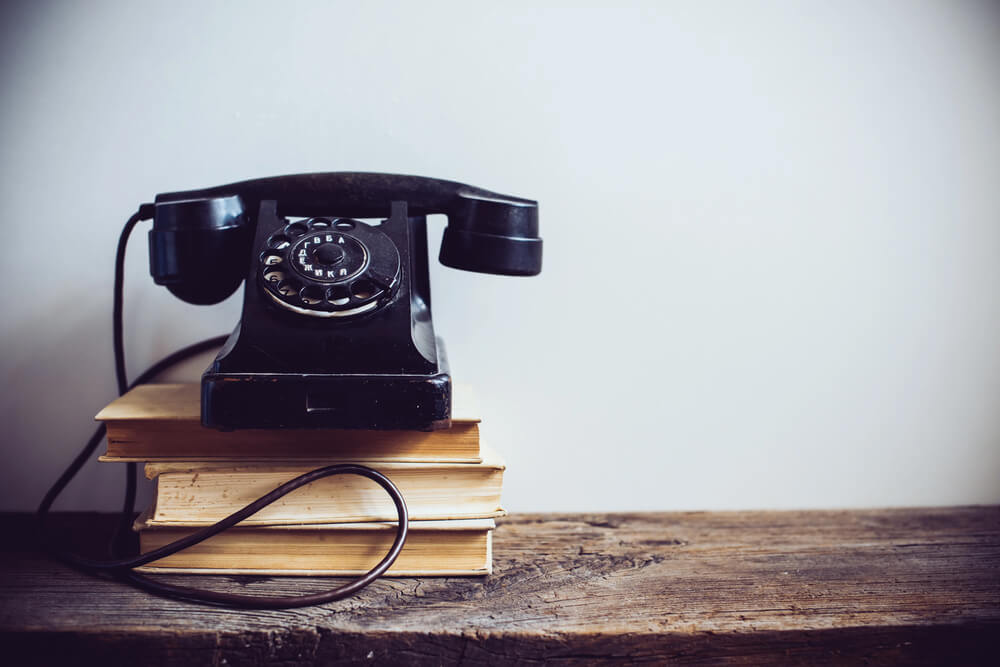
Dialing required pulling a numbered orb around to a stop and releasing it, and the mechanism translated that motion into electrical pulses as it spun back to its resting position. Touch-tone dialing, demonstrated publicly by Bell Telephone at Seattle’s 1962 Century 21 Exposition, gradually replaced the format over the following decades.
Dial-Up Modem Handshake
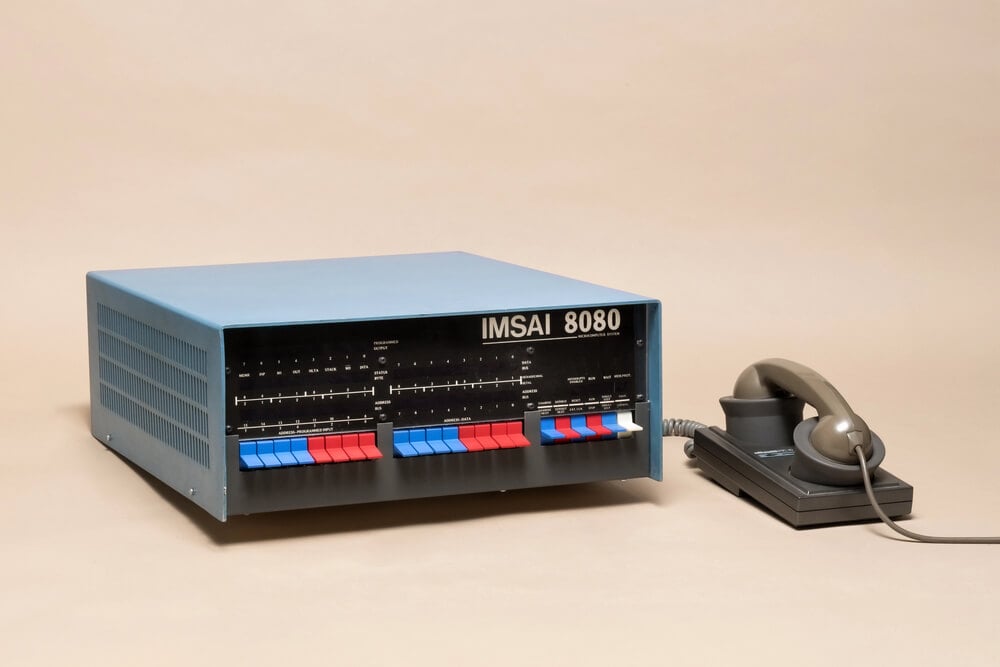
Connecting to the internet in the 1990s meant listening to twenty to thirty seconds of whistles, static, and chirps as two modems negotiated a connection over a phone line before any page could load. Broadband and fiber internet eliminated the audible handshake entirely once always-on connections became standard.
Busy Signal

A rapid, repeating tone told callers the line they’d dialed was already in use, forcing them to hang up and try again later with no other option. Call waiting and voicemail made the standard busy signal functionally unnecessary, and a distinct “fast busy” version once signaled a network error rather than a simply occupied line.
Off-Hook Warning Alarm
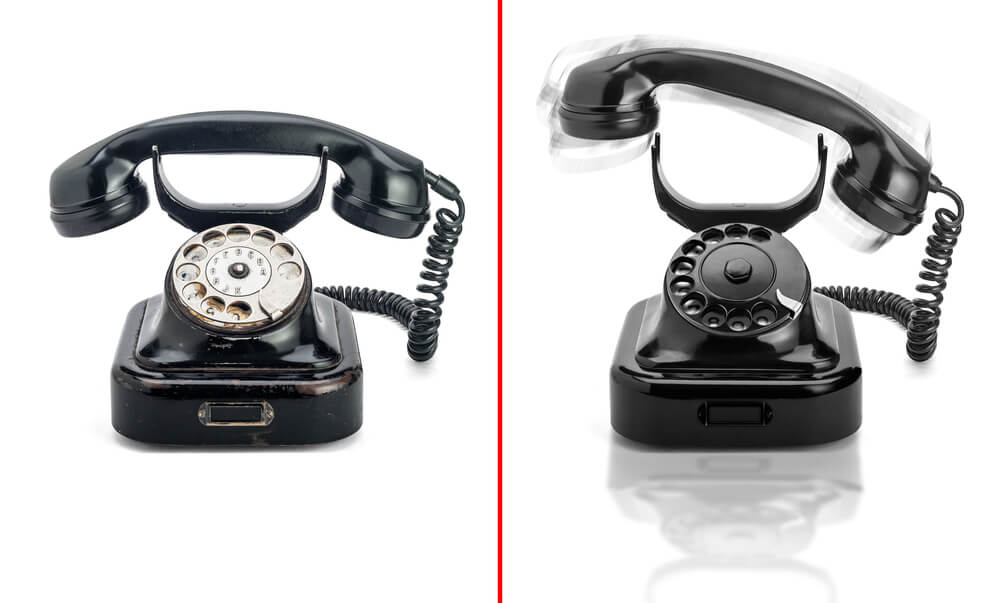
Leaving a landline receiver off its cradle triggered a loud, insistent alarm tone specifically designed to alert someone elsewhere in the house that the phone needed to be hung up. Cordless phones and cell phones simply disconnect silently or flash a notification instead.
Payphone Coin Return
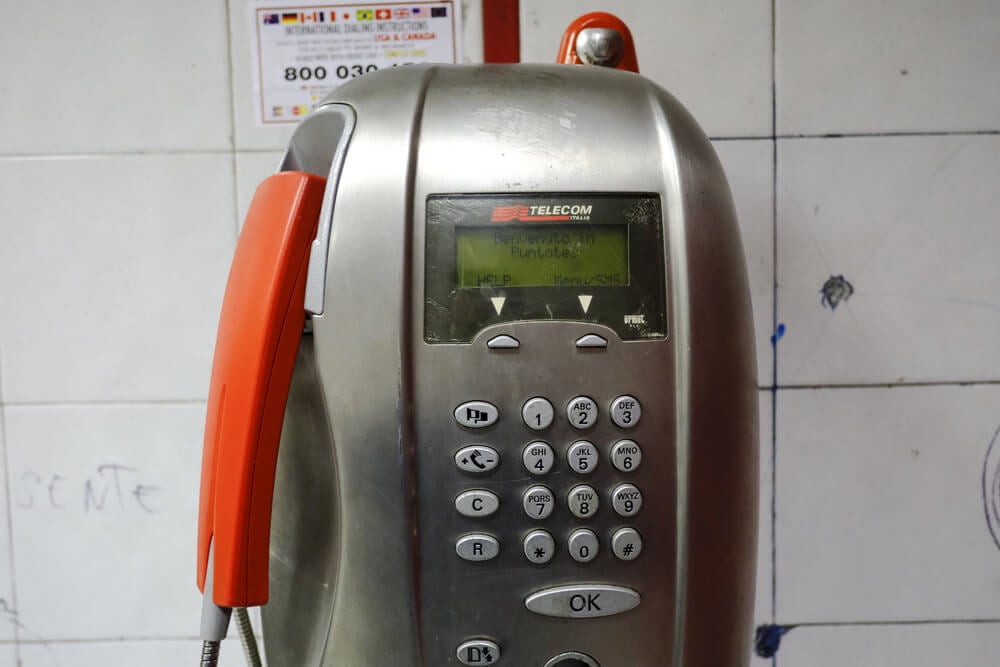
Payphones made a distinct mechanical clatter when returning unused coins through the small metal chute at the bottom of the machine. The near-total disappearance of payphones themselves, driven by cell phone adoption, took the sound with it.
Phone Booth Door Closing
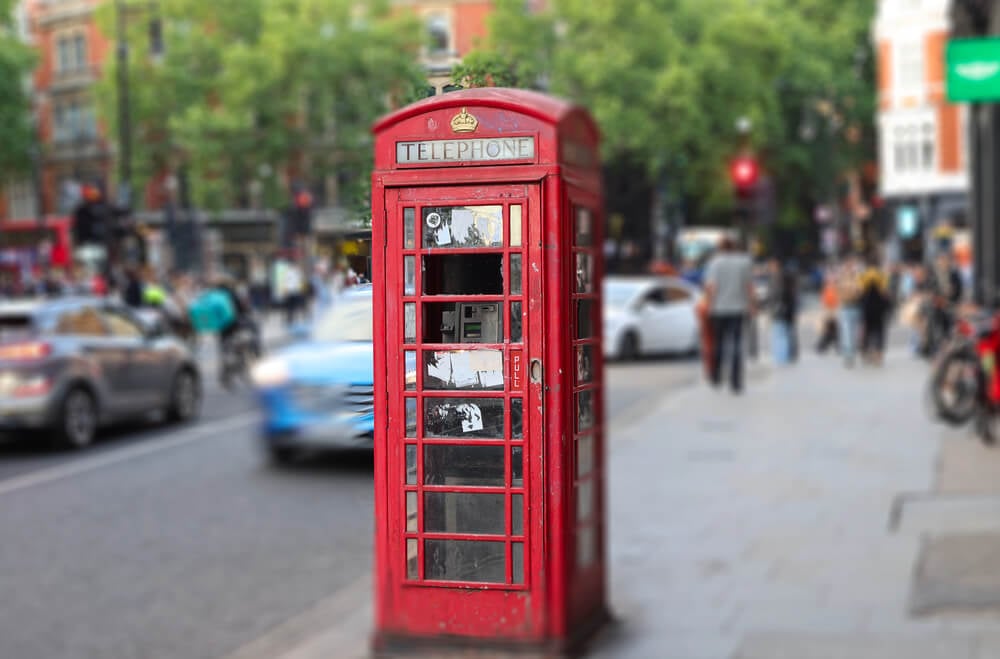
Full enclosed phone booths had a heavy folding or swinging door that produced a specific mechanical closing sound, giving the caller a small pocket of privacy on a public street. As payphones shrank to open wall-mounted units and then disappeared altogether, the sound of that door went with them.
Typewriter Clack and Carriage Bell
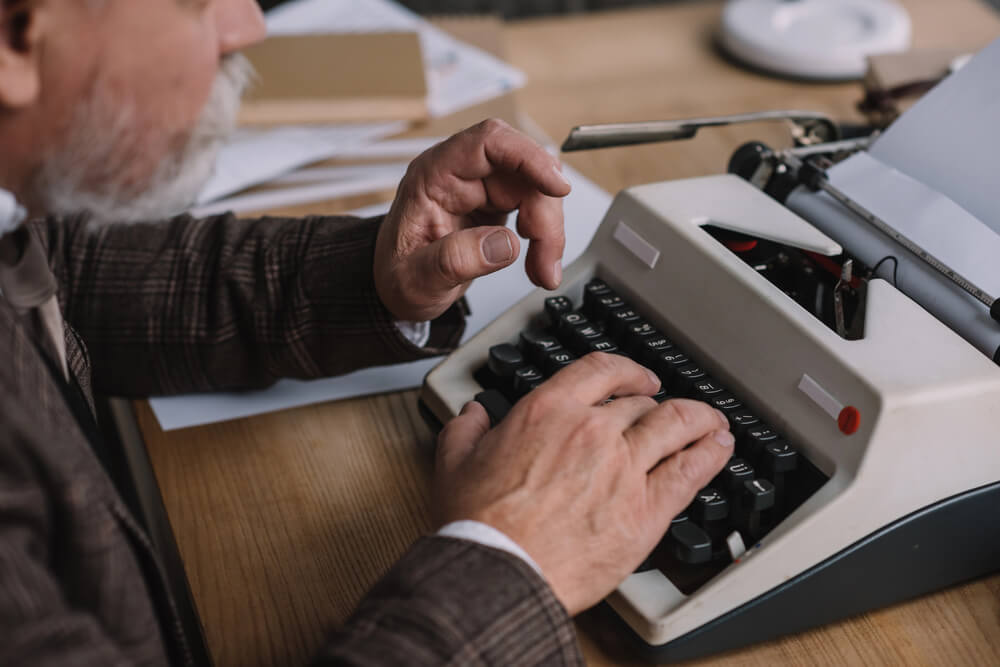
Manual and electric typewriters produced a rhythmic clacking as keys struck paper through an ink ribbon, punctuated by a small bell warning the typist they were nearing the end of a line before the carriage return. Word processors and computer keyboards replaced both the physical impact sound and the bell entirely.
Vinyl Record Needle Drop
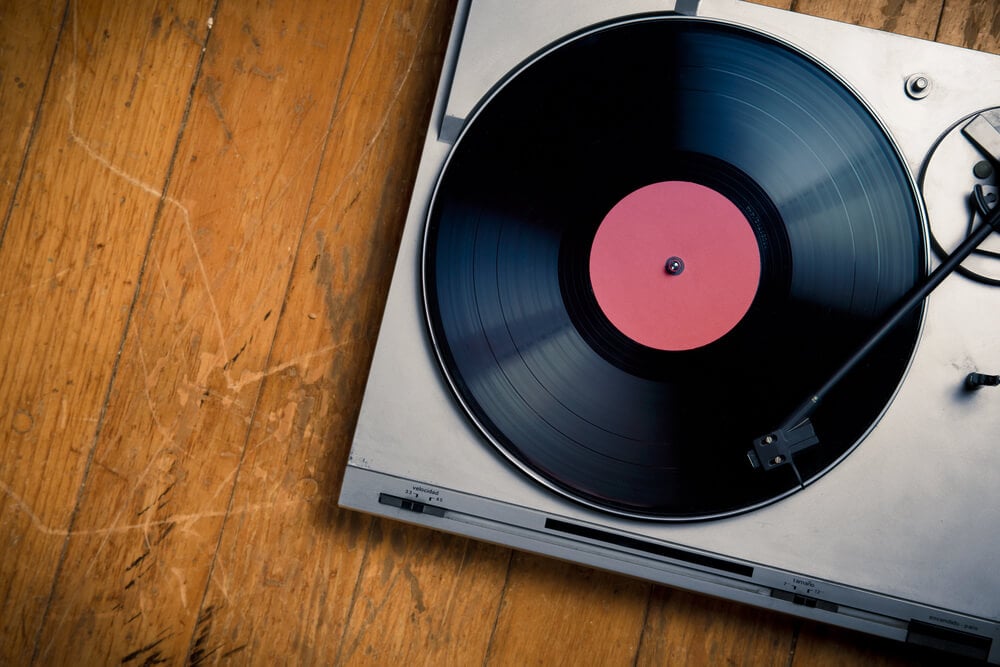
Lowering a turntable needle onto a record produced a brief hiss and crackle before the music started, a small ritual tied to physically selecting and handling an album. Digital streaming replaced that anticipatory pause with instant, silent playback.
Cassette Tape Insert Click
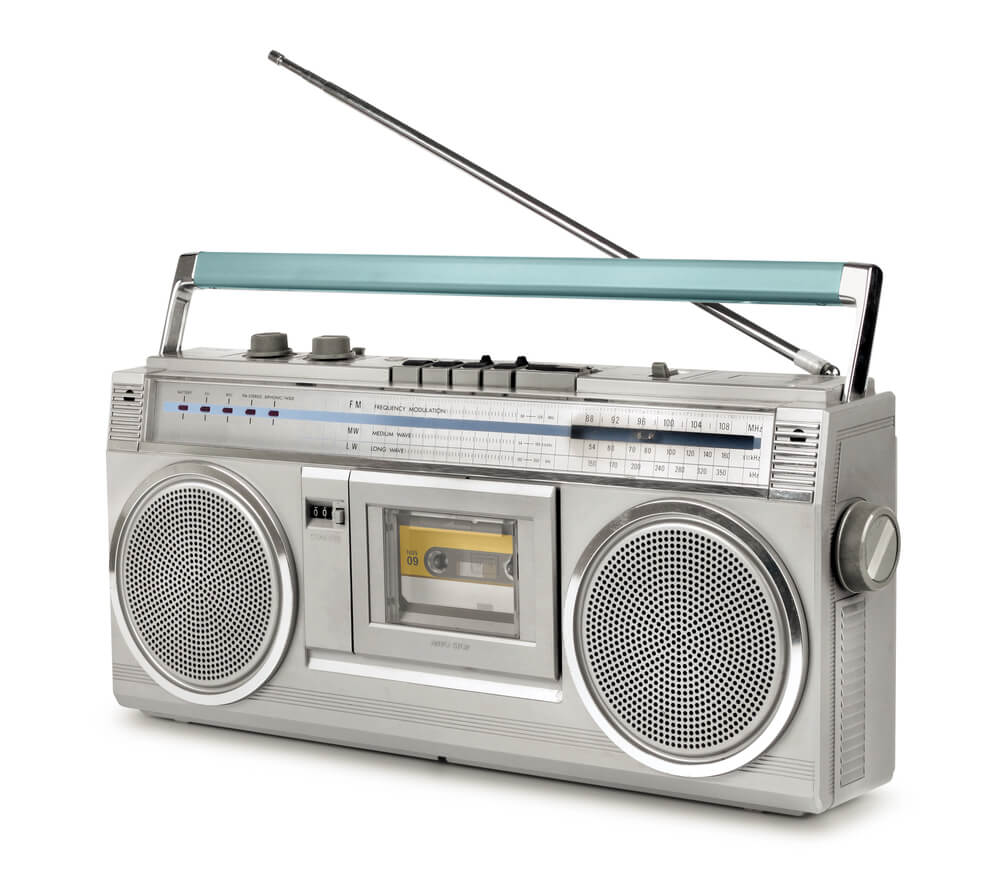
Sliding a cassette into a player or boombox produced a distinct mechanical click as it locked into place, followed by a soft whirring sound as the spools began turning. Digital audio formats removed both the loading mechanism and the sound it made.
VHS Rewind Whir
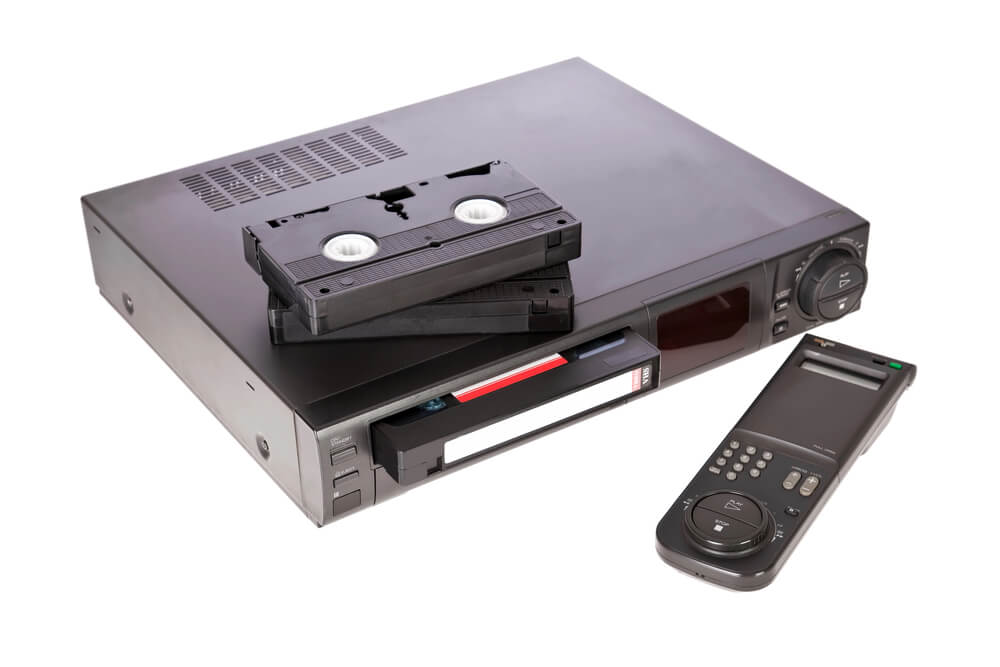
Rewinding a VHS tape in a VCR produced a steady mechanical whirring noise that grew higher-pitched as the tape sped toward its end, often accompanied by an automatic click when it finished. Streaming and DVDs eliminated the need to physically rewind anything before watching it again.
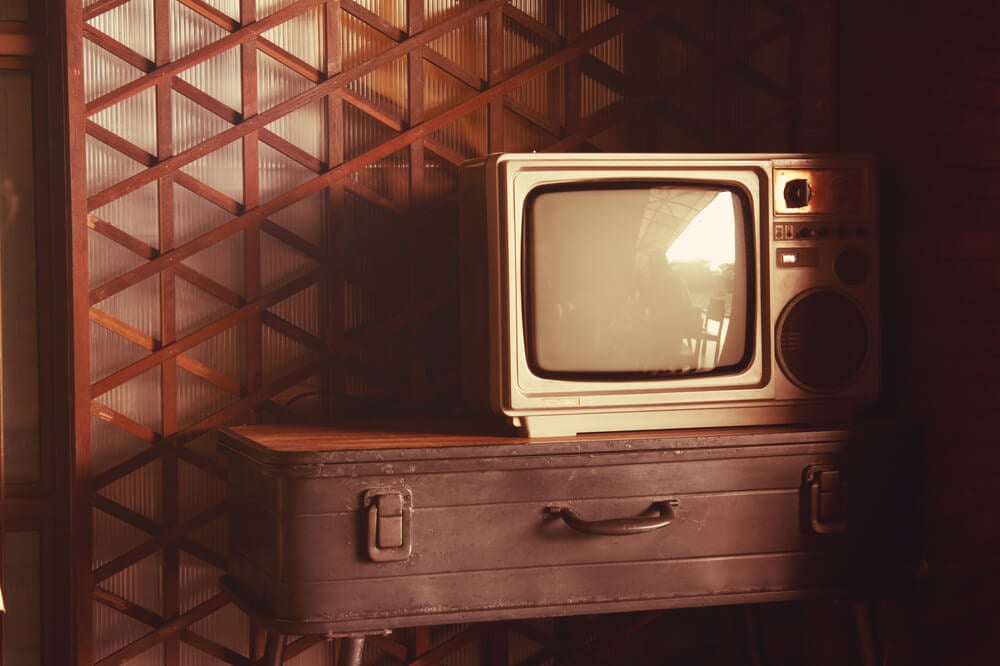
Television Static Hiss
Tuning to an unused channel on an analog television produced a hissing wall of white noise accompanying visual “snow” on the screen. Digital broadcast standards and the shutdown of analog signals removed both the static sound and the picture that came with it.
National Anthem Sign-Off Tone

Television stations in earlier decades ended their broadcast day by playing a patriotic tune over a test pattern before going off the air entirely until the next morning. Twenty-four-hour cable programming eliminated the concept of a station actually signing off for the night.
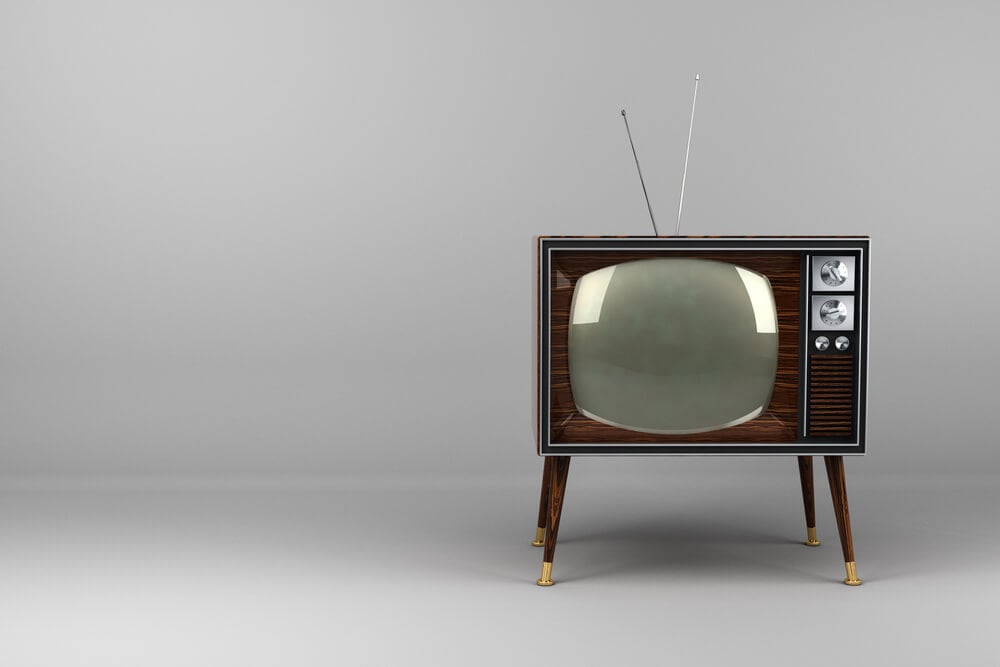
Mechanical TV Channel Dial Click
Older television sets used a rotating dial to change channels, producing an audible mechanical click with each turn as it moved from one preset channel position to the next. Remote controls and electronic tuning replaced the physical dial entirely by the 1980s and 1990s.
Boombox Bass Rattle

Large portable stereos built around big analog speakers produced a physically felt bass rumble loud enough to rattle nearby windows when played at full volume outdoors. Smaller digital speakers and headphone-based listening habits largely retired the boombox format and its distinctive low end.
AOL “You’ve Got Mail” Chime
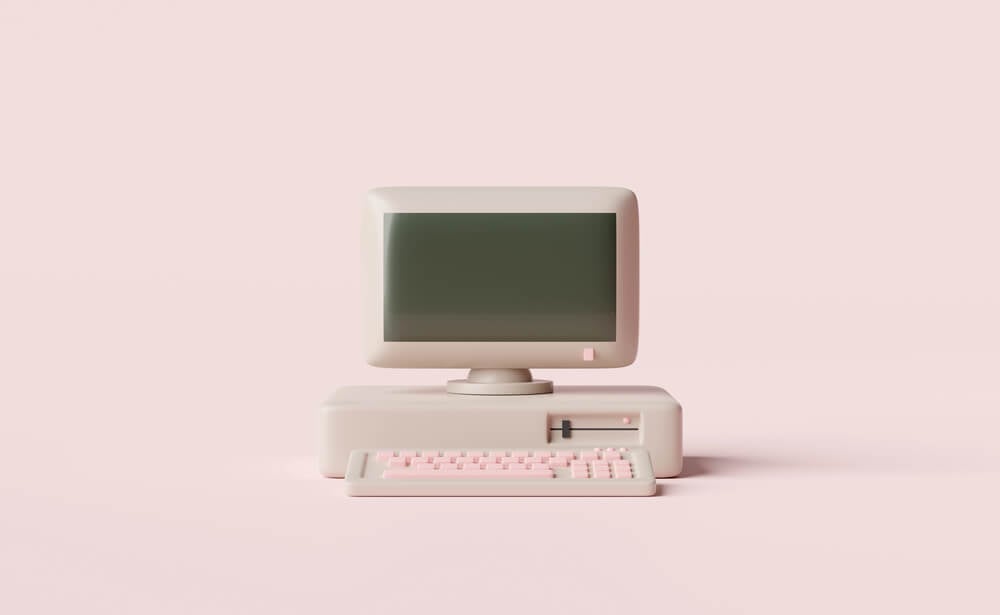
America Online’s dial-up software played a distinct spoken chime whenever new email arrived, alongside separate sounds marking when a screen name signed on or off a shared computer. Web-based and app-based email notifications replaced the branded audio cues entirely.
Windows 95 Startup Chime

Microsoft’s 1995 operating system played a specific musical chime, composed by musician Brian Eno, every time a computer running it finished booting up. Later operating systems moved toward faster, near-silent startups, retiring the sound as a specific cultural touchstone of that era.
Floppy Disk Drive Grinding
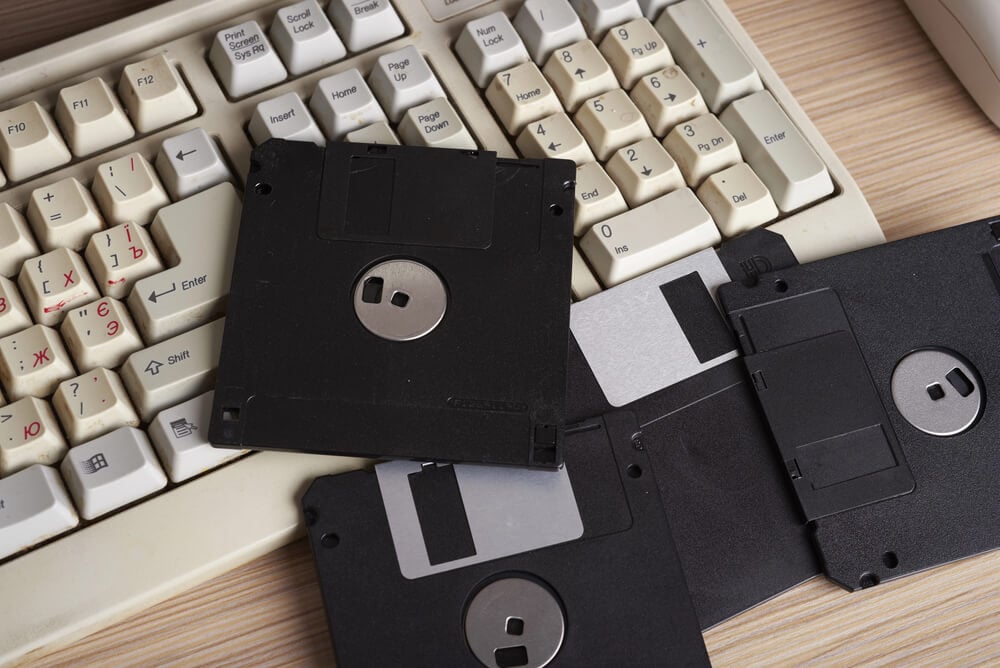
Inserting a floppy disk and saving a file triggered an audible mechanical grinding and clicking sound as the drive’s read-write head moved across the disk. Solid-state storage with no moving parts made the sound, and the format itself, obsolete by the 2000s.
Fax Machine Handshake Tone
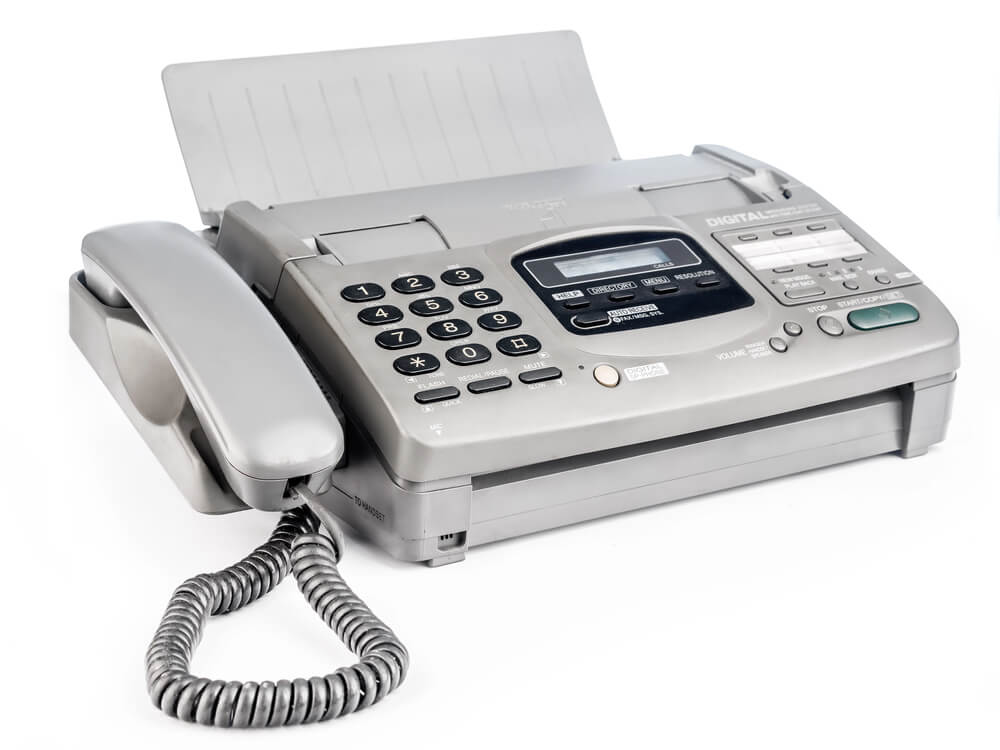
Sending or receiving a fax began with an audible handshake tone nearly identical to a dial-up modem’s, since both technologies transmitted data over standard phone lines using similar methods. Email attachments and digital document sharing sharply reduced how often anyone hears the sound today.
Ice Cream Truck Jingle

Neighborhood ice cream trucks played a looping, tinny musical jingle from external speakers to announce their approach from blocks away, giving kids a reliable early warning system. Fewer trucks operating on regular residential routes has made the specific sound rarer in many neighborhoods than it once was.
Single-Use Flash Bulb Pop
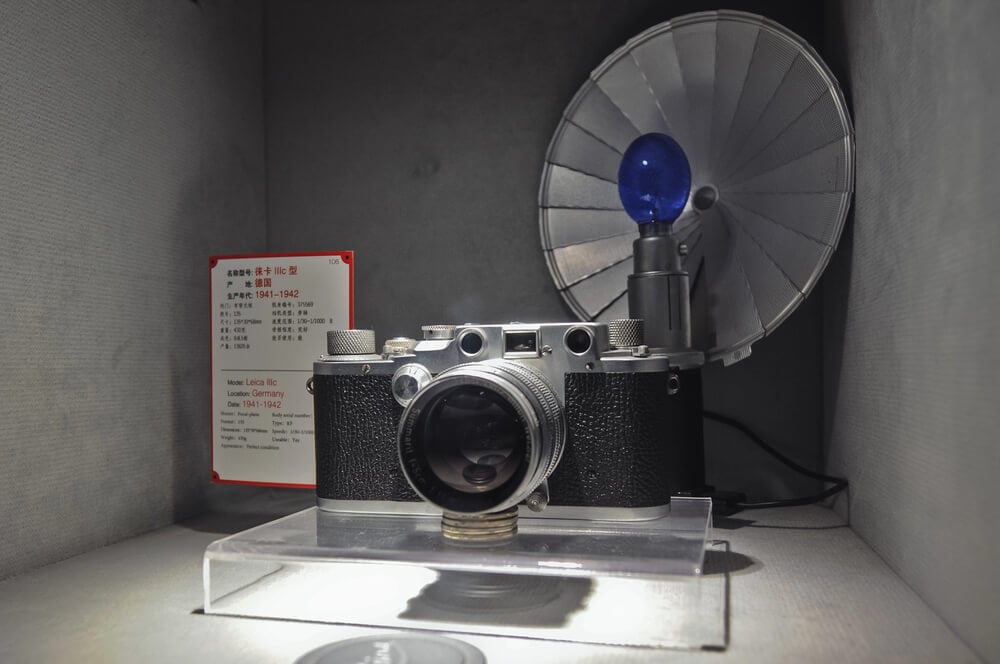
Older cameras used individual flash bulbs that produced an audible pop and a puff of heat with each photo, requiring a fresh bulb to be manually swapped in before the next shot. Built-in electronic flashes and digital cameras eliminated both the sound and the ritual of bulb replacement.
Answering Machine Beep and Cassette Click
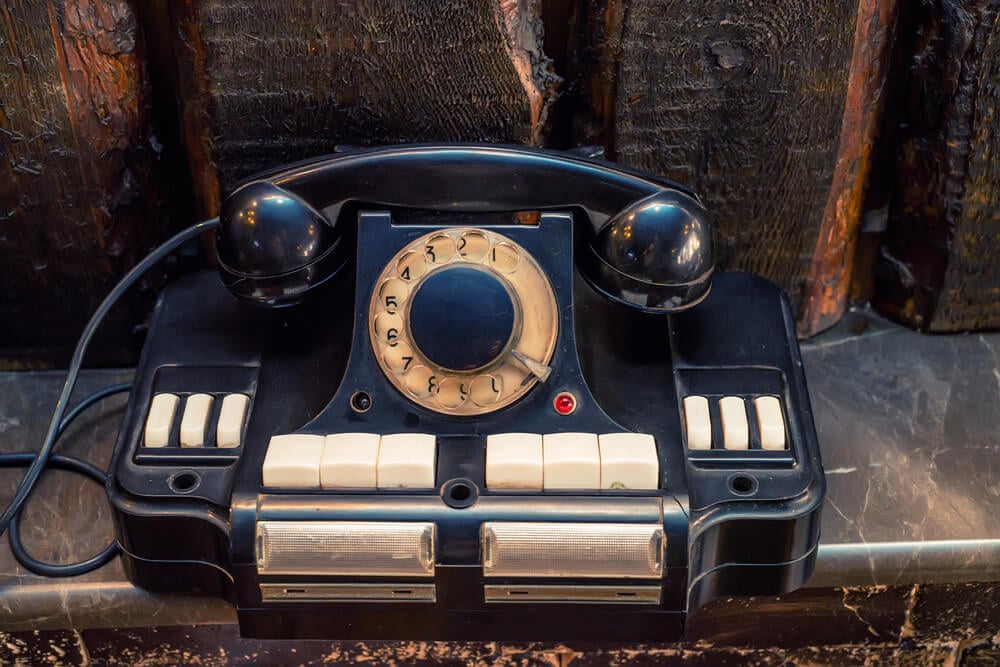
Standalone answering machines used a small cassette tape to record messages, producing an audible click when recording started and a distinct beep prompting the caller to speak. Voicemail hosted directly by phone carriers, and later smartphones, made the physical machine and its sounds unnecessary.
Dot Matrix Printer Screech
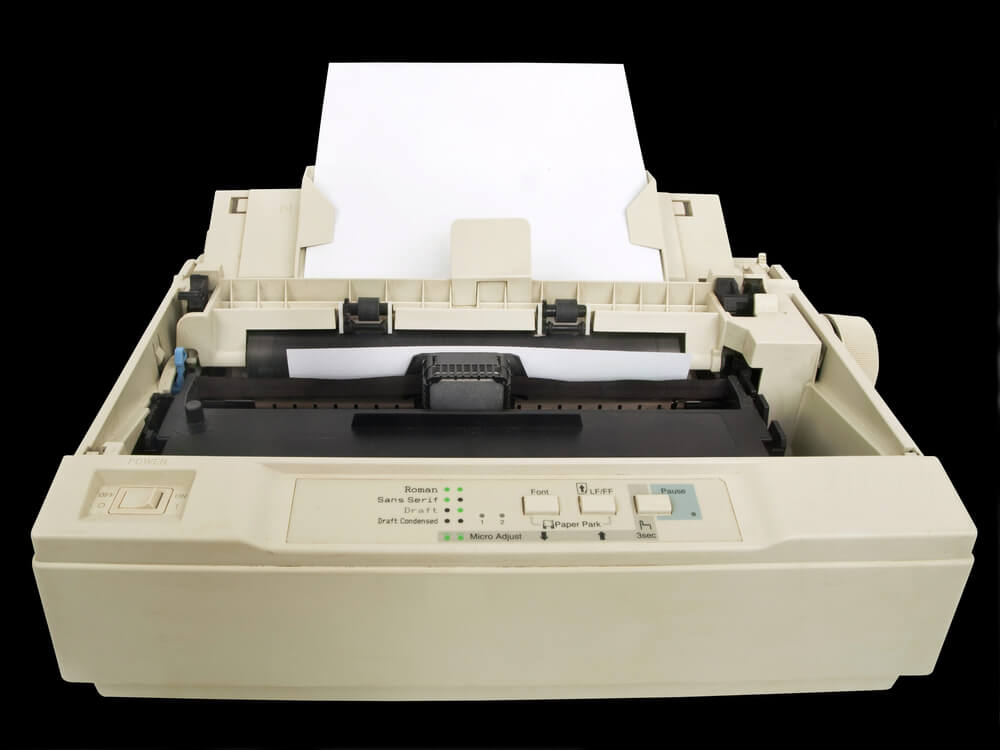
Early home and office printers formed characters by striking pins against an ink ribbon in rapid succession, producing a loud, grinding mechanical screech that could be heard throughout a house. Inkjet and laser printers replaced the format with a comparatively quiet hum.
Nintendo Cartridge Insert Click
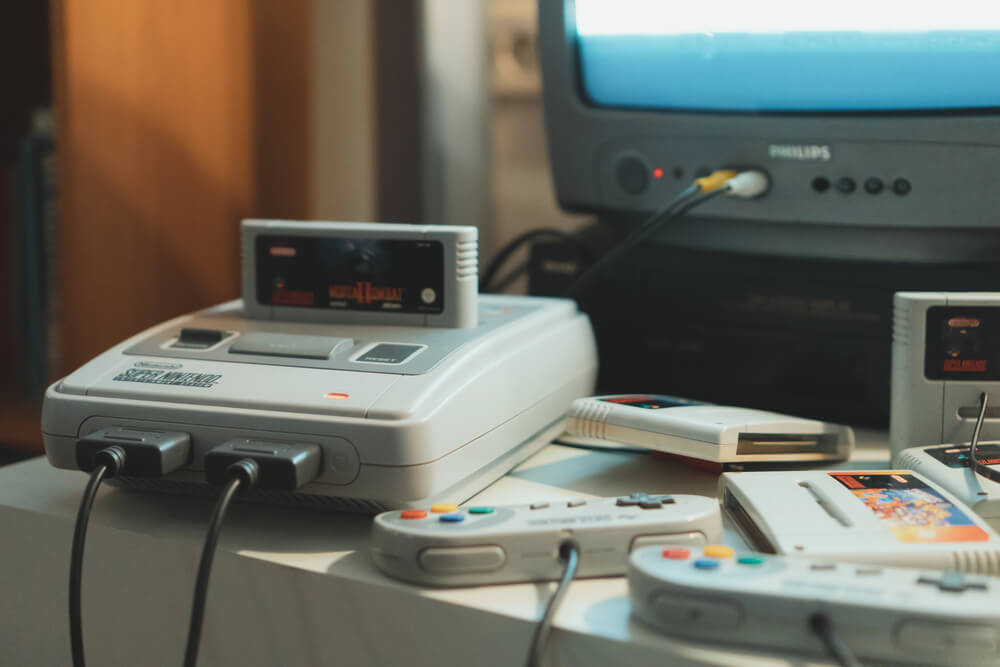
Loading a game cartridge into an early Nintendo console required firmly pressing it into place until it clicked, a mechanical connection prone enough to dust interference that blowing into the cartridge became a widespread, if largely ineffective, ritual. Modern disc-based and digital game formats removed the cartridge connection entirely.
Pager Beep
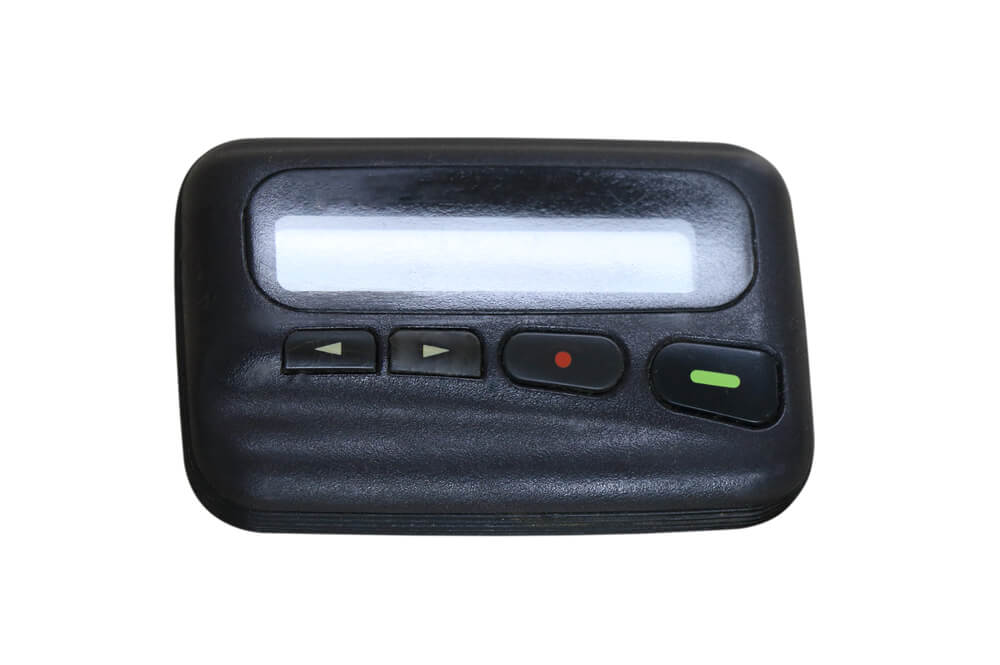
Pagers alerted their owners with a short electronic beep or vibration followed by a numeric or text display showing a callback number. Cell phones made carrying a separate paging device unnecessary for most consumers by the early 2000s.
Kitchen Mechanical Egg Timer Ding
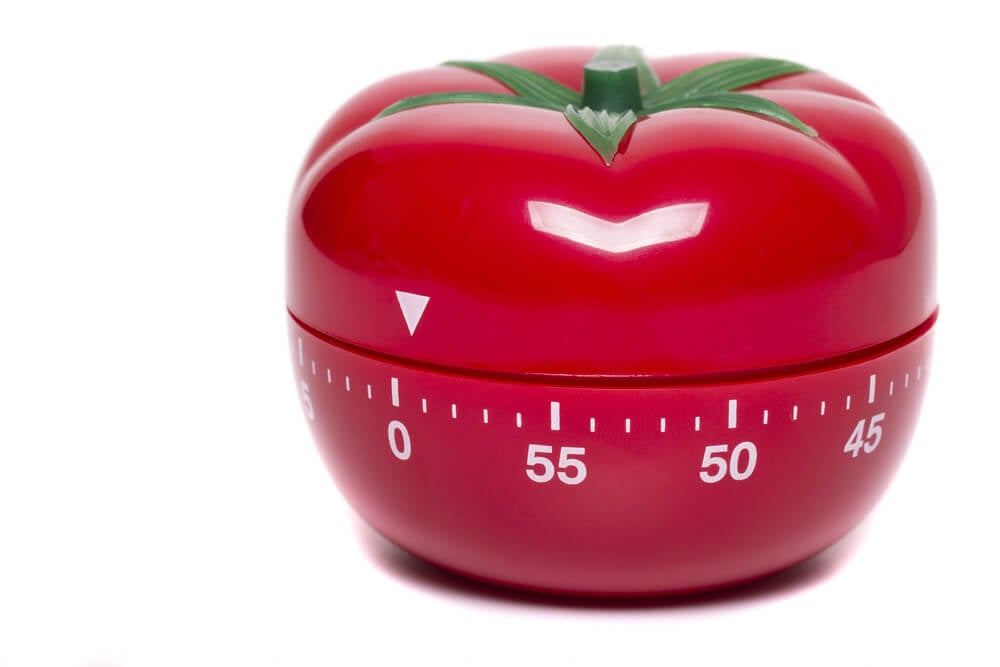
Wind-up kitchen timers used a mechanical spring to count down minutes, ending with an audible ding or bell rather than an electronic tone. Built-in digital timers on ovens and microwaves largely replaced the standalone mechanical version.
Screen Door Spring Slam

Wooden screen doors fitted with a coiled metal spring closer produced a distinctive slamming sound whenever someone walked through without catching it, a noise common enough to become a specific memory of summer afternoons. Modern doors with hydraulic closers and different construction rarely produce the same sharp slam.
Metal Ice Cube Tray Crack
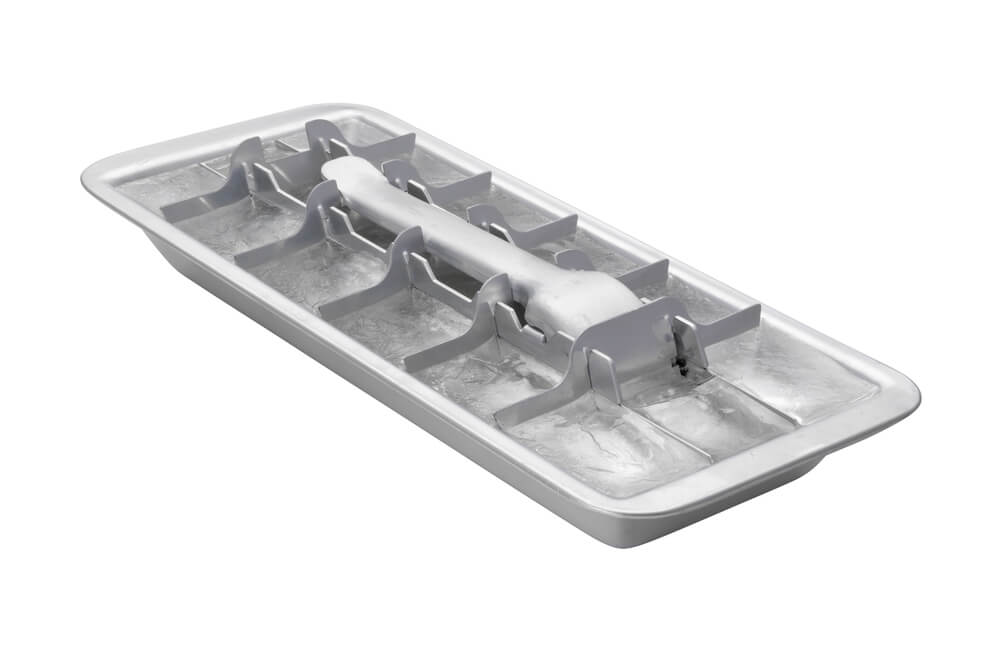
Releasing cubes from an older metal ice tray required pulling a lever that twisted the entire tray, producing a sharp cracking sound as the cubes broke free. Flexible plastic trays and automatic ice makers replaced both the mechanism and its distinctive noise.
Manual Can Opener Crank
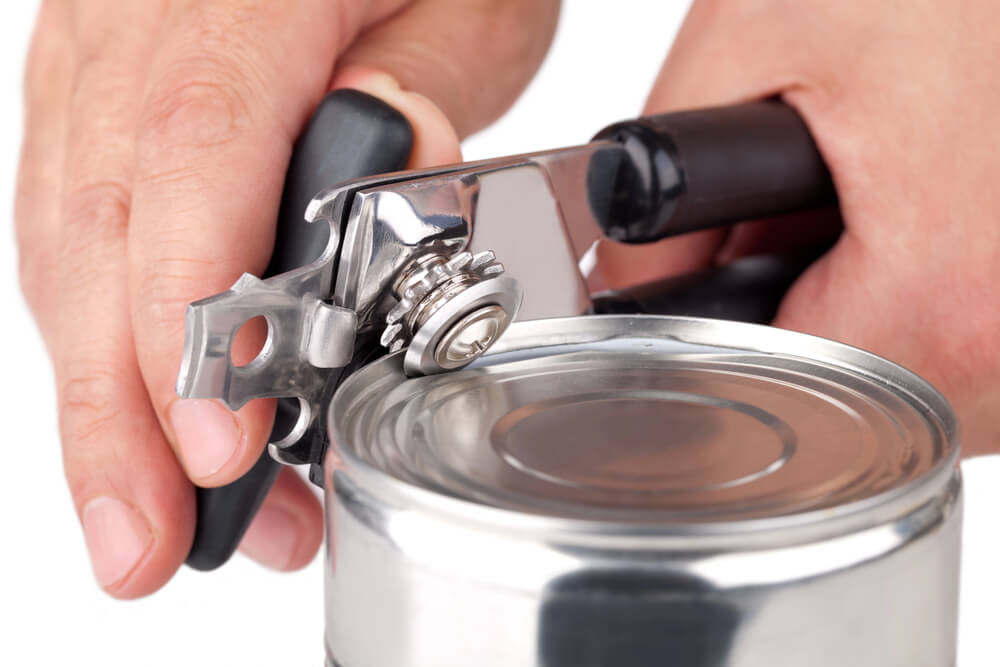
Hand-cranked can openers produced a steady grinding, clicking sound as a serrated wheel worked its way around a metal lid. Electric can openers, and a general decline in canned food preparation, made the manual crank sound far less common in modern kitchens.
Rolodex Card Flip

Flipping through a desktop Rolodex to find a contact produced a rhythmic flutter of small index cards against their metal spine. Digital contact lists on phones and computers eliminated the physical card system almost entirely.
Mimeograph Machine Crank
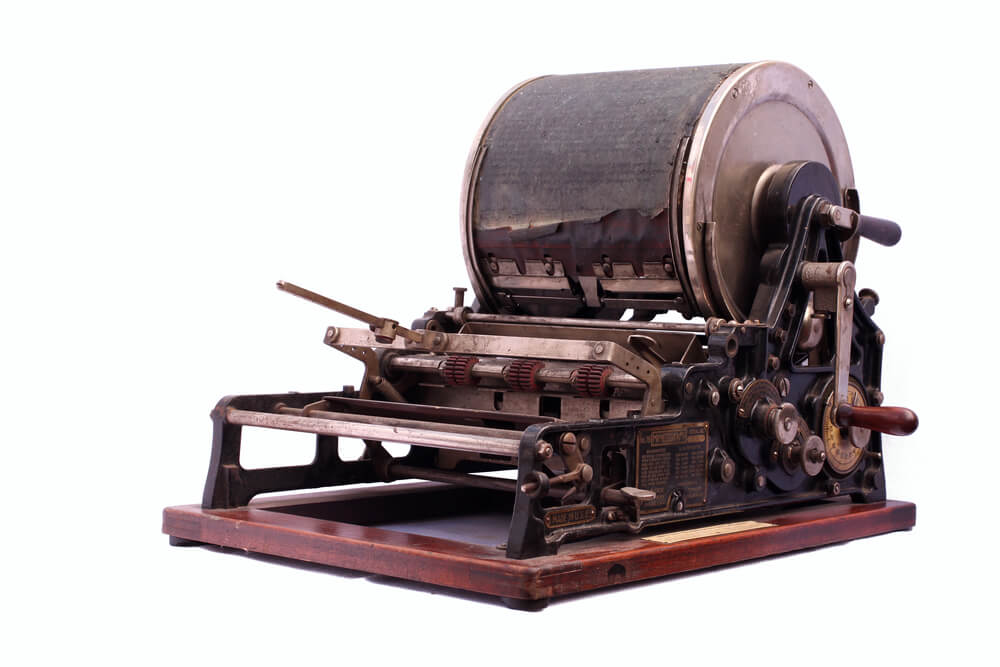
School offices ran a hand-cranked spirit duplicator to produce worksheets, and the machine made a rhythmic mechanical whirring sound with each rotation as it printed a fresh purple-inked page. Standard photocopiers replaced the format in most schools by the 1980s and 1990s.
Treadle Sewing Machine Whir
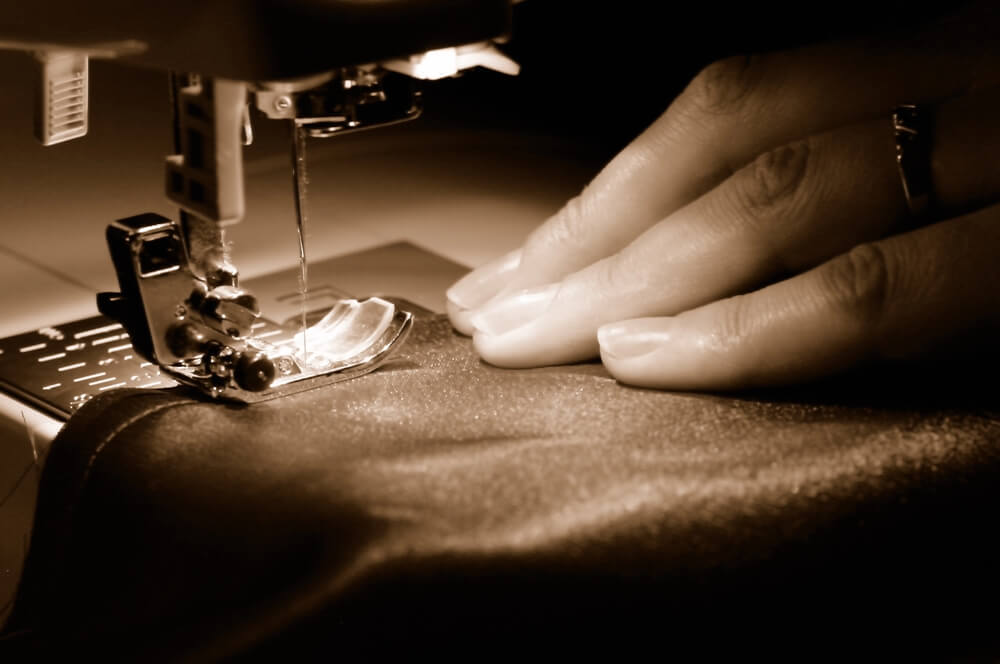
Foot-powered sewing machines produced a steady mechanical whirring and clacking rhythm as the treadle pedal drove the needle up and down. Electric sewing machines replaced the foot-powered mechanism in most households well before the end of the twentieth century.
Stovetop Percolator Perking
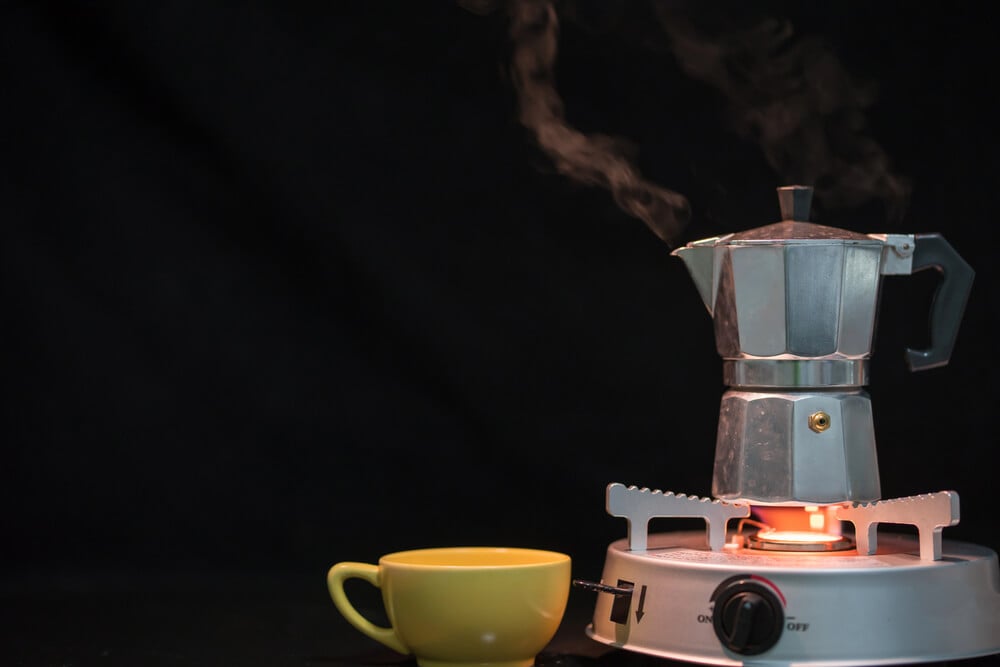
Percolator coffee pots produced an audible, rhythmic bubbling and gurgling sound as hot water cycled up through a tube and back down through the grounds. Automatic drip coffee makers and single-serve machines largely replaced the stovetop percolator’s distinctive perking rhythm in most kitchens.
Milk Bottle Clink on the Porch

Home milk delivery involved glass bottles being set down on a porch step, producing a specific clinking sound as full bottles replaced empty ones left out the night before. Refrigerated grocery store distribution largely ended residential milk delivery and its accompanying porch-step sound by the mid-twentieth century in most areas.
What Silence Actually Replaced

None of these sounds were designed to be pleasant. A dial tone, a printer screech, and a modem handshake were incidental byproducts of mechanisms doing their job, not intentional design choices.
What made them memorable was repetition: hearing the same specific sound at the same specific moment, day after day, until it became inseparable from the activity itself. Modern devices are quieter because efficient engineering tends to remove unnecessary noise, not because anyone set out to erase a soundscape.
But the removal was total enough that an entire generation can now instantly recognize a decades-old recording of a modem or a rotary dial, purely because nothing since has bothered to replace it with a sound of its own.
More from Go2Tutors!

- The Romanov Crown Jewels and Their Tragic Fate
- 13 Historical Mysteries That Science Still Can’t Solve
- Famous Hoaxes That Fooled the World for Years
- 15 Child Stars with Tragic Adult Lives
- 16 Famous Jewelry Pieces in History
Like Go2Tutors’s content? Follow us on MSN.