17 Parks Closed for Terrifying Reasons
Parks are supposed to be peaceful escapes where families can enjoy nature and create happy memories. Sometimes, though, these green spaces become the setting for events so disturbing that authorities have no choice but to shut them down completely. From natural disasters to human-made horrors, these closures remind us that even our most cherished public spaces aren’t immune to danger.
The stories behind these park closures range from the bizarre to the genuinely frightening. Here is a list of 17 parks closed for terrifying reasons.
Pripyat Amusement Park
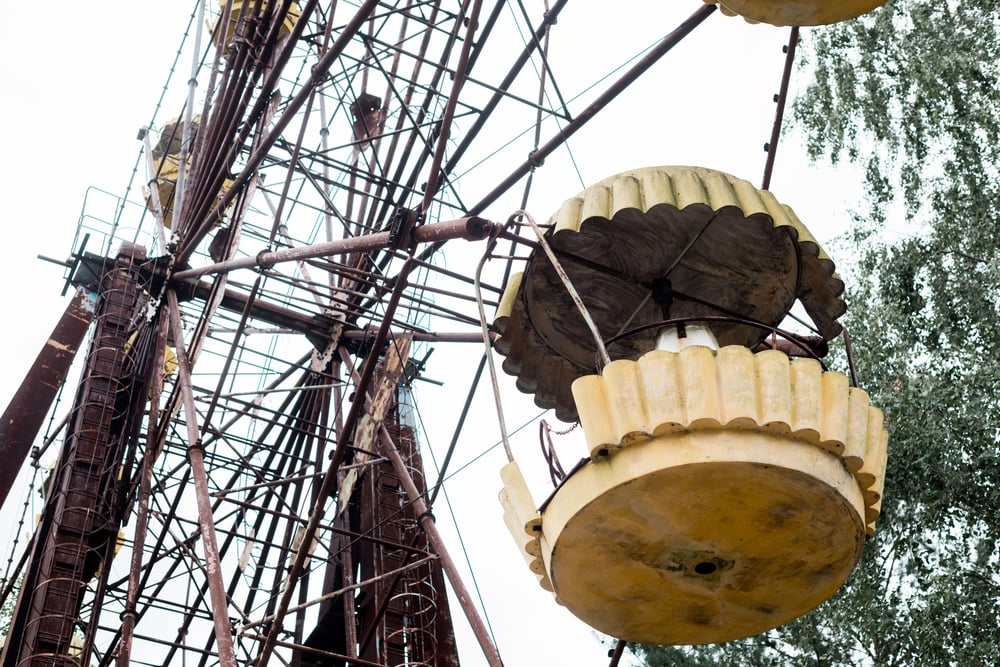
The Pripyat Amusement Park in Ukraine was scheduled to open on May 1, 1986, but the Chernobyl nuclear disaster struck just days before the grand opening. The park’s iconic Ferris wheel and bumper cars remain frozen in time, now covered in radioactive dust and serving as haunting symbols of the world’s worst nuclear accident.
Radiation levels in the area are still dangerous today, making this abandoned playground one of the most eerie places on Earth. The park has become a dark tourist attraction, though visitors can only stay for limited periods due to ongoing radiation exposure risks.
Lake Shawnee Amusement Park
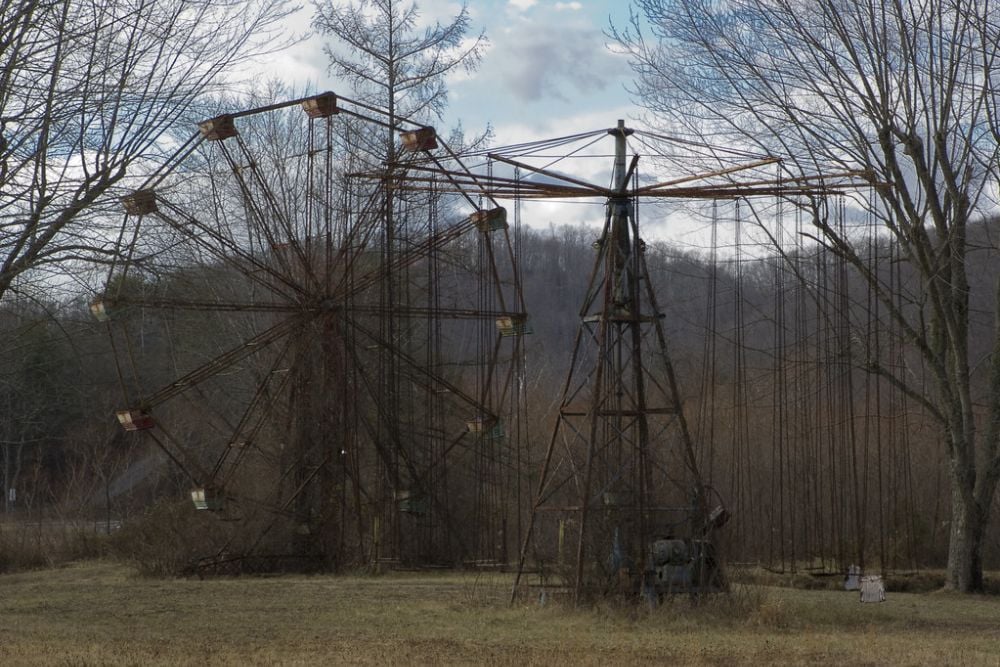
Lake Shawnee Amusement Park in West Virginia closed permanently in 1966 after a series of tragic accidents, but its history of death stretches back much further. The land sits on a former Native American burial ground where violent conflicts occurred in the 1780s, and multiple children died in accidents at the park during its operation.
Visitors and paranormal investigators report seeing ghostly children playing on the abandoned swings and rides. The park’s current owner has turned it into a historical site, but the combination of documented deaths and persistent supernatural reports keeps most people away after dark.
Like Go2Tutors’s content? Follow us on MSN.
Geauga Lake

Geauga Lake in Ohio closed in 2007 after years of declining attendance, but the real terror began during demolition when workers discovered the park had been built over a historic cemetery. Graves dating back to the 1800s were found beneath roller coaster foundations and concession stands, leading to a lengthy legal battle over proper reburial procedures.
Local residents reported strange occurrences during the park’s final years, including mechanical failures that seemed to target specific rides. The discovery explained decades of unexplained accidents and employee reports of ghostly figures wandering the grounds at night.
Action Park

Action Park in New Jersey earned the nickname ‘Traction Park’ due to its extraordinarily high injury rate before closing in 1996. The park’s rides were notoriously dangerous, with inadequately trained teenage staff operating attractions that regularly sent visitors to the hospital.
Six people died at the park, including drownings in the wave pool that became known as the ‘Grave Pool’ among locals. The park’s insurance costs eventually became unsustainable, and state regulators finally stepped in to shut down what many considered the most dangerous amusement park in America.
Centralia Municipal Park

Centralia Municipal Park in Pennsylvania was abandoned in the 1980s when an underground coal fire made the entire town uninhabitable. The fire has been burning since 1962 and could continue for another 250 years, creating dangerous ground temperatures and toxic gas emissions throughout the area.
Visitors can still see playground equipment and park benches, but the ground beneath them reaches temperatures hot enough to melt shoes. The few remaining residents of Centralia refuse to leave, creating an apocalyptic atmosphere where children’s swings sit empty while smoke rises from cracks in the earth.
Like Go2Tutors’s content? Follow us on MSN.
Dogpatch USA
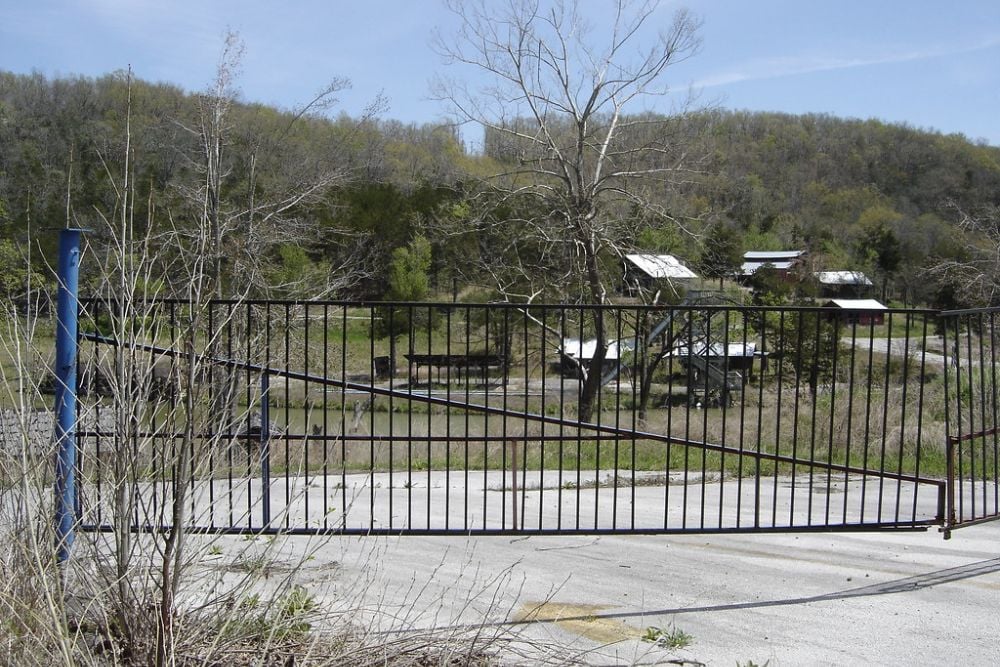
Dogpatch USA in Arkansas closed in 1993 after years of financial troubles, but urban explorers who venture into the abandoned theme park report disturbing discoveries. Vandals and squatters have turned the family-friendly attraction into a nightmarish landscape of graffiti, destroyed buildings, and makeshift shelters.
Local law enforcement regularly finds evidence of illegal activities, including drug manufacturing and occult rituals performed in the park’s former theater. The combination of structural decay and criminal activity has made the park so dangerous that authorities now prosecute trespassers to the full extent of the law.
Spreepark Berlin

Spreepark in Berlin closed in 2001 when its owner fled to Peru after accumulating massive debts, but the park’s story took a dark turn when he was later arrested for cocaine trafficking. The abandoned Ferris wheel and roller coaster became symbols of urban decay, attracting vandals and criminals who used the empty park for illegal activities.
During its abandonment, several people died on the property from accidents and violence, leading authorities to fence off the entire area. The park’s dinosaur sculptures and carnival rides create an unsettling post-apocalyptic atmosphere that has made it a popular filming location for horror movies.
Jazzland

Jazzland in New Orleans closed permanently after Hurricane Katrina in 2005, but flood damage was only the beginning of its problems. The abandoned park became a breeding ground for dangerous wildlife, including alligators and venomous snakes that moved into the flooded areas.
Looters stripped the park of valuable materials, leaving behind a dangerous maze of exposed electrical wiring and unstable structures. Urban explorers who ignore warning signs risk encounters with aggressive wildlife and potentially deadly structural collapses in what has become one of America’s most hazardous abandoned locations.
Like Go2Tutors’s content? Follow us on MSN.
Holy Land USA

Holy Land USA in Connecticut closed in 1984 after its founder died, leaving behind a religious theme park that quickly turned sinister. The park’s biblical displays fell into disrepair, creating an unsettling landscape of broken crosses and crumbling religious statues.
In 2010, a teenage girl was murdered on the property, adding a layer of genuine horror to the already creepy atmosphere. Local authorities struggle to keep trespassers out, as the park’s hilltop location and deteriorating religious imagery continue to attract both urban explorers and people with darker intentions.
Nara Dreamland

Nara Dreamland in Japan closed in 2006 and remained abandoned for over a decade, becoming a magnet for thrill-seekers and paranormal investigators. The park’s detailed replica of Disneyland attractions created an uncanny valley effect, with familiar rides rendered terrifying by years of decay and neglect.
Multiple deaths occurred on the property during its abandonment, including accidents involving unstable structures and at least one apparent homicide. The park was finally demolished in 2017, but not before it had gained international notoriety as one of the world’s most frightening abandoned places.
Glen Echo Park
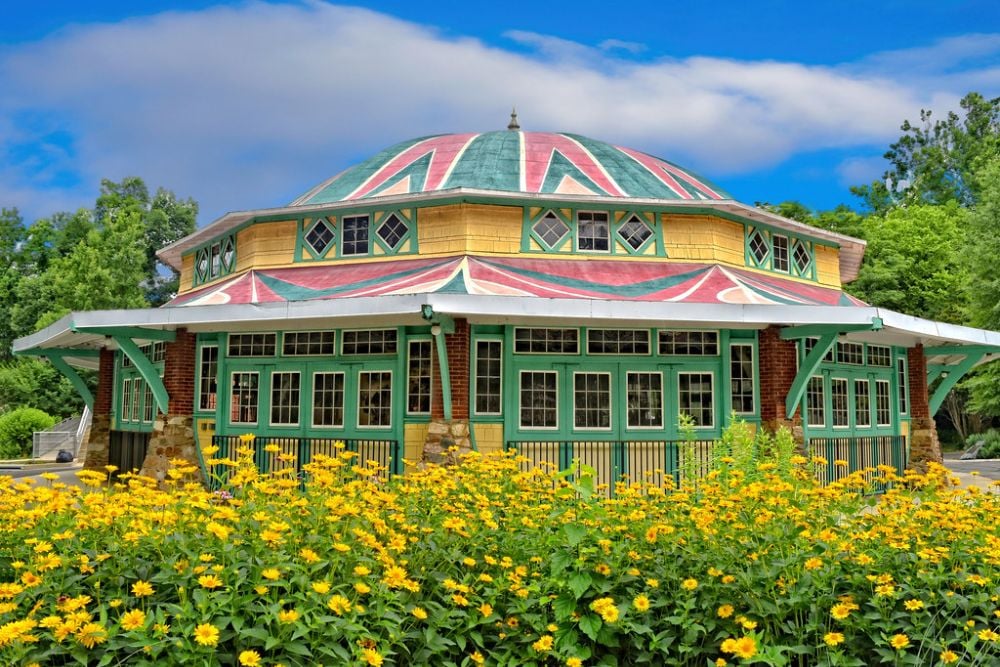
Glen Echo Park in Maryland operated as a segregated amusement park until 1968, but its closure came after a series of racial incidents that turned violent. The park’s history of discrimination created lasting tensions in the community, and its final years were marked by confrontations between civil rights protesters and park management.
After closing, the abandoned park became a gathering place for hate groups and white supremacist organizations, leading to several violent incidents. The National Park Service eventually took over the property and converted it into an arts center, but the park’s dark history of racial violence continues to haunt the location.
Like Go2Tutors’s content? Follow us on MSN.
River Country

Disney’s River Country in Florida closed permanently in 2001 after health concerns about the water quality made it impossible to operate safely. The park used natural lake water that became contaminated with a brain-eating amoeba, leading to at least one confirmed death and several serious illnesses.
Disney tried various treatment methods, but couldn’t eliminate the health risks posed by the natural water system. The abandoned water park remains on Disney property, slowly being reclaimed by nature while serving as a reminder that even the world’s most famous entertainment company isn’t immune to environmental dangers.
Miracle Strip Amusement Park
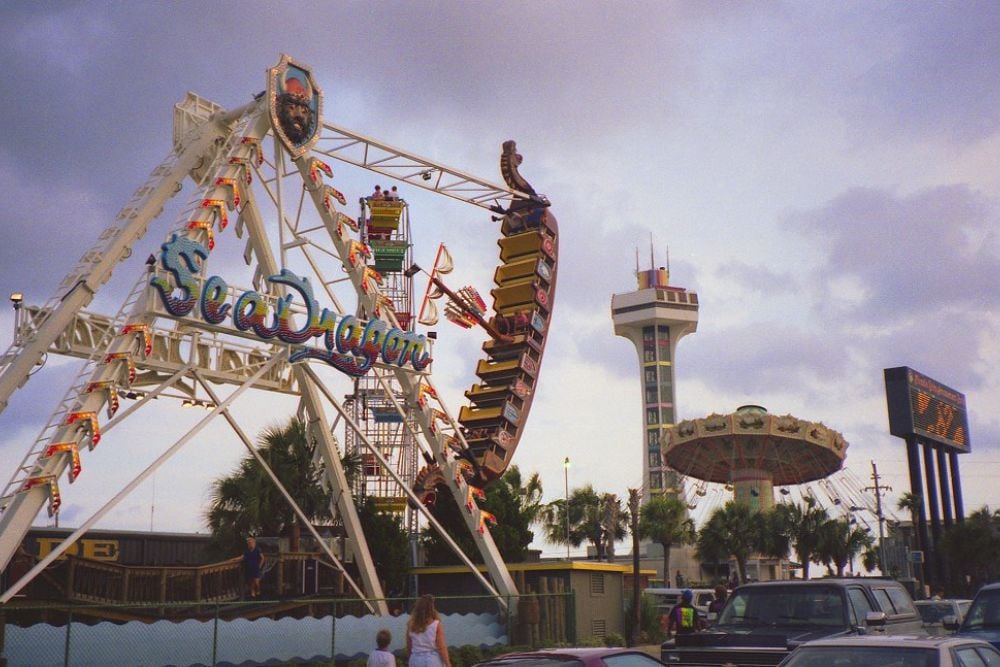
Miracle Strip Amusement Park in Florida closed in 2004 after Hurricane Ivan caused extensive damage, but the storm revealed disturbing structural problems that had existed for years. Investigators found that several rides had been operating with critical safety defects that could have caused catastrophic failures at any time.
The hurricane damage exposed corroded support beams and faulty electrical systems that put thousands of visitors at risk during the park’s final seasons. Rather than face the enormous costs of bringing the park up to safety standards, owners decided to permanently close and demolish the attractions.
Williams Grove Amusement Park

Williams Grove Amusement Park in Pennsylvania closed in 2005 after decades of declining safety standards and increasing accident rates. The park’s wooden roller coaster was involved in multiple serious injuries, including incidents where riders were thrown from cars due to mechanical failures.
Local emergency services reported an unusually high number of calls to the park during its final years of operation. The combination of aging rides, inadequate maintenance, and mounting insurance costs finally forced the park to close permanently rather than continue risking visitor safety.
Like Go2Tutors’s content? Follow us on MSN.
Conneaut Lake Park

Conneaut Lake Park in Pennsylvania has struggled with closures and reopenings for years due to ongoing financial problems and safety concerns. The park’s historic wooden roller coaster has been involved in several serious accidents, including derailments that injured multiple riders.
Financial instability has led to deferred maintenance on critical safety systems, creating dangerous conditions throughout the park. Local authorities have repeatedly threatened permanent closure unless the park can demonstrate adequate funding for safety improvements and proper ride maintenance.
Fantasy Island

Fantasy Island in New York closed in 2020 after years of safety violations and mechanical failures on its rides. The park accumulated dozens of citations from state inspectors for improperly maintained attractions and inadequate safety procedures.
Several rides were permanently shut down after incidents that could have resulted in fatalities, including roller coaster cars that nearly derailed due to track problems. The final closure came after a particularly serious accident involving the park’s log flume ride, which injured multiple visitors when safety systems failed completely.
Wildwood Boardwalk Piers

Several amusement piers on the Wildwood Boardwalk in New Jersey have closed permanently after structural failures and safety incidents that endangered visitors. Aging wooden structures beneath the rides began collapsing into the ocean, creating dangerous conditions that made continued operation impossible.
One pier closed immediately after a section of boardwalk gave way during peak season, nearly sending riders on a Ferris wheel plunging into the water below. The combination of storm damage, structural decay, and rising sea levels has made several of these oceanfront amusement areas too dangerous to operate.
Like Go2Tutors’s content? Follow us on MSN.
When Fun Becomes Fear

These park closures reveal how quickly places of joy can transform into sources of terror through neglect, natural disasters, or human tragedy. Each closure represents not just the end of entertainment venues, but the loss of community gathering places where generations created memories.
The most disturbing aspect isn’t the supernatural stories or urban decay, but the reminder that safety regulations exist for good reason and that even our most beloved recreational spaces require constant vigilance to remain safe. These abandoned parks serve as haunting monuments to what happens when oversight fails and maintenance is deferred too long.
More from Go2Tutors!

- 16 Historical Figures Who Were Nothing Like You Think
- 12 Things Sold in the 80s That Are Now Illegal
- 15 VHS Tapes That Could Be Worth Thousands
- 17 Historical “What Ifs” That Would Have Changed Everything
- 18 TV Shows That Vanished Without a Finale
Like Go2Tutors’s content? Follow us on MSN.



