18 Historical Documents Sealed Long After the People Involved Died
Death doesn’t automatically open a person’s files. Governments, universities, and even individuals have built legal mechanisms to keep sensitive material locked away for decades, sometimes well beyond the lifetime of everyone who could be personally affected by its release. The documents below span courts, wars, and personal correspondence, and every one of them carries a specific release date attached to a specific institution’s decision about when the world was ready to see it.
T.S. Eliot’s Letters to Emily Hale

Poet T.S. Eliot corresponded extensively with Emily Hale, a woman biographers describe as a significant personal influence on his work, and the letters were donated to Princeton University with instructions that they remain sealed for decades after both parties’ deaths. Eliot died in 1965 and Hale in 1969, but the roughly 1,200 letters weren’t opened to researchers until 2020.
Their release offered biographers and literary scholars a substantially fuller picture of a relationship Eliot had kept largely private during his lifetime.
Warren Burger’s Personal Papers
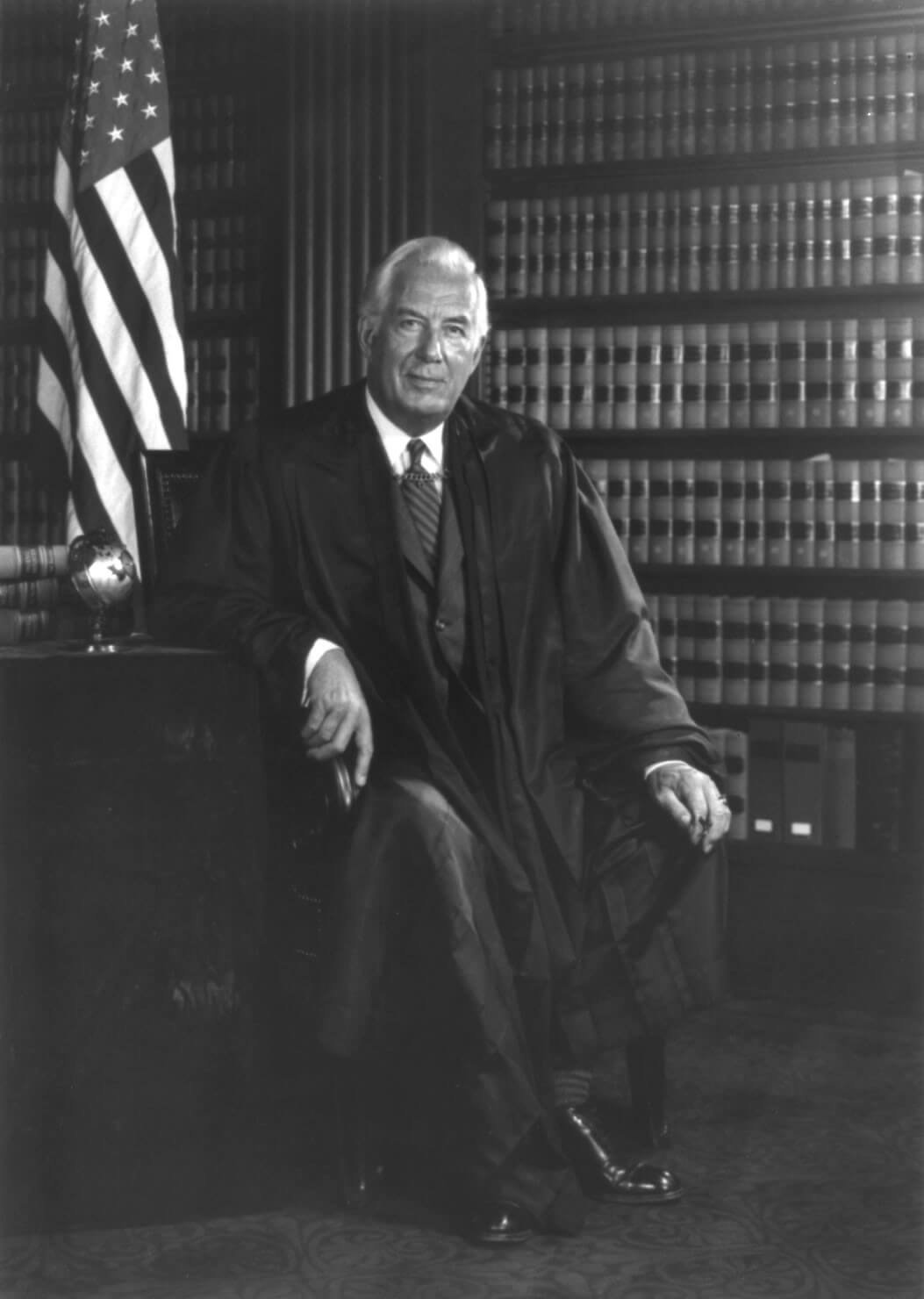
Warren Burger served as Chief Justice of the United States from 1969 to 1986, presiding over major cases involving abortion, capital punishment, and the Watergate scandal. His son donated roughly two million pages of personal papers to the College of William & Mary in 1996 with an agreement that they remain sealed until decades after the justice’s death in 1995.
The scheduled release has drawn attention from legal historians hoping the papers illuminate the internal deliberations behind some of the twentieth century’s most consequential Supreme Court decisions.
John F. Kennedy’s Harvard Psychological Assessment
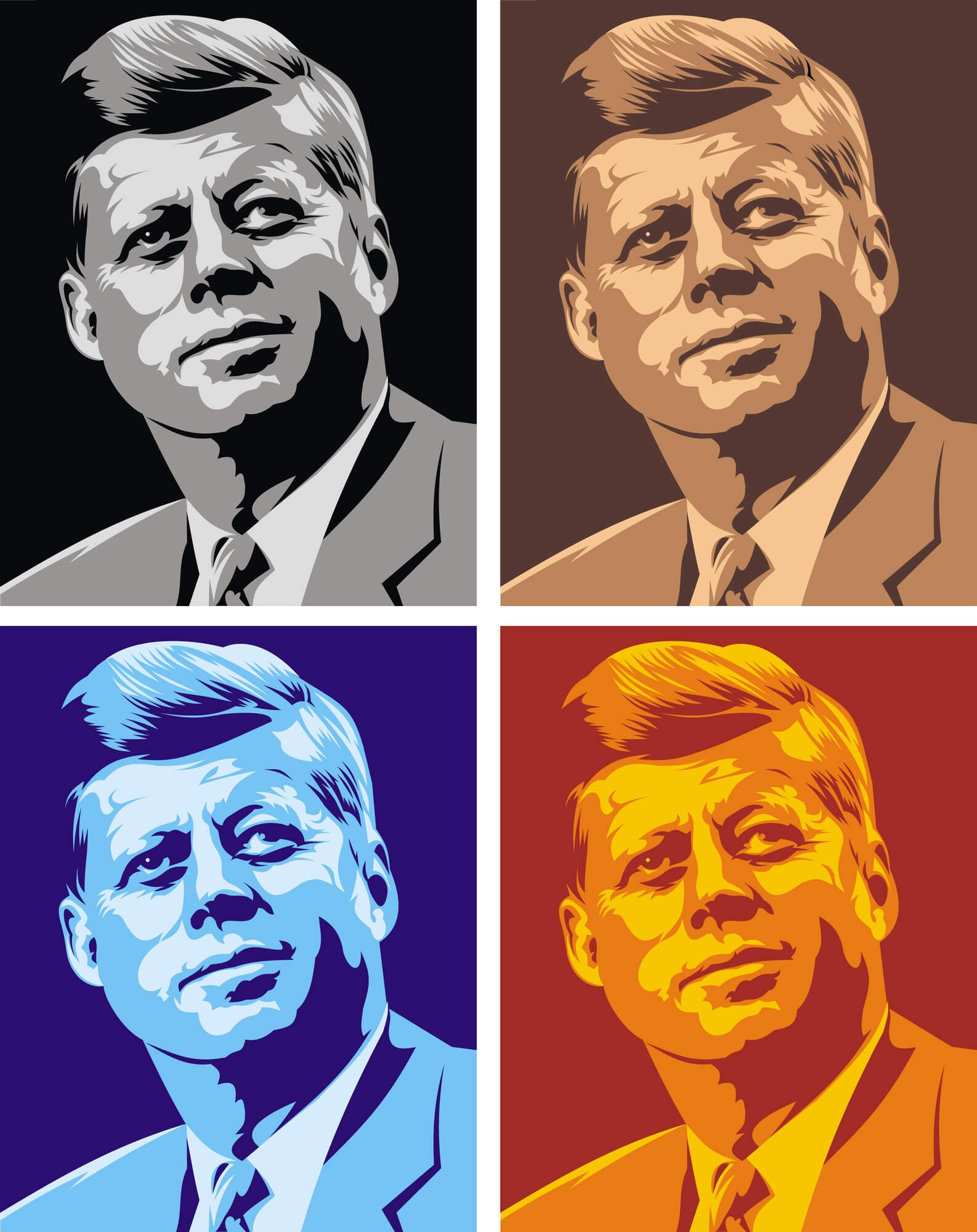
As an undergraduate, Kennedy participated in a long-running Harvard study tracking the psychological and physical development of young men, generating records that remain sealed under the study’s original confidentiality terms. Kennedy died in 1963, but the specific records tied to his participation aren’t scheduled for release until decades later.
Historians have speculated the material could offer insight into his character and outlook well before he entered public life.
Martin Luther King Jr.’s FBI Surveillance Files
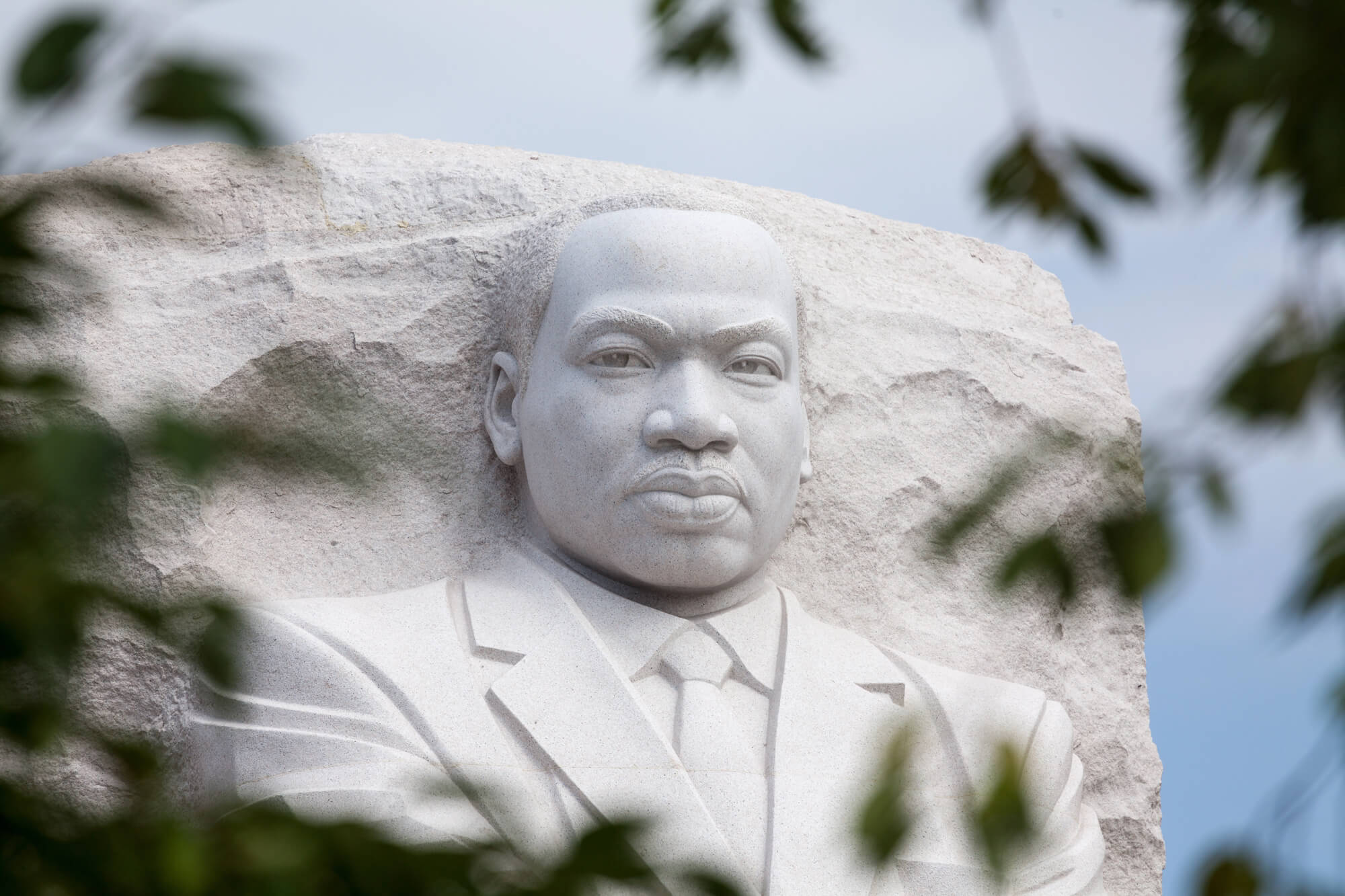
A federal judge ordered FBI wiretap recordings and surveillance records related to King sealed in 1977, nine years after King’s assassination, following concerns from his estate about how the material would be used. The seal was originally set to run for fifty years.
A large tranche of related assassination investigation records was released in 2025, though portions of the underlying surveillance material have remained a subject of ongoing legal dispute between the government and King’s family over final disclosure.
Edward VIII’s Abdication Records
A specific set of files related to the 1936 abdication of King Edward VIII, held at Oxford’s Bodleian Library, has remained sealed for an unusually long period compared to typical government records. Edward died in 1972, but the specific box of material isn’t scheduled for release until decades after that.
Royal historians have long speculated about what detail in the correspondence prompted such an extended restriction.
Rudolf Hess’s Interrogation Files
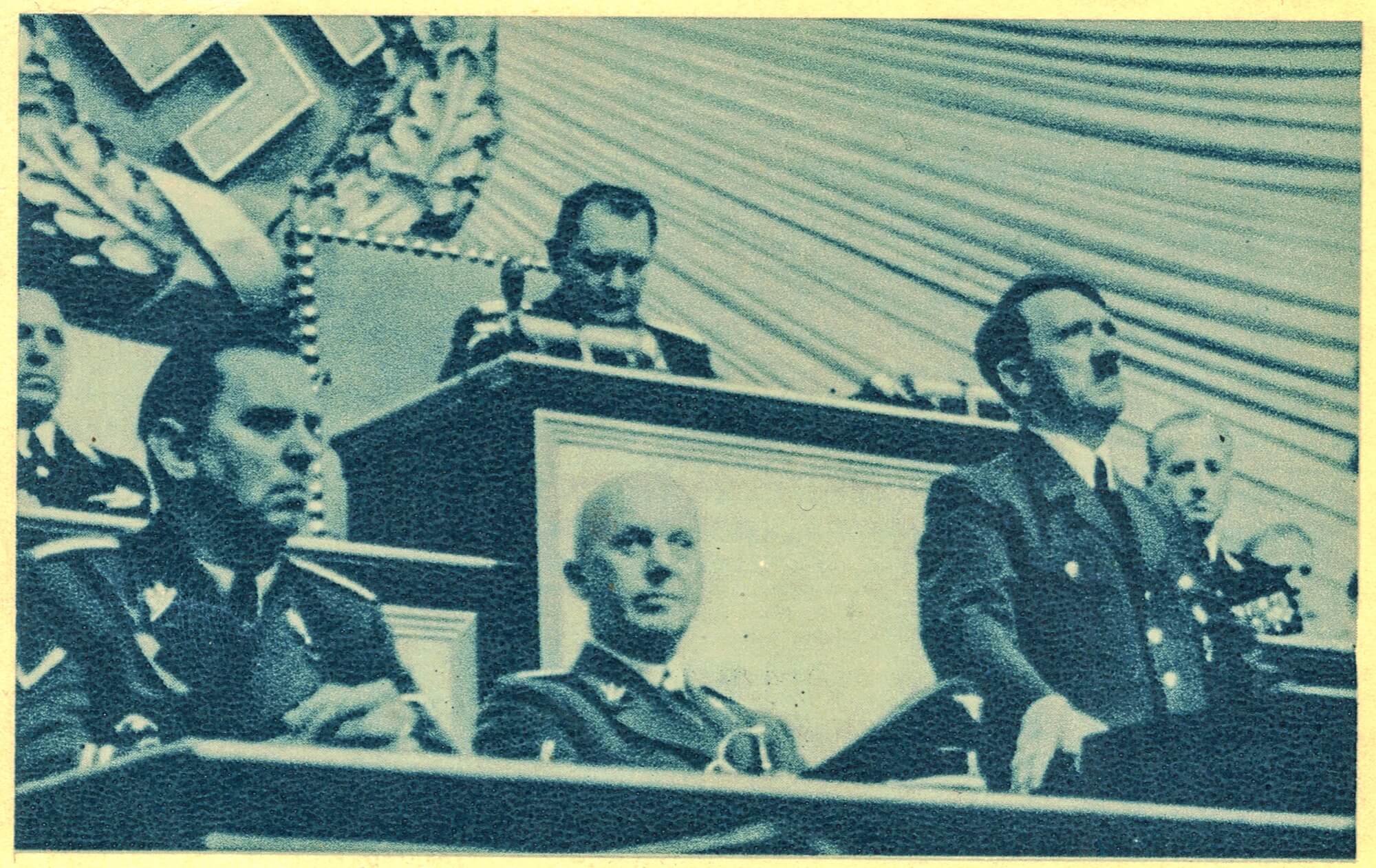
Records documenting the interrogation of Rudolf Hess, the senior Nazi official who flew to Britain in 1941 on an unauthorized peace mission, remain sealed by British intelligence agencies decades after his death in 1987. The scheduled release date sits well into the twenty-first century.
Historians studying the war’s diplomatic backchannels consider the files a significant remaining gap in the documented record of that episode.
Files on the Sinking of the SS Cap Arcona

British intelligence sealed records related to the 1945 sinking of the Cap Arcona, a ship carrying concentration camp prisoners mistakenly attacked near the war’s end, for a full century. Everyone directly involved in the incident has long since died, yet the seal remains in place under its original terms.
The unusually long restriction period has fueled decades of speculation among historians about what specific findings the records might contain.
The “Secret 5,000” Canadian Radar Technicians Files

Records documenting the wartime transfer of a group of Canadian radar technicians to Britain during World War II remain sealed by the Royal Canadian Air Force decades after the war’s end and after the deaths of virtually everyone involved. The unusual duration of the restriction, extending a full century from the original 1945 sealing, has made the file a notable example among archivists who track long-term government secrecy.
Little public explanation has been offered for why routine technical personnel transfers required such an extended seal.
Mark Twain’s Autobiography
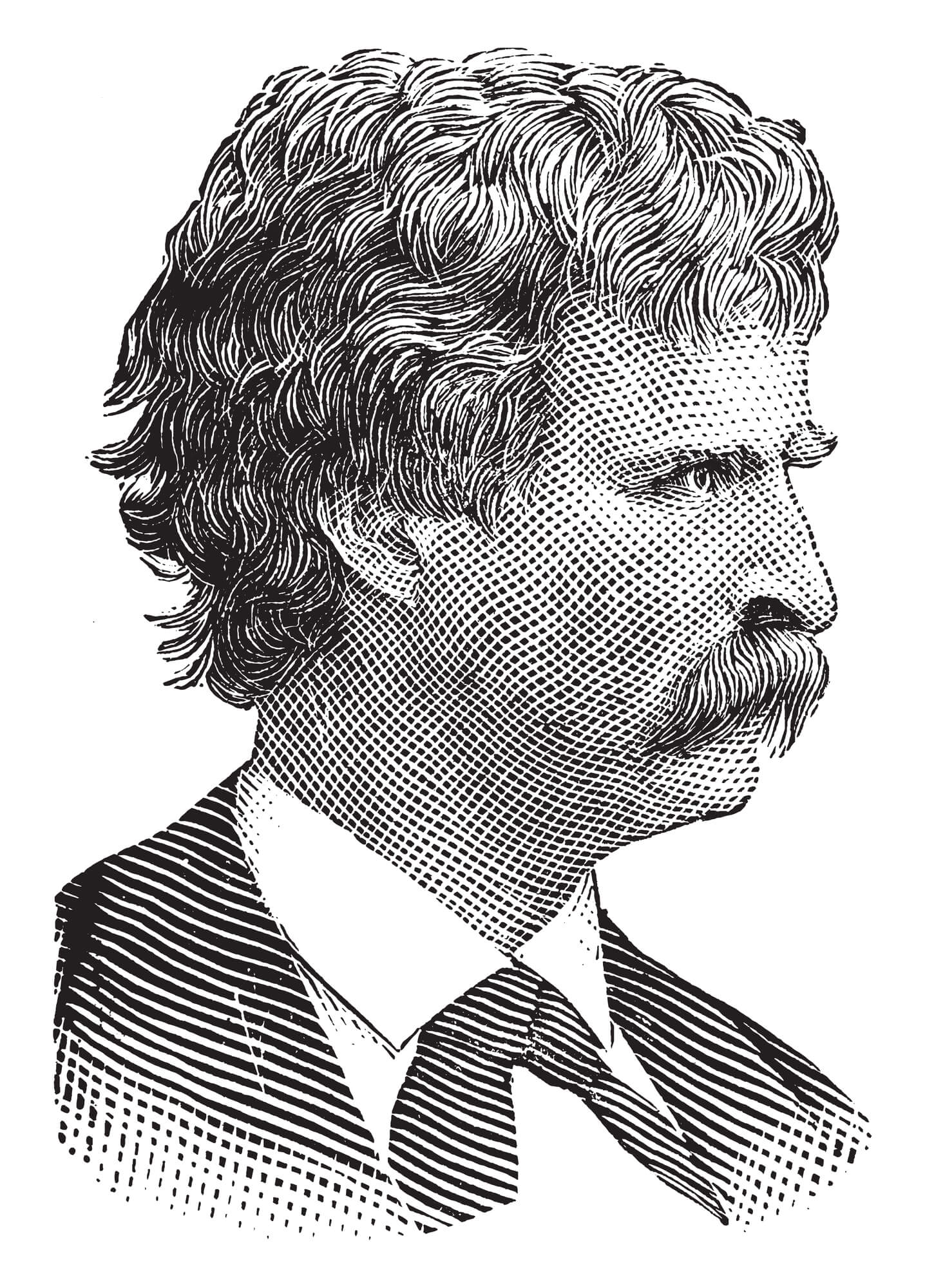
Twain died in 1910 and left specific instructions that his full autobiography not be published until a century after his death, reasoning that the delay would let him write with total candor about people who would otherwise still be alive to react. His estate honored that wish, and the complete unabridged text wasn’t released until 2010.
The eventual publication revealed opinions and personal details Twain had deliberately withheld from his lifetime readership.
Sigmund Freud’s Papers at the Library of Congress

Portions of Freud’s personal papers, including case notes and correspondence, were sealed with staggered release dates extending across more than a century after his 1939 death. Some material became available in 2000, other portions in 2013, and further sections remain restricted until dates as late as 2113.
The unusually long staggered timeline reflects concerns raised by Freud’s own family and later by his estate’s representatives about the sensitivity of clinical and personal material.
Princess Diana’s French Crash Investigation Dossier

French police completed a roughly 6,000-page investigation into the 1997 car crash that killed Princess Diana and Dodi Al Fayed, but the completed dossier was sealed under French archival law restricting access to certain records for seventy-five years. Diana died in 1997, yet the file isn’t scheduled to become accessible until 2072.
The restriction has fueled ongoing public speculation despite an official 2007 inquest ruling on the cause of the crash.
British Royal Family Government Papers
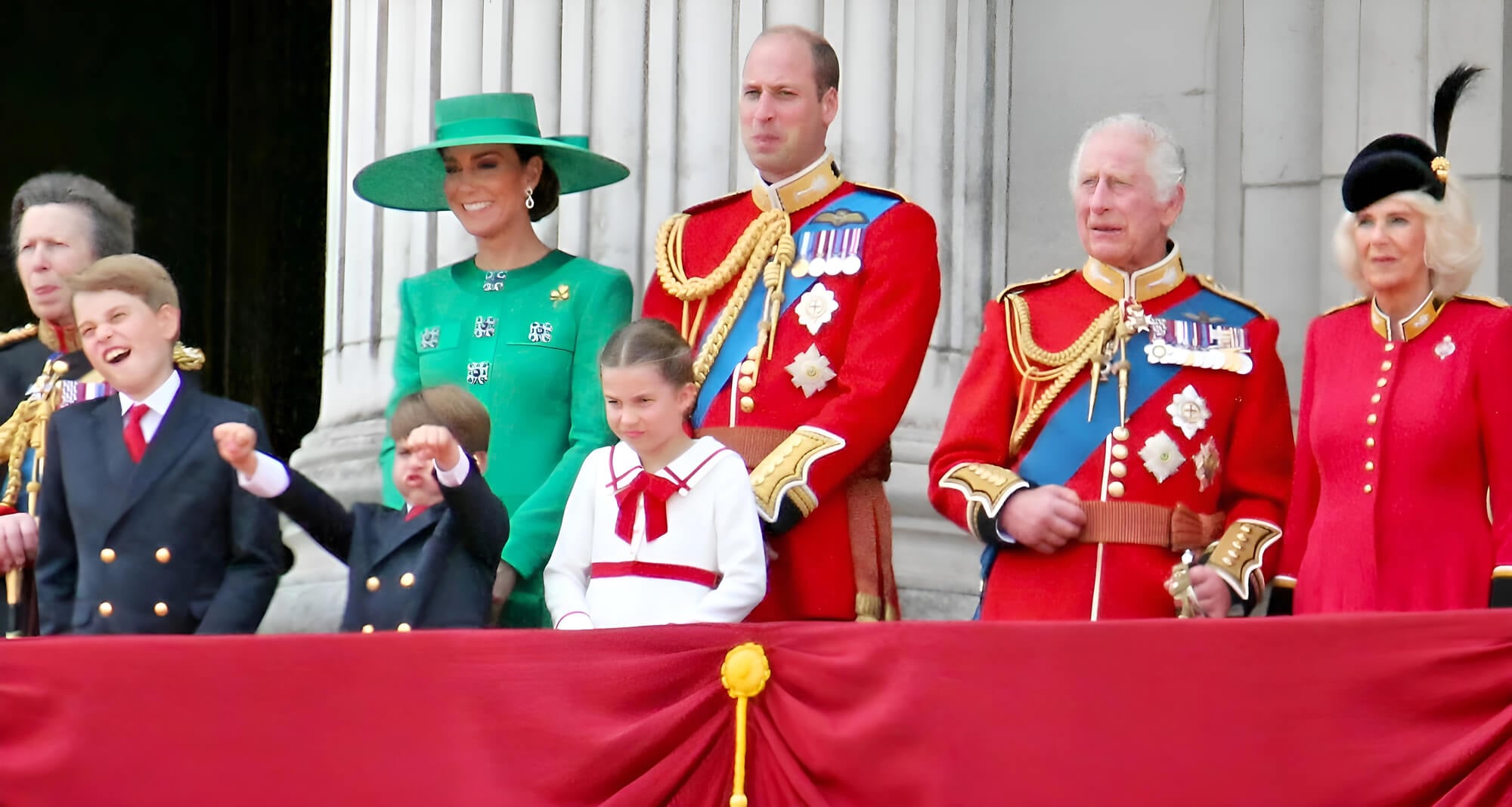
Government documents that mention or relate to members of the British royal family are subject to a restriction requiring them to remain sealed until 105 years after the individual’s birth, a considerably longer period than the twenty-year standard applied to most other government records. This means files concerning royals who died decades ago can remain inaccessible well into the current century.
Researchers and historians have publicly pushed back against the policy, arguing it goes beyond what’s needed to protect legitimate privacy interests.
The JFK Assassination Records Collection
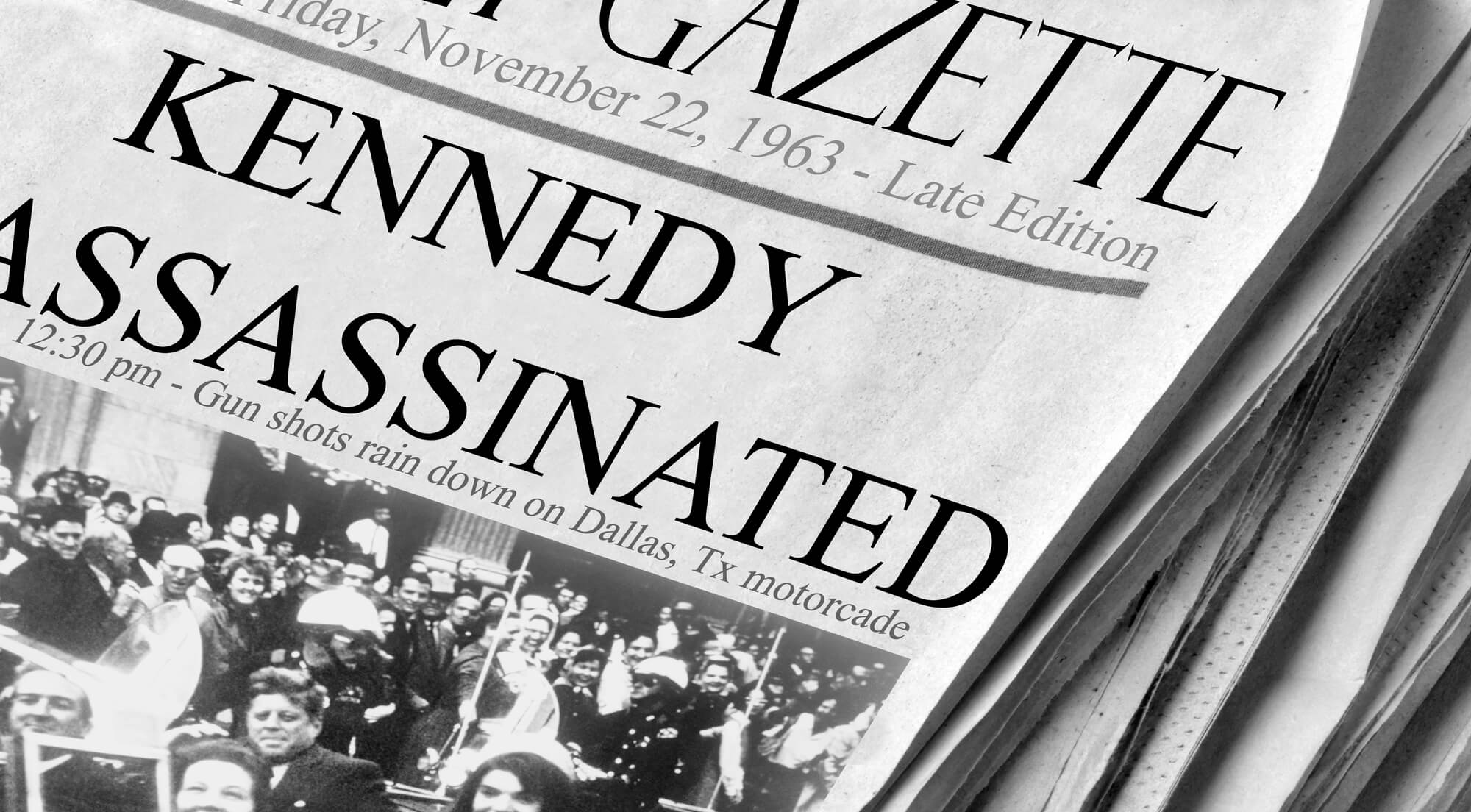
Legislation passed in 1992 mandated the eventual full release of government records related to the 1963 assassination of President Kennedy, but successive administrations delayed full compliance for decades citing national security concerns. Nearly every individual with direct knowledge of the assassination investigation had died by the time the final tranches were released in 2025.
The extended delay between the legislative mandate and full disclosure became its own subject of historical scrutiny.
Katyn Massacre Documentation
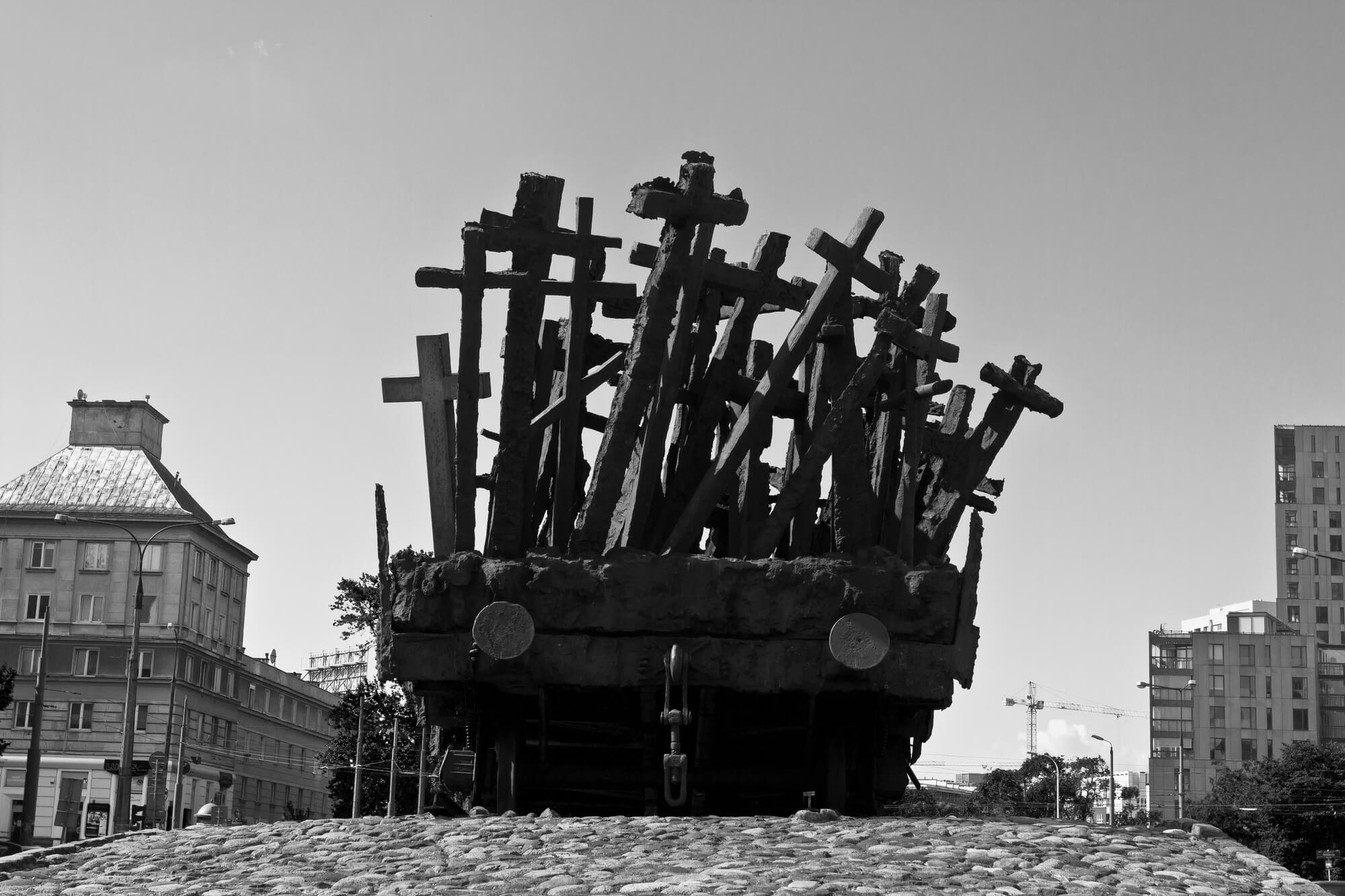
Soviet records documenting the 1940 killing of thousands of Polish military officers remained suppressed for fifty years, with the USSR blaming the massacre on Nazi Germany throughout that period. Virtually everyone with direct knowledge of the killings had died by the time the Soviet Union formally acknowledged responsibility in 1990.
The eventual release of supporting documentation confirmed accounts that Polish historians had argued for decades despite official denial.
Attica Prison Uprising Records
New York State restricted access to investigative and forensic records from the 1971 assault that ended the Attica prison uprising, a decision that kept significant material out of public view for decades after the event. Many of those involved, including inmates, guards, and officials, had died by the time courts ordered fuller disclosure following sustained legal pressure.
The delayed release reshaped public understanding of how the state’s own actions contributed to the death toll.
Vatican Archives on Pope Pius XII’s Wartime Record
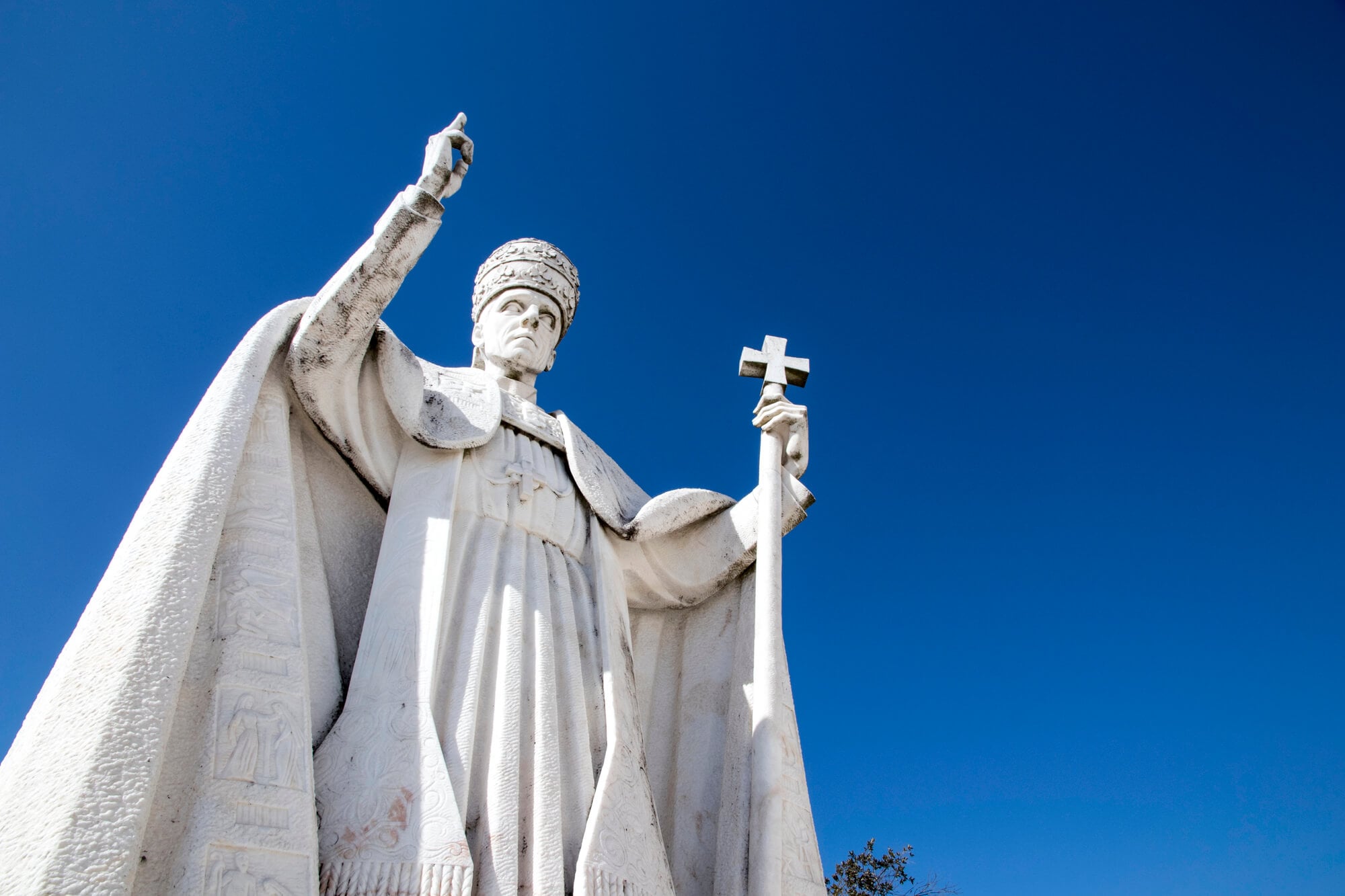
The Vatican kept its full archival record concerning Pope Pius XII’s actions and correspondence during World War II restricted for more than fifty years after his death in 1958, fueling ongoing historical debate about the extent of his response to the Holocaust. The material wasn’t opened to researchers until 2020, after decades of appeals from historians.
Scholars are still working through the volume of newly accessible correspondence and internal Vatican communications from the period.
FBI File on Marilyn Monroe
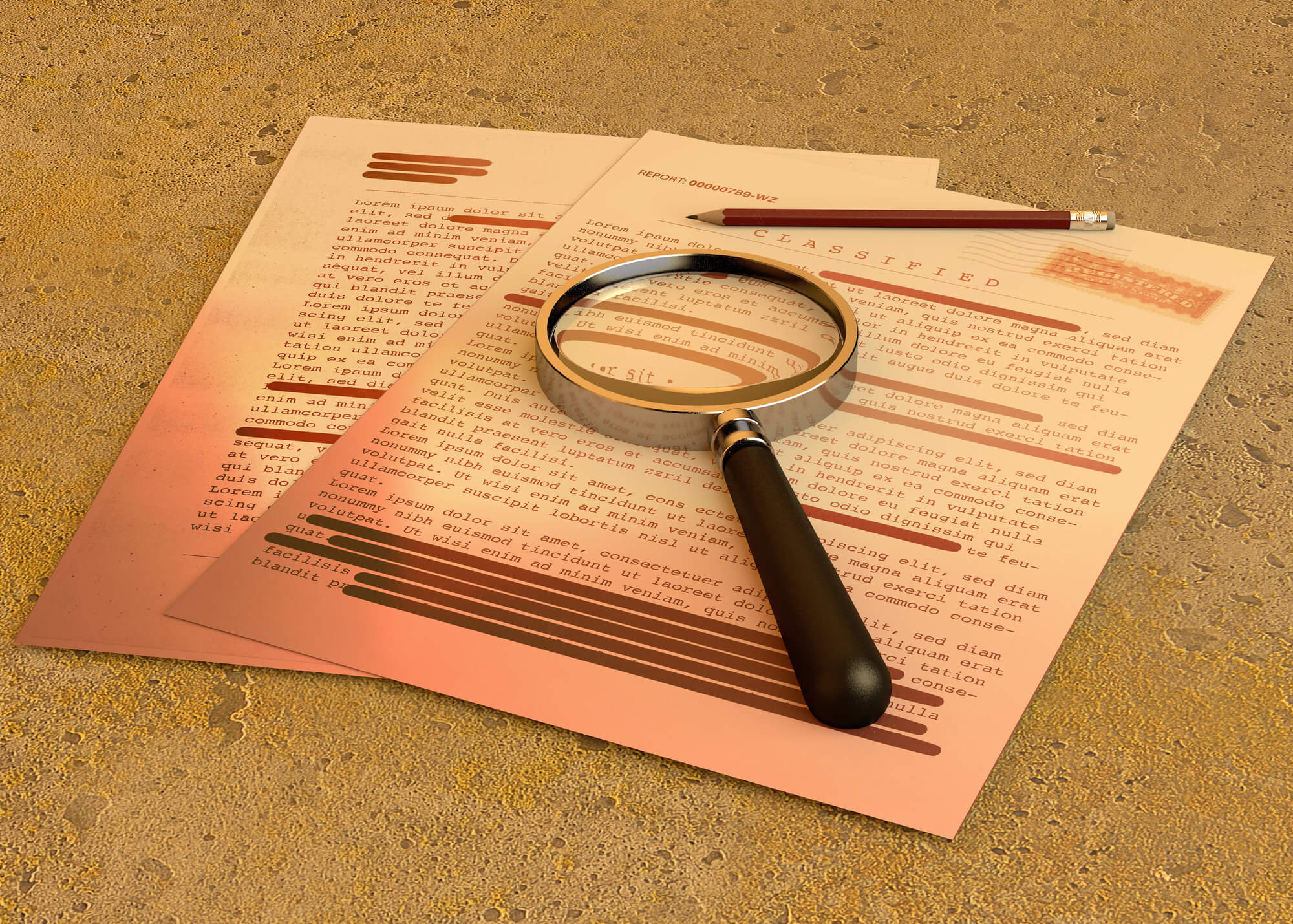
The FBI maintained a file on Marilyn Monroe tied to her associations and activities before her 1962 death, portions of which remained withheld or heavily redacted for decades after her passing under standard federal privacy and national security exemptions. Successive Freedom of Information Act requests gradually pried loose additional pages over the years, though some material reportedly remains withheld.
The slow, incremental release has kept the file a recurring subject of interest among researchers focused on Cold War-era surveillance of public figures.
Nixon White House Tape Recordings

While portions of the Watergate-era tapes were released during the 1970s legal proceedings that followed President Nixon’s resignation, a substantial portion of the full recorded archive remained under review and restricted release for years after Nixon’s 1994 death. Archivists worked for decades to process, review, and gradually release the complete collection under the terms governing presidential records.
The staggered release meant new material continued to surface long after most participants in the recorded conversations had died.
What Outlives the People Involved

A sealed document assumes something worth protecting will still matter once the people it concerns are gone, which is a strange kind of confidence when you sit with it. Someone, somewhere, decided that a letter or a file was dangerous enough, or private enough, to outlast the person who wrote it, argued over it, or appeared in it.
Most of the time, that confidence turns out to be about reputation rather than genuine danger. The files above rarely reveal anything catastrophic once finally opened.
What they usually reveal is how ordinary the fear of exposure actually was, dressed up for decades in the language of national security or personal dignity.
More from Go2Tutors!

- The Romanov Crown Jewels and Their Tragic Fate
- 13 Historical Mysteries That Science Still Can’t Solve
- Famous Hoaxes That Fooled the World for Years
- 15 Child Stars with Tragic Adult Lives
- 16 Famous Jewelry Pieces in History
Like Go2Tutors’s content? Follow us on MSN.