14 Ancient Myths That Turned Out to Have Some Truth Behind Them
Humans have been telling amazing stories about gods, monsters, and legendary events for ages. Modern archaeology, science, and historical research have uncovered unexpected truths in many old myths, despite the fact that many of these tales were formerly written off as pure fantasy or rudimentary attempts to explain natural events.
Here is a list of 14 ancient myths that contained more factual elements than scholars initially believed. These examples show how our ancestors often wove real events, places, and observations into their mythological traditions.
The Lost City of Troy
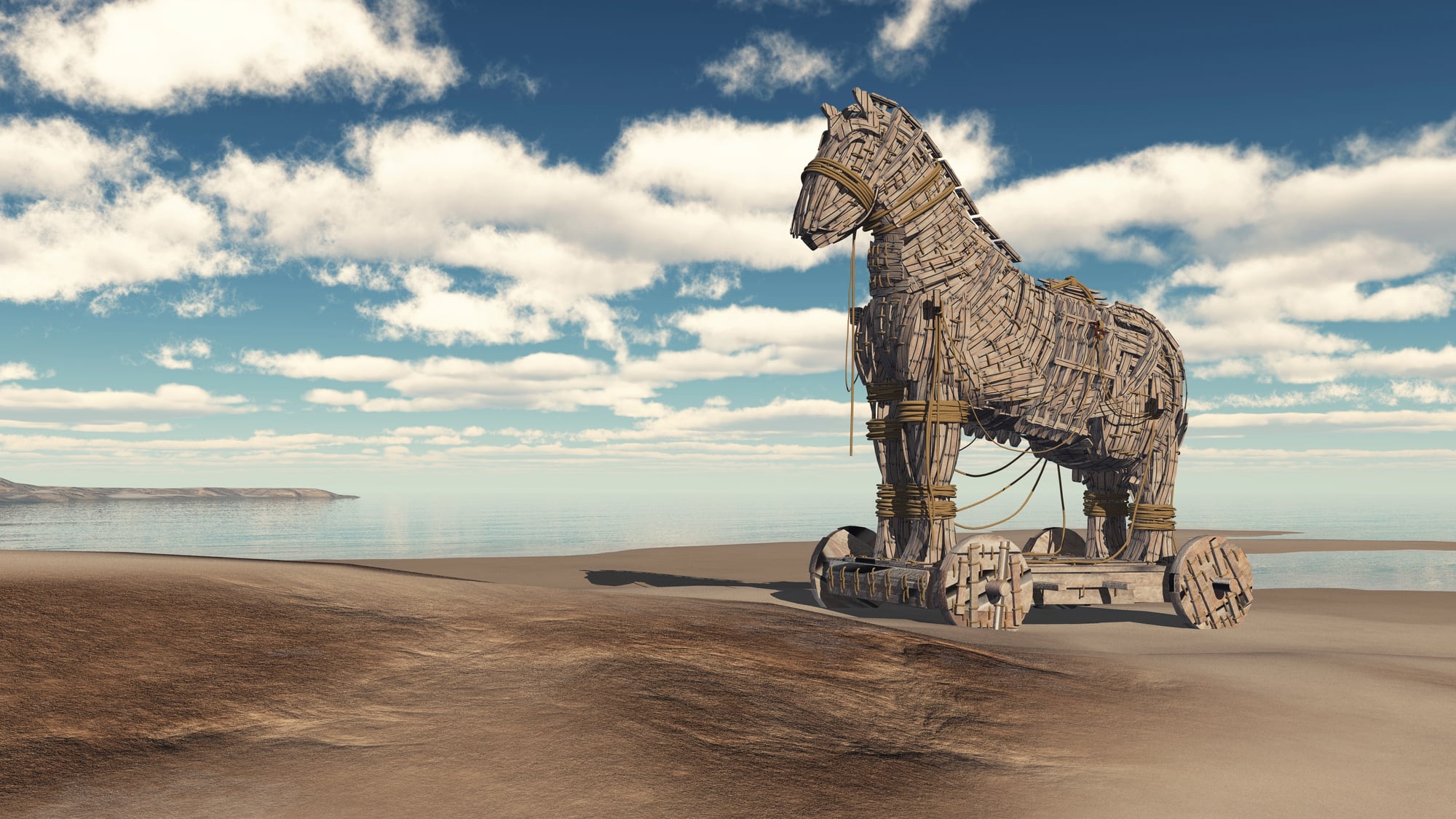
Homer’s epic poems about the Trojan War were thought to be entirely fictitious for centuries until the actual city was discovered in 1870 by Heinrich Schliemann, a German merchant. Troy was a significant Bronze Age metropolis, as evidenced by the discovery of at least nine distinct settlement strata by archaeologists at the location in present-day Turkey.
Recent data points to the city’s destruction by war around 1180 BCE, which is consistent with the Trojan War’s conventional dating.
The Labyrinth of Crete

According to Greek mythology, Daedalus constructed a complex labyrinth to house the Minotaur, a monster that was half bull and half man. Archaeological findings in Knossos, Crete, have uncovered a huge palace complex that is so complicated and perplexing that guests would definitely get lost without a guide.
The labyrinth mythology might have been inspired by the architecture of the palace, which had more than 1,000 interconnected rooms. The palace was decorated with images of bulls, indicating that Minoan civilization placed a high value on bull worship.
Great Flood Narratives
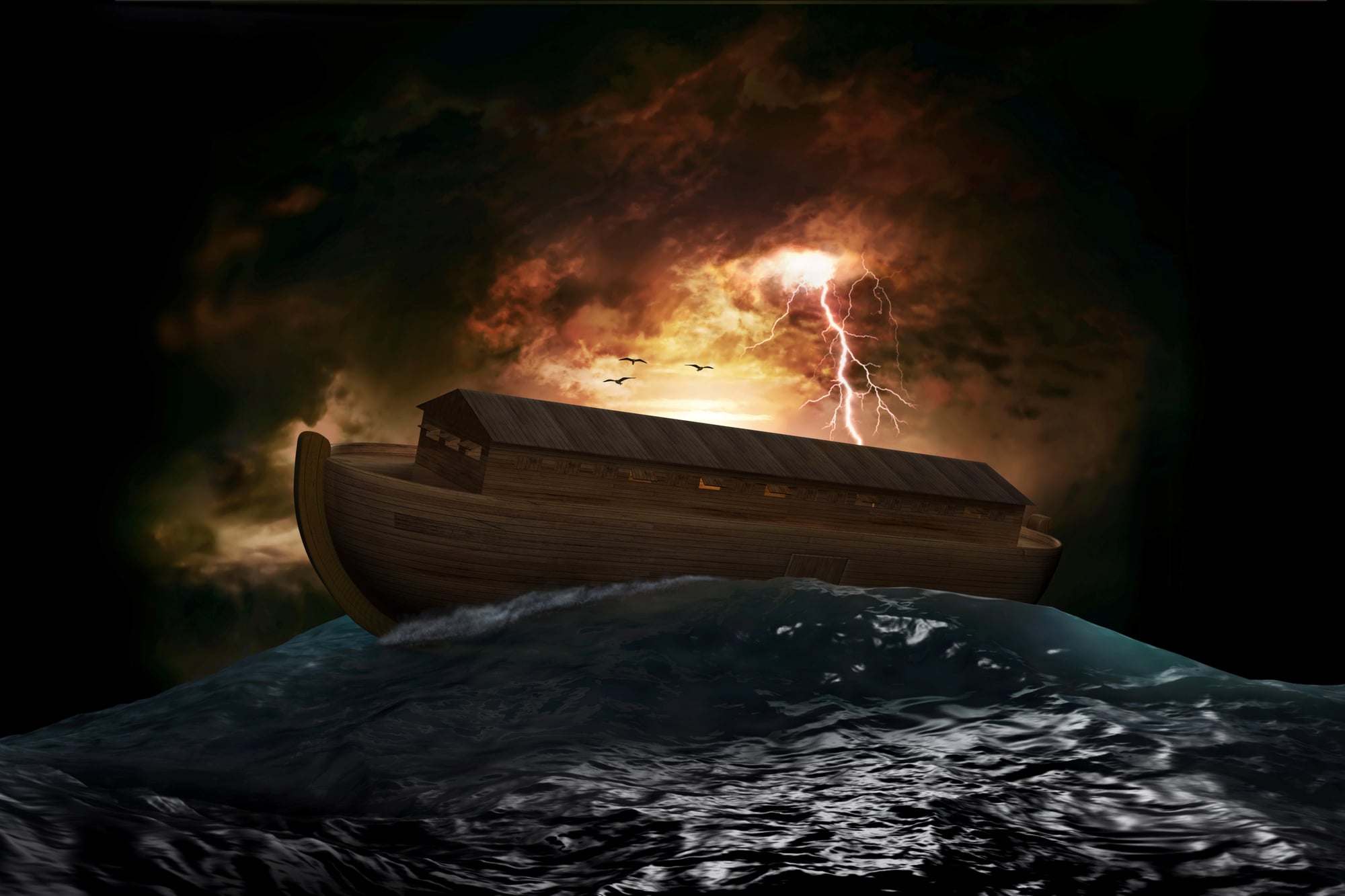
More than 300 cultures around the world have flood myths, ranging from indigenous American tales to Mesopotamia’s Epic of Gilgamesh. Geologists have found evidence of multiple catastrophic flooding events, including the flooding of the Black Sea basin, that occurred between 7,000 and 10,000 years ago at the conclusion of the last Ice Age.
Many flood myths around the world are probably based on these horrific occurrences, which have been passed down orally for generations.
Amazon Warriors

Before archaeologists discovered several tombs of battle-scarred female bones over the Eurasian Steppe, Greek stories of strong female warriors known as Amazons were long dismissed as fiction. These women rode horses, drew bows, and wielded combat axes alongside their male counterparts in nomadic Scythian tribes, according to DNA and forensic studies.
Female warriors were more than just mythological, as evidenced by the fact that up to 37% of Scythian women discovered in graves had signs of combat injuries.
The Sarasvati River
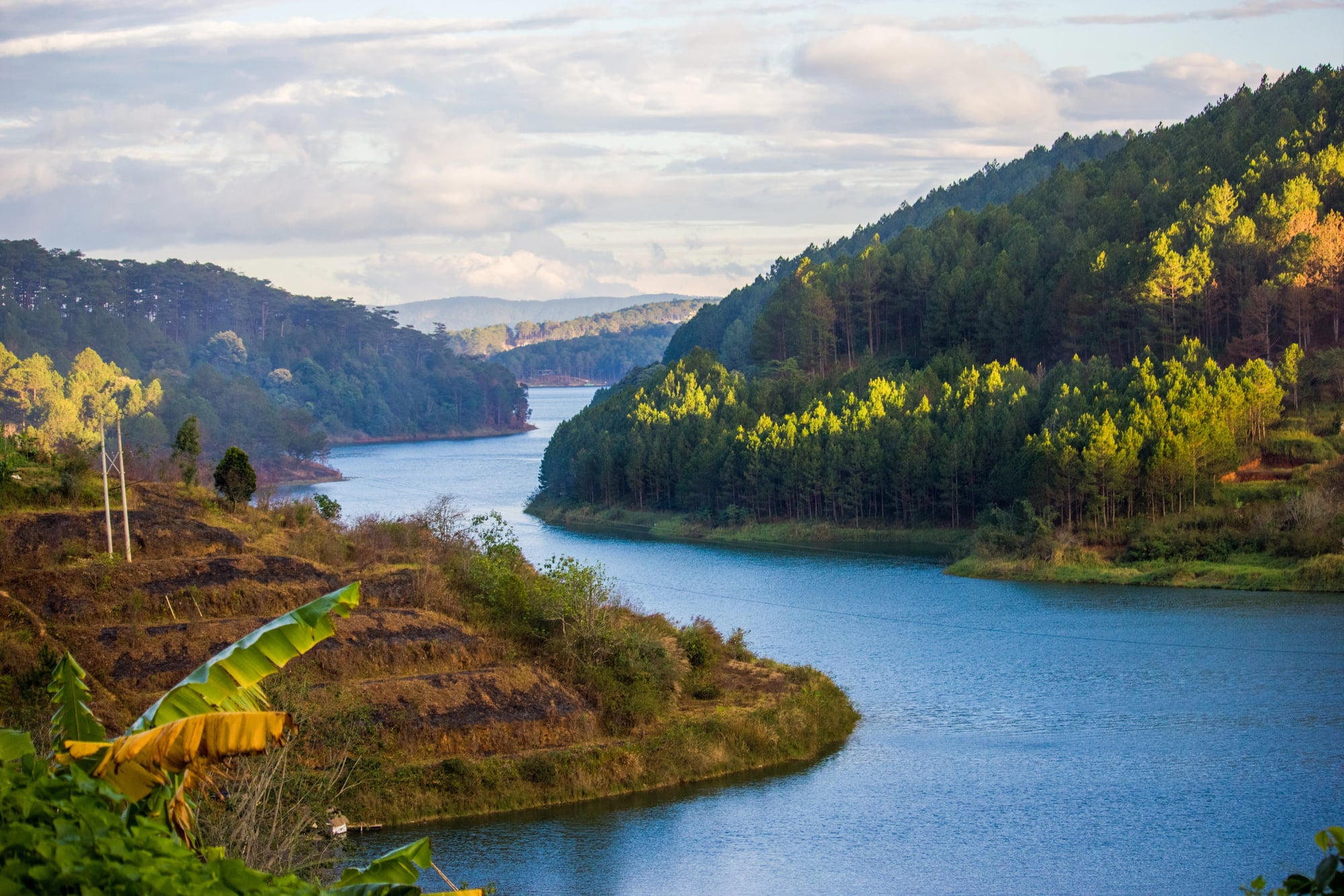
Major civilizations were supported along the banks of the Sarasvati, a powerful river that ran from the Himalayas to the Arabian Sea, according to ancient Hindu texts. The location of the Sarasvati in the scriptures is precisely where a dried riverbed has been found by geological research and modern satellite photos.
Due to geological movements and temperature change, the river most likely dried up approximately 2000 BCE, according to climate research, which explains why this once-central stream vanished from later historical records.
Egyptian Plagues
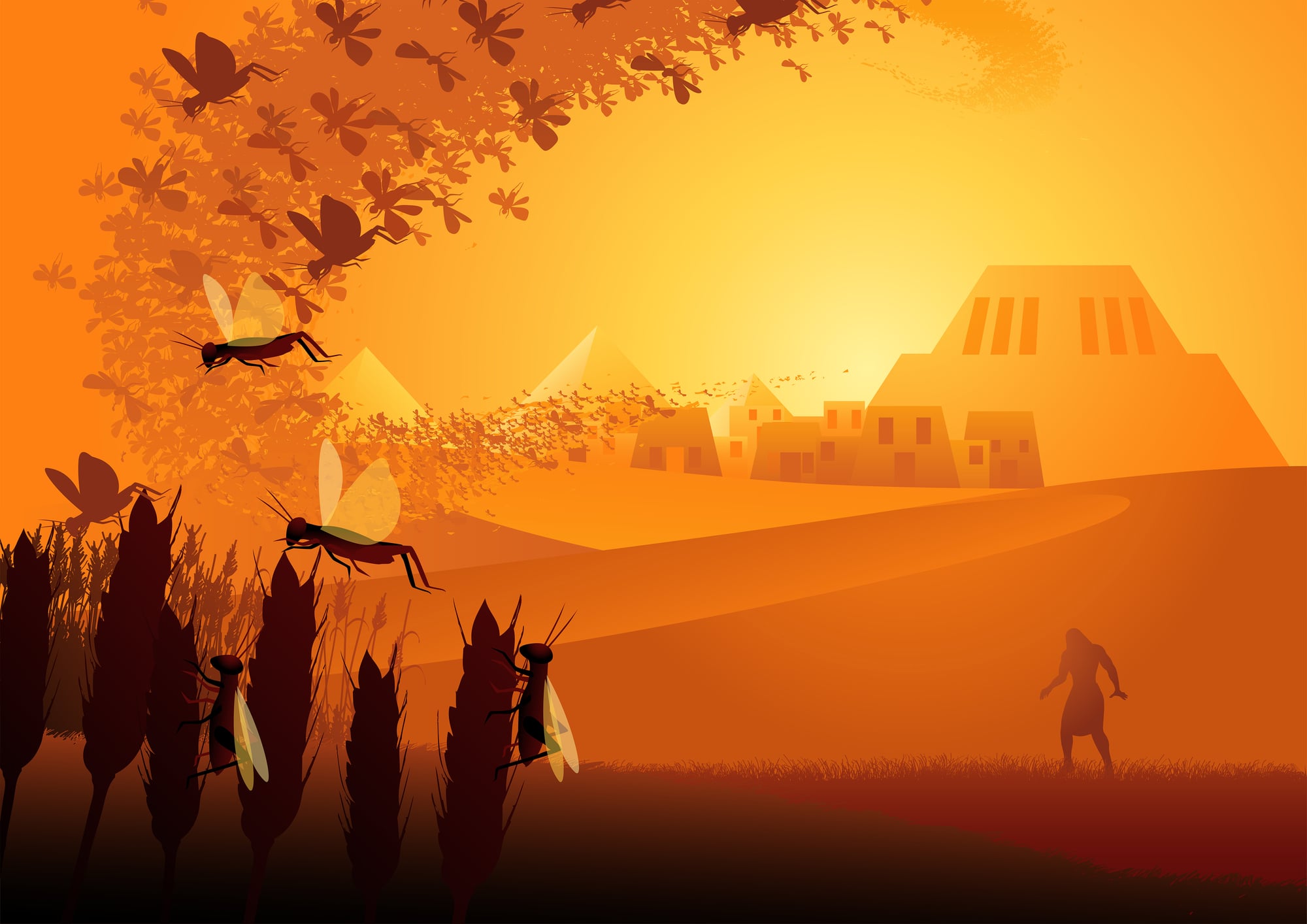
The biblical account of ten plagues striking Egypt contains elements that match scientific explanations for cascading ecological disasters. A volcanic eruption on the Mediterranean island of Thera around 1500 BCE could have triggered several of the described plagues.
Red mineral deposits could have turned water blood-red, driving frogs to land, followed by insect swarms, livestock diseases, and darkness from volcanic ash clouds—creating a sequence of disasters similar to the biblical narrative.
King Midas

Greek mythology portrayed King Midas as a ruler whose touch turned objects to gold. Archaeological discoveries in central Turkey revealed an immensely wealthy Phrygian king who ruled around 700 BCE and was indeed named Midas.
His kingdom controlled important gold mines, and his capital at Gordion yielded spectacular golden artifacts. The myth likely exaggerated the historical king’s actual wealth and mining operations into the supernatural touch ability.
Dragons
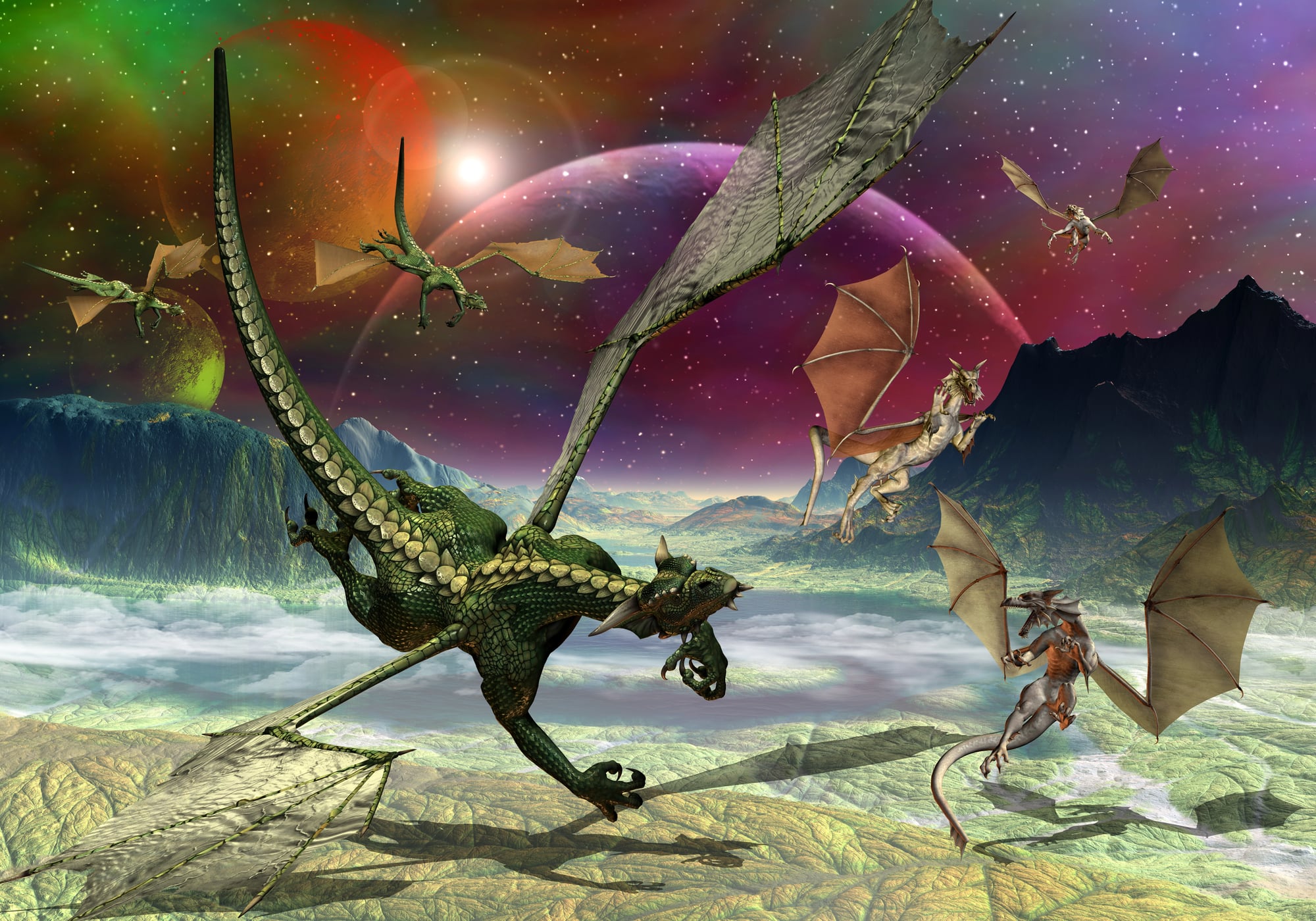
Large, reptile predators that threatened people and livestock are frequently described in dragon myths found in cultures throughout Europe and Asia. According to paleontological data, gigantic animals such as large monitor lizards and Nile crocodiles may have been encountered by prehistoric people.
The idea that dragon mythology was impacted by early fossil discoveries is more convincing because traditional Chinese medicine used “dragon bones” that were actually dinosaur fossils, establishing a clear connection between legendary animals and prehistoric remnants.
The Hanging Gardens of Babylon

Considered one of the Seven Wonders of the Ancient World, the Hanging Gardens were long thought to be purely mythical until archaeological evidence suggested they might have existed in Nineveh rather than Babylon. Archaeologists discovered an extensive aqueduct system and foundations for what could have been terraced gardens built by Assyrian King Sennacherib around 700 BCE.
Ancient texts describe innovative irrigation screws and pumps that could have maintained gardens matching the legendary description.
The City of Helike
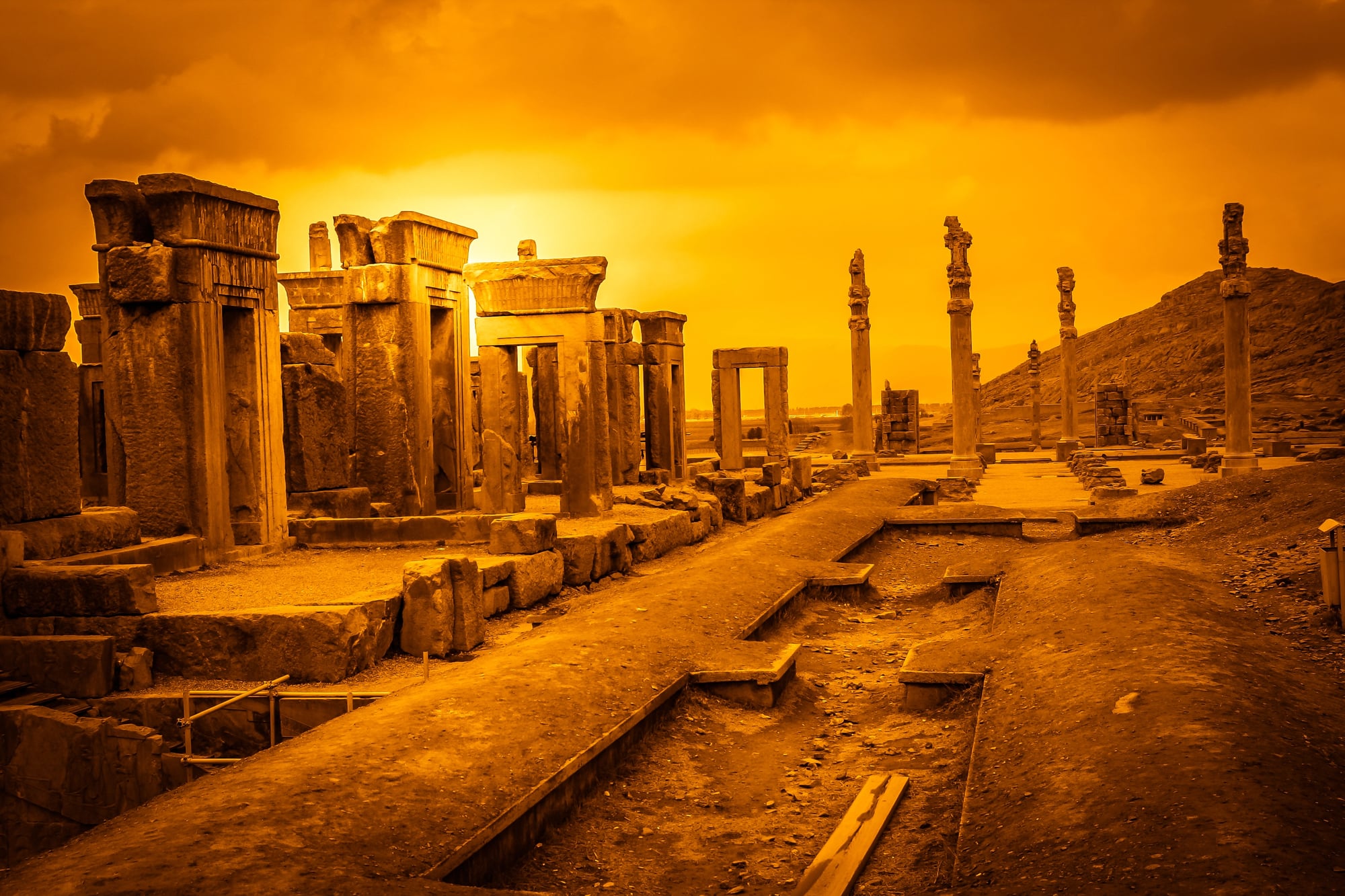
Following an earthquake and tsunami in 373 BCE, Greek authors wrote of a thriving city named Helike that vanished under the Gulf of Corinth in a single night. Until archaeologists discovered the ruins in 2001, buried beneath sediment close to the current seashore, this was regarded for ages as a sobering moral tale.
With evidence of a violent tsunami that buried the prosperous hamlet behind layers of silt, excavations verified the city was devastated precisely as described.
Atlantis

While Plato’s description of an advanced civilization sunken beneath the waves remains largely in the realm of myth, elements of the story may derive from actual events. The Minoan civilization on Crete suffered catastrophic damage from the Thera volcanic eruption around 1600 BCE, with tsunami waves devastating coastal settlements.
This advanced Bronze Age culture, with its sophisticated art, indoor plumbing, and naval power, shares notable similarities with Plato’s description of Atlantis before its downfall.
The Cyclops
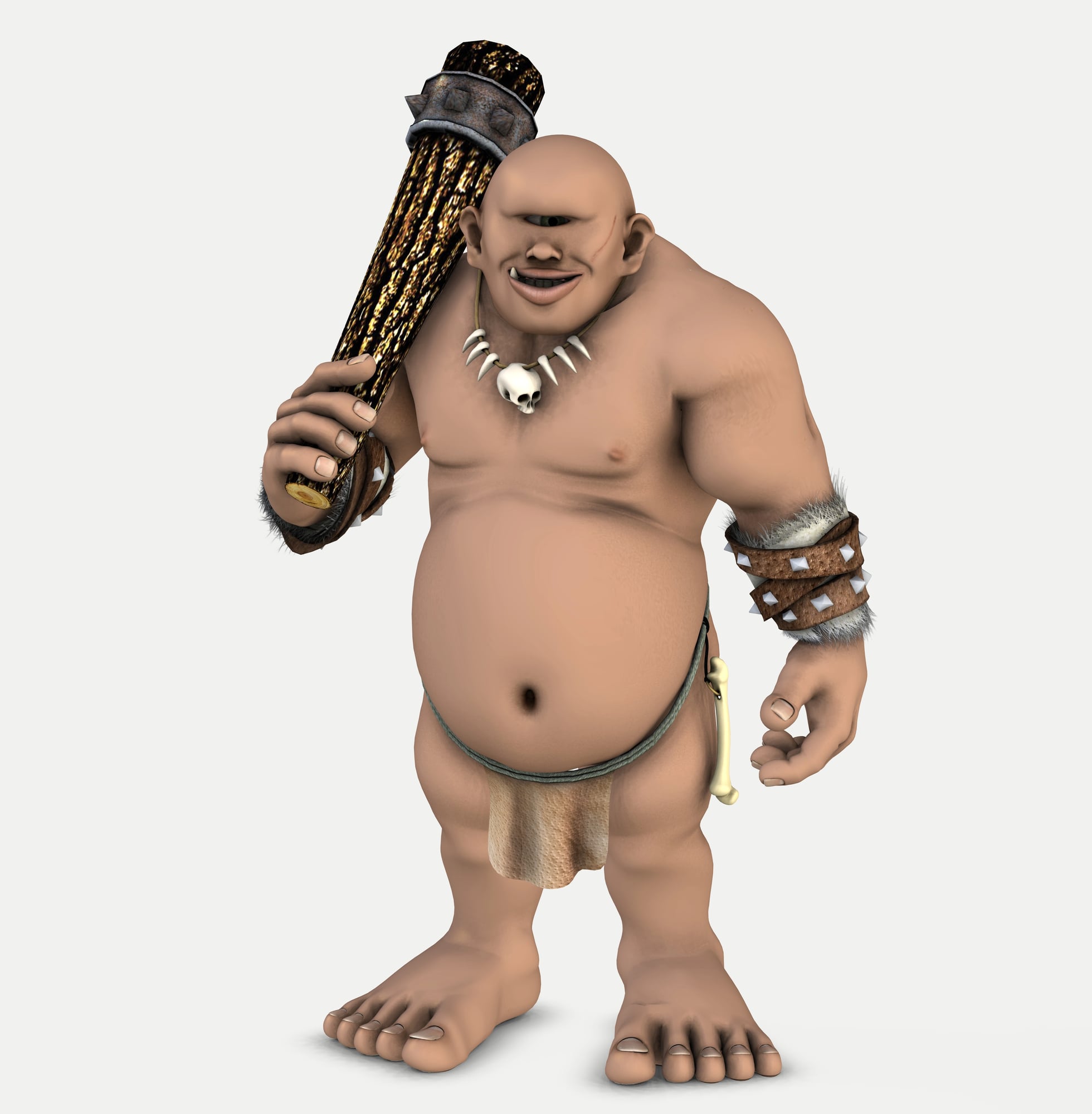
Greek myths described one-eyed giants called Cyclopes living in caves. Paleontologists have discovered ancient dwarf elephant skulls throughout Mediterranean islands that feature a large central nasal cavity that could easily be mistaken for a single eye socket.
Greek sailors finding these skulls in caves might reasonably have concluded they belonged to giant humanoid creatures, especially since ancient people had no concept of extinct animal species.
Beowulf’s Monsters
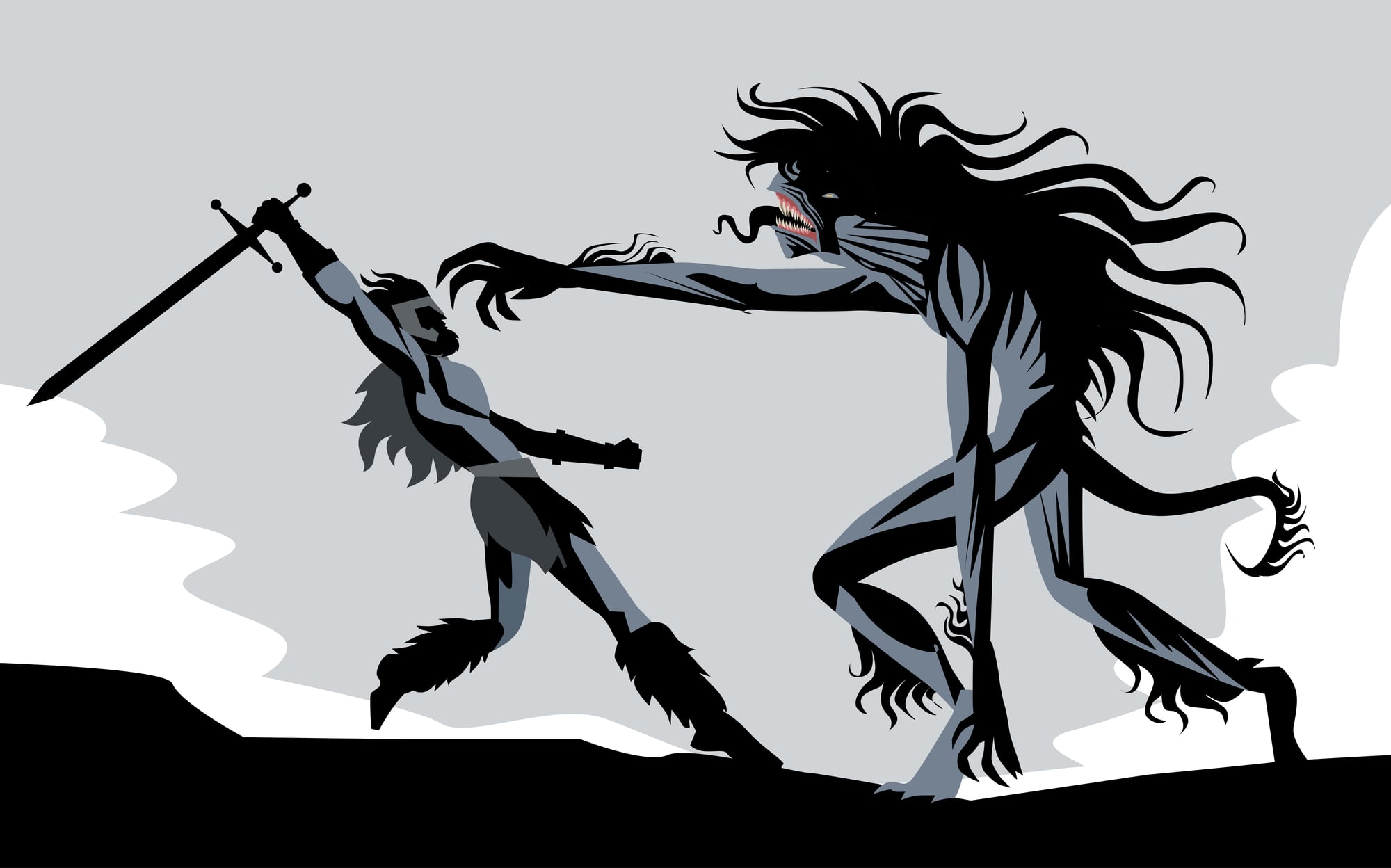
The Anglo-Saxon epic Beowulf describes the hero battling monsters in Scandinavia, including Grendel who attacked a mead hall called Heorot. Archaeological excavations in Denmark uncovered a massive sixth-century banquet hall matching the description of Heorot in the poem.
The structure was located exactly where the poem placed it, at the royal compound in Lejre. This discovery confirmed the poem’s setting wasn’t purely fictional but incorporated real geography and architecture.
Chinese Flood Legend
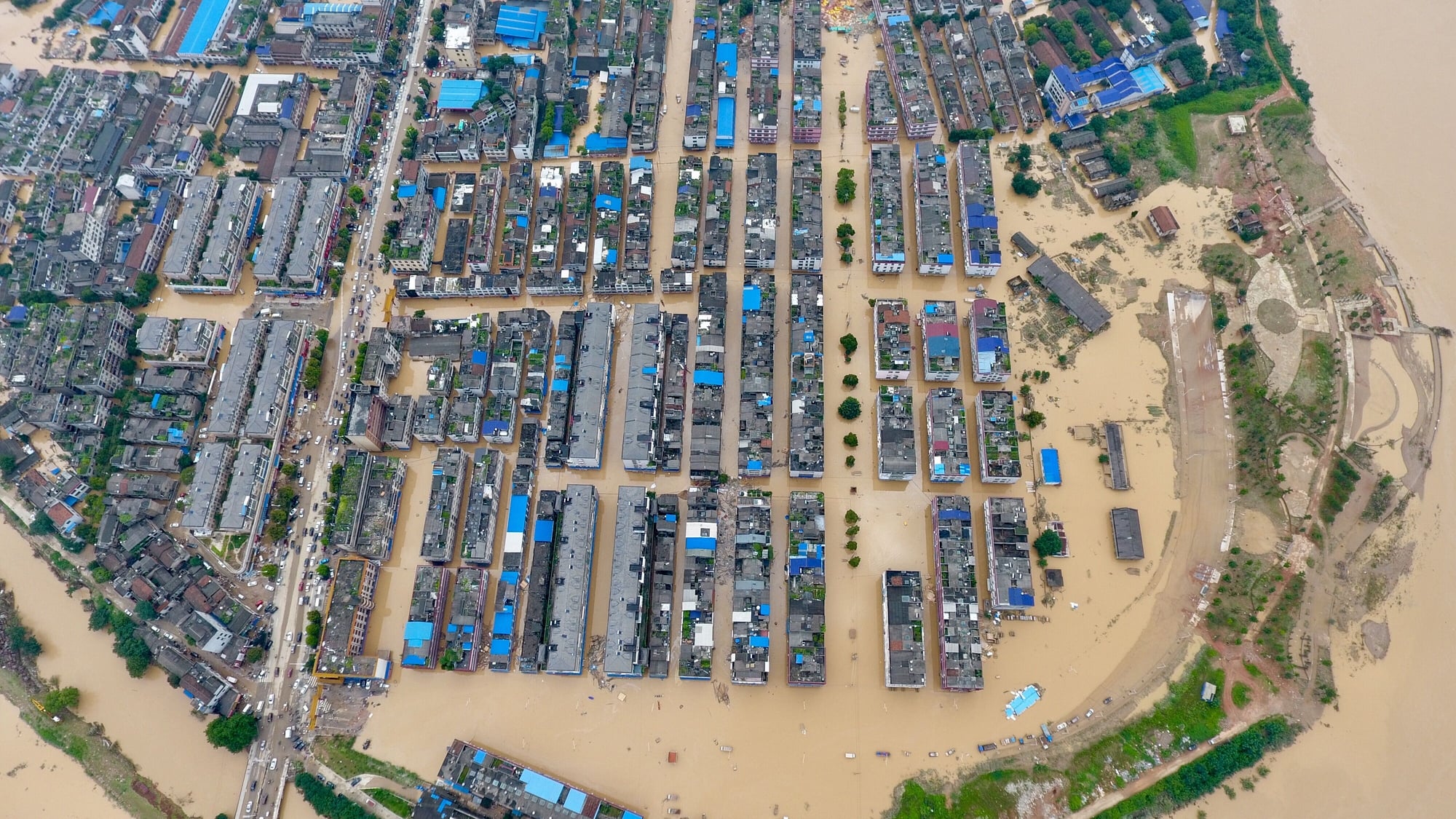
Ancient Chinese texts describe a devastating flood tamed by the hero Yu, who founded the Xia Dynasty as a reward. For years, scholars debated whether this was purely mythological until geological evidence discovered in 2016 confirmed a massive Yellow River flood around 1920 BCE.
Sediment layers indicate a landslide dammed the river, creating a lake that eventually burst and caused catastrophic flooding downstream. This timing aligns perfectly with traditional dating of Yu’s flood control efforts.
Myths as Historical Memory

These discoveries reveal how ancient people encoded actual events and observations into their cultural narratives and religious stories. Rather than dismissing myths as simple fiction, scholars now approach them as potential windows into historical events that made such profound impressions they survived thousands of years of retelling.
The line between myth and history turns out to be far more blurred than once thought, with ancient stories often preserving memories of real places, people, and events that might otherwise have been lost to time.
More from Go2Tutors!

- The Romanov Crown Jewels and Their Tragic Fate
- 13 Historical Mysteries That Science Still Can’t Solve
- Famous Hoaxes That Fooled the World for Years
- 15 Child Stars with Tragic Adult Lives
- 16 Famous Jewelry Pieces in History
Like Go2Tutors’s content? Follow us on MSN.



