31 School Cafeteria Snacks That Disappeared
School cafeterias once ran on a rotating menu of items that had almost nothing to do with modern nutrition guidelines and everything to do with what could be prepared cheaply, quickly, and in massive bulk. Some of these items were beloved.
Others were tolerated because there was nothing else on offer.
Federal nutrition standards, shrinking budgets, and changing food safety rules quietly erased most of this menu, leaving behind mostly nostalgia and the occasional heated debate about whether any of it was actually good.
Rectangle Pizza on a Cardboard-Thin Crust
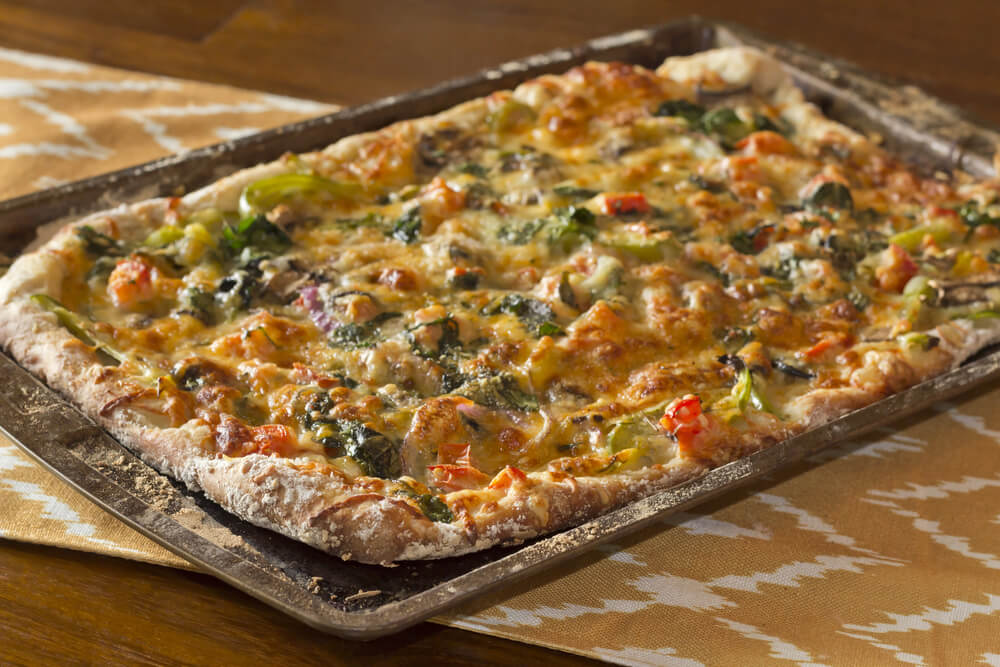
Cafeteria pizza came almost universally in rectangular slices rather than the traditional wedge shape, baked on sheet pans with a crust thin enough to fold in half. It was often reheated from frozen rather than made fresh on site.
Modern nutrition standards and shifts toward fresher prep have made the specific cardboard-crust rectangle slice largely a relic of an earlier cafeteria era.
Chocolate Milk in a Small Carton
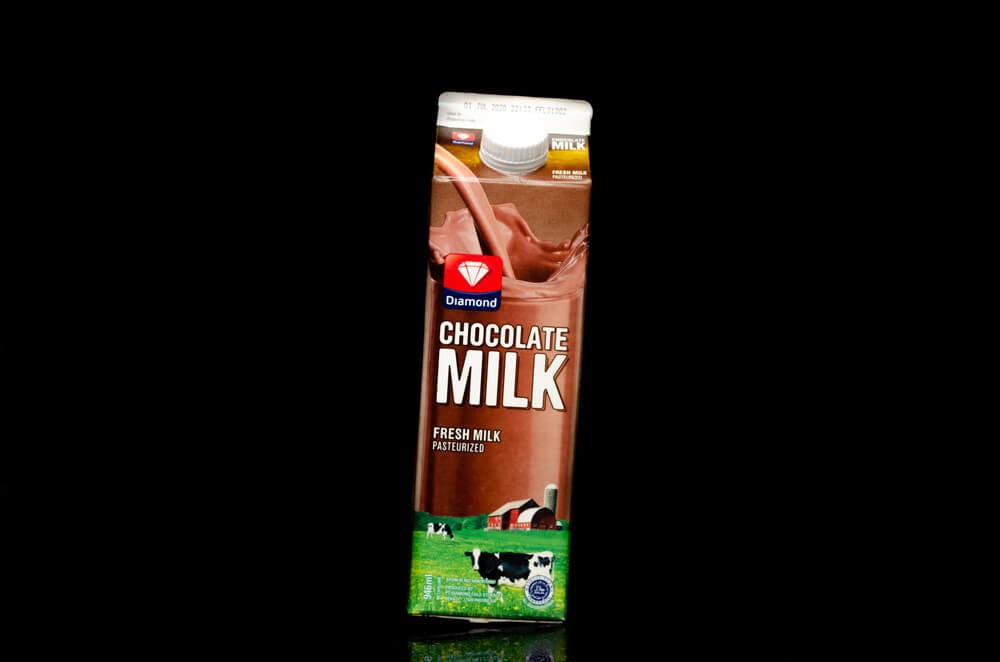
Chocolate milk was a near-universal cafeteria staple for decades, served in small waxed cartons that kids peeled open along a folded seam. It was often the most popular single item on the entire tray.
Sugar content restrictions in many districts have reduced or reformulated chocolate milk availability compared to its earlier prevalence.
Sloppy Joes on a Soft Bun
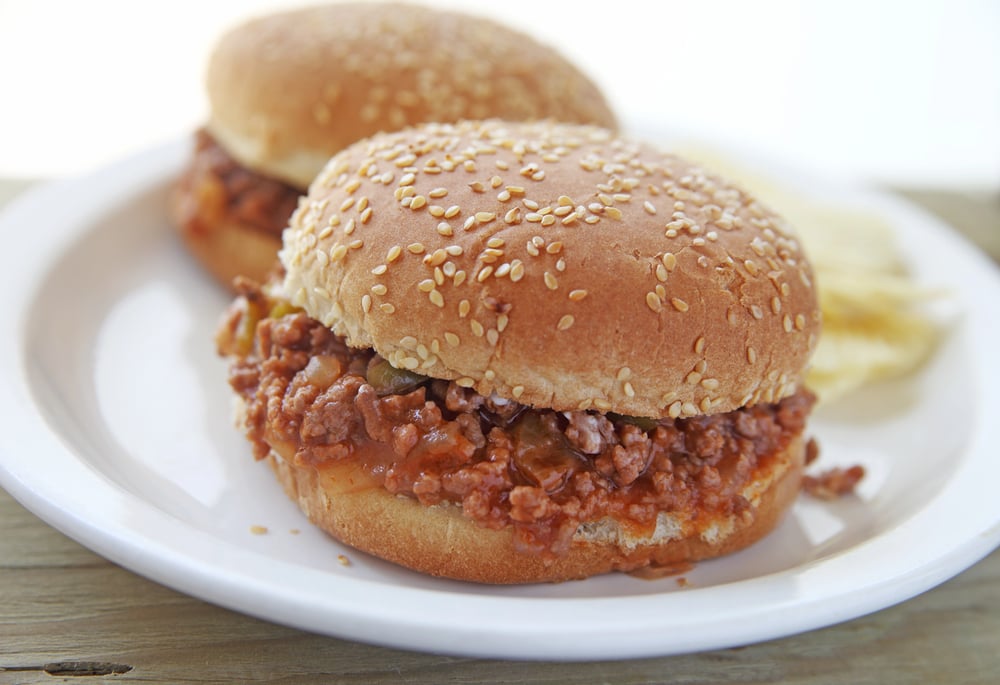
A ground meat mixture in tangy tomato sauce, ladled onto a soft bun and inevitably falling apart before the tray reached the table, was a fixture of the rotating lunch menu for generations. Cleanup was considered part of the experience.
The dish still appears in some cafeterias today, though far less consistently than during its peak popularity.
Salisbury Steak With Brown Gravy
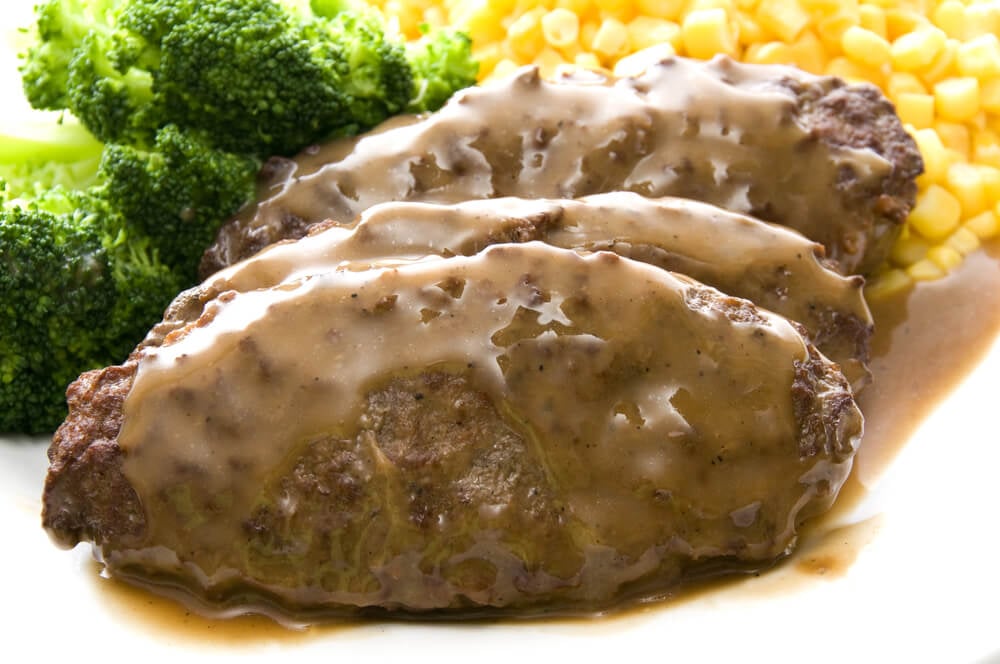
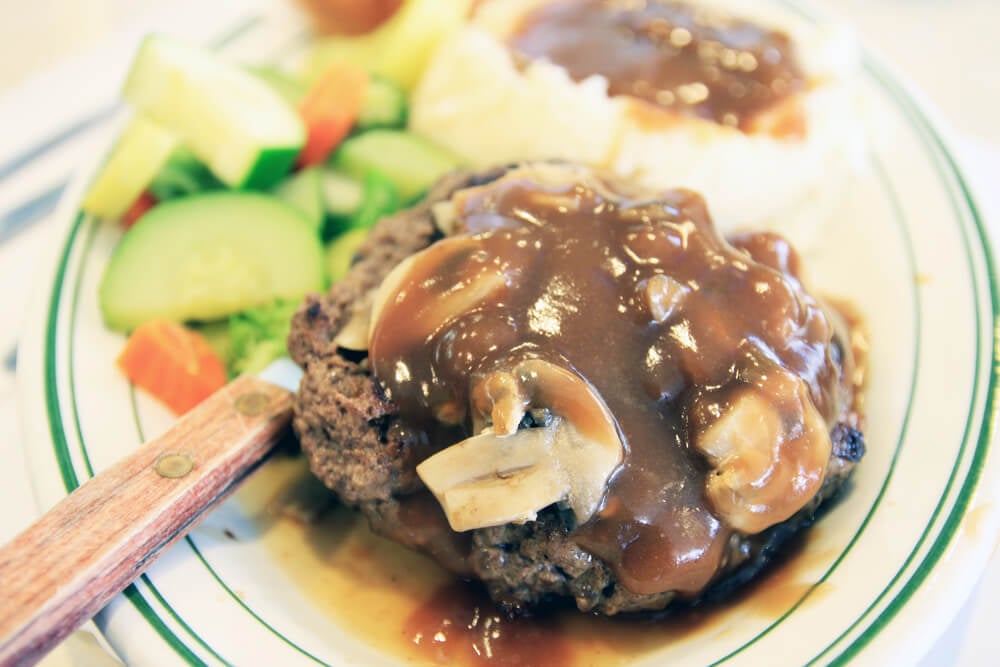
A pressed patty of seasoned ground meat, smothered in thick brown gravy and served alongside mashed potatoes, was a staple hot lunch option that appeared on rotation with predictable regularity. It was rarely anyone’s favorite but rarely actively disliked either.
Rising costs and shifting menu priorities have made this specific combination far less common on modern cafeteria lines.
Peanut Butter and Jelly Uncrustables
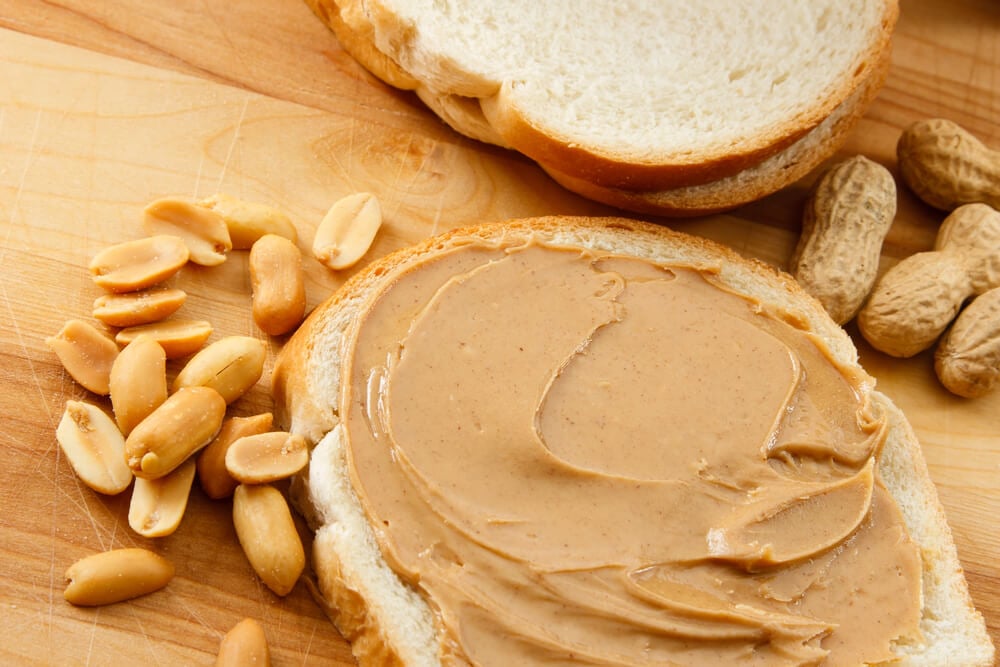
Pre-made, crustless sandwiches sealed at the edges became a common grab-and-go option in many cafeterias, offering a shelf-stable alternative to trays made fresh on site. Kids appreciated the convenience and lack of crust.
Rising school nut allergy policies have significantly restricted where and how peanut butter products can be served in many districts today.
Ice Cream Cups With a Small Wooden Spoon
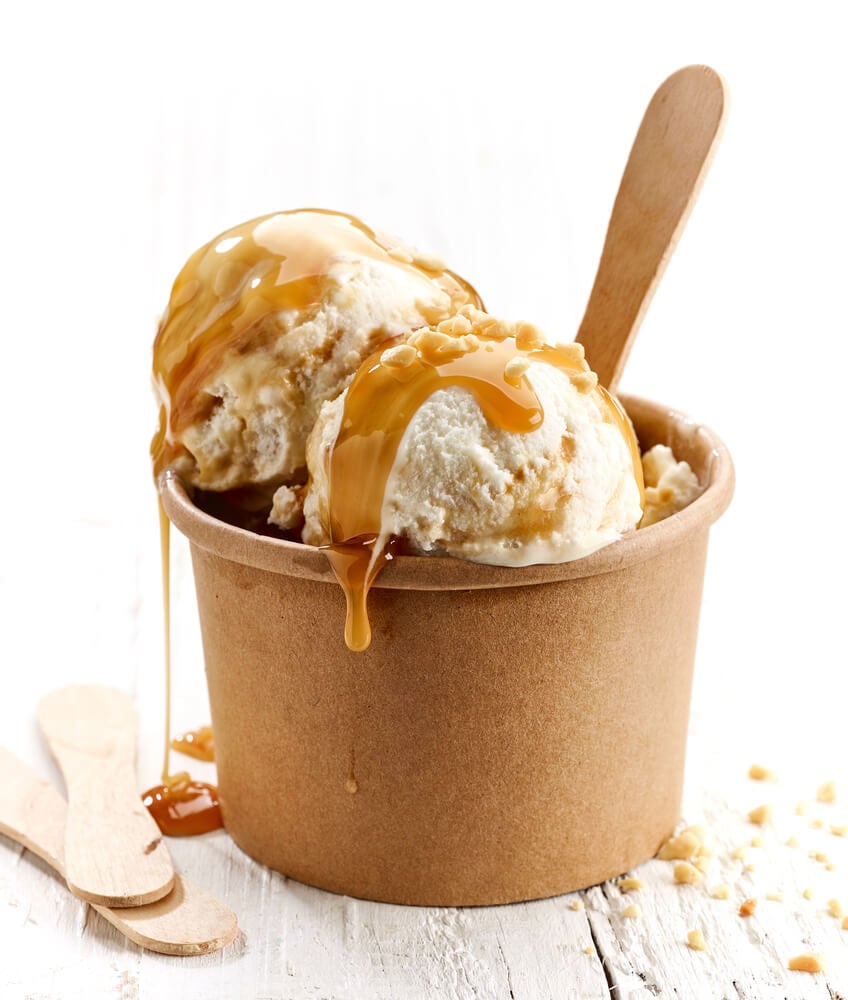
A small individual cup of ice cream, served with a flat wooden spoon rather than a plastic one, was a common dessert option available for an extra coin at many cafeterias. The wooden spoon itself became something of a novelty kids saved or collected.
Modern nutrition guidelines and reduced dessert offerings have made the wooden-spoon ice cream cup increasingly rare.
Government Surplus Cheese Sticks
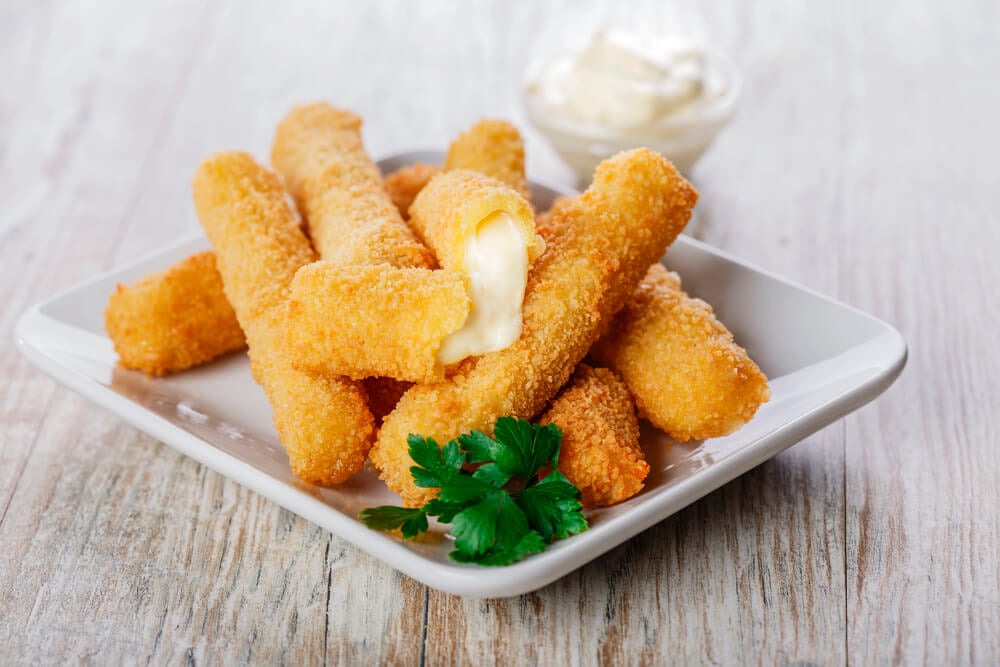
Some cafeterias served processed cheese sticks sourced through federal commodity food programs, a cost-effective protein option distributed to schools regardless of regional demand. The taste and texture were notably inconsistent depending on the batch.
Changes to commodity food distribution and nutrition standards have phased out many of these specific processed cheese products.
Tater Tots by the Scoop
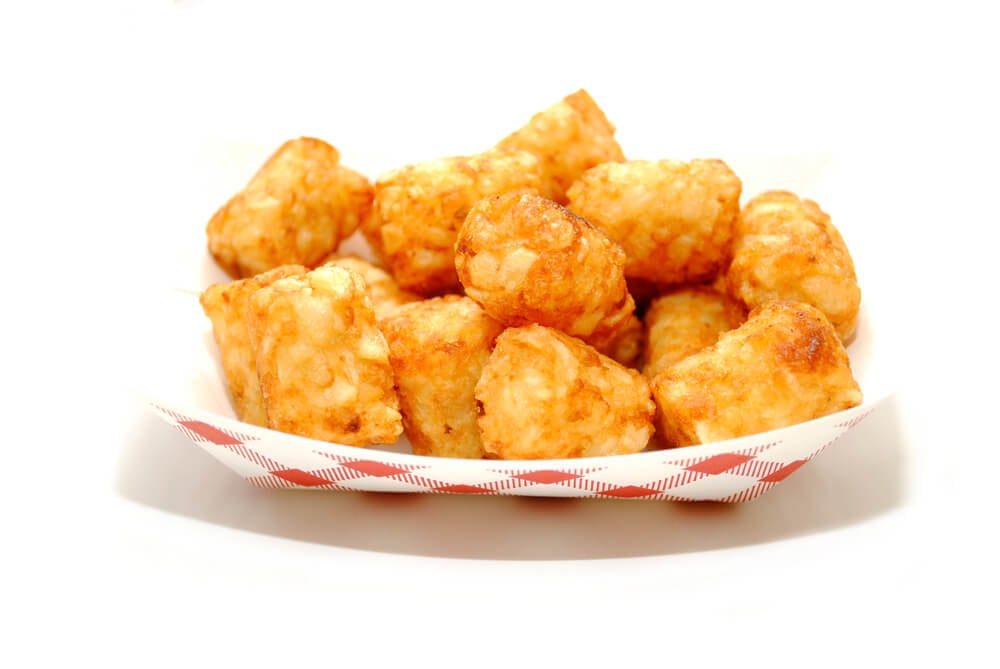
A scoop of crispy tater tots was a near-guaranteed side option on most trays, popular enough that some kids would trade other items specifically to get an extra scoop from a friend. Portion sizes were often generous compared to other sides.
Tater tots remain common in many cafeterias today, though sodium and fat content restrictions have changed how frequently they appear.
Frozen Juice Cups Eaten With a Spoon
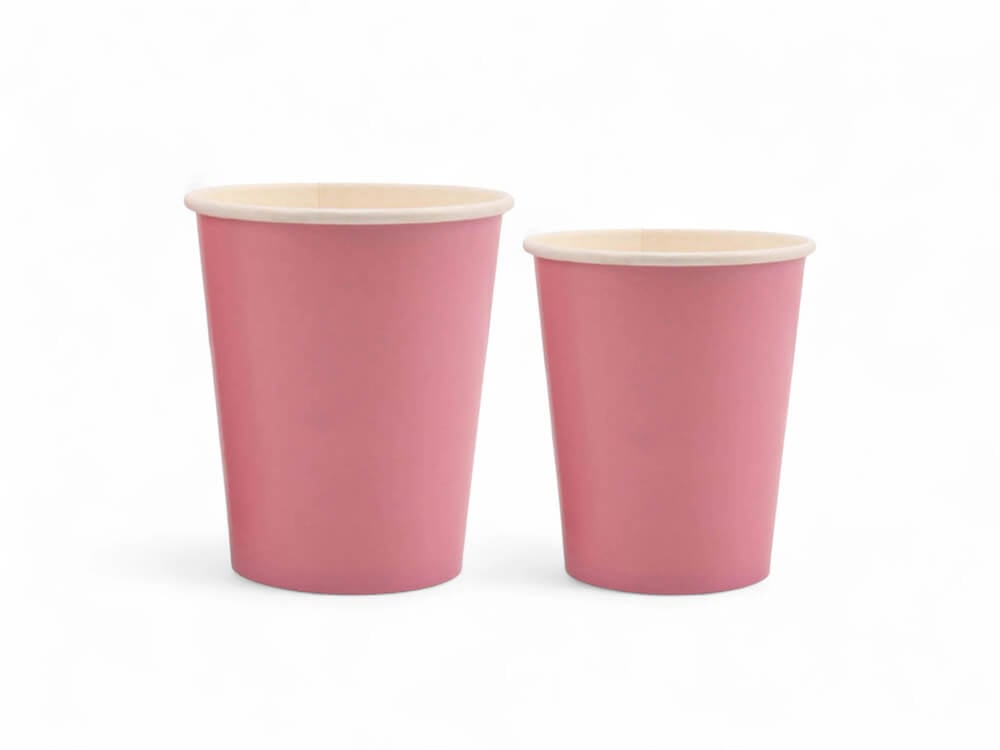
A small paper cup of frozen fruit juice, eaten with a flat spoon as it slowly melted, was a common warm-weather treat sold as an extra item in many cafeterias. Kids often let it soften slightly before digging in.
Reformulated, lower-sugar frozen treats have largely replaced the original version in most modern cafeteria offerings.
Turkey and Gravy Over Bread Slices
An open-faced sandwich of sliced turkey and gravy served directly over bread, sometimes with mashed potatoes on the side, was a common holiday-adjacent hot lunch option served in the colder months. It was considered one of the more substantial meals on the rotation.
The dish has become far less common as cafeteria menus shifted toward lighter, more standardized options.
Cinnamon Rolls the Size of a Fist
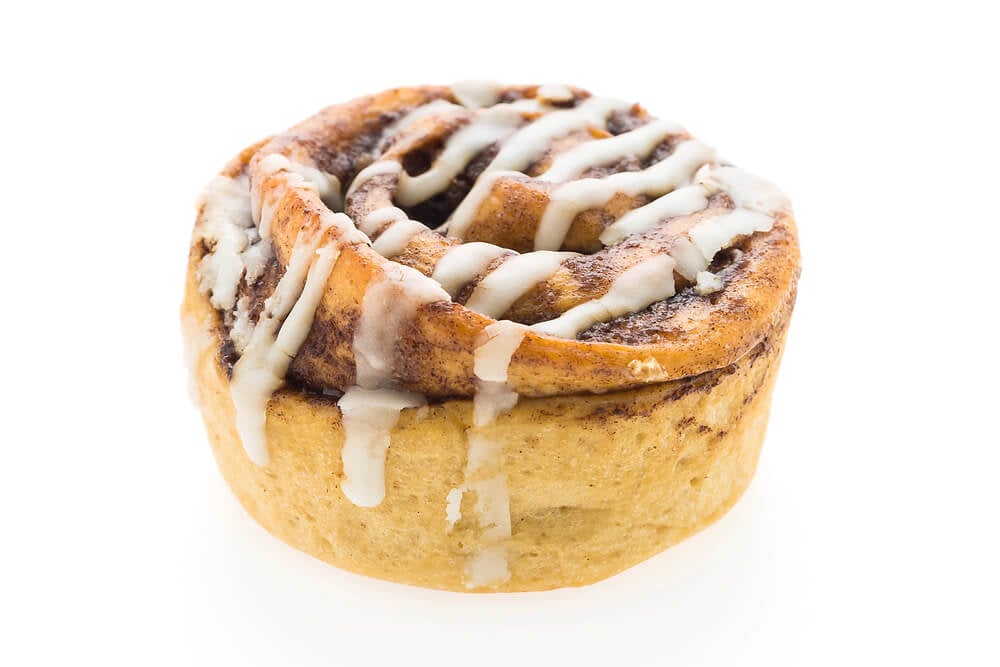
Oversized cinnamon rolls, heavily glazed and baked in large batches, were an occasional breakfast or dessert item that stood out for their sheer size compared to everything else on the tray. Getting one warm, straight from the oven, was considered a genuinely good day.
Portion and sugar restrictions have significantly shrunk both the size and frequency of similar items today.
Chicken Nuggets Shaped Like Dinosaurs or Stars
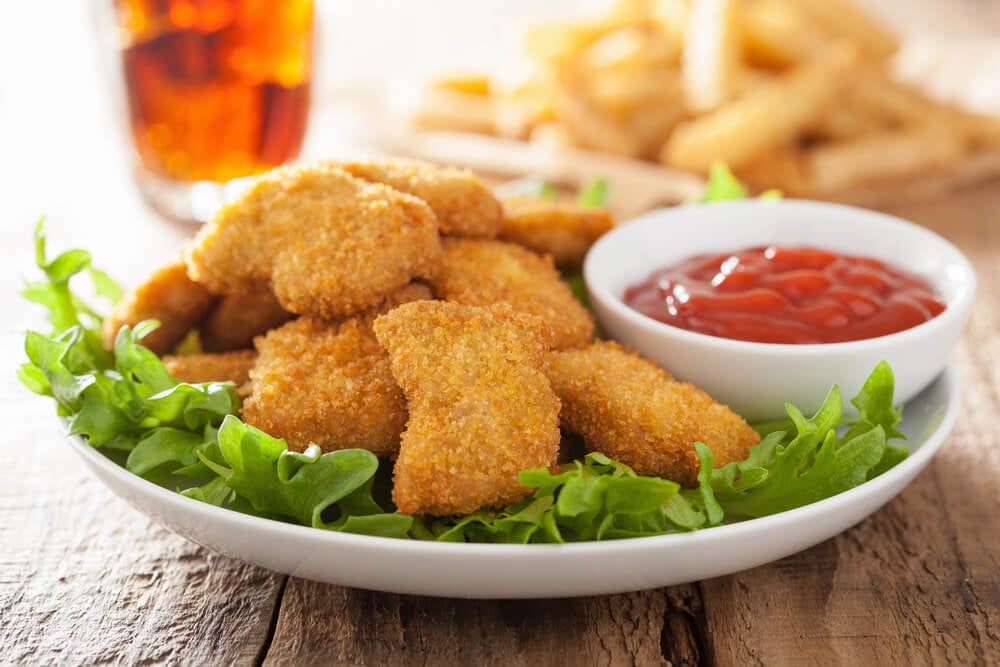
Novelty-shaped chicken nuggets, cut or molded into dinosaurs, stars, or other playful shapes, became a popular alternative to standard round nuggets in many elementary cafeterias. The shapes were purely cosmetic but genuinely mattered to younger kids choosing their tray.
Standard shapes have largely replaced the novelty versions as suppliers shifted toward more efficient, uniform processing.
Canned Fruit Cocktail in Heavy Syrup
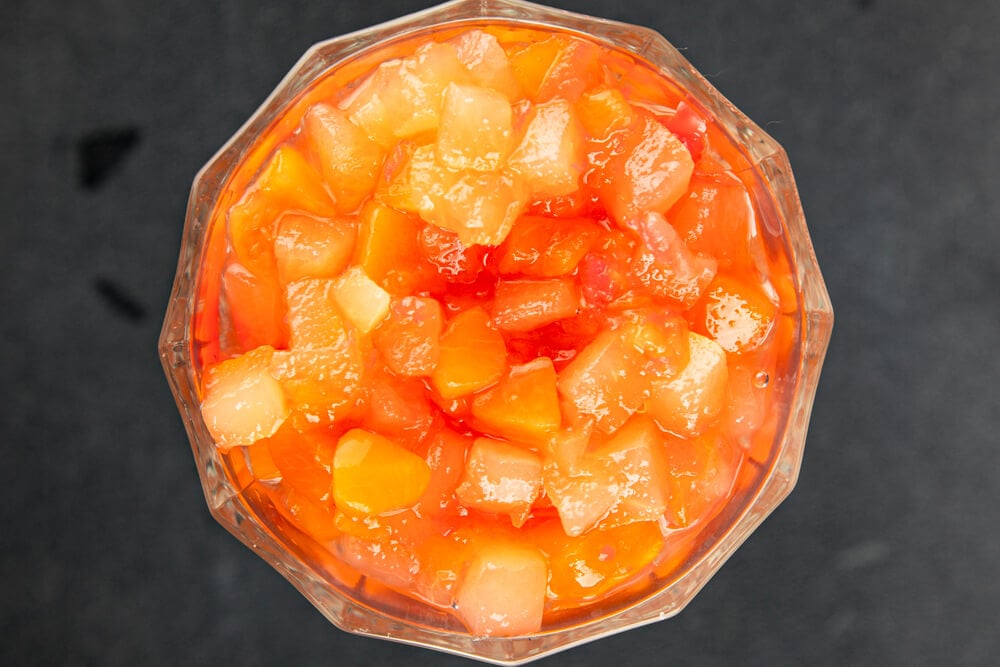
A small cup of mixed canned fruit, packed in thick sugary syrup and dominated by diced pears and a single maraschino cherry, was a standard side option for years. Kids often drank the leftover syrup directly from the cup.
Modern standards favoring fresh or lightly packed fruit have largely phased out heavy-syrup canned fruit from cafeteria trays.
Pudding Cups With a Foil Lid
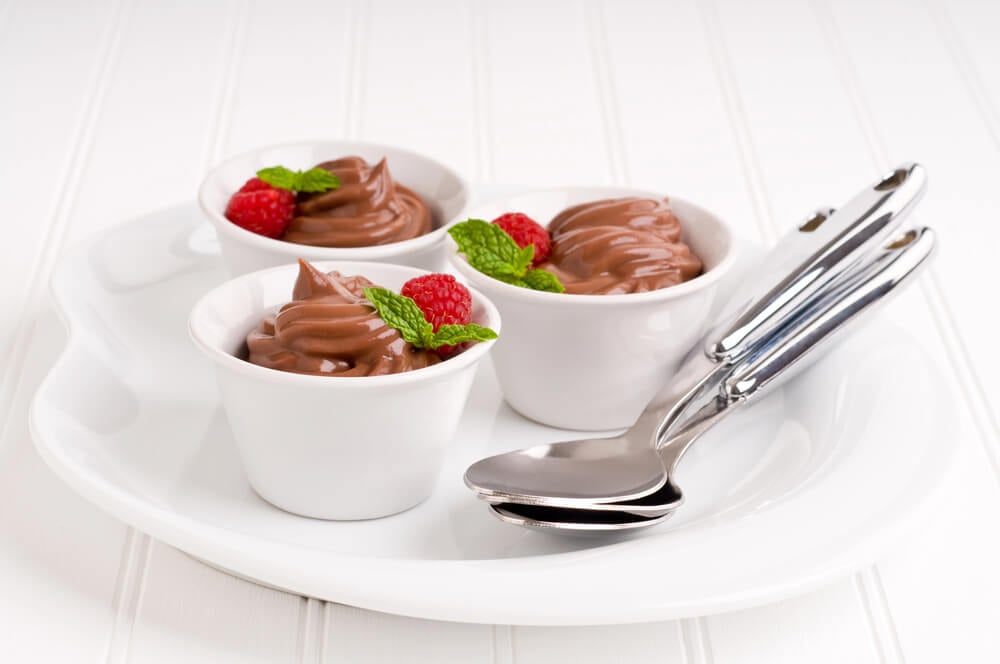
Individual pudding cups sealed with a foil lid, requiring a careful peel to avoid splattering, were a dependable dessert option available almost daily in many cafeterias. Chocolate and vanilla were the two dominant flavors offered.
Pudding cups remain available in some cafeterias today, though less consistently than during their peak popularity.
Rib Sandwiches With a Distinct Ridged Shape
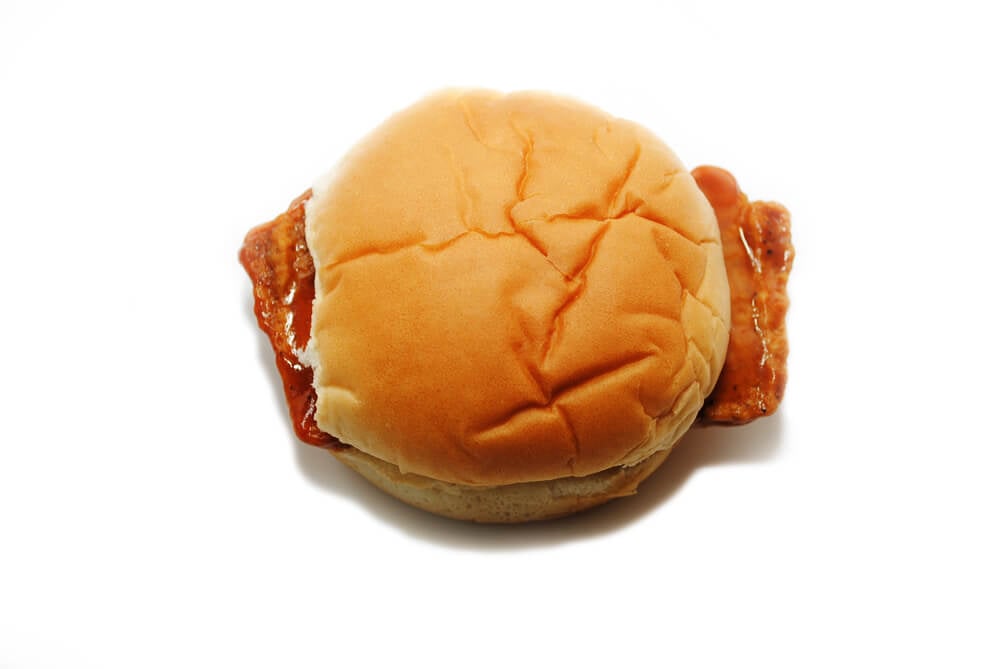
A pressed meat patty formed into a distinct ridged shape meant to resemble a rack of ribs, served with barbecue sauce on a bun, was a genuinely unusual cafeteria staple that stood out from everything else on the menu. Its unmistakable shape made it instantly recognizable across different school districts.
The item has become far less common as menus consolidated around more standardized protein options.
Milk in Glass Bottles
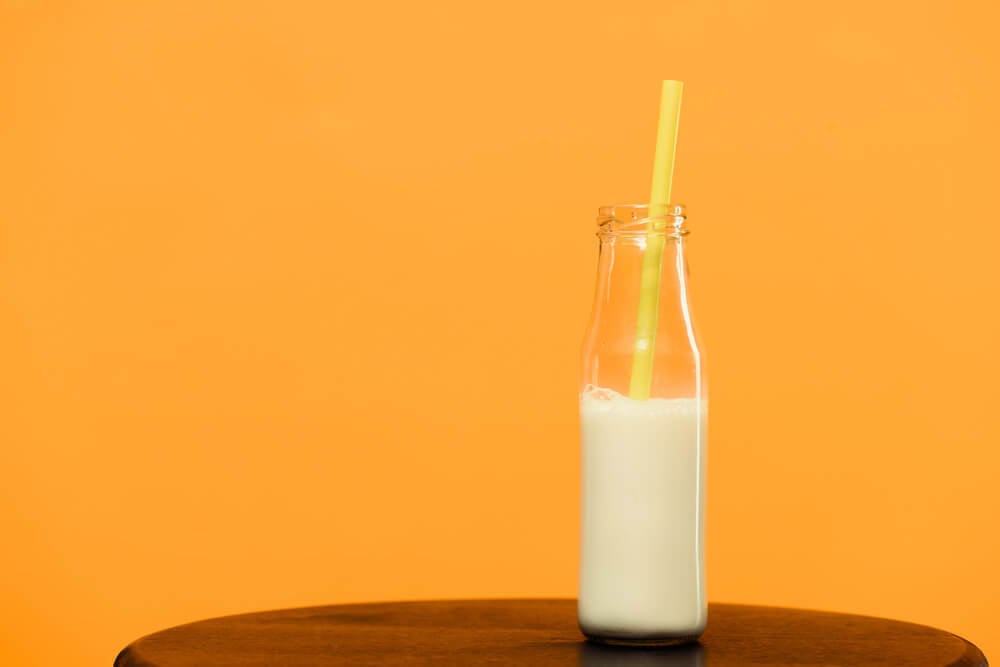
Before cartons became standard, some early cafeterias served milk in small glass bottles with foil caps, requiring a bottle opener or firm thumb press to open. The bottles were collected and returned rather than thrown away.
Cost, breakage risk, and sanitation concerns phased out glass bottle service in favor of cartons decades ago.
Hamburger Gravy Over Rice or Potatoes
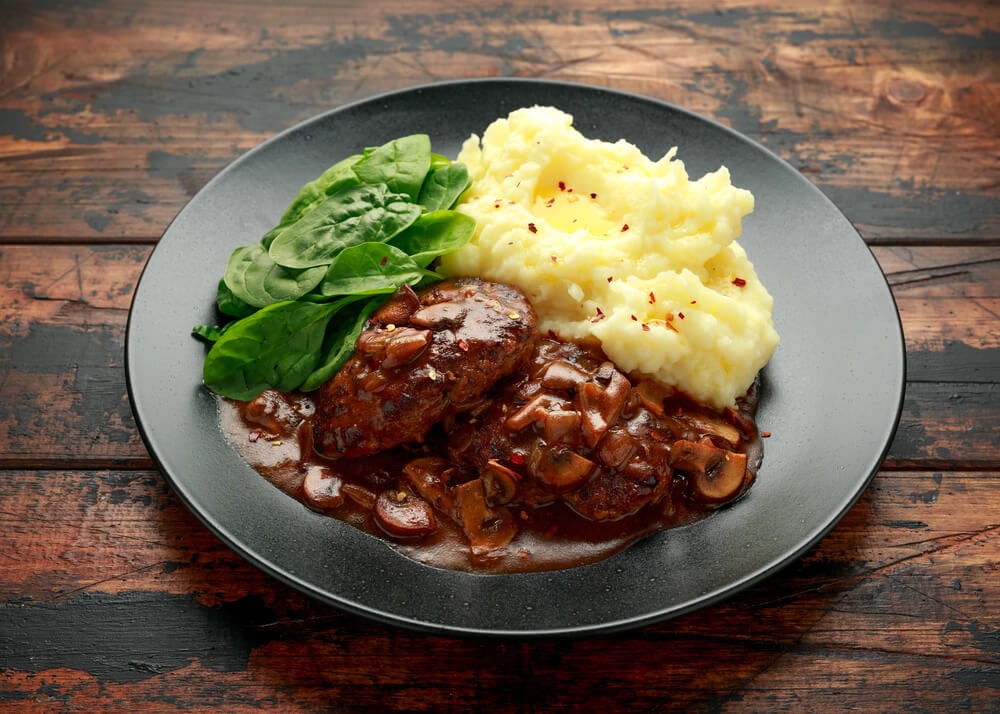
A simple mixture of browned ground meat in gravy, ladled over rice or mashed potatoes, was a low-cost hot lunch staple that stretched a modest amount of meat across an entire cafeteria’s worth of trays. It rarely had a formal name beyond a general description on the menu board.
The dish has largely disappeared as cafeteria budgets and menu planning shifted toward more clearly branded, standardized items.
Warm Yeast Rolls With a Pat of Butter
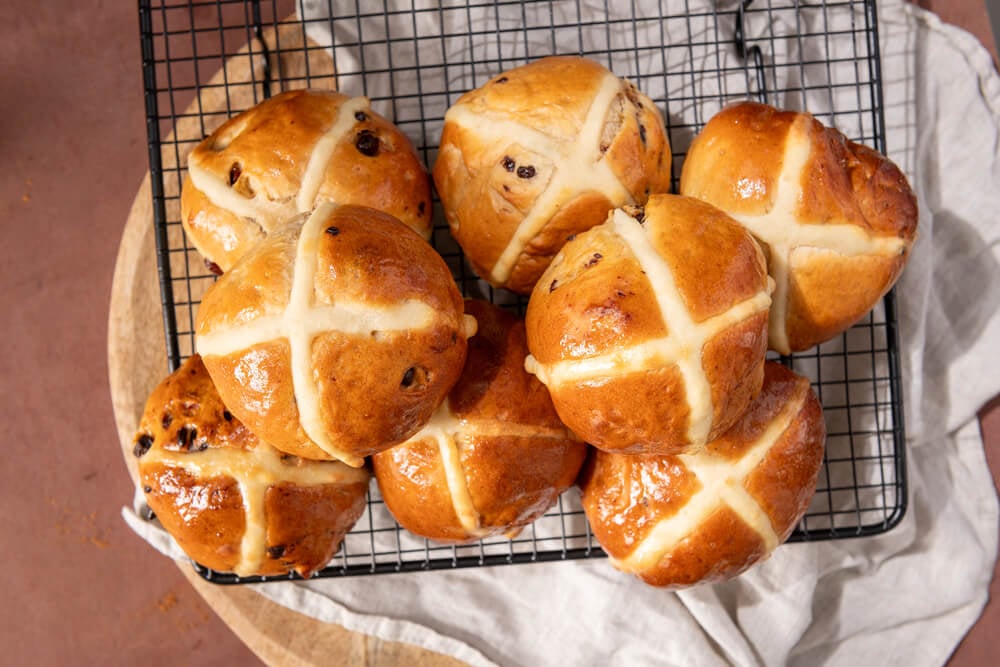
Fresh-baked yeast rolls, served warm with a small individually wrapped pat of butter, were a common side item that stood out for actually being made fresh rather than reheated. The smell alone was often memorable enough that former students recall it decades later.
Reduced on-site baking in favor of pre-packaged bread products has made fresh-baked rolls increasingly rare.
Cheese and Cracker Snack Packs
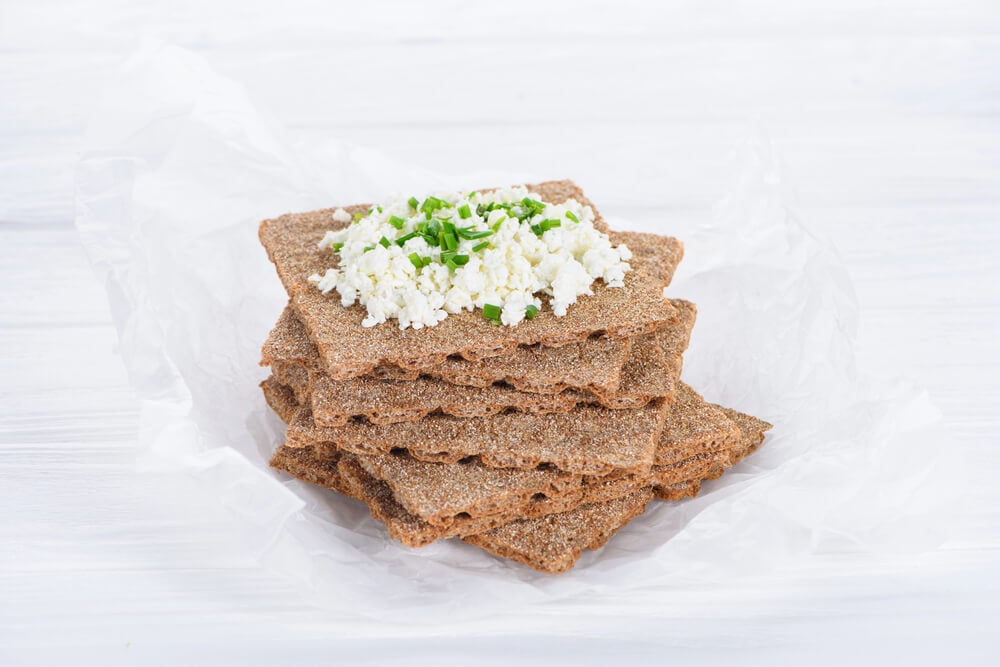
A small tray of cracker squares paired with a block of processed cheese and sometimes a thin red stick, sold as an à la carte snack item, was a popular choice for kids who wanted something beyond the standard tray. The combination was simple but dependable.
Similar snack packs still exist commercially, though they appear far less often as a dedicated cafeteria line item today.
Orange Slush in a Paper Cup

A slushy, half-frozen orange drink served in a small waxed paper cup was a common warm-weather treat available for an extra fee at many cafeterias. The texture, somewhere between a drink and a dessert, made it distinct from other frozen treats offered.
Reformulated, lower-sugar versions have largely replaced the original recipe in most modern school settings.
Peanut Butter Crackers From a Vending Machine
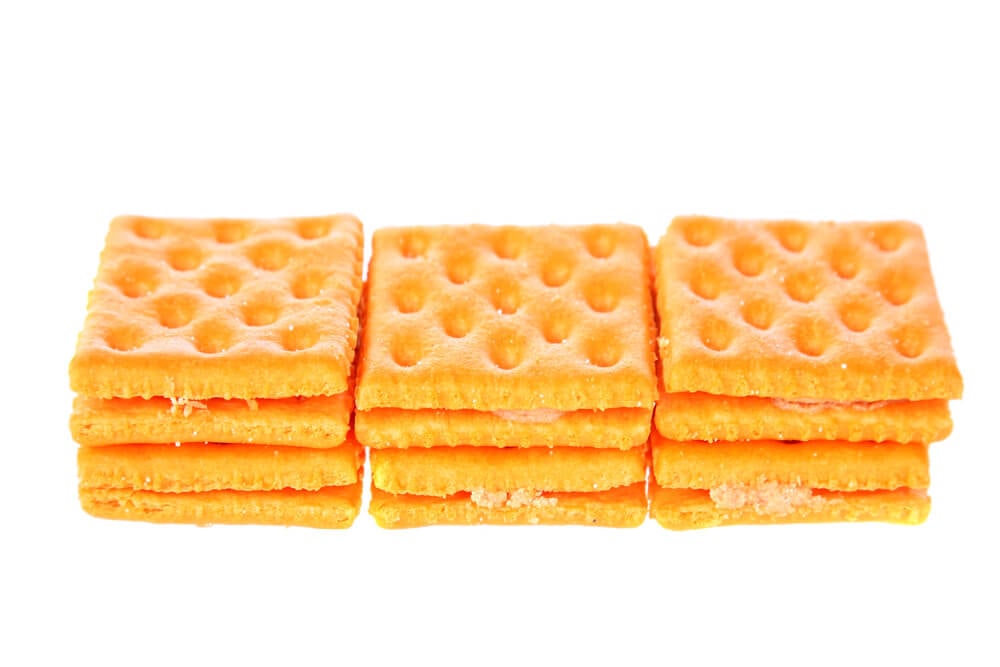
Cafeterias with attached vending machines often stocked peanut butter cracker sandwiches as a grab option for kids who skipped the main lunch line entirely. The crackers were dry enough to require milk or juice to wash down comfortably.
Expanded school nut allergy policies have significantly restricted peanut-based vending options in many districts today.
Fish Sticks on Fridays
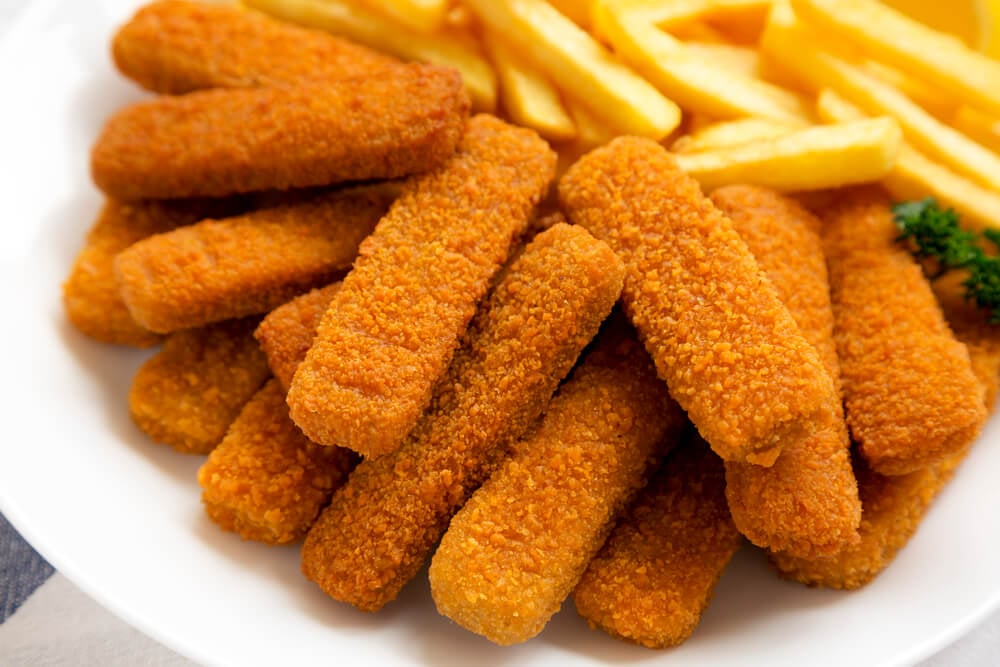
Many cafeterias served breaded fish sticks specifically on a fixed weekly schedule, a pattern tied loosely to older religious dietary customs that persisted in scheduling long after the original reasoning faded from most students’ awareness. The predictability made it one of the easier menu days to anticipate.
Rotating modern menus have moved away from fixed weekly protein scheduling in most districts.
Apple Crisp Squares
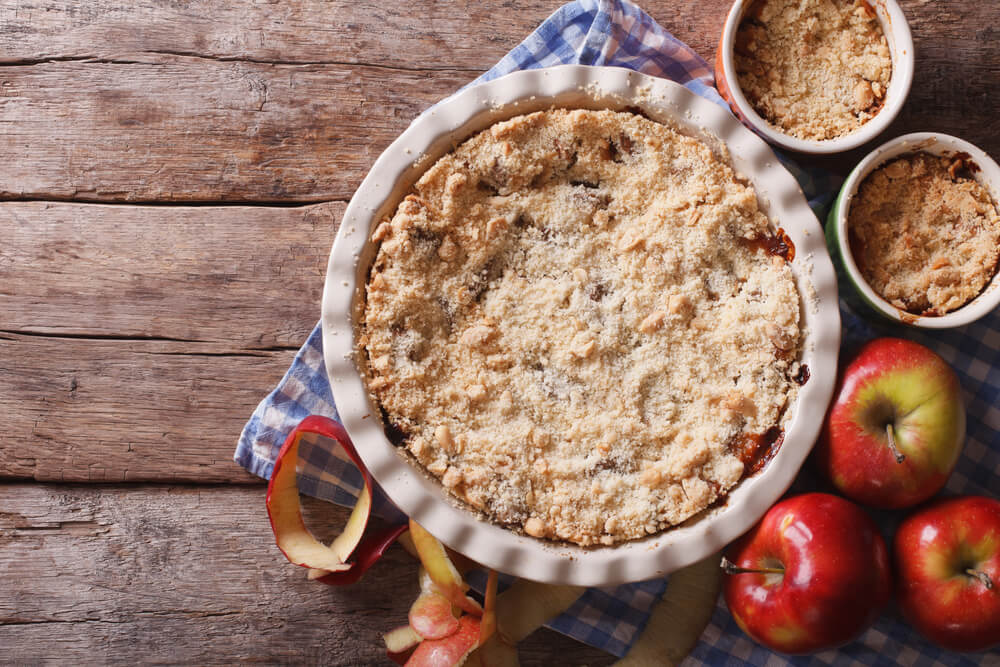
A baked dessert of spiced apples topped with a crumbly oat topping, cut into individual squares, was a common warm-season dessert offering in many school cafeterias. It was considered one of the more genuinely homemade-tasting items on the menu.
Reduced on-site baking capacity has made scratch-made desserts like this increasingly uncommon.
Cottage Cheese With Canned Peaches
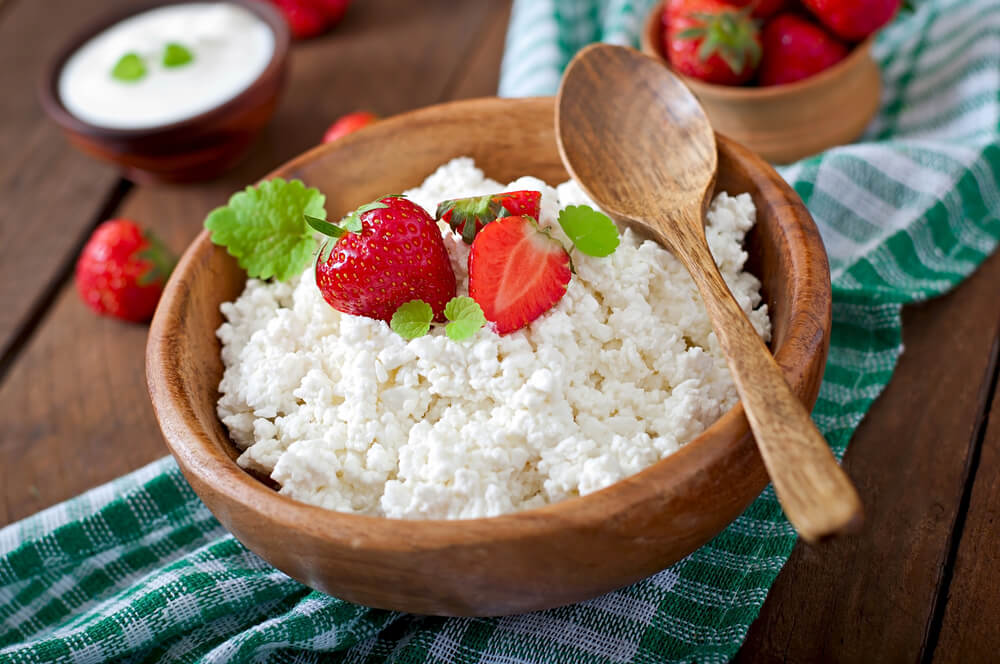
A small scoop of cottage cheese paired with canned peach slices was a common lighter lunch option, particularly popular among kids who found the main hot lunch unappealing on a given day. It was often one of the few options that felt distinctly different from everything else on the line.
The specific pairing has largely disappeared as cafeteria menus consolidated around fewer, more standardized offerings.
Grape Drink That Wasn’t Quite Juice
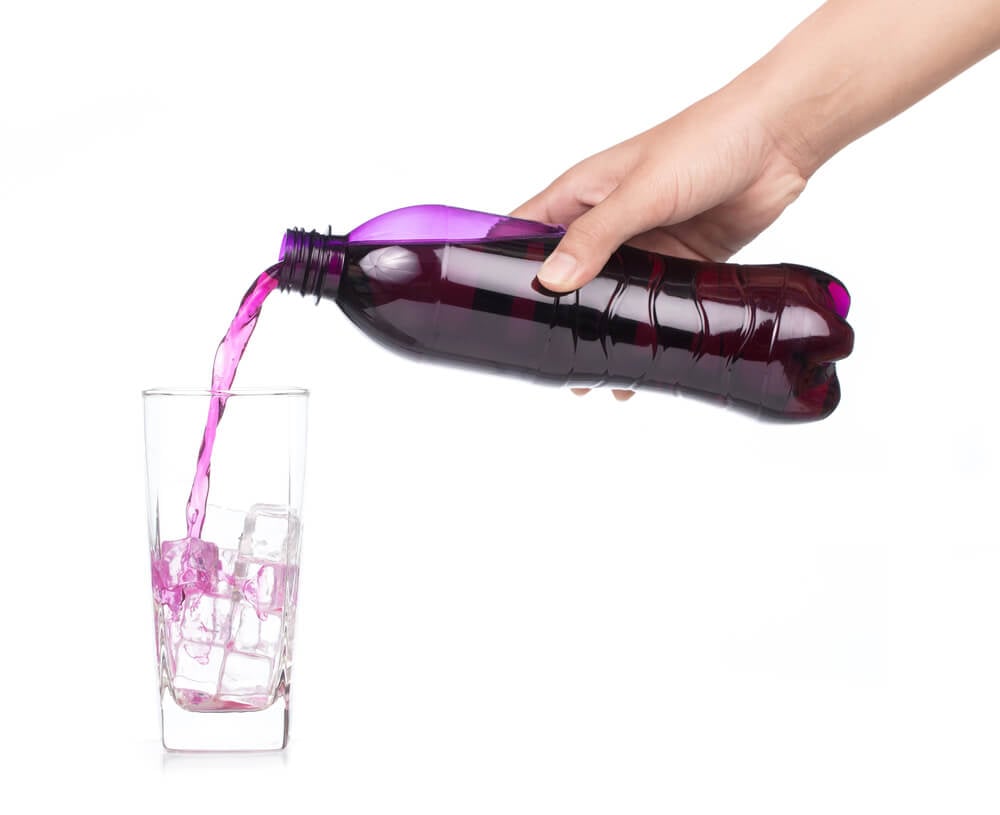
A purple, artificially flavored drink resembling grape juice without actually containing much real fruit content was a common beverage option alongside milk in many cafeterias. It came in small cartons similar to milk packaging.
Nutrition standards limiting added sugar and requiring clearer labeling have significantly reduced these juice-adjacent drinks from cafeteria lines.
Corn Dogs on a Stick
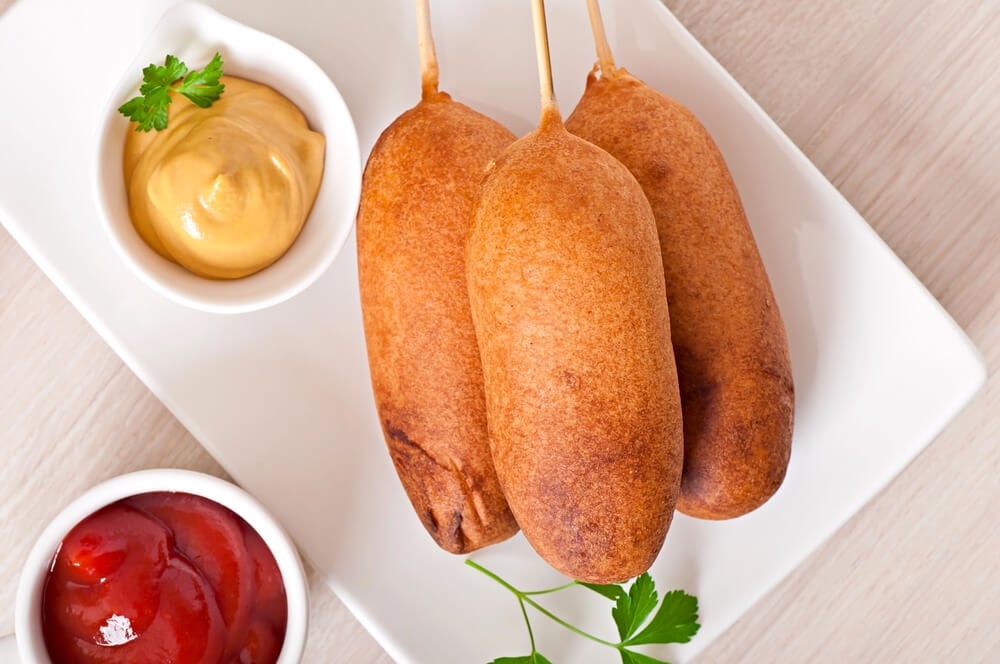
A hot dog coated in cornmeal batter and served on a wooden stick was a reliably popular hot lunch option, easy to eat by hand without utensils. It remained one of the more requested items across many different school districts for years.
Corn dogs still appear on some modern menus, though sodium and processed meat restrictions have reduced their overall frequency.
Vanilla Wafers in Small Cellophane Packs
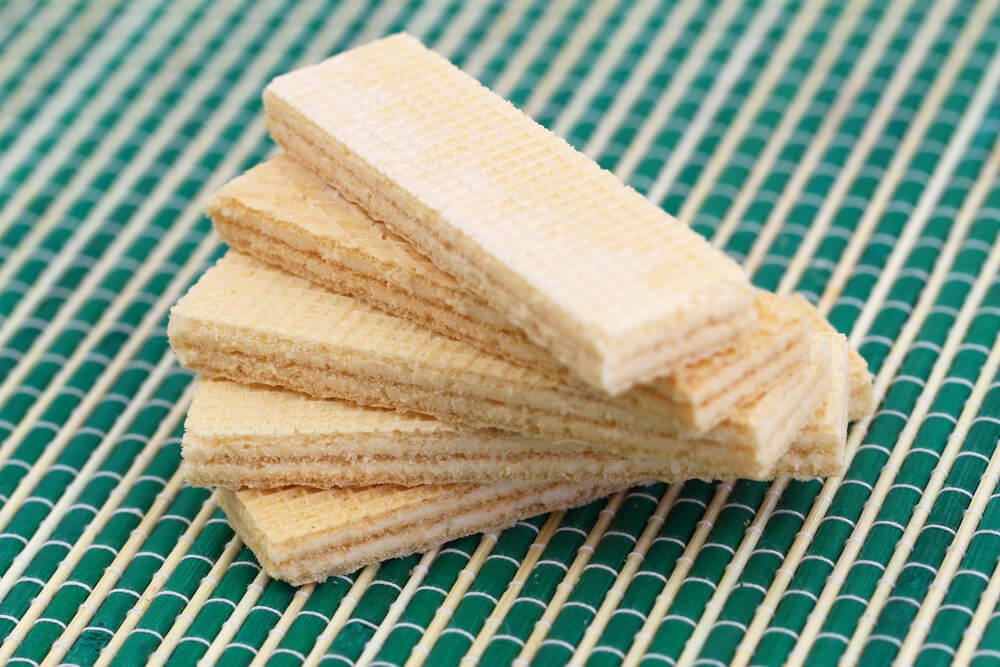
Individually packaged sleeves of plain vanilla wafer cookies were a common inexpensive dessert or snack item, often paired with pudding or served entirely on their own. Their simplicity made them a dependable, low-cost filler item on the menu.
Reduced dessert offerings under modern nutrition guidelines have made standalone cookie packs less common than they once were.
Beef and Bean Burritos From the Freezer Case
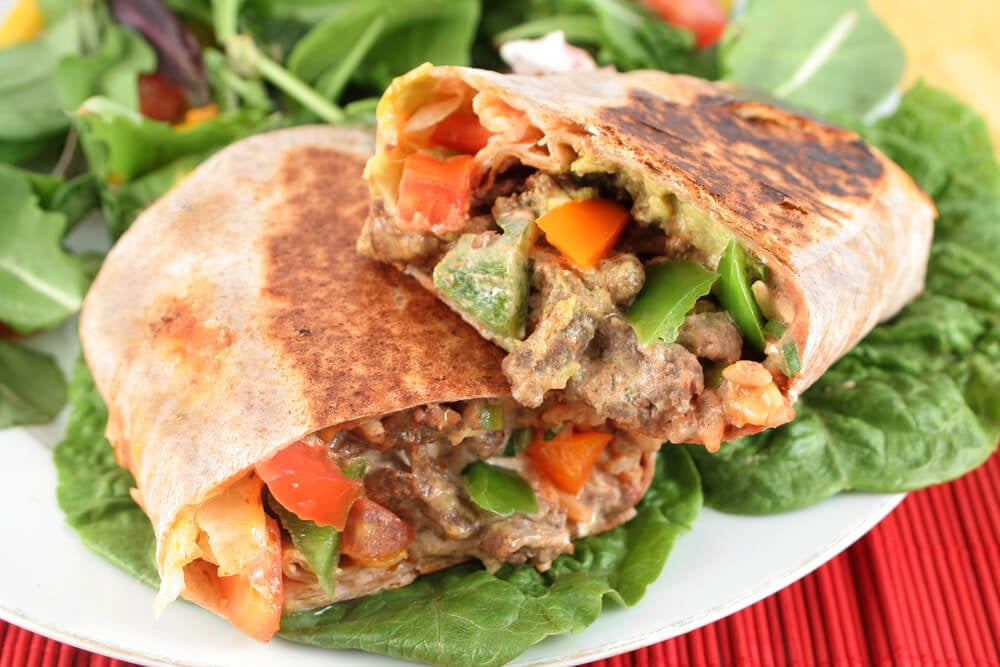
A frozen, individually wrapped burrito, reheated and served as a grab option, became a popular alternative lunch choice in many cafeterias during the later decades of the twentieth century. It offered a portable option for students eating in a hurry.
Fresher, lower-sodium alternatives have largely replaced the specific frozen burrito format in most modern cafeteria lines.
Cheese Pizza Dippers With Marinara Cups
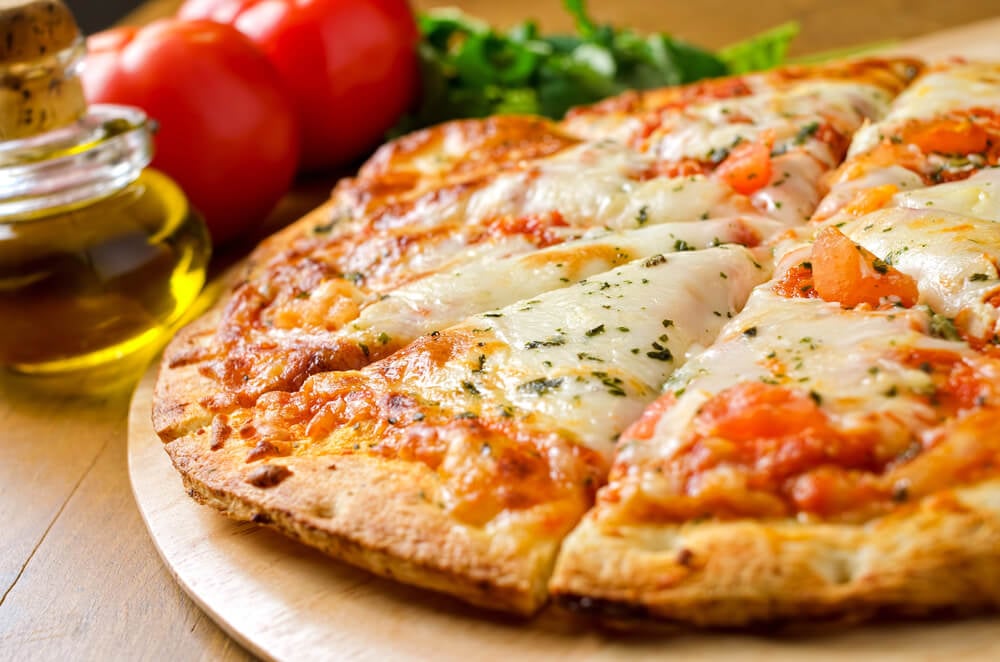
Breaded, cheese-filled dough sticks served alongside a small cup of marinara sauce for dipping became a popular alternative to standard pizza slices in many cafeterias. The individual dipping cup made portion control easier for staff to manage.
The specific combination has become less common as menus shifted toward fresher, less processed pizza formats.
Root Beer Floats on Special Occasion Days
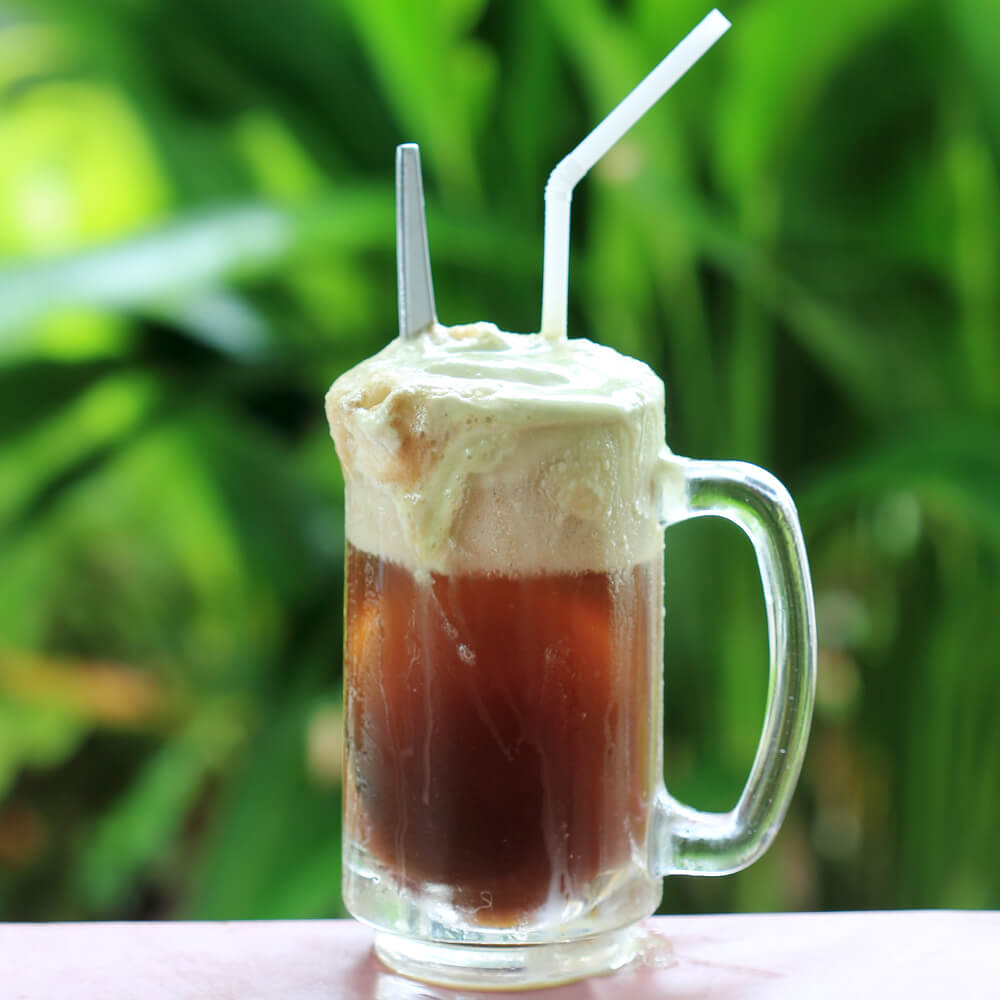
Some cafeterias offered a root beer float as a treat tied to specific occasions like the last day before a break, combining a scoop of ice cream with soda served in a paper cup. It was treated as a genuine, anticipated event rather than a regular menu item.
Reduced soda availability under modern nutrition standards has made the occasional-treat float essentially extinct in most districts.
Graham Cracker Squares With Milk
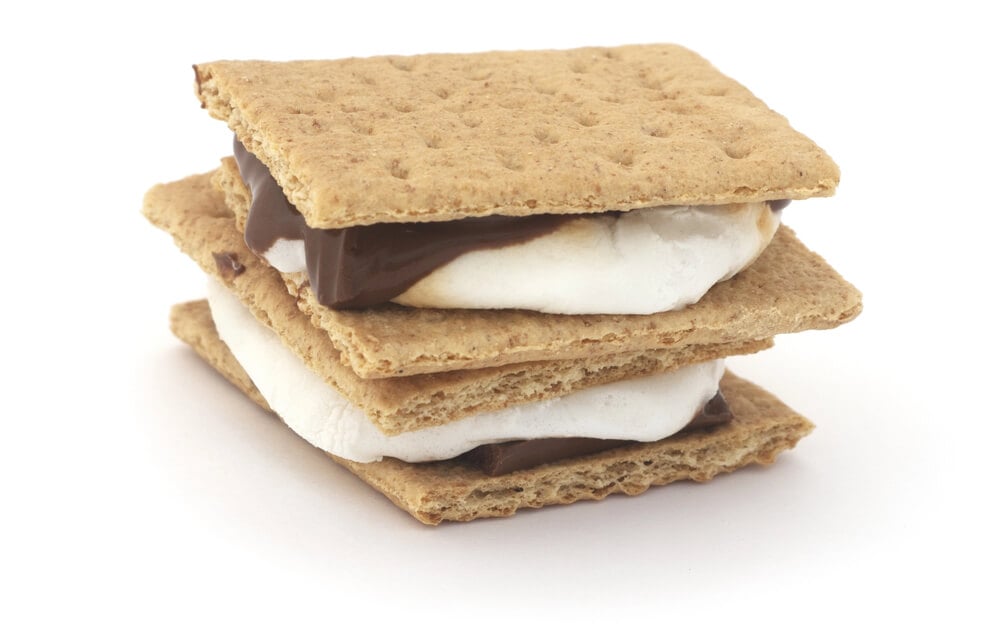
A simple pairing of plain graham cracker squares with a small carton of milk was a common lighter snack option, particularly for younger elementary students during a mid-morning break rather than full lunch. It was inexpensive and required no preparation beyond opening the packaging.
The specific mid-morning snack break itself has become less common in many modern elementary schedules, reducing demand for this pairing.
What the Tray Actually Remembered
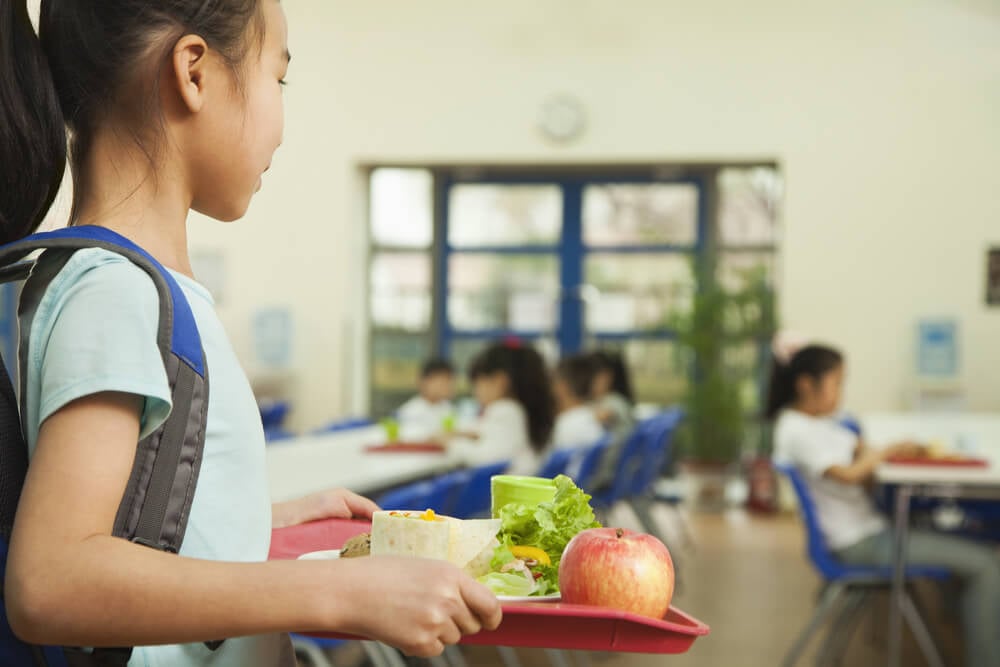
None of these items were particularly sophisticated, and most were built around cost and shelf life rather than flavor. Still, an entire generation can describe the exact sound of a foil pudding lid peeling back or the specific ridges of that oddly shaped rib sandwich without any hesitation.
That kind of shared, granular memory rarely comes from food that was actually good. It comes from food that was constant, showing up on the same tray, in the same cafeteria, often enough that it became part of the background texture of an entire childhood.
More from Go2Tutors!

- The Romanov Crown Jewels and Their Tragic Fate
- 13 Historical Mysteries That Science Still Can’t Solve
- Famous Hoaxes That Fooled the World for Years
- 15 Child Stars with Tragic Adult Lives
- 16 Famous Jewelry Pieces in History
Like Go2Tutors’s content? Follow us on MSN.