25 Glassware Pieces Pickers Grab First
Antique dealers walk into estate sales with a mental checklist, and glassware is usually near the top. Certain patterns and makers reliably turn a five-dollar yard sale find into a piece worth real money, and pickers know exactly which shapes and colors to scan for before anyone else spots them.
Depression Glass in Pink
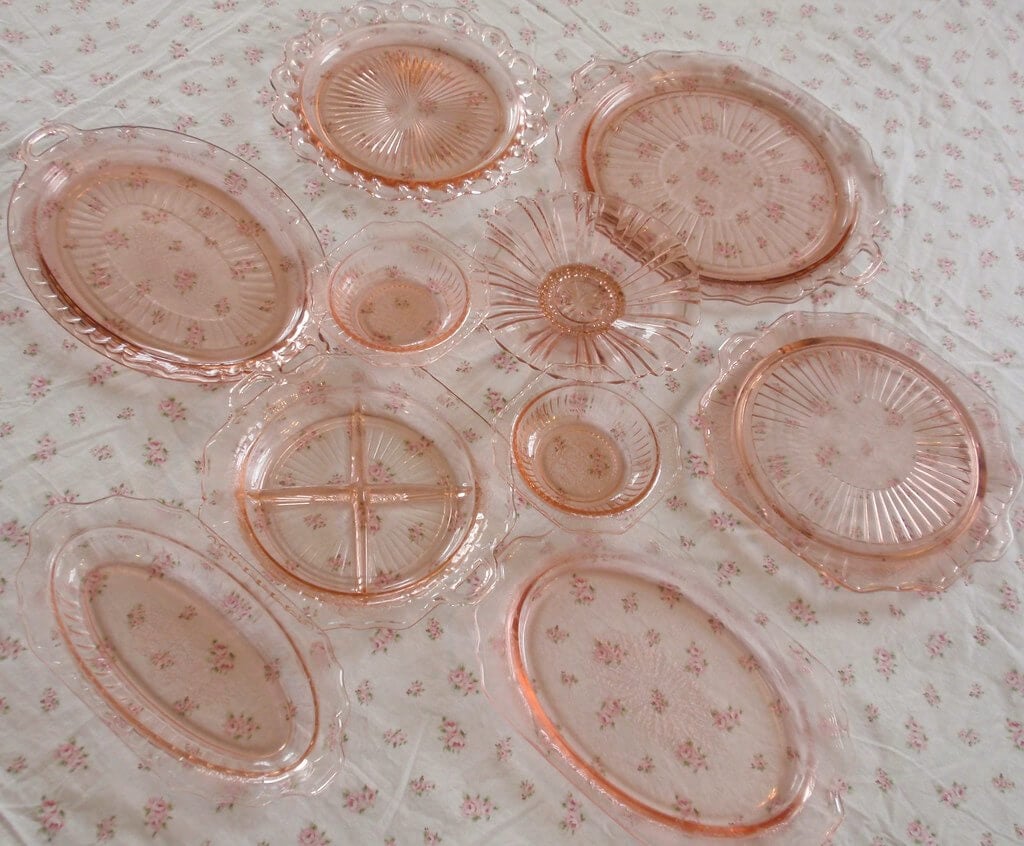
Pink Depression glass, mass-produced during the 1920s and 1930s and often given away free with flour or gas purchases, has become one of the most collected categories of American glassware. Patterns like Cherry Blossom and Mayfair command the highest prices, though condition dependent pricing means a single chip can cut value by half or more.
Carnival Glass Marigold Bowls
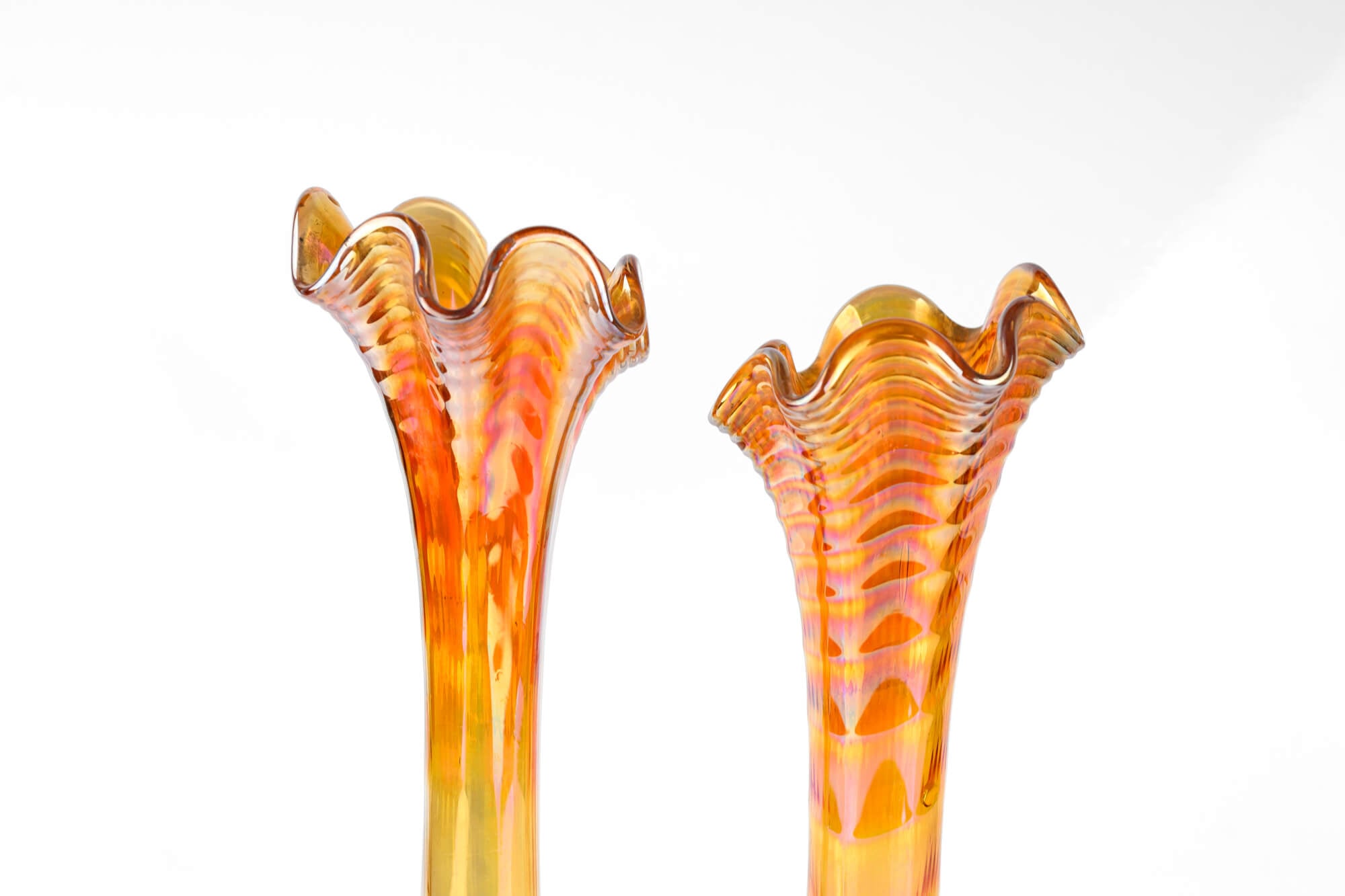
Carnival glass gets its iridescent sheen from a metallic salt spray applied while the glass is still hot, a technique pioneered by Harry Northwood around 1907–1908. Fenton Art Glass (founded 1905) became a major early producer but did not invent the technique.
Marigold, the most common base color, is the entry point for new collectors, while rarer colors like red or aqua opalescent can fetch thousands, again condition dependent.
Fenton Hobnail Milk Glass
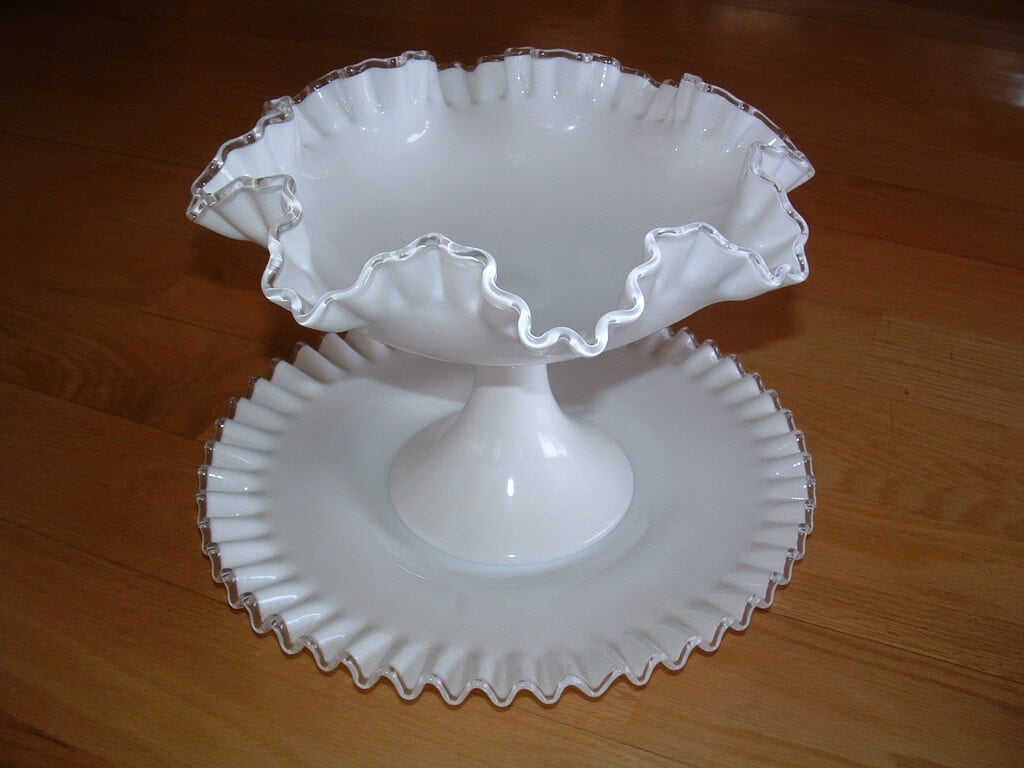
Fenton’s hobnail pattern, with its raised bumps across opaque white glass, was a mid-century staple that ended up in nearly every American household by the 1950s and 60s. Pickers specifically look for the Fenton mark on the base, since unmarked imitations from Westmoreland and other makers sell for a fraction of the price.
Vaseline Glass That Glows Under UV Light
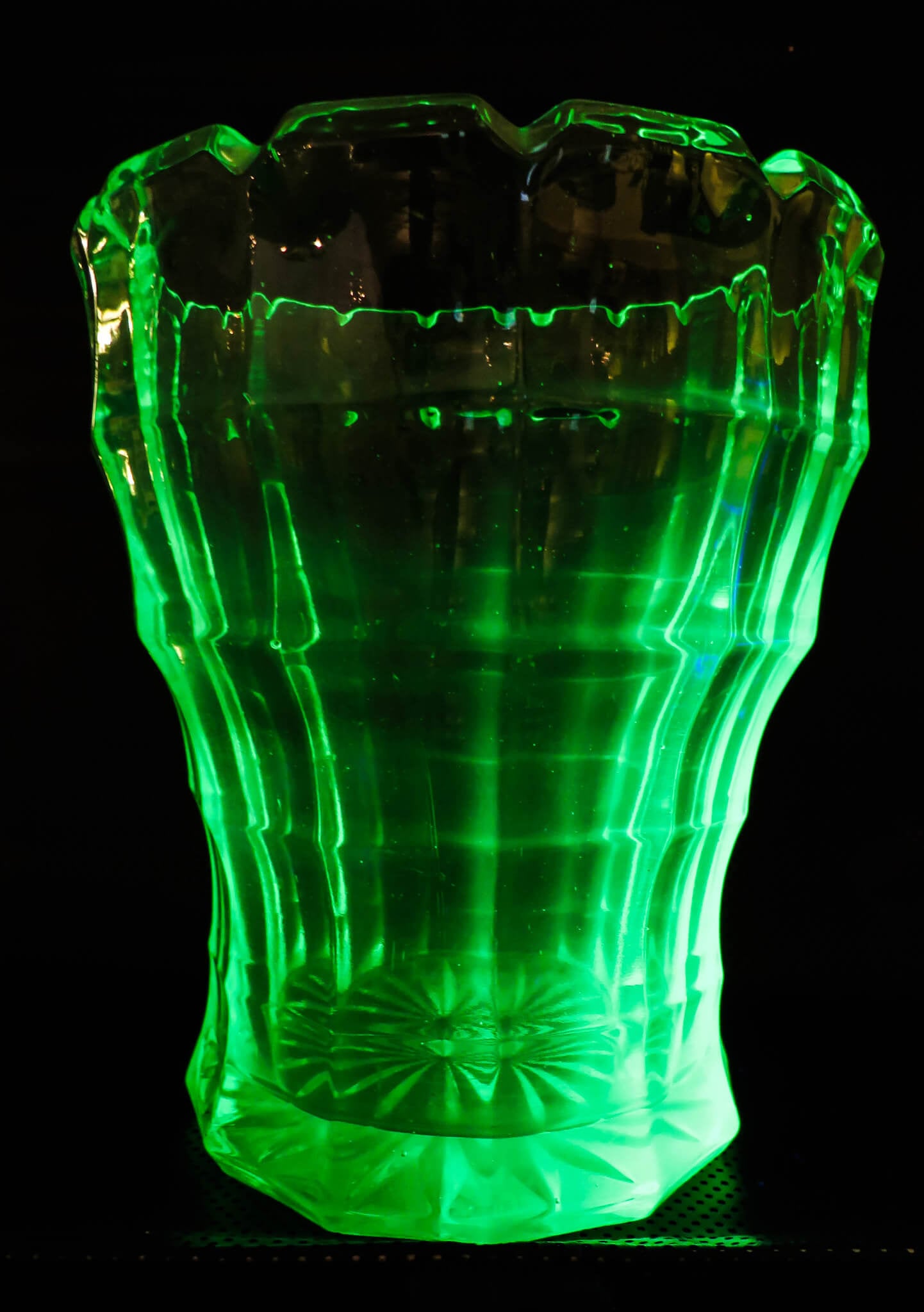
Vaseline glass contains trace amounts of uranium oxide, which gives it a pale yellow-green tint and makes it fluoresce bright green under ultraviolet light. Serious pickers carry small UV flashlights specifically to test glassware at estate sales, since the glow is the fastest way to confirm authenticity.
Jadeite Kitchenware from the McKinley Kitchenware Line
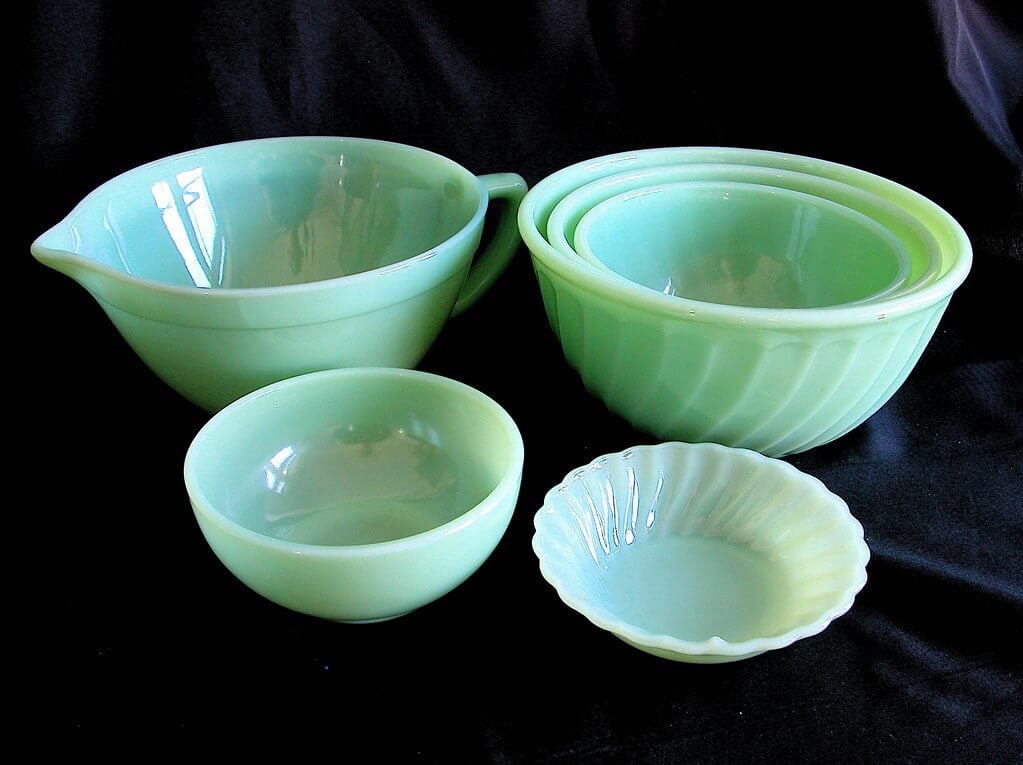
Jadeite, the opaque green glass popularized by McKee, Jeannette, and Anchor Hocking in the 1930s through 1950s, became a national obsession after Martha Stewart began collecting it publicly in the 1990s, driving prices up dramatically. Restaurant ware and Fire-King pieces marked underneath are the pieces pickers move fastest on.
Steuben Art Glass Signed Pieces
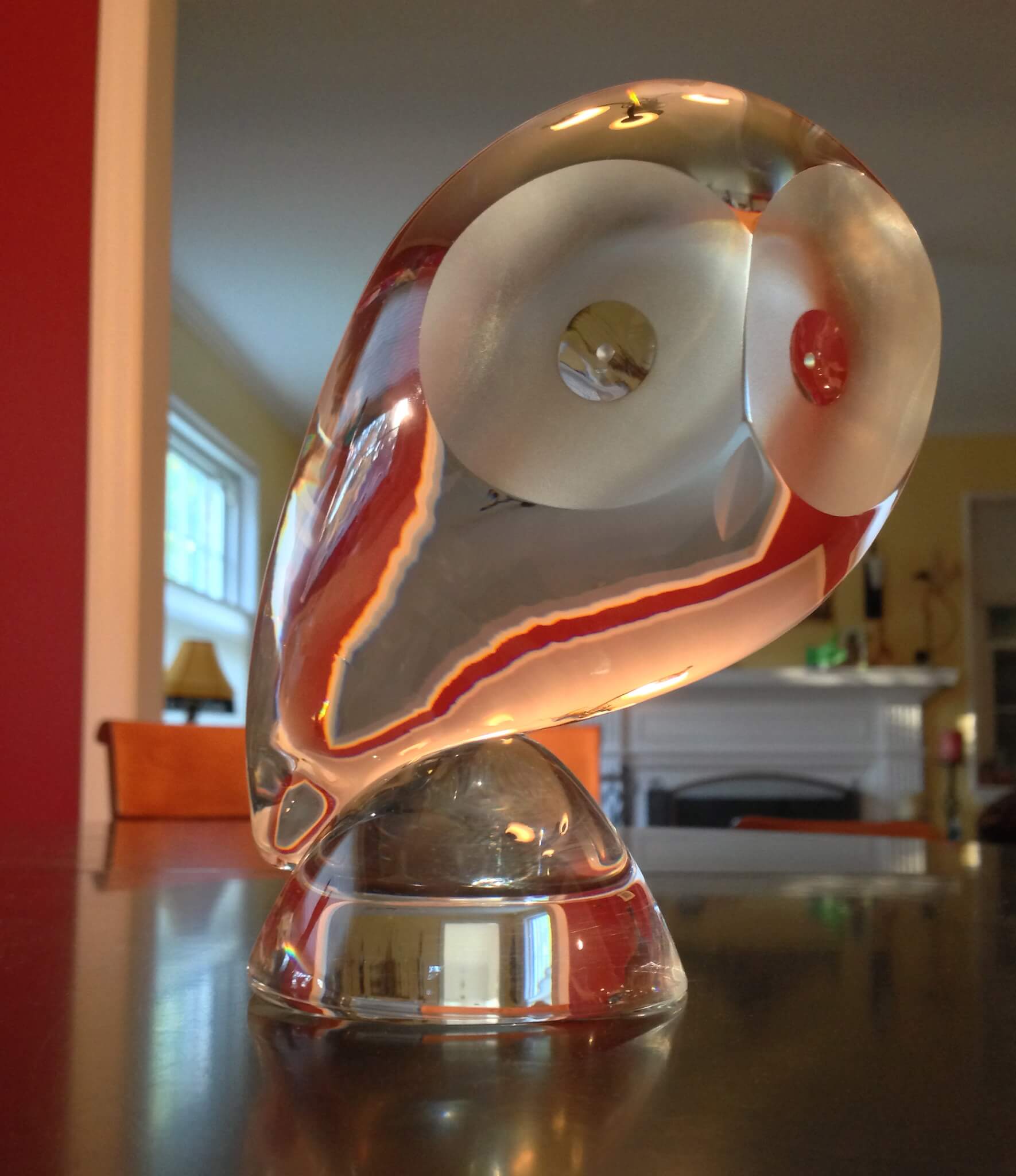
Steuben Glass Works, founded in Corning, New York in 1903, produced hand-blown art glass that was later gifted by U.S. presidents to foreign dignitaries as official state gifts. Pieces bearing the engraved Steuben signature on the base routinely outsell unsigned pieces of similar design by several multiples.
Blenko Decanters with Stopper Intact
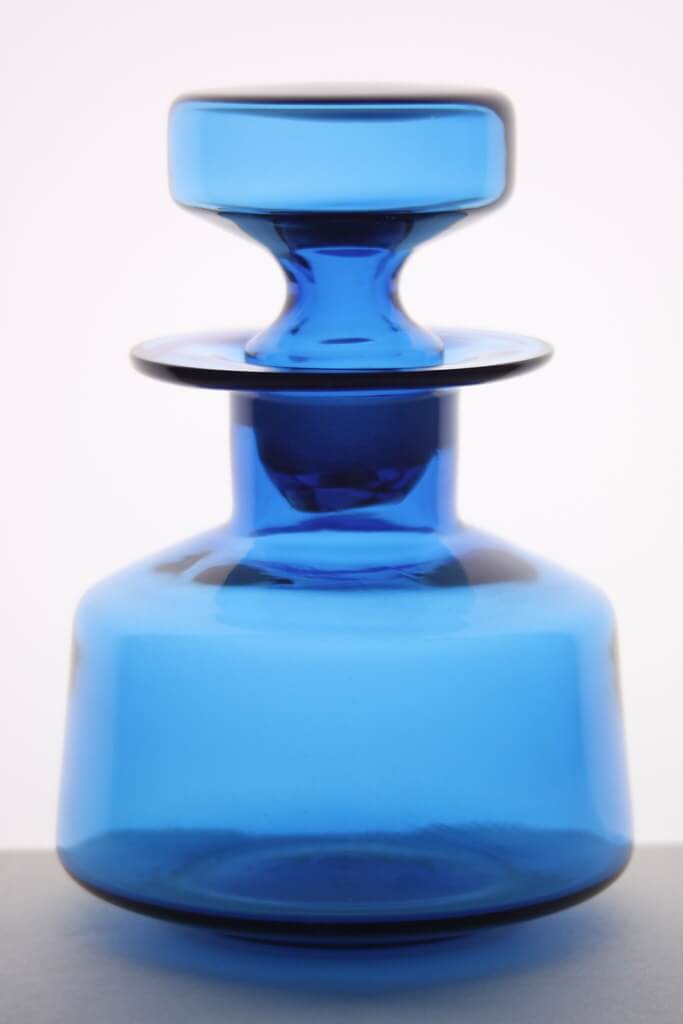
Blenko Glass Company, based in Milton, West Virginia, produced brightly colored mid-century decanters that have become a fixture of retro home decor. A decanter missing its original stopper loses a significant share of its value, making complete sets the priority grab.
Waterford Crystal Marked Pieces
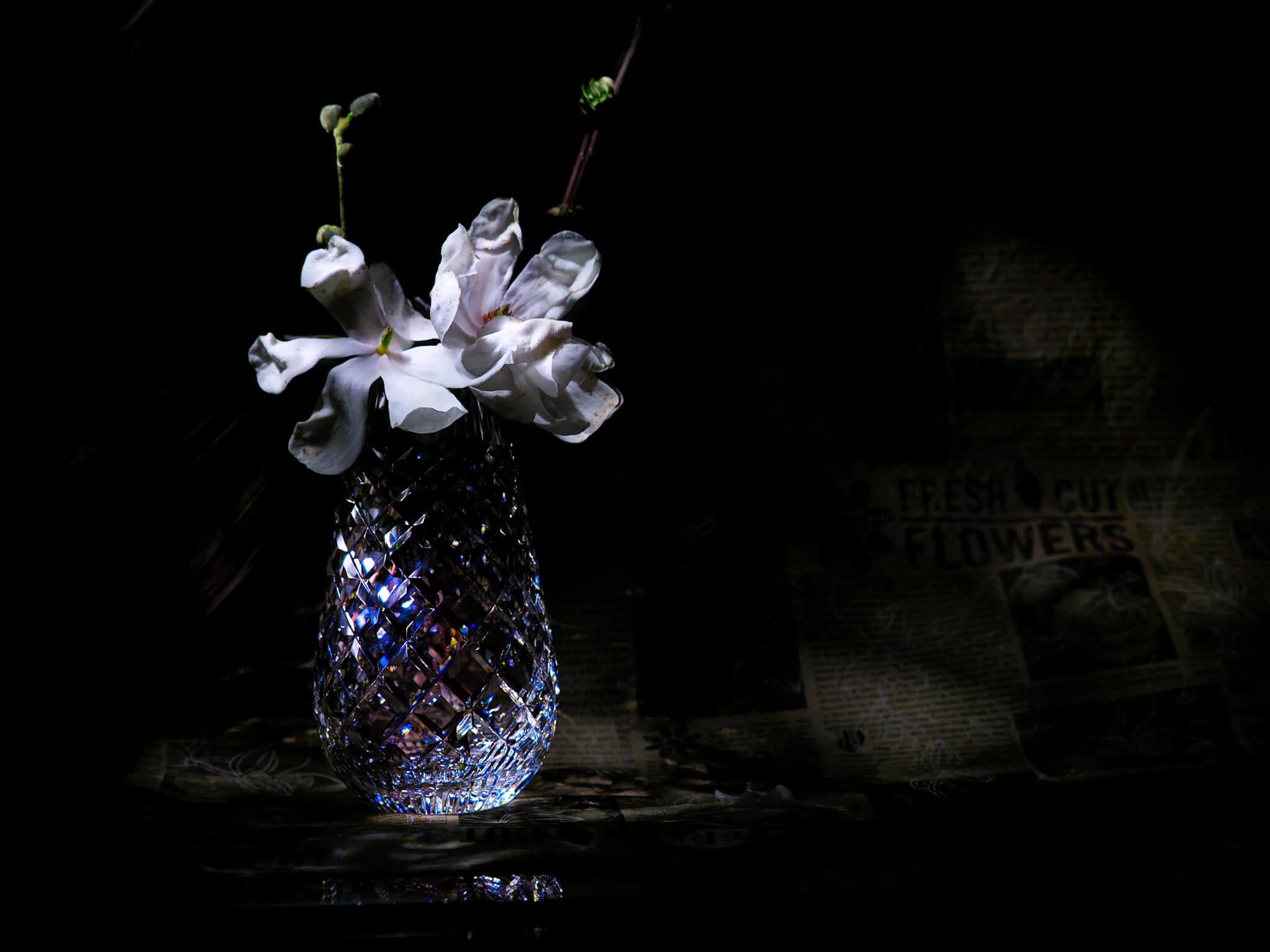
Waterford, the Irish crystal maker founded in 1783, uses deep diagonal cuts that refract light distinctively enough that experienced pickers can often identify a piece from across a room. The acid-etched Waterford seahorse mark on the base is what separates genuine pieces from the flood of unmarked imitation cut glass.
Pyrex Patterned Mixing Bowls
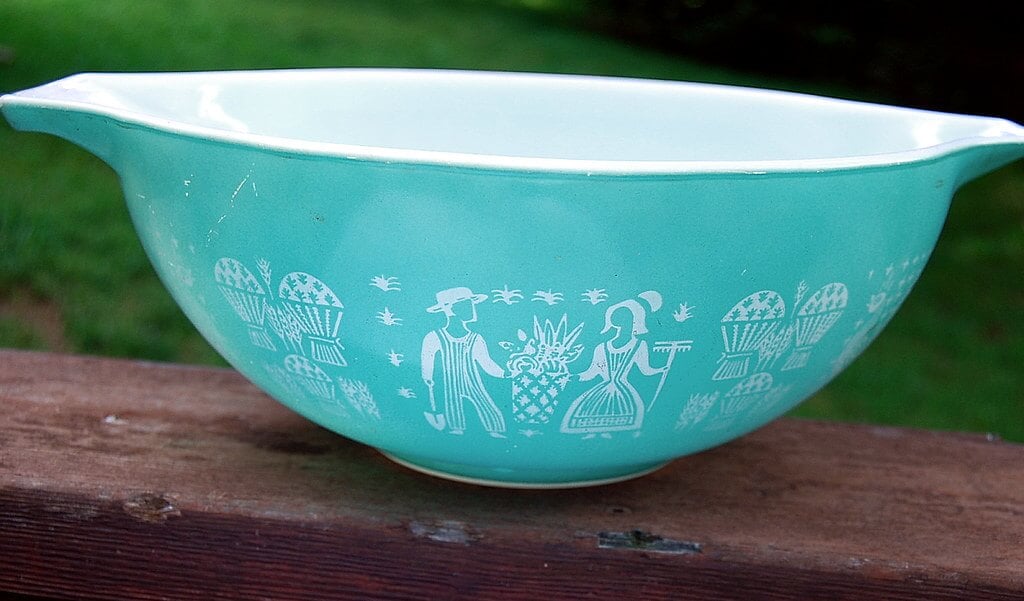
Vintage Pyrex, particularly patterns like Butterprint, Pink Gooseberry, and Lucky in Love, has developed a collector market so intense that rare patterns have sold at auction for thousands of dollars. Pickers check the bottom for the correct vintage Pyrex logo, since reissues and reproductions have flooded resale markets.
Cambridge Glass Rose Point Stemware
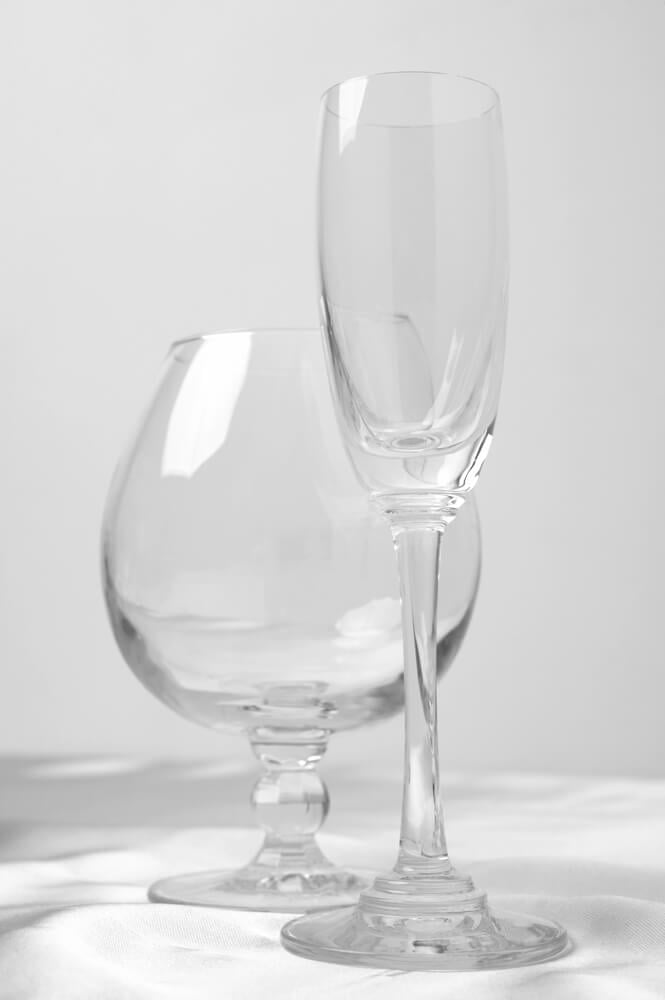
Cambridge Glass Company, which operated in Ohio from 1901 to 1958, produced the Rose Point etched pattern that remains one of the most recognized elegant glass patterns among collectors. Full sets with matching stemware, plates, and serving pieces are increasingly rare, making partial sets the more common but still valuable find.
Murano Glass with Applied Labels
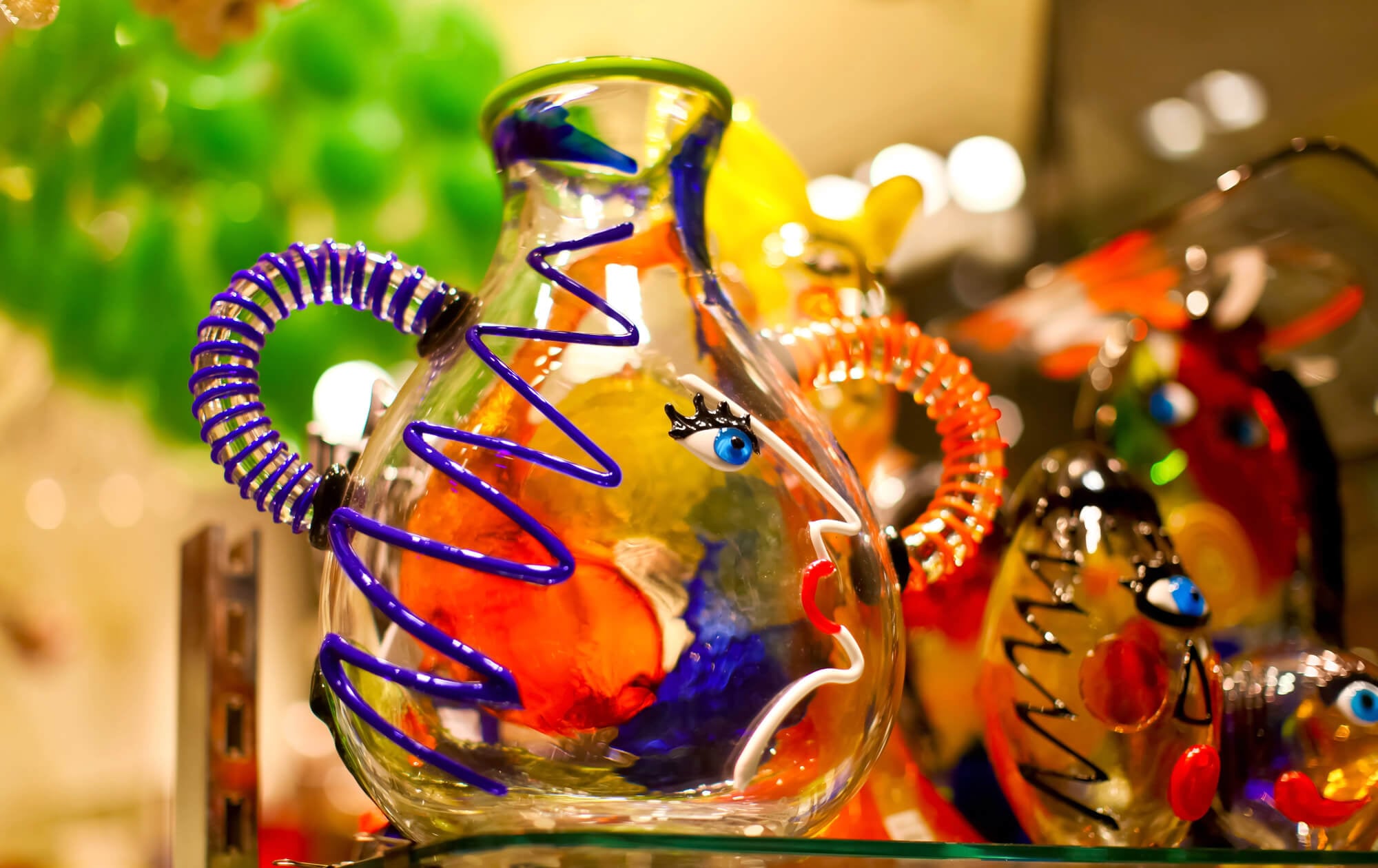
Murano glass, produced on the Venetian island of the same name since medieval times, is distinguished by techniques like millefiori and sommerso that are extremely difficult to replicate outside Italy. Pieces still bearing their original foil label are worth considerably more, since the label confirms origin in a market flooded with Asian-made imitations.
Anchor Hocking Fire-King Swirl Pattern
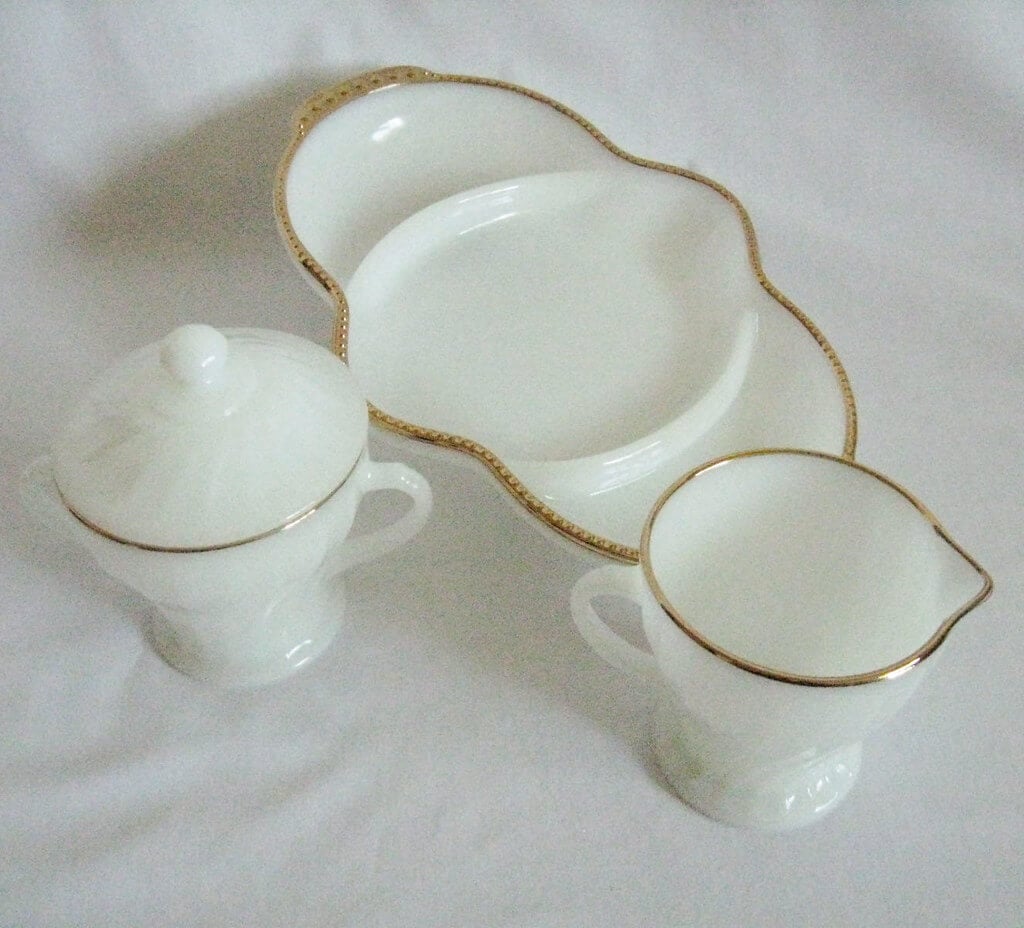
Fire-King, Anchor Hocking’s heat-resistant glass line introduced in 1942, was originally marketed as kitchenware tough enough to go straight from oven to table. The Swirl pattern in ivory and jadeite variations has become especially sought after, with pickers checking for the Fire-King stamp rather than the generic Anchor Hocking mark.
Tiffany Favrile Glass
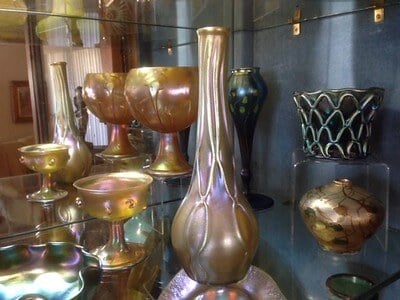
Louis Comfort Tiffany’s Favrile glass, patented in 1894, achieves its iridescent surface through a chemical process that infuses metallic oxides directly into molten glass rather than applying them afterward. Authenticated pieces bearing the engraved “L.C.T.” signature are among the most valuable finds in American glass collecting, routinely reaching five and six figures at auction.
Imperial Glass Candlewick Pattern

Imperial Glass Company’s Candlewick pattern, produced from 1936 until the company’s closure in 1984, is recognized by its distinctive beaded rims resembling knotted candlewicking thread. Because Imperial never marked most Candlewick pieces, pickers rely on shape recognition alone, making deep pattern knowledge more valuable than any hallmark.
Lalique Frosted Glass Figures
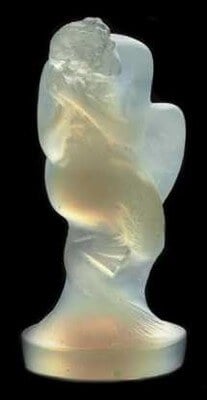
Rene Lalique’s frosted glass, developed in France in the early 20th century using acid etching to create a matte finish against clear glass, remains in production today under the Lalique name. Vintage pieces predating the company’s post-war ownership changes are distinguished by specific signature styles that specialist pickers learn to date on sight.
Heisey Glass with the Diamond H Mark
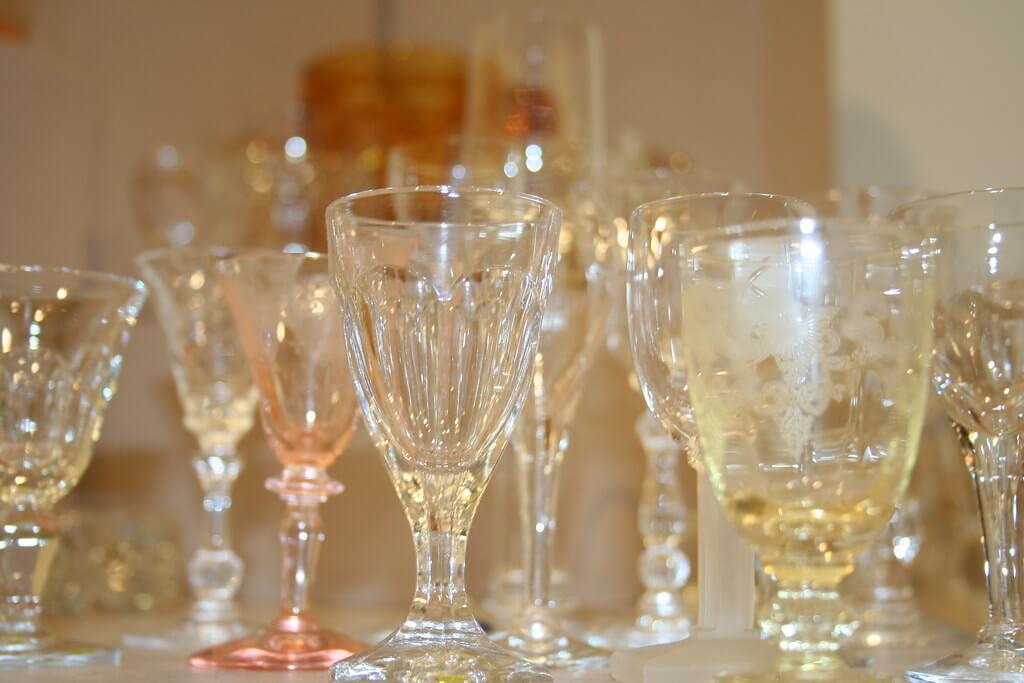
Heisey Glass Company, which operated in Newark, Ohio from 1896 to 1957, embedded a diamond containing the letter H into most of its molds, making authentication straightforward for anyone who knows to look. The company’s elaborate animal figurines, particularly the Rooster and Ram, are the pieces pickers actively hunt.
Westmoreland Milk Glass Hen Dishes
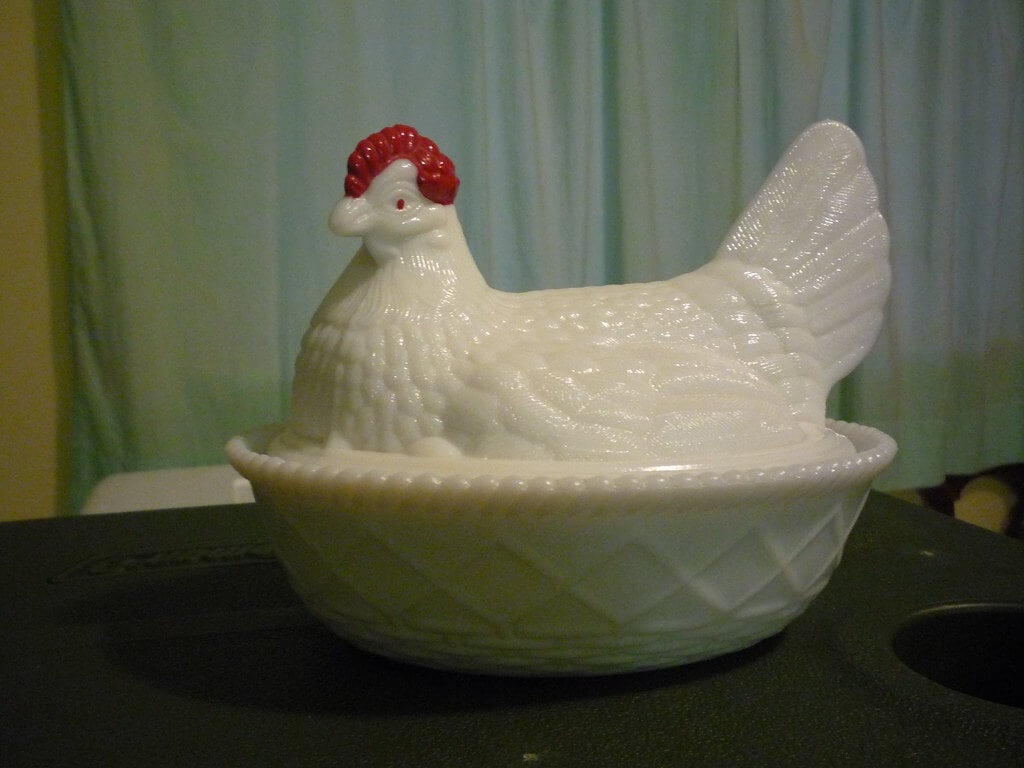
Westmoreland Glass Company’s covered hen-on-nest dishes, produced from the early 1900s through the company’s 1984 closure, became a staple of American sideboards and remain instantly recognizable. Original pieces are distinguished from later reproductions by weight, mold seams, and the milk glass opacity, details experienced pickers check within seconds.
Bohemian Cut-to-Clear Glass
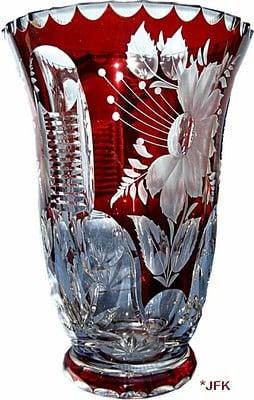
Bohemian glass, produced in the Czech region since the 17th century, is known for its cut-to-clear technique where colored glass is cut through to reveal a clear layer beneath, creating dramatic contrast. Nineteenth-century pieces with hand-cut detailing command significantly more than the machine-cut versions that followed in the 20th century.
Depression-Era Iridescent Stretch Glass
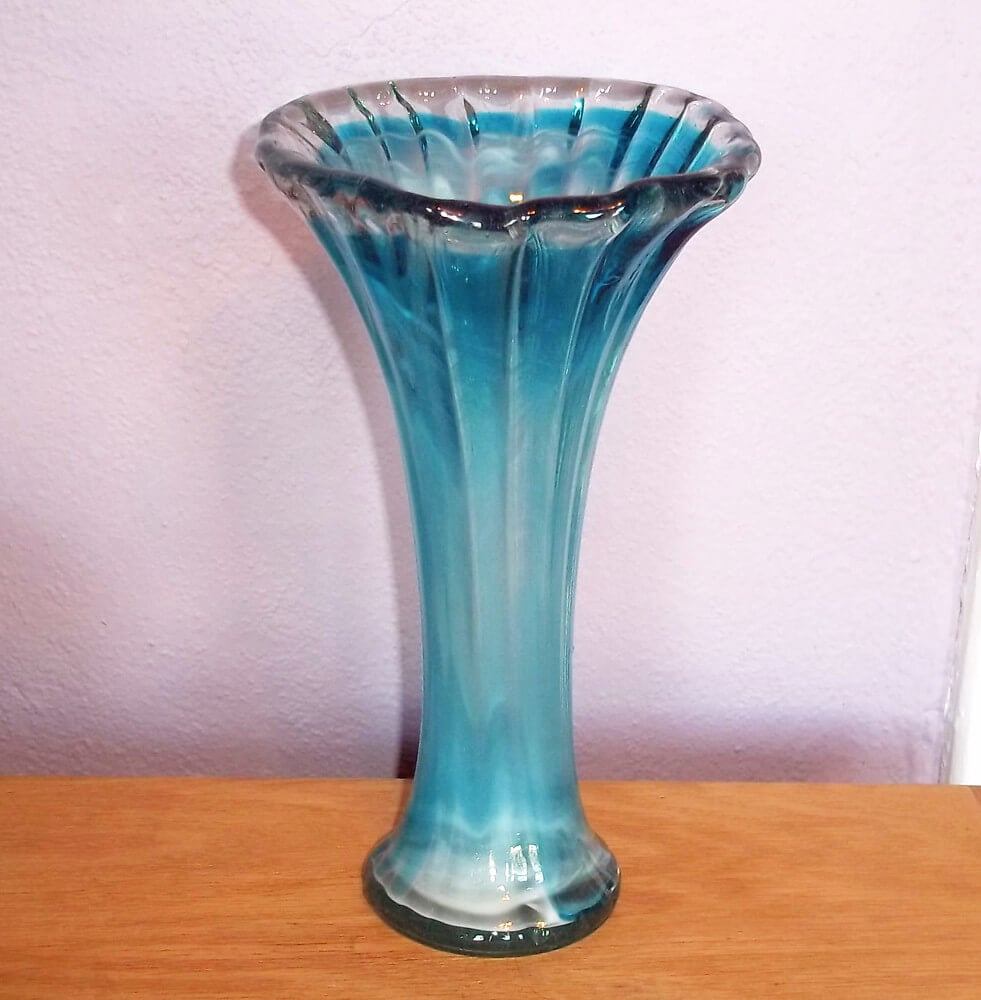
Stretch glass, created by spraying hot glass with metallic salts and then reheating it to stretch the surface into a crinkled iridescent finish, was a budget alternative to Carnival glass in the 1920s. Its more delicate, subtle sheen distinguishes it from Carnival glass to trained eyes, and unmarked pieces require pattern knowledge rather than maker stamps to identify.
Val Saint Lambert Belgian Crystal
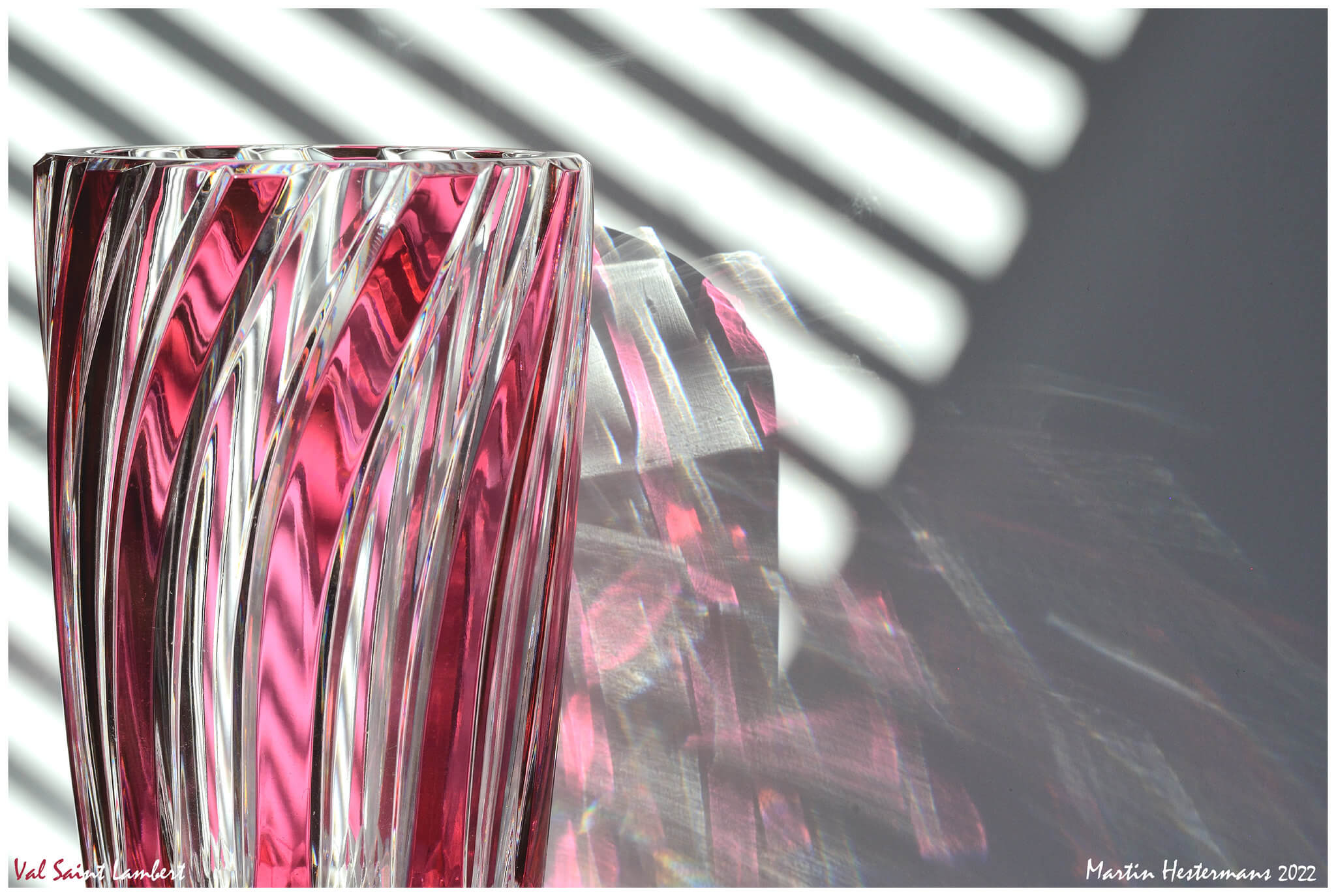
Val Saint Lambert, founded in Belgium in 1826, produced heavy cut and colored crystal that rivaled French and Irish makers throughout the 20th century. Pieces bearing the engraved acid-etched mark are increasingly sought by pickers as European crystal has become harder to source domestically.
Sandwich Glass from Boston
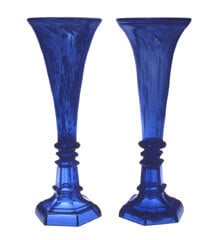
Boston and Sandwich Glass Company, which operated in Sandwich, Massachusetts from 1825 to 1888, pioneered pressed glass techniques that made decorative glassware affordable to middle-class American households for the first time. Authentic 19th-century pieces are exceedingly rare today and command prices far above the many later reproductions labeled “Sandwich style.”
McKee Glass Skokie Green
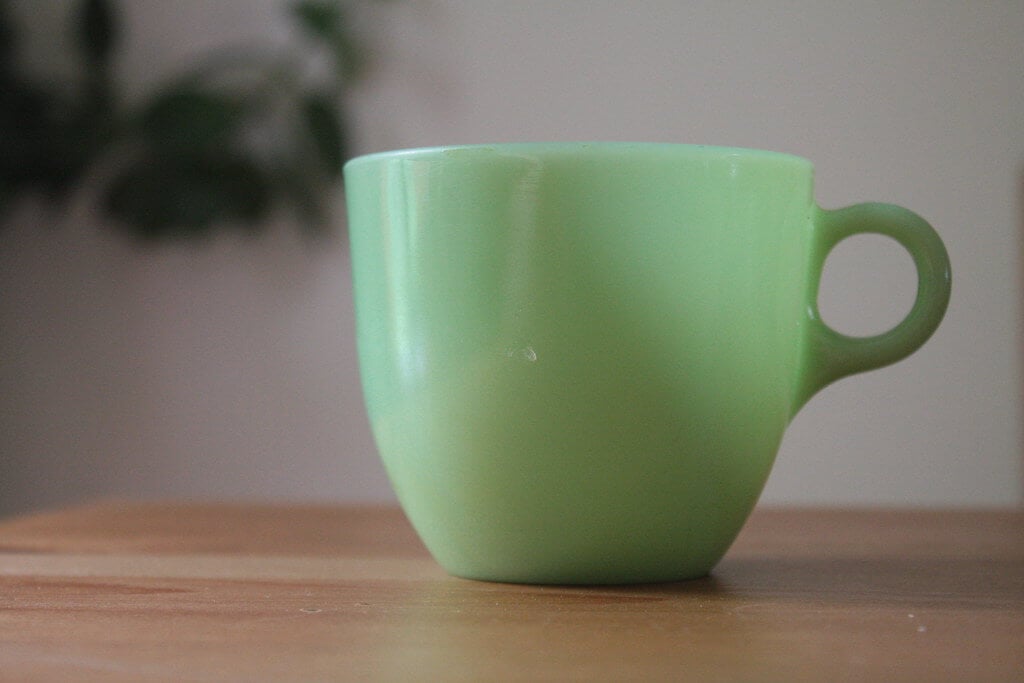
McKee Glass Company’s Skokie Green, a specific pale green shade produced primarily in the 1930s, is prized by collectors for its uniformity, a quality achieved through the company’s proprietary glass formula. Kitchenware pieces like canisters and measuring cups in this color routinely outsell the more common jadeite green from competing makers.
Duncan and Miller Swan Dishes
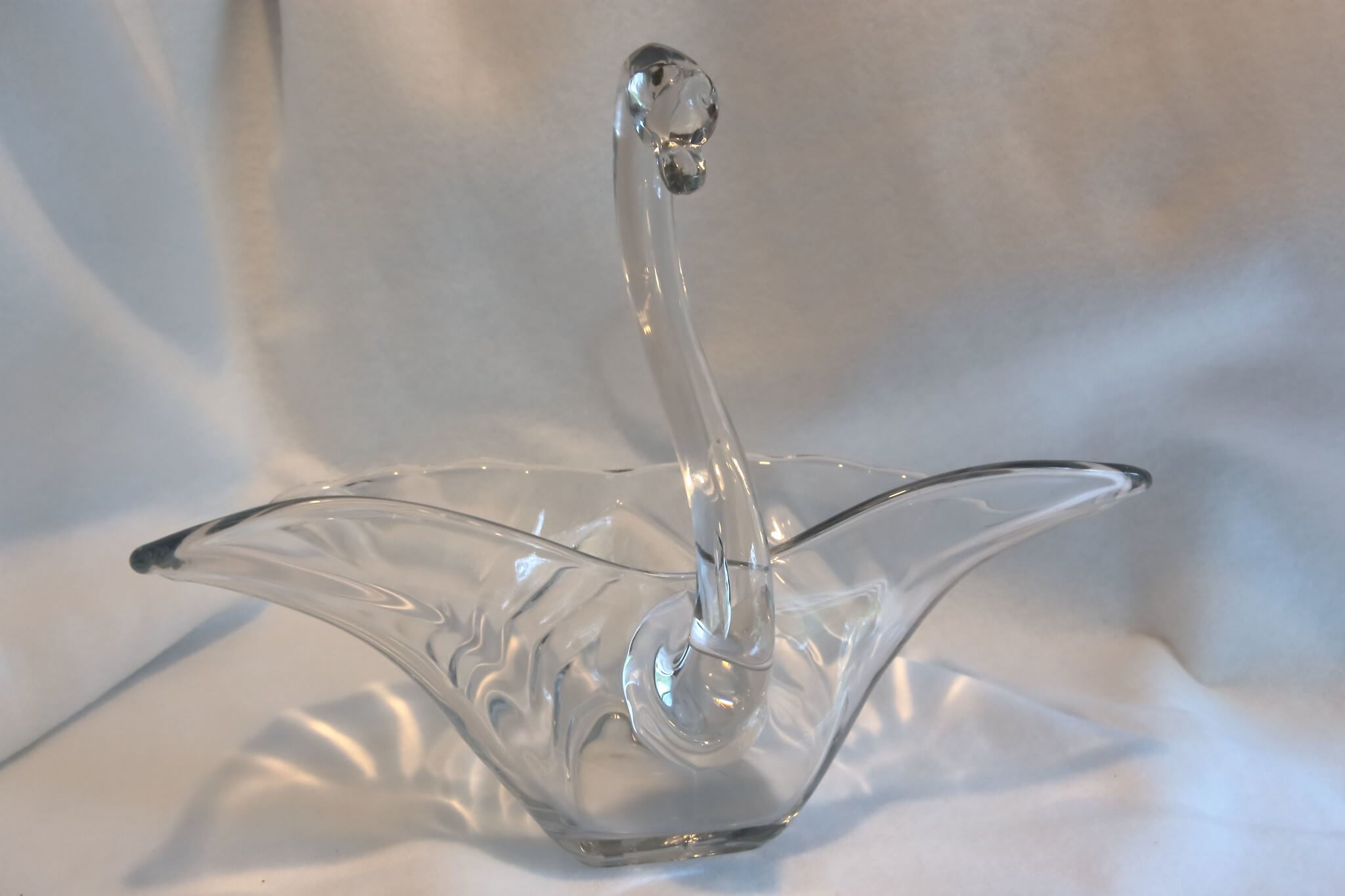
Duncan and Miller Glass Company’s swan-shaped dishes, produced in Pennsylvania through the mid-20th century, came in a wide range of colors that make complete color-run collections a specific target for advanced pickers. The company’s 1955 closure has made certain colorways increasingly difficult to find intact.
Roseville Pottery Glazed Vases
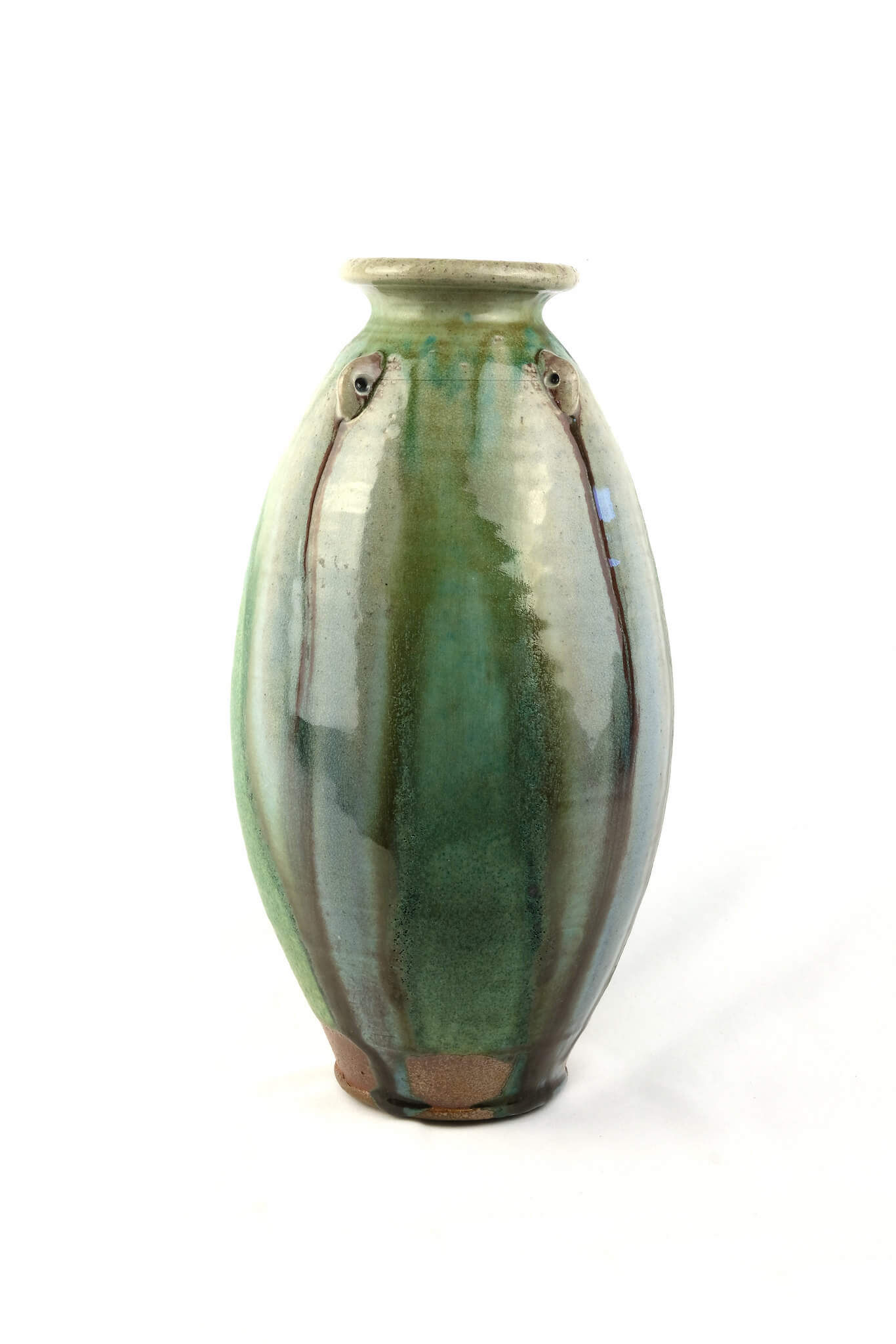
Though technically pottery rather than glass, Roseville’s glazed vases from Ohio, produced between 1890 and 1954, are routinely grouped with glassware collections due to overlapping buyer interest. The company’s Pine Cone and Magnolia lines are the patterns most frequently flagged by pickers scanning estate sale shelves.
Libbey Glass Amberina
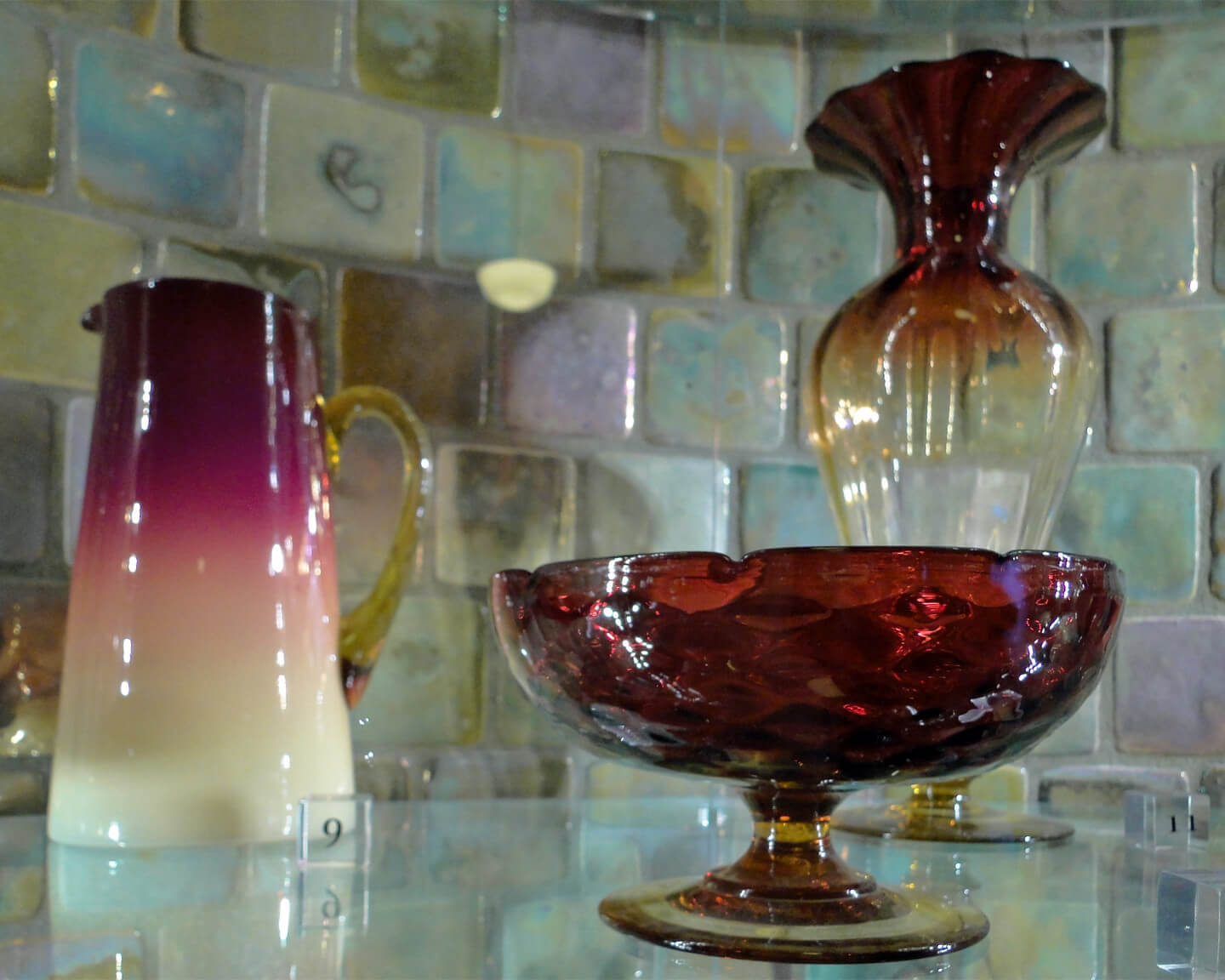
Libbey Glass Company’s Amberina, patented in 1883, uses a reheating technique that shifts amber glass into a deep ruby red on any part reheated near an open flame, creating a signature gradient no other maker successfully replicated at scale. Genuine 19th-century Amberina pieces are distinguished from later reproductions by the smoothness of the color transition.
The Instinct Behind the Grab

None of this is really about glass. It is about the particular thrill of spotting value where everyone else sees clutter, a skill built entirely on pattern recognition accumulated over hundreds of estate sales and thrift store aisles.
The pickers who move fastest have simply trained their eyes to see history where others see leftovers. That instinct, oddly, says something hopeful about what people choose to preserve.
Long after the flour company stopped giving away pink glass dishes for free, someone decided the object itself mattered more than its original purpose, and an entire economy grew up around that decision.
More from Go2Tutors!

- The Romanov Crown Jewels and Their Tragic Fate
- 13 Historical Mysteries That Science Still Can’t Solve
- Famous Hoaxes That Fooled the World for Years
- 15 Child Stars with Tragic Adult Lives
- 16 Famous Jewelry Pieces in History
Like Go2Tutors’s content? Follow us on MSN.