15 Biggest Box Office Bombs in History
Hollywood has always been a gamble. Studios pour hundreds of millions of dollars into productions they believe will be the next big thing — only to watch audiences shrug and stay home.
The math is brutal: a movie doesn’t just need to make back its production budget to break even. It has to cover marketing, distribution, and a dozen other costs on top of that.
Some of the films on this list had everything going for them on paper: famous directors, A-list stars, massive budgets. Others were passion projects that got wildly out of hand.
What they all share is a place in history as some of the most spectacular financial disasters the film industry has ever seen.
“The Fall of the Roman Empire” (1964)

Before there was “Cleopatra,” there was this sweeping epic that nearly destroyed a different studio. Producer Samuel Bronston spent $20 million building elaborate sets in Spain, hiring thousands of extras, and assembling a cast that included Sophia Loren and Alec Guinness.
The film earned back only a fraction of its cost and effectively ended Bronston’s career as an independent producer. It was one of the first major warnings that spectacle alone doesn’t sell tickets.
“Cleopatra” (1963)
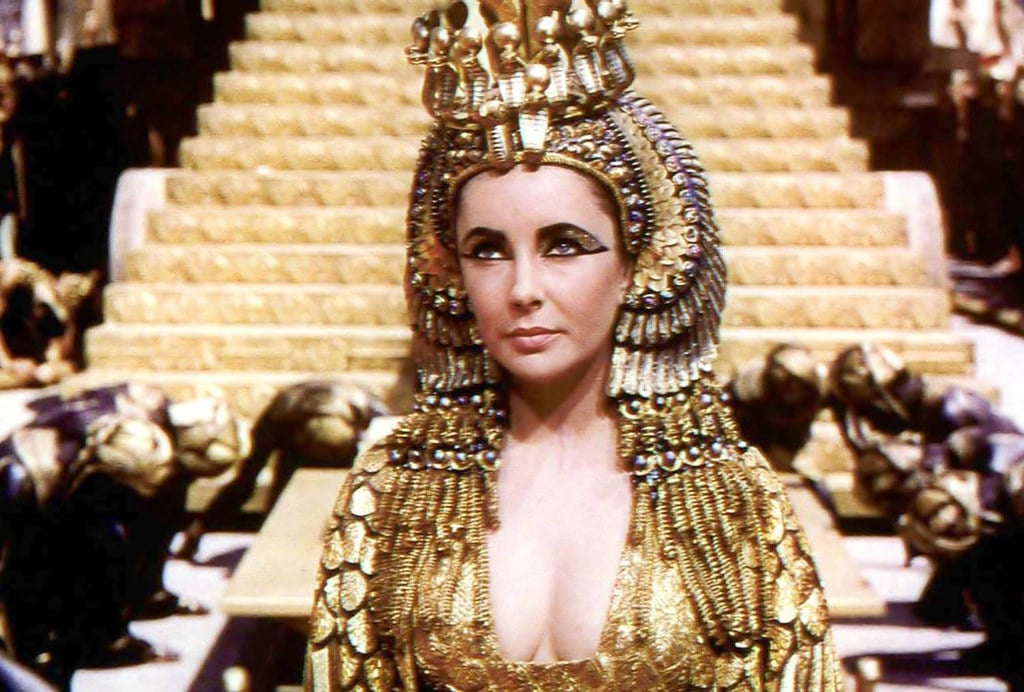
If you want to find the moment Hollywood truly learned to fear the budget, start here. “Cleopatra” cost around $44 million to make — the equivalent of well over $400 million today — and nearly sank 20th Century Fox entirely.
The production was a disaster almost from the start: two directors, a complete cast change, Elizabeth Taylor falling ill, reshoots in two countries, and a romance between Taylor and Richard Burton that the press covered relentlessly. The film did become a hit, eventually, but Fox’s financial situation was so dire by the time it was released that “hit” barely covered the damage.
“Heaven’s Gate” (1980)

This Western is practically synonymous with the term “box office bomb.” Director Michael Cimick had just won an Oscar for “The Deer Hunter” and was given almost total creative control over his next project.
He used it to shoot hundreds of hours of footage, build an entire town from scratch in Montana, and blow past his original $11.6 million budget until the film cost nearly $44 million. When it opened, critics tore it apart.
United Artists, the studio that funded it, went bankrupt shortly after. The film is still taught in film schools today — as a cautionary tale.
“Cutthroat Island” (1995)

Pirate movies were considered box office poison for decades, and this film is a big reason why. Carolco Pictures, the studio behind it, had already produced successful action films like the “Terminator” and “Rambo” sequels.
But this $115 million adventure earned just $10 million domestically when it opened. Carolco filed for bankruptcy shortly after.
The film held the Guinness World Record for biggest box office loss for years. It’s also partly why it took nearly a decade before anyone in Hollywood wanted to make “Pirates of the Caribbean.”
“Waterworld” (1995)

“Fishtar.” “Kevin’s Gate.” The press had a field day with the nicknames before “Waterworld” even opened. Kevin Costner’s post-apocalyptic ocean epic famously went massively over budget — eventually costing around $175 million, making it the most expensive film ever made at the time.
The film earned about $88 million domestically, which sounds decent until you factor in marketing costs and the theatrical revenue split. Universal eventually recouped its losses through international markets and home video, but the theatrical release was an embarrassment.
The irony? The movie itself is actually pretty watchable.
“The Postman” (1997)
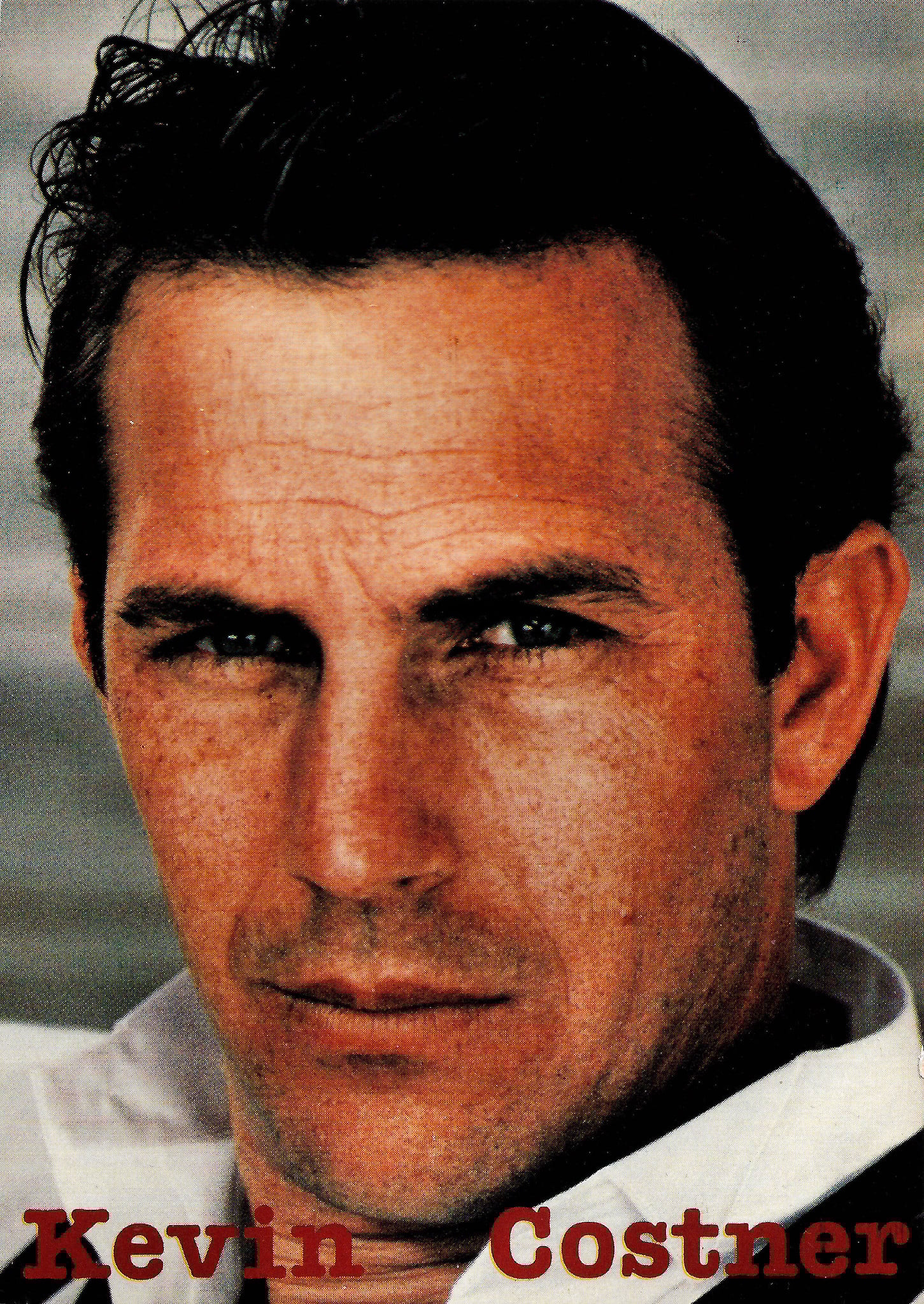
Kevin Costner appears again, and this time there’s no silver lining. “The Postman” cost around $80 million to make and earned just $17 million domestically.
Costner directed and starred in this three-hour epic about a drifter who delivers hope to post-apocalyptic America. Critics were merciless. Audiences stayed away in droves.
The film won five Razzies. It remains one of the most complete commercial and critical failures from a major Hollywood star-director.
“Treasure Planet” (2002)

Disney’s animated adaptation of “Treasure Island” set in space was a genuine labor of love from directors John Musker and Ron Clements, who had also made “The Little Mermaid” and “Aladdin.” But the $140 million film earned only $38 million in its opening weekend and struggled to reach $110 million worldwide.
The failure was so significant that Disney shut down its traditional 2D animation division shortly after — a move that shaped the studio’s entire direction for years. The film has since built a devoted cult following, which is a small comfort given what it cost.
“The Adventures of Pluto Nash” (2002)

This Eddie Murphy sci-fi comedy cost $100 million and earned $4.4 million. That’s not a typo.
It had one of the worst wide-release opening weekends in Hollywood history at the time. The film had been sitting on a shelf at Warner Bros. for nearly two years before they finally released it, which is never a good sign.
Murphy’s career took years to recover.
“Stealth” (2005)

Sony spent $135 million on this action film about an artificial intelligence fighter jet, then spent another $60–70 million marketing it. The film opened to $13 million and critics didn’t bother being polite about it.
Total domestic earnings: $32 million. It became a go-to example in Hollywood of a movie that tried to substitute spectacle for story and paid for it in full.
“Speed Racer” (2008)

The Wachowskis had made “The Matrix.” Studios trusted them. Warner Bros. gave them $120 million and full creative control to bring the classic anime series to life.
What came back was a visually dazzling but exhausting film that divided audiences and opened to just $18 million. It earned $93 million worldwide against a total cost (production plus marketing) well north of $200 million.
Years later, “Speed Racer” has been reassessed as an ambitious and genuinely inventive film. That doesn’t make the numbers hurt less.
“John Carter” (2012)

Disney lost an estimated $200 million on this science-fiction epic based on Edgar Rice Burroughs’ Barsoom novels. The film had everything working against it: a title that gave no indication of what the movie was about, a marketing campaign that confused audiences, and a release strategy that didn’t help.
The actual film is entertaining, and Burroughs’ source material predates nearly every major sci-fi franchise. But none of that saved it from becoming one of the biggest single-film losses in studio history.
The studio’s CEO cited it directly in public statements about financial results.
“The Lone Ranger” (2013)

Johnny Depp, Armie Hammer, director Gore Verbinski, producer J. Bruckheimer — on paper, this looked like a sure thing from the team that had produced the “Pirates of the Caribbean” franchise. The $215 million Western earned $89 million domestically.
Disney wrote down a $190 million loss. The film generated controversy for its casting choices and mixed reviews, but mostly it showed that audiences had moved on from big-budget, effects-heavy Westerns.
The brand hadn’t translated the way the studio hoped.
“Blackhat” (2015)

Michael Mann is a filmmaker with a serious reputation, and Chris Hemsworth was coming off multiple Marvel films. Universal spent $70 million on this cyber-thriller and it earned $8 million worldwide in its opening weekend.
Final domestic total: $8 million. It didn’t do much better internationally.
The film wasn’t without its defenders — Mann’s visual style is distinctive — but the timing, marketing, and subject matter all worked against it.
“The Mummy” (2017)

A bold idea took shape at Universal. The goal was clear: create a linked series of movies using legendary creatures, much like what had been done with superheroes.
Tom Cruise stepped into the central role, while Russell Crowe appeared as Dr. Jekyll. Later chapters were already mapped out — tales centered on Frankenstein’s monster, the Invisible Man, among others waited in line.
But when release day came, things shifted fast. Reviews arrived cold and harsh, viewers stayed away in droves.
A start that fizzled out almost before breathing life — the so-called “Dark Universe.” Instead of threading tales together, Universal went separate paths with its creatures.
A quiet shift happened when the 2020 version of “The Invisible Man” arrived — tense, personal, built on unease instead of noise.
“Babylon” (2022)

One after another, movies like “Whiplash” and then “La La Land” clicked with both critics and crowds. With those wins under his belt, Paramount handed Damien Chazelle 80 million dollars — no strings attached — for a wild, lavish tribute to old Hollywood’s shift from silence to talkies.
Clocking in close to three and a half hours, it moved at its own pace. In American theaters, the total take hovered around fifteen million.
Some reviewers liked it, others weren’t sure. People watching didn’t quite get what type of movie they’d seen.
Paramount struggled to explain where it fit. Money disappeared fast, yet its reputation still shifts — time might treat it better than crowds did.
The Movies That Last Beyond Their Mistakes

Funny how some movies never really die. Speed Racer clicked later through online viewing.
A whole group of kids adored Treasure Planet after seeing it again and again. Waterworld? People actually like it now.
What matters at theaters only shows early ticket sales. That number says nothing about quality or staying power.
When a studio loses cash, calm reflection isn’t common. Yet for those creating movies — and those sitting in theaters — the tale often ignores opening weekend totals.
Often, that moment sparks what follows.
More from Go2Tutors!

- The Romanov Crown Jewels and Their Tragic Fate
- 13 Historical Mysteries That Science Still Can’t Solve
- Famous Hoaxes That Fooled the World for Years
- 15 Child Stars with Tragic Adult Lives
- 16 Famous Jewelry Pieces in History
Like Go2Tutors’s content? Follow us on MSN.



