18 Championship Games Decided by One Play
Most championship games are decided by an accumulation of small advantages, a few extra yards here, a turnover there, stacked up over sixty minutes. Then there are the games remembered for exactly one moment, where an entire season swings on a single kick, catch, or fumble.
These are the deciding plays fans replay in their heads decades later, the ones that turned one team into champions and left the other explaining what might have been.
The Greatest Game Ever Played, 1958 NFL Championship
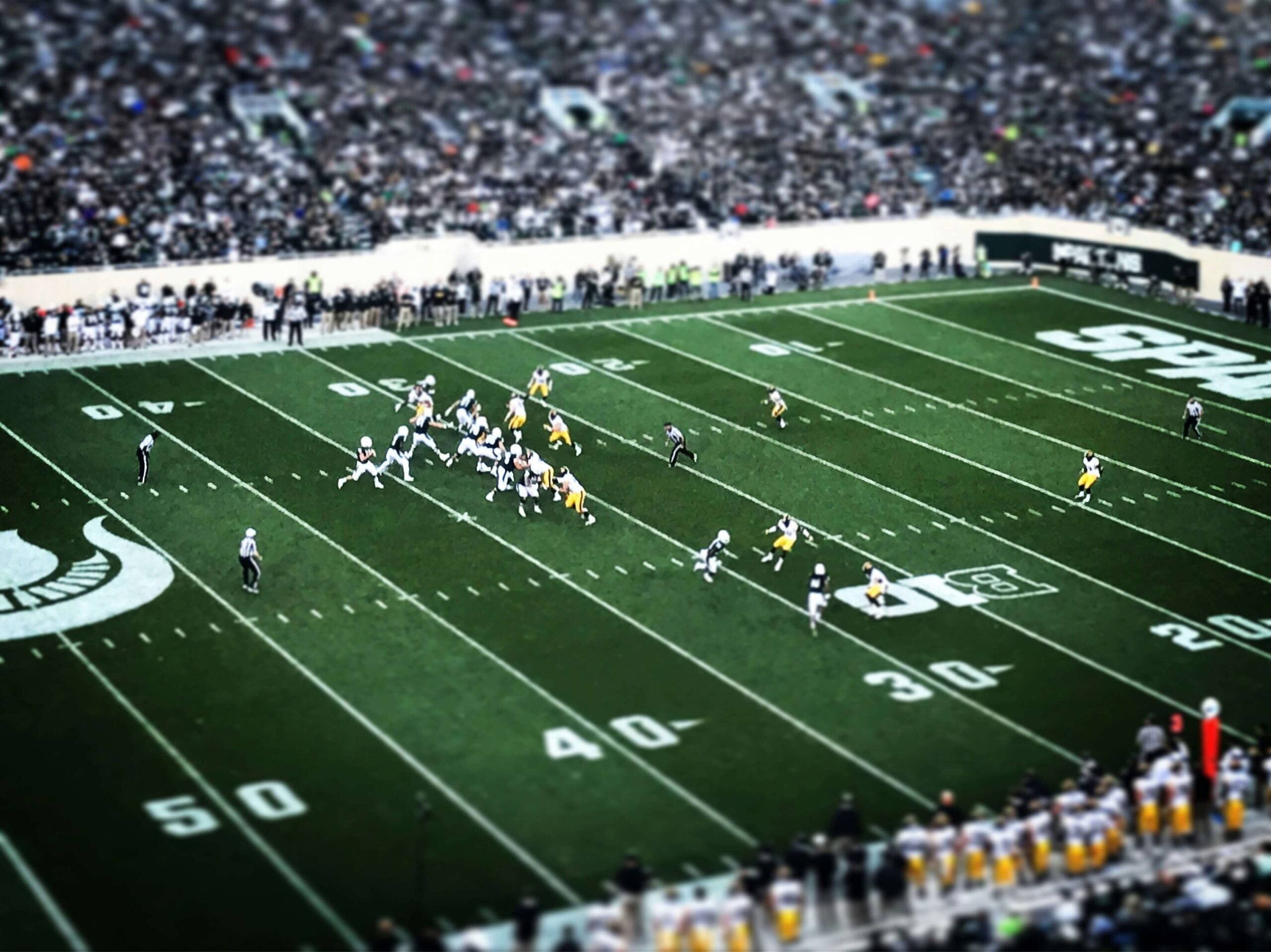
Trailing the New York Giants in the NFL’s first-ever sudden-death overtime, the Baltimore Colts drove down the field before fullback Alan Ameche punched it in from one yard out to win the title. The game is widely credited with launching professional football’s rise as a national television phenomenon.
The Ice Bowl, 1967 NFL Championship
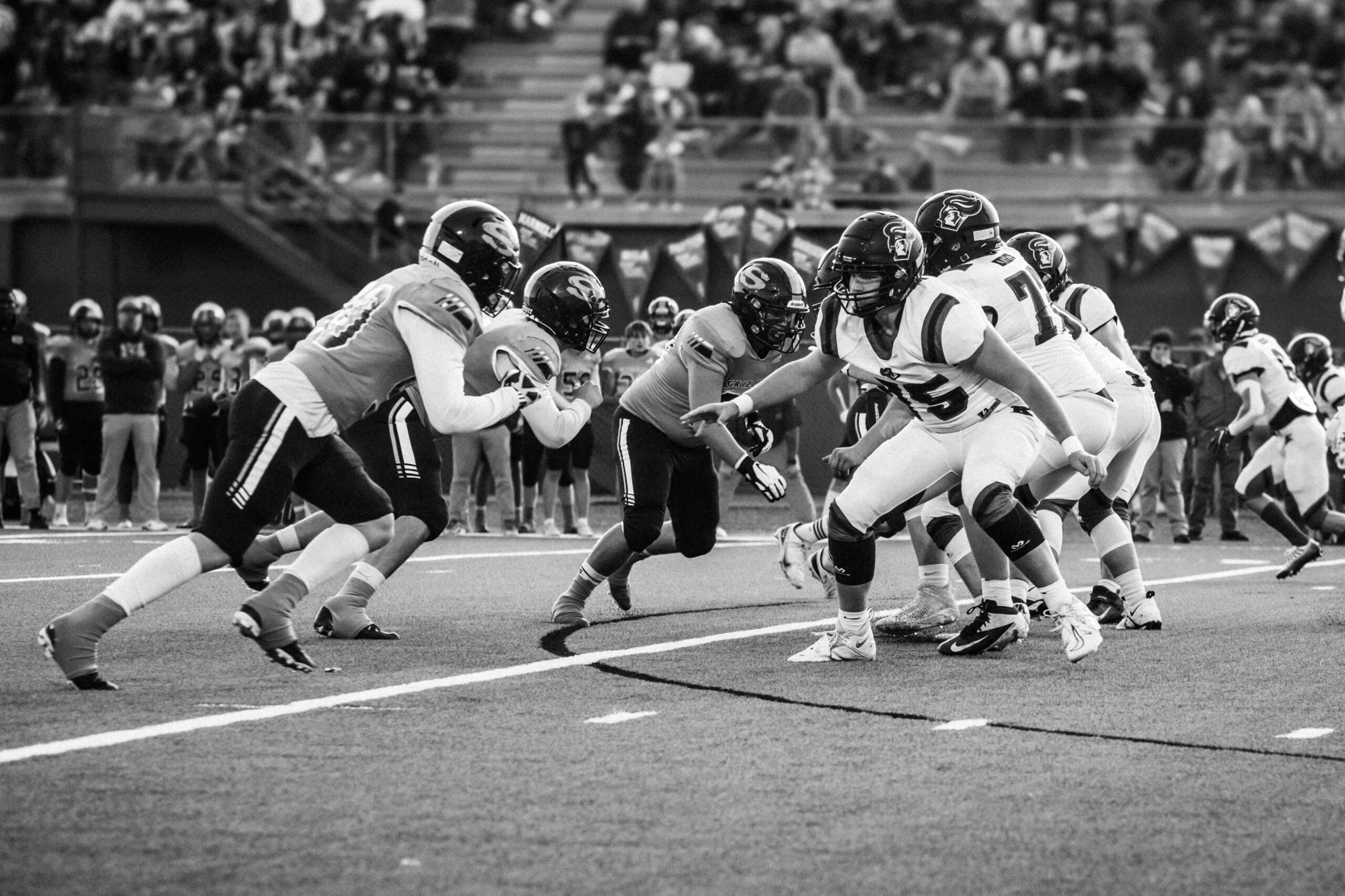
With the temperature at minus-13 degrees in Green Bay and the Packers out of timeouts, quarterback Bart Starr called his own number on a quarterback sneak behind guard Kramer’s block to score with sixteen seconds left. The play beat the Dallas Cowboys and sent the Packers to Super Bowl II.
The Catch, 1981 NFC Championship
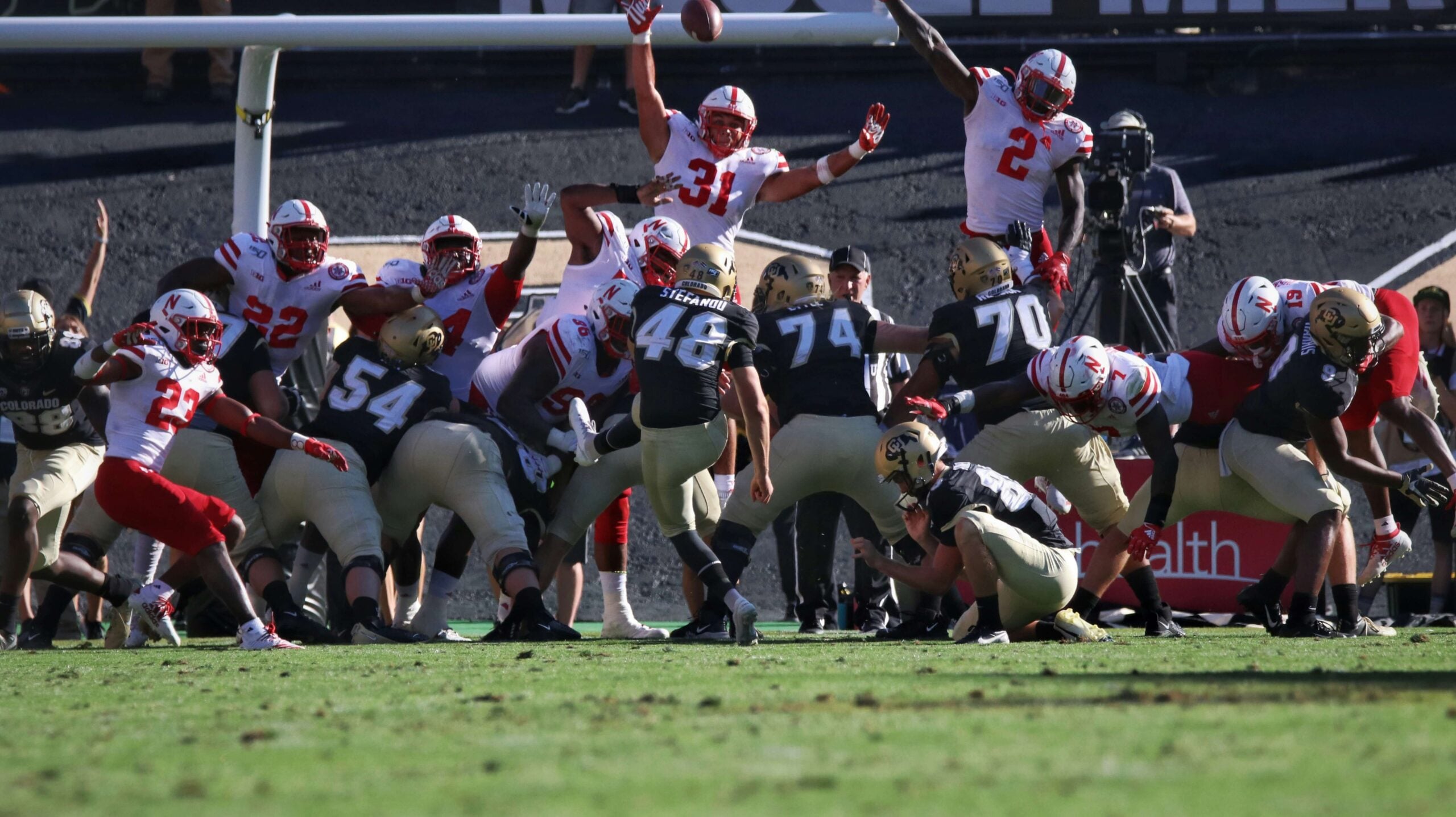
Trailing the Dallas Cowboys late in the fourth quarter, San Francisco 49ers quarterback Joe Montana rolled right and lofted a pass toward the back of the end zone that receiver Dwight Clark leaped to snag with his fingertips. The touchdown sent the 49ers to their first Super Bowl and is widely regarded as the moment the franchise’s dynasty began.
The Drive, 1986 AFC Championship
Pinned at his own 2-yard line with just over five minutes remaining and trailing the Cleveland Browns, Denver Broncos quarterback John Elway engineered a 98-yard drive that ended with a touchdown pass to tie the game, which Denver went on to win in overtime. The single scoring throw that capped the drive is often treated as the signature moment of Elway’s Hall of Fame career.
The Fumble, 1987 AFC Championship
A year after “The Drive,” the Cleveland Browns again faced the Denver Broncos in the AFC Championship, driving deep into Denver territory with a chance to tie the game late in the fourth quarter. Running back Earnest Byner appeared headed for the tying touchdown before a Broncos defender forced a fumble at the goal line, and Denver recovered to preserve the win.
Super Bowl XXIII
Facing a three-point deficit with just over three minutes remaining, Joe Montana led the San Francisco 49ers on a 92-yard drive that ended with a touchdown pass to John Taylor with 34 seconds left. The drive, and the throw that finished it, is frequently ranked among the greatest game-winning sequences in Super Bowl history.
Super Bowl XXV
With eight seconds remaining and the New York Giants clinging to a one-point lead, Buffalo Bills kicker Scott Norwood attempted a 47-yard field goal that sailed just wide right of the uprights. The miss remains the defining image of the Bills’ four consecutive Super Bowl losses in the early 1990s and is still the only Super Bowl decided by a single point.
Super Bowl XXXII
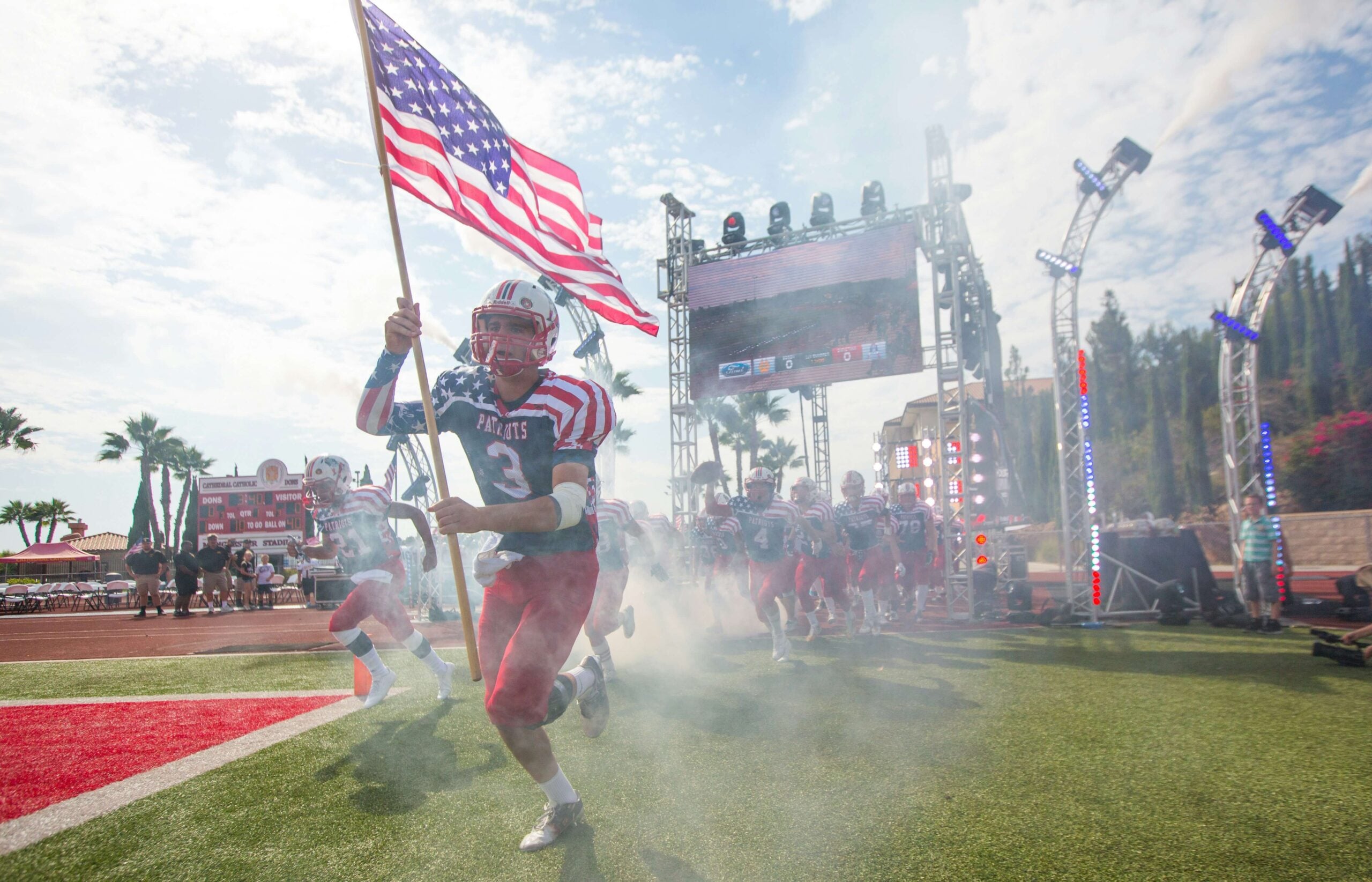
Trailing late in the fourth quarter, Denver Broncos running back Terrell Davis scored what proved to be the game-winning touchdown, but the deciding moment came moments later when Denver’s defense stopped Green Bay on downs deep in Broncos territory to seal the win. The goal-line stand ended the Packers’ bid for a repeat championship and gave John Elway his first Super Bowl title.
Super Bowl XXXIV
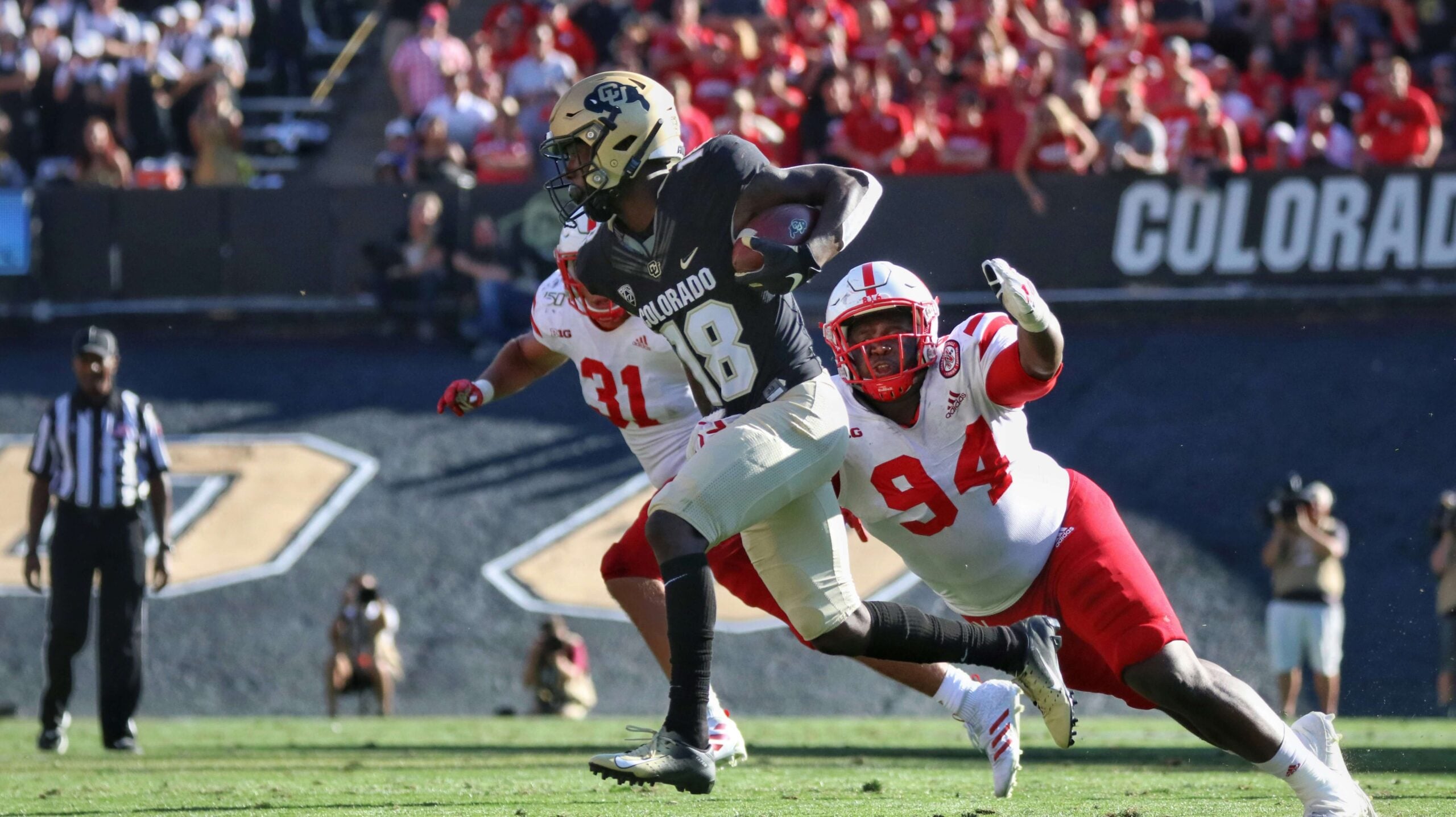
Needing a touchdown on the final play to force overtime, the Tennessee Titans connected with receiver Kevin Dyson just a single yard short of the goal line, where St. Louis Rams linebacker Mike Jones wrapped him up before he could reach the end zone. The play, remembered simply as “The Tackle,” remains the closest possible finish to a Super Bowl.
Super Bowl XXXVI
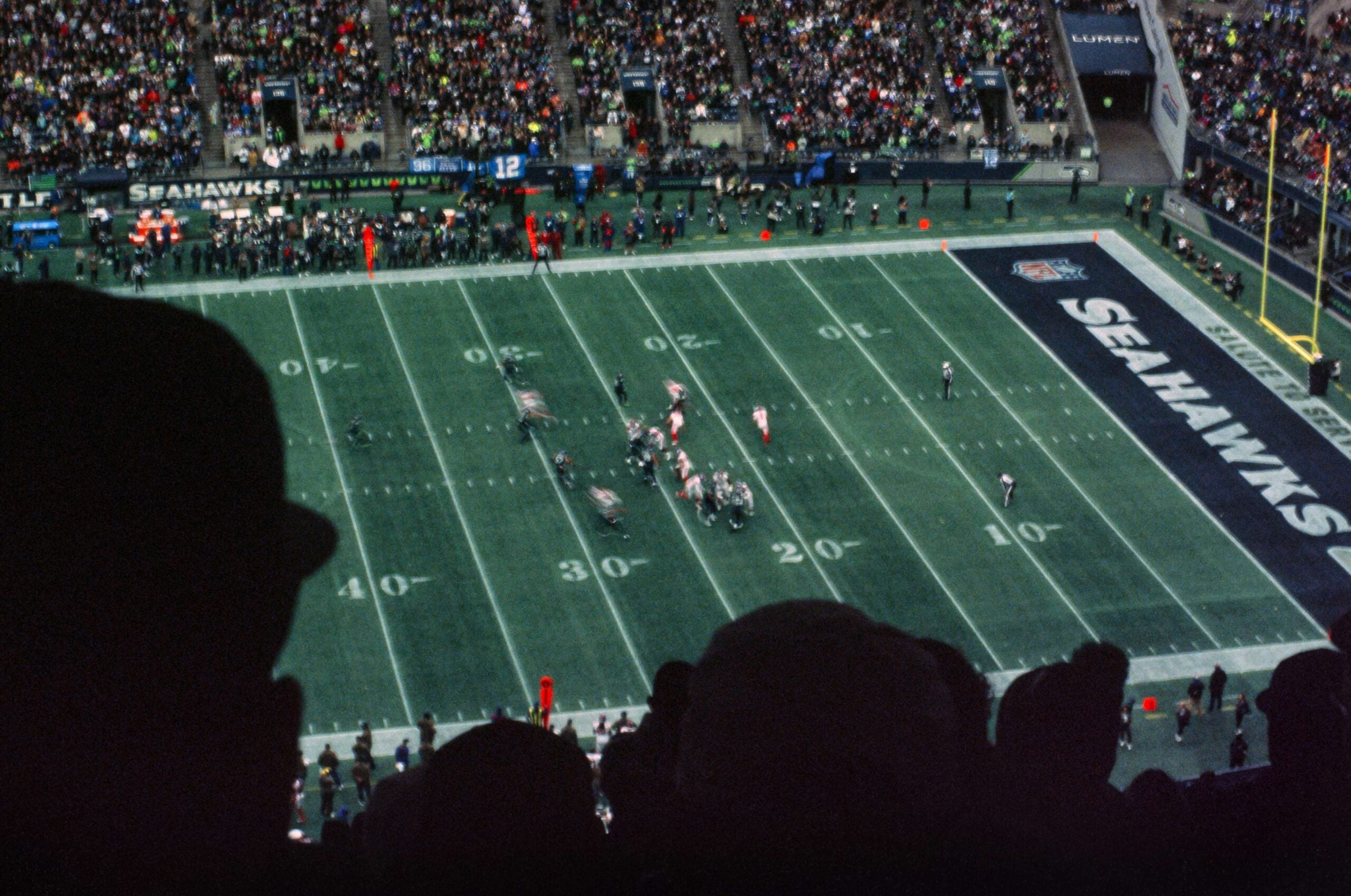
In his first Super Bowl start, New England Patriots quarterback Tom Brady drove his team into field-goal range with no timeouts, setting up kicker Adam Vinatieri for a 48-yard field goal as time expired to upset the heavily favored St. Louis Rams. The kick launched the Patriots’ two-decade run as the NFL’s dominant franchise.
Super Bowl XXXVIII
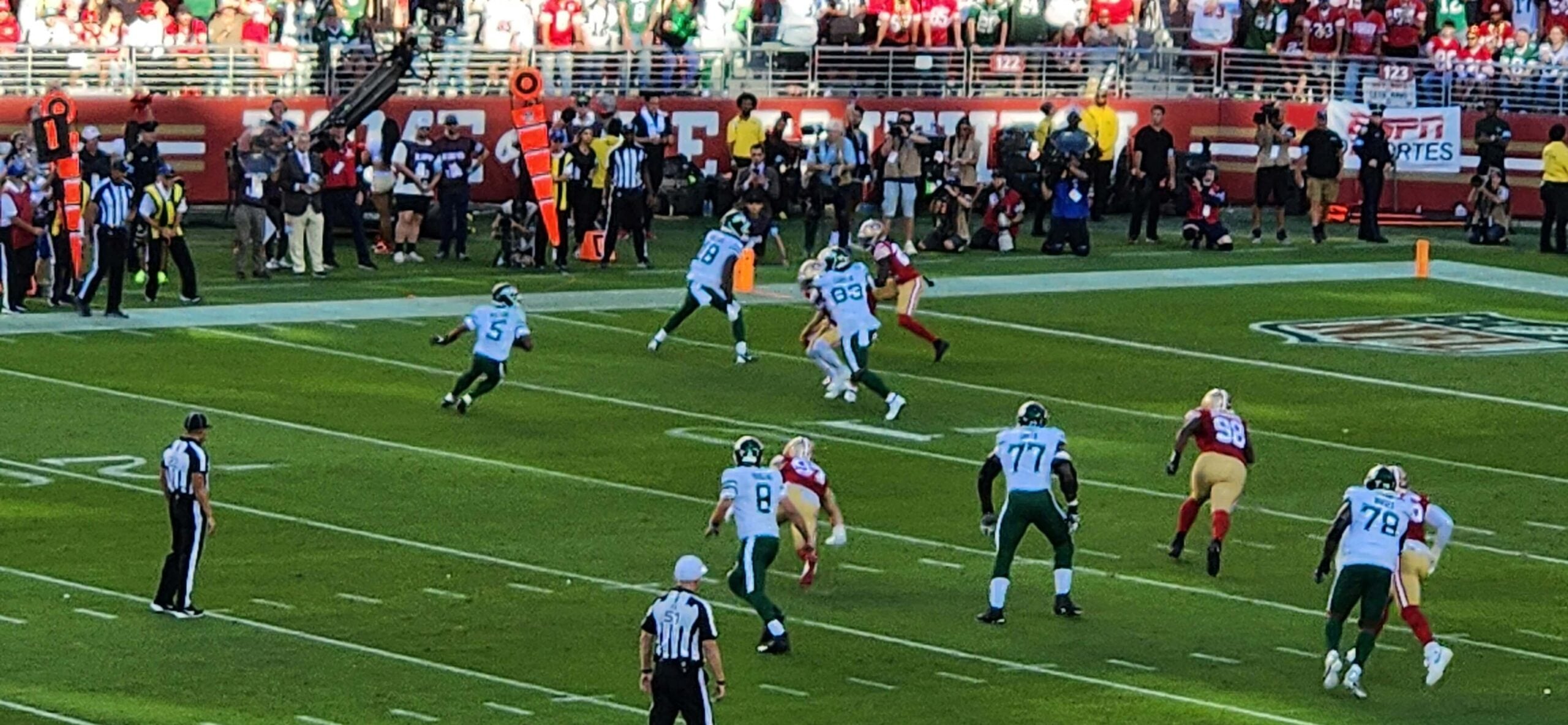
Two years after his first title-winning kick, Adam Vinatieri delivered another game-winning field goal as time expired, this one from 41 yards out to beat the Carolina Panthers. It marked the second time in three seasons a Vinatieri kick decided the Super Bowl in the final seconds.
Super Bowl XLII
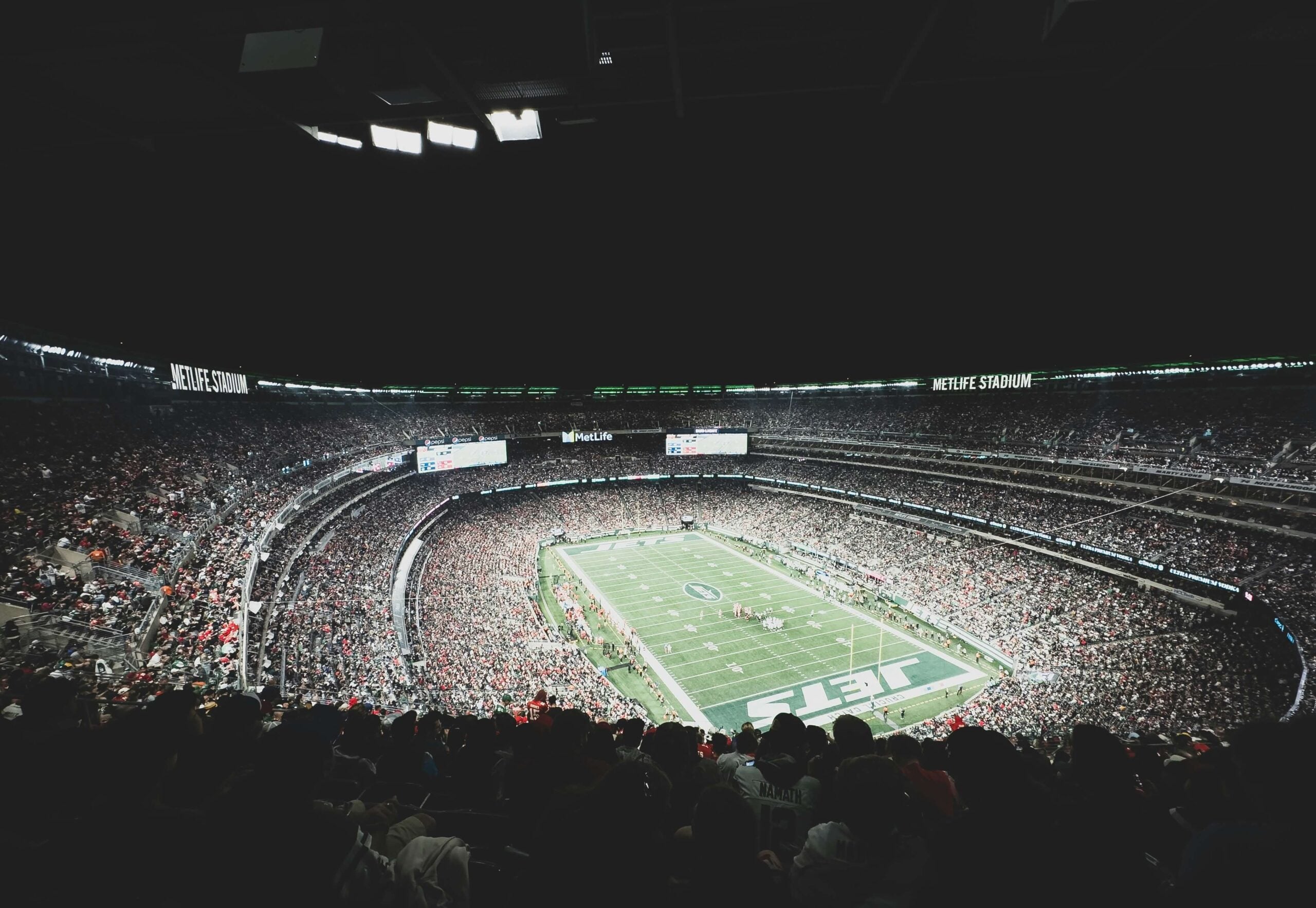
Facing third-and-five under heavy pressure late in the fourth quarter, New York Giants quarterback Eli Manning escaped a near-sack and heaved a deep pass that receiver David Tyree pinned against his own helmet while falling to the turf. The improbable “Helmet Catch” kept the winning drive alive and ended the New England Patriots’ bid for a perfect season.
Super Bowl XLIII
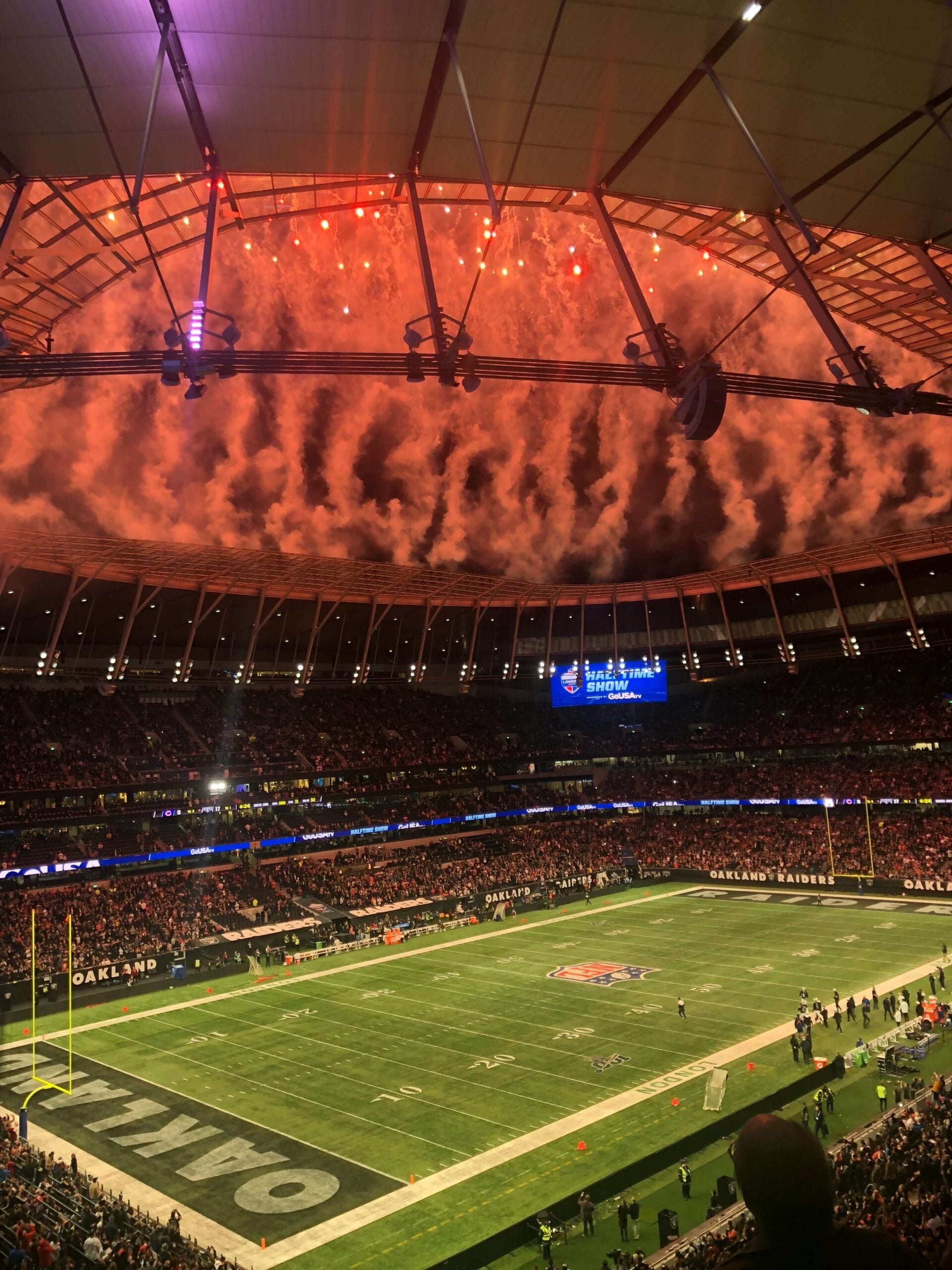
With 35 seconds remaining, Pittsburgh Steelers quarterback Ben Roethlisberger threw to the back corner of the end zone, where receiver Santonio Holmes stretched to secure the pass with just his toes inbounds. The touchdown beat the Arizona Cardinals and gave the Steelers their sixth Super Bowl title.
Super Bowl XLVI
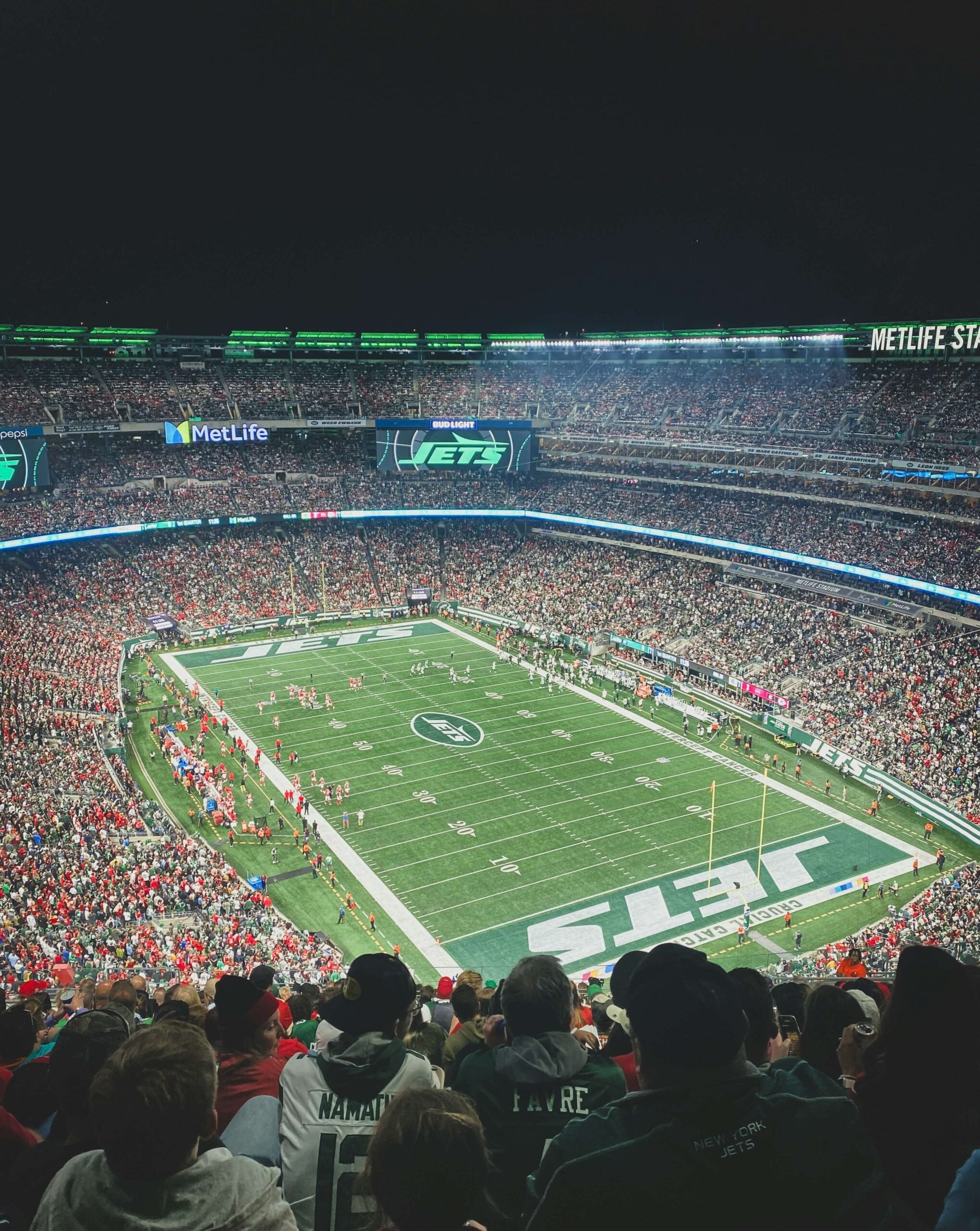
Facing third-and-ten deep in his own territory, Eli Manning again escaped pressure and launched a deep pass down the sideline that receiver Mario Manningham caught while tapping both feet inbounds, squeezed between two defenders. The catch set up the go-ahead touchdown that beat the New England Patriots for the second time in four years.
Super Bowl XLIX
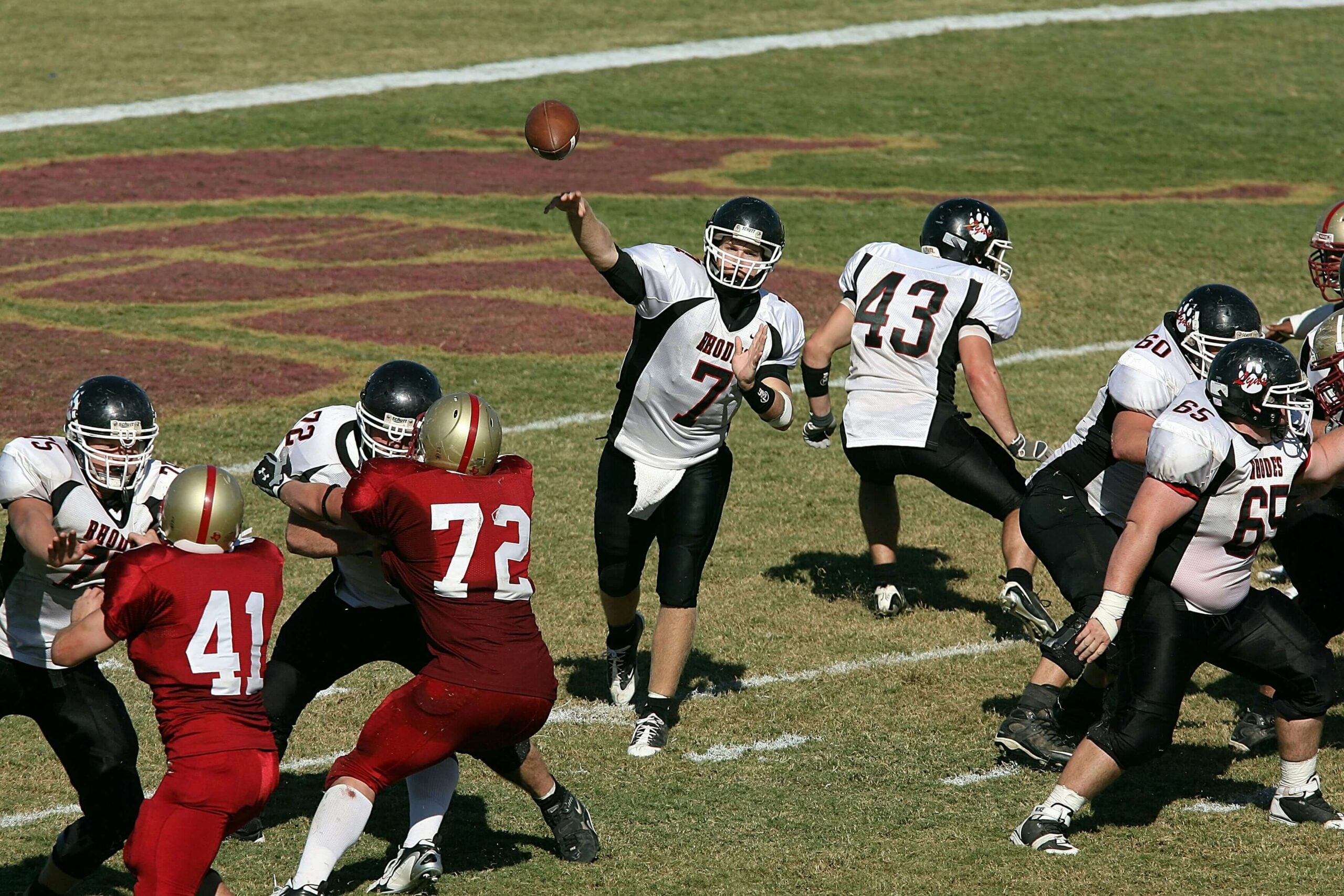
With Seattle a single yard from the end zone and the clock winding down, the Seahawks passed rather than handed off to Marshawn Lynch, and New England Patriots cornerback Malcolm Butler jumped the route to intercept the pass at the goal line. The interception sealed the Patriots’ fourth Super Bowl title and remains one of the most debated play calls in NFL history.
Super Bowl LII
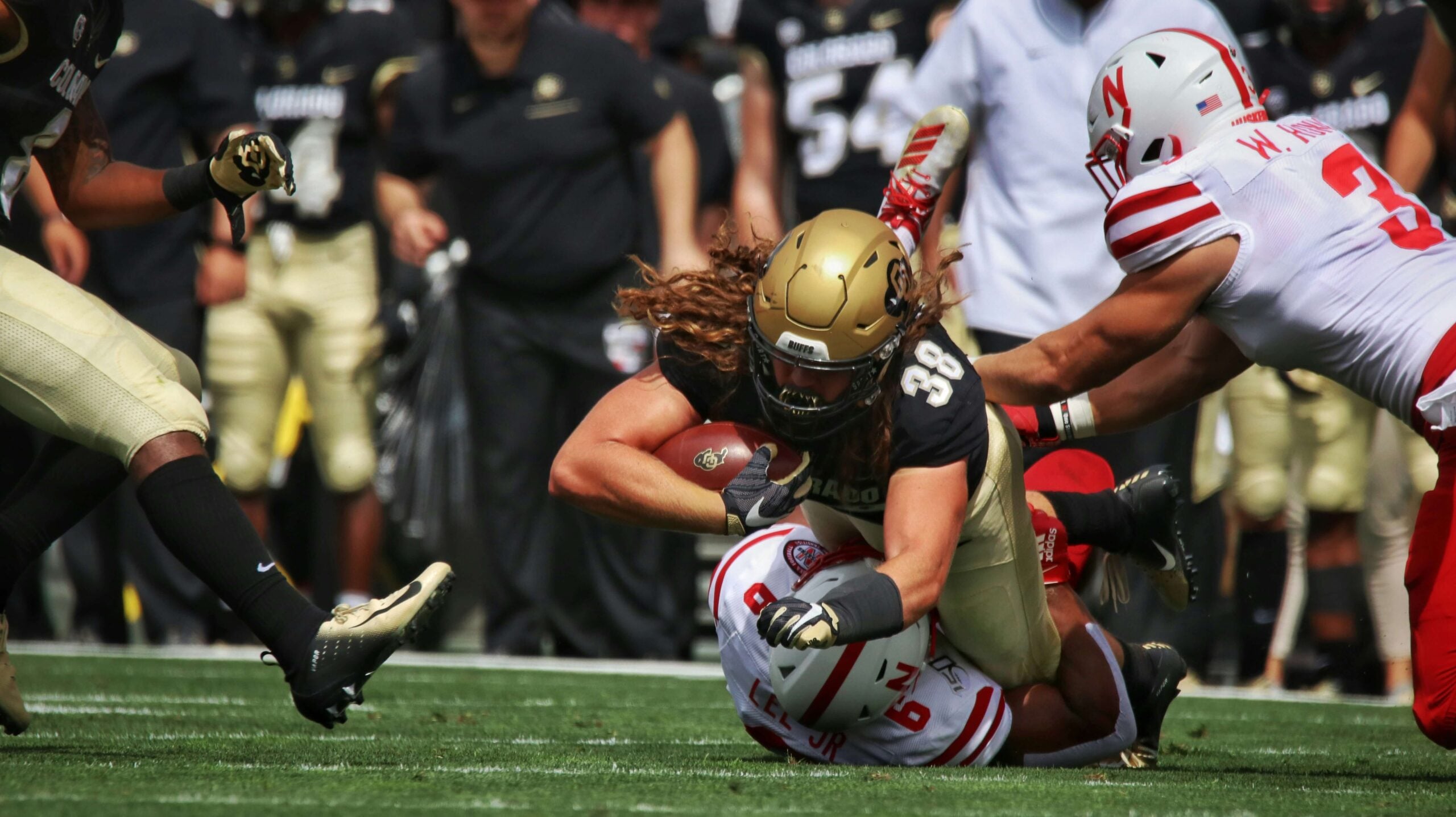
Facing fourth-and-goal before halftime, Philadelphia Eagles coach Doug Pederson called a trick play in which quarterback Nick Foles lined up as a receiver and caught a touchdown pass from tight end Trey Burton. Nicknamed the “Philly Special,” the play helped the Eagles beat the New England Patriots for the franchise’s first Super Bowl title.
The 1990 NFC Championship
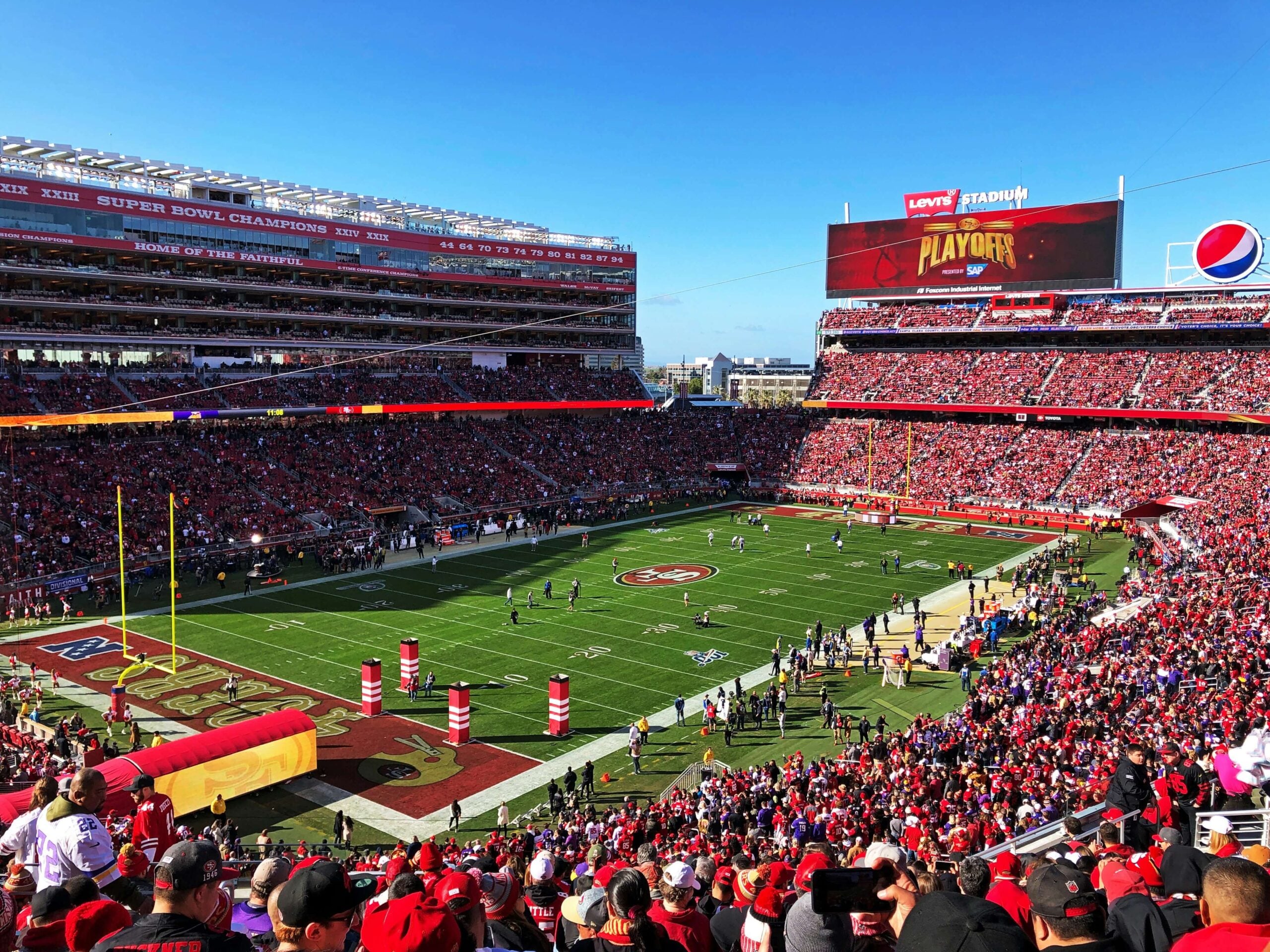
Facing the defending champion San Francisco 49ers on the road, the New York Giants relied on kicker Matt Bahr to convert five field goals, including the game winner as time expired, to escape with a 15-13 upset. The win sent the Giants to Super Bowl XXV, where they would beat the Buffalo Bills by the same single-point margin.
The No-Call, 2018 NFC Championship
With the Los Angeles Rams trailing the New Orleans Saints late in the fourth quarter, a Rams defender hit a Saints receiver well before the pass arrived, on a throw that would have all but sealed the game for New Orleans, but no penalty was called. The Rams went on to tie the game and win in overtime, and the missed call is credited with directly prompting the NFL to introduce expanded replay review for pass interference the following season.
When a Season Comes Down to One Snap

Every one of these games featured hours of hard-fought football before a single play made the difference, which is exactly what makes them so hard to forget. A missed kick, a fingertip catch, or one blown coverage becomes the entire story, no matter how the other fifty-nine minutes were played.
That is the cruelty and the appeal of a championship game. Nobody remembers the seventy-yard drive that stalled at the 12-yard line.
Everybody remembers the six inches a football landed short of the goal line.
More from Go2Tutors!

- The Romanov Crown Jewels and Their Tragic Fate
- 13 Historical Mysteries That Science Still Can’t Solve
- Famous Hoaxes That Fooled the World for Years
- 15 Child Stars with Tragic Adult Lives
- 16 Famous Jewelry Pieces in History
Like Go2Tutors’s content? Follow us on MSN.