16 global dance facts you probably didn’t know

Dance connects every corner of our planet in ways that might surprise you. From ancient rituals that shaped civilizations to modern innovations powered by human movement, the world of dance holds secrets that go far beyond what we see on stage or screen.
Whether you’re a casual observer or someone who loves to move, these facts reveal just how fascinating and unexpected the global dance scene really is. Here is a list of 16 remarkable dance facts from around the world.
Ballet was originally performed only by men

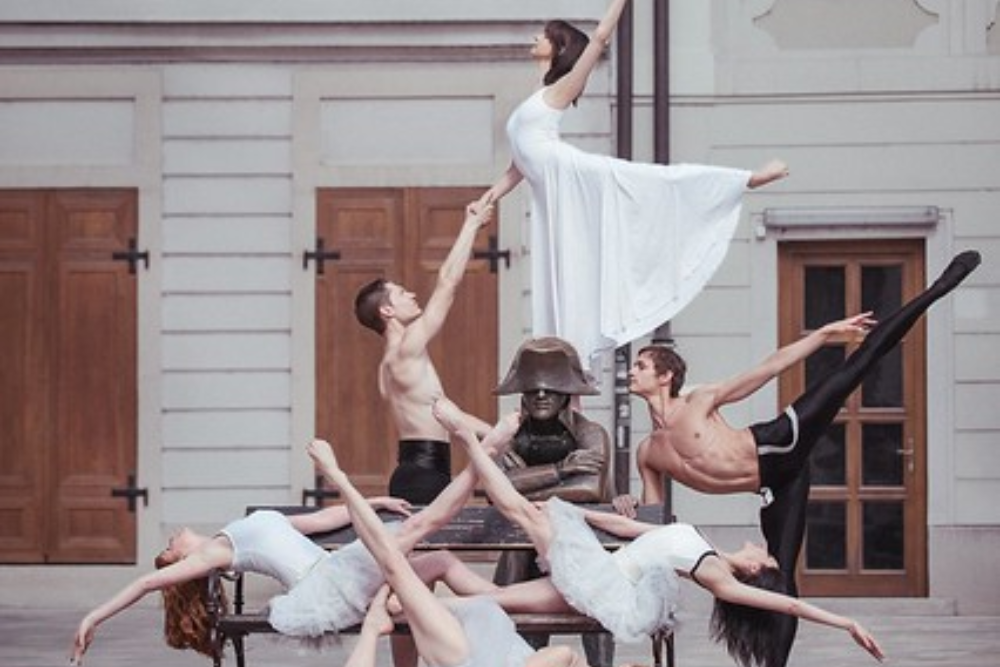
When ballet originated in the royal courts of Renaissance Italy and France, it was performed exclusively by male courtiers as a display of strength and athleticism. It wasn’t until the 17th century that women began to perform ballet, and even then, they were only allowed to dance certain roles. Those graceful movements we associate with ballerinas today were once considered a masculine art form designed to showcase physical power and court prestige.
A dance marathon lasted over 200 days during the Great Depression
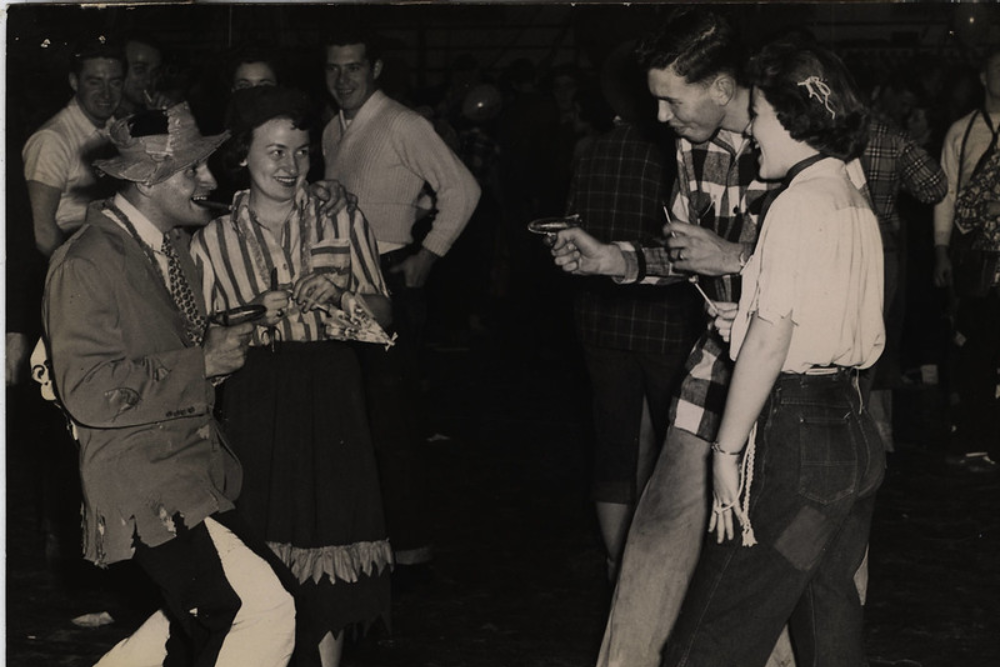
From August 29th, 1930, to April 1st, 1931, Americans Mike Ritof and Edith Boudreaux danced for 5,154 hours and 48 minutes, that’s 214 days. They won $2,000 and hold the world record. These Depression-era marathons allowed participants to rest only 15 minutes for every hour of dancing. The events were eventually banned due to health risks, but they provided both entertainment and hope during America’s darkest economic period.
The Dancing Plague of 1518 killed dozens of people

The "Dancing Plague"of 1518 was a mania that lasted a month and killed dozens of people in Strasbourg, France through exhaustion or heart attack. People just danced uncontrollably until they collapsed! This mysterious outbreak saw hundreds of people dancing non-stop in the streets, unable to control their movements. Some historians believe it was caused by ergot poisoning from contaminated grain, while others point to mass hysteria.
Bruce Lee was a cha-cha champion before becoming a martial arts legend
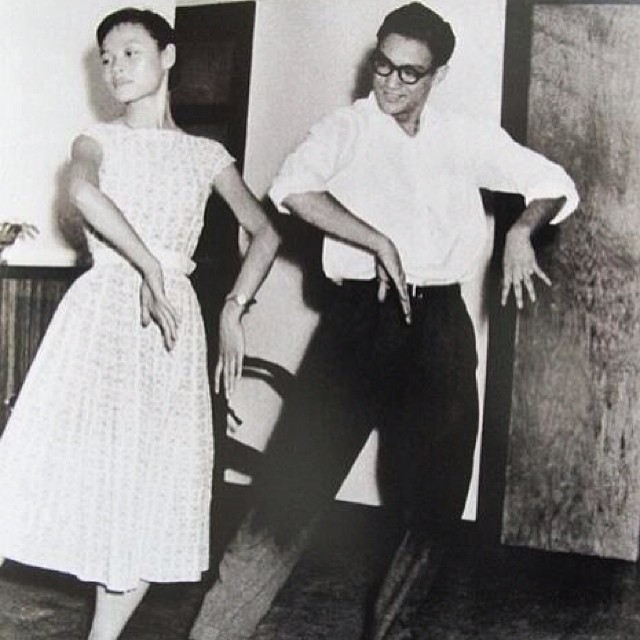
Martial arts legend Bruce Lee was also an accomplished dancer? He studied dancing as diligently as he did kung fu, keeping a notebook in which he had noted 108 dance steps. He even won the Hong Kong Cha Cha championship in 1958! Lee’s precision and timing in martial arts were partly developed through his dance training, proving that rhythm and movement skills transfer across disciplines in unexpected ways.
The world’s first sustainable dance floor generates its own power

In 2008, the world’s first "sustainable" dance floor opened at Club Watt in Rotterdam. The floor’s tiles each sit on springs hooked up to generators. The harder people dance, the more the springs are compressed and this converts into energy, which runs the LED lights in the floor. This ingenious system transforms the kinetic energy of dancers into electricity, making nightlife literally powered by the party itself.
Over 6,900 tap dancers once performed together in Germany
On May 24th, 1998, the greatest ever number of tap dancers gathered for a single routine at the Stuttgart City Square in Germany. Choreographed by Ray Lynch, the 6,952 dancers tapped away for 2 minutes and 15 seconds. This massive performance was organized to honor American tap legend Bill ‘Bojangles’ Robinson’s birthday. Imagine the thunderous sound of nearly 7,000 pairs of tap shoes hitting the ground in unison.
Breakdancing started as a peaceful alternative to gang warfare
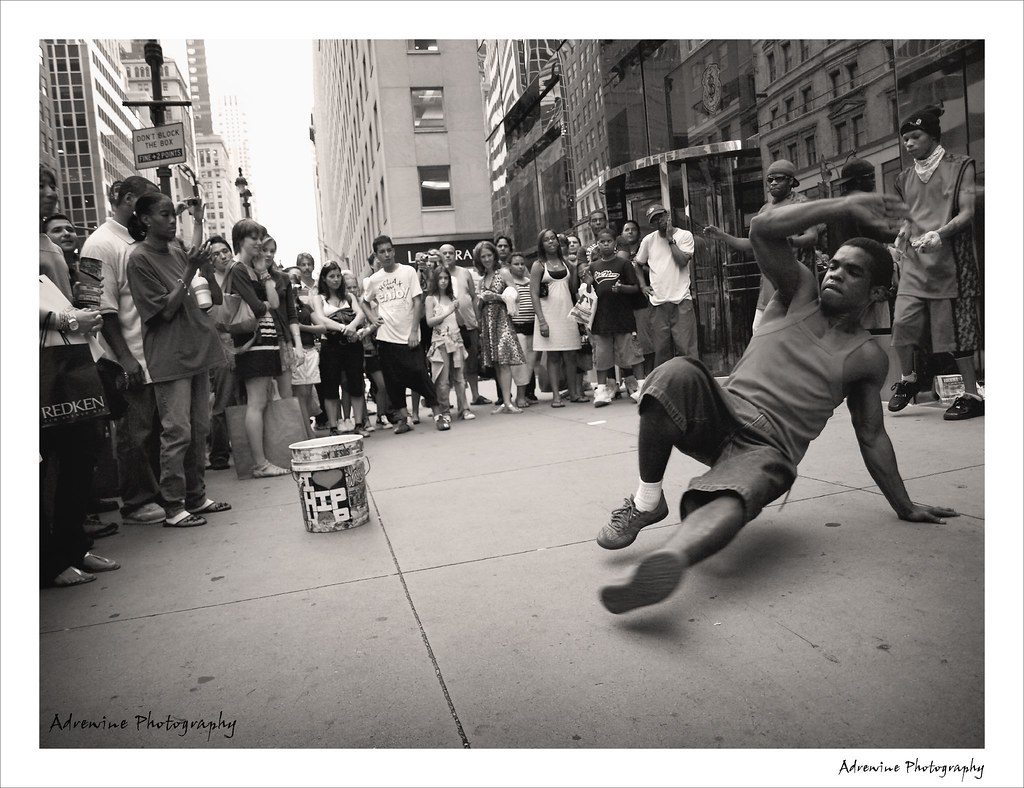
Breakdancing was first created as a "less lethal" form of fighting between warring African-American street gangs in the 1970s Bronx area of New York City. Instead of violent confrontations, rival gangs would settle disputes through dance battles, channeling aggression into athletic creativity. This transformation from violence to art became one of hip-hop culture’s most powerful contributions to conflict resolution.
Professional ballet dancers burn more calories than marathon runners
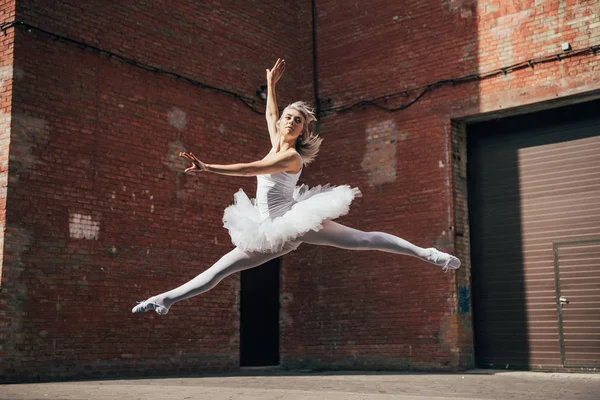
A three hour ballet performance is equivalent to an 18- mile run or two soccer games that run for 90 minutes each. The combination of strength, flexibility, and endurance required makes ballet one of the most physically demanding art forms. Dancers can burn up to 1,000 calories per hour during intense performances, putting them on par with elite athletes.
The Nutcracker was originally a complete failure
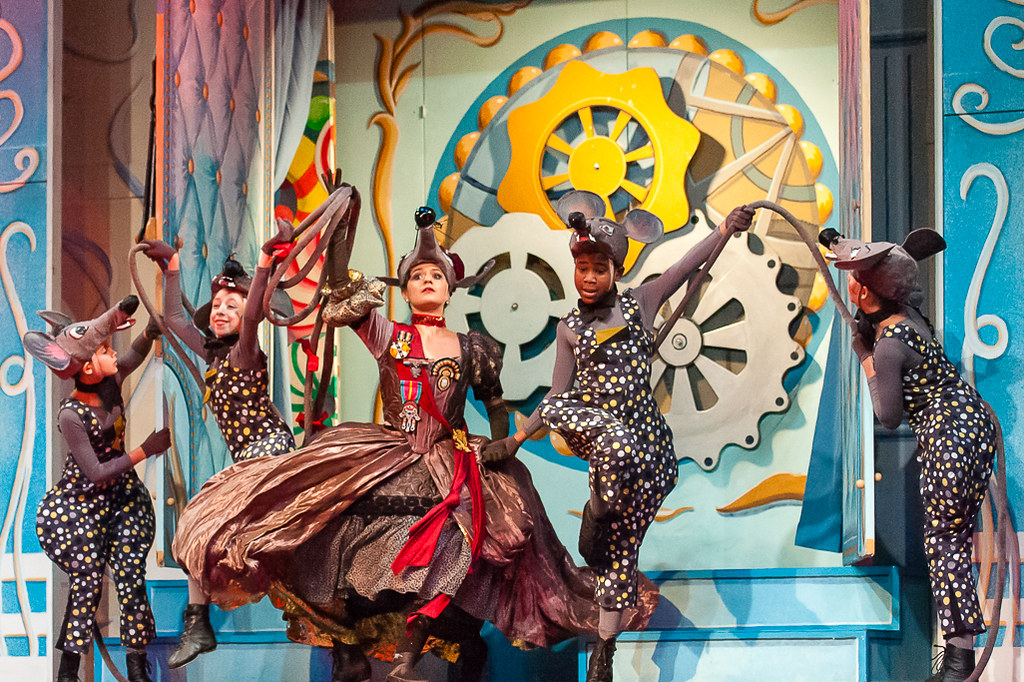
When it was first performed in 1892, it was an absolute flop and commercial failure. Audiences were unimpressed with the story and the music, and the ballet was only performed a handful of times before being forgotten. It wasn’t until the 1960s that The Nutcracker began to gain popularity in the United States. Today’s beloved holiday tradition was once considered boring and forgettable. The transformation shows how cultural tastes can completely reverse over time.
Someone died dancing to Gangnam Style
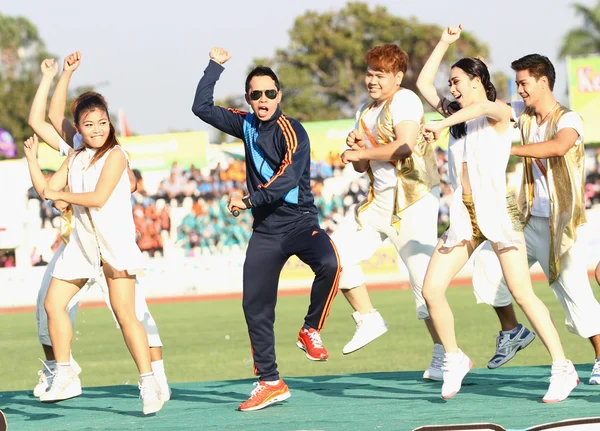
An English man tragically died during an office Christmas party. The cause of death? He overexerted himself dancing to Psy’s megahit Gangnam Style. While this sounds almost too bizarre to be true, it highlights how physically intense even seemingly silly dances can become. The incident occurred during the global Gangnam Style craze when everyone was attempting the signature horse-riding dance moves.
African slaves created capoeira by disguising martial arts as dance
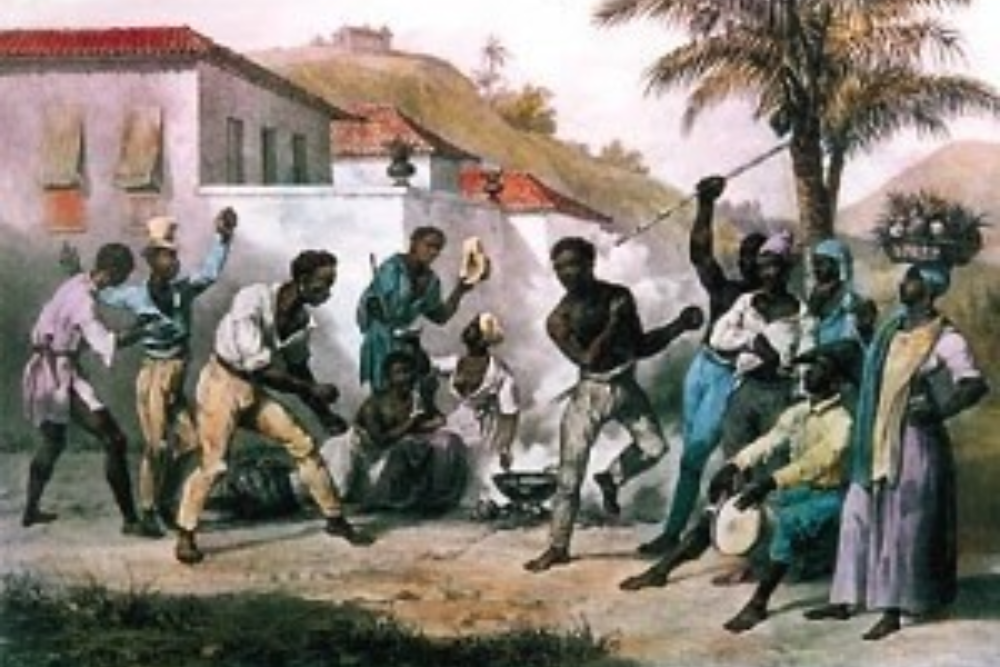
African slaves that were brought in Brazil 300-400 years ago were prohibited from practicing martial arts. Therefore, they developed the mix of dancing and fighting that is known today as capoeira. This brilliant deception allowed enslaved people to maintain their fighting skills while appearing to simply dance and celebrate. Capoeira remains a testament to human creativity under oppression.
Gumboot dancing was born in South African gold mines

During the apartheid period of South Africa’s history when racial segregation laws were instituted purely to keep whites in power, black mine workers were forced to toil in dangerous conditions. Aside from many mines forbidding their workers from even speaking to each other, the white mine owners deemed it cost-inefficient to deal with the mines’ flooding problems. Instead, they gave their workers gumboots (rubber boots) to avoid health problems that would prevent them from working. Miners created this rhythmic boot-stomping dance as a way to communicate when speaking was forbidden, turning oppressive work conditions into a vibrant art form.
Whirling dervishes spin for spiritual enlightenment, not entertainment
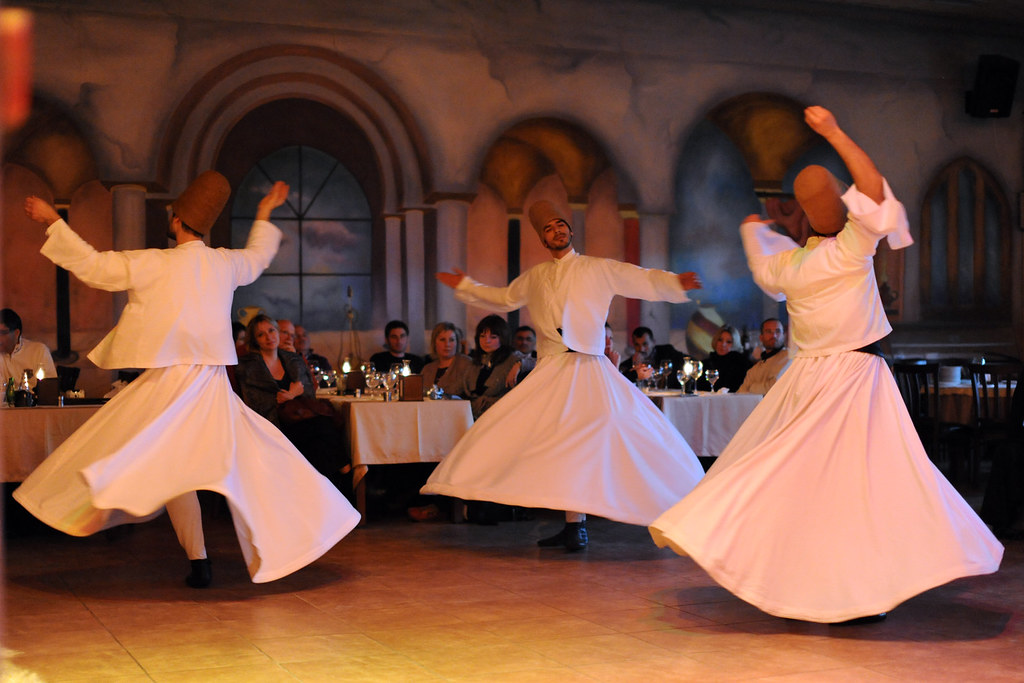
The ecstatic spinning is part of a ritual practice that dates back to the 12th century. Wearing a white skirted frock, long sleeved white jacket, felt cap and turban, the dancers whirl to abandon their own egos, focus on god, and reach towards enlightenment. This mesmerizing Turkish tradition is actually a form of moving meditation, not a performance. Each spin represents the rotation of celestial bodies and the dancer’s journey toward divine connection.
18th-century dancers could be thrown in jail for missing rehearsals
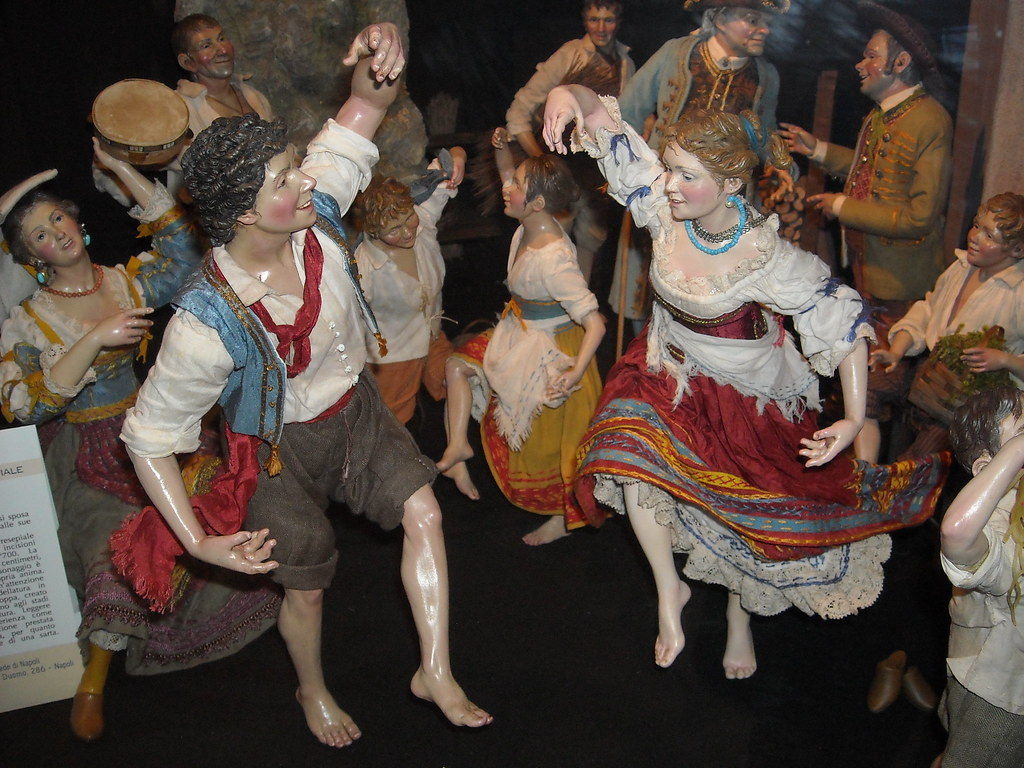
When 18th century dance company managers had issues with their dancers missing rehearsals or performances, they could punish dancers by throwing them in jail! These extreme measures show just how seriously dance was taken in European court culture. Missing a performance wasn’t just unprofessional – it could land you behind bars until you learned your lesson.
A retired ballet donkey performed for 19 years

In 2008 after 19 years in the ballet Don Quixote, a donkey named Monika retired from the Mariinsky ballet in St Petersburg, Russia. This four-legged performer appeared in countless productions at one of the world’s most prestigious ballet companies. Monika’s lengthy career proves that even animals can become seasoned performers in the demanding world of classical dance.
Unlicensed public dancing is illegal in Sweden

Unlicensed dancing in public is illegal in Sweden including ‘illegally moving your feet to music’. This peculiar law means that spontaneous dance parties or even casual grooving in public spaces could technically get you in trouble with authorities. The regulation exists to control public gatherings and maintain order, but it creates one of the world’s strangest dance-related legal restrictions.
The rhythm that connects us all

These facts reveal dance as far more than entertainment – it’s been a survival tool, a form of resistance, a spiritual practice, and even a source of renewable energy. From ancient rituals that helped build civilizations to modern innovations that power nightclubs, dance continues to surprise us with its versatility and power. The next time you see someone dancing, remember that you’re witnessing one of humanity’s oldest and most creative forms of expression, complete with a history full of unexpected twists and remarkable human ingenuity.
More from Go2Tutors!

- 16 Historical Figures Who Were Nothing Like You Think
- 12 Things Sold in the 80s That Are Now Illegal
- 15 VHS Tapes That Could Be Worth Thousands
Like Go2Tutors’ content? Follow us on MSN.