Bizarre Things Influencers Fake on Instagram
Social media has turned ordinary people into professional pretenders. The pressure to maintain a perfect online image has created an entire industry of deception, where even the most mundane aspects of daily life become carefully orchestrated performances.
Behind those polished posts lies a world of elaborate staging, digital manipulation, and outright fabrication that would make Hollywood directors jealous.
Private jets and luxury travel

Rich people don’t post photos of themselves on private jets. They just fly on them.
The influencers cramming into rented aircraft for 30-minute photo shoots aren’t fooling anyone who’s actually wealthy. Companies now rent out grounded planes by the hour specifically for social media content.
No flight plan, no destination — just expensive-looking seats and a window.
Designer shopping hauls
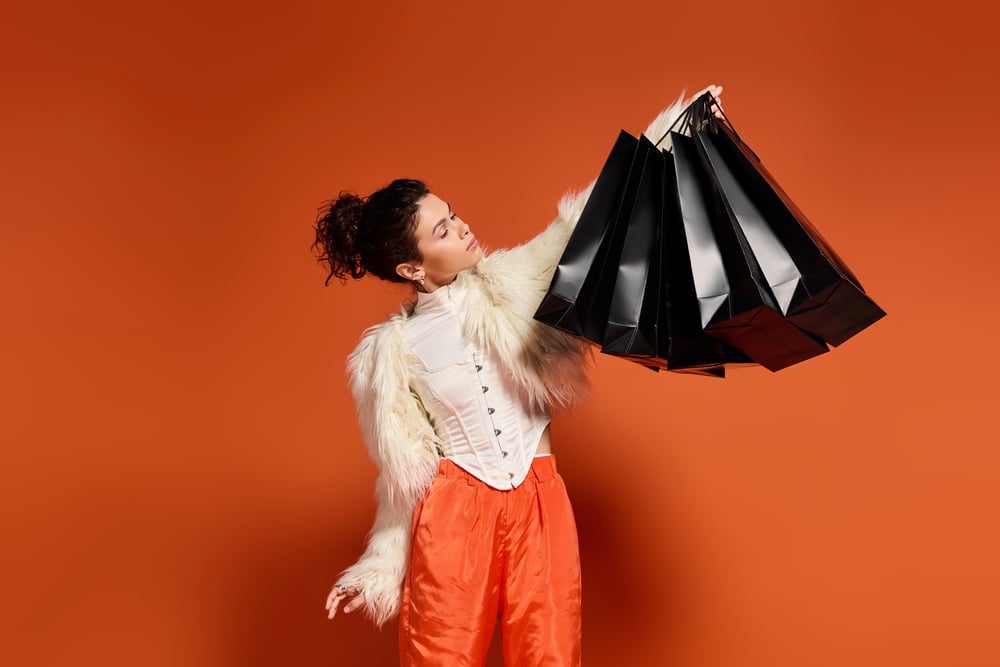
The handbags come back to the store the next day. Returns are built into the business model now, and some influencers have turned it into performance art — buying thousands of dollars worth of merchandise, filming an elaborate unboxing, then quietly returning everything within the return window.
Those luxury shopping montages (complete with multiple outfit changes and carefully arranged shopping bags) represent about six hours of filming followed by a very awkward conversation with customer service. But the content lives forever, and the followers never see the return receipts.
Expensive meals and restaurants

Here’s what actually happens: someone orders one photogenic dish, takes forty-seven photos of it from different angles, then leaves without eating much of anything. The “luxury dining experience” lasted twelve minutes, cost sixty dollars, and generated three weeks of content about their sophisticated palate and glamorous lifestyle.
And those wine tastings at exclusive venues? Half the time it’s sparkling grape juice in expensive glassware, because actual wine doesn’t photograph well under restaurant lighting — too dark, too reflective, not Instagram-friendly enough. So they fake that too, which is somehow both completely understandable and utterly ridiculous at the same time.
Perfect relationships
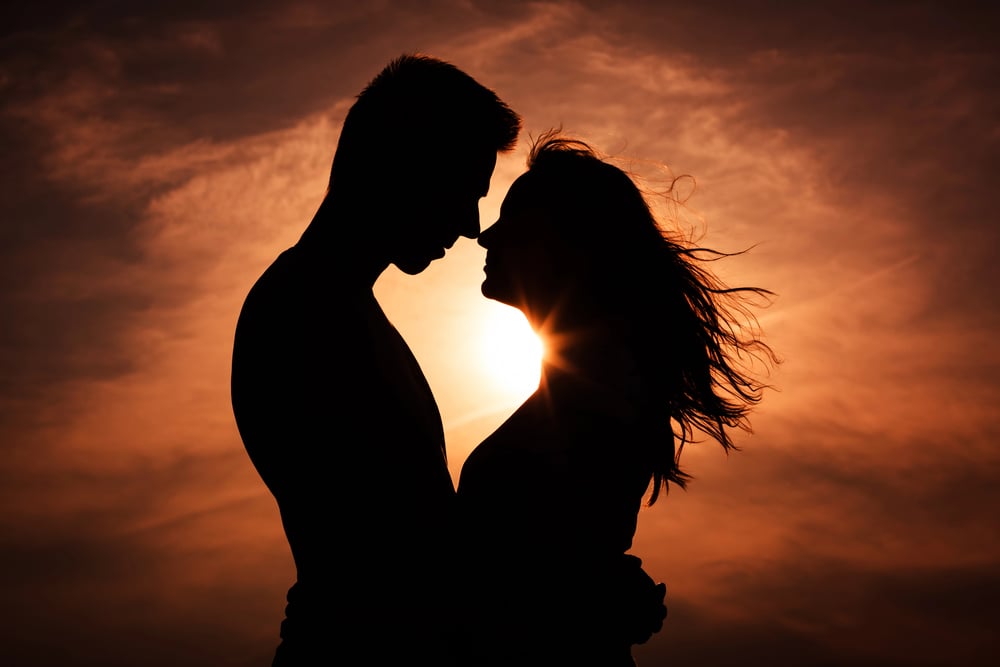
Watch how couples influencers move through public spaces sometime. It’s like watching street performers who never break character — every gesture calculated, every candid moment rehearsed, every laugh timed for maximum authenticity.
The real relationship is between two people who have agreed to perform a different relationship for strangers on the internet. They hold hands for the camera, then immediately check their phones to see how the last post performed.
Romance becomes content creation, and content creation becomes work, and work becomes the thing that slowly strangles whatever was real between them in the first place.
Home ownership and interior design
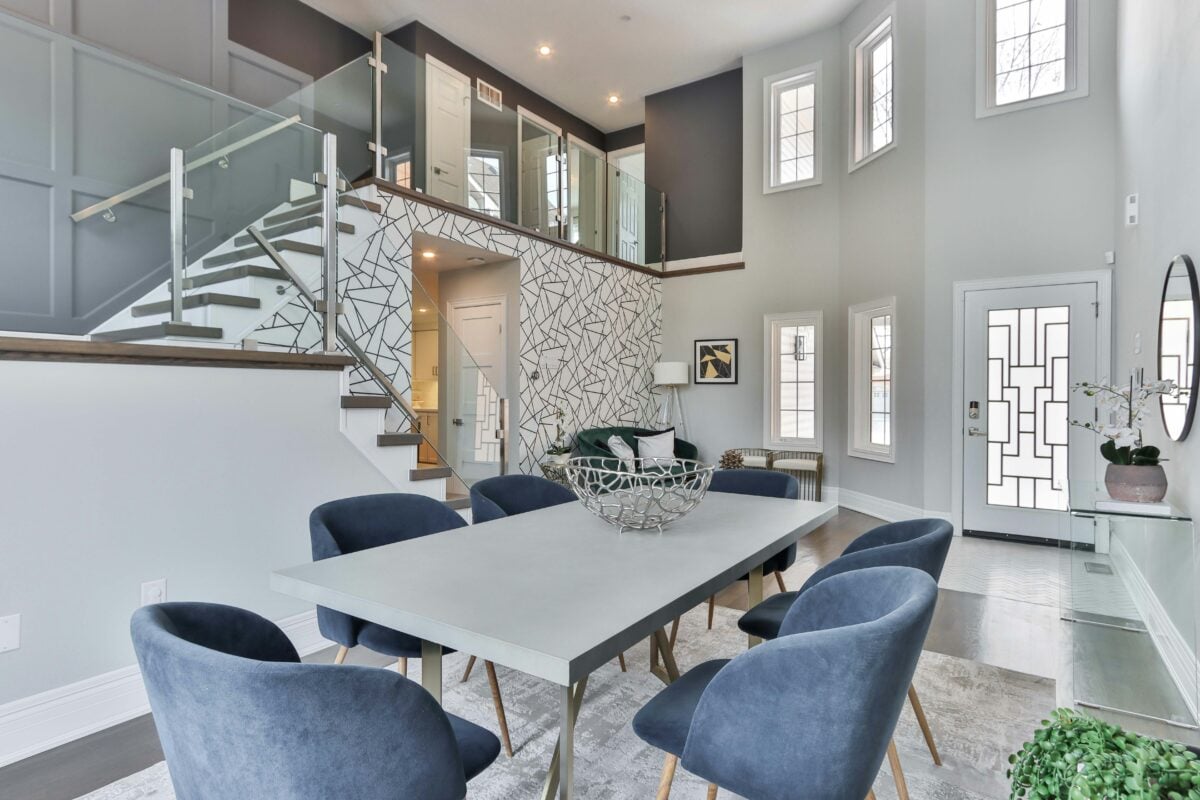
Rental furniture companies now offer Instagram packages. Same-day delivery, same-day pickup, perfect for creating the illusion of expensive taste and homeownership without the commitment of actually buying anything.
The minimalist aesthetic works particularly well for this kind of deception — fewer items to rent, easier to style, and the sparse look photographs beautifully. That perfectly curated living space with the designer coffee table and statement art piece? It gets packed up and returned on Tuesday, leaving behind whatever mismatched furniture actually belongs to the person behind the account.
Fitness routines and body transformations

Photo scheduling is everything in fitness fraud. Take 200 photos on your best day, then release them slowly over six months while your actual fitness level fluctuates wildly.
The transformation timeline exists only in the posting schedule, not in reality. Lighting and angles do most of the heavy lifting anyway.
The same person can look completely out of shape or incredibly fit depending on how they position themselves relative to the nearest ring light. Add some strategic flexing, a few props, and suddenly a casual gym-goer becomes a fitness inspiration — at least until someone sees them in person at the grocery store.
Career success and business ventures

The home office setup tells the real story. All those posts about closing major deals and running successful businesses get filmed in bedrooms with Amazon ring lights and folding tables just outside the camera frame.
Success theater requires specific props: multiple monitors (doesn’t matter if they’re connected to anything), expensive notebooks with nothing written in them, and at least one motivational book positioned prominently in the background. The actual business might be selling dropshipped phone cases, but the performance suggests venture capital and corner offices.
Social gatherings and friendships

Event photographers now offer friendship documentation services. They’ll follow groups around for a few hours, capturing candid moments that suggest deep bonds and active social lives.
The resulting photos get distributed among everyone involved, creating weeks of content about amazing friendships and incredible experiences. But scroll through the individual accounts and notice how the same faces rotate through different friend groups.
Professional socializing has replaced actual friendship for some influencers — they attend events not to enjoy themselves, but to generate proof that they’re worth following.
Charitable work and social causes

Performative activism reaches its peak when influencers stage volunteer work. They show up at charity events with full makeup and professional photographers, hand out food for twenty minutes while cameras roll, then leave before the actual work begins.
The posts about giving back and making a difference get more engagement than almost anything else, so the incentive to fake charitable involvement is enormous. Real volunteers, the ones who show up consistently without cameras, watch this performance with a mixture of amusement and disgust.
Educational content and expertise

Anyone can become an expert on Instagram by reading Wikipedia articles and regurgitating business books. The barrier to entry for thought leadership is incredibly low — post enough motivational quotes with your face attached, and eventually people start believing you have something valuable to say.
The expertise is always just shallow enough to sound impressive without being deep enough to get challenged by actual professionals. Finance tips from people who don’t understand compound interest, productivity advice from people who’ve never held demanding jobs, life coaching from people whose only qualification is a decent selfie game.
Spontaneous adventures and lifestyle

Those candid adventure photos require extensive planning. Location scouting, outfit coordination, multiple wardrobe changes, backup batteries for all the camera equipment — spontaneity demands serious logistics.
The paradox of authentic content creation: the more natural and effortless something looks, the more work went into making it appear that way. Real spontaneous moments don’t photograph well, so influencers have learned to manufacture spontaneity with the precision of a military operation.
Morning routines and productivity habits

The 5 AM morning routine gets filmed at 2 PM with perfect lighting and professional makeup. Nobody actually looks that composed before sunrise, but morning content performs well because it suggests discipline and intentionality.
Real morning routines involve stumbling around half-awake, checking phones immediately upon waking, and drinking coffee while staring blankly at nothing in particular. The Instagram version features gratitude journaling, complex smoothie preparations, and an inexplicable amount of natural light flooding through strategically positioned windows.
Personal struggles and vulnerability

Calculated authenticity is still calculation. The decision to share something vulnerable gets weighed against engagement metrics and brand partnerships.
Even emotional breakdowns become content opportunities, carefully edited and posted with inspirational captions about growth and resilience. The performance of authenticity might be more insidious than obvious fakery because it exploits genuine human desire for connection.
Followers engage with manufactured vulnerability thinking they’re supporting someone through real difficulties, when they’re actually consuming emotional content created specifically for their consumption.
The theater never ends
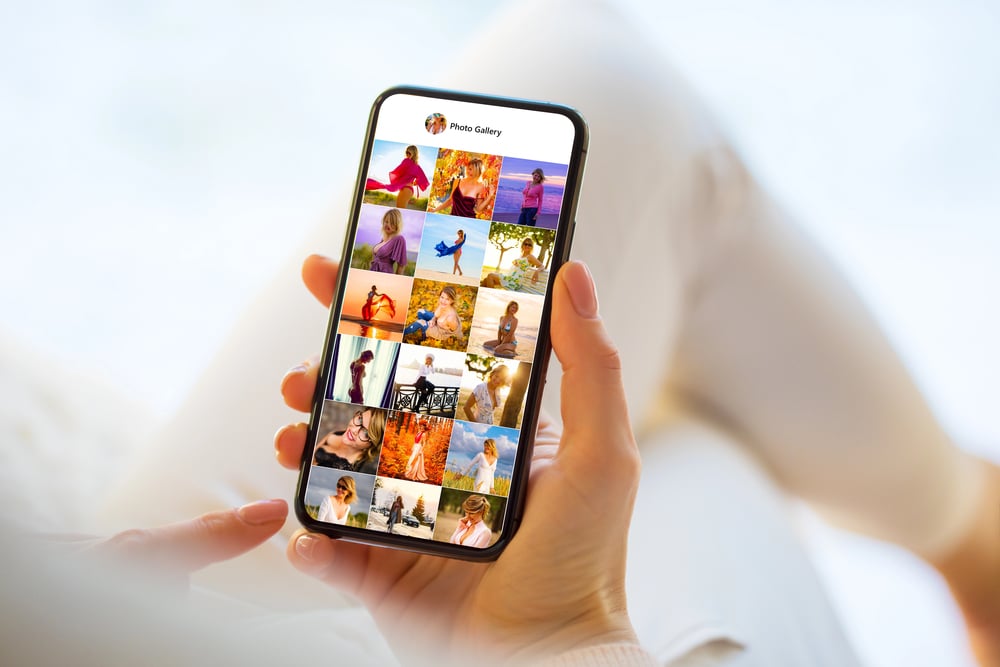
Instagram has created a world where performing a life becomes more important than living one. The line between authentic sharing and elaborate deception has blurred so completely that some influencers probably can’t tell the difference anymore.
They’ve been performing themselves for so long that the performance has become their reality, and their reality has become content. Maybe that’s the most bizarre thing of all — not just that people fake so much online, but that they’ve convinced themselves the fake version is somehow more real than whatever they’re hiding behind the camera.
More from Go2Tutors!

- The Romanov Crown Jewels and Their Tragic Fate
- 13 Historical Mysteries That Science Still Can’t Solve
- Famous Hoaxes That Fooled the World for Years
- 15 Child Stars with Tragic Adult Lives
- 16 Famous Jewelry Pieces in History
Like Go2Tutors’s content? Follow us on MSN.