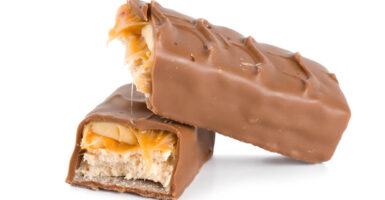
30 Candy Bars Sold at Corner Stores That Quietly Left Shelves
A corner store candy rack used to rotate constantly, filled with experiments from major manufacturers testing whether a new combination of chocolate, caramel, and filler would earn a permanent spot. Most of these bars never got a going-away announcement.
They simply stopped restocking one week, and nobody official ever explained why.
Decades later, people can still describe the exact wrapper design and flavor profile from memory, which says something about how specific a first candy loyalty can be.
Bar None
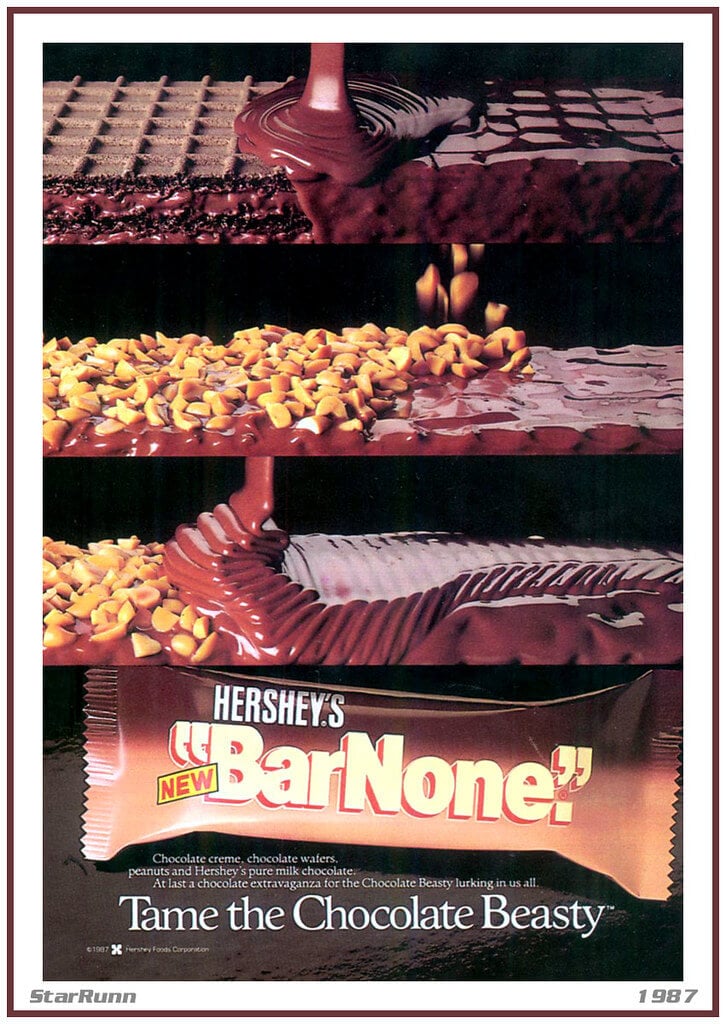
Hershey’s released Bar None in 1987, layering milk chocolate, crispy wafers, peanuts, and a chocolate cream filling under a full chocolate coating. It built a loyal following through the late 1980s and into the 1990s before Hershey’s changed the recipe in 1992.
The reformulated version never regained the original’s popularity, and the bar disappeared entirely by the mid-1990s.
Reggie! Bar
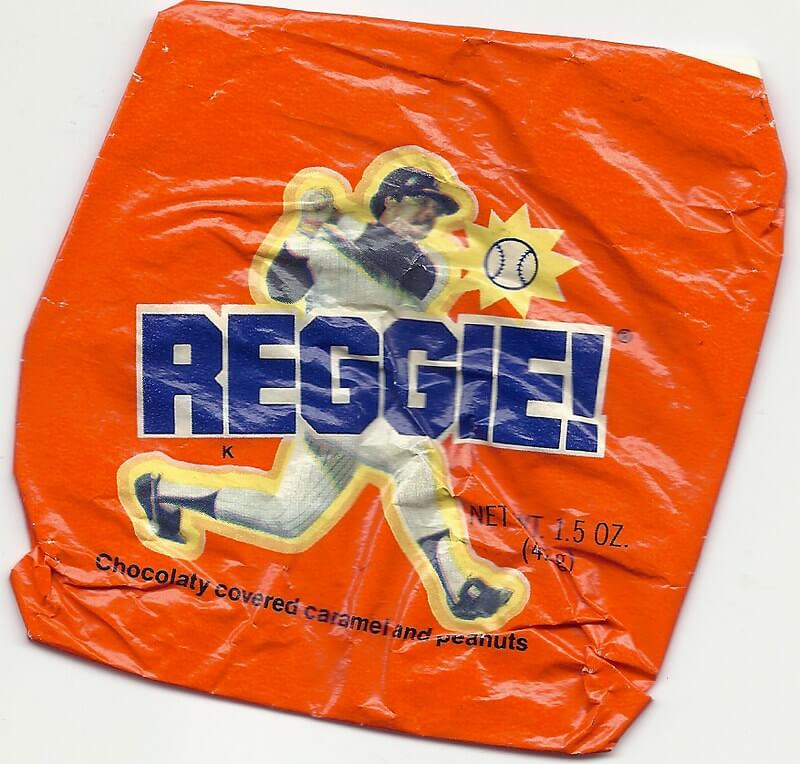
Curtiss Candy Company launched the Reggie! Bar in the late 1970s, naming it directly after baseball star Reggie Jackson at the height of his fame with the New York Yankees. A corporate merger with Nabisco led to licensing changes that phased the bar out by the early 1980s.
A brief comeback followed in the 1990s, but it never returned to permanent production.
Seven Up Candy Bar
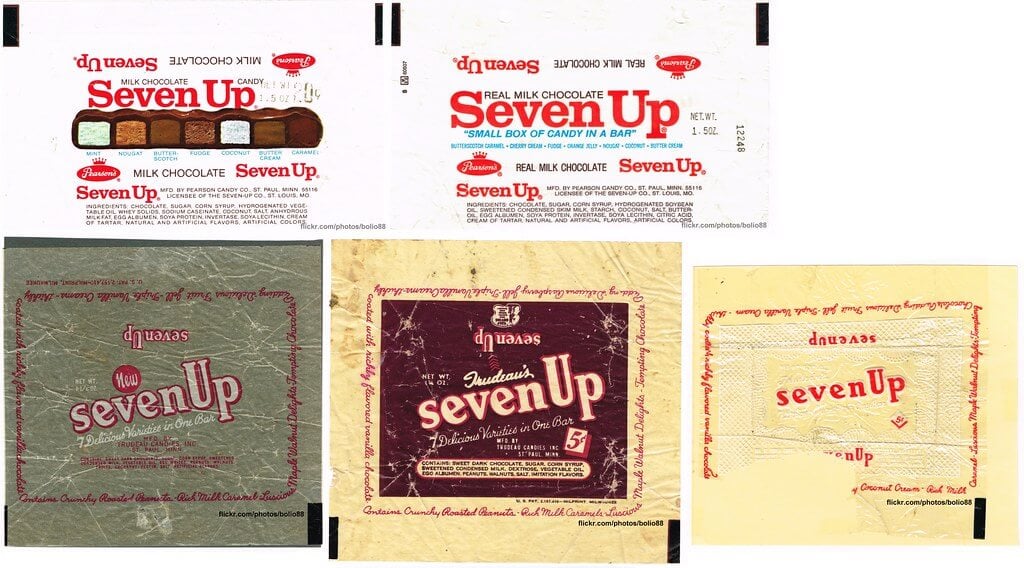
Pearson Candy Company introduced the Seven Up Candy Bar in the 1930s, dividing it into seven individual squares, each filled with a different flavor center like caramel, coconut, and fudge. It remained on shelves for decades as a genuine novelty among candy bars built around variety rather than a single flavor.
A 1979 trademark dispute with the makers of 7 Up soda led to its discontinuation.
Milk Shake Candy Bar
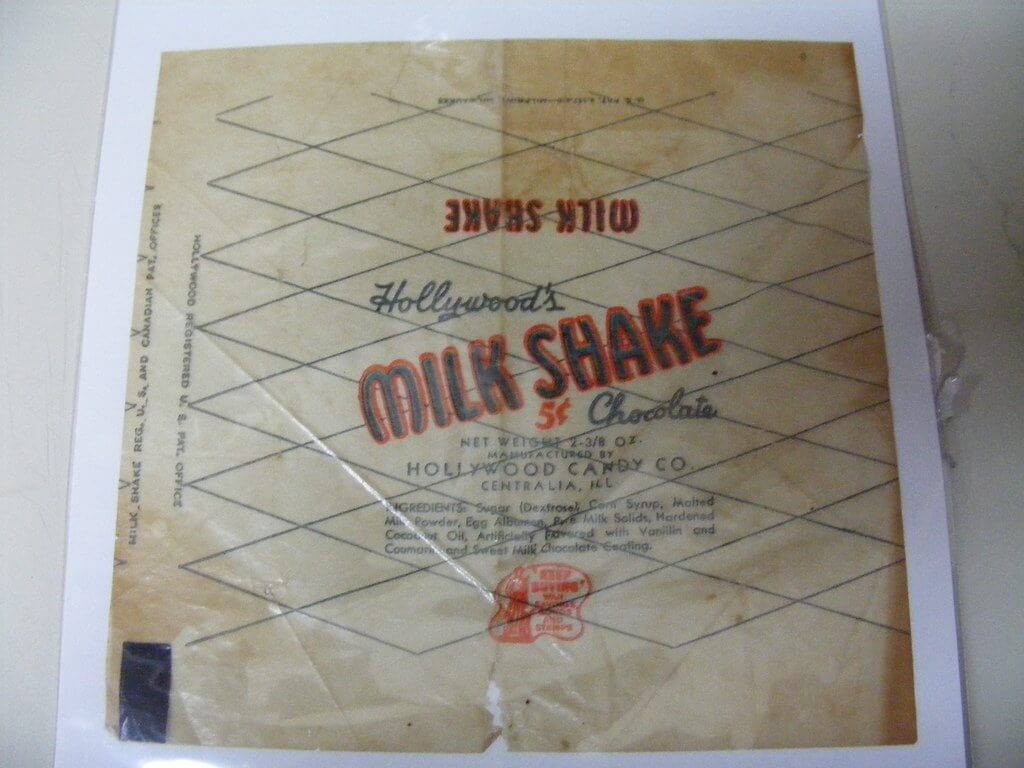
The Hollywood Candy Company introduced the Milk Shake Candy Bar in 1927, building it around a malt-flavored nougat center coated in milk chocolate. It remained popular for decades as a distinct alternative to standard chocolate bars.
Ownership changes within the candy industry led to its discontinuation in the early 1980s.
Coconut Grove
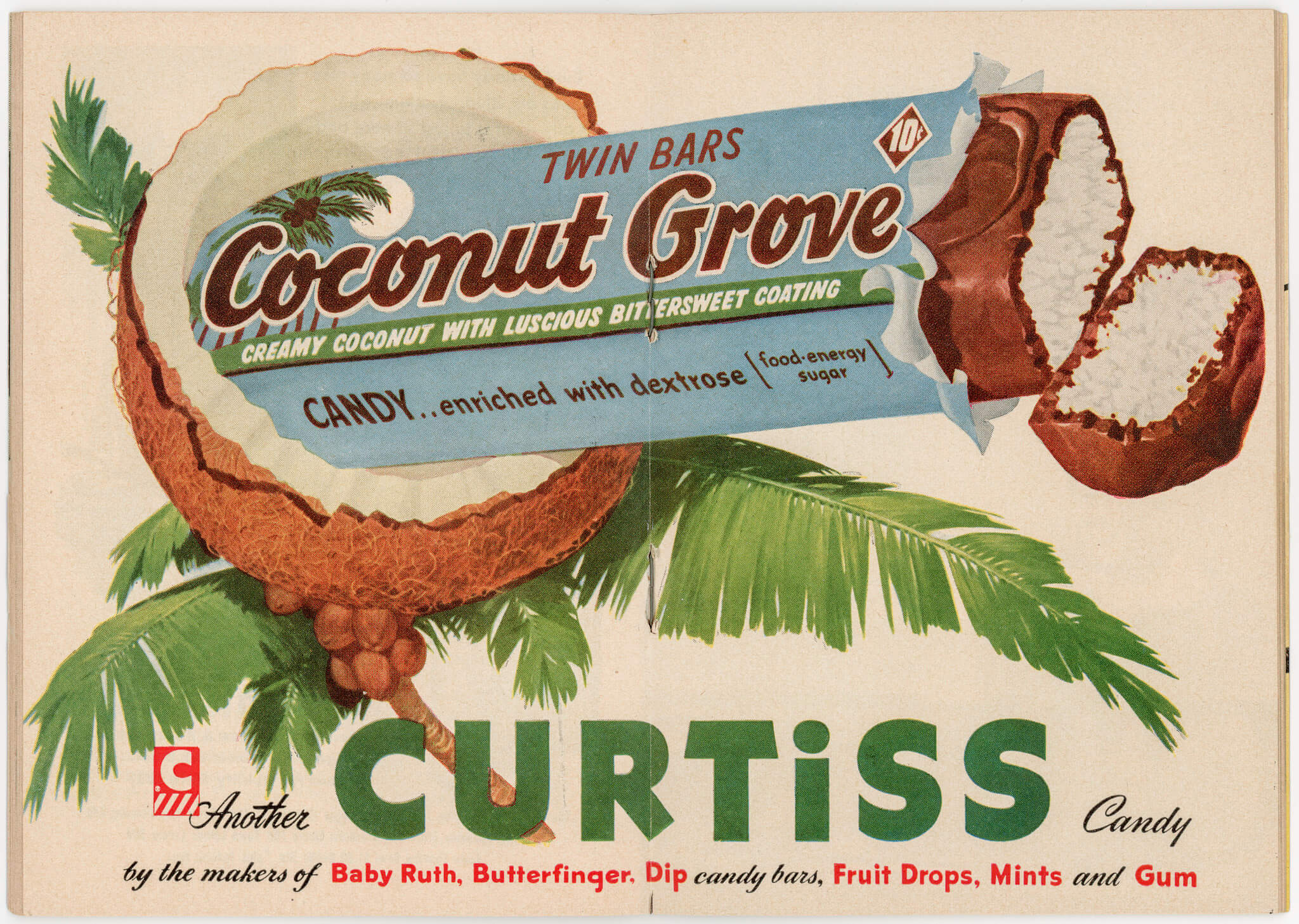
Curtiss Candy Company launched Coconut Grove in 1949, combining coconut and chocolate to market it as a tropical-themed treat distinct from the company’s other offerings. Standard Brands acquired Curtiss in 1964 and inherited the product along with the rest of the lineup.
The natural coconut filling created shelf-life problems that led Standard Brands to discontinue it shortly after the acquisition.
Thingamajig
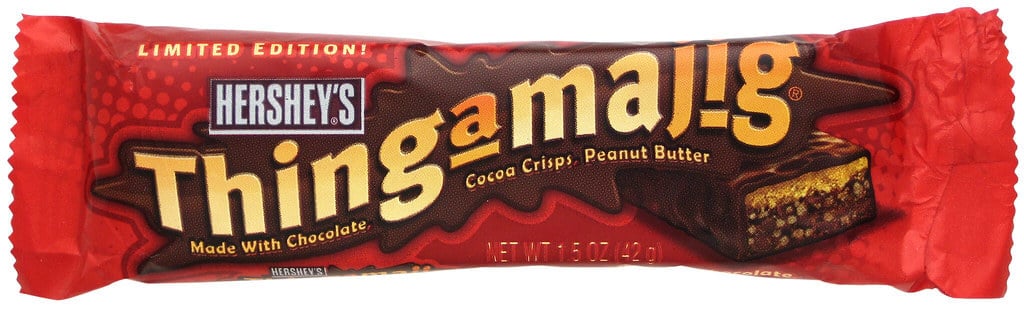
Hershey’s tested Thingamajig in 2009 as a follow-up to its long-running Whatchamacallit bar, adding crispy cocoa puffs to a similar peanut butter and caramel base. Despite the connection to an established favorite, sales never matched expectations.
Hershey’s permanently discontinued it in 2012.
Nestlé Quik Bar
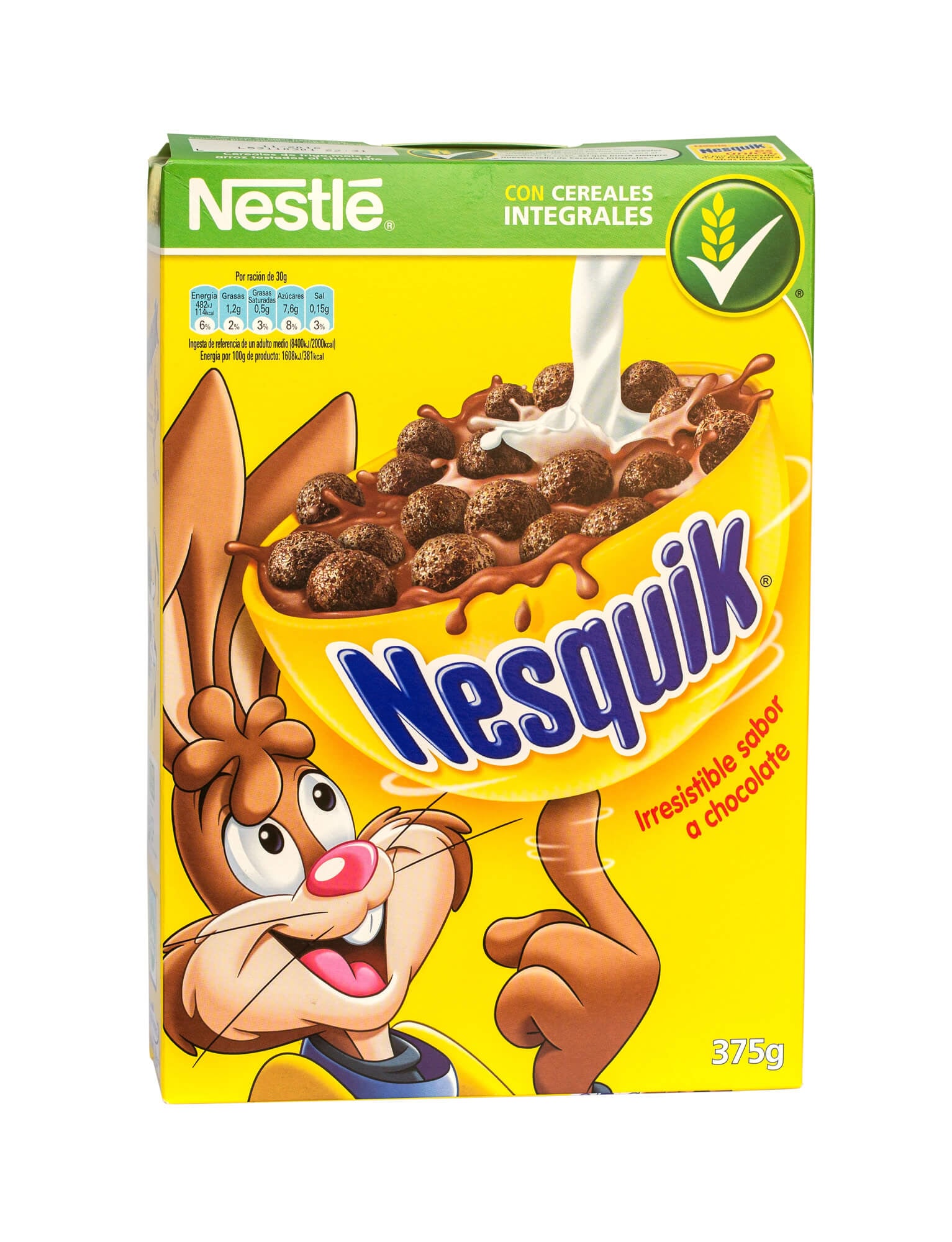
Nestlé introduced the Quik Bar in 1993 as a candy spin-off of its popular Quik powdered milkshake brand, marketing it as a chewy chocolate treat using the brand’s cartoon rabbit mascot. It leaned entirely on brand recognition from the drink mix rather than developing its own distinct following.
Nestlé discontinued it a few years later after it failed to match the popularity of the shake product it was based on.
Alpine White
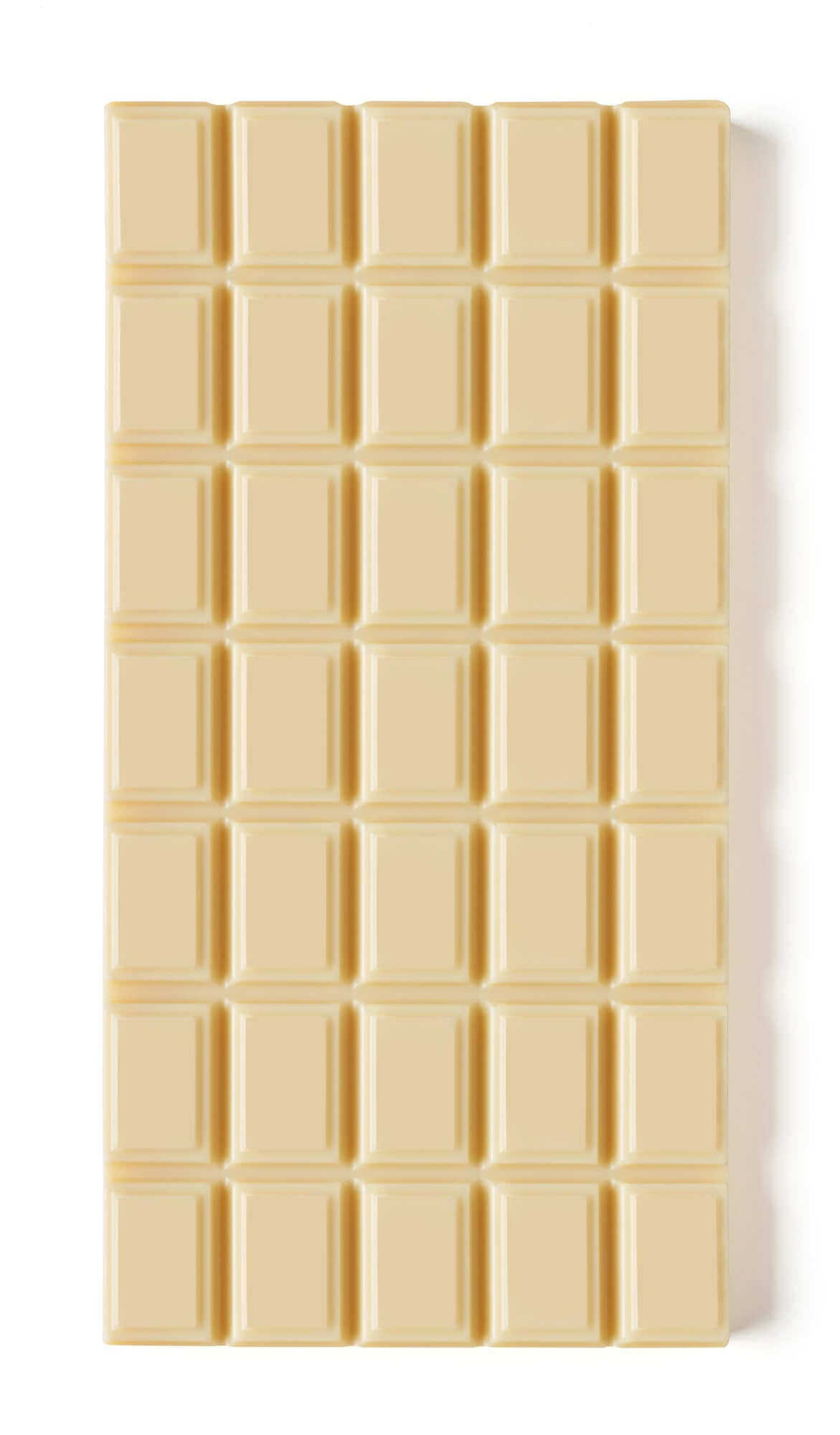
Nestlé released Alpine White in the 1980s, combining white chocolate with real almonds at a moment when white chocolate was gaining mainstream popularity. It developed a genuine following among fans who considered it their favorite bar growing up.
Nestlé discontinued it around 1993, and a 2020 fan petition to bring it back did not change the company’s plans.
Butterfinger Crisp
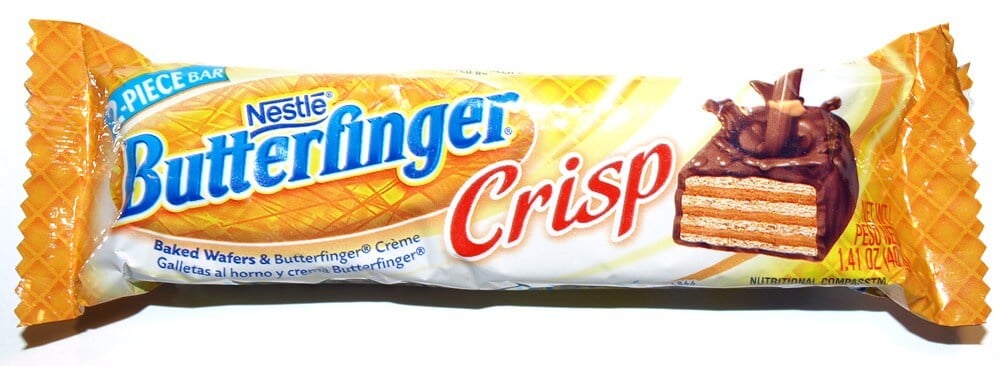
Nestlé released Butterfinger Crisp in 2004, replacing the original bar’s flaky peanut butter core with crunchy wafers layered under a peanut butter cream. The lighter texture appealed to fans who found the standard Butterfinger too dense.
It disappeared from shelves within a few years as the wafer-based line failed to sustain long-term sales.
Baby Ruth Crisp
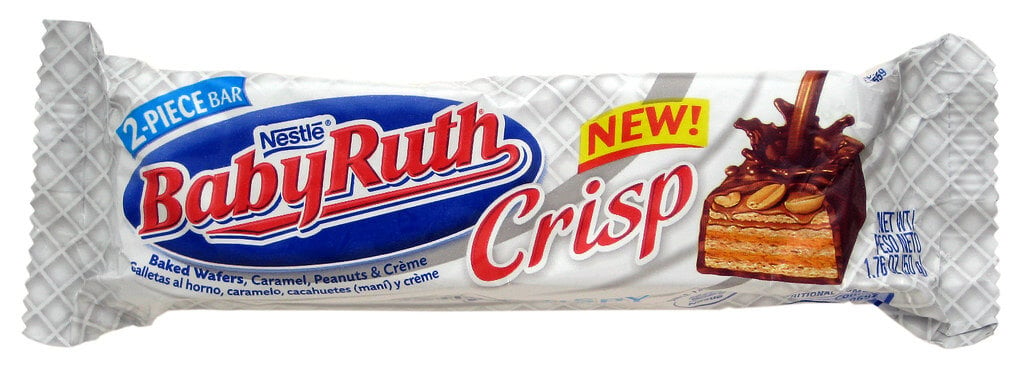
Nestlé launched Baby Ruth Crisp alongside Butterfinger Crisp in 2004, applying the same wafer-based reformulation approach to its other major candy bar brand. The two releases were marketed together as a matched pair of lighter alternatives.
Both were discontinued within a similar timeframe once sales failed to justify keeping the wafer line in production.
Snickers Peanut Butter
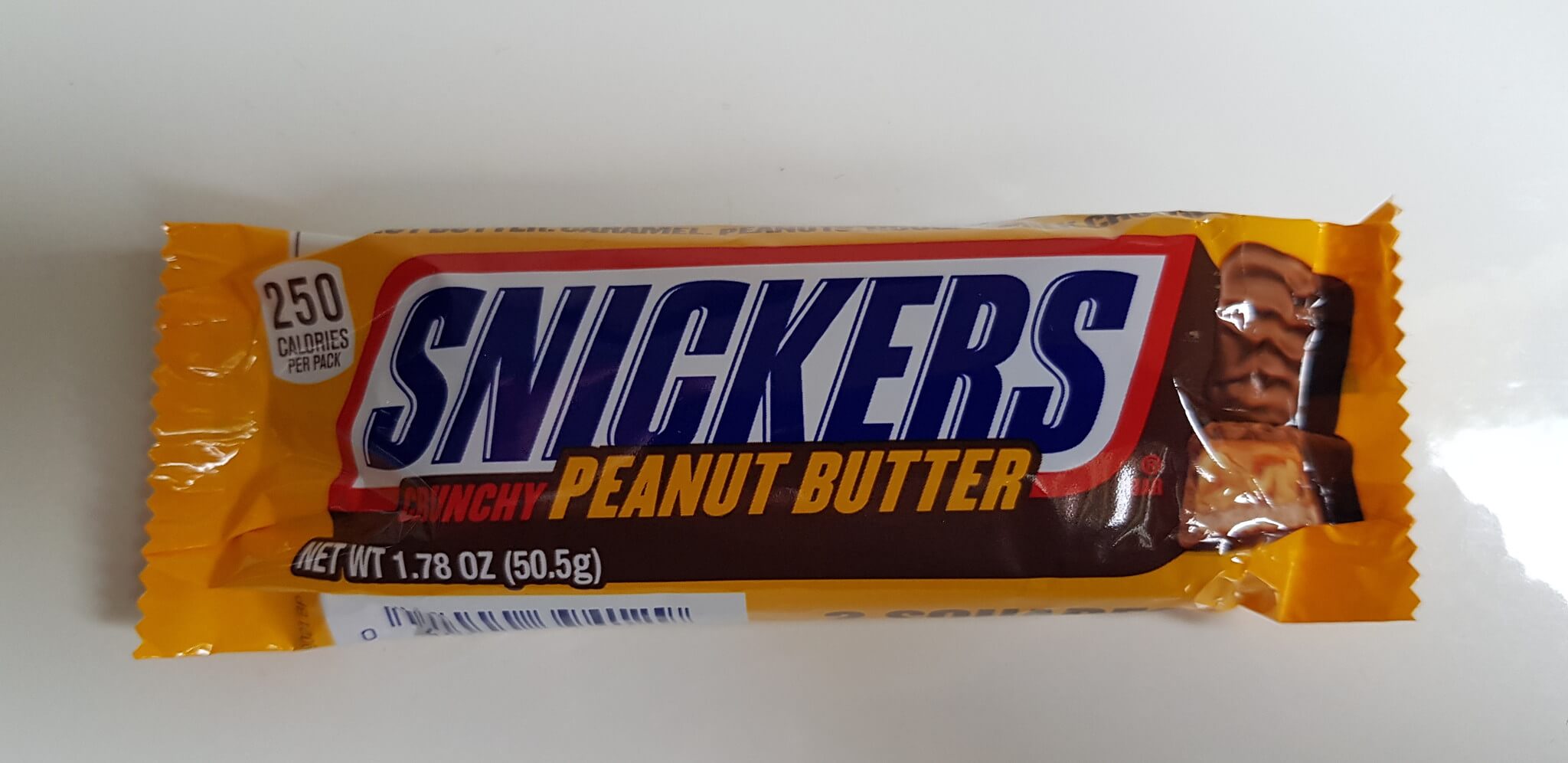
Mars introduced a peanut butter variation of Snickers in the 1960s, replacing the bar’s usual nougat and caramel with a peanut butter filling under the standard chocolate and peanut coating. It remained available for decades before Mars discontinued it in 1995.
A revival briefly returned it to shelves in 2019, though it left again shortly after.
Twix Cookies-N-Creme
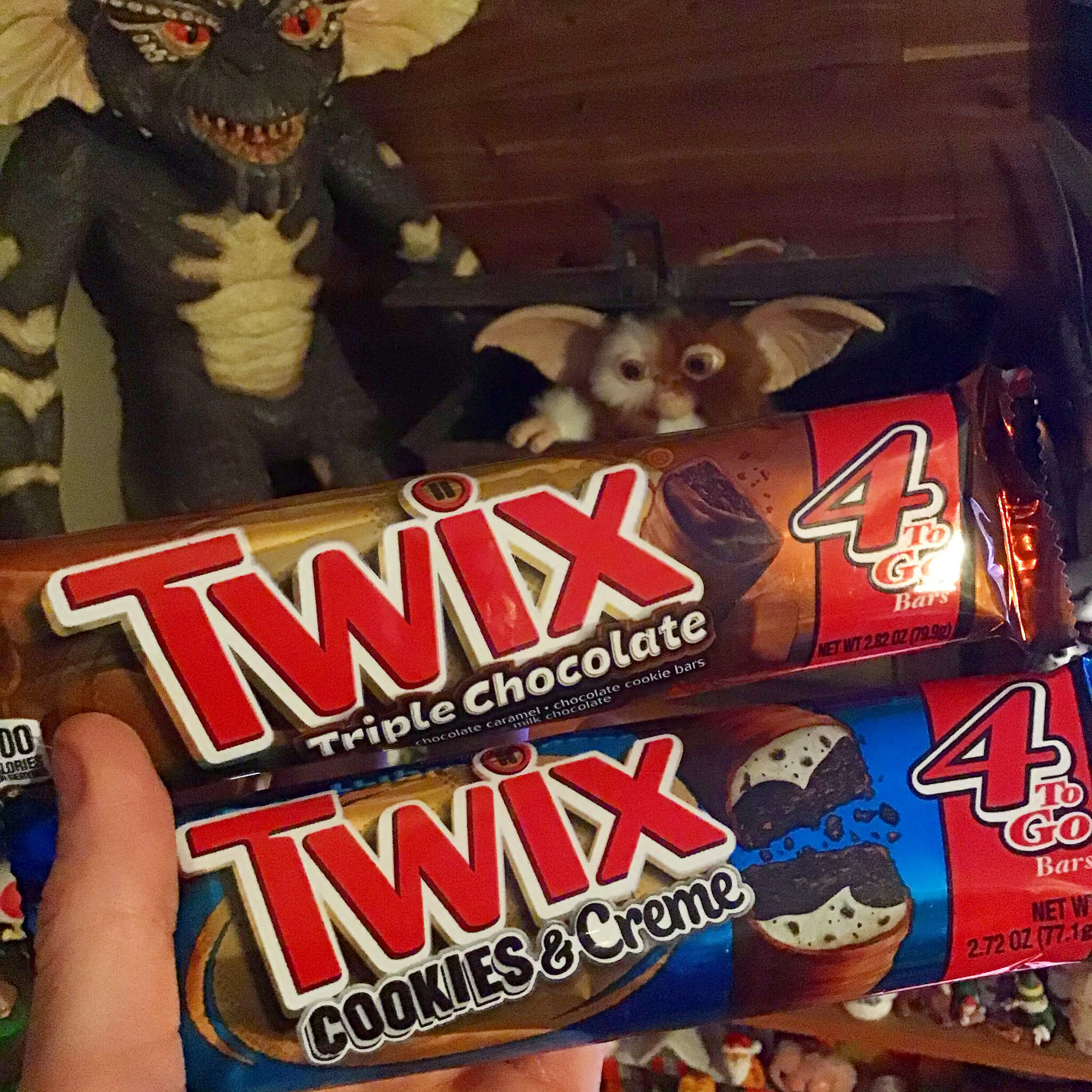
Mars released a Cookies-N-Creme version of Twix in 1990, replacing the usual caramel layer with a cookies-and-cream filling over the standard biscuit base. It found a dedicated following among fans who preferred it to the original caramel formula.
Mars discontinued it in 1995, and a limited 2020 revival did not return it to permanent shelf status.
Cadbury Time Out Bar
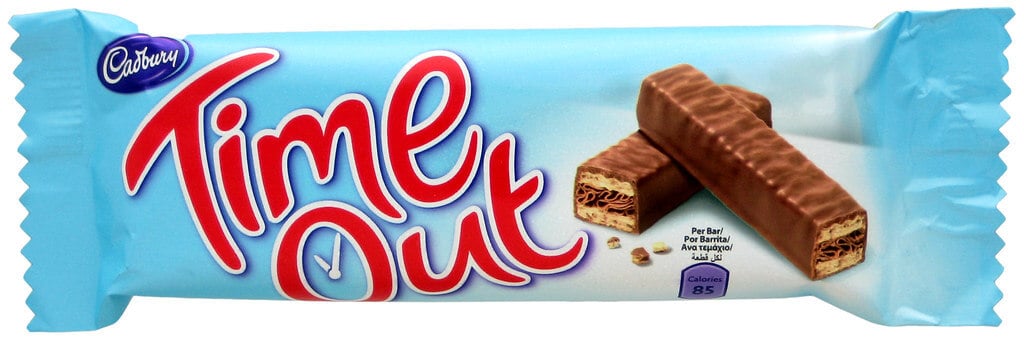
Cadbury introduced the Time Out Bar in 1992, layering wafer and chocolate into a distinct textured bar sold widely in the United Kingdom and parts of North America. It built a loyal following over more than two decades on shelves.
Cadbury discontinued the original bar format in 2016, though a wafer-only variation briefly continued under a related name.
Marathon Bar
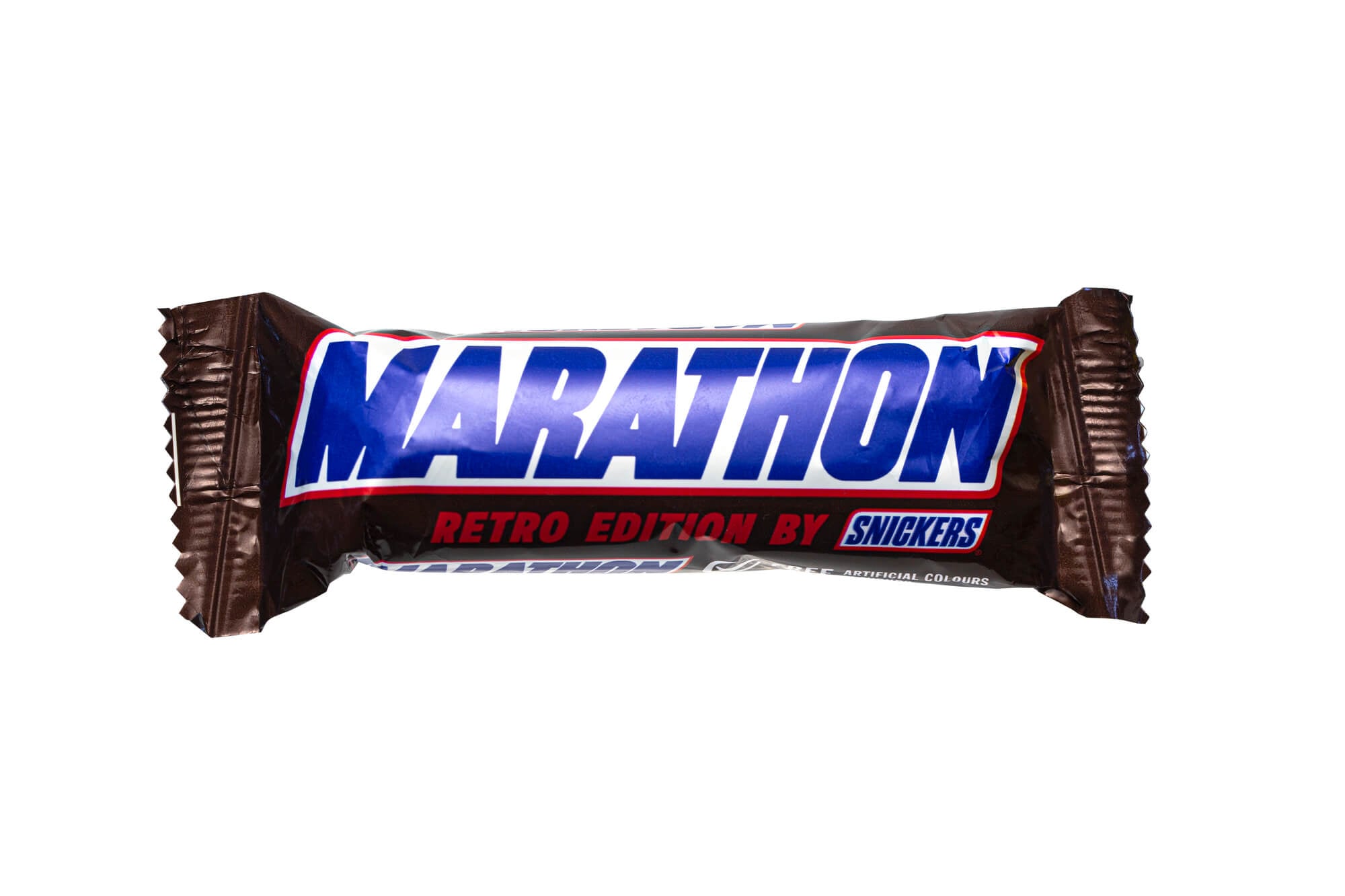
Mars released the Marathon Bar in 1973, braiding caramel into an unusually long eight-inch shape covered in milk chocolate and packaged with a printed ruler as part of the joke about its length. Its chewy texture meant eating one genuinely took longer than a standard candy bar.
Rising production costs led Mars to discontinue it in 1981.
Choco’Lite
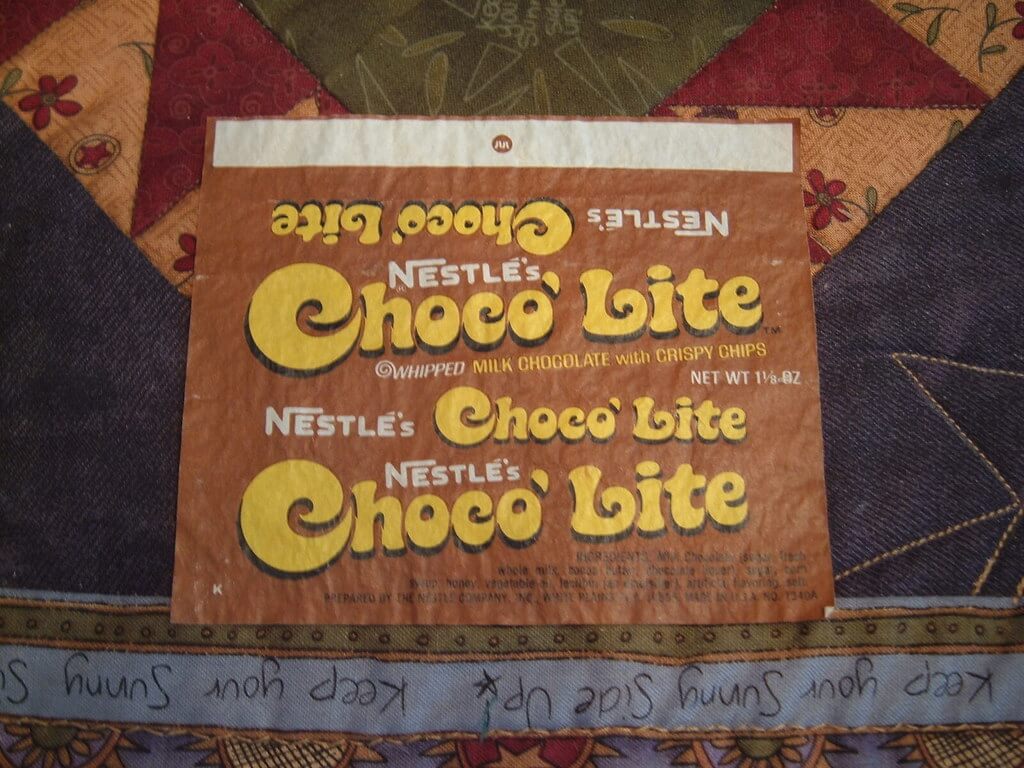
Nestlé introduced Choco’Lite in the 1970s, aerating the chocolate to create a lighter, bubblier texture than the company’s standard bars. The unusual mouthfeel made it stand out on a shelf otherwise dominated by dense, solid chocolate.
It disappeared by the 1980s as Nestlé shifted focus toward its more established product lines.
Summit Bar
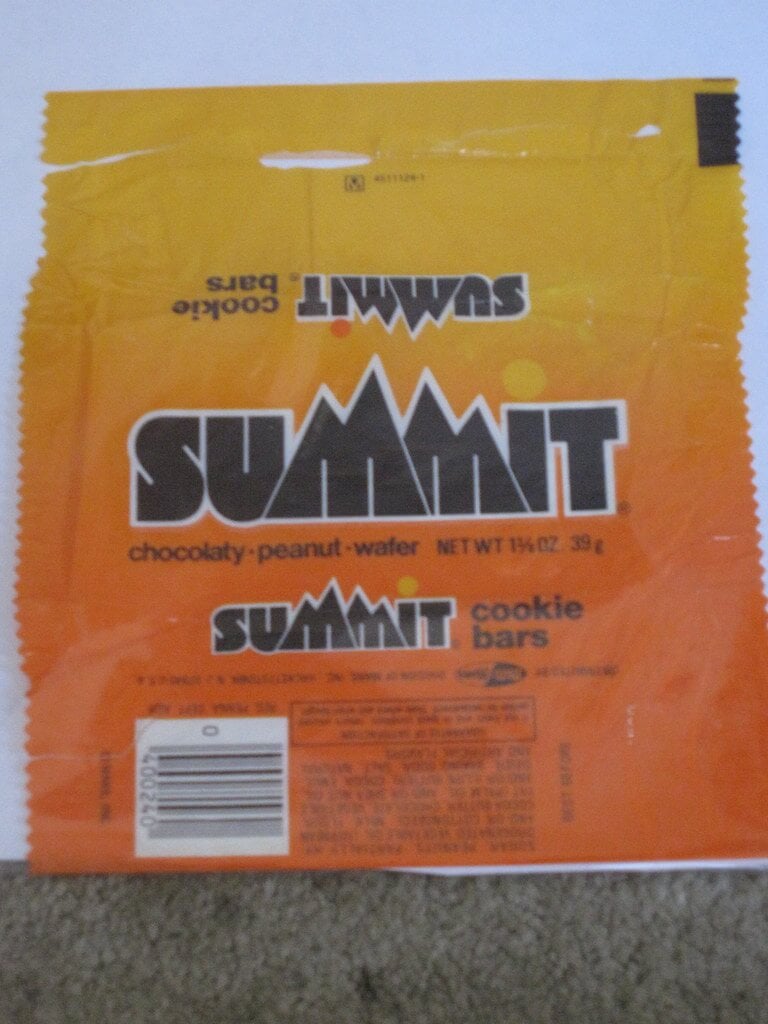
Mars released the Summit Bar in 1979, layering a crunchy wafer and peanuts under a milk chocolate coating in a format distinct from the company’s other offerings at the time. It stayed on shelves for a few years before losing shelf space to more established Mars products.
It was fully discontinued by 1984.
Forever Yours
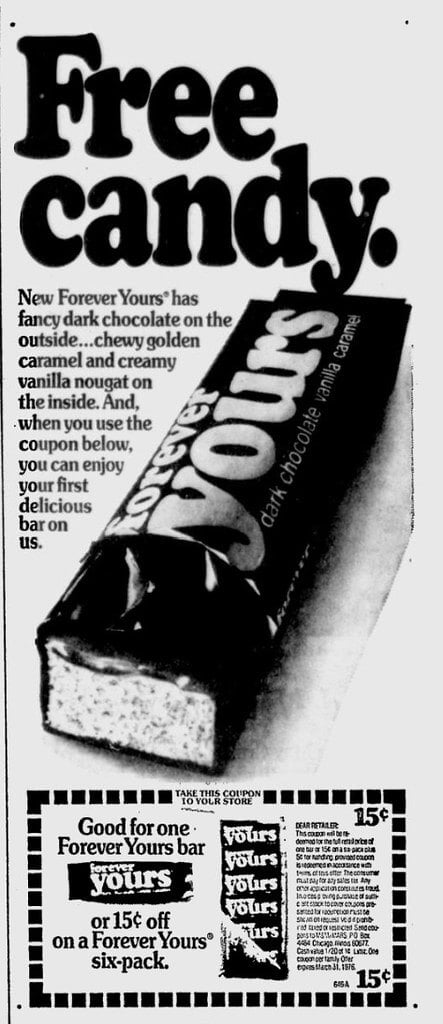
Mars introduced Forever Yours decades ago, wrapping a soft caramel and dark chocolate nougat center in a dark chocolate coating aimed at customers who preferred a less sweet option. Production ended by the mid-1980s as lighter, milk-chocolate-forward bars dominated sales.
Elements of the recipe later resurfaced in other dark chocolate Mars products, though the original name never returned.
PB Max
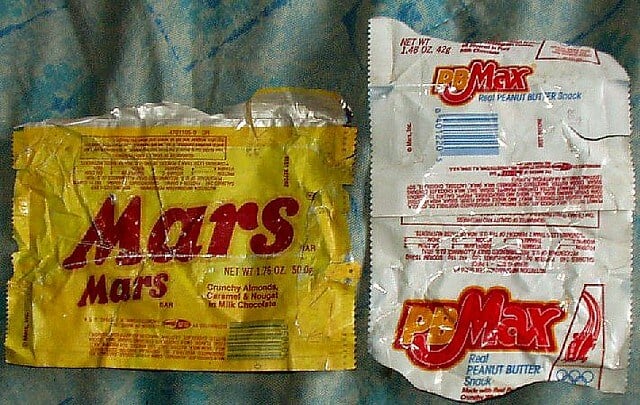
Mars launched PB Max in 1989, building the bar around a peanut butter and oat cookie center coated in milk chocolate. It reportedly sold well throughout its run, which made its 1993 discontinuation surprising to many longtime fans.
Reports at the time attributed the decision to a corporate shift in ingredient sourcing priorities rather than weak sales.
Look Bar
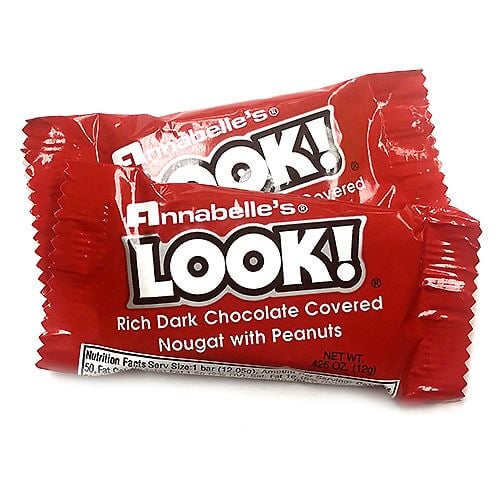
The Look Bar combined caramel and peanuts in a format similar to other classic candy bars of its era, developed by a regional candy company before wider distribution deals expanded its reach. It remained a modest but consistent seller for years in markets where it was distributed.
It was discontinued by the mid-1980s as the company behind it consolidated its product lineup.
Caravelle Bar
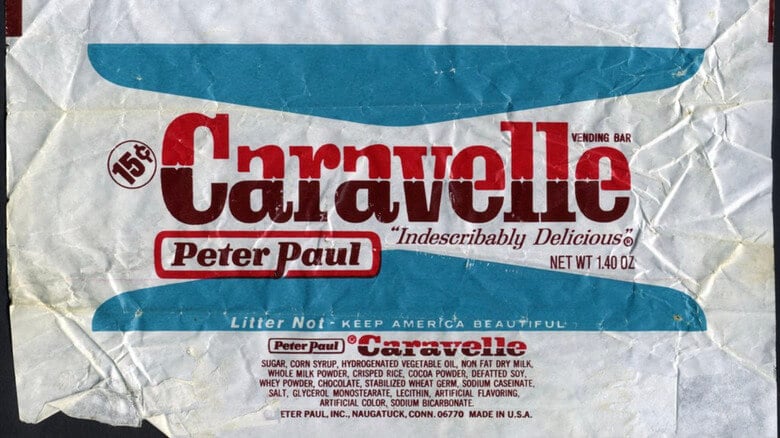
Peter Paul introduced the Caravelle Bar decades ago, combining caramel, crisped rice, and chocolate into a lighter, crunchier alternative to denser candy bars of the era. It maintained a steady following through the following years.
It was discontinued in the 1980s as the company’s product lineup was reorganized following ownership changes.
Clark Bar
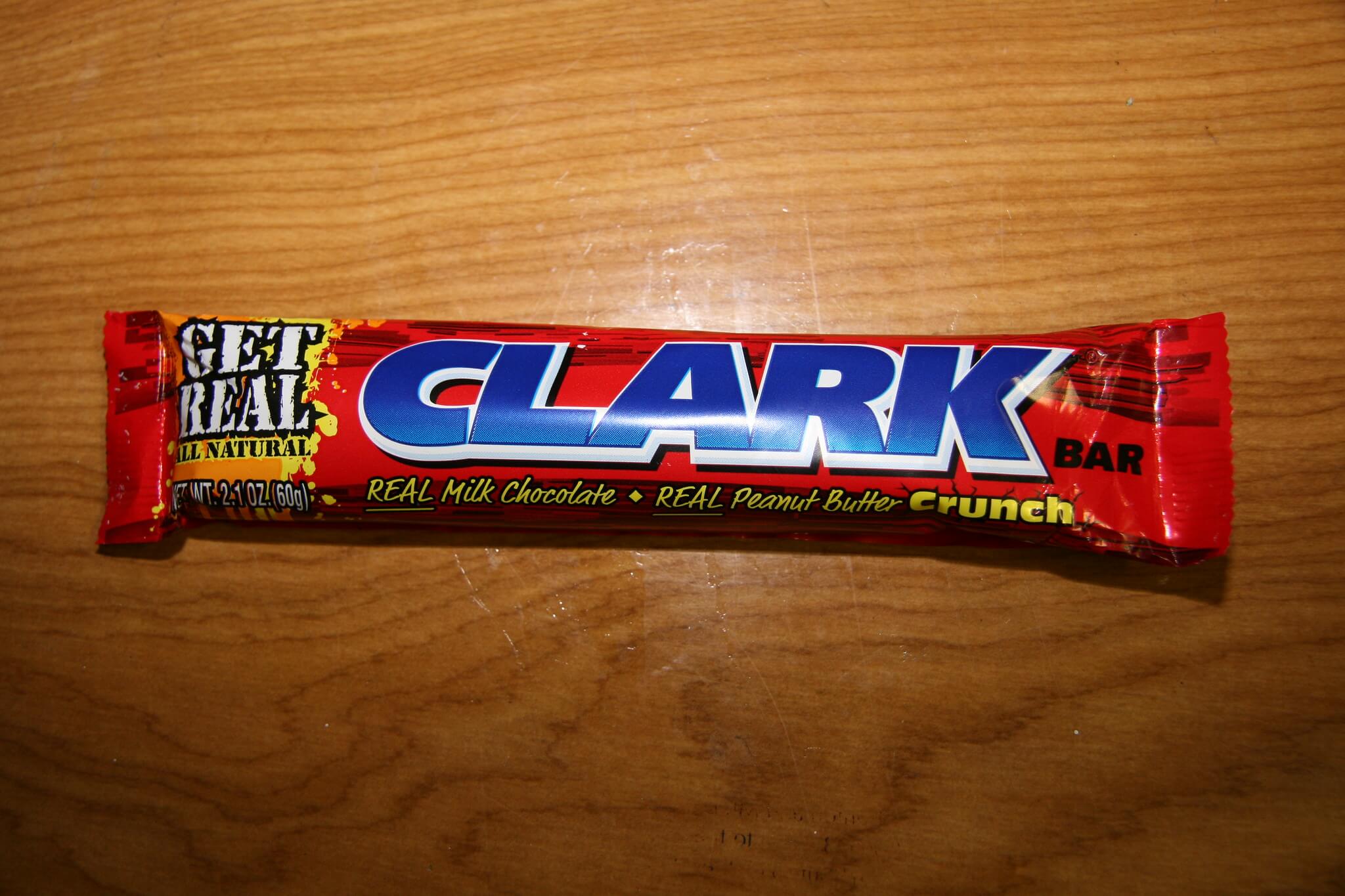
The Clark Bar, built around a crunchy peanut butter center coated in chocolate, had been produced for decades before its manufacturer, Necco, filed for bankruptcy in 2018, halting production entirely. Fans feared the bar was gone permanently during the months production remained paused.
Boyer Candy Company acquired the rights and resumed production in 2019, though the interruption left many customers convinced it had disappeared for good.
Powerhouse Bar
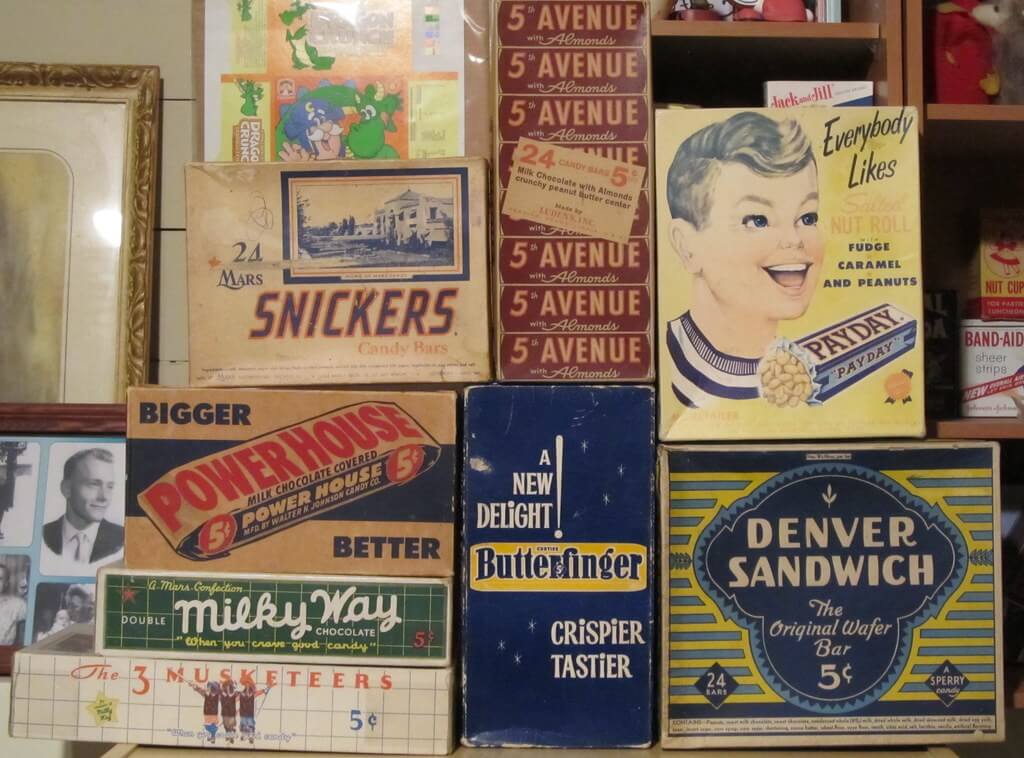
Peter Paul, and later Hershey’s after an ownership change, produced the Powerhouse Bar for decades, filling it with fudge, caramel, and peanuts in a format larger than most standard candy bars. It developed a loyal following among fans who considered it more of a meal replacement than a snack.
It was discontinued in the 1990s as Hershey’s streamlined its broader candy bar lineup.
Golden Almond
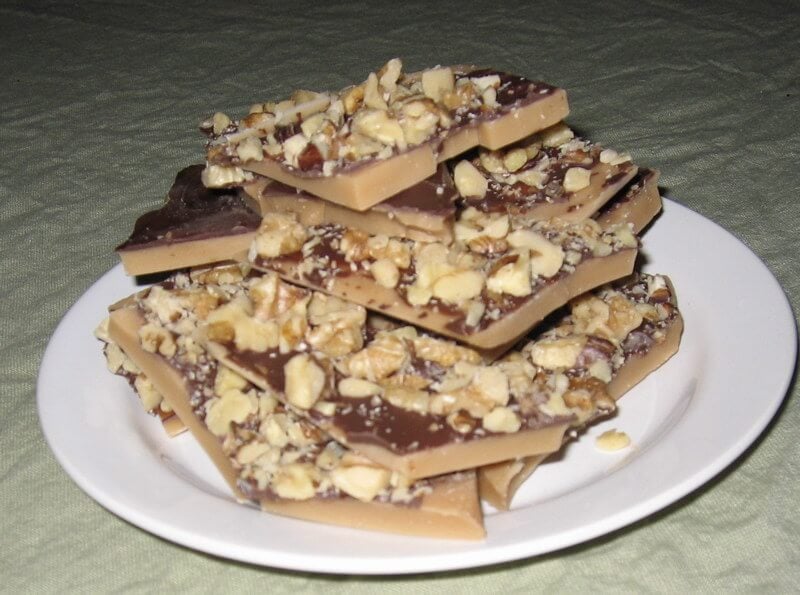
Hershey’s introduced Golden Almond decades ago, packaging a chocolate and whole almond bar in distinctive gold foil to position it as a more premium option than the company’s standard offerings. It maintained a smaller but dedicated following among fans who considered it a step above typical grocery store candy.
Hershey’s discontinued it as the company narrowed its focus toward higher-volume products.
Mars Bar
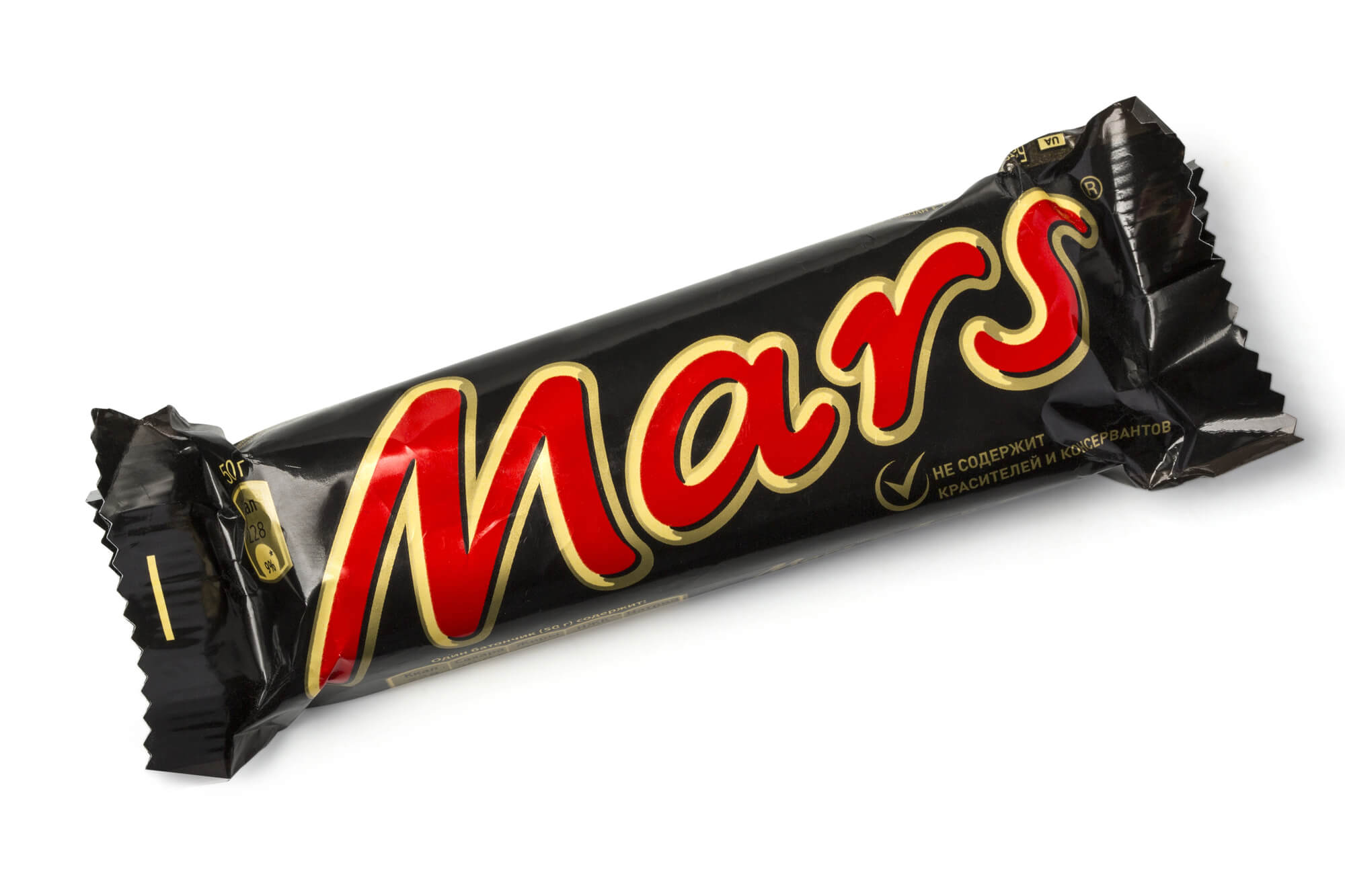
The Mars Bar, combining nougat, caramel, and roasted almonds under milk chocolate, had been sold in the United States for decades before Mars discontinued the American version in 2002. The company redirected resources toward Snickers Almond, a similar product under a more established name.
The original Mars Bar has remained available in other countries even after its American discontinuation.
Secret Bar
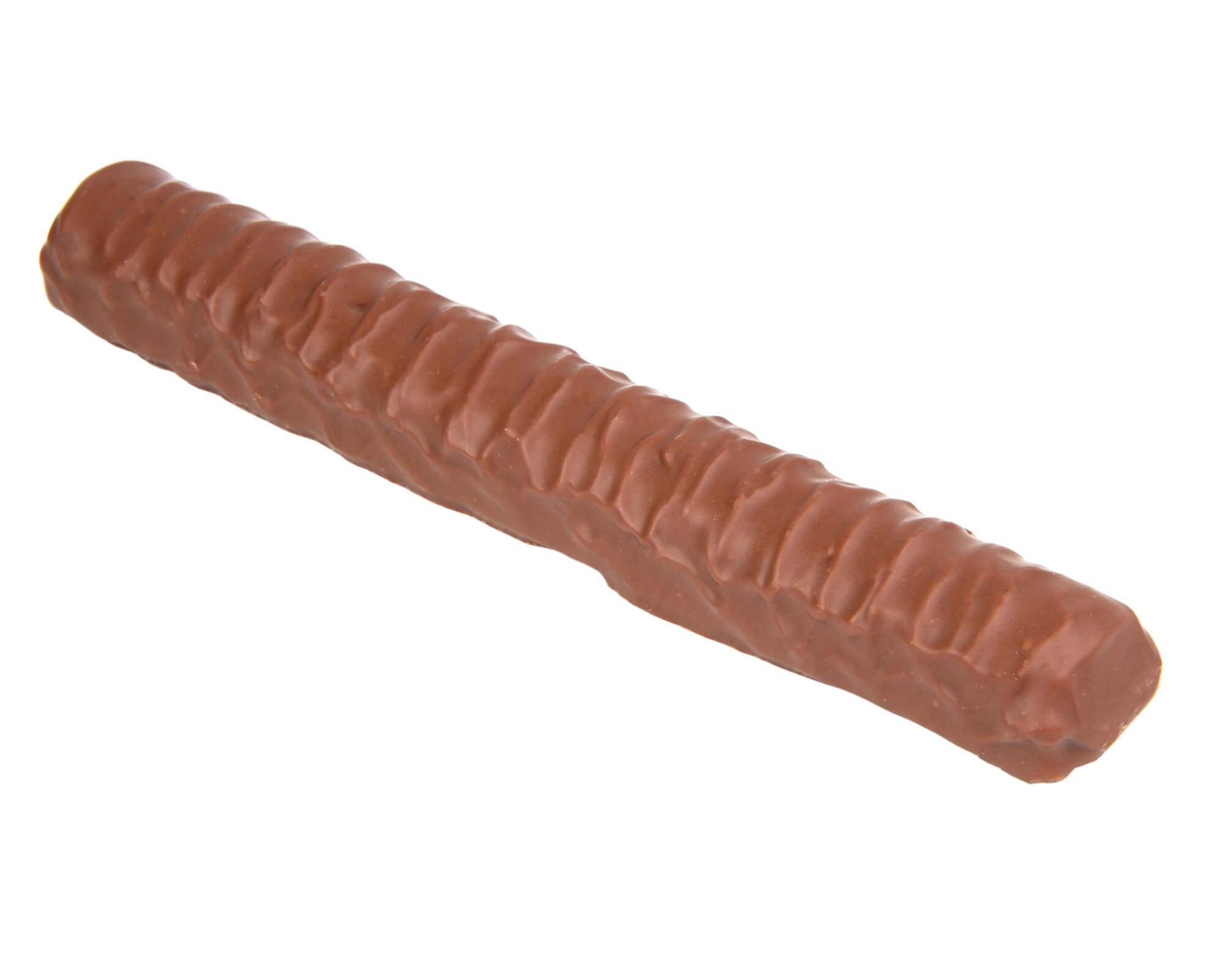
Nestlé introduced the Secret Bar in the 1980s, using a distinctive manufacturing process to create thin chocolate strands rather than a solid filling. The specialized production steps required equipment that did not apply to the rest of Nestlé’s candy lineup, making the bar more expensive to produce than its sales justified.
It was discontinued just a few years after its release.
3 Musketeers Truffle Crisp
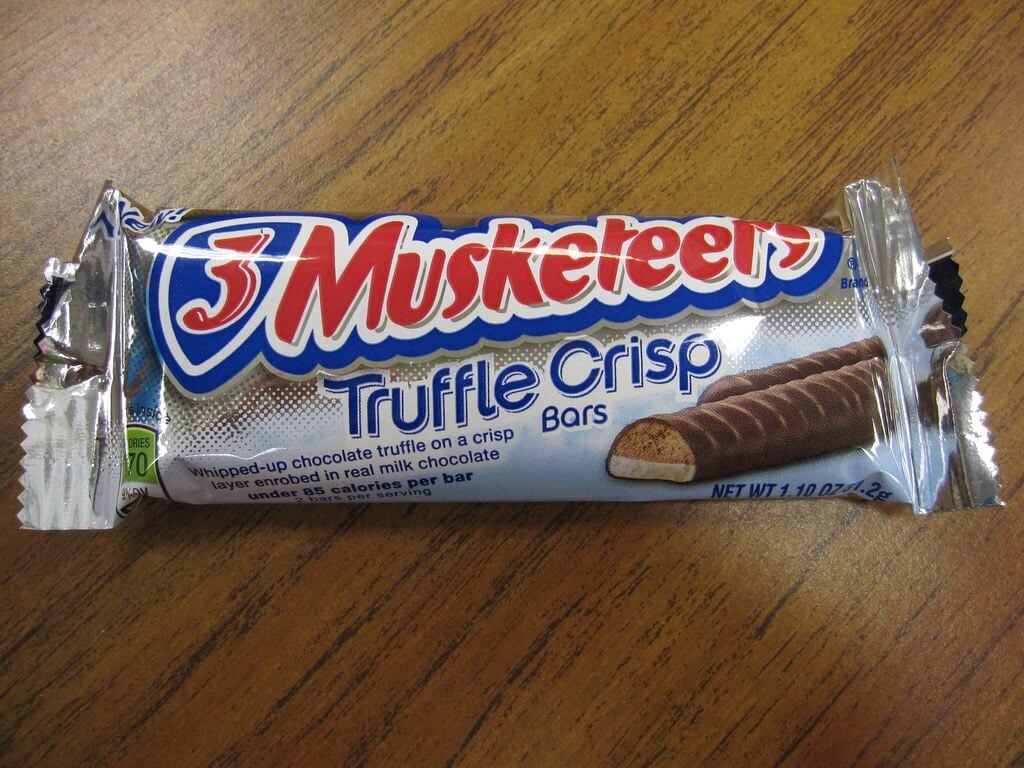
Mars released a Truffle Crisp variation of 3 Musketeers, adding a crunchy layer to the bar’s usual light, whipped chocolate center. It represented one of several attempts to modernize a decades-old candy bar for newer tastes.
Low sales led Mars to discontinue it not long after its release.
Hershey’s Raspberries ‘N’ Creme Bar

Hershey’s released a Raspberries ‘N’ Creme variation of one of its standard bars, adding a fruit-flavored layer to the usual chocolate and cream combination. It appealed to a smaller niche of customers looking for a fruit pairing rather than a traditional peanut or caramel filling.
It was discontinued after failing to build a large enough following to justify continued production.
Original Wonka Bar

Quaker Oats produced the original Wonka Bar line starting in the early 1970s, releasing several variations including solid chocolate and versions filled with marshmallow or rice crisps. The bars traded heavily on their connection to the Willy Wonka film franchise.
Quaker sold the Wonka candy brand to Nestlé in 1988 following years of disappointing sales, ending the original production run entirely.
Hershey’s Cookies ‘N Mint
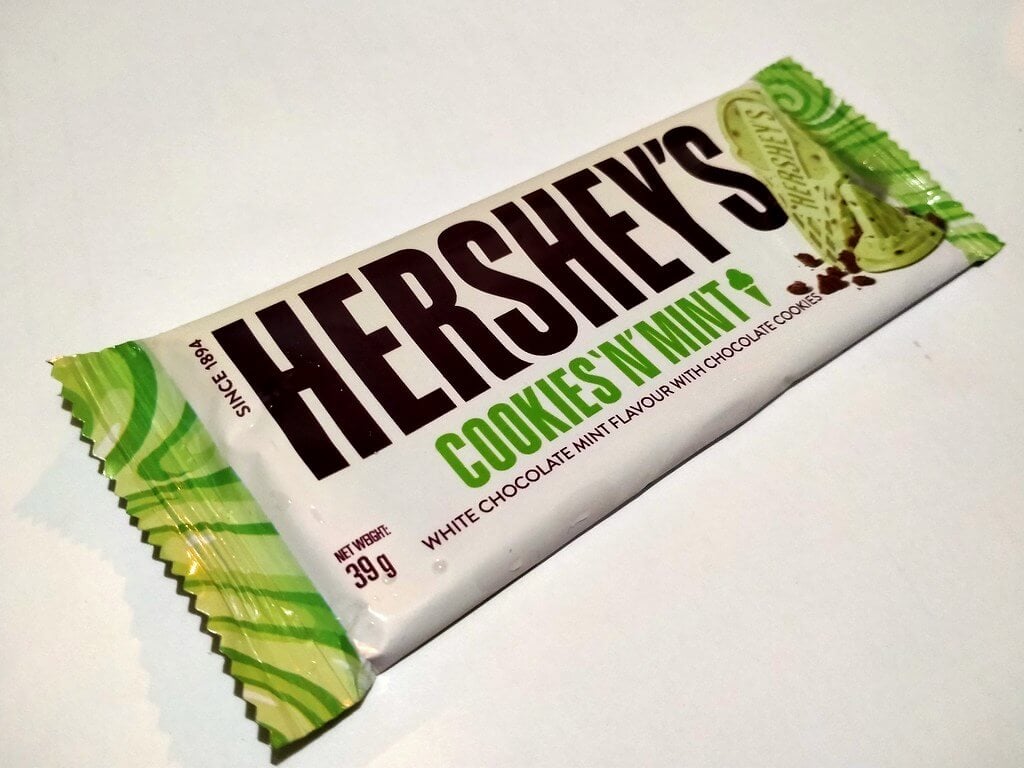
Hershey’s introduced Cookies ‘N Mint in 1994, combining milk chocolate, mint flavoring, and chocolate cookie pieces into a bar aimed at fans of mint and chocolate combinations. It has been discontinued and revived multiple times over the following decades, with each version differing slightly from the last.
A more recent version replaced the milk chocolate base with a green-tinted white chocolate, disappointing longtime fans of the original formula.
Butterfinger BBs
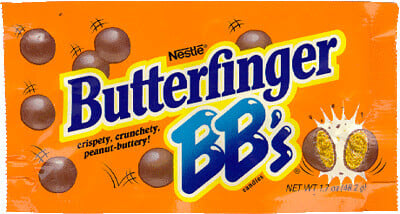
Nestlé released Butterfinger BBs in the 1990s, shrinking the classic Butterfinger bar down into bite-sized pieces sold in a resealable bag rather than a traditional wrapped bar. A marketing tie-in with The Simpsons helped it become popular quickly among younger customers.
Nestlé discontinued the product in 2006 after ongoing complaints that the small pieces melted too easily compared to the standard bar.
What the Wrapper Never Explained
Every one of these bars existed because a company believed a new combination of chocolate, filling, and shape was worth manufacturing at scale. Most disappeared for the same quiet reason: a sales report somewhere fell short of a target nobody outside the company ever saw.
The specific loyalty candy inspires rarely fades just because a product does. People do not simply forget these flavors.
They keep expecting to find them again, checking unfamiliar gas station racks out of habit long after the bar itself stopped being made.
More from Go2Tutors!

- The Romanov Crown Jewels and Their Tragic Fate
- 13 Historical Mysteries That Science Still Can’t Solve
- Famous Hoaxes That Fooled the World for Years
- 15 Child Stars with Tragic Adult Lives
- 16 Famous Jewelry Pieces in History
Like Go2Tutors’s content? Follow us on MSN.