16 Classic Movies That Shaped Hollywood History
Some films don’t just entertain — they set new rules. These cinematic landmarks didn’t merely draw crowds; they reshaped storytelling, production methods, and even the business model behind the industry.
From major leaps in technology to bold new narrative choices, each of these movies carved out a new path for filmmakers.Their impact still echoes through today’s blockbusters, streaming hits, and indie gems. These aren’t just films that made history — they helped define it.
The Birth of a Nation

D.W. Griffith’s 1915 epic remains one of the most debated entries in film history — both for its groundbreaking technique and its appallingly racist narrative. As offensive as its content is, its contributions to cinematic language are undeniable.
Griffith pushed the boundaries with techniques like cross-cutting, close-ups, and the iris shot, all of which became staples of modern filmmaking. Its ambitious three-hour runtime also proved that audiences were willing to sit through longer, more complex narratives — paving the way for the feature-length format.
Citizen Kane

When Orson Welles released Citizen Kane in 1941, he was only in his mid-20s — and he completely rewrote the rulebook. The film’s deep-focus cinematography allowed every layer of the frame to stay sharp, adding new depth (literally and figuratively) to storytelling.
Its non-linear narrative, flashbacks, and experimental camera angles baffled some audiences at the time, but they became required study for future directors. While it didn’t initially succeed at the box office, its critical legacy now makes it one of the most studied films in cinema history.
The Cabinet of Dr. Caligari
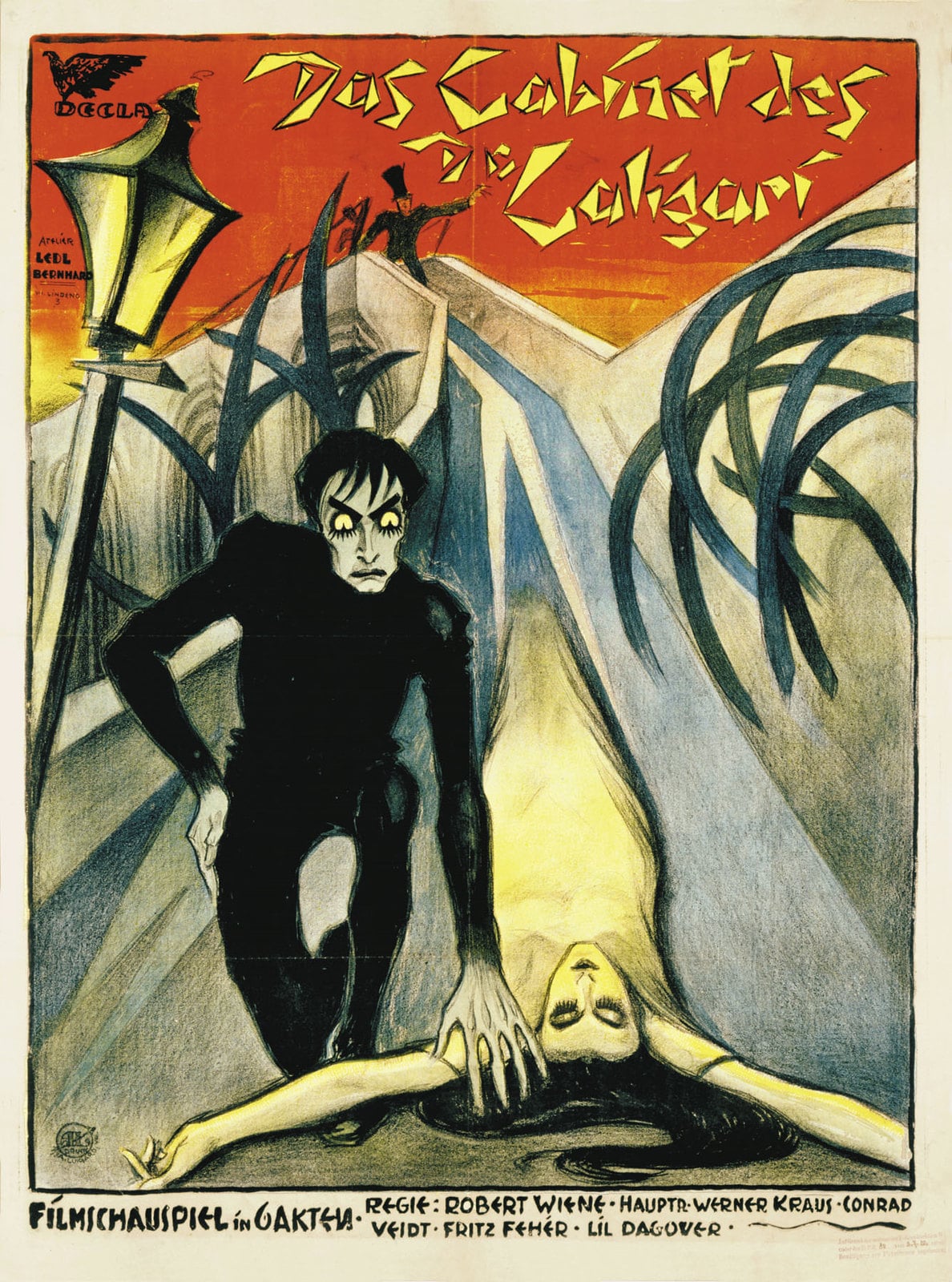
This 1920 German expressionist film dared to ask: what if a set could be a character? Instead of realism, The Cabinet of Dr. Caligari offered twisted, angular, dreamlike visuals that mirrored the protagonist’s psyche.
Its painted shadows and warped architecture introduced a surreal visual language, particularly in horror and psychological drama. It wasn’t just a movie — it was a manifesto that cinema could be artistic, stylized, and deeply expressive.
Snow White and the Seven Dwarfs

In 1937, Walt Disney made a gamble few believed in: a full-length animated film. Critics mocked the idea, calling it “Disney’s Folly.”
But Snow White was a smash hit. Its emotional storytelling, lifelike animation, and pioneering multiplane camera effects set a standard for animation that still exists today.
The Jazz Singer

With The Jazz Singer in 1927, sound officially entered the picture. The film was only partly a “talkie,” but that was enough.
Audiences were amazed by synchronized speech and music, and studios took notice. Within two years, silent cinema had become a relic.
Psycho
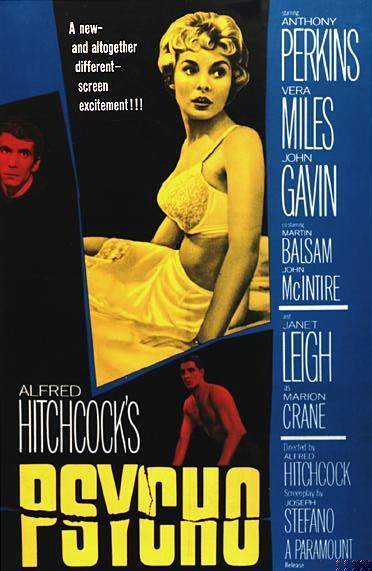
Alfred Hitchcock shocked audiences in 1960 by breaking nearly every rule. Psycho killed off its lead actress halfway through, featured a terrifying and taboo-breaking shower scene, and leaned into psychological horror in a way no mainstream film had done before.
Shot in black and white on a low budget, it inspired countless indie thrillers. Hitchcock’s innovative marketing — including banning late admissions — helped reshape how studios approached promotion.
2001: A Space Odyssey

Released in 1968, Stanley Kubrick’s 2001 wasn’t just another sci-fi movie — it was a philosophical journey through time, space, and human consciousness. With its realistic effects (still impressive today) and minimalist dialogue, the film required viewers to think, not just watch.
There was no blueprint for a film like this. 2001 redefined what science fiction could be — not cheesy or loud, but ambitious, slow-burning, and thought-provoking.
The Great Train Robbery
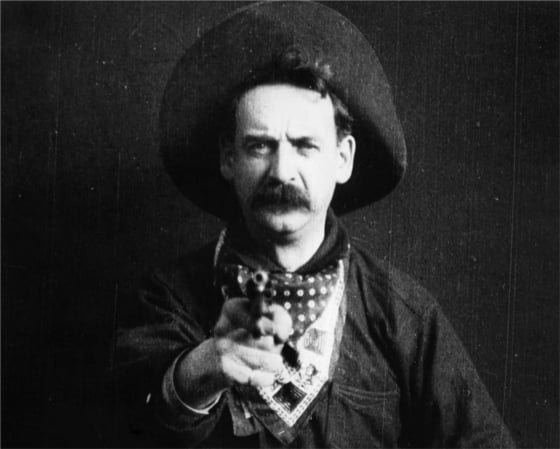
Just 12 minutes long, Edwin S. Porter’s The Great Train Robbery (1903) showed that film could be more than a novelty. With parallel action, cross-cutting, and dynamic camera placement, it introduced narrative techniques still in use over a century later.
Audiences were riveted, and filmmakers suddenly saw cinema as a storytelling tool — not just a stage play recorded on film.
Like Go2Tutors’s content? Follow us on MSN.
Bonnie and Clyde
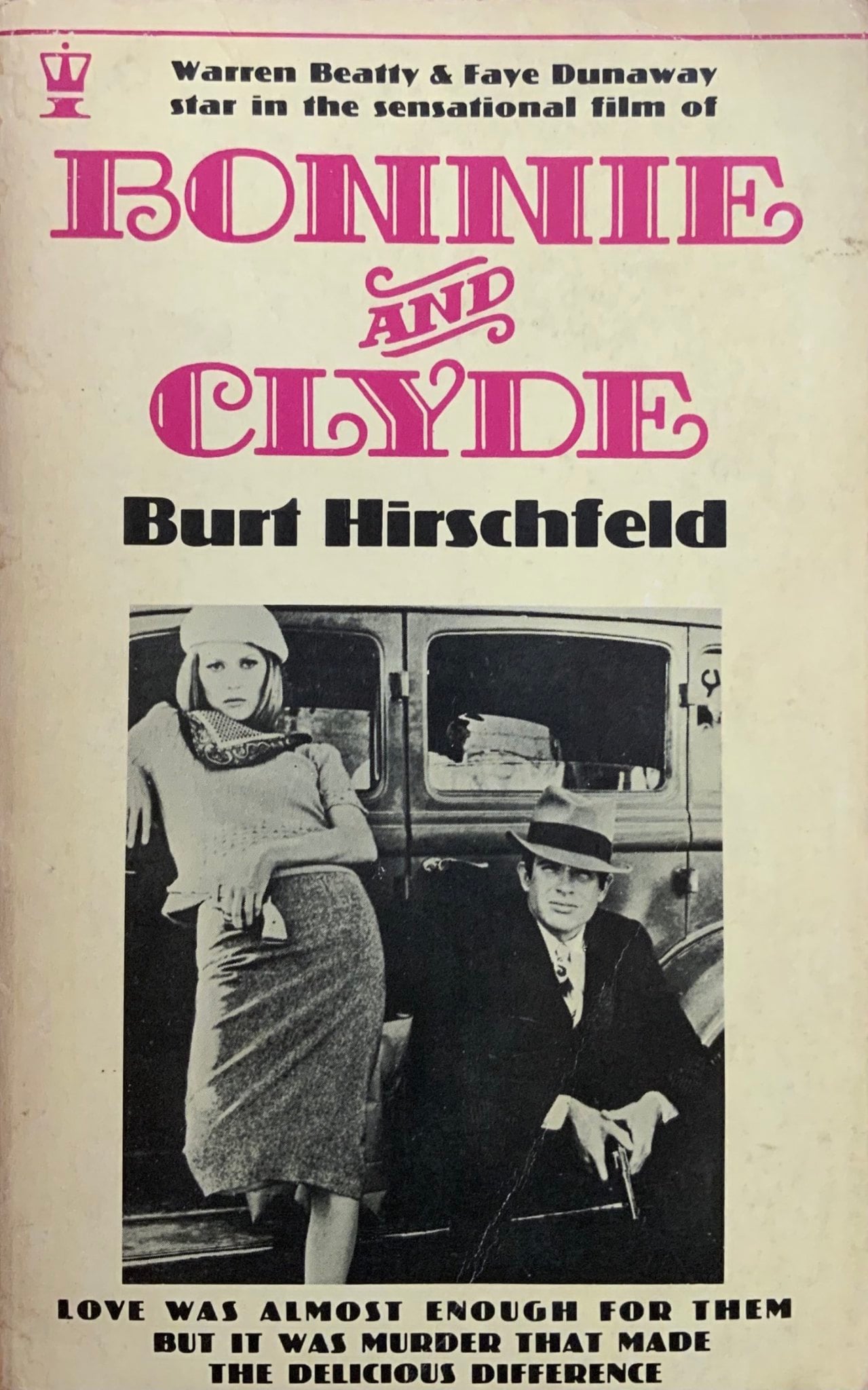
By 1967, audiences were ready for something different — and Bonnie and Clyde delivered. Violent, stylish, and morally ambiguous, it broke with Hollywood’s old code of ethics.
It glorified criminals without judgment, and its bloody finale stunned viewers. The movie ushered in the “New Hollywood” era, where young directors took bold risks and pushed boundaries, both creatively and thematically.
The Godfather
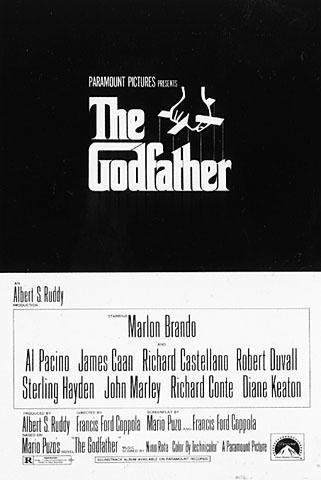
The Godfather (1972) proved that serious, operatic storytelling could rake in serious profits. Francis Ford Coppola turned Mario Puzo’s novel into a grand, slow-burning saga about family, loyalty, and power.
Its cultural footprint is enormous — from its cinematography to its iconic lines. But more importantly, it changed how studios approached talent, giving directors more say and opening the door to complex, adult-oriented blockbusters.
Star Wars
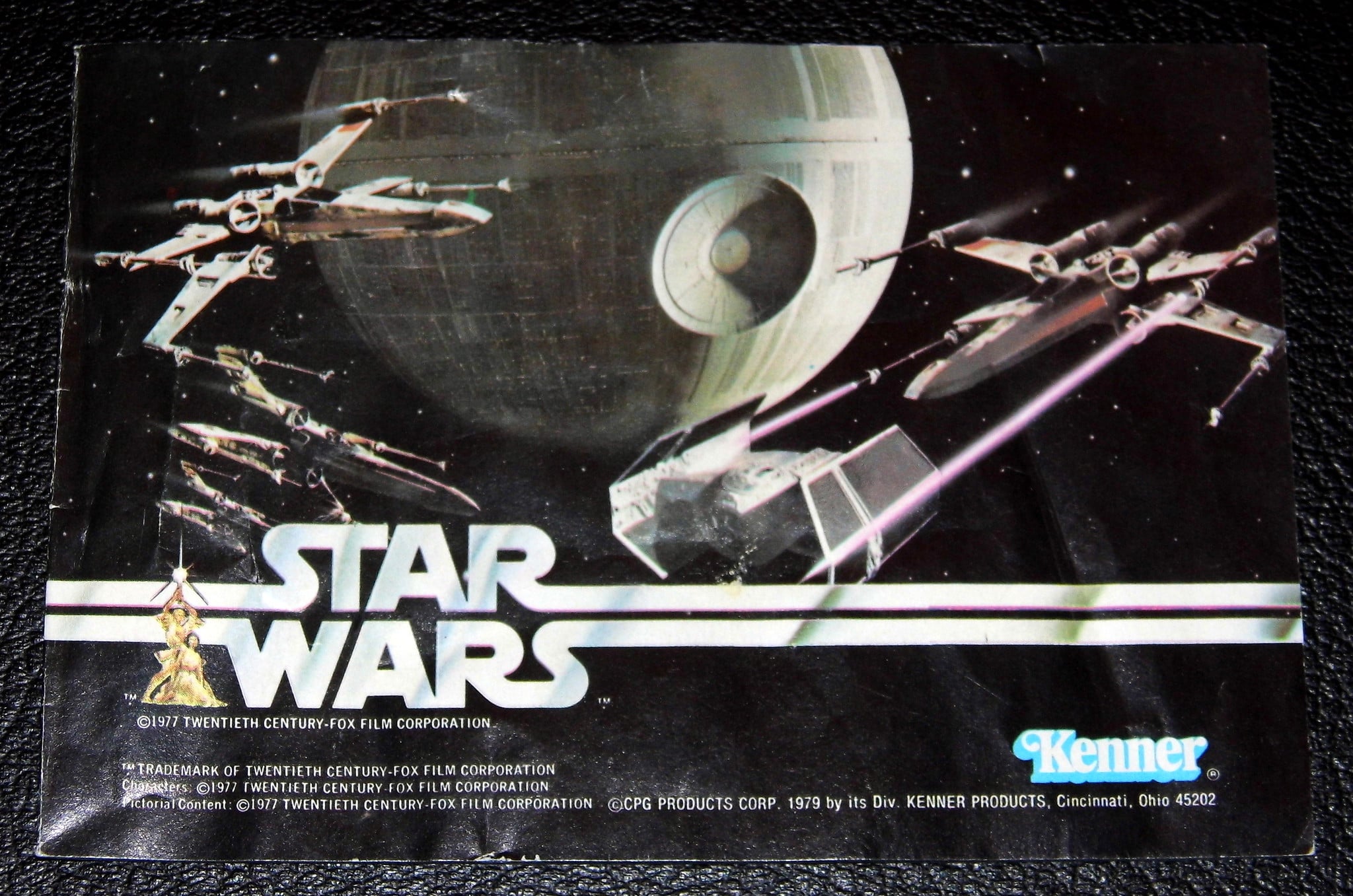
In 1977, Star Wars exploded onto screens — and redefined what a blockbuster could be. George Lucas combined cutting-edge effects, classic hero’s journey storytelling, and a deep fictional universe to create something both nostalgic and futuristic.
The real revolution, however, was behind the scenes: merchandising, special effects studios, and franchise planning all became essential parts of the business because of Star Wars.
Toy Story

Toy Story (1995) wasn’t just a technical marvel — it was a heartfelt story told entirely through digital animation. As the first fully computer-animated feature, it changed the face of family entertainment.
Pixar’s smart writing and emotional depth gave the film lasting appeal. In the years that followed, the animation industry scrambled to catch up, and hand-drawn films quickly began to fade from the mainstream.
The Blair Witch Project
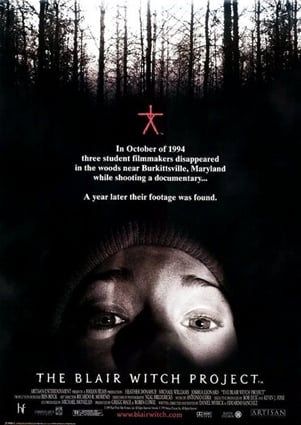
This 1999 indie horror film was made on a shoestring budget — and grossed nearly $250 million. But it wasn’t just the movie that made waves — it was the marketing.
Using websites, message boards, and word-of-mouth, The Blair Witch Project created the illusion of a real mystery. It wasn’t the first “found footage” movie, but it proved that with the right hook, low-budget filmmaking could lead to massive returns.
Sunset Boulevard

Billy Wilder’s Sunset Boulevard (1950) turned the camera inward and didn’t flinch. The film dissected Hollywood’s obsession with youth and relevance, portraying the industry as both seductive and toxic.
Its noir elements, dark humor, and tragic performances created a self-aware blueprint that’s been echoed in films like Mulholland Drive and Birdman. It was unafraid to expose the machinery behind the glamour.
The 400 Blows

François Truffaut’s 1959 debut told a deeply personal story of a boy growing up in Paris. Using handheld cameras, natural lighting, and non-professional actors, The 400 Blows helped ignite the French New Wave.
It encouraged filmmakers around the world to step outside the studio, tell personal stories, and break traditional rules. It wasn’t just a film — it was a movement starter.
Jaws

With Jaws in 1975, Steven Spielberg didn’t just scare moviegoers — he gave Hollywood a new playbook. Its summer release, national marketing campaign, and word-of-mouth buzz created the blueprint for what we now call the “blockbuster.”
More than just a thriller, Jaws demonstrated that a well-made suspense film could become a cultural juggernaut. The merchandising alone opened up new revenue streams, changing how studios thought about long-term profitability.
Looking Back at Cinema’s Game Changers

These sixteen films didn’t just find success — they reshaped the foundation of the film industry. Whether through technology, storytelling, or sheer cultural impact, each one forced Hollywood to rethink what was possible.
Today, we take many of their breakthroughs for granted, from CGI characters to nonlinear editing to viral movie campaigns. But behind those innovations were bold filmmakers willing to take risks — and redefine cinema in the process.
More from Go2Tutors!

- The Romanov Crown Jewels and Their Tragic Fate
- 13 Historical Mysteries That Science Still Can’t Solve
- Famous Hoaxes That Fooled the World for Years
- 15 Child Stars with Tragic Adult Lives
- 16 Famous Jewelry Pieces in History
Like Go2Tutors’s content? Follow us on MSN.