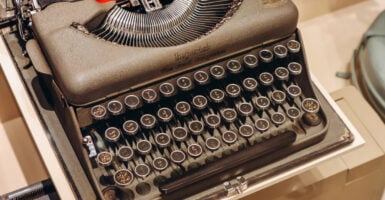
28 Typewriters and Office Relics Buyers Line Up For
The office supply closet of a century ago has quietly become one of the more interesting corners of the collectibles market, driven partly by nostalgia and partly by genuine industrial design appreciation. A tool built to be replaced within a decade has, in a surprising number of cases, outlasted the company that made it.
Underwood No. 5 Typewriter
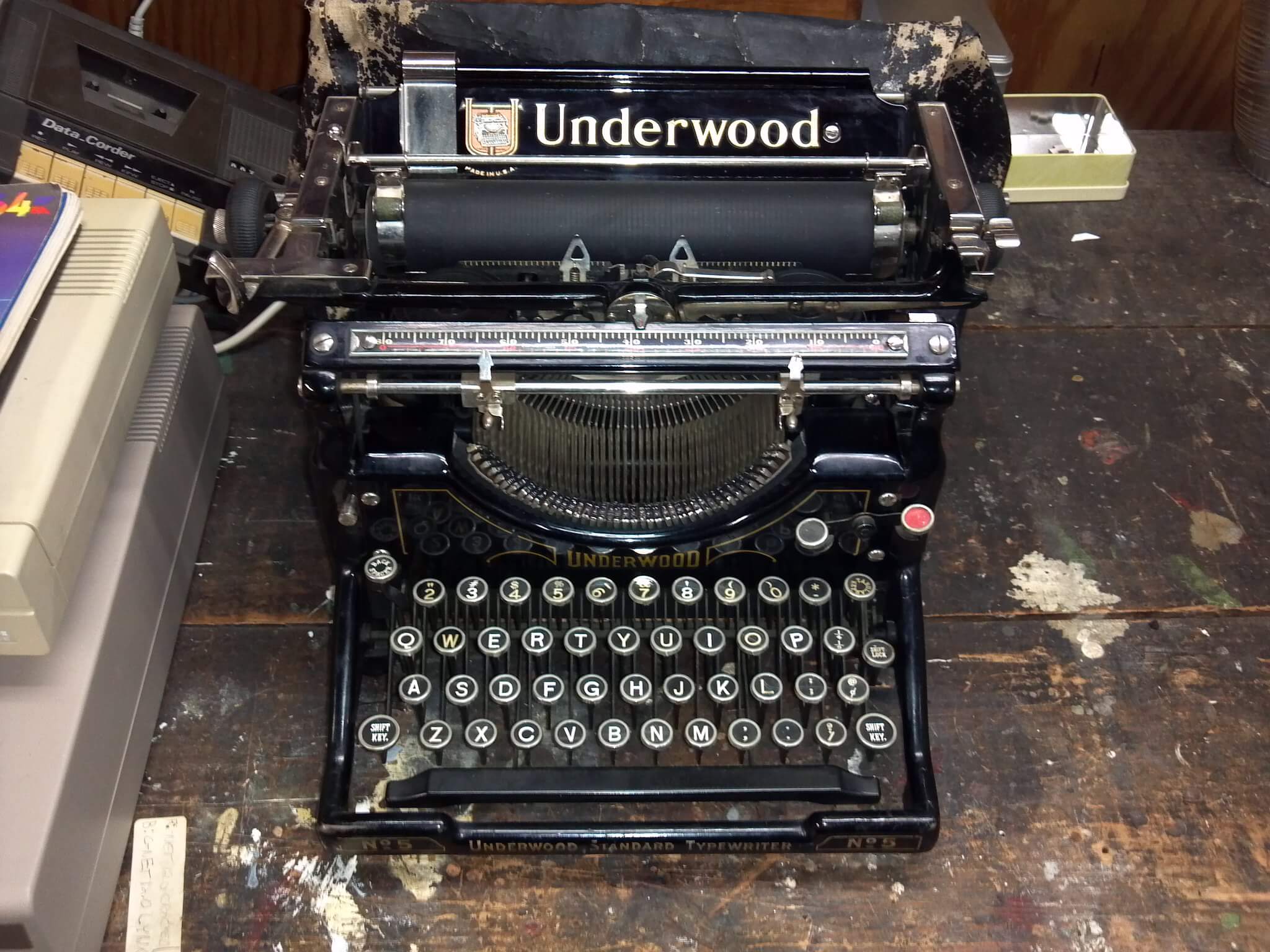
Introduced in 1900, the Underwood No. 5 is widely credited with establishing the standard front-strike typewriter layout that dominated the industry for decades afterward, and the company produced it in enormous numbers well into the twentieth century. Because so many survive, common examples are relatively affordable, while unusual color variations or documented ownership by a notable figure can push prices considerably higher.
Working condition and an intact, legible keyboard matter more to buyers than cosmetic wear on the case.
Royal Quiet De Luxe Typewriter
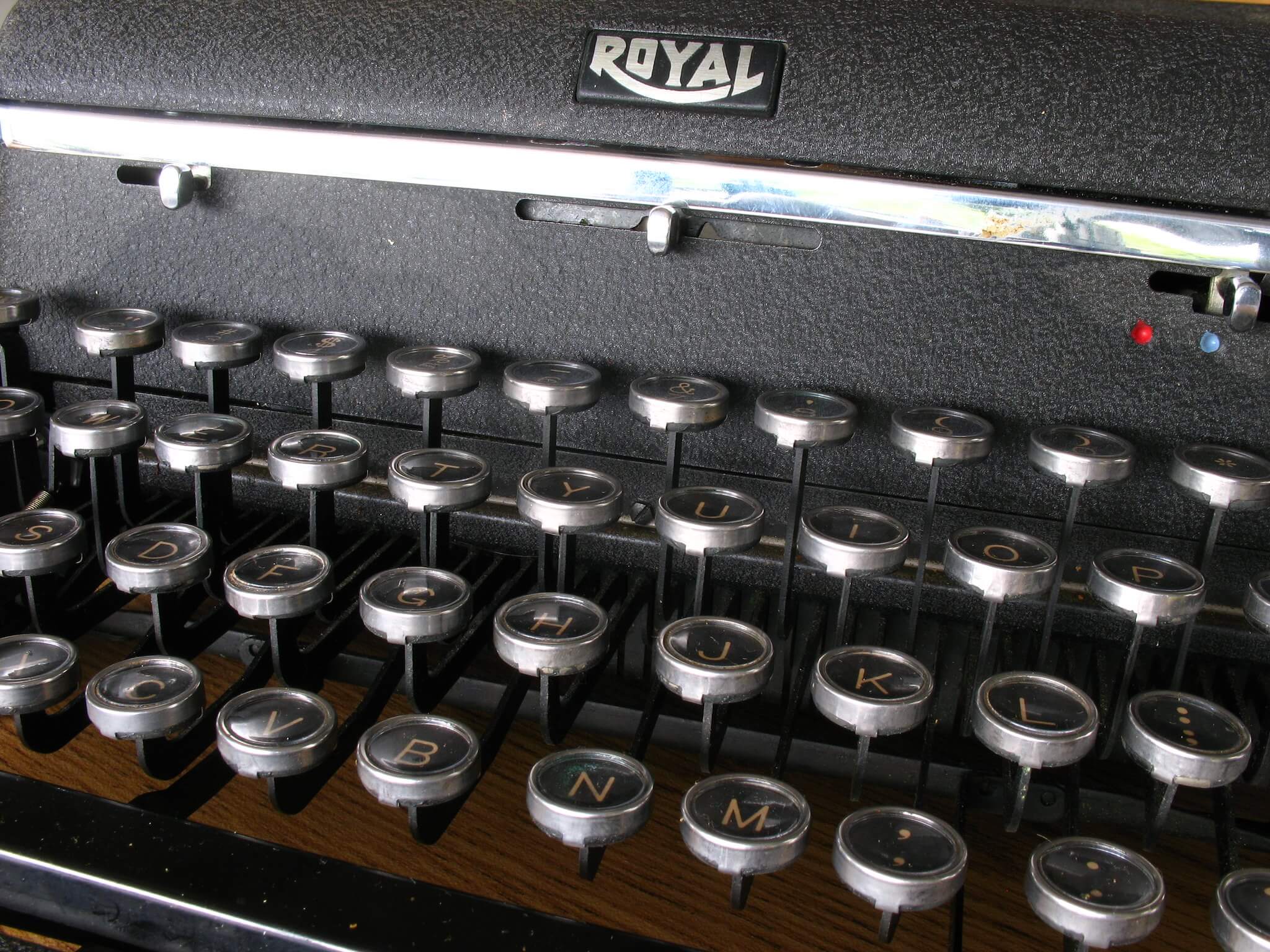
Royal’s Quiet De Luxe portable, produced from the 1930s through the 1950s, became one of the best-known portable typewriters of the mid-twentieth century, later gaining additional cultural cachet after being associated with several well-known writers. Color variants beyond the standard black, including pastel shades introduced in the 1950s, generally command higher prices among collectors.
A functioning ribbon mechanism and clean typebars are essential to a buyer actually wanting to use the machine rather than simply display it.
Remington No. 2 Typewriter
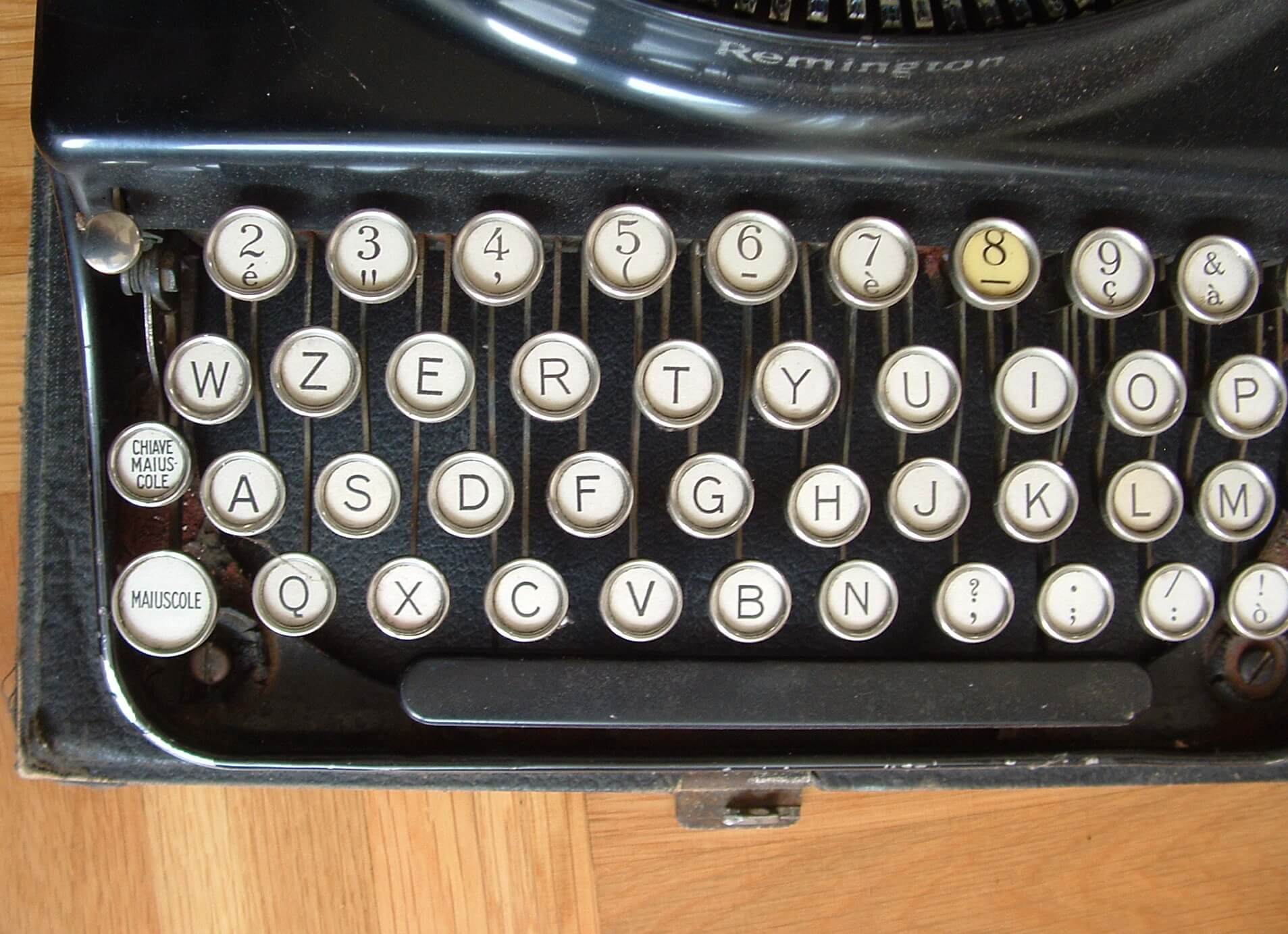
The Remington No. 2, introduced in 1878, was the first typewriter to offer both upper and lower case letters through a shift mechanism, a fundamental innovation that shaped how typewriters would work for the following century. Surviving examples from this early production era are genuinely scarce compared to later, more common Remington models.
Because of their historical significance, well-preserved examples are sought after by museums and institutional collectors as well as private buyers.
Smith Corona Silent-Super Typewriter
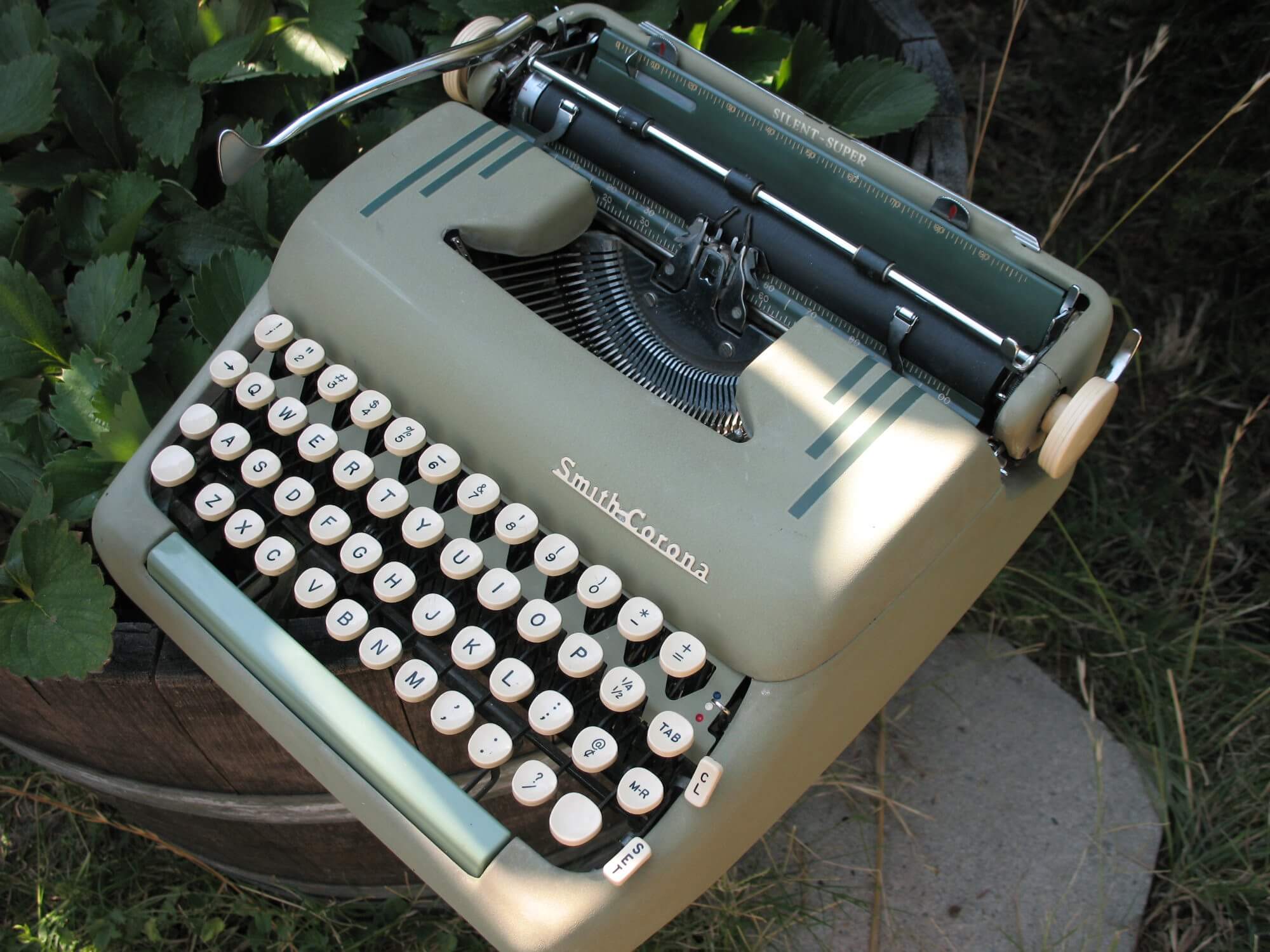
Smith Corona’s Silent-Super, produced from the late 1940s through the 1950s, was marketed specifically on its quieter operation compared to earlier typewriter designs, a genuine selling point in shared office environments. The model remains one of the more commonly found vintage typewriters in strong working condition today, since it was both well built and produced in large numbers.
Original carrying cases and instruction manuals, when they survive alongside the machine, add to a complete example’s value.
Corona Folding Portable Typewriter
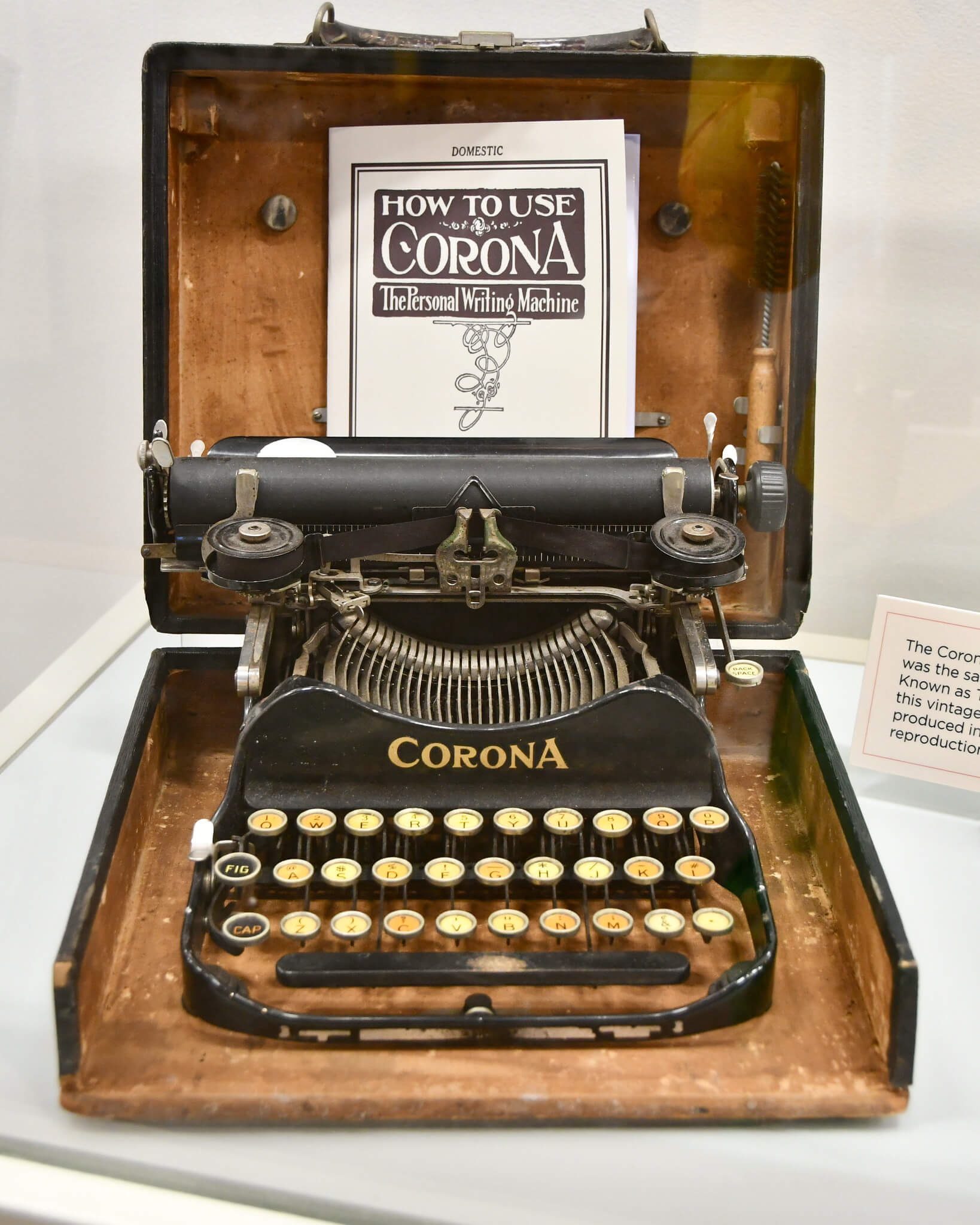
Introduced in the 1910s, Corona’s folding portable typewriter was designed so the carriage could fold down over the keyboard, creating a compact case for travel that was unusual for its time. The model is credited with helping establish portable typewriters as a viable category distinct from heavier office desk models.
Because the folding mechanism is a specific mechanical feature that can wear out or seize, buyers pay close attention to whether it still operates smoothly.
Hermes 3000 Typewriter
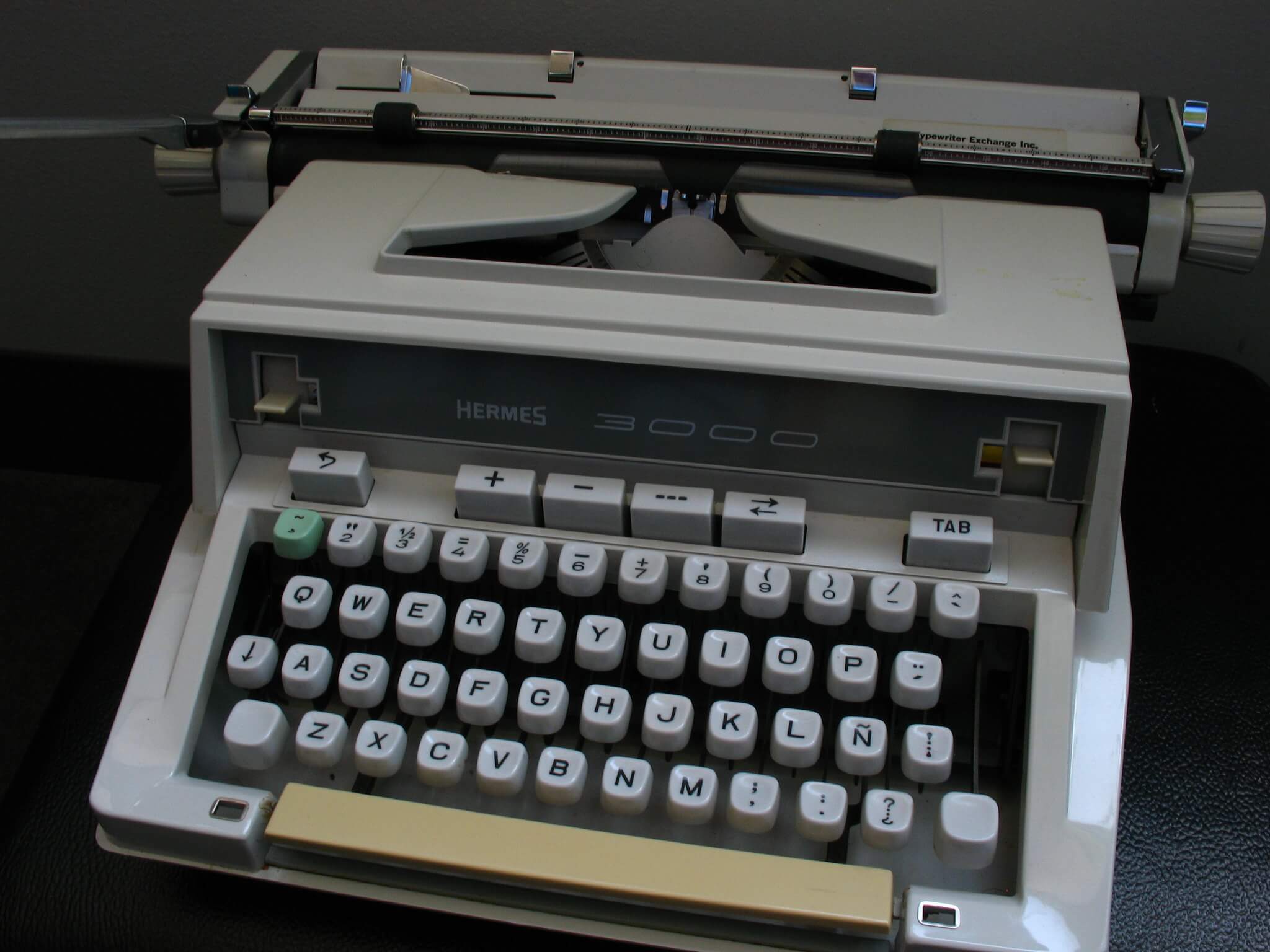
Manufactured by the Swiss firm Paillard starting in the 1950s, the Hermes 3000 is frequently cited by typewriter enthusiasts as one of the smoothest-typing portable machines ever produced, admired for its precise engineering and distinctive mint-green color scheme. Its reputation among working writers has kept demand strong specifically among buyers who intend to actually use the machine rather than display it.
A well-serviced example with a smooth, even keystroke commands a real premium over a rougher-typing one of the same age.
Olivetti Valentine Typewriter
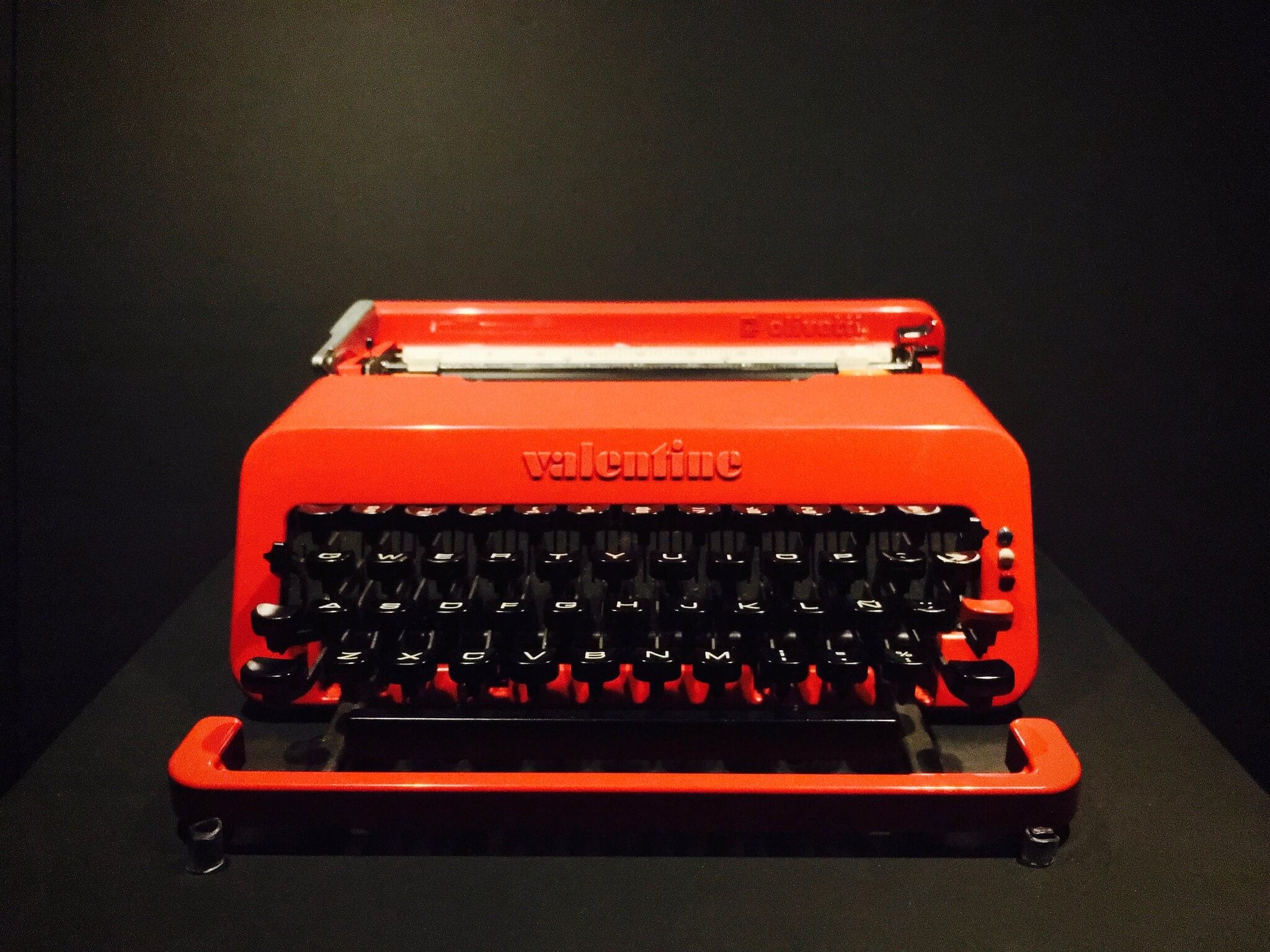
Designed by Ettore Sottsass and released by Olivetti in 1969, the Valentine’s bright red plastic body was explicitly conceived as an anti-status object meant to be used anywhere rather than confined to a formal office desk. The design has since become recognized as a significant piece of twentieth-century industrial design, with examples held in major museum collections.
That design pedigree keeps demand strong even among buyers who collect it purely as an object rather than a working tool.
Olympia SM3 Typewriter
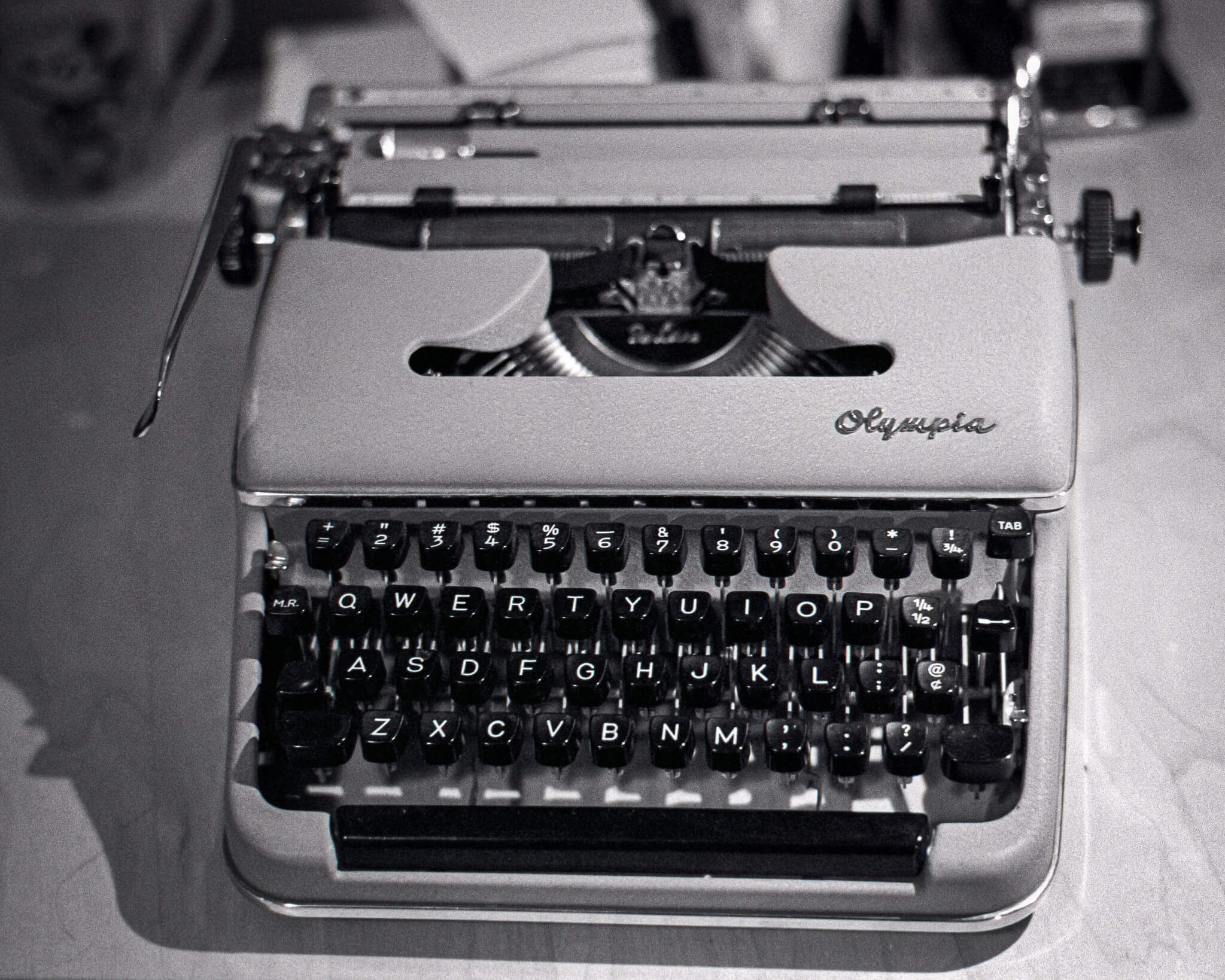
The German-made Olympia SM3, produced beginning in the 1950s, is regarded by typewriter specialists as one of the most robustly engineered portable typewriters of its era, built to standards closer to a full office machine despite its compact size. Its reputation for durability means a higher proportion of surviving examples remain in genuinely usable condition compared to some flimsier competitors.
Collectors specifically seeking a reliable machine for regular use frequently point to this model as a top recommendation.
IBM Selectric Typewriter
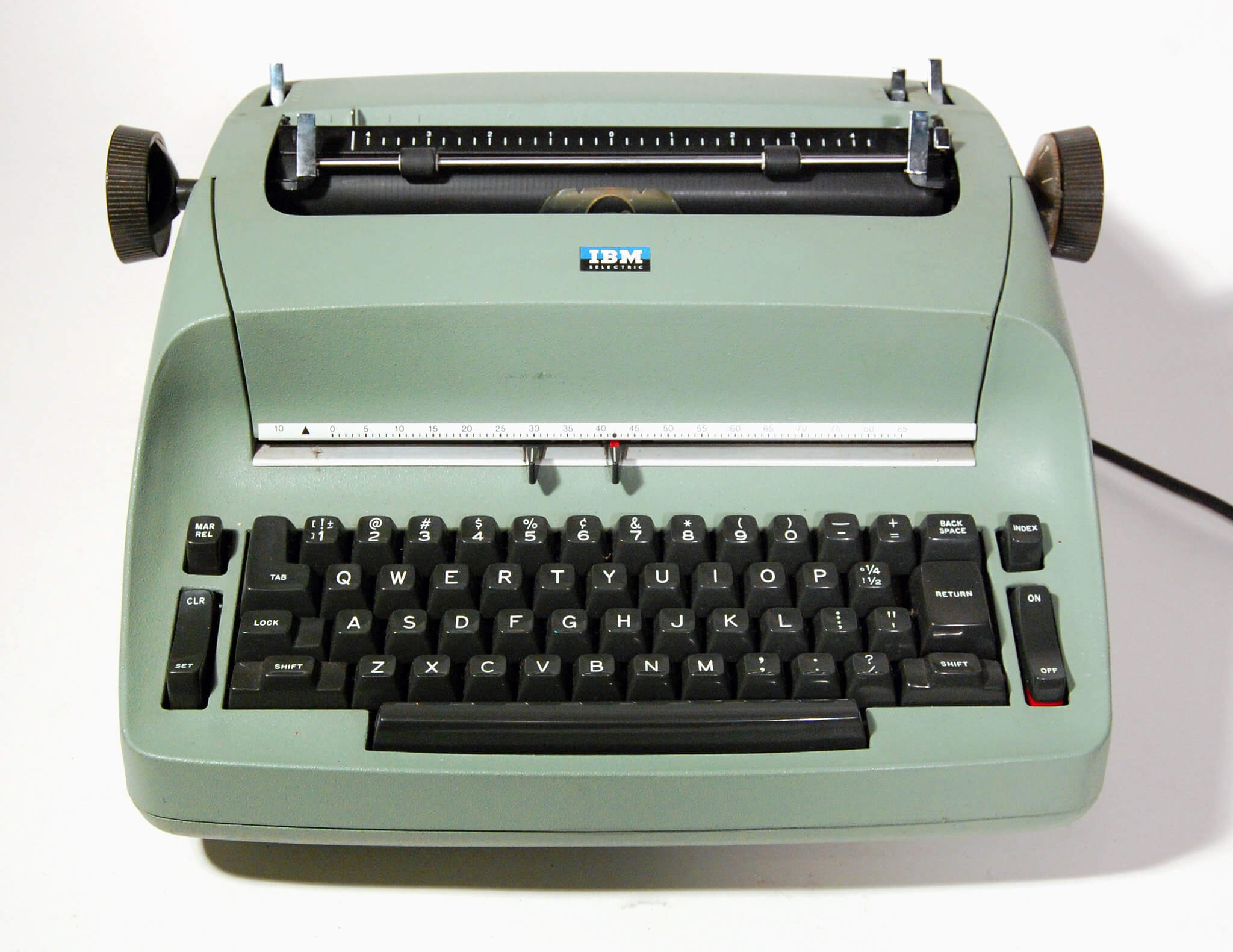
Introduced in 1961, the IBM Selectric replaced the traditional swinging typebar mechanism with a spherical typing element, often compared in size and shape to a golf tee accessory, that moved across a stationary page instead of the paper moving past a fixed strike point. The design was a major departure from a century of prior typewriter mechanics and became a fixture of American offices for decades.
Because the typing element itself can be swapped for different fonts, complete sets with multiple original elements are more valuable than a machine with only one.
L.C. Smith Typewriters
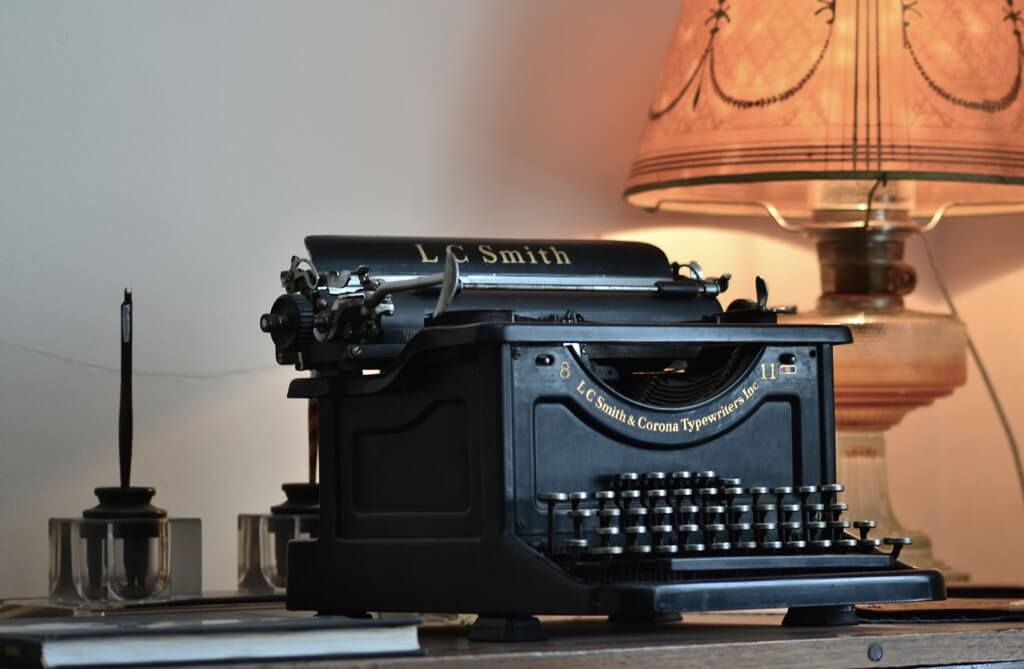
L.C. Smith and Brothers, founded by Lyman C. Smith and his brother in 1885, produced sturdy office typewriters through the early twentieth century known for their durability in heavy daily office use. The company merged with Corona (founded separately by the Densmore family) in 1926 to form L.C. Smith-Corona.
Because the company’s history intersects with several related and sometimes confusingly named typewriter brands, correctly identifying a specific model and production era is an important step for accurate valuation. Well-preserved examples with original decals and finish are notably more desirable than machines that have been repainted.
Oliver Visible Typebar Typewriter
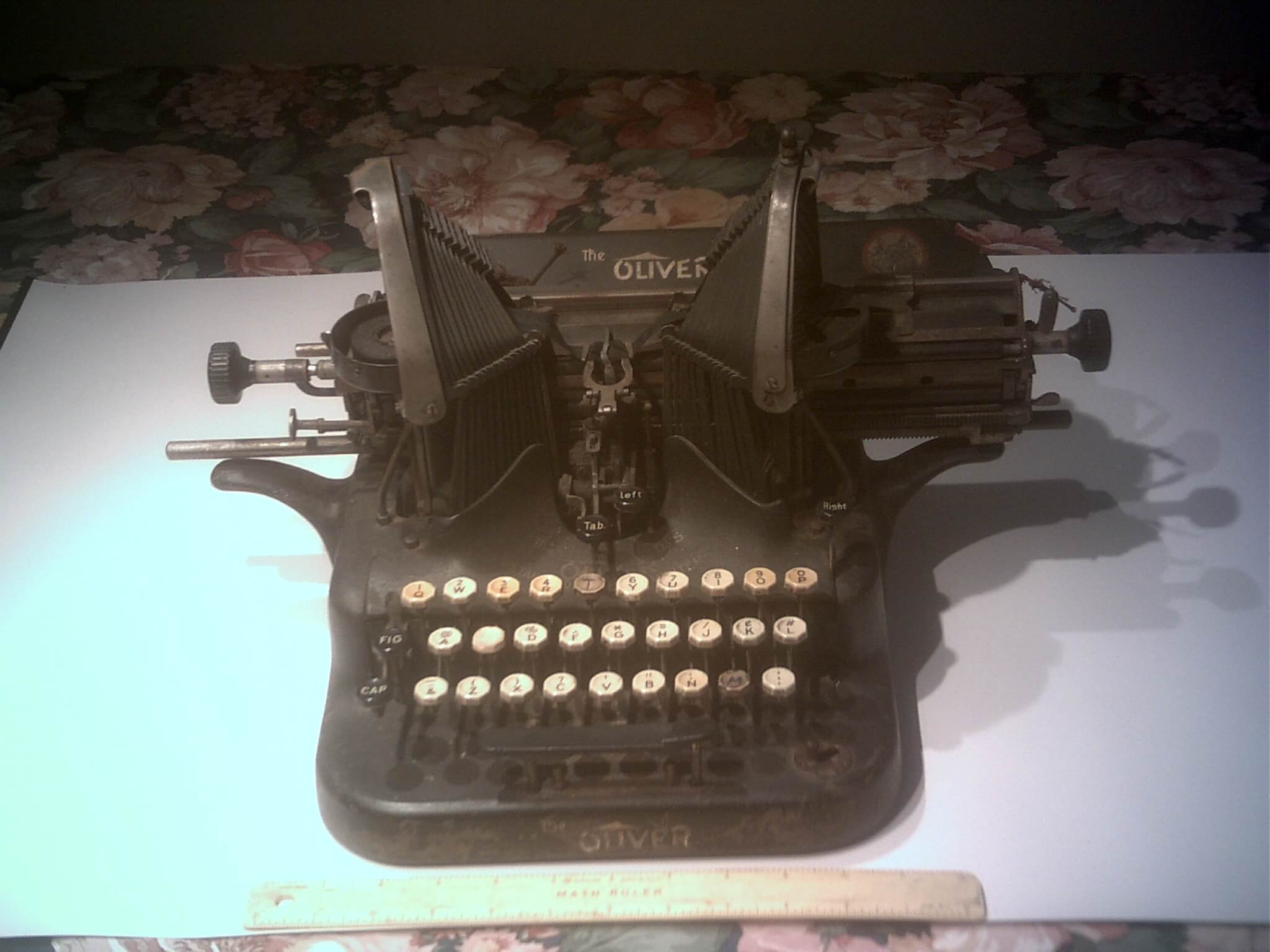
Introduced in the late nineteenth century, the Oliver typewriter used an unusual U-shaped typebar design that struck the paper from above, allowing the typed text to remain visible to the operator as they worked, a genuine improvement over earlier designs where the typing point was hidden. The distinctive mechanical appearance makes it one of the more visually recognizable antique typewriters even to non-specialists.
Because the design is so mechanically distinct from later standard typewriters, well-preserved examples appeal strongly to collectors focused specifically on early typewriter engineering history.
Blickensderfer Portable Typewriter
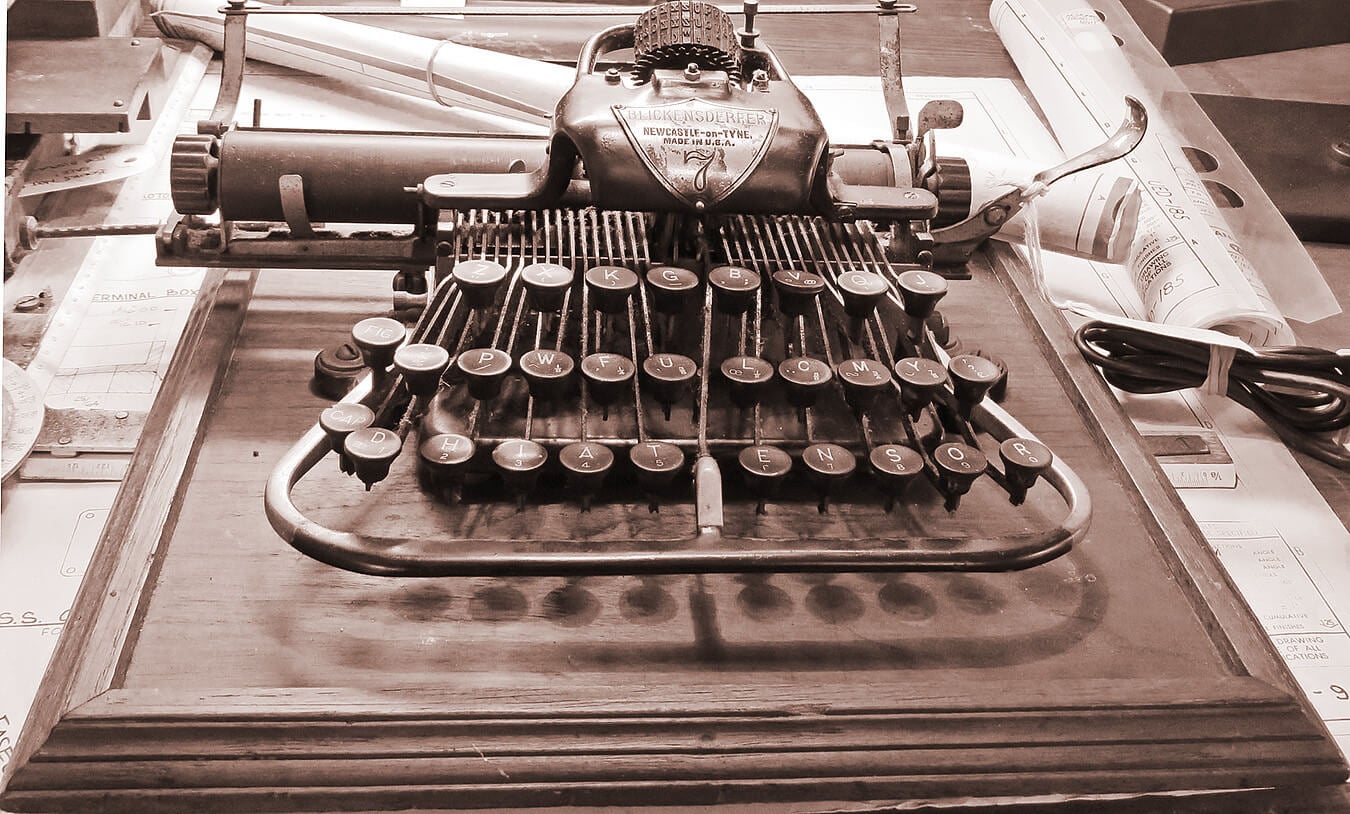
Introduced in the 1890s, the Blickensderfer was notably compact and lightweight for its era, using a cylindrical type element rather than individual typebars, a mechanical approach that anticipated design elements later seen in the IBM Selectric decades afterward. Its early adoption of a replaceable type element also allowed users to switch between different fonts, an unusual feature for the period.
Surviving examples in good working order are considerably scarcer than later, more common portable models from other manufacturers.
Burroughs Adding Machines
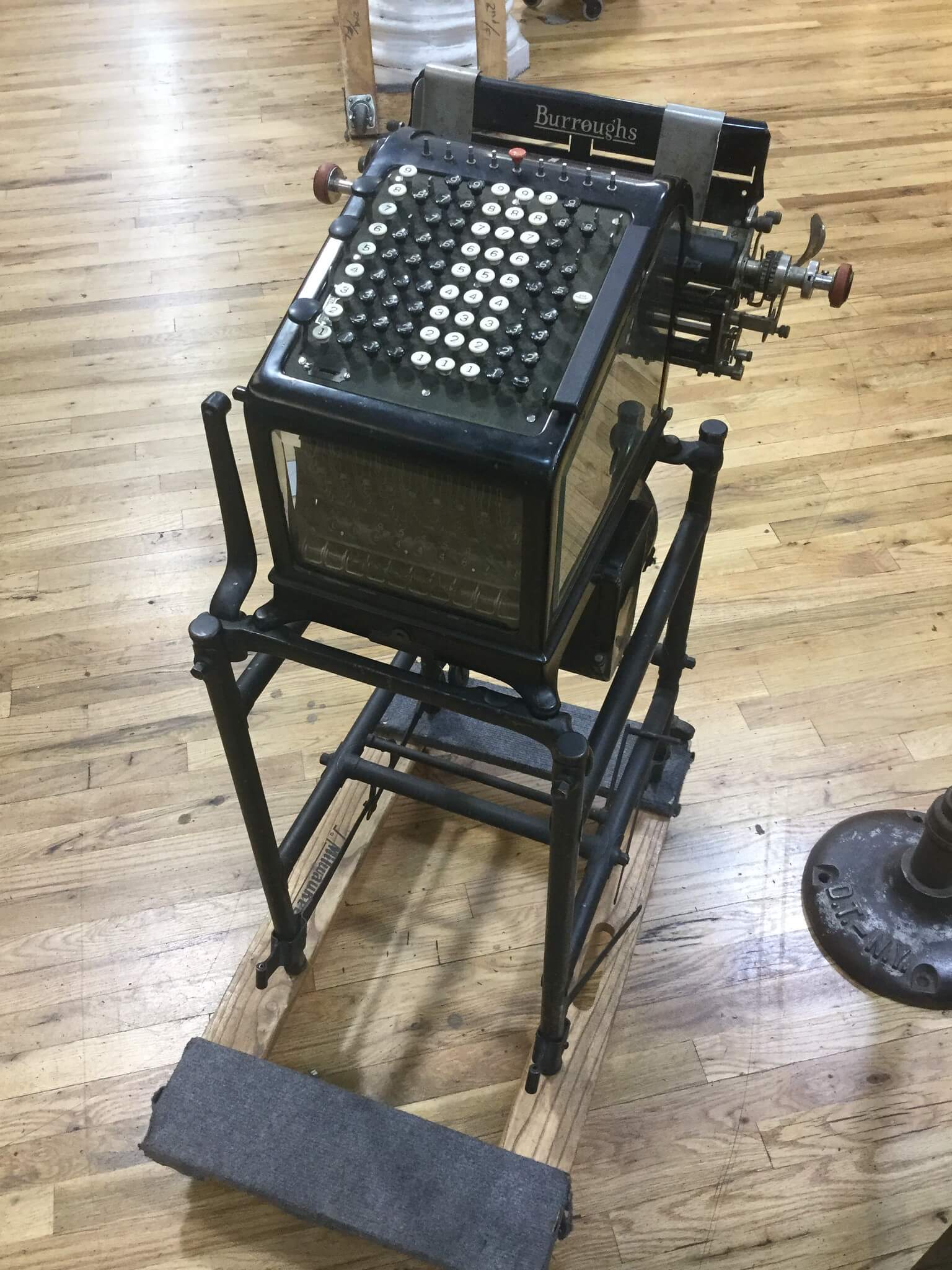
Burroughs, founded in the late nineteenth century, became one of the dominant manufacturers of mechanical adding machines used in offices, banks, and retail businesses well into the twentieth century. Ornate cast iron examples from the company’s earlier production years are generally more collectible than the plainer, more utilitarian models produced later.
A machine that still functions mechanically, with all its keys and printing mechanism intact, draws stronger interest than a purely decorative, non-working example.
Comptometer Mechanical Calculators
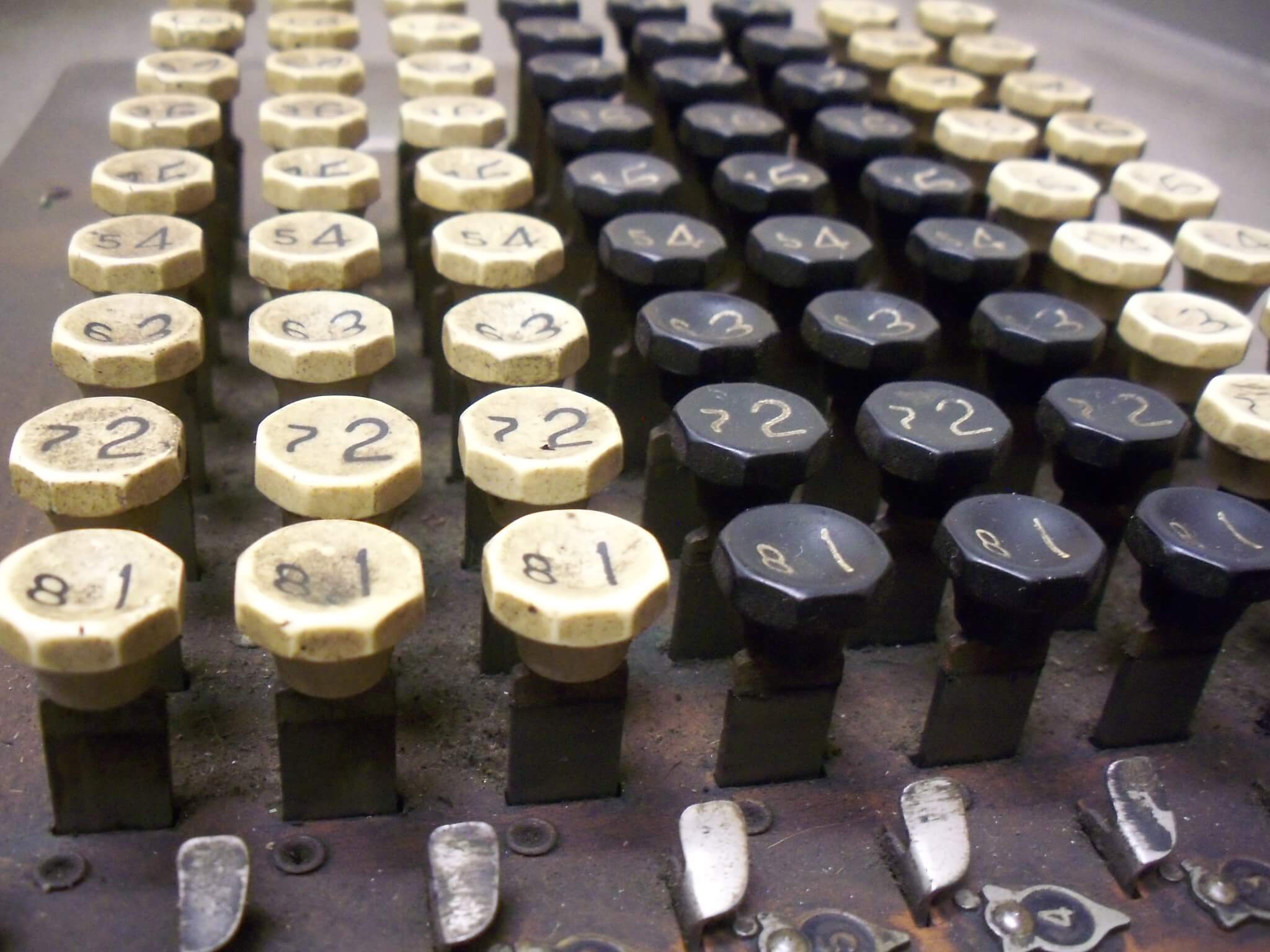
The Comptometer, first patented in the 1880s, was among the earliest commercially successful mechanical calculators and required trained operators who could input numbers directly through columns of keys without needing to look at the machine. Specialized training schools for Comptometer operators existed for decades, reflecting how central the machines once were to office bookkeeping work.
Well-preserved examples, particularly earlier models with ornate cast metal cases, are collected today primarily for their mechanical ingenuity.
Roll-Top Desks
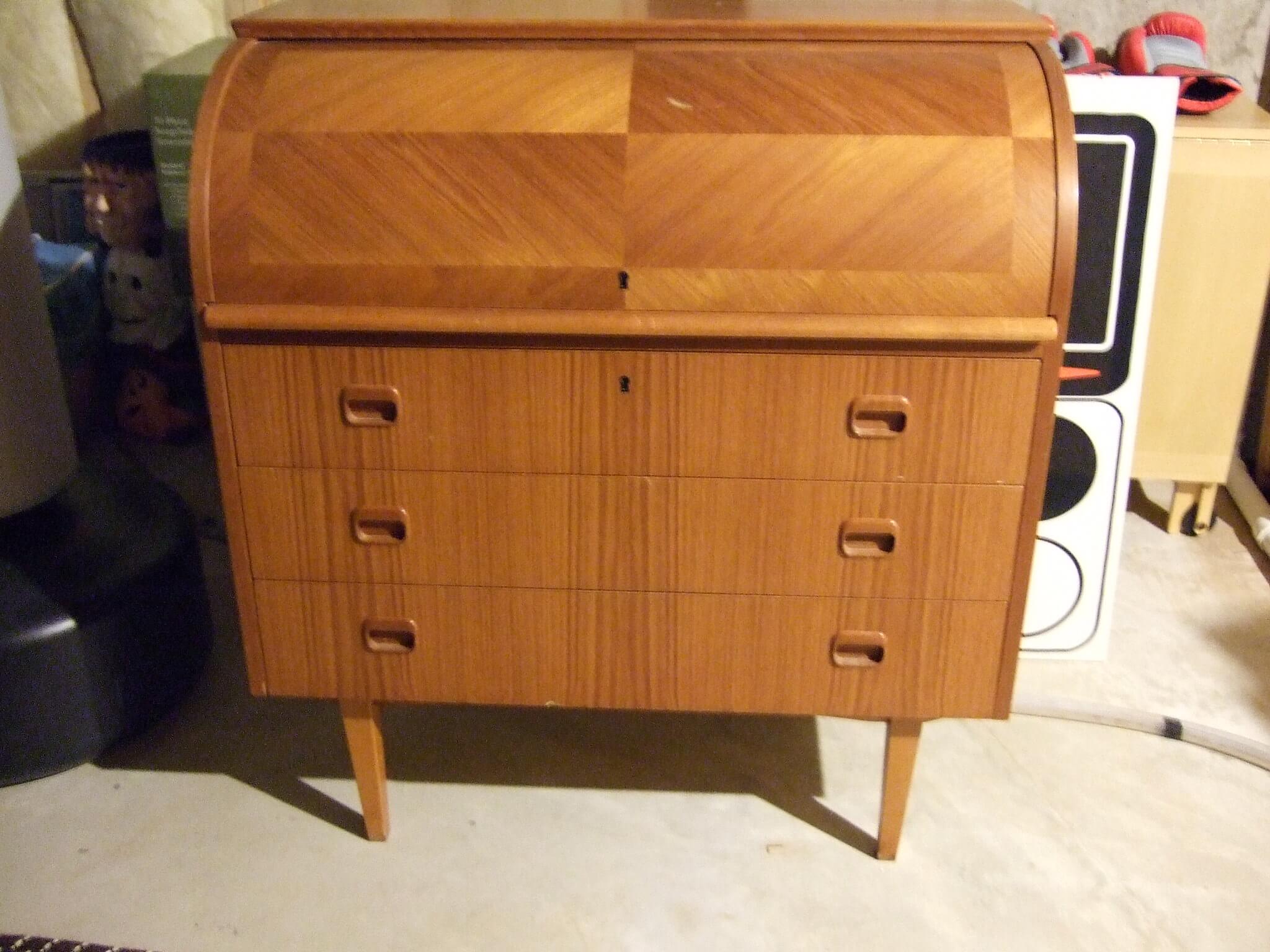
Roll-top desks, featuring a flexible tambour cover that slides down to conceal the work surface and its contents, were a dominant office furniture style from the late nineteenth century through the early twentieth century. Because the tambour mechanism relies on many individual wooden slats connected by canvas backing, a smoothly functioning roll-top significantly increases a desk’s value over one with a damaged or seized cover.
Solid oak examples with intact original hardware and pigeonhole compartments are particularly sought after by furniture collectors and dealers.
Emeralite Banker’s Desk Lamps
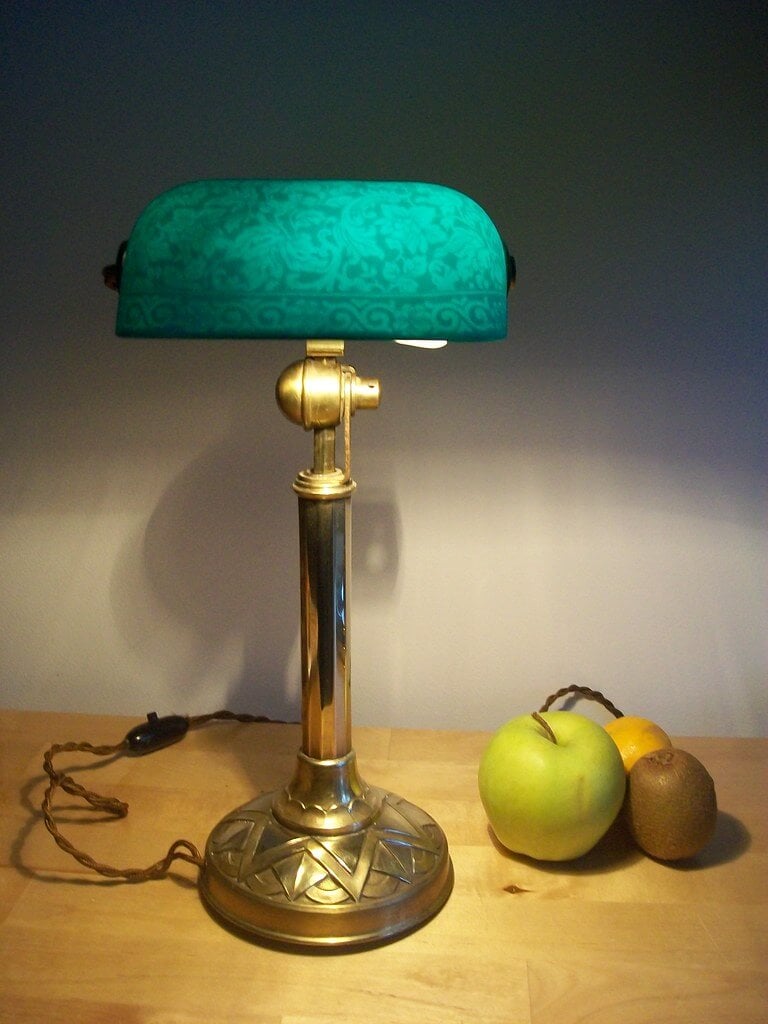
The green-glass-shaded banker’s lamp, most famously produced under the Emeralite brand beginning in the early twentieth century, became a fixture of libraries and offices and remains one of the most recognized desk lamp designs in American history. Original brass bases and undamaged green glass shades are essential to a lamp’s collector value, since the glass is prone to chipping and the base finish tarnishes unevenly with age.
The design has been reproduced so extensively that buyers seeking a genuine period original need to check maker’s marks carefully.
Antique Glass Inkwells
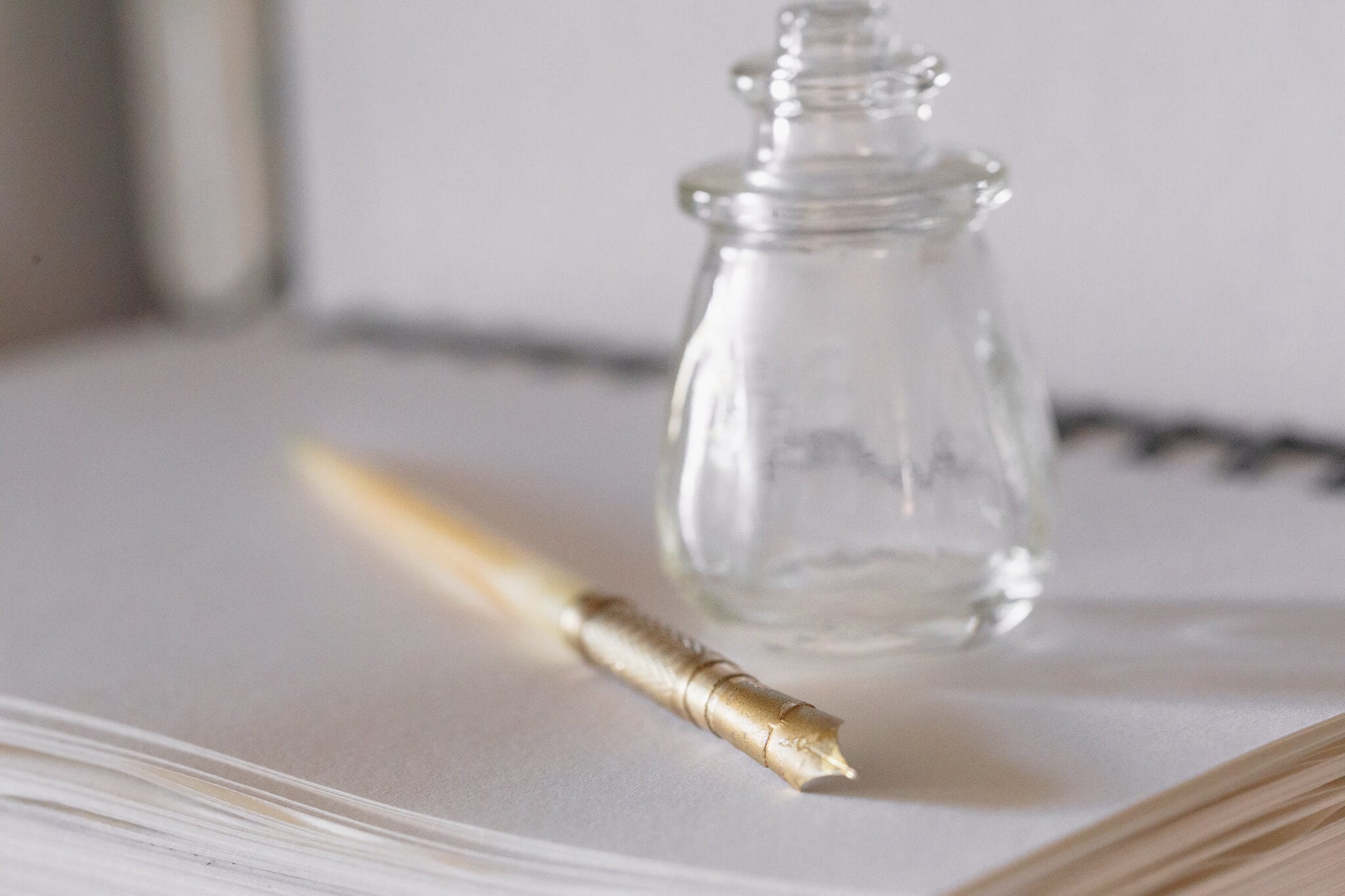
Cut and pressed glass inkwells, often paired with ornate metal lids and sometimes built into larger desk stands, were standard office and writing-desk equipment before fountain pens and later ballpoint pens made dipping ink largely unnecessary. Unusual colored glass and elaborate figural metal lids significantly increase an inkwell’s value over plain clear glass examples.
Because inkwells were often part of larger matched desk sets, a complete set with matching pen trays and blotters is worth considerably more than an inkwell sold alone.
Vintage Parker and Waterman Fountain Pens
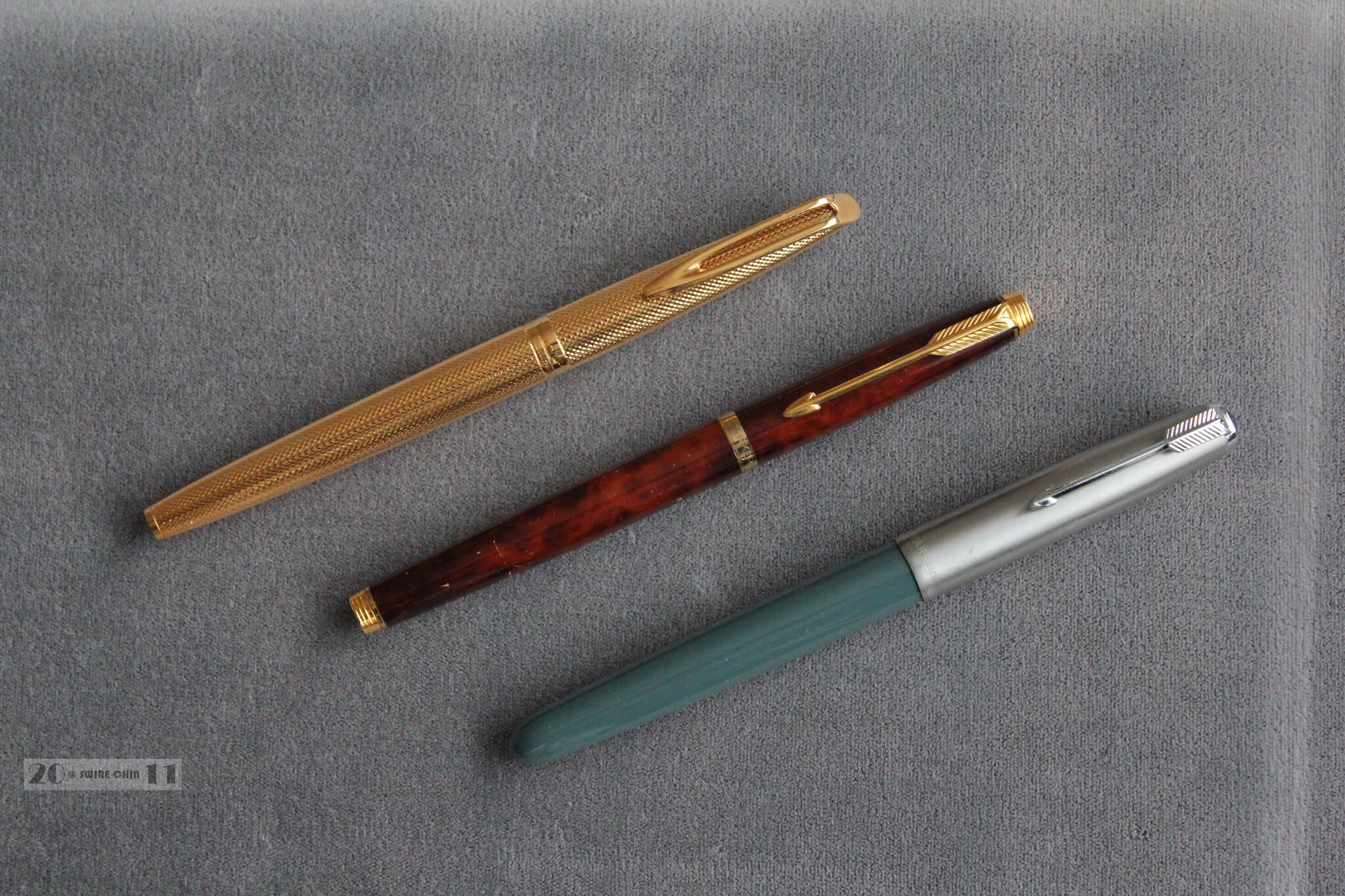
Parker and Waterman, two of the most established American fountain pen manufacturers of the twentieth century, produced pens ranging from everyday work models to elaborate limited editions in precious materials. Specific historic models, including Parker’s Duofold and Vacumatic lines, are particularly well documented and actively collected.
A pen’s nib condition and whether it still functions for actual writing use is often as important to value as the material of the barrel itself.
Wax Seal Stamps
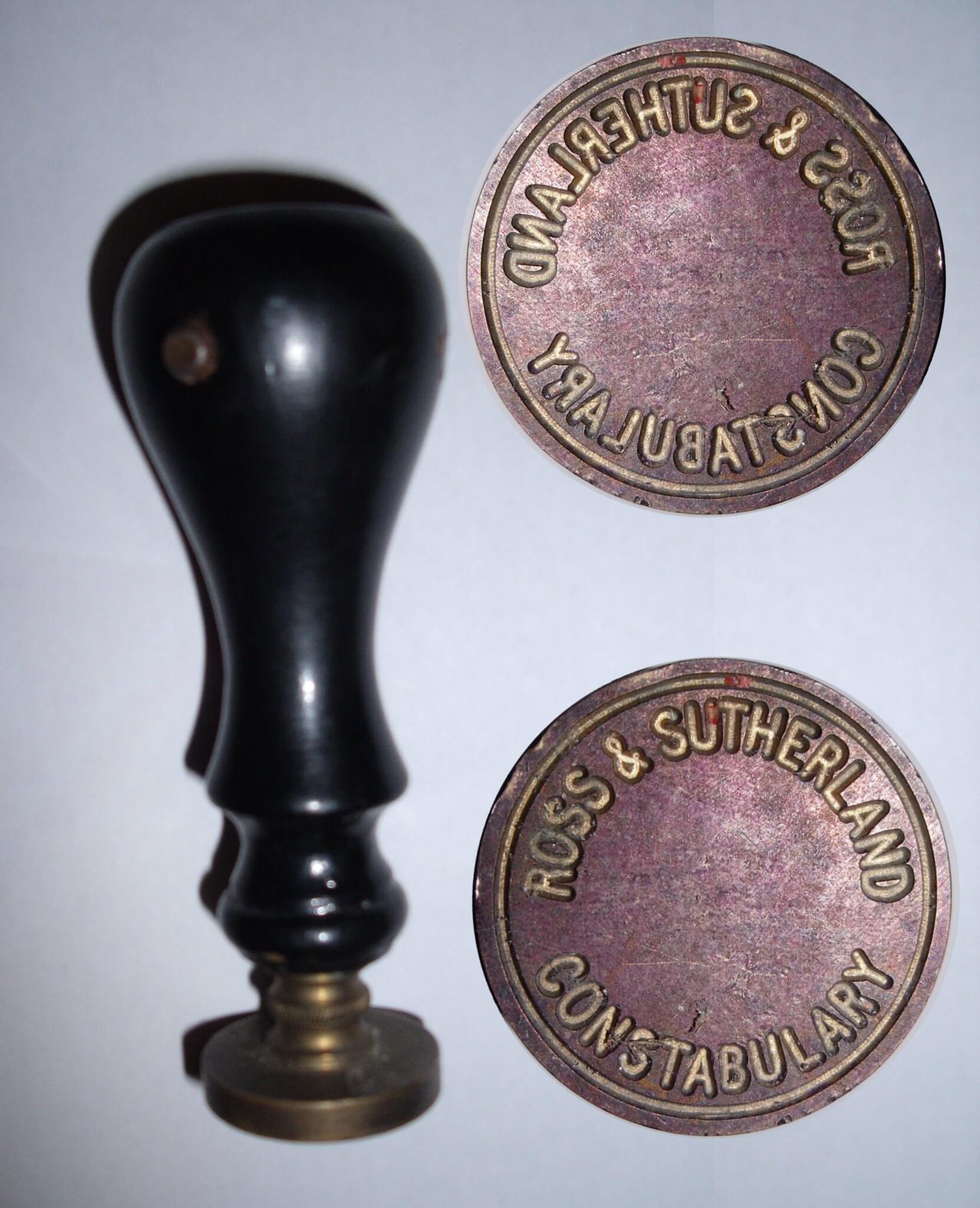
Personal and business wax seal stamps, used to press an identifying mark into melted wax to close and authenticate letters, were common office and correspondence tools well into the twentieth century in some professional contexts. Seals bearing an identifiable family crest, business logo, or initials tied to a documented individual carry more historical interest than generic decorative designs.
Because the metal seal face wears down with repeated use, sharp, well-defined detail in the impression increases a piece’s collector value.
Brass Postal Scales
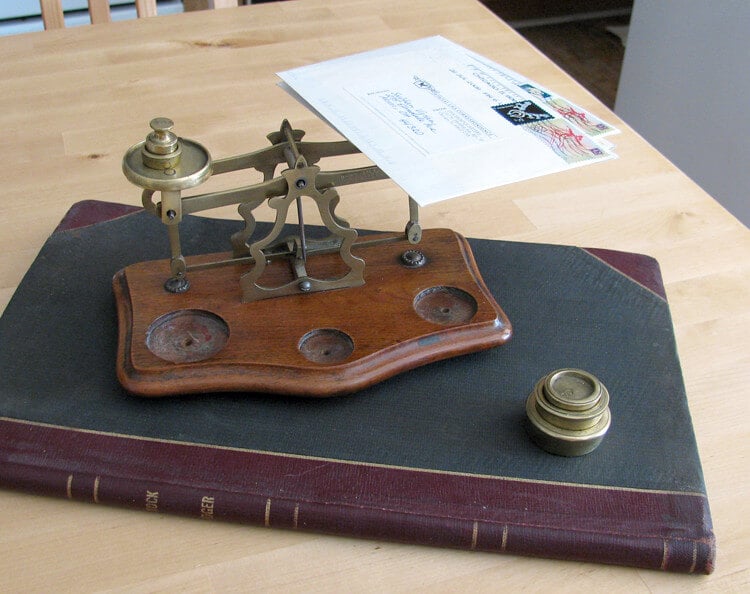
Brass postal scales, used in offices and post offices to weigh outgoing mail and calculate correct postage, were common desk fixtures through the late nineteenth and early twentieth centuries. Scales with an intact, legible weight-to-postage conversion chart, often printed directly on the balance arm, are more useful to collectors than scales missing that reference detail.
A working, accurately calibrated mechanism adds meaningfully to value for buyers who intend to display the scale as a functional piece rather than purely decorative object.
Check Protector Machines
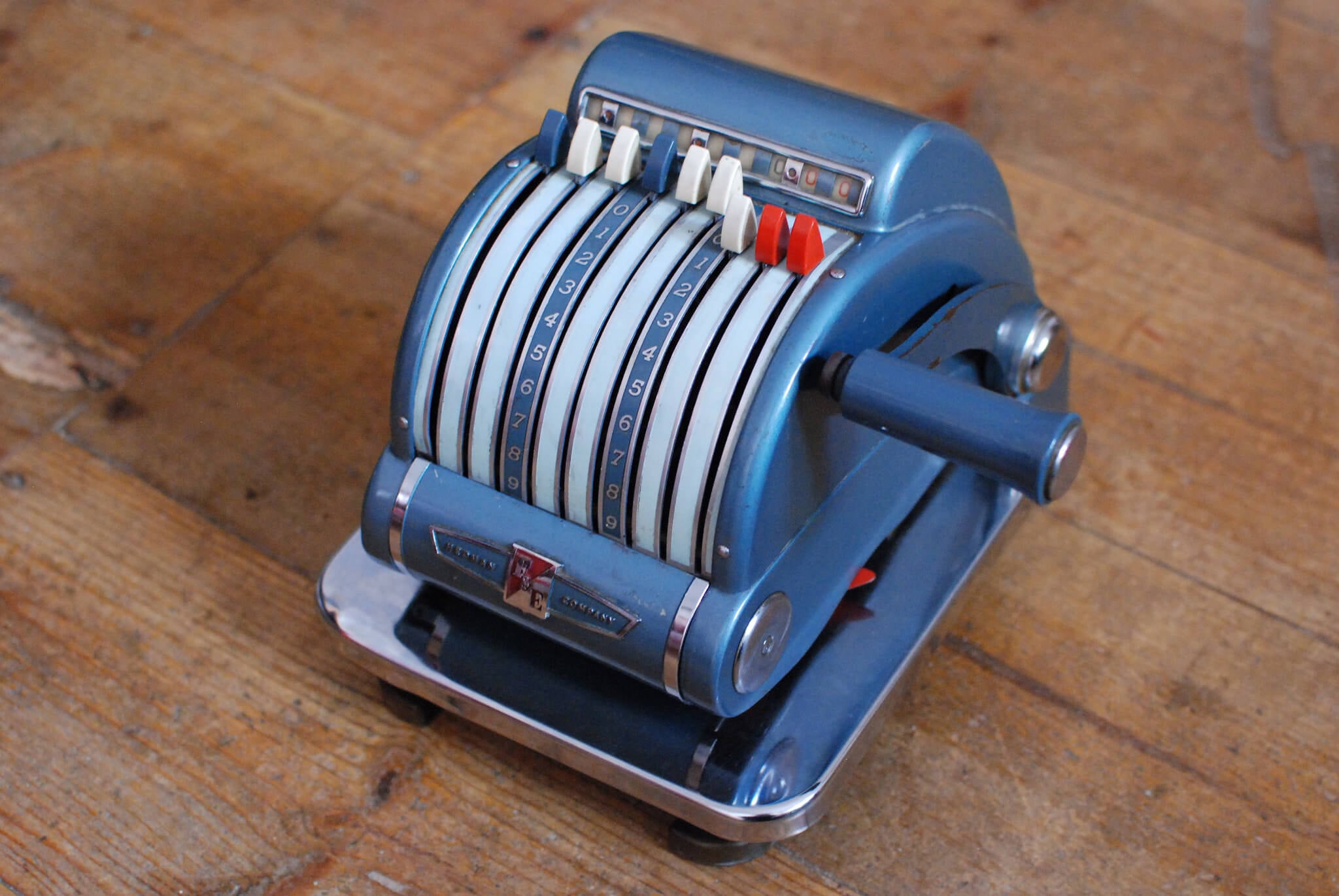
Check protector machines, which perforated or embossed the written amount on a check to prevent alteration or fraud, were standard equipment in business offices and banks through much of the twentieth century, with companies like Todd and Paymaster among the recognized manufacturers. Their mechanical complexity and heavy cast iron construction have helped many examples survive in reasonably good condition.
Collectors of business machine history value these both for their engineering and for what they reveal about the history of financial fraud prevention.
Dictaphone Recording Machines
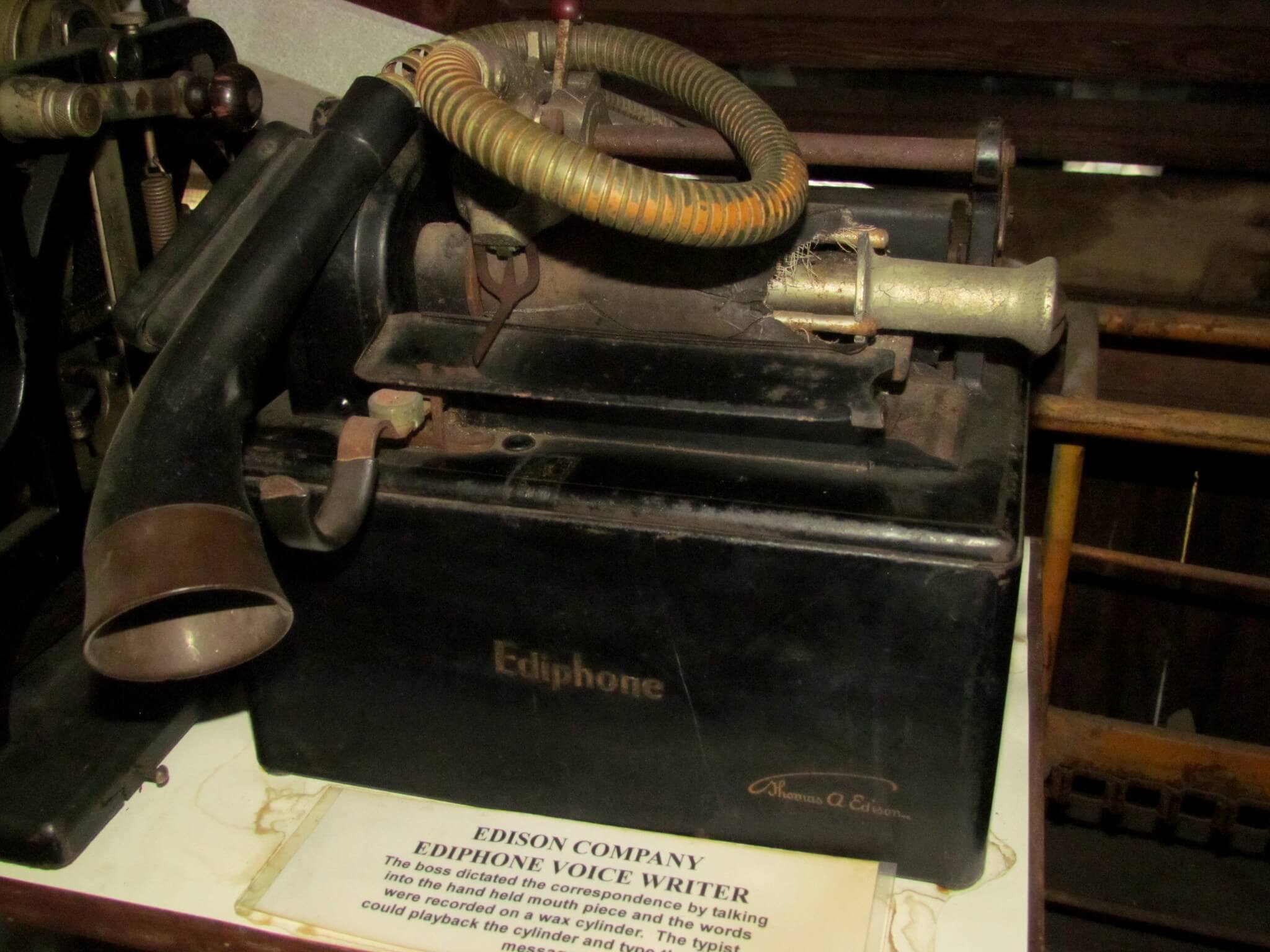
Dictaphone, whose name became a generic term for dictation recording machines generally, produced wax cylinder and later belt-based recording devices used by offices to capture spoken correspondence for later transcription by a typist. Early wax cylinder models are considerably scarcer than the later belt-based machines that replaced them in mid-century offices.
Complete examples with original recording media and a functioning playback mechanism are particularly desirable to collectors of early sound recording technology.
Mimeograph Machines
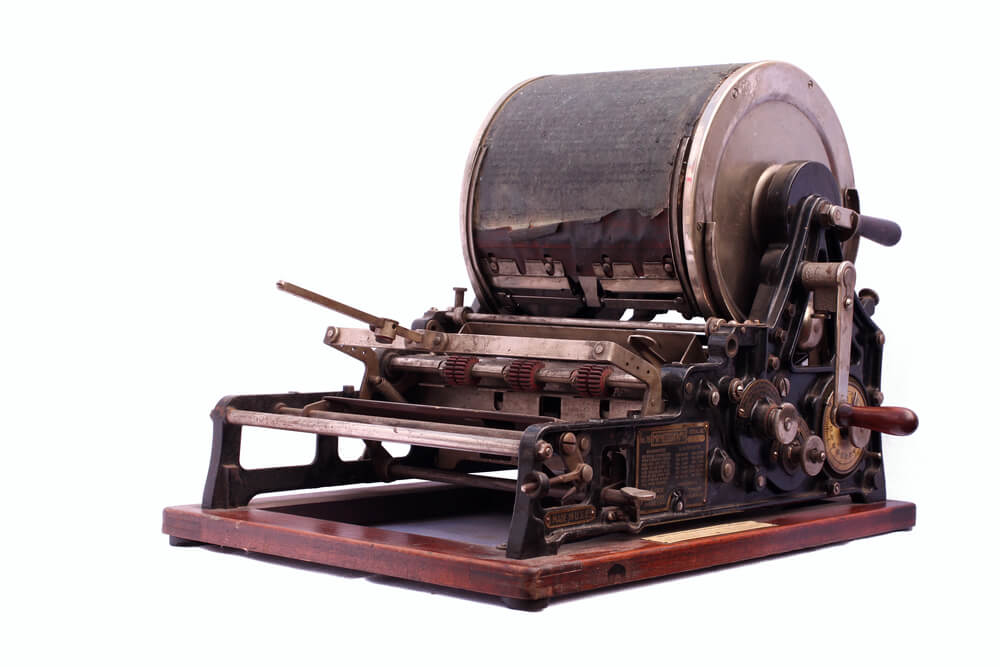
Mimeograph machines, which used a stencil and rotating drum to print multiple copies of a document without a printing press, were standard equipment in schools, churches, and small offices through much of the twentieth century before photocopiers became widely affordable. Surviving examples in working condition, complete with ink and stencil supplies, appeal both to office equipment collectors and to people interested in the specific printed texture the process produced.
Because mimeographs were considered disposable office equipment rather than valuable objects when new, well-preserved examples are less common than their once-widespread use might suggest.
Candlestick Telephones
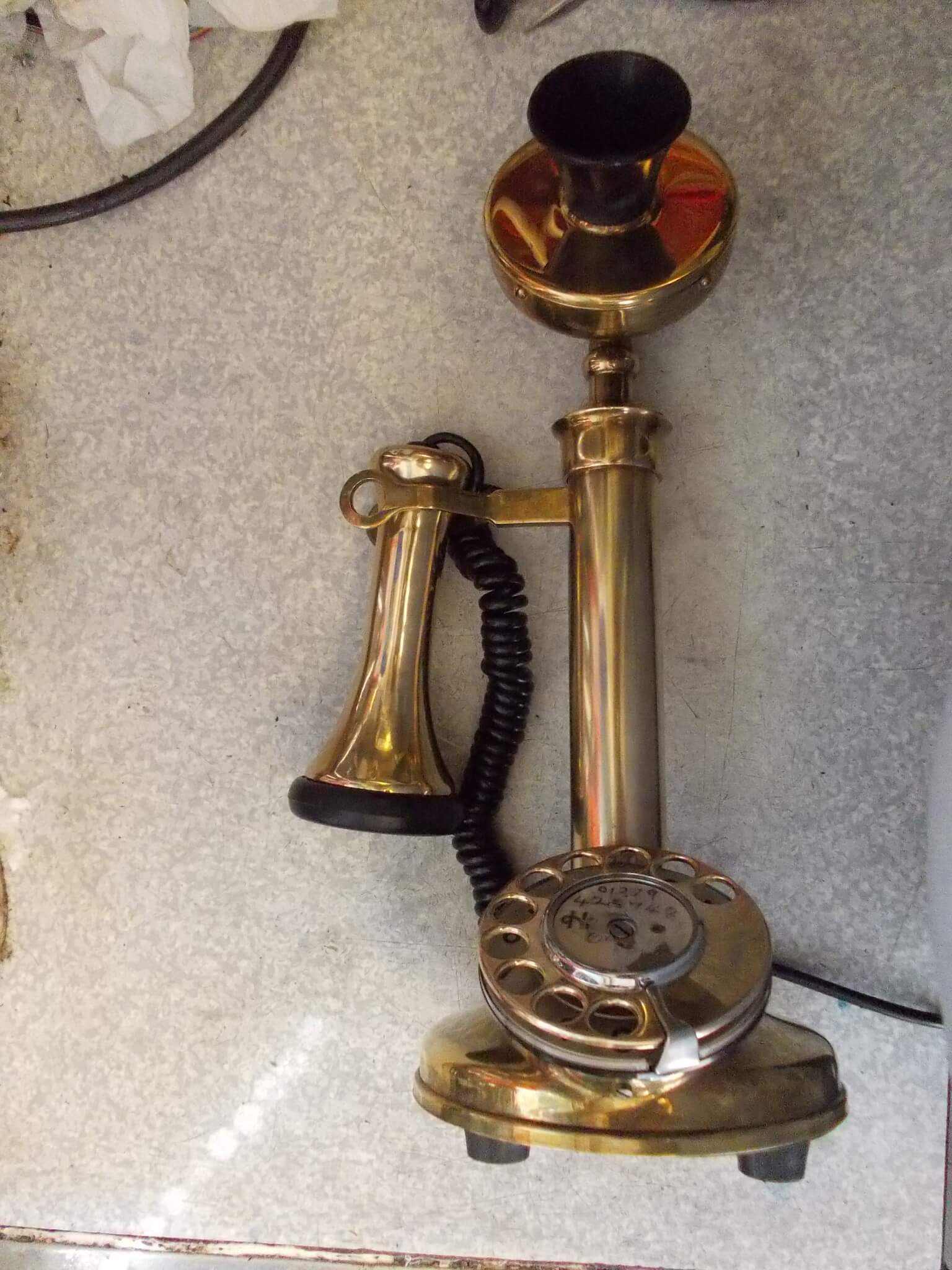
Upright candlestick telephones, with a separate mouthpiece and earpiece rather than a combined handset, were standard office and home equipment from the early twentieth century until rotary desk phones with combined handsets became the norm. Manufacturer, particularly examples produced by Western Electric, and the presence of correct period components affect value considerably.
Because candlestick phones have been widely reproduced as decorative items, buyers seeking a genuine antique need to check internal components and markings rather than relying on exterior appearance alone.
Cast Iron Paper Cutters
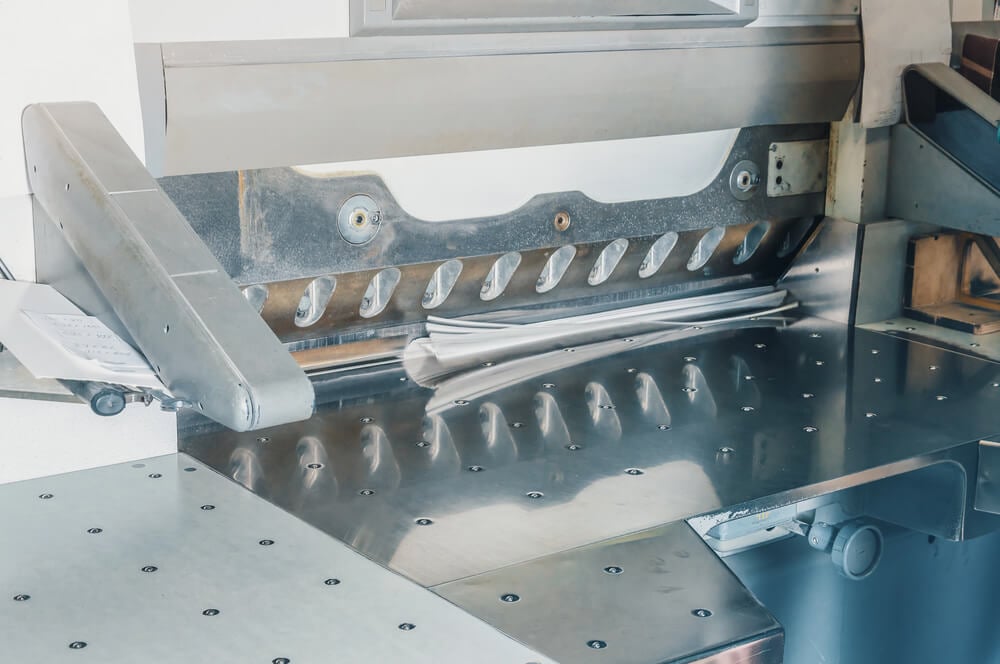
Heavy cast iron guillotine-style paper cutters, mounted on a wooden base with a hinged blade, were standard equipment in offices, print shops, and schools through the nineteenth and twentieth centuries. Ornately decorated cast iron examples from earlier production years are generally more collectible than the plainer, purely functional later models.
Because the blade itself can be genuinely sharp, buyers of working examples are advised to handle the mechanism carefully regardless of the item’s age.
Small Antique Office Safes
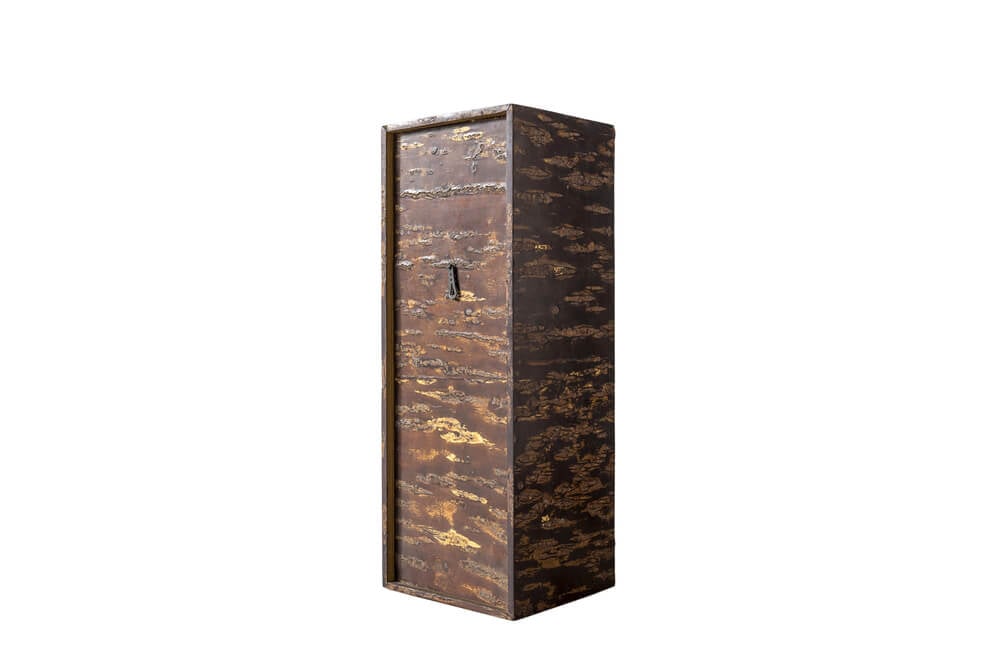
Compact cast iron office safes, used to secure cash and documents in small businesses through the nineteenth and early twentieth centuries, are collected both for their decorative painted or gilded exteriors and their mechanical locking hardware. Safes decorated with elaborate period advertising or ornamental scrollwork on the door generally command stronger prices than plainer utilitarian models.
A functioning combination or key lock mechanism, while not essential to collector value, adds appeal for buyers who intend to actually use the safe.
Bundy Time Clocks
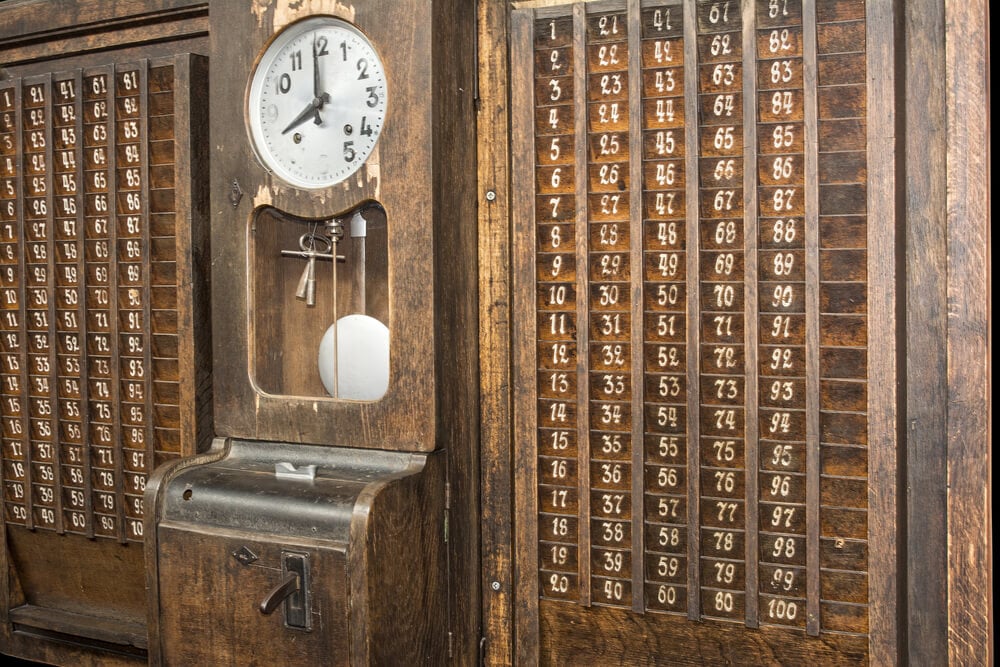
Bundy time clocks, among the earliest commercially successful employee time-stamping systems introduced in the late nineteenth century, mechanically recorded the exact time an employee’s card was inserted for clocking in and out of work. The company’s early role in the time clock industry, later absorbed into what became IBM, gives certain early Bundy models particular historical significance to collectors of business technology.
Surviving examples with original branding and a functioning stamping mechanism are considerably scarcer than later, more common punch clock designs from competing manufacturers.
Rolodex Card Files
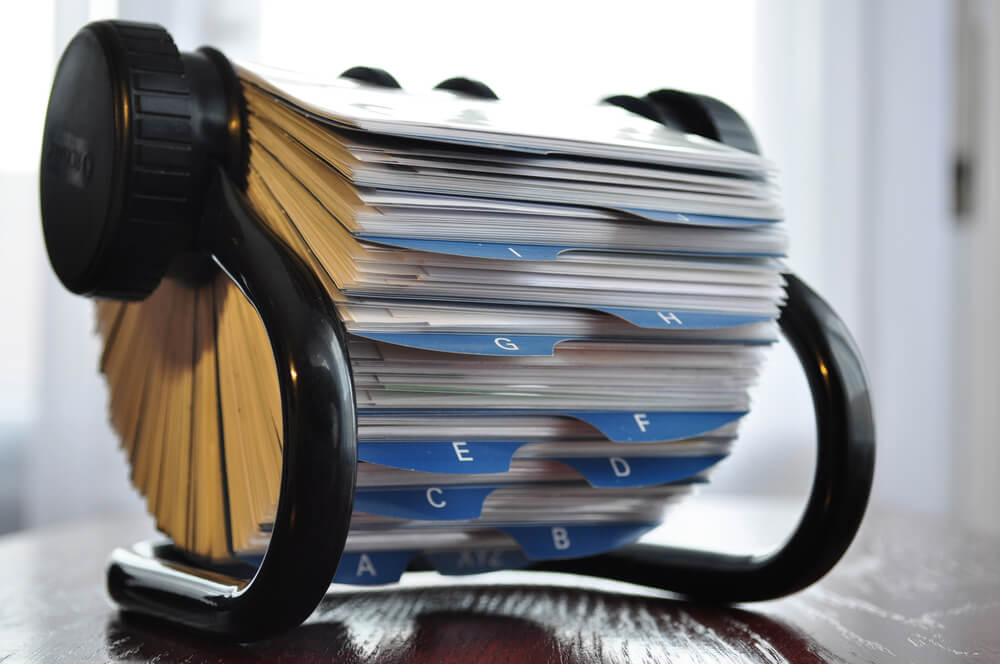
The Rolodex rotating card file, introduced in the 1950s and quickly becoming a near-universal desk fixture for storing business contacts before digital address books replaced it, is now collected largely for its association with a specific era of business culture. Larger, motorized executive versions from the mid-twentieth century are more collectible than the smaller manual desktop versions that remained common into the 1990s.
Complete sets with original blank or period-filled cards add a layer of historical texture that an empty file lacks.
Machines That Ran the World Before Screens Did
Every object on this list did real work for real decades, processing payroll, recording dictation, and cutting stacks of paper long before any of it moved onto a screen. That working history is part of the appeal: these are not decorative objects pretending to have a function, they are functional objects that happened to survive long enough to become decorative.
Buyers who collect this category seriously tend to value mechanical condition as highly as appearance, since a typewriter that still types or a time clock that still stamps carries a kind of legitimacy that a purely cosmetic restoration cannot fake. What looks like office clutter to one generation has, in enough cases now, become a genuinely researched field of collecting for the next.
More from Go2Tutors!

- The Romanov Crown Jewels and Their Tragic Fate
- 13 Historical Mysteries That Science Still Can’t Solve
- Famous Hoaxes That Fooled the World for Years
- 15 Child Stars with Tragic Adult Lives
- 16 Famous Jewelry Pieces in History
Like Go2Tutors’s content? Follow us on MSN.