Celebrity Endorsements That Transformed Product Sales
A famous face can change everything for a product. Sometimes the connection between celebrity and brand feels so natural that you forget one existed without the other.
Other times, the pairing seems random until the sales numbers come in. These partnerships have reshaped entire industries and turned struggling products into household names.
Michael Jordan and Nike’s Air Jordan
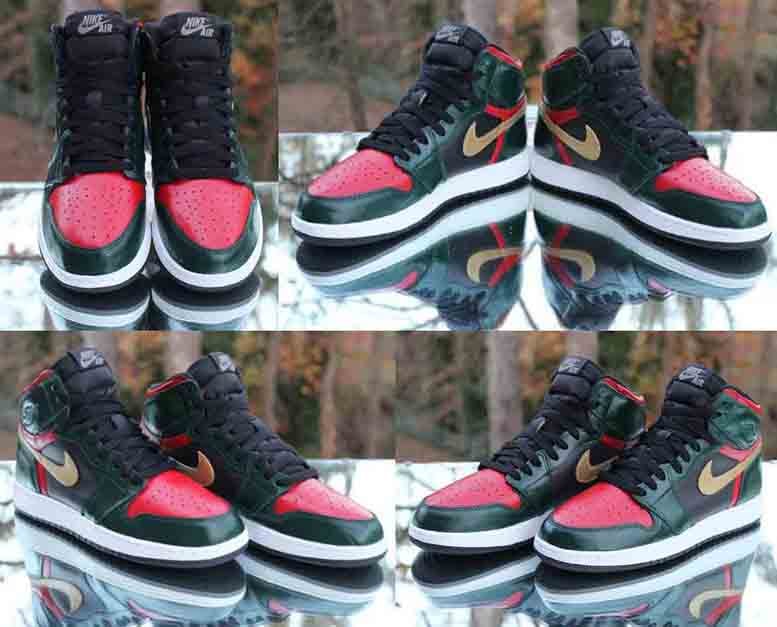
Nobody expected a basketball shoe to become a cultural phenomenon. Nike was struggling in the mid-1980s, losing ground to Reebok and Converse.
Then they signed a rookie named Michael Jordan for $500,000 a year—an absurd amount at the time for an unproven player. The Air Jordan 1 launched in 1985.
Nike projected $3 million in sales for the first year. They made $126 million. The shoe became more than athletic wear. It became fashion, status, identity.
People lined up for hours just to buy them, and that behavior hasn’t stopped nearly four decades later. Nike’s entire business model shifted because of this partnership.
The company went from near-bankruptcy to dominating the athletic shoe market. Today, the Jordan brand alone generates over $5 billion annually.
George Foreman and His Grill

Former heavyweight champion George Foreman wasn’t anyone’s first choice to sell kitchen appliances. The company originally wanted Hulk Hogan.
But Foreman’s agent called back first, and that timing changed everything. Foreman started promoting the grill in 1994.
His approach was simple—he just talked about how much he loved the product. No scripts, no fancy marketing speak.
Just a big guy who genuinely enjoyed cooking and eating showing you how to make a burger. The George Foreman Grill sold over 100 million units.
Foreman himself made more money from the grill than from his entire boxing career, including his fights and titles. In 1999, he sold his naming rights for $138 million.
The product succeeded because Foreman made it believable. You actually thought he used it.
Oprah and Weight Watchers
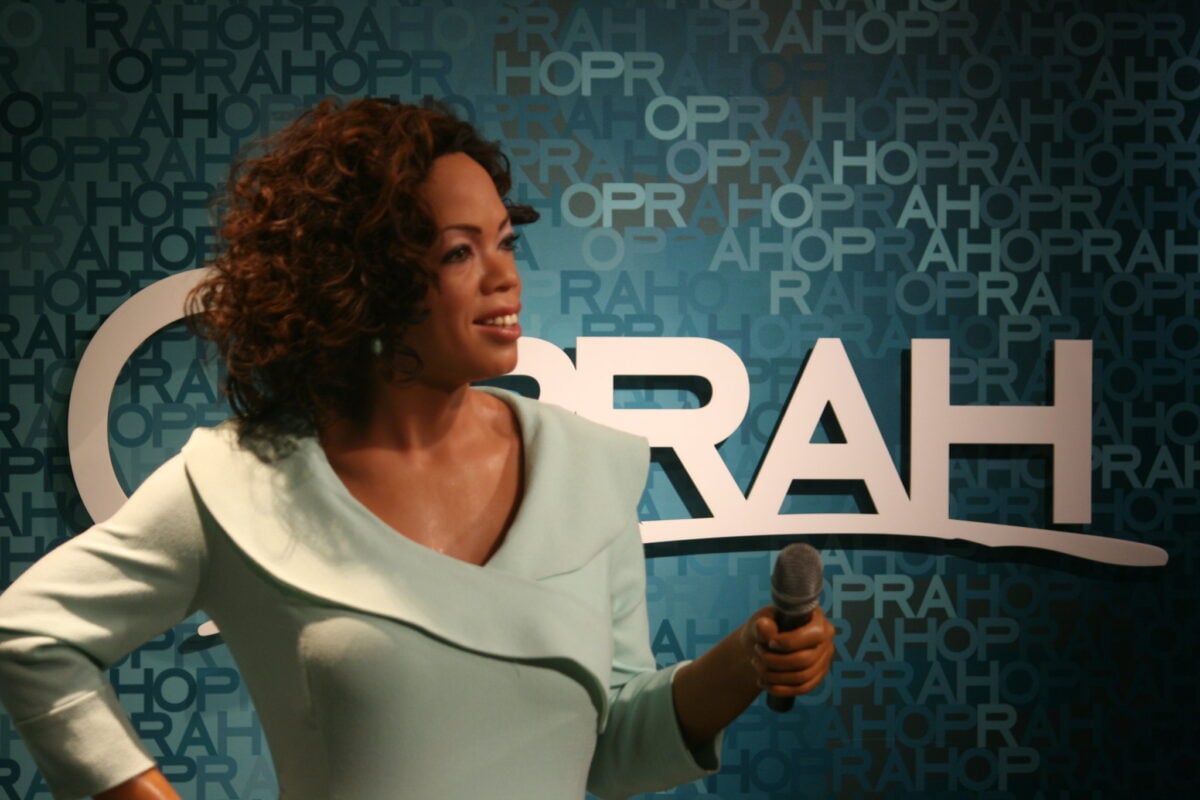
Weight Watchers was fading by 2015. The company’s stock had dropped from $80 to $6.79 per share.
Younger consumers didn’t see the brand as relevant anymore. Apps and Instagram influencers were taking over the weight loss space.
Then Oprah bought a 10% stake and joined the board. Her first commercial aired in January 2016.
She looked directly into the camera and said, “I love bread.” That honesty, that relatability—it worked.
The stock jumped 20% in one day.Within three years, Weight Watchers gained four million new subscribers.
The stock price hit $100 per share in 2018. Oprah’s investment turned from $43 million to over $400 million.
She didn’t just endorse the product. She became part of the journey with her audience.
Jennifer Aniston and Smartwater
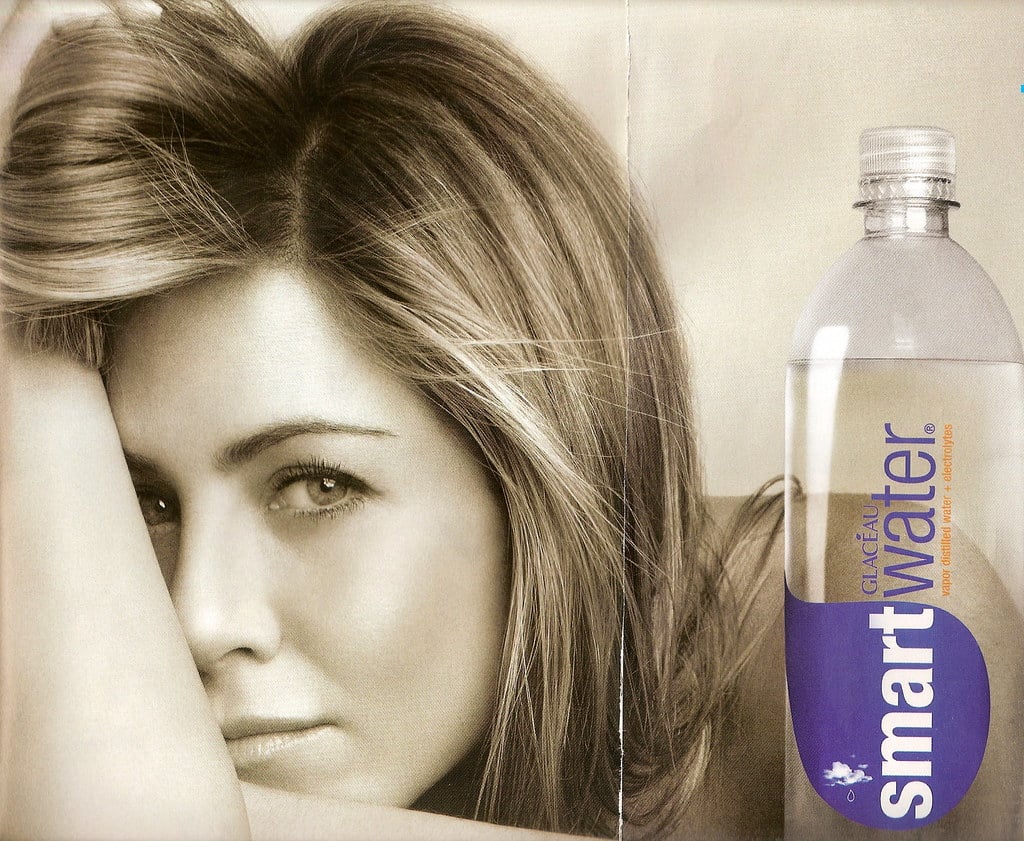
Smartwater was just another bottled water brand before Glacéau signed Aniston in 2007. The timing was smart—right after “The Break-Up” when everyone was watching what she did next.
The ads played up Aniston’s image perfectly. Sophisticated but approachable. Healthy but not preachy.
The campaign showed her in everyday moments, making the product feel like a natural choice rather than a sales pitch. Coca-Cola bought Glacéau for $4.1 billion in 2007, partly because of how well the celebrity partnerships were working.
Smartwater became one of the top premium bottled water brands in America. Aniston stayed with the brand for over a decade, appearing in dozens of campaigns that kept the product relevant across changing markets.
David Beckham and H&M

H&M needed something to compete with higher-end brands. Beckham needed to prove he was more than just a footballer.
The partnership launched his bodywear line in 2012, and suddenly H&M wasn’t just fast fashion anymore. Beckham’s first collection sold out in hours. Stores couldn’t keep the underwear on shelves.
The campaign images—Beckham in various states of undress—went viral before viral was even the standard measure of success.
H&M’s bodywear sales increased by double digits every quarter after the launch. The partnership lasted six years and expanded into swimwear and sportswear.
Beckham’s involvement gave H&M credibility in menswear they’d never had before. The collaboration proved that the right celebrity could take a budget brand upmarket without alienating existing customers.
Ryan Reynolds and Aviation Gin

Reynolds didn’t just endorse Aviation Gin. He bought an ownership stake in 2018 and became the creative director.
His marketing approach was different from anything the spirits industry had seen—self-deprecating, funny, genuinely entertaining.
The ads felt like Reynolds was making fun of celebrity endorsements while doing one. He’d post videos that looked homemade, mock traditional liquor advertising, and generally treat the whole thing like a joke that everyone was in on.
Aviation Gin’s sales grew 100% year-over-year after Reynolds got involved. In 2020, Diageo bought the brand for $610 million.
Reynolds made an estimated $122 million from the sale. The success came from Reynolds understanding that modern consumers see through traditional advertising.
He gave them something honest instead.
Paul Newman and Newman’s Own

Newman started his food company in 1982 almost as a lark. He and his friend made salad dressing in the basement and bottled it for holiday gifts.
People liked it. Newman figured they could sell it and give the profits to charity.
This wasn’t traditional celebrity endorsement. Newman owned the company, appeared on every bottle, and gave away 100% of after-tax profits.
No other celebrity was doing anything like it. Newman’s Own has now donated over $600 million to charity.
The brand expanded from salad dressing to pasta sauce, popcorn, lemonade, cookies, and more. Newman died in 2008, but his face is still on every product.
The company continues to operate on his original principle—all profits to charity. It remains one of the most successful celebrity food brands ever created.
Kylie Jenner and Kylie Cosmetics

Jenner launched Kylie Cosmetics in 2015 with a $29 lip kit. She promoted it entirely through social media to her massive following.
The first batch of 15,000 kits sold out in one minute. The business model was simple—manufacture small batches, create scarcity, launch new products constantly, and document everything on social media.
Jenner didn’t need traditional advertising. She had direct access to millions of potential customers through Instagram and Snapchat.
Forbes estimated Kylie Cosmetics hit $420 million in sales after 18 months. In 2019, Jenner sold 51% of the company to Coty for $600 million.
The deal valued her three-year-old company at $1.2 billion. She was 21 years old.
The success showed how social media had fundamentally changed celebrity endorsements. You didn’t need commercials or print ads anymore.
You just needed followers and authenticity.
Matthew McConaughey and Lincoln

Lincoln was considered an old person’s car. Sales were declining.
The brand needed to appeal to younger buyers without alienating their existing customer base. McConaughey’s 2014 campaign was bizarre.
He drove through Texas, talked philosophically about life, and barely mentioned the car’s features. People made fun of the ads.
Jim Carrey parodied them on Saturday Night Live. Everyone was talking about Lincoln.
Sales increased 25% the month after the first commercial aired. The campaign continued for three years.
Lincoln’s brand perception scores among younger consumers improved significantly. McConaughey made the car feel aspirational again.
Sometimes being weird works better than being safe.
Beyoncé and Pepsi

Pepsi signed Beyoncé to a $50 million deal in 2012. The partnership went beyond traditional ads—Pepsi funded her creative projects, she appeared in their campaigns, and they collaborated on new products.
Her Super Bowl halftime show in 2013 was sponsored by Pepsi. The performance became one of the most watched in history.
Pepsi’s social media engagement exploded. The brand suddenly felt current again in a way it hadn’t in years.
The partnership introduced limited edition cans with Beyoncé’s image and created the “Live for Now” campaign that tied directly to her music releases. Pepsi’s brand value increased, and they gained ground on Coca-Cola during the partnership years.
Beyoncé’s involvement made Pepsi feel like part of pop culture rather than just another soda company.
Ashton Kutcher and Lenovo

Kutcher became Lenovo’s product engineer in 2013—not just a spokesman, but someone actually involved in tablet design. The tech industry was skeptical.
An actor designing tablets? But Kutcher had proven his tech credibility through investments in Uber, Airbnb, and Spotify. The Yoga tablet launched with Kutcher’s input on design and features.
Lenovo’s brand awareness in the US increased by 80% within a year. The company’s tablet sales grew, and they became more competitive with Apple and Samsung in the consumer market.
Kutcher brought legitimacy to Lenovo at a time when Chinese tech companies were trying to break into Western markets. His involvement signaled that Lenovo wasn’t just a budget option. They were serious about design and innovation.
The partnership worked because Kutcher had actual credibility in the tech space beyond his fame.
Audrey Hepburn and Givenchy

This bond kicked off in 1953 after Hepburn wanted outfits for “Sabrina.” The clothes came from designer Hubert de Givenchy, who then clothed her on set – this sparked a four-decade-long personal connection along with teamwork on projects.
Hepburn only chose Givenchy – while acting, during public appearances, even off-duty. No money changed hands. She genuinely liked the outfits and trusted the creator.
That realness came through. In ‘Breakfast at Tiffany’s,’ her little black dress wasn’t just a look. It became a lasting symbol shaping trends now.
Givenchy rose to fame as a top fashion label thanks to that link. Hepburn’s grace tied closely to the name, almost like they were one. To this day, years since either was active, the brand brings her up in ads.
Not many star-label bonds have stuck around so long or made such an impact.
Tiger Woods and Gatorade

Gatorade dropped the Tiger Focus drink back in 2008, going all-in on Woods to push their name wider. Instead of simply backing a product, he actually fronted his very own range – his mug stamped on each bottle.
Next up: the 2009 mess. His private world blew apart – right in front of everyone. Pretty much any company would’ve backed off on the spot.
But Gatorade went further – they axed every Tiger product fast. One by one, his partners dropped him.
When news hit, Nike’s shares tanked hard, around $1.7 million a day gone. This deal wasn’t important because it worked – but because it showed how shaky star ads really are.
Sure, they boost brands sometimes – yet just as fast, they can wreck them. When Woods crashed, Gatorade’s cash burned right along – and it became clear betting everything on a single famous face is playing with fire.
When Star Power Meets Product

The link between a celebrity and their product? Always risky. Faking authenticity doesn’t work – people spot it fast.
It’s not fame that lifts a promo, but genuine belief. Take George Foreman grilling like he truly enjoys it.
Or Oprah using Weight Watchers because she chooses to. Even Paul Newman donating every penny to charity felt real. People pick up on sincerity.
That truthful energy earns trust in the name – which sells more than flashy ads ever might.
More from Go2Tutors!

- The Romanov Crown Jewels and Their Tragic Fate
- 13 Historical Mysteries That Science Still Can’t Solve
- Famous Hoaxes That Fooled the World for Years
- 15 Child Stars with Tragic Adult Lives
- 16 Famous Jewelry Pieces in History
Like Go2Tutors’s content? Follow us on MSN.