29 Bedroom Posters That Defined a Generation
A bedroom wall covered in posters was a form of self-declaration long before social media profiles existed for the same purpose. Tape marks, thumbtack marks, and slightly curled corners accumulated over years as one poster came down and another went up, tracking a person’s changing taste in real time.
The specific posters below were not chosen for their artistic merit alone. They earned their place because entire generations of teenagers independently reached for the same handful of images to define their own space.
The Farrah Fawcett Red Swimsuit Poster

Released in 1976, the poster of actress Farrah Fawcett in a red one-piece swimsuit became one of the best-selling posters in American history, reportedly moving millions of copies within just a few years of its release. It appeared on bedroom walls across the country regardless of whether the household owned a television tuned to the show that made her famous.
The poster’s specific pose and lighting became instantly recognizable enough that it has been referenced and parodied for decades since.
Rock Band Tour Posters
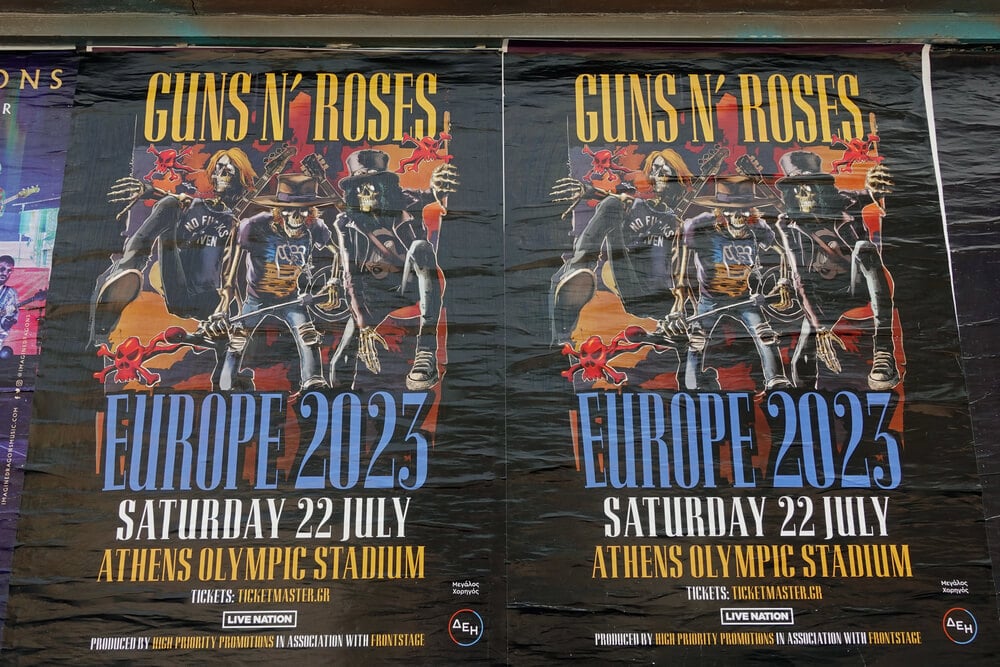
Posters advertising a specific concert tour, often obtained by tearing one down from a telephone pole or ordering directly through a music magazine, became a common way for teenagers to display loyalty to a favorite band while also marking a specific, real event they had attended or wished they had. These posters typically listed full tour dates and cities down one side, giving them a documentary quality beyond pure decoration.
Surviving originals from certain iconic tours have since become genuinely valuable collector’s items decades later.
Muscle Car Posters
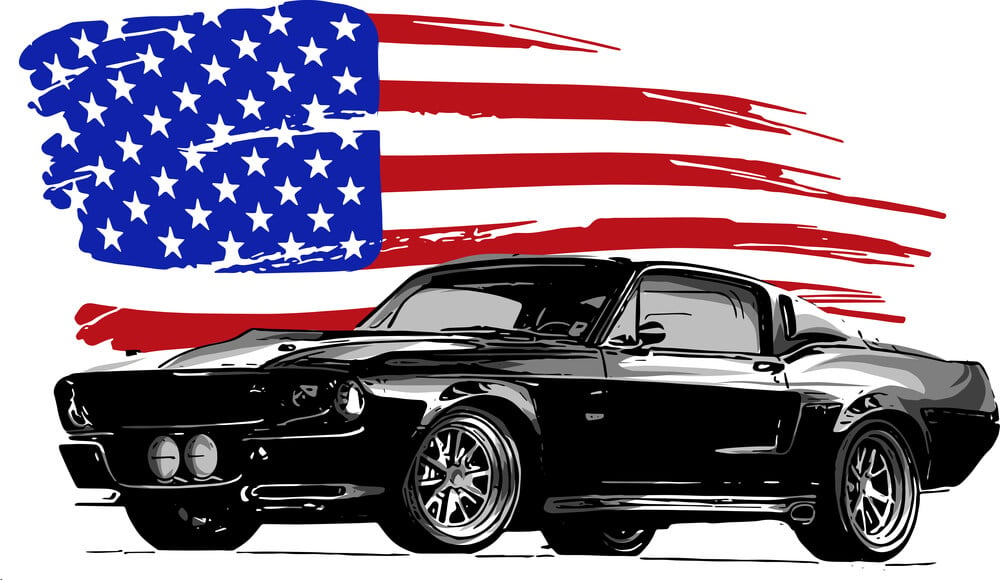
Posters featuring a specific make and model of American muscle car, often shot at a dramatic angle against a plain background, were a common fixture in teenage boys’ bedrooms throughout the 1970s and 1980s, frequently obtained free from an auto parts store or ordered through a car magazine. The posters functioned as a form of aspirational ownership long before the poster’s owner was anywhere close to affording the actual vehicle.
Specific models featured on these posters often became lifelong favorites for people who never owned that exact car.
Solar System and Space Exploration Posters

Educational posters depicting the solar system, a specific NASA mission, or a dramatic illustration of a spacecraft became common in the bedrooms of children fascinated by space exploration, often distributed through school science programs or ordered from the back pages of a children’s magazine. These posters frequently glowed faintly in low light if printed with phosphorescent ink, a detail that made them a favorite specifically for a child’s ceiling rather than a wall.
Renewed public interest in space exploration during specific eras tended to produce visible spikes in how many of these posters appeared in classrooms and bedrooms simultaneously.
Wrestling Superstar Posters
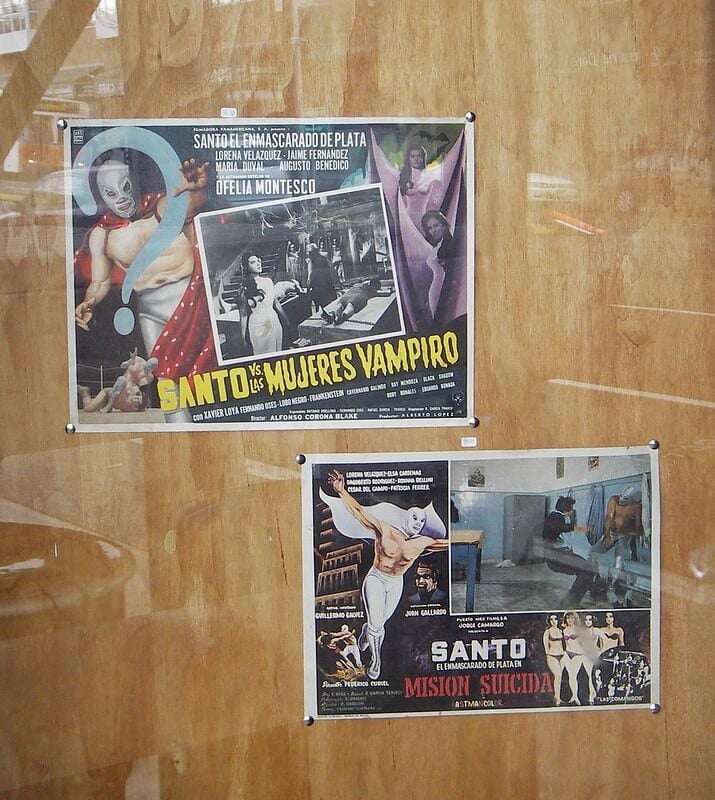
Professional wrestling posters, typically featuring a dramatically posed performer in full costume, became a fixture in many young fans’ bedrooms during periods of peak mainstream wrestling popularity, often included as a fold-out insert in wrestling magazines rather than purchased separately. The posters captured performers at the height of a specific storyline or championship reign, giving them a time-stamped quality tied to a fan’s specific era of following the sport.
Trading or comparing these fold-out posters with friends was a common activity independent of actually watching the matches themselves.
Anatomical and Skeleton Posters

Educational posters showing a labeled human skeleton or muscular system, distributed widely to schools and often available for purchase separately, occasionally ended up on the bedroom walls of children with a specific interest in science or medicine rather than purely as decoration. These posters were durable and inexpensive, making them among the most commonly reused classroom materials handed down between teachers over many years.
A child’s early ambition toward a career in medicine was sometimes traceable directly back to a specific poster hung in a childhood bedroom.
Skateboarding and Extreme Sports Posters

Posters featuring a professional skateboarder mid-trick, often shot from a dramatic low angle to emphasize the height of a jump, became common in bedrooms of teenagers invested in skate culture, frequently obtained as a magazine insert or purchased directly from a skate shop. These posters often doubled as informal instructional references, since a beginner might study the exact body position captured in a specific trick photograph.
The rise of extreme sports competitions on television through the 1990s directly coincided with a noticeable increase in how many of these posters appeared in bedrooms nationally.
Boy Band and Pop Idol Collages
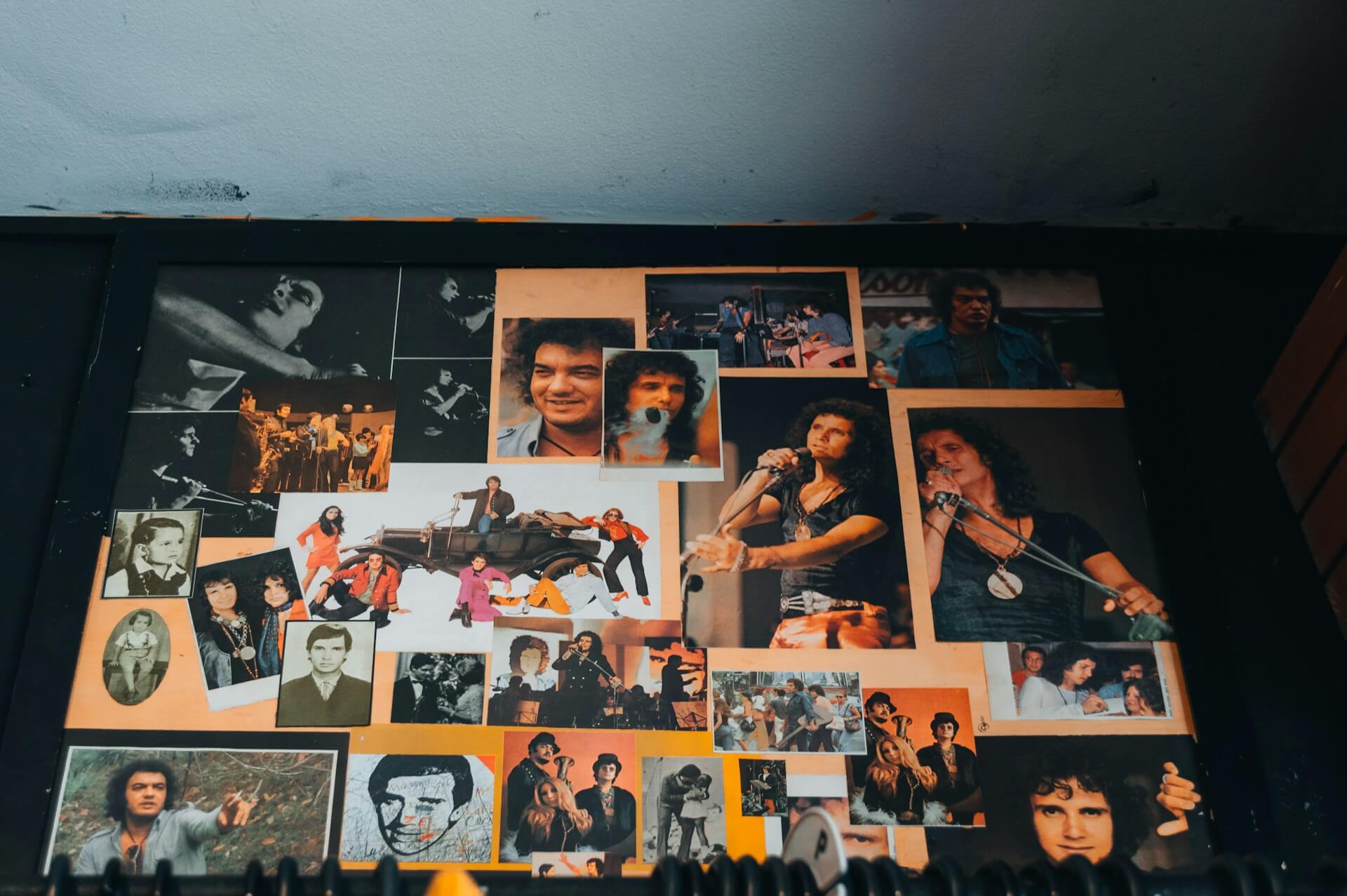
Rather than a single large image, many bedrooms featured an entire wall covered in smaller cutout photographs of a favorite pop group or solo artist, clipped from teen magazines and arranged in dense, overlapping collages that grew organically over months or years. Building and maintaining one of these collages required an ongoing subscription to multiple teen magazines specifically to source new images as older ones curled or faded.
The sheer density of these collages, sometimes covering an entire wall with no visible gaps, became a specific visual signature of teenage bedrooms during certain pop music eras.
Inspirational Sports Posters

Posters combining a dramatic action photograph of an athlete with a single bold word like “Perseverance” or “Determination” printed underneath became common in bedrooms of young athletes, often given as gifts by parents or coaches rather than purchased independently by the teenager themselves. These posters were frequently produced by a specific motivational poster company that dominated the category for years and sold through mail-order catalogs and mall kiosks.
The genre became distinctive enough that it was later widely parodied through intentionally demotivational versions using the same visual format.
Black Light Posters
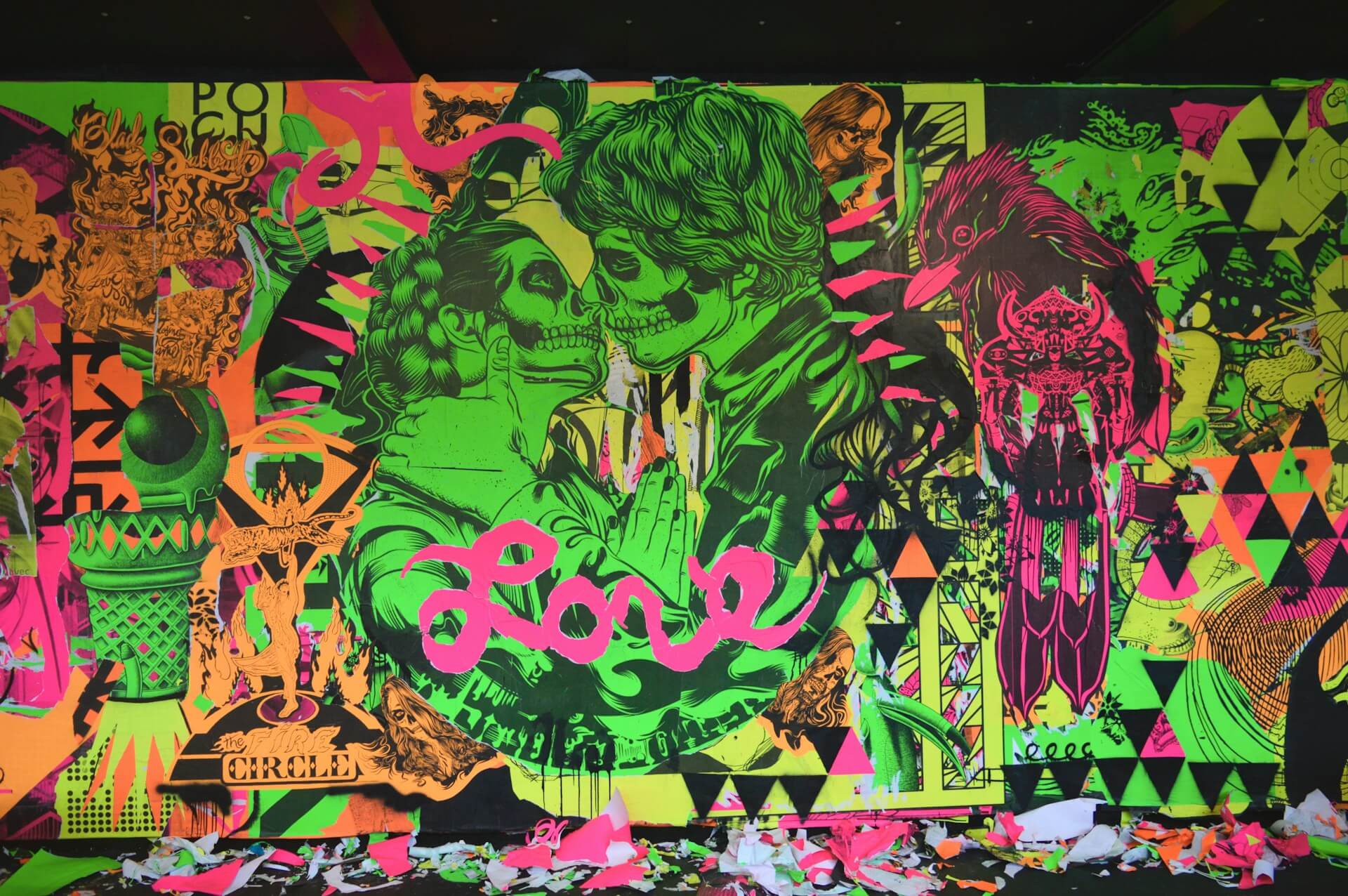
Printed with fluorescent inks designed to glow vividly under ultraviolet black light rather than ordinary lighting, these posters typically featured psychedelic patterns, wildlife, or fantasy imagery and required a separate black light fixture to display properly. Owning both the poster and the specific bulb needed to activate it fully was treated as a small investment in a distinct bedroom aesthetic.
The format experienced multiple waves of popularity across different decades, each time reaching a slightly different generation of teenagers through novelty shops and mall kiosks.
Wildlife Photography Posters

Large-format nature photography posters, often featuring a wolf, a tiger, or a dolphin captured mid-leap, became a common and relatively neutral bedroom decoration choice, frequently purchased by parents for younger children rather than selected by teenagers expressing a specific identity. These posters were widely available through poster shops in shopping malls, sold alongside more identity-driven options aimed at an older audience.
Their broad, non-controversial appeal made them one of the few poster categories genuinely common across a wide range of household types and family values.
Motivational Fitness and Bodybuilding Posters

Posters featuring a professional bodybuilder or fitness figure in a dramatic pose became common in bedrooms of teenagers actively working toward a specific physical goal, often purchased directly from a gym or ordered through a fitness magazine’s mail-order catalog. These posters served a specific functional purpose beyond decoration, acting as a visible daily reminder tied to a workout routine happening in the same room.
The genre grew significantly alongside the broader mainstream fitness culture boom of the 1980s.
Fantasy Art Posters

Posters depicting dragons, wizards, and elaborate medieval battle scenes, often produced by a specific well-known fantasy illustrator, became common among teenagers drawn to fantasy literature, tabletop gaming, or early video games built around similar mythology. These posters were frequently sold at specialty gaming and comic shops rather than general mall poster stores, giving them a slightly more niche distribution path than mainstream celebrity or band posters.
The genre’s visual style directly influenced the box art and marketing for many tabletop and video games released during the same period.
Motorcycle and Chopper Posters

Posters featuring a customized motorcycle, often shot against a dramatic sunset or open highway backdrop, became a common choice for teenagers drawn to a specific image of independence and rebellion, frequently obtained through motorcycle magazines or specialty poster shops. These posters shared significant crossover appeal with the muscle car poster category, sometimes appearing on the same bedroom wall as a complementary pairing.
The specific aesthetic of these posters tracked closely with broader popular culture depictions of motorcycle riding during the same decades.
Peace Sign and Counterculture Posters

Posters featuring a simple peace sign symbol, often combined with bold psychedelic lettering or bright rainbow coloring, became common among teenagers identifying with countercultural values, frequently purchased at head shops or novelty stores alongside black light posters and incense. These posters often carried a specific decade’s visual shorthand so strongly that later generations could date a bedroom photograph accurately just from the poster style alone.
The imagery has been revived periodically by later generations, though usually stripped of the specific political context that originally produced it.
Basketball Legend Action Shot Posters

Posters capturing a specific professional basketball player mid-dunk or mid-jump shot, shot from a dramatic low angle that exaggerated the height of the leap, became a fixture in the bedrooms of basketball fans across multiple decades, often purchased at sporting goods stores or included as a magazine insert. These posters frequently captured a specific, famous single moment from a real game, giving devoted fans the ability to identify exactly which game or event the photograph came from.
Sales of these posters tended to spike noticeably following a particularly dramatic playoff performance by the featured player.
Movie One-Sheet Posters
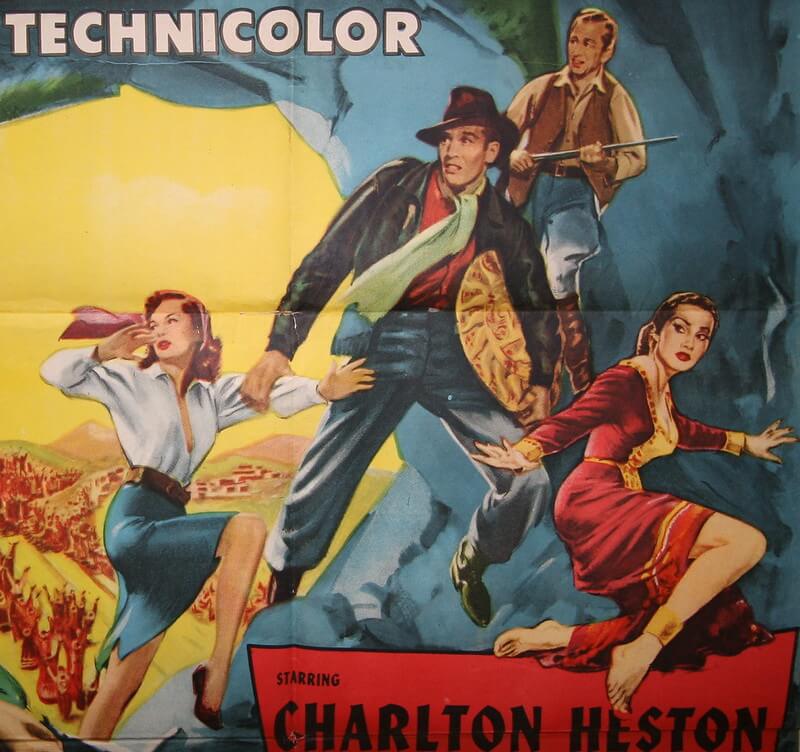
The official theatrical marketing poster for a specific film, commonly called a one-sheet within the industry, was a common item for teenagers to obtain from a local movie theater after a film’s run ended, since theaters often gave away or sold retired promotional materials rather than discarding them. Owning an original theatrical one-sheet, as opposed to a later reprint sold in stores, carried a specific status among collectors even during the poster’s original teenage ownership.
These posters frequently traveled with their owners into early adulthood, surviving multiple moves in a way many other bedroom decorations did not.
Surfing and Beach Culture Posters

Posters depicting a surfer riding a large wave, typically shot from within the water itself for a dramatic close perspective, became common among teenagers drawn to beach and surf culture regardless of whether they lived anywhere near an actual ocean. These posters were frequently sold alongside branded surf apparel at specialty shops, tying the poster directly to a broader lifestyle brand identity rather than existing as a standalone image.
The specific photographic style used in these posters directly influenced surf magazine covers and later action sports marketing more broadly.
Vintage Travel and Destination Posters
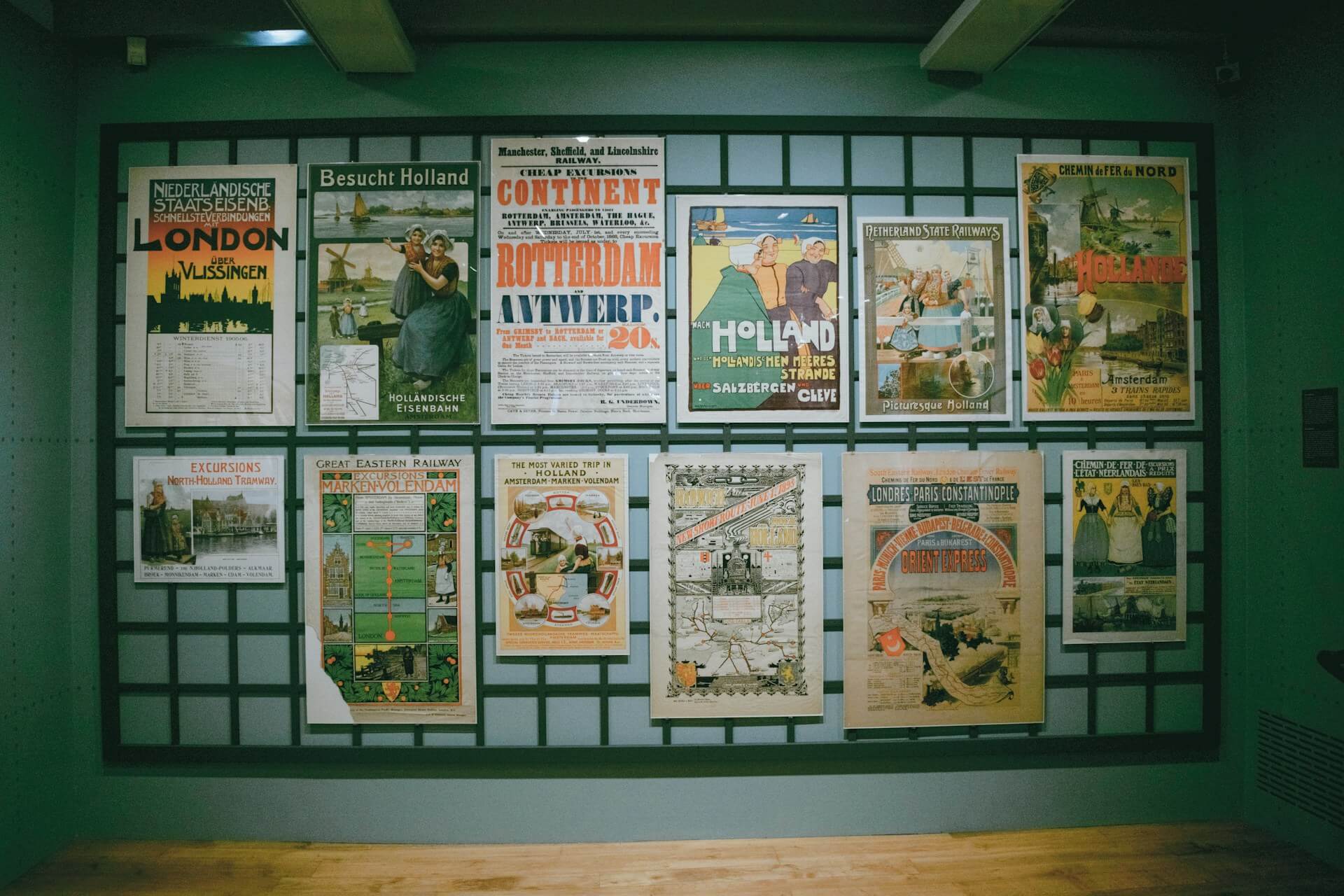
Reproductions of mid-twentieth-century travel advertisement posters, originally created to promote train lines, airlines, or specific tourist destinations, experienced a wave of renewed popularity among teenagers drawn to their distinct retro illustration style rather than any genuine travel connection. These reproductions were widely available through poster shops and, later, home goods stores marketing them explicitly as vintage-style decor.
The appeal rested almost entirely on the specific graphic design style of the era rather than the actual destinations depicted.
Dinosaur Illustration Posters

Detailed illustrated posters depicting a specific prehistoric era populated with various named dinosaur species became common in the bedrooms of younger children with a strong interest in paleontology, frequently distributed through natural history museums or ordered through children’s science magazines. These posters were often labeled extensively with species names, giving them an educational function beyond pure decoration.
Renewed mainstream interest in dinosaurs during specific cultural moments tended to produce a noticeable, temporary spike in poster sales tied directly to that broader interest.
Motivational Music Festival Lineup Posters
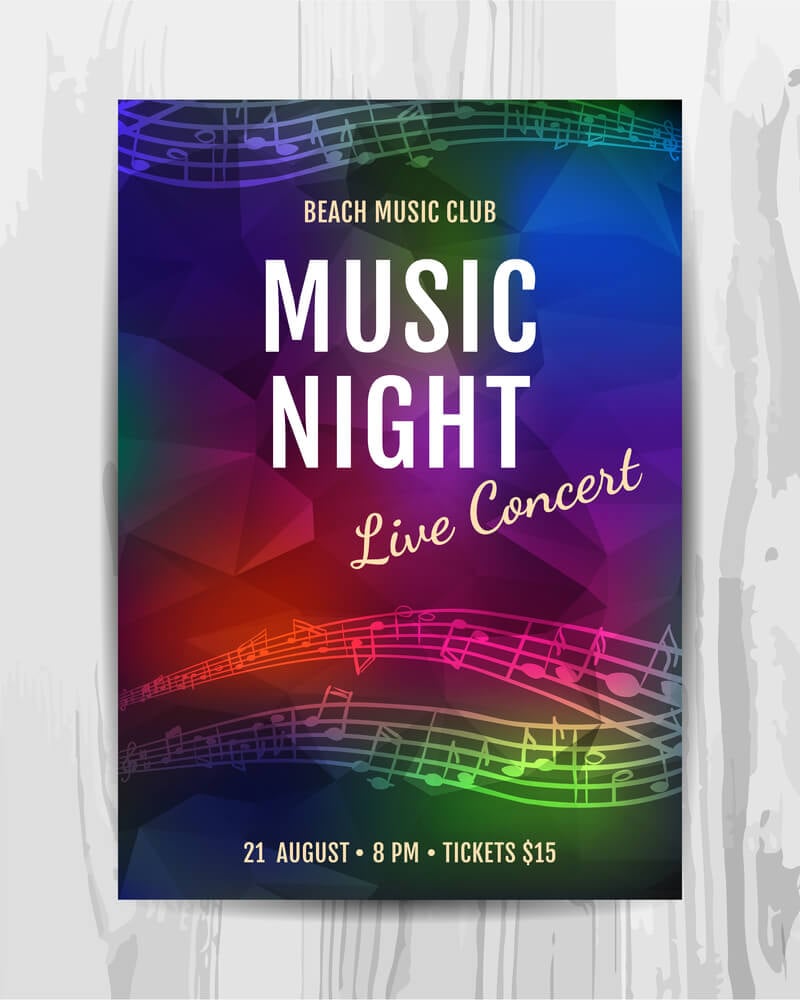
The official promotional poster for a specific multi-day music festival, listing the full lineup of performing artists across the event’s dates, became a common item for teenagers who had actually attended, obtained either at the event itself or through official festival merchandise. These posters functioned similarly to concert tour posters but carried an additional layer of significance tied to the shared communal experience of a specific festival weekend.
Surviving originals from certain historically significant festivals have since become genuinely sought-after collector’s items.
Constellation and Star Chart Posters

Detailed star charts mapping constellations visible from a specific hemisphere became common among children with a budding interest in astronomy, often given as an educational gift or purchased from a science museum gift shop rather than a general poster retailer. These posters were frequently mounted directly on a bedroom ceiling rather than a wall, allowing a child to compare the printed chart against the actual night sky visible through a nearby window.
The specific hobby of amateur astronomy often traced its earliest roots directly back to a poster like this hung above a childhood bed.
Anime and Manga Character Posters

Posters featuring characters from a specific anime series or manga title became increasingly common in teenage bedrooms as the genre’s popularity grew significantly in Western markets, frequently obtained through specialty import shops before wider mainstream retail availability. These posters often displayed a level of detailed, stylized artwork distinct from the photographic realism common in other poster categories.
Building a collection of these posters became closely tied to broader anime fan culture and conventions that grew alongside the genre’s mainstream popularity.
Horror Movie Poster Reproductions
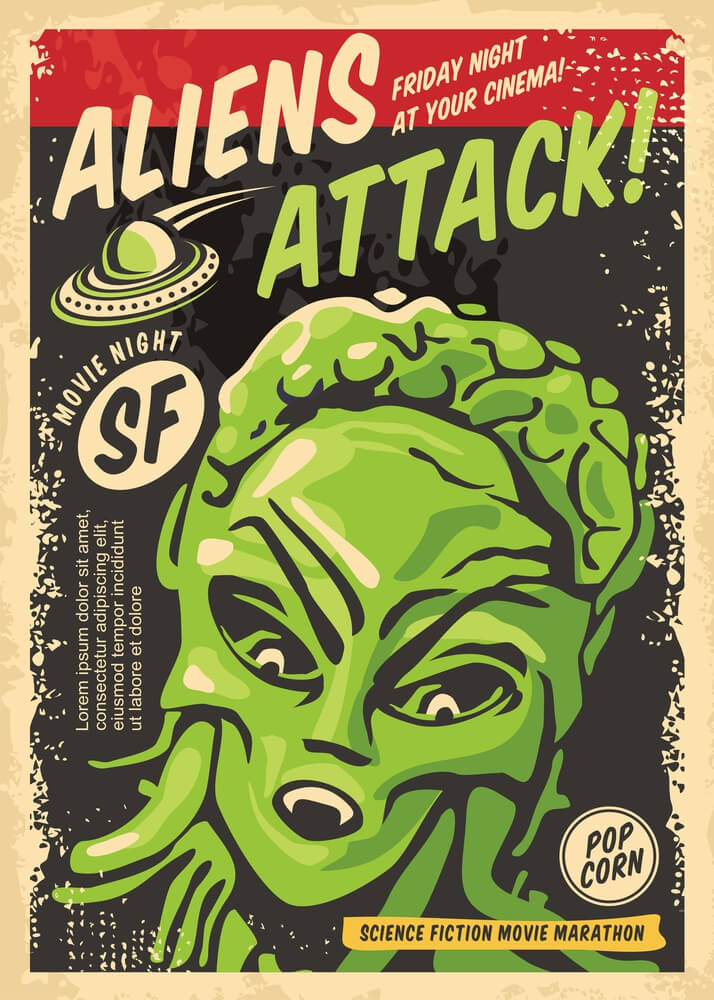
Reproduction posters of classic horror film artwork, often featuring dramatic, illustrated rather than photographic imagery, became a specific niche category popular among teenagers drawn to horror as a genre, typically sold through specialty shops separate from mainstream mall poster retailers. These posters frequently emphasized moody, atmospheric artwork over any single dramatic scene from the actual film.
Genuine original theatrical releases of certain classic horror posters have since become significant items within film memorabilia collecting circles.
Motivational Quote Typography Posters
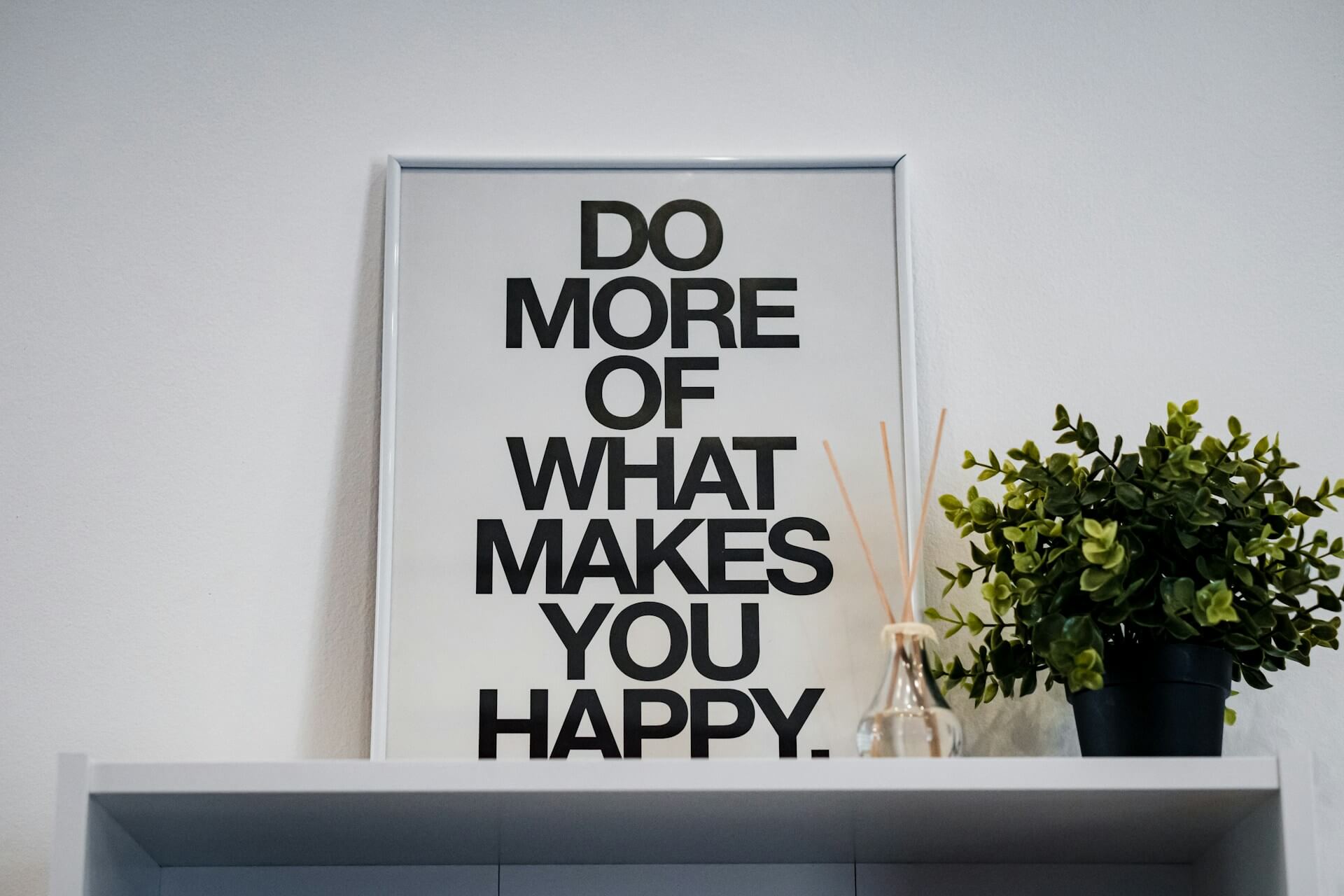
Posters featuring a single quote rendered in large, stylized typography against a minimal background became a common, relatively low-cost decoration choice, frequently purchased from a mall poster shop or later ordered through early online poster retailers. Unlike photograph-based posters tied to a specific celebrity or interest, these were chosen purely for the text itself, giving them a broader and more generic appeal across different bedroom aesthetics.
The format has continued largely unchanged for decades, adapting easily to whatever specific quote or design trend happened to be popular at a given moment.
Calendar Girl Posters

Beyond individual celebrity posters, a broader category of swimsuit-model posters, often tied to a specific magazine’s annual issue, became common in bedrooms particularly through the 1980s and 1990s, typically purchased at mall poster shops or ordered through the associated magazine directly. These posters were frequently updated annually as a new year’s featured models replaced the previous year’s, giving the category a built-in yearly refresh cycle.
The broader shift toward digital media significantly reduced print poster sales across this entire category by the 2000s.
Neon Beer and Bar Sign Style Posters

Printed reproductions mimicking the look of a neon beer or bar advertisement sign became popular among older teenagers and young adults specifically decorating a first apartment or a college dorm room rather than a childhood bedroom, offering the visual appeal of neon signage at a fraction of the actual cost. These posters were widely available through general home goods retailers rather than specialty poster shops, reflecting their broader, more mainstream appeal.
The category represented one of the more direct transitional decoration choices between a teenage bedroom and independent adult living space.
Video Game Box Art Posters
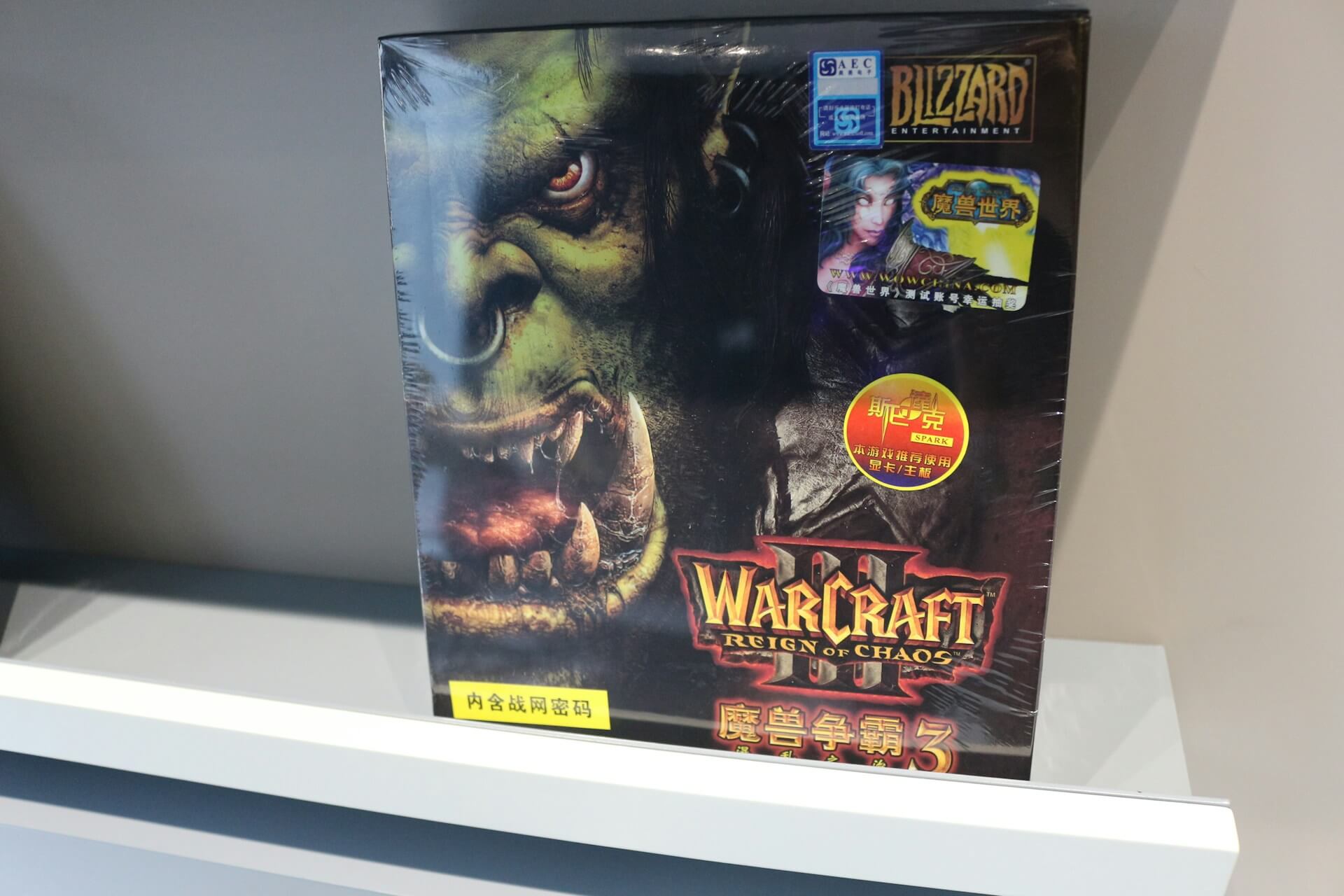
Large-format reproductions of a specific video game’s original box art or promotional key art became common among teenagers heavily invested in gaming, frequently obtained through pre-order bonuses from a game retailer rather than purchased as a standalone item. These posters often captured a game’s core visual identity distinctly enough that fans could recognize the specific title from across a room.
The category grew substantially alongside gaming’s broader mainstream acceptance as a primary teenage hobby through the 1990s and 2000s.
The Corkboard Collage Wall
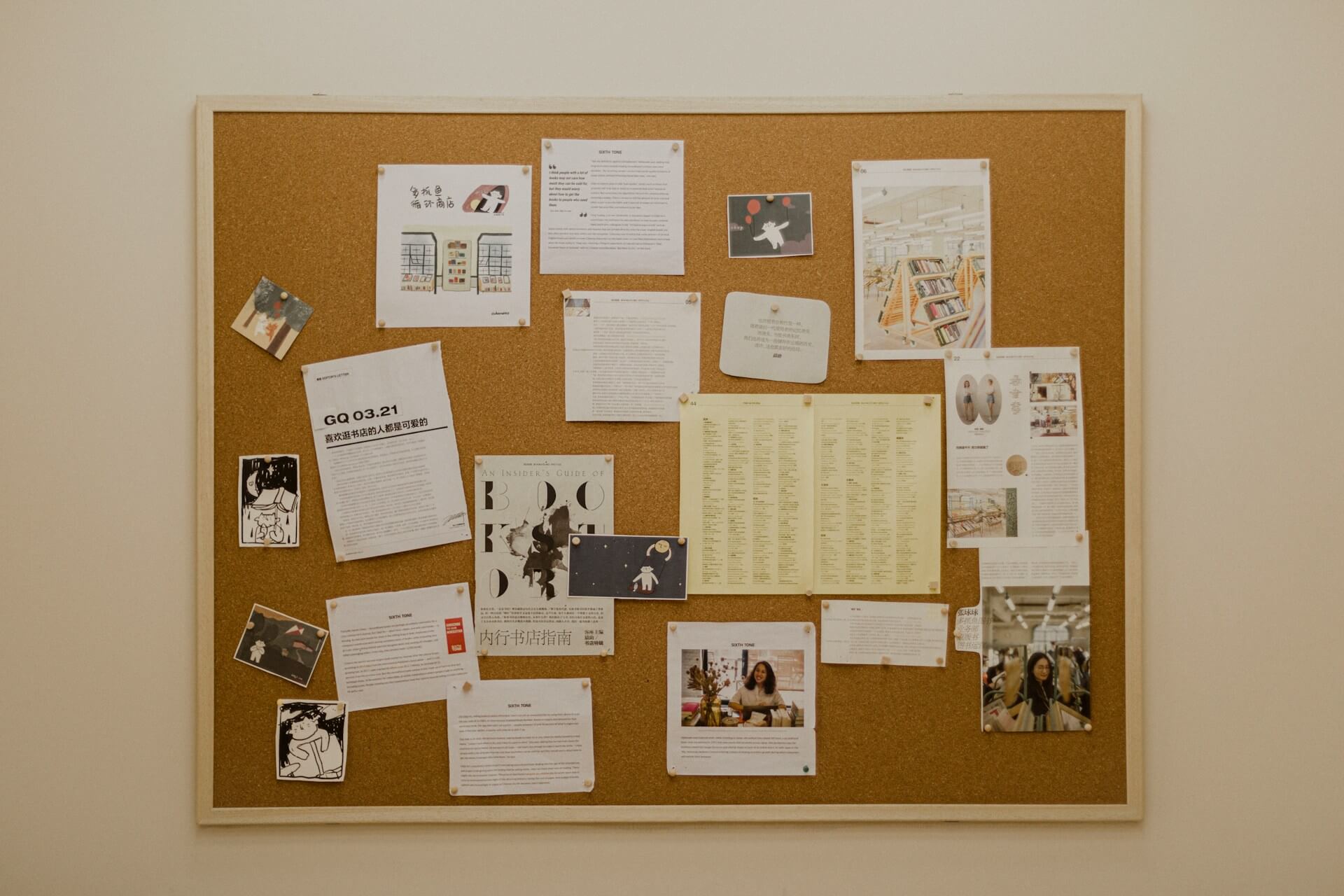
Rather than any single poster, some teenagers built an entire dedicated wall of a cork bulletin board covered in overlapping photographs, ticket stubs, magazine clippings, and smaller images pinned directly alongside more traditional posters. This format allowed for constant, incremental updating in a way a single large poster did not, with items added and removed regularly as interests shifted.
The corkboard collage functioned as a kind of physical, cumulative timeline of a teenager’s specific interests and experiences across an entire adolescence.
What the Wall Was Really Saying
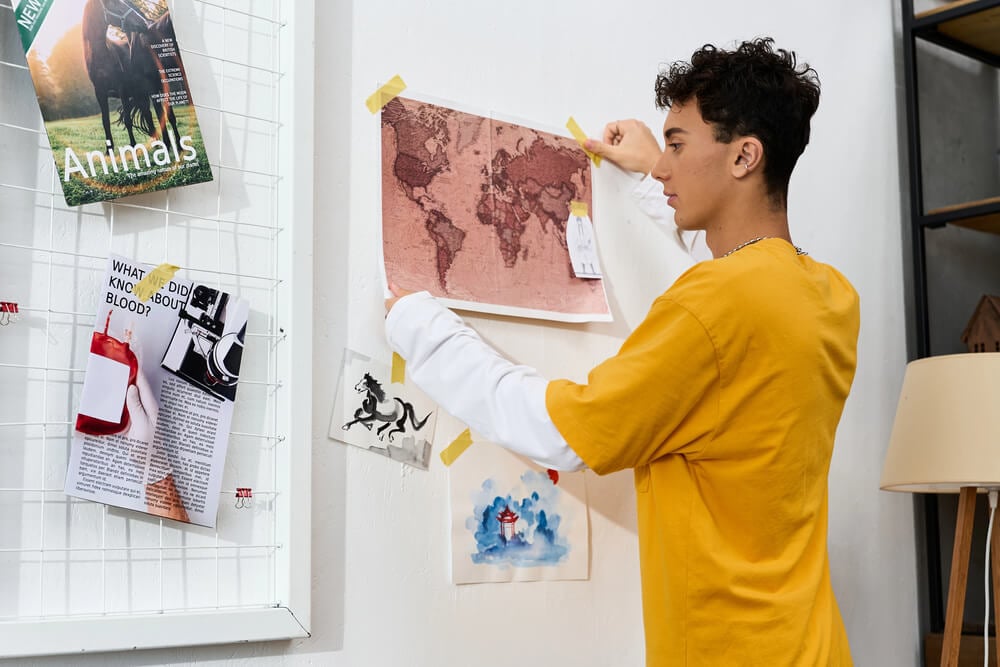
A bedroom poster rarely announced itself as a deliberate identity statement, yet the cumulative effect of an entire wall covered in specific, carefully chosen images told a fairly complete story about who occupied that room during a particular stretch of years. The posters changed as the person did, coming down and going up in a pattern that, looking back, traced adolescence about as accurately as any diary would have.
What has largely disappeared is not the underlying impulse but the physical object itself, since digital screens and social media profiles now serve much of the same self-declaring function that a taped-up poster once did. The tape marks and thumbtack pinpricks left behind in an old bedroom wall remain, for many people, the only lasting physical record of exactly what they cared about at fifteen.
More from Go2Tutors!

- The Romanov Crown Jewels and Their Tragic Fate
- 13 Historical Mysteries That Science Still Can’t Solve
- Famous Hoaxes That Fooled the World for Years
- 15 Child Stars with Tragic Adult Lives
- 16 Famous Jewelry Pieces in History
Like Go2Tutors’s content? Follow us on MSN.