29 Restaurant Chains That Closed While Still Busy
A packed dining room does not guarantee survival. Franchise debt, expired leases, and corporate bankruptcy filings have shuttered chains that were, by every visible measure, thriving right up until the day the doors locked. Regulars often found out only when they pulled into an empty parking lot.
The chains below did not fade quietly from lack of customers. They were pulled out from under loyal fan bases by financial pressures that had nothing to do with how full the booths were.
Bennigan’s
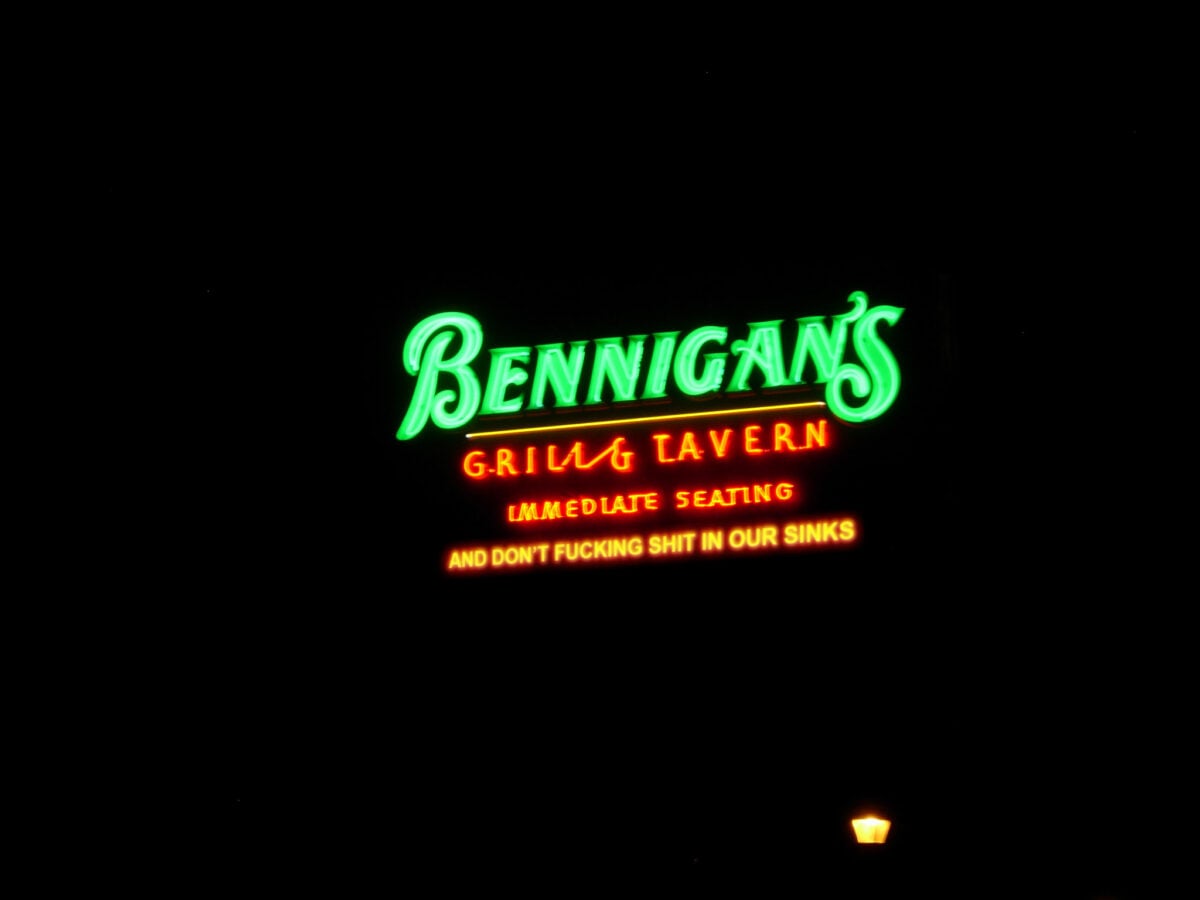
Founded in Atlanta in 1976, Bennigan’s built its identity on Irish pub decor, potato skins, and a menu that rarely changed for two decades of regulars. In July 2008, parent company Metromedia Restaurant Group filed for Chapter 7 bankruptcy, and all 150 corporate-owned U.S. locations closed on the same day with no advance warning to staff or customers.
A handful of franchise locations survived under new ownership, and the brand has since attempted small-scale revivals, but the original chain vanished overnight at the height of its lunch rush popularity.
Steak and Ale
Steak and Ale opened its first location in Dallas in 1966 and is widely credited with popularizing the self-serve salad bar in American casual dining. The chain grew to 280 locations offering steakhouse dinners at prices well below traditional steakhouses.
Parent company S&A Restaurant Corp filed for bankruptcy in 2008, and every remaining location closed within weeks, ending a run that had defined suburban date nights for two generations.
Chi-Chi’s
Chi-Chi’s introduced many Midwestern diners to their first fried ice cream and tableside guacamole starting in 1975. The chain expanded to hundreds of locations before a 2003 hepatitis A outbreak tied to green onions at a Pennsylvania location triggered a public health crisis that the brand never recovered from domestically.
U.S. operations filed for bankruptcy and closed entirely in 2004, though the name survives today only on jarred salsa sold in grocery stores.
Howard Johnson’s
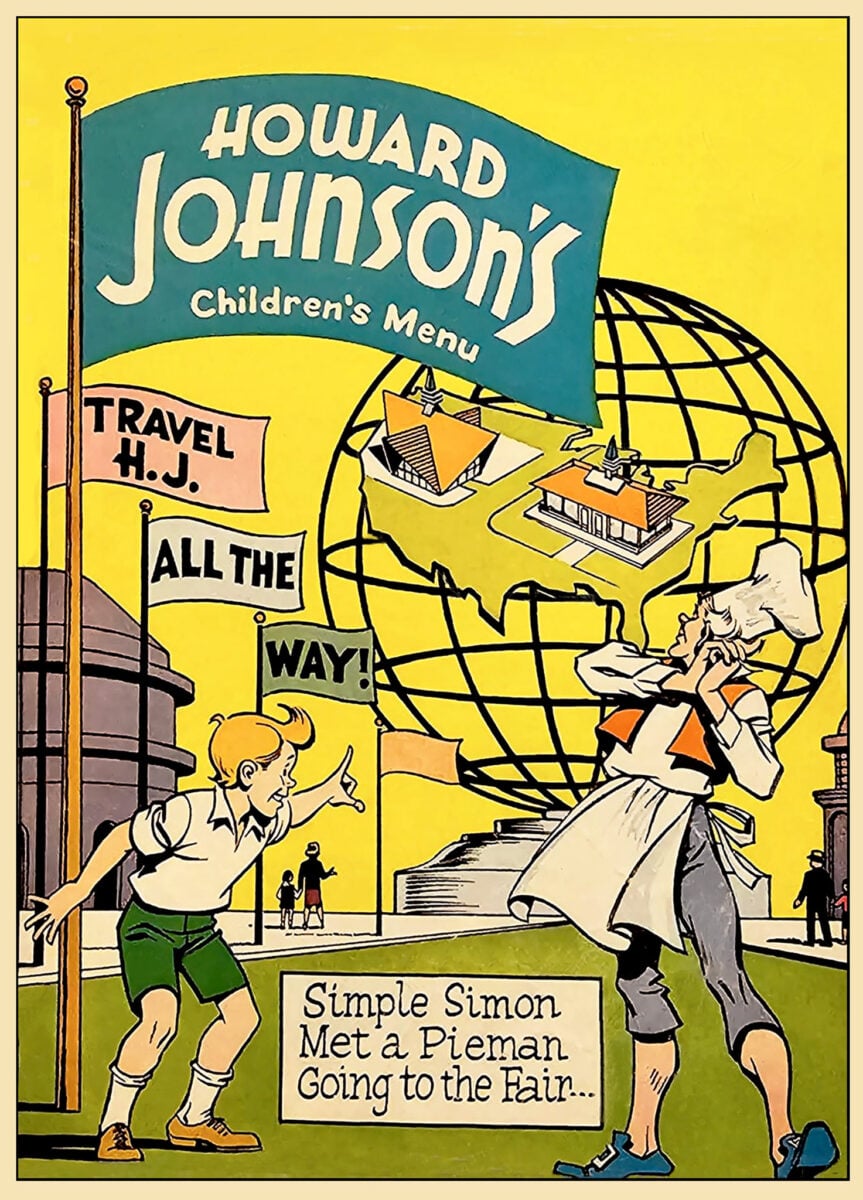
Recognizable by its orange roof and turquoise trim, Howard Johnson’s grew from a single Massachusetts soda fountain into more than 1,000 restaurants by the 1970s, making it briefly the largest restaurant chain in the country. Competition from fast food and changing highway travel patterns eroded the business over decades, but the very last standing location, in Lake George, New York, kept serving its twenty-eight ice cream flavors to steady crowds until closing permanently in 2022.
Blimpie
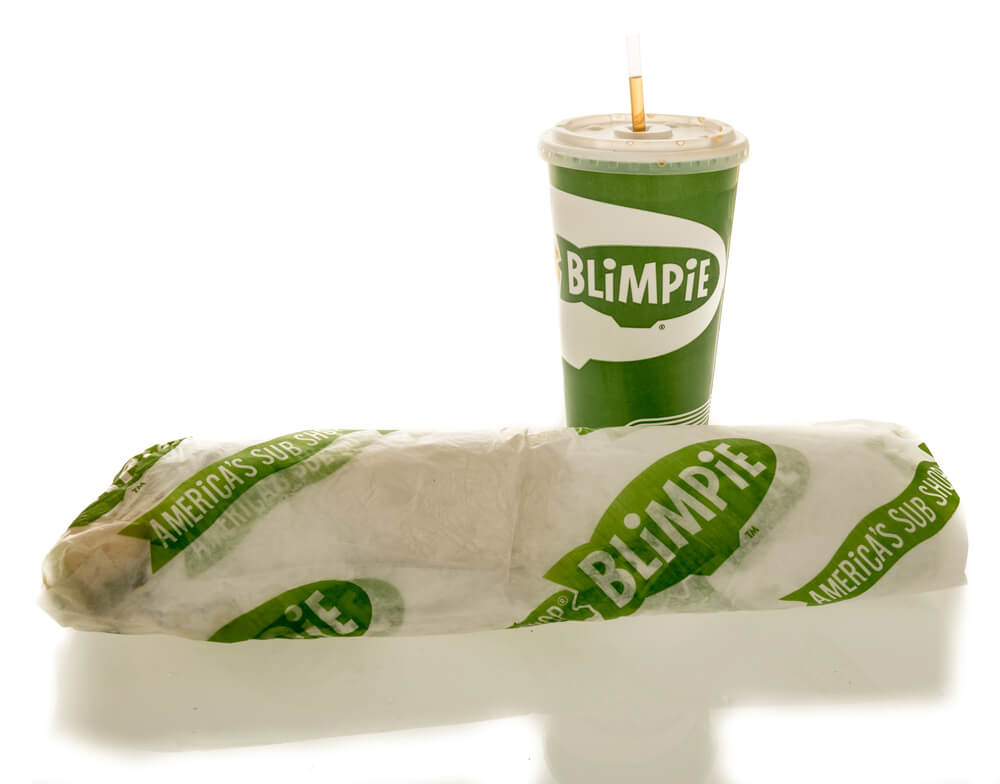
Blimpie built a loyal East Coast sub sandwich following after opening in Hoboken, New Jersey in 1964, eventually franchising to more than a thousand locations nationwide. Rising competition from Subway and inconsistent franchise support led to a steady wave of closures through the 2010s.
Locations that were still doing brisk lunchtime business shuttered as franchisees declined to renew leases rather than continue fighting for market share.
Country Kitchen
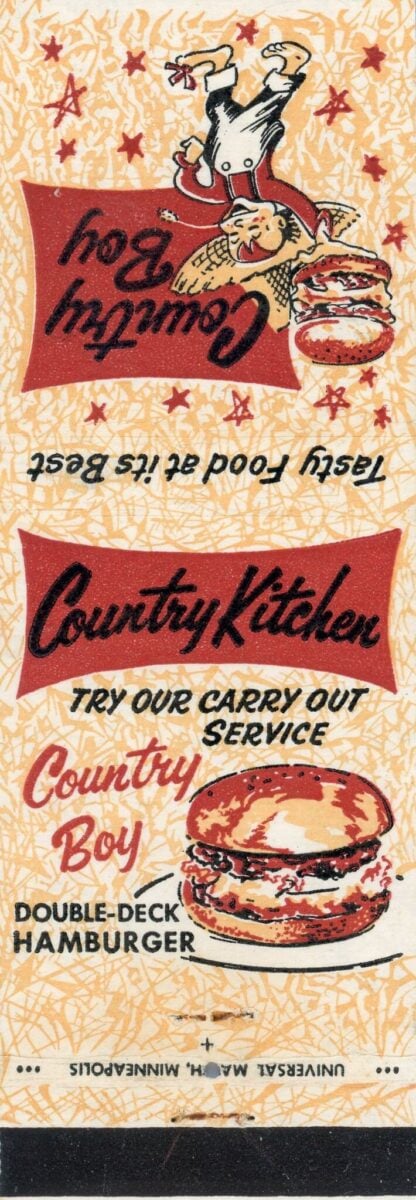
Country Kitchen restaurants served Midwestern comfort food and bottomless coffee to highway travelers starting in the 1960s, growing to nearly 200 locations at its peak. The chain’s parent companies changed hands multiple times, and franchise agreements lapsed faster than new ones were signed.
Locations with steady breakfast crowds closed simply because corporate support for the brand had quietly evaporated.
Damon’s Grill and Sports Bar
Known for ribs served with bibs and walls covered in televised sports, Damon’s grew to more than 100 locations across the Midwest and South after launching in Columbus, Ohio in 1979. The chain filed for bankruptcy in 2010 amid mounting franchisee debt.
Several locations that were still packed on football Sundays closed within the same year as the filing.
Ground Round Grill and Bar
Ground Round was famous for letting kids toss peanut shells on the floor and for a clown mascot named Bingo who visited tables on weekends. The chain grew to more than 200 locations before its parent company filed for bankruptcy twice, in 2004 and again in 2011.
The final wave of closures caught franchisees off guard mid-lease, with several restaurants closing during otherwise normal dinner service.
Don Pablo’s
Don Pablo’s became the second-largest full-service Mexican restaurant chain in the United States after launching in Lubbock, Texas in 1985, known for tableside guacamole and oversized margaritas. Parent company Real Mex Restaurants filed for bankruptcy in 2011, closing 93 locations.
Franchisees reported that several stores being shuttered had posted solid sales figures right up to closure.
Kenny Rogers Roasters
Co-founded by country singer Kenny Rogers in 1991, the rotisserie chicken chain expanded to more than 400 U.S. locations within a few years, riding a national wave of interest in lower-fat rotisserie meals. Rapid overexpansion outpaced the company’s finances, and it filed for bankruptcy in 1998.
Most U.S. locations closed within two years, though the brand still operates successfully overseas, particularly in Malaysia and Indonesia.
Iron Hill Brewery and Restaurant
Iron Hill opened its first brewpub in Newark, Delaware in 1996, becoming one of the earliest chains to combine on-site craft brewing with a full dinner menu. By 2023 it operated 21 locations across five states and had built a devoted following for offerings like beer flights paired with cookies.
In September 2025, the company announced on social media that all 16 remaining locations were closing permanently, citing financial strain, catching regular customers by surprise.
Sweet Tomatoes and Souplantation
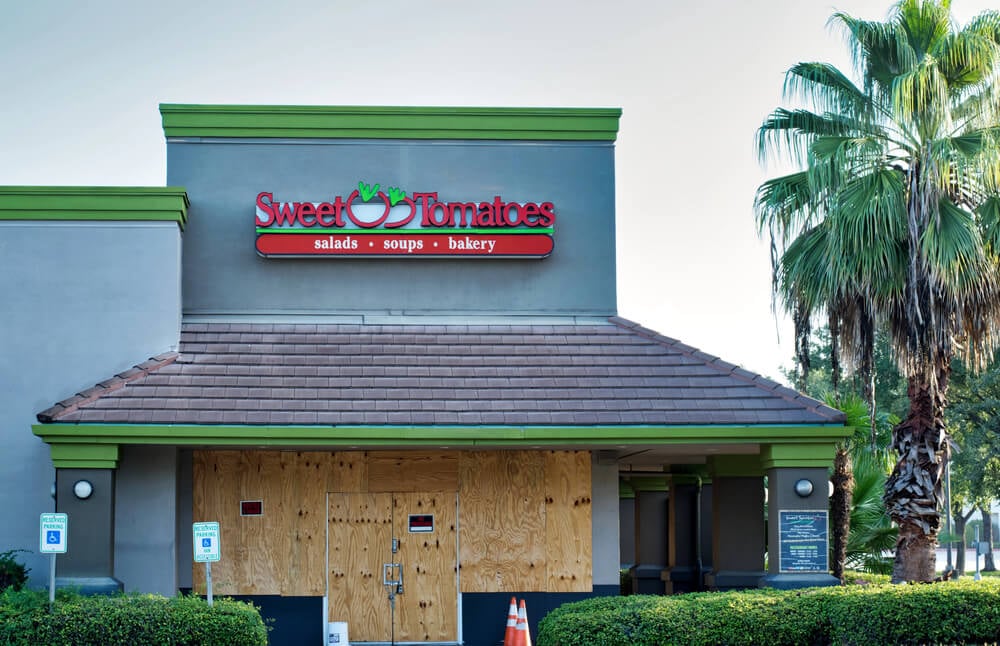
Operating as Souplantation in California and Sweet Tomatoes elsewhere, the buffet chain built a following on scratch-made soups and an enormous salad bar starting in 1978. All 97 locations closed permanently in 2020 when pandemic restrictions made self-serve buffet dining untenable, even though many restaurants had reported strong sales in the weeks before shutting down.
The company’s parent, Garden Fresh Restaurants, did not reopen the brand afterward.
Lone Star Steakhouse
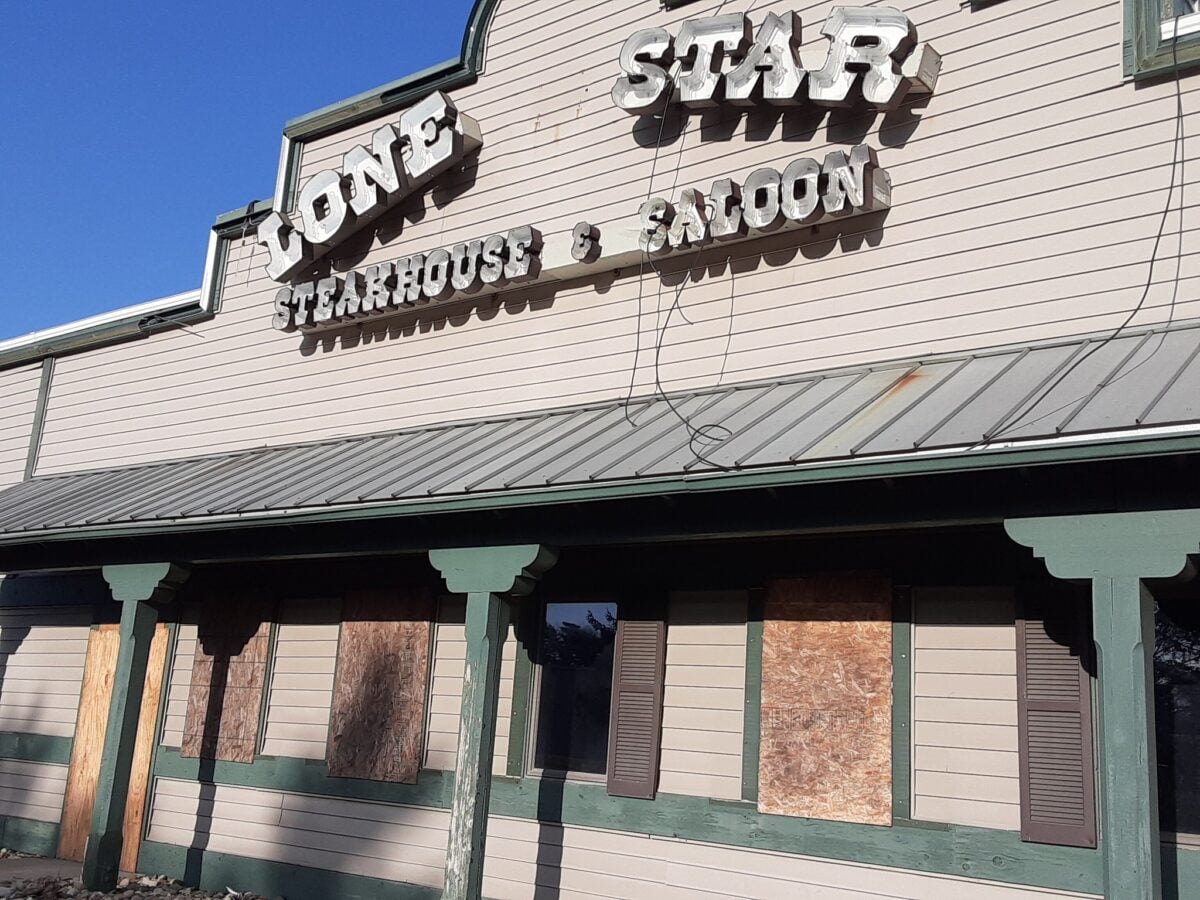
Lone Star Steakhouse and Saloon brought a rowdy Texas roadhouse theme, complete with peanut shells on the floor and line-dancing staff, to more than 250 locations after launching in Wichita, Kansas in 1989. Increased competition from Outback and Texas Roadhouse squeezed margins through the 2000s.
Many remaining locations, some still drawing steady weekend crowds, closed in a series of consolidations through the following decade.
ShowBiz Pizza Place
Before it merged with and was rebranded as Chuck E. Cheese, ShowBiz Pizza Place built an entire birthday-party industry around animatronic band performances starting in 1980. Franchise disputes and financial troubles led parent company CEC Entertainment to convert most locations to the Chuck E. Cheese name by 1992.
Several ShowBiz locations that were still hosting full party schedules were converted or closed within the same calendar year.
Rax Roast Beef
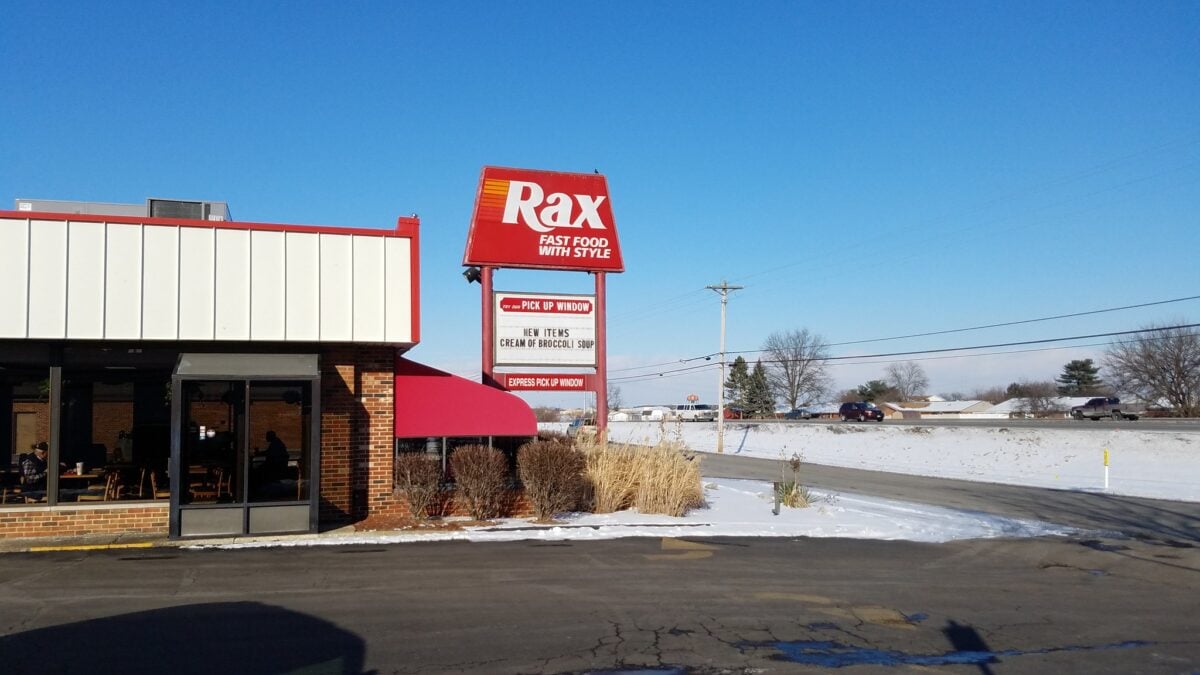
Rax Roast Beef grew to nearly 500 locations in the 1980s on the strength of a build-your-own sandwich bar that was considered ahead of its time. A series of ownership changes and a costly attempt to reposition the brand as upscale fast food backfired, and locations closed rapidly through the 1990s.
Some franchisees reported healthy local sales even as corporate support for the chain collapsed around them.
Burger Chef
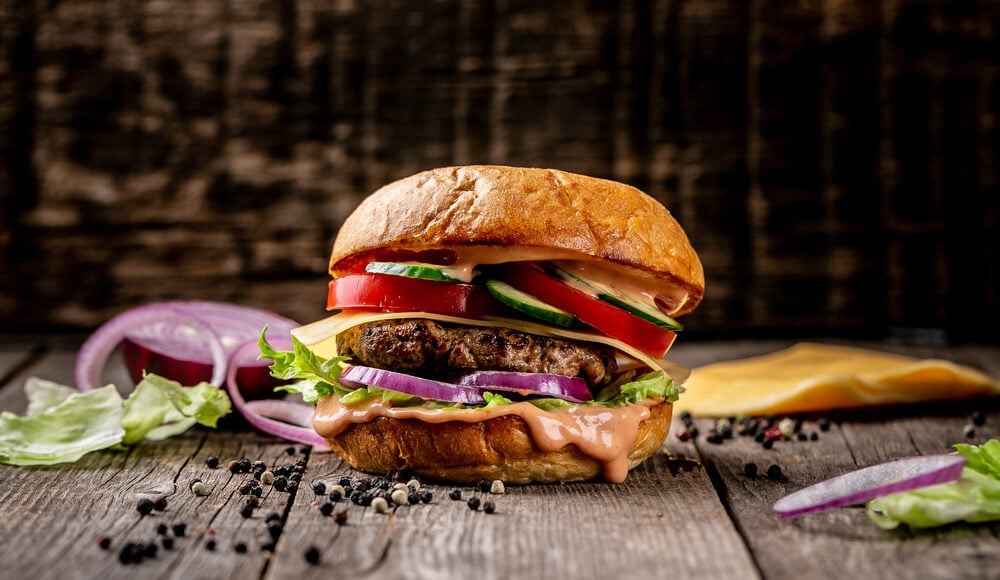
At its peak in the early 1970s, Burger Chef operated more than 1,000 locations and was considered McDonald’s most serious national competitor. General Foods sold the struggling parent company to Hardee’s in 1982, which converted or closed nearly every location within a few years.
Many stores being converted were still generating steady lunchtime traffic at the time.
Sambo’s
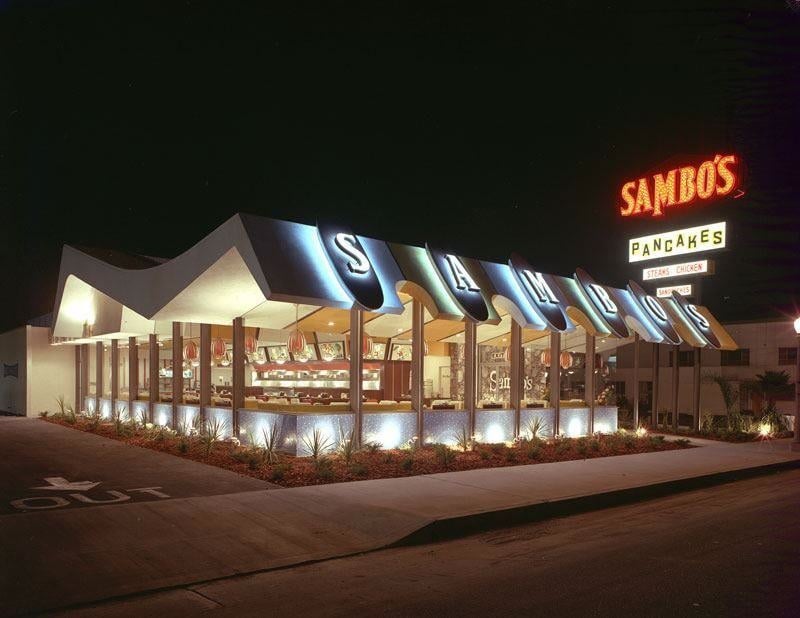
Sambo’s grew to more than 1,100 pancake house locations across the country by the late 1970s, rivaling Denny’s in scale. Controversy over the chain’s name and mascot, combined with rapid overexpansion and debt, forced the company into bankruptcy in 1981.
Nearly all locations were renamed or closed within two years, even in markets where the restaurants remained busy.
Beefsteak Charlie’s
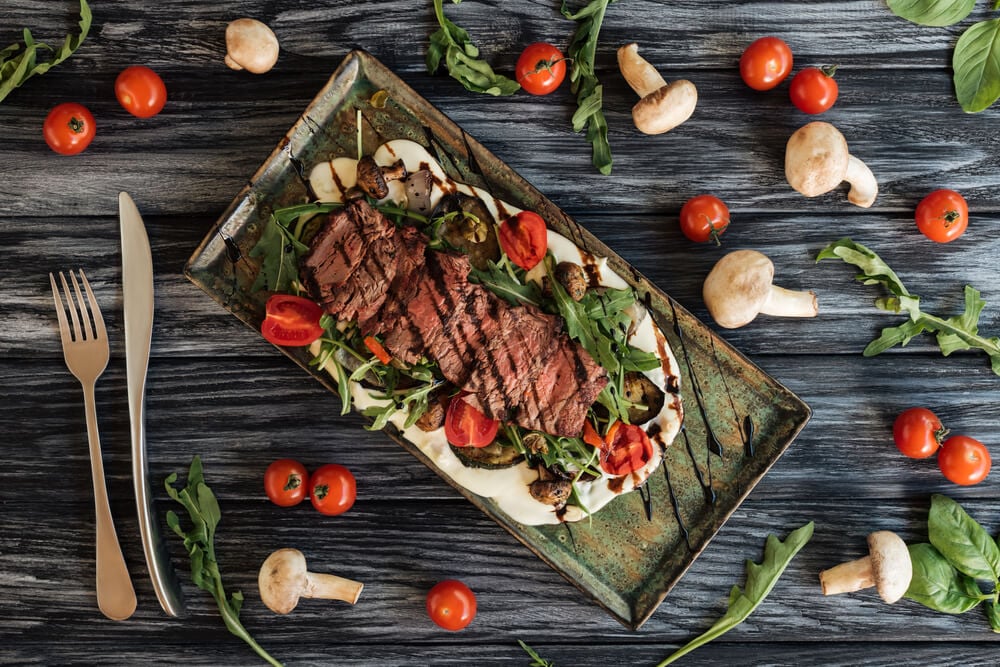
Beefsteak Charlie’s built a cult following in the New York area during the 1970s and 1980s with an all-you-can-eat salad bar and unlimited draft beer included with dinner. The chain expanded aggressively along the East Coast before overextending financially.
Locations closed throughout the late 1980s and early 1990s, several while still drawing long waits on weekend nights.
Naugles
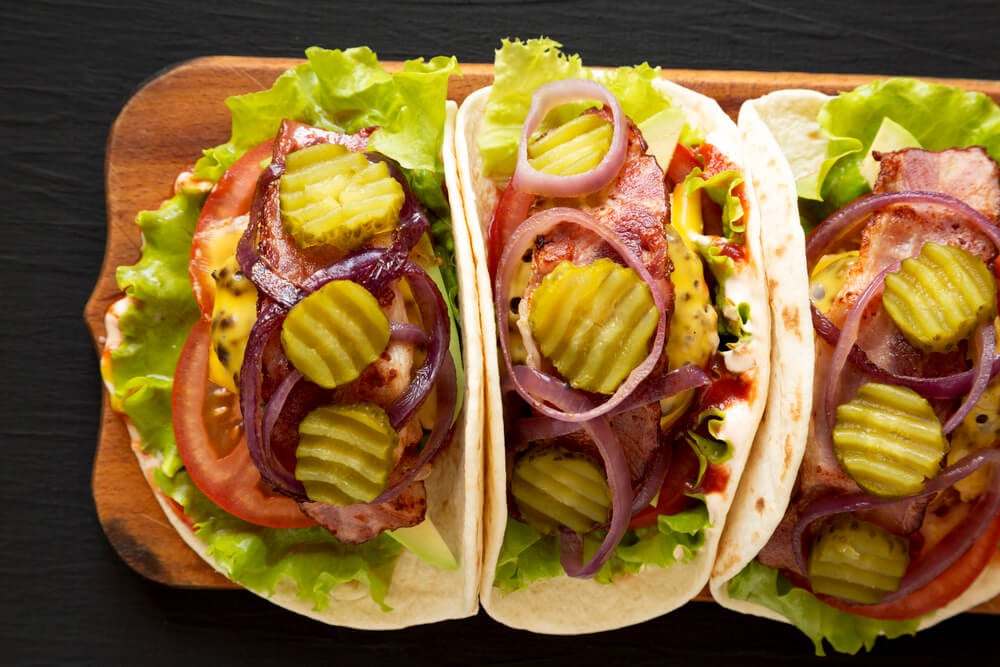
A Southern California fast food chain known for its Bun Taco and Macho Combo Burrito, Naugles built a fiercely loyal fan base after opening in Riverside in 1970. A 1988 merger with Del Taco led most locations to be converted or closed within a few years.
Longtime customers organized petitions and fan campaigns for decades afterward, an unusually strong reaction for a chain that had, at the time, seemed to be doing fine.
Farrell’s Ice Cream Parlour
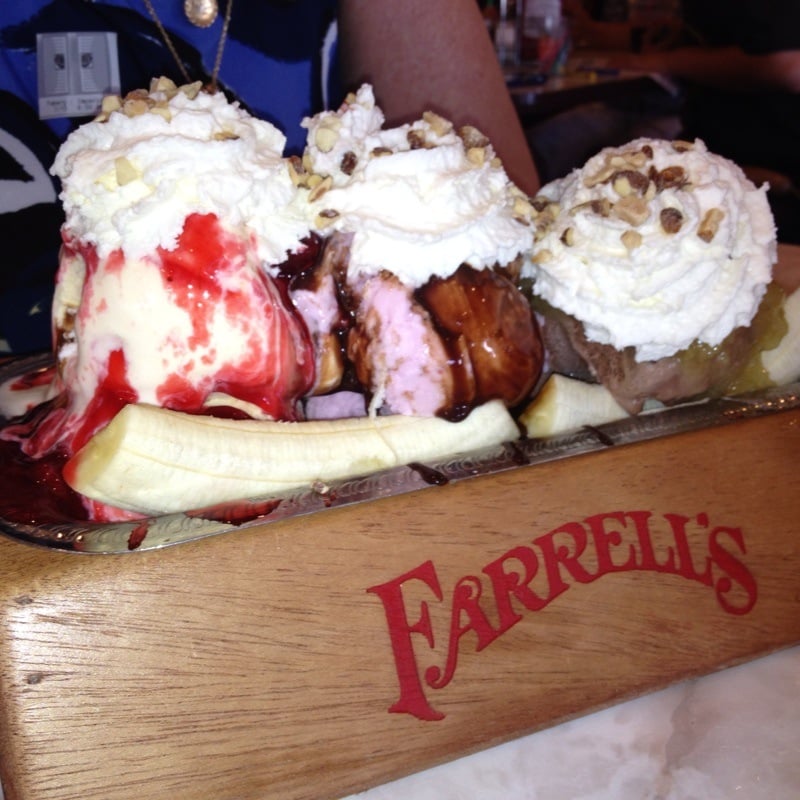
Farrell’s turned ice cream sundaes into theatrical events, complete with staff banging drums and sounding sirens for birthday celebrations, after opening in Portland, Oregon in 1963. The chain grew to more than 130 locations before financial troubles at its parent company forced widespread closures beginning in the late 1980s.
Several restaurants known for weekend-long waits for birthday parties closed with little notice to families who had reservations booked.
Red Barn
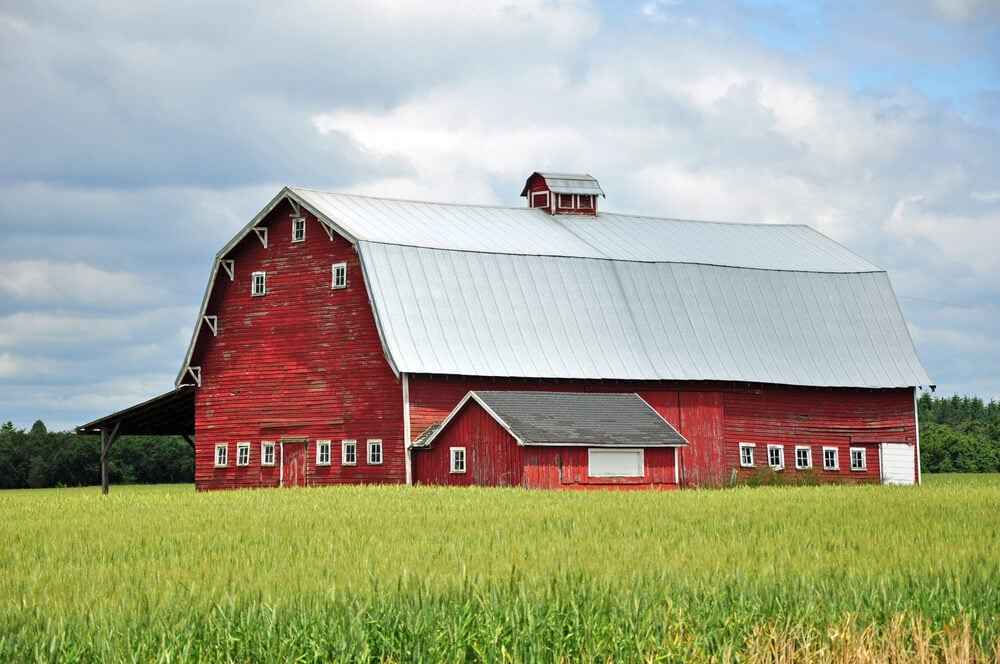
Recognizable by its distinctive barn-shaped buildings, Red Barn grew to roughly 400 locations across the Midwest and South after launching in Springfield, Ohio in 1961, known for its Barnbuster burger and self-serve salad bar. Ownership changes through the 1970s left the chain without consistent marketing support, and most locations were sold off or converted to other brands by the mid-1980s.
Several buildings, still recognizable by their roofline, operate today as unrelated businesses.
Gino’s Hamburgers
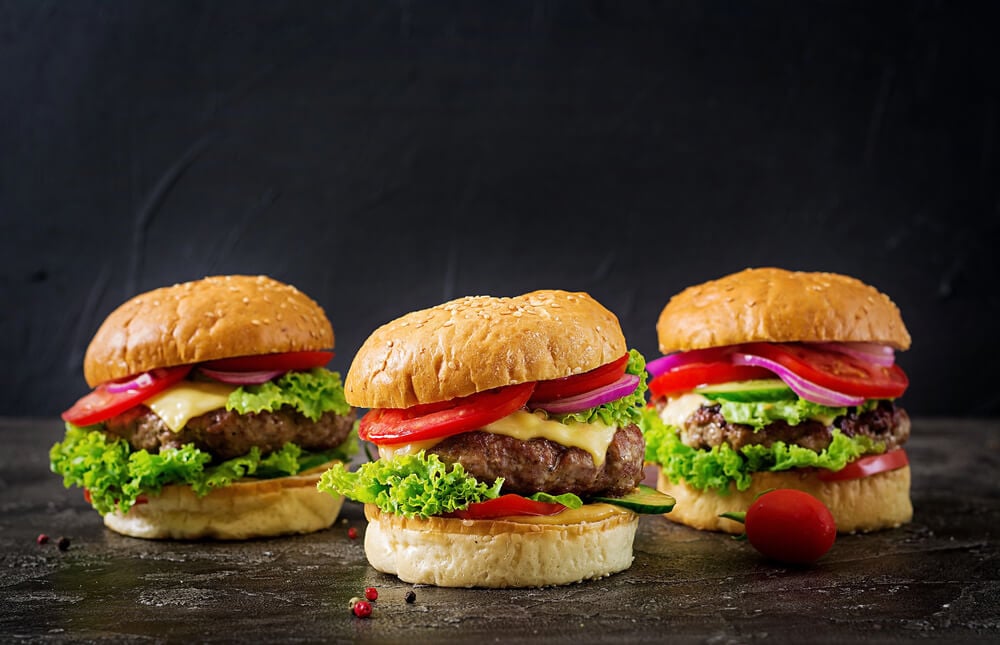
Co-founded by Baltimore Colts player Gino Marchetti in 1957, Gino’s Hamburgers grew to more than 300 locations across the mid-Atlantic and was known for the Gino Giant sandwich and a marketing partnership with Kentucky Fried Chicken. Marriott Corporation acquired the chain in 1982 and converted nearly every location to Roy Rogers within months.
Longtime customers organized a formal revival campaign decades later, leading to a limited relaunch that never approached the original chain’s footprint.
Horn and Hardart Automat
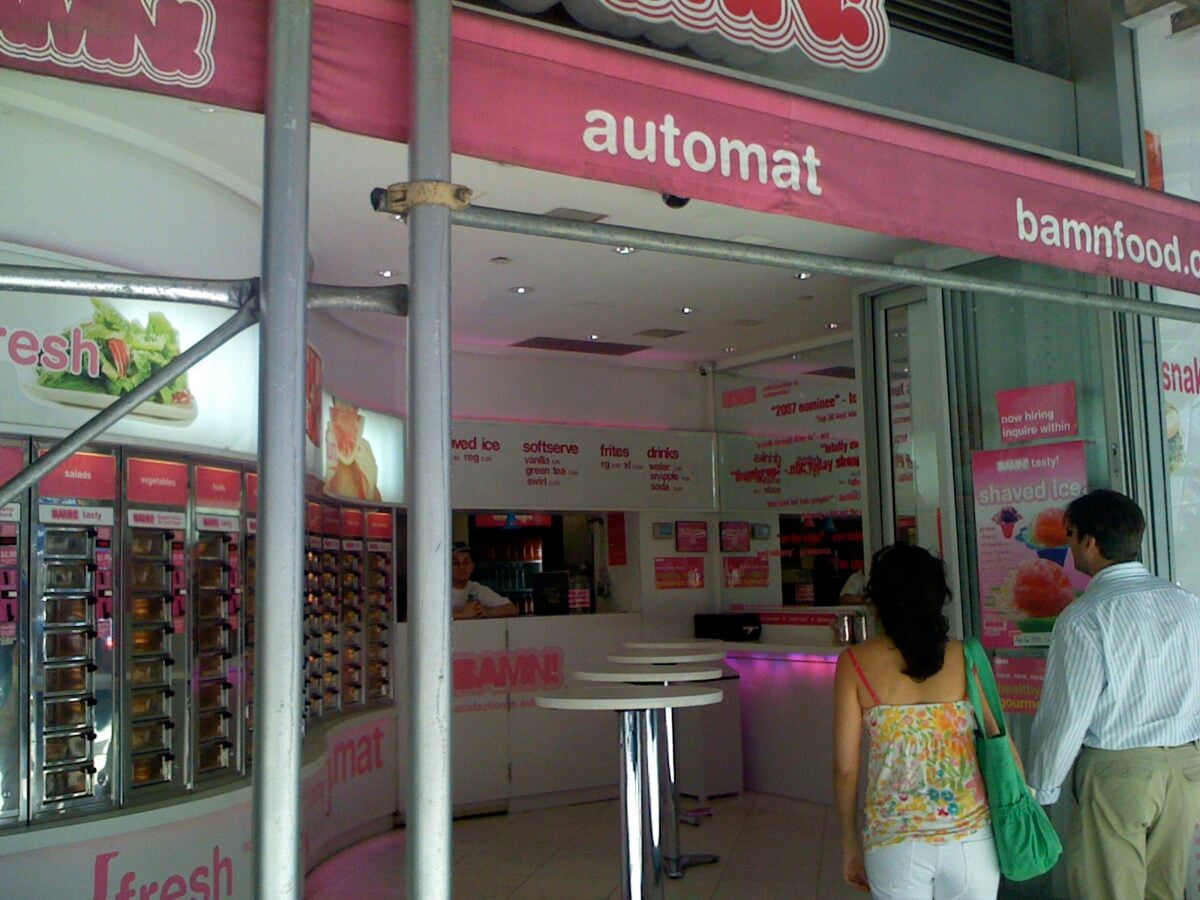
The Automat let customers pull hot food from coin-operated glass compartments, a novelty that made Horn and Hardart locations social gathering spots in New York and Philadelphia for much of the twentieth century. The chain peaked at more than 40 locations before changing dining habits and rising labor costs made the coin-operated model unprofitable.
The last Automat, on 42nd Street in Manhattan, closed in 1991 despite remaining a tourist curiosity until the end.
Lums
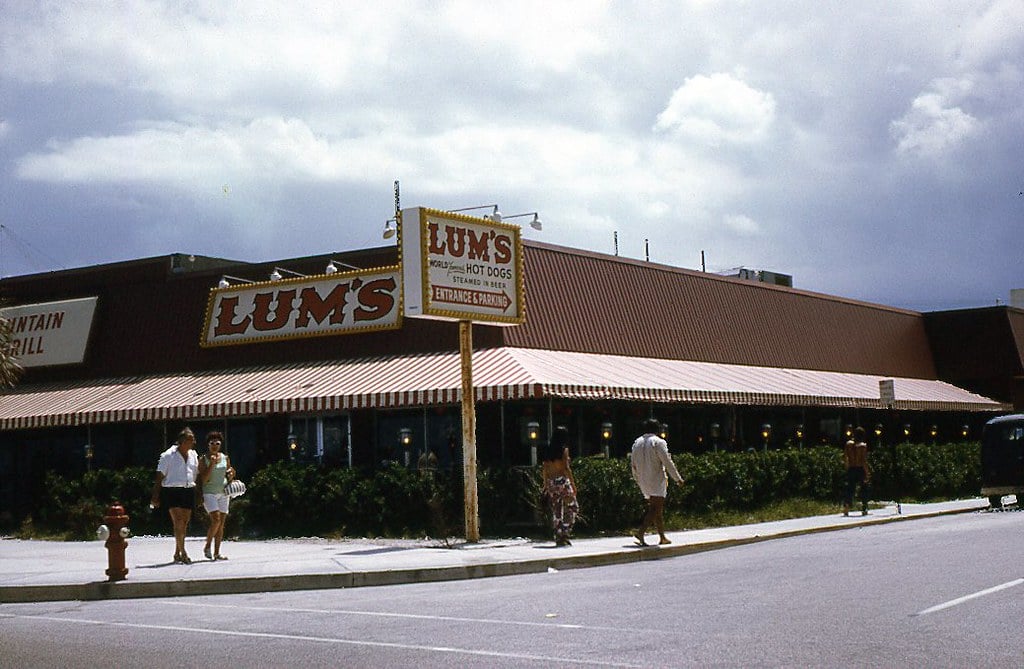
Lums built its reputation on hot dogs steamed in beer and grew to more than 400 locations by the early 1970s, at one point owning Caesars Palace in Las Vegas as a side venture. A series of ownership changes and an ill-fated attempt to franchise internationally drained the company’s finances.
Most domestic locations closed by the early 1980s, several within months of reporting solid regional sales.
Bonanza Steakhouse
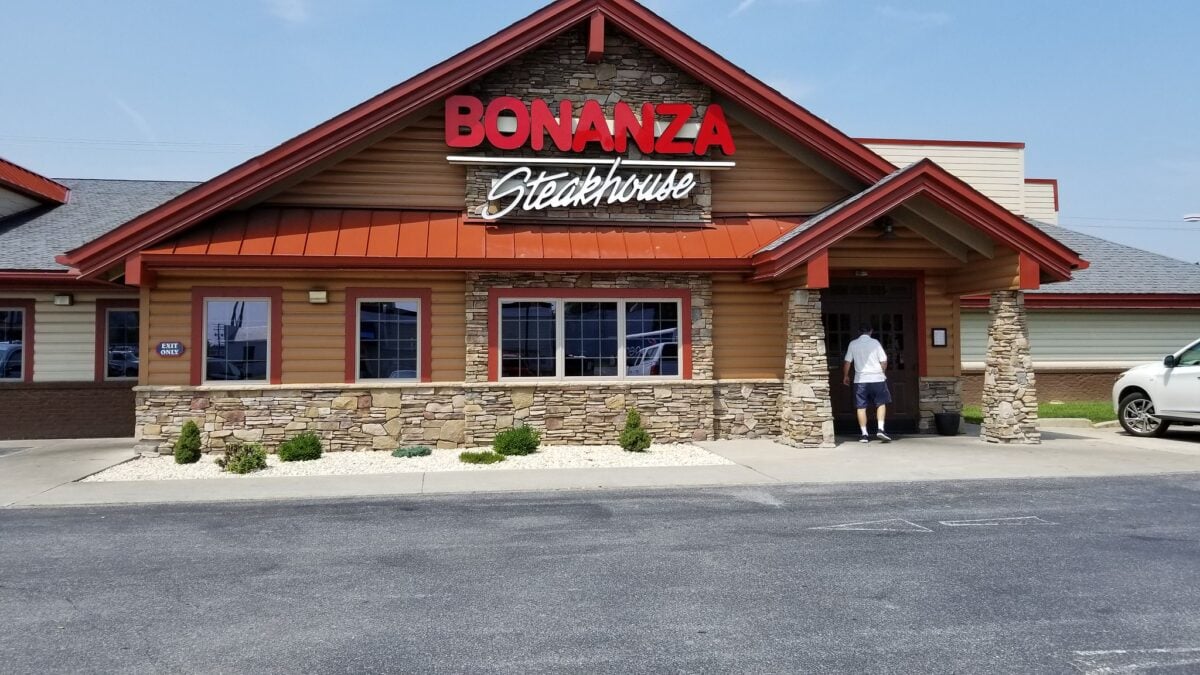
Co-founded by actor Dan Blocker of the television western “Bonanza” in 1963, the steakhouse chain grew to hundreds of locations offering affordable steak dinners to families. A merger with rival chain Ponderosa in the late 1980s led corporate ownership to consolidate overlapping locations.
Franchisees in markets with two nearby locations often lost the one still doing steady weekday dinner business simply because it duplicated a Ponderosa nearby.
Old Country Buffet
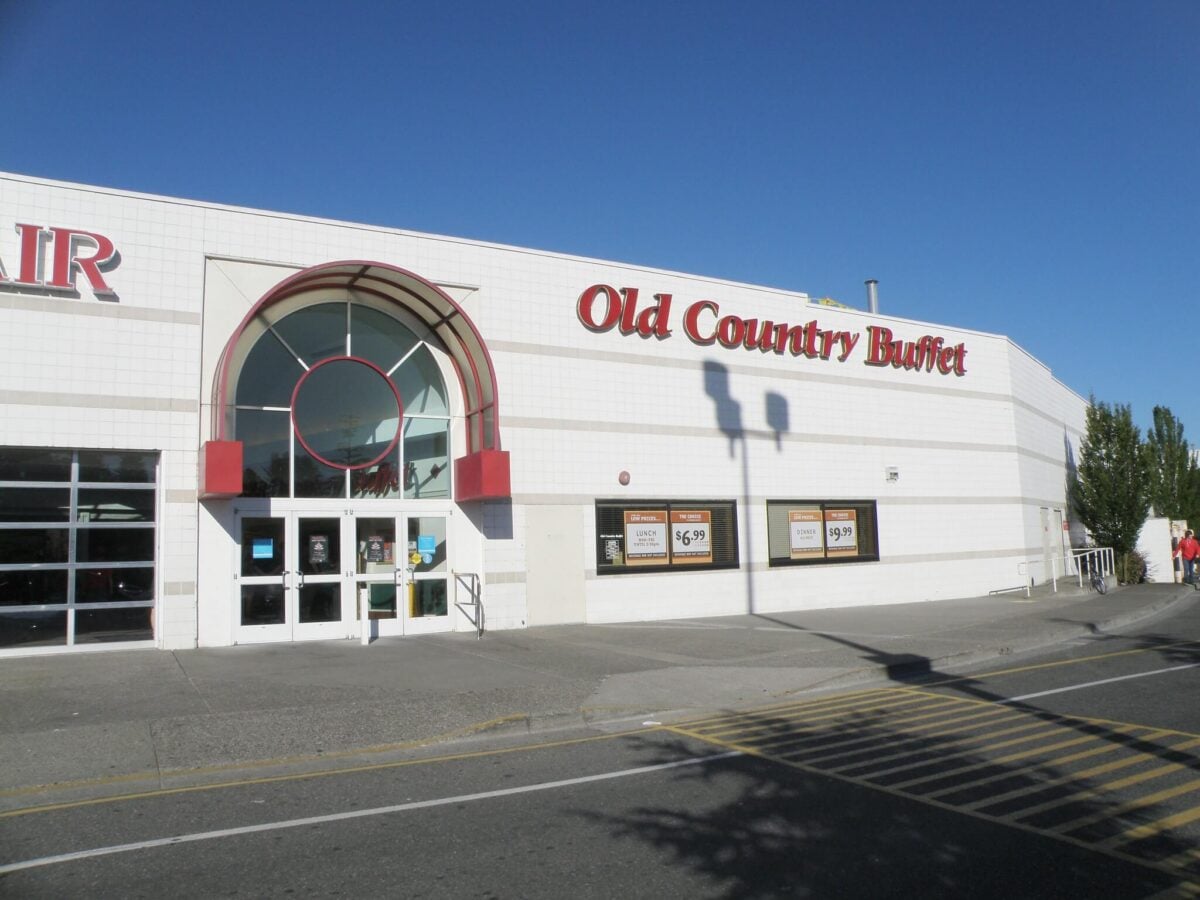
Old Country Buffet expanded to more than 300 locations nationwide after its first restaurant opened in Minnesota in 1983, building a following among families and seniors for its scratch-made comfort food buffet. Parent company Buffets Holdings filed for bankruptcy twice, in 2008 and 2016, closing dozens of locations each time.
Several restaurants shut down mid-lease despite steady lunch and early-dinner crowds that had kept them open for decades.
Furr’s Cafeteria
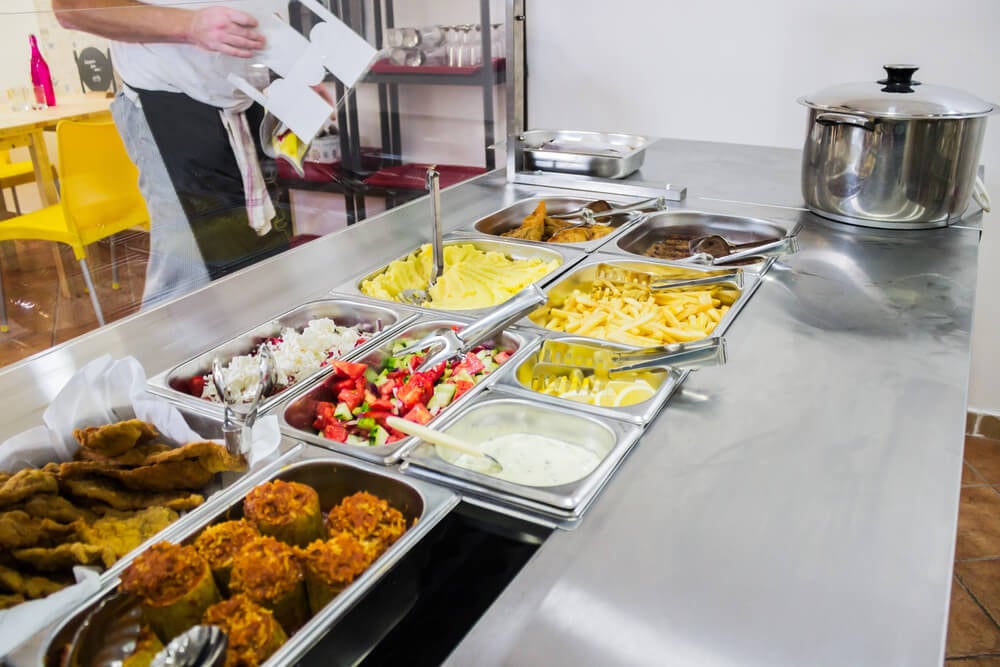
Furr’s built a loyal following across Texas and the Southwest for its scratch-made cafeteria-style comfort food after opening in Hobbs, New Mexico in 1946. The chain filed for bankruptcy multiple times over three decades as cafeteria-style dining fell out of fashion nationally, even as individual Furr’s locations kept drawing steady lunch crowds of regulars.
The final locations closed in 2020, ending a seventy-four-year run.
Marie Callender’s
Marie Callender’s built its identity on scratch-made pies and comfort food dinners after opening its first restaurant in Long Beach, California in 1948, eventually growing to more than 100 locations. Parent company Perkins & Marie Callender’s filed for Chapter 11 bankruptcy in 2011 and again as Marie Callender’s Restaurants & Bakery in 2023, closing locations in waves.
Several restaurants that had reported strong holiday pie sales the same season still closed within months.
Bill Knapp’s
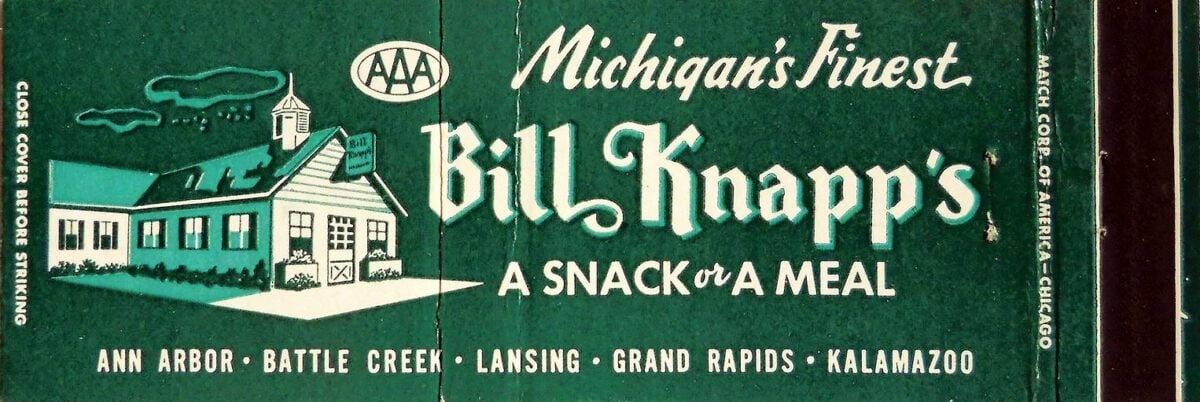
Bill Knapp’s grew from a single Michigan restaurant in 1948 into a Midwest chain of more than 60 locations known for its dinner rolls and Boston cream pie. Family ownership sold the company in the late 1990s, and new corporate management closed the entire chain by 2002.
Longtime customers in several markets reported the restaurants were still busy with regulars right up until the closure announcements.
When the Doors Close on a Full House
None of these chains disappeared because customers stopped showing up. Debt structures, lease terms, and corporate bankruptcy filings operate on a completely different timeline than the one visible from a dining room booth, and by the time a closure becomes public, the decision was usually made months earlier in a boardroom far from any actual restaurant.
What lingers for regulars is not just the missing food but the abruptness of it, the sense that a routine part of a week or a neighborhood simply stopped existing. A packed parking lot on a Tuesday night was never proof of anything except that people still wanted to be there.
More from Go2Tutors!

- The Romanov Crown Jewels and Their Tragic Fate
- 13 Historical Mysteries That Science Still Can’t Solve
- Famous Hoaxes That Fooled the World for Years
- 15 Child Stars with Tragic Adult Lives
- 16 Famous Jewelry Pieces in History
Like Go2Tutors’s content? Follow us on MSN.